3 days is really the sweet spot for Iceland's South Coast. Day 1 gets you through the waterfalls and black-sand beaches, Day 2 is fully dedicated to Skaftafell and Jökulsárlón without any rushing, and Day 3 is the drive back with time for whatever you missed.
Here's how to actually plan it, with realistic timings, where to sleep each night, and two options for Day 3 depending on whether you're going home or continuing east.
Key Takeaways
Three days is enough time to see the South Coast properly and reach Jökulsárlón without making the whole trip feel rushed.
Day 1 is mostly waterfalls and the coast, with stops at Seljalandsfoss, Skógafoss, Dyrhólaey, Reynisfjara, and a night in Vík.
Day 2 takes you further east, with time for Skaftafell, Jökulsárlón, Diamond Beach, and maybe Fjallsárlón if the day is going well.
Day 3 depends on your bigger route. You can head back to Reykjavík or keep going east toward Höfn and the Eastfjords.
Don’t try to do every stop. Pick the places that matter most, check the weather and roads each morning, and leave some room for plans to change.
South Coast Map Overview and 3-Day Route Breakdown
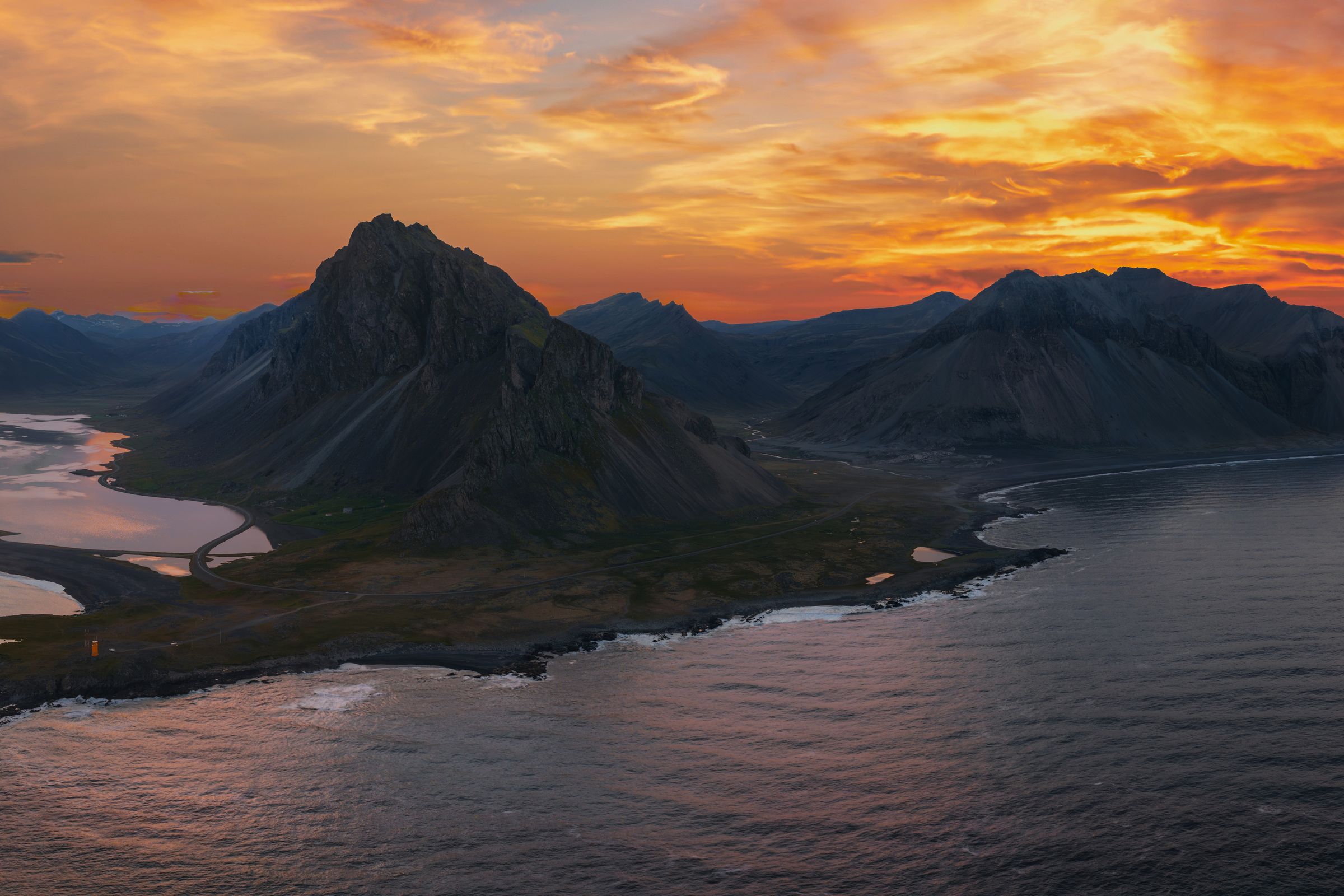
Iceland's South Coast runs east from Reykjavík along Route 1, the Ring Road, toward Vatnajökull National Park and the southeast. Waterfalls, glaciers, lava fields, black-sand beaches, and glacier lagoons all sit along or just off the same road, which is why it's one of the most-visited parts of Iceland.
If you're going back to Reykjavík at the end, this isn't a loop. You drive east to Jökulsárlón and come back the same way on Day 3. If you're doing a full Ring Road trip, Day 3 just keeps going east toward Höfn and the Eastfjords.
Reykjavík to Jökulsárlón and back is roughly 760 km before detours. Doing that over three days is a completely different experience from trying to squeeze it into two.
At-a-Glance Route
Here's what each day looks like:
Day 1: Reykjavík → Seljalandsfoss → Gljúfrabúi → Skógafoss → Kvernufoss or Sólheimajökull → Dyrhólaey → Reynisfjara → Vík (230-260 km, around 3.5-4 hours of actual driving)
Day 2: Vík → Fjaðrárgljúfur → Eldhraun → Skaftafell → Jökulsárlón → Diamond Beach → overnight near Skaftafell or Jökulsárlón (190-280 km, around 3-4.5 hours of actual driving)
Day 3A (return): Jökulsárlón area → Fjallsárlón → a couple of stops → Vík → Reykjavík (380-430 km, around 5-6 hours of actual driving)
Day 3B (continue east): Jökulsárlón area → Höfn → Stokksnes or onward (80-300+ km, flexible)
These are rough estimates, not promises. Weather, stops, and parking all eat into the day.
The big advantage of three days: You no longer have to visit Skaftafell, Jökulsárlón, Diamond Beach, and drive all the way back to Reykjavík on the same day. Day 2 becomes a proper sightseeing day instead of an endurance drive.
Key Logistics Before You Leave
Every morning before you get in the car, check road conditions at road.is, weather at vedur.is, and travel alerts at safetravel.is. Things can change overnight on the South Coast, and a road that looked fine the evening before might be closed by morning.
A standard 2WD rental is fine for Route 1 in good summer conditions. A 4WD helps in winter, but it won't make a closed or dangerous road safe. Fill up in Vík before heading east since fuel gets pretty scarce between there and Höfn. Also download offline maps in Reykjavík. Mobile signal disappears in places.
Day 1: Waterfalls, Glacier, and Black-Sand Beaches
Day 1 is all about the western South Coast. The whole point is to get to Vík with enough time to eat, fill the tank, and sleep. Try to leave Reykjavík by 7:00 or 7:30 a.m. Leaving early means you're not rushing at Dyrhólaey and Reynisfjara later in the day.
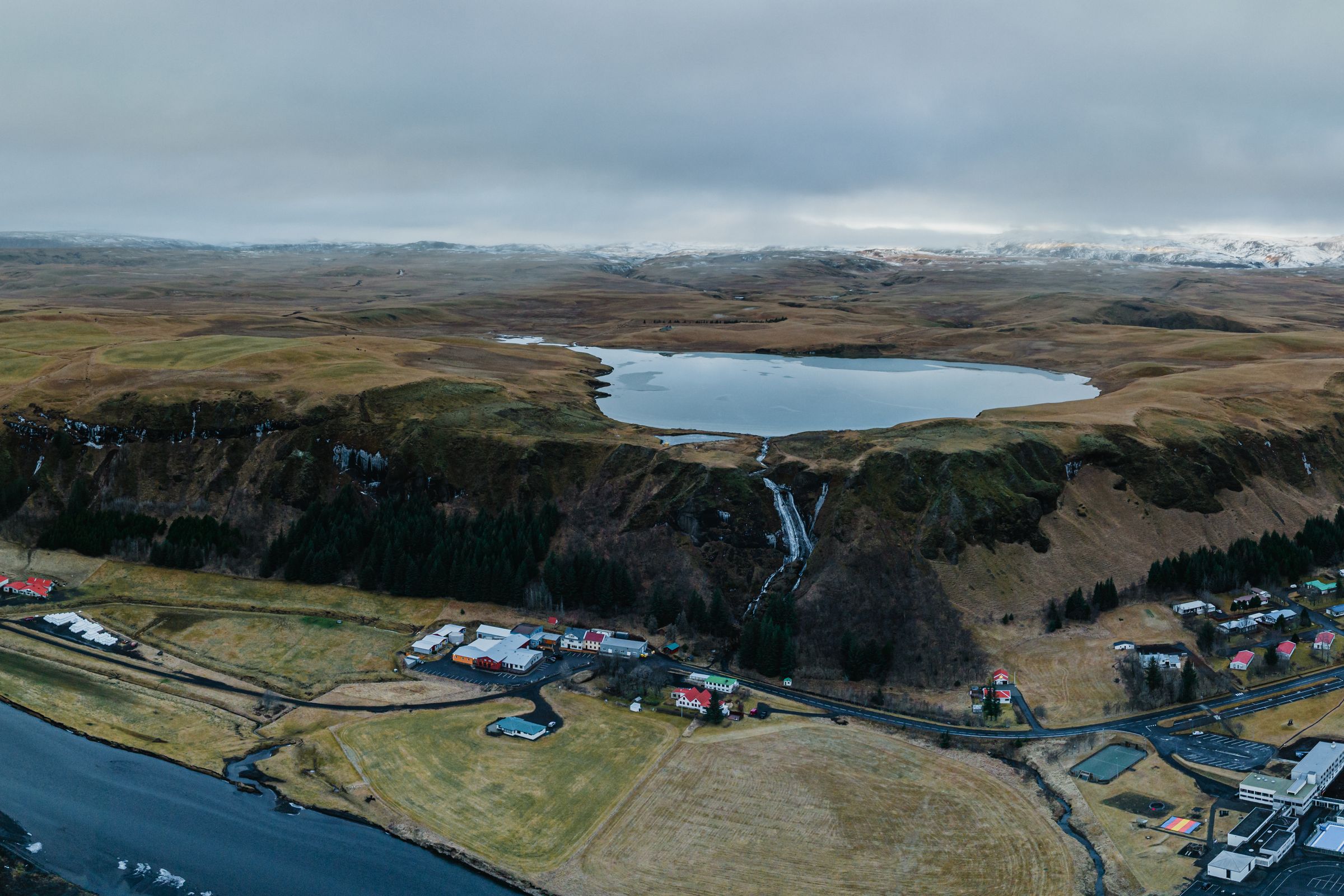
Seljalandsfoss drops about 60 meters, and the path that goes behind the waterfall is the main draw. You'll get wet, the rocks are slippery, and in cold weather the rear path can be closed or icy. That's just part of it.
Gljúfrabúi is a short walk north, and it's partly hidden inside a narrow gorge. Since it adds almost no extra driving, it's one of the easiest secondary stops on the whole route. Getting close can mean stepping through shallow water, so waterproof boots are worth it here.
Give yourself 60-75 minutes for both.
Expect to get wet: Wear waterproof outer layers and protect your phone or camera before walking behind Seljalandsfoss or entering Gljúfrabúi.
11:00 — Skógafoss
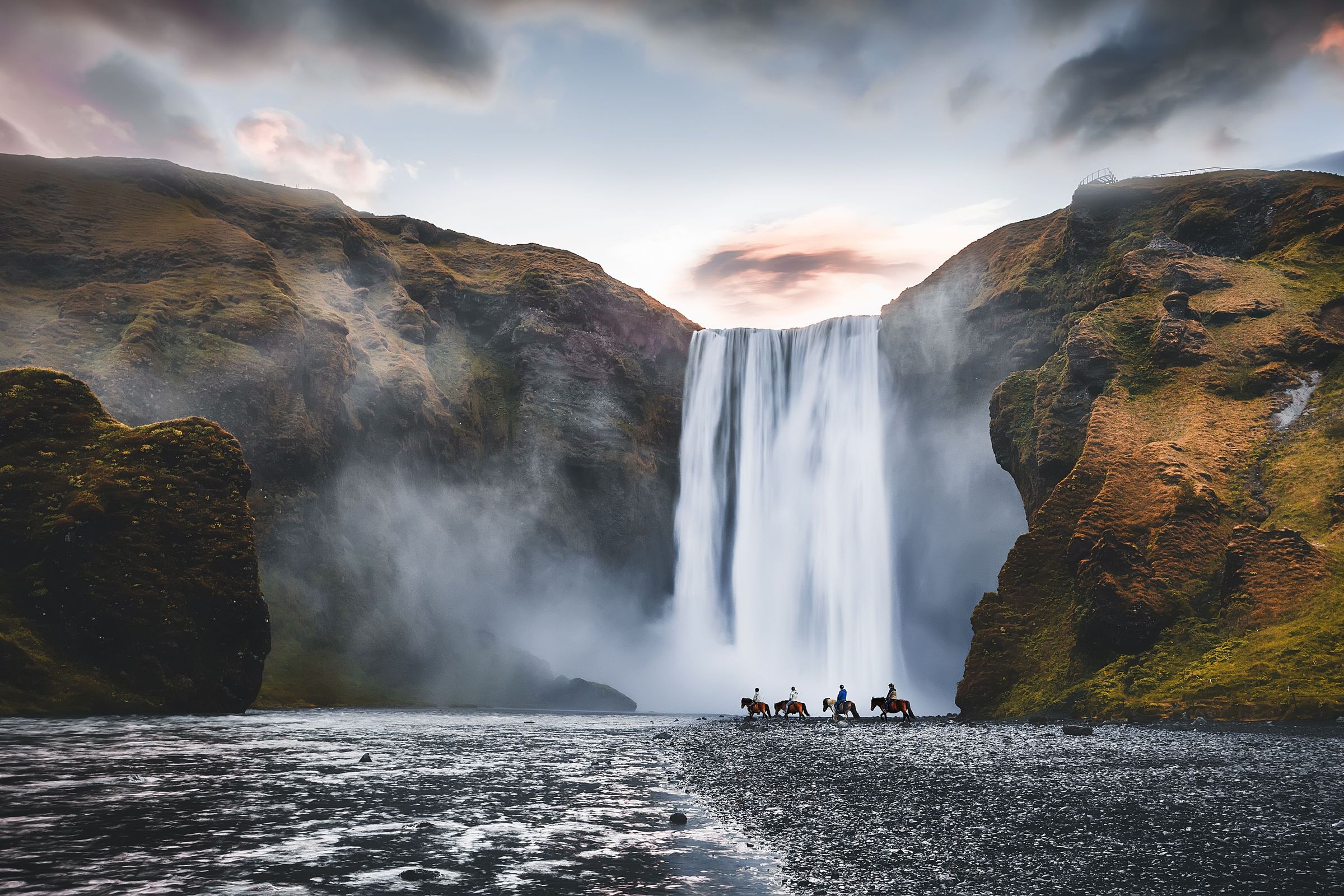
Skógafoss is wide, powerful, and makes rainbows when the sun is out. You can watch it from the base or climb the long staircase to the top. I'd go up at least partway since you get a nice view over the lowlands. The longer trail above the falls doesn't fit this itinerary though, so save that for another trip.
Give yourself 45-60 minutes.
12:00 — Lunch Near Skógar
Eat near Skógar, bring food from Reykjavík, or just use the stop to see where you're at with time and weather. Don't drag it out if you're behind schedule. About 30-45 minutes.
13:00 — Choose One: Kvernufoss or Sólheimajökull
You have a bit more flexibility on a 3-day trip, but still just pick one here.
Option 1: Kvernufoss
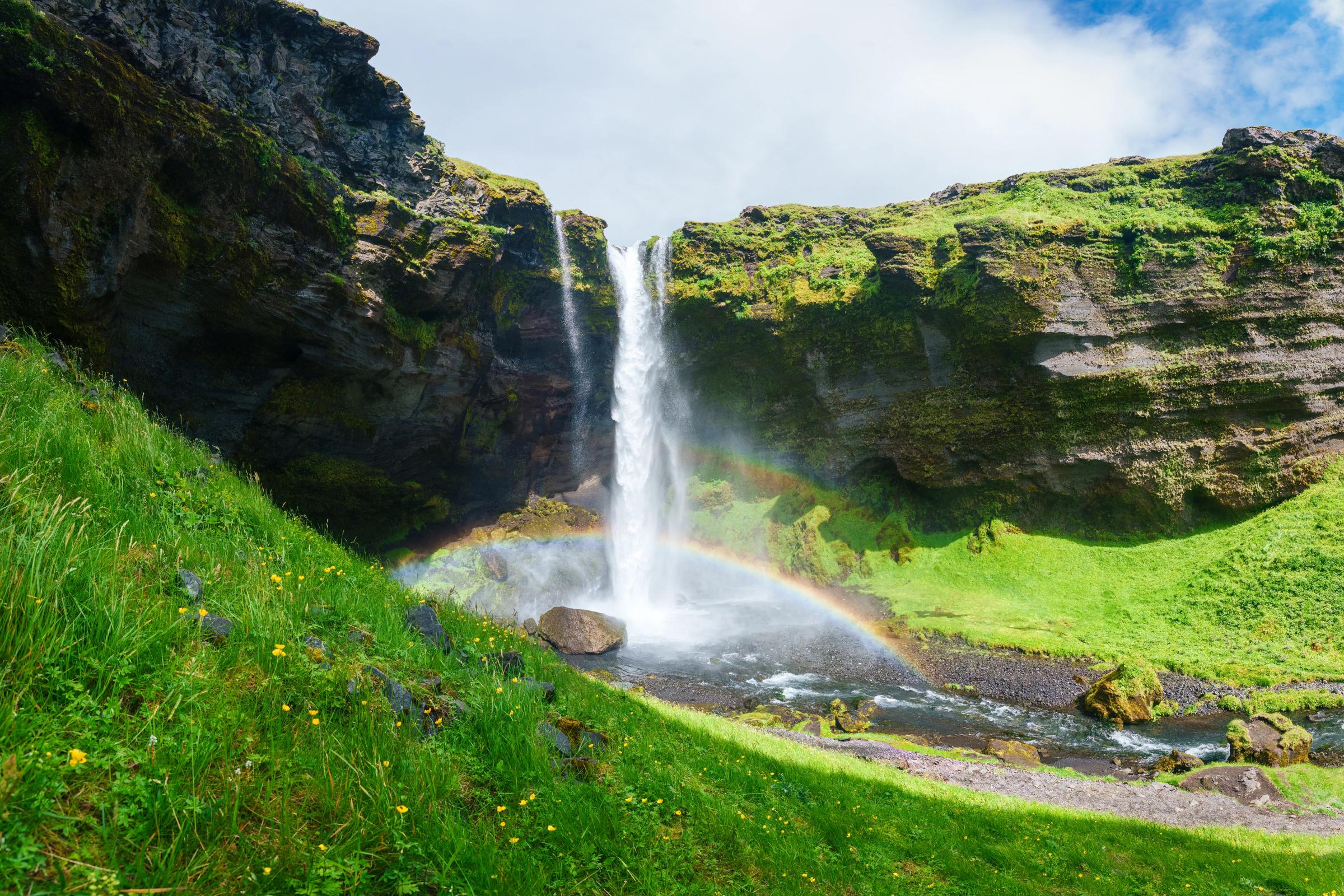
Kvernufoss is another waterfall tucked into a gorge. It’s much quieter than Skógafoss and very to close to it, and in decent conditions you can get right up close to the waterfall. Good pick if you want more waterfall time without booking anything. Budget 45-60 minutes.
Option 2: Sólheimajökull Glacier Viewpoint
Sólheimajökull is an outlet glacier of Mýrdalsjökull, and the marked path from the parking area gets you a real look at the glacier's edge and how far it's retreated. Stay off the ice without a guide. Crevasses, meltwater, and unstable ice make it actually dangerous to go out there alone. Budget 60-75 minutes for the viewpoint.
Option 2B: Guided Glacier Hike
A glacier hike takes around 3-4 hours with gear and safety prep included. If you book one, that's your main thing for the day. Drop Kvernufoss, shorten Dyrhólaey, and don't add another big stop afterward.
A glacier hike changes the whole day: Treat it as the main activity, not an extra stop. Trying to fit a full glacier hike into an already packed schedule usually means rushing the coast later.
15:00 — Dyrhólaey
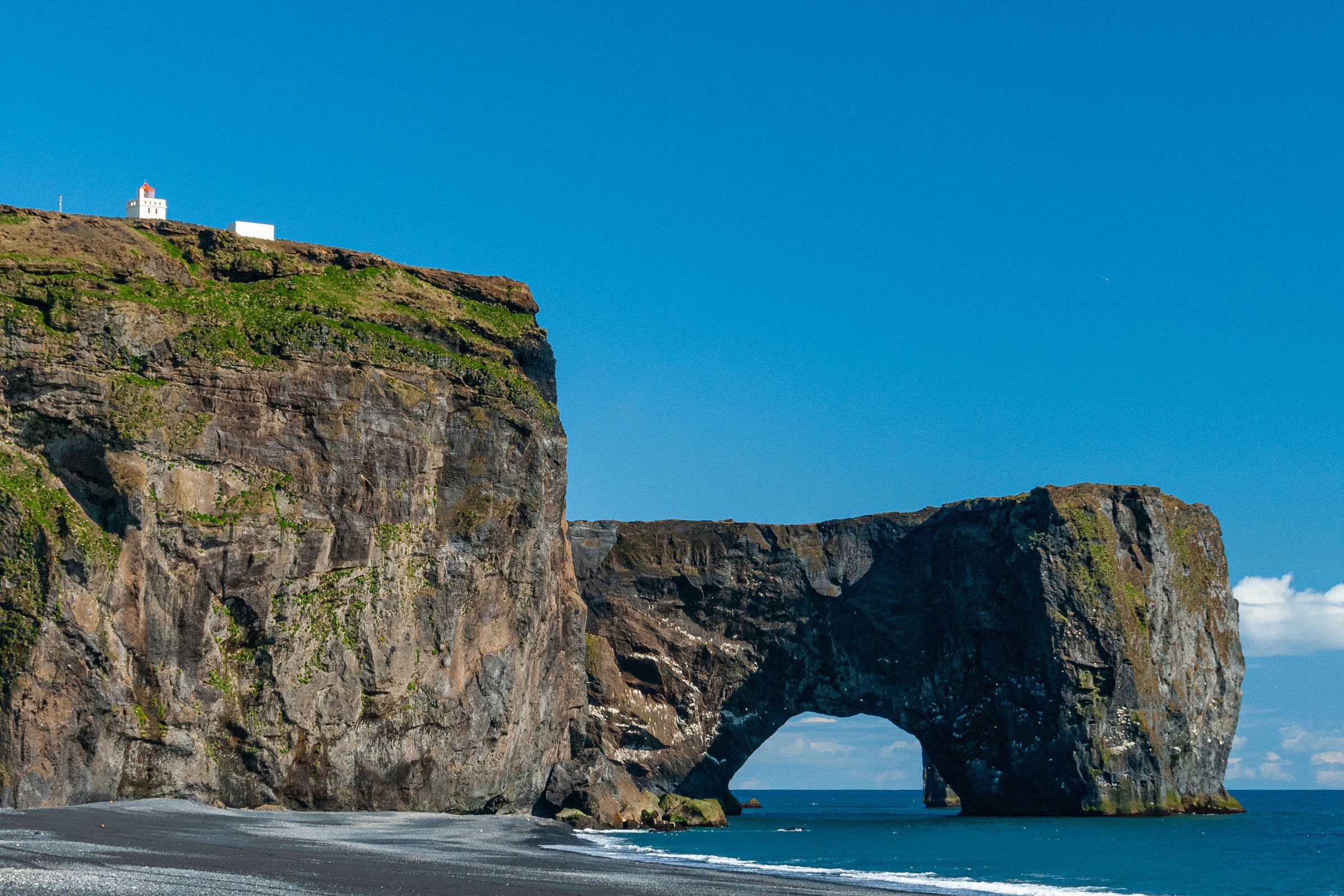
Dyrhólaey is a 120-meter headland west of Vík with a sea arch, a lighthouse, and wide views along the coast. The upper viewpoint is better for seeing the black-sand coast below and the Reynisdrangar sea stacks in the distance. Puffins nest on the cliffs from late spring through around mid-August, but parts of the area can be restricted during nesting. Stay on marked paths and keep well back from the edges. Budget 30-60 minutes.
16:00 — Reynisfjara Black-Sand Beach
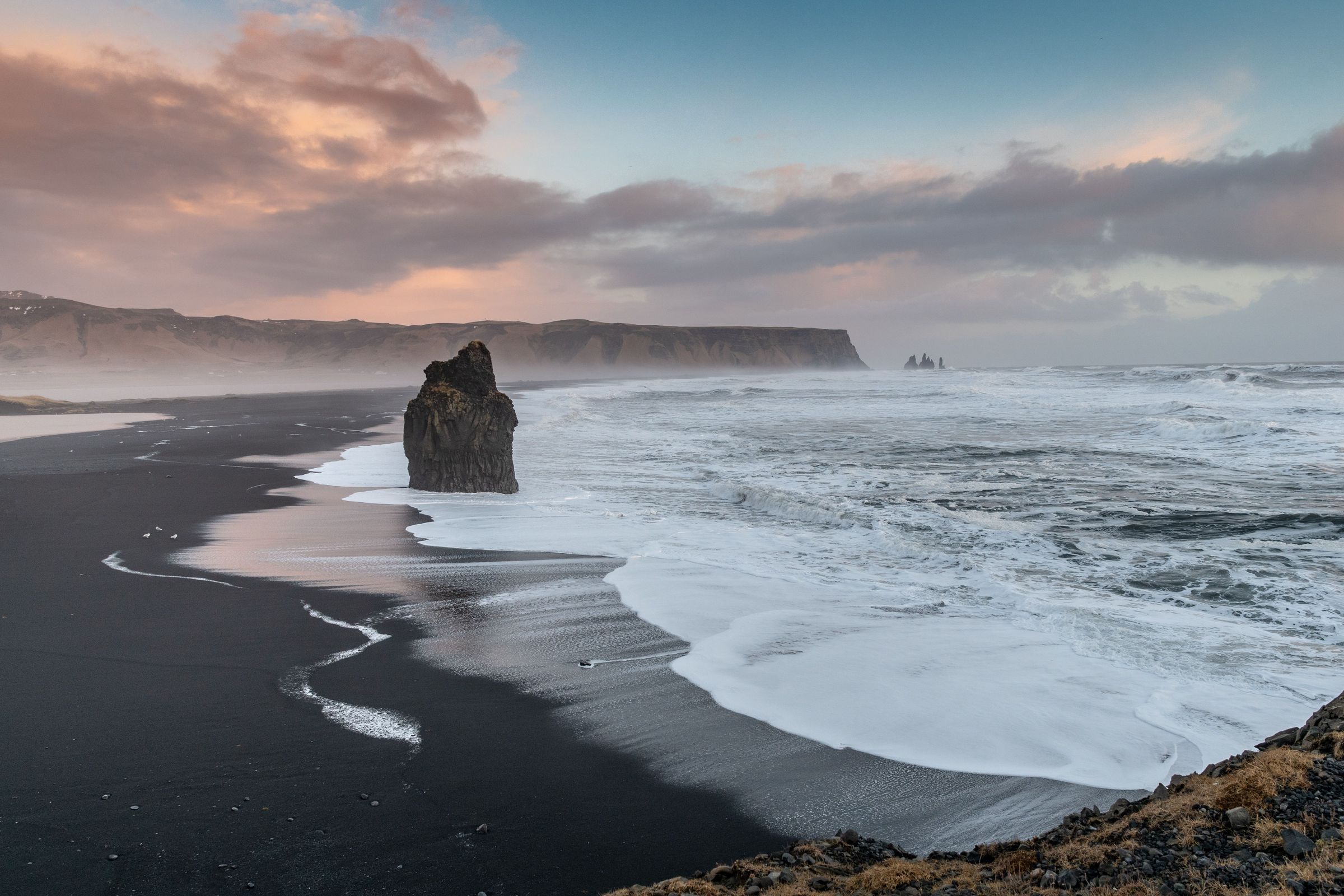
Reynisfjara has black volcanic sand, basalt columns, the Hálsanefshellir cave, and the Reynisdrangar sea stacks. It's also one of the most dangerous places tourists regularly visit in Iceland.
Sneaker waves here travel way further up the beach than you'd expect, and they don't warn you. Follow these rules, no exceptions:
Check the warning signs and lights before going anywhere near the water
Stay well back from the wet-sand line
Never turn your back on the sea
Don't climb the basalt columns
Keep kids within arm's reach
Leave right away if conditions change or someone tells you to go
One good thing about having 3 days: if Reynisfjara isn't safe on Day 1, you can try again on Day 3. Budget 45-60 minutes, but only go when it's actually safe.
17:30 — Arrive in Vík
Check in, fill the tank, grab some groceries, eat, and check tomorrow's road and weather. The hillside church Víkurkirkja is worth a quick walk if you have the energy. No need to drive further east tonight unless you're staying in Kirkjubæjarklaustur.
Night 1: Where to Stay
Vík is the right call for most people. It's got the best mix of services between Reykjavík and the Vatnajökull area: accommodation, restaurants, a grocery store, fuel, and easy access to Reynisfjara and Dyrhólaey.
Vík vs. Kirkjubæjarklaustur
If you want a head start on Day 2, Kirkjubæjarklaustur is about 70 km further east and puts you closer to Fjaðrárgljúfur and Skaftafell in the morning. The tradeoff is fewer restaurants, fewer places to sleep, and a longer Day 1. I'd only go that route if getting to Jökulsárlón early on Day 2 really matters to you.
Skógar doesn't make sense as a base here. It leaves too much driving for Day 2.
Accommodation Options
Here's a rough breakdown by budget:
Budget: guesthouses and hostels in Vík, farm stays east of Vík, campsites for campervan travelers
Mid-range: hotels in Vík, countryside guesthouses between Vík and Kirkjubæjarklaustur
Splurge: boutique countryside hotels, higher-end properties with breakfast included
Book the first two nights early: Vík, Skaftafell, and the Jökulsárlón area have limited accommodation compared with demand. Summer rooms can disappear months ahead.
Day 2: Canyons, Lava Fields, Skaftafell, and Glacier Lagoons
Day 2 is genuinely the best day of the trip. You're not trying to race back to Reykjavík after Jökulsárlón, which means you can spend real time at Skaftafell, Jökulsárlón, and Diamond Beach. Leave Vík around 7:00 a.m., or Kirkjubæjarklaustur around 8:00 a.m.
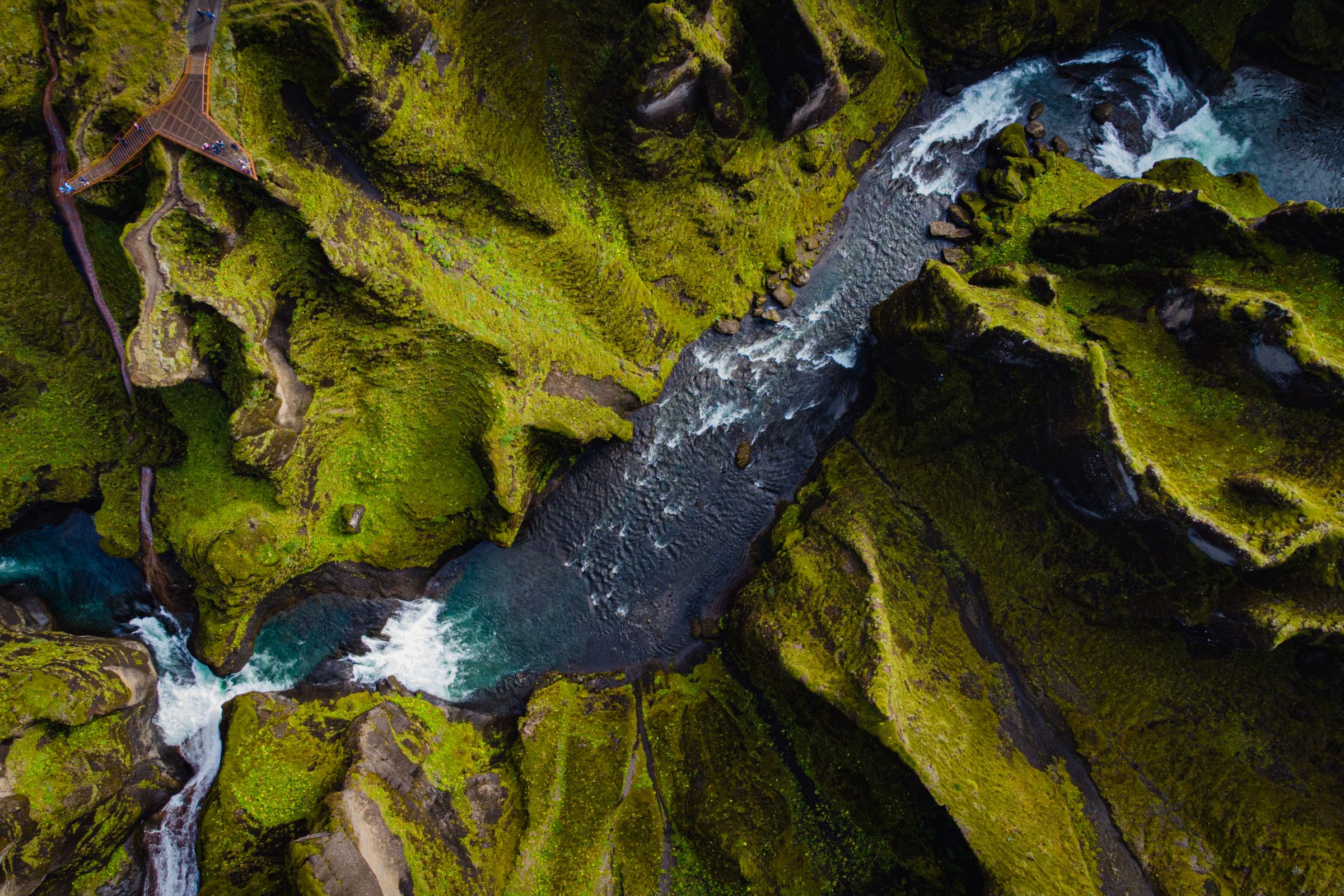
Fjaðrárgljúfur is a narrow canyon near Kirkjubæjarklaustur with winding moss-covered walls and a marked rim trail with good views of the Fjaðrá river below. Part of the canyon became a formally protected natural monument in May 2024. Stick to the marked path. Budget 45-60 minutes.
Skip it if the trail is closed, the wind is bad at the edges, or you have a timed activity later in the day.
10:00 — Eldhraun Lava Field
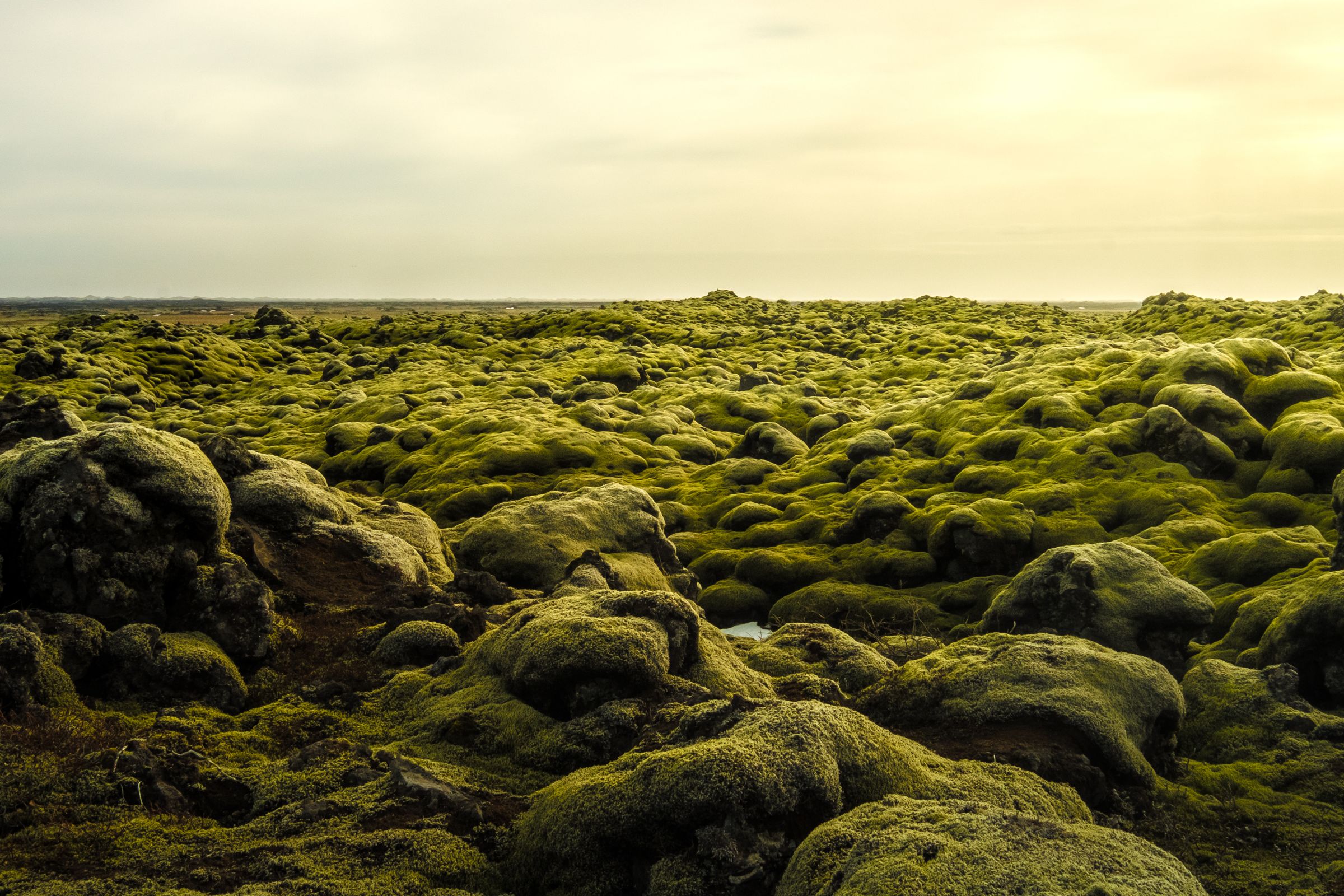
This lava field was created during the 1783-1784 Lakagígar eruption and is covered in thick moss now. Only stop at pull-offs, and don't walk on the moss for a photo. It takes decades to grow back. Just drive through it.
11:00 — Skaftafell
With 3 days, you can pick one real Skaftafell activity instead of just rushing past.
Choose one main Skaftafell activity: A glacier hike, the full Svartifoss walk, and a long boat tour do not all belong in the same day.
Option A: Skaftafellsjökull Viewpoint
Around half the path is paved. It ends at a viewpoint near the Skaftafellsjökull outlet glacier. Good for families, people short on time, or anyone who just wants to see a glacier up close without booking a tour. Don't go onto the ice. About 4.1 km, takes 1-1.5 hours, and is easy in normal conditions.
Option B: Svartifoss Hike
Svartifoss is a waterfall framed by dark basalt columns, reached by an uphill trail from the visitor area. It fits much better on a 3-day trip than a 2-day one since you're not trying to get back to Reykjavík the same afternoon. Budget 1.5-2.5 hours for the out-and-back.
Option C: Guided Glacier Hike
If you do this on Day 2, that's your main thing. Visit Fjaðrárgljúfur briefly in the morning, keep Fjallsárlón optional, and stay near Skaftafell or Hof so you're not adding a long drive at the end of a full day. Budget 3-4.5 hours including gear and the walk to the ice. Budget 75-120 minutes without a tour.
14:00 — Jökulsárlón Glacier Lagoon
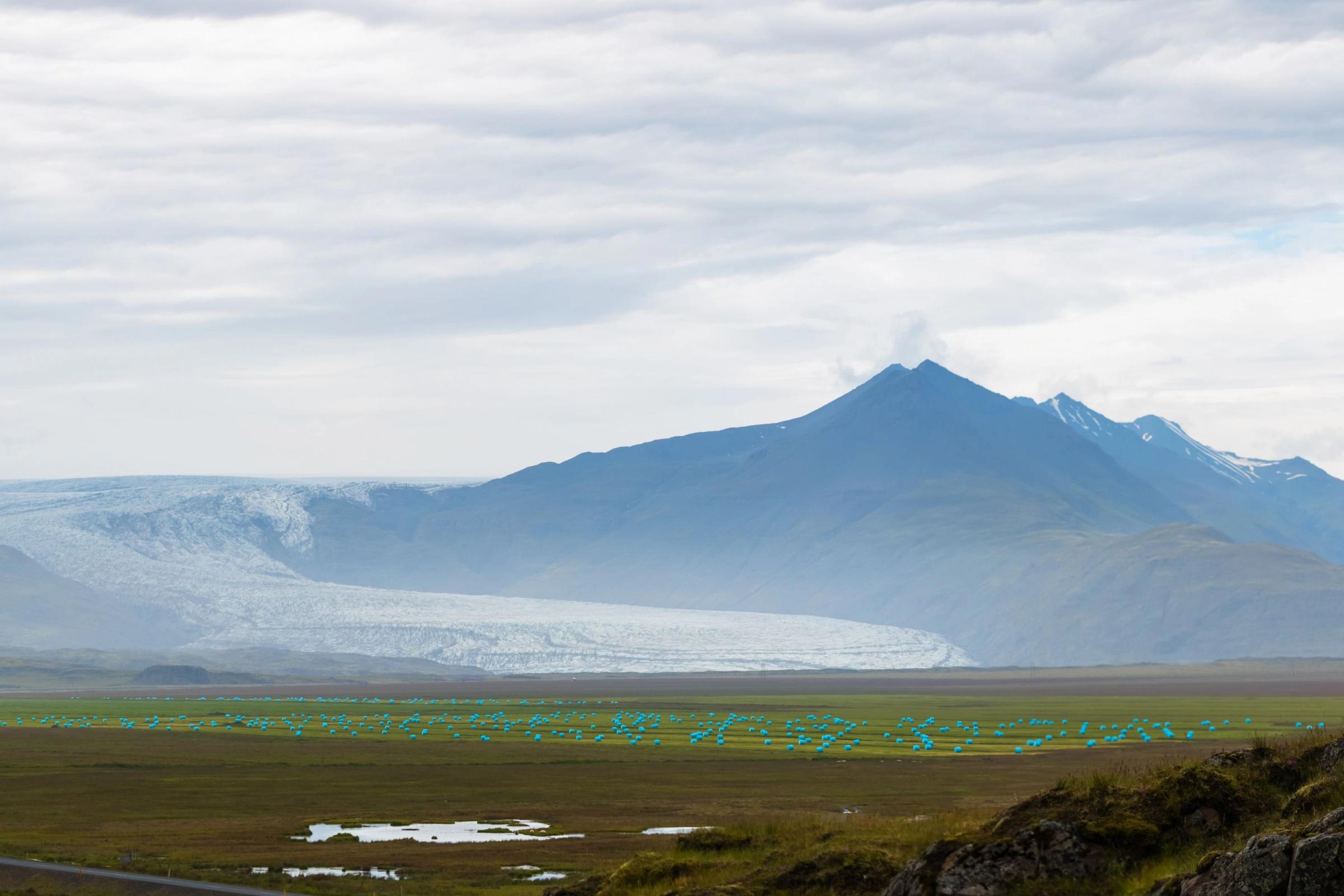
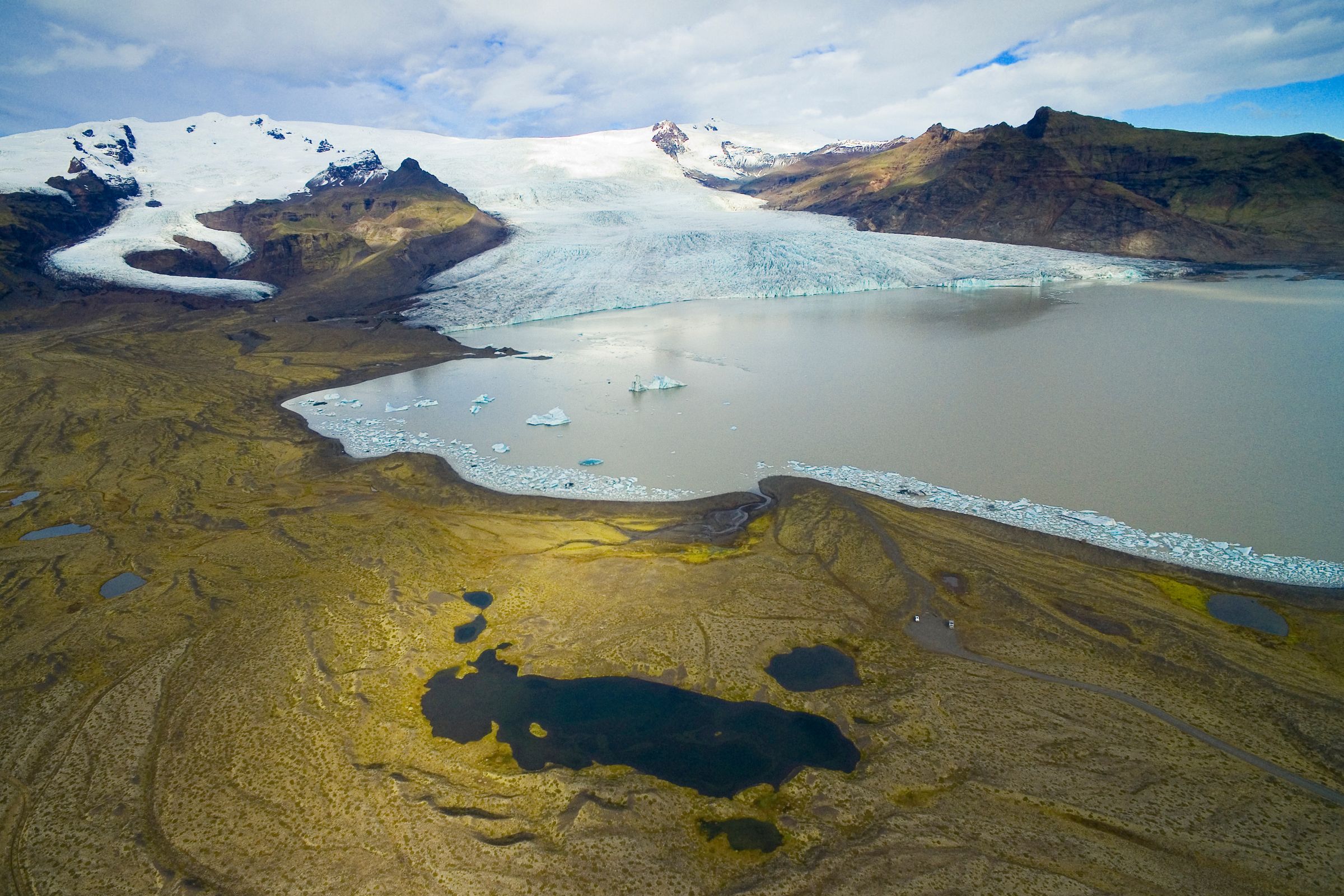
Jökulsárlón is where icebergs break off from Breiðamerkurjökull and float toward the ocean. For most first-time visitors, it's the highlight of the whole trip, and it genuinely looks like nothing else you've seen on Day 1. Budget 75-120 minutes without a tour.
Walk the shoreline, watch the icebergs drift, look for seals, and if you have time, do the Helguhóll loop (1.2 km, about 20 minutes) for a wider view over the lagoon.
Boat Tours
Two main options if you want to get out on the water:
Amphibian boat: bigger and more stable, better for families or anyone who wants a shorter calmer ride
Zodiac boat: smaller and faster, usually gets closer to the glacier, more exposed to weather, needs earlier booking
Both are seasonal and depend on weather. Book ahead in summer. Don't count on a lagoon boat running in winter.
16:00 — Diamond Beach
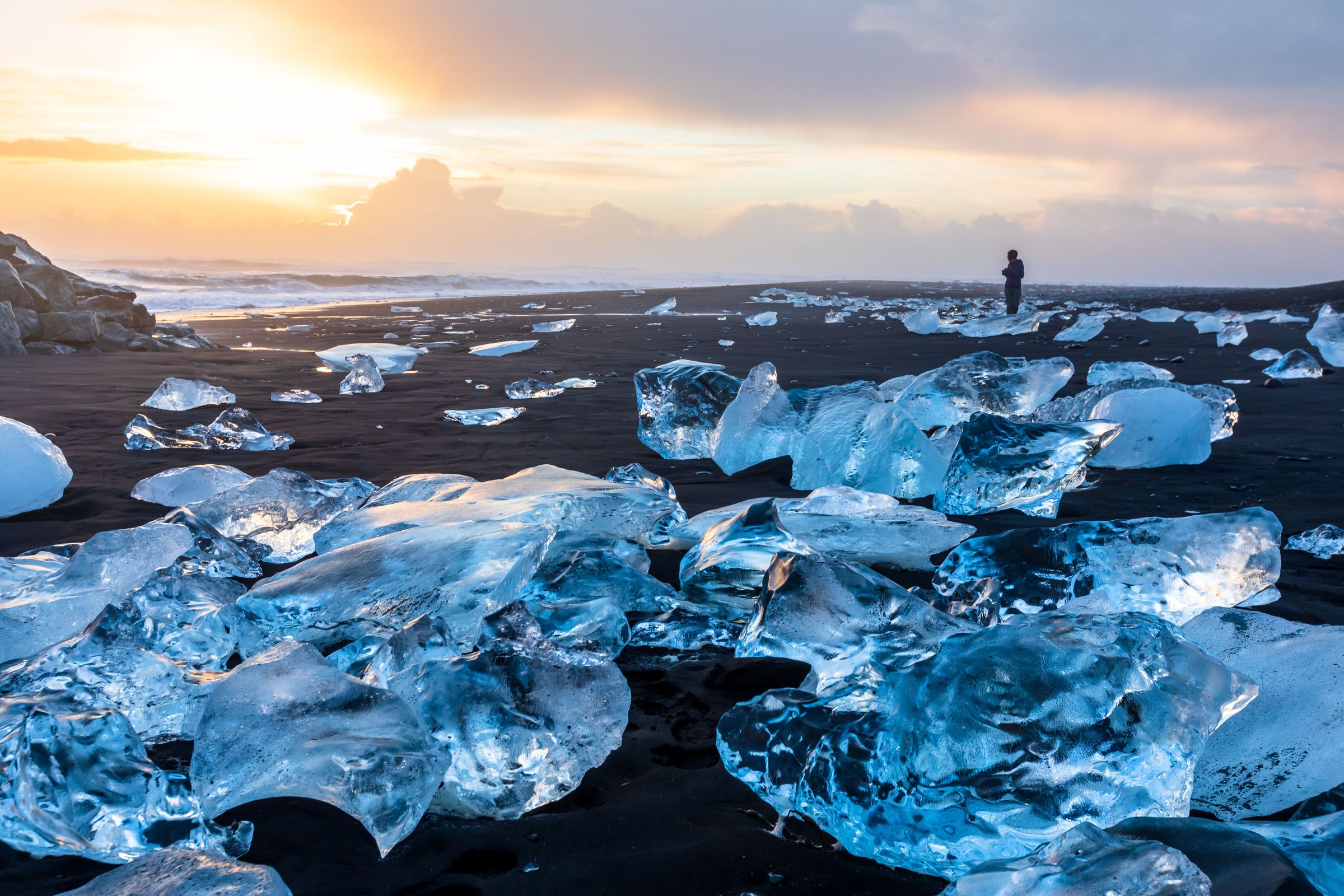
Diamond Beach is the black-sand shoreline beside the Jökulsárlón outlet where chunks of glacial ice wash up. How much ice is there changes all the time, so don't expect it to look exactly like the photos you've seen. Budget 45-60 minutes.
Stay away from waves, don't climb on the ice since it can roll or split, and don't stand between heavy ice and the water. Check both sides of the channel when you have time.
17:00 — Optional: Fjallsárlón
Fjallsárlón is about 10 km west of Jökulsárlón and usually much quieter, with the glacier looking closer from the shore. Worth it if you're staying nearby. Skip it if the weather is turning bad or you're already tired. Budget 45-60 minutes.
Night 2: Where to Stay
Where you sleep on Night 2 depends on what you're doing the next day.
Skaftafell or Öræfi Area
The best all-around pick for most people. You're close to national park trails and the return drive on Day 3 is manageable. Best for anyone heading back to Reykjavík, hikers, and families.
Near Jökulsárlón
Best for photographers and couples who want to be at the lagoon for sunrise or evening light without driving far. Rooms are limited and usually more expensive.
Kirkjubæjarklaustur
Good when you want a shorter Day 3 or when rooms closer to the lagoon are full. You lose the easy lagoon sunrise, but Day 3 is much less tiring.
Höfn
Only makes sense if you're continuing east. It's about 80 km past Jökulsárlón, which adds a lot of driving to a Day 3 Reykjavík return. Honestly, if I were you, I wouldn't bother going to Höfn unless you're doing the full Ring Road.
Choose Night 2 based on Day 3: Stay near Skaftafell or Jökulsárlón if you are returning to Reykjavík. Stay in Höfn if you are continuing east around the Ring Road.
Day 3 Option A: Return to Reykjavík
This is for people doing the round trip. Yes, the drive back is long, but it's nothing compared to trying to do it straight from Jökulsárlón after a full Day 2 with no overnight stop in the east.
Morning: Optional Sunrise at Jökulsárlón or Diamond Beach
Give yourself 30-60 minutes if you want to do this. The light is nicer in the morning, there are way fewer people around, and the ice usually looks different from what you saw the day before. Just don't let the idea of a good photo push you onto the road before it's actually safe to drive in winter.
09:00 — Fjallsárlón
Give yourself 45-60 minutes if you missed it on Day 2. It's right there on the way back anyway, so you might as well stop.
10:00 — Head West
From here, think about one main stop and one short stop. That's it. Don't try to repeat everything from Day 1 on the way home.
Main Stops
Skaftafell is the obvious pick for most people, especially if you skipped it or barely saw it on Day 2. 3 options depending on how you're feeling:
Skaftafellsjökull viewpoint
Svartifoss hike
Just the visitor center and a short walk: if you're tired or the weather is bad, even a short stop near the entrance is better than nothing. Seriously, don't skip Skaftafell entirely if you haven't seen it yet.
Fjaðrárgljúfur is the other option, mostly if it was closed or too busy the day before. About 45-60 minutes; stay on the marked path along the rim.
Short Stops
Kirkjubæjarklaustur: fill the tank, grab food, use the restrooms, check the weather
Vík: coffee, groceries, stretch your legs
Reynisfjara isn't something you need to do on the way back, especially if you're already tired. Only go if the warning conditions are okay and you can actually stay focused near the water.
One Last Stop
If there's still daylight, conditions are fine, and everyone's up for it, stop at either Skógafoss or Seljalandsfoss. Just pick one. Not both.
18:00-20:00 — Back in Reykjavík
Keep it flexible. Weather, food, and lingering at a viewpoint can all add more time than you'd expect.
Keep the final evening flexible: Do not schedule a same-night flight, timed Blue Lagoon booking, or important dinner reservation after this drive.
Day 3 Option B: Continue East Toward Höfn or the Eastfjords
This is for people using the South Coast as the start of a longer Ring Road trip. Day 3 isn't another packed sightseeing day. It's just the transition from glacier country into southeast and eastern Iceland.
Morning: Optional Lagoon Revisit
Jökulsárlón, Diamond Beach, or Fjallsárlón all work well in the morning. The light, tides, and iceberg positions can look completely different from what you saw the afternoon before.
09:30 — Drive Toward Höfn
The landscape east of Jökulsárlón stays interesting: outlet glaciers, coastal plains, and ocean views. Only pull over at designated spots.
11:00 — Höfn
Höfn is the main service town in southeast Iceland. Good for fuel, groceries, and lunch. If you're eating out, the local thing to order is langoustine.
Optional Detour: Stokksnes and Vestrahorn
Budget 1.5-2.5 hours. Vestrahorn is a 454-metre mountain rising above black-sand dunes at the Stokksnes peninsula, about ten minutes from Höfn. There's a private access fee to get in. It's one of the most photographed spots in southeast Iceland. Wind can be strong out there, so hold your car door.
Continue Toward the Eastfjords
Where to stay depending on how far you go:
Höfn: a slower, easier day
Djúpivogur: decent progress
Breiðdalsvík or Fáskrúðsfjörður: a longer day
Egilsstaðir: only if you're up for serious mileage
Do not rush past Höfn just to cover distance: The Eastfjords roads are scenic, winding, and slower than they look on a map. Build in more time than your navigation app suggests.
Self-Drive vs. Guided 3-Day Tours
Most people drive themselves, and the South Coast is well set up for it. But a guided tour makes sense for some people, especially in winter.
Self-Drive
You control the timing, the stops, and whether to keep going east or turn back. The downsides are driver fatigue on Day 3, dealing with weather, and having to keep track of road conditions yourself. Share the driving when you can, only stop at pull-offs, keep fuel topped up in remote sections, and read your rental insurance before you go.
Rent a car in Iceland
Discover the South Coast's wonders with total freedom
No driving stress, and you get local knowledge along the way. A good option for people who aren't confident driving in winter conditions. The tradeoffs are a fixed schedule, less control over stops, and most tours head back to Reykjavík rather than continuing east.
Before booking, check that Jökulsárlón and Diamond Beach are included, that accommodation is covered, and that you understand what's in any glacier hike or ice cave options.
What to Pack for 3 Days
Packing right matters here. The South Coast covers a lot of ground and a lot of different conditions over 3 days.
Year-Round Essentials
Waterproof jacket and waterproof trousers
Warm base layers and an insulating mid-layer
Waterproof footwear with solid grip
Hat, gloves, and a spare pair of dry socks
Snacks, water, and a thermos
Power bank and charging cable
Offline maps downloaded before you leave
Sunglasses and sunscreen
Microfiber cloths or a dry bag for your camera
Winter Additions
Extra thermal layer and insulated boots
Traction aids for icy paths
Ice scraper and a headlamp
Emergency blanket and extra food in the car
Summer Additions
Sleep mask (barely gets dark in June and July)
Lighter layers
Binoculars for puffins and seals
Pack for changing plans: A three-day trip gives you more flexibility, but weather can still move stops from one day to another. Keep your rain gear, food, and warm layers accessible inside the car.
Best Time of Year for This Itinerary
Every season has real tradeoffs. Here's an honest look at each:
Summer (June-August)
Summer in Iceland brings long days, puffins at Dyrhólaey, most trails open, boat tours running. The downsides: crowds, higher prices, rooms that sell out fast, and basically no darkness for northern lights.
Late Spring and Early Autumn (May, September)
A solid middle ground for a lot of travelers. Fewer visitors, decent daylight, better availability for rooms. September gives you a real shot at the northern lights. The tradeoffs are less predictable weather and some seasonal activities not fully running or already done for the year.
Winter (November-March)
Winter is snow, northern lights, guided ice caves, and low-angle light that can look amazing in photos. But the challenges are real: short daylight, icy roads, strong wind, and more cancellations. 3 days works better than 2 in winter, but stay flexible and seriously think about adding a fourth day.
Common Mistakes to Avoid
A few bad calls can make this trip way harder than it needs to be:
Staying in Vík for both nights instead of pushing east on Night 2
Booking both a glacier hike and a long lagoon boat tour on the same Day 2
Driving to Höfn and then trying to get back to Reykjavík all on Day 3
Treating every optional stop like it's mandatory
Spending too long at the western waterfalls and arriving at Reynisfjara tired or in the dark
Thinking a 4WD makes icy or closed roads safe to drive on
Ignoring Reynisfjara warning lights
Booking a same-night flight after the Day 3 return drive
Not booking accommodation months in advance for summer
Walking on moss or crossing barriers to get a photo
Conclusion
3 days is the minimum that makes sense for Iceland's South Coast if you want to reach Jökulsárlón without grinding through every single day. Day 1 covers the waterfalls, a glacier viewpoint or Kvernufoss, Dyrhólaey, Reynisfjara, and Vík. Day 2 goes through Fjaðrárgljúfur and Eldhraun to Skaftafell, Jökulsárlón, Diamond Beach, and possibly Fjallsárlón. Day 3 either gets you back to Reykjavík with a couple of good stops, or keeps you going east toward Höfn, Stokksnes, and the Eastfjords.
It works when you treat it as a priority list, not a checklist. Protect the five things that matter most: the major waterfalls, the black-sand coast, a safe glacier viewpoint, Skaftafell, and Jökulsárlón. Get Night 2 right based on what you're doing on Day 3. And actually leave the optional stops optional.
About the author
Aron Freyr
Born and raised in Iceland, Aron Freyr has spent all 28 years of his life exploring the country and getting to know its landscapes, regions, and ever changing conditions. From long summer road trips to winter journeys through remote areas, he has traveled across Iceland more times than he can count. As part of the Go Car Rental Iceland team, Aron turns this firsthand experience into trustworthy, practical guidance that helps visitors navigate Iceland with confidence. His deep local insight makes him one of the most reliable voices on Icelandic travel today. He claims this expertise also includes knowing exactly which gas stations make the best hot dogs.