
1-Day South Coast Itinerary: The Complete Guide from Reykjavík to Vík
Iceland's South Coast has waterfalls, glaciers, and a black sand beach, all along one road. You can see the best of it in a single day.
This guide covers the full driving itinerary from Reykjavík to Vík, an hour-by-hour schedule, and everything you need to plan a safe and realistic day trip.
Key Takeaways
- A South Coast day trip takes you from Reykjavík to Vík and back, with stops at waterfalls, a glacier, black sand beaches, and some of Iceland's best coastal views along the way.
- Leave Reykjavík early if you can. Starting around 7:00 AM gives you more time at each stop and helps you stay ahead of the biggest crowds.
- Stick to the main stops if you're only going for the day. Seljalandsfoss, Skógafoss, Reynisfjara, Dyrhólaey, and Vík all fit into one itinerary, while places like Jökulsárlón and Diamond Beach are too far for a day trip.
- A normal 2WD rental is enough in good conditions, but always check the weather and road conditions before you leave and take the safety warnings at the waterfalls and Reynisfjara seriously.
- Pack for Iceland's weather, not the forecast. Waterproof layers, sturdy shoes, food, water, and a charged phone will make the day a lot easier if the weather changes.
South Coast Map Overview & Route Breakdown
Before you start planning stops, you need to understand how this route is laid out. It goes in one direction: east from Reykjavík to Vík, then the same road back. There's no loop.
Main Route
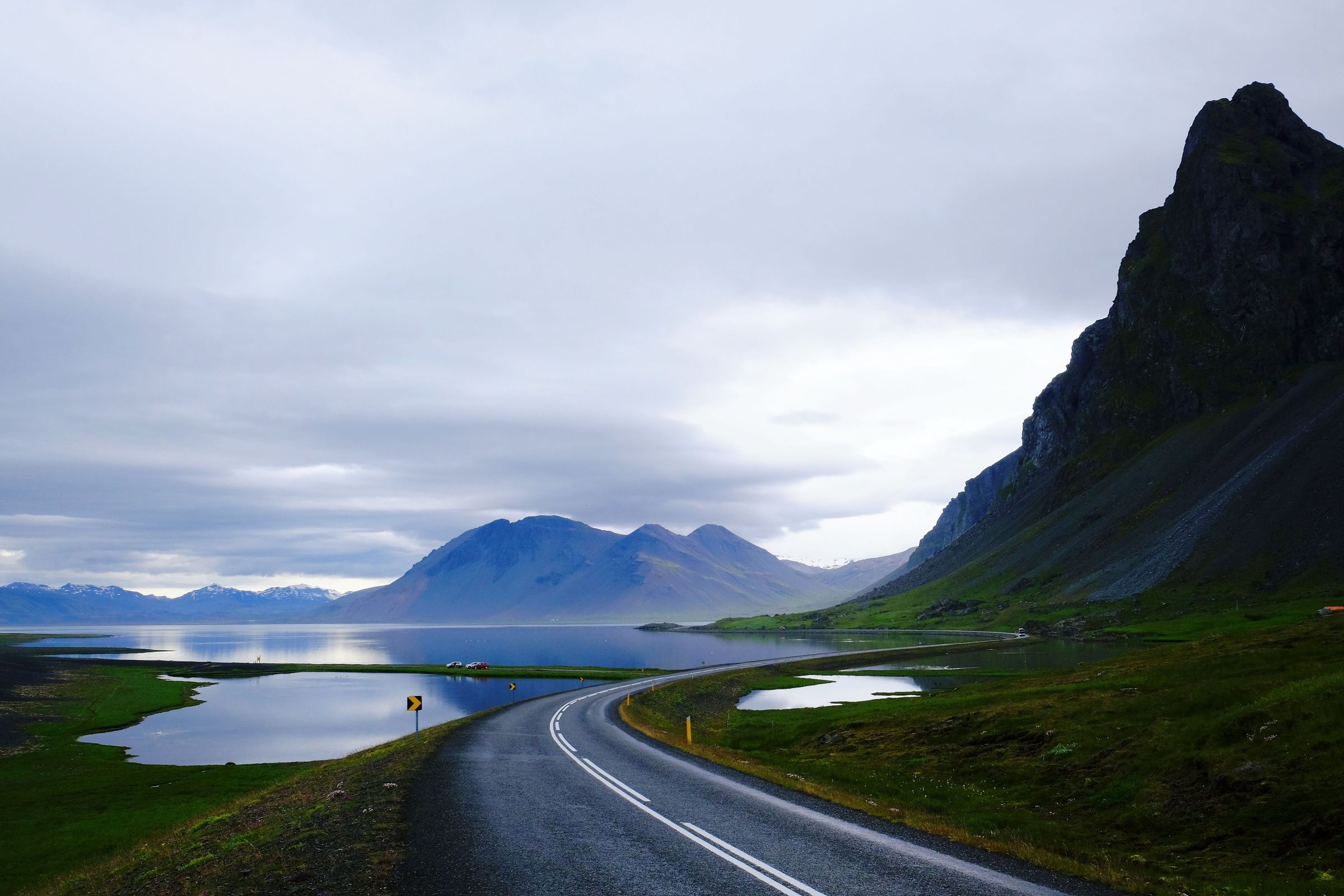
You follow Route 1, the Ring Road, east from Reykjavík to Vík í Mýrdal. Along the way you pass through Hveragerði, Selfoss, Hella, and Hvolsvöllur. On a clear day you'll see Eyjafjallajökull and the Mýrdalsjökull ice cap from the road, with the Katla volcano sitting underneath all that ice.
Main Stops
For a first-time South Coast trip, these are the stops you want:
- Seljalandsfoss and Gljúfrabúi (waterfalls)
- Skógafoss (and optionally Kvernufoss)
- Sólheimajökull glacier viewpoint
- Dyrhólaey headland
- Reynisfjara black sand beach
- Vík í Mýrdal
Driving Time and Distance
The round trip is about 380 to 410 km. That's 5 to 6 hours of actual driving, plus another 6 to 8 hours for stops and food. The full day runs 11 to 14 hours, so go in knowing it's a long one.
Best Direction to Drive
Head east in the morning, return west in the evening. The stops fall in a natural order that way, and you'll hit the first waterfalls before most tour buses show up.
Fuel and Services
You can fuel up in Reykjavík, Selfoss, Hella, Hvolsvöllur, and Vík. Start full and refuel before you drop below a quarter tank. If you're in an EV, check charger locations ahead of time and factor in how cold weather cuts your range.
What Kind of Car Do You Need?
A regular two-wheel-drive rental is fine in good conditions. In winter, a 4x4 with proper tires gives you more confidence, but it doesn't fix ice, wind, or bad visibility. Honestly, how you drive matters more than what you drive.

Your South Coast Day: A Complete Hour-by-Hour Itinerary
Here's the schedule I'd follow for one day on the South Coast. It's a full day, and it works, but only when conditions cooperate.
7:00 AM – Leave Reykjavík
Eat breakfast before you go. Check Vedur (Iceland's weather forecast), road conditions, and SafeTravel Iceland alerts before you leave. Getting out by 7:00 puts you ahead of the big tour groups at the first waterfall.
9:00 AM – Seljalandsfoss
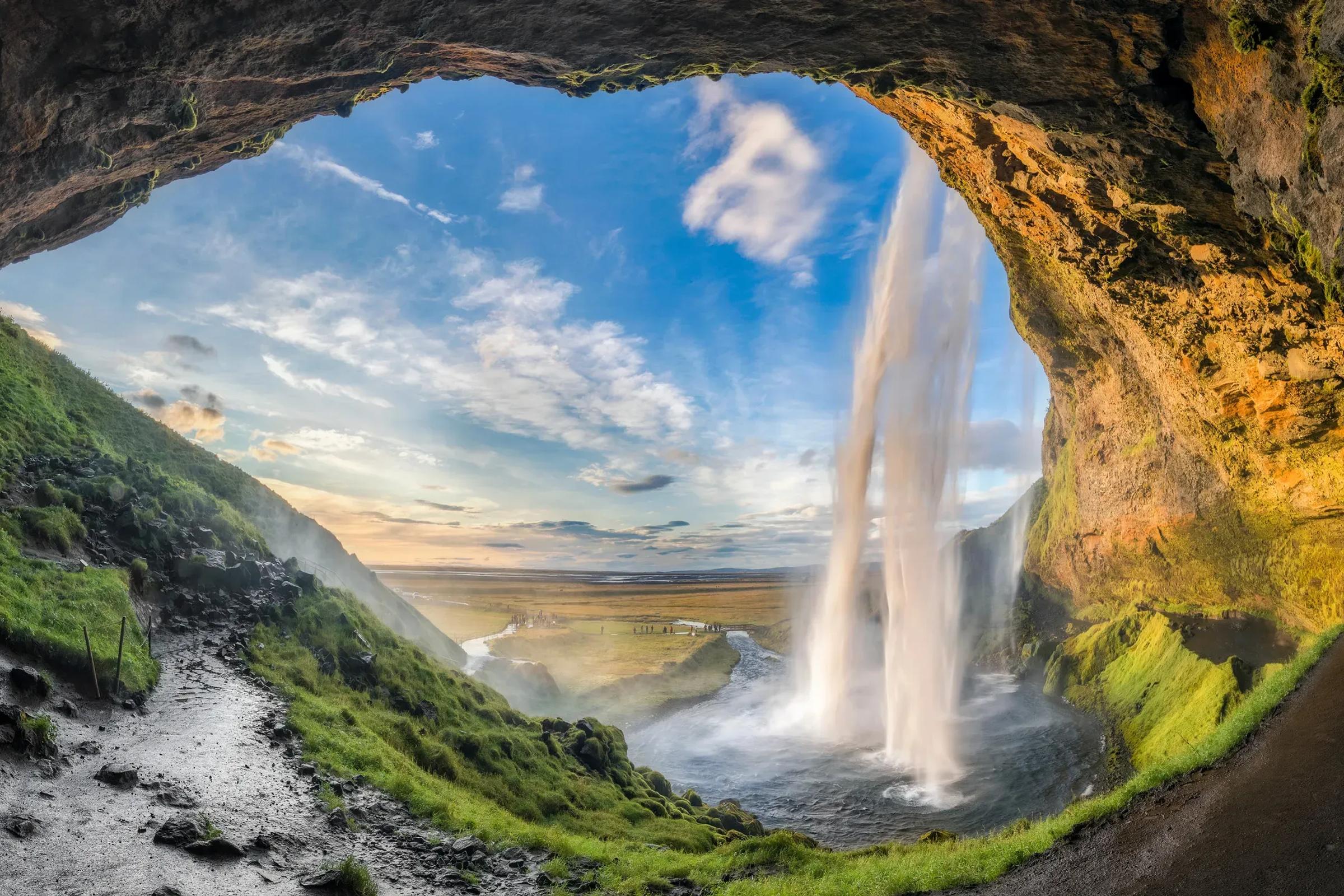
Seljalandsfoss drops about 60 meters, and there's a path that goes behind the water. I'd put your waterproofs on before you leave the car, because the spray is heavier than you'd expect and it will soak you. Only walk behind the falls when the path is officially open and not icy.
9:35 AM – Gljúfrabúi
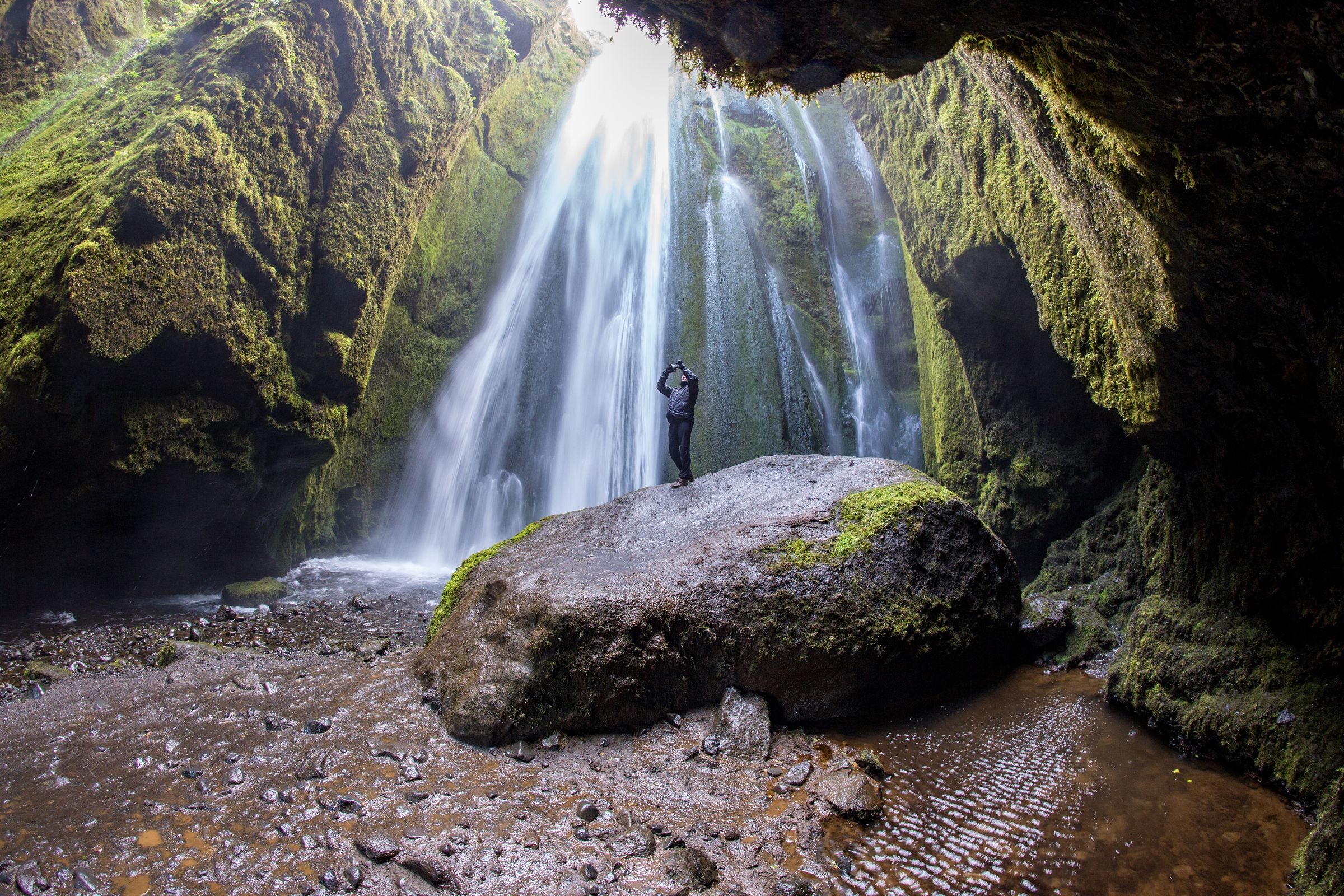
Walk about 500 meters north along the cliff from Seljalandsfoss, and you'll find Gljúfrabúi, a waterfall tucked inside a narrow gorge. Getting to the inside means stepping over wet rocks in shallow water. If your shoes aren't waterproof, skip the interior and look in from the opening instead.
10:30 AM – Skógafoss
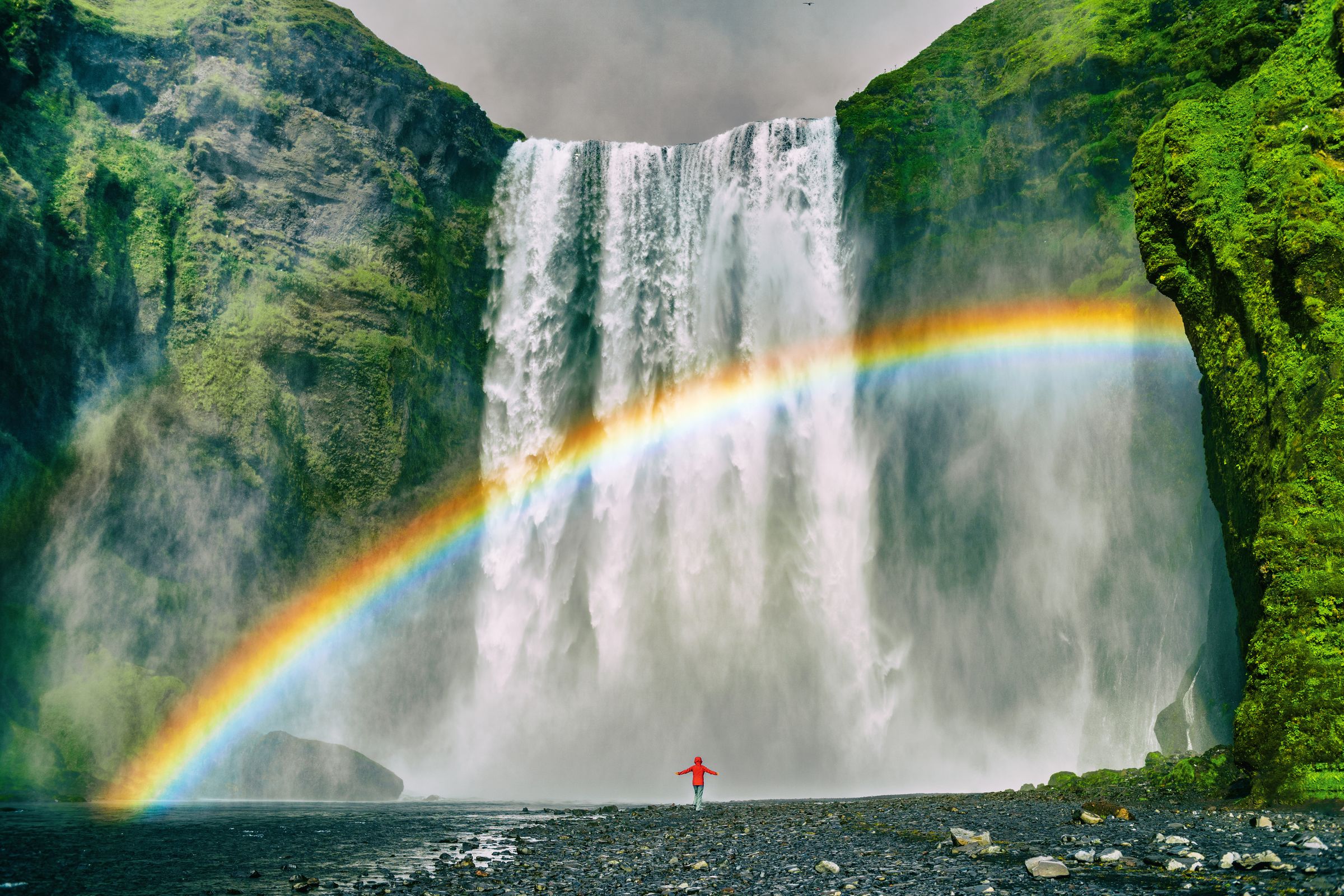
Skógafoss is about 60 meters tall and 25 meters wide. On sunny days, the spray makes rainbows. The base gives you the classic photo. There's also a staircase with over 500 steps leading up to a platform with views over the coastal plain. Pick one or budget an extra 20 minutes for both.
11:30 AM – Optional Kvernufoss
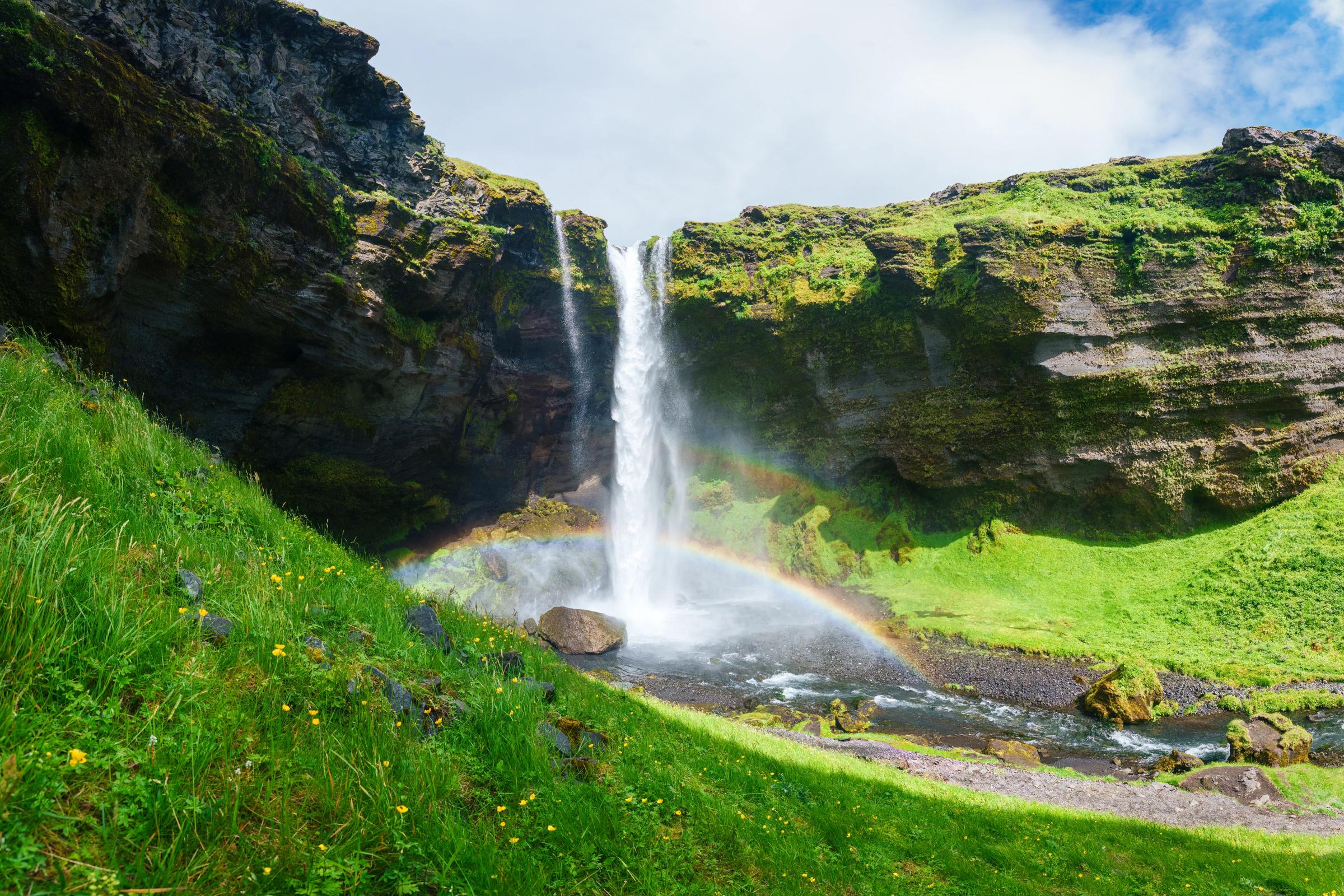
Kvernufoss sits in a small gorge near Skógar. Most people skip it, which is exactly why it's usually quiet. I'd add it if you're on schedule and the ground is dry. It takes about 45 to 60 minutes including the walk.
12:30 PM – Sólheimajökull
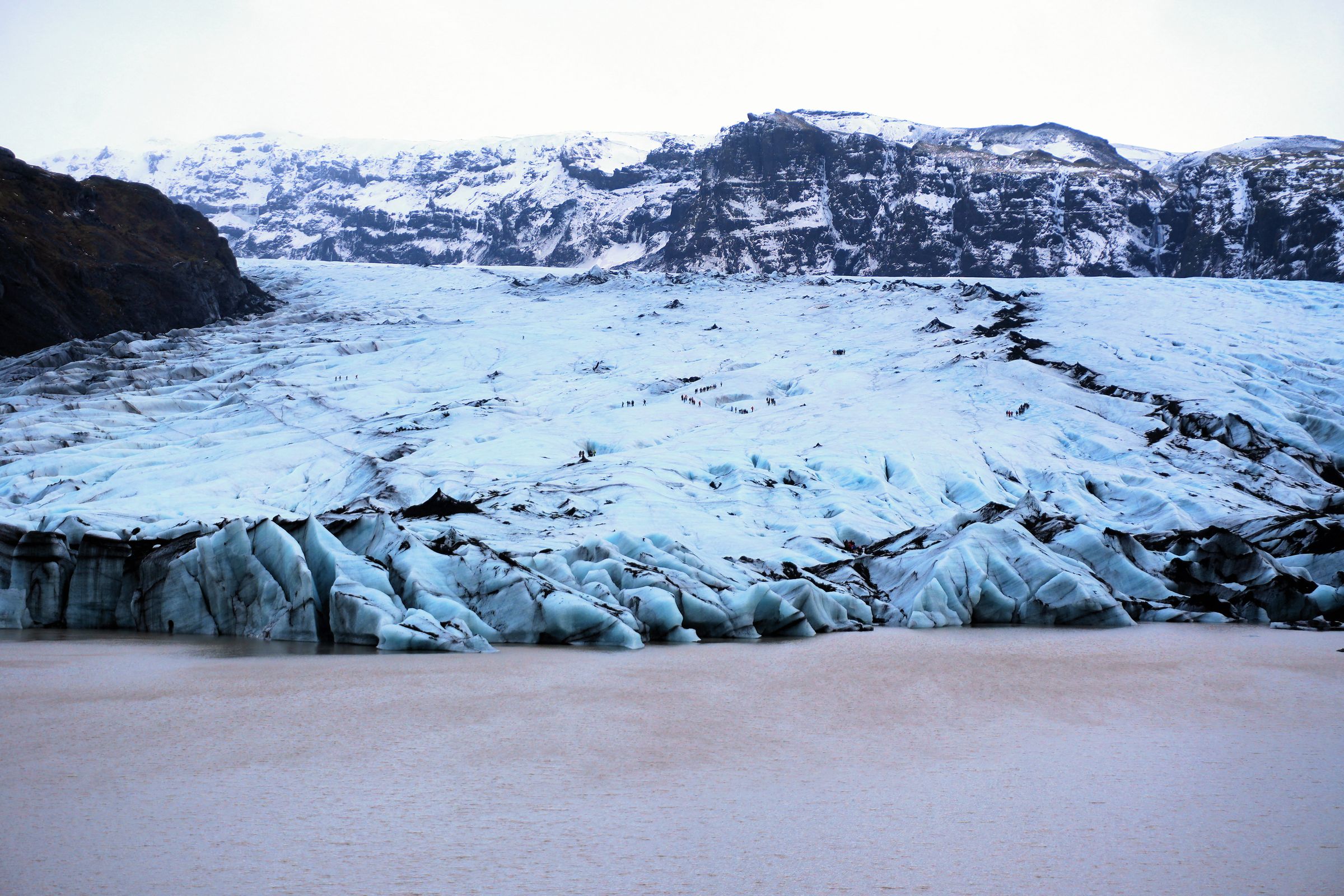
Sólheimajökull flows down from the Mýrdalsjökull ice cap. You can walk to the viewpoint near the ice, but stepping onto the glacier itself is a completely different thing. That requires a guide, crampons, and a booked tour. Don't walk on the ice on your own.
1:30 PM – Dyrhólaey
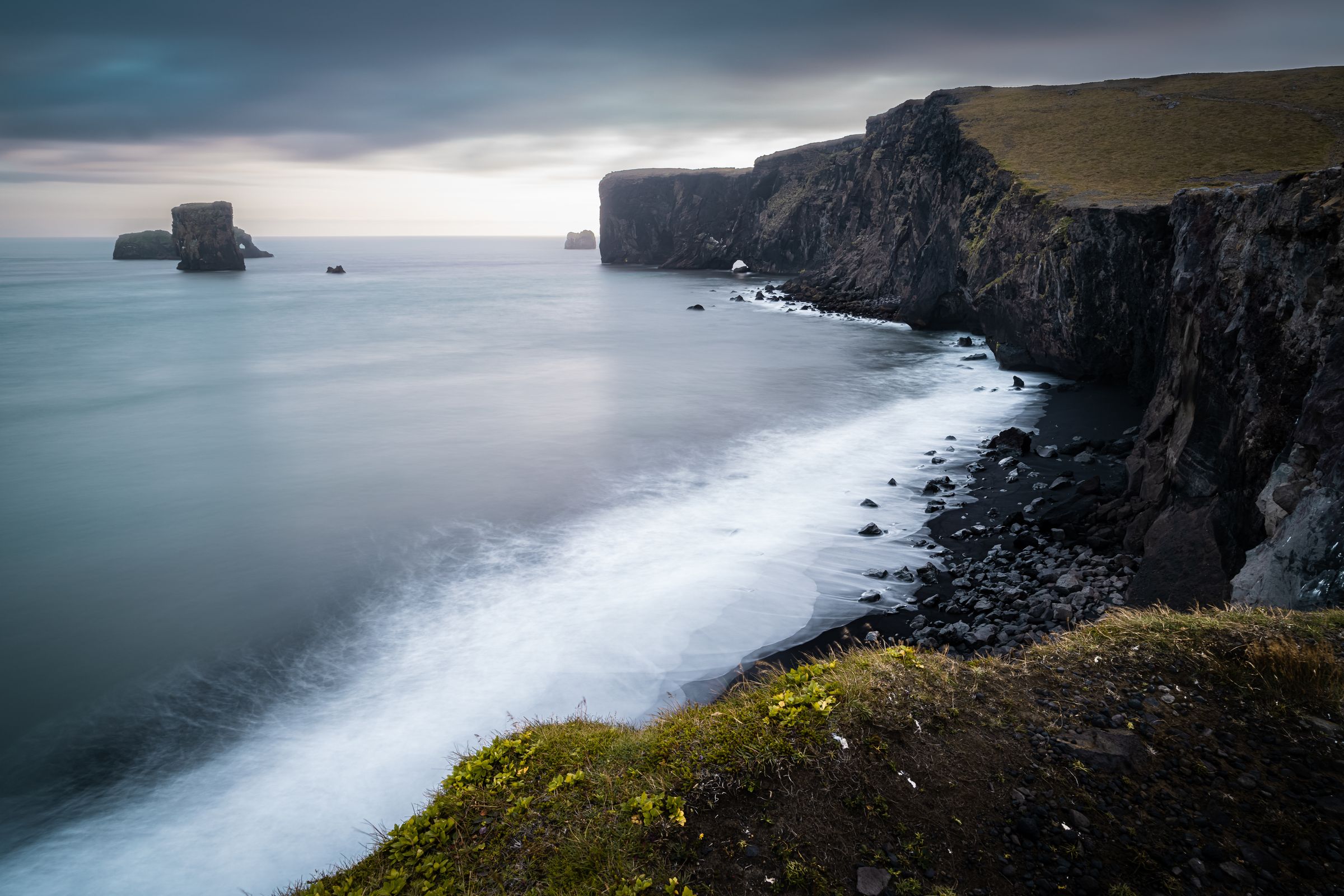
Dyrhólaey is a coastal headland with a big sea arch cut into the rock by the Atlantic. From up here you get views over the black coastline, the Reynisdrangar sea stacks, and the lighthouse. It's also a good spot for puffins from late spring into summer. Access sometimes closes during nesting season, so check before you go.
2:30 PM – Lunch Stop
You’ll probably think it’s a bit late for lunch, but I promise it’s worth it. My recommendation is you go to the Black Beach Restaurant, near Reynisfjara. They have great food (especially the soups), and the place is very cosy. If you packed lunch, use this slot as a buffer to catch up if you're running behind.
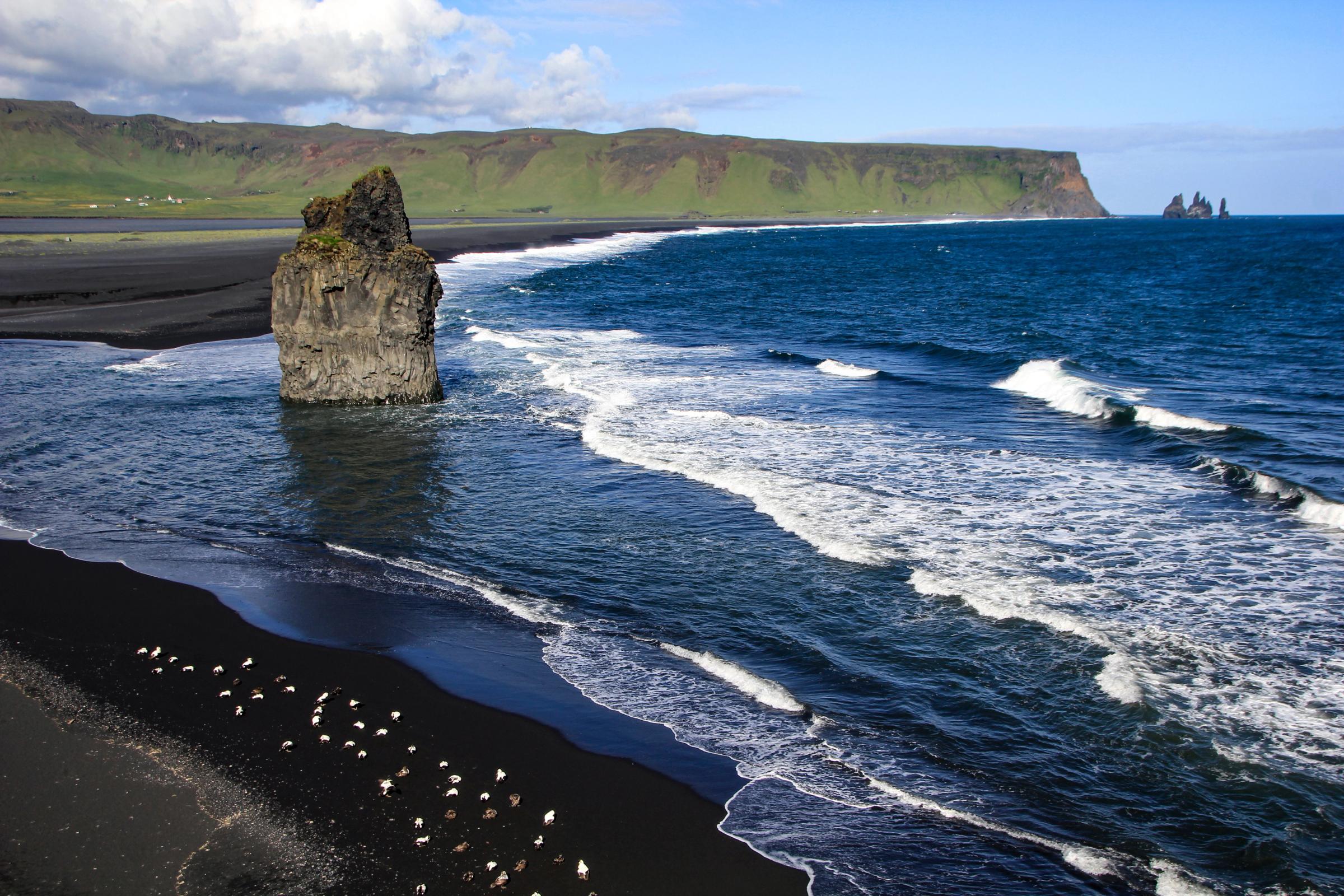
3:30 PM – Reynisfjara Black Sand Beach
Reynisfjara has black volcanic sand, the Garðar basalt columns, a sea cave, and a clear view of Reynisdrangar. It's also genuinely dangerous. Sneaker waves push way further up the sand than you'd think and can drag people into the water. Follow the warning light system, keep well back from the surf, and never turn your back to the ocean.
4:30 PM – Vík
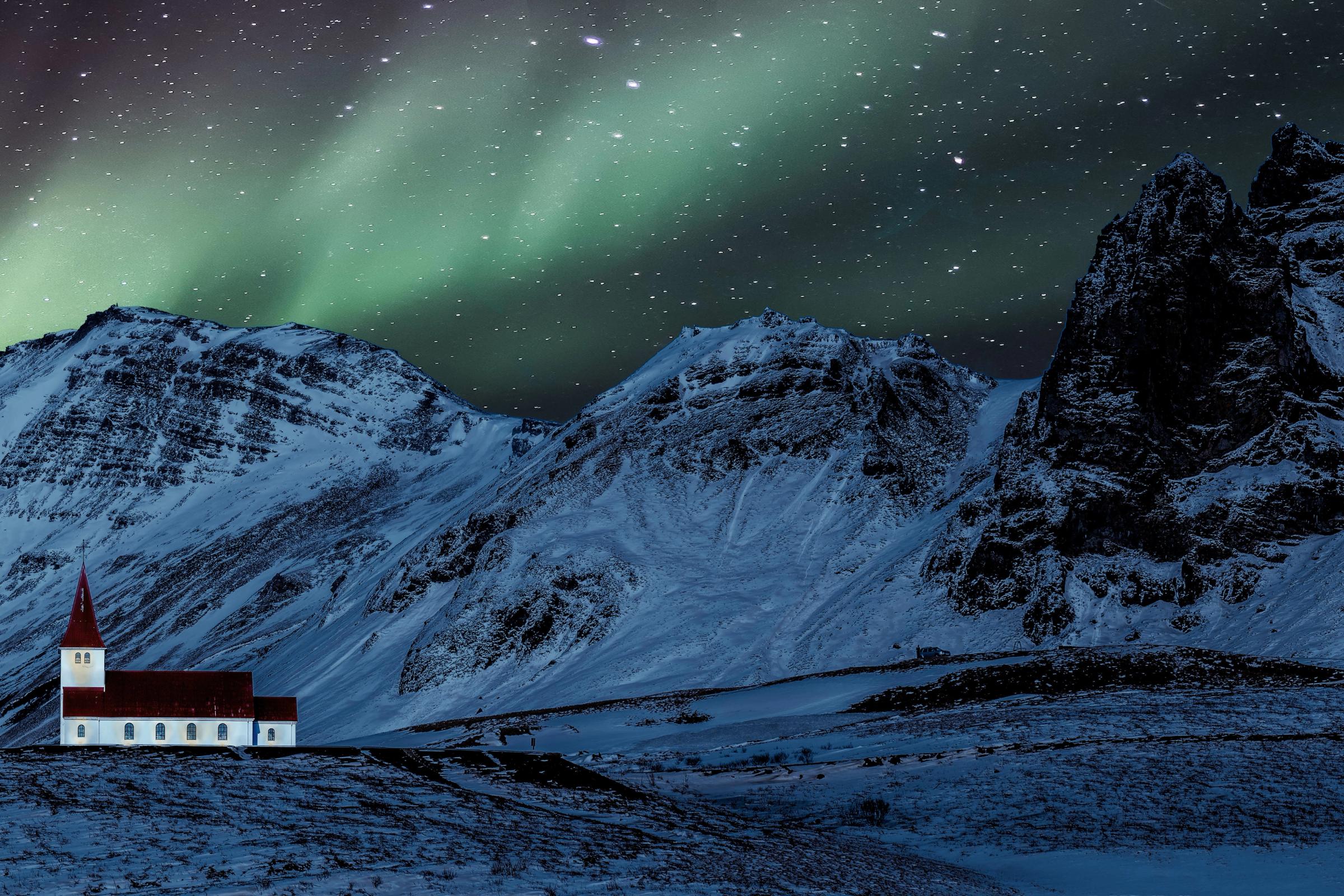
Vík í Mýrdal is your turnaround point. Fill the tank, eat if you haven't yet, use the restrooms, and walk up to Vík Church for the view over the village and coast. It's an active church, so be respectful if something's happening inside.
5:30 PM – Begin the Return Drive
Vík back to Reykjavík takes about 2.5 hours if you drive straight through. Add one waterfall stop on the way back only if the driver is feeling good and there's still daylight to work with.
8:30–9:00 PM – Arrive in Reykjavík
Don't book a dinner reservation before 8:30 PM. Weather, crowds, and time at each stop always add up faster than you expect.
Best Order to Visit the South Coast
The order above works for most people, but there are a few ways to structure the day depending on what you're after.
Standard West-to-East Route
Visit every stop in geographic order heading east, then drive straight back. Simple and it works well.
Early-Morning Strategy
Leave at 6:30 and you'll have Seljalandsfoss almost to yourself. If photography is important to you, this is the single best thing you can do.
Reverse-Order Strategy
Drive straight to Vík first, then work back west. You'll hit Reynisfjara before the midday buses and reach the waterfalls in softer afternoon light. It only makes sense if you start early.
Summer Evening Strategy
In summer it stays light past midnight, so leaving Reykjavík around noon is actually a real option. You get the waterfalls in the evening when there are far fewer people around.
Optional Stops and Itinerary Variations
Not everyone wants the same day. Here's how to shape the itinerary around what matters most to you.
Essential Short-Day Itinerary
Seljalandsfoss → Skógafoss → Reynisfjara → Vík. This is the right call in winter, or any time you don't want to feel rushed.
Complete Summer Itinerary
Everything in the hour-by-hour schedule above, plus Kvernufoss. Only realistic with the long daylight of summer.
Waterfall-Focused Itinerary
Seljalandsfoss → Gljúfrabúi → Skógafoss → Kvernufoss → Dyrhólaey → Vík. Skip the glacier. This is the one to follow if waterfalls are your main reason for going.
Glacier-Focused Itinerary
Seljalandsfoss → Skógafoss → guided Sólheimajökull hike → Reynisfjara → home. A glacier hike takes 3 to 4 hours door to door, so it becomes the anchor for the whole day.
Winter South Coast Itinerary
Cut the plan to three or four stops, leave at first light, and be heading back by mid-afternoon. It's a great trip in winter, but you have to be honest about how much daylight you actually have.
Stops to Skip on a One-Day Trip
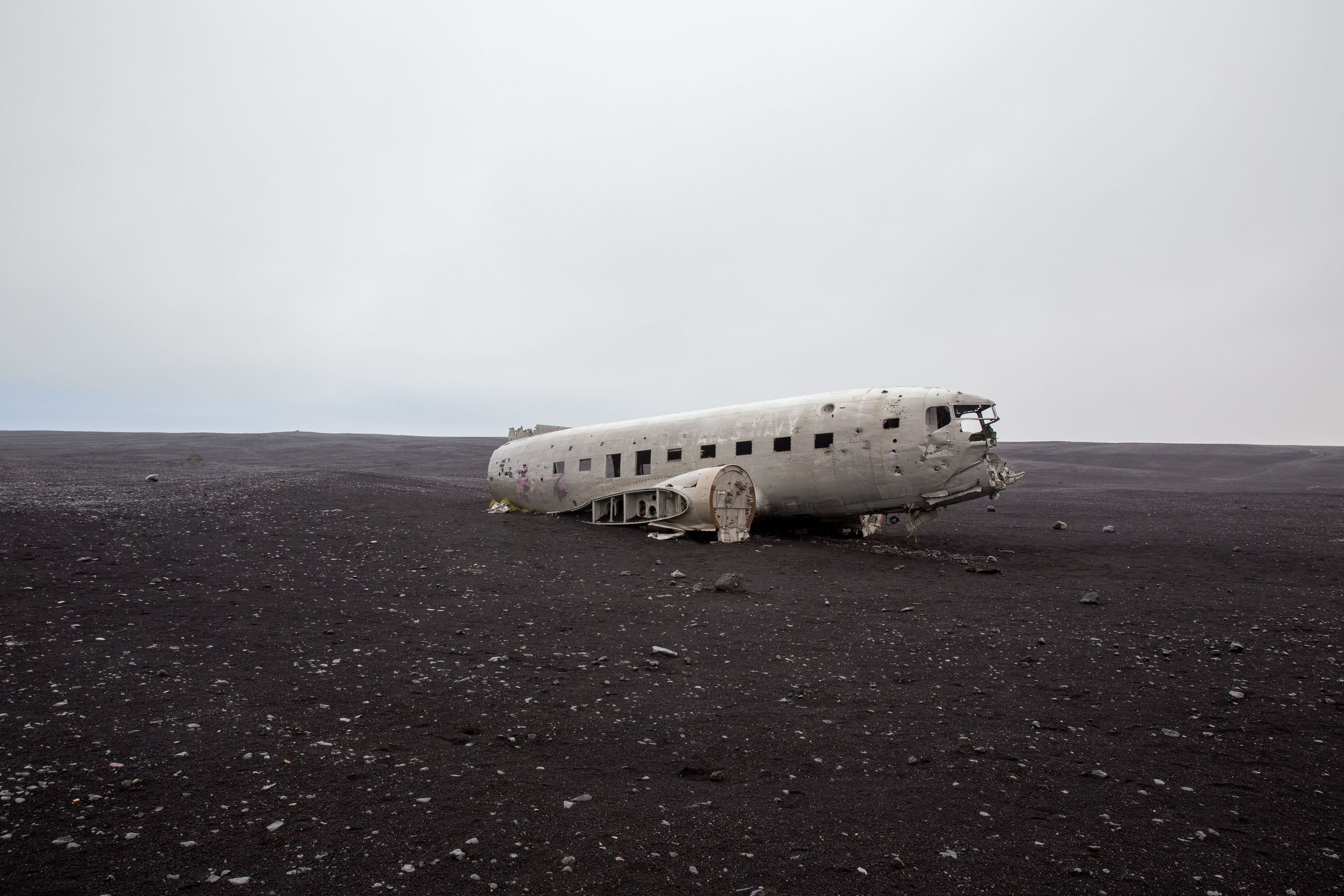
Skip Jökulsárlón, Diamond Beach, and Skaftafell. They're all near Vatnajökull, hours further east, and they just don't fit a one-day trip from Reykjavík. Skip the Sólheimasandur plane wreck too. The walk across exposed terrain takes 2 to 3 hours you simply don't have.


Self-Drive vs Guided South Coast Tour
Both work fine. The right choice comes down to the season and how comfortable you are driving in Iceland.
Benefits of Self-Driving
You control the schedule. You can stay longer where you want and add quieter spots like Gljúfrabúi and Kvernufoss that tours usually skip.
Drawbacks of Self-Driving
Someone has to drive 5 to 6 hours, track road and weather updates, and handle parking fees at each stop.
Benefits of a Guided Tour
No driving stress, local commentary on the geology and history, and someone else making the safety calls. Tours run about 10 to 11 hours and usually cover Seljalandsfoss, Skógafoss, Reynisfjara, and Vík.
Drawbacks of a Guided Tour
Fixed schedule, bigger groups at each stop, and no flexibility when you want more time somewhere.
Which Option Is Best?
If it's summer and you're comfortable driving, self-drive is the better experience. If it's winter, I'd take the tour unless you have real experience with ice and crosswinds. Honestly, if I were visiting in January, I'd book the guided tour and not think twice.
Driving the South Coast by Season
The route is the same road year-round, but what you're dealing with changes a lot depending on the month.
Summer
June to August means near-endless daylight, easier driving, and puffins at Dyrhólaey. The downside is crowds. Leave before 7:00 AM if you want to stay ahead of them.
Autumn
September and October mean fewer people, changing colours on the landscape, and your first real shot at the Northern Lights. Days shorten fast, so don't plan around late evening light.
Winter
November to March brings snowy scenery and aurora potential, but short daylight, ice, and wind. Look up the actual sunrise and sunset times for your date and build the whole day around them.
Spring
April and May are somewhere between winter and summer. Trails can be muddy and nesting closures at Dyrhólaey may start. Pack for both seasons and you'll be set.
What to Pack for a South Coast Day
The weather can shift fast out here. Getting this right makes the day a lot more enjoyable.
Clothing
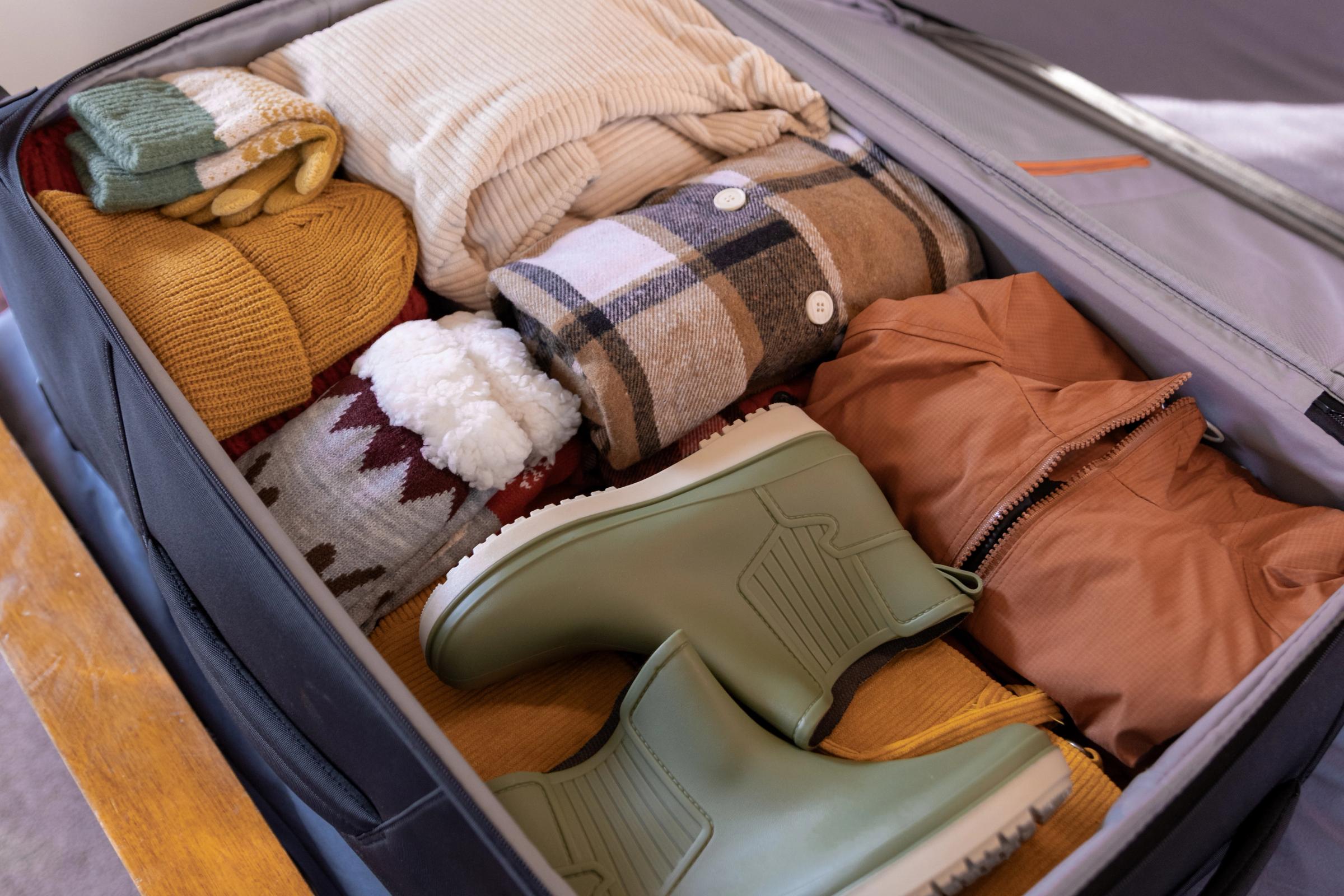
Waterproof jacket with a hood, waterproof pants, a warm mid-layer, and a wool or synthetic base layer. Skip cotton as your main layer. A hat and gloves are worth having regardless of season.
Footwear
Waterproof hiking shoes with decent grip. Trainers won't last past the first waterfall. Throw a spare pair of socks in the car too.
Food and Water
Water, a real lunch or big snacks, and something salty. Don't count on every café being open, especially outside the main summer months.
Electronics and Navigation
Charged phone, a power bank, a car charger, offline maps downloaded before you leave, and a lens cloth for waterfall spray.
Winter Extras
Traction cleats for icy paths, an ice scraper, a headlamp, a blanket, and extra food in case the drive runs longer than planned.
South Coast Safety Tips
Read this section carefully. People get hurt on the South Coast every year, almost always because they underestimated something that seemed fine.
Weather and Road Conditions
Check Vedur and road conditions before you leave, again at lunch, and again before the return drive. Things change fast here. Iceland's emergency number is 112.
Reynisfjara Sneaker Waves
Sneaker waves can knock an adult off their feet and drag them into freezing water in seconds. Stay well above the wet sand, follow the beach warning lights, and keep kids right beside you the whole time.
Waterfall Safety
The paths at Seljalandsfoss and Gljúfrabúi are wet, uneven, and icy in colder months. If a path is closed, don't go anyway.
Glacier Safety
Never walk onto Sólheimajökull without a guide. Crevasses and unstable ice aren't visible from the surface, and it's not worth the risk.
Wind and Cliff Safety
Wind near Dyrhólaey can push you off balance close to cliff edges. Hold your car door with both hands when you open it, and if you can, park facing into the wind.
Driving Safety
Never stop on Route 1 to take photos. Use pull-offs, slow down for single-lane bridges, and share the driving on the way back if you can. Off-road driving is illegal and damages moss-covered lava fields that take decades to recover. If you're planning to fly a drone, check the rules first. Flying near bird colonies is restricted.
Food, Fuel, and Restroom Stops
Services get thin once you leave the main towns. Know where to stop before you need to.
Reykjavík
Fill the tank, eat breakfast, and use a proper restroom before you leave. It's your last real urban stop for a while.
Hvolsvöllur
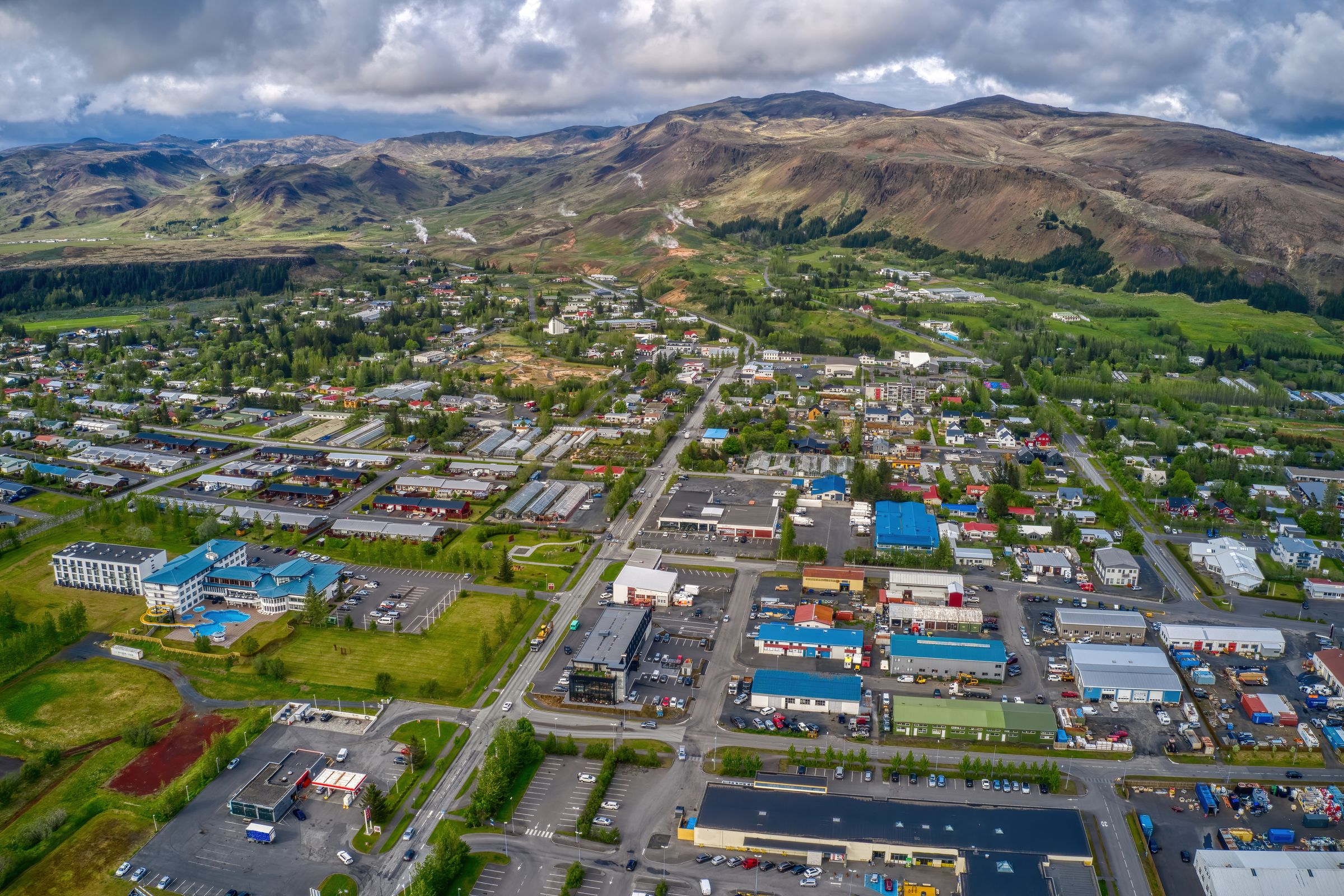
Good quick stop on the way out: coffee, fuel, groceries, and restrooms. Better for grabbing what you need than sitting down for a full meal.
Skógar
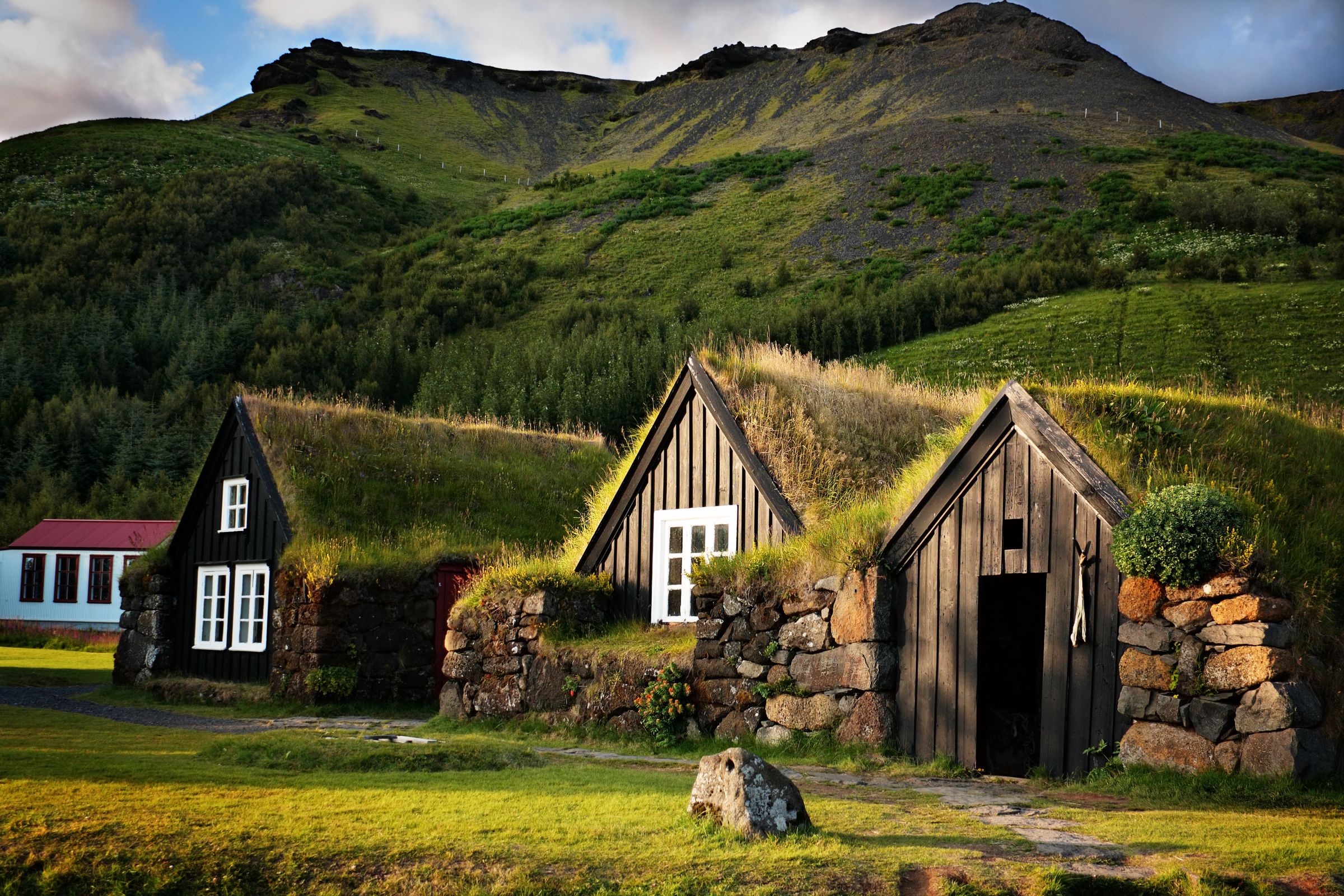
There's food and restrooms near Skógafoss, though hours vary by season. Handy for a quick bite mid-morning.
Vík
The best meal stop on the route. Several restaurants, cafés, a grocery store, and a fuel station. Expect a wait during peak summer.
Conclusion
A Reykjavík to Vík day trip is one of the best road trips in Iceland. You get waterfalls, a glacier, a black sand beach, and coastal views, all in one day on the same road. What makes it work is simple: leave early, pick your stops instead of cramming everything in, and take safety warnings seriously. If I had just one day in Iceland, this is exactly how I'd spend it.
Frequently Asked Questions