
Ring Road Itineraries
The amount of time you have will make a big difference in what you can see around Iceland's Ring Road. If you're short on time, you can focus on the country's most famous sights. With a longer trip, you'll have more time to explore, take scenic detours, and enjoy each stop without feeling rushed.
Below, you'll find our recommended 5, 7, 10, and 14-day Ring Road itineraries, so you can choose the one that best matches your schedule and travel style.


Clockwise or Counterclockwise?
Which direction should you drive Iceland's Ring Road? Both cover the same sights, but the order changes your trip. Clockwise starts in North Iceland and saves the South Coast for last, while counterclockwise puts the famous waterfalls, black sand beaches and glaciers first. The right choice depends on your itinerary and the season, so here are the pros and cons of each.
South & East Iceland Ring Road Attractions
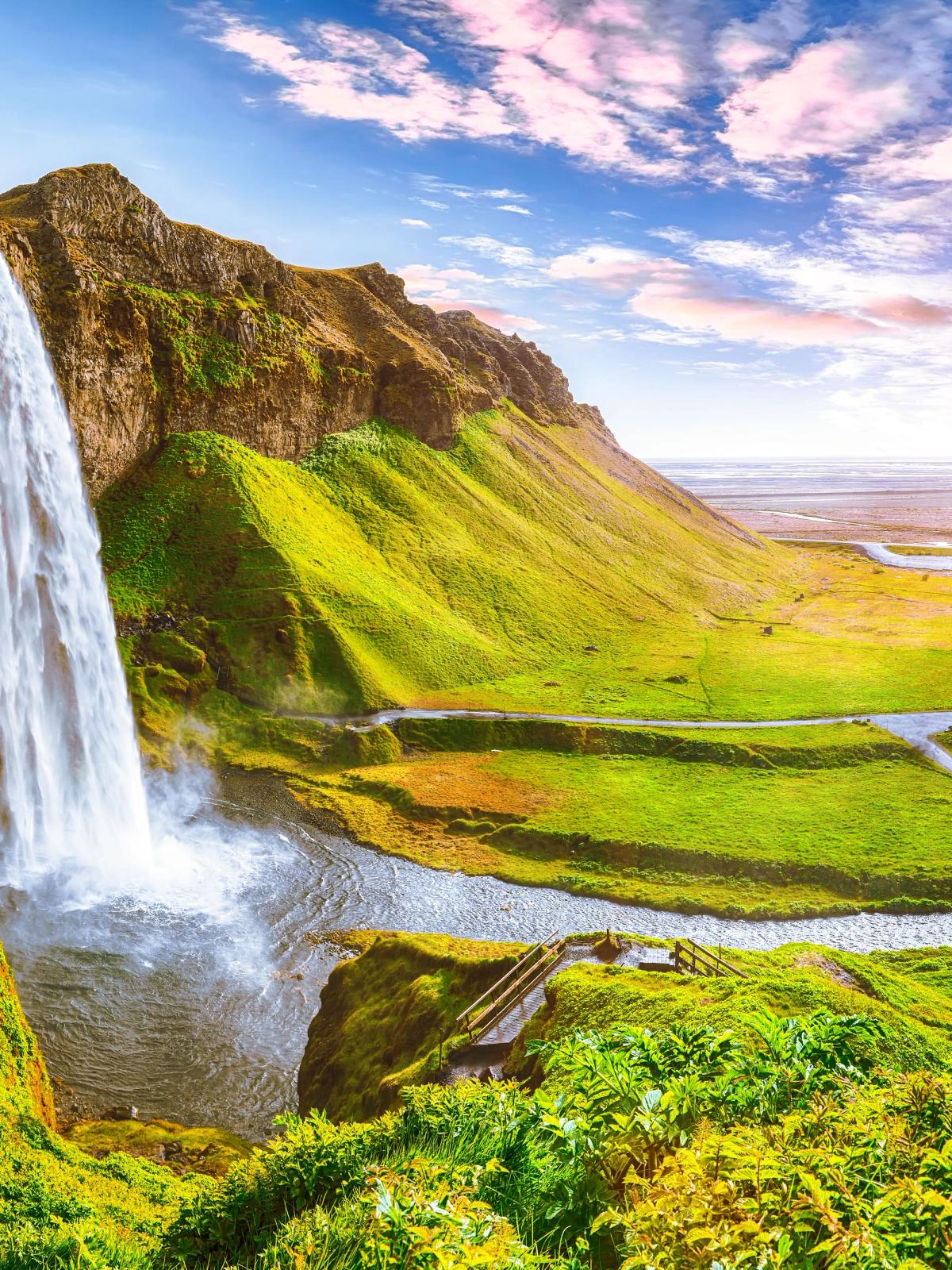
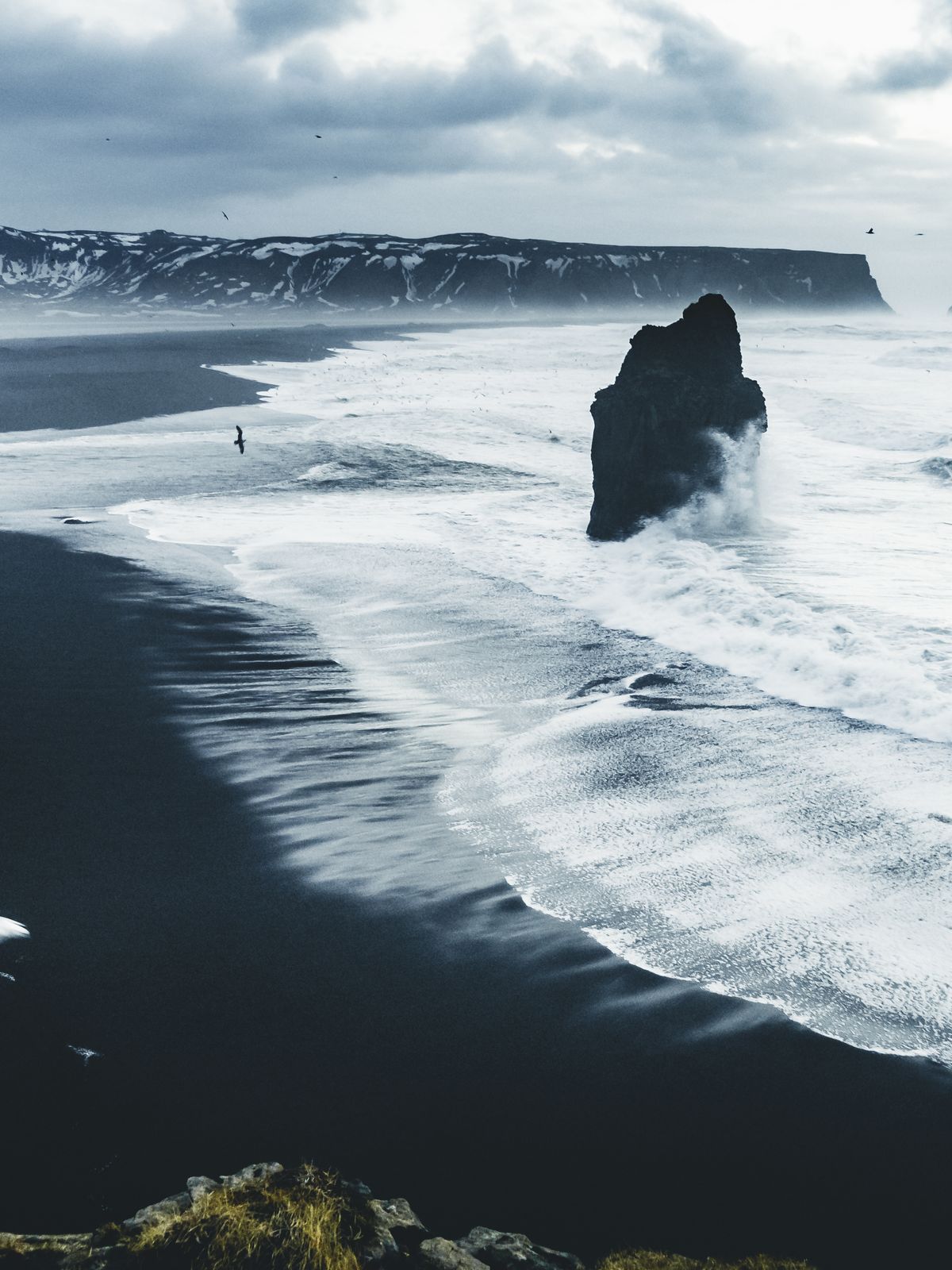
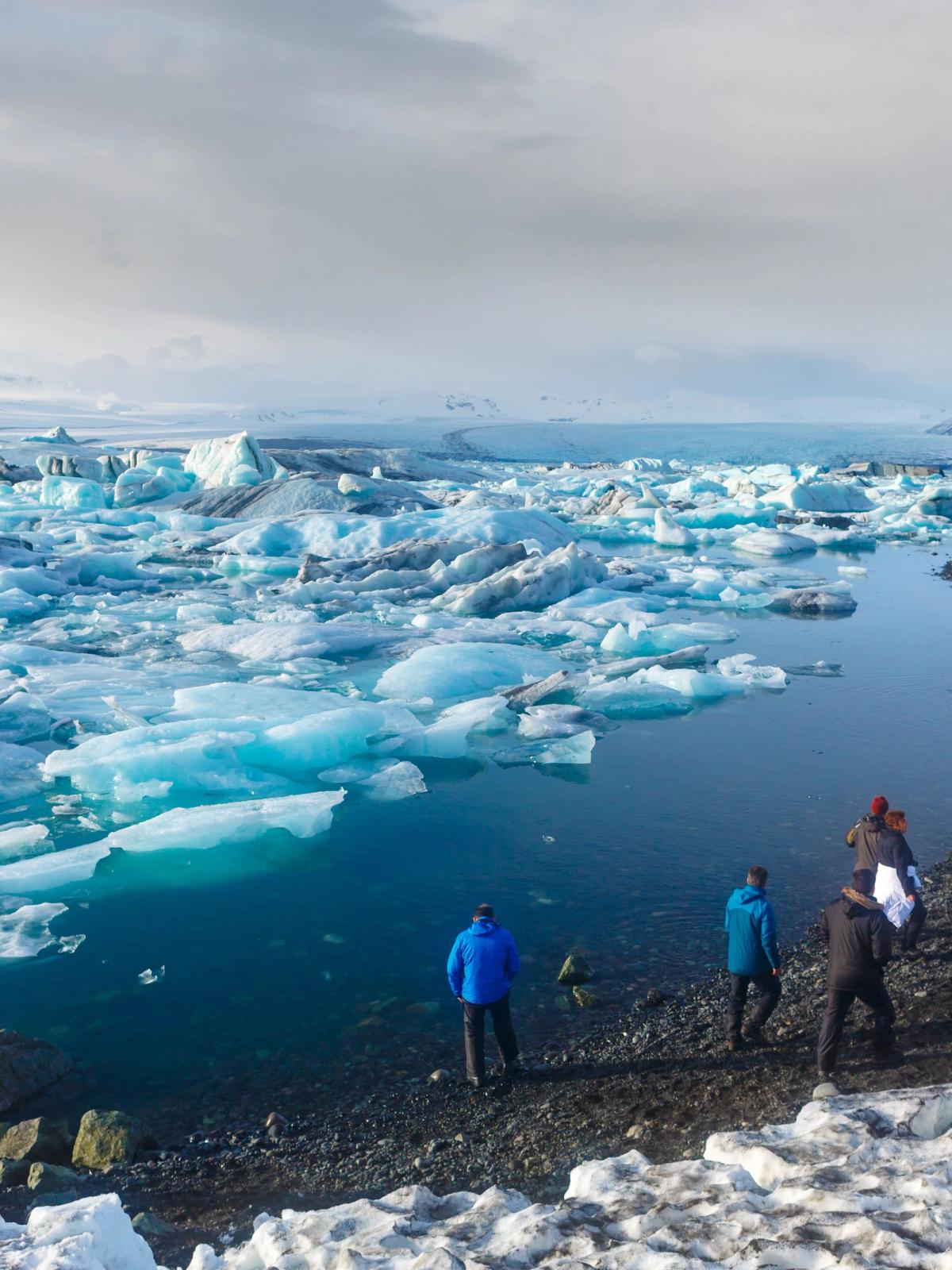
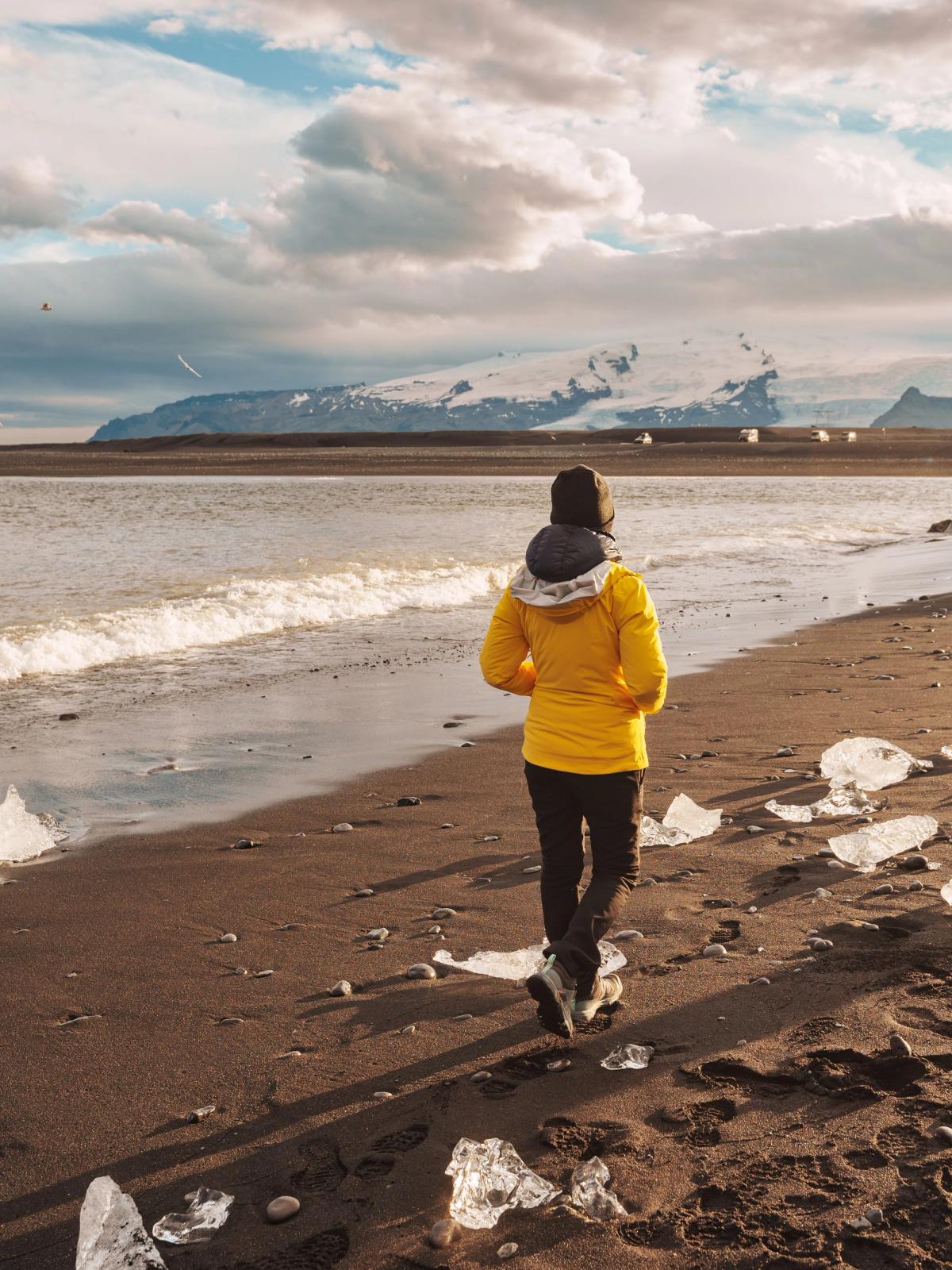
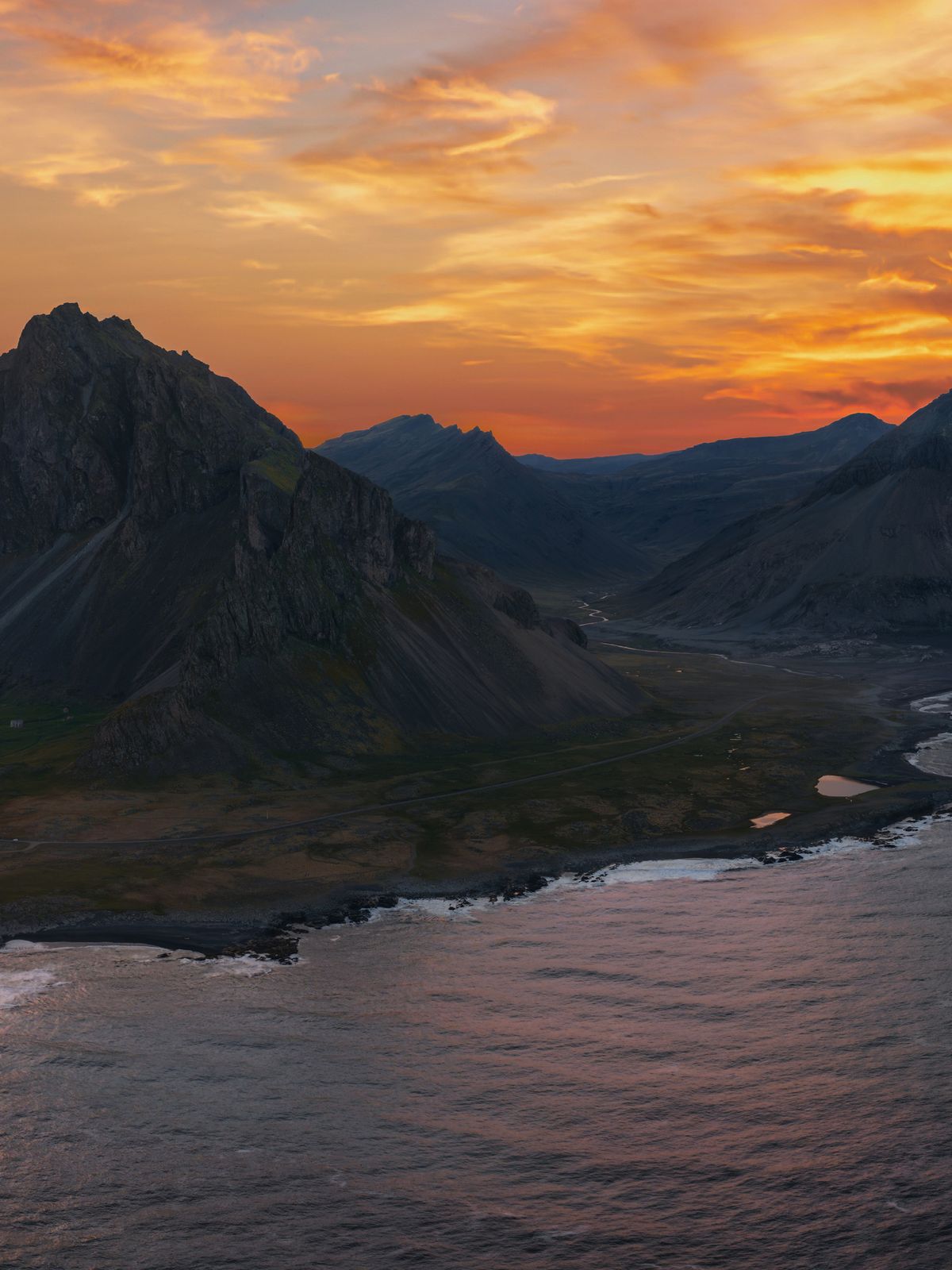
South and East Iceland are packed with some of the country's best sights. As you follow the Ring Road, you'll pass waterfalls, black sand beaches, glaciers, mountain peaks, and quiet fishing villages. Whether you're driving the full route or just exploring this part of the country, these are some of the top places worth stopping for.
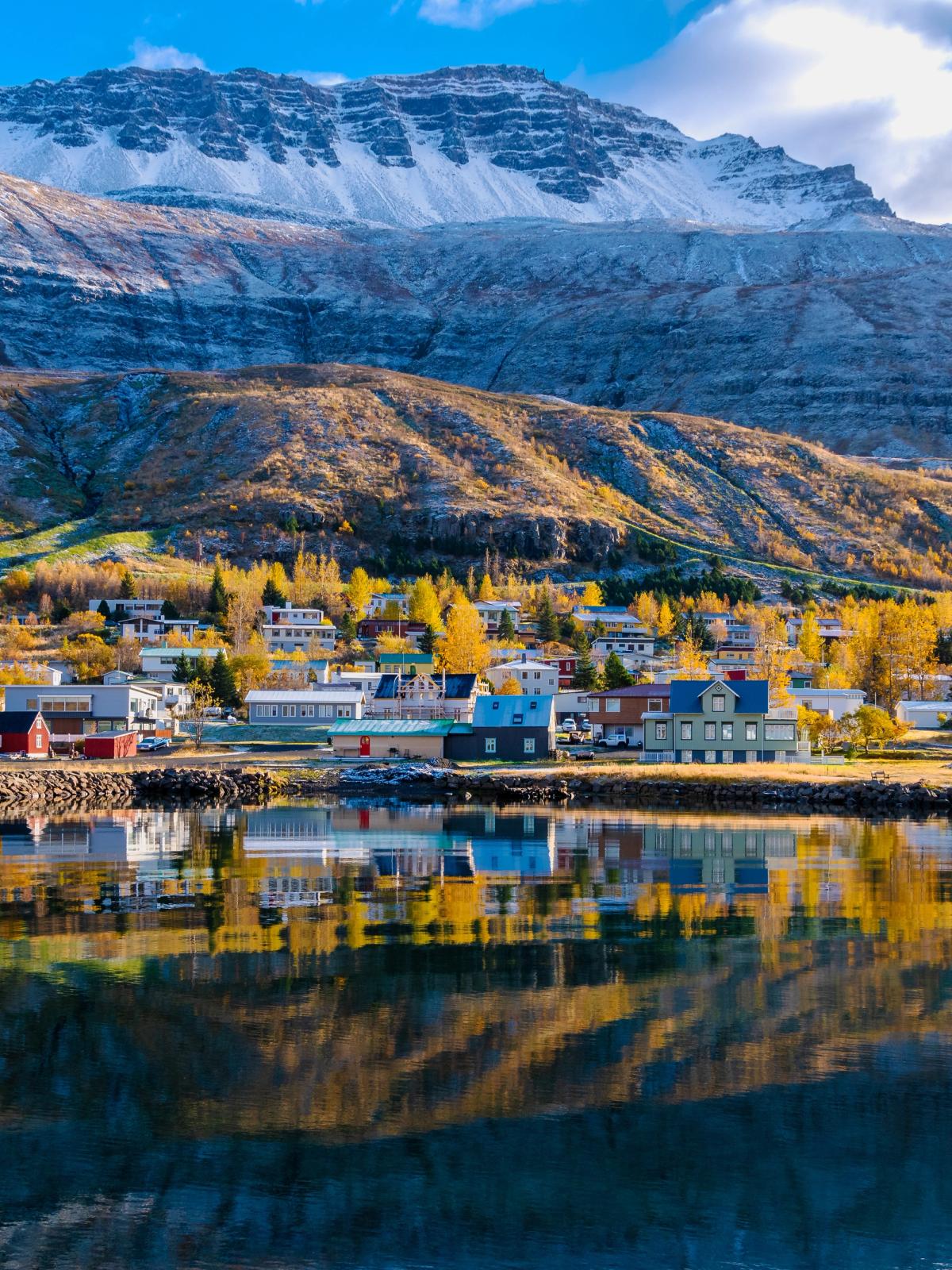
Seyðisfjörður
Colorful town in a fjord
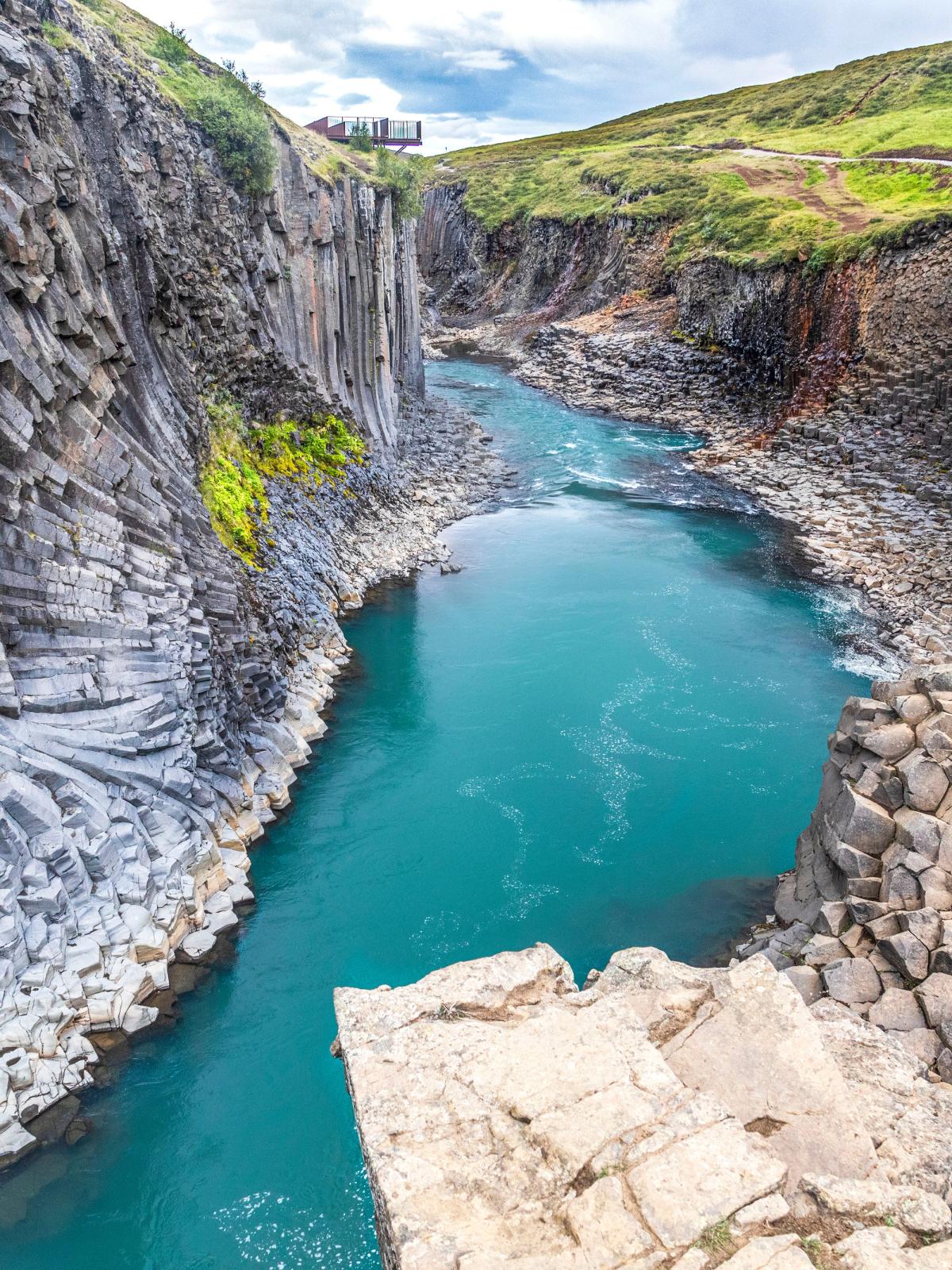
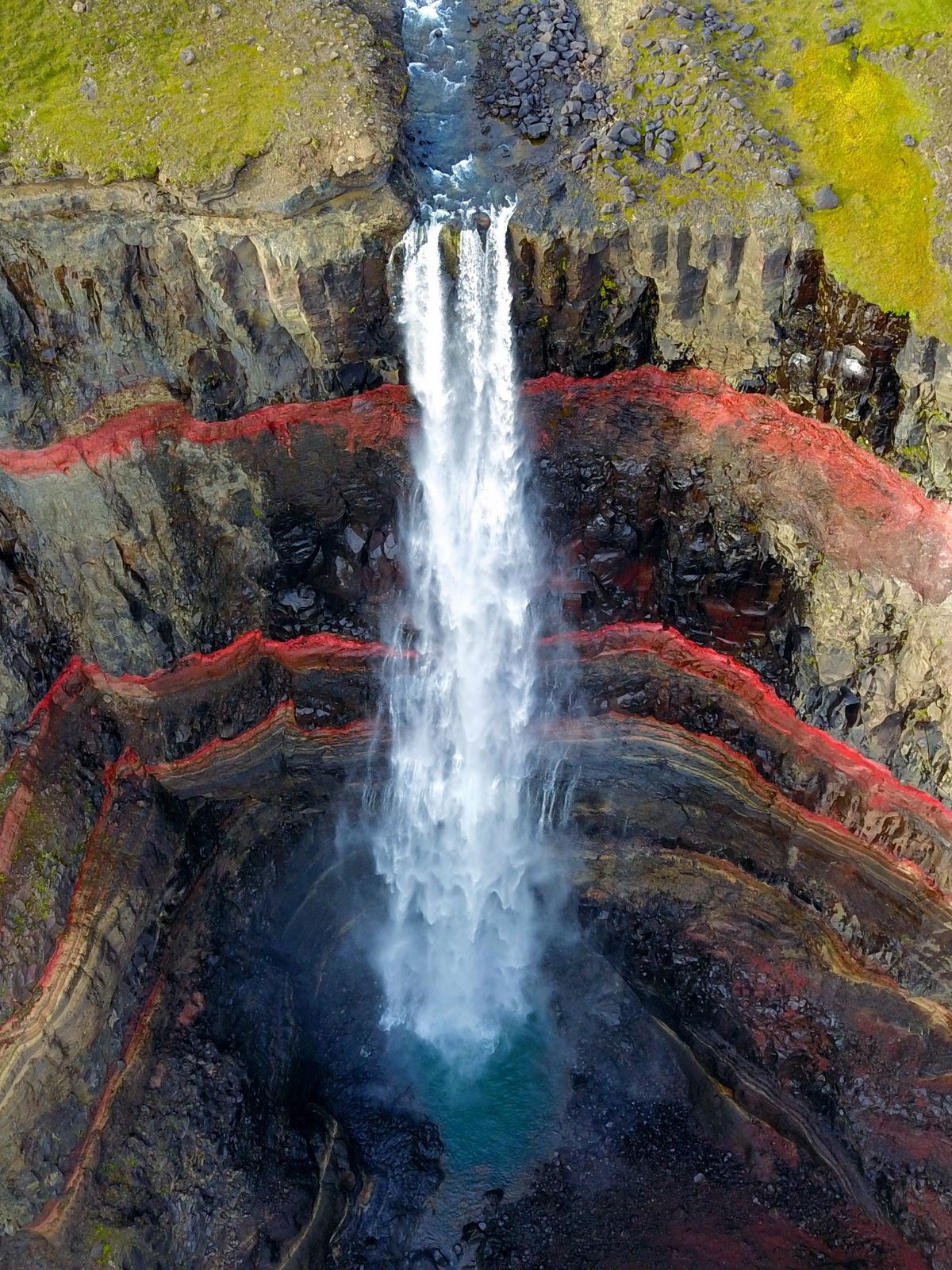
The Best Waterfalls Along Iceland's Ring Road
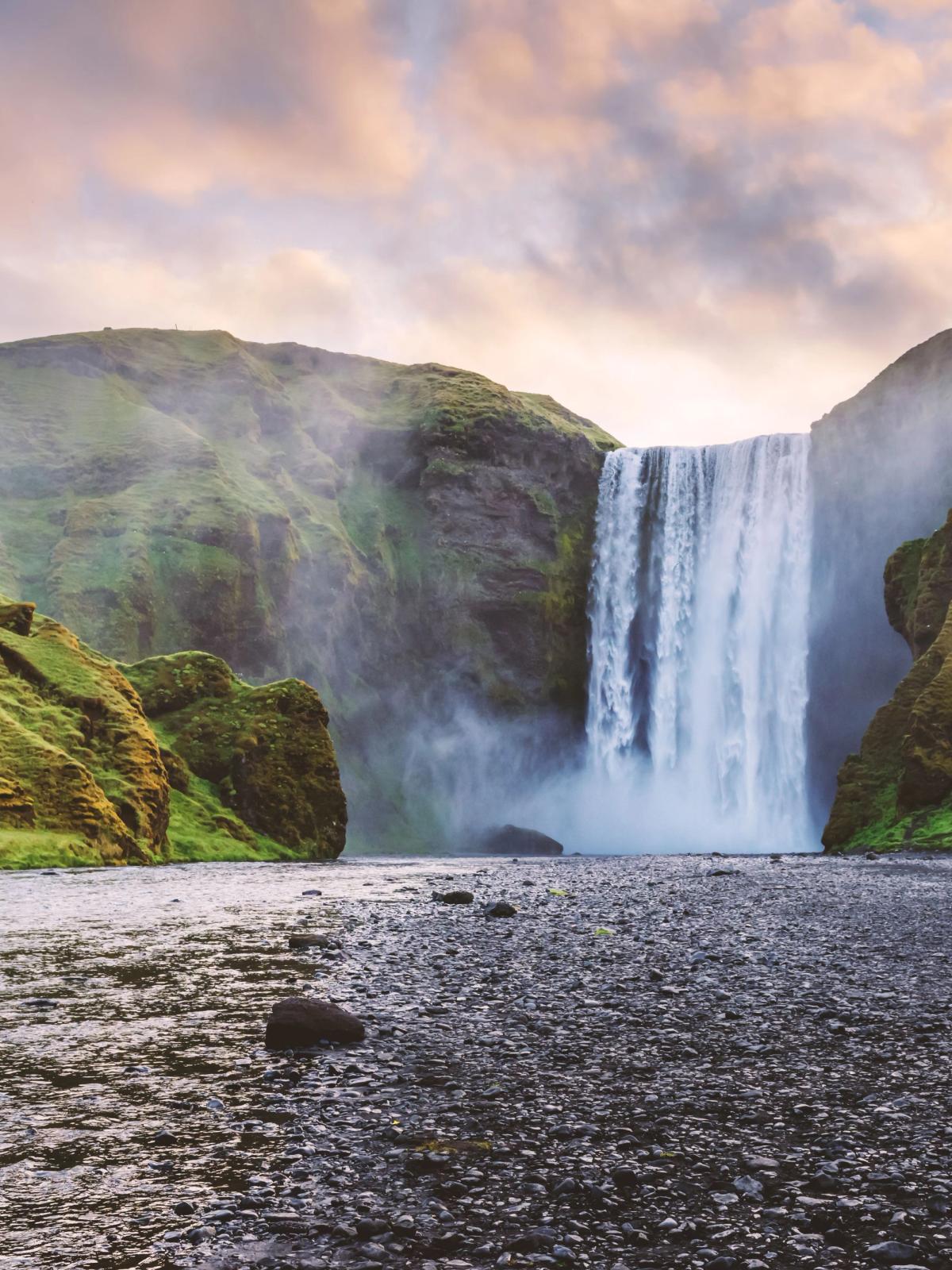
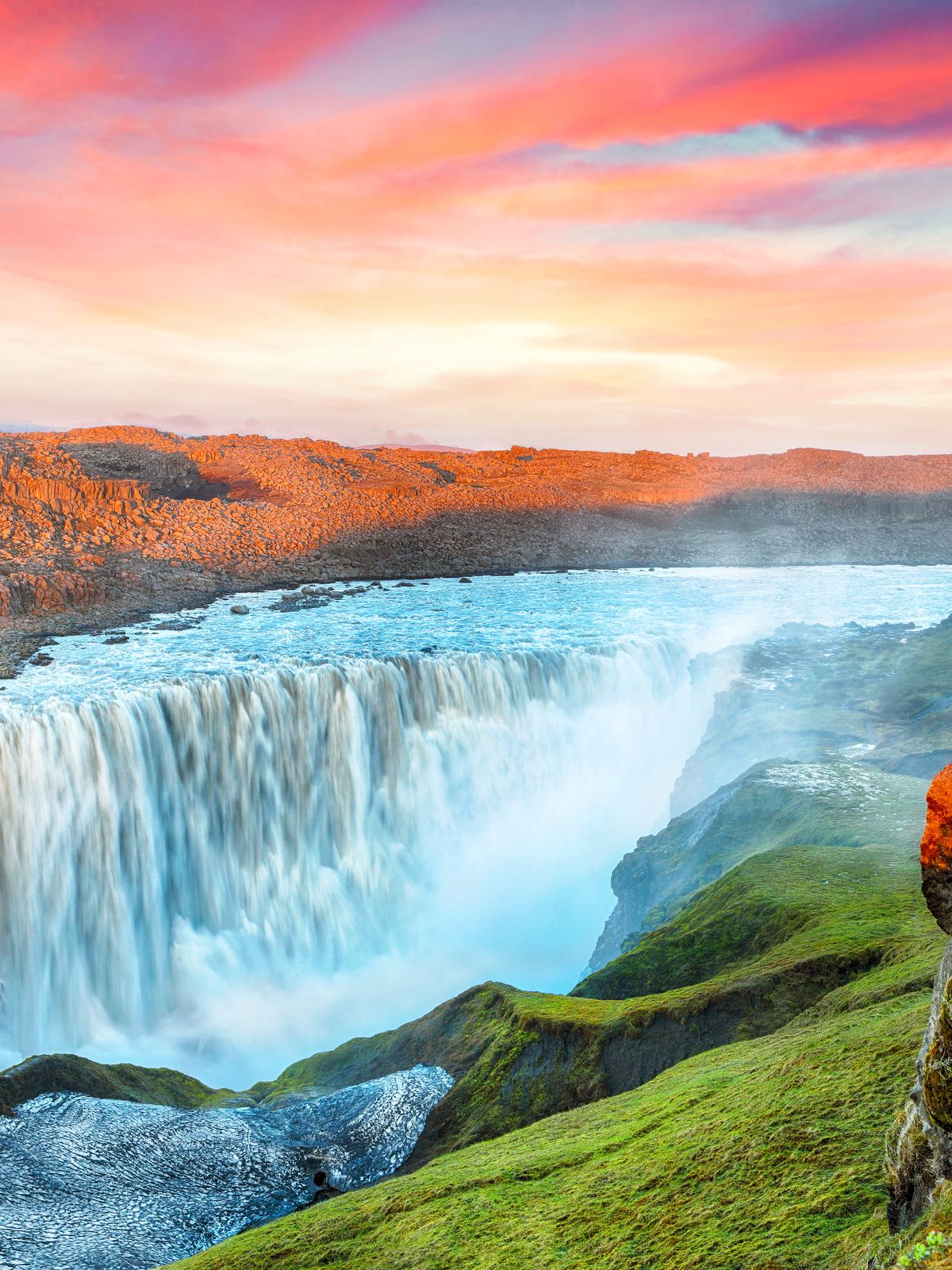
One of the best things about driving Iceland's Ring Road is how many incredible waterfalls you'll find along the way. Some are just a short walk from the parking lot, while others require a quick hike, but all are worth adding to your itinerary. From famous waterfalls like Seljalandsfoss, Skógafoss, and Dettifoss to lesser-known spots with fewer crowds, there's something to see in every region of the country.
The guide in the link bellow highlights the best waterfalls along the Ring Road, with practical information on what makes each one special, how to get there, and when to visit.
North & West Iceland Ring Road Attractions
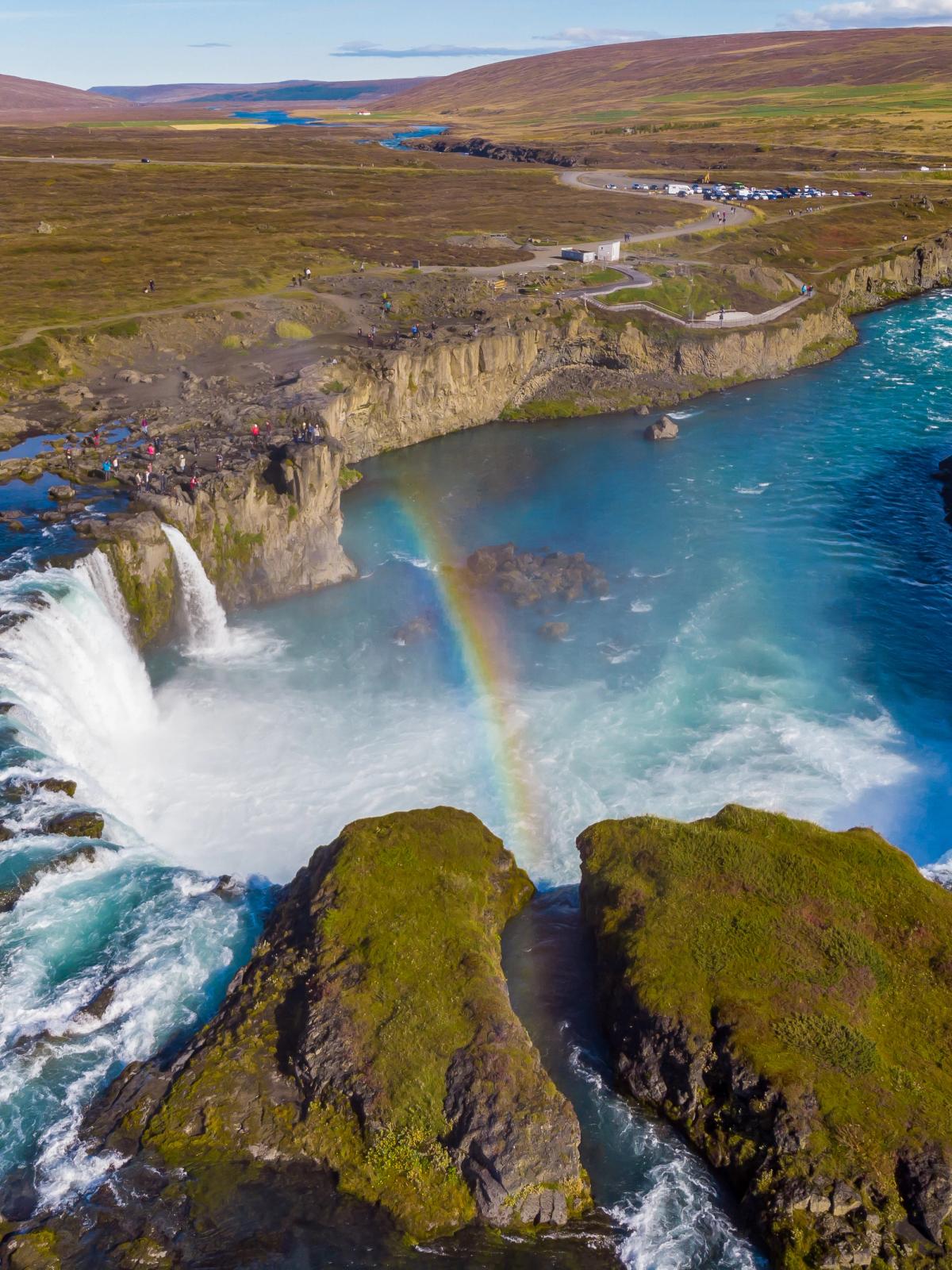
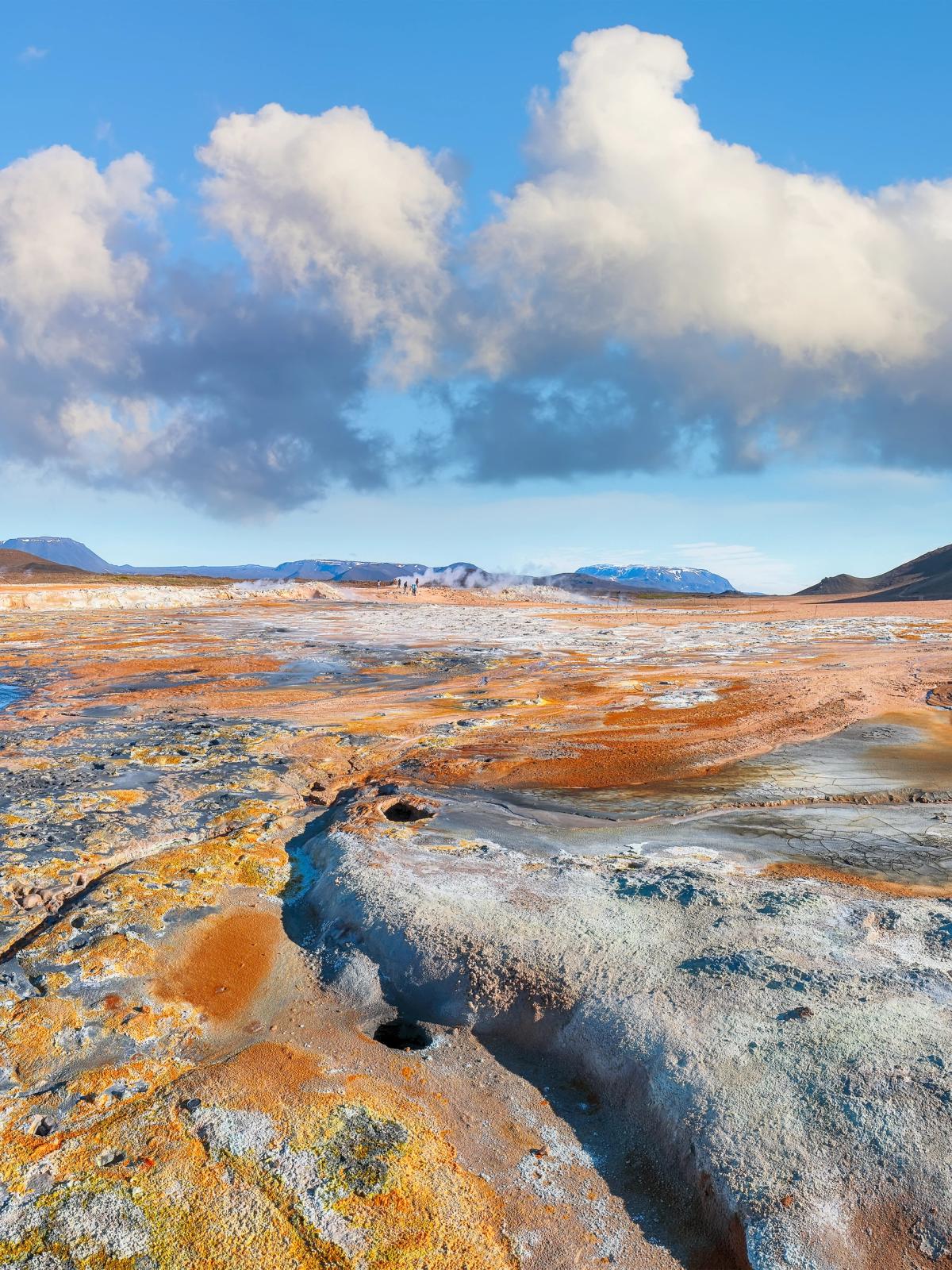
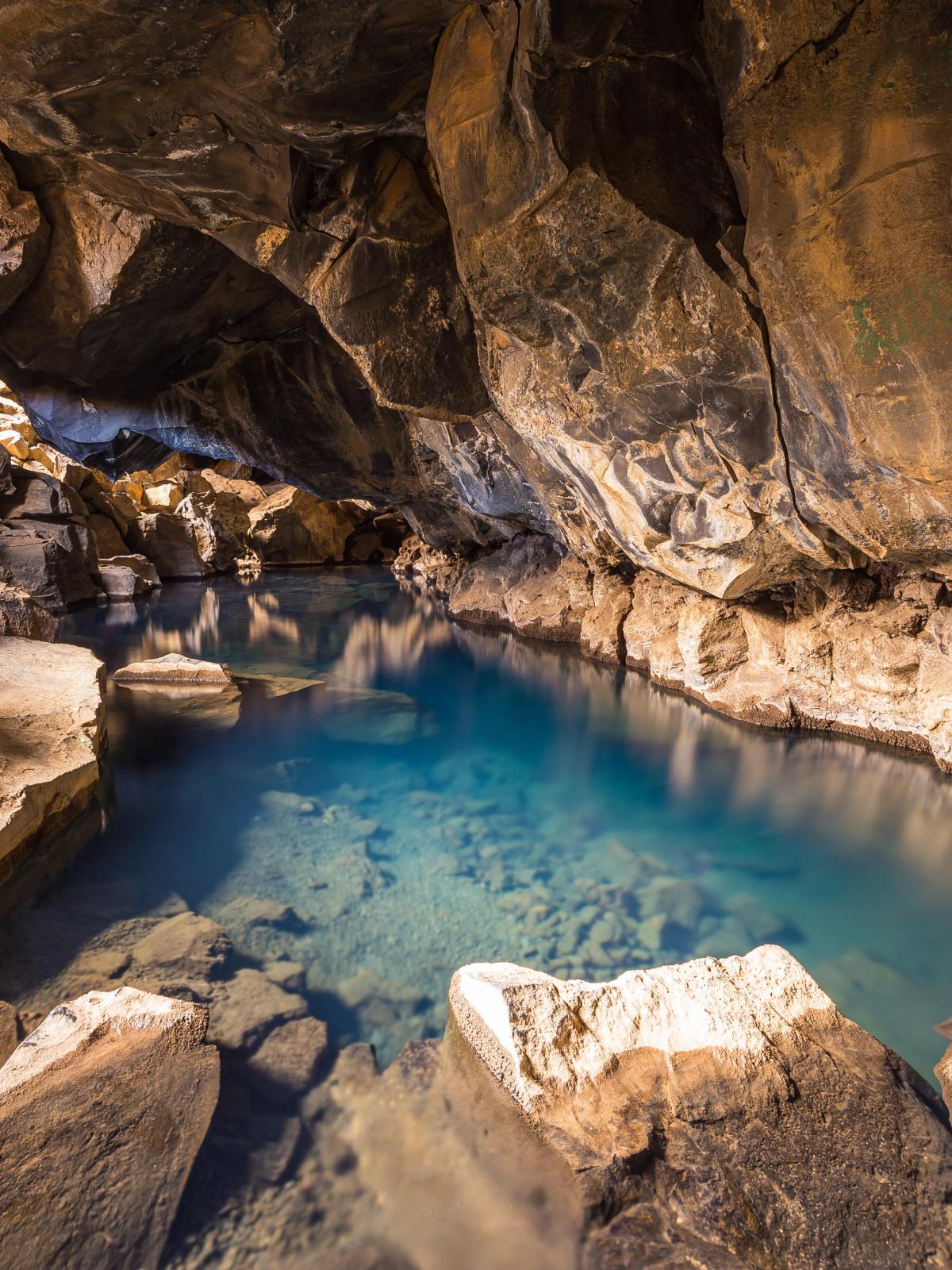
As you continue along the Ring Road, North and West Iceland offer a different side of the country. Here, you'll find powerful waterfalls, geothermal areas, lava fields, scenic valleys, and charming towns, with plenty of great stops just off the main route. Whether you're driving the full Ring Road or exploring these regions on their own, these are some of the top attractions worth adding to your itinerary.
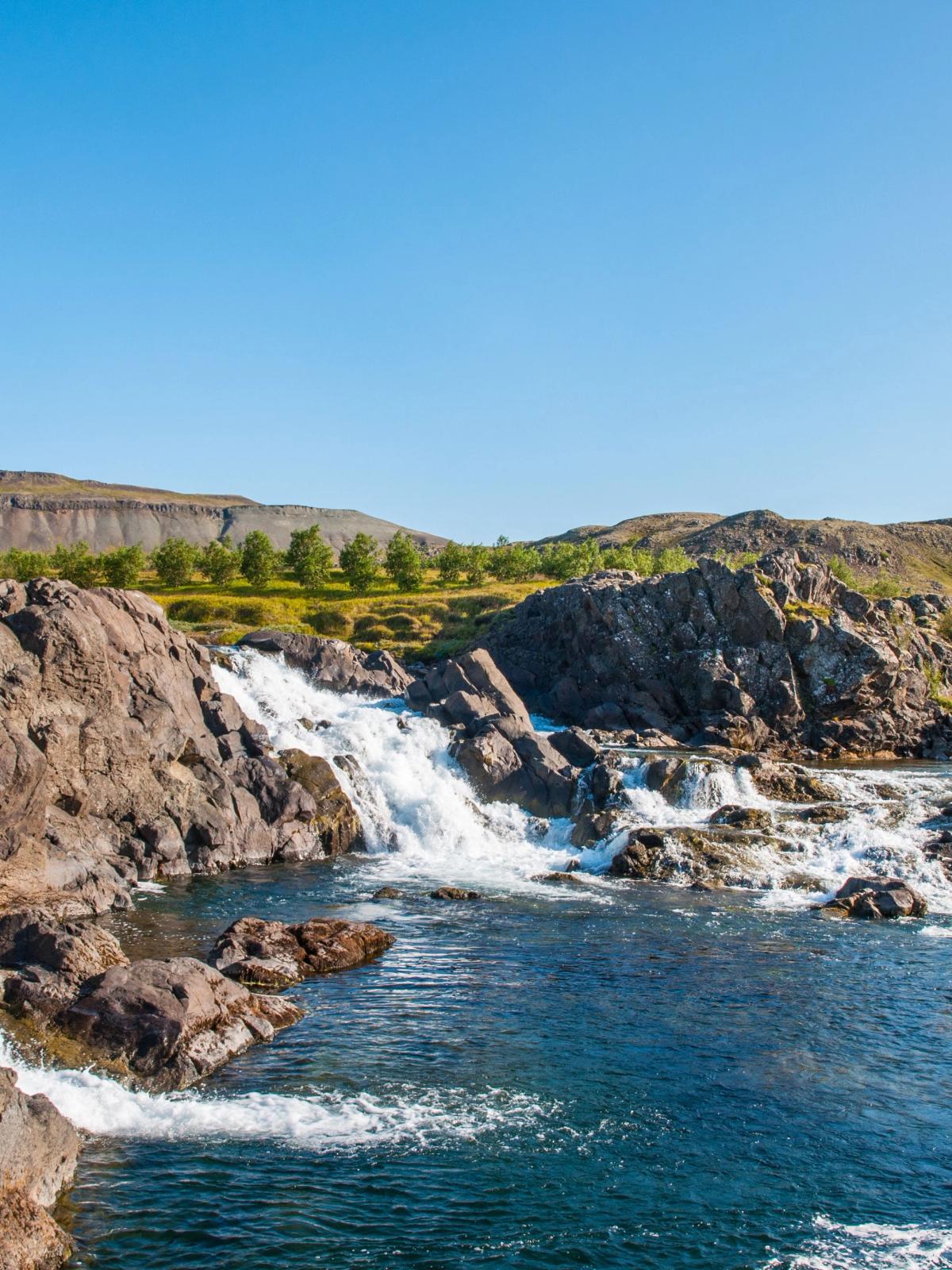
Glanni Waterfall
Small waterfall in Húsafell area
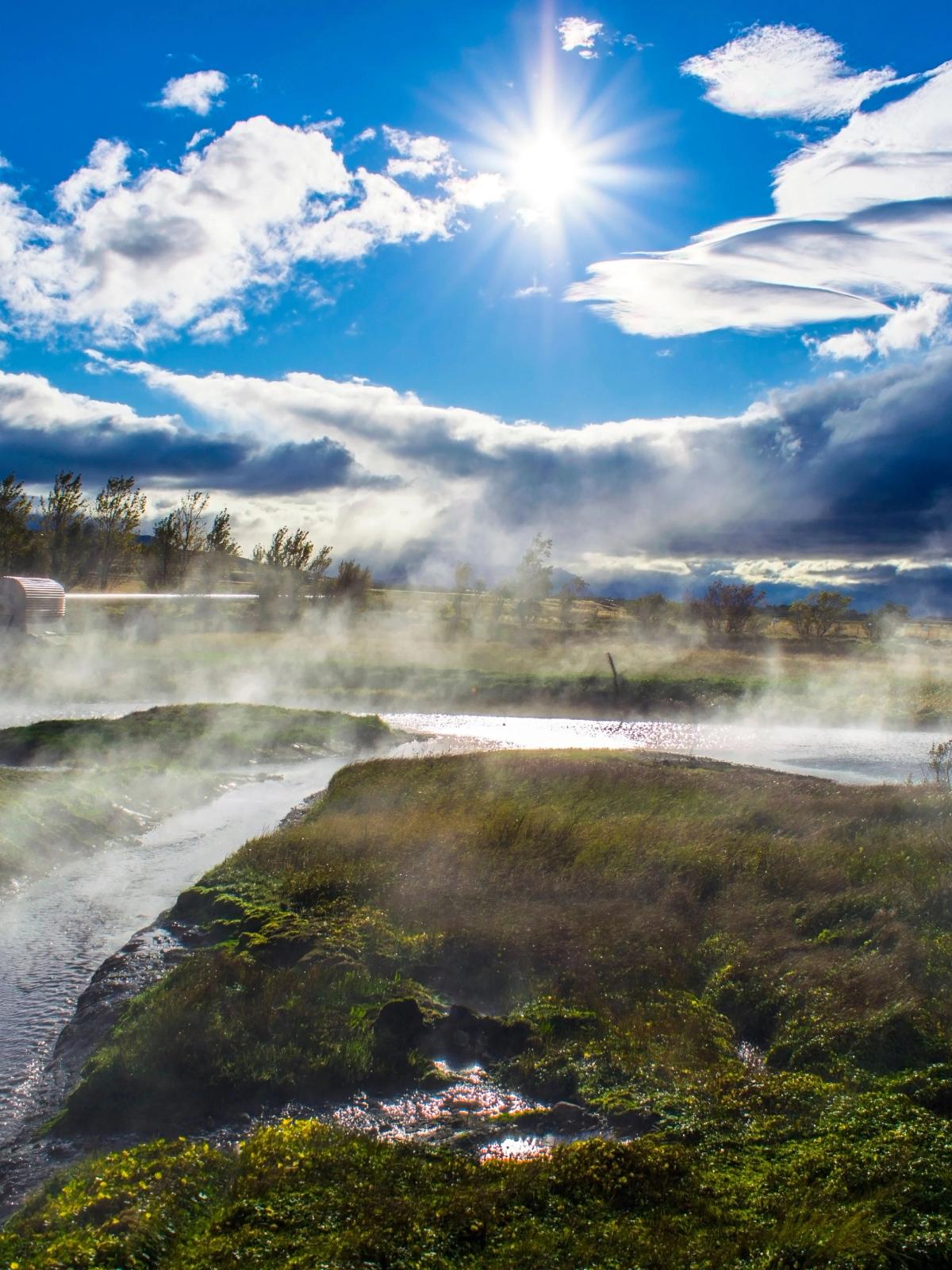
Deildartunguhver
Europe's highest-flow hot spring.
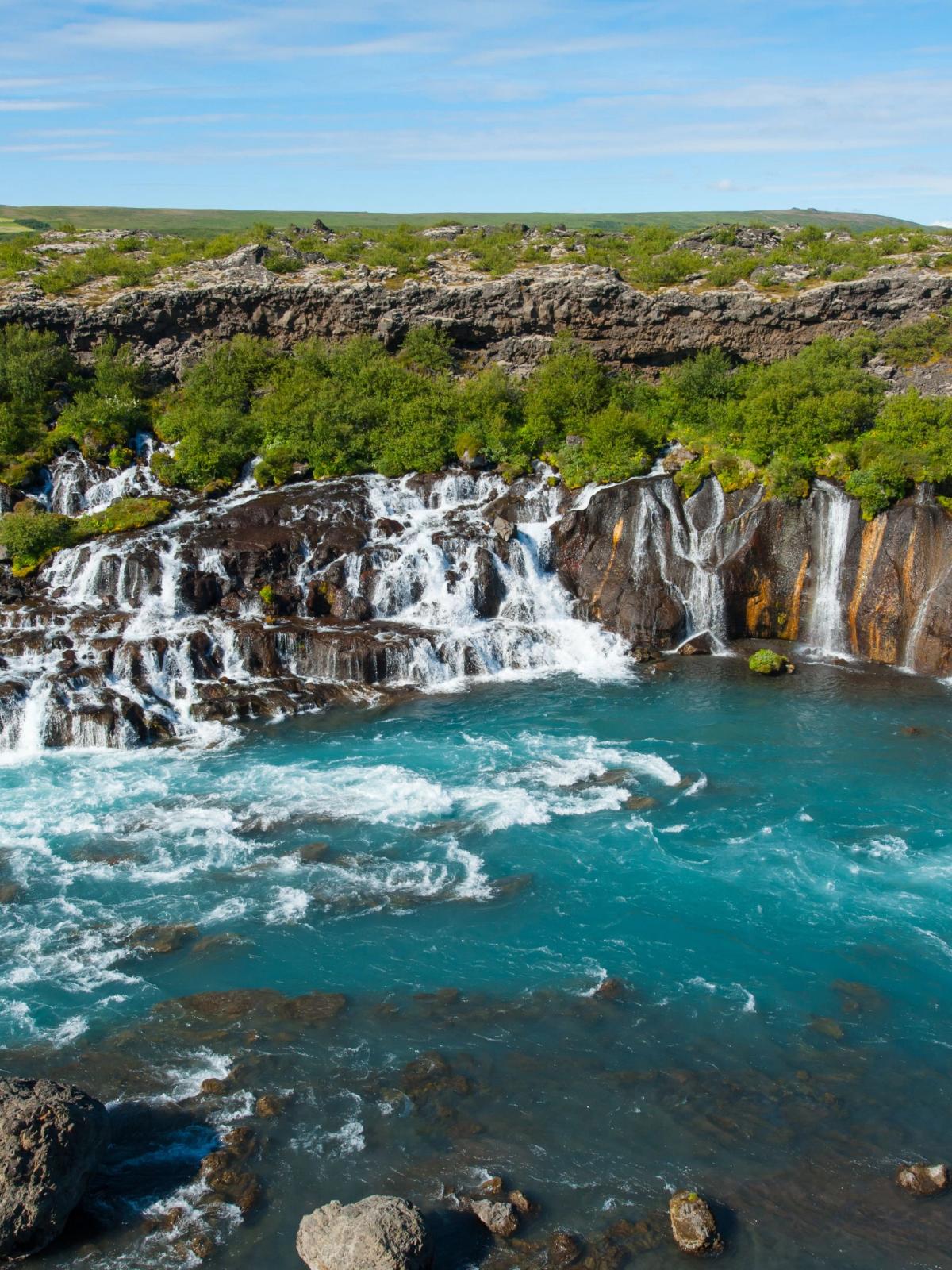
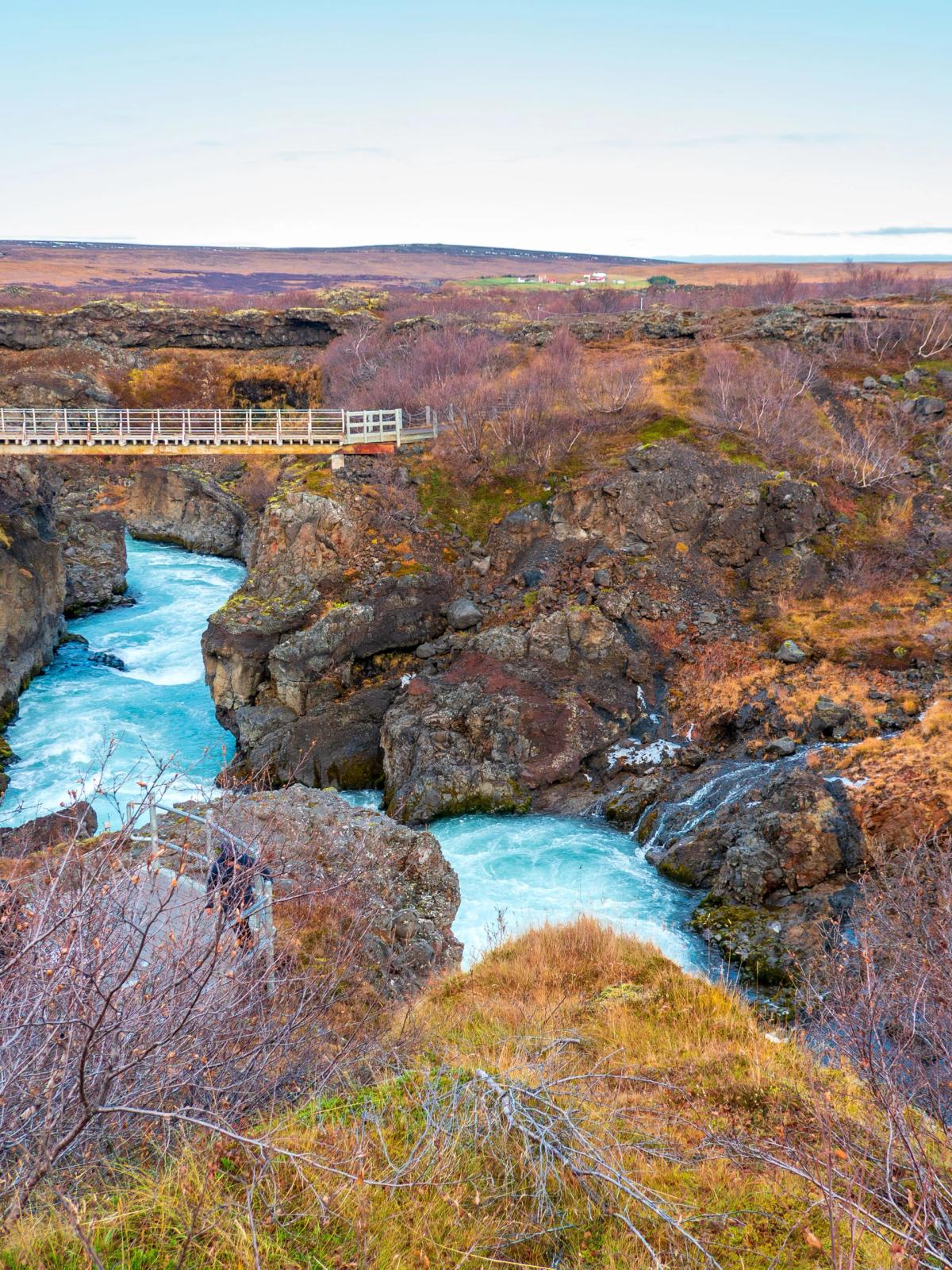
Barnafoss
Fast-flowing glacial waterfall

Best Time to Drive Iceland's Ring Road
For many travelers, summer is the best time to drive Iceland's Ring Road. The long daylight hours, milder weather, and generally good road conditions make it easier to explore the country and fit more into each day. It's also a great time for hiking, camping, and visiting attractions all around the island.
If you're thinking about driving the Ring Road in summer, the guide in the link bellow covers what to expect, what to pack, and tips for planning your trip.
Ring Road Hidden Gems
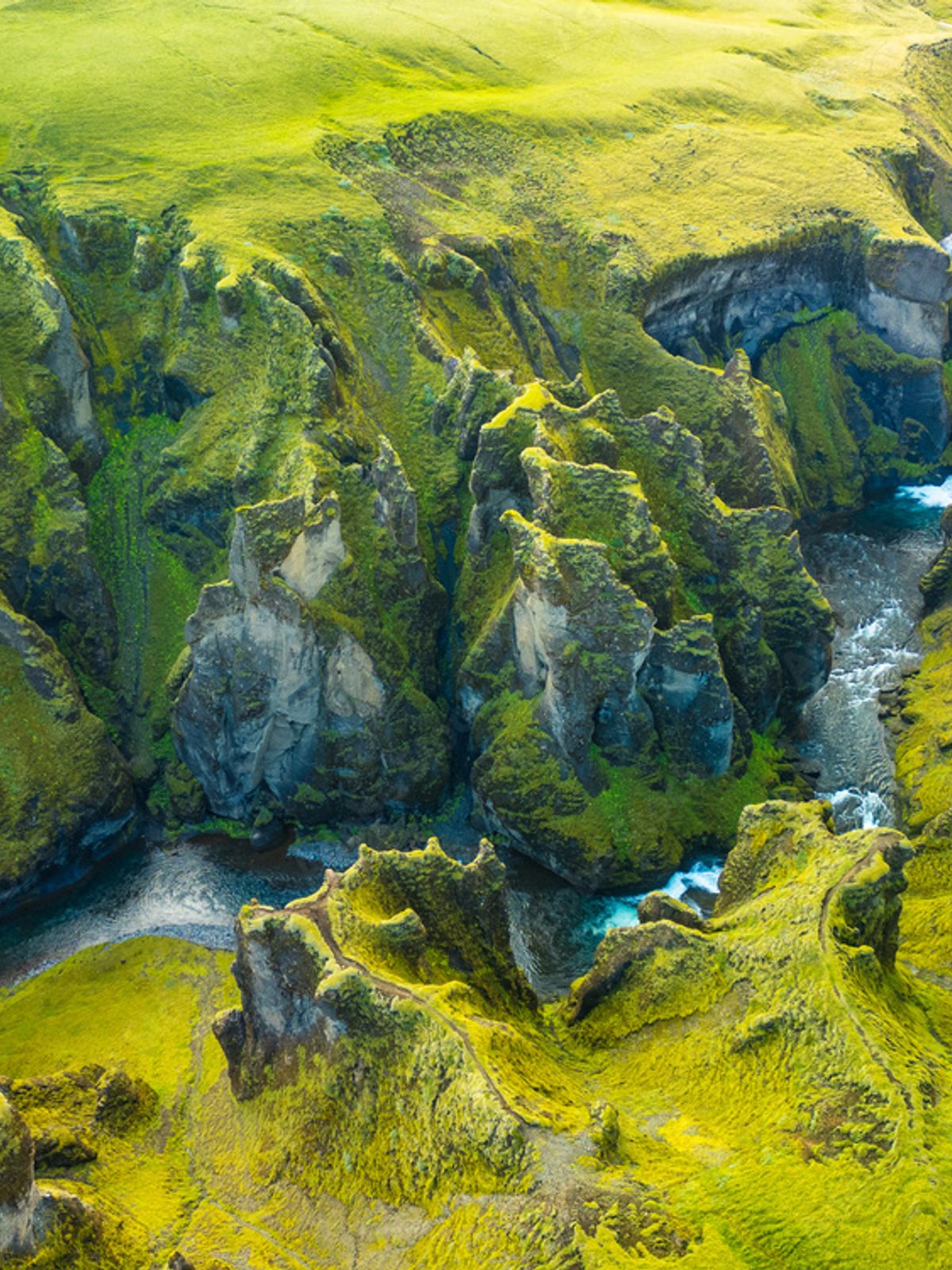
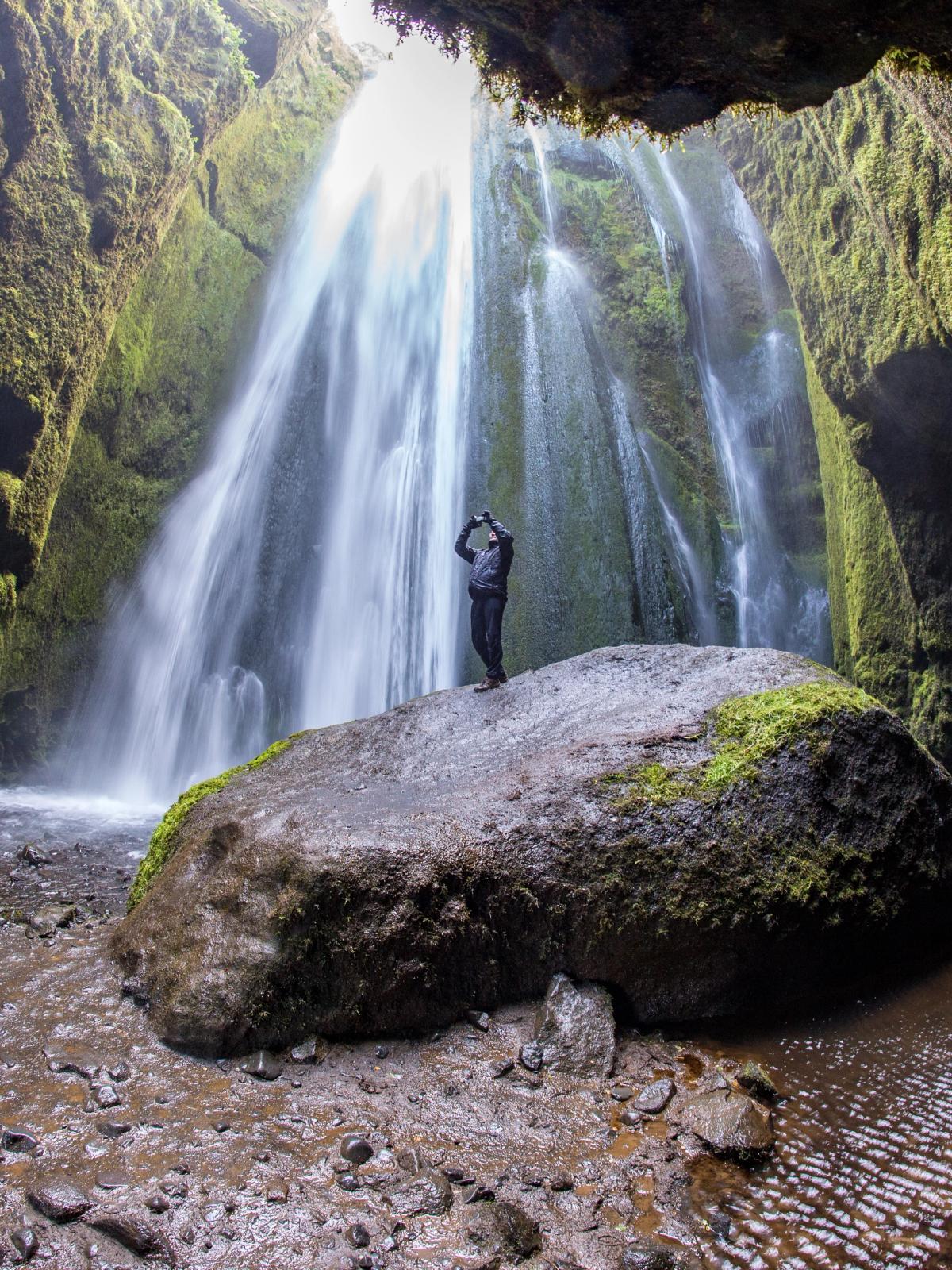
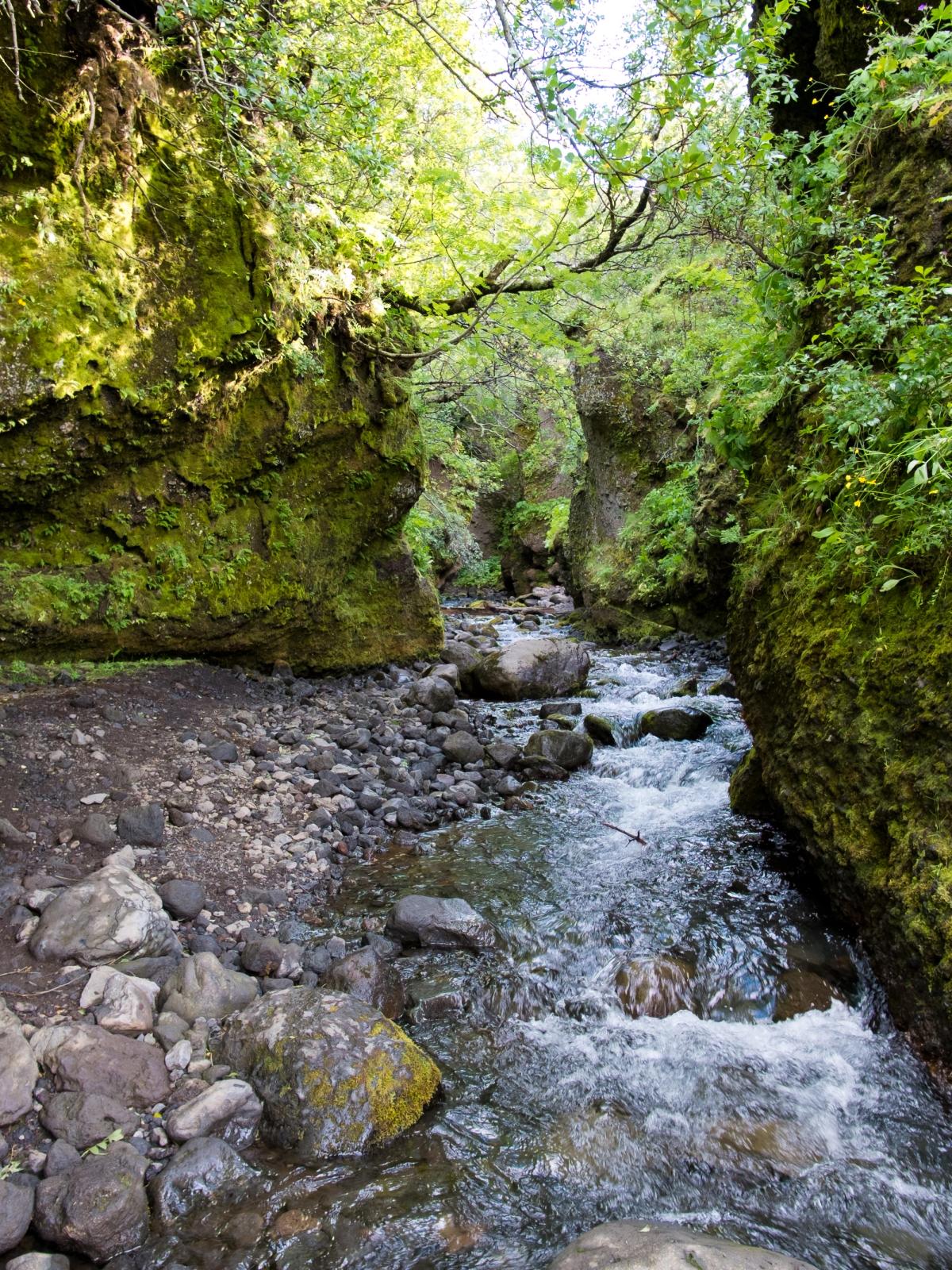
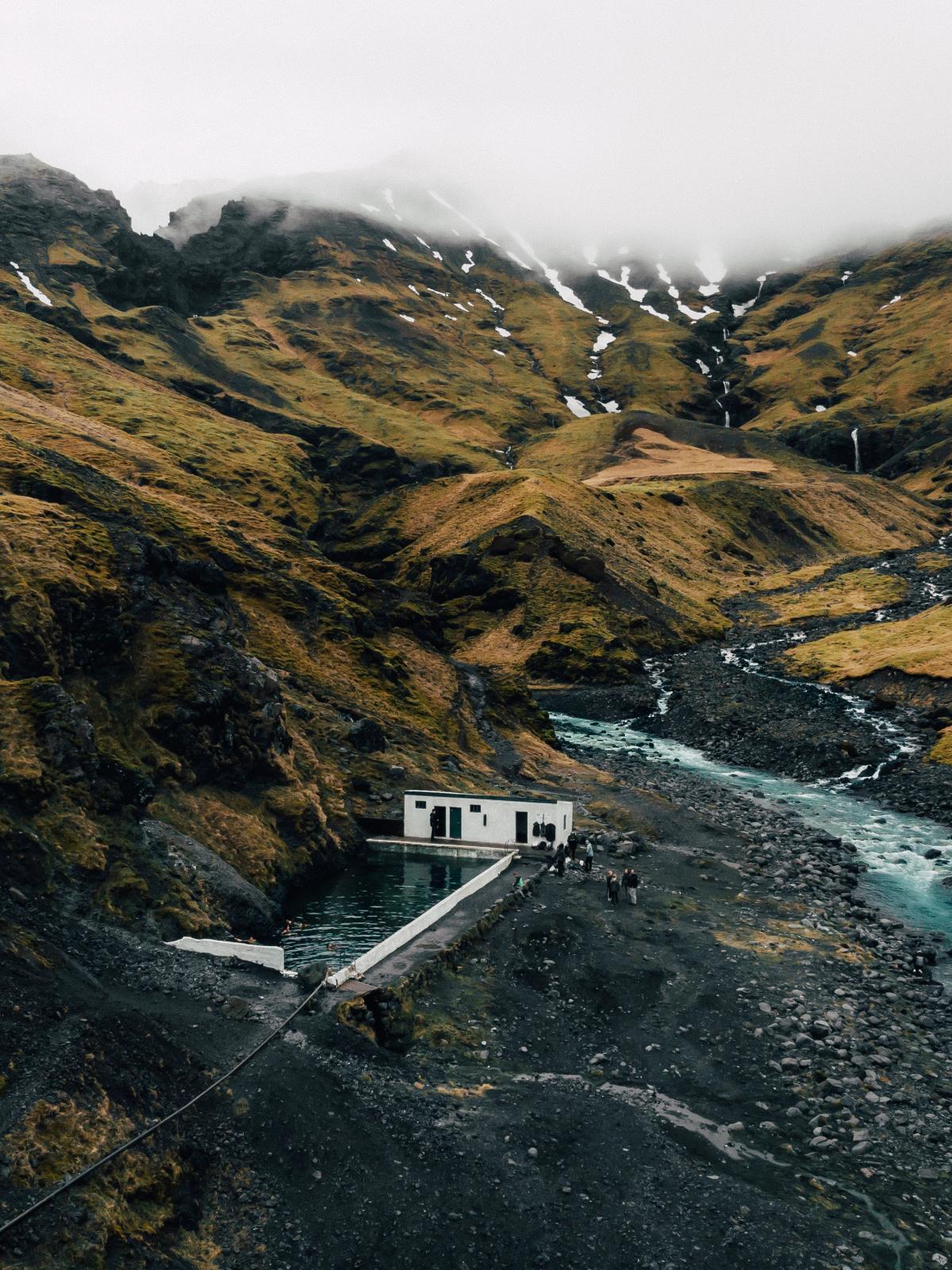
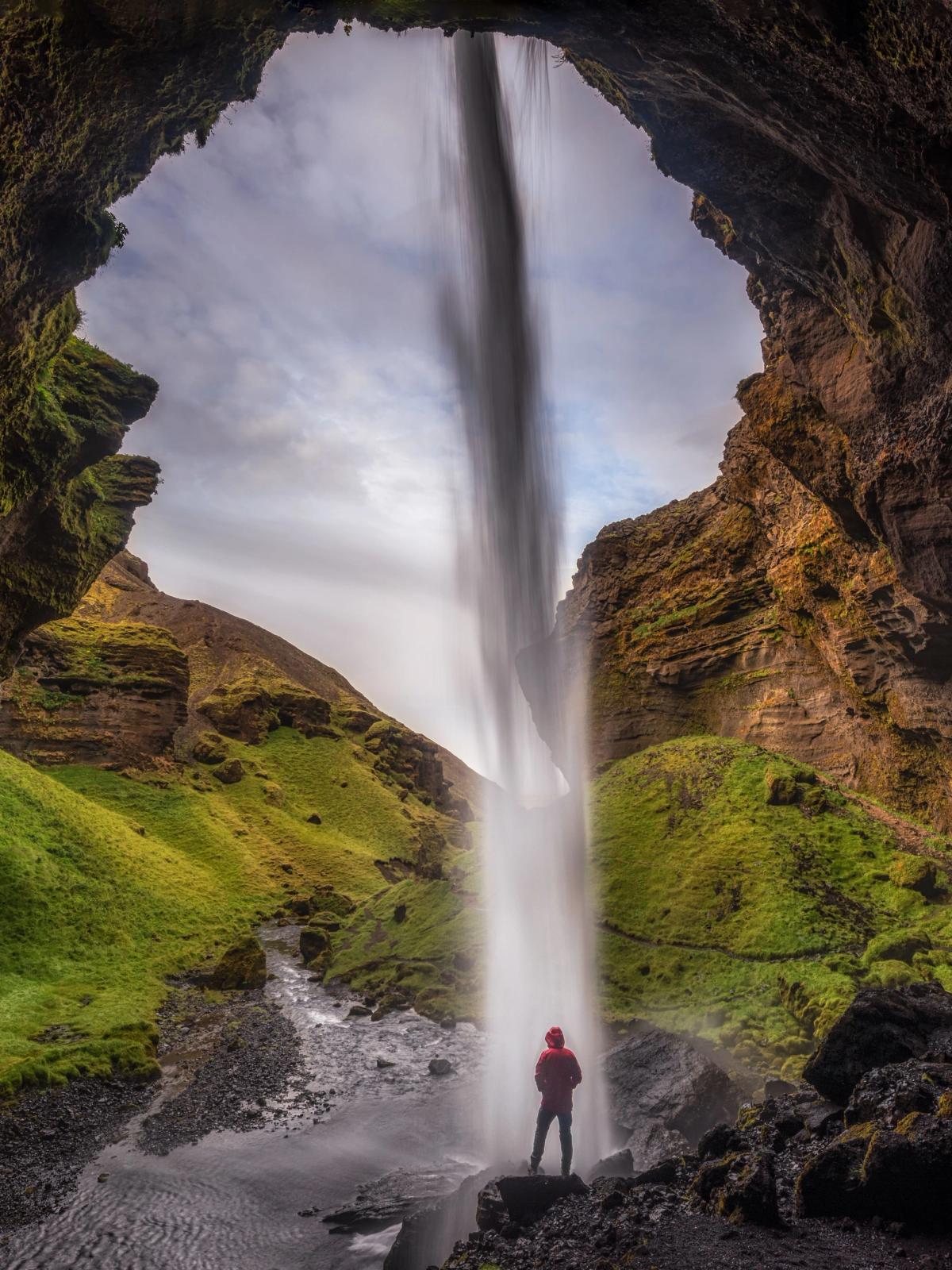
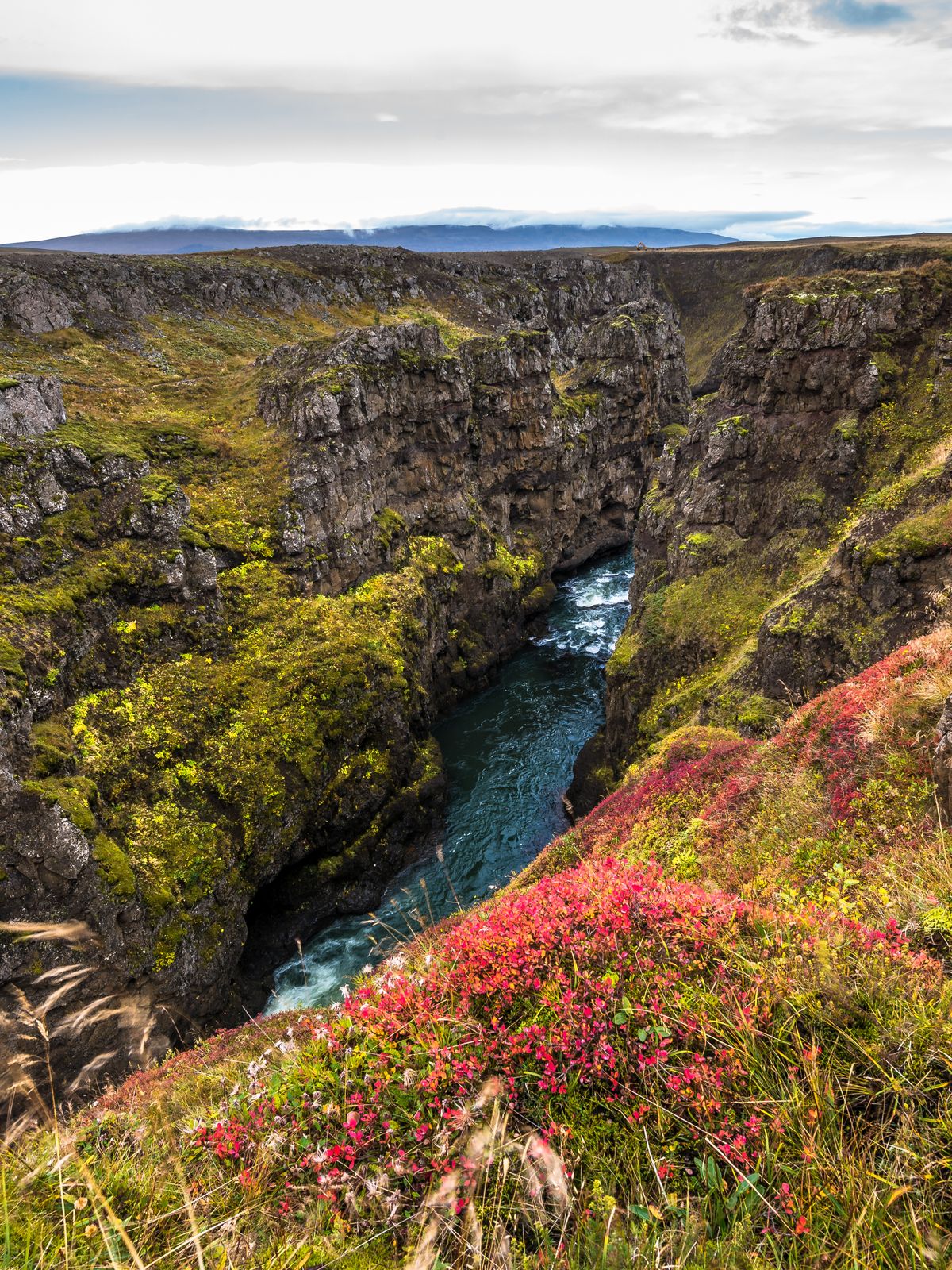
The Ring Road is known for its famous attractions, but there are plenty of lesser-known places worth stopping for too. Along the route, you'll find hidden waterfalls, quiet canyons, natural pools, and scenic spots that many travelers miss. If you're looking to add a few unique stops to your itinerary, these hidden gems are a great place to start.
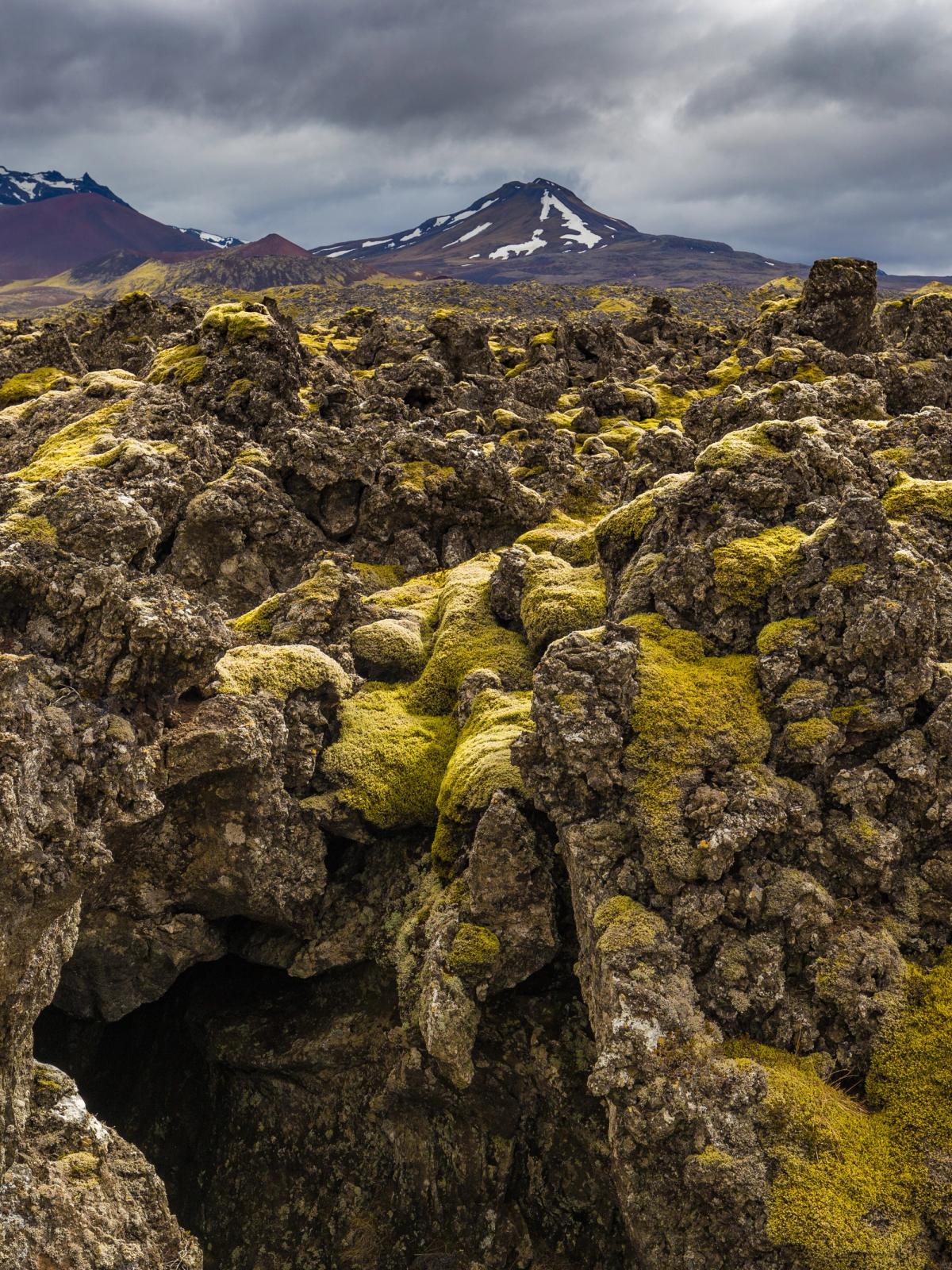

What to Pack for Iceland's Ring Road
The weather in Iceland can change quickly, so it's important to pack for all kinds of conditions. Whether you're driving the Ring Road in summer or winter, having the right clothing and a few travel essentials will make your trip more comfortable and help you get the most out of your time on the road.
Our Iceland packing list covers everything you need to bring, from waterproof layers and hiking shoes to the everyday essentials you'll be glad you packed.
Where to Stay Along the Ring Road
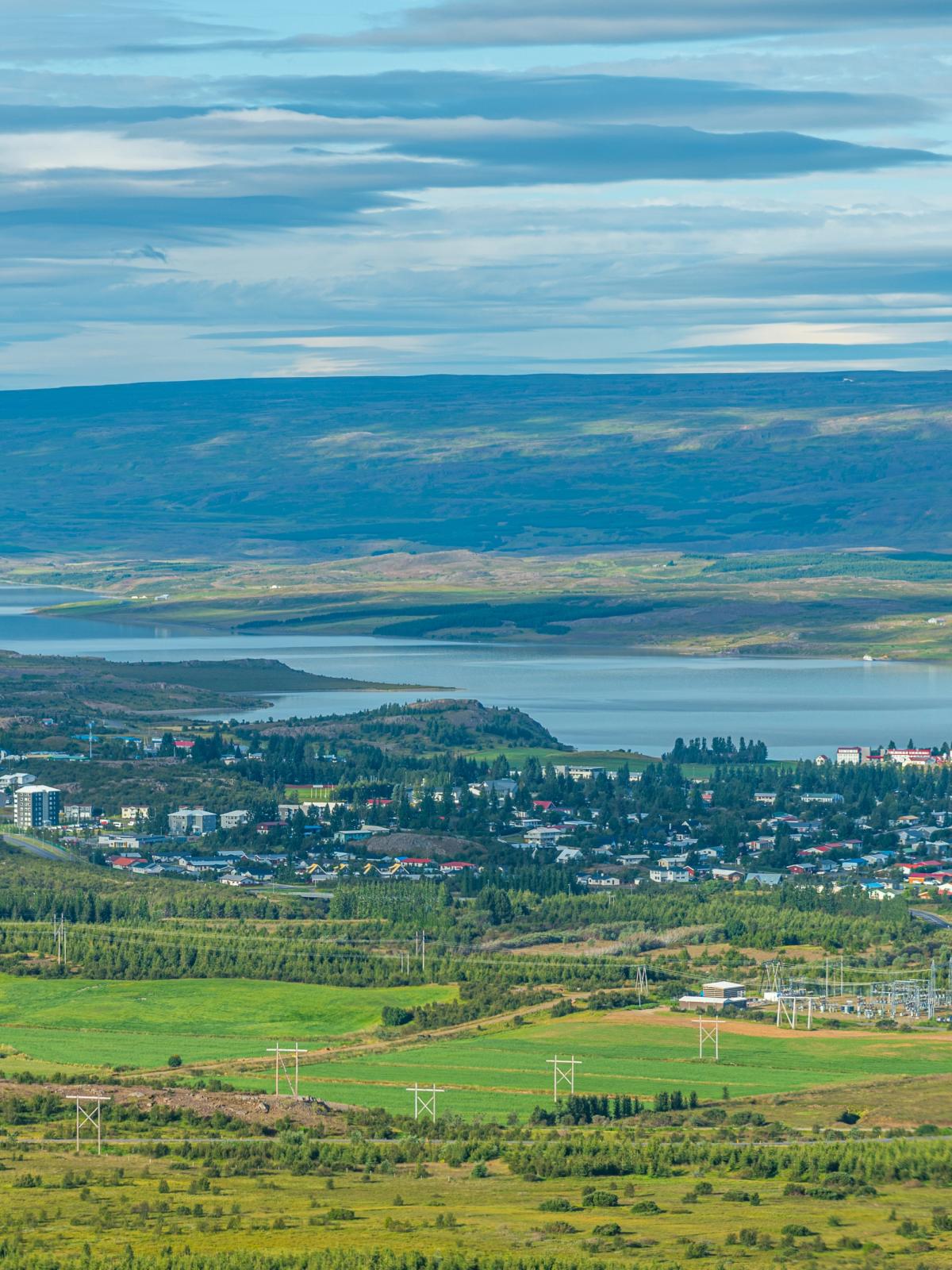
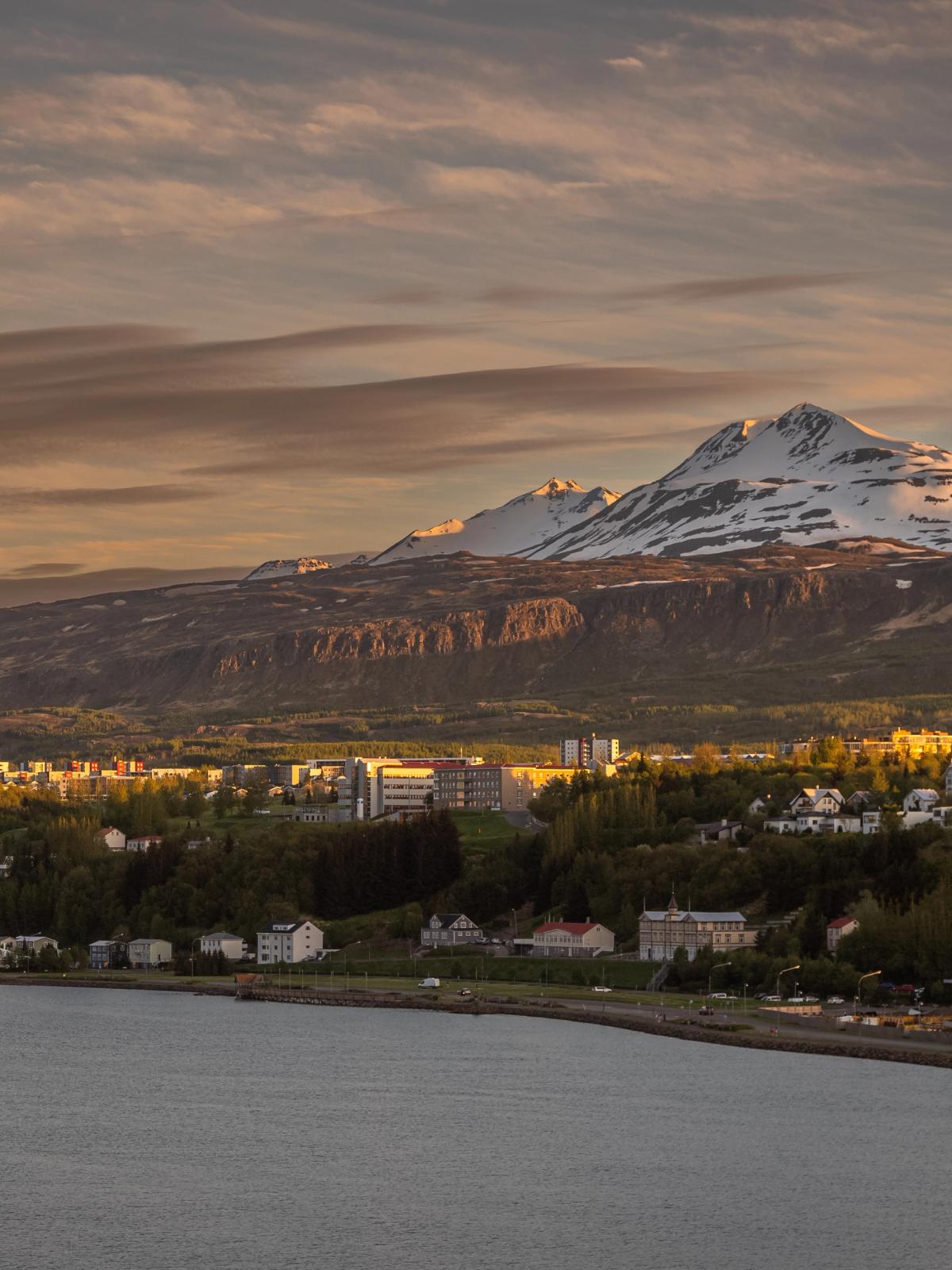
Planning where to stay is one of the most important parts of a Ring Road trip. Staying in places like Vík, Höfn, Egilsstaðir, Lake Mývatn, Akureyri, and Borgarnes makes it easier to break up the drive and spend more time exploring instead of driving. These are some of the best places to stay as you make your way around Iceland.
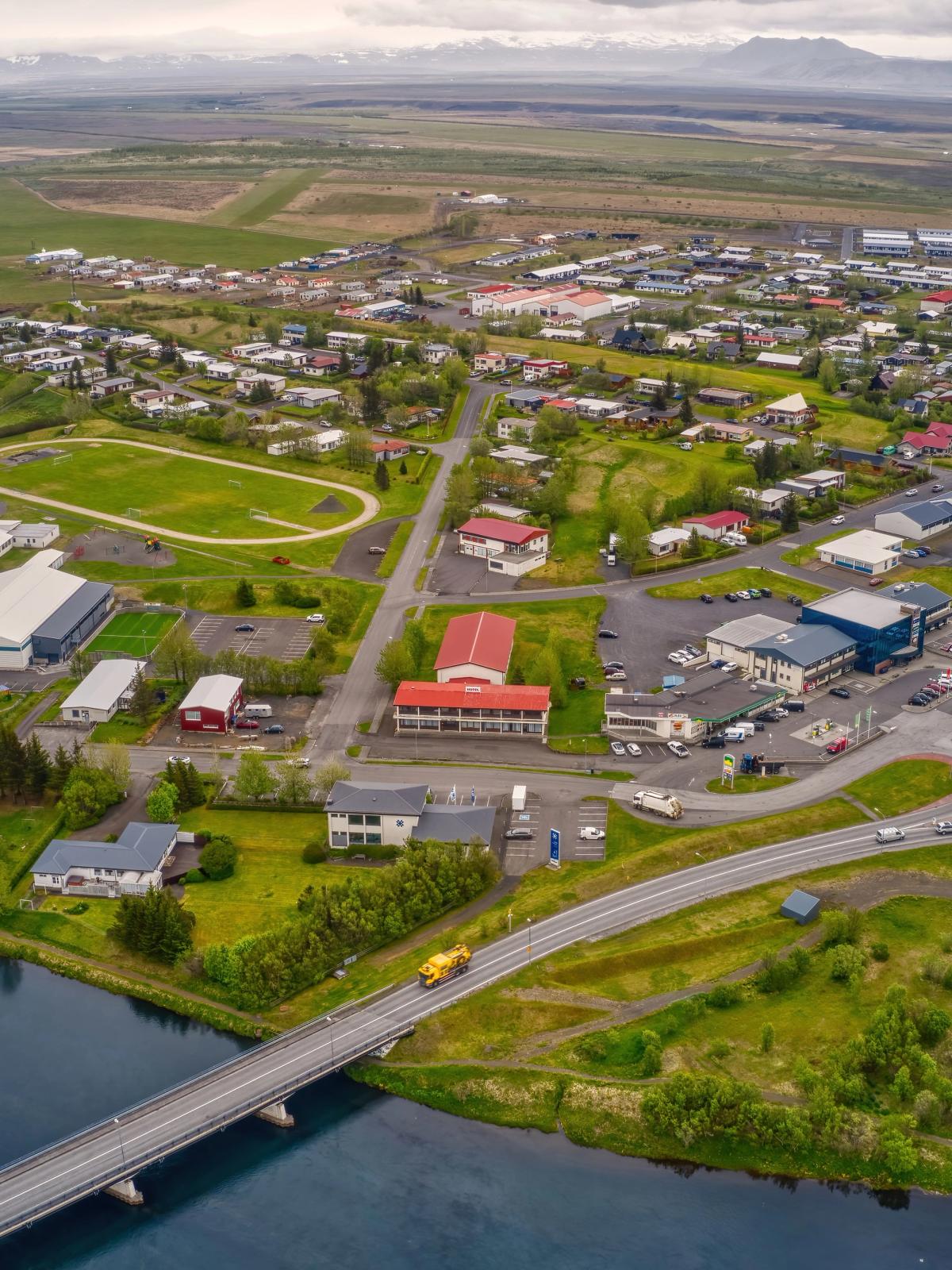
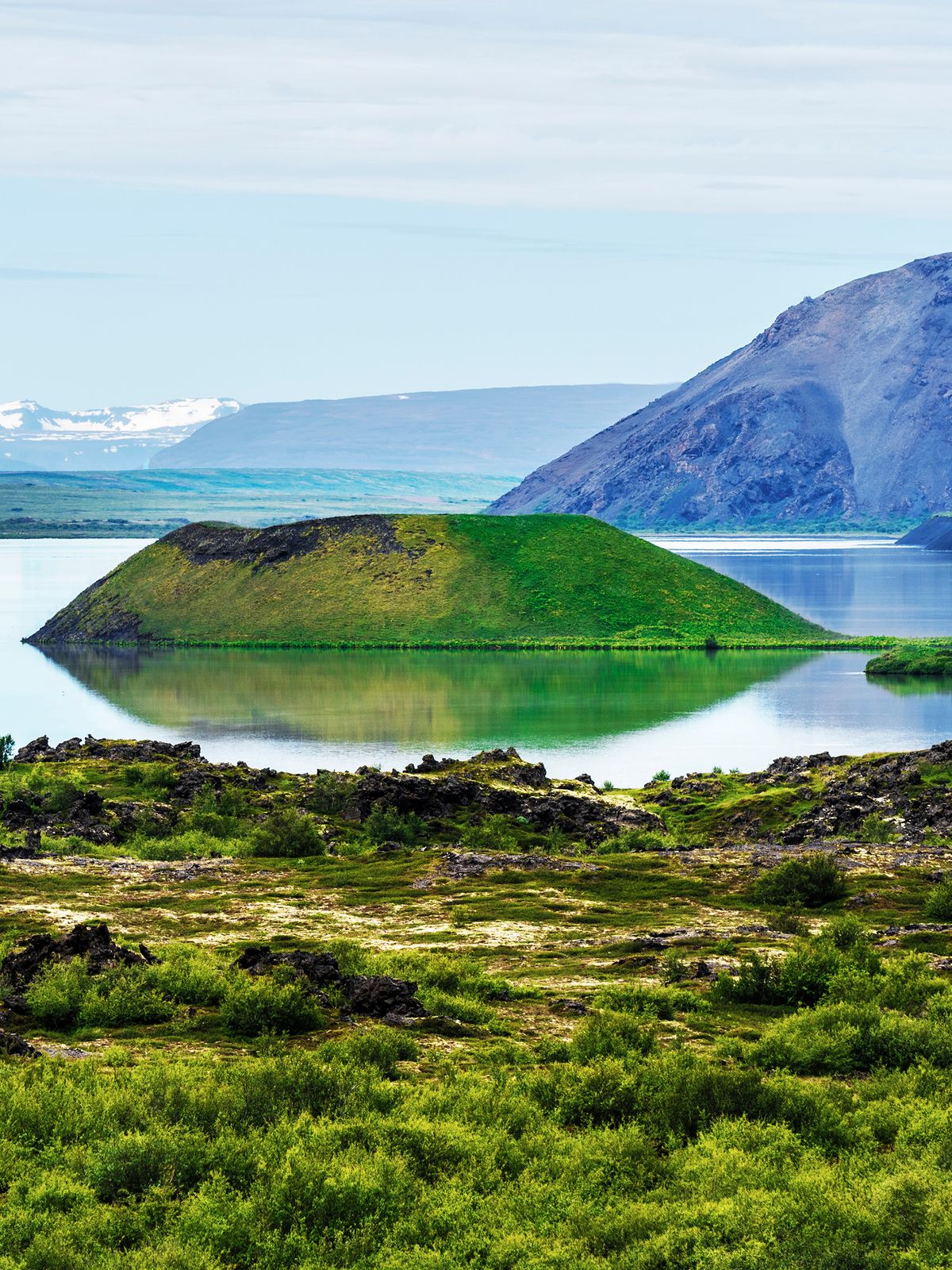
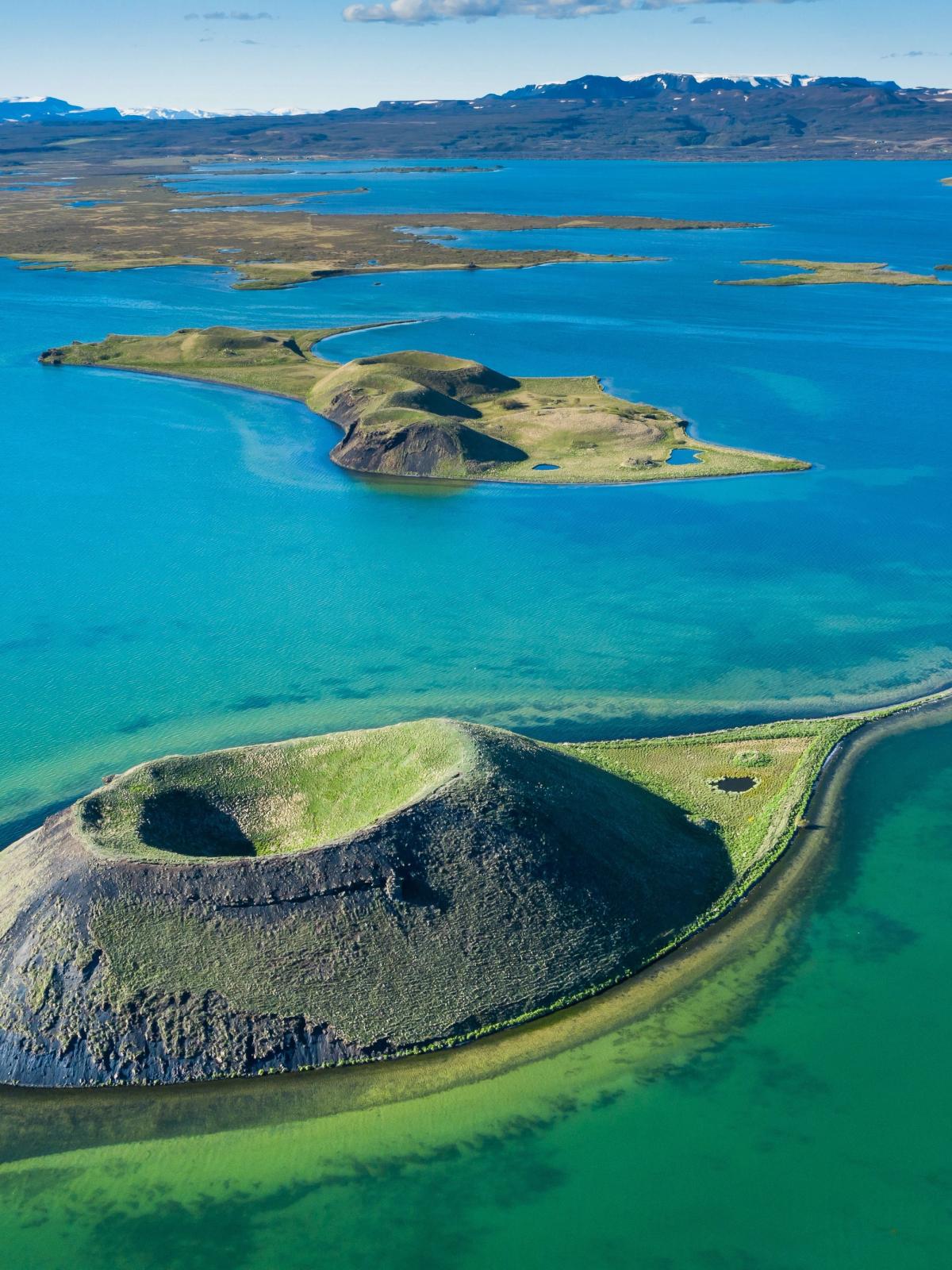
Mývatn area
Volcanic landscapes
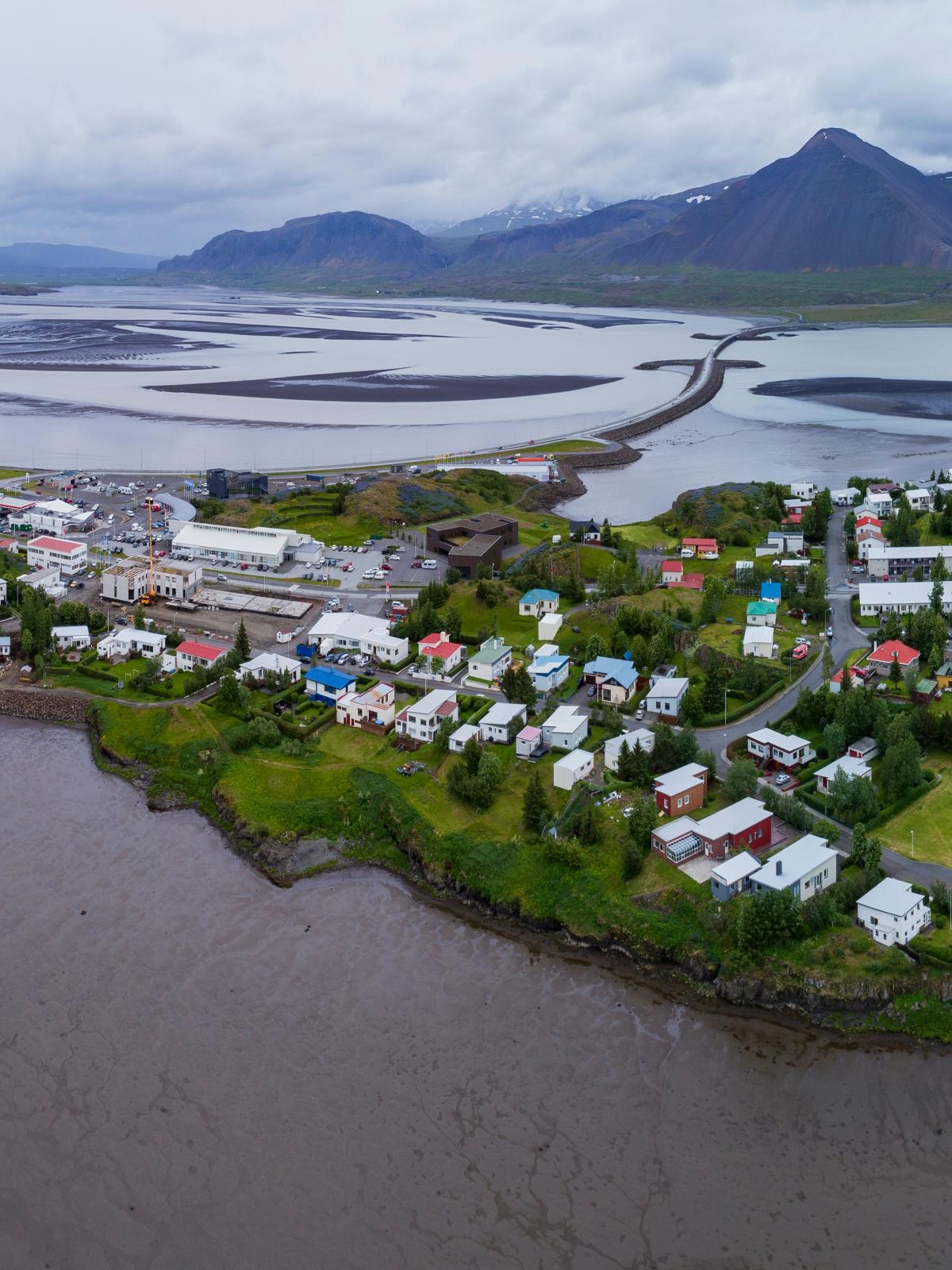
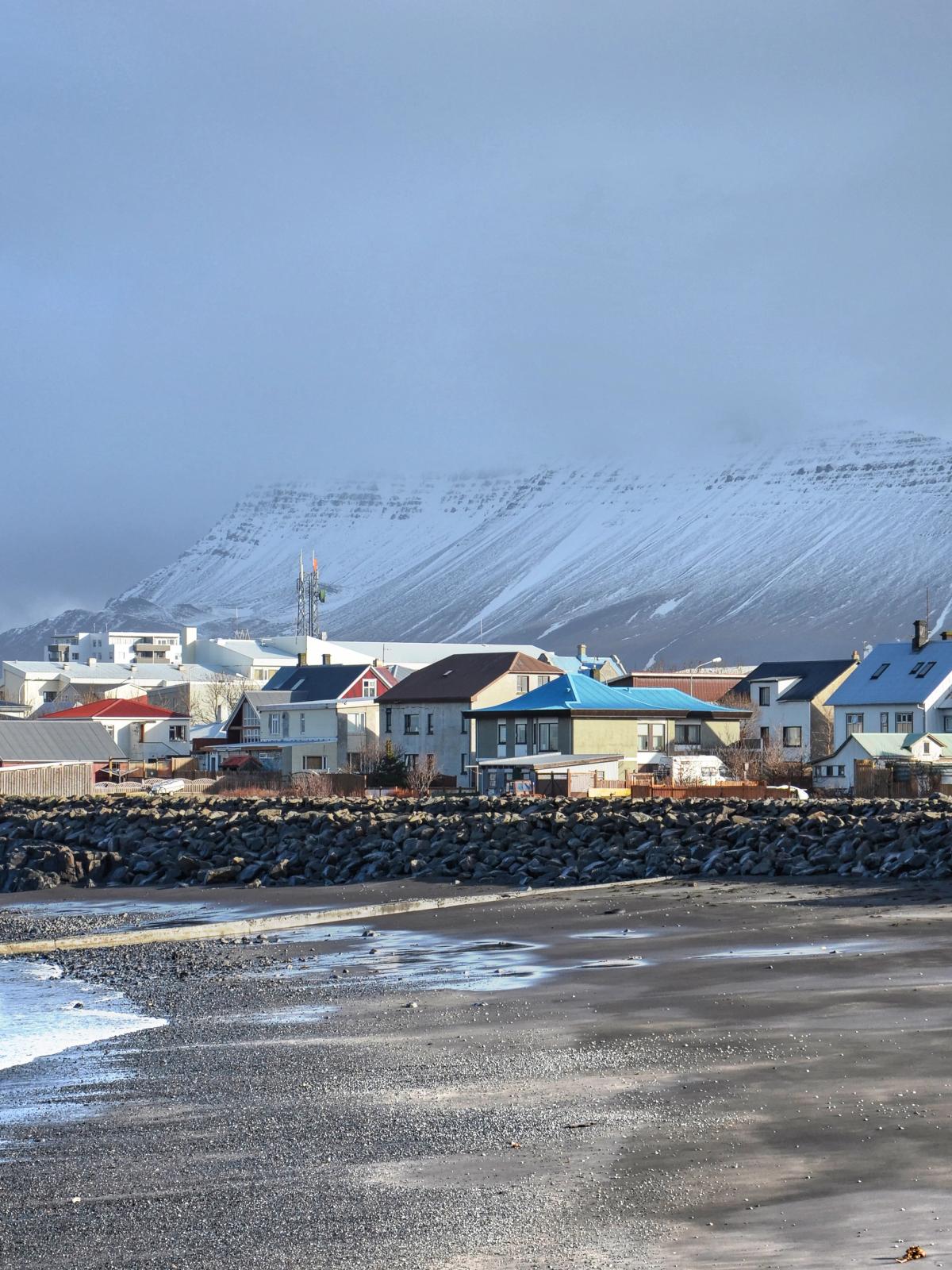
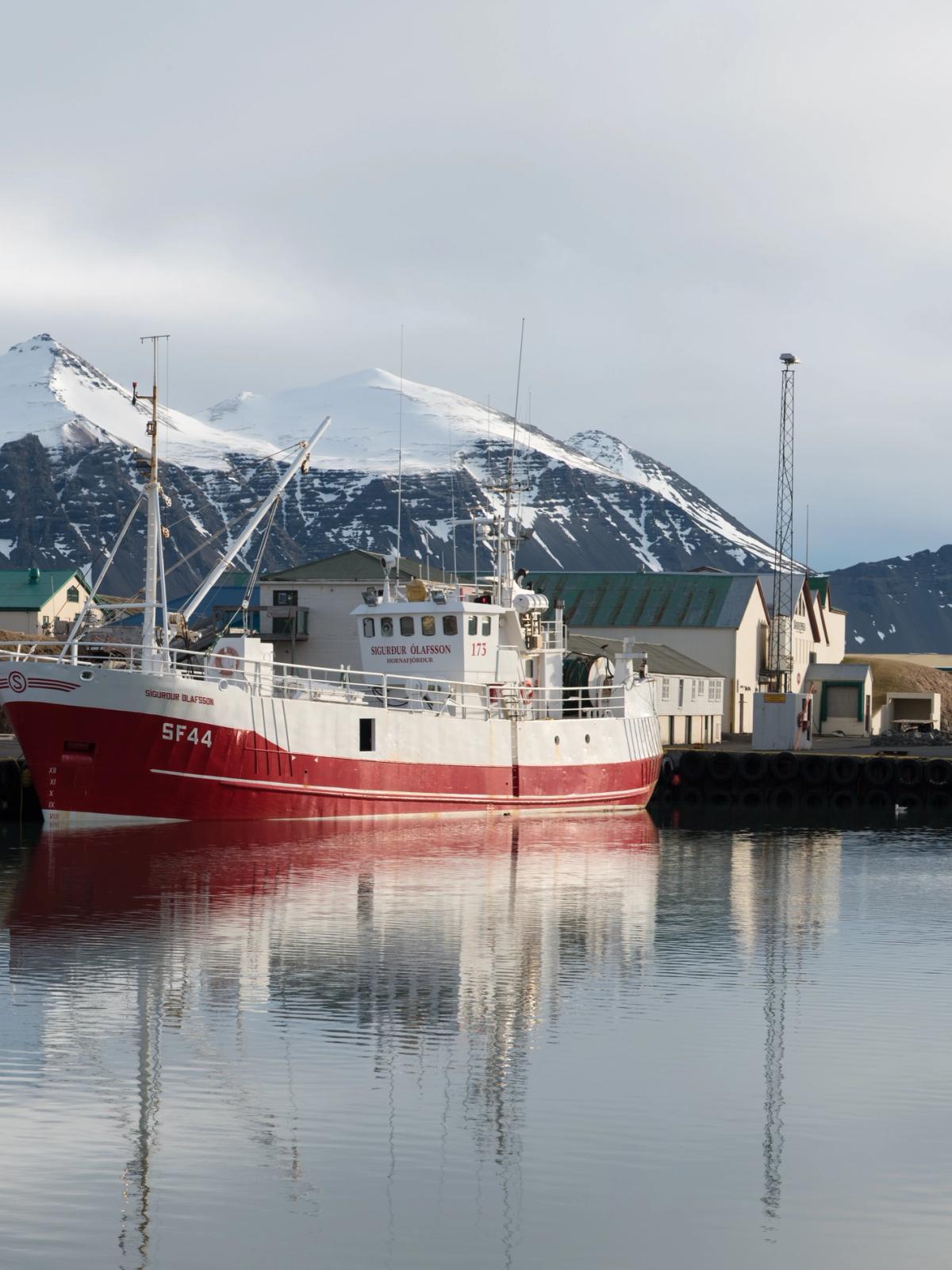
Akranes
Coastal town near Reykjavík