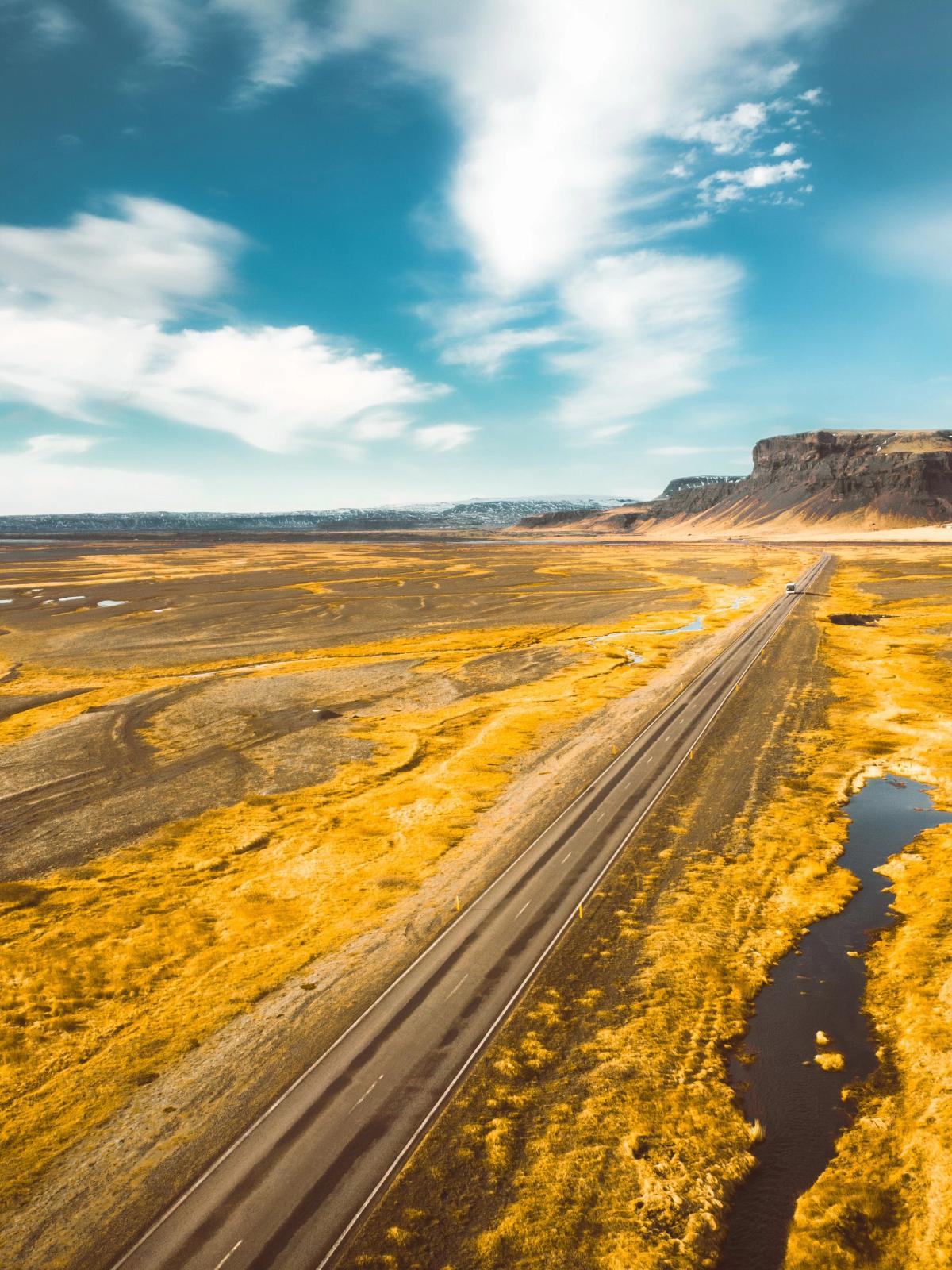
Iceland's Ring Road, also called Route 1, is a 1,332 km / 828 mi loop around the whole country. Seven days is enough to complete it, but just barely.
This guide covers the full counterclockwise route, daily driving times, where to sleep, what to skip, and everything you need to know to pull it off.
Key Takeaways for This 7-Day Ring Road Itinerary
A few things worth knowing before we get into the days.
Iceland's Ring Road is about 1,332 km / 828 mi of paved highway around the island
The route is open year-round, but winter driving needs more flexibility and care
This itinerary goes counterclockwise: South Coast, Southeast, East, North, West, Reykjavík
Most days involve 3 to 5 hours of driving before any stops
A regular 2WD rental car works fine for Route 1 in summer; go 4x4 in winter
Book accommodation early, especially around Vík, Höfn, Egilsstaðir, Mývatn, and Akureyri
Check road.is, vedur.is, and safetravel.is every morning before you drive
Is 7 Days Enough for Iceland's Ring Road?
Yes, but go in with your eyes open.
Iceland's Ring Road, also known as Route 1 or Þjóðvegur 1, goes around the entire island. Driven nonstop, it takes about 17 hours. Add stops, meals, fuel, and photos, and that's a very full week.
It works if you're okay with driving 3 to 5 hours most days, keeping big detours off the table, and checking road and weather conditions before you leave each morning. It's a highlights trip, not a slow wander. Ten days is more comfortable. But 7? Totally doable.
What You Won't See on This 7-Day Itinerary (and Why)
7 days cover a lot, but a few regions just don't fit the timeline. That's not a flaw in the plan. It's just the reality.
The Westfjords are one of Iceland's most dramatic areas, but they need a serious detour and at least 2 to 3 full days to do properly. They don't belong in a 7-day loop.
Snæfellsnes Peninsula is often called Iceland in miniature. It needs at least a full day of its own, which only works if you drop something else or add a night.
The full Diamond Circle (Dettifoss, Ásbyrgi, Húsavík, and Mývatn) is too much for one week. You'll hit Dettifoss and Mývatn, but don't count on Ásbyrgi or a full whale-watching trip to Húsavík.
Highland F-roads (Askja, Landmannalaugar) aren't part of the Ring Road at all. They need a 4x4 and extra days.
Day 1: Vehicle Pickup, Golden Circle & South Coast Start
Pick up your car in Keflavík or Reykjavík, skip lingering in the city, and head straight for the Golden Circle. Today's whole job is to cover that loop and get yourself close to the South Coast, so Day 2 starts well. If I were you, I'd sleep near Hvolsvöllur or Hella tonight, not in Reykjavík.
Estimated driving: 230 km / 143 mi, around 3.5 hours
Priority Stops
Hit these in order and you'll get to Hvolsvöllur with time for dinner and a proper night of sleep before the South Coast.
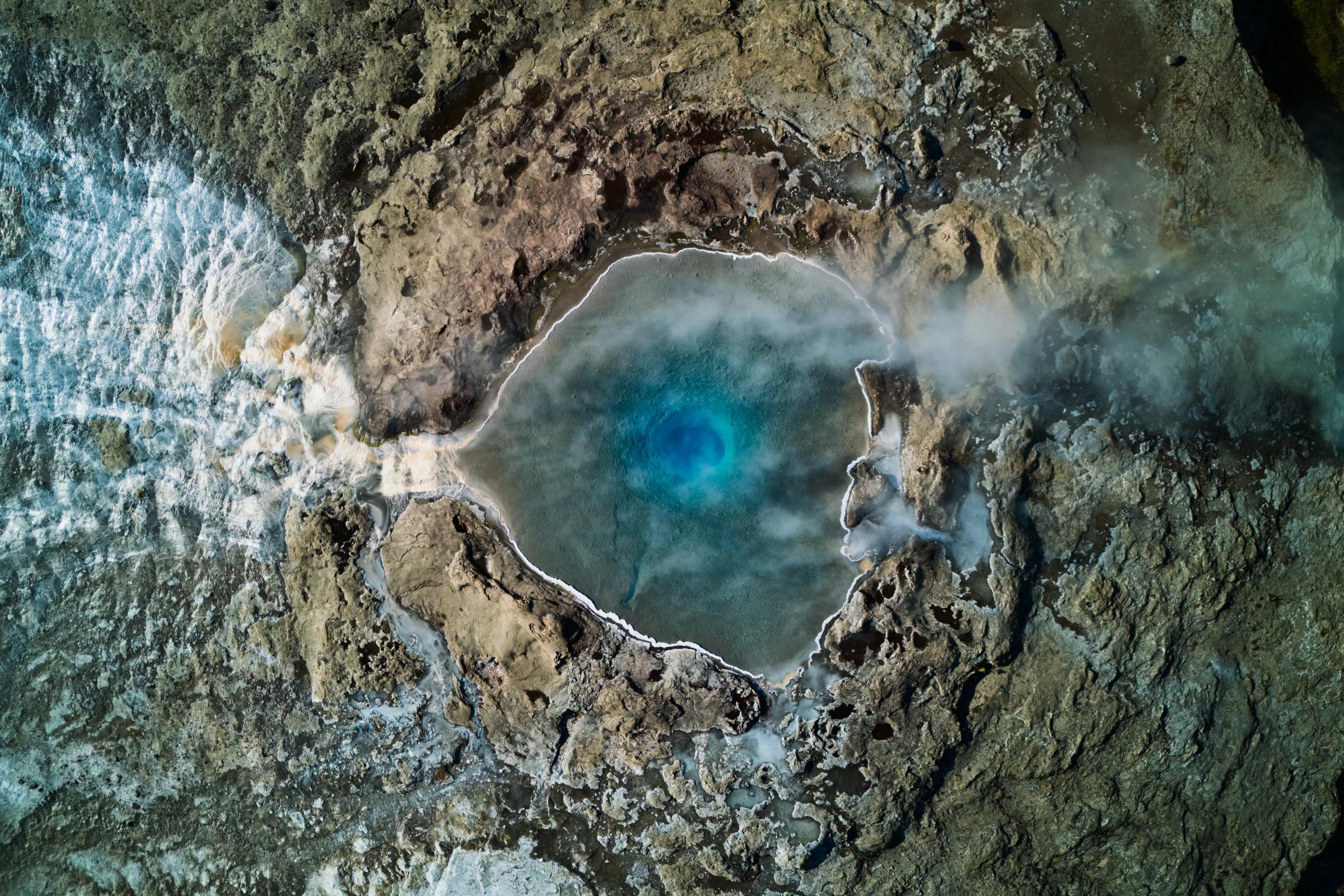
Geysir / Strokkur: The original Geysir is dormant, but Strokkur erupts every 5 to 10 minutes. Watch two or three eruptions, walk the loop, move on. Thirty to forty-five minutes is enough.
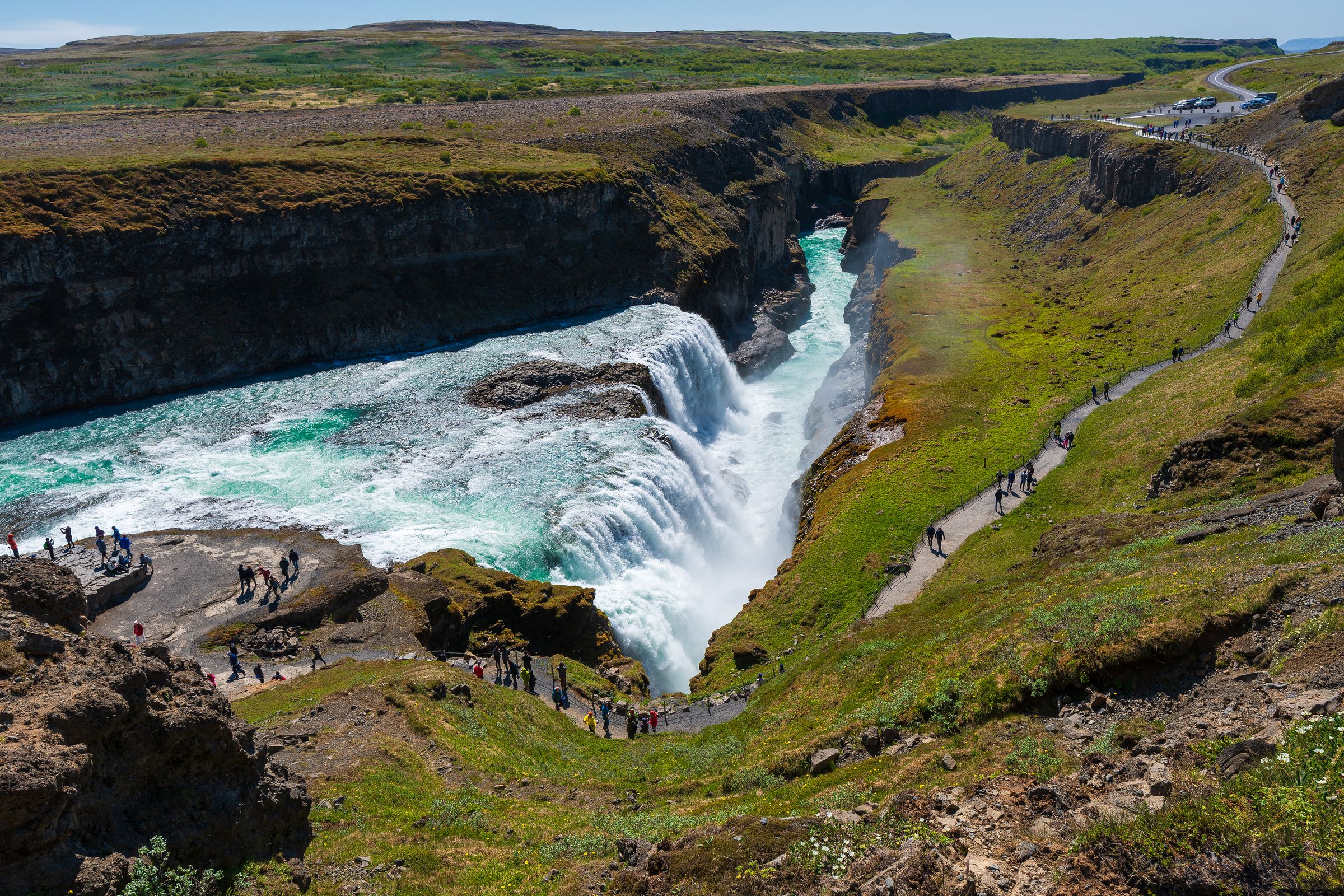
Gullfoss: A two-tiered waterfall that drops into a canyon. Walk the path, take it in, keep moving. About 45 minutes.
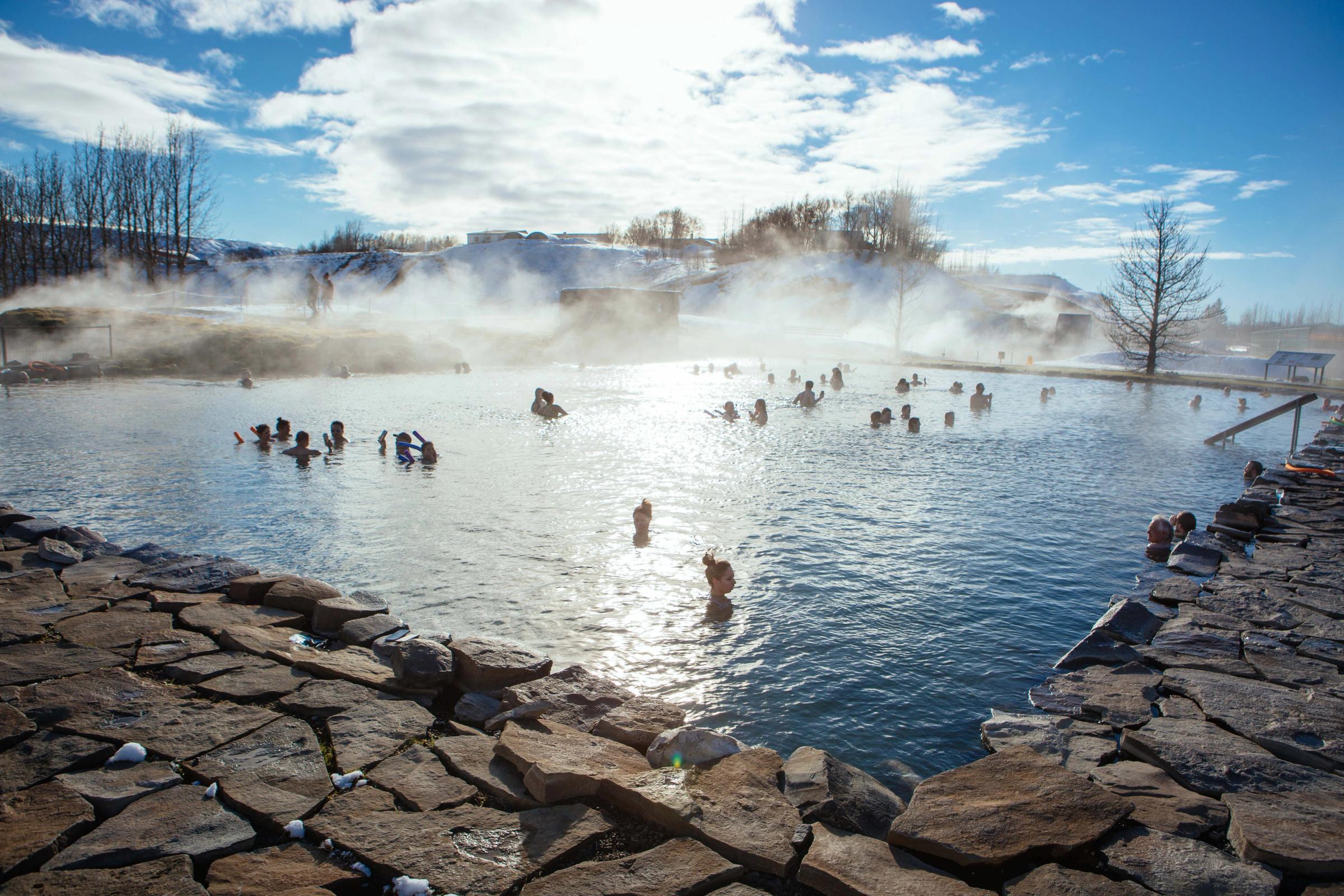
Secret Lagoon (optional): If you want a soak on Day 1, the Secret Lagoon near Flúðir is a good stop after Gullfoss.
What You'll Miss
Silfra snorkeling: Worth doing somewhere in life, but it's a half-day commitment that kills this day's pacing.
Kerið crater: Fine if you have extra time, easy to skip without regret.
Extended Reykjavík time: Save the city for Day 7. The Ring Road doesn't start over dinner in Reykjavík.
Day 2: South Coast Wonders to Vík
Today is waterfalls, black sand, and coastal cliffs. You'll drive east along Iceland's South Coast from Hvolsvöllur, stopping at Seljalandsfoss, Skógafoss, Dyrhólaey, and Reynisfjara on the way to Vík.
Estimated driving: 120 km / 74.5 mi depending on where you sleep
Priority Stops
These are the ones you don't skip on the South Coast. Take your time, but keep things moving.
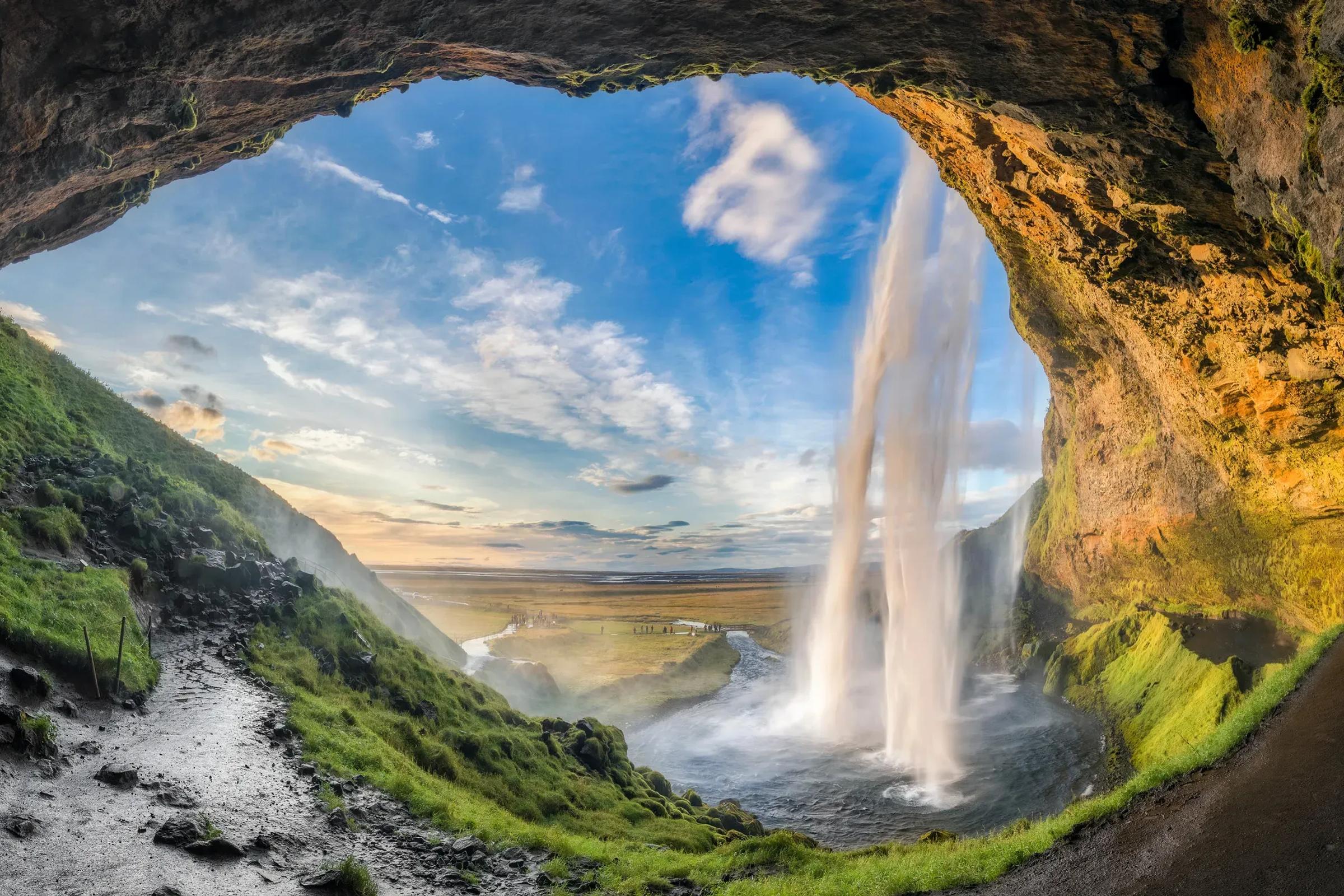
Seljalandsfoss: You can walk behind this waterfall, which is genuinely fun. It's wet and slippery, so waterproof layers are a must. Right nearby, Gljúfrabúi is a smaller waterfall tucked into a canyon slot with almost nobody there. A 10-minute detour that's well worth it.
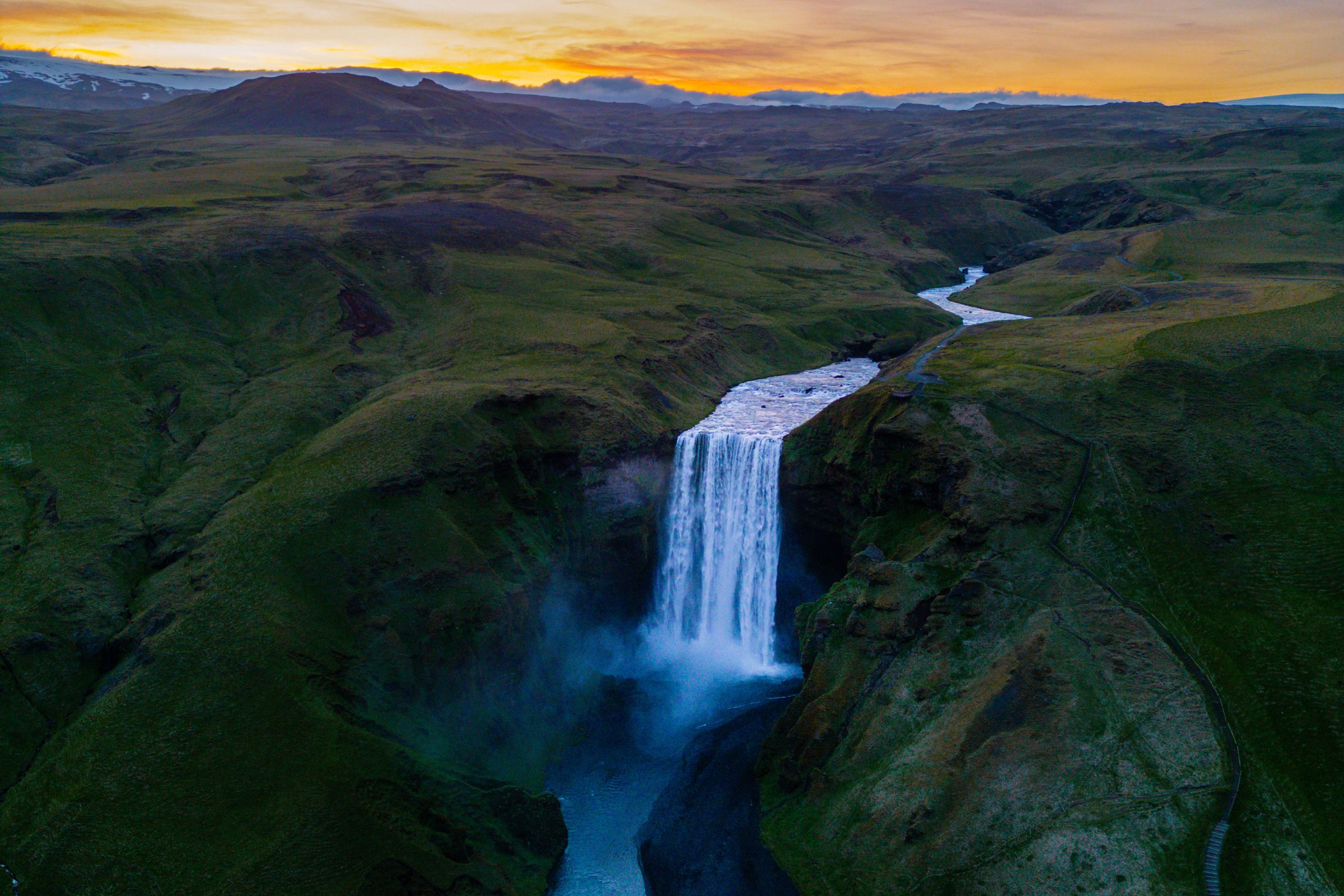
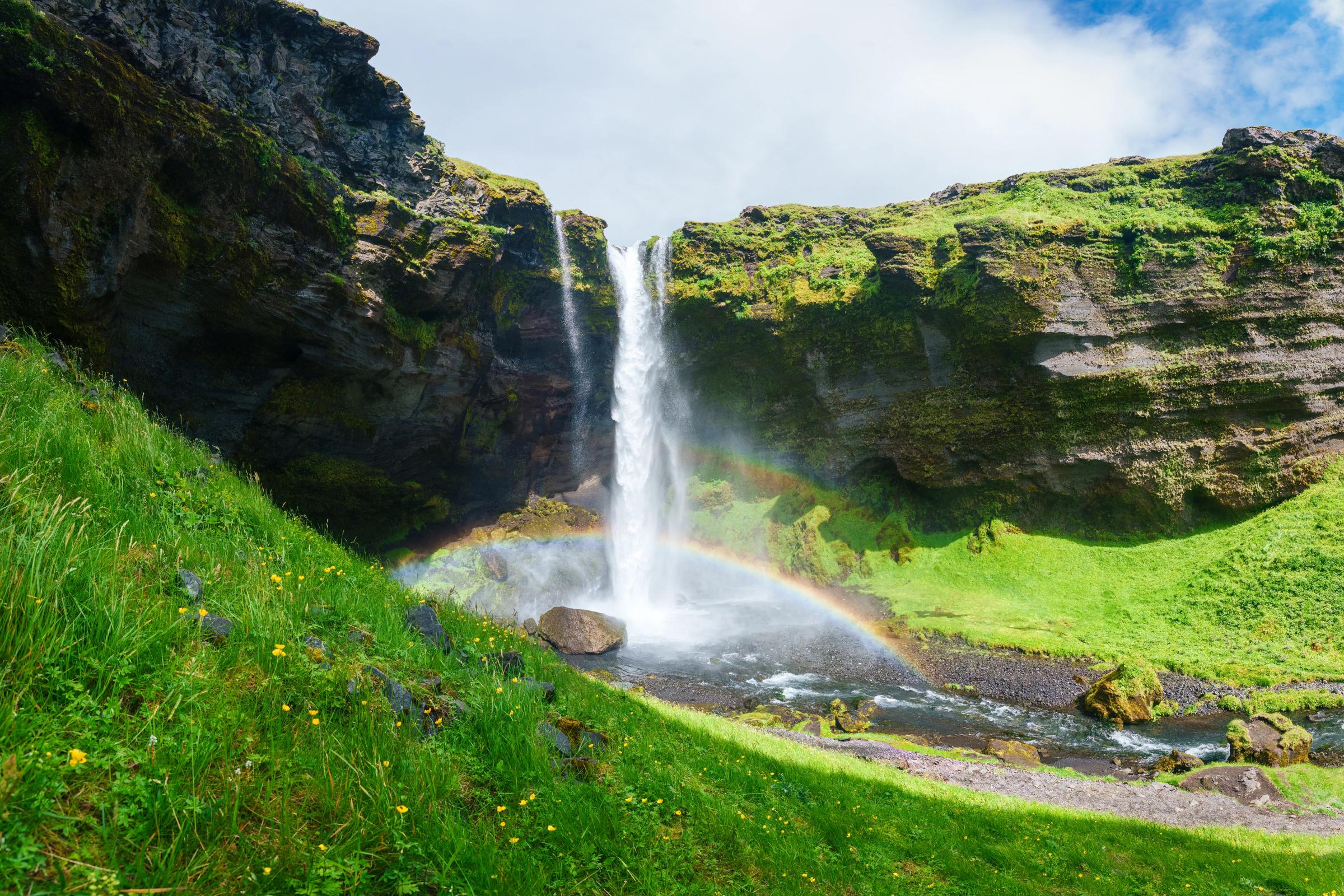
Skógafoss: One of Iceland's biggest waterfalls. Climb the staircase alongside it for great views from above. I'd also recommend checking out Kvernufoss if you want something quieter: it's a 20-minute walk from Skógar and almost always empty.
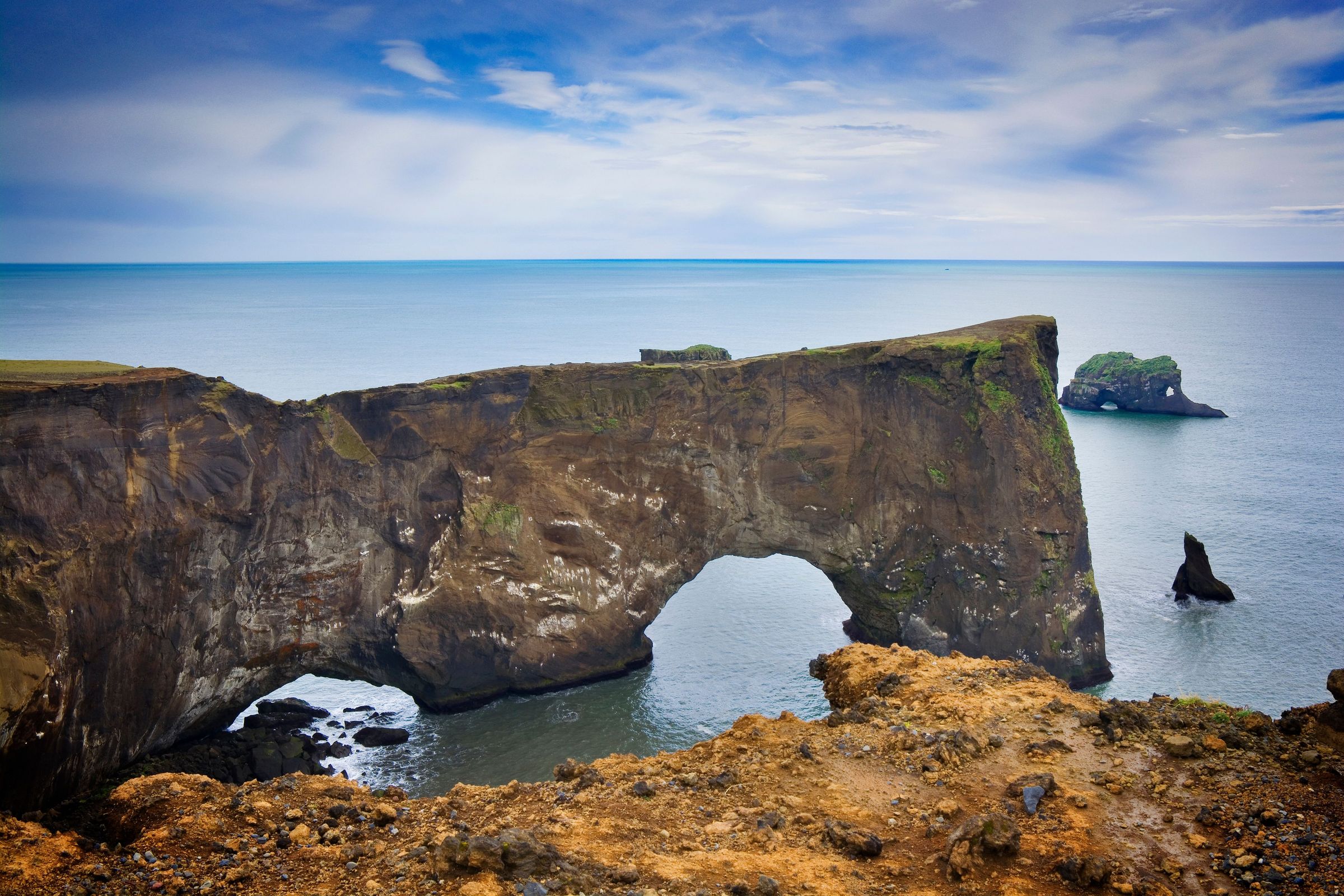
Dyrhólaey: A rocky arch above the coast. In summer, you'll likely spot puffins up here. Good views down to Reynisfjara.
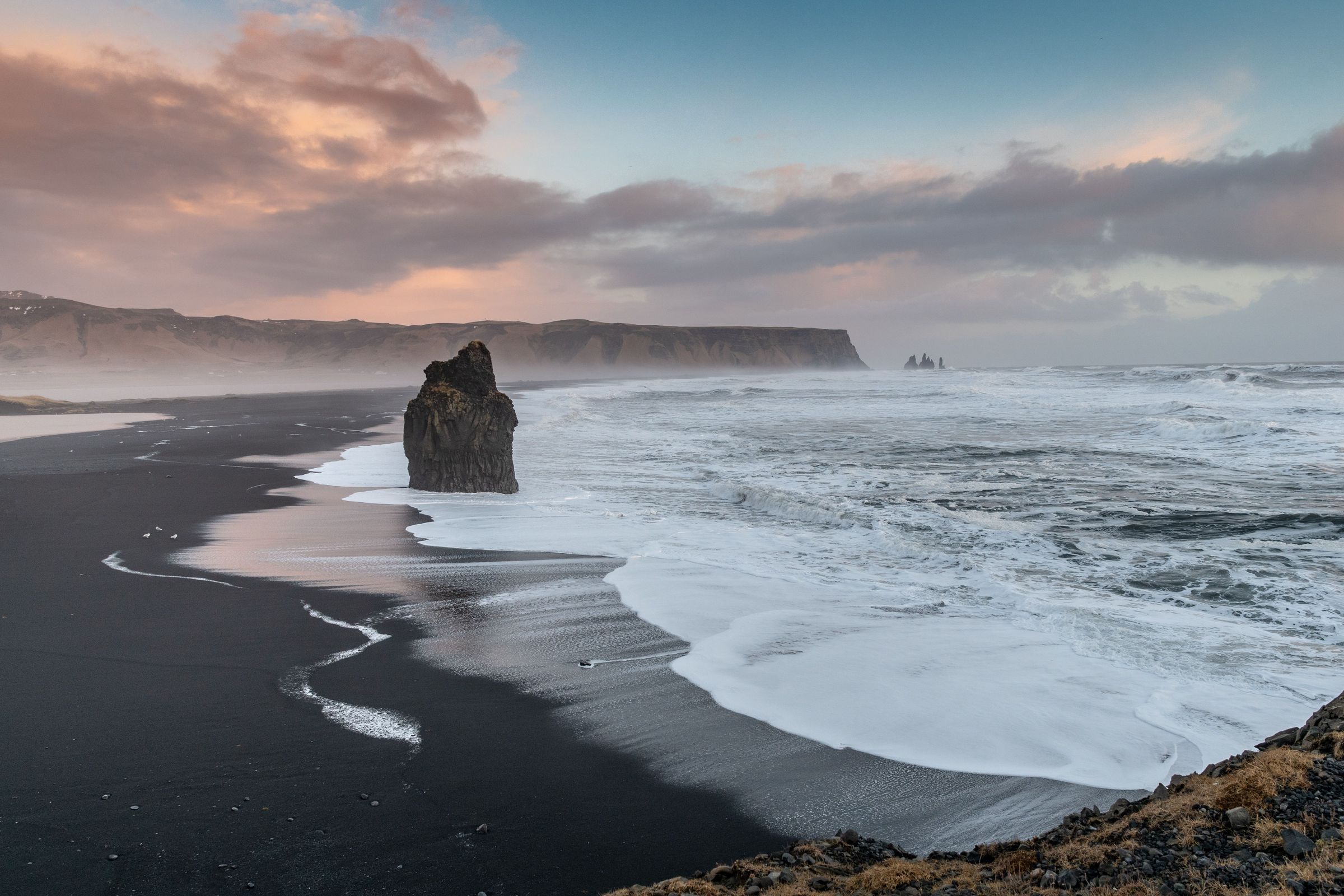
Reynisfjara Black Sand Beach: Black volcanic sand, basalt columns, heavy surf. One of the most striking spots in Iceland, and one of the most dangerous.
Reynisfjara safety: People have been seriously hurt and killed by sneaker waves here. When the orange warning is active, stay at least 25 meters (82 feet) from the water. Never turn your back on the sea. A red warning means the beach is closed except for the upper viewing area. Check safetravel.is before you go.
What You'll Miss
Katla Ice Cave: Possible on a 7-day trip, but the tour runs 3 to 4 hours. To fit it in, you'd need to cut Dyrhólaey or Fjaðrárgljúfur on Day 3. Pick one or the other.
Eyjafjallajökull Visitor Center: Interesting, but not something you need on this schedule.
Day 3: Skaftafell, Jökulsárlón Glacier Lagoon & Höfn
Day 3 is one of the best on the whole loop. You'll pass through Vatnajökull National Park, walk to a waterfall framed by basalt columns, watch icebergs drift through a glacial lagoon, and find chunks of ice sitting on a black sand beach. Sleep in Höfn.
Estimated driving: 270 to 280 km / 167 to 174 mi from Vík (less from Kirkjubæjarklaustur)
Priority Stops
Choose between Fjaðrárgljúfur and Skaftafell depending on whether you want a short scenic walk or a proper hike. Either way, don't skip the lagoon.
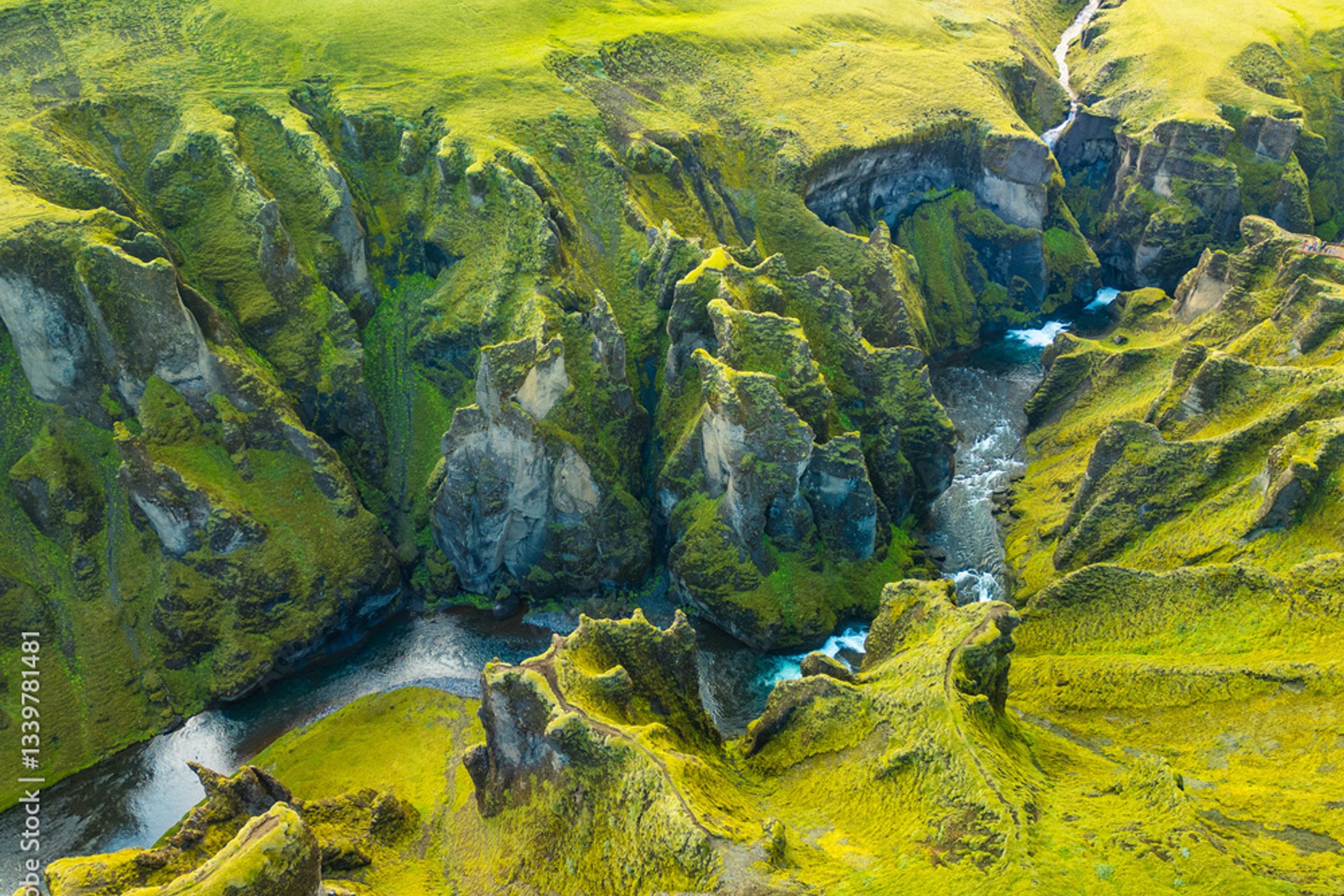
Fjaðrárgljúfur Canyon: A narrow canyon carved over thousands of years. It blew up after a music video and the crowds followed. The rim walk is short but the views are solid. About 45 minutes.
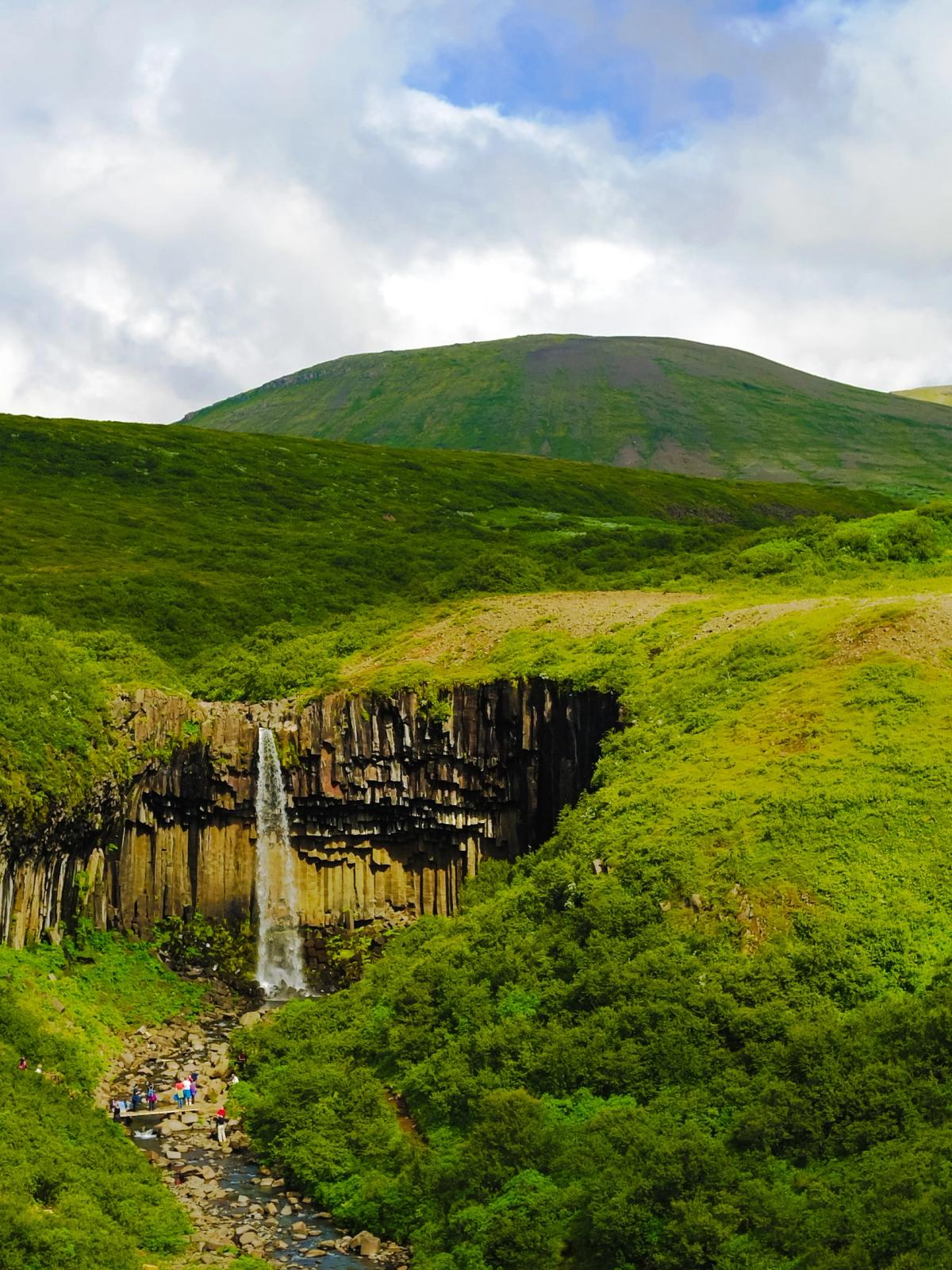
Svartifoss: The waterfall here drops over hexagonal basalt columns. The hike is 5 km return and takes around 1.5 to 2 hours. I'd recommend this over Fjaðrárgljúfur if you want more time on foot.
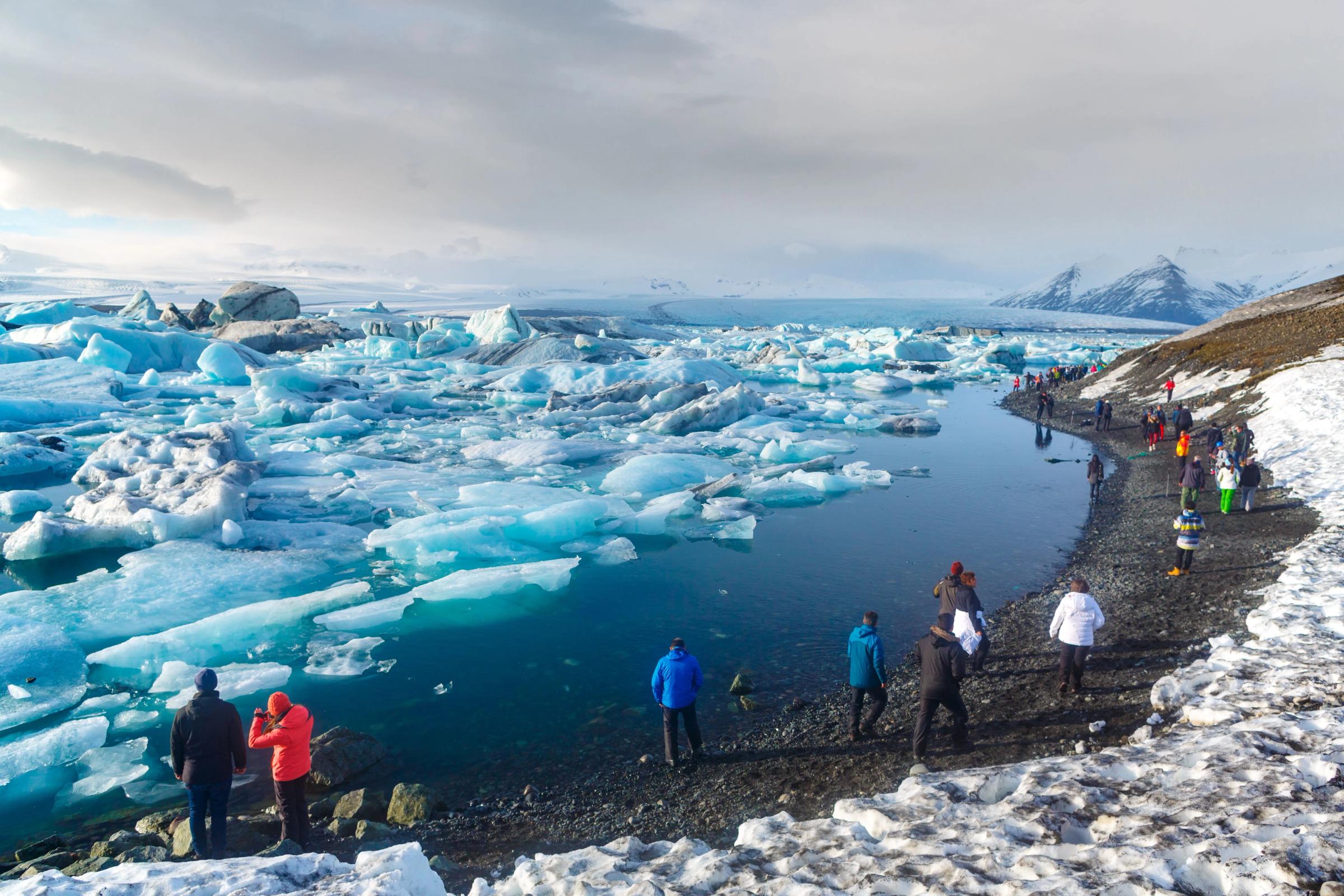
Jökulsárlón Glacier Lagoon: Icebergs break off the Breiðamerkurjökull glacier and drift through the lagoon toward the sea. Boat tours run in summer if you want to get out on the water. Even from the bank, it's worth spending a while.
Diamond Beach: Cross the road from the lagoon and you'll find a black sand beach covered in ice pieces that catch the light. Give it at least 30 minutes.
Höfn: Your stop for the night. It's known for langoustine, and I'd definitely plan dinner here.
What You'll Miss
Long glacier hikes: Guided walks on Vatnajökull are available near Skaftafell, but a full excursion takes most of the day. Skip it unless you're okay cutting the lagoon (and you really shouldn't cut the lagoon).
Múlagljúfur Canyon: A less-visited gorge near Jökulsárlón. Worth knowing about, but not worth prioritizing on a tight schedule.
Day 4: The Eastfjords to Egilsstaðir
The Eastfjords is a long driving day through fjords, fishing villages, and mountain coastal roads. Don't think of it as a checklist. It's a road trip day where the scenery does the work. Overnight in Egilsstaðir, or detour to Seyðisfjörður if you have the energy.
Estimated driving: 330 km / 205 mi depending on detours, around 4 to 4.5 hours
Priority Stops
Keep individual stops shorter today. Time adds up fast on fjord roads.
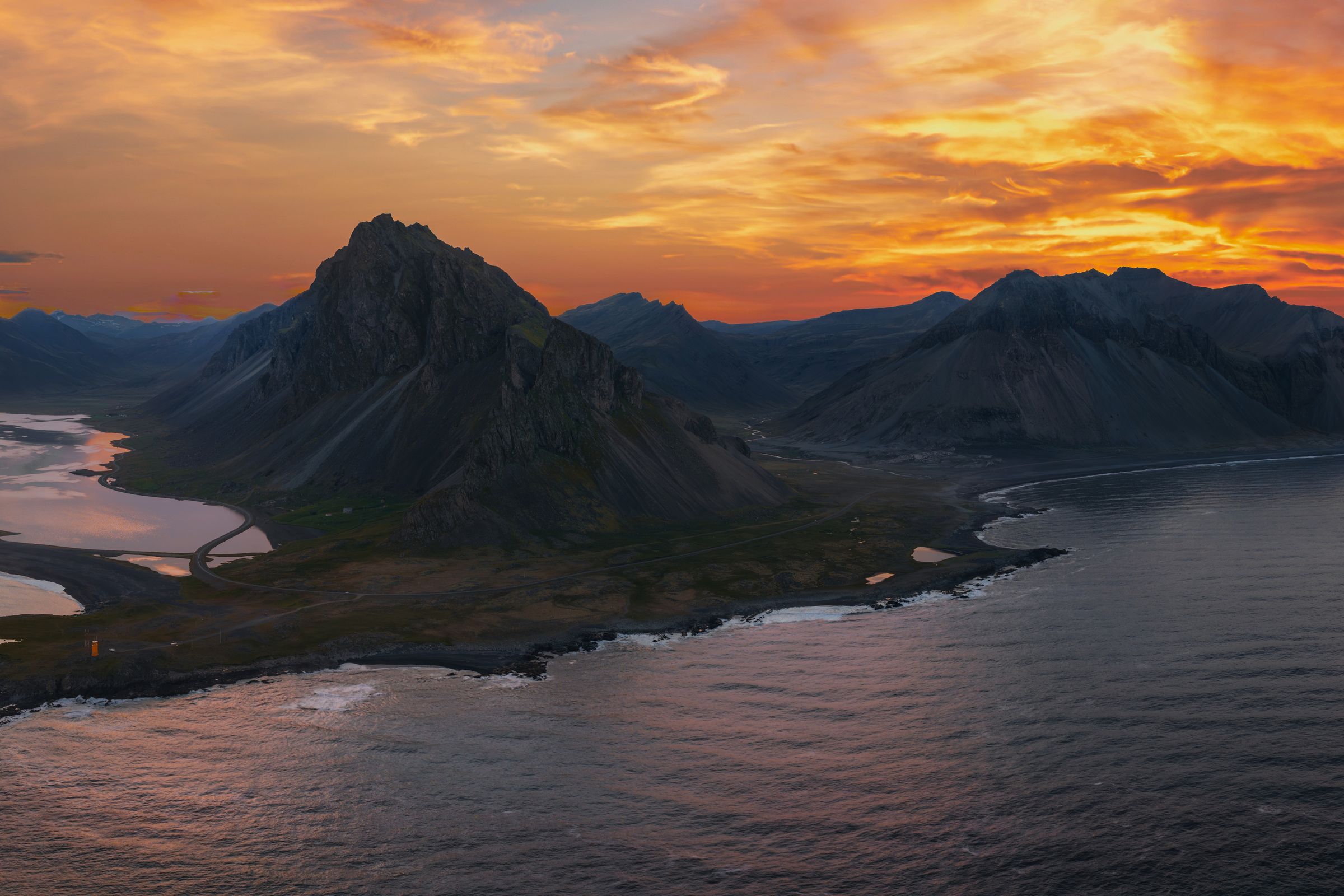
Stokksnes / Vestrahorn: About 15 km east of Höfn. A black sand spit in front of a sharp mountain. Honestly one of the best landscape photo spots on the entire Ring Road.
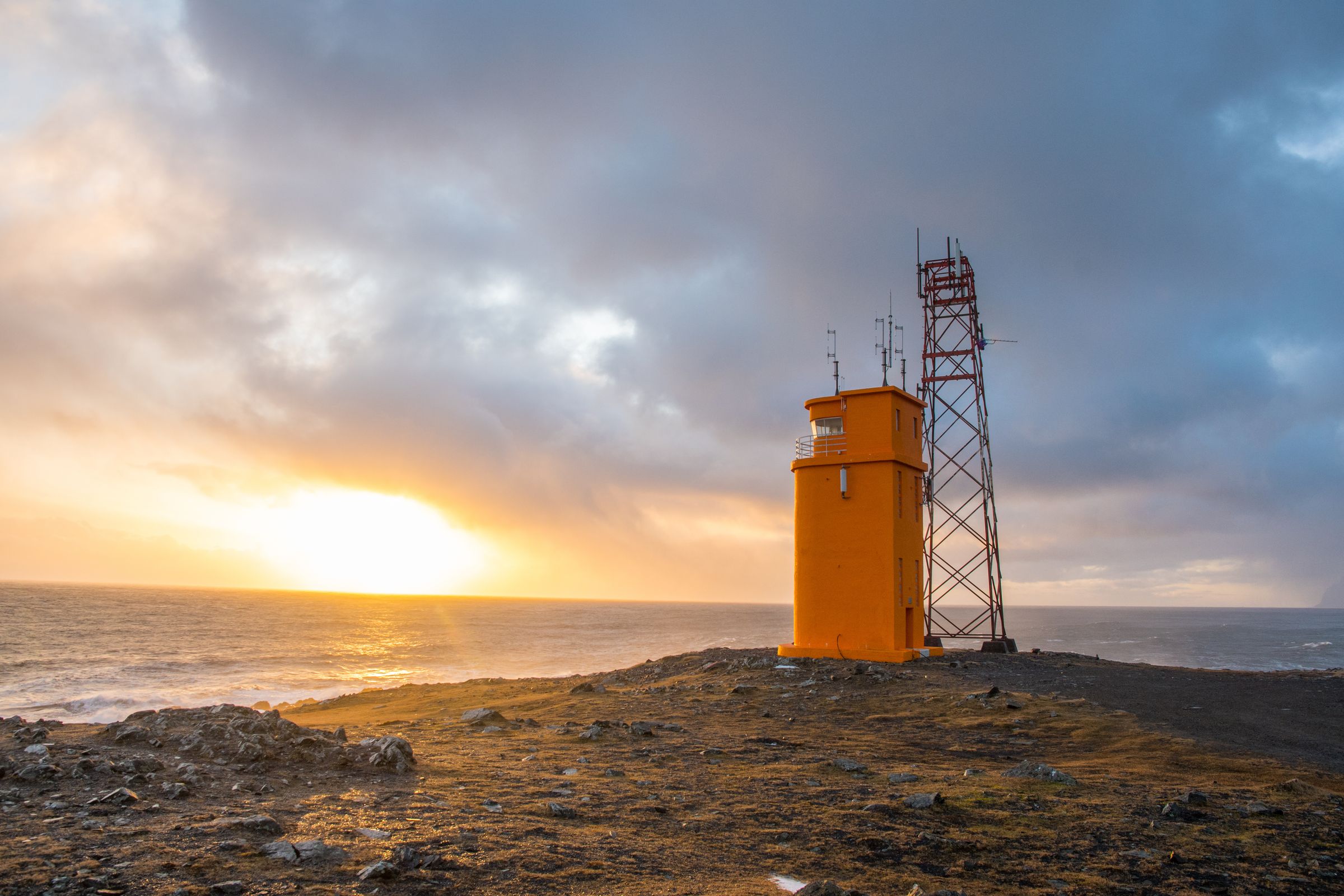
Hvalnes Lighthouse: A quick coastal pull-off with black sand and mountain views, right after Stokksnes. Easy to add without losing much time.
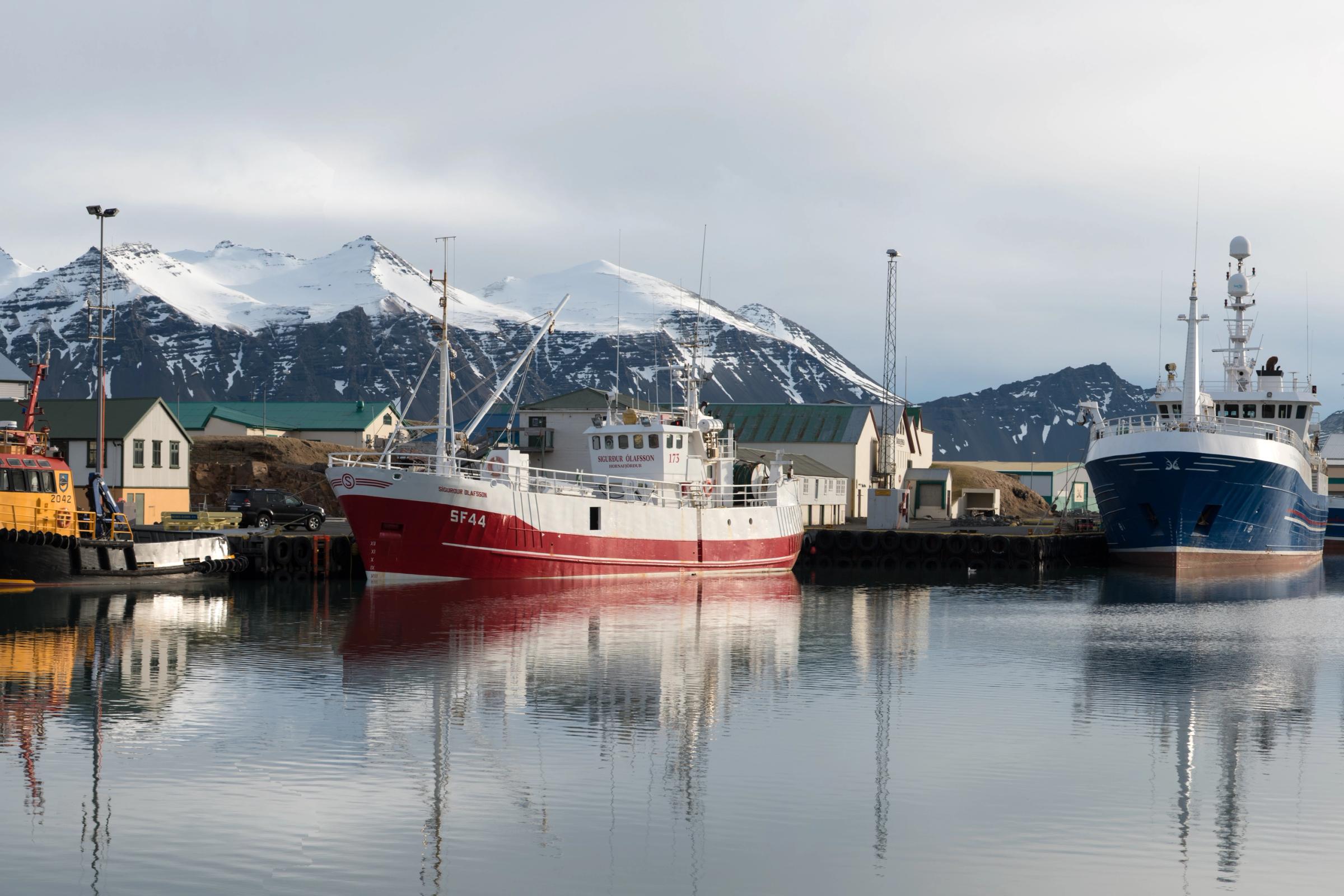
Djúpivogur: A small fishing village with a calm harbor and an outdoor sculpture installation called "Eggin í Gleðivík," basically a set of giant stone eggs representing local bird species. Good lunch stop.
Eastfjords villages (Fáskrúðsfjörður, Reyðarfjörður, Stöðvarfjörður): You don't need to stop at all of them. Pick one or two for a leg stretch and a coffee.
Seyðisfjörður: This is the one detour on this day that's genuinely worth considering. A mountain pass drops you into a colorful, artsy town in a fjord setting. Only go if the road is clear and you've still got gas in the tank.
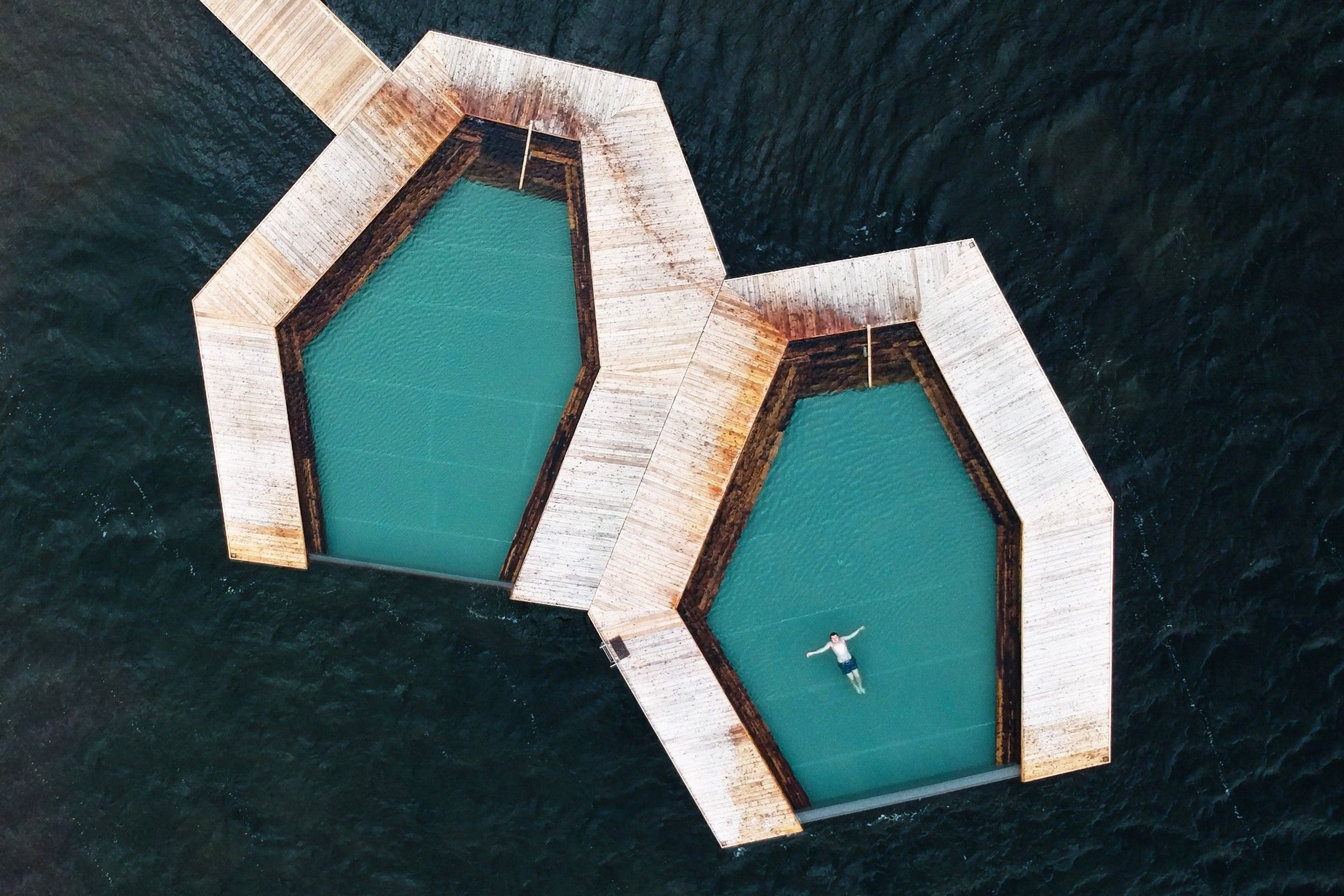
Vök Baths: A floating geothermal pool on a lake near Egilsstaðir. A good way to end the day. One of my favorite hot springs in the country.
What You'll Miss
Hengifoss: The most dramatic waterfall in the Eastfjords, with distinct red and black rock layers. The hike is 5 to 6 km return. Skip it unless you're cutting both Seyðisfjörður and Stokksnes. You really can't fit all three.
Day 5: North Iceland, Dettifoss & Lake Mývatn
The landscape shifts completely today. You leave the fjords and drive into Iceland's volcanic north: a basalt canyon, Europe's most powerful waterfall, steaming mud pools, and lava fields that look like a completely different planet.
Estimated driving: 270 to 330 km / 168 to 205 mi depending on Dettifoss access and overnight
Priority Stops
Today has a lot going for it. The key is getting both Dettifoss and real time at Mývatn. Start early.
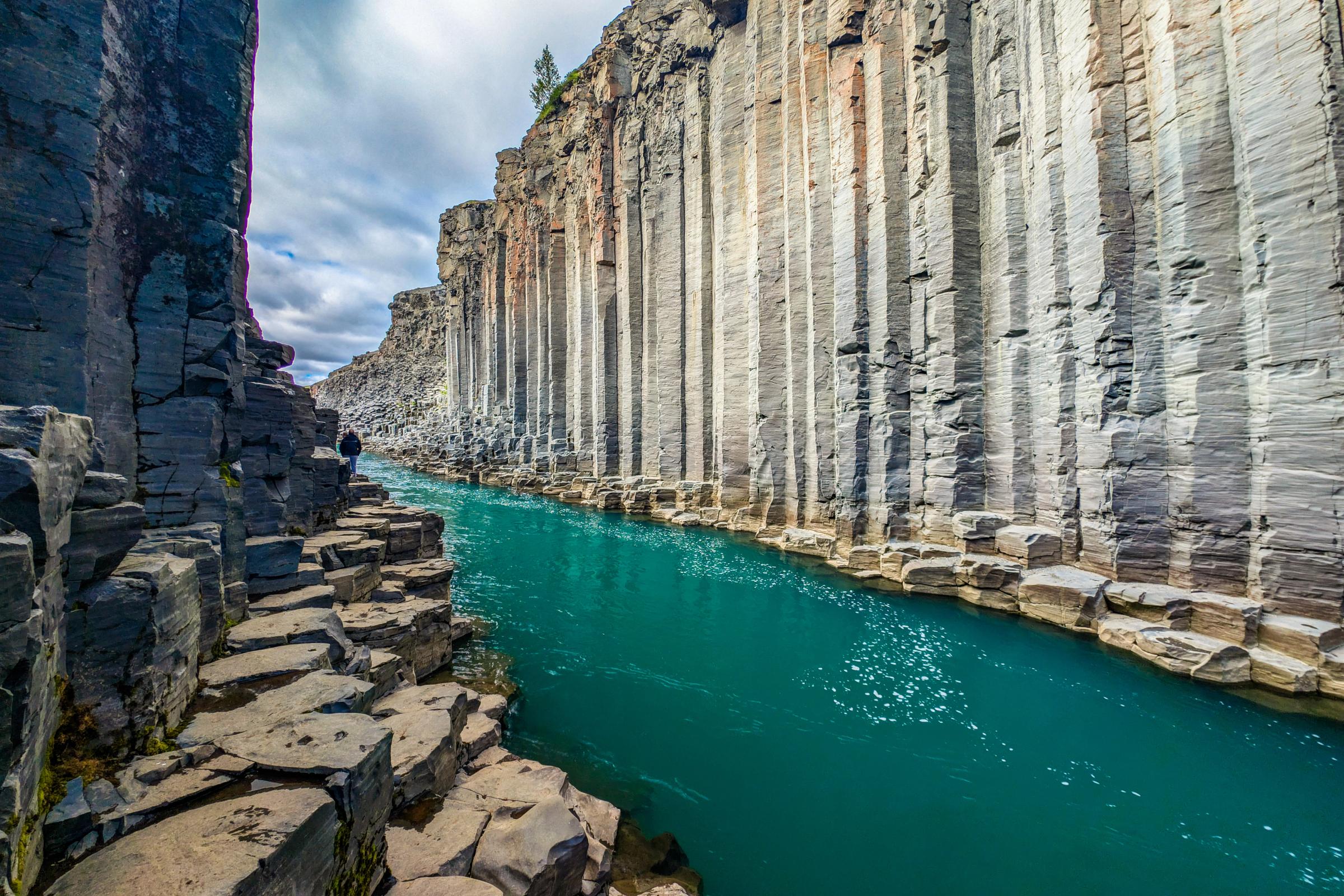
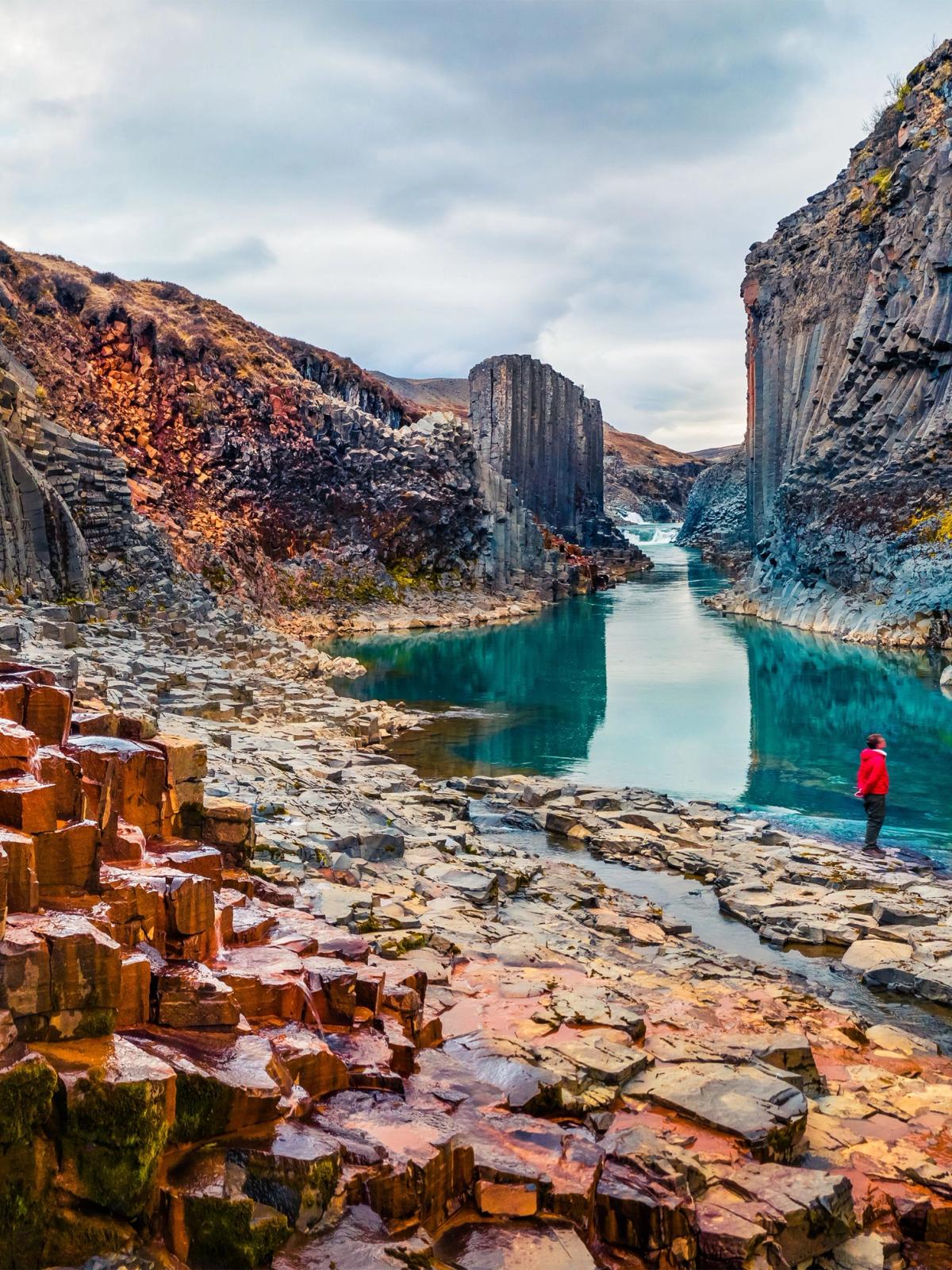
Stuðlagil Canyon: About an hour west of Egilsstaðir. A basalt column canyon with a turquoise river at the bottom. The east side takes you down to the river; the west side gives a higher viewpoint. Pick one based on how much walking you want. About 1 to 1.5 hours.
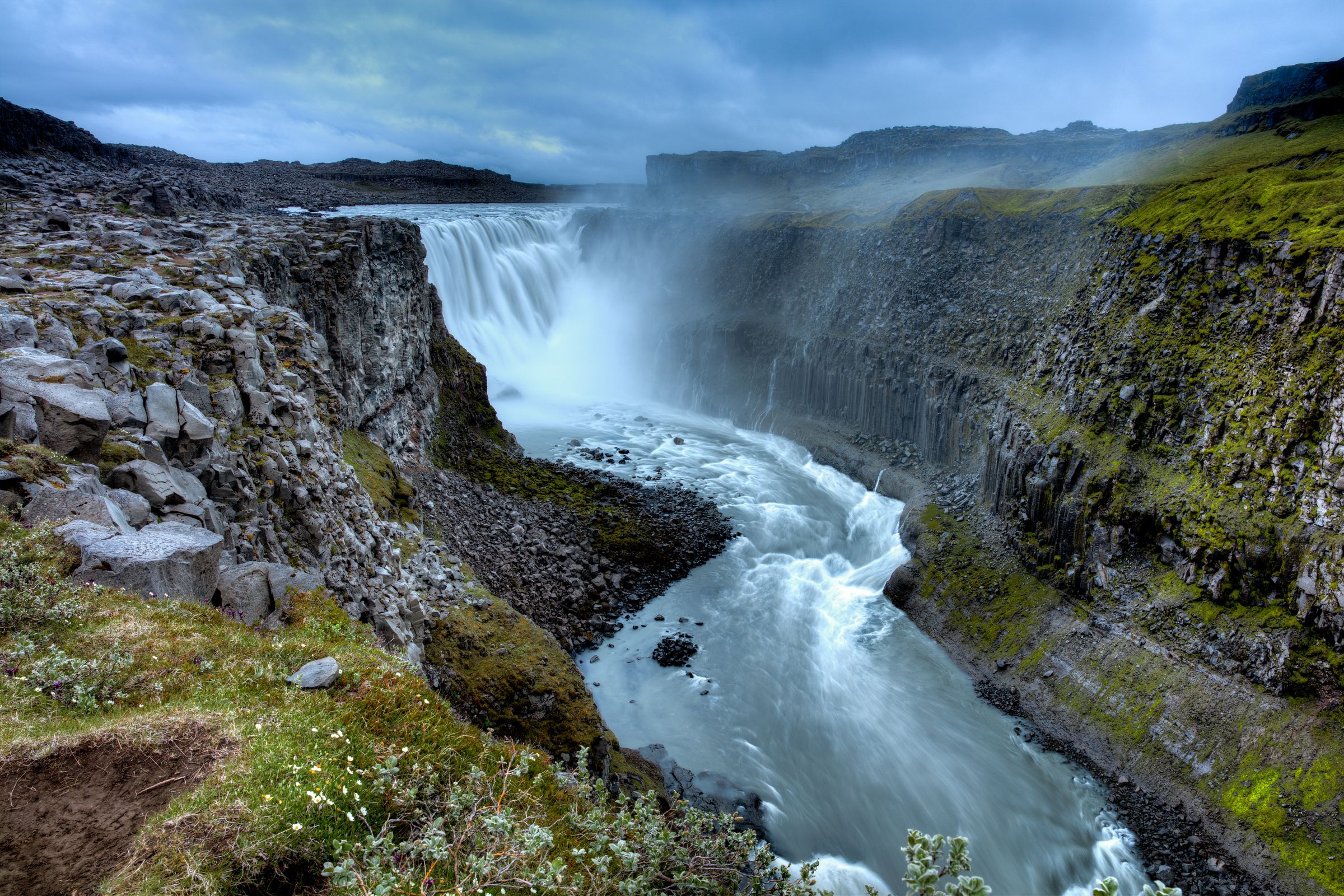
Dettifoss: Europe's most powerful waterfall by volume. You can reach it from the paved Route 862 on the west side, or the gravel Route 864 on the east, depending on the conditions. The short walk to Selfoss, which is literally 10 minutes away, is worth adding if you're not rushed.
Hverir / Námafjall: Steaming mud pools and sulfur vents near Mývatn. The smell hits you hard, but the visuals are some of the most dramatic in North Iceland. Twenty minutes is enough.
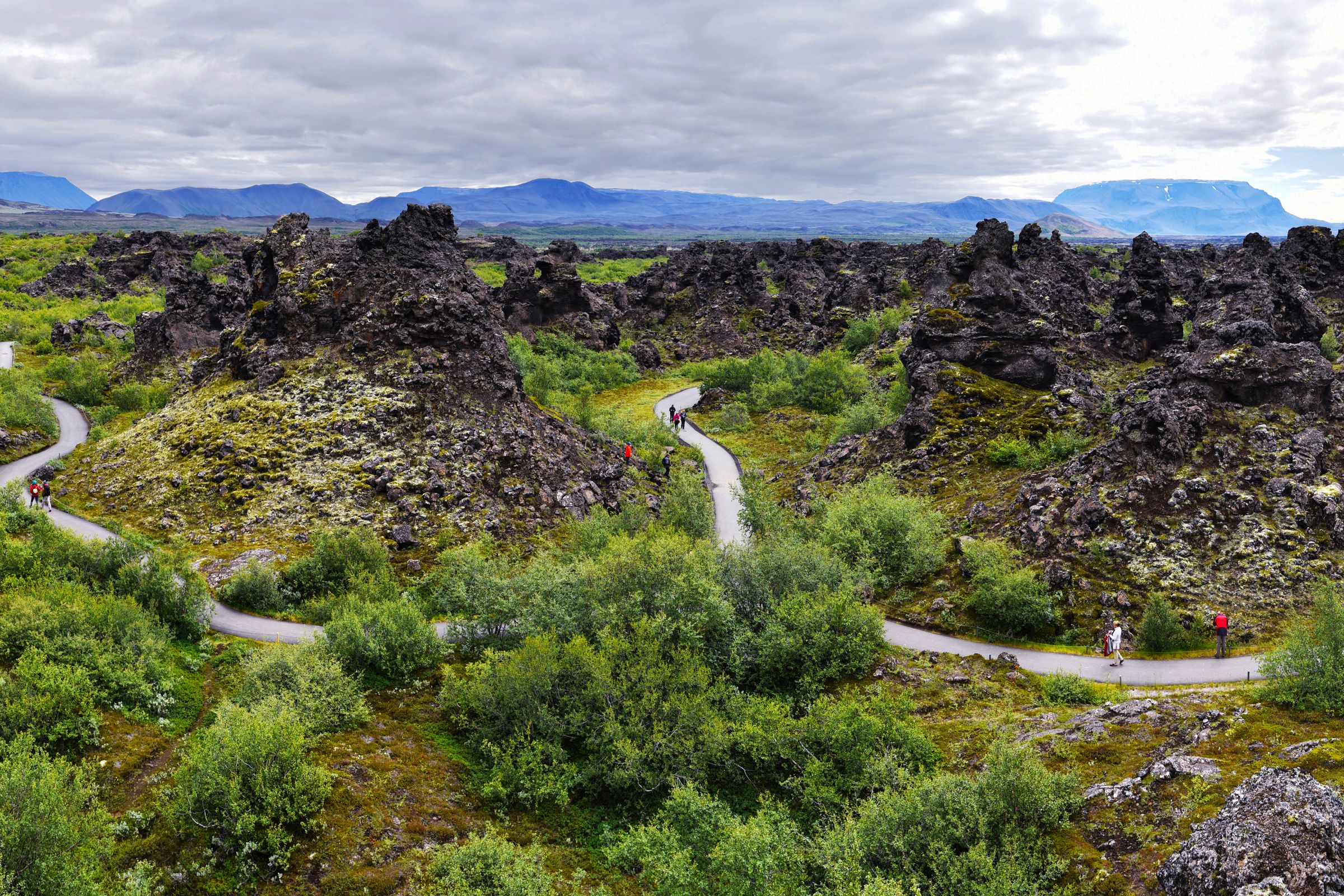
Dimmuborgir ("Dark Castles"): A lava field full of twisted, cave-like formations. Good for a 30 to 45 minute walk. It genuinely looks like troll country, which is exactly what the locals say it is.
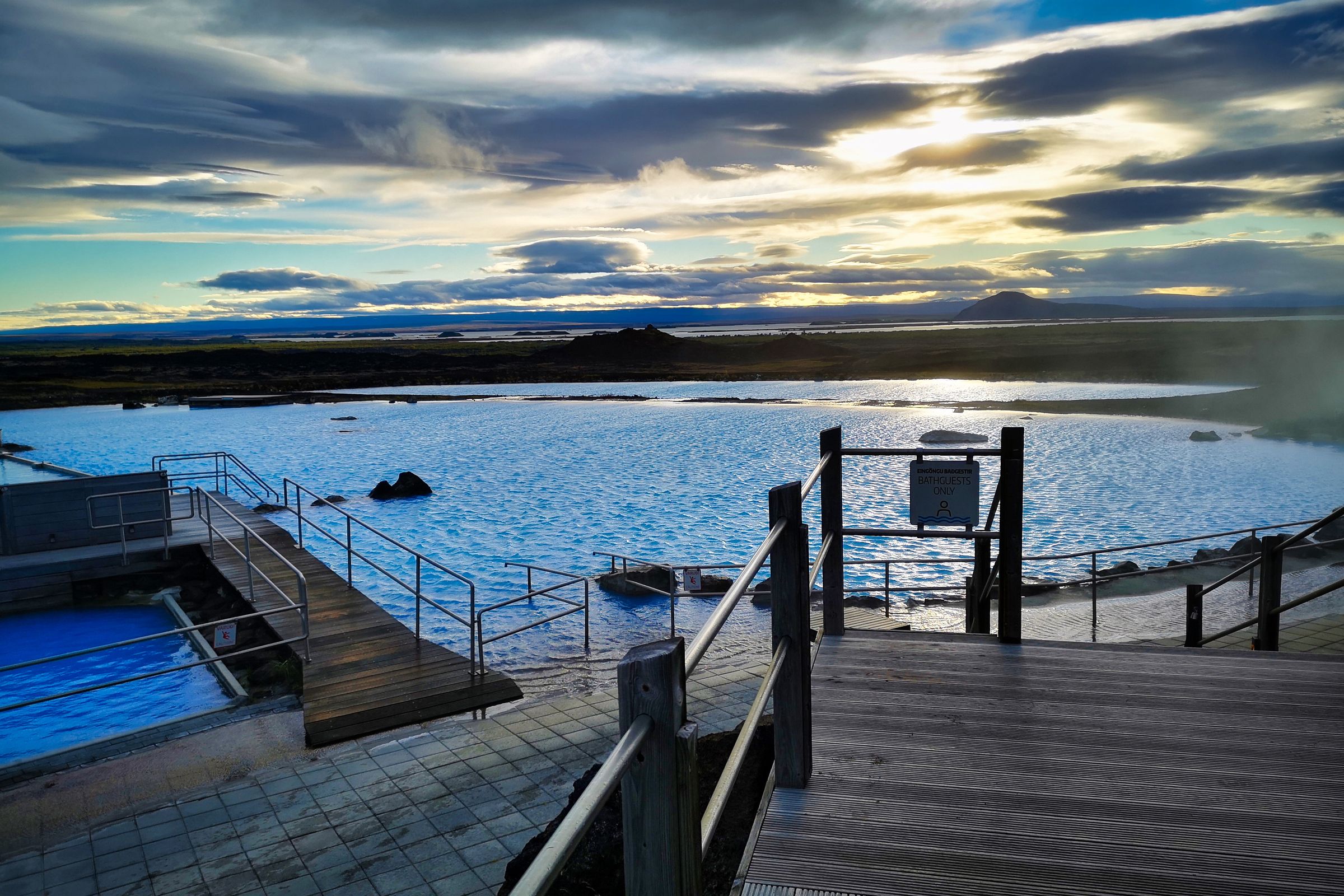
Earth Lagoon Mývatn: Geothermal pools with views over the volcanic landscape. Less crowded than the Blue Lagoon and just as good a soak, if not better. If I were picking just one geothermal bath for the whole trip, this might be it.
What You'll Miss
Full Diamond Circle: Combining Dettifoss, Ásbyrgi, Húsavík whale watching, and Mývatn into a proper loop needs two days. In 7 days, you get the best parts without Ásbyrgi and Húsavík.
Húsavík whale watching: One of the best whale watching spots in the world. If wildlife is high on your list, it's worth cutting Stuðlagil to make room for it.
Day 6: Goðafoss, Akureyri & Northwest Iceland
Today you start heading back. Compared to the previous days, it's a lighter one for major sights, which is honestly a welcome change. See Goðafoss, spend real time in Akureyri, pick one more stop, and get to Borgarnes or West Iceland before dark.
Estimated driving: 395 to 445 km / 245 to 276.5 mi. This is the longest driving day of the whole trip.
Priority Stops
Don't overpack this day. The distance is real and the road needs your full attention.
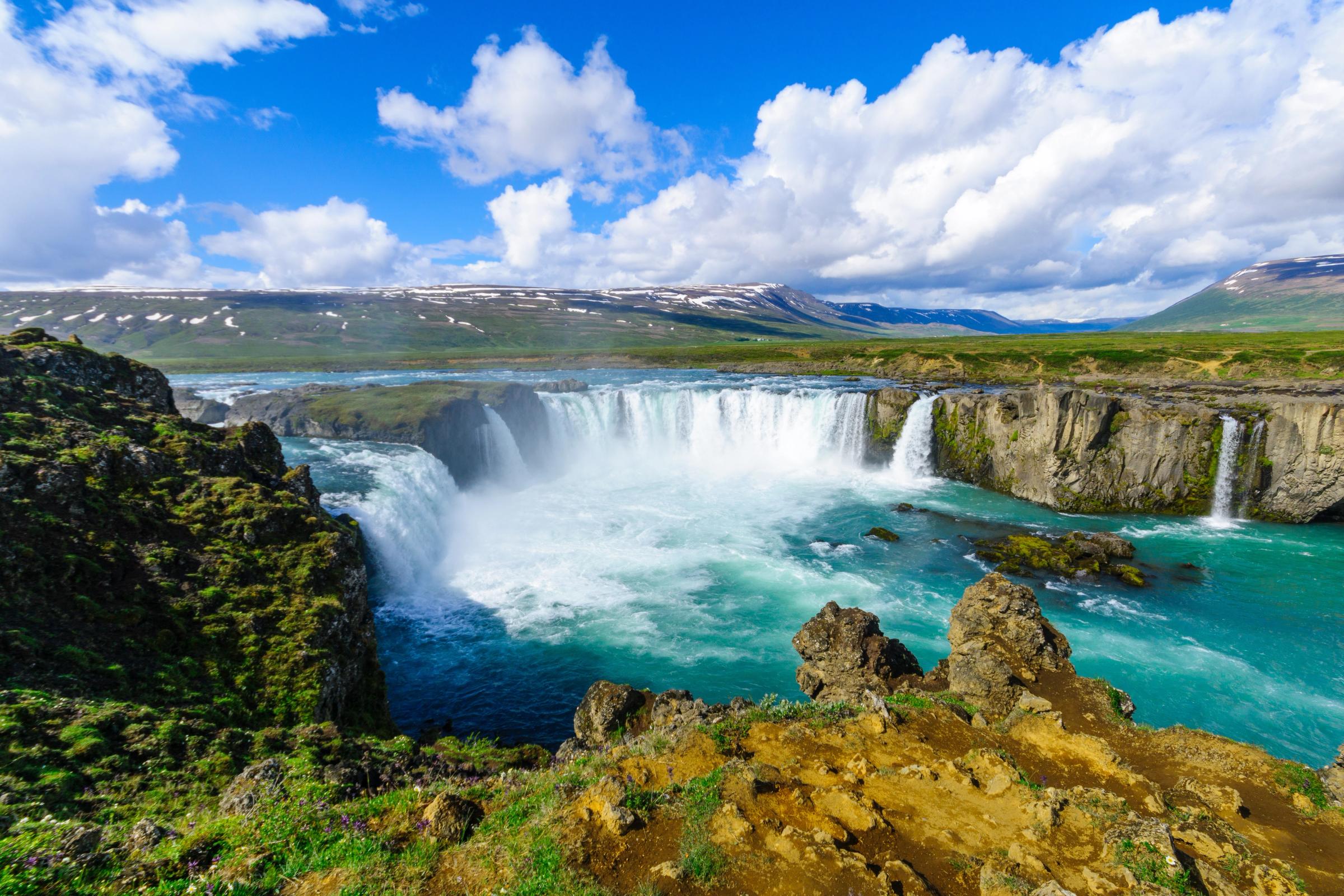
Goðafoss ("Waterfall of the Gods"): Named for the moment an Icelandic chieftain threw his Norse god statues into it when Iceland converted to Christianity in the year 1000. Short walk from the parking area. About 30 to 45 minutes.
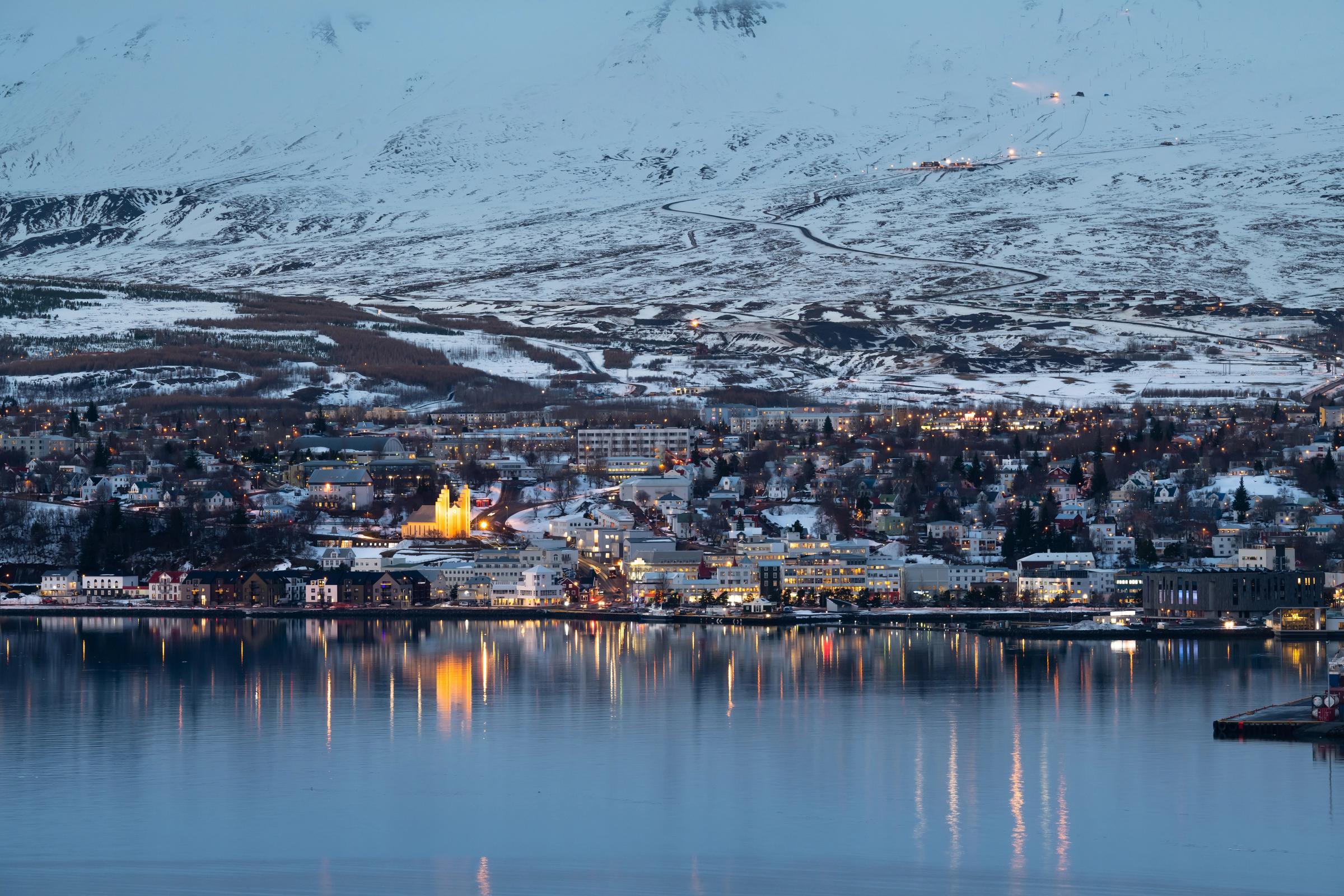
Akureyri: Iceland's second-largest city, which in most places would just be a decent-sized town. But it's the best hub in North Iceland: good restaurants, grocery stores, a botanical garden, and the Akureyri Church. Give it 1 to 2 hours. If you slept in Mývatn and arrived fresh, I'd take even longer.
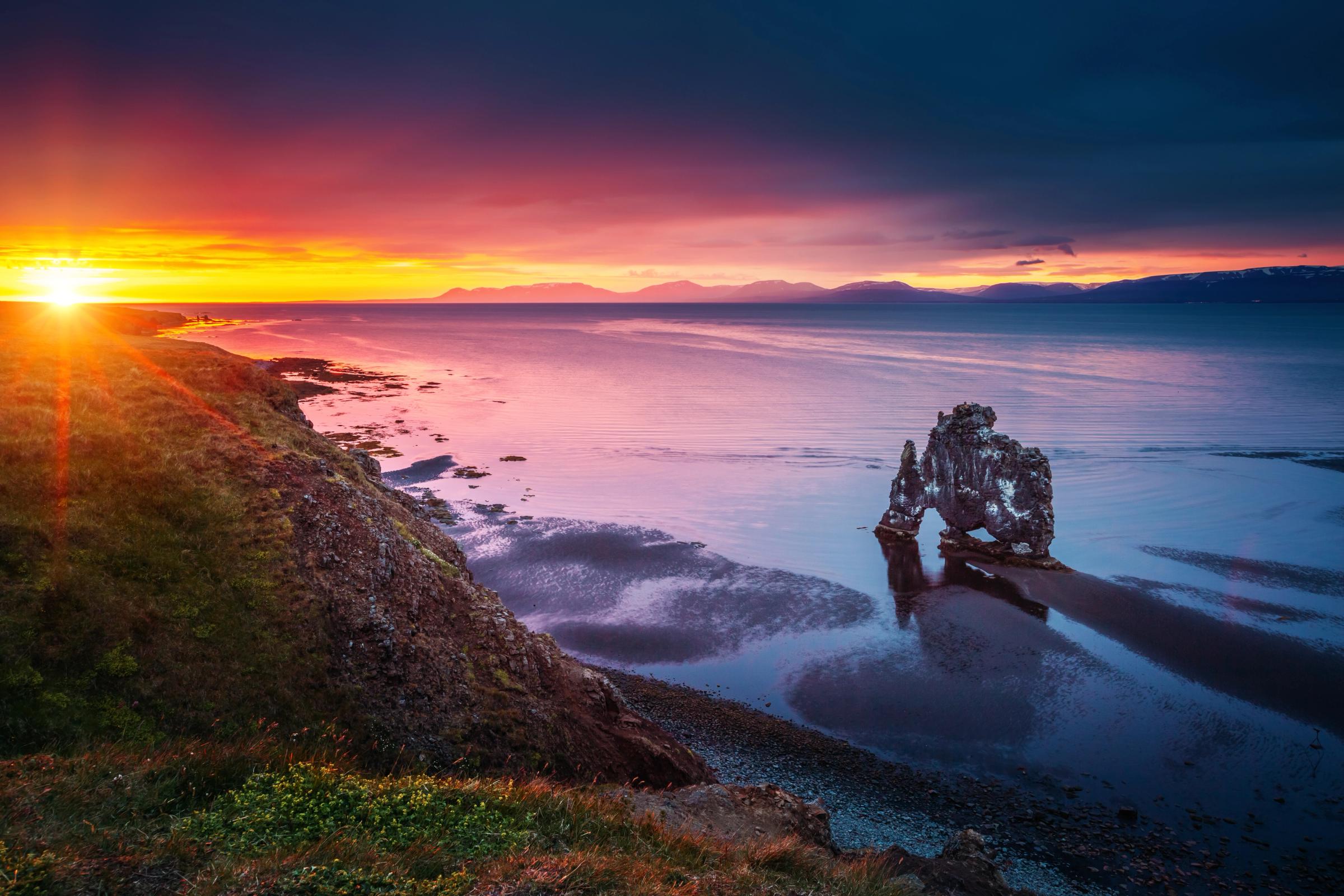
Hvítserkur (optional): A 15-meter basalt sea stack on the Vatnsnes Peninsula that looks like a drinking elephant or a dragon depending on who you ask. It's a detour from the main route and works best around low tide. Only add it if you're ahead of schedule. The detour adds 50 km to the route.
Grábrók crater: A quick stop with stairs up to the rim of a volcanic crater, and good views over a lava field. 20 minutes, easy.
What You'll Miss
Tröllaskagi Peninsula and Siglufjörður: A scenic fishing village peninsula with a famous Herring Era Museum. Worth it with more time, but it adds significant driving away from the loop.
Forest Lagoon: A newer geothermal pool near Akureyri with forest views. Worth checking out if you skipped Earth Lagoon Mývatn and still want a soak before heading south.
Day 7: West Iceland, Reykjavík Return & Optional Blue Lagoon
The last day is about finishing cleanly. Drive south from Borgarnes to Reykjavík, return the car, and either wrap up at the Blue Lagoon near Keflavík or spend a few hours in the city before your flight.
Estimated driving: 128.5 km / 80 mi depending on where you stayed, and picking the Sky Lagoon over the Blue Lagoon.
Priority Options
Keep it simple. This is a day to land softly, not to push.
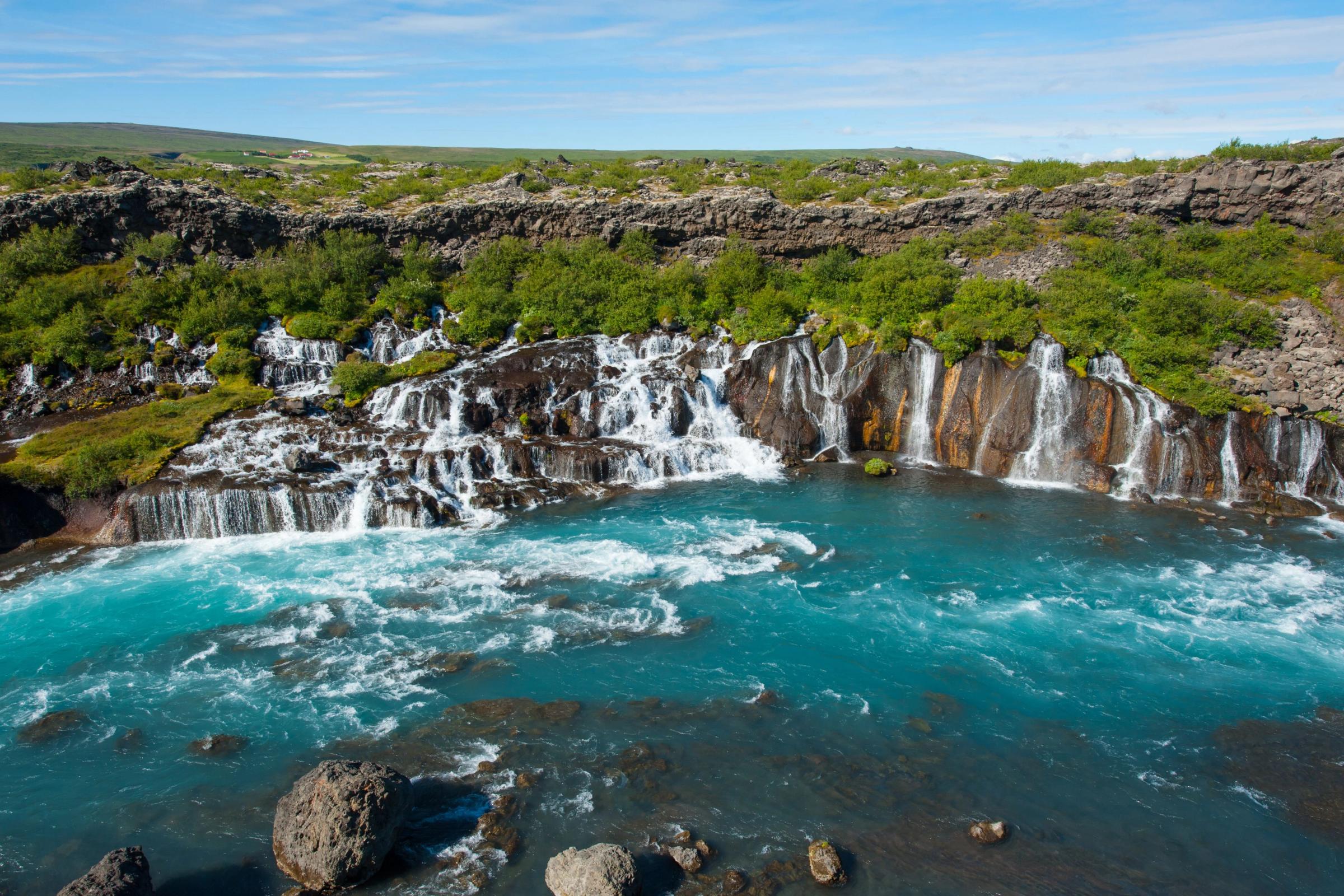
Hraunfossar and Barnafoss (optional): Two unusual waterfalls east of Borgarnes where water seeps up through a lava field instead of falling off a cliff. Easy to add if your flight is in the evening.
Reykjavík: If you haven't spent time in the city yet, today's the day. Hallgrímskirkja, the Sun Voyager sculpture, Harpa concert hall, and Laugavegur shopping street are all within walking distance of each other. 2 to 3 hours covers the highlights.
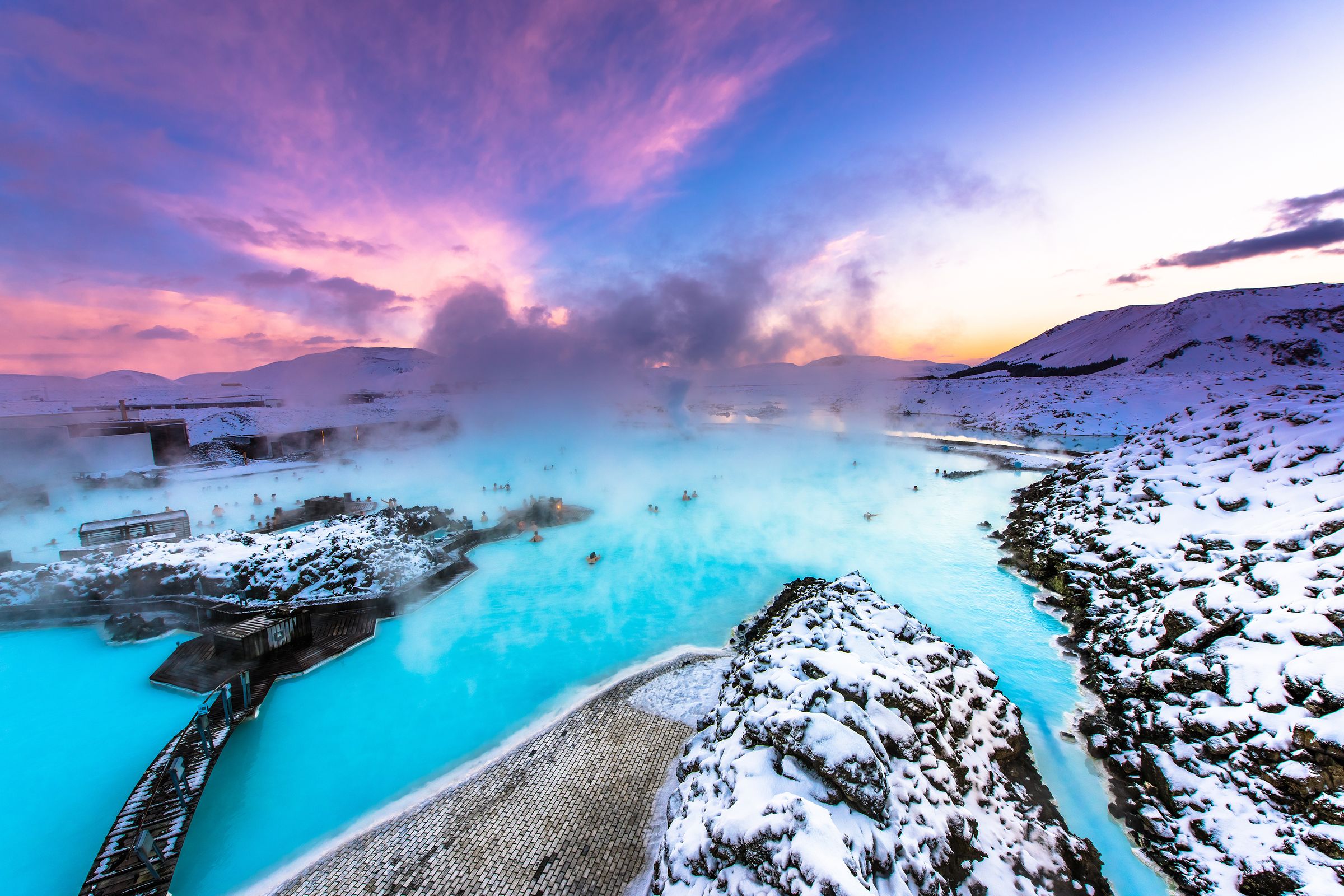
Blue Lagoon: Right next to Keflavík Airport, which makes it the most practical final stop if you're flying out. Book ahead, as it sells out. The standard ticket costs around $100. It’s a nice and relaxing place, but I wouldn’t call it “a must visit.”
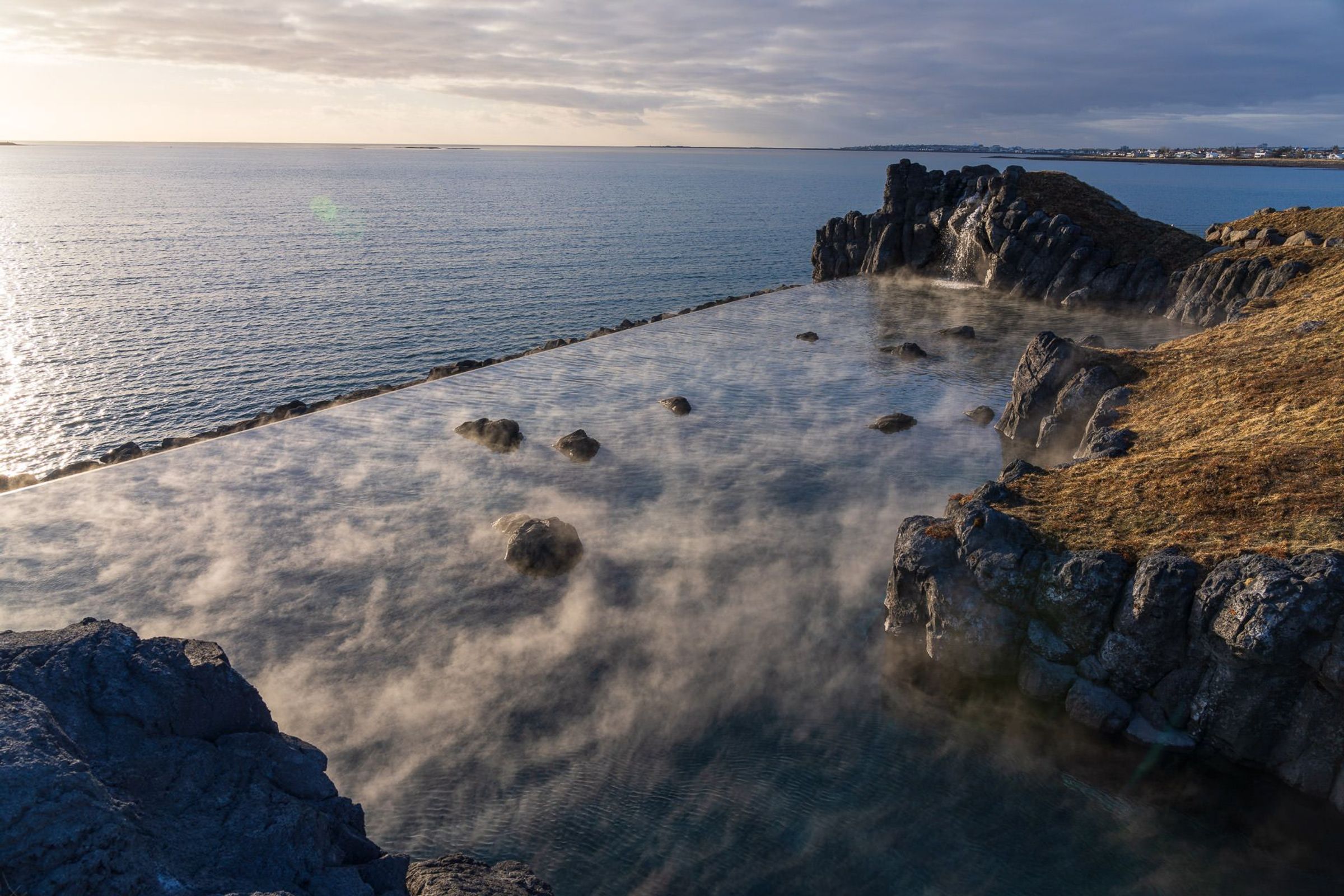
Sky Lagoon: If you're staying in Reykjavík rather than heading to the airport, I'd go with Sky Lagoon instead. Ocean views and a solid spa experience.
What You'll Miss
Snæfellsnes Peninsula: Don't try to squeeze this in on Day 7. It needs at least a full day on its own. If Snæfellsnes is high on your list, rethink the structure or add a night.
Driving Clockwise? Here's the 7-Day Route
Everything above runs counterclockwise, which is the most natural way for first-timers. But clockwise works too, and there are real reasons to consider it.
Which Way Should You Drive Iceland's Ring Road in 7 Days?
Counterclockwise puts the South Coast first, so you see the most famous stretch when you're freshest. Clockwise saves it for last, which some people prefer because it builds toward a big finish rather than front-loading the best stuff.
My take: go counterclockwise for your first visit. The South Coast waterfalls and Jökulsárlón Glacier Lagoon are a great way to open the week, and you have more flexibility to deal with weather disruptions when there are still days left.
If you go clockwise, here's how the days rearrange.
Day 1: Reykjavík to West Iceland or Northwest Iceland
Head north from Reykjavík or Keflavík toward Borgarnes and the northwest. The driving is easy and the landscape is quieter, so it's a gentle warm-up. Overnight near Borgarnes or Hvammstangi.
Day 2: Akureyri & North Iceland
Drive northeast toward Akureyri, with quick stops at Hvítserkur and Grábrók along the way. Arrive in Akureyri with time for the city and dinner.
Day 3: Lake Mývatn, Dettifoss & East Iceland
Head east from Akureyri covering Goðafoss, Mývatn, Hverir, Dimmuborgir, and Dettifoss. Overnight in Mývatn or push toward Egilsstaðir.
Day 4: The Eastfjords
Drive south through the Eastfjords, stopping in Seyðisfjörður and the fjord villages before arriving in Egilsstaðir. Same stops as the counterclockwise version, just from the north.
Day 5: Jökulsárlón, Skaftafell & Southeast Iceland
Drive south from Egilsstaðir via Stokksnes and Höfn, then west through Skaftafell, Jökulsárlón, and Diamond Beach. Overnight in Höfn or push to Vík.
Day 6: South Coast Wonders
Drive west along the South Coast: Reynisfjara, Dyrhólaey, Skógafoss, Seljalandsfoss. Same great day in reverse. Overnight near Hvolsvöllur or push to Selfoss.
Day 7: Golden Circle, Reykjavík & Departure
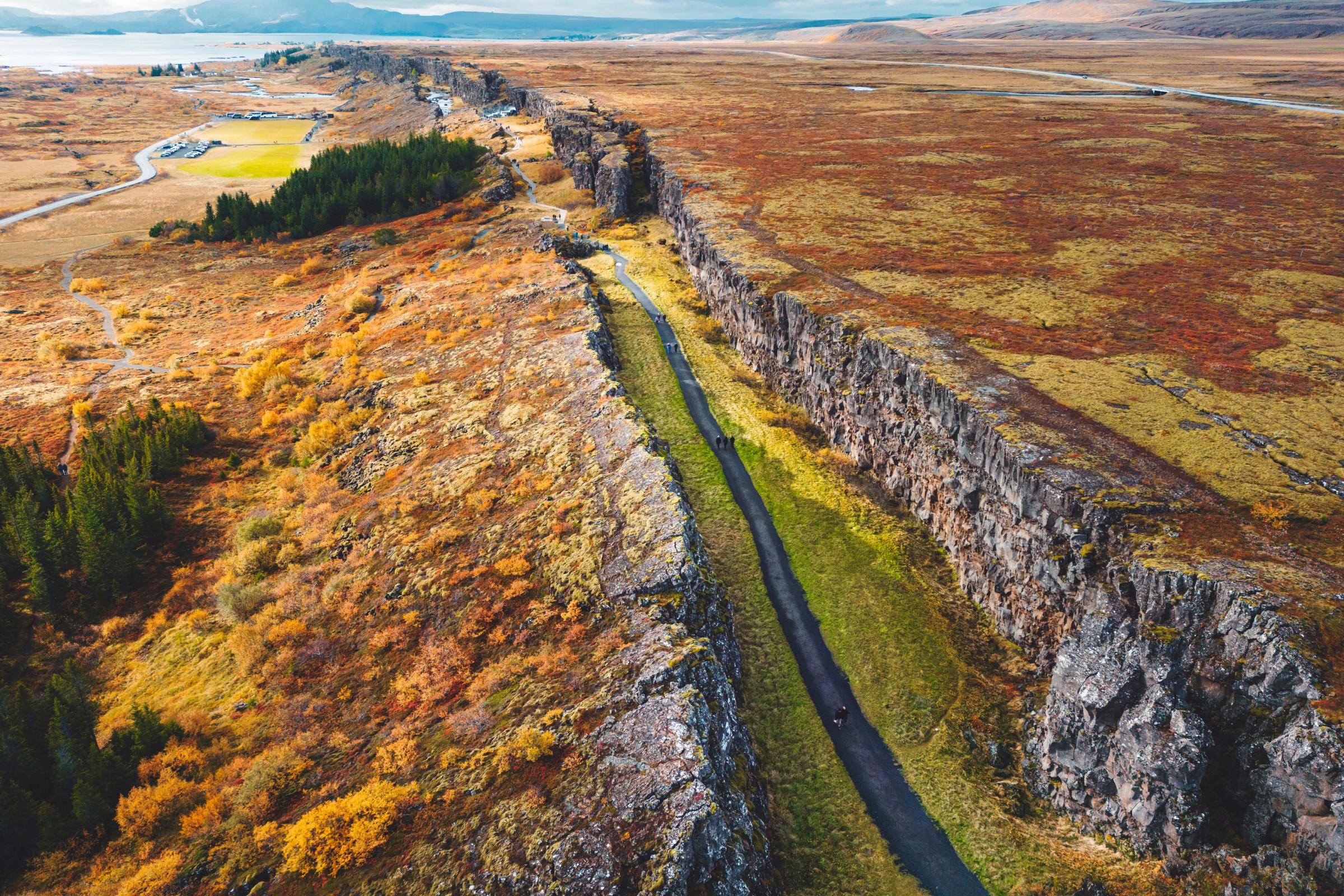
Þingvellir, Geysir, Gullfoss, then back to Reykjavík or Keflavík. Optional Blue Lagoon stop right before the airport.
Route Map
Driving Times and Distances for a 7-Day Ring Road Trip
The times below are pure driving before any stops. Add 30 to 50% for what a day actually takes once you factor in fuel, photos, parking, and food.
Day 1 (KEF/Reykjavík to Golden Circle to Hvolsvöllur): about 230 km (143 miles), around 3.5 hours
Day 2 (Hvolsvöllur to South Coast to Vík): about 120 km (74.5 miles), depending on where you sleep
Day 3 (Vík to Skaftafell/Jökulsárlón to Höfn): about 270 to 280 km (167 to 174 miles), around 3.5 to 4 hours
Day 4 (Höfn to Eastfjords to Egilsstaðir): about 330 km (205 miles), around 4 to 4.5 hours, depending on detours
Day 5 (Egilsstaðir to Stuðlagil/Dettifoss/Mývatn): about 270 to 330 km (168 to 205 miles), depending on Dettifoss access and overnight
Day 6 (Mývatn/Akureyri to Borgarnes): about 395 to 445 km (245 to 276.5 miles), the longest driving day of the trip
Day 7 (Borgarnes to Reykjavík/KEF): about 128.5 km (80 miles), depending on where you stayed and assuming Sky Lagoon instead of Blue Lagoon
Day 6 is the longest by a clear margin. Start early and don't plan anything major after Akureyri.
Where to Stay Each Night
Here are the best overnight bases for the counterclockwise 7-day loop. Book early, especially in summer.
Night 1: Hvolsvöllur or Hella. More options than Vík and a better starting point for Day 2.
Night 2: Vík or Kirkjubæjarklaustur. Vík puts you close to Reynisfjara and Dyrhólaey. Choose Kirkjubæjarklaustur if you want to cut some of Day 3's drive.
Night 3: Höfn. The natural stop after Jökulsárlón. Good langoustine if you want a proper dinner.
Night 4: Egilsstaðir. The main logistics hub in East Iceland. Good for groceries and fuel.
Night 5: Mývatn or Akureyri. Mývatn keeps you in the volcanic landscape; Akureyri gives you more comfort, better food, and a shorter Day 6.
Night 6: Borgarnes or Hvammstangi. Nothing special here, but it's the right place to land after a long Day 6.
Night 7: Reykjavík or the Keflavík area. Depends on your flight time. Stay near the airport if you're leaving early.
Book early. Accommodation in summer fills fast around Vík, Höfn, Egilsstaðir, and Mývatn. These are the natural overnight bottlenecks on the loop and there aren't many rooms at each. For June through August, booking 2 to 4 months ahead isn't being overly cautious.
Best Time of Year for a 7-Day Ring Road Itinerary
The best time depends on what you actually want from the trip. Here's the honest version.
Summer (June to August)
The best overall window for a 7-day Ring Road. Long daylight hours give you real flexibility, road conditions are generally good, and everything is open. The trade-off is crowds and higher prices. Jökulsárlón, Reynisfjara, and Seljalandsfoss get very busy.
Shoulder Season (May, September, early October)
Fewer people, lower prices, and September is a genuinely good time to be in Iceland (great autumn light, early chances at the Northern Lights). Days are shorter, which tightens the schedule, and some tours run reduced hours. Still a solid option, just build in more flexibility.
Winter (November to March)
Possible, but only for drivers who are comfortable with real challenges and genuine flexibility. Short daylight means starting and finishing in the dark most days. Icy roads, wind, and temporary closures are real risks. The upside: Northern Lights, snowy scenery, and almost no crowds. A 4x4 or AWD vehicle is strongly recommended. If you lose a full day to weather, there's no buffer in a 7-day plan.
Quick guide by goal:
Best for a first-time 7-day loop: June to September
Best for Northern Lights: late autumn through early spring (darkness required)
Best for winter scenery: November to February (with flexibility and a 4x4)
Do You Need a 4x4 for Iceland's Ring Road?
Route 1 is paved the entire way, so a regular 2WD car works fine in summer. The Ring Road is not the same as Iceland's F-roads, which are highland mountain tracks that need a proper 4x4 and are only open part of the year.
Here's when to upgrade:
2WD (summer): Fine for Route 1 and standard paved roads in normal conditions
4x4 (winter or shoulder season): A smart call from October through April for better handling on ice and snow
4x4 (any season, F-roads): Required for highland detours, none of which are in this 7-day itinerary
Campervan: A flexible option in summer if you prefer camping, but adds logistics around facilities and fuel
One thing to keep in mind: a 4x4 doesn't make dangerous conditions safe. It helps with traction but doesn't replace good judgment. Check conditions first, then decide.
What to Pack for a 7-Day Ring Road Trip
Iceland's weather changes fast, any time of year. The basics are the same whether you go in July or January.
Waterproof outer layer: Rain gear matters even in summer
Layering system: A fleece or down mid-layer plus a base layer
Waterproof hiking shoes or boots: You will get wet at waterfalls
Warm hat and gloves: Summer evenings near glaciers get cold
Swimwear: For geothermal pools and baths along the route
Sunscreen and sunglasses: Summer days are long and bright
Reusable water bottle: Iceland's tap water is excellent
Offline maps or GPS: Cell coverage disappears in the Eastfjords and parts of the north
Credit card: Iceland is nearly cashless and cards work almost everywhere
road.is bookmarked or downloaded: Check it every morning before you leave
When to Skip the Ring Road — and What to Do Instead
The Ring Road is the most efficient way to see Iceland's major regions in one week, but it's not the right trip for everyone.
If you'd rather go deep into one region than broad across many, skip the full loop. The South Coast alone fills 4 to 5 days at a comfortable pace. The North (Mývatn, Diamond Circle, Akureyri) is an easy standalone week. You'd see far more of those places than any Ring Road trip allows.
If slow hiking is the main point of your trip, a 7-day Ring Road loop will feel rushed every single day. Iceland has excellent multi-day treks like the Laugavegur trail that fit that kind of travel much better.
Travel Tips for Driving Iceland's Ring Road in 7 Days
The logistics on this trip actually matter. Get them right and the week flows. Get them wrong and you're stressed every day.
Check Conditions Every Single Morning
Before you get in the car, check all three of these:
road.is (Umferðin): Live road conditions, closures, and traffic alerts. Especially important before the Eastfjords, mountain passes, and North Iceland.
vedur.is (Icelandic Meteorological Office): Official weather forecasts and wind warnings.
safetravel.is: Travel safety alerts run by ICE-SAR. If something on the route is genuinely risky, this is where you'll hear about it. Save Iceland's emergency number (112) in your phone before you land.
Fuel Strategy
Don't wait for the warning light. Fill up in larger towns and top off whenever the tank drops below half on remote sections.
Best towns to refuel: Reykjavík, Selfoss, Vík, Höfn, Egilsstaðir, Akureyri, Borgarnes
The stretch between Höfn and Egilsstaðir has long gaps between stations. Fill up in Höfn before you leave for the Eastfjords — I'd make that a non-negotiable.
Budget Realistically
A 7-day Ring Road trip typically costs around $1,200 to $2,400 USD per person when sharing costs, not including flights. That covers a rental car, fuel, accommodation, and food. It's a rough planning range, not a fixed number. Prices shift depending on the season, how early you book, and how often you eat out versus cooking.
Parking fees are increasingly common at popular sites. Budget for them at Þingvellir, Seljalandsfoss, Skaftafell, and Jökulsárlón.
The Daily Rhythm That Works
The biggest mistake on a 7-day Ring Road is trusting Google Maps driving time as your daily plan. Several days already involve 4 to 4.5 hours of pure driving before any stops. Once you add photos, meals, fuel, parking, and walking, those are full days.
A rhythm that works:
07:30 to 09:00: Breakfast, check weather and roads, depart
09:00 to 12:00: First driving block and 1 to 2 main stops
12:00 to 14:00: Lunch, fuel, grocery stop if needed
14:00 to 17:30: Second sightseeing block
17:30 to 19:30: Reach accommodation, dinner
After 20:00: Only short local driving unless summer daylight is excellent
Conclusion: Is a 7-Day Iceland Ring Road Itinerary Worth It?
Yes, as long as you go in knowing what you're getting. A 7-day Ring Road is a fast loop of Iceland's best landscapes. Not a slow exploration. Not a deep dive. A highlights trip covering waterfalls, black sand beaches, glaciers, icebergs, volcanic craters, geothermal pools, basalt canyons, and fjords in one week.
The people who enjoy it most are fine with long driving days, don't mind leaving the Westfjords and Snæfellsnes for another trip, and treat the plan as a guide rather than a strict schedule. Iceland's weather will have opinions about your itinerary. Flexibility is what makes it work.
If 10 days is on the table, take it. But if 7 is what you've got, this route is the best version of what's possible.
Frequently Asked Questions
Not really. Since you're driving all the way around Iceland in seven days, moving to a new place almost every night is part of the trip. Staying in one hotel would mean spending a lot more time driving back and forth instead of making your way around the island.
It varies, but most waterfalls, beaches, and viewpoints only need around 30 to 60 minutes. Places like Þingvellir National Park and Skaftafell are different. If you enjoy walking or want to explore more, you could easily spend a couple of hours there.
Definitely. Use it as a guide, not a strict schedule. If there's a place you really want to spend more time at, just skip one of the smaller stops later in the day. It's your trip, so don't feel like you have to see everything.
That's completely normal in Iceland. Weather can change quickly, and sometimes you'll need to adjust your plans. If conditions aren't good, skip the stop and keep going. It's much better to miss one attraction than to drive in unsafe conditions just to stick to your itinerary.
About the author
Aron Freyr
Local expert
Born and raised in Iceland, Aron Freyr has spent all 28 years of his life exploring the country and getting to know its landscapes, regions, and ever changing conditions.