Renting a Car vs Renting a Camper in Iceland: Which Is Better?
Choosing between a rental car and a campervan is one of the biggest decisions you'll make when planning an Iceland road trip. Which one works for you depends on when you're going, where you want to drive, how much comfort you need, and whether you're okay sleeping at a campsite.
This guide covers all of it.
Key Takeaways
- A rental car is the better fit if you want a comfortable trip with hotels, private bathrooms, and easier driving, especially in winter or when traveling with kids.
- A campervan works best for summer road trips. It gives you more flexibility and can save money if you're cooking your own meals and staying at campsites.
- Don't assume a campervan is cheaper. While you can save on accommodation and food, rental costs, fuel, insurance, and campsite fees can add up quickly.
- You can't legally sleep wherever you want in Iceland. Campervans generally need to stay at registered campsites unless you have permission from the landowner.
- If you're planning to drive F-roads, visit the Highlands, or travel in winter, you'll need a suitable 4x4 whether you choose a car or a campervan.
Quick Answer: Should You Rent a Car or Campervan in Iceland?
If you want comfort and easy logistics, get a car. If you're going in summer and want to travel flexibly without paying for hotels every night, a campervan makes a lot of sense. And if your route includes the Highlands or F-roads, you need a 4x4, no matter which you pick.
Rental car: go this route for comfort, private bathrooms, and easier travel, especially in winter or with a family.
Campervan: go this route for summer flexibility and Ring Road trips if you're happy to cook and use campsites. 4x4: You need one for the Highlands, F-roads, or rough gravel roads, whether that's a car or a campervan.
Car vs Campervan in Iceland: Quick Comparison
A quick look at the main differences.
- Best for: Rental car: comfort, winter, families, short trips. Campervan: summer, flexibility, Ring Road, budget road trips.
- Accommodation: Rental car: hotels, guesthouses, cabins, hostels. Campervan: organized campsites.
- Sleep comfort: Rental car: higher. Campervan: lower to medium.
- Cooking: Rental car: depends on your accommodation. Campervan: usually has basic built-in gear.
- Legal overnight rules: Rental car: standard accommodation rules. Campervan: must use official campsites or get landowner permission.
- Winter suitability: Rental car: better overall. Campervan: harder.
- F-road access: Rental car: needs a 4x4. Campervan: needs a specifically permitted 4x4 camper.
- Best season: Rental car: year-round. Campervan: late spring, summer, early autumn.
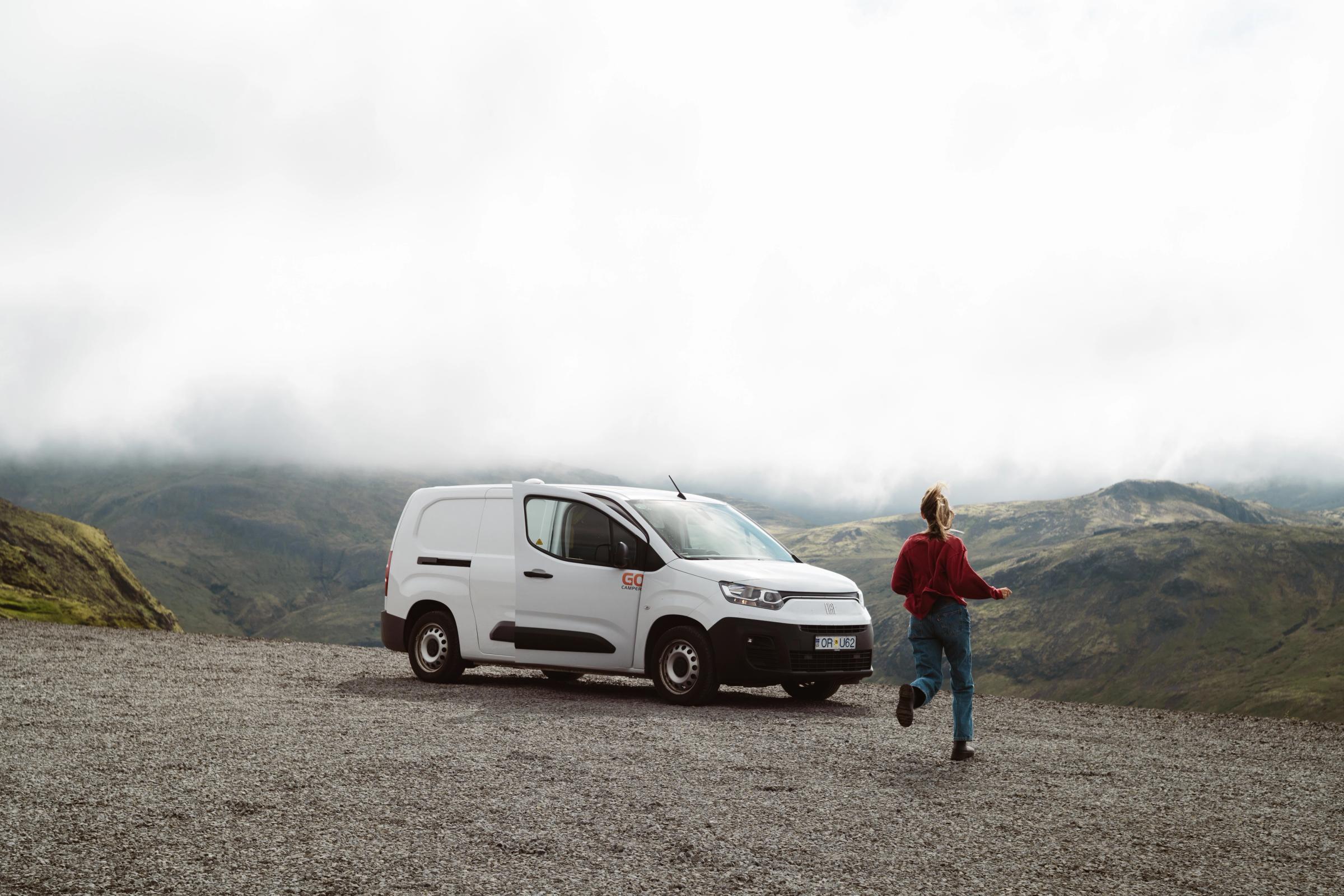
Main Differences Between Renting a Car and a Campervan in Iceland
The vehicle itself is only part of it. The two options are genuinely different travel experiences.
A rental car separates transport and accommodation
With a car, you drive to your next destination and sleep somewhere separate. That could be a hotel, guesthouse, hostel, cabin, or apartment. You've got a proper bed, an indoor bathroom, and you know where you're staying each night. It's more predictable, which matters a lot in winter or on a shorter trip.
A campervan combines transport and accommodation
A campervan is your vehicle and your bed in one. Most come with a sleeping setup, a small stove, cooking gear, and some storage. You drive to a campsite, park up, and that's home for the night. There's more flexibility in how you plan each day, but it's also more compact and takes more effort to manage.
The biggest difference is where you sleep
People with a rental car sleep in a room indoors, with their own bathroom and heating. Campervan travelers sleep at organized campsites. That's a bigger deal in Iceland than you might expect, because a campervan does not mean you can sleep wherever you like. More on that below.
Cost Comparison: Is a Car or Campervan Cheaper in Iceland?
It depends on how you travel. Renting a car costs less per day than renting a campervan. But once you add hotels and restaurant meals on top of that, the car trip often ends up costing more, especially for two people traveling in summer.
Rental car costs to budget for
The rental itself is just the starting point. Here's what you actually need to account for:
- Daily rental rate range from $44 to $219, depending on the car and season
- Insurance (CDW, gravel protection, sand and ash protection)
- Fuel
- Hotels, guesthouses, or cabins every night
- Parking in Reykjavík and larger towns
- Restaurant meals if your accommodation doesn't have a kitchen
- 4x4 upgrade if your route needs it
- Airport pickup at Keflavík International Airport
- Extra driver fee if applicable
Campervan costs to budget for
A campervan covers accommodation, but it's still a long list of costs. Here's what to expect:
- Daily campervan rental rate from $89 to $395, depending on the model and season
- Insurance (usually more expensive than insuring a small car)
- Fuel (campervans are heavier and use more than a small car)
- Campsite fees every night
- Showers and electricity at campsites are often charged separately
- Bedding rental if it's not included
- Cooking gas
- Cleaning fee at drop-off
- Extra driver fee if applicable
When a campervan is cheaper
A campervan usually works out cheaper when:
- You're going in summer, when Iceland hotels are expensive
- You're a couple sharing one camper and cooking your own food
- You're doing the Ring Road over 7 to 14 days
- You're buying groceries at places like Bónus, Krónan, or Nettó instead of eating out
When a rental car is cheaper
A car makes more financial sense when:
- You're traveling solo with nobody to split a camper with
- You're going off-season, when hotels are cheaper and there are fewer campsites open anyway
- You can book accommodation with a kitchen (guesthouses, apartments, hostels)
- Your trip is only 3 to 5 days and the campervan overhead just isn't worth it
A campervan is not automatically cheaper. It can save you a lot in summer if you cook and stay at campsites, but it costs more per day to rent and uses more fuel. Look at the total cost of your trip, not just the daily rental price.

Accommodation: Hotels, Guesthouses, Campsites, and Campervans
Where you sleep is the biggest day-to-day difference between the two options.
Rental car accommodation options
With a car, you can stay anywhere in Iceland: hotels, guesthouses, farm stays, hostels, apartments, cabins, cottages. There's a big range in price and quality. In summer, popular areas like the South Coast and the area around Jökulsárlón Glacier Lagoon near Höfn book out early, so plan ahead.
Campervan accommodation options
With a campervan, organized campsites are where you sleep every night. Most Iceland campsites have:
- Shared bathrooms and toilets
- Showers (sometimes free, sometimes extra)
- A shared kitchen or covered cooking area
- Electricity hookups (usually extra)
- Water refill and waste disposal
- Laundry at some bigger sites
The 2026 Iceland Camping Card costs €179 and covers up to 28 nights for two adults and up to four children under 16 at participating campsites. It can save money on longer summer trips, but check that the campsites on your actual route are part of the network before buying it.
Campsite availability by season
Most campsites in Iceland are not open year-round. Summer has the most options. In shoulder season (May and September), some close or reduce what they offer. In winter, very few are open, and even those may not have full facilities. Always check with the campsite directly before relying on it.
Can You Sleep Anywhere in a Campervan in Iceland?
No. This is probably the most common misconception about campervan travel in Iceland, and it's important to get straight before you book.
You can't just pull over somewhere nice and sleep for the night. Iceland's Environment Agency (Umhverfisstofnun) states clearly that it's illegal to spend the night in campervans, caravans, tent trailers, or similar vehicles outside organized campsites or urban areas unless the landowner or rightsholder has given permission. That means you can't overnight at waterfall car parks, trailheads, beach pullouts, or scenic viewpoints, even if you're just sitting quietly in the van.
Myth: A campervan lets you sleep anywhere in Iceland.
Reality: You need a legal overnight spot, and that almost always means a registered campsite.
This isn't just a bureaucratic rule. Iceland's vegetation and lava fields are genuinely fragile. Moss that looks like a soft carpet can take 50 to 100 years to grow back after it's damaged. The restrictions have gotten stricter in recent years as more campervans have arrived.
Driving in Iceland: What Both Car and Campervan Travelers Need to Know
Driving in Iceland is different from what most people are used to. Even the Ring Road throws things at you that can catch you off guard.
Iceland road conditions
Both car and campervan travelers will deal with:
- Paved roads that are fine in summer but ice over in winter
- Gravel roads that send stones flying at your windshield
- Single-lane bridges where you have to give way
- Blind hills with no visibility over the top
- Narrow roads with no proper shoulder to pull onto
- Sheep that wander onto the road without warning
- Strong winds, especially along the South Coast and in open areas
Check road.is (run by the Icelandic Road and Coastal Administration) and the Icelandic Met Office at vedur.is before every drive. SafeTravel Iceland, run by ICE-SAR (the Icelandic Association for Search and Rescue), is the main safety resource for travelers and worth saving on your phone.
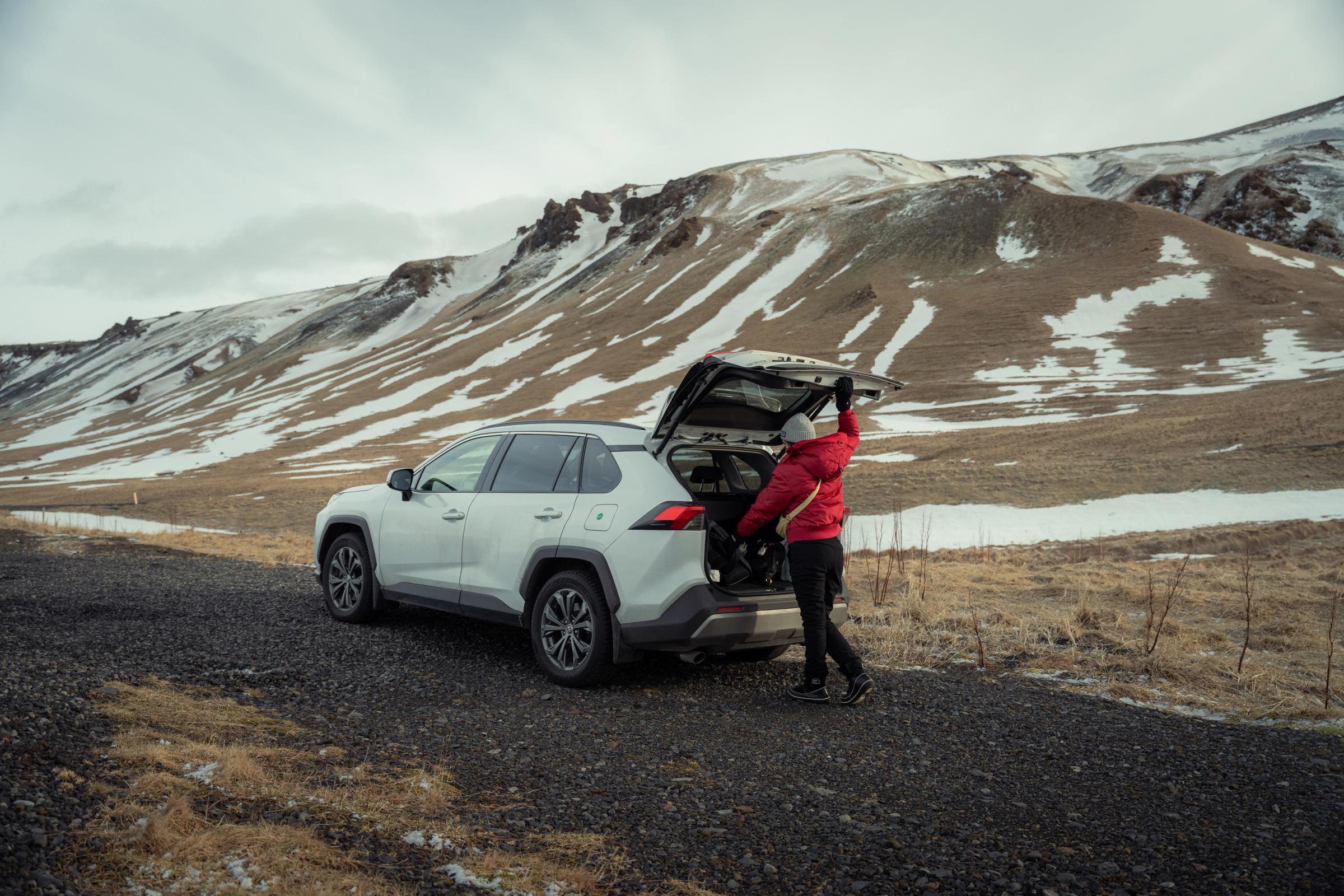
Campervans are harder to drive than small cars
A campervan is bigger, heavier, slower to stop, and far more affected by wind than a small rental car. On exposed roads in Iceland, a strong gust can push a tall van sideways. A few practical points:
- Slow down on gravel. It protects your windshield and tires.
- Don't swing your door wide open in strong wind. It can be ripped off, and that's usually not covered by insurance.
- Keep driving days shorter than you might plan. Campervans take more concentration over long distances.
- If there's a severe wind warning, don't go. Check road.is and SafeTravel before you leave.
4x4 Car vs 4x4 Campervan
Whether you go with a car or a campervan, deciding on 4x4 is a separate question that matters just as much.
A 4x4 car is easier to drive, uses less fuel, handles wind better, and is more practical in winter. A 4x4 campervan gives you the same sleeping flexibility while also getting you onto rougher roads. But a 4x4 badge on a campervan doesn't automatically mean it's allowed everywhere. Rental companies set their own rules about which vehicles can go on which roads, and not every 4x4 camper is cleared for every F-road. Check your rental contract before you plan a route that involves rough tracks or highland terrain.
For the Ring Road and most popular Iceland routes, a 2WD is fine in summer. For the Highlands, F-roads, or winter travel, you need a 4x4, whatever type of vehicle you're in.
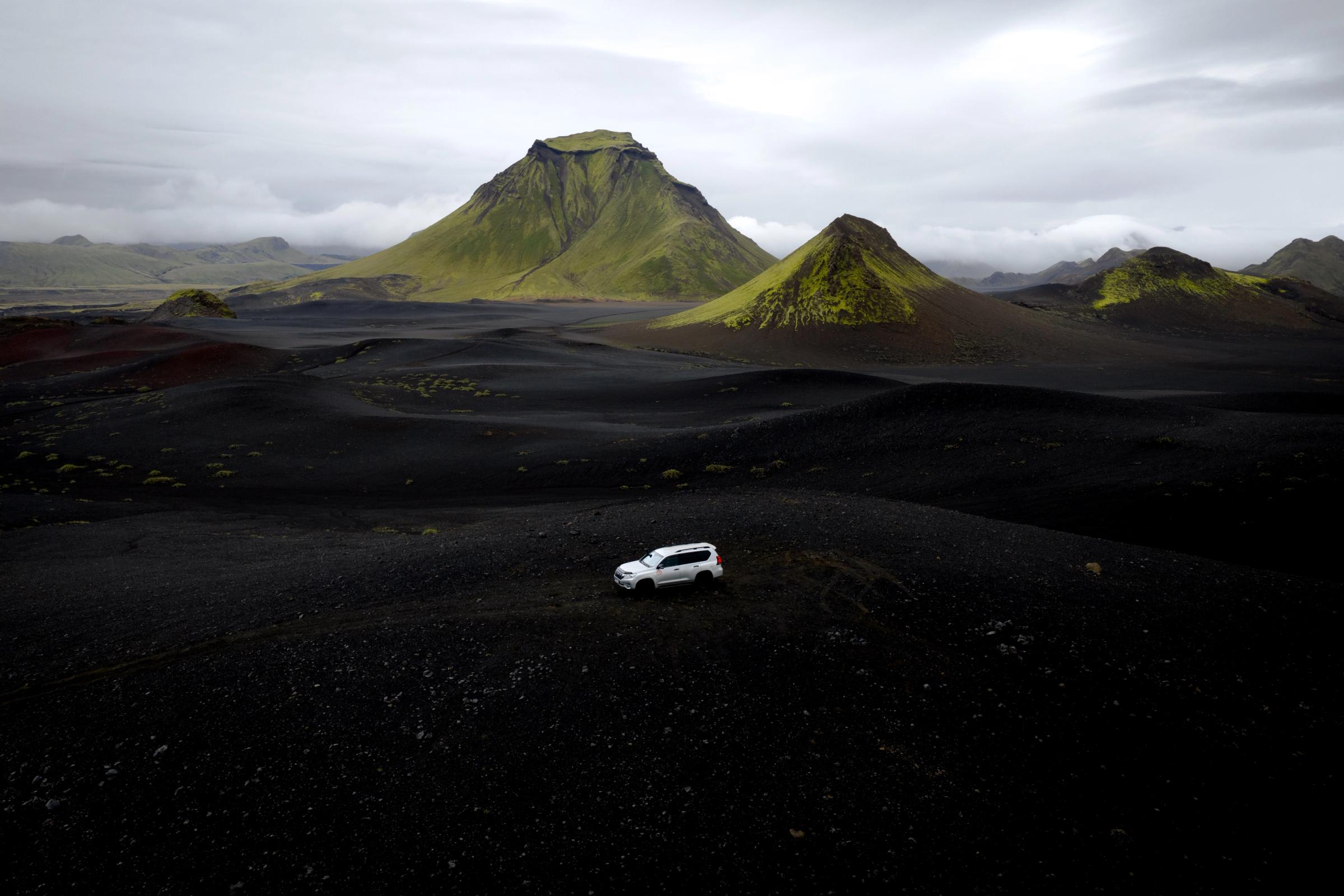
Best Choice by Iceland Route
Where you're planning to go often settles the question faster than anything else.
Reykjavík and the Golden Circle
Best choice: rental car.
The Golden Circle is a simple day trip from Reykjavík on mostly paved roads. Most people stay in Reykjavík and drive out for the day. There's no reason to rent a campervan just for this unless you're continuing on to a longer trip.
South Coast
Best choice: rental car for short or winter trips; campervan for longer summer trips.
The South Coast passes Seljalandsfoss, Skógafoss, Reynisfjara black sand beach, Vík, Skaftafell, Jökulsárlón Glacier Lagoon, and Diamond Beach. It works well for both vehicles in summer. In winter, a car plus hotels is the safer and more comfortable call.
Ring Road (Route 1)
Best choice: campervan for summer; rental car for comfort or winter.
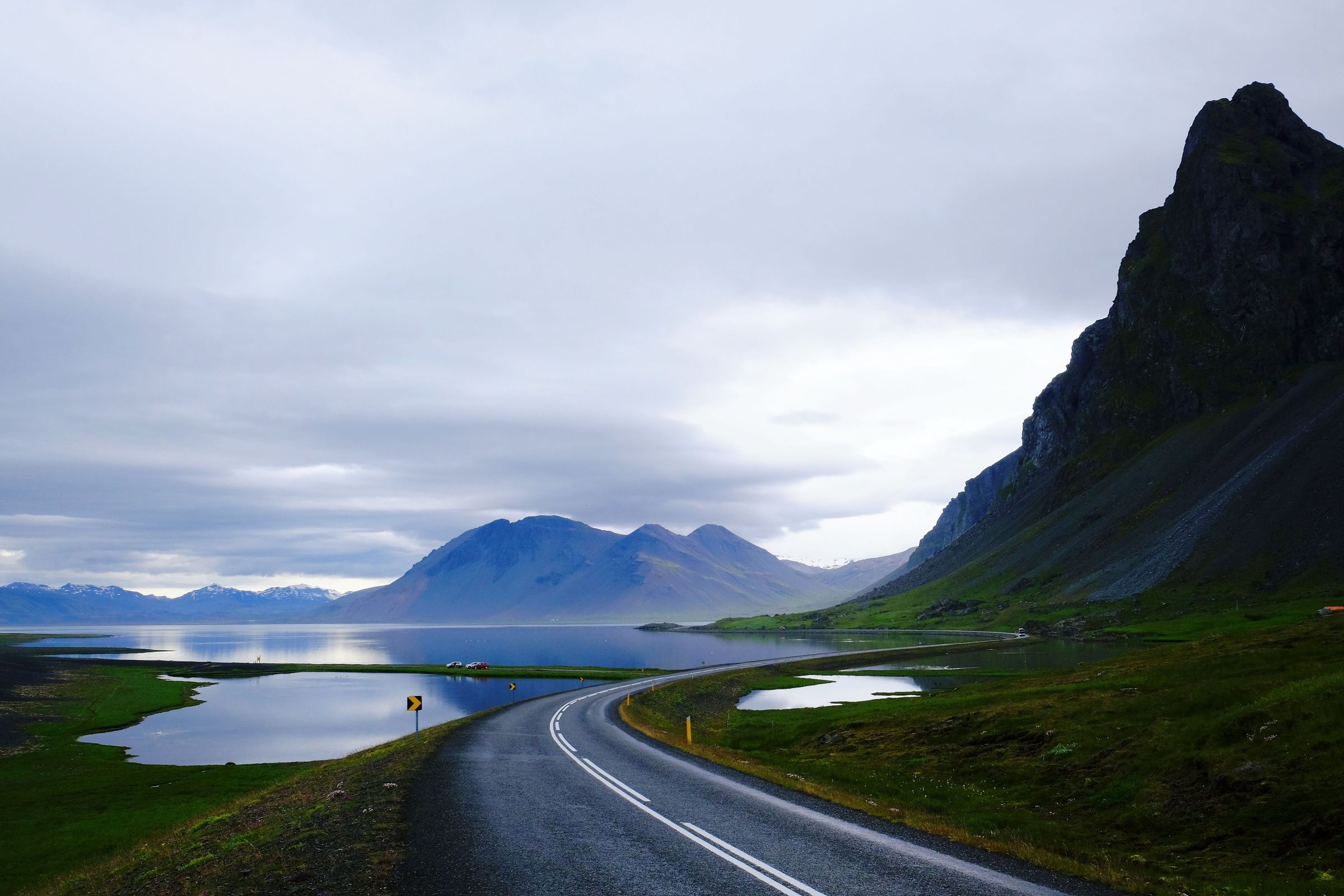
The Ring Road is the most popular campervan route in Iceland. It goes around the whole island on Route 1, roughly 1,330 km, with campsites spread all the way along. Plan at least 8 to 10 days for the full loop; 10 to 14 gives you more time to actually stop and look around. In winter, closures, ice, and wind make a car plus hotels the better choice for most people.
Snæfellsnes Peninsula
Best choice: rental car for short trips; campervan for summer trips.
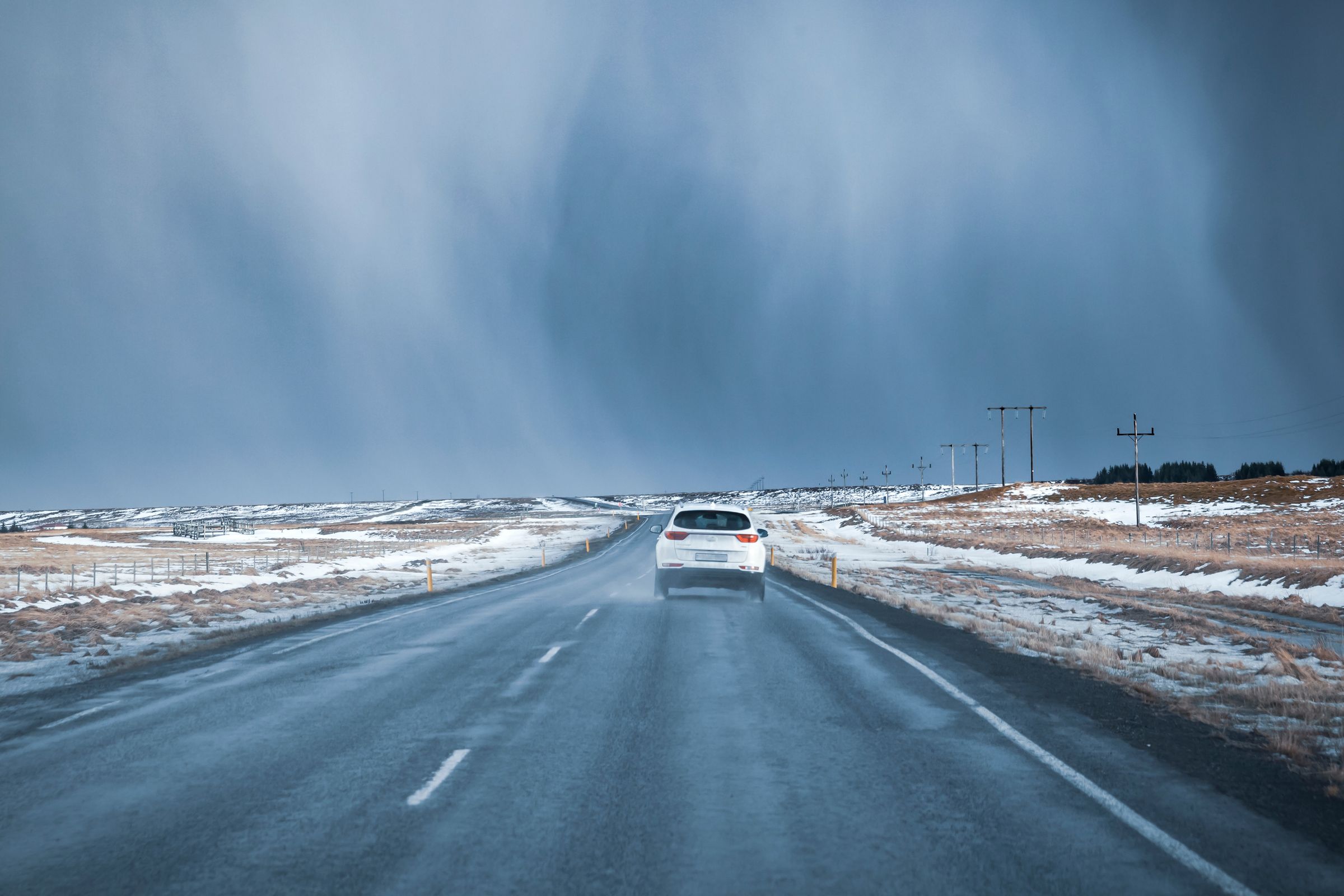
Snæfellsnes is a good add-on to a Ring Road or South Coast trip. A compact SUV or campervan both work fine in summer.
Westfjords
Best choice: 4x4 car or SUV, or a campervan with a driver who knows what they're doing, in summer.
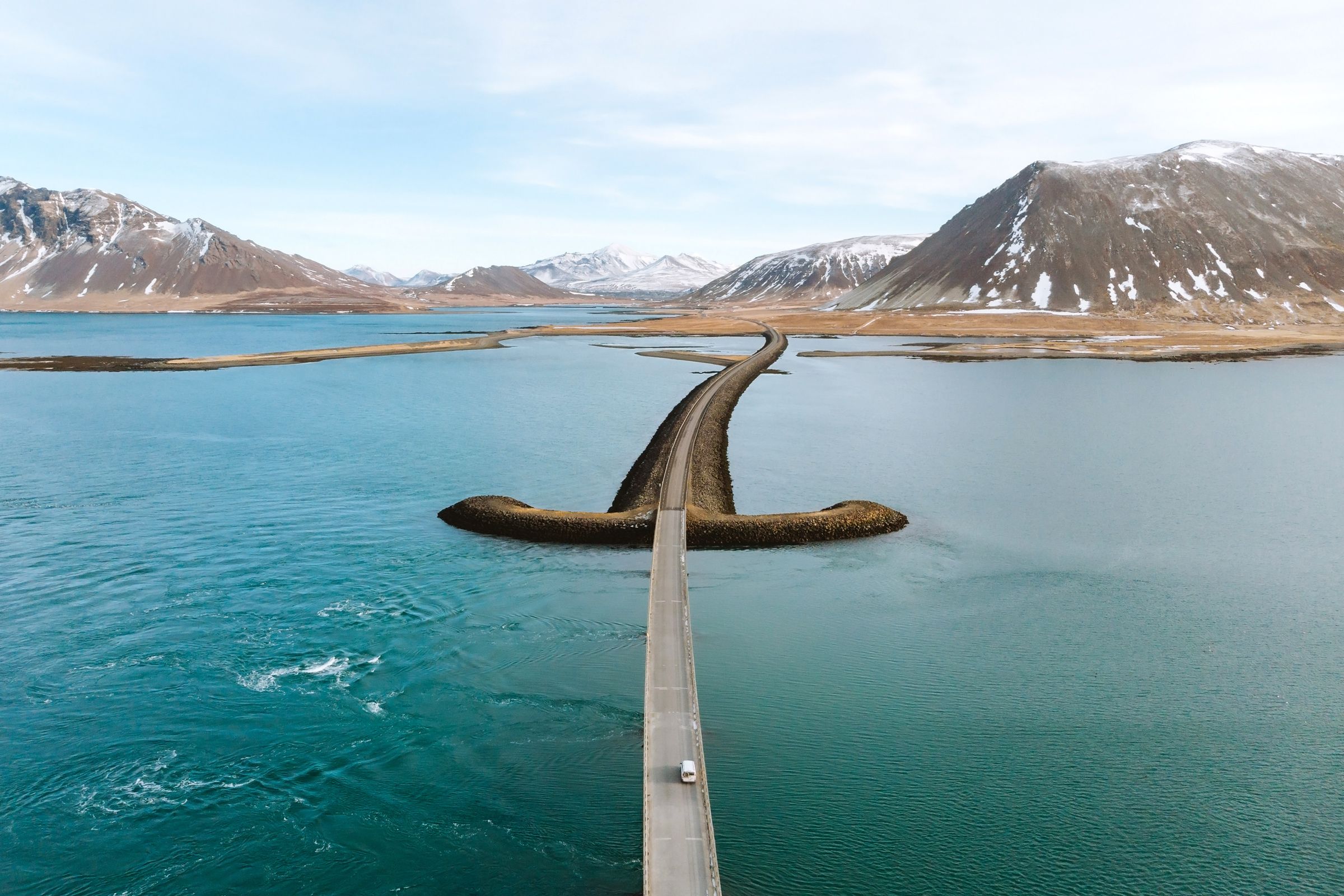
The Westfjords roads are steep, narrow, and largely gravel. A 4x4 helps a lot here. A large motorhome is not a good fit.
Highlands
Best choice: proper 4x4, guided tour, or Highland bus.
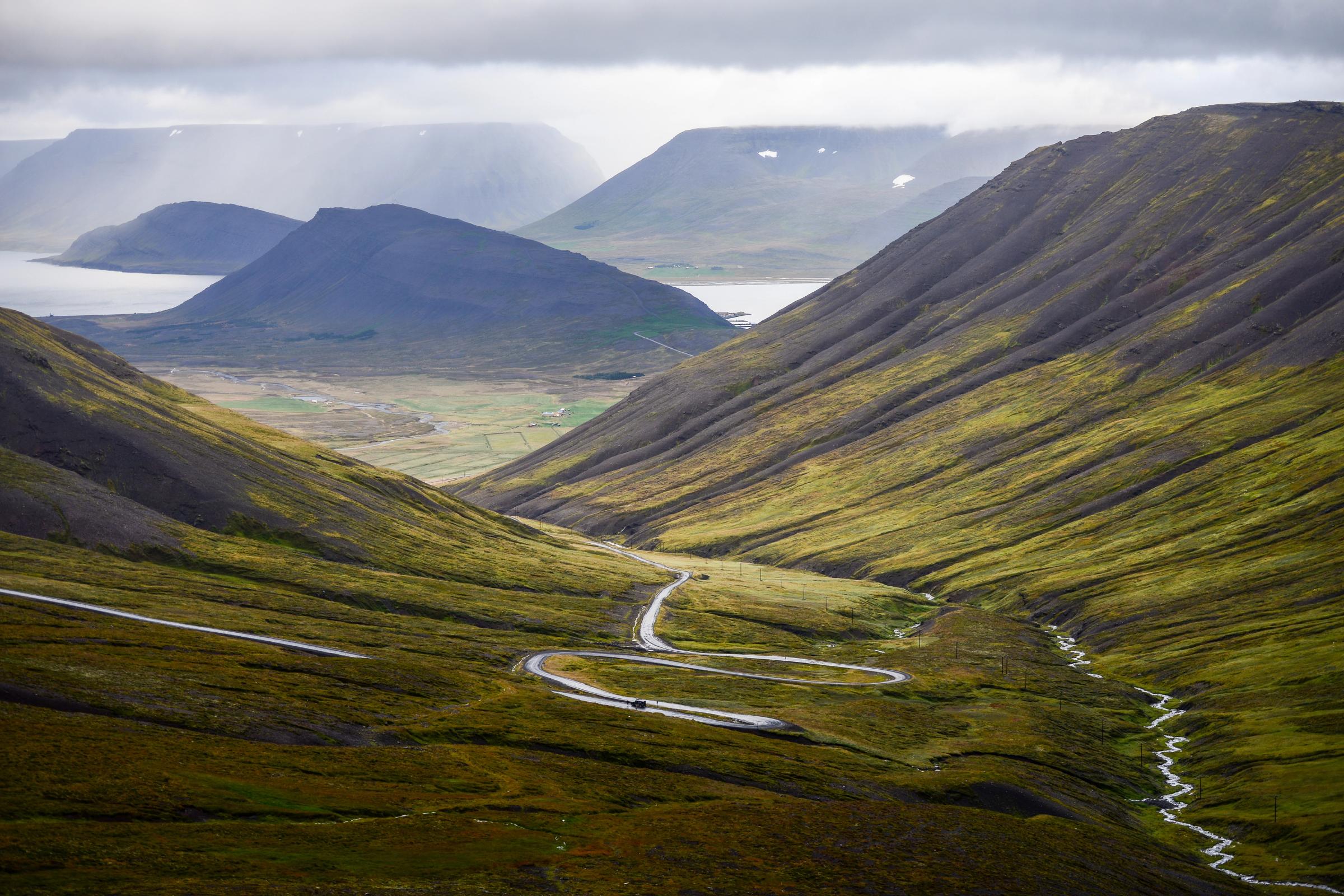
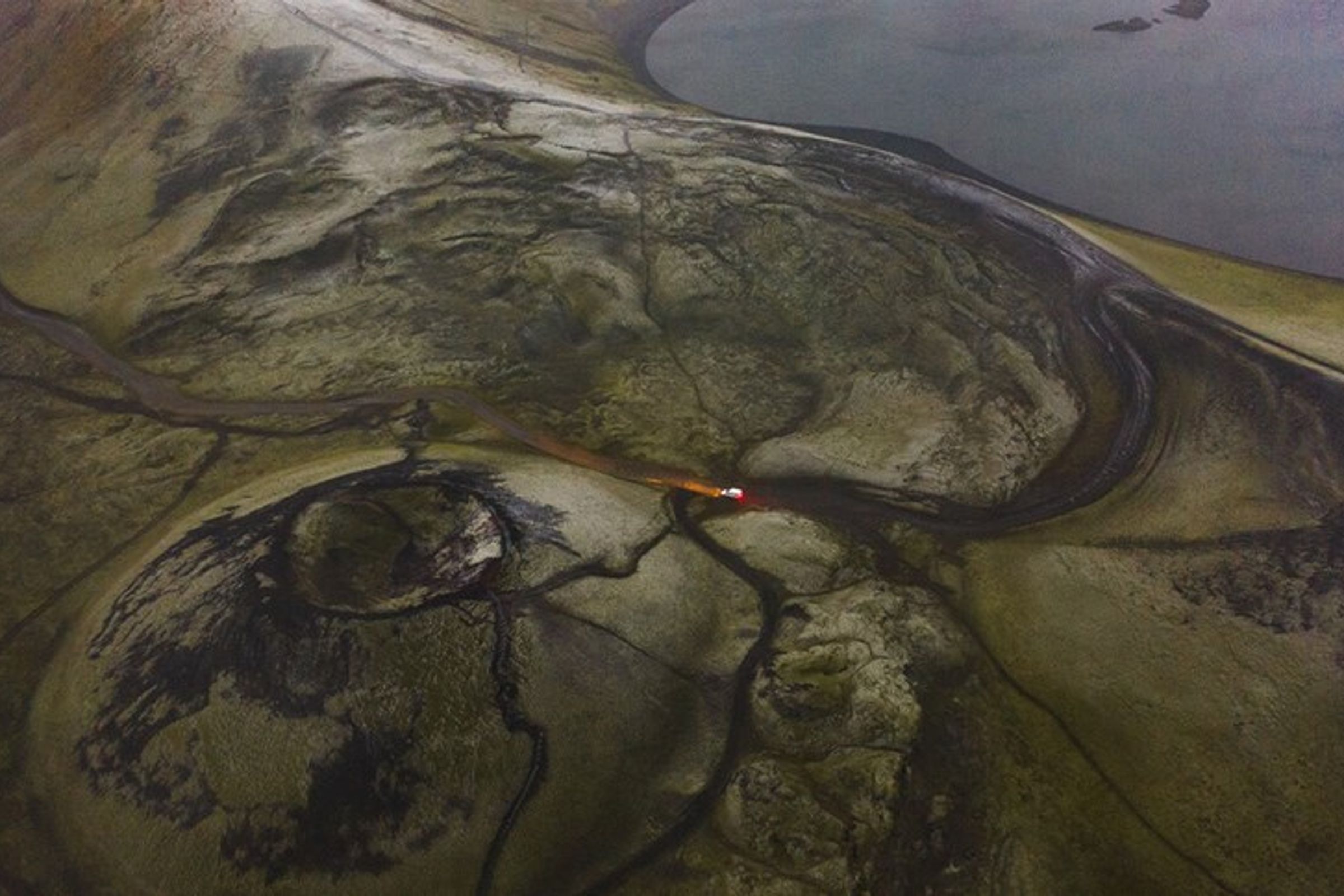
Landmannalaugar, Askja, and Þórsmörk are in the Icelandic Highlands and can only be reached on F-roads. F-roads need a proper 4x4. Standard campervans are not allowed. Even many 4x4 campers are excluded, and river-crossing damage is almost never covered by insurance. For most first-time visitors, a guided super jeep tour is the most practical way to see the Highlands.
Best Choice by Season
The season you visit also conditions your choice.
Summer (June–August)
Summer is the best time for a campervan. Campsites are open all over the country, it stays light almost around the clock, hotels are at their most expensive, and road conditions are at their best. A campervan gives you real flexibility when the weather changes plans. A rental car works well too, particularly for families or people who need more comfort.
Shoulder Season (May and September)
Both options can work, but you need to plan more carefully. Nights turn cold, which affects campervan comfort a lot. Some campsites close or reduce their hours. A rental car is easier to plan around, but a campervan is still doable if you've confirmed campsite availability and your vehicle has a good heater.
Winter (Late October–April)
Best option for most people: rental car.
Winter means icy roads, strong wind, short days, and very few open campsites. A campervan is harder to handle in high wind, colder to sleep in, and more complicated to plan when most campsites are closed. A 4x4 or SUV plus hotels or guesthouses is the right call for most first-time winter visitors.
Winter campervanning is doable, but it's for people who know cold-weather driving, can work around limited campsites, and are genuinely prepared to change their plans when conditions change. It's not the standard recommendation.
Pros and Cons of Renting a Car in Iceland
Here’s a final overview of the pros and cons of renting a car.
Pros of renting a car
- A proper bed, a private bathroom, and heating every night
- Easier in winter, easier with kids, less stressful if you're not a confident driver
- Simpler to drive than a campervan, especially on narrow or gravel roads
- More luggage space in an SUV than in a small camper
- Works well for short trips where a campervan setup isn't worth the hassle
- Works in any season, any route, as long as you choose the right vehicle class
Cons of renting a car
- Accommodation costs add up fast, especially in summer
- Booking hotels in advance makes it harder to change your route when the weather turns
- Restaurant meals get expensive unless you stay somewhere with a kitchen
- Good spots book out early in peak season
- A 2WD car can't go on F-roads, and a 4x4 upgrade costs more

Pros and Cons of Renting a Campervan in Iceland
And here are the pros and cons of renting a campervan instead.
Pros of renting a campervan
- You pay for transport and accommodation together, which saves money in summer
- You can change your plans day to day without losing hotel deposits
- Great for the Ring Road, especially trips of 10 days or more
- Cooking your own food saves a lot compared to eating in Icelandic restaurants every day
- Campsites are often in good locations and add to the experience
Cons of renting a campervan
- You can't sleep wherever you want. Campsites are legally required for overnight stays.
- Less comfortable: smaller beds, shared campsite bathrooms, wind noise at night
- Harder to drive in Iceland's wind, especially on exposed coastal roads
- Uses more fuel than a small car
- Difficult in winter: fewer open campsites, cold nights, worse driving conditions
- Standard campervans can't go on F-roads

Insurance for Cars and Campervans in Iceland
Your home insurance or credit card almost certainly won't cover what can go wrong on Iceland's roads. Don't skip the extra coverage here.
Common rental insurance types
Here's what actually matters:
- CDW (Collision Damage Waiver): Usually included in your rental, but it comes with a high deductible (excess) that you'd have to pay if something gets damaged.
- SCDW (Super CDW): Lowers or removes that deductible. Get it.
- Gravel Protection: Covers stone chips and gravel damage to the windshield and body. You want this on any route that includes gravel roads, which is most of them.
- Sand and Ash Protection: Covers damage from wind-blown volcanic sand and ash. Particularly relevant on the South Coast and in East Iceland.
- Tire and Windshield Protection: Worth having, because both are often left out of basic policies.
- Roadside Assistance: Useful if you're driving remote routes.
Iceland-specific insurance risks
A few things that catch people off guard:
- You can find gravel on popular routes, not just remote ones. Stones fly up and chip paint and glass.
- Wind can pull a car door right out of your hand. That kind of damage is usually not covered.
- River crossings on F-roads are almost never covered, even with a comprehensive policy.
- Undercarriage damage from rough tracks is frequently excluded too.
Read all the exclusions before you sign anything. Campervan policies tend to have more exclusions than car policies, and the excess can be higher, so SCDW matters even more.
Food and Cooking: Rental Car vs Campervan
Restaurants in Iceland are expensive. That's a significant extra cost for rental car travelers, and one of the main ways campervan travelers save money.
Cooking in a campervan
Most campervans come with a gas stove, cooking gear, a cooler or small fridge, and utensils. Making simple meals at the campsite is cheap and easy. Shared campsite kitchens are useful when the weather's too bad to cook outside. Shopping at Bónus, Krónan, or Nettó keeps grocery costs reasonable.
Eating with a rental car
You don't have to eat out every meal with a rental car. A lot of guesthouses, hostels, farm stays, and apartments have kitchen access, and using that closes a big part of the cost gap with a campervan. But if none of your accommodation has a kitchen, you'll be paying full restaurant prices for every meal, which adds up fast.
Environmental Rules and Responsible Travel
This applies to both car and campervan travelers.
Iceland's landscape looks tough, but it's not. Moss that you'd barely notice underfoot can take 50 to 100 years to grow back after being walked on or driven over. The environmental rules exist because the damage is real, not just theoretical.
What you need to know:
- Never drive off marked roads. It's illegal and the damage can last for generations.
- Use campsites for overnight stays. Don't turn viewpoints and trailheads into informal campsites.
- Dump grey water and waste at proper campsite facilities.
- Use the campsite toilets. Human waste near popular spots is a serious and growing problem.
- Follow closures and access restrictions in protected areas.
Best Option by Traveler Type
Who you are often decides this more than anything else.
First-time visitors
Best choice: rental car.
Iceland's roads, weather, and distances can feel like a lot to take in on a first visit. A car plus hotels keeps things manageable.
Couples
Best choice: campervan in summer; rental car for comfort or winter.
Two people sharing a small campervan in summer is one of the best-value ways to do an Iceland road trip. You split every cost, cook together, and can move your plans around every day based on the weather.
Families
Best choice: rental car.
Especially with young kids. Campervans are tight on space, there are no private bathrooms, and nap times plus rainy days are genuinely harder to manage. A car and a cabin or apartment gives everyone room.
Solo travelers
Best choice: small car plus hostels or budget guesthouses.
A solo campervan is expensive per person and can feel lonely. A small 2WD car and budget accommodation almost always wins on cost and comfort.
Budget travelers
Best choice: campervan in summer, or a small car with hostel stays.
Both work. The campervan wins if you're two people who cook your own food. The car wins if you're on your own.
Luxury travelers
Best choice: rental car plus hotels.
Iceland has some good boutique hotels and guesthouses. A campervan is the wrong choice for that kind of trip.
Photographers
Best choice: campervan or 4x4 camper in summer.
Being parked near a location and waking up before the light changes is a real advantage. In winter, a 4x4 rental car with flexible accommodation works better.
Winter travelers
Best choice: rental car or 4x4.
A car is safer, warmer, and less stressful from October through April. No real debate here.
Final Recommendation: Car or Campervan in Iceland?
Here it is in plain terms:
- Rental car: the right choice for comfort, hotels, private bathrooms, winter travel, travel with a family, and anyone who wants simpler driving.
- Campervan: the right choice if you're going in summer, want to travel flexibly, are happy using campsites, want to cook, and don't mind sleeping in a small space.
- 4x4 vehicle: needed for the Highlands, F-roads, winter conditions, or any route with serious gravel or rough terrain.
- Guided tour: the right call for Highlands destinations like Þórsmörk, Askja, or Landmannalaugar if you don't want to drive the F-roads yourself.
Neither option is always better. A campervan saves real money in summer if you're two people who cook and use campsites. A rental car is more comfortable and easier to adapt when Iceland's weather or road closures change your plans. The answer comes down to your season, your group, and how you like to travel.
Conclusion
Both a rental car and a campervan are good ways to see Iceland. A car makes more sense for comfort, winter trips, families, and hotel-based travel. A campervan makes more sense for flexible summer road trips, longer Ring Road journeys, keeping food costs down, and people who actually enjoy camping. For the Highlands and F-roads, the real question isn't car versus campervan. It's whether you have a suitable 4x4, or whether a guided tour is the smarter way to go.