

Loftsalahellir Cave: Iceland's Hidden South Coast Viewpoint
Iceland's South Coast has no shortage of famous stops, but Loftsalahellir somehow still flies under the radar. This shallow tuff cave near Dyrhólaey isn't about underground exploration. It's about one of the most striking framed views in South Iceland, plus a bit of local history most guidebooks never mention.
Here's what you need to know before you go.
Key Takeaways
- Loftsalahellir is a small cave near Dyrhólaey that's famous for the view from inside. The cave opening naturally frames the coastline, making it one of the South Coast's best photo spots.
- It's a quick stop. The walk is short, and most people spend about 30 to 60 minutes here.
- A regular 2WD is usually enough in summer, but the path can be muddy, uneven, or slippery, so wear shoes with good grip.
- There are no toilets, cafés, or other facilities. Bring what you need and use the services in Vík before or after your visit.
- It's easy to combine with other nearby stops. Dyrhólaey, Reynisfjara, and Vík are all close by, so it fits naturally into a South Coast itinerary.
What’s Loftsalahellir Cave?
Loftsalahellir sits on the southwest slope of Geitafjall, a mountain in Mýrdalur, South Iceland. It's a broad, shallow cave cut into volcanic tuff, and it falls within the landscape protected by Katla UNESCO Global Geopark. Nobody comes here to explore deep passages. They come to stand in the dark opening and look out at Dyrhólaey, framed almost like a painting.
There's history here too. Farmers from Mýrdalur used to gather at the cave to sort out community matters, sort of an informal town hall. Nearby, a rock called Gálgaklettur (Gallows Rock) has a grimmer reputation, though nobody's ever found a record confirming that executions actually happened there. I'd file that one under folklore, not fact.
One thing worth clearing up before we go further: don't mix this up with Lofthellir, the ice-filled lava cave near Lake Mývatn in North Iceland. The names sound almost identical, but they're two completely different places.
Loftsalahellir Cave at a Glance
Here's what to expect before you build the rest of your trip around it:
- Location: Southwest side of Geitafjall, Mýrdalur, South Iceland
- Nearest town: Vík í Mýrdal, about 15 km east
- Nearby attraction: Dyrhólaey
- Visit duration: 30 to 60 minutes
- Walking difficulty: Short but uneven, sometimes muddy or steep
- Elevation gain: Roughly 20 to 30 meters
- Best for: Photography, viewpoints, short walks
- Entrance fee: Free
- Facilities: None at the site
- Parking: Small informal pull-off area [ADMIN: confirm current parking arrangement and whether it has changed]
- Best season: Summer for easier footing, winter for dramatic light
- Best time of day: Early morning, for softer light and fewer people around
Loftsalahellir barely has any visitor infrastructure. Go in expecting a natural, unmanaged site, not a staffed attraction.
Where It Is and How to Get There
The cave falls within Mýrdalshreppur municipality, in the district of Mýrdalur, on Iceland's South Coast. It's part of the wider Katla UNESCO Global Geopark, a region shaped by volcanoes, glaciers, and centuries of coastal erosion. If you're coming from Reykjavík, don't think of this as a destination in itself. It's a stop you tack onto a longer South Coast route.
Getting There by Road
Most people get here by car, driving Route 1 (the Ring Road) along the South Coast toward Vík, then turning onto Dyrhólavegur, the local road that leads to Dyrhólaey. Keep an eye on the slope of Geitafjall as you go, because that's where the cave sits.
- Follow Route 1 to the turnoff signed for Dyrhólaey.
- Take Dyrhólavegur (Road 218) toward the headland.
- Park in a clearly lawful pull-off area.
- Walk across the lower meadow toward the cave opening, which you'll be able to see from the road.
You don't need a 4x4 for this in decent summer weather since it's on the regular road network, not a highland route. Still, what the weather's doing on the day matters a lot more than what you're driving, especially once winter hits.
A Few Access Notes
The cave's easy to miss from the road. It blends right into the dark cliff face, and the pull-off area is small enough that you could drive right past it without noticing. If I were you, I'd slow down through this stretch, especially heading toward Dyrhólaey first, since a lot of people end up spotting the cave more easily on the way back.
There's no dependable public transport that gets you right to the cave, so a rental car, private tour, or organized itinerary is really your only realistic option.

What to See and Do at Loftsalahellir
Once you've made the short walk up, here's what makes the stop worth it.
The main event is standing inside the cave's dark opening and looking out at everything it frames. From there, you can pick out Dyrhólaey's flat-topped silhouette, the wetlands of Dyrhólaós below, and, on a clear day, the black-sand coastline stretching toward Reynisfjara. It's one of the most photogenic natural frames on the entire South Coast, and you don't need a long hike to reach it.
A few other things worth doing while you're there:
- Take a closer look at the tuff walls. The texture and color of the volcanic rock are worth a second glance, even if geology isn't usually your thing.
- Read up on the local history beforehand. Knowing the cave's past as a community meeting spot adds context you won't pick up just from the photos.
- Scan the horizon for birds. Dyrhólaós below the cave is an important habitat for migratory birds, so it's worth bringing binoculars if that's your kind of thing.
- Just enjoy the quiet. Unlike Dyrhólaey or Reynisfjara, this spot almost never feels crowded.
If you're hoping for a deep, guided cave experience, skip this one. Loftsalahellir is a viewpoint first, a cave second.

What It's Like Inside Loftsalahellir
If you've never been inside a rock shelter like this, it helps to know what the whole experience actually feels like, from the moment you walk up to the moment you head back down.
Walking Into the Cave
You'll step from the open, grassy hillside into a space that gets noticeably darker fast. Don't expect a deep or narrow passage though. The chamber is wide and shallow, so you'll stay close to daylight the entire time instead of walking into total darkness.
What the Interior Feels Like
The walls are made of volcanic tuff, rock formed from compacted volcanic ash. Depending on when you visit, you might run into:
- Damp, muddy ground
- Loose rock near the entrance
- Icicles hanging overhead in winter
The floor can be uneven in spots, so it's worth glancing down every so often instead of keeping your eyes fixed on the view the whole time.
The View From Inside
What makes this space feel bigger than it really is comes down to contrast. Step inside, and the dark cave frames a bright, wide-open coastal scene beyond it. That jump from shadow to light is basically the whole reason people make the trip. Throw in the sound of wind and the occasional bird call, and it ends up feeling surprisingly immersive for such a small space.
How Long You'll Stay
Most people spend somewhere between 20 and 45 minutes in and around the cave, longer if you're setting up a tripod or waiting around for better light.
Best Time to Visit
Honestly, the best time to visit depends on what you care about most: easier footing, better light, or fewer crowds.
Summer
Summer gets you the longest daylight and the easiest ground conditions, since the mud that shows up in other seasons dries out by then. It's also nesting season for local birds, so give them some room while you're walking around. Just expect more company during the busiest months.
Autumn
The lower-angle light makes for great photos in autumn, and there are fewer people around than in summer. The catch is wetter ground and shorter days as the season wears on.
Winter
Winter brings dramatic light and, if you're lucky, a snow-covered landscape, but getting there gets a lot harder. Ice, short daylight hours, and icicles overhead all bump up the difficulty. I wouldn't visit in winter unless the road and weather conditions are clearly safe that day.
Spring
Ground conditions bounce between muddy and icy as everything thaws, and bird nesting season starts ramping up. Spring can still work well if you're flexible and check conditions closely before setting out.
Sunrise vs. sunset: Early morning usually wins here, since the light is softer and you'll likely have the place to yourself. Sunset can work too depending on the season, but the sun's exact position and the cloud cover on the day matter more than any hard rule.

Walking Difficulty, Safety and Accessibility
Knowing what the walk's really like ahead of time will save you from an unpleasant surprise.
Trail Difficulty and Terrain
The walk covers a short distance, usually under 300 metres, but "short" doesn't mean effortless. Expect some combination of:
- Wet or muddy grass
- A small stream or drainage channel to cross
- A steeper final push near the entrance
- Loose rock and soil
- Snow or ice in colder months
What to Wear
Good footwear matters a lot more than distance does here. I'd go with waterproof hiking shoes that actually grip, rather than anything with a smooth sole, since the ground turns slick fast after rain.
- Waterproof, sturdy footwear
- A windproof, waterproof outer layer
- Warm layers in colder months
- Gloves if you're going in winter
Accessibility and Visiting With Others
The natural, uneven path means Loftsalahellir isn't wheelchair or pushchair friendly. There's no paved trail or handrail anywhere along the way.
- With children: Older kids used to uneven terrain usually handle it fine, but keep them close near the entrance and any slippery patches.
- With dogs: Keep them leashed and under control, especially with nesting birds and livestock around.
- Emergency planning: There's no ranger, signal booster, or emergency gear on site. Check Icelandic weather and road conditions before you leave, and keep in mind that 112 is the number to call in an emergency in Iceland.
Nearby Attractions and Suggested Itinerary
Loftsalahellir works best as one piece of a bigger South Coast day, so here's how to fit it in with everything else nearby.
- Dyrhólaey: The headland you'll see framed from inside the cave, known for its arch, lighthouse, and cliffside views over the North Atlantic.
- Reynisfjara: A famous black-sand beach close by, known for its basalt formations and, unfortunately, dangerous sneaker waves. Never turn your back on the ocean here.
- Reynisdrangar: The sea stacks visible offshore from Reynisfjara, part of the same coastal view.
- Vík í Mýrdal: Your closest base for fuel, food, and a place to sleep.
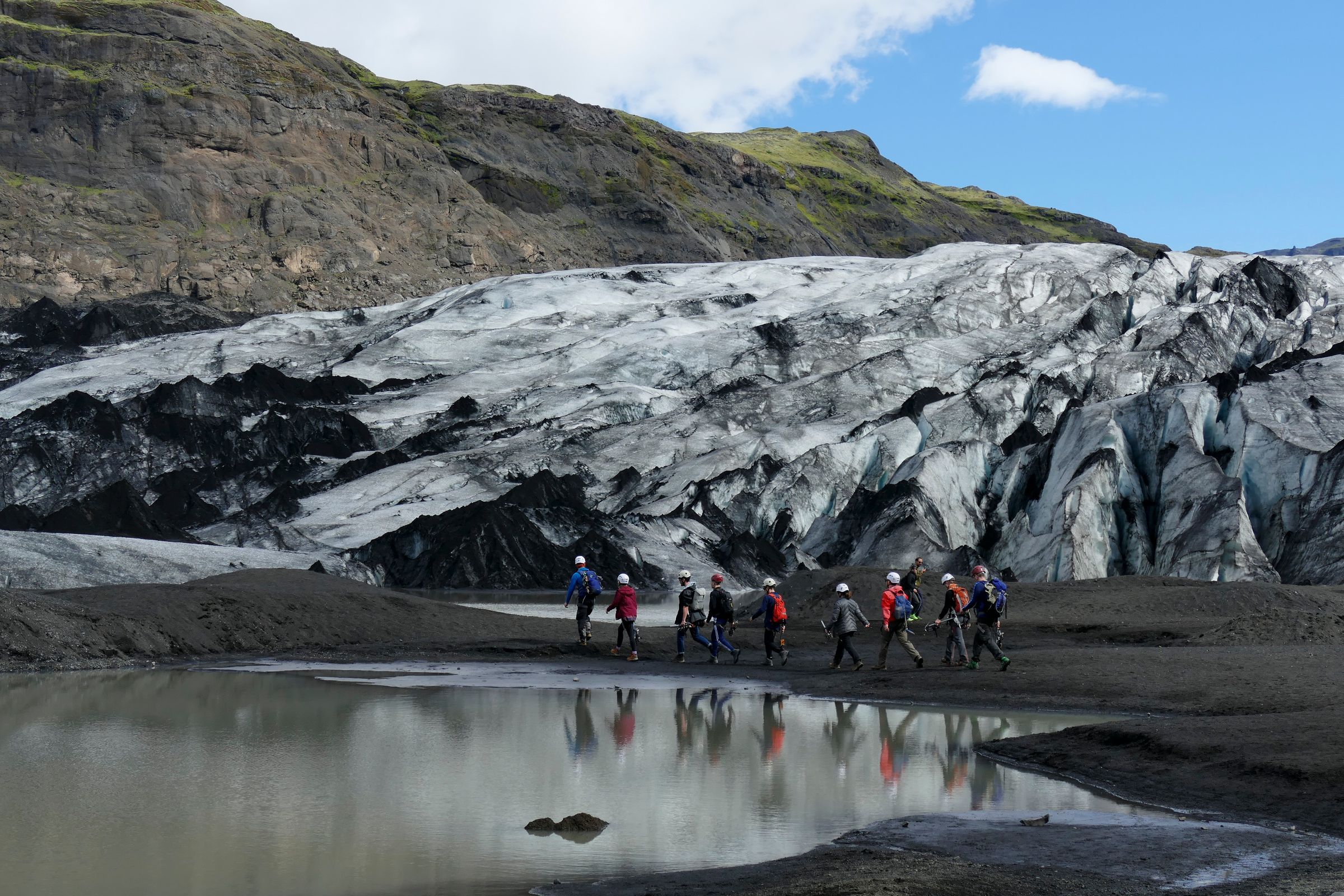
- Sólheimajökull: An outlet glacier from Mýrdalsjökull, worth the detour if you've got time for a guided glacier walk.
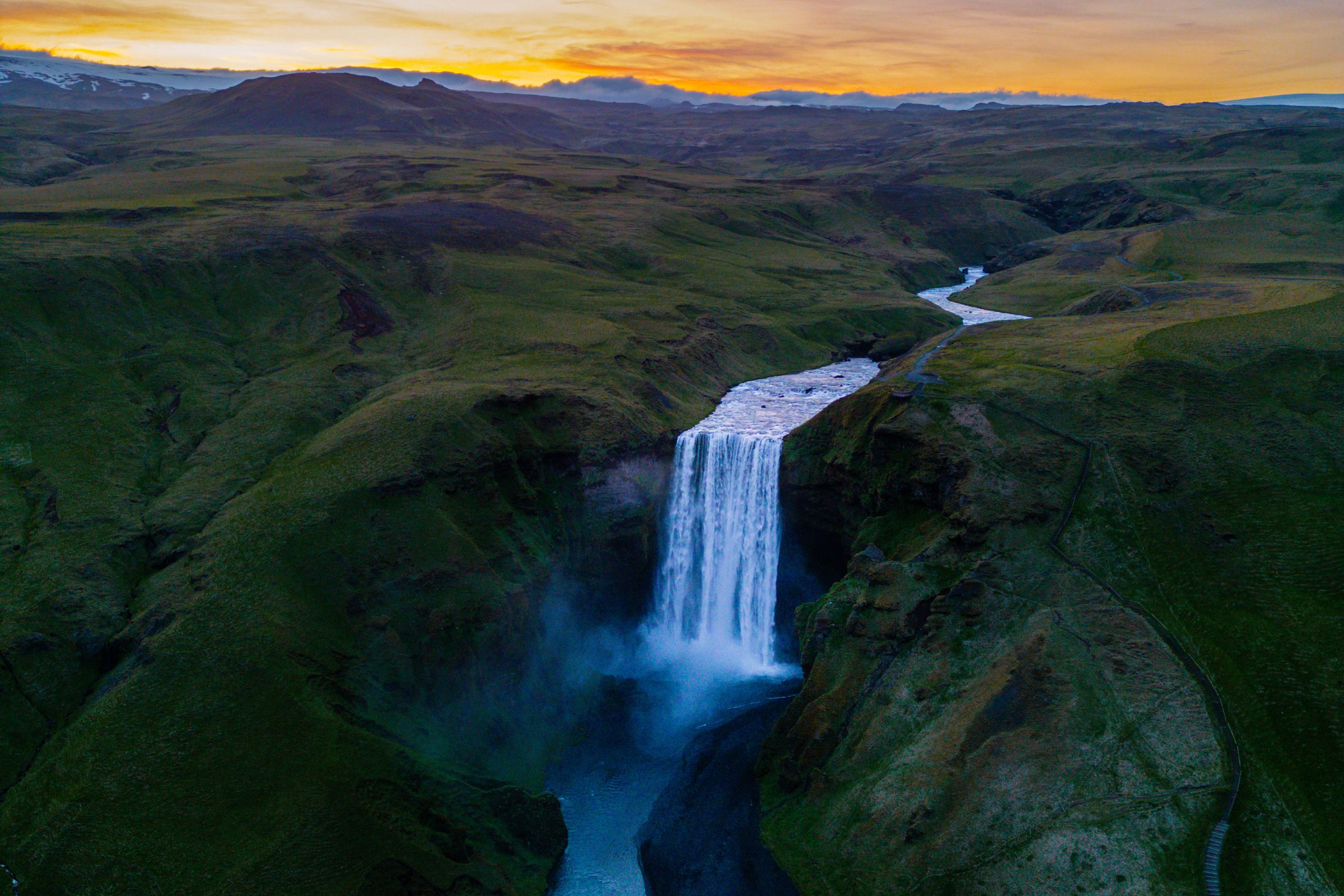
- Skógafoss and Seljalandsfoss: Two of the South Coast's biggest waterfalls, both well worth seeing if you're driving down from Reykjavík.

Suggested Half-Day Itinerary
If you're short on time, this shorter route hits the highlights without stretching your day too thin.
Loftsalahellir → Dyrhólaey → Reynisfjara → Vík
Suggested Full South Coast Itinerary
Want a fuller day that adds the region's biggest waterfalls and a glacier stop? Try this order instead.
Seljalandsfoss → Skógafoss → Sólheimajökull → Loftsalahellir → Dyrhólaey → Reynisfjara → Vík
Just keep in mind that road conditions, weather, and daylight hours can shuffle this order around, especially in winter, so prioritize whatever matters most to you.
Essential Travel Tips & FAQs
Here are quick answers to the questions people ask most about visiting Loftsalahellir.
Is Loftsalahellir worth visiting?
If you're already headed to Dyrhólaey, absolutely. It gives you a different angle on the same landscape and only takes about an hour.
Is it a lava cave?
No. It's formed from volcanic tuff, not a lava tube.
Is it the same as Lofthellir?
No, and this trips people up all the time. Here's the quick comparison:
How long does the visit take?
Most people spend 30 to 60 minutes total, walk included.
Do you need a 4x4?
Not usually, in good summer conditions. Winter weather can change that fast.
Is there an entrance fee?
Entrance to the cave is completely free.
Can you visit in winter?
Yes, but only if the road and ground conditions are actually safe that day. Ice and icicles raise the risk quite a bit.
Are there toilets?
No, so plan to use facilities in Vík before or after.
Is it suitable for children?
With close supervision, sure, though the slippery ground near the entrance needs a bit of extra attention.
Can you fly a drone?
Check current Icelandic drone rules first, especially given how sensitive the bird habitat is nearby.
Conclusion
Loftsalahellir won't give you a big cave adventure, and honestly, that's fine. What it does give you is a quiet, uncrowded stop with one of South Iceland's best framed views, some genuine local history, and a walk short enough that it won't eat into your day. My advice would be to pair it with Dyrhólaey, Reynisfjara, and Vík instead of treating it like a standalone destination. Do that, and it ends up being one of the more memorable small stops on the whole South Coast.
