The Hot Springs of Iceland
Soaking in a hot spring is one of the most popular things to do in Iceland. This guide brings together our best hot spring articles, helping you find everything from famous geothermal lagoons and natural pools to regional guides and lesser-known spots across the country.

The Best Hot Springs in Iceland
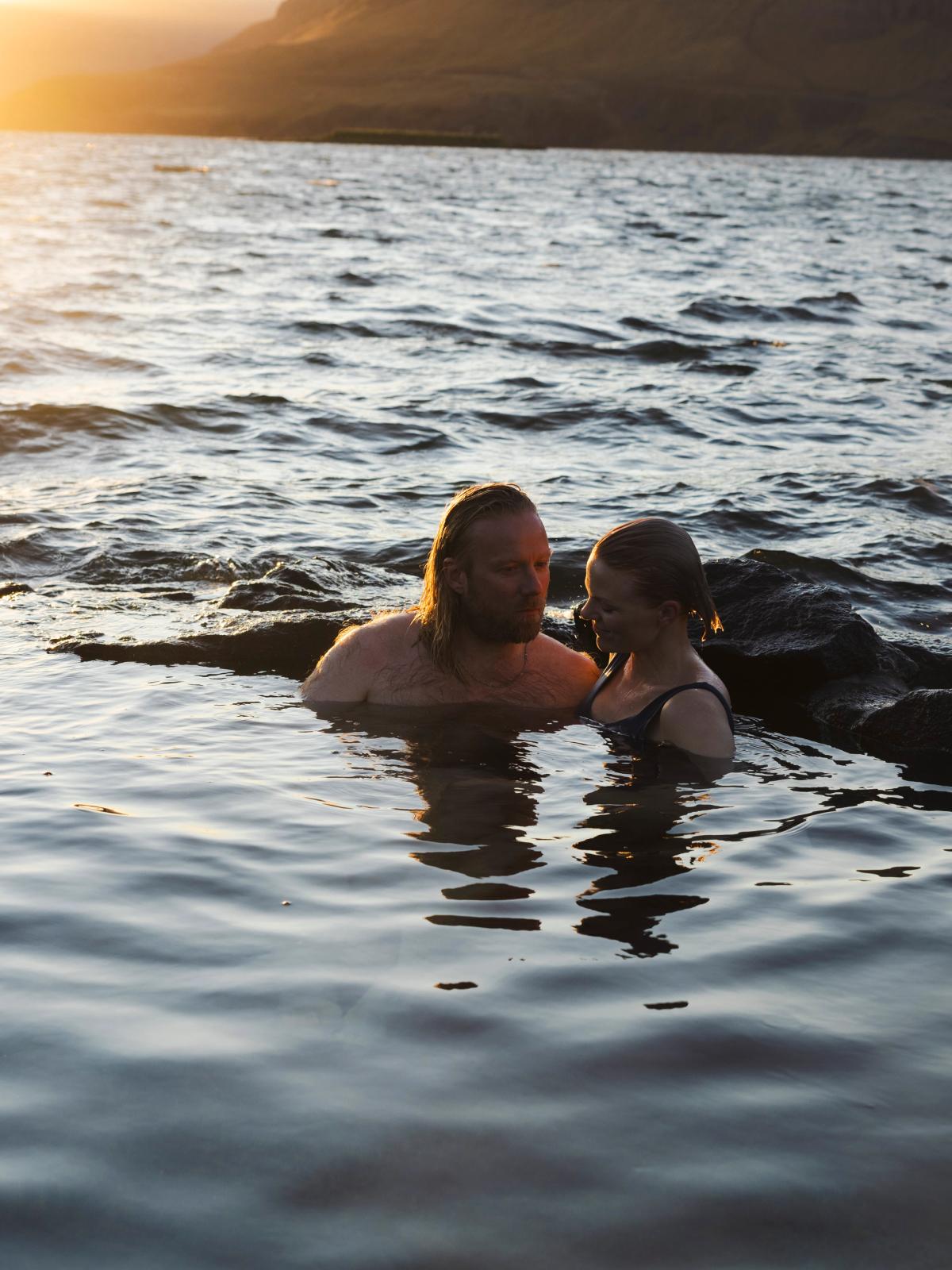
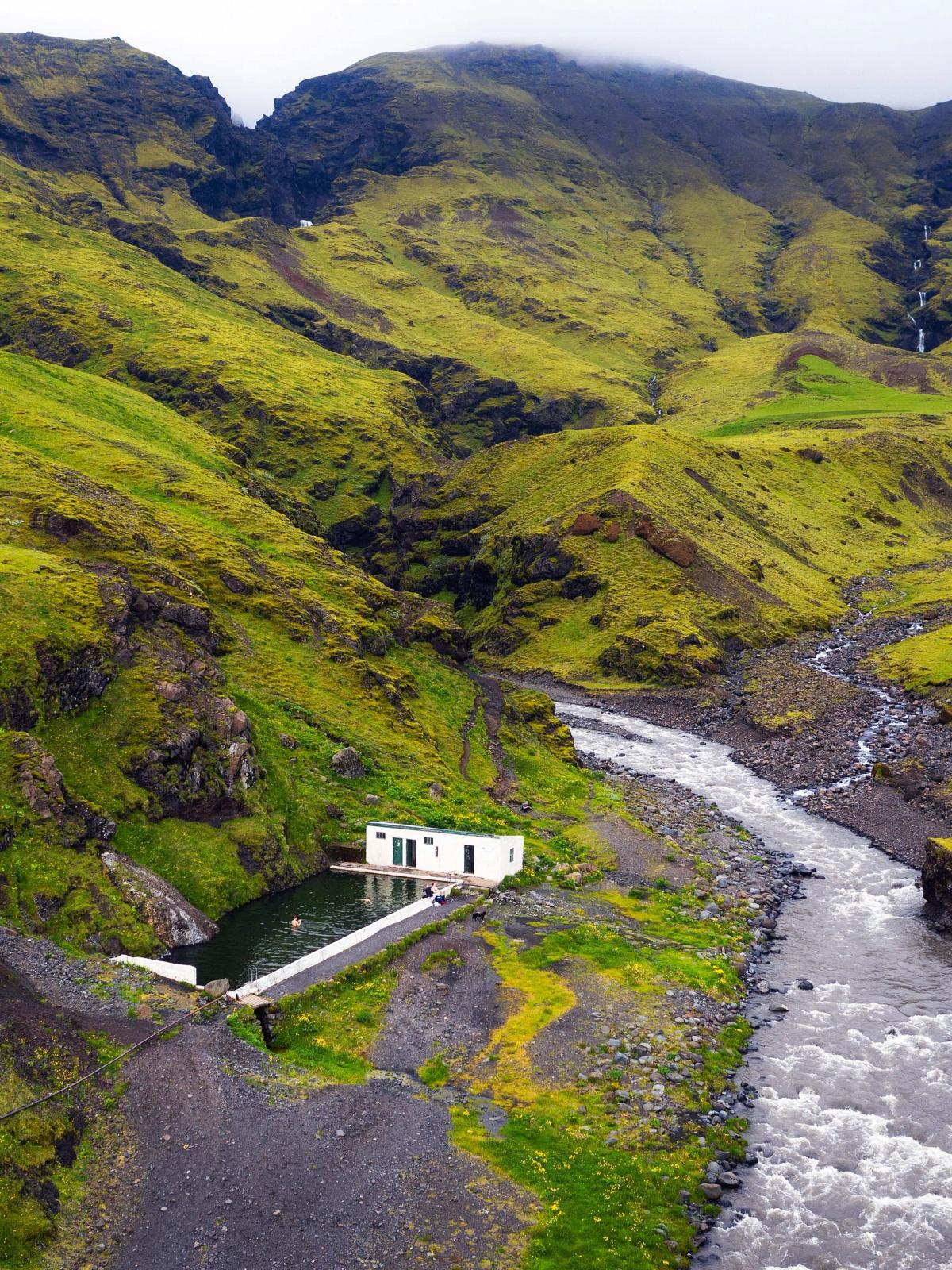
Iceland is home to hundreds of hot springs, ranging from famous destinations like the Blue Lagoon and Sky Lagoon to natural pools hidden in valleys, lava fields, and remote mountain landscapes. While some offer changing rooms, cafés, and spa facilities, others are little more than a warm pool surrounded by untouched nature.
Whether you're looking for a relaxing soak after a day of driving or want to discover some of Iceland's lesser-known geothermal spots, this guide will help you find the hot springs that are worth adding to your itinerary.
Best Hot Springs Near Reykjavík
Some of Iceland's best geothermal bathing spots are just a short drive from Reykjavík. Whether you prefer the comfort of places like Sky Lagoon and Blue Lagoon or want to soak in a natural hot spring like Reykjadalur, there are plenty of options close to the capital.
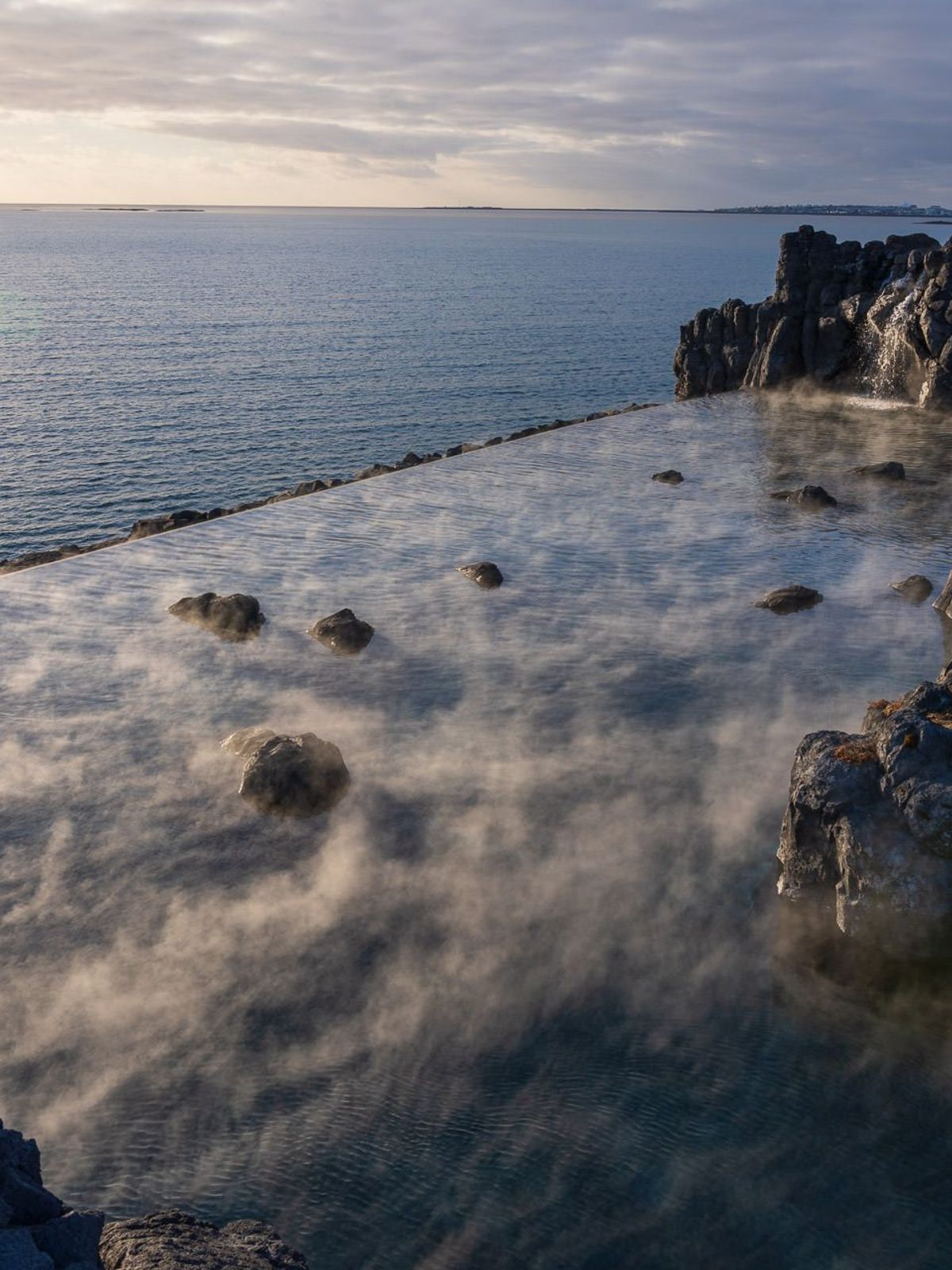

Kvika Footbath
Small seaside geothermal footbath

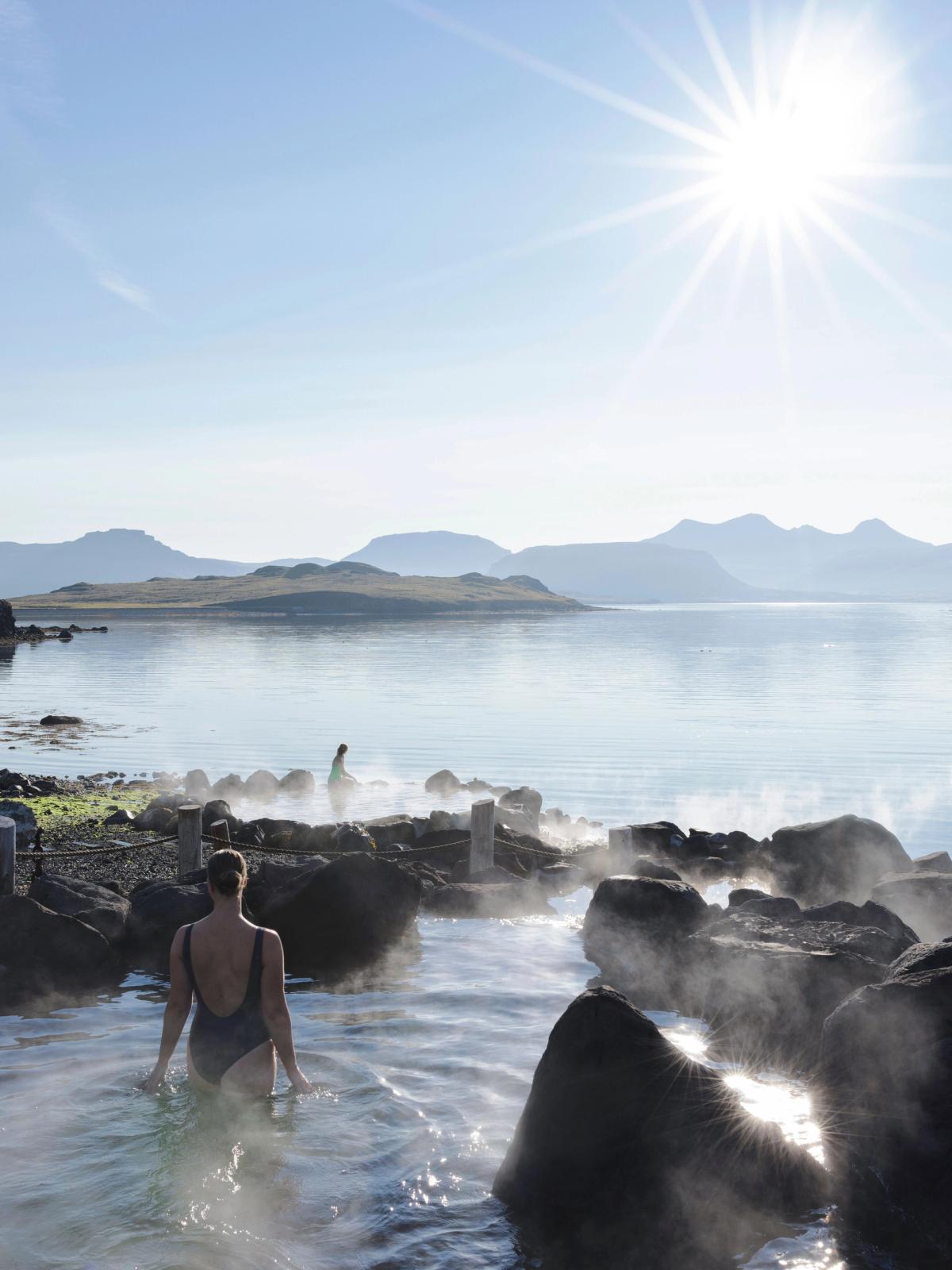


Why Does Iceland Have So Many Hot Springs?
Iceland has so many hot springs because it's one of the most geologically active places in the world. Heat from volcanic activity below the surface warms groundwater, which then rises back up through cracks in the earth as hot springs.
Over thousands of years, this process has created hundreds of geothermal bathing spots across the country. Some are completely natural, while others have been developed into pools and lagoons that make it easier to enjoy Iceland's geothermal waters.
The Best Hot Springs in South Iceland
South Iceland is home to some of the country's best hot springs, ranging from natural pools hidden in the countryside to well-known geothermal spas. Whether you're exploring the Golden Circle or driving along the South Coast, you'll find plenty of places to stop for a soak.
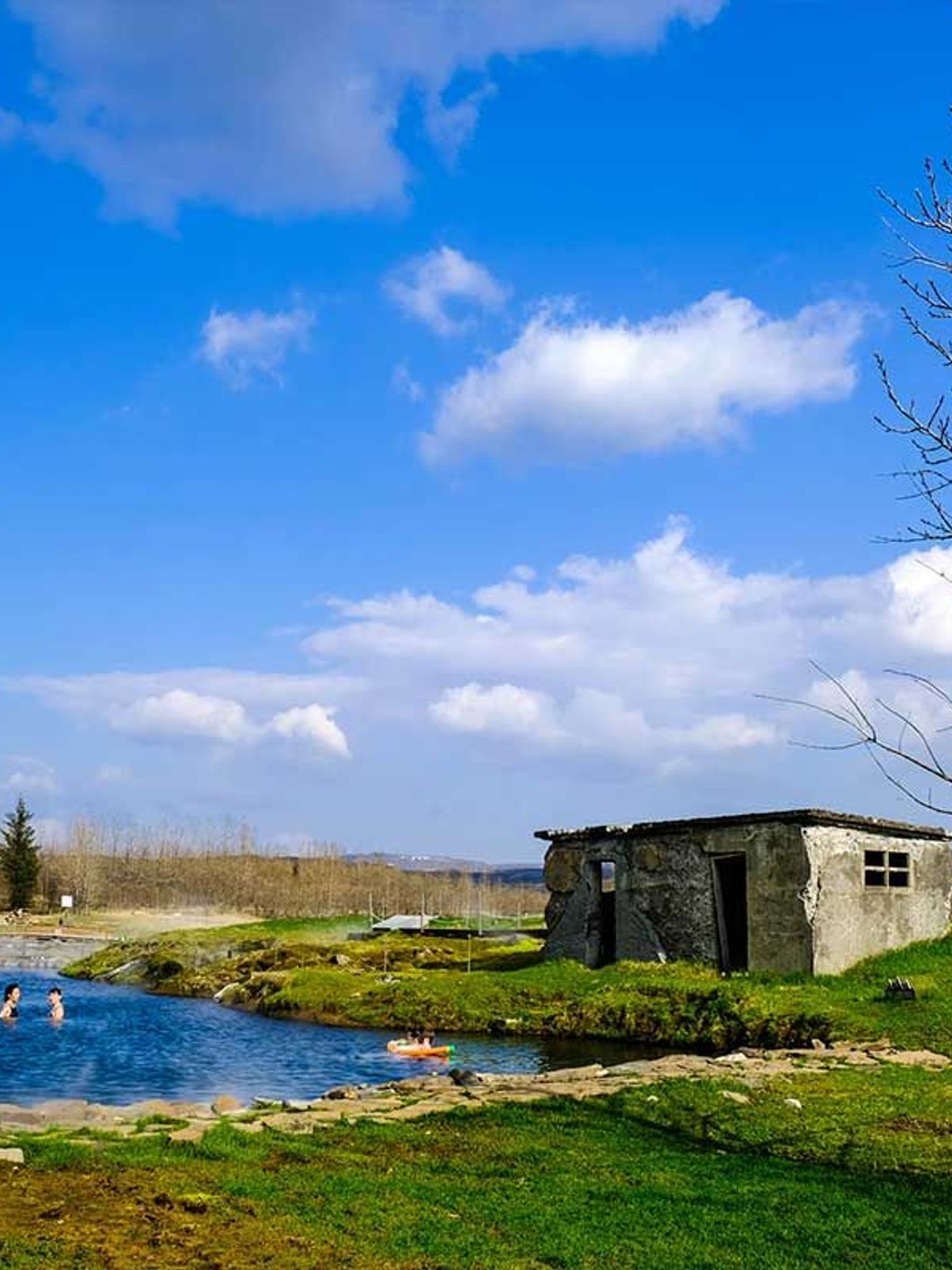
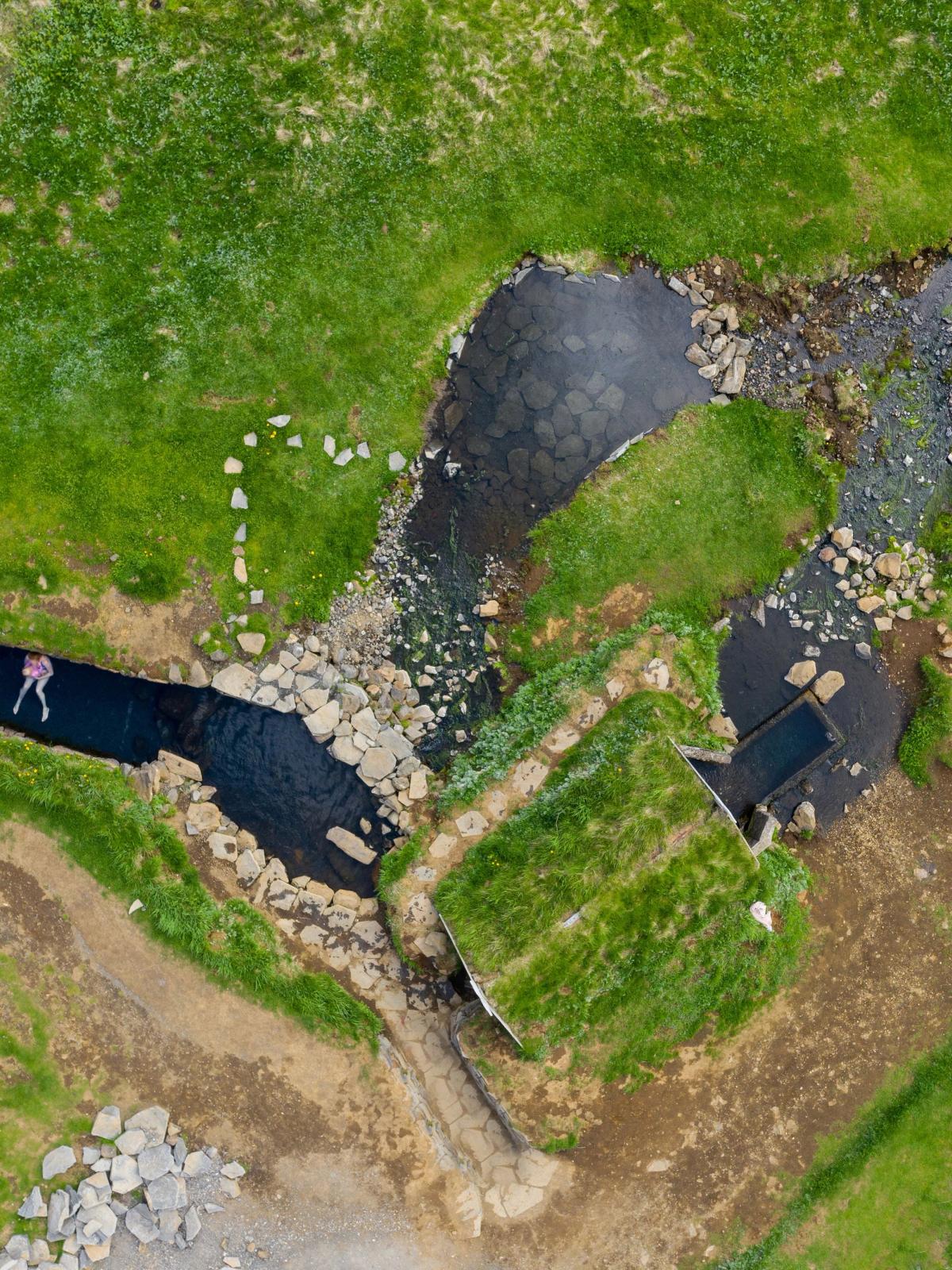

Reykjadalur Hot Spring River
Natural hot river valley

Free Hot Springs in Iceland
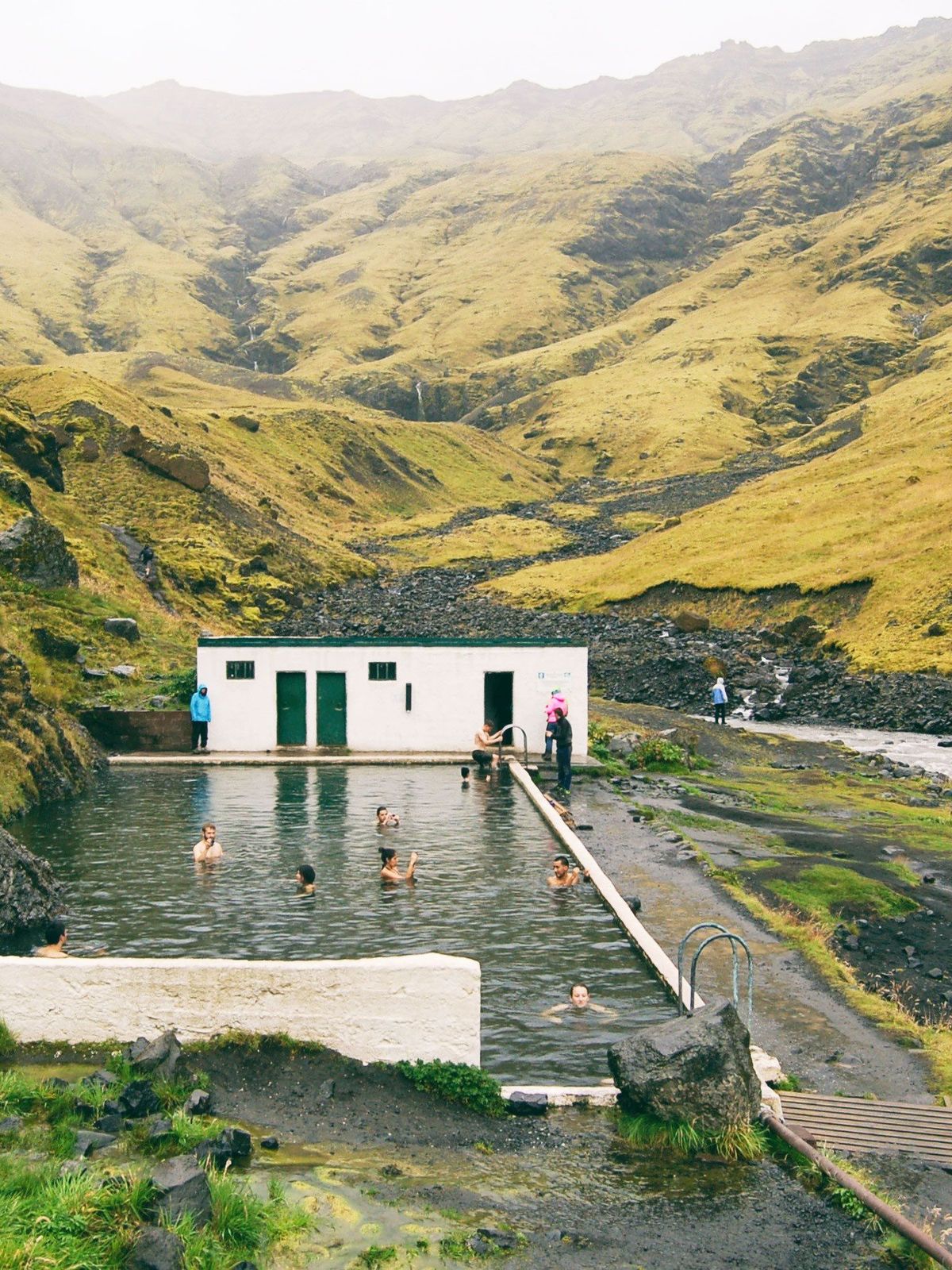
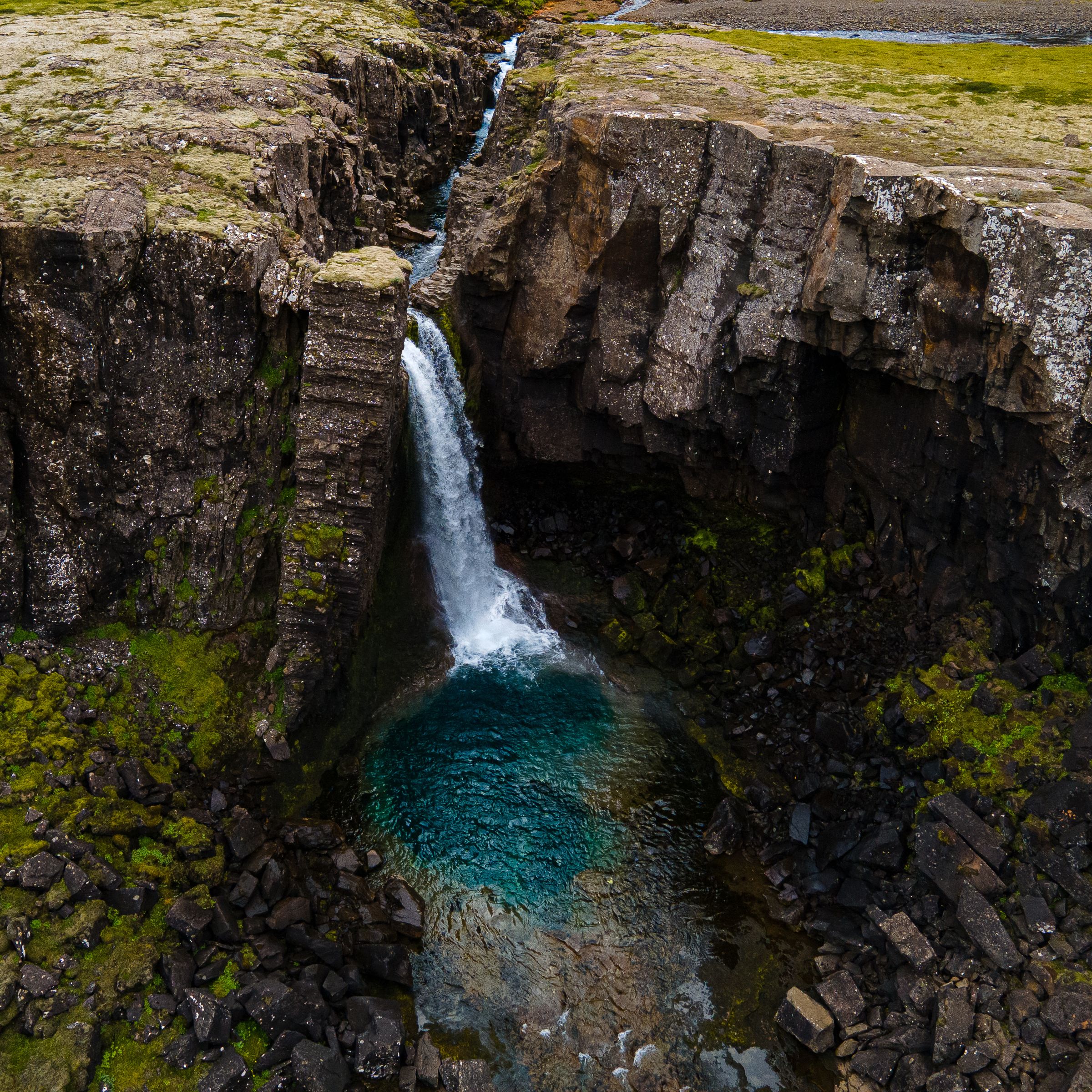
Not all hot springs in Iceland require an entrance fee. While places like the Blue Lagoon and Sky Lagoon charge for access and facilities, many natural hot springs can be visited for free. In most cases, the difference comes down to infrastructure. Paid hot springs offer things like changing rooms, showers, and cafés, while free hot springs are usually much more basic.
Some of Iceland's best free hot springs, including Reykjadalur and several remote countryside pools, offer a more natural experience. They often take a little more effort to reach, but for many travelers, that's part of the appeal.
The Best Hot Springs in East Iceland
If you're exploring East Iceland, you'll find hot springs that feel a little more remote and a little less crowded than those in other parts of the country. From naturally heated pools tucked away in the countryside to geothermal baths with mountain views, the region offers plenty of places to relax away from the busiest tourist routes.
Take a look at the best hot springs in East Iceland and find out which ones are worth adding to your route.
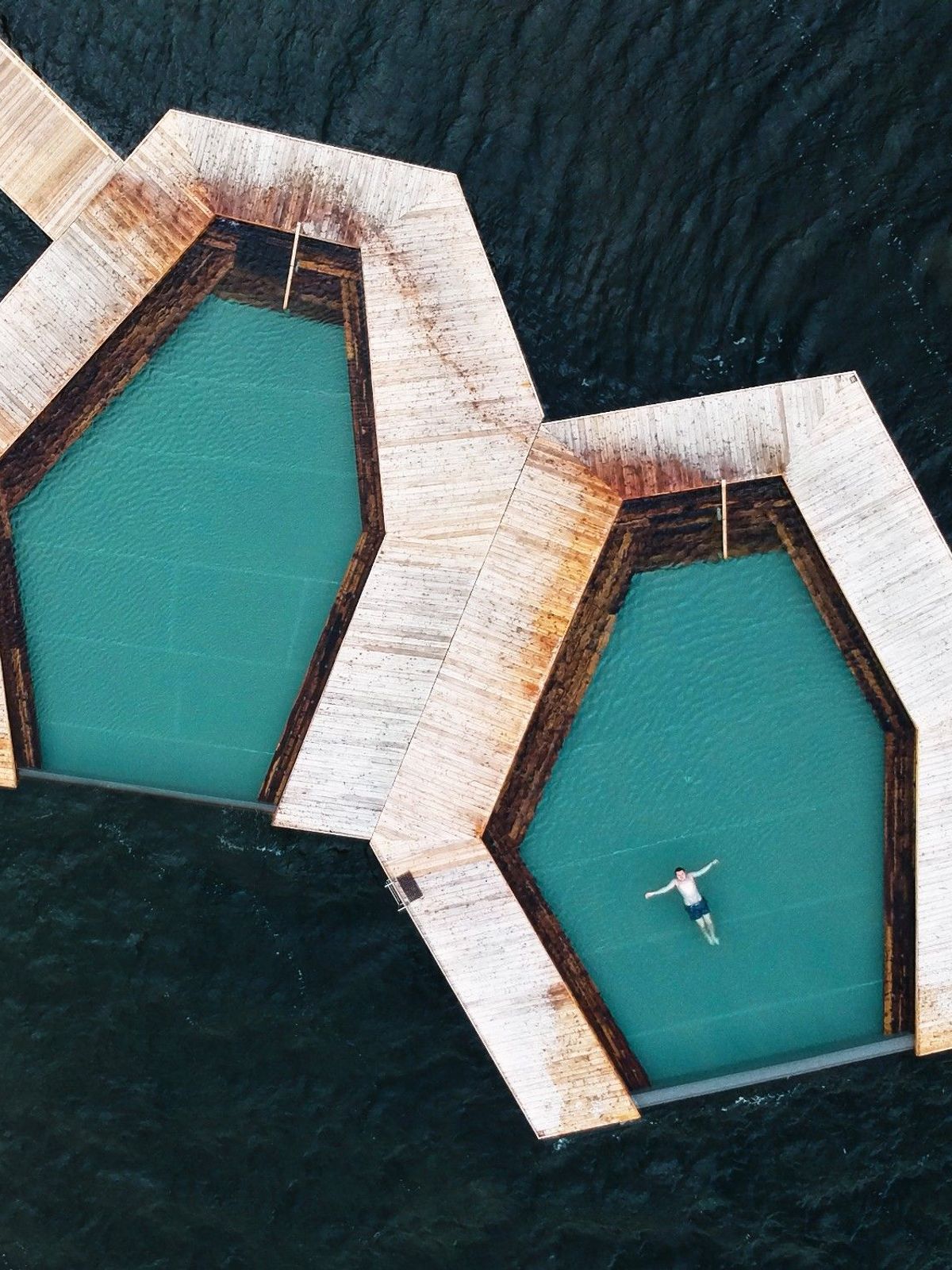


Laugavallalaug
Remote pool beneath waterfall

Laugarfell Hot Springs
Mountain hot springs and hiking trails
What’s the Best Time to Have a Dip on Iceland’s Hot Springs?
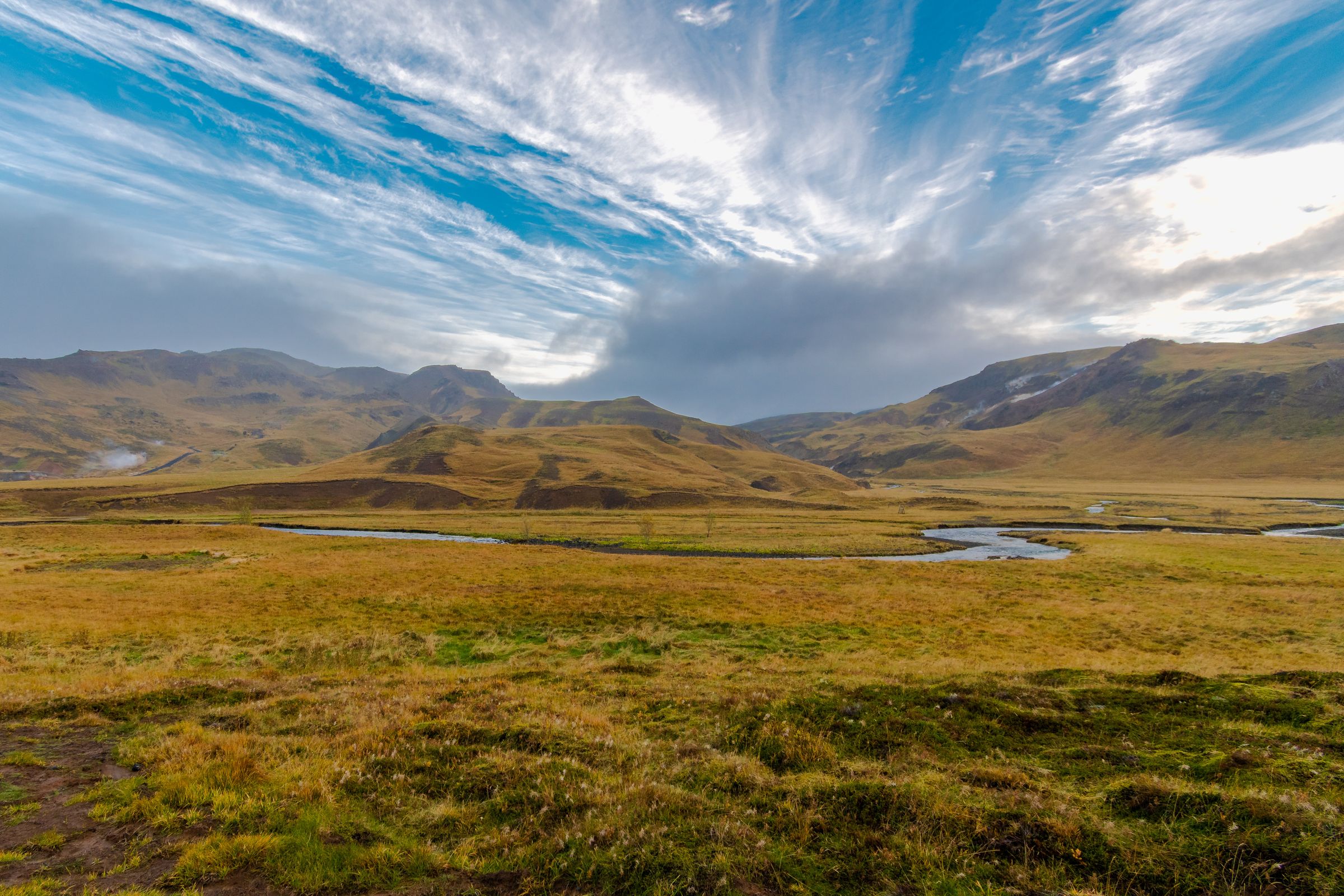
Iceland's hot springs are great to visit at any time of year. Summer gives you long days and easy access to places across the country, while winter offers snowy views and longer nights for Northern Lights spotting. Spring is usually quieter, with fewer people around. If you're looking for a bit of everything, autumn is a great choice, with fewer crowds, mild weather, and enough daylight to make the most of your trip.
Read our guide to Autumn in Iceland to learn more.
Hot Springs in North Iceland
If you're exploring North Iceland, you'll find a mix of geothermal lagoons, natural hot springs, and quieter bathing spots away from the busiest tourist areas. Whether you want to soak by the sea, relax with mountain views, or visit one of the region's newer geothermal spas, North Iceland has plenty of options.
Take a look at the best hot springs in North Iceland and find out which ones are worth adding to your route.


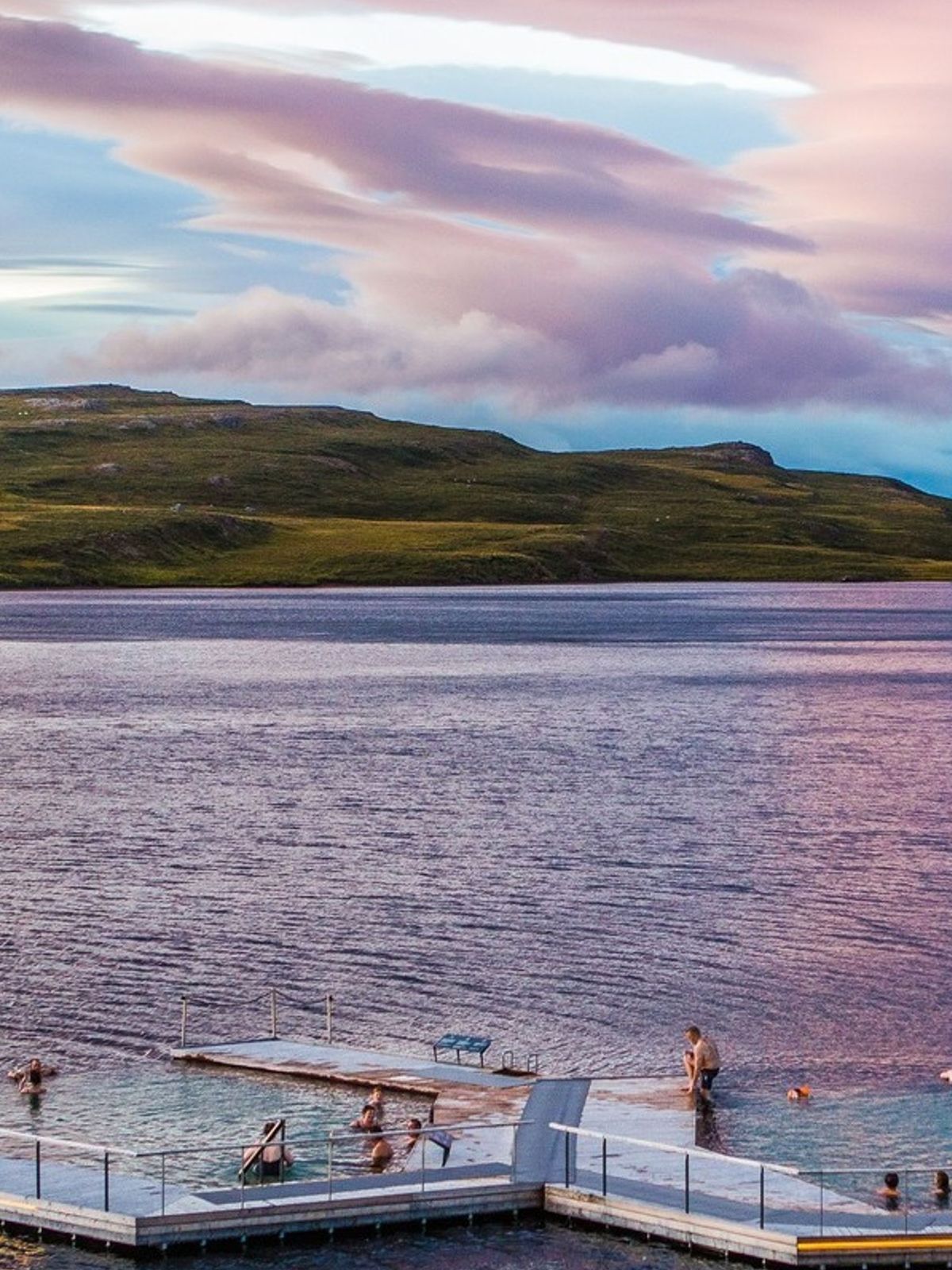
Hofsós Swimming Pool
Infinity pool overlooking fjord

Fosslaug Hot Spring
Natural hot spring by waterfall

Sky Lagoon vs Blue Lagoon
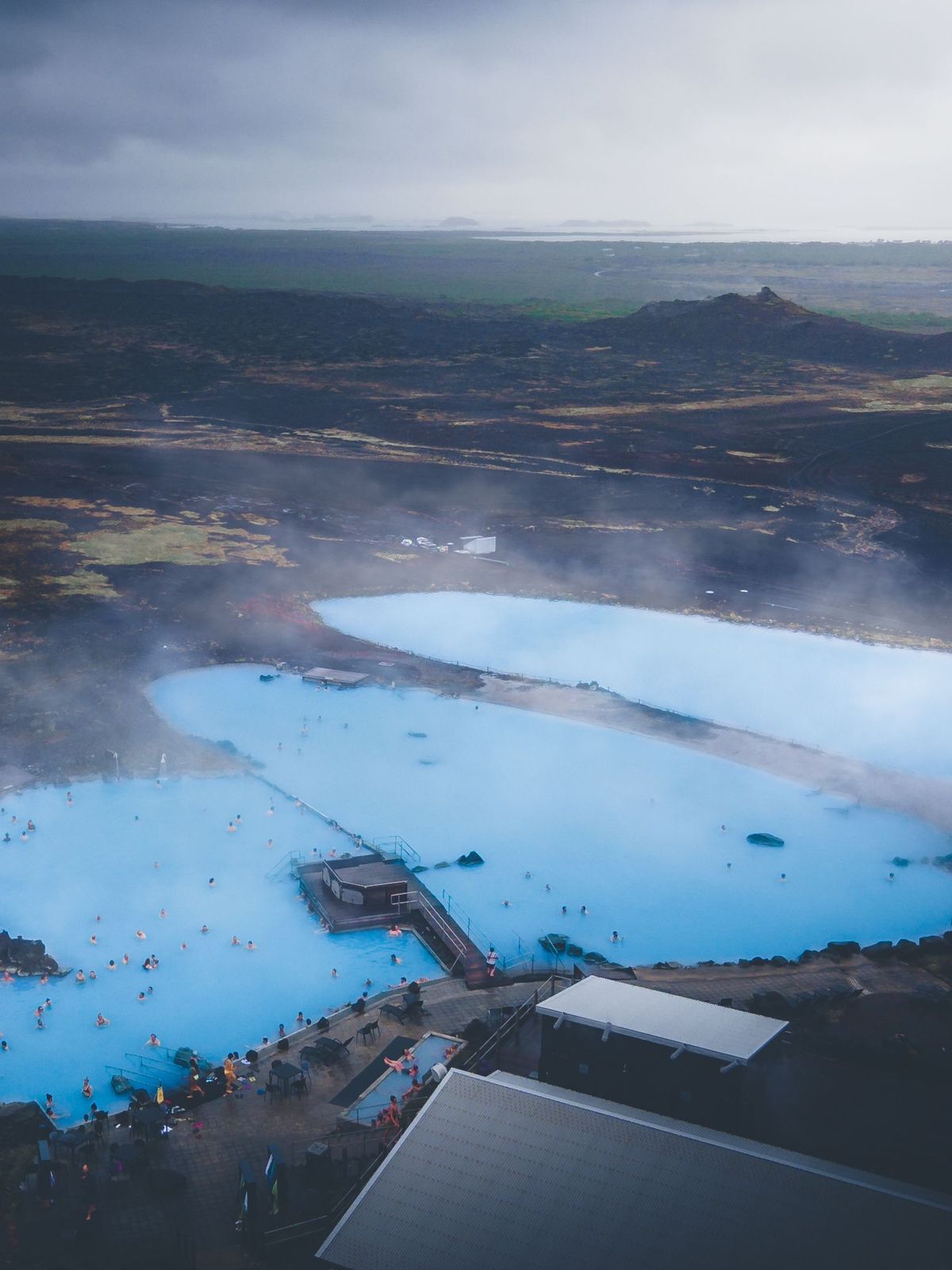
Sky Lagoon and Blue Lagoon are Iceland's two best-known geothermal spas, but they feel quite different once you're there. Blue Lagoon is famous for its bright blue water and volcanic surroundings, while Sky Lagoon is known for its ocean views, quieter atmosphere, and wellness-focused experience.
If you're trying to decide between the two, this guide breaks down the main differences, including location, facilities, pricing, and the overall experience at each lagoon.
Must-Visit Hot Springs in West Iceland
If you're exploring West Iceland, you'll find a mix of geothermal spas, natural hot springs, and small pools hidden in lava fields and remote valleys. Some of the region's most popular bathing spots, like Hvammsvík and Krauma, offer modern facilities, while others provide a much simpler experience surrounded by nature.
Take a look at the best hot springs in West Iceland and find out which ones are worth adding to your route.


Hellulaug
Free hot spring by the coast

Krauma
Geothermal spa near hot spring


Landbrotalaug
Tiny pool in lava field
Regional Guides
We've put together hot spring guides for every region of Iceland, so if you're spending most of your trip in one area, you can quickly find the best places to soak nearby. Each guide helps you discover local hot springs, compare different bathing options, and plan your route more easily.
Explore our complete hot spring guides for South, East, North, and West Iceland.
FAQs About Iceland’s Waterfalls
Here are some commonly requested questions that you might find useful for your visit.