
Iceland's National Parks
Iceland’s three national parks, Þingvellir, Vatnajökull, and Snæfellsjökull, show the best of the country’s nature and history. Þingvellir, just 40 minutes from Reykjavik, is a UNESCO World Heritage Site where Iceland’s first parliament met and where you can walk between two continents. Vatnajökull, the biggest park in Europe, is full of glaciers, volcanoes, and waterfalls like Svartifoss and the Crystal Ice Cave. On the west coast, Snæfellsjökull has a glacier-topped volcano, lava fields, and a beautiful coast where you can spot seals and whales. All three parks are free to visit and filled with incredible sights.
The Three National Parks of Iceland

Þingvellir National Park

Vatnajökull National Park

Snæfellsjökull National Park

Þingvellir National Park
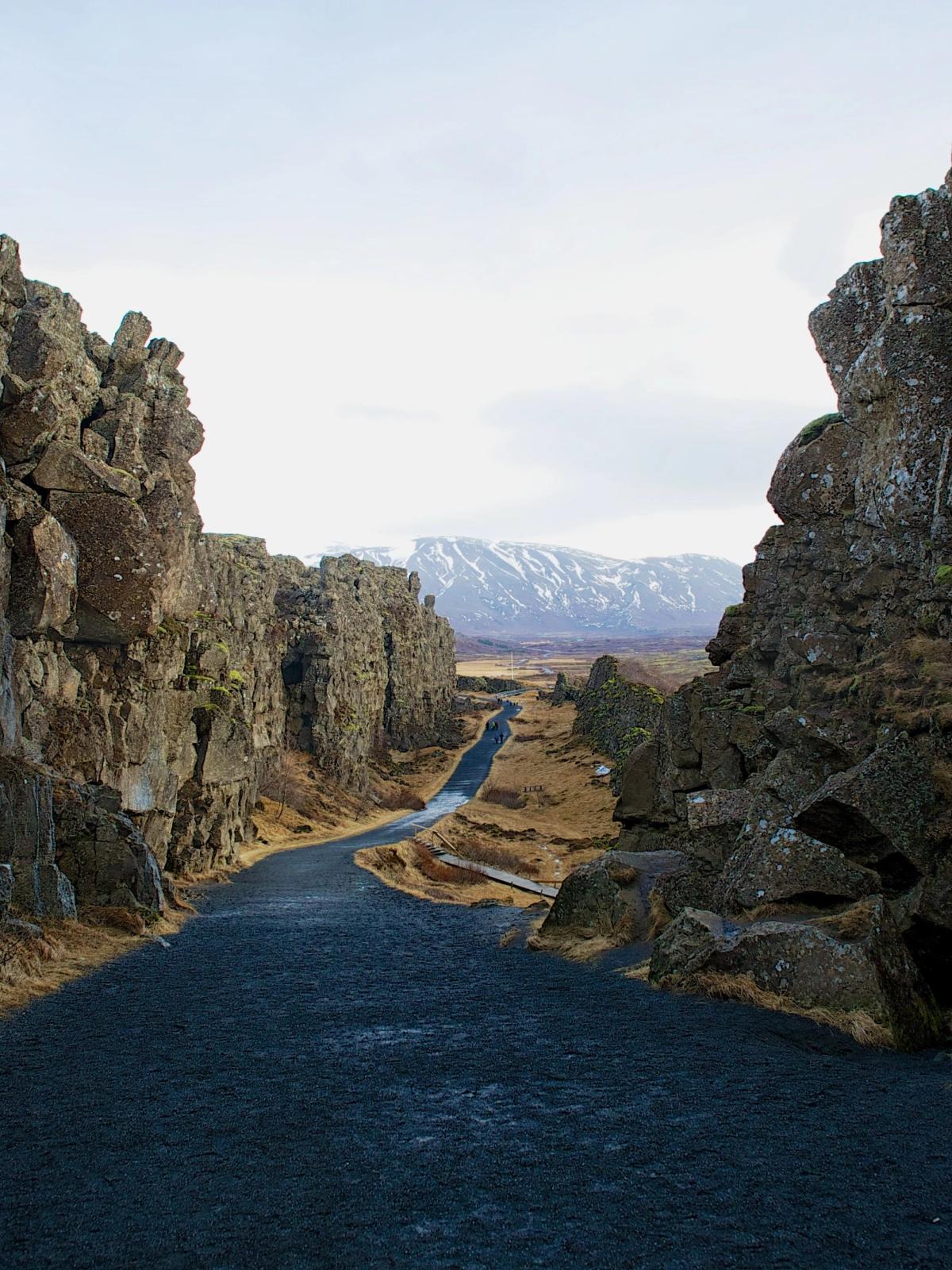
Þingvellir National Park is one of Iceland’s most famous and beautiful places. Just 40 kilometers from Reykjavik, this UNESCO World Heritage Site is where you can walk or even snorkel between two continents. It’s also where Iceland’s first parliament met over a thousand years ago. The park is full of amazing sights, like the clear waters of Silfra Fissure, the Öxarárfoss waterfall, and the country’s largest natural lake, Þingvallavatn. Easy to reach and free to visit, Þingvellir is a perfect mix of nature, history, and adventure.
Þingvellir's Top Natural Attractions
Þingvellir National Park is home to some of Iceland's most important natural and historical landmarks. Beyond its role as the birthplace of the Icelandic parliament, the park offers unique geological features, scenic viewpoints, and attractions shaped by the meeting of the North American and Eurasian tectonic plates.


Þingvallavatn Lake
Iceland's largest natural lake

Hakið Viewpoint
Panoramic views over Þingvellir

Lögberg (Law Rock)
Historic site of parliament

Vatnajökull National Park
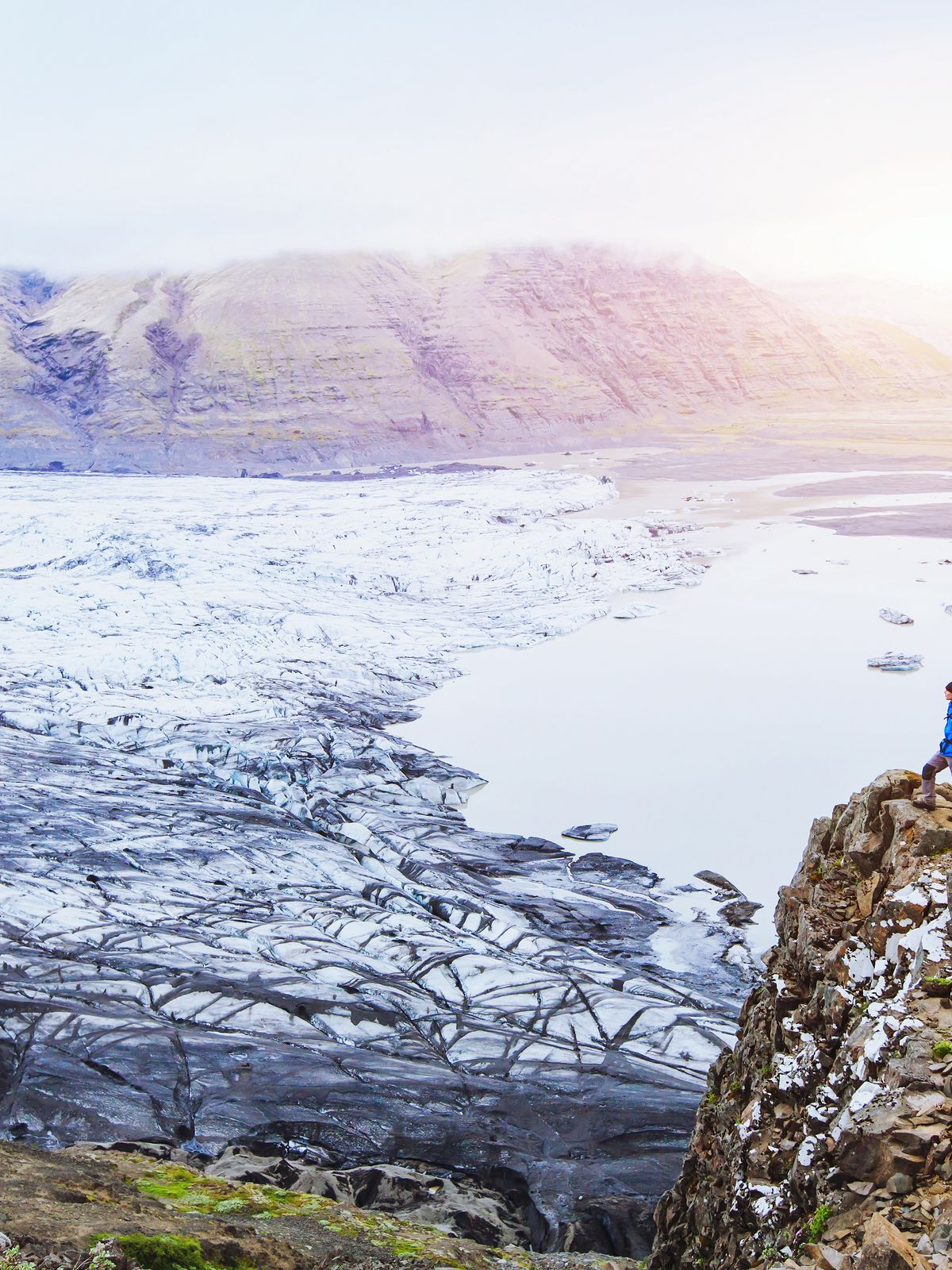
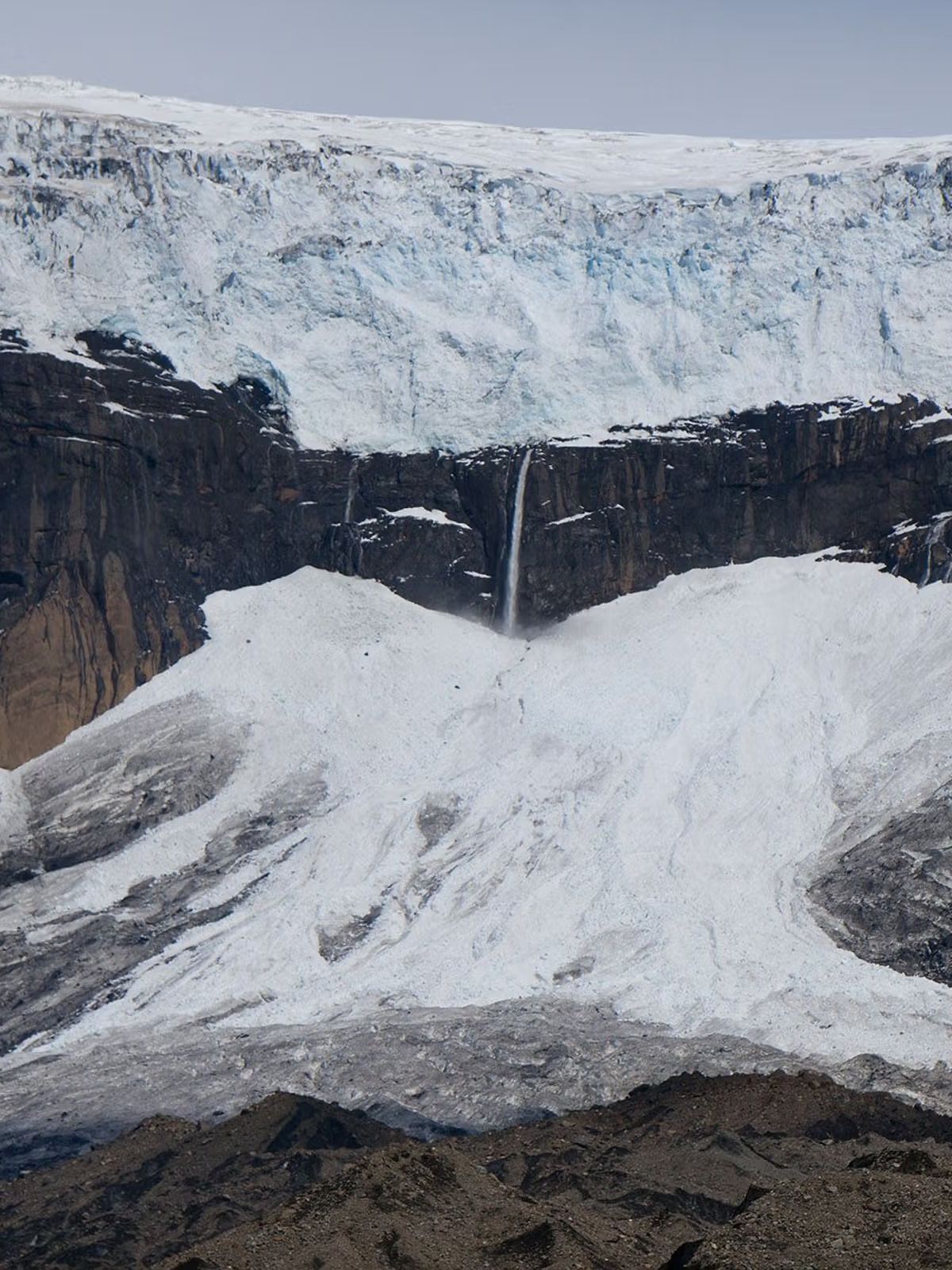
Vatnajökull National Park is one of the most amazing places in Iceland. It covers about 14% of the country and is home to Europe’s largest glacier, surrounded by volcanoes, waterfalls, and endless ice. Here you can see huge blue ice caves, walk on glaciers with a guide, or take a boat tour among the floating icebergs of Jökulsárlón Lagoon. Don’t miss the powerful Dettifoss waterfall or the black sands of Diamond Beach nearby. The park is open all year round: summer is great for hiking, while winter brings ice caves and the Northern Lights. No matter when you go, Vatnajökull is full of breathtaking views and unforgettable adventures.
Vatnajökull's Natural Wonders
Vatnajökull National Park is home to some of Iceland's most dramatic natural landscapes. As you explore the park, you'll find massive glaciers, iceberg-filled lagoons, powerful waterfalls, deep canyons, and some of the country's most memorable hiking areas.




Snæfellsjökull National Park
Snæfellsjökull National Park is one of those places where you can see the best of Iceland in one trip. It’s about two to three hours from Reykjavik and is the only park in the country that includes both land and sea. You’ll find a glacier-covered volcano, black sand beaches, lava fields, cliffs, and grassy hills. The park is named after Snæfellsjökull, the volcano made famous in Journey to the Center of the Earth. You can hike, explore caves, visit quiet fishing villages, or go whale and puffin watching. With so many amazing sights, Snæfellsjökull National Park is a place you’ll never forget.
Snæfellsjökull National Park's Top Sights
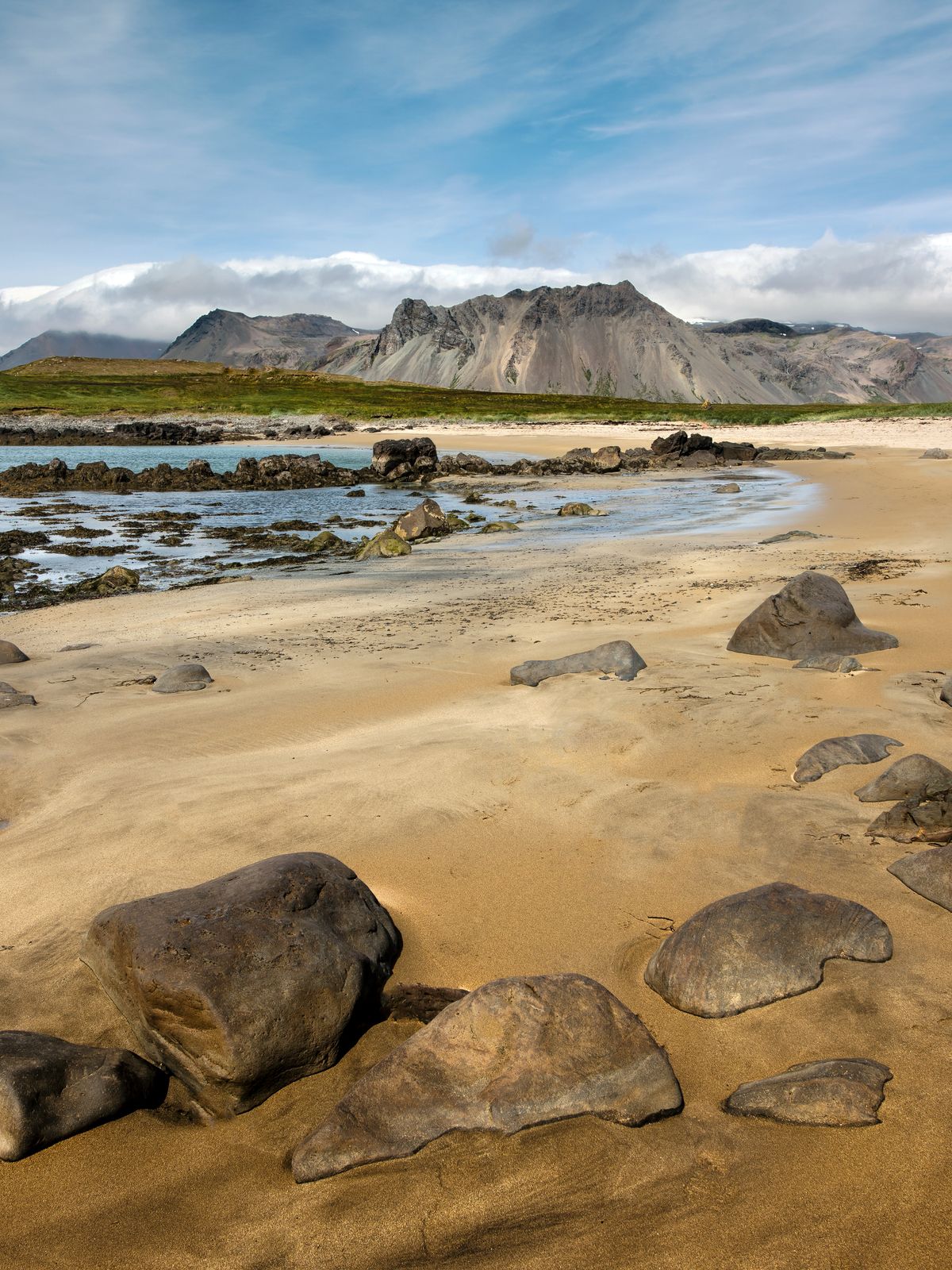
Snæfellsjökull National Park combines many of the landscapes that make Iceland unique in one relatively small area. As you explore the park, you'll find a glacier-covered volcano, rugged coastlines, black beaches, lava caves, volcanic craters, and some of Iceland's most striking basalt formations.
Snæfellsjökull Volcano
Glacier-capped volcano and landmark


Vatnshellir Cave
Underground lava tube adventure


Ytri Tunga
Famous beach for seal spotting

FAQs about Iceland’s National Parks
Here are some questions and answers that you might find useful.