Renting a car is usually the biggest expense of an Iceland trip, and prices change a lot depending on the season, the vehicle, and when you book. This guide covers what you'll actually pay, what drives prices up, and how to pick the right car for your trip.
Key takeaways
Car rental prices in Iceland vary hugely by season. An economy car can cost around $45/day in winter but more than $125/day in August, while larger 4x4s can cost several hundred dollars per day.
Booking early is one of the easiest ways to save money, especially in summer when popular SUVs and 4x4s often sell out months ahead.
For most travelers, a Kia Ceed or Dacia Duster is enough. You'll only need a 4x4 if you're driving F-roads, visiting the Highlands, or traveling in tougher winter conditions.
The rental price isn't the full cost. Insurance, young driver fees, extra drivers, and one-way rentals can all add to your final bill.
Gravel Protection is worth having in Iceland, and Sand & Ash Protection is a good idea if you're visiting areas where volcanic sand is common.
September, October, and November are some of the best-value months to visit, with lower rental prices, fewer crowds, and a chance to see the Northern Lights.
How Much Does It Cost to Rent a Car in Iceland?
You can pay anywhere from around $45/day in winter to $125/day in peak summer, for the same type of car. Here's a rough idea of daily rates by category:
Small economy cars (e.g., Hyundai i10): $45–$125/day
Compact family cars (e.g., Kia Ceed): $60–$145/day
A few factors influence what you'll pay in Iceland. Understanding them makes it a lot easier to find a good deal and avoid surprises.
Seasonality
This is the biggest one. Most visitors come between June and August, and Iceland's rental fleet is small. When demand goes up, and supply doesn't, prices follow. The same car can cost more than twice as much in August as it does in January.
Booking Window
The earlier you book, the less you'll pay. In summer, popular vehicles book out months in advance. If you leave it until July to book for August, you might not find what you want, and if you do, you'll pay more for it. I'd book as soon as your flights are sorted.
Rental Duration
Longer rentals come with a built-in discount. The per-day rate on an 8-day rental or longer is noticeably lower than a shorter booking for the same vehicle. If you're on the fence between 7 and 8 days, it's worth stretching the trip. You may actually pay less per day.
Vehicle Import Costs
Almost every car in Iceland is imported. That raises the cost of the fleet, and so does the wear from Iceland's roads (gravel, wind, snow, and volcanic environments take a toll). Those costs get passed on through rental prices.
Rental Prices by Vehicle Type
What you pay depends a lot on which type of car you go with. Here's a full breakdown with real 2026 prices.
Economy Cars
Economy cars are the cheapest option, and they're fine for most of the popular routes: the Ring Road in summer, the Golden Circle, the South Coast.
Hyundai i10 (manual), 2026 prices:
3 days: $167 (Jan–Mar) → $367 (Aug)
7 days: $345 (Jan–Mar) → $887 (Aug)
14 days: $622 (Jan–Mar) → $1,492 (Aug)
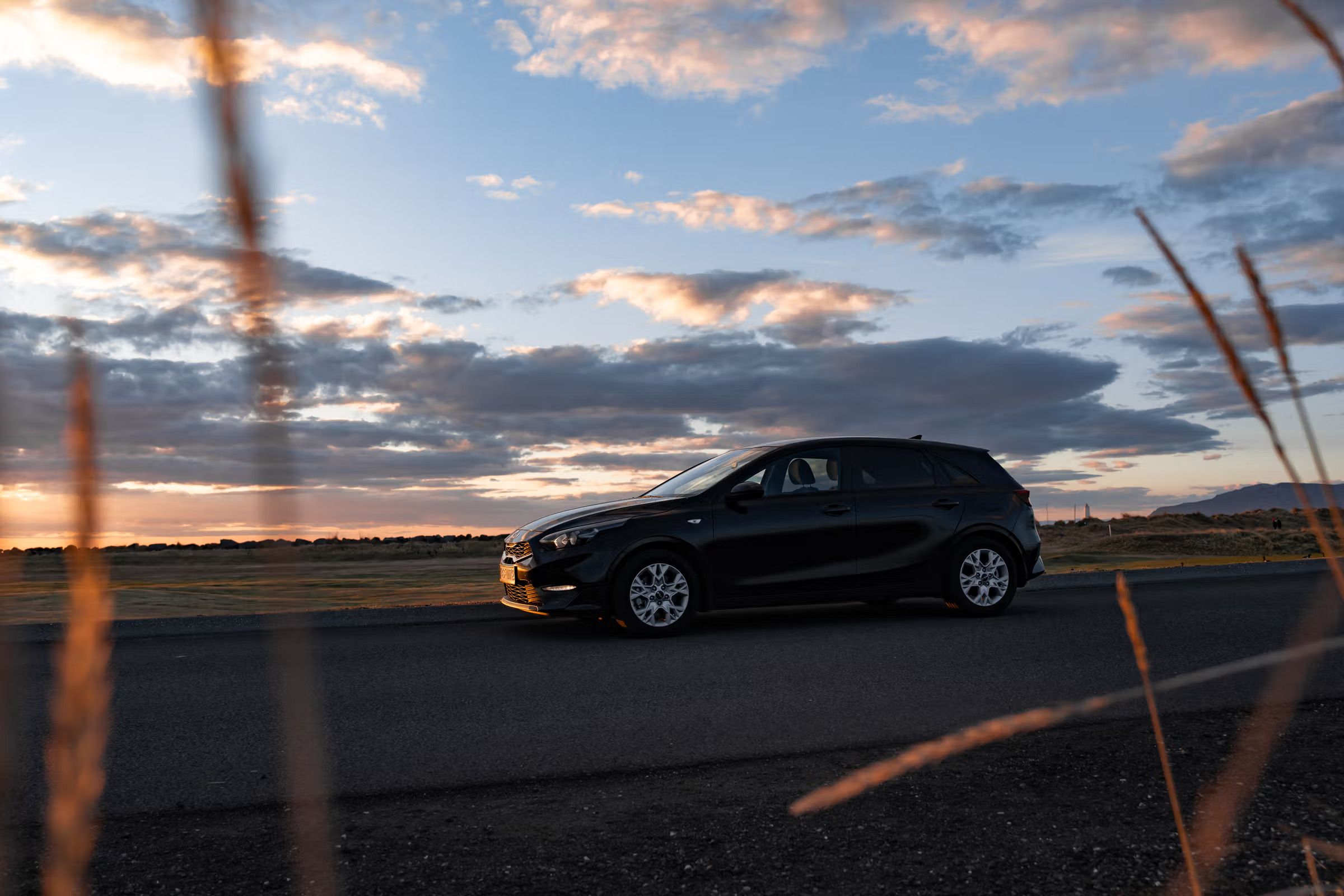
Kia Ceed, 2026 prices:
3 days: $210 (Jan–Mar) → $431 (Aug)
7 days: $435 (Jan–Mar) → $1,010 (Aug)
14 days: $782 (Jan–Mar) → $1,700 (Aug)
August is the most expensive month by a wide margin. A week in a Hyundai i10 costs $345 in January and $887 in August, more than double.
Family Cars
If you need more space for luggage or passengers, a family car is a step up without a huge jump in price.
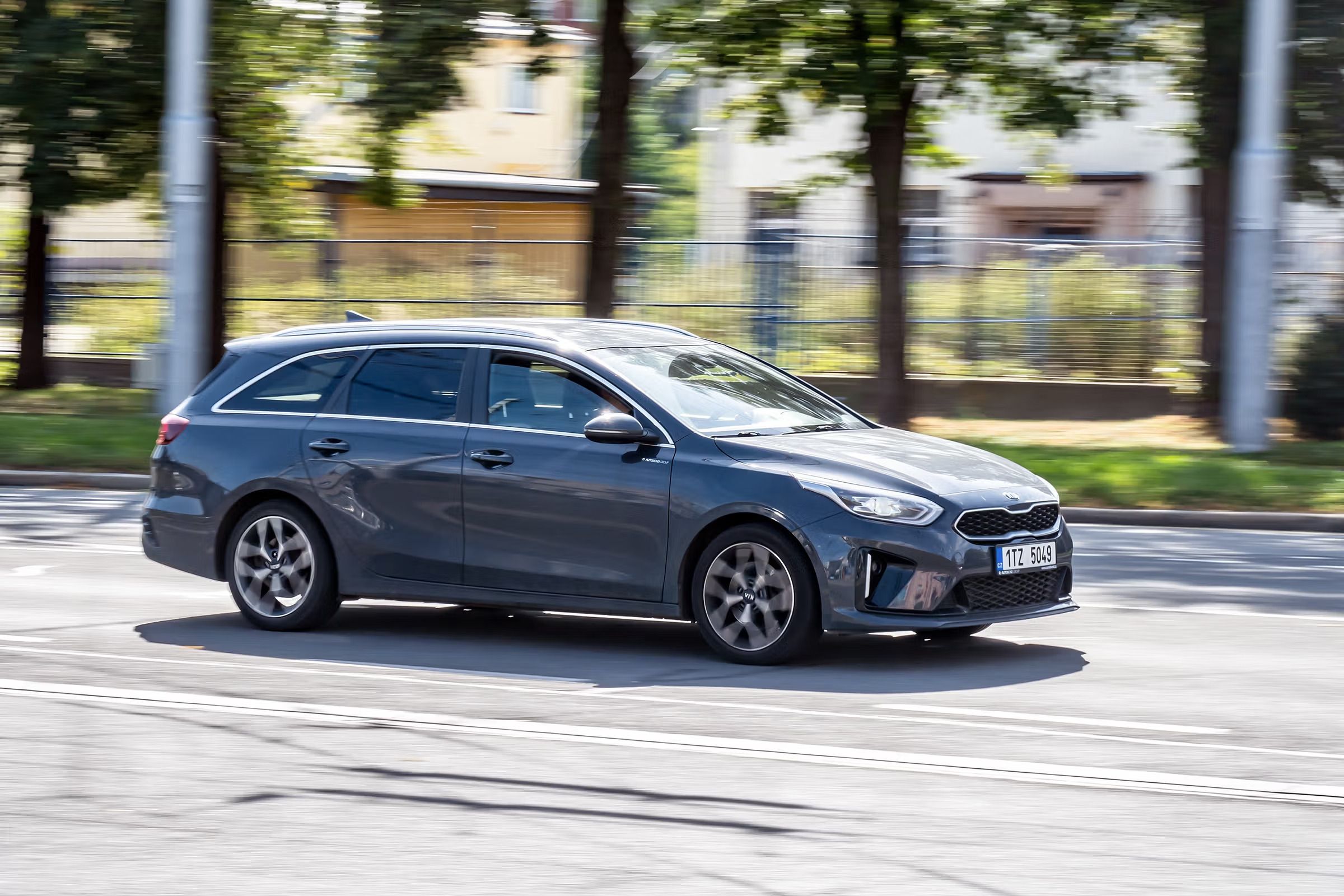
Kia Ceed Wagon, 2026 prices:
7 days: $447 (Jan–Mar) → $1,039 (Aug)
14 days: $806 (Jan–Mar) → $1,750 (Aug)
Dacia Jogger, 2026 prices:
7 days: $751 (Jan–Mar) → $1,314 (Aug)
14 days: $1,353 (Jan–Mar) → $3,262 (Aug)
Mid-Size SUVs
Most Iceland travelers end up here. The Dacia Duster is one of the most rented cars in the country. It handles gravel roads and light winter conditions without costing as much as a full 4x4.
Dacia Duster, 2026 prices:
7 days: $422 (Jan–Mar) → $1,128 (Aug)
14 days: $758 (Jan–Mar) → $1,949 (Aug)
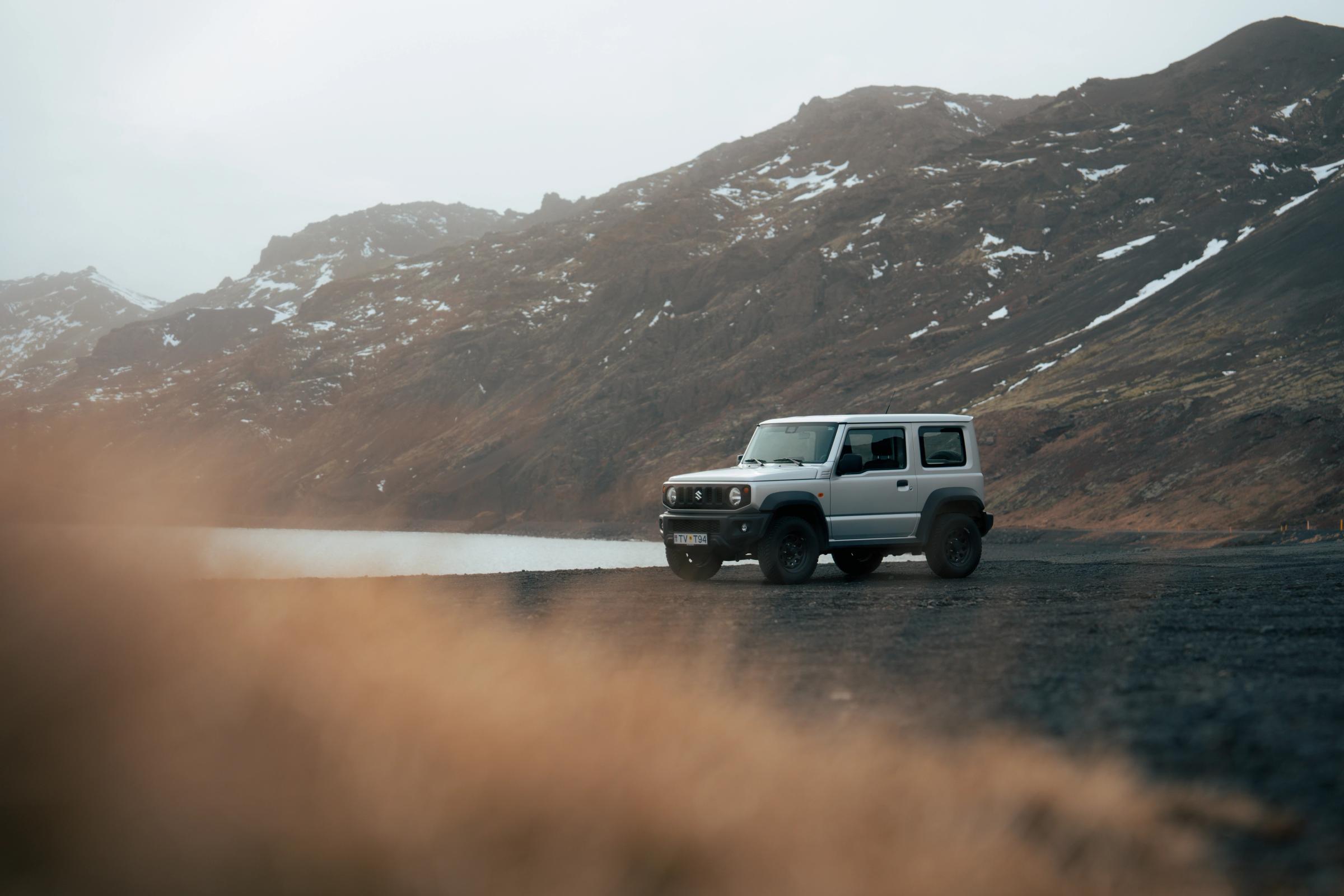
Suzuki Jimny (automatic, seats 4), 2026 prices:
7 days: $611 (Jan–Feb) → $2,107 (Aug)
14 days: $1,176 (Jan) → $3,545 (Aug)
Large SUVs and 4x4s
For the Highlands, F-roads, or winter driving in remote areas, you'll need a proper 4x4. These are significantly more expensive, especially in summer.
Nissan X-Trail, 2026 prices:
7 days: $615–$872 (Jan–Mar) → $2,354 (Aug)
14 days: $1,107–$1,568 (Jan–Mar) → $3,872 (Aug)
Land Rover Defender (automatic), 2026 prices:
7 days: $1,716 (Jan–Mar) → $3,755 (Aug)
14 days: $3,095 (Jan–Mar) → $6,045 (Aug)
Manual vs. Automatic: Does It Actually Matter for the Price?
The short answer: it depends on which vehicle you're renting. The idea that automatics always cost more isn't quite right anymore.
For small economy cars, there's often no price difference at all. The Hyundai i10 costs the same whether it's manual or automatic, and many budget models like the Toyota Yaris, Suzuki Swift, and Kia Ceed are only available as automatics anyway.
Where the gap shows up is in larger vehicles:
Family cars (e.g., Dacia Jogger): The automatic version costs around 49% more than the manual.
4x4s (e.g., Suzuki Jimny): The automatic is roughly 59% more expensive than the manual equivalent.
Vans (e.g., Renault Trafic): The difference is minimal, around 5%.
Do You Need a 4x4 in Iceland?
It depends entirely on where you're going. We have a full article on it, but here’s a thorough overview to help you choose.
Ring Road and Main Attractions
For the Ring Road, the Golden Circle, and the South Coast, a regular car is fine in summer. These are all paved roads that any standard vehicle can handle.
F-Roads and Highland Access
F-roads are a different situation. These are unpaved mountain roads, often with river crossings, and they're only open in summer (roughly late June to early September). A 4x4 is legally required to drive them. Rental companies do check, and if you drive a 2WD onto an F-road and something goes wrong, your insurance won't cover it.
Places like Landmannalaugar and the routes through the Highlands (including the Sprengisandur and Kjölur) are only reachable by 4x4.
Winter Driving
In winter, even on main roads, I'd go with at least a compact SUV. Black ice and sudden weather changes are common, and you'll feel a lot better with extra ground clearance. Winter tires are required by law from November to April. Most rental companies include them, but confirm before you book.
Check road.is before every drive. Road conditions in Iceland can change fast, and some routes close with little warning.
Hidden Costs to Budget For
The base rate is usually not what you end up paying. A few rental-specific fees are worth knowing about upfront.
Insurance
This is where the real difference shows up in your total. Basic coverage is included, but it often won't cover gravel damage, wind damage, or sand and ash. More on this in the next section.
Additional Driver Fee
Adding a second driver (with us) costs €7/day, which is low enough that it shouldn't factor into your decision. If you're sharing the driving on a long trip, just add them.
Young Driver Surcharge
The minimum age to rent most cars is 20, with at least one year of driving experience. For larger 4x4s and luxury vehicles, the minimum is 23. Drivers under 20 may still be able to rent, but they'll pay an extra €25/day on top of the base rate. Worth factoring in if you're booking for a younger traveler on a longer trip.
This is something that varies from rental company to rental company, so be sure to check the price breakdown of the rental before you actually pay.
One-Way Fee
If you pick up and drop off at the same location (Keflavik Airport both ways, or Reykjavik both ways), there's no extra charge. But if you pick up in one city and drop off in another, there's a €50 one-way fee. That applies both ways: Reykjavik to Keflavik and Keflavik to Reykjavik.
That said, this can work in your favor. If you're ending your trip and heading to the airport, returning your rental in Keflavik can actually be cheaper than the Flybus from Reykjavik for a large group. Worth doing the math before you book your transfer.
Understanding Iceland Car Rental Insurance
Insurance is worth understanding before you get to the rental desk, because Iceland's roads are genuinely harder on cars than most places. Gravel, wind, sand, ash, snow: all of it can cause damage.
What the Standard Packages Cover
Most companies offer tiered packages. Here's what each coverage type actually does:
CDW (Collision Damage Waiver): Limits what you pay if the car is damaged in a collision. Included in all plans.
Third-Party Liability: Covers damage to other vehicles or property. Also standard in all plans.
Gravel Protection: Covers gravel damage to the body, headlights, and windshield. Basic plans have a €1,000 excess for this. Mid-tier cuts it to €250, and top-tier brings it to zero.
SCDW (Super Collision Damage Waiver): Reduces your collision excess to €1,000. Included in higher-tier plans.
Zero Excess: You pay nothing for covered damage. Usually only in the top-tier plan.
Sand and Ash Protection (SAAP): Covers damage from sand and volcanic ash. Only in premium packages.
Tire Protection: Covers tire damage, but doesn't include towing or roadside help.
Roadside Protection: Around $10/day as an add-on. Covers towing, flat tires, and getting stuck.
What's Not Covered
Most policies exclude:
Undercarriage, chassis, or transmission damage from rough roads
Wind damage to doors (genuinely common in Iceland)
Water damage from river crossings
Damage in restricted or closed areas
Animal-related damage
What's Worth Buying?
At minimum, I'd get Gravel Protection with a low or zero excess. Gravel chips and cracked windshields are common in Iceland. It's not a question of whether it can happen, just whether you're covered when it does. If you're going anywhere near the South Coast or volcanic areas, Sand and Ash Protection is worth adding too.
Don't count on your credit card to cover you. Most cards exclude off-road driving, certain vehicle types, or specific countries. Check the terms before you decline the rental company's coverage.
Cheapest Time to Rent a Car in Iceland
If you have any flexibility with dates, when you go makes a bigger difference than which company you book with.
Monthly Price Overview
Here's what a 7-day Hyundai i10 rental costs each month:
January–March: $345
April: $384
May: $407
June: $508
July: $632
August: $887
September: $535
October: $449
November: $439
December: $424
The same pattern holds for every vehicle category. Winter is cheap, August is expensive, and the months on either side of summer sit somewhere in between.
Best Months for Value
October and November are genuinely good months to visit Iceland. Prices are close to winter lows, the Northern Lights are already showing up, and it's much less crowded than summer. Personally, I think September and October are underrated. You get decent weather, fewer people, and rental rates well below peak.
Christmas Period
The Christmas and New Year window is a bit different. Prices spike relative to the rest of December. A 14-day Hyundai i10 over Christmas costs $879 vs. $757 in a regular December week. If that's when you're going, book early.
Book as early as you can, whatever time of year you're visiting. Summer 4x4s and SUVs sell out months in advance, and shoulder season inventory goes faster than people expect.
Conclusion
Car rental prices in Iceland vary a lot, more than most destinations. A small economy car runs under $50/day in January and over $125/day in August. A week in a Land Rover Defender in August will cost close to $4,000.
For most people, the Kia Ceed or Dacia Duster offers the best balance of cost and practicality. If you're on a budget and sticking to main roads, a small car in shoulder season will save you a lot. If you're heading into the Highlands or onto F-roads, a proper 4x4 with solid insurance coverage is what you need.
Frequently Asked Questions
Renting a car without a credit card can be tricky, but it's not impossible! Most standard rental companies require you to sign for the vehicle with a major credit card, but many agencies now offer alternative payment methods.
With Go Car Rental, you are easily able to rent a car without a credit card by simply purchasing our Zero excess insurance package - either the Gold or Platinum insurance.
In most cases, yes. If your license uses the Latin alphabet (English, Spanish, German, etc.), you can use it to rent and drive a car in Iceland. If it's written in another alphabet, you'll usually need an International Driving Permit as well.
Fuel isn't cheap in Iceland, so it's worth factoring into your budget. For a typical Ring Road trip, most travelers spend somewhere between $200 and $500 on fuel, depending on how far they drive and what type of vehicle they rent.
They can be. If you're sticking to the Ring Road and other popular routes, charging stations are fairly easy to find. But if you're planning to explore more remote areas or spend time in the Highlands, a petrol or diesel vehicle is usually the safer choice.
About the author
Aron Freyr
Local expert
Born and raised in Iceland, Aron Freyr has spent all 28 years of his life exploring the country and getting to know its landscapes, regions, and ever changing conditions.