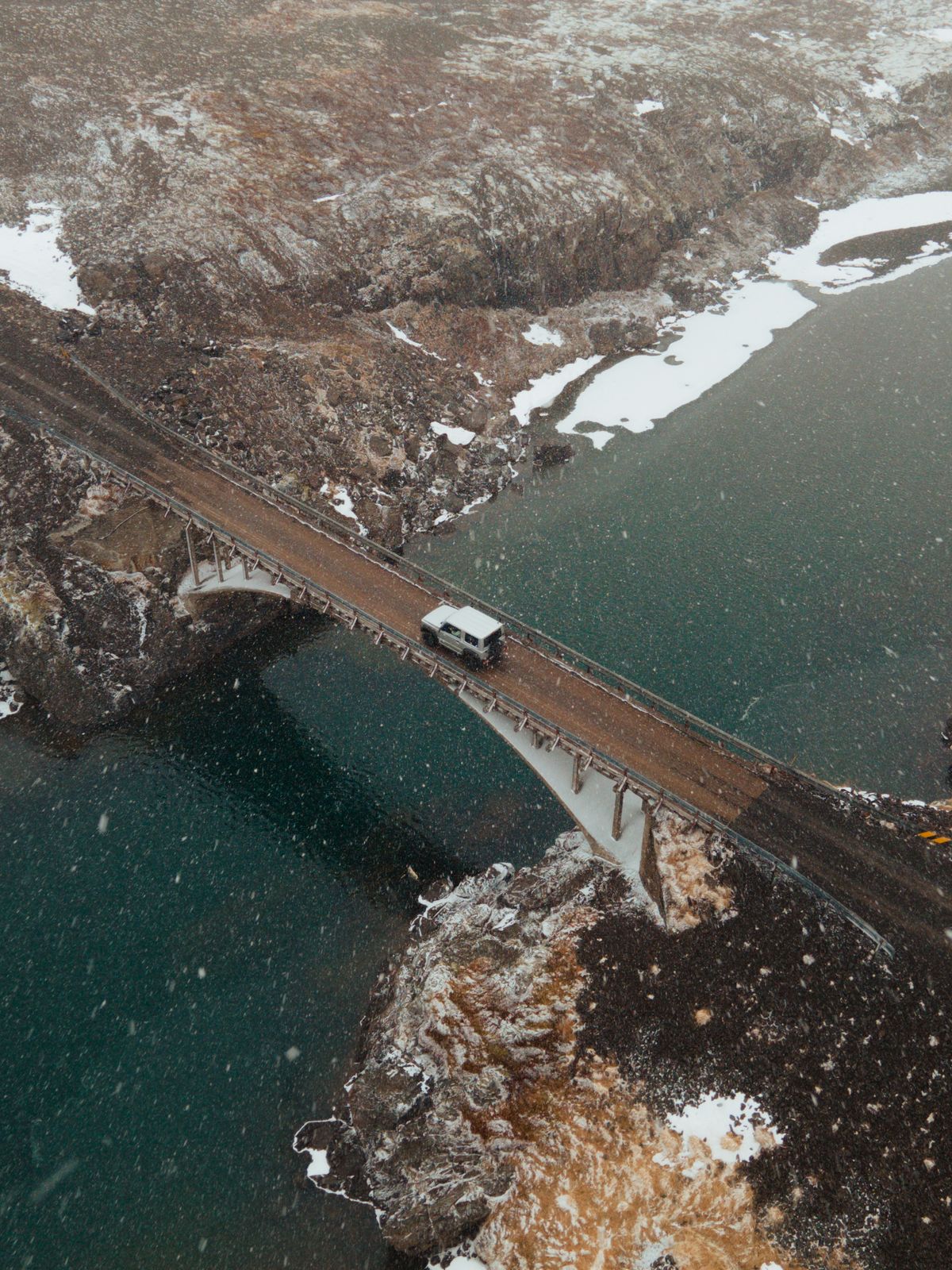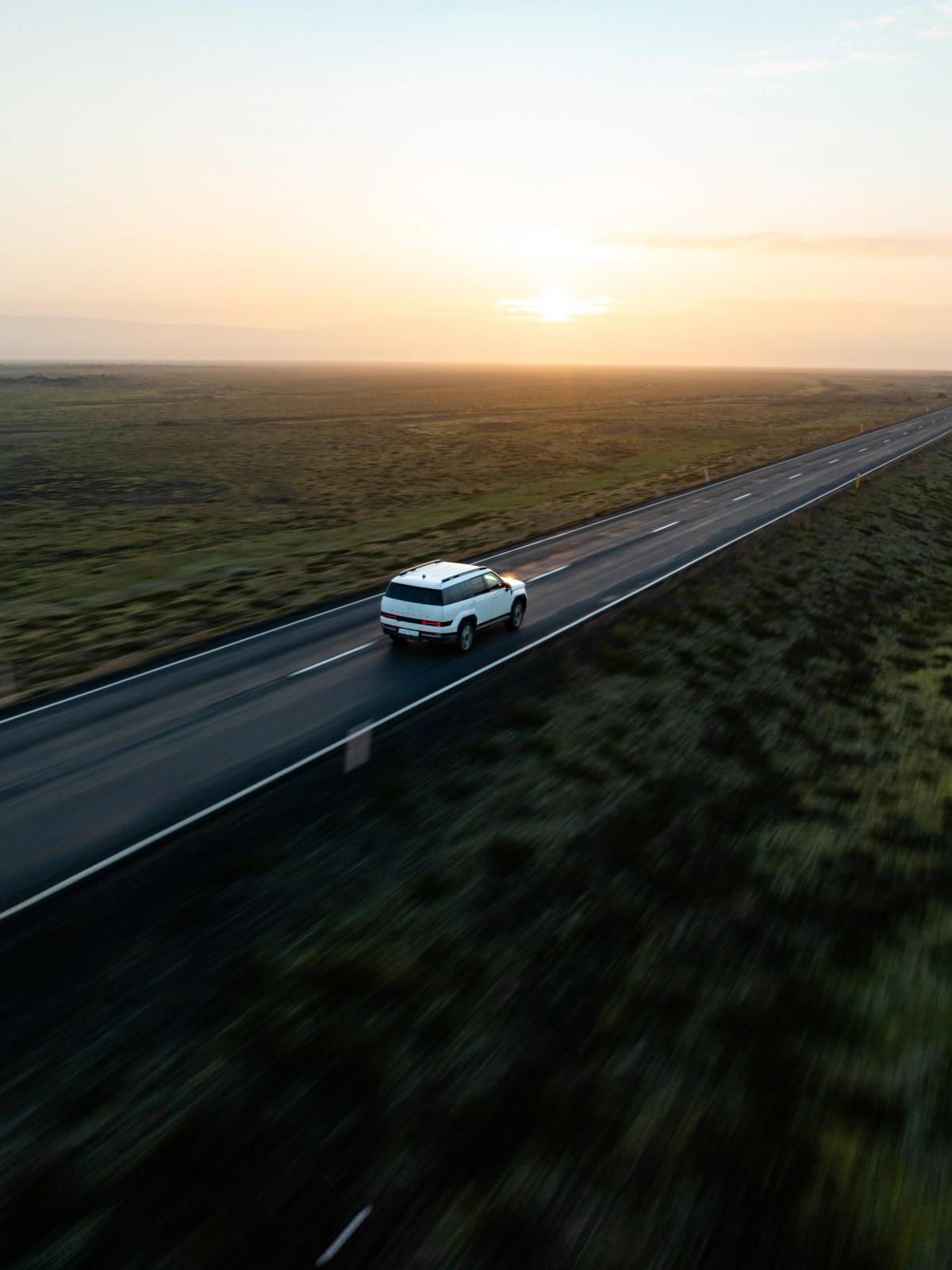
Do You Need a 4x4 in Iceland?
Iceland's roads can be confusing to plan around. Between 4x4s, F-roads, winter driving, and unpredictable weather, it's not always clear what you actually need.
This guide breaks it down so you can match your car to your route, season, and travel style, without overpaying or under-preparing.
Key Takeaways
- You don’t need a 4x4 for most summer trips in Iceland. If you're sticking to the Ring Road, Golden Circle, South Coast, and other main routes, a regular car will do the job.
- A 4x4 becomes a good idea in winter, during spring or autumn, and in more remote areas where roads can be rougher and weather can change quickly.
- If your route includes the Highlands or any F-road, a 4x4 is required by law. A 2WD vehicle is not allowed on these roads.
- Not all 4x4s are the same. Ground clearance and the roads your rental company allows you to drive matter just as much as the drivetrain.
- Always check road and weather conditions before setting out. In Iceland, strong winds, snow, ice, and sudden road closures can affect your plans no matter what you're driving.
Do You Need a 4x4 in Iceland?
It depends on where you're going and when.
For most summer trips on Iceland's main roads, a regular car is totally fine. But once you add winter weather, remote regions, or the Highlands, a 4x4 goes from a nice upgrade to either a smart call or a legal requirement.
Quick version:
- ❌ Not needed for most summer trips on main routes
- ⚠️ Recommended for winter and remote regions
- ✅ Required for Highlands and F-roads
What determines your choice
Four things decide this:
- Route: Ring Road vs Highlands vs somewhere in between
- Season: summer, winter, or shoulder season
- Road type: paved, gravel, or F-road
- Your comfort level: how much margin do you want if things go sideways?
Get clear on those four, and the decision mostly makes itself.
Do You Need a 4x4 for Your Itinerary?
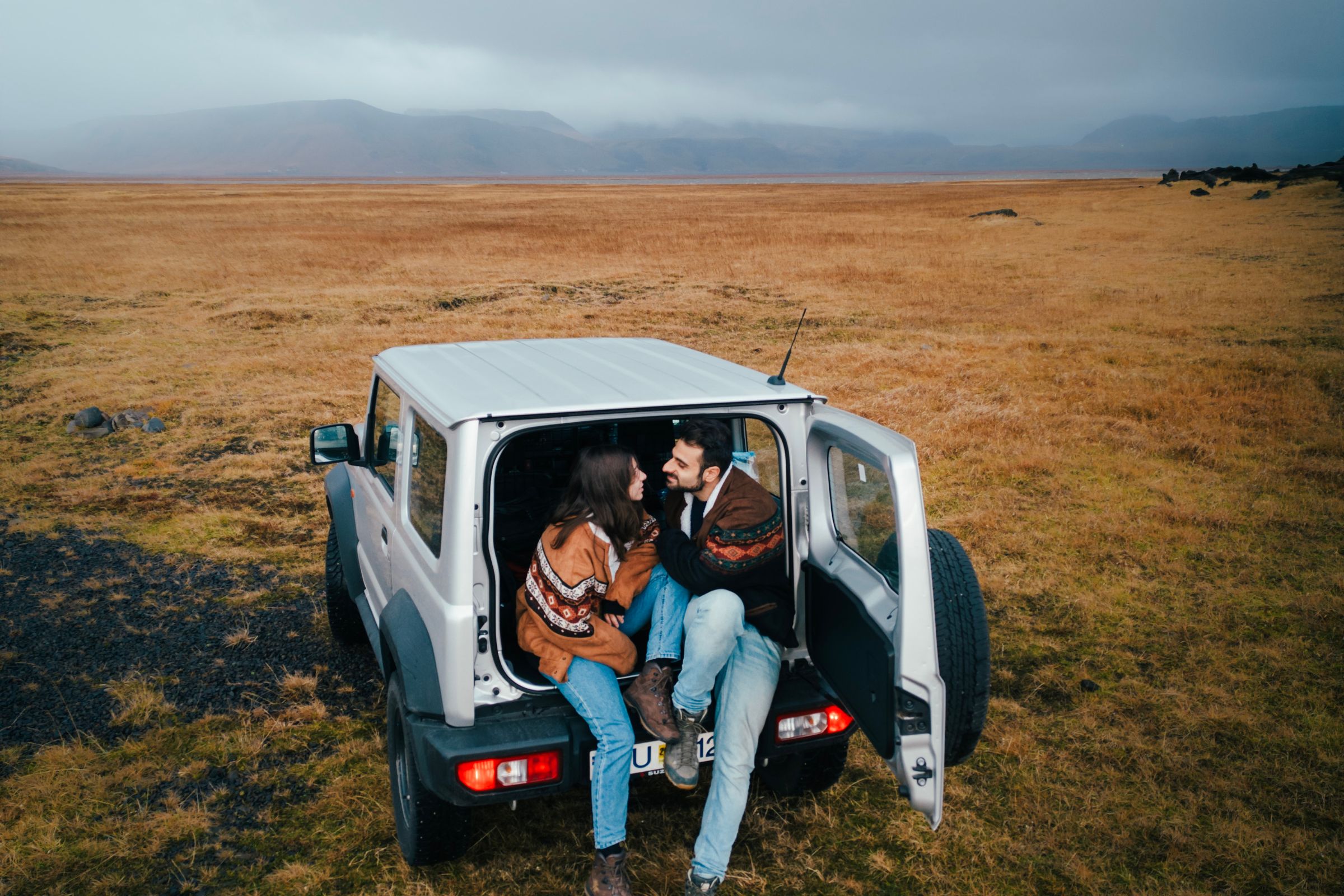
Your route matters more than anything else. Much of the confusion about driving in Iceland stems from treating the whole country as a single kind of road. It really isn't.
Here's how it breaks down by destination:
| Route / Area | Verdict |
| Reykjavík / Golden Circle / South Coast (summer) | ❌ No |
| Ring Road (summer) | ❌ Usually no |
| Snæfellsnes / North Iceland (summer) | ❌ Usually no |
| Westfjords / remote regions | ⚠️ Recommended |
| Winter road trips (any region) | ⚠️ Recommended |
| Highlands / F-roads | ✅ Required |
The key split is between Iceland's normal tourist road network, which is mostly paved and well-kept, and the Highland road system, which is a completely different situation. Visit Iceland describes Highway 1, the Ring Road, as the country's most-traveled route for good reason: most popular first-trip destinations sit along it or just off it.
What Are F-Roads (and Why They Change Everything)?
F-roads are Iceland's mountain roads, and they're basically the whole reason this question gets complicated.
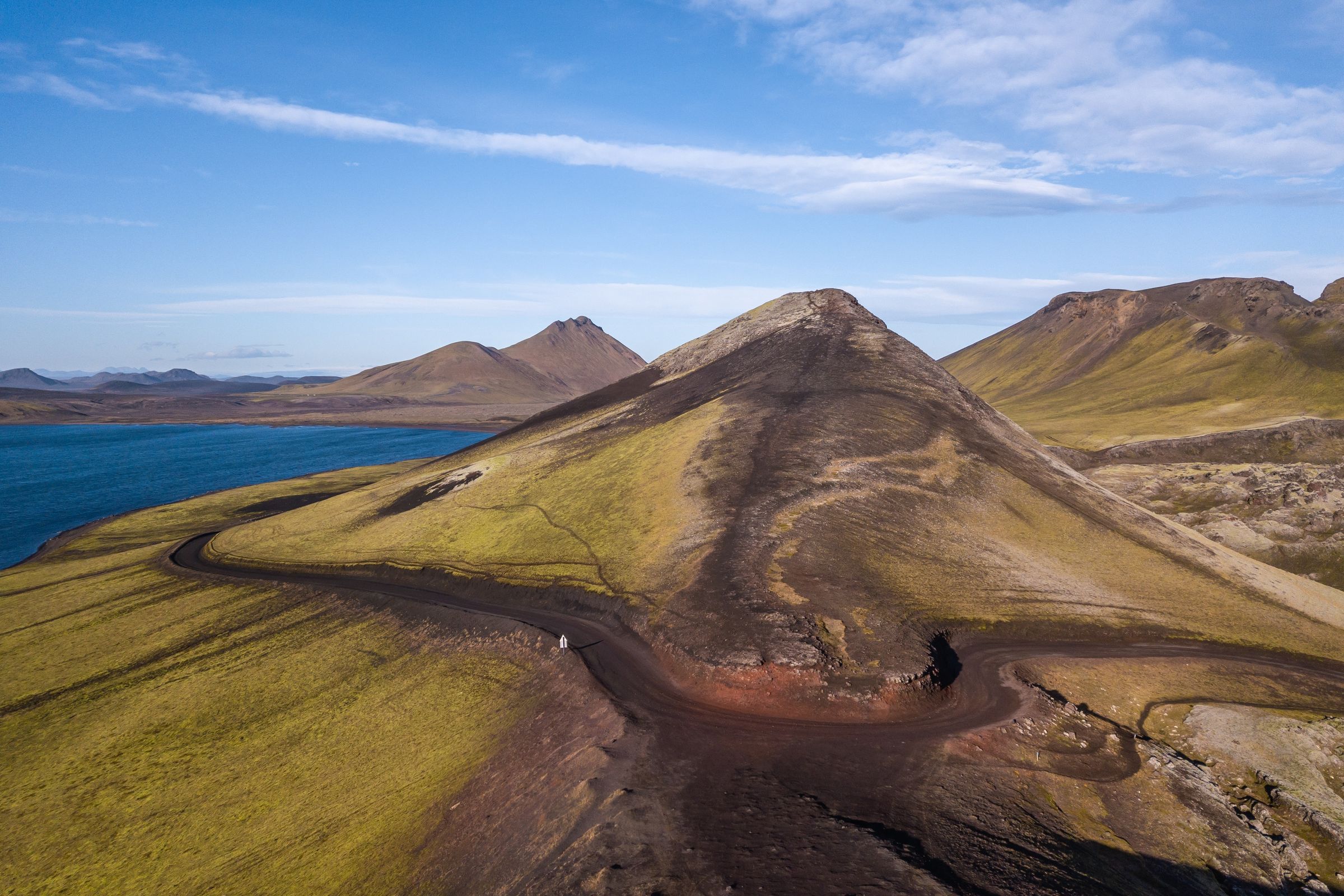
The "F" stands for fjall, meaning mountain. These are rough, unpaved tracks going into the Highland interior. They're not just bumpy gravel roads with a dramatic name. They're a legally separate category with their own rules, restrictions, and real risks.
What makes F-roads different
F-roads can include:
- Rocky, uneven surfaces with potholes, loose gravel, and ruts
- Steep climbs on narrow tracks
- Zero services for 100+ km in some areas
- Unbridged river crossings (more on this below)
They're also seasonal. They're generally closed from around mid-September until June or July, depending on how fast the snow melts that year. There's no fixed opening date, so you have to check the current status on the road.is before heading out.
The legal rule
If a road number starts with "F," only 4x4 vehicles are legally allowed on it. This isn't a suggestion. Taking a 2WD onto an F-road voids your insurance on the spot and can mean serious fines plus recovery costs.
The most visited F-roads include F35 (Kjölur), F208 (Landmannalaugar), and F88 (Askja). These range from manageable on a compact 4x4 to routes that need large, high-clearance vehicles.
2WD vs AWD vs 4x4: What Actually Matters
Not all "4x4" vehicles are equal, and not every situation that feels like it needs one actually does. Here’s a breakdown of the categories.
- 2WD is a regular rental car: a compact hatchback or sedan. It handles paved and well-maintained gravel roads in decent conditions without any issues. For a lot of Iceland trips, it's genuinely all you need.
- AWD (all-wheel drive) automatically sends power to all four wheels for better grip. Good for winter main roads, wet gravel, and light snow. Many rental SUVs are AWD. But AWD crossovers often have lower ground clearance and aren't approved for F-road use.
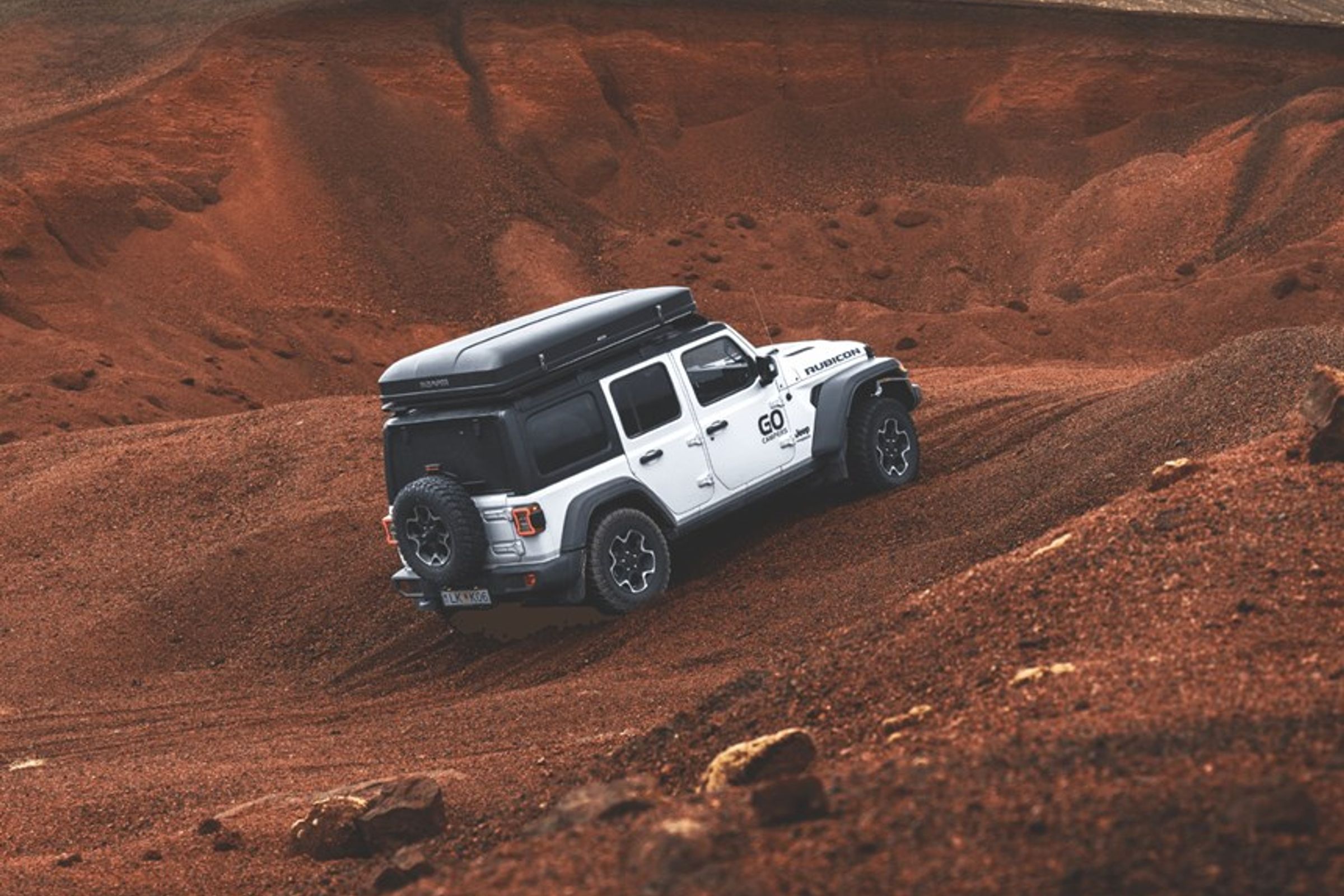
- True 4x4 adds low-range gearing, higher ground clearance (ideally 20+ cm), and is built for rough terrain. This is what F-roads require. Even then, Safetravel is clear that not all 4WD vehicles are suitable for all F-roads.
What matters most
Ground clearance and whether your specific vehicle is approved for your specific route matters as much as the drivetrain label. A compact 4x4 like a Dacia Duster handles easier F-roads like F35 fine. Harder routes with deeper river crossings, like F249 to Þórsmörk, need something much bigger. Always ask your rental company which roads your vehicle is cleared for.
When You Don't Need a 4x4
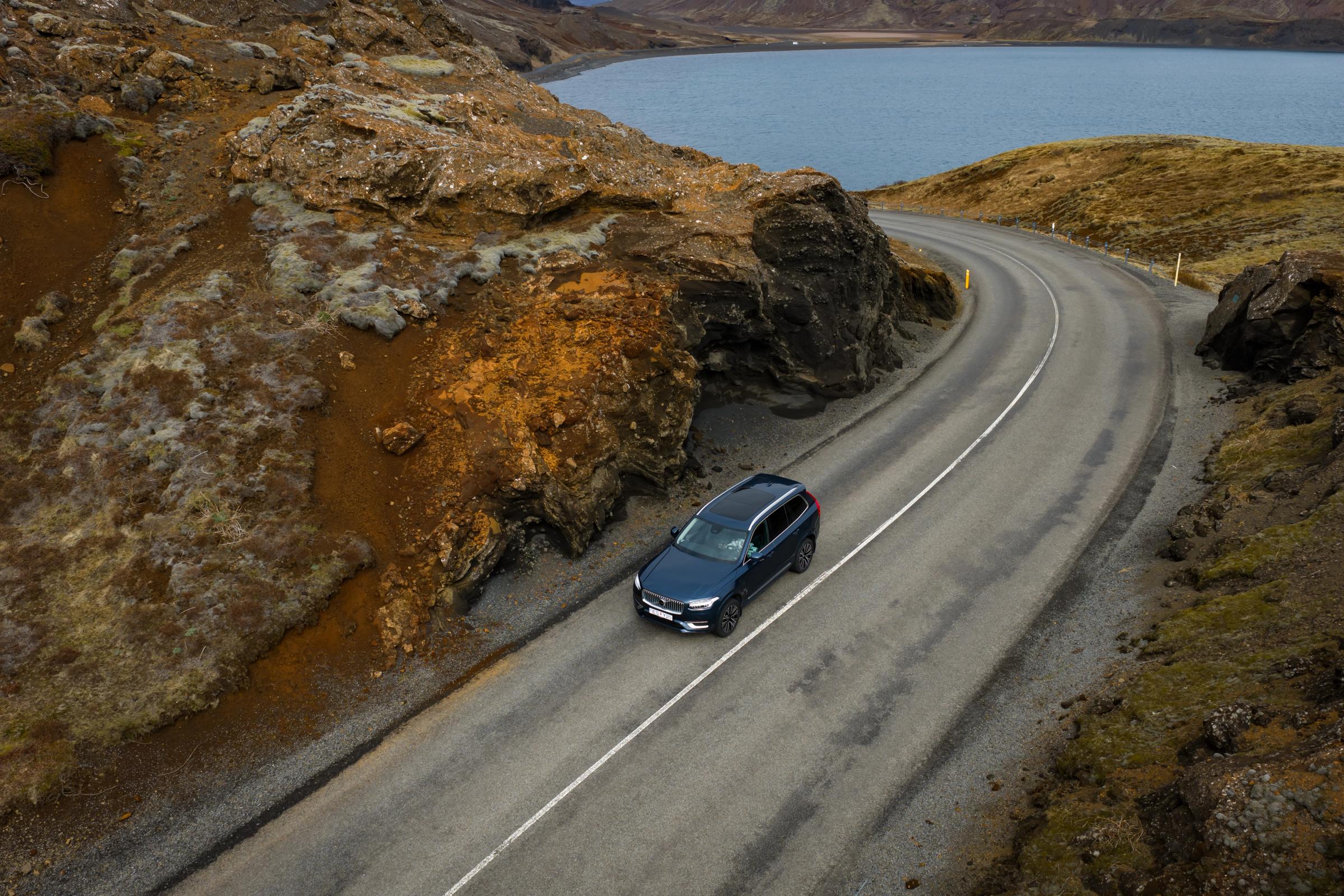
For a classic summer trip on Iceland's main roads, a regular 2WD works for most people. These routes are well-maintained, well-traveled, and mostly paved.
Routes where 2WD works fine in summer
You don't need a 4x4 for:
- Reykjavík and Keflavík Airport transfers and city driving
- Golden Circle: the full Þingvellir–Geysir–Gullfoss loop is paved throughout
- South Coast: Route 1 to Seljalandsfoss, Skógafoss, Reynisfjara, and Jökulsárlón
- Ring Road: almost entirely paved in summer, totally doable in a standard car
- Snæfellsnes Peninsula: main roads are paved, gravel spurs are manageable
A few things worth knowing
Even on these routes, Iceland keeps you on your toes. Gravel sections pop up without warning and you need to slow down for them. Strong crosswinds can push smaller cars around on exposed stretches. Single-lane bridges are everywhere and have their own right-of-way rules. None of this requires a 4x4, but all of it requires attention.
When a 4x4 Is Worth It (But Not Required)
There's a real middle ground between "a regular car is fine" and "you legally need a 4x4." Some trip types don't require one by law but make a solid practical case for getting one.
Winter travel
Winter conditions in Iceland can show up on roads that are technically open and plowed. Ice, blowing snow, and strong winds are the main things to deal with. A 4x4 or AWD gives you more traction and confidence on routes where a 2WD would be legal but stressful.
Shoulder season (spring and autumn)
Winter-like conditions can show up outside of winter, including in spring and autumn. A trip in October or April might be totally fine in a 2WD, or it might turn rough quickly. The more remote your route, the more a 4x4 makes sense as a buffer.
Westfjords and remote regions
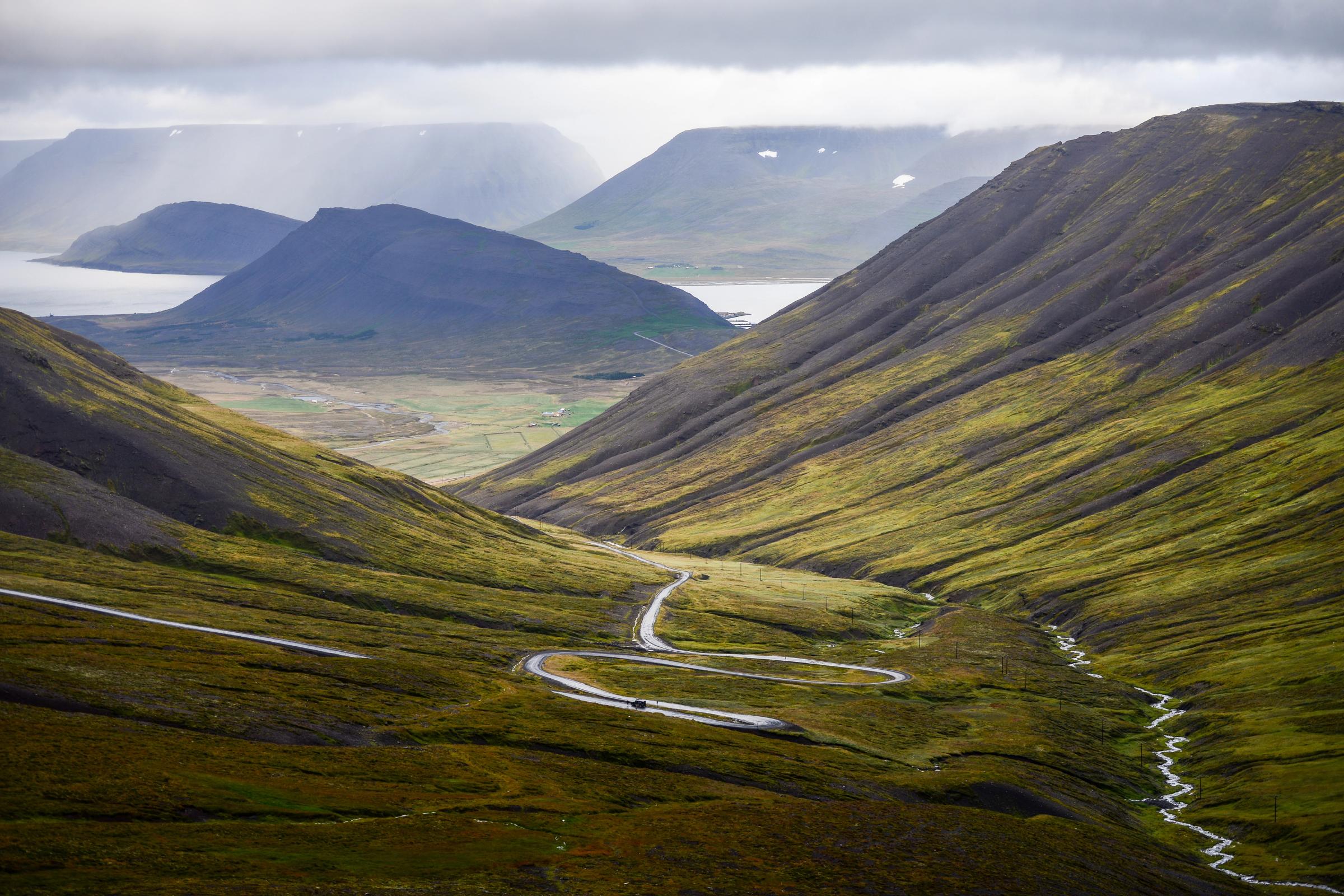
The Westfjords are more isolated, with more unpaved roads and less frequent maintenance than the southwest. Many routes there aren't technically F-roads, but a 4x4 is widely recommended. When you're far from help, your vehicle's capability starts to count.
Travelers who want flexibility
Sometimes getting a 4x4 is just about not stressing out, especially for first-time Iceland drivers who want room to handle unexpected weather or road changes.

When a 4x4 Is Required
Once your itinerary includes F-roads or Highland routes, you're past the point of preference. A 4x4 is the law.
Highlands and F-roads
Any road with an "F" prefix requires a legal 4x4. Here are the most popular ones and what they actually need:
- F35 (Kjölur): The most beginner-friendly Highland route, with no river crossings. A compact 4x4 handles it fine.
- F208 (Landmannalaugar, northern approach): No major river crossings. Compact 4x4 works well.
- F208 (southern approach): Several river crossings. A larger 4x4 is the smarter call.
- F249 (Þórsmörk): Includes the notoriously tricky Krossá river. Large 4x4 or guided super jeep recommended.
- F88 (Askja): Remote, multiple river crossings, shouldn't be driven alone. Large 4x4 required.
An important nuance
"Get a 4x4 for the Highlands" is only part of the answer. The type of 4x4 matters too. Some F-roads suit smaller 4WDs, others need larger vehicles, and some are better left to modified super jeeps with experienced guides. Always confirm your specific vehicle is approved for your specific route before you book.
Key Driving Conditions That Affect Your Choice
The car matters, but conditions often matter just as much. Iceland's roads demand attention regardless of what you're driving.
Snow and ice
Black ice is one of Iceland's most common road hazards. It forms when temperatures sit near freezing and water refreezes on the surface, making the road look wet rather than icy. A 4x4 helps with traction when you're moving, but it doesn't shorten braking distances once you're on it.
Strong wind
Wind in Iceland isn't something you tune out. Gusts can push a car sideways, make doors dangerous to open, and kill visibility on exposed stretches. The Icelandic Meteorological Office uses a color-coded warning scale: yellow means some risk, orange means significant risk, red means don't drive unless you have to.
Gravel roads
Lots of roads outside the main paved network are gravel. These aren't F-roads, but they do need slower speeds, especially when the surface switches from pavement. Grip can go fast if you don't adjust.
Road closures
Roads can close with little notice, especially northern and eastern Ring Road sections in bad weather. Any winter or shoulder-season itinerary needs built-in flexibility. A schedule that can absorb a day of delays is fine. A tight, fixed one isn't.
Remote stretches
The further you get from Reykjavík, the more your vehicle's capability starts to matter. Not because the roads are harder, but because recovery options are a lot fewer if something goes wrong.
Rental, Insurance, and Major Risks
Most travelers skip this section until something goes wrong. Don't do that.
Vehicle restrictions
Rental companies won't approve every vehicle for every road type. Ask directly: "Is this vehicle approved for F-roads?" Get the answer in writing or by email. An AWD crossover sold to you as an "SUV" is not automatically F-road approved.
What insurance covers (and what it doesn't)
Standard CDW covers basic collision damage but excludes a lot of Iceland-specific scenarios. Gravel damage, sand and ash damage, tire and wheel damage, and undercarriage hits are all commonly excluded unless you add supplemental coverage.
The river-crossing rule
Allow me to be completely clear on this: no insurance covers vehicle damage from river crossings. Not standard CDW, not credit card travel insurance, not most "full coverage" packages. Engine damage from water ingestion can run over €10,000. If you're crossing rivers, that financial risk is entirely yours.
Check every crossing on foot before you drive it. If the water is above your knee, don't cross. Early morning is the safest time since glacial rivers run lowest before the day's snowmelt adds volume.
Off-road driving is illegal
Driving off marked roads in Iceland is strictly forbidden, including going around obstacles on F-roads. Iceland's moss and vegetation take centuries to grow back. Fines start at around 100,000 ISK and go much higher for serious violations.
Resources to check before every drive
- road.is / umferdin.is: Live road status, closures, and F-road opening dates
- vedur.is: Weather forecasts and wind warnings from the Icelandic Met Office
- safetravel.is: Travel conditions and plan registration with Iceland's search and rescue
- Phone 1777: 24/7 road info in English
Quick Decision Guide
Short version:
- Main roads in summer → 2WD is fine
- Winter or uncertain conditions → go with 4x4 or AWD
- Westfjords or remote travel → lean toward 4x4
- Highlands / F-roads → 4x4 required, right-sized for your route
Simplest rule: pick your vehicle based on the hardest road and the worst likely weather on your trip, not the easiest day.
Conclusion
Most travelers don't need a 4x4 in Iceland for a typical summer trip, especially if they're sticking to the Ring Road and the main destinations along it. But once you add winter conditions, remote regions, or any Highland F-roads, a 4x4 quickly becomes the smarter or only option. Pick your car based on your actual route and the conditions you're likely to face, not just the name of where you're going, and check the official road and weather sources before every drive.
Frequently Asked Questions