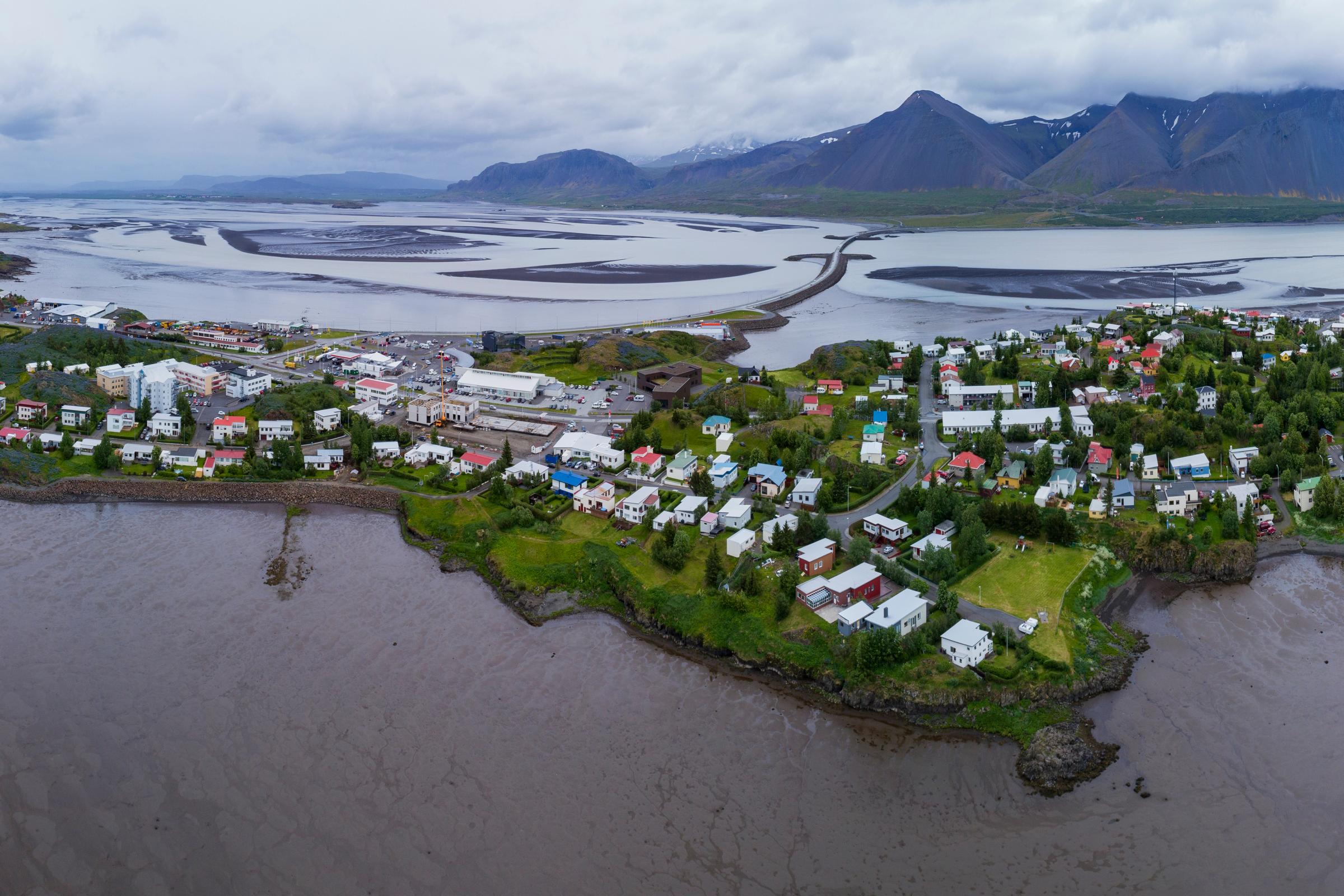
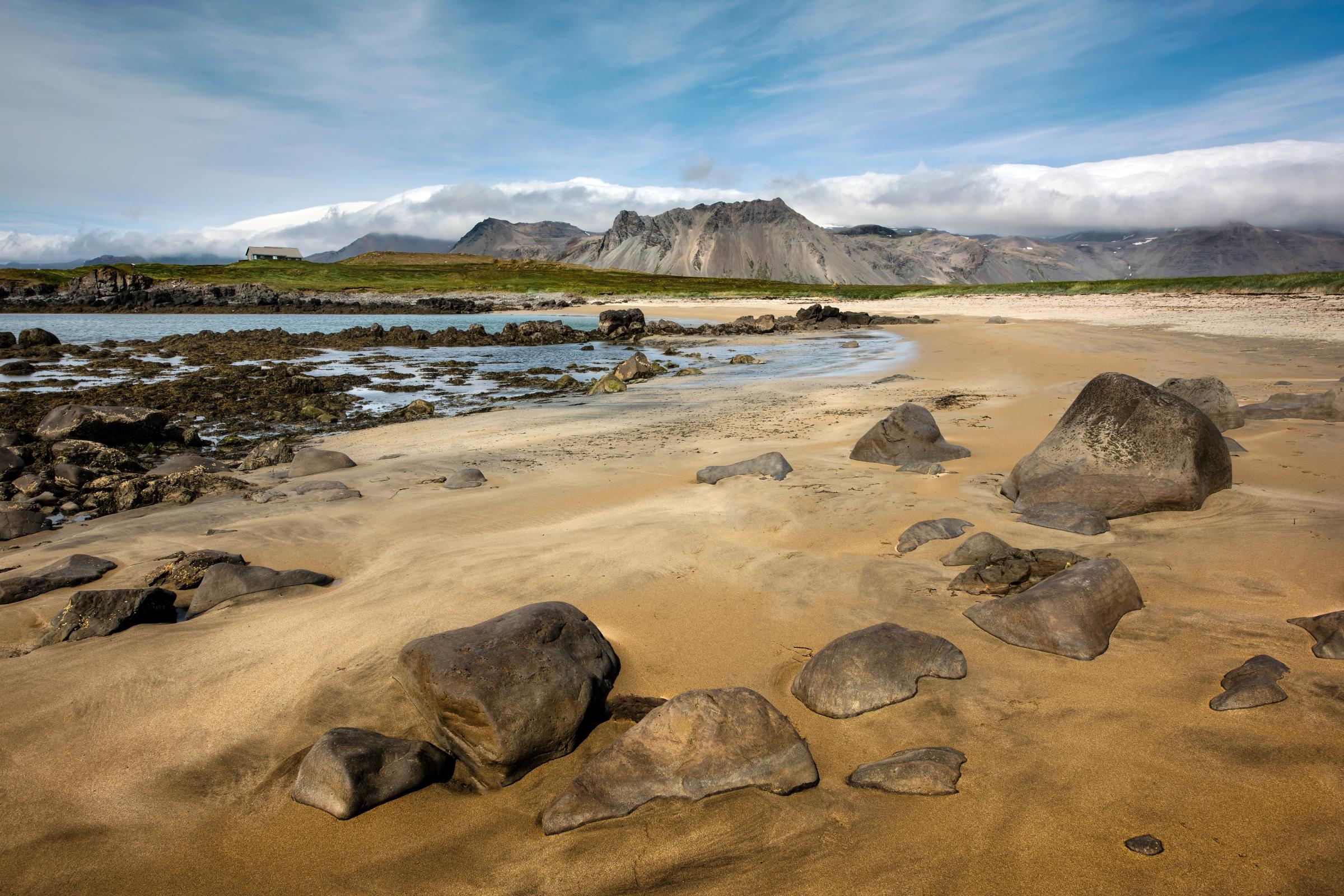
Two weeks is the sweet spot for Iceland's Ring Road. You get enough time to actually stop, look around, and let the weather work with you instead of against you, without feeling like you're sprinting through one of the most dramatic places on earth.
Key Takeaways for This 14-Day Ring Road Itinerary
Before getting into the day-by-day plan, here's what to know upfront.
Best for: First-time visitors who want the full Ring Road without cutting corners
Recommended direction: Counterclockwise (Reykjavík → South Coast → Eastfjords → North Iceland → West Iceland → back)
Best vehicle: 2WD in summer is fine for Route 1; 4x4 gives more flexibility in shoulder season or on gravel detours
Best season: May through September for easiest driving and the most daylight
Regions covered: Golden Circle, South Coast, Eastfjords, North Iceland, West Iceland, Snæfellsnes Peninsula
Regions not covered: The Westfjords and Highlands both need separate planning and more time
Is 14 Days Enough for Iceland's Ring Road?
Yes, and it's honestly the best amount of time for a first trip. 7 days turn the whole thing into a race. 10 days is better, but you still end up skipping regions or driving through them too fast to remember anything.
At 14 days, you can slow down where it actually matters, add Snæfellsnes Peninsula, spend 2 nights in the same place more than once, and still have room when the weather has other ideas.
Route 1 circles most of Iceland at around 1,332 km. That sounds manageable until you factor in gravel roads, one-lane bridges, sheep wandering across the pavement, and the fact that you'll want to stop every 20 minutes.
What You Add Compared With a 7-Day or 10-Day Ring Road Itinerary
The 7-day version compresses everything so much you're basically ticking boxes. The 10-day version is much better, but still forces trade-offs in places that deserve more time.
Compared to 7 days, you get a real arrival day in Reykjavík, more time on the South Coast, a dedicated day around Skaftafell and Jökulsárlón, slower driving through the Eastfjords, a full day at Lake Mývatn, the Diamond Circle or whale watching in Húsavík, the Tröllaskagi Peninsula, West Iceland waterfalls, a full Snæfellsnes day, and a relaxed final day with time for the Blue Lagoon or Sky Lagoon.
Compared to 10 days, the gains are more specific: an extra South Coast or Vatnajökull day, a second night in the Eastfjords so the region feels like a destination instead of a corridor, and enough time in the north to split the Diamond Circle over two real days instead of cramming it into one.
What You Still Won't See on This 14-Day Itinerary — and Why
Even with two weeks, Iceland has more than you can fit. These regions are worth knowing about so you can plan a return trip, or swap something out if one of them matters more to you personally.
The Westfjords are too big to add to the Ring Road without cutting the east or north. They need their own dedicated trip.
The Highlands are accessed via F-roads that require a proper 4x4, seasonal access, and completely separate planning. They're not part of Route 1.
Landmannalaugar is doable as a summer detour from the south, but it adds complexity and specific vehicle requirements.
Askja is a long, technical 4x4 detour from the north that most Ring Road travelers skip.
Multi-day hikes like Laugavegur need to be booked months ahead and sit well outside the scope of a standard Ring Road trip.
14-Day Iceland Ring Road Itinerary Overview
Here's the shape of the whole trip before getting into each day.
Recommended Route Direction
Counterclockwise works better for most first-timers. You hit the most famous stops while your energy is high, then gradually move into quieter territory as the trip goes on.
The route goes: Reykjavík → Golden Circle → South Coast → Vatnajökull → Eastfjords → Mývatn → Akureyri → Tröllaskagi → West Iceland → Snæfellsnes → Reykjavík.
Driving Times and Distances for a 14-Day Ring Road Trip
Daily drive times vary quite a bit. Some days are under two hours behind the wheel; others push four or five. Here's the general picture.
Day 1: Keflavík to Reykjavík, 45–60 minutes
Day 2: Reykjavík to Golden Circle area, 3–4 hours with stops
Day 3: Golden Circle to Vík, around 3 hours with stops
Day 4: Vík to Skaftafell area, 2.5–3 hours
Day 5: Skaftafell to Höfn, 2–3 hours with stops
Day 6: Höfn to Egilsstaðir via Eastfjords, 4–5 hours
Day 7: Egilsstaðir to Mývatn via Dettifoss, 3–4 hours
Day 8: Lake Mývatn loop day, 1–2 hours of driving
Day 9: Mývatn or Húsavík Diamond Circle loop, 3–4 hours
Day 10: Goðafoss to Akureyri, 1–2 hours
Day 11: Akureyri to Tröllaskagi loop, 2–3 hours
Day 12: North Iceland to West Iceland/Borgarnes, 3–4 hours
Day 13: West Iceland to Snæfellsnes, 2–3 hours
Day 14: Snæfellsnes to Reykjavík/Keflavík, 2–3 hours
Day 1: Arrival, Vehicle Pickup & Reykjavík
If I were you, I wouldn't try to cram too much into arrival day. Most flights land after a red-eye, and Iceland's scenery isn't something you want to experience half-asleep from a car window.
Main Stops
Pick up your rental car at Keflavík International Airport, then head into Reykjavík. The city is small enough to cover on foot. Good first-day spots:
Hallgrímskirkja: Go up the tower for views over the city
Sun Voyager: The sculpture along the waterfront, worth a quick stop
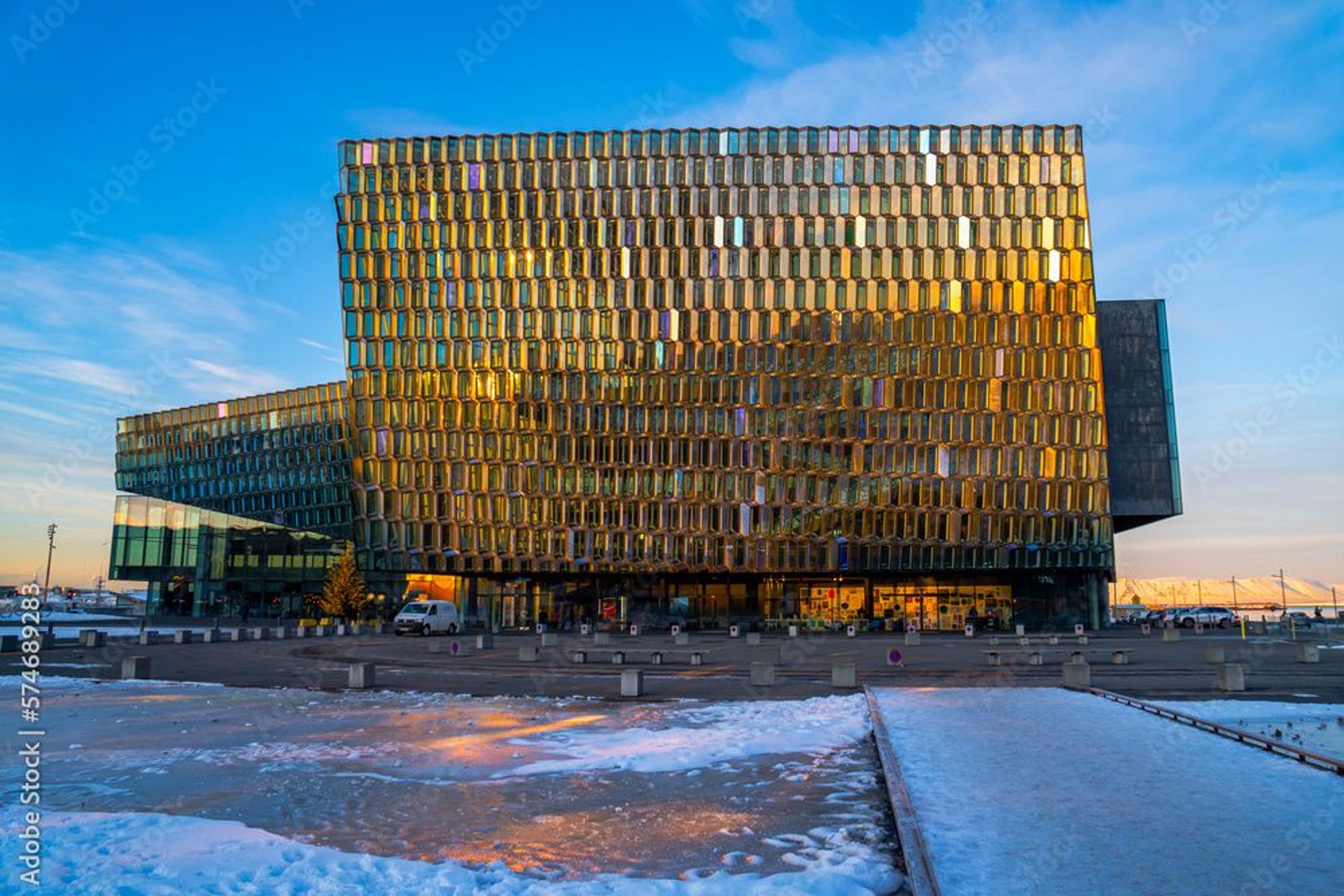
Harpa Concert Hall: Worth seeing from the outside, right on the harbor
Laugavegur: The main street for food, groceries, and getting your bearings
Old Harbour: A solid area for dinner
Why This Works
The 7-day itinerary pushes the Golden Circle onto arrival day to save time. With 14 days, you can keep Day 1 low-key: settle in, check your rental coverage, stock up on snacks and supplies, and start the actual driving properly rested the next morning.
Overnight
Reykjavík.
Day 2: Golden Circle
The Golden Circle is probably Iceland's most-visited route, and it earns that reputation. I'd recommend giving it a full day rather than squeezing it in alongside something else.
Main Stops
The three core stops here are Þingvellir, Geysir, and Gullfoss. Add Kerið at the end if you have time.
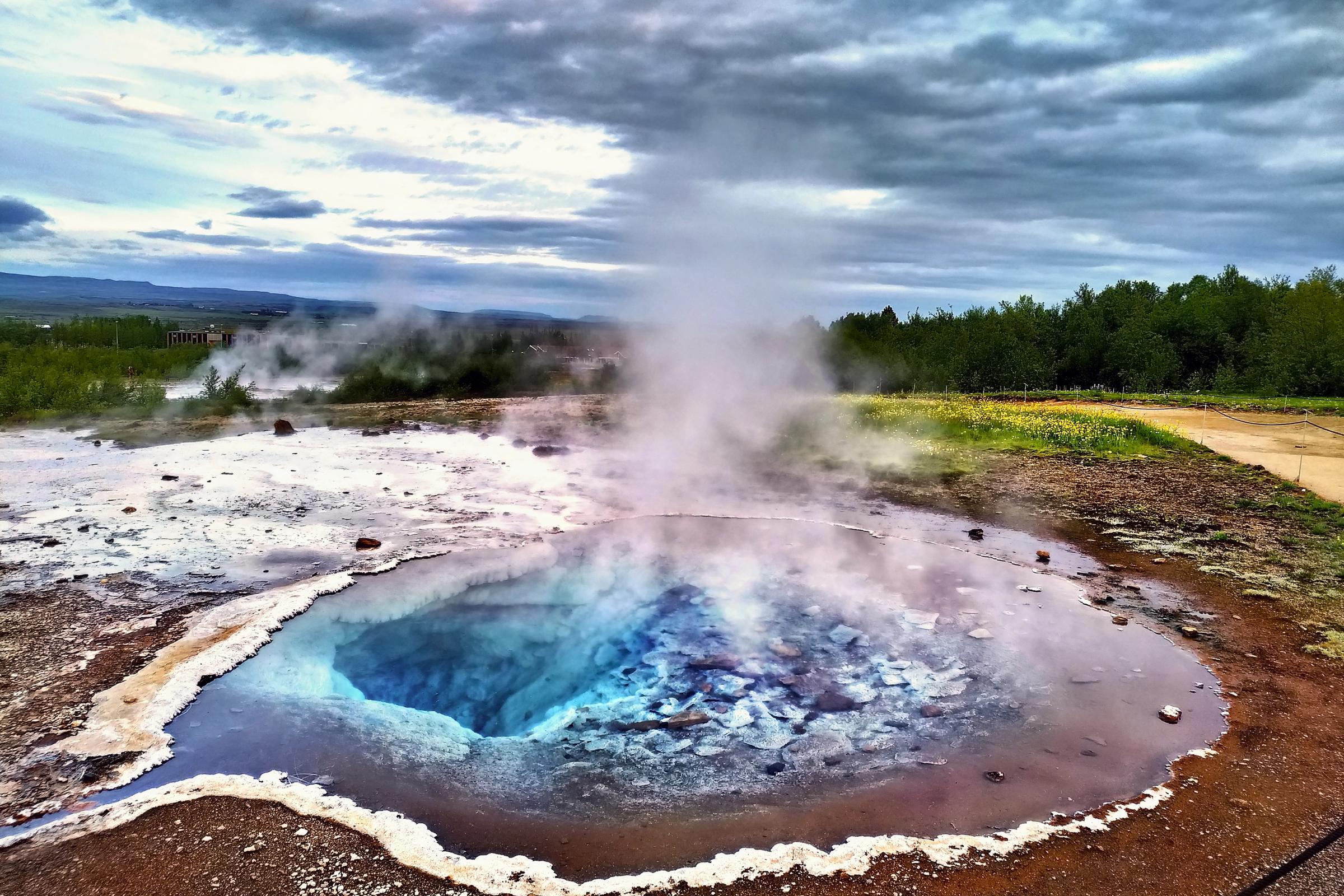
Geysir geothermal area: This is where the word "geyser" actually comes from. Strokkur is the active one, going off every few minutes.
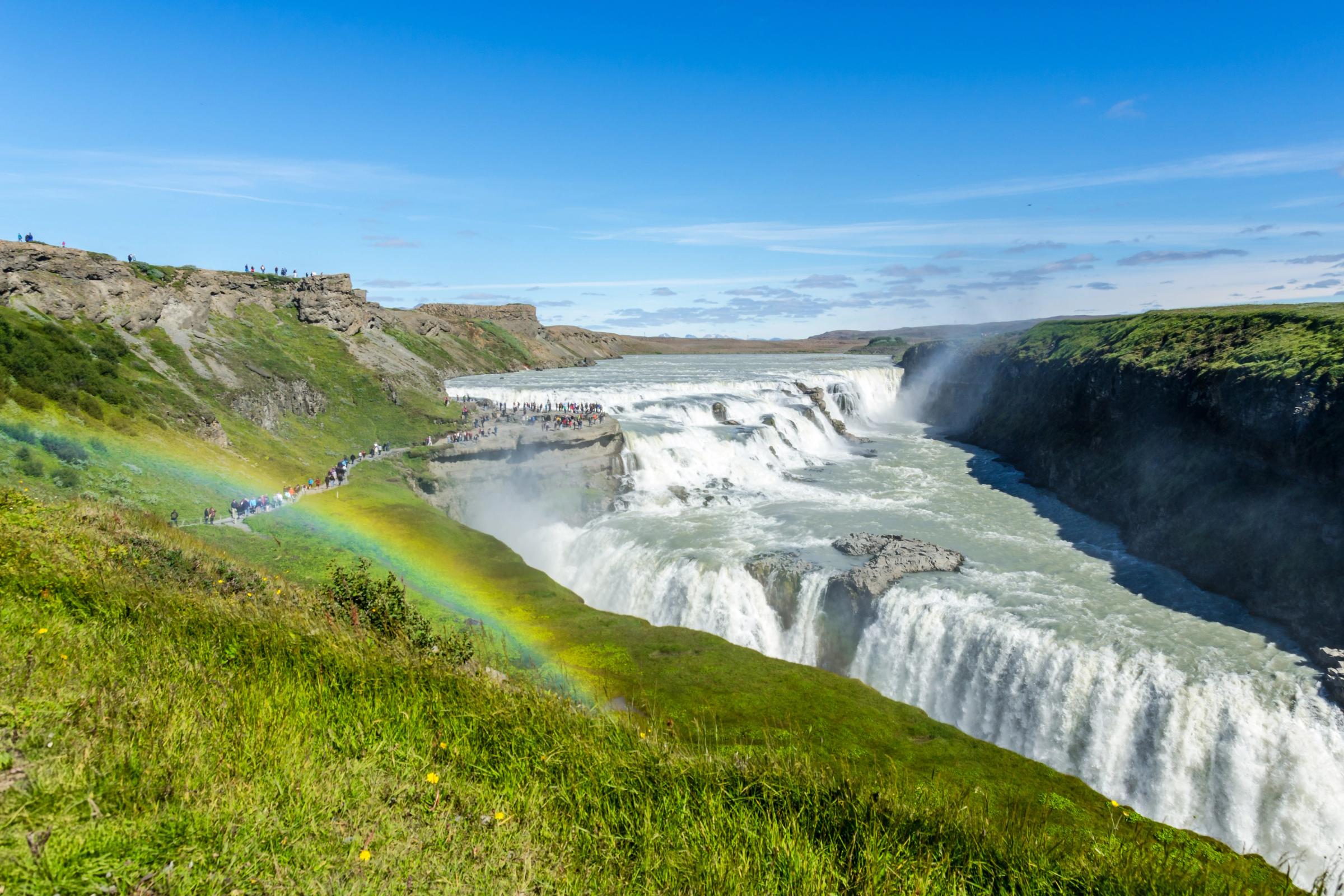
Gullfoss: A two-tiered waterfall dropping into a deep glacial canyon. One of the most powerful in Iceland.
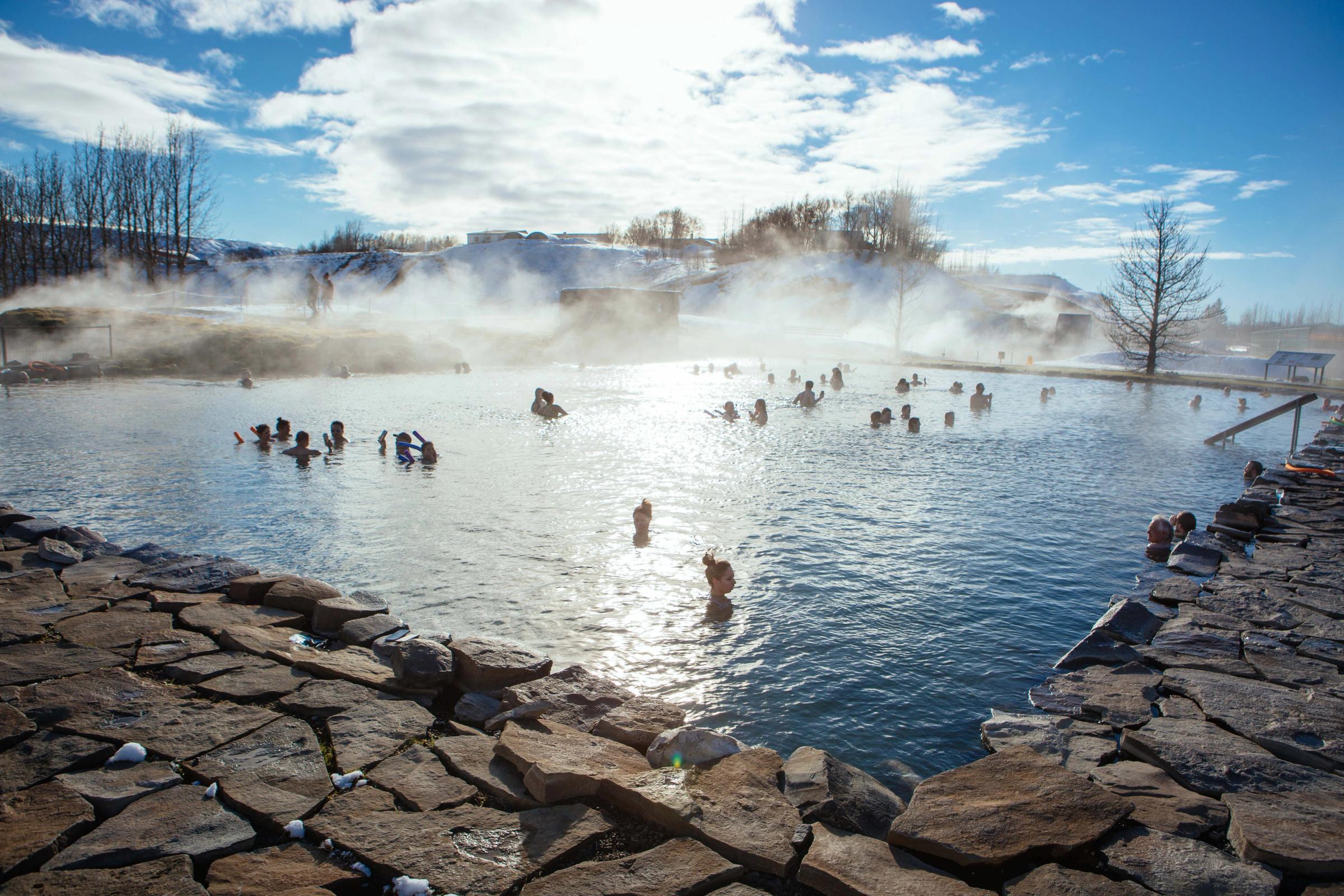
Secret Lagoon: The Secret Lagoon near Flúðir is the most natural hot spring experience on the Golden Circle route, far less developed than the Blue Lagoon and a good place to warm up between stops.
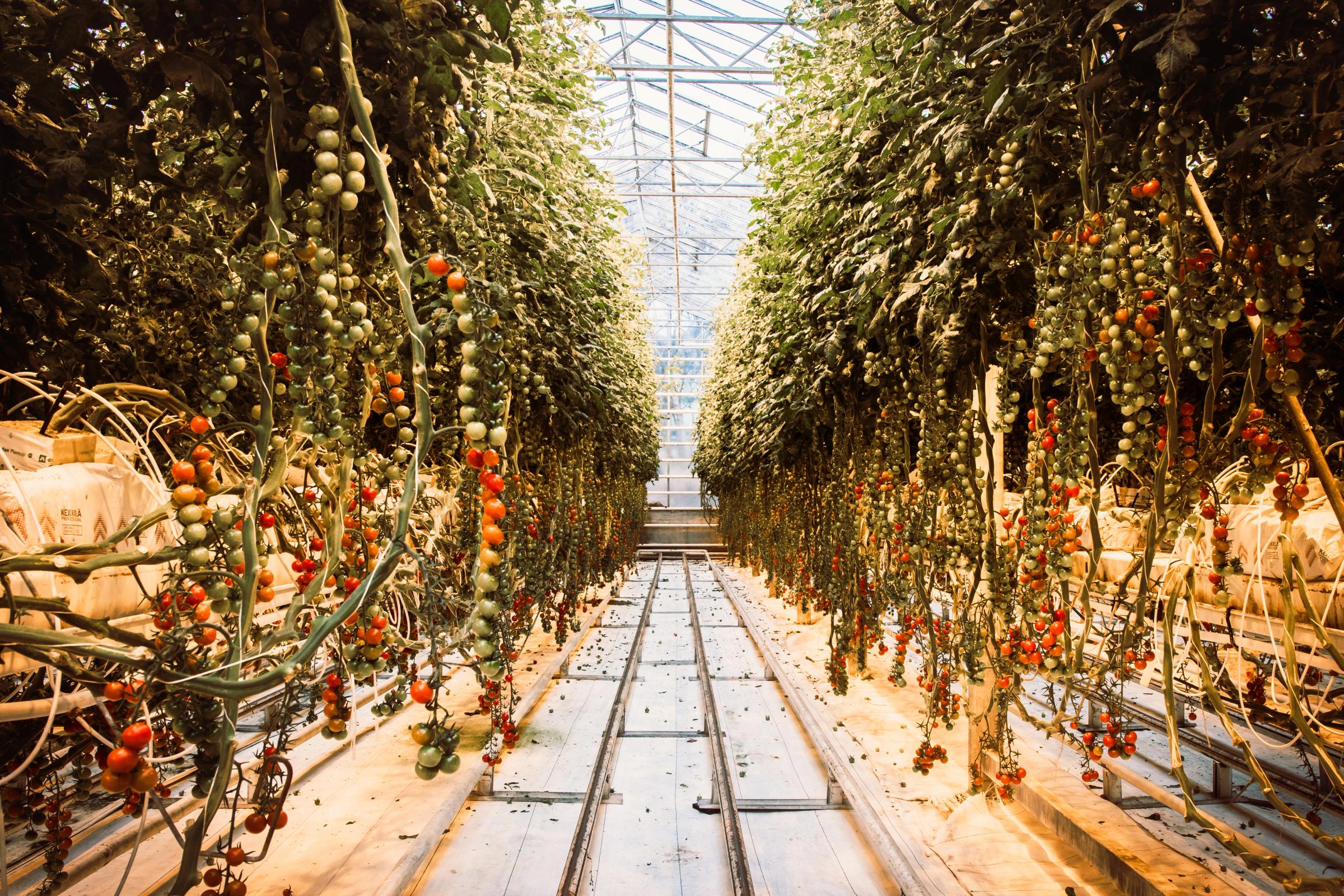
Friðheimar Tomato Farm: A working greenhouse farm near Reykholt that grows tomatoes year-round using geothermal energy. The on-site restaurant serves tomato soup, tomato bread, and tomato-based cocktails. Worth a lunch stop.
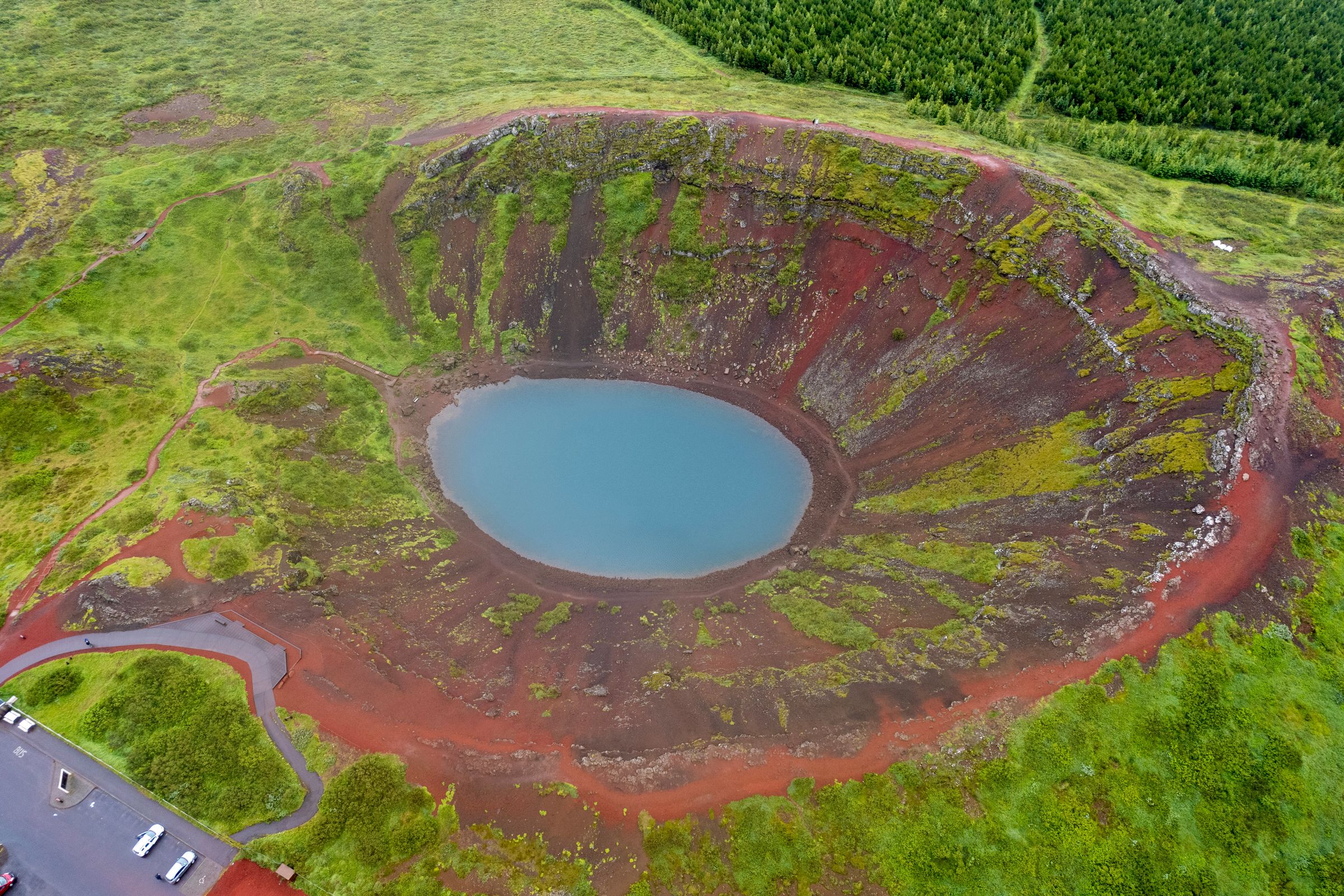
Kerið Crater: A volcanic crater lake, good for a short walk around the rim. Works well as a final stop before heading south.
What This Adapts From the 7-Day Plan
The 7-day itinerary often combines vehicle pickup, the full Golden Circle, and the start of the South Coast into one brutal day. Here, the Golden Circle gets its own day so you're not watching Strokkur erupt while stressing about reaching Vík before dark.
Overnight
Selfoss, Hella, or somewhere in the Golden Circle area. Sleeping south of Reykjavík instead of going back to the city saves 30–60 minutes of backtracking the next morning.
Day 3: South Coast Waterfalls to Vík
The South Coast is where a lot of people have their "okay, Iceland is actually incredible" moment. Waterfall after waterfall, then black sand beaches and sea stacks at the end of the day.
Main Stops
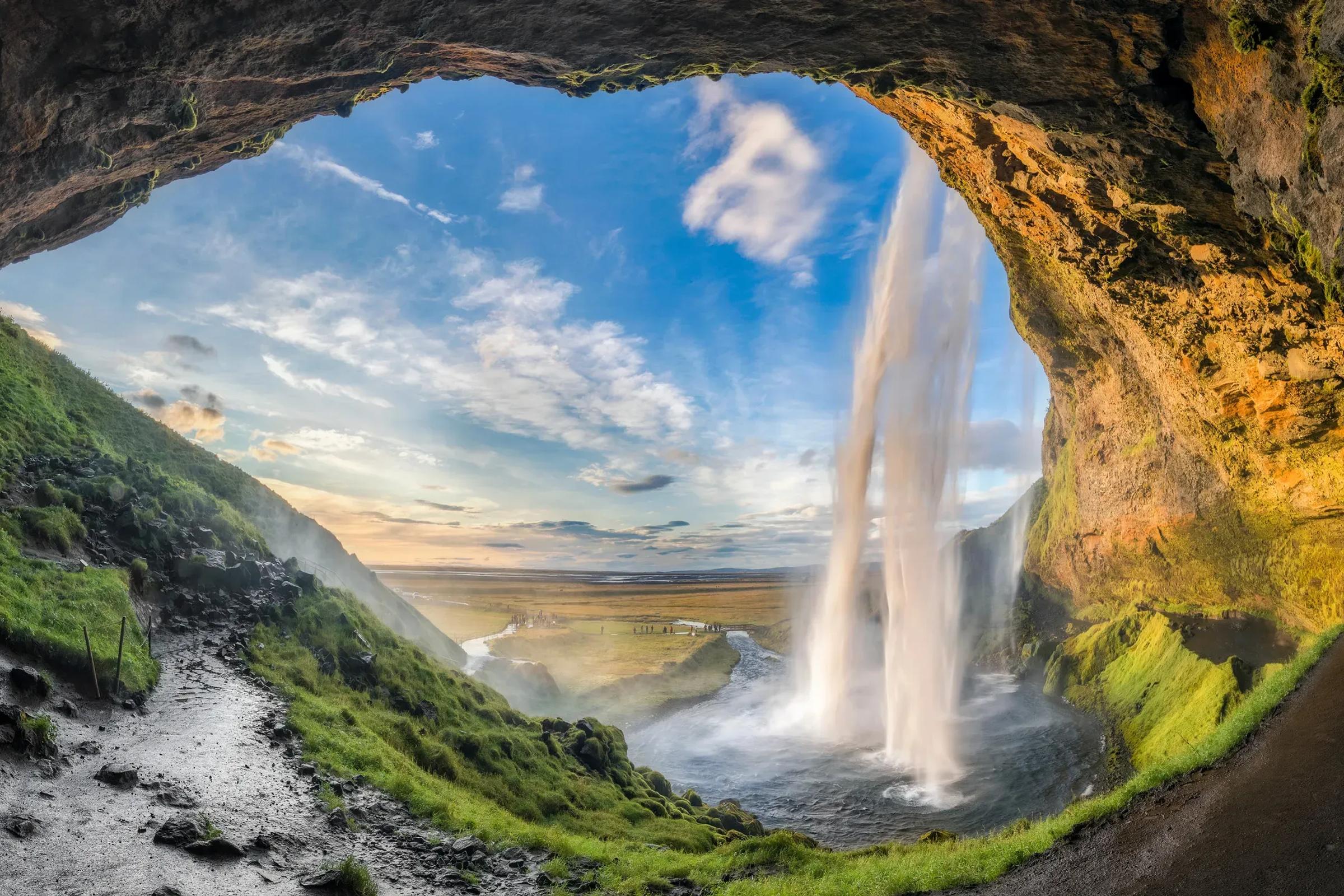
Seljalandsfoss: You can walk behind this one in dry conditions. One of the few waterfalls in Iceland where that's possible.
Gljúfrabúi: A hidden waterfall tucked into a narrow canyon right next to Seljalandsfoss. Easy to miss, worth finding.
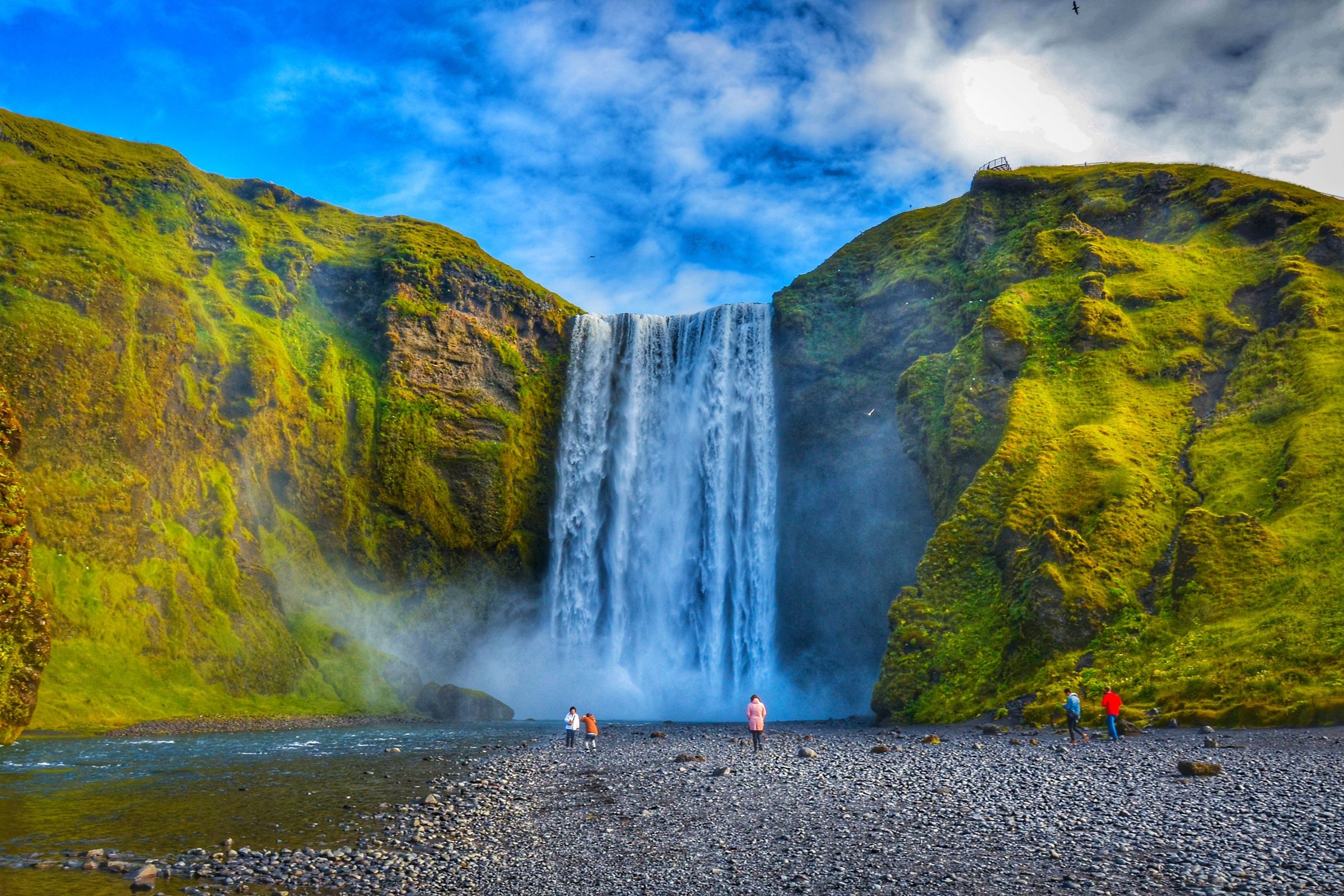
Skógafoss: Wide and powerful, with a staircase that takes you up above the falls for a top-down view.
Kvernufoss: A quieter waterfall just 10 minutes on foot from Skógar. Almost nobody goes here, which is exactly why you should.
Dyrhólaey: A coastal promontory with views of sea arches, black sand coastline, and cliffs. Great for photos.
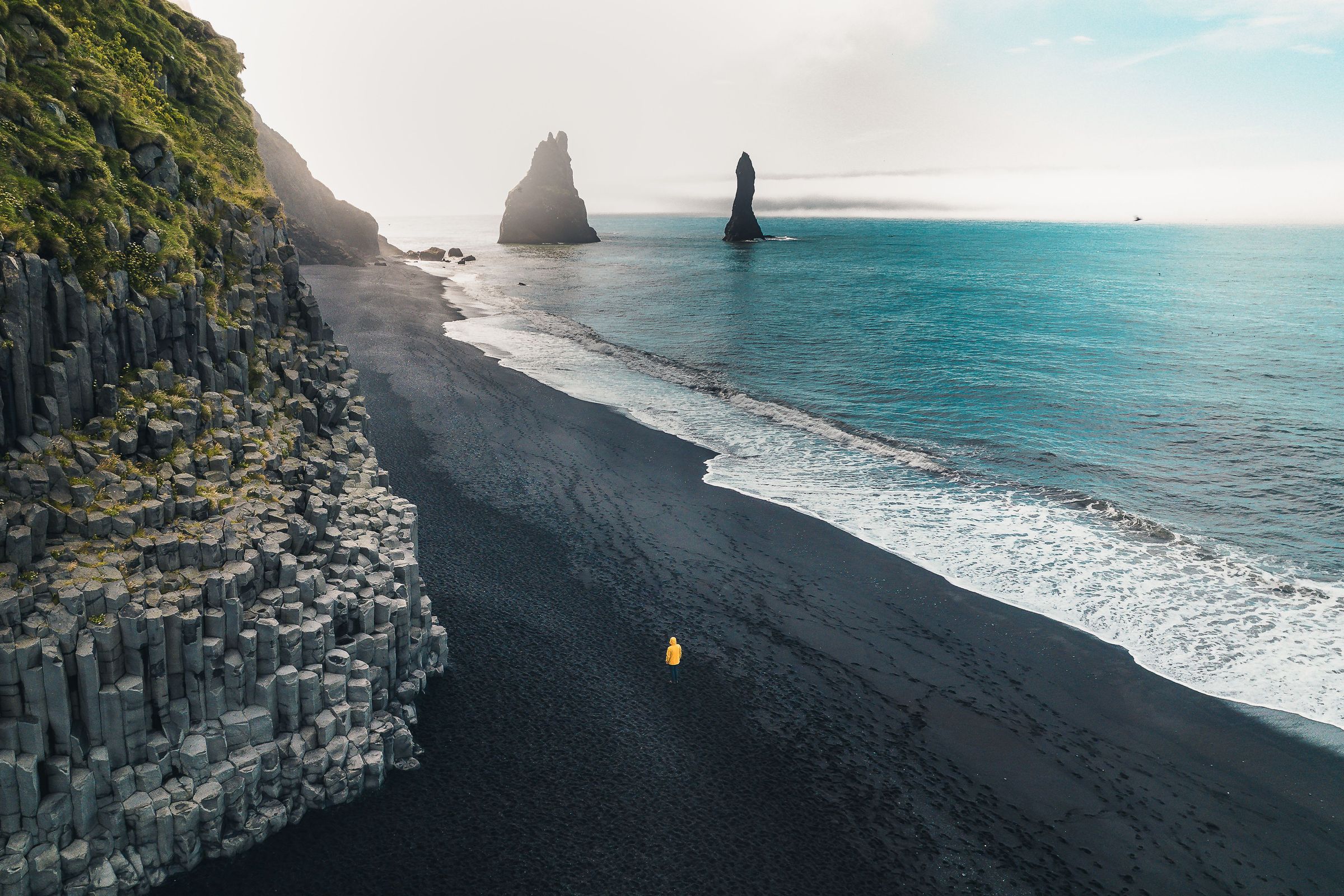
Reynisfjara Black Sand Beach: The final stop before Vík. Famous for its basalt columns, sea stacks, and very dangerous waves (more on that below).
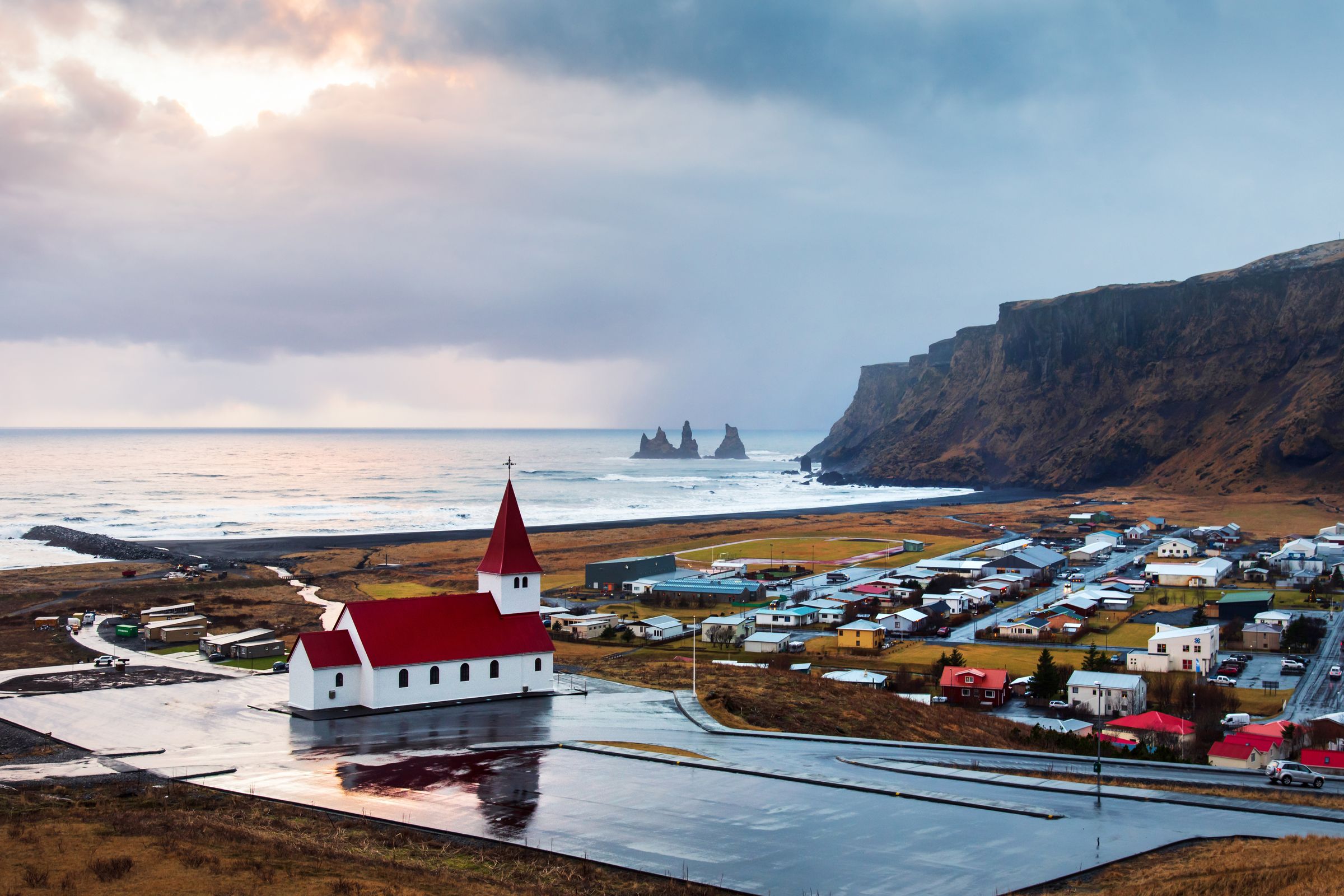
Vík: Small town at the end of the South Coast, good for dinner and a night's rest.
Safety Note
Reynisfjara is one of the most dangerous beaches in Iceland. Sneaker waves arrive with zero warning and have killed visitors. Treat it as a viewpoint stop unless signage on the day clearly says otherwise, and never turn your back on the ocean.
Overnight
Vík.
Day 4: Vík, Fjaðrárgljúfur & Skaftafell
The stretch between Vík and Skaftafell looks empty on a map. It isn't. Some of southeast Iceland's most interesting stops are along this road.
Main Stops
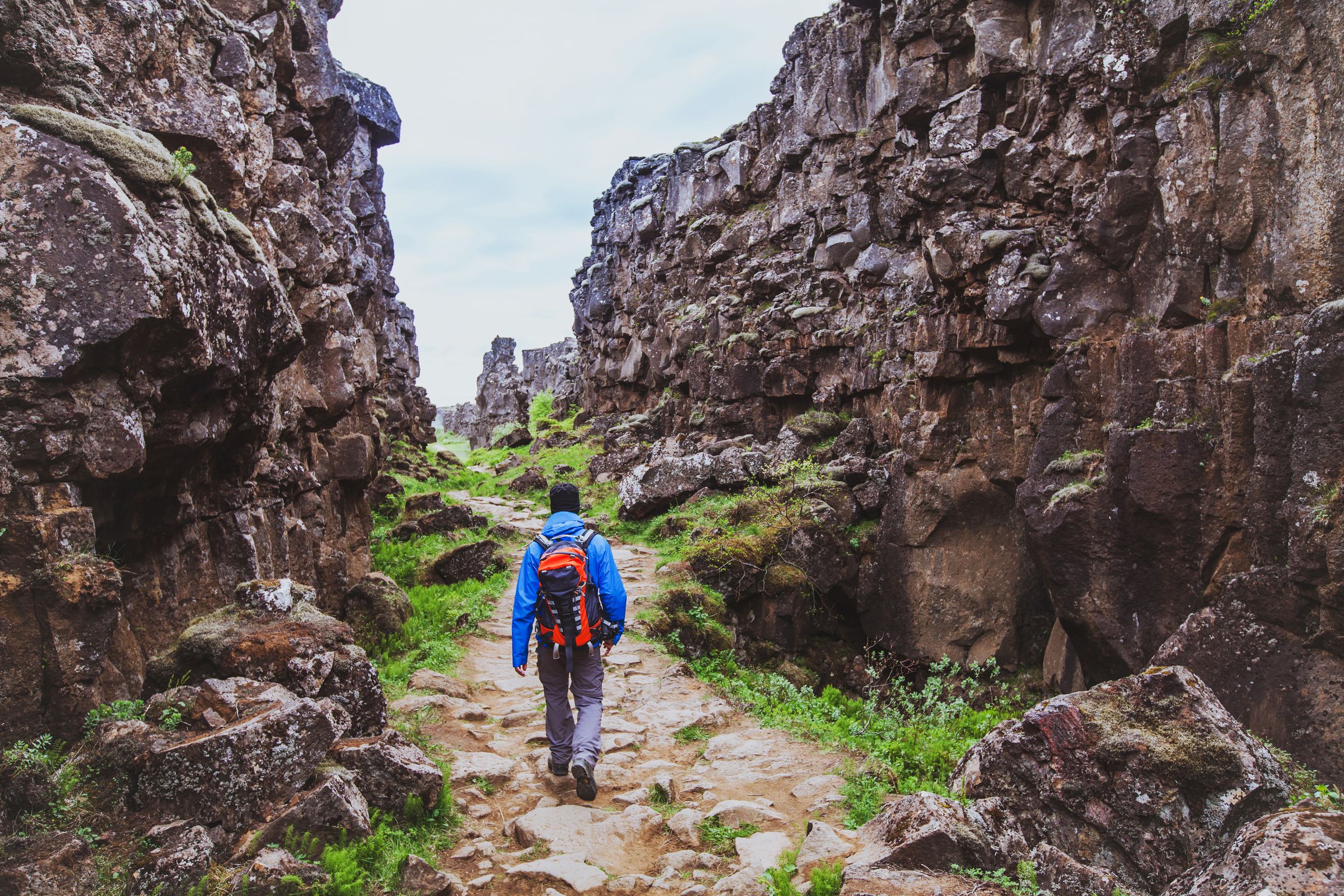
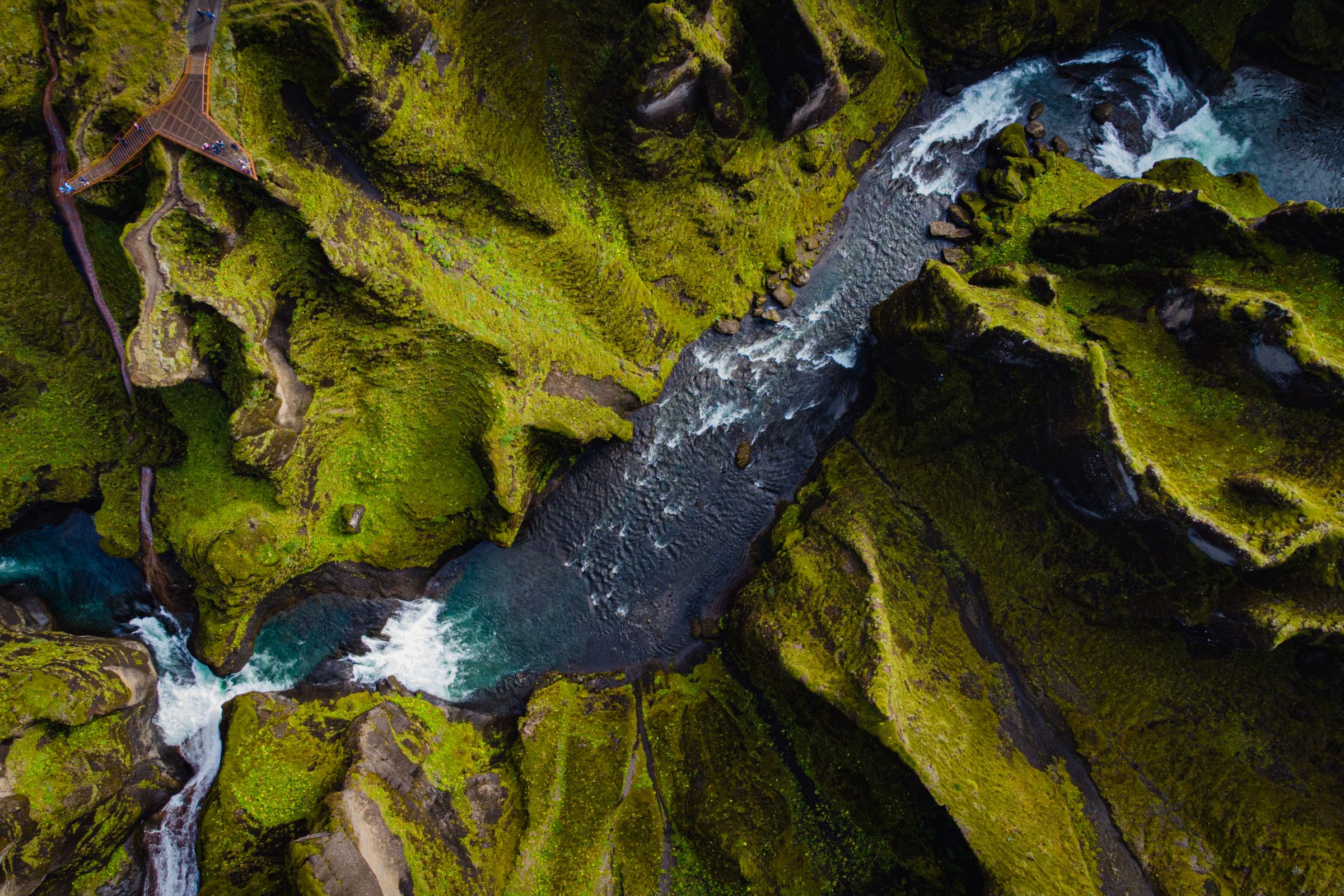
Fjaðrárgljúfur Canyon: About 100 meters deep and 2 km long, carved by glacial meltwater near Kirkjubæjarklaustur. One of those places that genuinely doesn't look real.
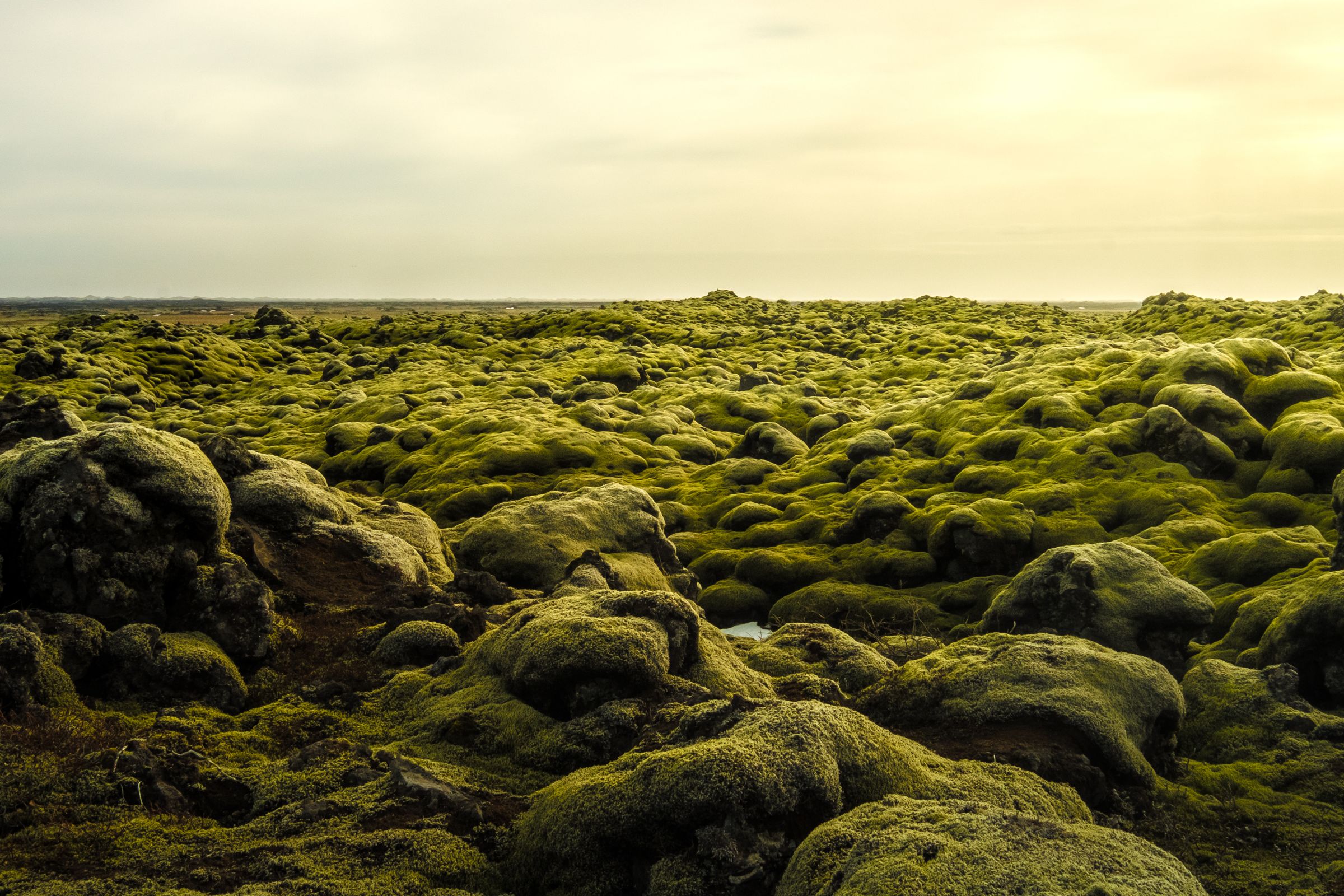
Eldhraun lava field: Covers a huge area in moss so thick it looks almost fake. Worth a stop and a photo.
Skaftafell: Part of Vatnajökull National Park, with trails for all fitness levels. One of the best spots on the whole Ring Road for a glacier hike.
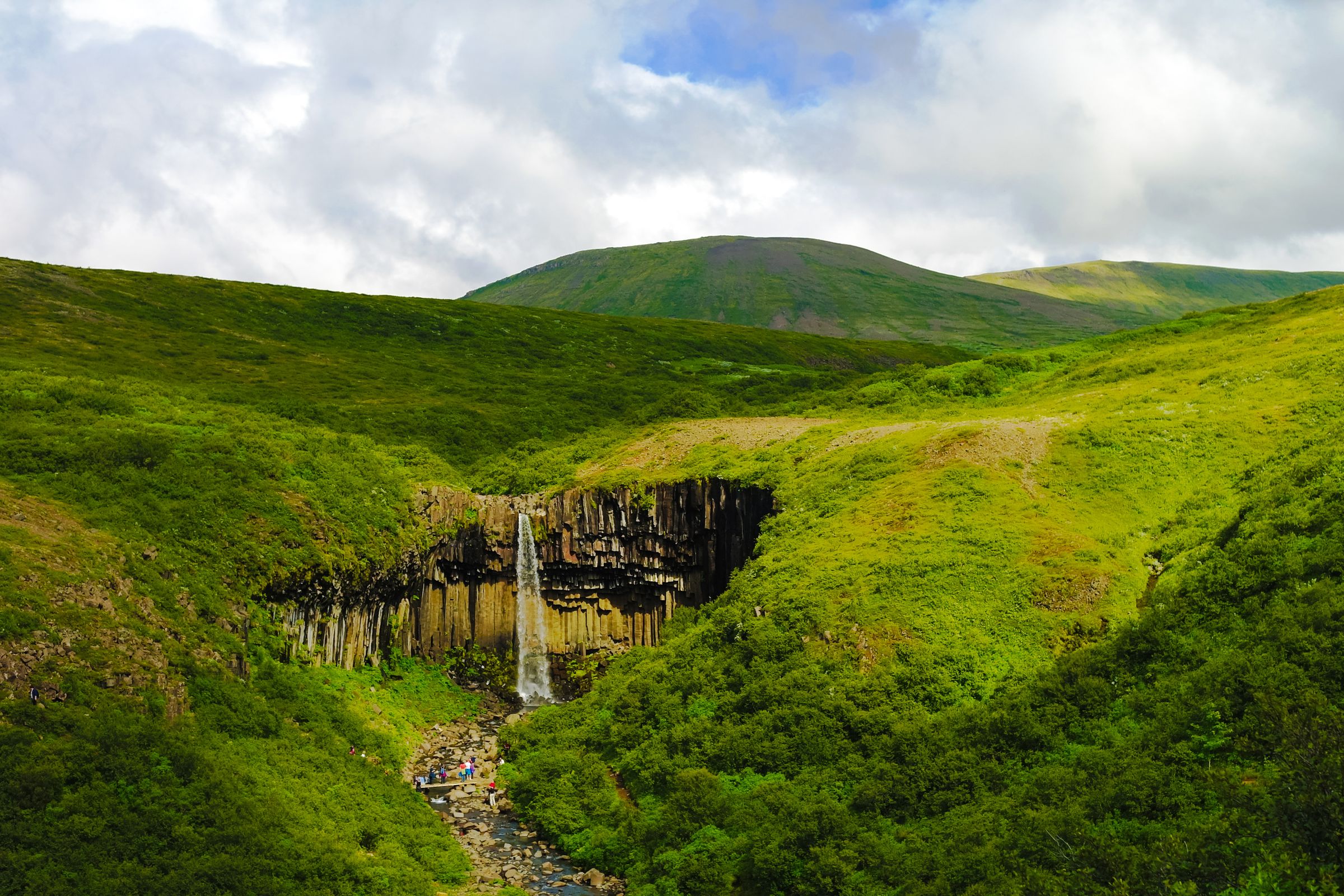
Svartifoss: A waterfall framed by dark basalt columns, about 90 minutes return on foot from the visitor center.
Optional Activities
Guided glacier hike: One of the best things you can do on this entire trip. Never walk on a glacier without a certified guide.
Skaftafell nature hike: Several trail options beyond Svartifoss if you want more time outdoors.
Why This Works
The 7-day itinerary pushes straight to Jökulsárlón and Höfn without stopping here. This day gives Skaftafell and the landscape between Vík and Vatnajökull the time they deserve.
Overnight
Skaftafell area or Kirkjubæjarklaustur.
Day 5: Jökulsárlón Glacier Lagoon, Diamond Beach & Höfn
This tends to be the day people talk about most when they get home.
Main Stops
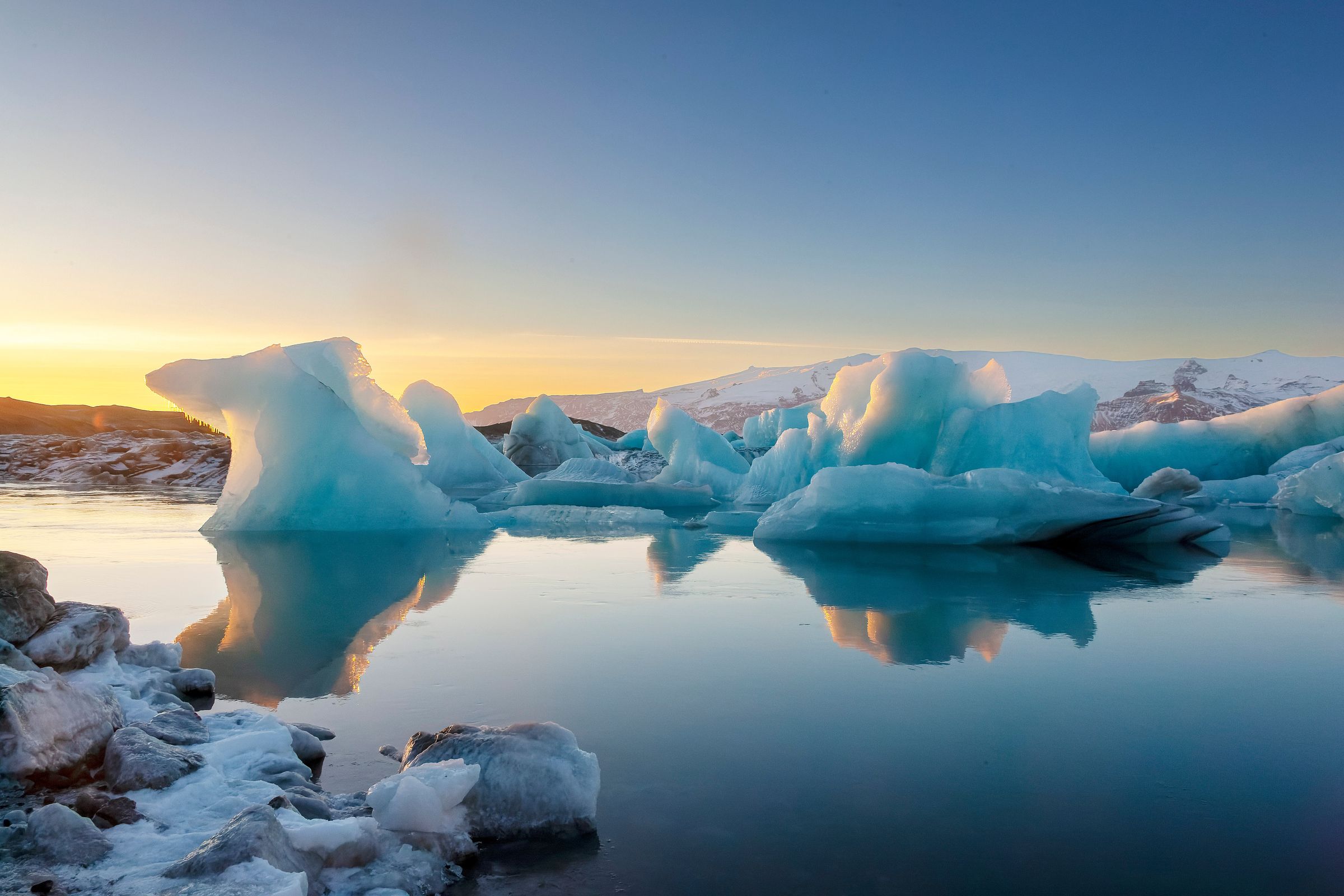
Jökulsárlón Glacier Lagoon: Icebergs from the Breiðamerkurjökull glacier float through a tidal lagoon before drifting out to sea. Unlike anything else on the route.
Diamond Beach: Just across the road from Jökulsárlón. Ice chunks wash up on black sand. Worth spending time here at different points in the day since the light changes everything.
Fjallsárlón: A quieter glacier lagoon a few kilometers west with far fewer people. If I were planning this trip, I wouldn't skip this one.
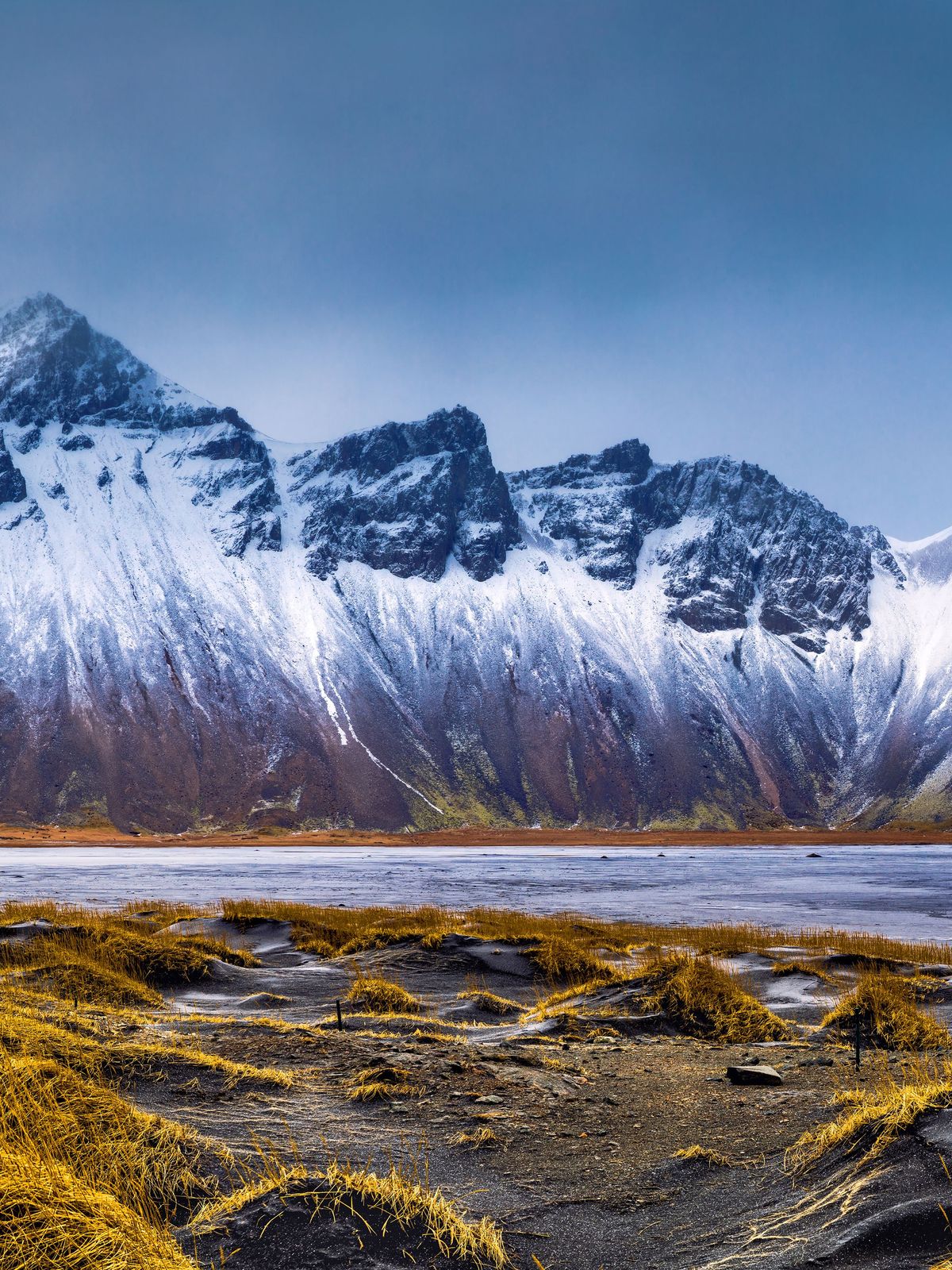
Vestrahorn at Stokksnes: A dramatic mountain near Höfn, great for photography if the light and weather cooperate.
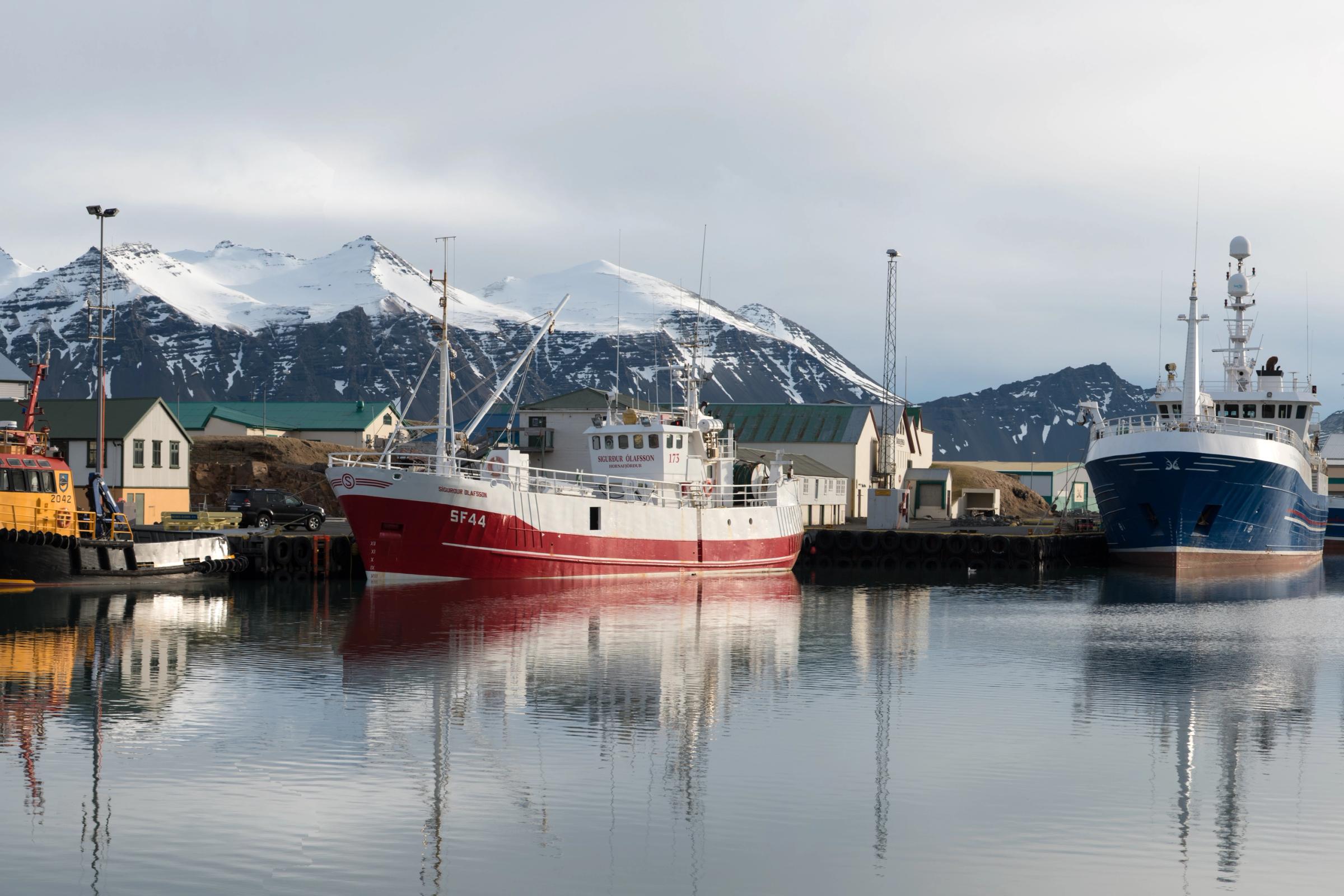
Höfn: A fishing town with good restaurants, including spots serving local langoustine.
Optional Activities
Zodiac or amphibian boat tour on Jökulsárlón: Available in warmer months. Worth booking ahead.
Ice cave tour: Winter only, highly seasonal. Must be booked well in advance through a certified operator.
Glacier hike: If you didn't do one at Skaftafell on Day 4, there are options here too.
Overnight
Höfn.
Day 6: Slow Drive Through the Eastfjords
The Eastfjords are the part of Iceland most rushed itineraries miss entirely. That's honestly part of what makes them good.
Main Stops
Djúpivogur: A small fishing village with a coastal sculpture trail and good views across the fjord.
Berufjörður and Fáskrúðsfjörður: Scenic fjord driving through small villages. Fáskrúðsfjörður has a French connection from its herring-fishing history.
Reyðarfjörður: The largest fjord in Iceland by volume. The road along it is one of the most scenic stretches in the east.
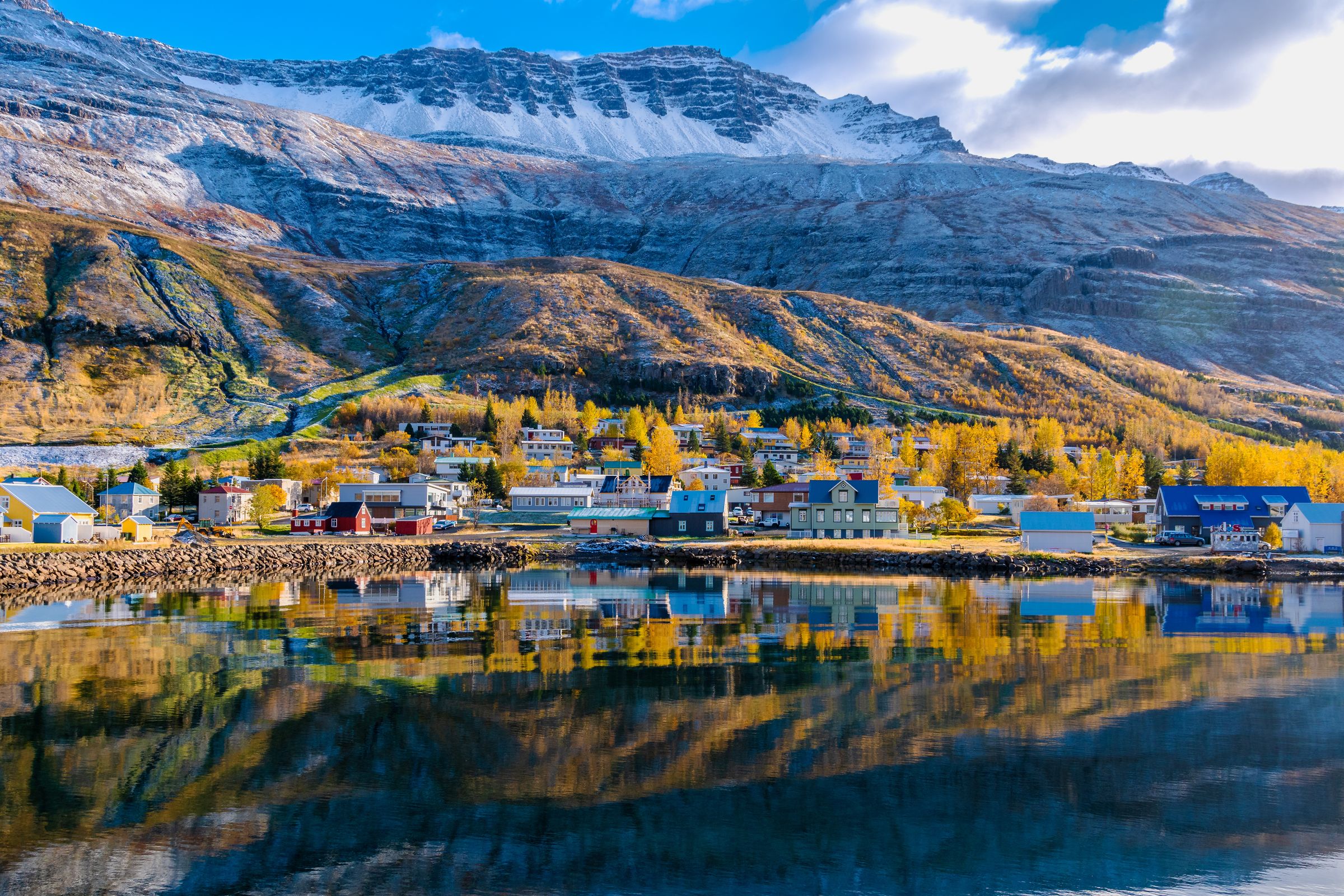
Seyðisfjörður: At the end of a mountain pass, with colorful houses and a calm harbor. More atmospheric than any other Eastfjords town.
Egilsstaðir: The main hub for the region. More practical than scenic, but useful for services and an easy early start the next morning.
What This Adapts From the 7-Day and 10-Day Plans
Both shorter itineraries treat the Eastfjords as a transit day. Here, the Eastfjords become a region you actually spend time in: slower, quieter, and more scenic than anything on the South Coast.
Overnight
Egilsstaðir or Seyðisfjörður. I'd go with Seyðisfjörður if the mountain pass road is open and weather is on your side.
Day 7: Stuðlagil Canyon, Dettifoss & Lake Mývatn
One of the longer driving days, but the stops along the way make it worthwhile.
Main Stops
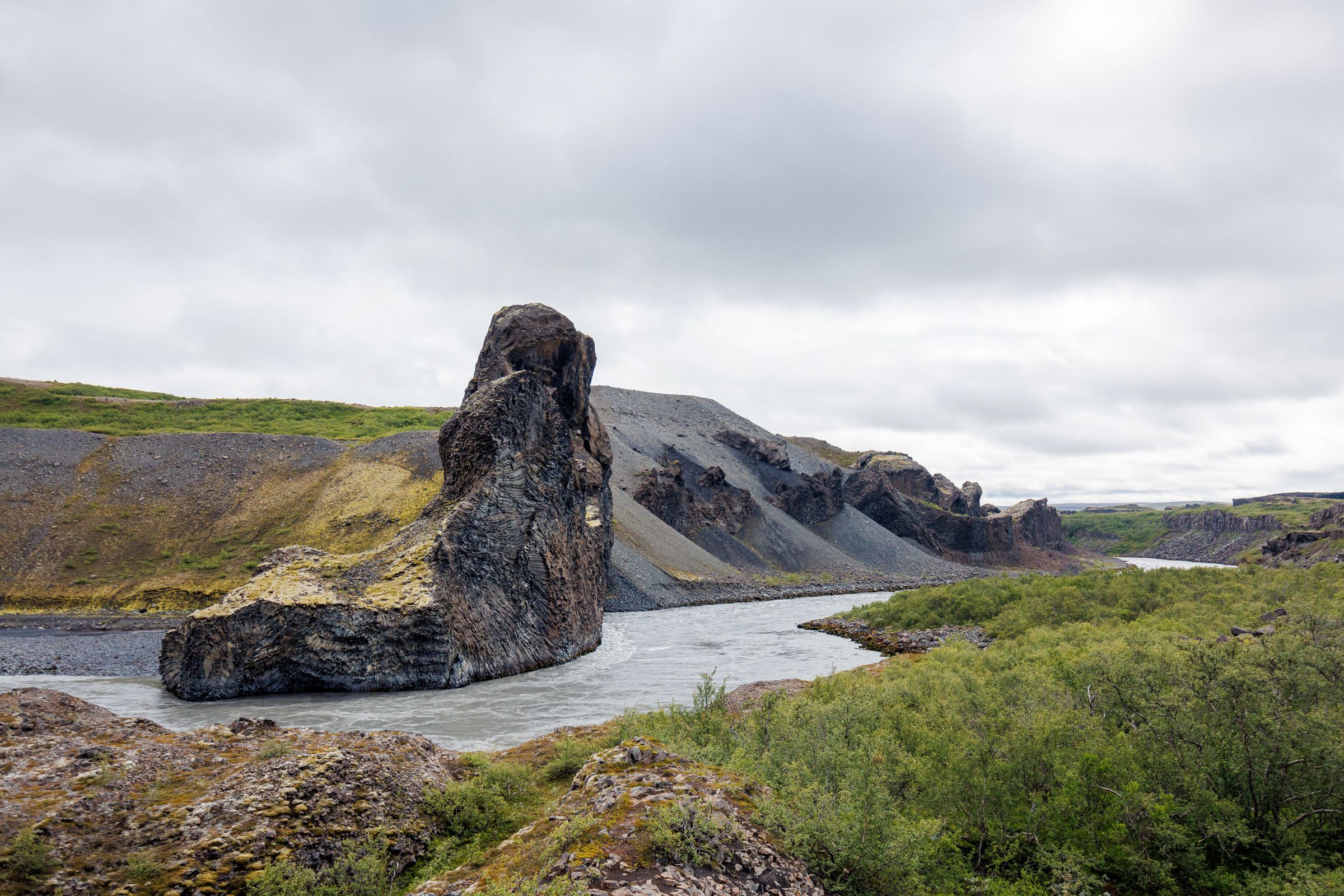
Stuðlagil Canyon: Some of Iceland's most striking basalt columns lining a blue-green glacial river. Worth the short detour to reach it.
Möðrudalur: One of Iceland's highest farms, with a small café and views in every direction. Good coffee stop on a long driving day.
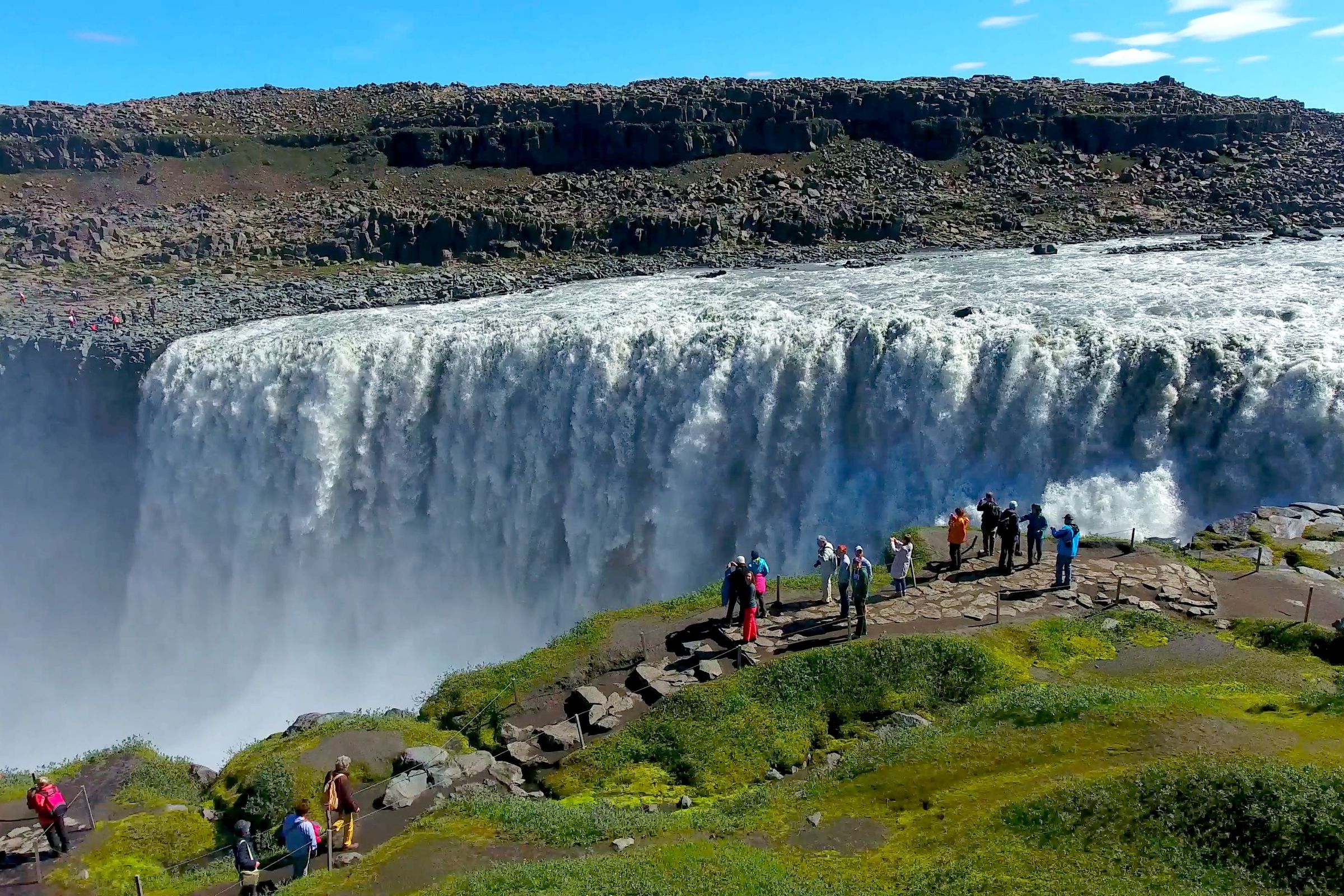
Dettifoss: One of the most powerful waterfalls in Europe. You'll hear it before you see it. Check road.is before going as access can change by season depending on which side of the river you approach from.
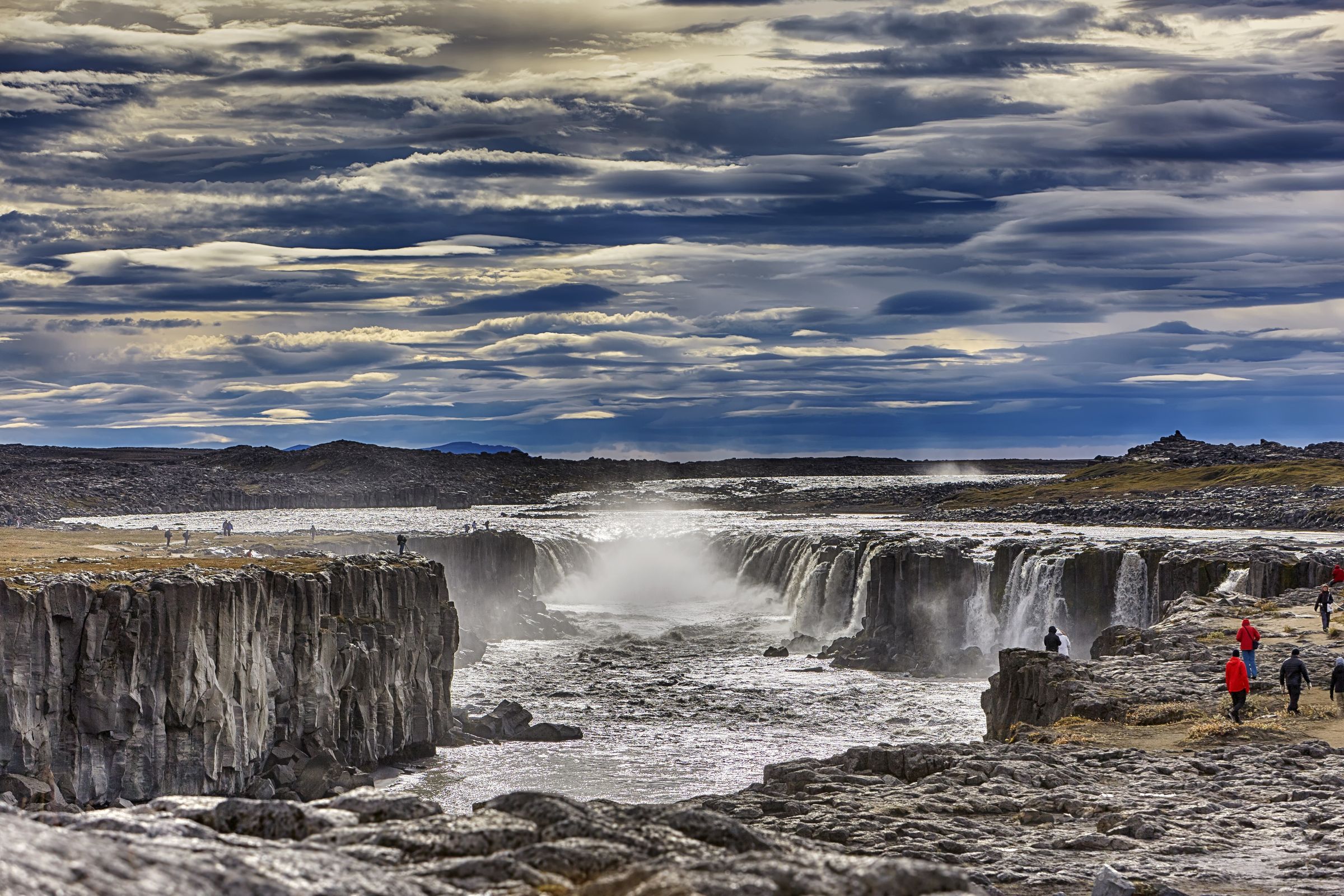
Selfoss waterfall: Just a short walk upstream from Dettifoss, much quieter and worth a look.
Why This Works
Splitting North Iceland across Day 7 and Day 8 means you're not arriving at Mývatn exhausted after trying to squeeze in too much at once.
Overnight
Lake Mývatn area.
Day 8: Lake Mývatn Geothermal Area
Mývatn is one of the most geologically active places in Iceland. It needs a full day to do it properly, and I'd argue it's one of the most underrated days of the whole itinerary.
Main Stops
The area around the lake packs a lot in. Here's what to cover:
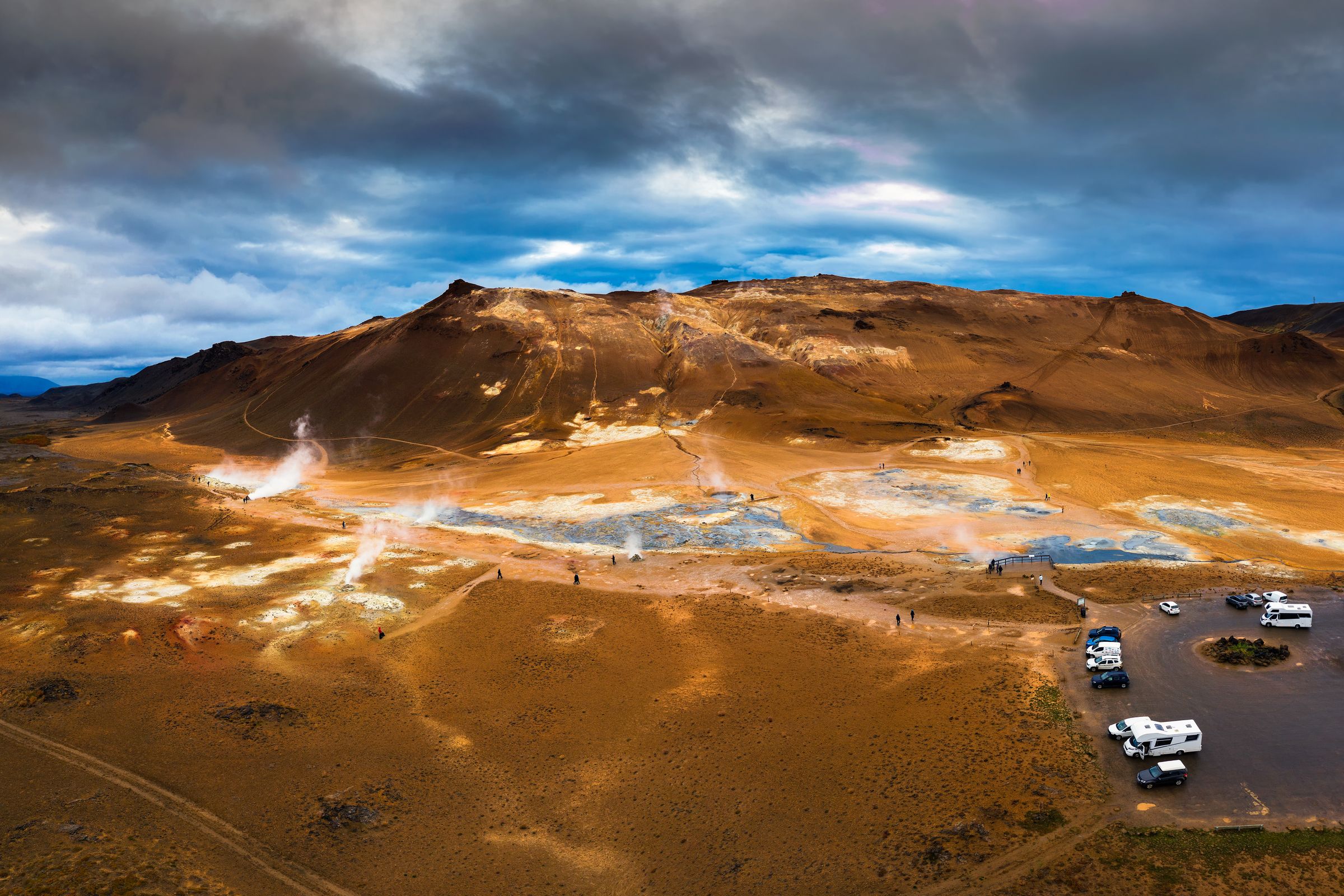
Hverir and Námafjall: Bubbling mud pots and sulfur steam vents that genuinely feel like another planet. Don't miss this.
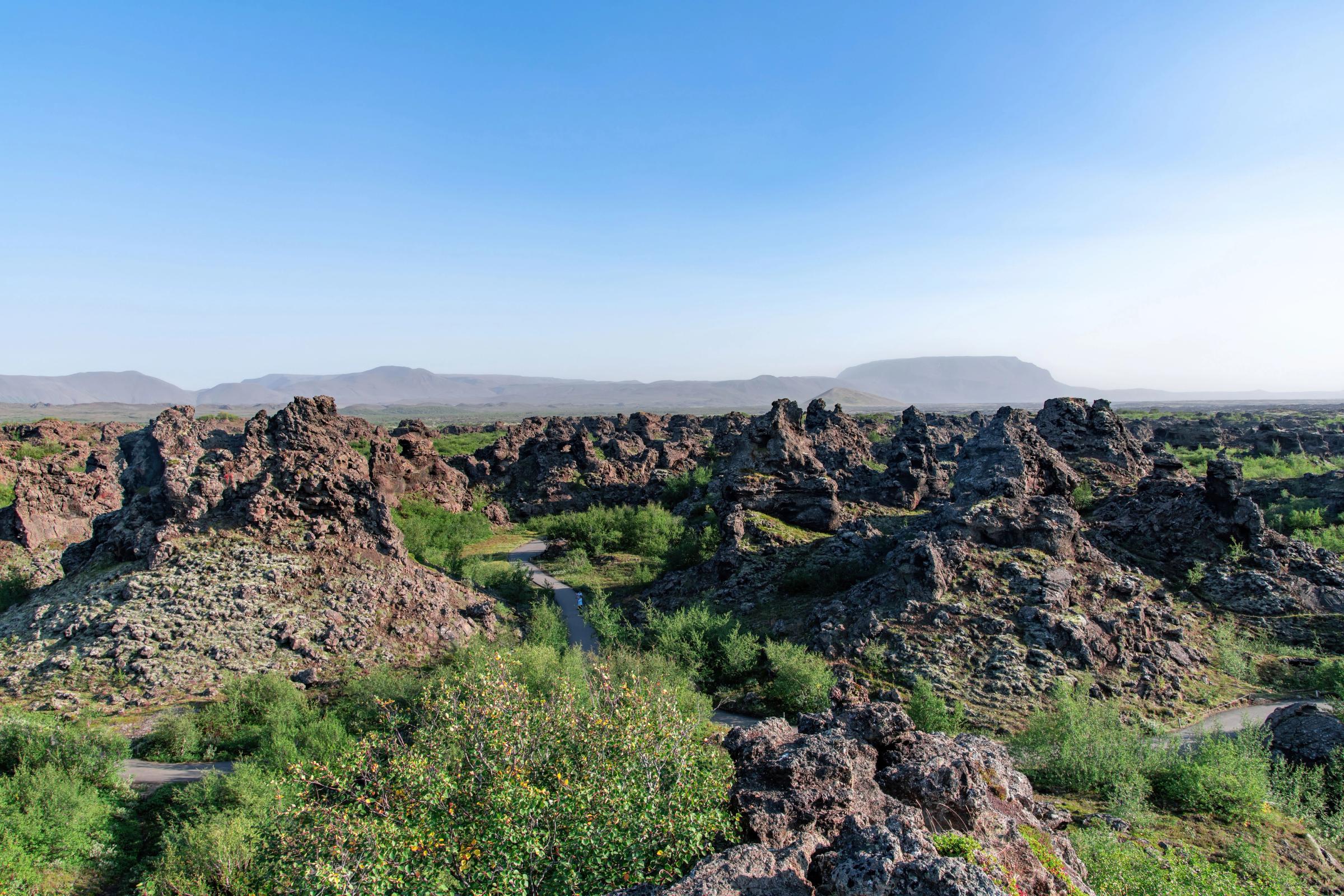
Dimmuborgir: A field of lava formations shaped by an ancient lava lake. Tied to Icelandic folklore, with a good network of short walking paths.
Grjótagjá: A small lava cave with a geothermal pool inside. You can't swim in it anymore, but it's still worth a look.
Skútustaðagígar: Pseudo-craters formed by steam explosions along the lake's southern shore. A short, easy walk around them.
Krafla volcanic system and Víti crater: A short drive north of the lake. The Víti crater is filled with milky blue-green water.
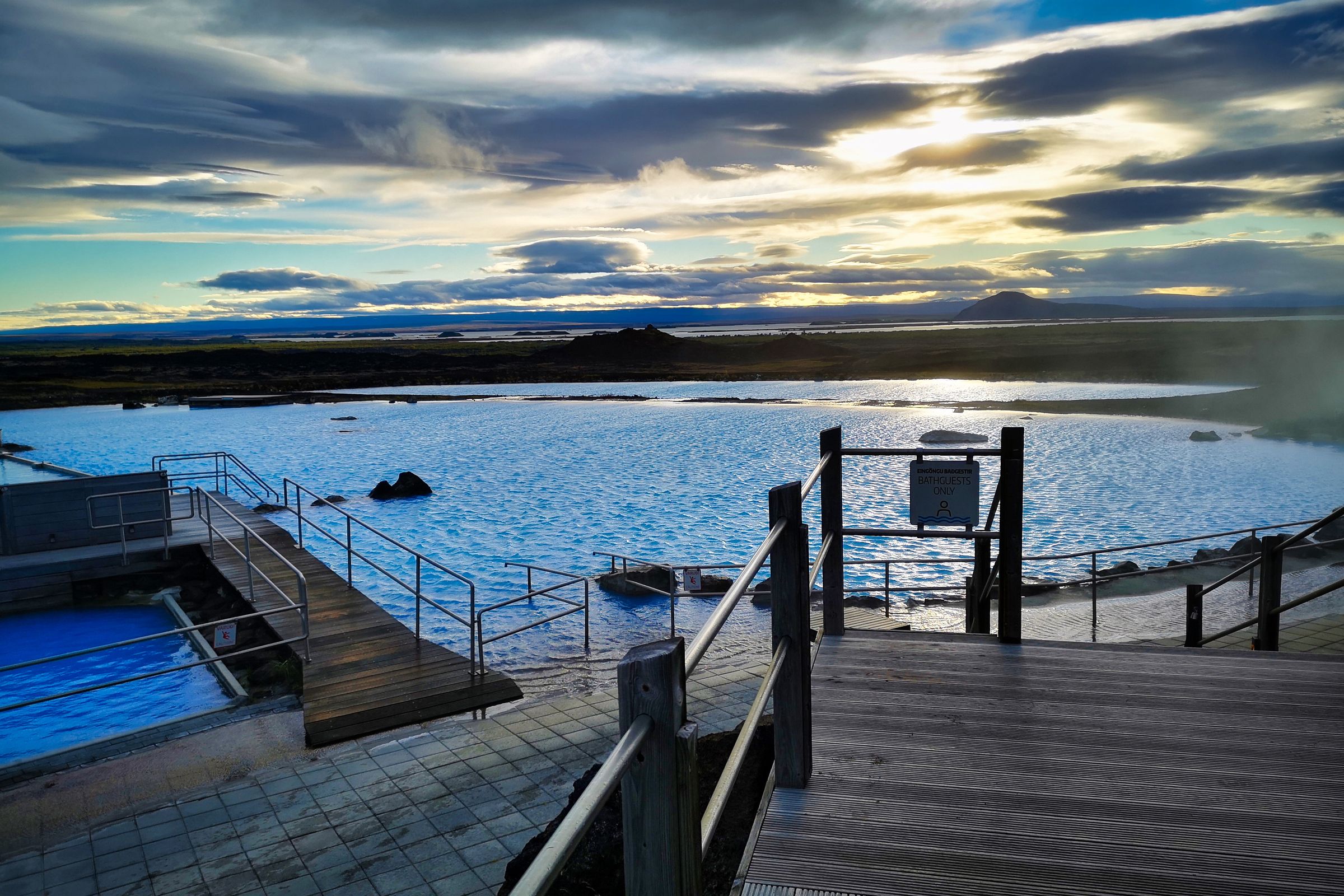
Earth Lagoon Mývatn: The north's version of the Blue Lagoon, with far fewer crowds and a more relaxed atmosphere. A great way to end the day.
What This Adds Compared With 10 Days
The 10-day plan moves through the Diamond Circle without giving Mývatn's geothermal zone its own day. This fixes that.
Overnight
Mývatn.
Day 9: Diamond Circle, Húsavík Whale Watching or Ásbyrgi
Day 9 is flexible by design. Pick the option that fits what you're most interested in seeing.
Option A: Húsavík Whale Watching
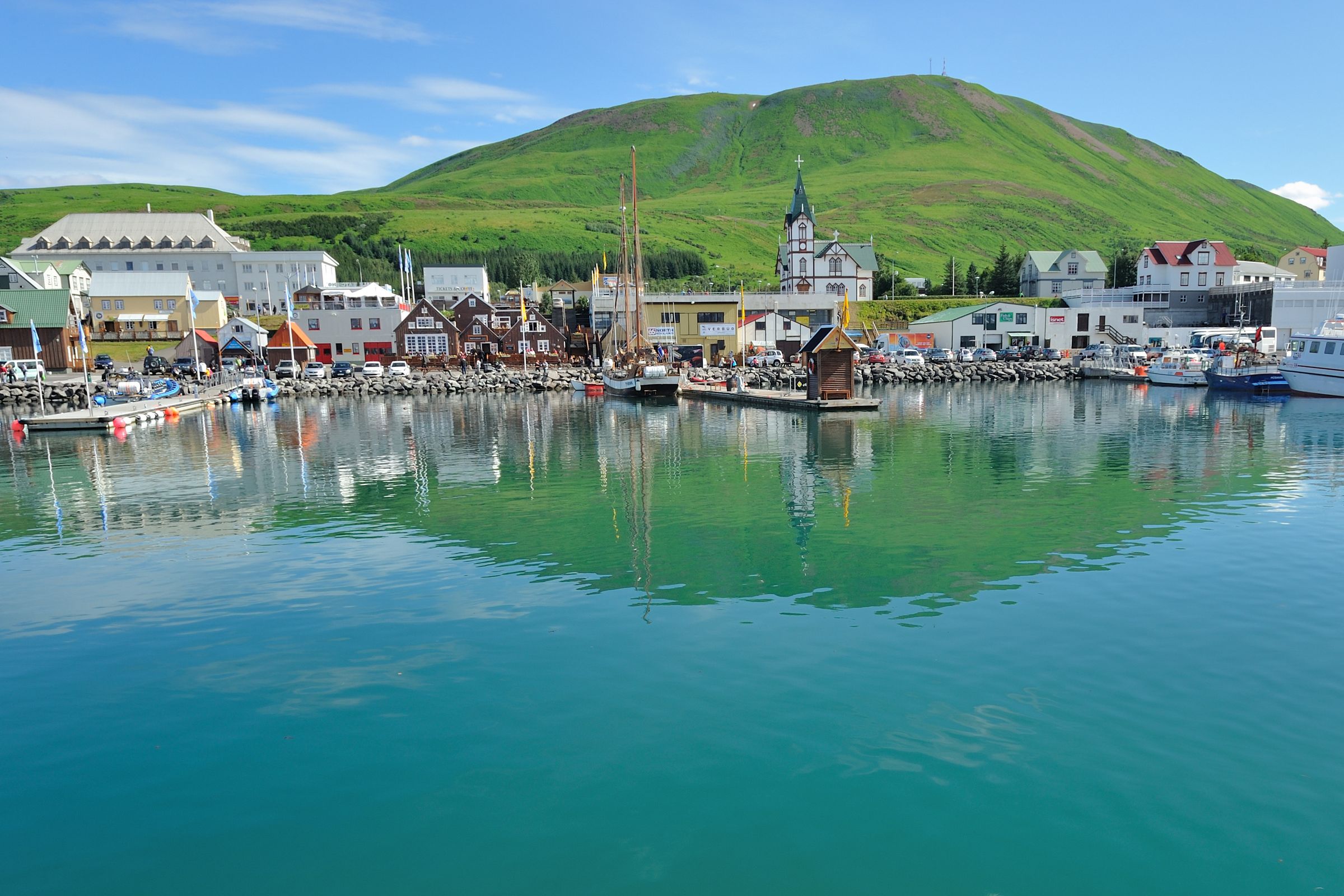
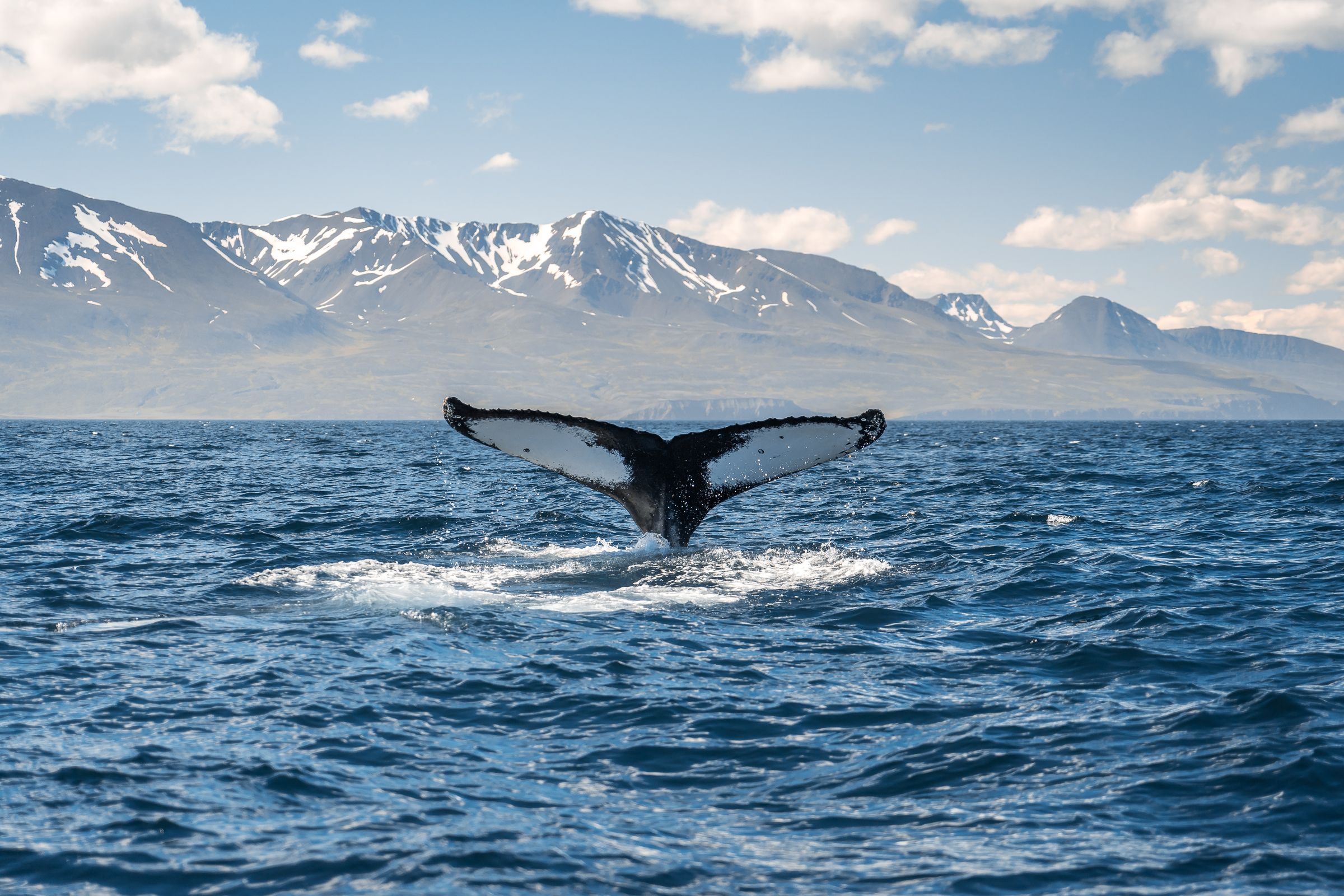
Húsavík is Iceland's whale watching hub. Tours head into Skjálfandi Bay, where humpback whales are common from May through October.
Húsavík harbor: Starting point for most whale watching tours. Book ahead, especially in summer.
Skjálfandi Bay: Where the tours go. Humpbacks are the most common sighting, but other species show up too.
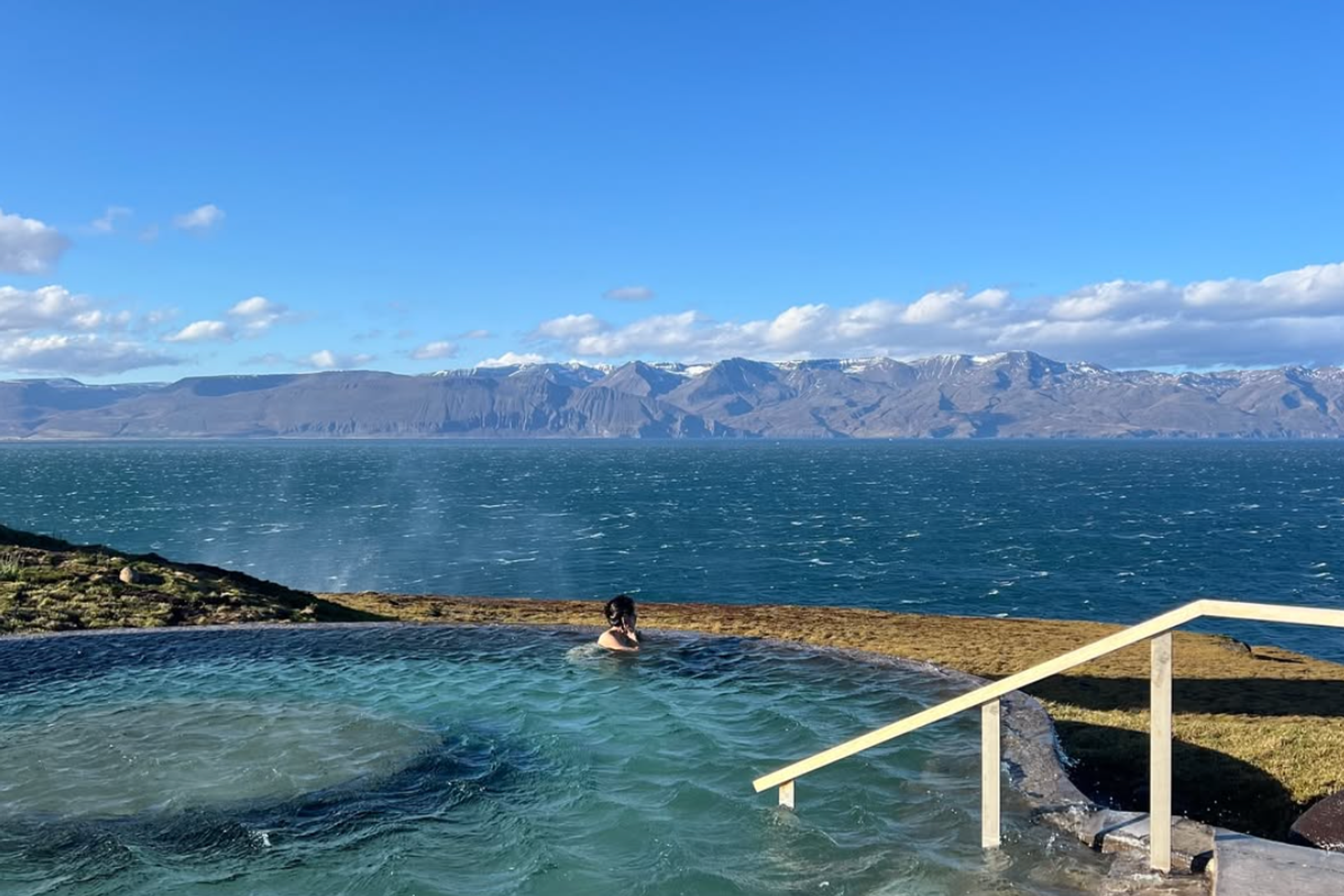
GeoSea geothermal baths: Sits on a hillside above the harbor with ocean views. A great add-on after a morning on the water.
Option B: Diamond Circle Nature Route
If whales aren't the priority, the Diamond Circle's natural highlights are worth a full day on their own.
Ásbyrgi Canyon: A horseshoe-shaped canyon thought to have been formed by a massive glacial flood. One of the most unusual landscapes in Iceland.
Hljóðaklettar: The "echo cliffs," with unusual rock formations and good short hiking trails nearby.
Tjörnes Peninsula: A quieter stretch of coastline with fossil-rich cliffs and good birdwatching.
Why This Works
The 10-day itinerary splits the Diamond Circle into two compressed days. Here, you pick what matters most and actually have enough time to enjoy it.
Overnight
Mývatn or Húsavík.
Day 10: Goðafoss, Akureyri & Forest Lagoon
A shorter driving day that gives you one of Iceland's most famous waterfalls and a proper town stop. It's one of those days that doesn't look exciting on paper but feels great when you're in it.
Main Stops
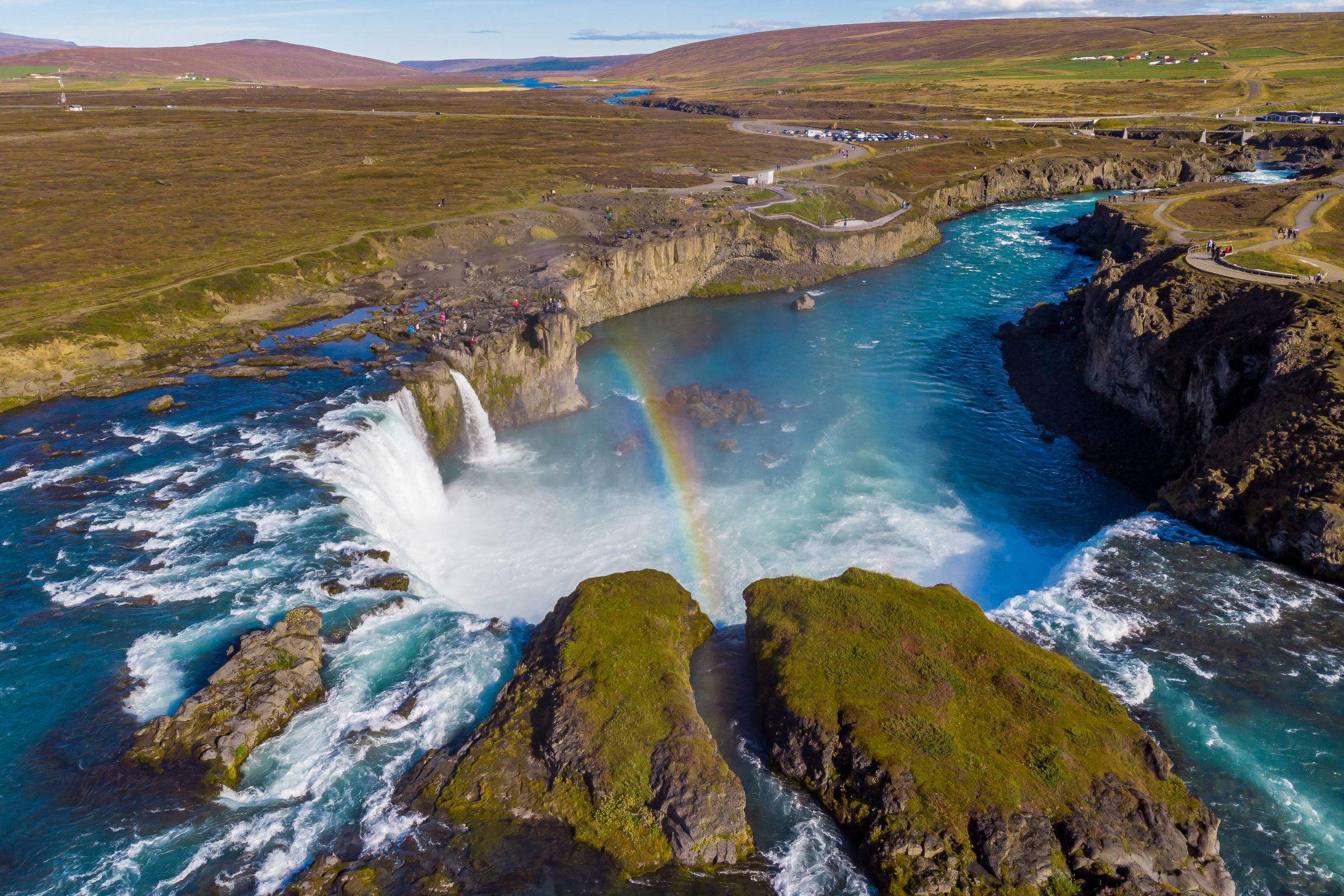
Goðafoss: "Waterfall of the Gods" sits right on Route 1 and takes about 30 minutes to explore properly. Easy access, big payoff.
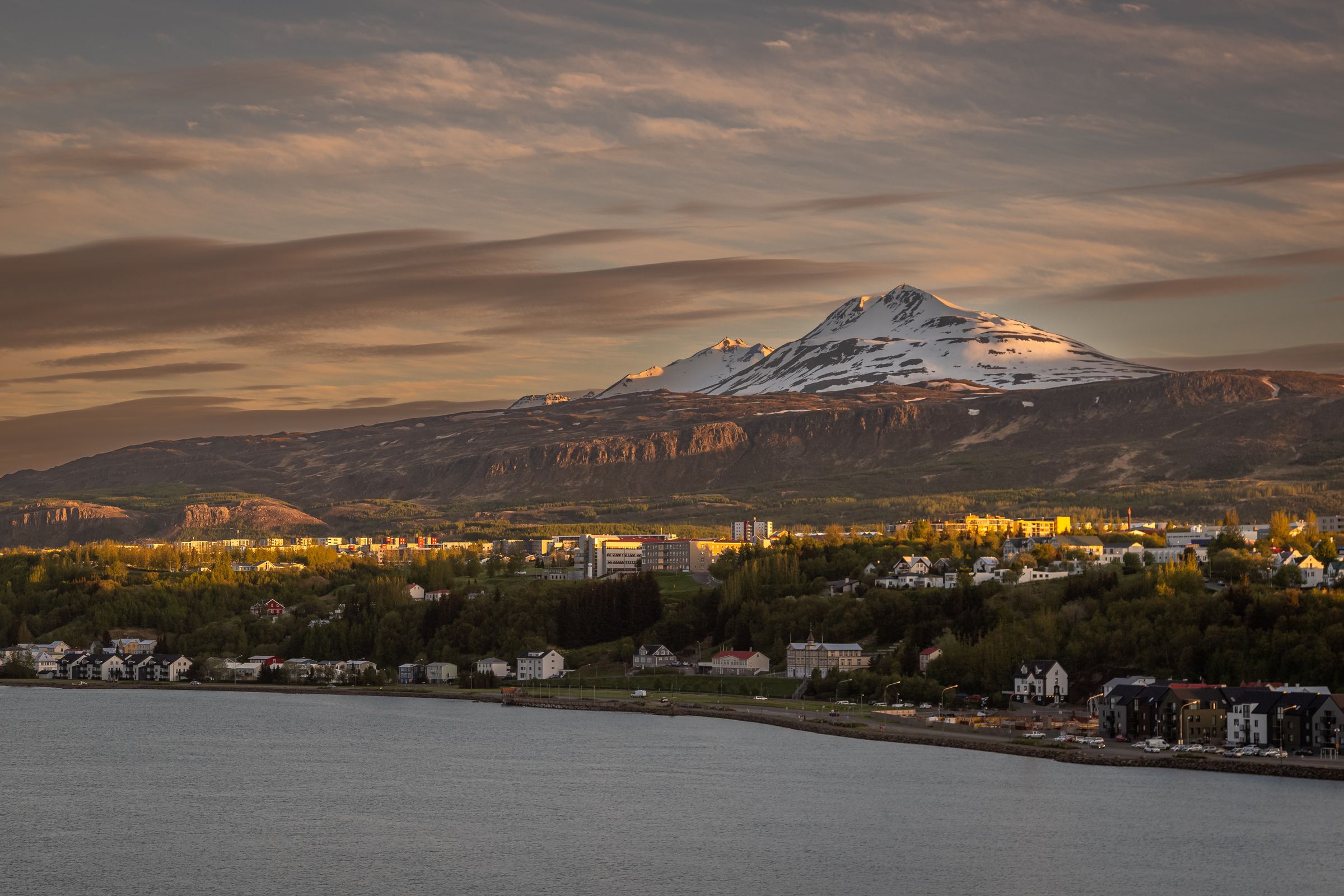
Akureyri: Iceland's biggest town outside Reykjavík, with good restaurants, a botanical garden, and the Akureyri Church overlooking Eyjafjörður. Worth a proper half-day.
Akureyri Botanical Garden: One of the world's northernmost botanical gardens. Surprisingly good in summer.
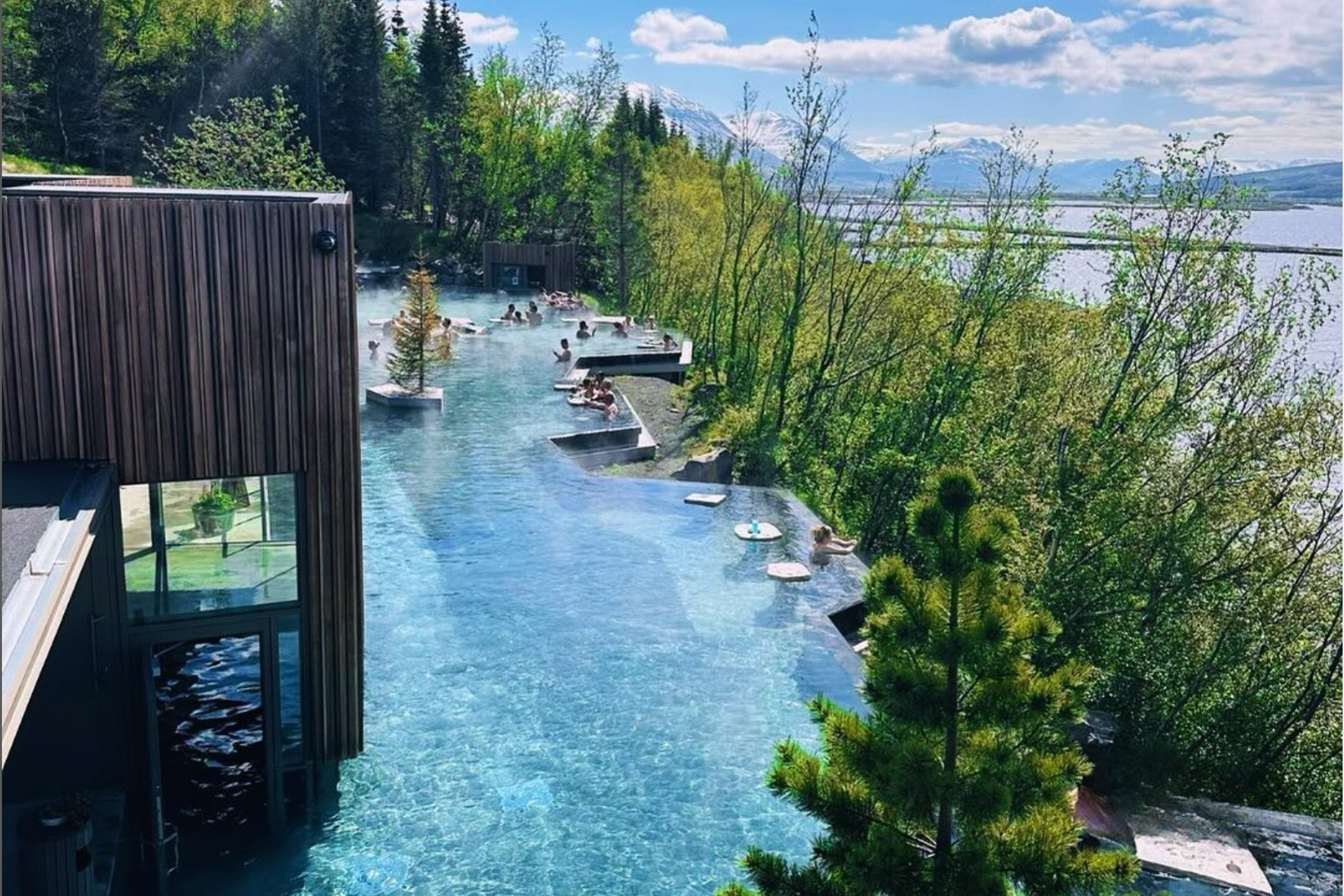
Forest Lagoon: A geothermal pool set in a hillside forest above the city with views over the fjord. I'd end the day here without question.
Why This Works
The 7-day itinerary barely acknowledges Akureyri. With 14 days, you get time to actually enjoy the town, eat well, and soak in a great hot spring before moving on.
Overnight
Akureyri.
Day 11: Tröllaskagi Peninsula & North Iceland Hidden Gems
Honestly one of the most underrated days of the whole itinerary. This is where 14 days really pays off.
Main Stops
Dalvík: A small fishing town and ferry port. Good starting point for the Tröllaskagi loop.
Ólafsfjörður: Reached through a mountain tunnel, with a calm fjord feel and almost no tourists.
Siglufjörður: A beautifully preserved herring-era fishing town at the end of a fjord. One of the most charming places in North Iceland.
Hofsós: Has a public swimming pool with an infinity edge overlooking the fjord. One of the best pools in Iceland.
Skagafjörður valley: The route south back toward the Ring Road, with horse farms and open farmland.
What This Adapts From the 10-Day Plan
The 10-day version mentions North Iceland's hidden gems but doesn't give them real time. This day makes Tröllaskagi a proper highlight rather than something you squeeze in between Akureyri and the west.
Overnight
Siglufjörður, Hofsós, or the northwest Iceland coast.
Day 12: West Iceland, Hraunfossar & Borgarfjörður
West Iceland is one of the most overlooked parts of the Ring Road. If I were you, I wouldn't treat this as a transit day.
Main Stops
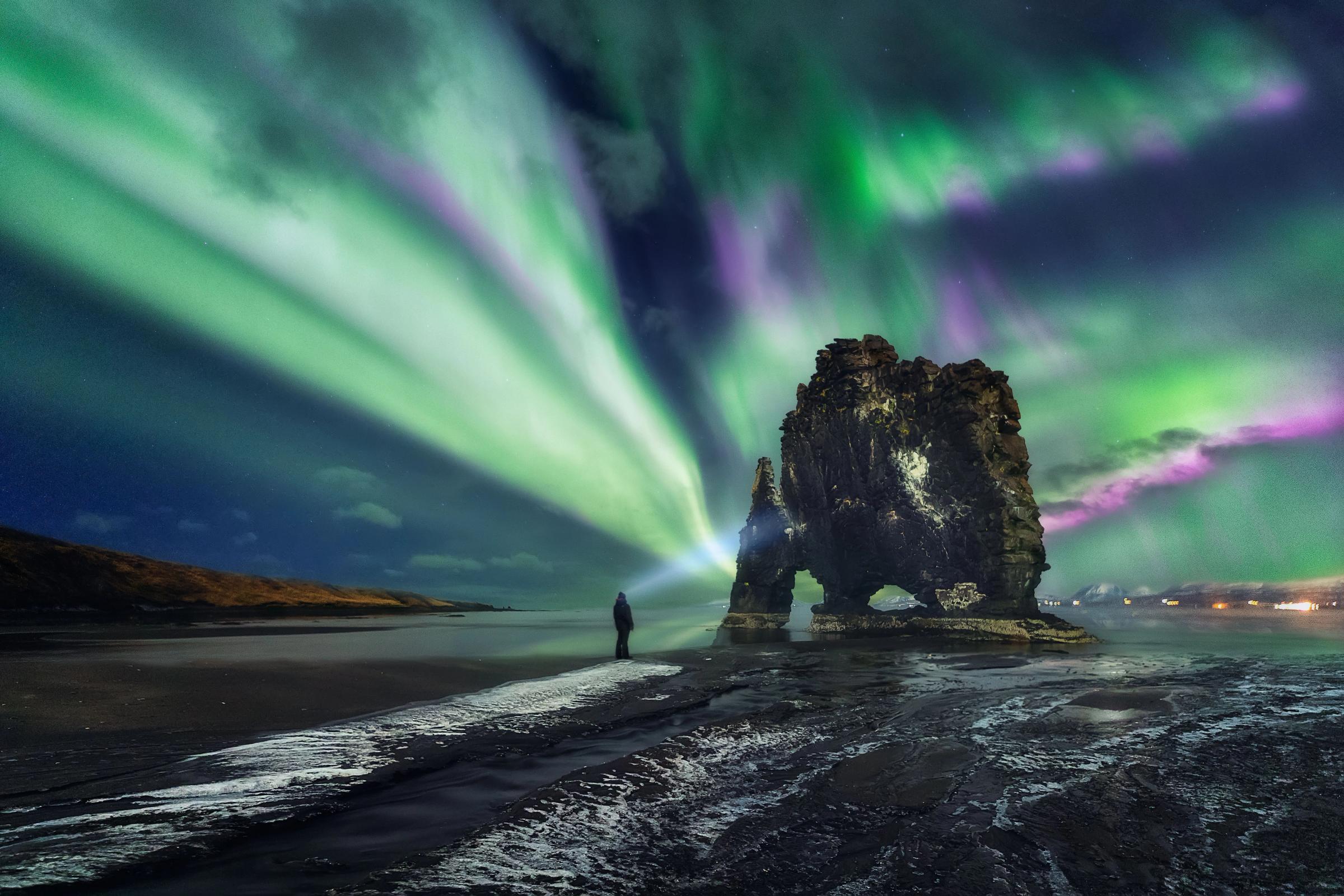
Hvítserkur: A sea stack on the Vatnsnes Peninsula shaped like a rhino drinking from the sea. Worth a quick detour if you're passing by.
Borgarnes: A good base with a solid settlement museum covering the first centuries of Icelandic history.
Hraunfossar: A series of small waterfalls that emerge directly from beneath a lava field and pour into a river canyon. Unlike any waterfall you've seen on the rest of the trip.
Barnafoss: A fast, narrow waterfall right next to Hraunfossar, with a local legend attached to it.
Deildartunguhver: One of the most powerful hot springs in Europe. The water comes out at 97°C.
Reykholt: A historical site connected to 13th-century writer Snorri Sturluson, Iceland's most important medieval author.
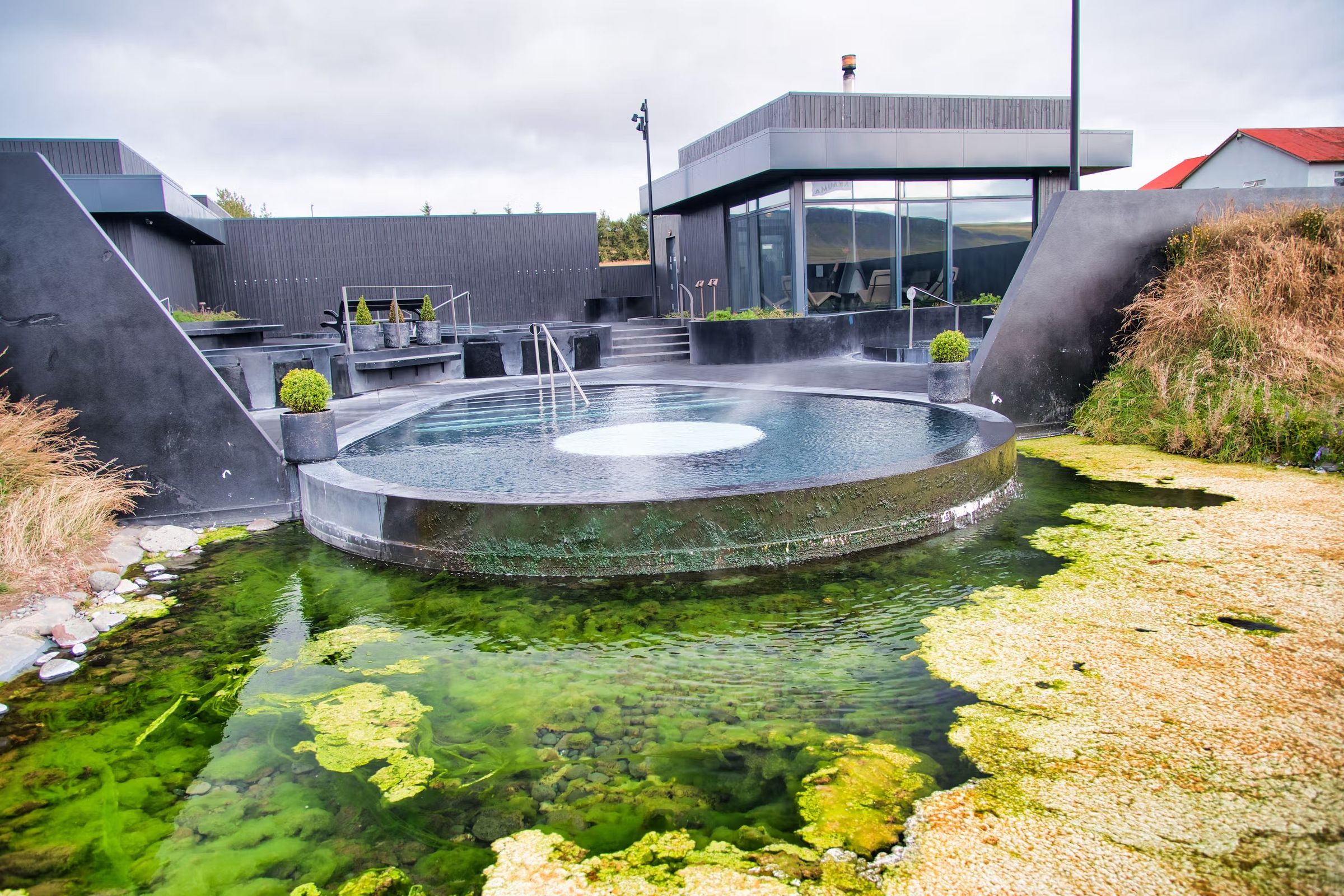
Krauma: A small geothermal bath complex fed directly by Deildartunguhver. A great stop before or after Reykholt.
Why This Works
Most 7-day itineraries treat West Iceland as a wind-down drive back to Reykjavík. This day makes it a real highlight instead.
Overnight
Borgarnes or Snæfellsnes.
Day 13: Snæfellsnes Peninsula
Snæfellsnes is often called "Iceland in miniature" because it packs glaciers, lava fields, sea cliffs, fishing villages, and black beaches into one peninsula you can almost drive in a day.
Main Stops
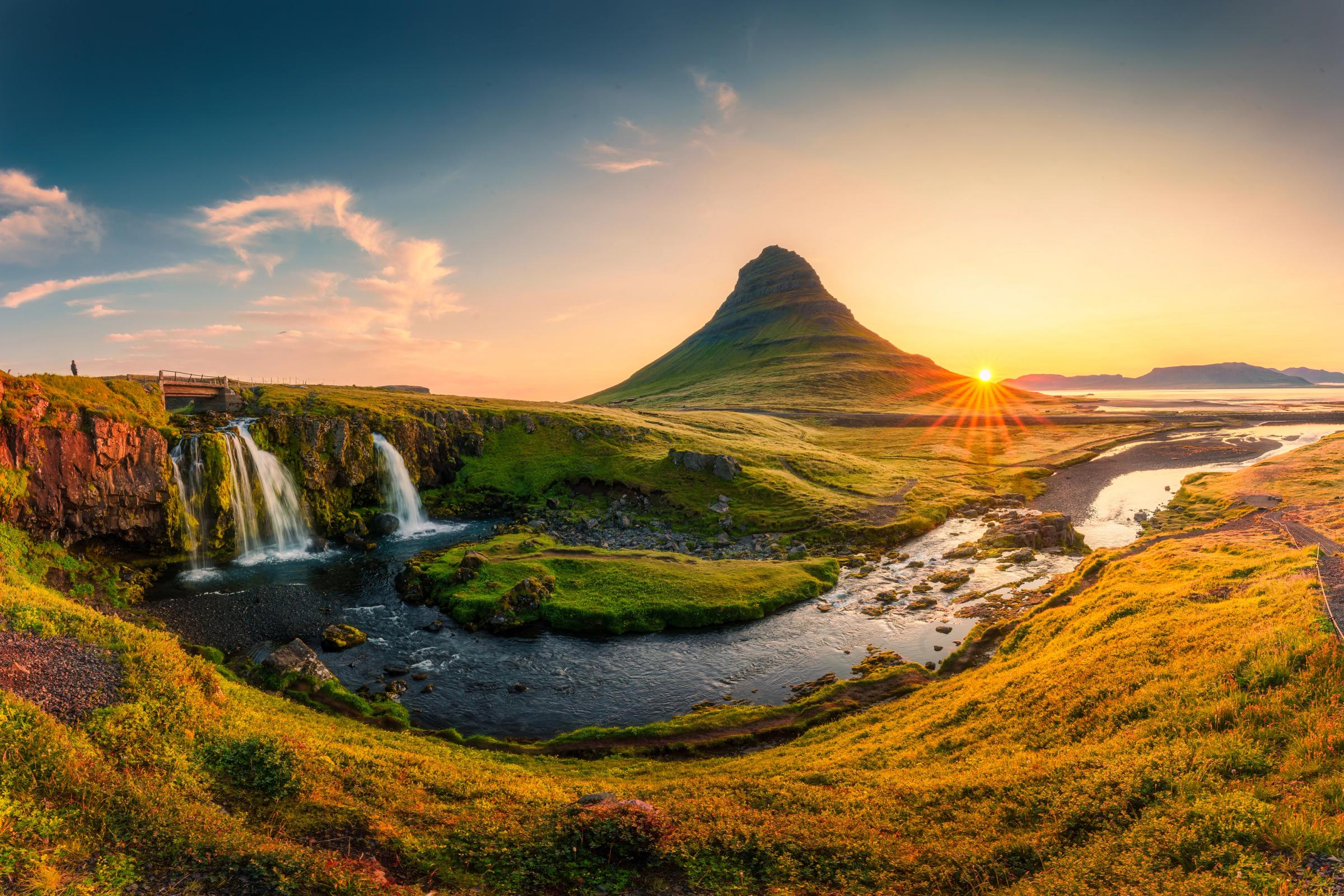
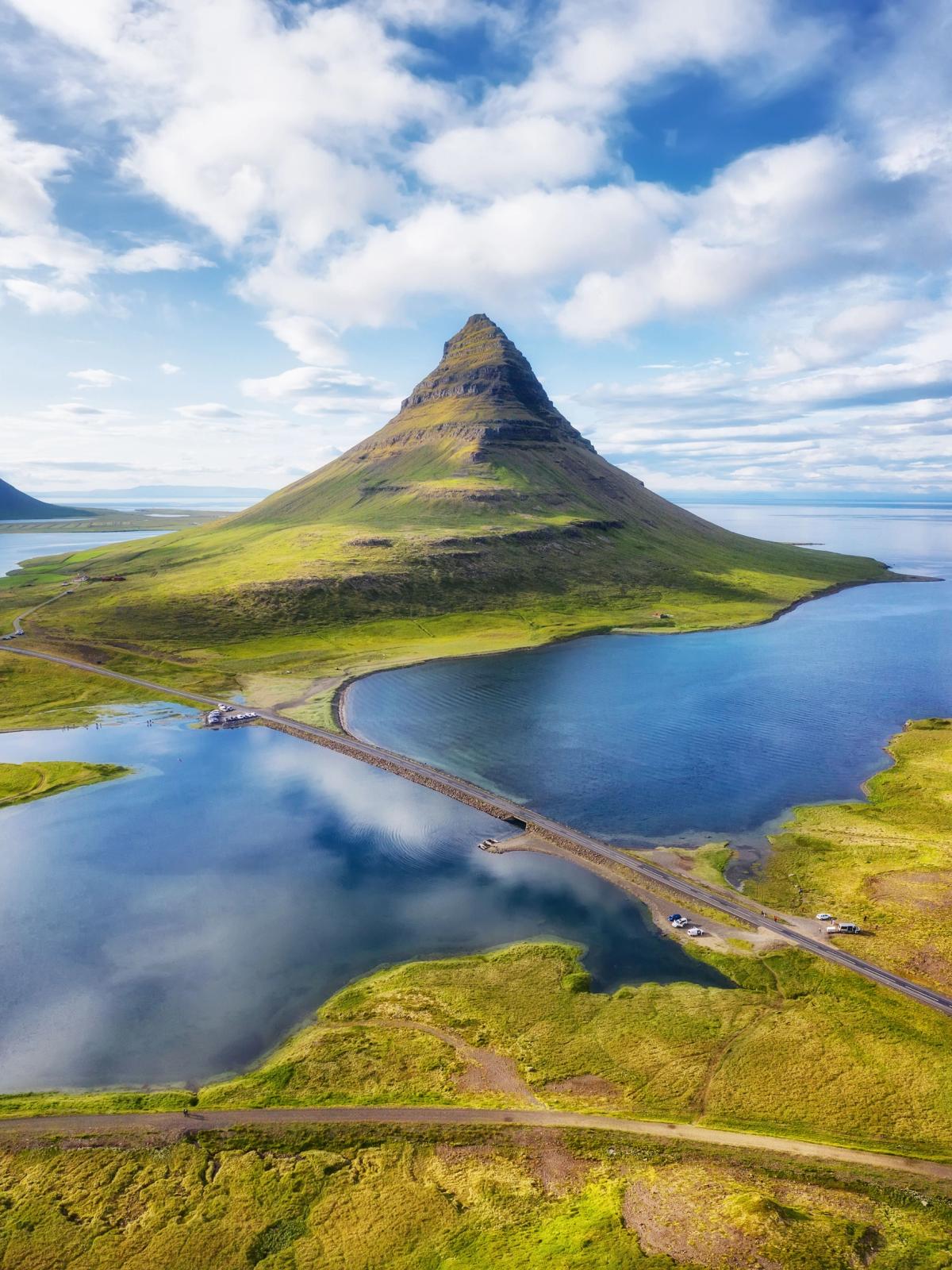
Kirkjufell: The arrow-shaped mountain near Grundarfjörður. One of the most photographed spots in Iceland.
Kirkjufellsfoss: The small waterfall right in front of Kirkjufell. You'll recognize this from countless photos.
Snæfellsjökull National Park: Covers the glacier-capped western tip of the peninsula. The glacier inspired Jules Verne's "Journey to the Center of the Earth."
Djúpalónssandur: A black pebble beach with the rusted remains of a British fishing vessel. Unusually atmospheric.
Lóndrangar: Basalt rock pillars rising from the coastline, visible from a short clifftop path.
Arnarstapi and Hellnar: Two small coastal villages connected by a 2.5 km walking path along the cliffs.
Búðakirkja: The black church standing alone in a lava field. Iconic and oddly moving in person.
Ytri Tunga: A beach where seals sometimes rest. No guarantees, but worth a quick look.
Optional Activities
Vatnshellir lava cave: A guided tour into a 8,000-year-old lava tube beneath the peninsula. Good option if you haven't done a cave tour yet.
Snæfellsjökull glacier tour: If conditions allow and you want to go up onto the glacier itself.
What This Adapts From the 10-Day Plan
The 10-day version includes Snæfellsnes but it usually feels rushed. A full day here means you can walk the trails, stop without watching the clock, and actually absorb what you're seeing.
Overnight
Snæfellsnes or Reykjavík.
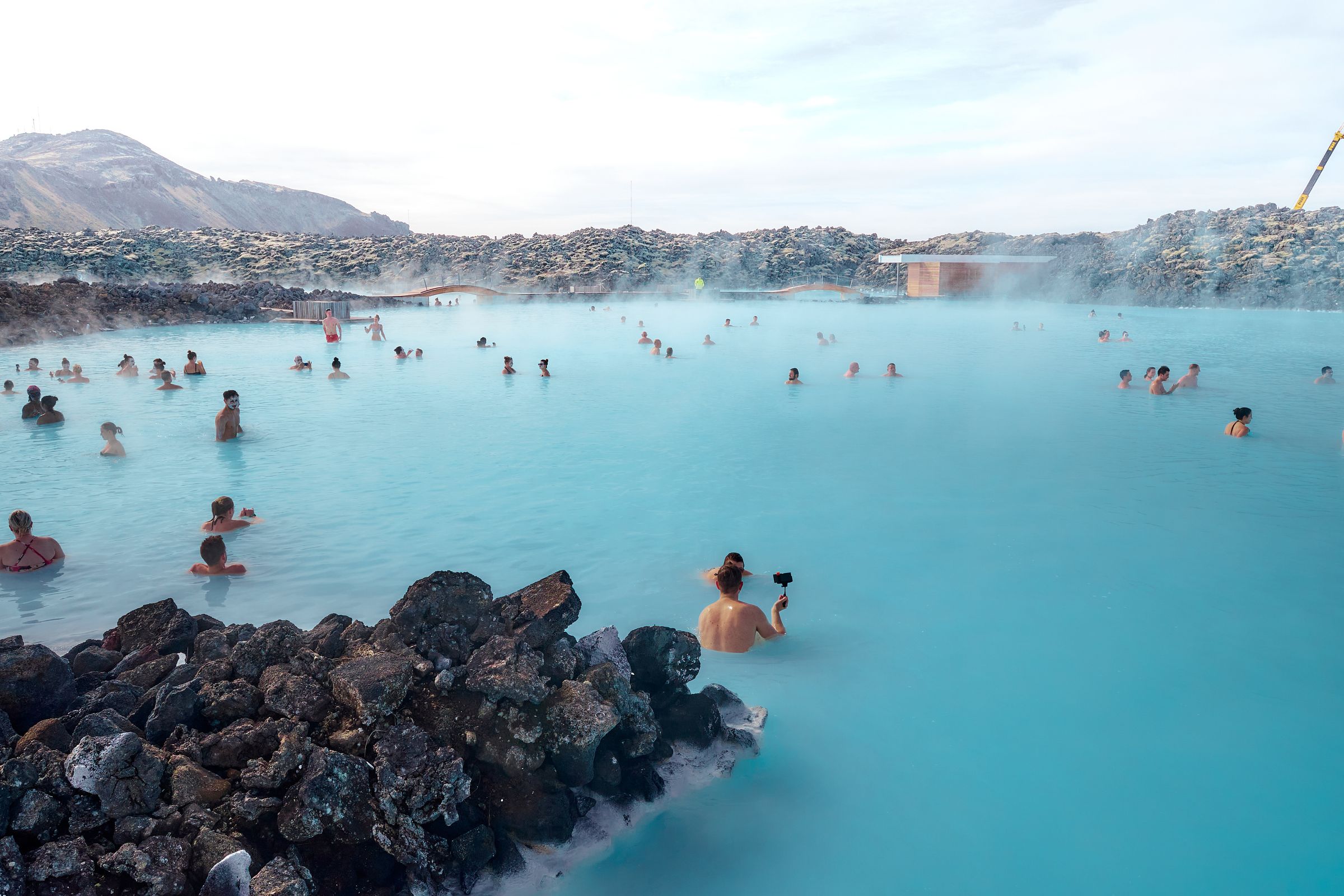
Day 14: Return to Reykjavík, Blue Lagoon or Sky Lagoon & Departure
Keep Day 14 flexible. Iceland's weather has a way of making rigid plans feel optimistic.
Main Stops
Reykjavík: Return for any last meals, shopping, or city time you missed on Day 1.
Reykjavík, unless your flight is very early from Keflavík, in which case staying near the airport the night before makes more sense.
Clockwise 14-Day Ring Road Route
This itinerary is planned counterclockwise, but you can just as easily drive the Ring Road in the opposite direction. You'll cover the same regions and attractions either way, so there's no right or wrong choice. In the end, it comes down to things like the weather, where you can find accommodation, and which route feels more convenient for your trip.
Should You Drive Clockwise Instead?
Clockwise works fine, and some experienced travelers prefer it. You save the South Coast's biggest stops for later, and the Eastfjords feel like a warm-up rather than a transition. That said, counterclockwise is easier to follow for first-timers and lines up better with how most people book accommodation in sequence.
If the forecast looks better in the south for your second week, clockwise is worth considering. Otherwise, I'd go counterclockwise and adjust from there.
Clockwise Day-by-Day Version
Here's how the clockwise version breaks down.
Day 1: Reykjavík arrival
Day 2: Borgarnes and West Iceland
Day 3: Snæfellsnes Peninsula
Day 4: Northwest Iceland and Tröllaskagi
Day 5: Akureyri and Forest Lagoon
Day 6: Lake Mývatn geothermal area
Day 7: Diamond Circle or Húsavík
Day 8: Dettifoss to Egilsstaðir
Day 9: Eastfjords slow day
Day 10: Höfn and Vestrahorn
Day 11: Jökulsárlón, Diamond Beach, and Skaftafell
Day 12: Fjaðrárgljúfur and South Coast to Vík
Day 13: Vík to Golden Circle area
Day 14: Golden Circle to Reykjavík, then Blue Lagoon or Sky Lagoon before departure
Where to Stay Each Night
Accommodation in Iceland books out fast, especially in summer. Lock these in as early as possible.
Day 1: Reykjavík
Day 2: Selfoss or Hella
Day 3: Vík
Day 4: Skaftafell area or Kirkjubæjarklaustur
Day 5: Höfn
Day 6: Egilsstaðir or Seyðisfjörður
Day 7: Mývatn
Day 8: Mývatn
Day 9: Mývatn or Húsavík
Day 10: Akureyri
Day 11: Siglufjörður or Hofsós
Day 12: Borgarnes
Day 13: Snæfellsnes or Reykjavík
Day 14: Reykjavík or Keflavík
The hardest nights to find last-minute are Vík, Höfn, Mývatn, and anything on Snæfellsnes in July and August.
Best Time of Year for a 14-Day Ring Road Itinerary
The right season changes the whole experience. Here's what each one actually looks like.
Summer (June to August)
The easiest season for a first Ring Road trip. Roads are open, campsites are running, puffins are around, and in June you'll have nearly 24 hours of daylight. The trade-off is higher prices and busier roads. Book everything well ahead if you're coming in July.
Shoulder Season (May and September)
May and September hit a good balance: fewer people, lower prices, decent daylight, and a real chance of Northern Lights in September. Some mountain roads and gravel detours may still have snow in early May. If you have the flexibility to choose your timing, I'd go in September.
Winter (October to April)
Doable, but only for flexible, confident travelers who go in with realistic expectations. Short daylight, road closures, and unpredictable storms can force big changes. The upside: Northern Lights, ice caves, snowy landscapes, and very few other tourists around. Don't treat any winter Ring Road itinerary as fixed.
Do You Need a 4x4 for a 14-Day Ring Road Trip?
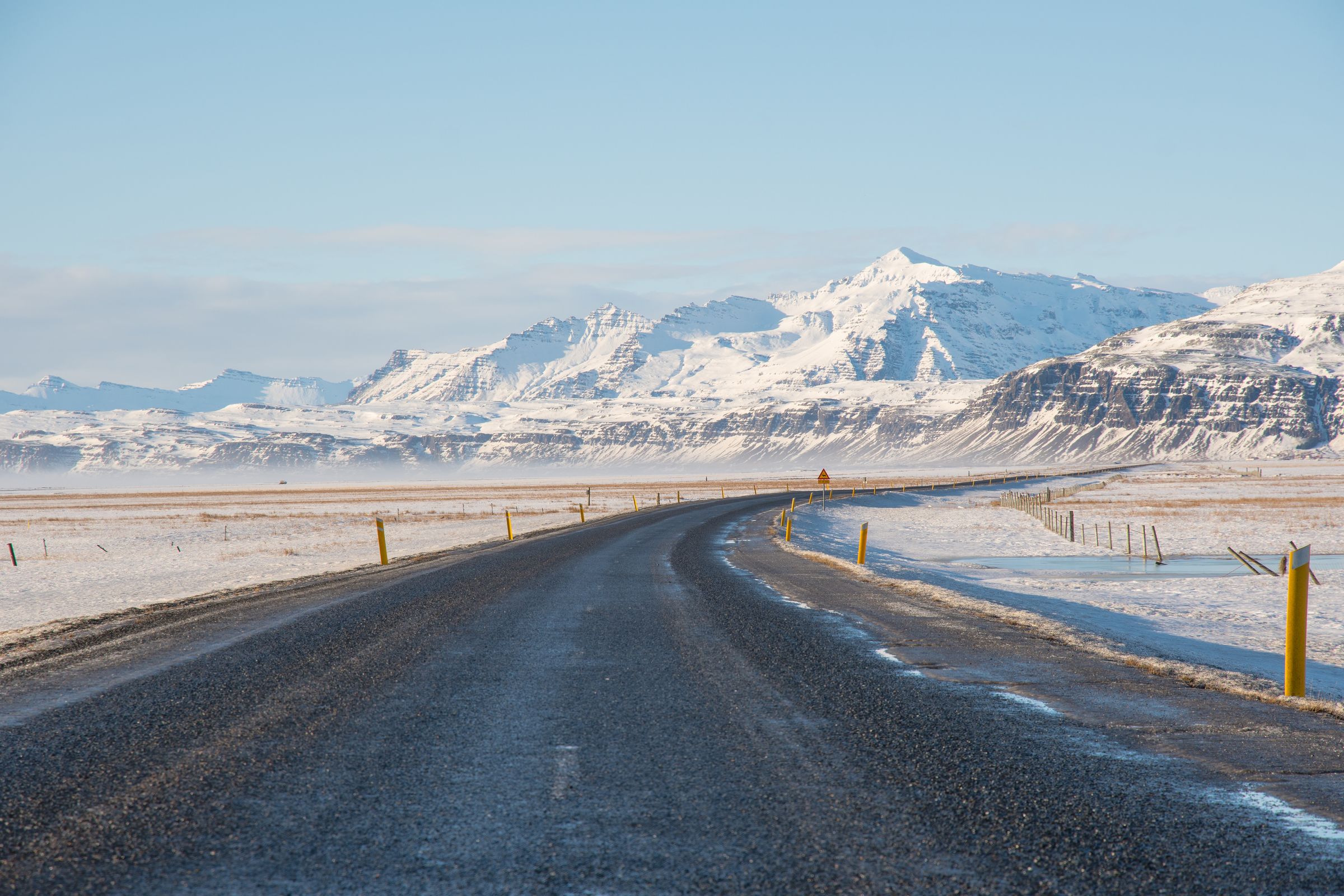
For Route 1 in summer, a standard 2WD rental is fine. The Ring Road is paved and generally well-maintained. Here's how it breaks down by situation.
Standard summer Ring Road: 2WD works well
Winter or shoulder season: 4x4 strongly recommended
Highlands and F-roads: High-clearance 4x4 required, no exceptions
Campervan: Fine for summer on Route 1, less practical in winter or on gravel detours
Don't attempt F-roads in a 2WD. Rental companies track via GPS, and any off-road incident voids your insurance completely.
What to Pack for a 14-Day Iceland Road Trip
Packing for Iceland is about layers and waterproofing, not how good you look.
Waterproof jacket and rain pants (not optional, even in summer)
Thermal base layers
Fleece or insulated mid-layer
Waterproof hiking boots
Warm hat and gloves, even in July
Swimsuit and small towel for hot springs
Sleep mask, useful in June and July when it never gets properly dark
Microspikes if traveling in winter or spring
Power bank and car charger
Reusable water bottle (Iceland's tap water is excellent and free)
Snacks for long stretches between towns
Offline maps downloaded before you leave home
When to Skip the Full Ring Road, and What to Do Instead
The 14-day Ring Road isn't right for everyone. A shorter or more focused trip makes more sense in these situations.
You're traveling in deep winter and aren't comfortable with uncertain road conditions
You have fewer than 10 days
You're with young kids who struggle with long days in the car
You strongly dislike moving accommodation every single night
Good alternatives include Reykjavík plus the Golden Circle plus the South Coast for a 5–7 day trip, South Iceland only with more time at each stop, West Iceland and Snæfellsnes as a standalone 4–5 day trip, or a winter-focused South Iceland itinerary built around two-night stays.
Travel Tips for Driving Iceland's Ring Road in 14 Days
A few things that make a real difference when you're out there.
Check road.is every morning before you drive. Conditions can change fast, especially in the north and east.
Register your travel plan with SafeTravel Iceland before heading into remote areas.
Never stop in the middle of the road for photos, no matter how good the shot looks.
Refuel when you're at half a tank in rural areas. Distances between stations in the Eastfjords and northwest can be long.
Watch for sheep on the road, particularly on single-lane rural roads. They won't move for you.
Book accommodation and major tours before you leave home. Popular spots fill months in advance.
Don't underestimate the wind. It's strong enough to damage a car door. Open them carefully, especially on exposed coasts.
Never drive on closed roads. They're closed for real reasons, and fines are serious.
Keep snacks, water, and an extra warm layer in the car at all times.
The emergency number in Iceland is 112.
Recommended Tours to Book in Advance
Some activities need to be reserved before you arrive, especially in summer.
Glacier hike (Skaftafell or Sólheimajökull): Never walk on a glacier without a certified guide
Ice cave tour (Vatnajökull or Katla area): Winter only and highly seasonal
Whale watching (Húsavík or Akureyri): Most tours run May through October
Jökulsárlón boat tour: Amphibian or Zodiac boat on the glacier lagoon, available in warmer months
Blue Lagoon: Sells out days or weeks ahead in peak season
Sky Lagoon: Easier to book than Blue Lagoon, but still worth reserving in summer
Earth Lagoon Mývatn: Less competitive, but a good idea to book ahead in July and August
Forest Lagoon (near Akureyri): Popular with locals and visitors alike, especially on weekends
7-Day vs 10-Day vs 14-Day Ring Road Itinerary
Choosing the right length depends on your travel style, budget, and how much you want to actually see rather than just drive.
7 days suits fast-paced travelers who just want the highlights, but it's very rushed, and plenty of important stops get barely touched. Not the right call for first-timers who want a real feel for Iceland.
10 days is a solid option if 14 days isn't possible. The trade-off is that you still have to cut things in the Eastfjords, Diamond Circle, and Snæfellsnes.
14 days gives the best overall experience for a first visit. The trade-off is higher accommodation and rental car costs. If Iceland has been on your list for a while, I'd say do it right the first time.
Conclusion: Is a 14-Day Iceland Ring Road Itinerary Worth It?
Yes, without question. A 14-day Iceland Ring Road itinerary is the best version of this trip for anyone who wants the full Route 1 experience without constantly watching the clock. It improves on the 7-day and 10-day plans by giving real time to the Eastfjords, Lake Mývatn, the Diamond Circle, Akureyri, the Tröllaskagi Peninsula, West Iceland, and Snæfellsnes, plus enough buffer to handle the weather changes that Iceland will almost certainly throw at you.
The extra days don't just mean more stops. They change the whole character of the trip, from a driving challenge into something that actually feels like you were there.
About the author
Aron Freyr
Local expert
Born and raised in Iceland, Aron Freyr has spent all 28 years of his life exploring the country and getting to know its landscapes, regions, and ever changing conditions.