Viti Crater: Krafla's Blue Crater Lake in North Iceland
Viti Crater is a blue-green crater lake in the Krafla area of North Iceland, a short drive from Lake Mývatn. It's easy to get to, quick to visit, and fits into a Diamond Circle road trip without much effort. That said, timing, weather, and knowing what to combine it with will make a real difference to your visit.
Key Takeaways
- Viti Crater is a 300 m-wide explosion crater in North Iceland (Krafla) with a blue-green geothermal lake, formed by a steam eruption in 1724 during the Mývatn Fires.
- It’s very easy to reach—about 15–20 minutes from Lake Mývatn on a paved road, with parking right at the crater and a short walk to the viewpoint.
- Most people spend 30–60 minutes here, with the option to walk the rim (20–40 minutes) for better views over the crater and surrounding lava fields.
- Late May to early September is the easiest time to visit; outside summer, weather and road conditions can make access harder.
- Viti works best as part of a wider stop in the area, especially combined with Leirhnjúkur, Hverir, and other Mývatn sights on a Diamond Circle trip.
What Is Viti Crater?
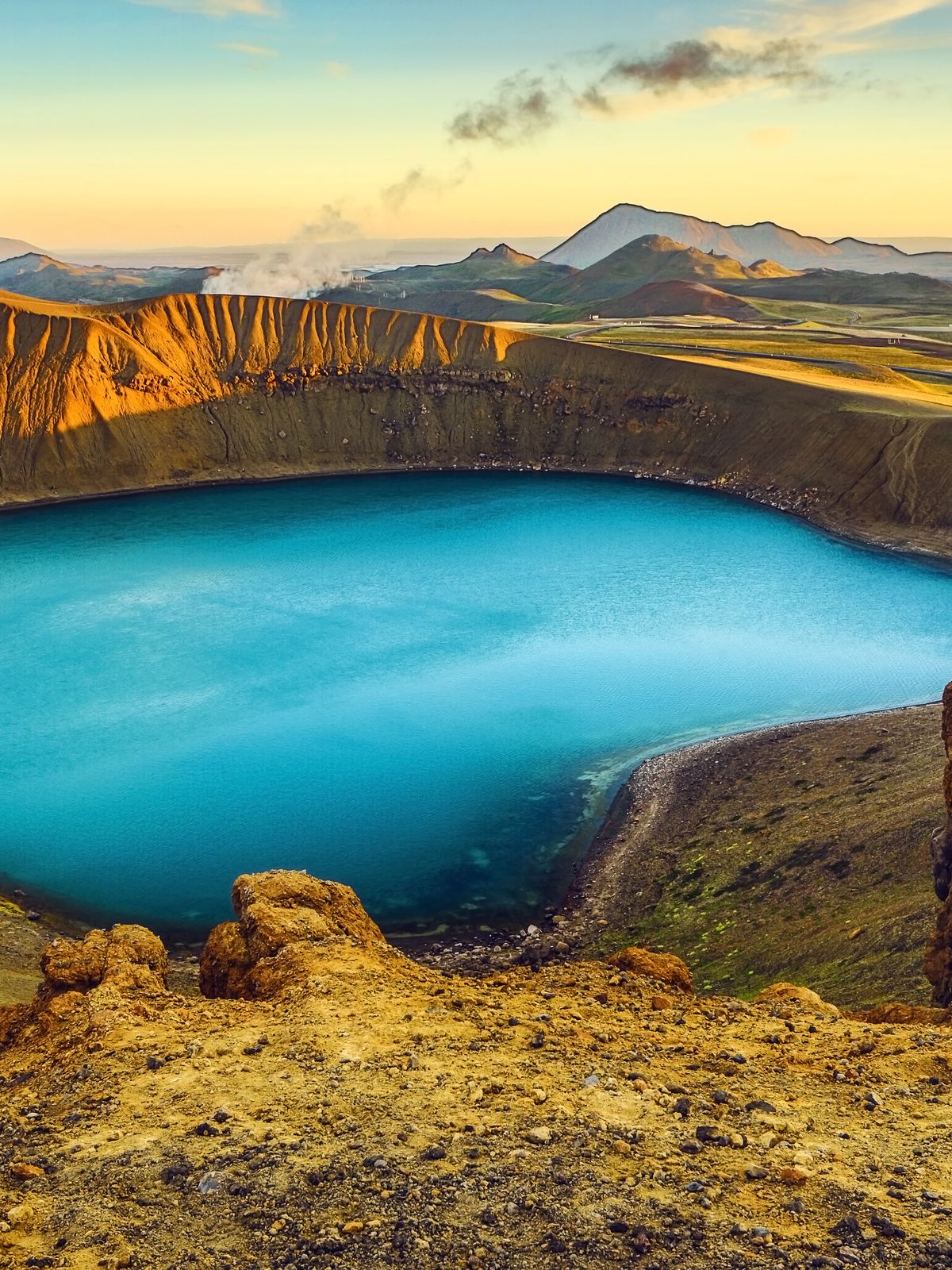
Viti Crater (also written Víti, which means "hell" in Icelandic) is a volcanic explosion crater in the Krafla volcanic system of North Iceland. It's about 300 meters wide and holds a blue-green geothermal lake fed by mineral-rich water coming up from below.
It formed on May 17, 1724, at the start of the Mývatn Fires, a multi-year eruptive episode that altered much of this part of Iceland. Rising basaltic magma pushed into a shallow hydrothermal system, rapidly heated the groundwater, and triggered a violent phreatic eruption (basically a massive steam explosion) that blasted the crater out from about 60 meters deep. In geological terms, Viti is a maar, a crater formed by explosive magma-water interaction rather than by lava building up over time. That's why it looks like a blasted bowl and not a typical volcano.
The lake's color changes depending on light and conditions, anywhere from bright turquoise to a milky jade green. That color comes from suspended silica particles and other minerals dissolved in the geothermal water, which scatter light differently than regular freshwater. The whole site sits inside the Krafla Caldera, part of Iceland's Icelandic Rift Zone, where the North American Plate and the Eurasian Plate are slowly pulling apart along the Mid-Atlantic Ridge. That's what keeps the area geothermally active.
Most people spend 30 to 60 minutes here. It works for families, geology fans, road trippers, and anyone doing a Diamond Circle tour.
One important thing to know upfront: Iceland has two craters called Víti. This guide is about the one at Krafla, near Lake Mývatn. The other, Askja Víti, lies deep in the central highlands, within the Askja Caldera. It's a completely different place and requires F-roads and a much longer, more demanding trip.
Where Viti Crater Is and Why Travelers Visit
Knowing where Viti sits helps you plan the day efficiently, since there's a lot worth seeing nearby.
Location
Viti is in northeast Iceland, inside the Krafla Caldera, roughly 25 kilometers (15 miles) northeast of Lake Mývatn and the town of Reykjahlíð. It sits within the Mývatn volcanic zone, one of Iceland's most geothermally active areas. The coordinates are around N65°43' W16°45', just off the Ring Road (Route 1) via Road 863.
Why It's Worth Visiting
The main appeal is easy access combined with a strong visual payoff. A few specific reasons it's worth stopping:
- The color: The lake's turquoise is distinctive, even by Iceland's standards. Few accessible volcanic craters in the country have a lake that looks like this.
- The geology: You're standing at the site of a phreatic eruption that started the Mývatn Fires in 1724, inside a volcanic system that also erupted nine times between 1975 and 1984 during the Krafla Fires. The geothermal activity here is ongoing.
- The access: Unlike many of Iceland's volcanic sites, Viti is on a paved road and doesn't require a 4x4, reachable in under 20 minutes from Mývatn.
- What's around it: It sits in the middle of one of North Iceland's best clusters of volcanic and geothermal sights, so adding other stops is easy.

How to Get to Viti Crater
Getting to Viti is simpler than most volcanic sites in Iceland. But season matters a lot, so it's worth knowing the details before you leave.
Driving Directions
From the Ring Road (Route 1) near Lake Mývatn, turn onto Road 863 toward Krafla. The road is paved and well signposted. You'll pass the Krafla Power Station on the way up. The parking area is right at the crater, and the viewpoints are a short, flat walk from your car.
- From Lake Mývatn / Reykjahlíð: roughly 25 km (15 miles), about 15 to 20 minutes
- From Akureyri: roughly 98 km (69 miles), about 1 hour 15 to 30 minutes
- From Húsavík: roughly 70 km (43.5 miles)
Can You Visit Without a Car?
Public transport to Viti doesn't really exist. Your realistic options are:
- Rental car: The most flexible option. Road 863 is paved and fine for a standard 2WD car in summer.
- Guided tours: Several operators run Diamond Circle tours and Mývatn-area day trips from Akureyri or Húsavík that include Krafla and Viti. A solid option if you'd rather not drive yourself.
Road and Driving Considerations
In summer (late May through early September), the drive is straightforward for any car. Outside that window, conditions change quickly. Snow, ice, and poor visibility can close or restrict Road 863, and in winter you'll likely need a 4x4 or a guided super-jeep tour.
Always check conditions before heading out, especially in the shoulder months:
- road.is for current road status
- vedur.is for weather
- safetravel.is for alerts
Off-road driving is banned throughout Iceland. Stick to marked roads and parking areas.

Best Time to Visit Viti Crater
Timing affects both how easy the visit is and how good it feels. Here's the honest breakdown.
Best Season
Late May through early September is the easiest window. Roads are open, paths are clear, and the lake color tends to be at its most vivid. July and August bring the most visitors but the most reliable conditions. May and September are quieter and still very workable.
Best Time of Day
Morning and late afternoon light tends to show the lake's color better than flat midday sun. The lower angle hits the water in a way that makes the turquoise stand out more. Iceland's long summer days give you a lot of flexibility here.
If you want fewer people around, go early or wait until after the main tour groups have moved on in the afternoon.
Weather Considerations
The Krafla plateau is exposed, and conditions can shift fast, even in summer. Expect wind. Fog can roll in and cut visibility quickly. Even on a warm day down at the lake, it can feel noticeably colder up at the crater. Outside of summer, ice and snow on the rim path are real factors. Check the forecast before you drive up.

What to Do at Viti Crater
Viti is a compact stop, not a full-day hiking destination. Here's what the visit actually looks like.
Walk to the Main Viewpoint
The parking area is right at the crater. It's a flat two to five-minute walk to the main rim overlook. That first view is the main draw: steep reddish-brown crater walls dropping down to blue-green water, with the Krafla lava fields and steaming vents in the background.
Walk the Crater Rim
If conditions are good, you can loop around the rim in about 20 to 40 minutes. The full circuit gives you different angles over the lake and wider views across the Krafla volcanic zone, including lava fields from the Krafla Fires and the geothermal terrain beyond. Parts of the rim are uneven and exposed, so decent shoes help here.
Take Photos of the Crater Lake
The lake color contrasts sharply with the dark volcanic walls, which is why this is one of the more photogenic short stops in North Iceland. Color is strongest in direct sunlight. If you're shooting with a camera, a polarizing filter cuts glare on the water.
Enjoy It as a Short Scenic Stop
Think of Viti as a short, high-impact stop rather than a destination on its own. Even 20 to 30 minutes gives you the main view and a feel for the place. Pair it with Leirhnjúkur right after, and you've got one of the better half-days in North Iceland without much effort.

What to Expect When You Get There
Knowing what you'll actually find when you get there helps you plan without surprises.
Parking and Access
There's a parking area right at the crater. The walk to the main viewpoint is short and flat, and the road up is fully paved. The parking charges a small fee of $6 via the EasyPark app.
There are no toilets or facilities at the crater itself. Use the Krafla Power Station or services back in Reykjahlíð before or after.
Trail Conditions
The path to the main viewpoint is easy for most people. The rim walk has uneven volcanic ground, loose gravel, and wind exposure. In shoulder seasons, mud and snow patches are common. Ice can make the rim walk risky, so use your judgment and turn back if it doesn't feel safe.
How Much Time to Budget
- Quick stop (viewpoint only): 15 to 30 minutes
- Relaxed visit with a rim walk: 40 to 60 minutes
- Combined with Leirhnjúkur and nearby Krafla stops: 2 to 4 hours
Essential Safety Tips
The Krafla area is geothermally active. Some of what makes it look dramatic is also what makes it dangerous if you ignore basic rules.
Stay on Marked Paths
The crater walls are steep and unstable. Ground near geothermal vents can be thin over hot fluid sitting just below the surface. Staying on marked trails protects both you and the volcanic terrain. Don't get close to rim edges on loose gravel.
Weather Safety
Wind can pick up fast on the exposed rim. Fog can close in quickly. Surfaces that look dry can be slippery, especially on volcanic gravel. If conditions get bad while you're up there, cut the rim walk short.
Swimming and Restricted Behavior
Swimming in Viti Crater is not allowed. The water is unsafe due to active geothermal chemistry and elevated temperatures. People sometimes confuse this with Askja's Víti, which has historically been linked to warm-water bathing. At Krafla, Viti is a viewpoint only. Follow the signs and any barriers in place.
Nearby Attractions to Combine with Viti Crater
Viti's location inside a dense cluster of volcanic sights makes it easy to build a solid half-day or full day around it.
Krafla Area Highlights
These are all within minutes of Viti and make natural additions to the same visit:
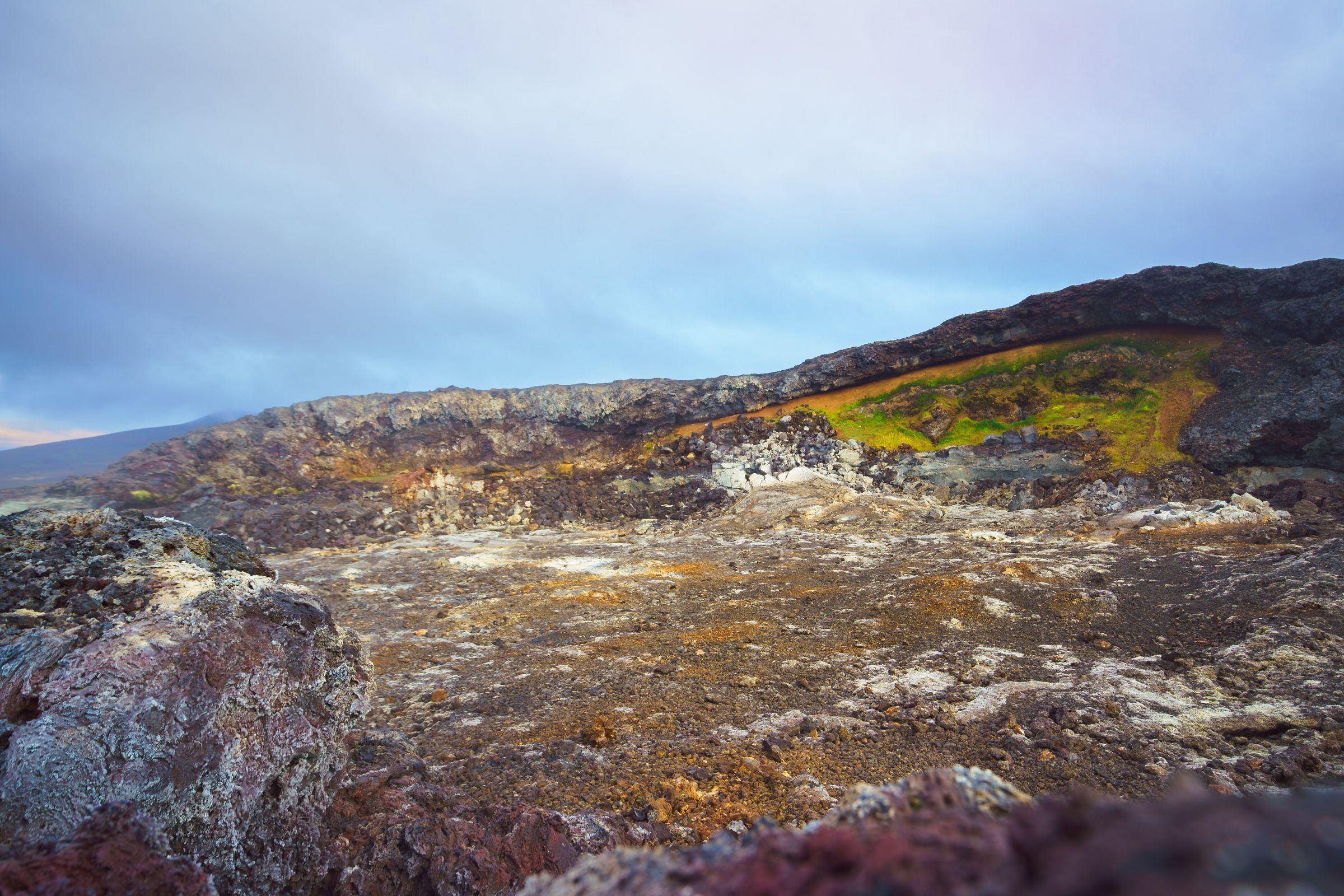
- Leirhnjúkur: The best immediate add-on. You walk through young lava from the 1975-1984 Krafla Fires, past steaming vents, fumaroles, and colorful altered rock (yellow sulfur, red iron oxides). The trail runs from 1 to 4 km, depending on how far you go. This is where the Krafla volcanic system starts to feel real rather than just scenic.
- Krafla Power Station: A short drive from the crater. The exterior and information boards explain how Iceland turns geothermal energy from this volcanic system into electricity. The station has been running since 1978 and currently generates around 60 MW.
Mývatn-Area Stops
A bit further out, but easy to slot into the same day:
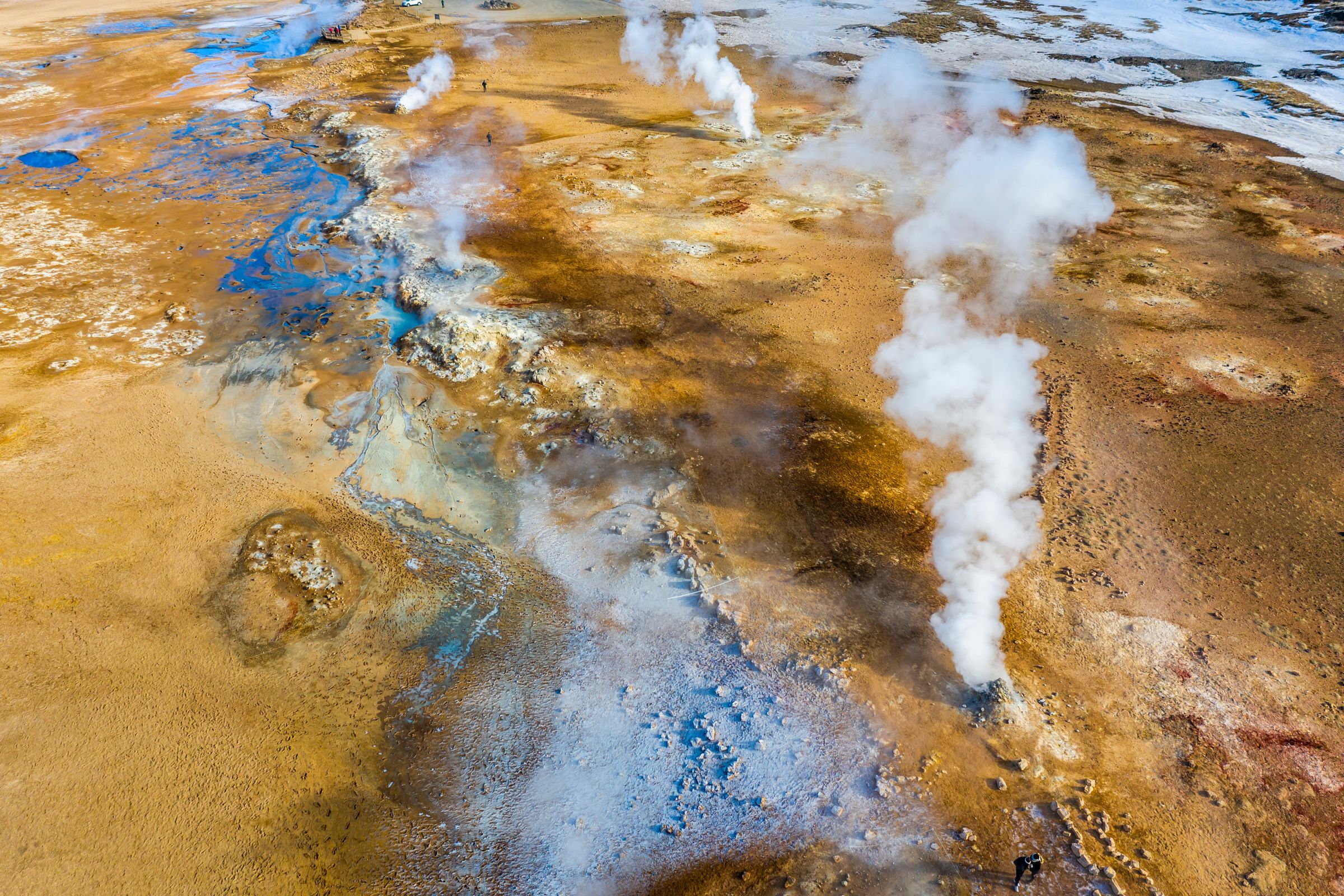
- Hverir (Námafjall geothermal field): Boiling mud pots, fumaroles, and strong sulfur smells. One of the most intense geothermal sites in Iceland, only 10 to 15 minutes from Viti.
- Lake Mývatn: The anchor of the region. Pseudo-craters, Dimmuborgir lava formations, Grjótagjá cave, and the Hverfjall tephra crater rim walk are all here.
- Earth Lagoon Mývatn (Mývatn Nature Baths): A geothermally heated bath right by the Ring Road. A good way to wind down after a day of volcanic sightseeing.
How to Build a Half-Day or Full-Day Plan
A good half-day: Hverir, then Viti, then Leirhnjúkur. That takes you through geothermal mud fields, the crater lake, and fresh lava terrain in one compact loop. Add Grjótagjá and Dimmuborgir, and you've got a full day. Finish at the Earth Lagoon.

Viti Crater as Part of the Diamond Circle Route
The Diamond Circle is a roughly 250 km scenic driving loop in North Iceland, typically based around Akureyri or Húsavík. Knowing where Viti fits helps you plan the route efficiently.
Is Viti Crater on the Diamond Circle?
Viti isn't one of the Diamond Circle's five main stops (those are Goðafoss, Lake Mývatn, Dettifoss, Ásbyrgi, and Húsavík), but it's a key part of the Mývatn/Krafla segment of the loop. Most itineraries and tour operators include it as an important stop within the Mývatn section.
Why It Works Well on a Diamond Circle Itinerary
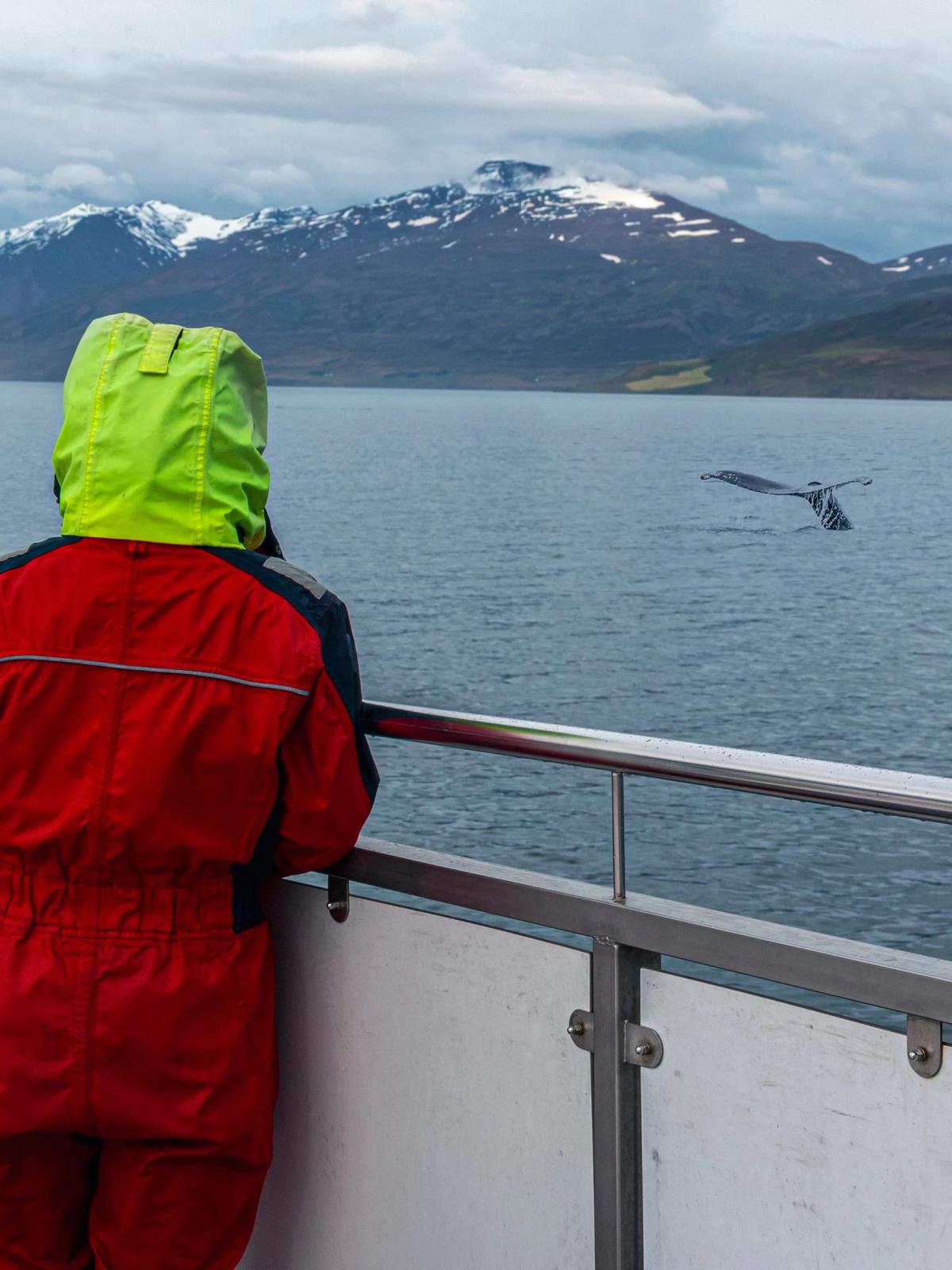
The Diamond Circle covers waterfalls, canyons, whale watching, and geothermal landscapes. Viti and the Krafla area give the route its strongest volcanic section. The contrast between something like Goðafoss or Dettifoss and Viti, where you're at an explosion crater in an active geothermal zone, adds real variety to the loop.
The visit is short enough that it adds almost no burden to the day. You're already driving through the Krafla area on the way between Mývatn and the next stop. Pulling over costs you 30 to 60 minutes.
How to Combine It Efficiently
On a one-day Diamond Circle drive: slot Viti and Hverir into the Mývatn segment. On a two- or three-day loop: give the Mývatn/Krafla area a half-day and use Viti as your Krafla anchor before moving on.

Travel Tips for Visiting Viti Crater
A few practical things that make the visit go more smoothly:
- Clothing: Layers and a windproof jacket. The crater plateau is exposed year-round and wind can make it feel much colder than down at Mývatn.
- Footwear: Sturdy closed-toe shoes or hiking boots for the rim walk. Flat shoes are fine if you're only going to the main viewpoint.
- Snacks and water: Nothing to buy at the crater. Bring your own water. The nearest services are in Reykjahlíð.
- Fuel: Fill up in Reykjahlíð or Akureyri before heading up. There's no fuel near Krafla.
- Photography: Morning or late afternoon for the best light. Wide-angle lens for the rim panoramas, polarizing filter for the lake.
- Check before you go: road.is, vedur.is, and safetravel.is. Conditions up at Krafla can be noticeably different from down at Mývatn lake level.
- Emergency app: Download the 112 Iceland app before your trip and register your travel plan.
A good way to end a Viti day: finish at the Earth Lagoon Mývatn for a geothermally heated soak. Volcanic sights in the morning, warm water in the afternoon.
Viti Crater vs Other Nearby Volcanic Stops
If time is tight around Mývatn, knowing how Viti compares to other nearby stops helps you decide what to prioritize.
Viti vs Leirhnjúkur
These aren't really competing: they're best done together. Viti is a viewpoint with a dramatic lake. Leirhnjúkur is a walk-through experience on fresh lava and active geothermal ground. If you can only do one, Viti is faster and more immediately visual. Leirhnjúkur is worth more time if you have it.
Viti vs Hverir / Námafjall Area
Hverir gives you boiling mud pots and fumaroles right at ground level, a rawer geothermal experience with no lake. Both are worth doing and only 10 to 15 minutes apart, so in most cases you'd do both anyway.
Viti vs Hverfjall
Hverfjall is much bigger (around 1,000 meters wide) and more about the hike up to a large, striking crater rim with wide views. No lake, more effort. If you want a proper crater-rim hike, Hverfjall is the better pick. If you want a shorter stop with a striking lake and a direct connection to Iceland's active rift volcanism, go with Viti. Most people do both since they're close to each other.

Conclusion
Viti Crater is a short stop that's genuinely worth it. A striking geothermal lake inside an explosion crater formed 300 years ago by the same volcanic forces still active in this part of Iceland. It fits into a Mývatn day or a Diamond Circle loop without much trouble, pairs naturally with Leirhnjúkur and Hverir, and takes 30 to 90 minutes depending on how much you want to explore. Check conditions before you drive up, dress for wind, stay on the marked paths, and you'll have one of North Iceland's better short stops under your belt.
Frequently Asked Questions About Viti Crater