Reykjahlíð: Your Base for Exploring Lake Mývatn in North Iceland
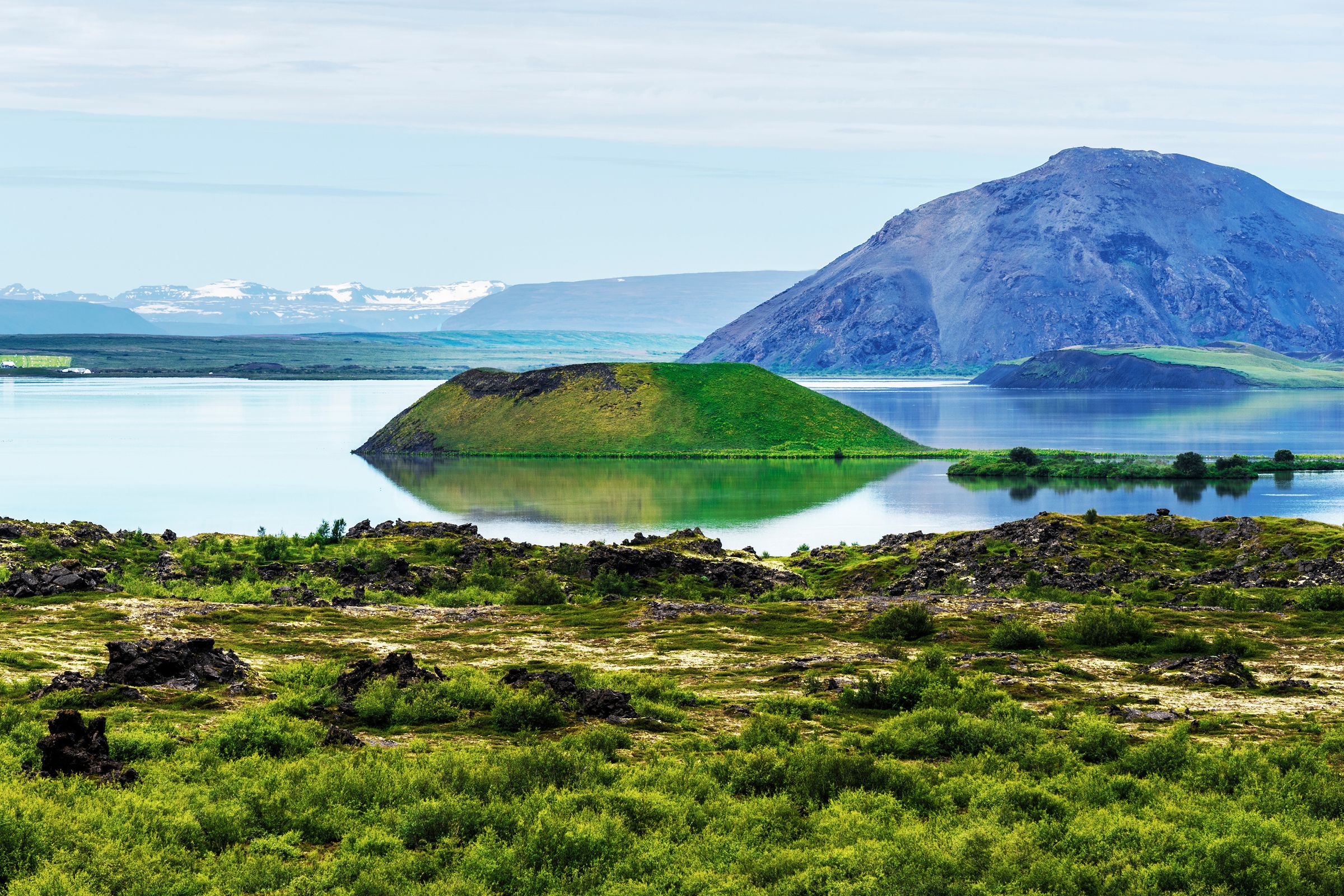
Reykjahlíð is a small village on the north shore of Lake Mývatn in North Iceland. It's surrounded by volcanic craters, geothermal fields, lava formations, and wetlands.
If you're driving the Ring Road or doing the Diamond Circle, this is where most people base themselves to explore the Mývatn area.
Overview of Reykjahlíð
Reykjahlíð isn't a proper town. It has about 227 residents (2021 census), and the village itself is quiet and very small. What makes it worth visiting is everything around it, and that's the main thing to understand before you plan your trip.
What Is Reykjahlíð?
Reykjahlíð sits on the north shore of Lake Mývatn, in the municipality of Þingeyjarsveit, in Iceland's Norðurland eystra (Northeastern Region). It's the main place to sleep, eat, get gas, and stock up for anyone visiting the Mývatn area. Without it, exploring this part of North Iceland would be a lot harder.
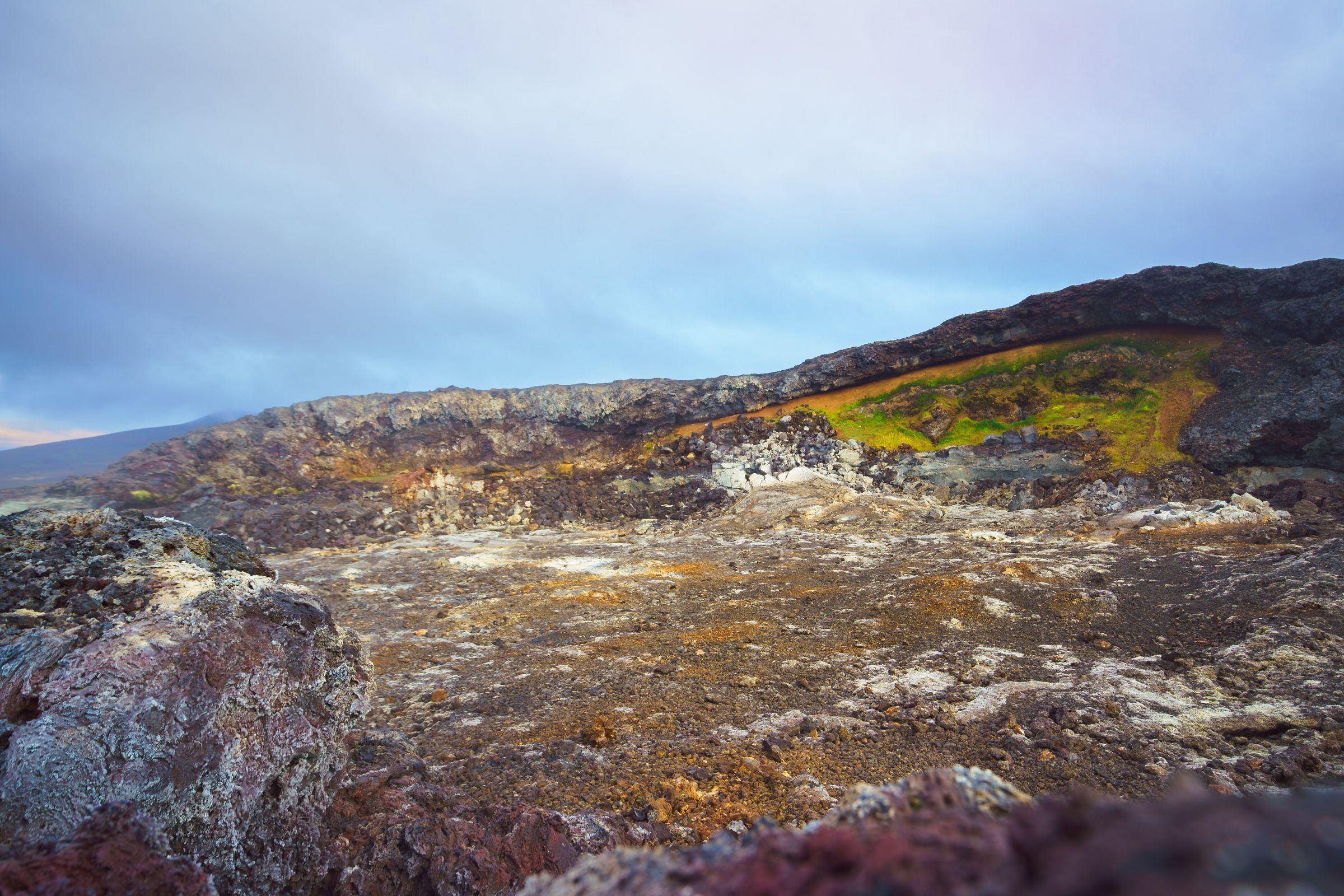
The landscape around the village comes from the Krafla volcanic system. Within a short drive you've got lava fields, geothermal areas, pseudocraters, wetlands, and volcanic craters. The area sits on the boundary between the Eurasian and North American tectonic plates, so this is active geology, not ancient history.
A Brief History
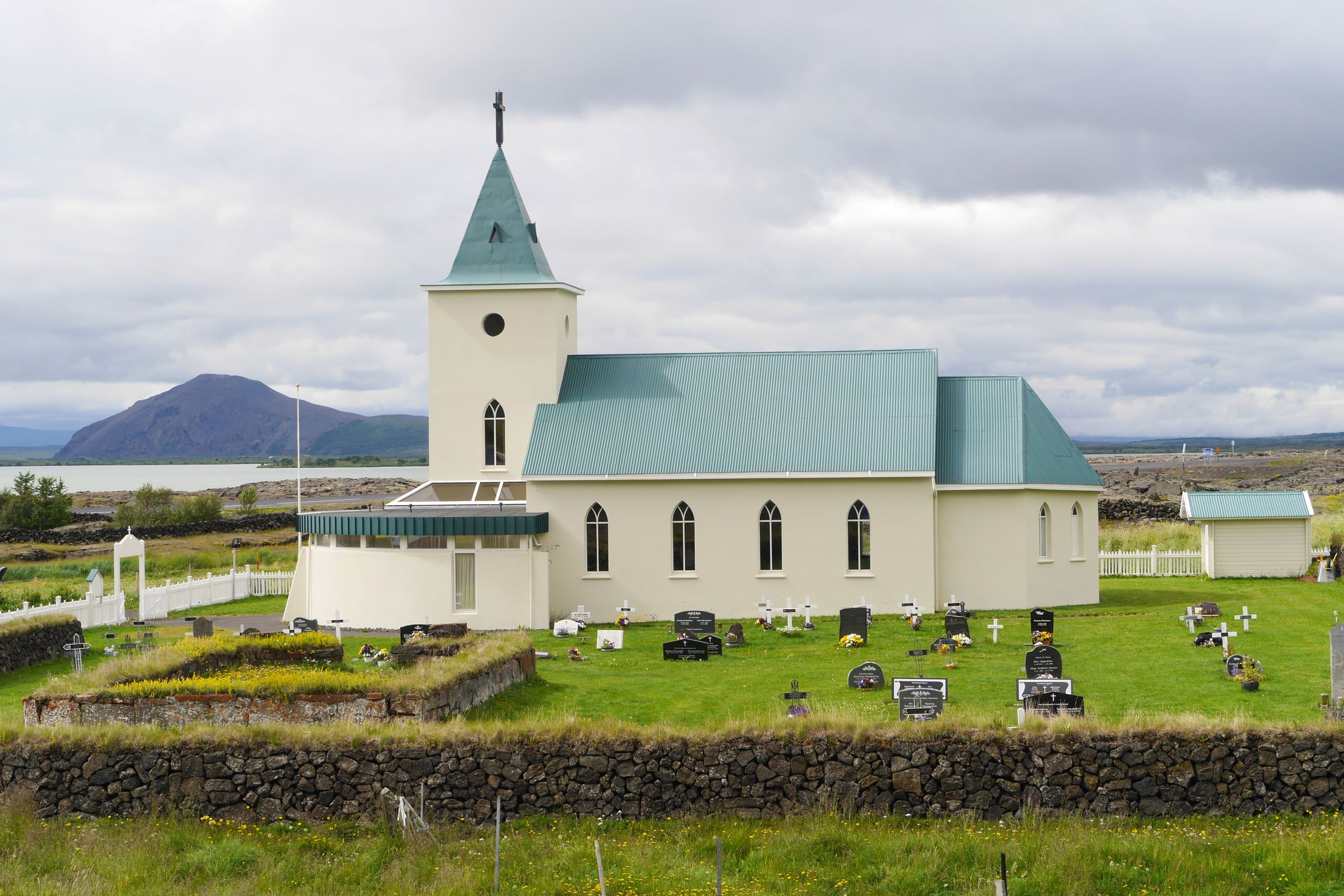
The biggest moment in the village's history was the Mývatn Fires of 1724–1729, when eruptions from Krafla sent lava flowing through Reykjahlíð in 1729. Local tradition says the lava destroyed farm buildings but stopped right before Reykjahlíð Church, which still stands today (the current building is from 1972). The church is the village's main cultural landmark, and the lava-flow story is what most people remember about the area's history. A later volcanic period, the Krafla Fires of 1975–1984, reshaped the terrain again. It's also why you can no longer bathe in Grjótagjá cave, since the water became too hot.
Why Stay in Reykjahlíð Instead of Just Passing Through
Most Ring Road travelers stop for a few hours, then keep driving. That's a mistake. The whole point of Reykjahlíð is how close everything is. Almost every major attraction in the Mývatn region is within 30 minutes by car, and some are walkable. Staying the night means you can hit sites in better light, skip the morning tour buses, and actually see the place properly.
It's also one of the few spots in rural North Iceland where you can reliably get what you need: groceries, petrol, pharmacy basics, a visitor center (Gígur), car rental, and car repair. If you're road-tripping between Akureyri and East Iceland, it's the obvious overnight stop.
Two nights is the minimum worth aiming for. One night is possible, but you'll leave feeling like you missed most of it. Three nights works well if you want to do crater hikes, the geothermal areas, the baths, and a Diamond Circle day trip without any of it feeling rushed.
Best Things to Do in Reykjahlíð and Nearby
Most of the sights around Reykjahlíð are within 15 to 30 minutes of the village. They cover a lot of different terrain: volcanic craters, lava formations, geothermal fields, lake scenery, and birdwatching, sometimes all in a single half-day loop.
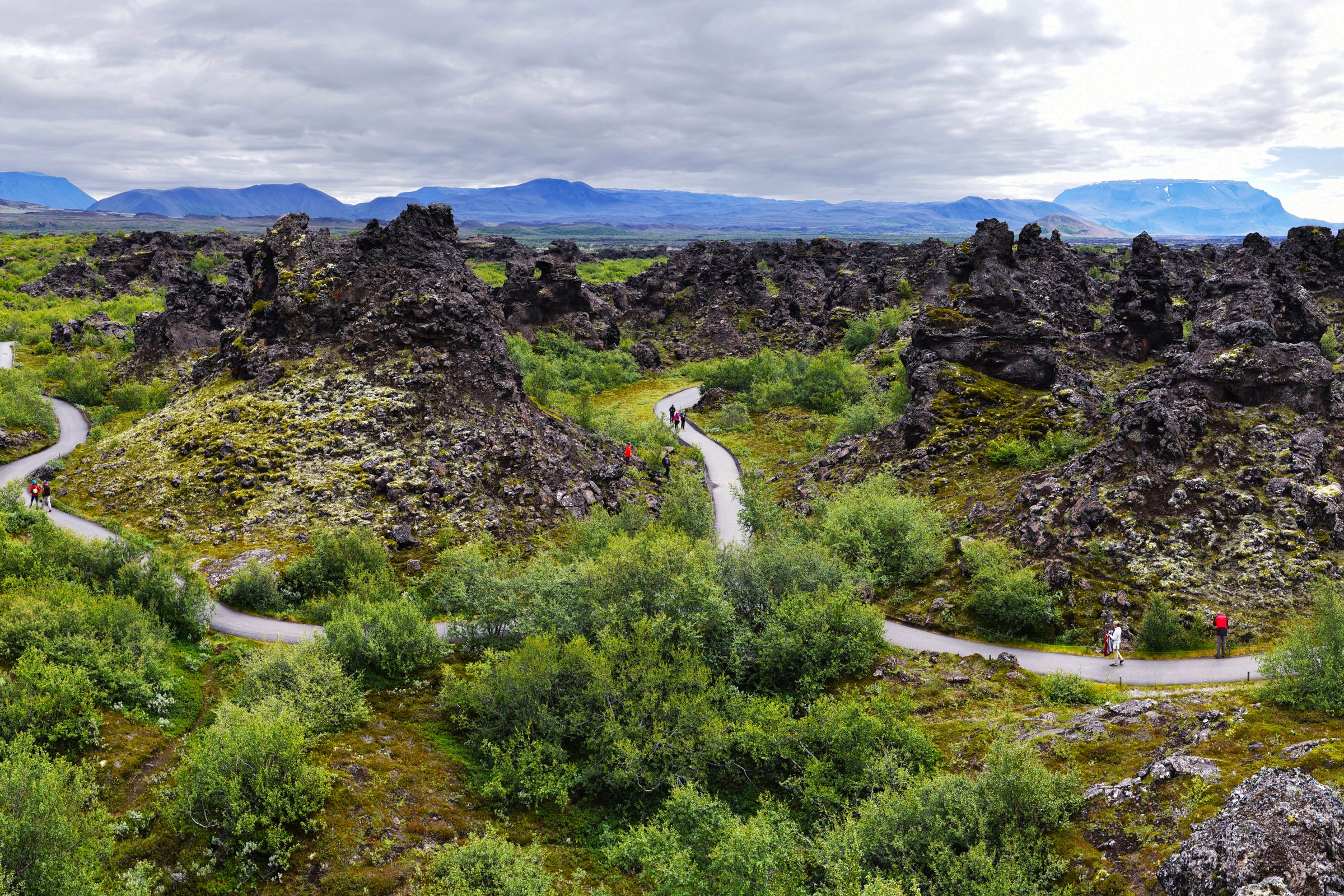
Dimmuborgir
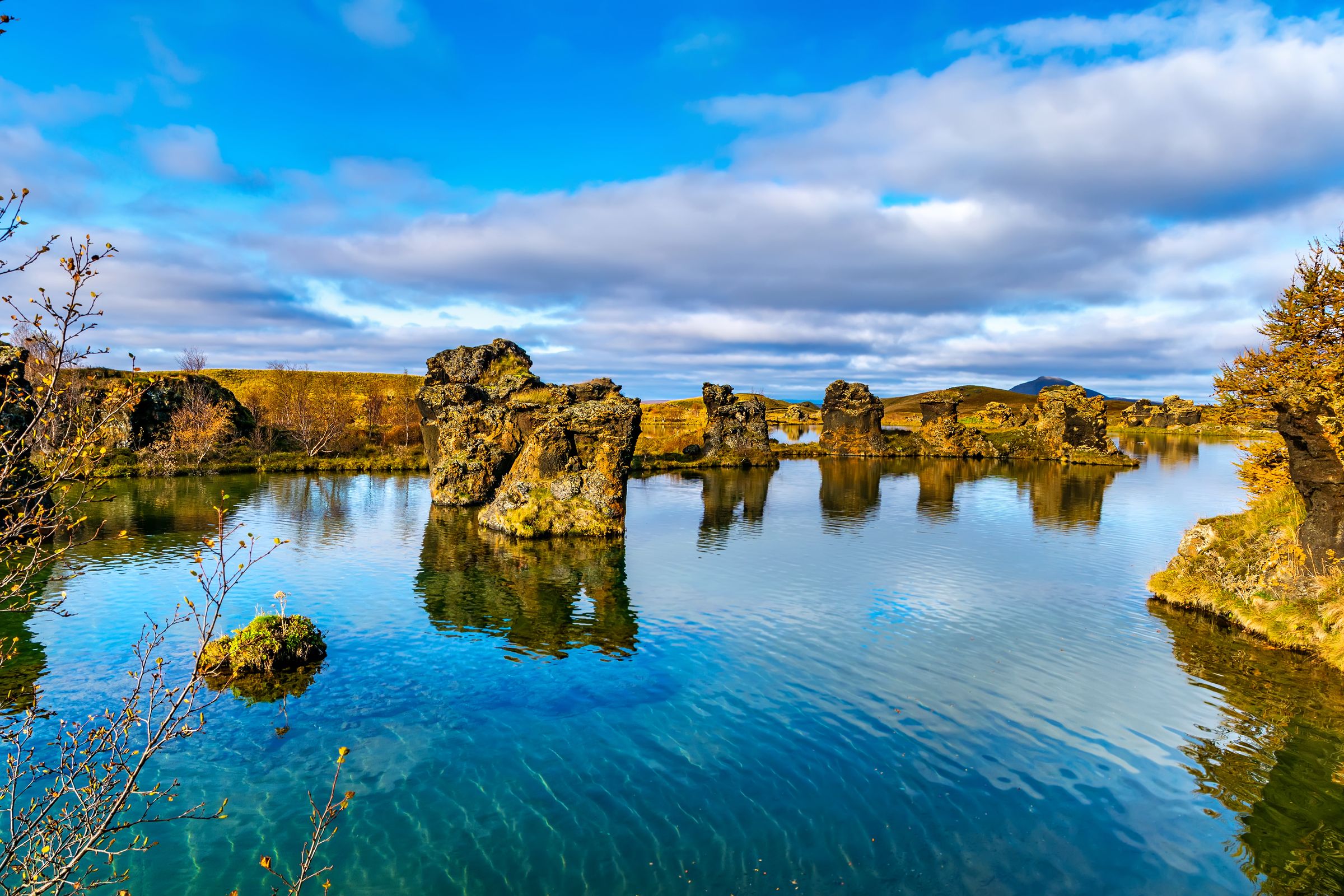
Dimmuborgir means "Dark Castles." It's a lava field with tall pillars, arches, and caves formed around 2,300 years ago. Several marked trails run through it, from a 30-minute loop to a longer one-hour route that takes you to a formation called "The Church." Don't climb the formations. It's not allowed, and the lava breaks easily.
Hverfjall (Hverfell)
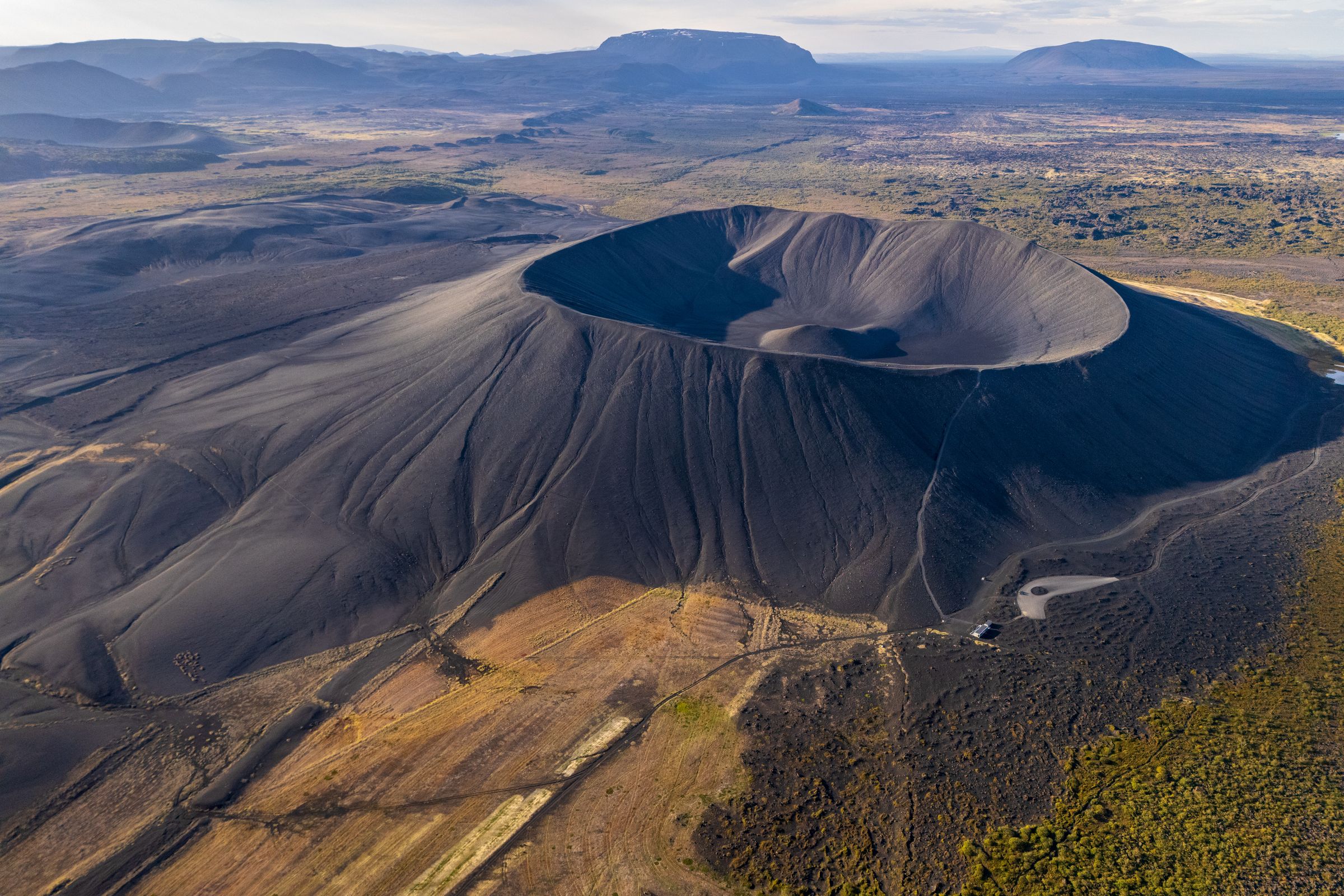
Hverfjall is a tephra crater about 140 meters (459 feet) deep and 1,000 meters across, estimated to be around 2,800–2,900 years old. The rim walk offers views of the whole Mývatn region and is one of the better hikes in the area. It's short but exposed, cold, and windy at the top even in summer. Plan on 1–2 hours for the full loop.
Hverir Geothermal Area (Námaskarð)
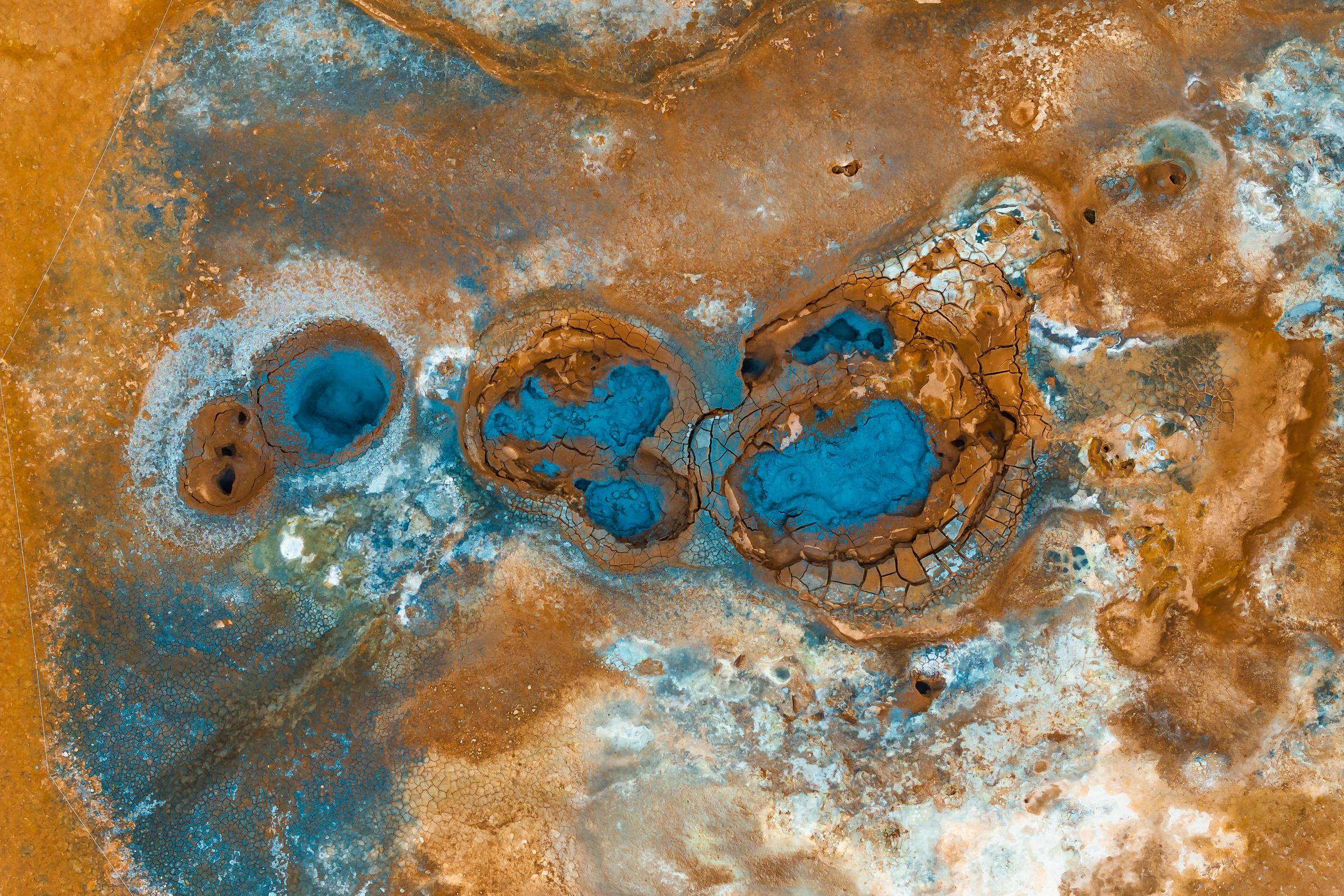
Hverir is one of Iceland's most active high-temperature geothermal fields. Mud pots, steam vents, and colorful sulfuric clay make it look unlike most places you've been. You can cover it in 15–30 minutes of walking, and it's one of the highest-impact stops in the area for the time you put in. The ground off the marked paths is genuinely dangerous. People have been burned here. Stay on the trails.
Krafla and Víti Crater
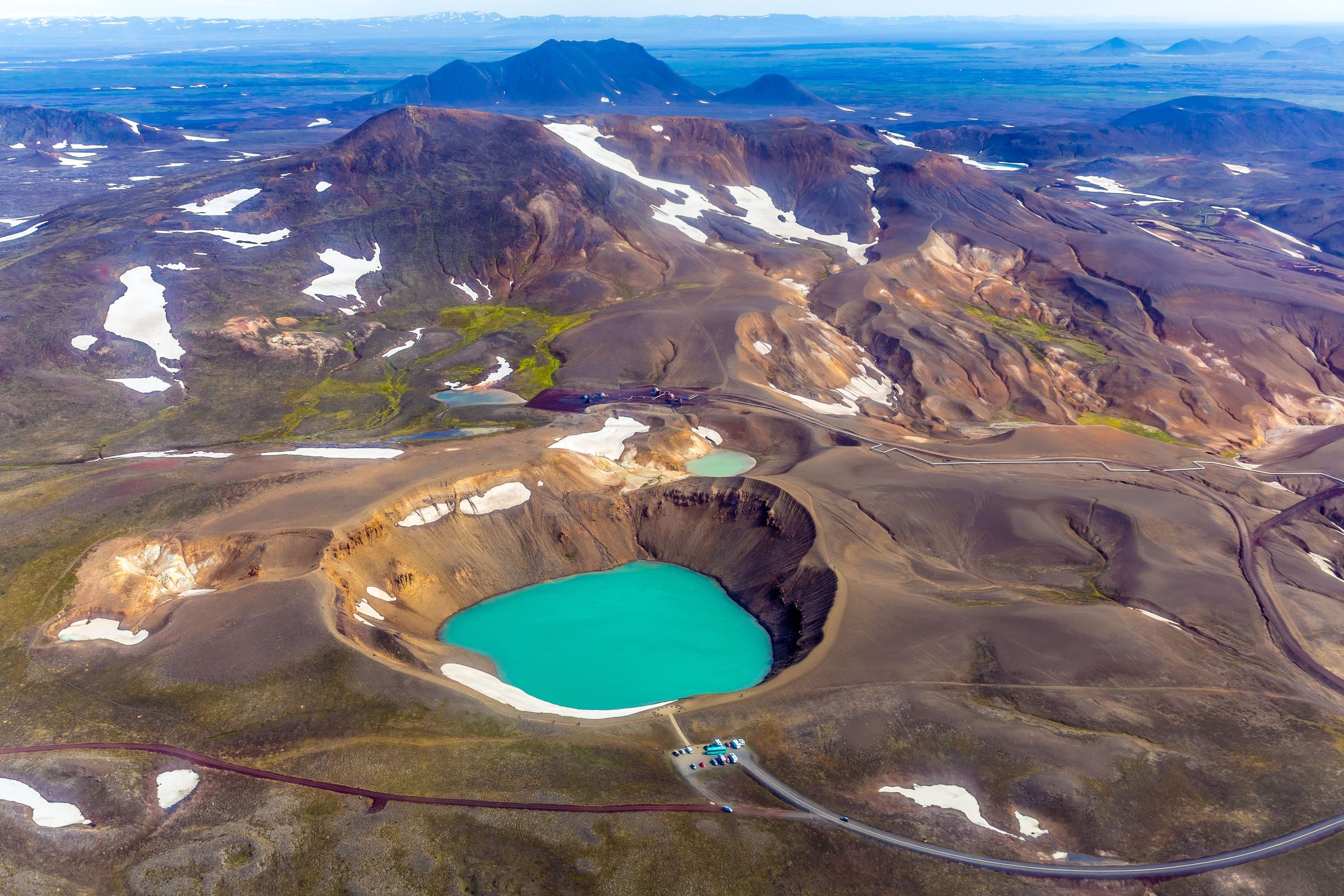
Krafla is the active volcanic system behind most of the geology in this area. Stóra Víti is an explosion crater it produced in 1724, now filled with a turquoise lake. The rim walk takes about 40–60 minutes. Just nearby, the Leirhnjúkur lava fields have a 1–2 hour loop through still-steaming, multicolored lava. It's one of the best places in Iceland to actually feel how recently the ground here was formed.
Mývatn Nature Baths (Earth Lagoon)
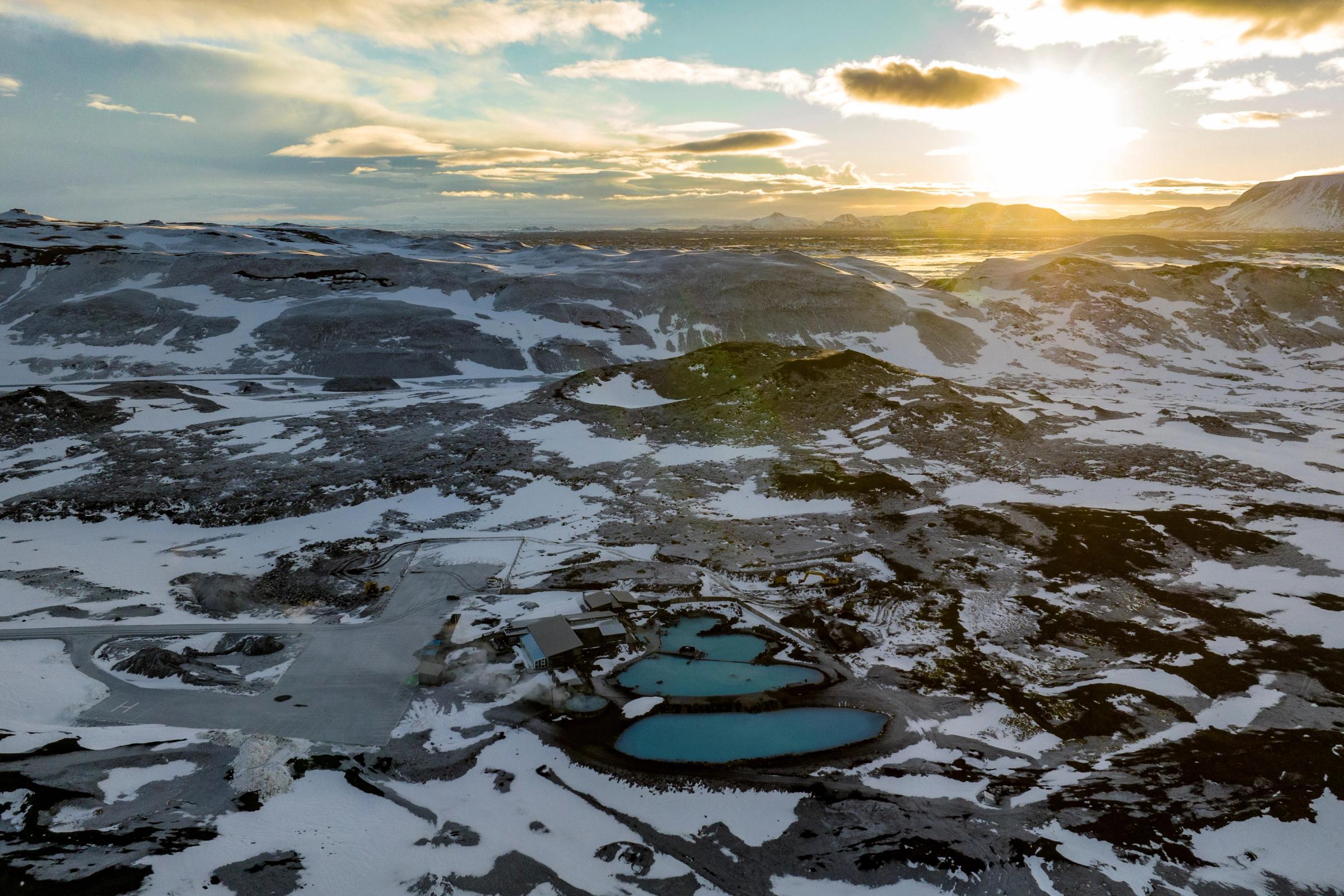
The Mývatn Nature Baths, now called Earth Lagoon, use geothermal water from up to 2,500 meters underground. It's a good option after a day of hiking, more open and less crowded than the big lagoons in southwest Iceland. As of March 2026, the site is closed for major renovations, but it’s set to reopen in the spring.
Skútustaðagígar Pseudocraters
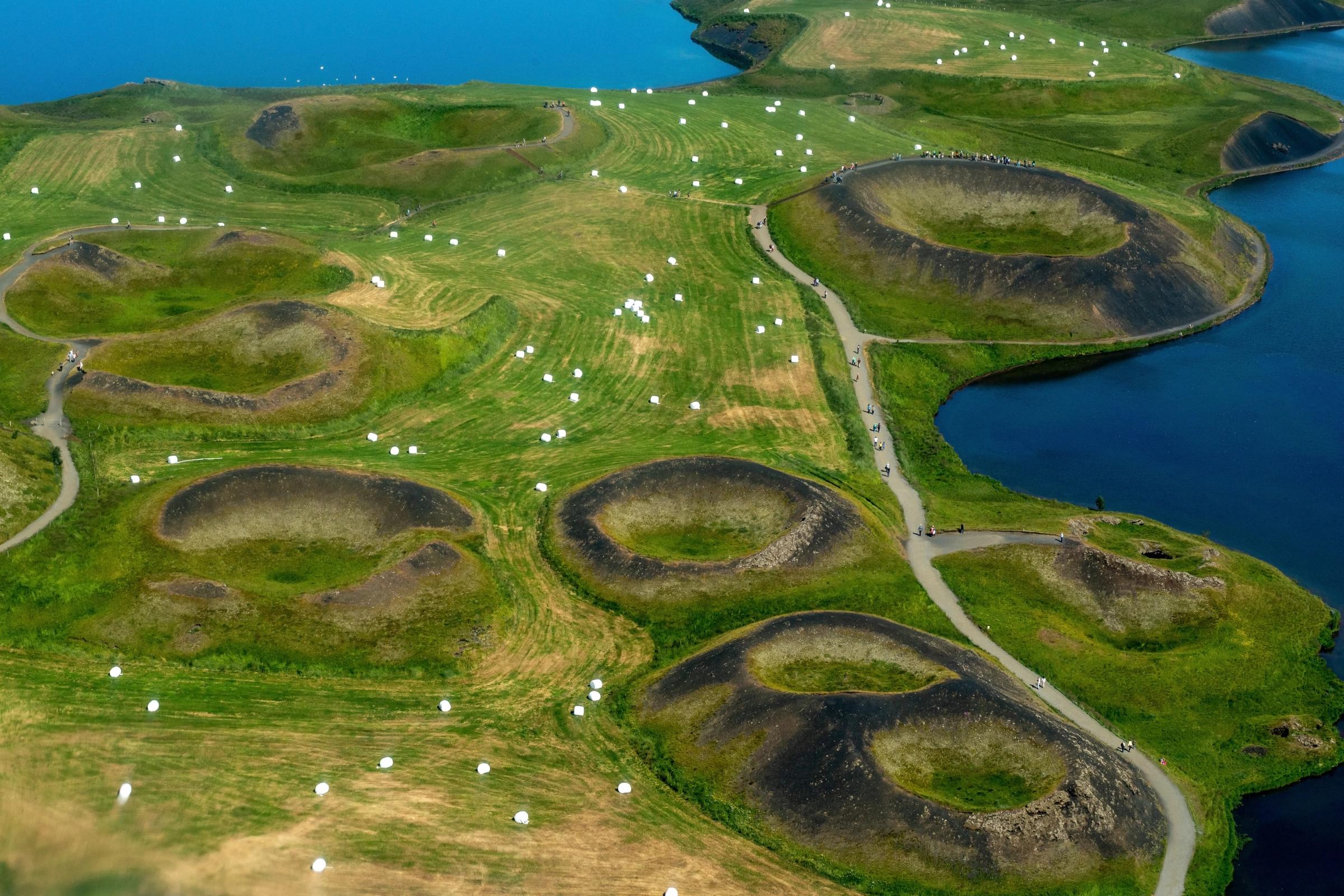
The pseudocraters at Skútustaðagígar aren't proper eruption craters. They formed when lava flowed over wetlands, and steam explosions left crater-shaped depressions in the ground. Easy walking trails loop through the area, and birdwatching here is good in spring and summer.
Grjótagjá Lava Cave
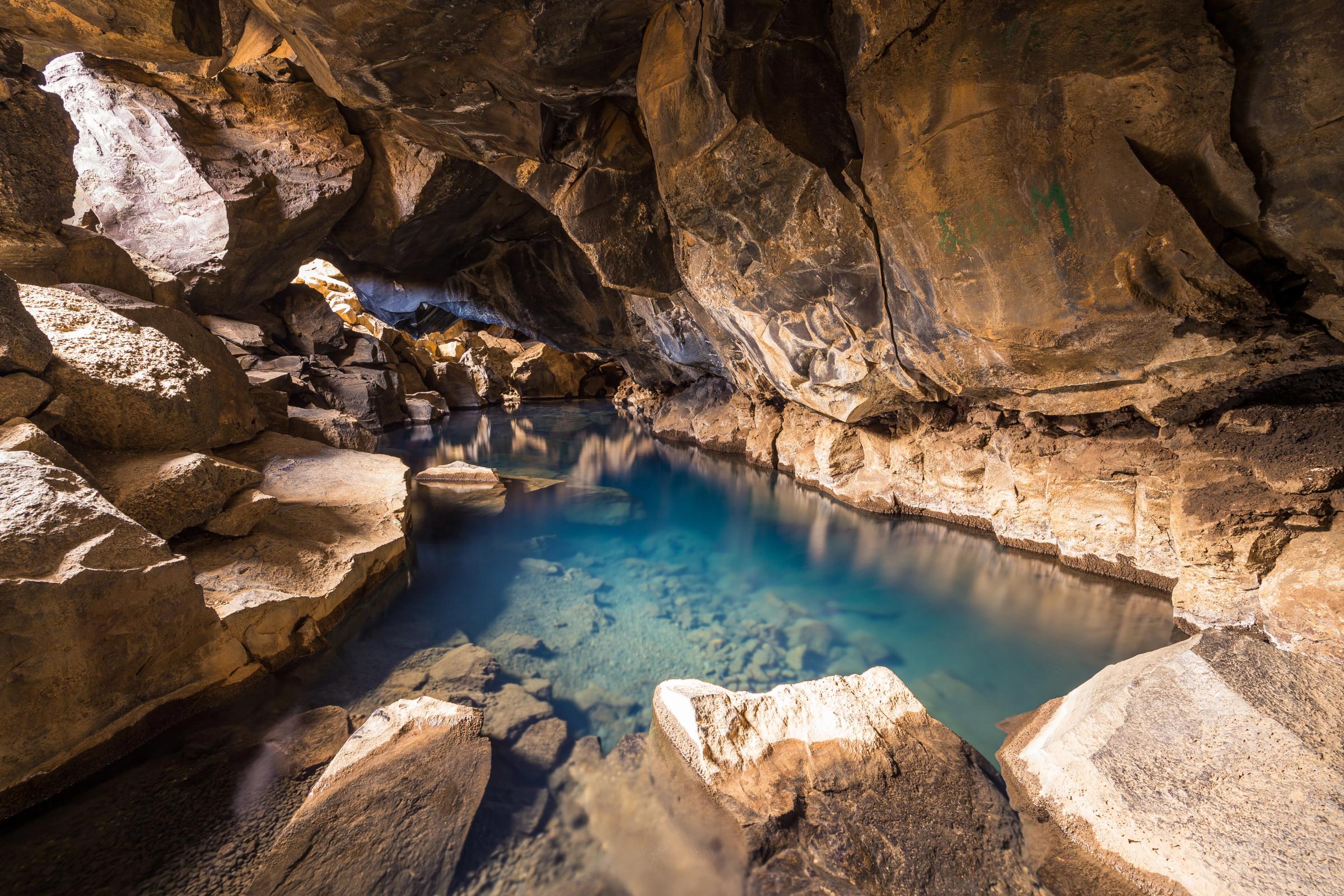
Grjótagjá is a small lava cave with blue geothermal water inside. Most people know it from a Game of Thrones scene. The water was used for bathing until the Krafla Fires of 1975–1984 made it too hot to use. It's look-only now. The cave is small and gets crowded fast, so going early in the morning makes for a better experience.
Birdwatching and Lakeside Scenery
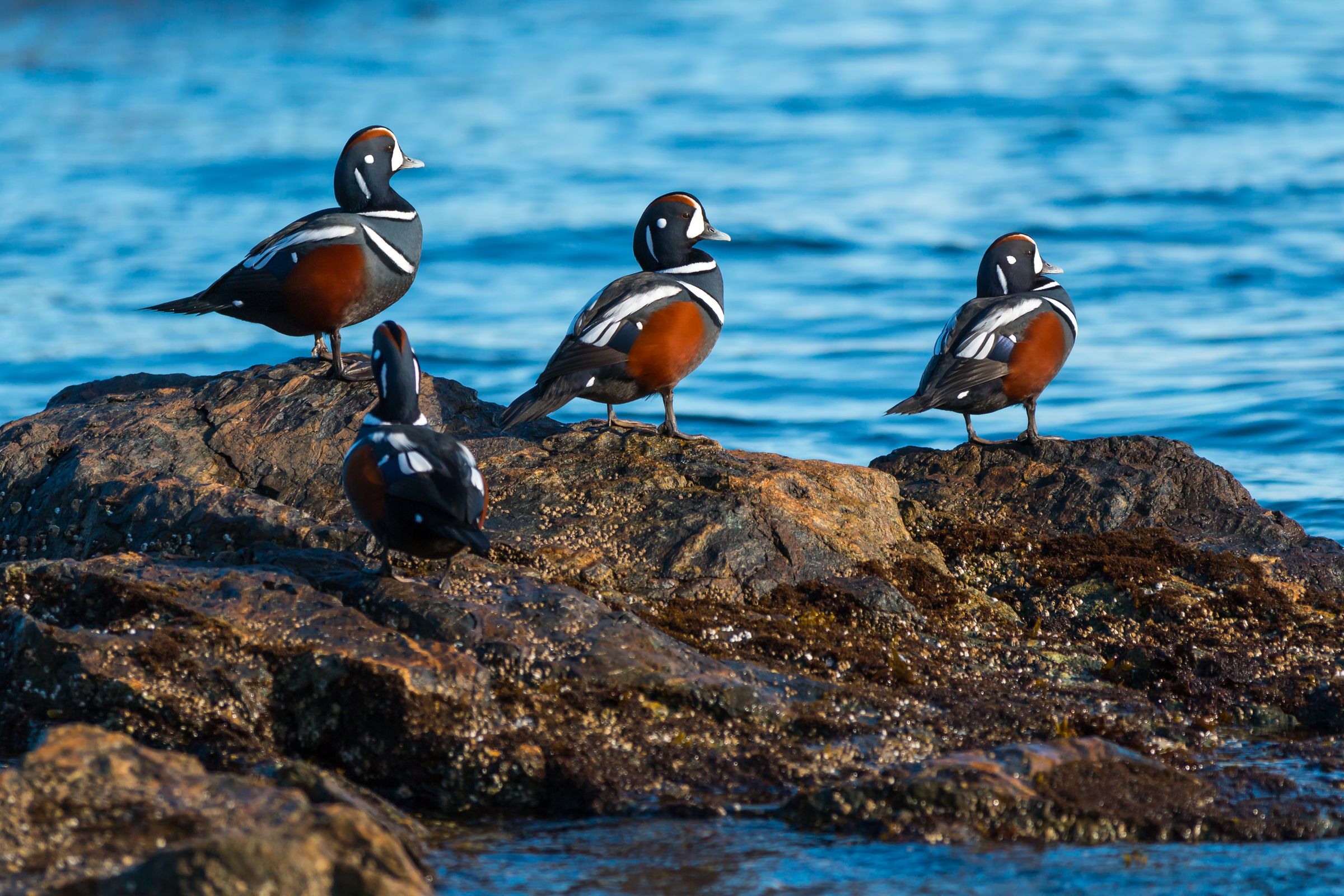
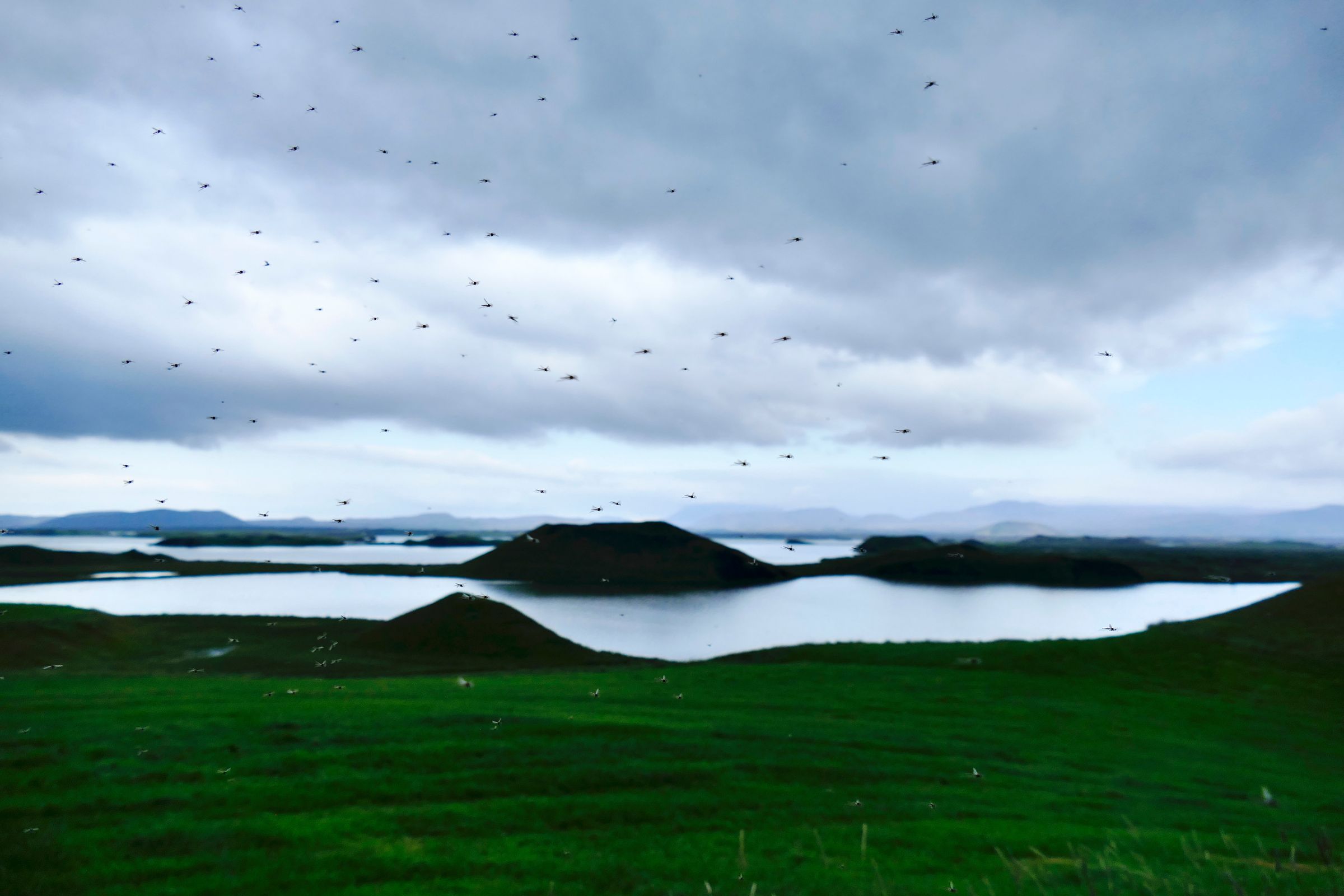
"Mývatn" means "Midge Lake," and those midges support one of the richest bird ecosystems in Europe. More species of duck reportedly gather here in summer than anywhere else in the world, including Barrow's goldeneye, tufted duck, greater scaup, and red-necked phalarope. Whooper swans and Arctic terns are also common. The Höfði peninsula is one of the quieter spots along the lake for birdwatching. Sigurgeirs Bird Museum, right by the water, has specimens of nearly every Icelandic breeding bird. It's useful for context, even if birds aren't your main interest.
How to Get to Reykjahlíð
Reykjahlíð is just off the Ring Road (Route 1) in North Iceland, about 83 km (51.5 miles) east of Akureyri and 470 km (292 miles) north of Reykjavík. A car is the only realistic way to explore the area. Public transport exists, but can't get you between the sights.
Most people drive from Akureyri (about 1–1.5 hours) or arrive along the Ring Road from either direction. From Reykjavík, it's a 6–7 hour drive on good but winding roads. You can also fly domestically to Akureyri Airport (AEY) from Reykjavík in about 45 minutes and rent a car there. Strætó buses connect Akureyri to Mývatn a few times per week in summer, but schedules are seasonal and infrequent.
Reykjahlíð fits well into a Ring Road trip as a two-night stop between Akureyri and the East Fjords. It's also the most practical overnight base for the full Diamond Circle loop.

Best Reykjahlíð Itinerary Options
How you structure your time depends on how many days you have. Here are four options, from a short stop to using Reykjahlíð as a full Diamond Circle base.
Half-Day Stop
If you only have a few hours, go to Hverir and then drive up to Krafla and Víti. Both are close to the main road, both are high-impact, and you'll get a clear sense of what makes the Mývatn area different. You'll miss a lot, but you'll see the most important things.
One Full Day
A full day lets you do a proper loop. A solid route: Hverir, then Krafla/Víti, then Leirhnjúkur, then Grjótagjá, then Hverfjall, then Dimmuborgir, and finish at the Earth Lagoon if it's open. This covers geothermal terrain, volcanic craters, lava formations, and a relaxing finish. A good cross-section of the area.
Two Days in Reykjahlíð
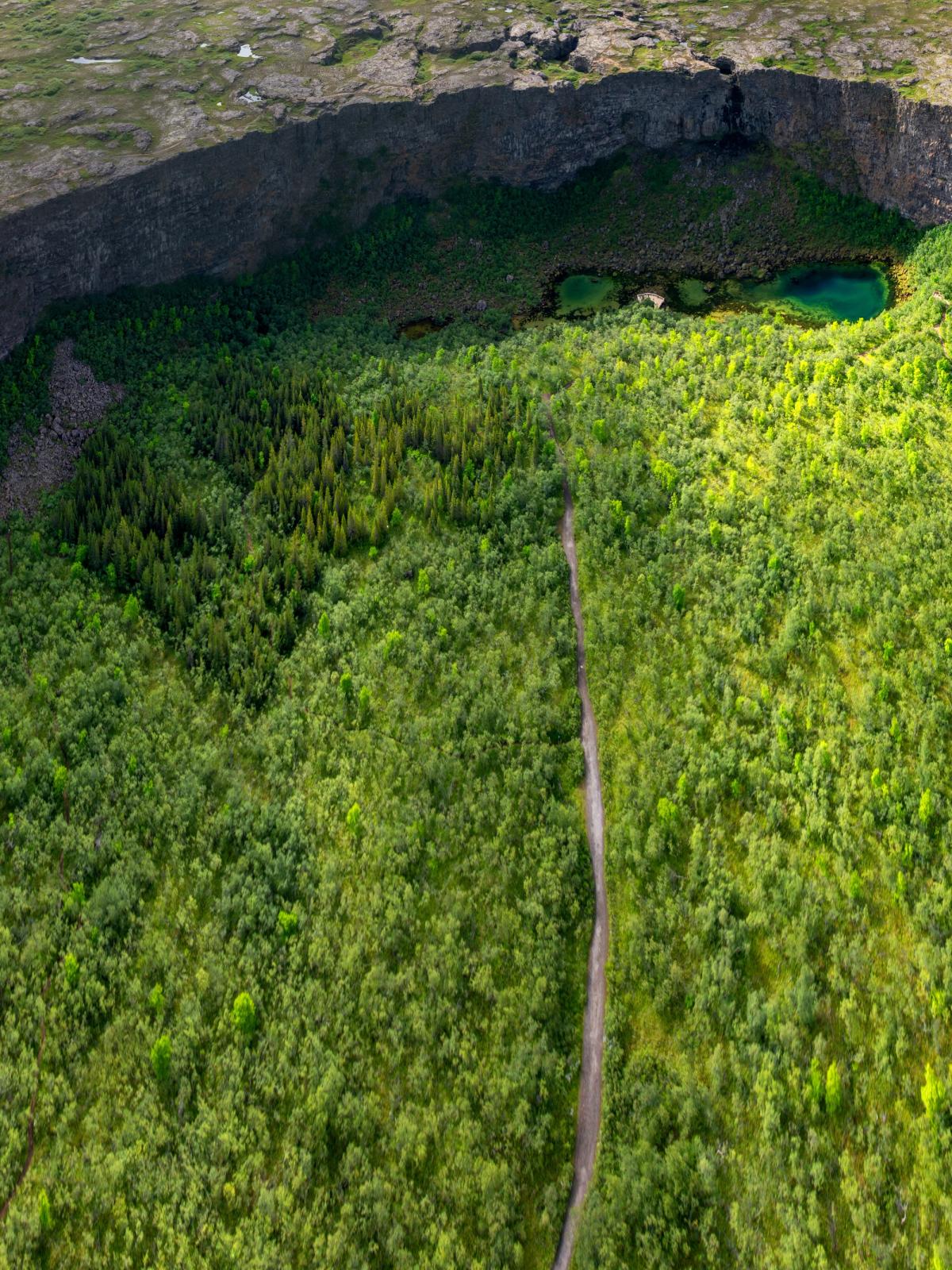
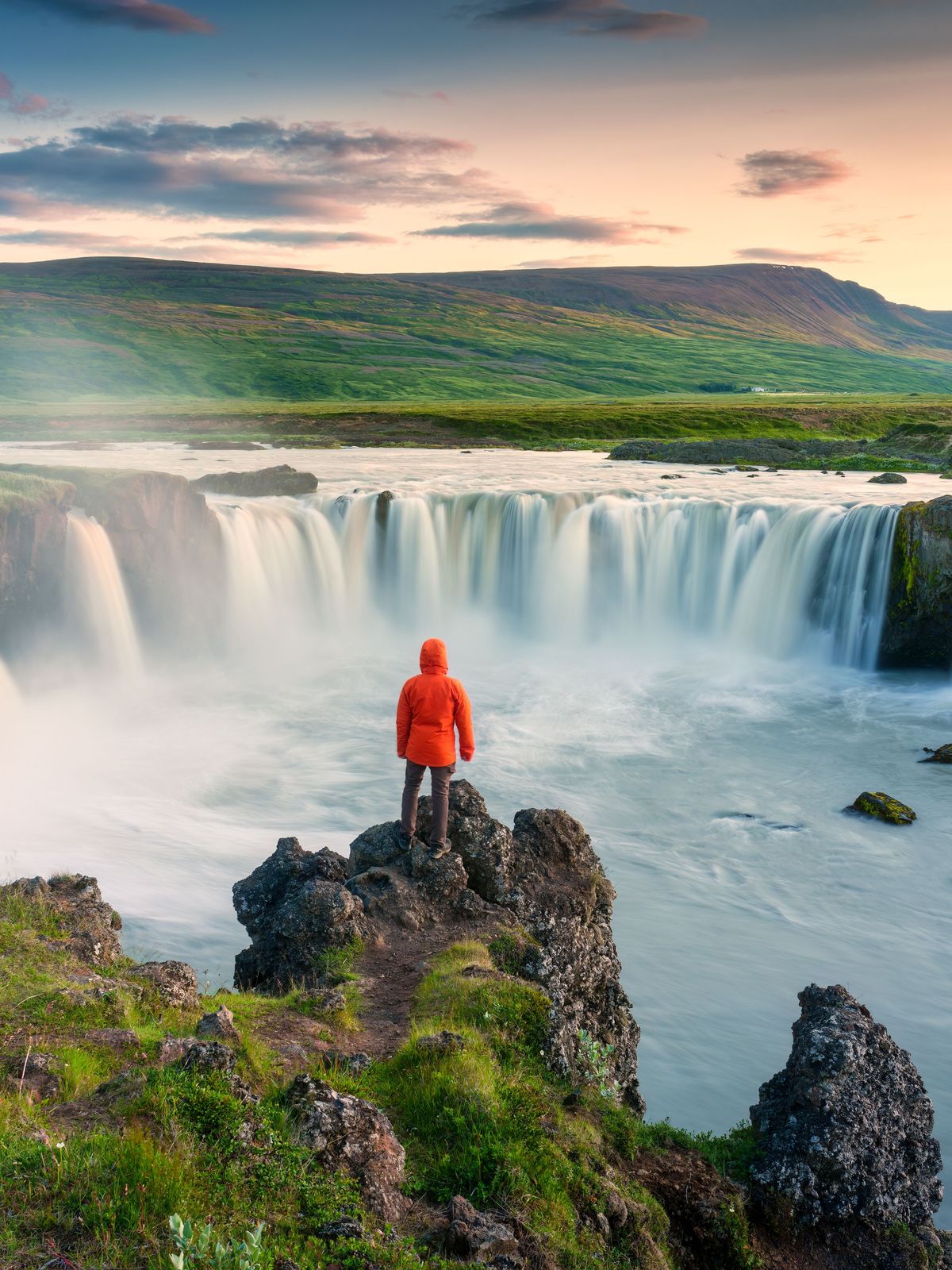
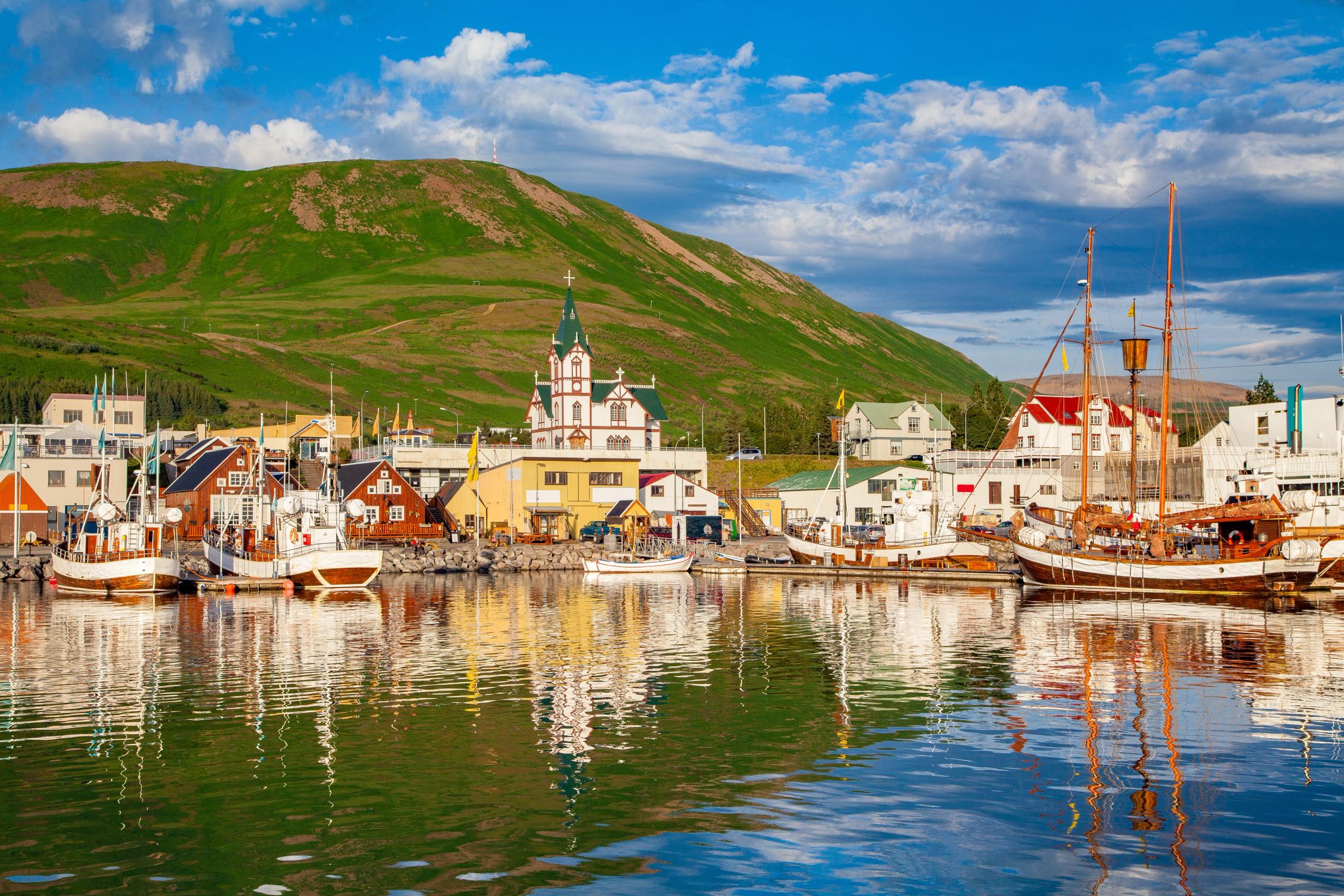
Two days is when the trip starts to feel complete. Use day one for the Mývatn loop above. On day two, do the Diamond Circle: Dettifoss (about 60 km away), Ásbyrgi Canyon, and Húsavík for whale watching. You can add Goðafoss on the way back toward Akureyri. It's a long day but a good one.
Reykjahlíð as a Diamond Circle Base
The Diamond Circle is a 250 km loop connecting Lake Mývatn, Goðafoss, Dettifoss, Ásbyrgi, and Húsavík. Reykjahlíð sits roughly in the middle of the circuit and has more accommodation than any other stop on the route, which makes it the obvious overnight base. Two nights here gives you enough time to cover the whole loop without rushing.


Hidden Gems Around Reykjahlíð
Most travelers hit the main sites and move on. These spots are either under-visited or tend to get skipped, and they're worth adding if you have the time.
The Höfði peninsula is the best low-key option. It's a rocky promontory with lava formations along the shore, calm coves, and good lake views. It's rarely crowded and one of the more peaceful spots along the water. The Reykjahlíð–Grjótagjá–Hverfjall–Dimmuborgir hiking trail (about 14 km, 3–4 hours one way) connects several of the headline sights into a single continuous walk rather than a series of separate parking-lot stops. If you like hiking, it's a much better way to take in the landscape.
Lofthellir Lava Cave is the main adventure option. It's a 3,500-year-old lava tube with ice formations inside, and it's guided-only, typically May through October. You crawl through parts of it, helmets are provided, and it costs around 43,000–50,000 ISK per person. It's not a casual stop, but it's one of the most memorable things you can do in North Iceland. Book ahead through operators like Geo Travel or Saga Travel.
Leirhnjúkur often gets skipped in favor of the Víti crater viewpoint, but the lava field walk is where you actually feel how young and alive the terrain is. If you're heading to Krafla anyway, don't leave it out.
Where to Stay in Reykjahlíð
Reykjahlíð and the surrounding area have most of the accommodation options for the whole Mývatn region. The choice is smaller than in a bigger destination, so book early, especially for summer travel.
Here's how to think about the options:
- Best hotel-style comfort: Fosshotel Mývatn (Berjaya Mývatn Hotel) and Sel Hotel Mývatn are the most hotel-like options, both with restaurants on site. Fosshotel Mývatn is quite pricey, with rates of over $1000 per night (and person) during the high season. Sel Hotel Mývatn, on the other hand, offers rooms for around $400 for two adults.
- Best for atmosphere: Vogafjós Farm Resort is the most distinctive place to stay in the area. It's a working farm with a geothermal-heated cowshed café and a strong local food identity. If that kind of thing matters to you, it's the pick.
- Best for quiet, self-contained stays: Dimmuborgir Guesthouse and Hlíð Cottages are well-suited to travelers who want more privacy and to be closer to nature.
- Best budget options: Hlíð Camping and Guesthouse, CJA Camping, and Vogar Travel Service suit flexible road-trippers.
Most places have lake or lava field views. Prices drop in winter, and the quieter season can actually make the area feel better.
Where to Eat and Buy Supplies
The food options in Reykjahlíð are limited, but the best places use good local ingredients. Don't expect a lot of choice. This is a village of 227 people. But what's here is solid.
Restaurants and Cafés
The most distinctive place to eat is Vogafjós Cowshed Café. They bake rye bread in geothermal heat, smoke Arctic char, and serve fresh dairy from the farm. It's the most local food experience you'll find in the area.
Gamli Bærinn in the village is a good option for lamb stew and local fish. Daddi's Pizza does wood-fired pizza with local toppings. Mylla Restaurant at Fosshotel is the more polished option with an Icelandic-European menu. Hours vary a lot outside of summer, so check before planning dinner.
Groceries and Supplies
There's a supermarket in the village, plus a Vínbúðin (the state liquor store). The petrol station is worth using: fuel options get very limited once you head east toward Egilsstaðir, so I’d recommend you fill up before you leave.

Best Time to Visit Reykjahlíð
Reykjahlíð works in every season, but each one is pretty different. The right time depends on what you want from the trip.
Summer (June–August)
Summer is peak season. You get long daylight, midnight sun in June, the easiest road conditions, good birdwatching, and everything open. The tradeoffs: tour buses arrive at the main sites by mid-morning, prices are higher, and midges are at their worst near the lake from June through August. They don't bite, but they swarm in large numbers. A head net or long sleeves helps.
Winter (October–April)
Winter is the best time for northern lights. The area markets itself as Iceland's "Northern Lights Capital," and the low light pollution and clear skies do make aurora sightings more likely here than in many other parts of Iceland. Geothermal steam in cold air looks good, and the sites are quiet. Roads are the main issue. Conditions can change fast, and some roads can close. Check road.is and vedur.is before driving anywhere.
Shoulder Seasons (May and September)
Fewer crowds, lower prices, and still good access. Birdlife is strong in both months. Northern lights start reliably in mid-September, which makes that month a good combination of decent sightseeing and aurora chances.
Essential Travel Tips for Reykjahlíð
A few things worth knowing before you go:
- How long to stay: Two nights minimum. Three is better. One night leaves most of the area unseen.
- Driving distances: The map looks small, but weather, trail time, and stops add up. Loops take longer than they look.
- Geothermal safety: At Hverir and Krafla, the ground is dangerously hot just off the marked paths. People have been seriously burned here. Stay on the trails.
- Midges in summer: Harmless but numerous near the water from June through August. A head net or long sleeves make a difference.
- Fuel: Fill up in Reykjahlíð before heading east. The next reliable petrol stop is far.
- Booking accommodation: Summer fills up. Book well ahead for good rooms, and even further ahead for Vogafjós specifically.
- Northern lights in winter: Download the Vedur app, check the aurora forecast each evening, and be ready to drive a short distance from the village for darker skies if needed.
- Grjótagjá: Don't try to bathe in it. The water has been too hot since the Krafla Fires of 1975–1984, and official guidance is clear on this.
- Off-road driving: Not allowed anywhere in Iceland. Stick to marked roads.
Conclusion
Reykjahlíð is one of Iceland's smallest villages, but it's surrounded by some of the country's most interesting terrain. Volcanic craters, geothermal fields, lava formations, wetlands, and a lake known for its birdlife are all within a short drive. Whether you stop for a day or stay for three nights, it's a solid base in North Iceland and a good reason to slow down on the Ring Road.
Frequently Asked Questions About Reykjahlíð