
Fjallsárlón Glacier Lagoon: A Complete Visitor Guide
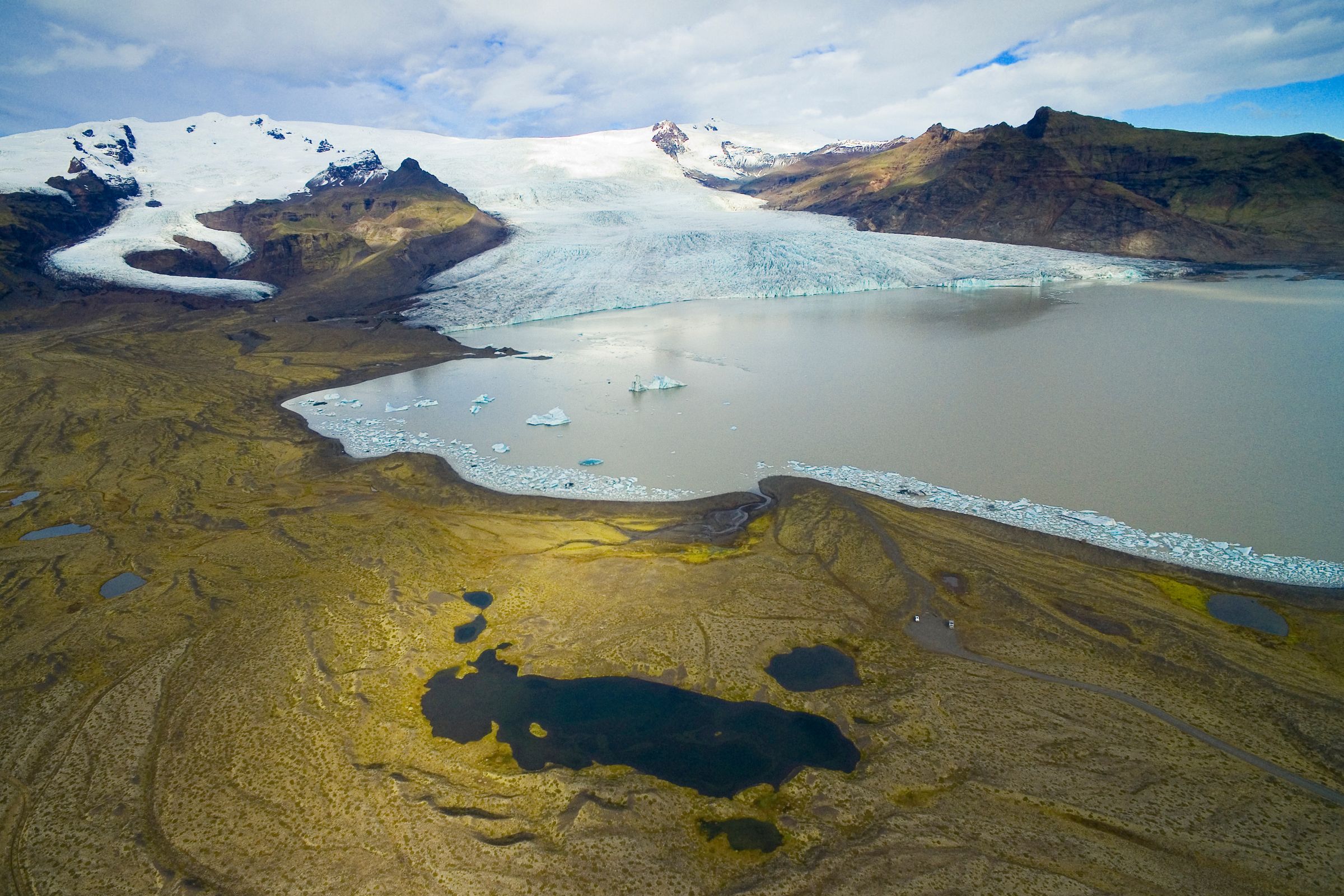
Fjallsárlón doesn't get nearly as much attention as Jökulsárlón, and that's not a bad thing. It's a glacier lagoon in southeast Iceland, sitting right in front of Fjallsjökull, one of the outlet glaciers flowing down from the Vatnajökull ice cap. It's part of Vatnajökull National Park, about 10 kilometers west of Jökulsárlón, and it gets you closer to an active glacier than most places in Iceland.
Here's everything you need to plan your visit.
What Is Fjallsárlón Glacier Lagoon?
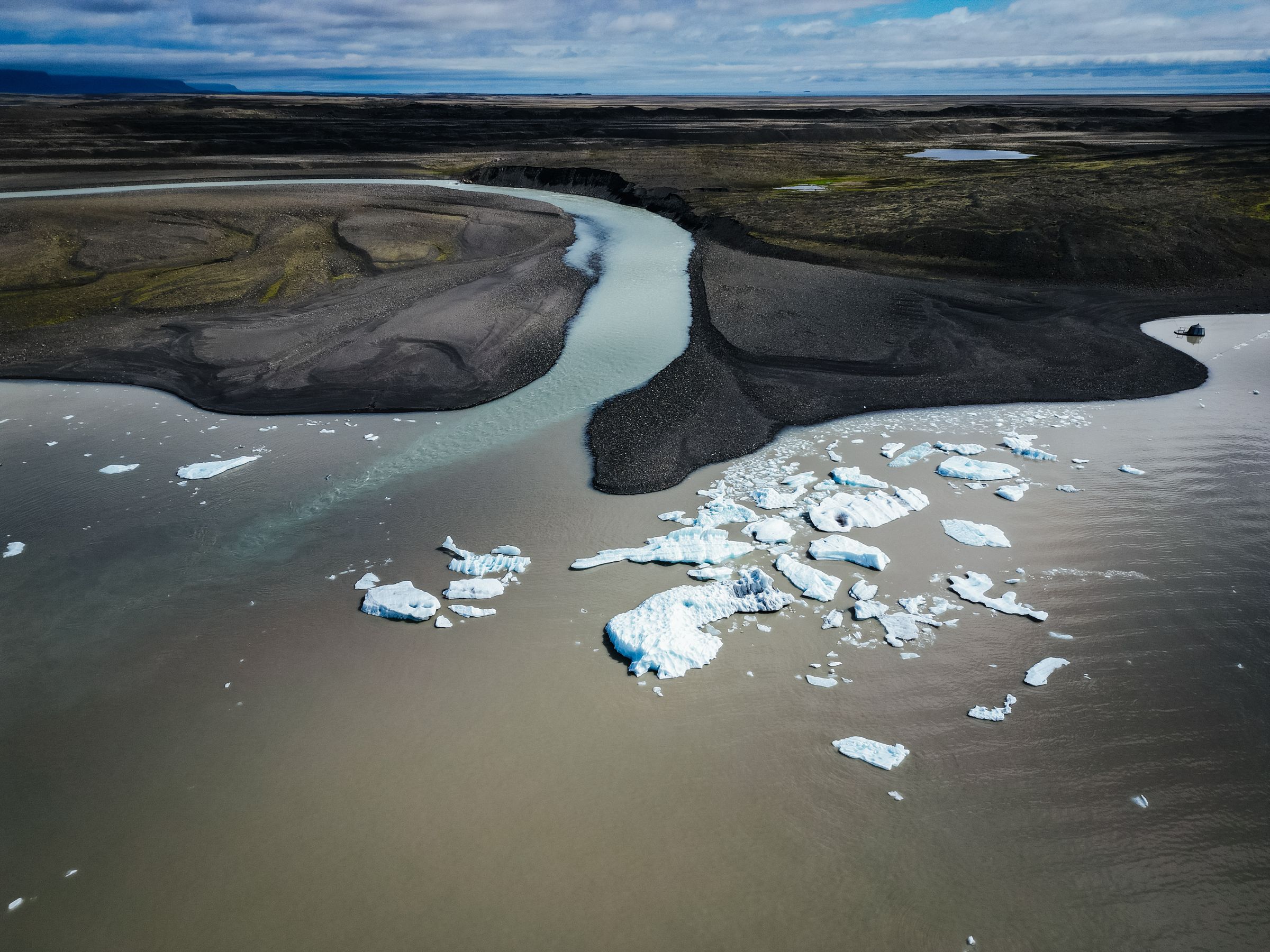
Fjallsárlón is what's called a proglacial lake. That just means a lake that formed in front of a retreating glacier. The glacier is Fjallsjökull, a steep, heavily crevassed outlet of Vatnajökull, Iceland's largest ice cap. As the glacier pulls back, meltwater fills the hollow it leaves behind, and chunks of ice break off the front and float across the lagoon. Those become your icebergs.
The scene looks different every single time you visit. The number of icebergs, the water color, the position of the glacier front. All of it shifts constantly. You can't predict what you'll see on any given day, but that's fine.
One thing worth knowing before you arrive: Fjallsárlón doesn't drain into the ocean the way Jökulsárlón does. The water flows out through the Fjallsá river, which crosses under Route 1 a bit further downstream. That's why Diamond Beach is part of the Jökulsárlón experience, not this one.
Fjallsárlón at a Glance
A few key facts to keep in mind:
- Location: Breiðamerkursandur, southeast Iceland, inside Vatnajökull National Park
- Source glacier: Fjallsjökull, an outlet of Vatnajökull
- Distance from Jökulsárlón: About 10 km west
- Distance from Höfn: About 90 km west
- Access: Short turnoff from Route 1
- Entrance fee: Free to visit independently [ADMIN: verify current parking fee or access arrangements before publication]
- Main walking route: 1.5 km loop, around 45 minutes, classified as challenging by the park
- Longer trail: 15 km to Jökulsárlón, estimated 4–5 hours
- Boat tours: Generally available April to November
- Facilities: Parking, toilets, restaurant (Frost Restaurant), guided tours
- Recommended visit time: 45–90 minutes without a tour
How to Get to Fjallsárlón
Getting there is pretty simple. Fjallsárlón is right off Route 1, also called the Ring Road, on Iceland's South Coast. You turn off at a signposted junction and follow a short road down to the parking area. A normal rental car handles it fine in good conditions. No 4WD needed. This isn't an F-road.
Driving from Reykjavík
Plan on about 4.5 to 5 hours of driving without stops. If I were you, I wouldn't even try this as a day trip from Reykjavík. You'd spend more time in the car than at the lagoon. Staying at least one night somewhere on the South Coast makes the whole trip way more enjoyable.
Good places to stop along the way include the area around Vík, Kirkjubæjarklaustur, Skaftafell, and Höfn.
Driving from Höfn
Höfn is the main town in the area, about 90 km east of Fjallsárlón. If you're staying there, it's an easy morning drive. Höfn also works well as a base for a full day combining Fjallsárlón, Jökulsárlón, and Diamond Beach.
Driving from Jökulsárlón
The two lagoons are about 10 km apart, so doing both on the same day is easy. Go to Fjallsárlón first. People tend to spend more time at Jökulsárlón than they expected, and Fjallsárlón ends up being rushed or skipped.
Visiting Without a Rental Car
You can join a guided South Coast day tour from Reykjavík, hire a private driver, or book a multi-day tour that covers the southeast. Public transport out here is pretty limited, so don't build your whole schedule around a bus connection without checking the timetable first.
Always check road conditions before you leave. Weather in southeast Iceland can shift fast, and what looked fine the night before can be a different story by morning. The Icelandic Meteorological Office and Iceland's official road-information service are the places to check

Best Things to Do at Fjallsárlón
There's more to do here than take a few photos and leave.
See Fjallsjökull and the Floating Icebergs
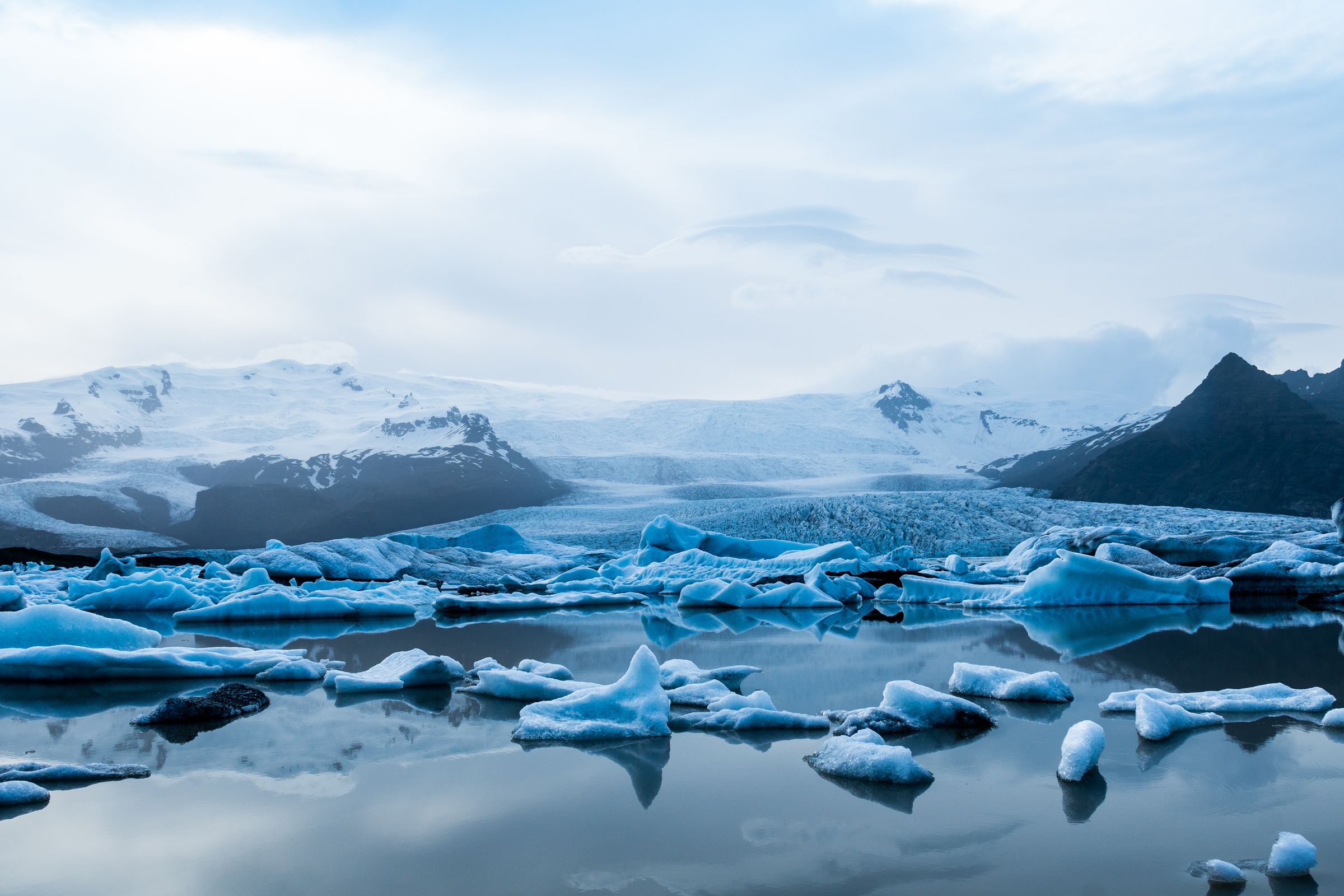
This is the main reason people come. The glacier drops steeply right down to the water, and you can see the glacier face clearly from the shore. It's close enough that it feels real in a way photos don't quite capture. Icebergs drift across the water in front of it, some big and blocky, some just small fragments.
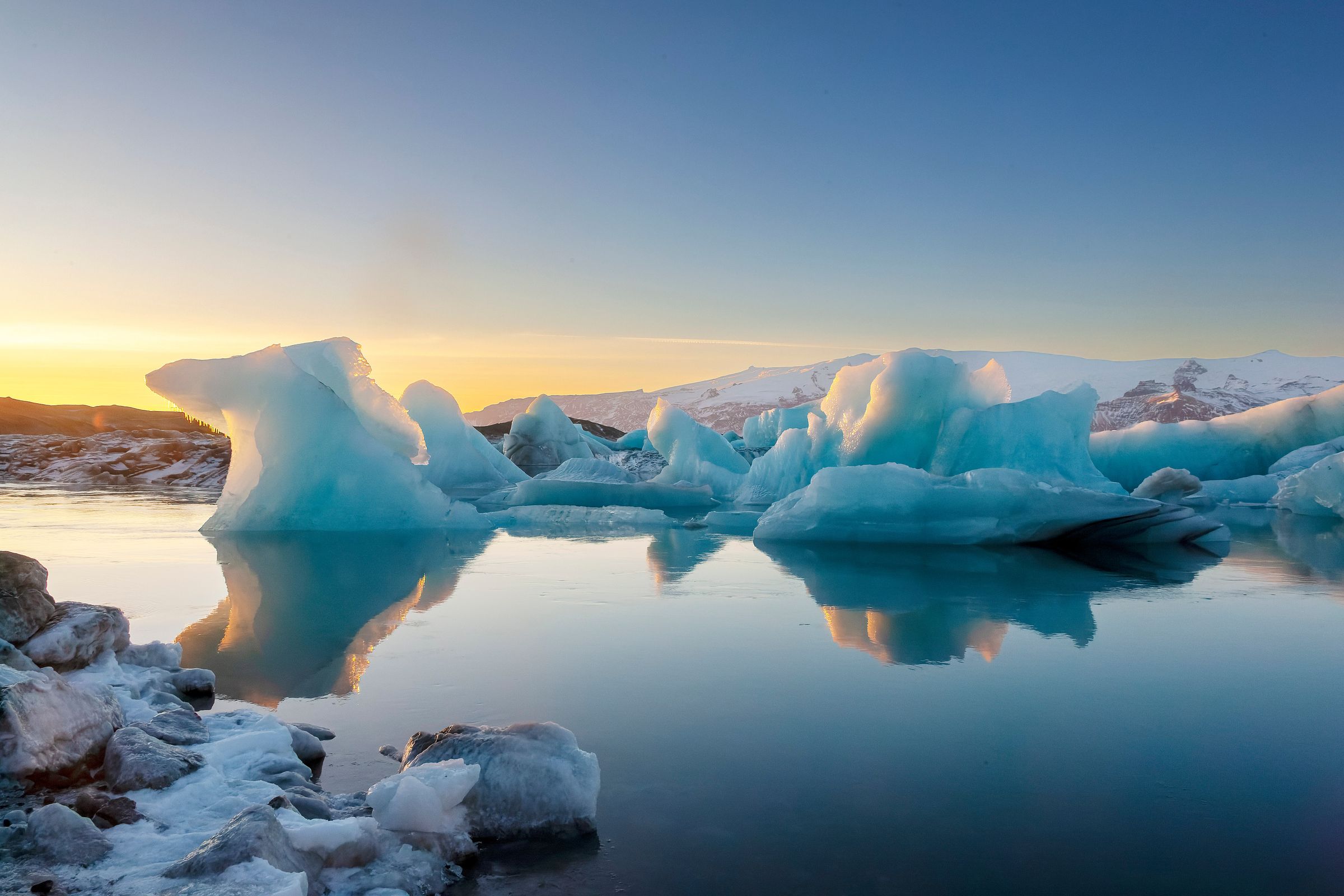
The colors can surprise you. Dense glacial ice often looks blue because of how light passes through it. Air bubbles turn ice white. Volcanic ash or rock debris creates gray and black bands. And the water itself? Don't expect bright blue. Fine rock particles in the meltwater often make it look gray or brownish. That's completely normal here.
Walk the Lagoon Trail
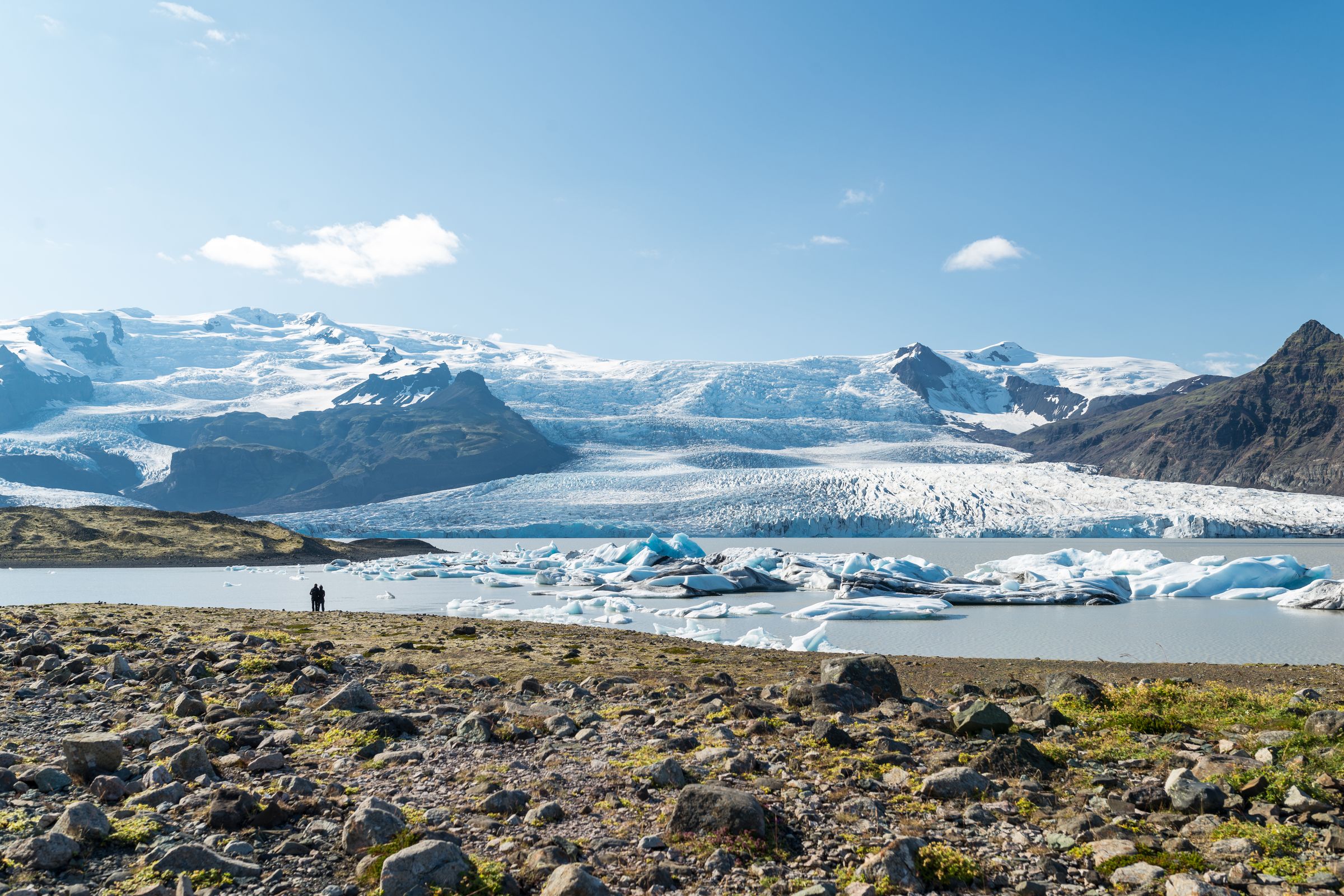
The park has a 1.5 km circular route starting just west of Frost Restaurant. A marked gravel path takes you down toward the lagoon, past a viewpoint looking out over Fjallsjökull, Fjallsárlón, Ærfjall, and Breiðamerkurfjall, then along the shore before looping back.
The park rates it as challenging, which might seem odd for 1.5 km. Loose gravel, uneven ground, mud, and snow can make it harder than it sounds though. Wear shoes with actual grip, not sneakers.
Join an Iceberg Boat Tour
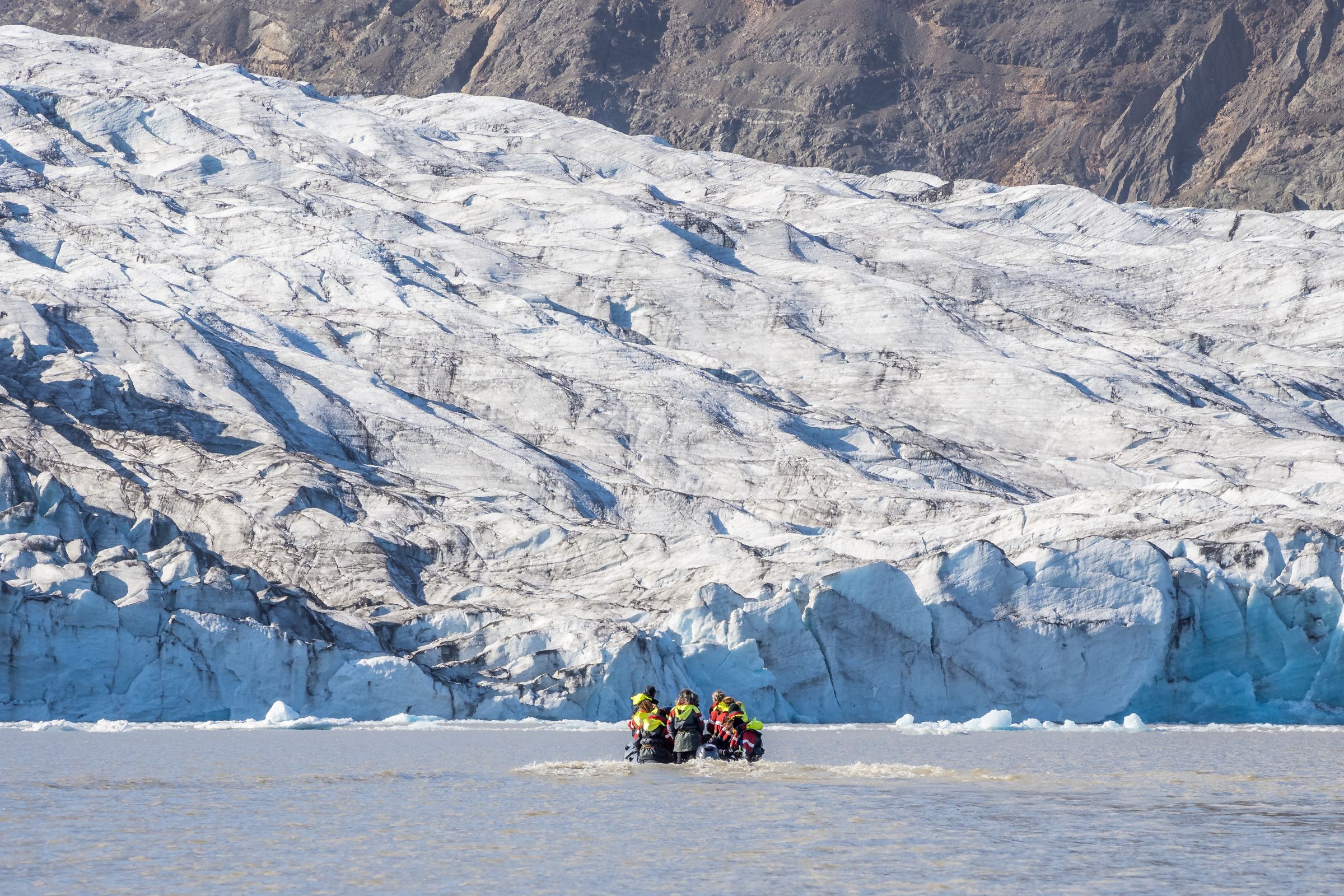
The main guided activity is a small-group Zodiac tour out among the icebergs. Tours run roughly April through November and last about 75 minutes, currently priced at around 11,300 ISK.
Because the lagoon is compact, you get surprisingly close to the floating ice and the glacier front. I'd recommend booking it if you can. Seeing the ice from water level is a completely different experience from looking at it from the path. There are also private options and a two-hour premium version for anyone who wants more time out on the water.
Take a Guided Glacier Hike
There's a combined boat and glacier hike running June through September, lasting around four hours at approximately 29,900 ISK. You go out on the lagoon first, then actually hike on Fjallsjökull with a guide, crampons, and proper gear.
One thing to check before booking: some packages sold as "Fjallsárlón glacier tours" include the boat trip at the lagoon but do the actual glacier hiking somewhere else, like Falljökull near Skaftafell. Make sure you know which glacier you're actually walking on.
And never try to get onto Fjallsjökull on your own. Hidden crevasses, unstable ice, and routes that change week to week make it genuinely dangerous without a guide.
Book a Seasonal Ice Cave Tour
Guided ice cave tours run from roughly November through April. Ice caves are temporary. Their location, shape, color, and whether they're even safe to enter all change every season. What's accessible one winter may not exist the next. Tours get canceled on short notice, and that's just how it works.
Try a Supervised Ice-Floating Experience
This is a guided activity where you get into the lagoon wearing a thermal immersion suit. It runs year-round and lasts about 1.5 hours. The current price is around 15,800 ISK.
This is not swimming. The water is near-freezing, ice moves without warning, and getting back to shore on unstable ground is harder than it looks. The suit and the guide are what make it safe. Without them, getting in the water would be seriously dangerous.
Photograph the Lagoon
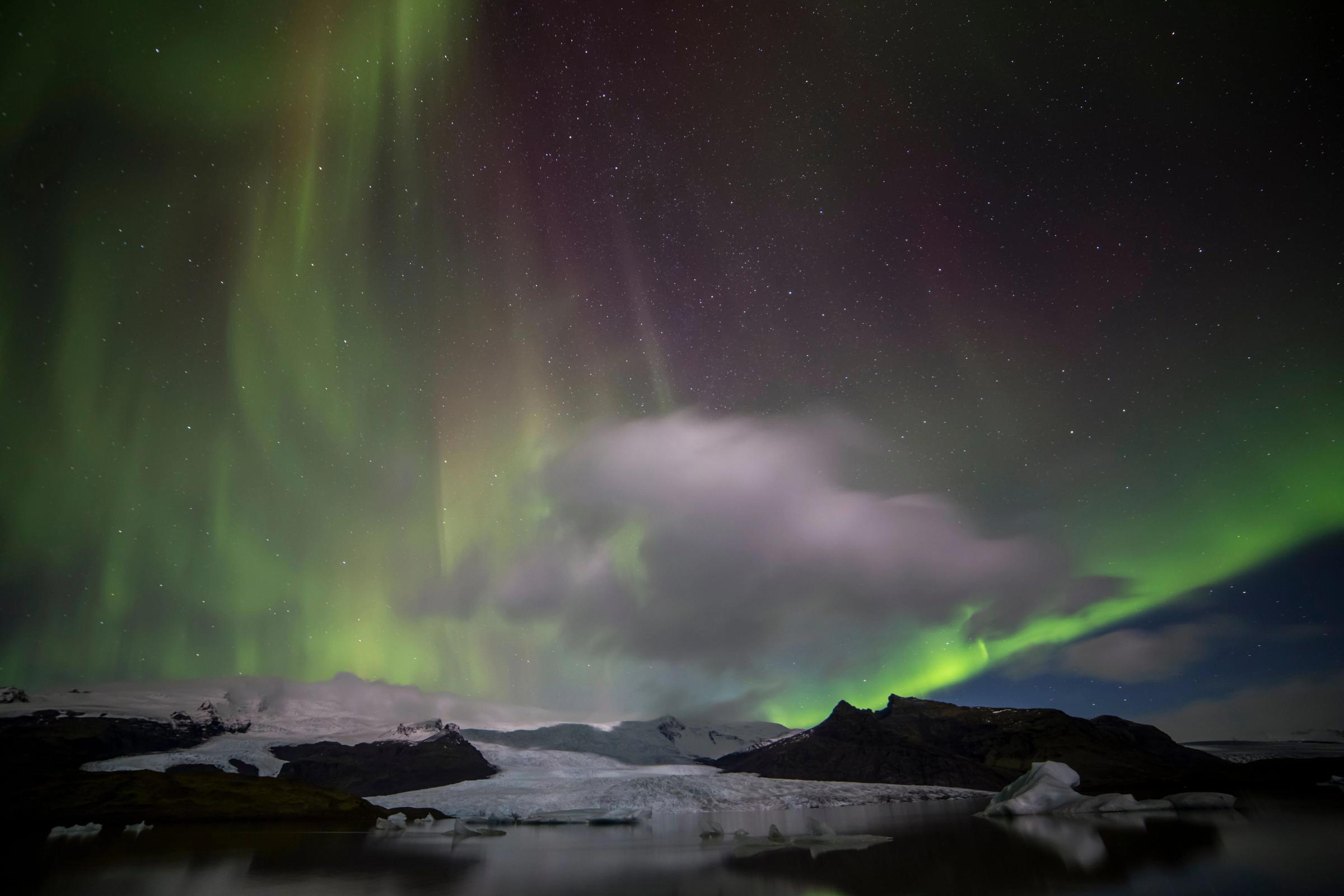
Fjallsárlón works really well for landscape photography because the foreground, lagoon, icebergs, glacier, and mountains can all sit in the same frame. Overcast conditions are actually great here; they bring out the blue tones in the ice and cut the glare. Early morning gives you the best shot at calm water and reflections.
A wide-angle lens covers the full scene. A telephoto is useful for getting into glacier-front details and picking out individual icebergs. Cold temperatures kill camera batteries fast, so keep a spare in an inside pocket.
Fjallsárlón vs. Jökulsárlón
These are two separate places with their own glaciers, their own feel, and their own reasons to visit. They happen to be close, but they're not the same experience.
- Lagoon size: Fjallsárlón is smaller and more enclosed; Jökulsárlón is larger and more open
- Glacier: Fjallsárlón is in front of Fjallsjökull; Jökulsárlón is in front of Breiðamerkurjökull
- Glacier view: The glacier feels right there at Fjallsárlón; at Jökulsárlón it's more distant across a wider stretch of water
- Crowd levels: Fjallsárlón is generally quieter, but it's not empty. It had over 260,000 visitors in 2022.
- Ocean connection: Jökulsárlón connects to the Atlantic through a tidal channel; Fjallsárlón doesn't
- Diamond Beach: That's at Jökulsárlón, not here
- Icebergs: Jökulsárlón tends to have larger icebergs; Fjallsárlón's are generally smaller
- Seals: Much more commonly spotted at Jökulsárlón because of its direct marine connection
- Photography: Fjallsárlón gives you a tighter, glacier-focused composition; Jökulsárlón gives you broader open-water shots
- Time needed: 45–90 minutes is usually enough at Fjallsárlón; Jökulsárlón takes longer, especially if you add Diamond Beach
Visit both. They're different enough that skipping one leaves a real gap in your southeast Iceland trip.

Best Time to Visit
There's no single best month. It depends on what you want out of the trip.
Spring (April–May)
Tours start back up, daylight increases, and crowds are lighter than in summer. Paths can still be muddy, snowy, or icy though, and some services may not be fully running yet.
Summer (June–August)
The easiest time to go. Long days, the full range of activities, and better roads. The downside is more people and the chance of boat tours filling up. Going early in the morning or later in the evening gets you better light and fewer crowds.
Autumn (September–October)
Lower-angle light, fewer visitors after the summer rush, and increasing chances of dark skies for aurora viewing. Weather gets less predictable, and some services start winding down.
Winter (November–March)
Snow-covered scenery and ice cave tours make winter worth it if you can stay flexible. Standard boat tours are mostly not running. Days are short, roads can close, and wind can be brutal. Don't lock yourself into a rigid schedule for a winter visit. Things change fast out here.
Best Time of Day
Early morning is usually the best option. Fewer people, calmer water for reflections, and softer light. Late afternoon and evening work well too, once the daytime tour groups have left. Midday is usually the busiest, especially in summer.
Practical Travel Tips
A bit of preparation goes a long way at a place this remote.
How Long to Stay
- Quick viewpoint stop: 30–45 minutes
- Relaxed shoreline walk and photos: 60–90 minutes
- Walk plus lunch at Frost Restaurant: around 2 hours
- Standard boat tour including check-in: 2–2.5 hours
- Boat and glacier hike combined: half a day
- Breiðármörk trail to Jökulsárlón: 4–5 hours, plus you'll need return transport sorted
What to Wear
Even in summer, it gets cold near the ice. Wind near the lagoon makes it feel colder than the temperature reading.
- Waterproof outer jacket
- Warm insulating midlayer, fleece or wool
- Moisture-managing base layer (merino or synthetic, not cotton)
- Water-resistant footwear with solid grip
- Hat, gloves, and warm socks
- Sunglasses and sunscreen
Booking and Facilities
In peak season, boat tours fill up, so book ahead if you can. Frost Restaurant is on-site and has hot food and drinks, but hours vary by season. [ADMIN: confirm current Frost Restaurant hours and operating months before publication] Toilets are at the parking area. There's no fuel, pharmacy, or grocery store here. The closest town with everything you need is Höfn, 90 km east, so make sure you stock up before you head out.
Visiting with Children
The main viewing area is close to the parking lot, which makes it fine for families. The trail is uneven and can be wet or icy, so keep an eye on kids near the water, loose banks, and any ice on the shoreline. Guided activities have minimum age and size requirements, so check with the operator before booking.
Mobile Coverage and Remote-Area Preparation
Coverage is patchy out here. Download offline maps before you leave, bring a portable battery, and make sure someone knows your rough plan for the day.
Safety at Fjallsárlón
The risks here are real. A few of them aren't obvious until you're standing at the water's edge.
Don't Enter the Water
Swimming on your own is not safe here. The water is near-freezing, cold shock sets in fast, floating ice can roll or shift without warning, and getting back to shore on unstable ground is harder than it looks. The guided ice-floating activity uses specialized immersion suits for exactly that reason.
Stay Back from the Ice and Glacier Front
Calving is when ice breaks off the glacier, and it happens without any warning. It produces loud cracking sounds, falling ice, and waves across the lagoon. Don't climb onto icebergs or any stranded ice on the shore, and don't try to get close to the glacier face on your own.
Stick to Marked Paths
Close to the water, you can run into undercut banks, loose ground, sudden depth changes, and spots that look solid but aren't. The marked route is there for a reason.
Take Wind Seriously
Strong gusts near the lagoon can knock you off balance and push cold rain straight through your jacket. When you park, hold your car door when you open it. Icelandic gusts have been known to damage doors.
Check Conditions Before You Leave
The Icelandic Meteorological Office has forecasts and regional warnings. Iceland's road authority gives live road conditions. SafeTravel, run by the Icelandic Association for Search and Rescue, has useful alerts and emergency info. Iceland's emergency number is 112.
Don't rely on a forecast from the night before. In southeast Iceland, conditions can change a lot overnight. Check again in the morning before you head out.]
Nearby Attractions
Fjallsárlón sits in the middle of one of the best stretches of Iceland's Ring Road. These are worth adding to your visit.
Jökulsárlón
About 10 km east, Jökulsárlón is Iceland's most famous glacier lagoon. Bigger, busier, and connected to the Atlantic. Plan at least a couple of hours here, especially if you're also heading to Diamond Beach.
Diamond Beach
Diamond Beach is the black-sand shore beside Jökulsárlón's ocean outlet, where ice from the lagoon washes up on the beach. The contrast of white ice against black sand is really something to see. Stay well back from the surf, as waves can move heavy chunks of ice and sweep across the beach fast.

Breiðárlón
A quieter glacial lagoon in the same Breiðamerkursandur area, less developed and less visited. Worth a look if you have time and want to see more of this landscape.
Skaftafell
A major visitor area within Vatnajökull National Park, about 45–50 km west of Fjallsárlón. Good hiking, glacier viewpoints, and access to Svínafellsjökull. Personally, I'd start here before heading east to the lagoons if you're doing a full day.
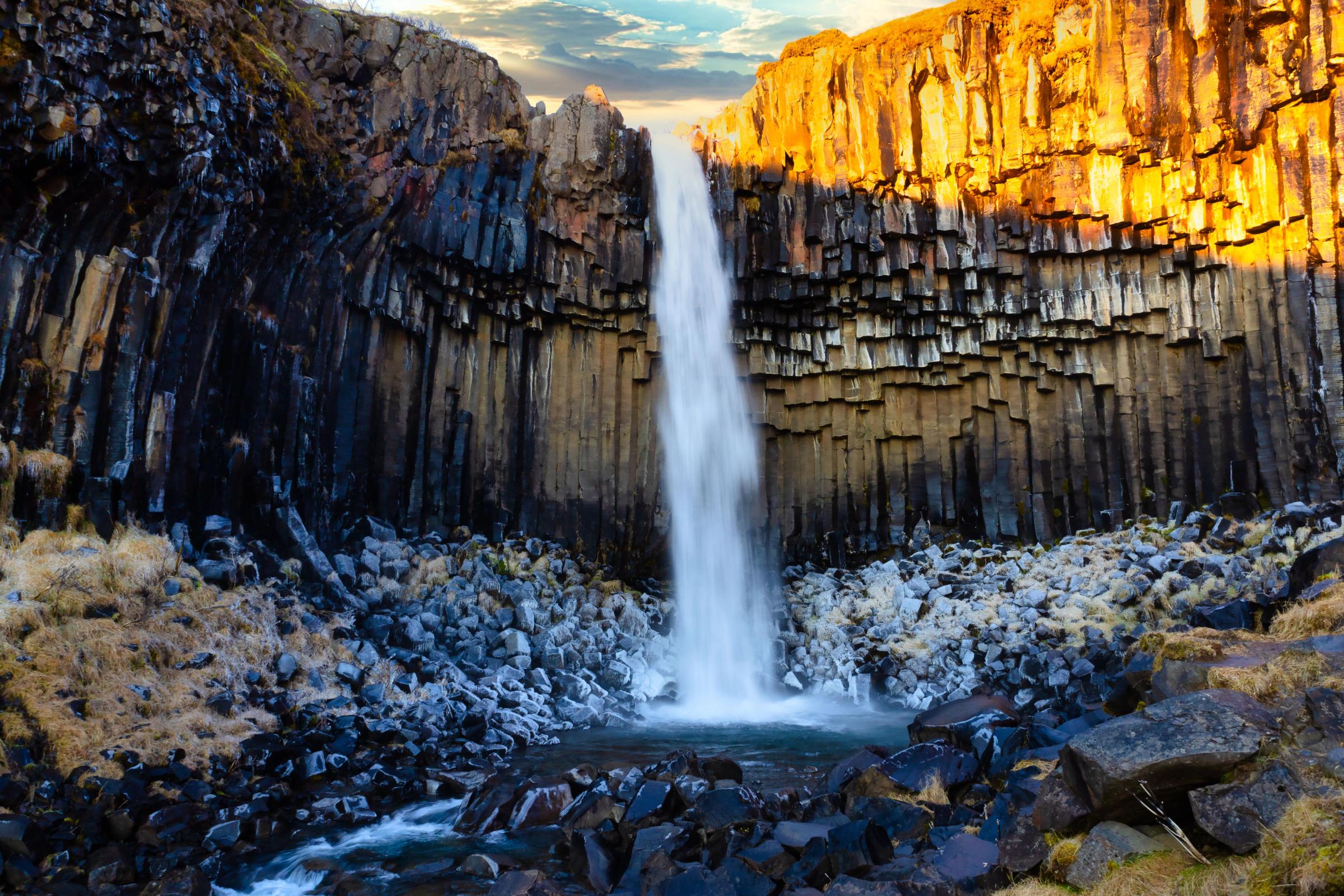
Svartifoss
A waterfall in the Skaftafell area surrounded by dark basalt columns. Worth the hike if you're already spending time at Skaftafell.
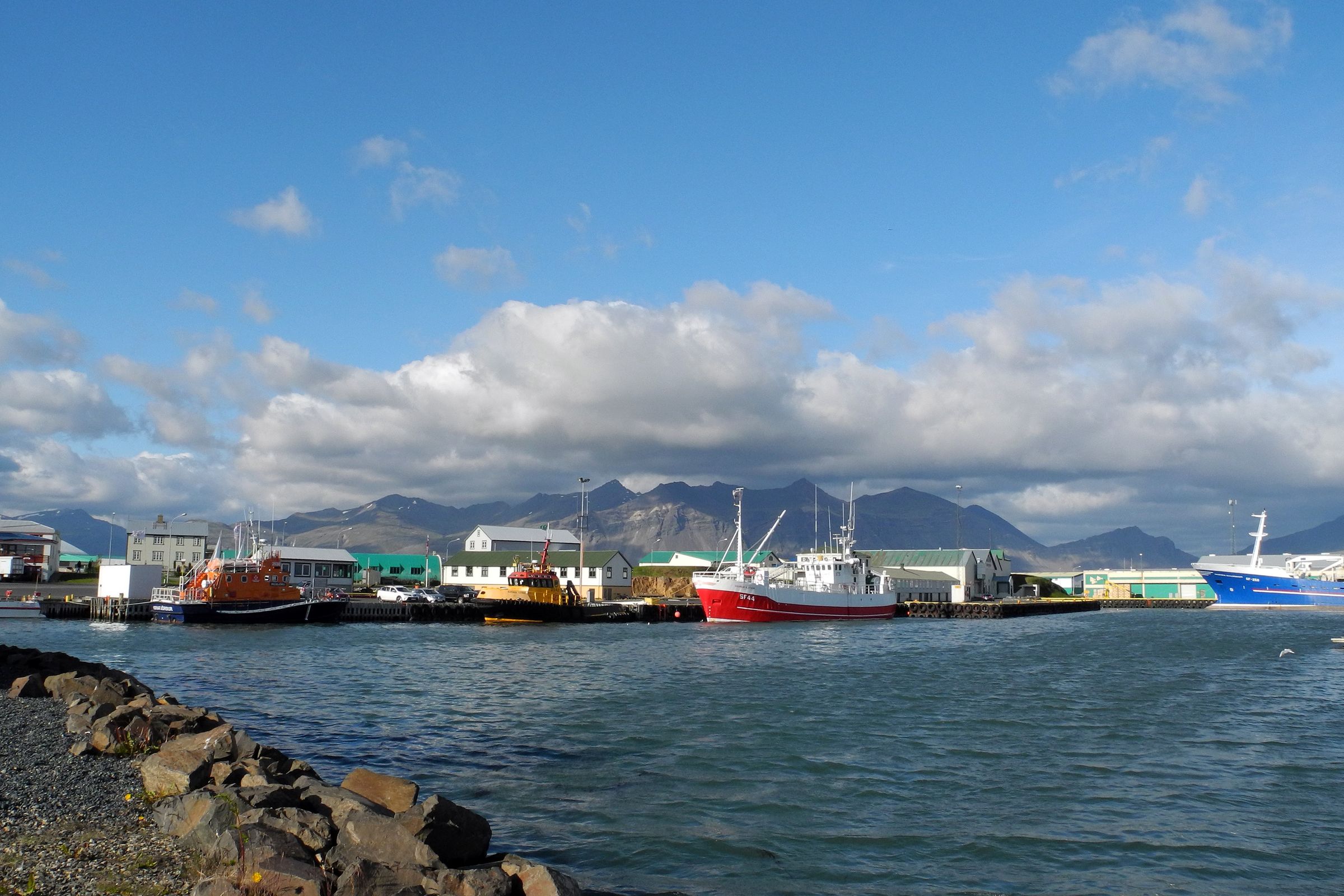
Höfn
The main service town in the area, about 90 km east. Good for accommodation, restaurants, fuel, and groceries. A natural overnight stop if you're continuing east into Iceland's Eastfjords.
Conclusion
Fjallsárlón is worth your time, and not just because it's calmer than Jökulsárlón. The enclosed setting, the closeness of Fjallsjökull, and the way you can clearly see the connection between a retreating glacier and the lake it's creating make it a genuinely interesting place to spend time. Recent research shows the lagoon has grown a lot since 1945 and will keep expanding as the glacier pulls back. What you're looking at is a landscape that's actively changing.
Give yourself at least 45 to 90 minutes for an independent visit, more if you're booking a boat tour or glacier activity. And do visit both lagoons. Fjallsárlón and Jökulsárlón are different enough that skipping one is a mistake.
Frequently Asked Questions About Fjallsárlón