Þórufoss Waterfall: A Game Of Thrones Filming Location
Þórufoss (also spelled Thorufoss) is a waterfall in southwest Iceland that most people skip on their way to the Golden Circle's main stops. It's quiet, free, and takes less than an hour to visit.
This guide covers what it is, where it is, how to get there, and how it compares to the other waterfalls nearby.
What Is Þórufoss Waterfall?
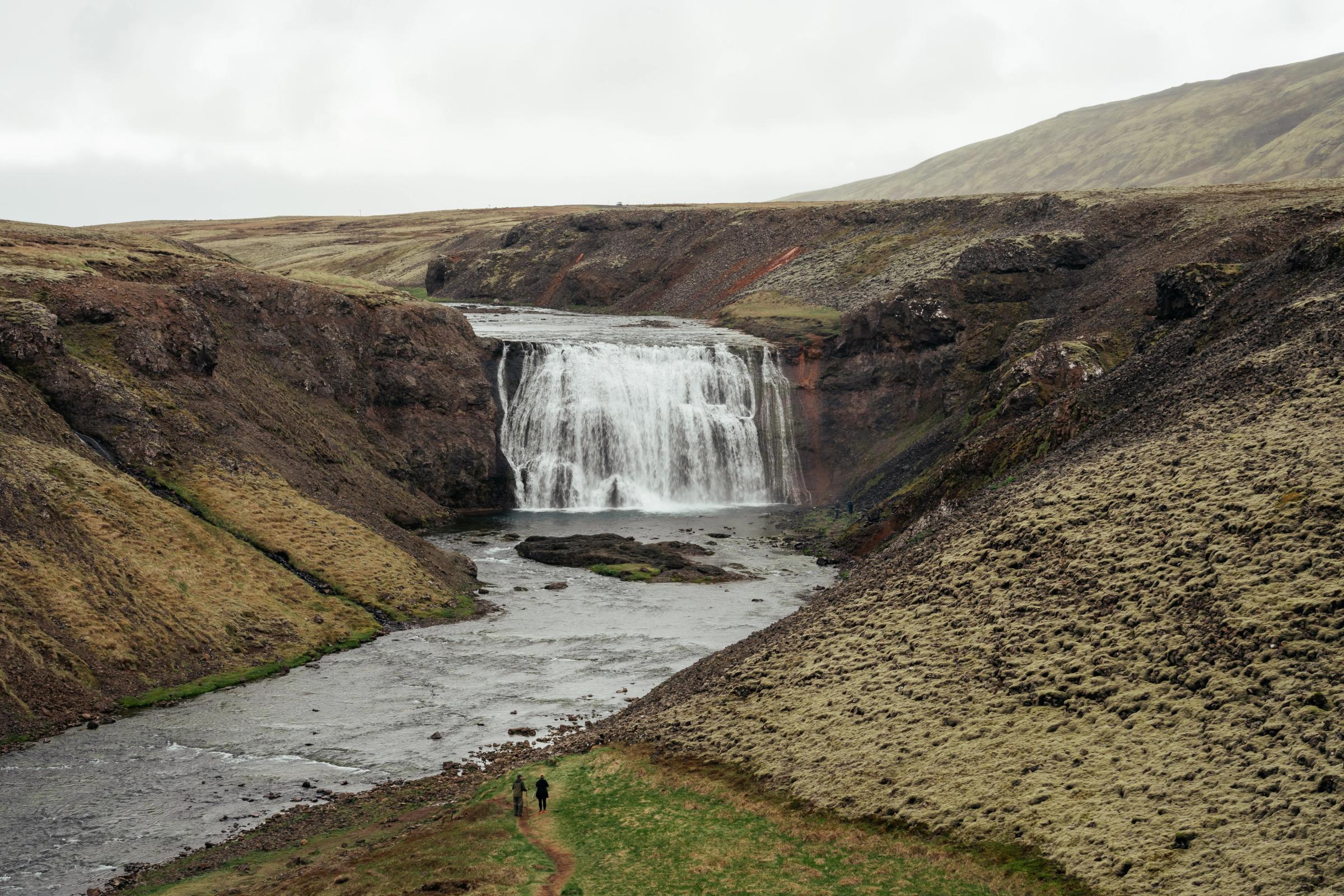
Þórufoss is a waterfall on the Laxá í Kjós river, east of Lake Þingvallavatn in southwest Iceland. It drops about 18 meters (62 feet) into a canyon of dark volcanic rock and green moss.
It's not Iceland's biggest waterfall. What it has going for it is a good-looking canyon setting, very few visitors, and easy access from Route 48. It's also a Game of Thrones filming location. It sits close to Þingvellir National Park and makes a good short stop on a self-drive Golden Circle day.
Why Visit Þórufoss?
The standard Golden Circle covers Þingvellir, Geysir, and Gullfoss. That's the right starting point for most people. But if you're self-driving and have a bit of room in your day, Þórufoss is worth adding.
Here's why:
- It's quiet. Even in summer, you'll often find only a few other people there. Gullfoss gets tour buses all day. Þórufoss doesn't.
- It's easy to reach. Small parking area right off Route 48, short walk to the viewpoint. No hike, no tour needed.
- It's good for photos. A wide drop into a dark, mossy canyon gives you strong contrast and a composition that's hard to mess up.
- It's fast. Most people spend 30 to 45 minutes. Easy to fit into a full Golden Circle day.
- It's a Game of Thrones filming location. One of the confirmed ones in Iceland, with a scene you can actually place on the ground.
- It's close to Reykjavík. About 40 to 50 minutes by car. Works well as a first or last stop on a day trip.
Þórufoss isn't a trade-off for Gullfoss. It's an easy addition to the same day.
Where Is Þórufoss and How to Get There
Self-driving is the only practical way to visit. Here's the location context and how to get there.
Location
Þórufoss sits east of Lake Þingvallavatn in the Kjós area, on the Laxá í Kjós river. That river is 25 kilometers long and runs north toward Hvalfjörður. The waterfall is near Þingvellir National Park but not inside it.
The parking area is right off Route 48. You can't see the waterfall from the road, so you won't know it's there until you walk a short distance from the car.
Getting There from Reykjavík
No regular bus goes to Þórufoss, and it's not on most standard Golden Circle tours. You need a campervan or a car.
The drive from Reykjavík takes 40 to 50 minutes in normal conditions:
- Take Route 1 (the Ring Road) north through Mosfellsbær (last chance for fuel, food, and toilets before you get there)
- Turn onto Route 36 toward Þingvellir
- Turn left onto Route 48 (Kjósarskarðsvegur)
- Drive about 5 to 6 kilometers and look for the small pullout on the right
Route 48 is gravel. A regular 2WD rental is fine in good conditions. Check the road status before you go.
Getting There as Part of the Golden Circle
Þórufoss is on the Þingvellir side of the Golden Circle, not the Geysir/Gullfoss side. Worth knowing before you plan your route.
Two easy ways to fit it in:
- Before Þingvellir: Route 1 → Route 36 → short detour on Route 48 to Þórufoss → back to Route 36 → Þingvellir. Usually the cleanest option.
- After Þingvellir: Visit the park first, then backtrack briefly to Route 48. Good if you want to see the weather before committing to the detour.
Check road.is and safetravel.is before you leave, especially outside of summer. Route 48 conditions can change.

What to Expect When You Arrive
This is a basic natural stop with no built infrastructure. Here's what it actually looks like.
The Waterfall and Setting
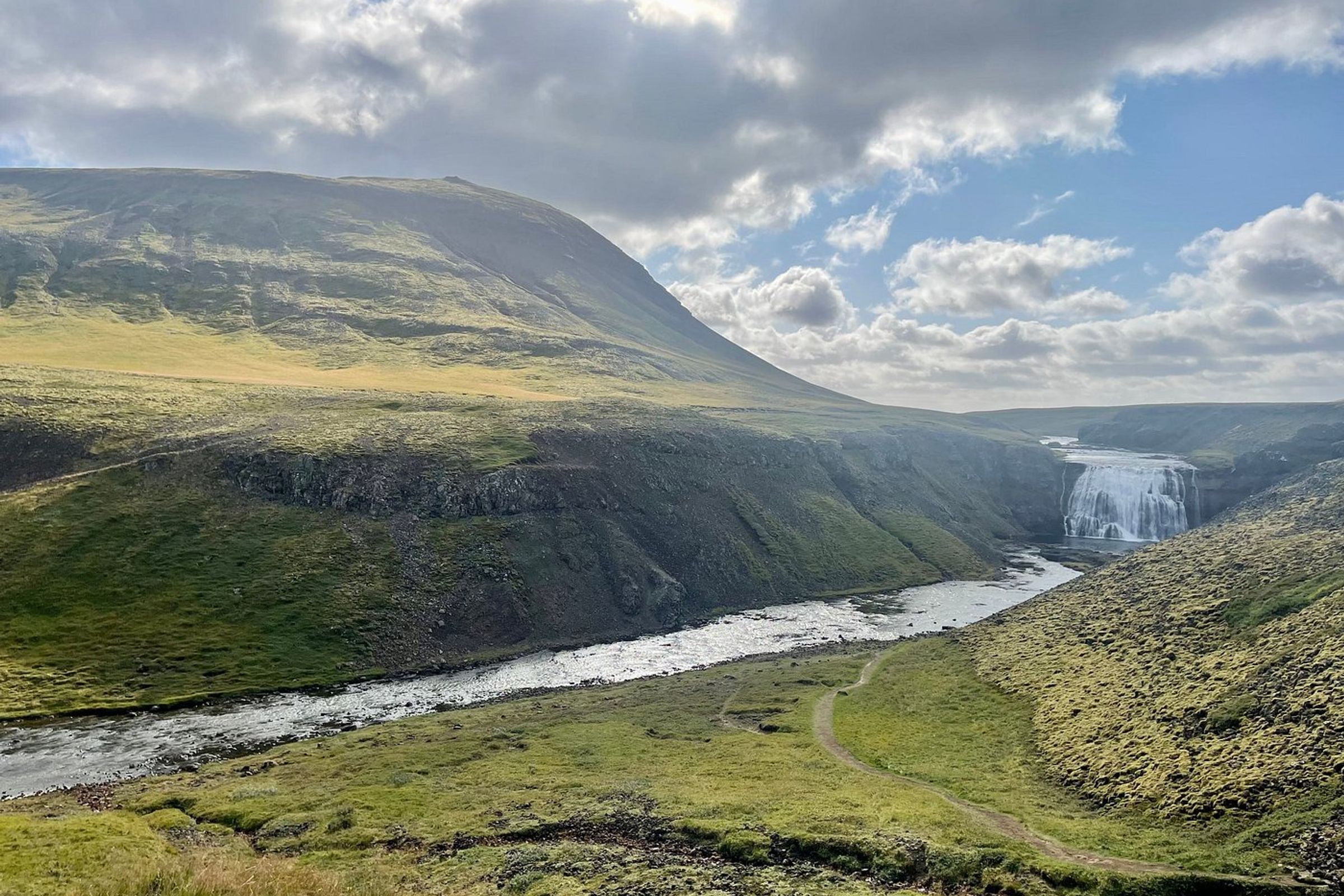
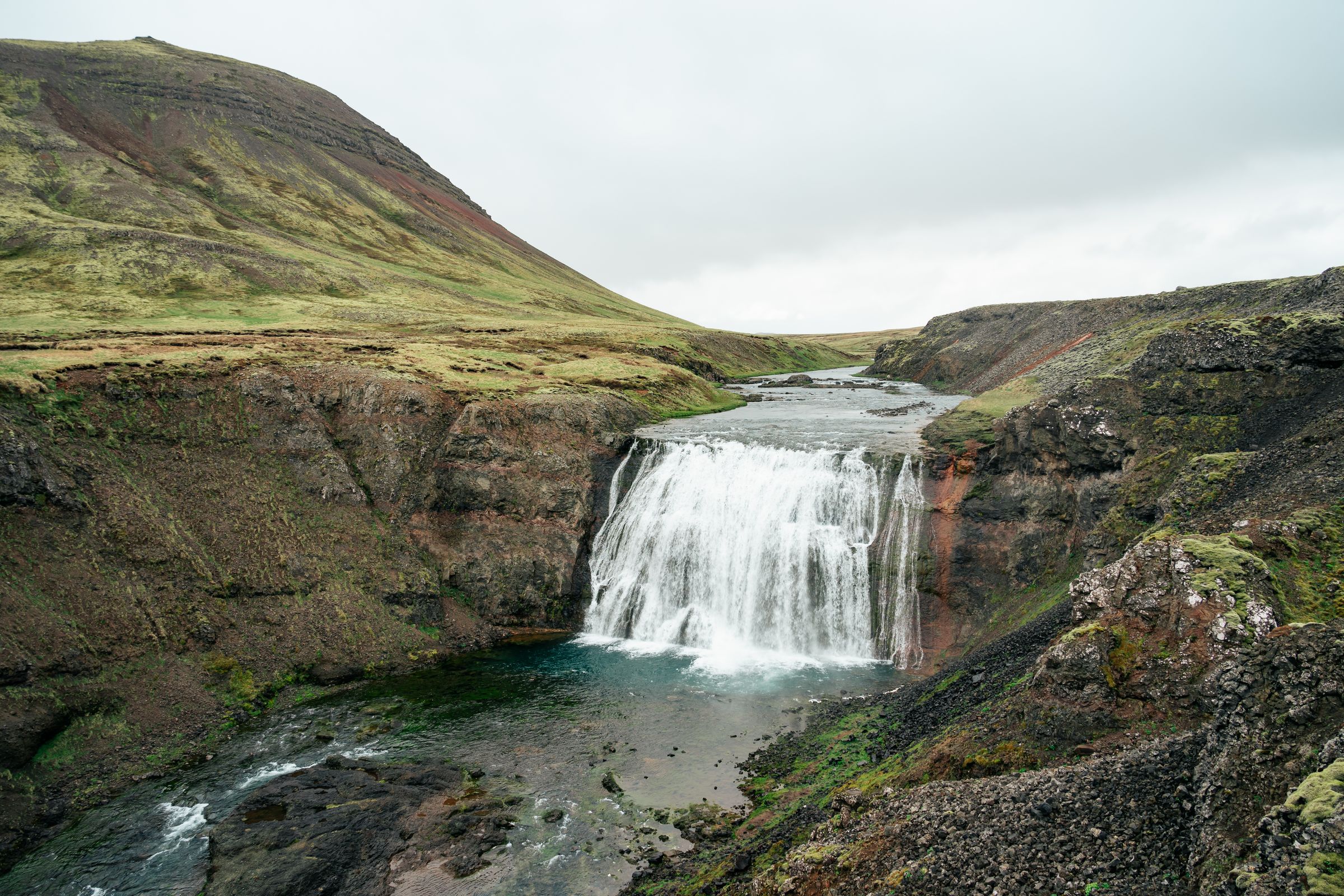
The falls drop over a wide, roughly trapezoidal ledge of dark basalt into a narrow canyon. The walls are mossy, the rock is dark and volcanic, and the river below is part of the Laxá í Kjós, known for its Atlantic salmon population. It's a wide, calm drop rather than a roaring one. The whole place feels quiet and a bit isolated.
One thing a lot of people mention: you can't see the waterfall from the parking area. You walk a short distance, and the canyon suddenly appears in front of you. That moment is a big part of why people remember the stop.
Walk and Difficulty
The walk from the parking area to the main viewpoint is short and easy (literally 5 minutes). You'll be in a good vantage point within a few minutes. There are no formal paths, signs, or railings. The ground is uneven and natural.
Some people go further, descending toward the canyon base for a closer look. It's possible, but the slopes are steep and loose, and they get slippery when wet. Not a good idea for families with young kids or anyone not comfortable on rough terrain.
Facilities and Crowd Levels
No toilets, no café, no visitor center. Bring what you need and sort out the facilities in Mosfellsbær before heading out. The parking area fits around 5 to 10 cars. Arriving early helps.
Crowd levels are low. Even in summer, you'll usually find just a few other people, which is a real difference from somewhere like Gullfoss.
Best Time to Visit Þórufoss
Free and open all year. But the experience is pretty different depending on when you go.
Summer (June to August)
The easiest time to visit. Route 48 is in good shape, the days are long, the moss is green, and the walk to the viewpoint is simple. If you want a straightforward visit with no complications, summer works best.
Winter (November to March)
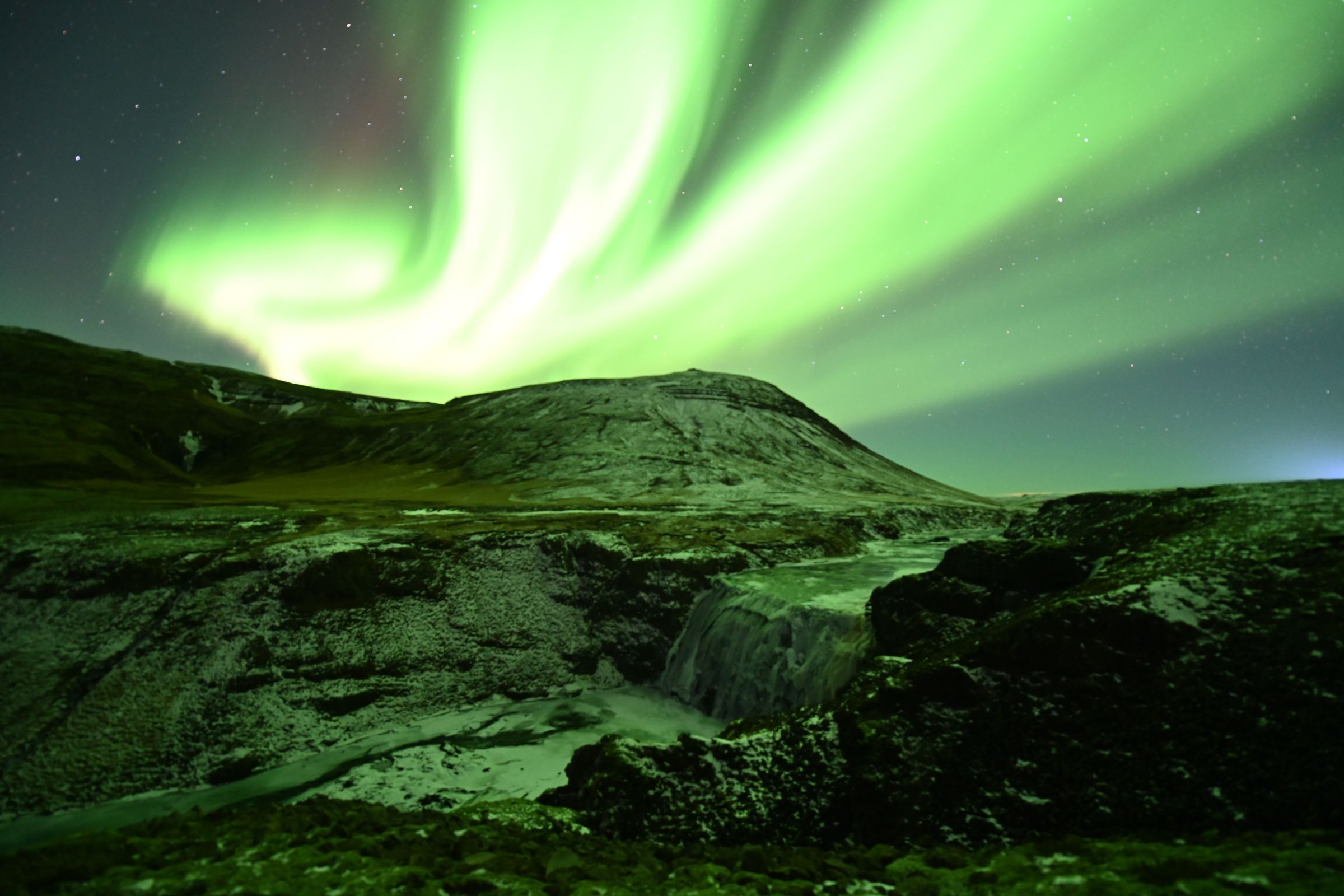
The falls can partially or fully freeze over in winter. That looks great, especially for photos. The trade-off: Route 48 can be icy, the days are short, and the ground around the viewpoint gets slippery. If you go in winter, bring microspikes.
Shoulder Seasons (April to May, September to October)
Often a good balance. Fewer people than peak summer, decent road conditions most years, and good light for photography. September is a solid choice, with Northern Lights possible on clear nights.
Early morning is the best time of day, regardless of season. Fewer people and better light for photos.
Travel Tips and Safety
Þórufoss is one of the easier stops in Iceland. But it's still an unfenced natural site with a canyon drop and no services nearby. A few things are worth paying attention to.
Before You Go
Three quick checks before leaving Reykjavík:
- road.is (or umferdin.is) for live Route 48 conditions
- vedur.is for the weather forecast
- 112 Iceland app downloaded on your phone so rescue teams can find you if needed
On the Ground
A few things to keep in mind once you're at the waterfall:
- Stay back from the edge. Wet grass and soft ground near the canyon rim can give way. The drop is real.
- Don't scramble down casually. Getting to the canyon base means steep, loose slopes that get slippery fast. Only go if you have solid footwear and feel confident on rough ground.
- Wear the right shoes. Waterproof hiking boots are the right call. Flat-soled shoes are a problem when the ground is wet or icy.
- Watch kids closely. No barriers, no fencing. Natural cliff edge.
- Don't drive off-road. It's illegal in Iceland. Use the designated pullout only.
SafeTravel Iceland (safetravel.is), run by ICE-SAR, has current safety alerts for travel around the country. Worth checking before you go.
Things to Do at Þórufoss
It's a short stop, but there's more to do than just look at the water.
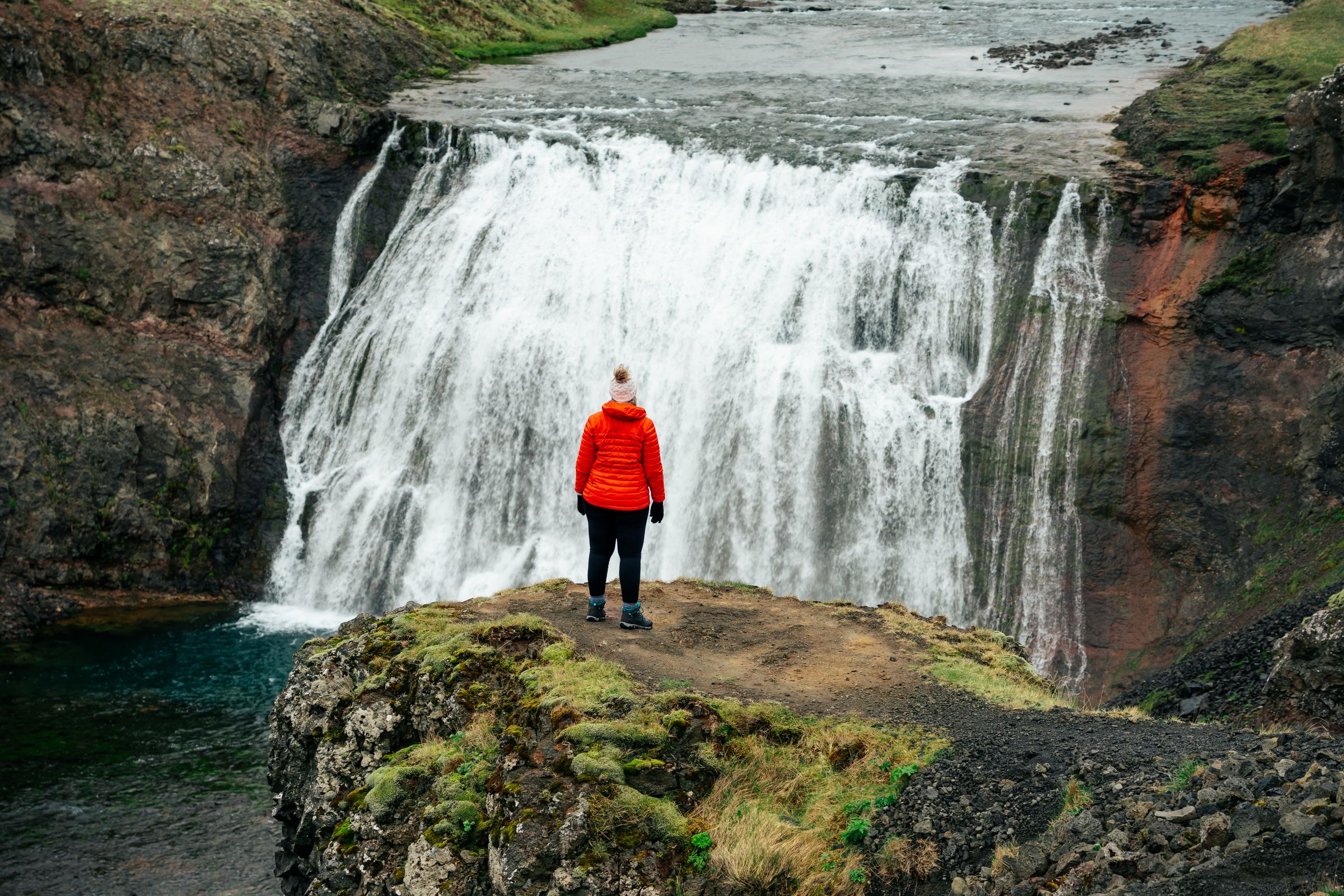
- The main viewpoint gives you a clear elevated look at the full drop and the canyon. Most people spend their time here. Move along the rim to get different angles.
- For photography, the contrast between white water, dark basalt, and green moss works best in flat, overcast light. Early morning or cloudy skies will give you more to work with than harsh midday sun.
- Game of Thrones fans should walk to the riverbank opposite the falls. That's where you can roughly match the camera angles from the Season 4 scene. There's no signage for it, so watch the episode before you go.
- For self-drive travelers, Þórufoss works best as the first stop of the day, before Golden Circle traffic builds. You'll have the viewpoint to yourself before moving on to busier stops.
Þórufoss and Game of Thrones
Þórufoss is one of Iceland's Game of Thrones filming locations.
The most famous scene linked to it is from Season 4, Episode 6 ("The Laws of Gods and Men"). That's when Drogon swoops over the valley and grabs a goat from a herder's flock right above the falls.
If you want to match the angle, walk to the riverbank opposite the falls. No guide needed. If you know the scene, you'll recognize the spot.
It's also worth noting that a lot of people find Þórufoss through "Game of Thrones Iceland filming locations" searches rather than through waterfall or Golden Circle planning. It's one of the reasons the waterfall gets more traffic than you'd expect for something this size.
Nearby Attractions and How to Combine Them
Þórufoss works best as part of a full day. Here's what pairs well with it.
Þingvellir National Park
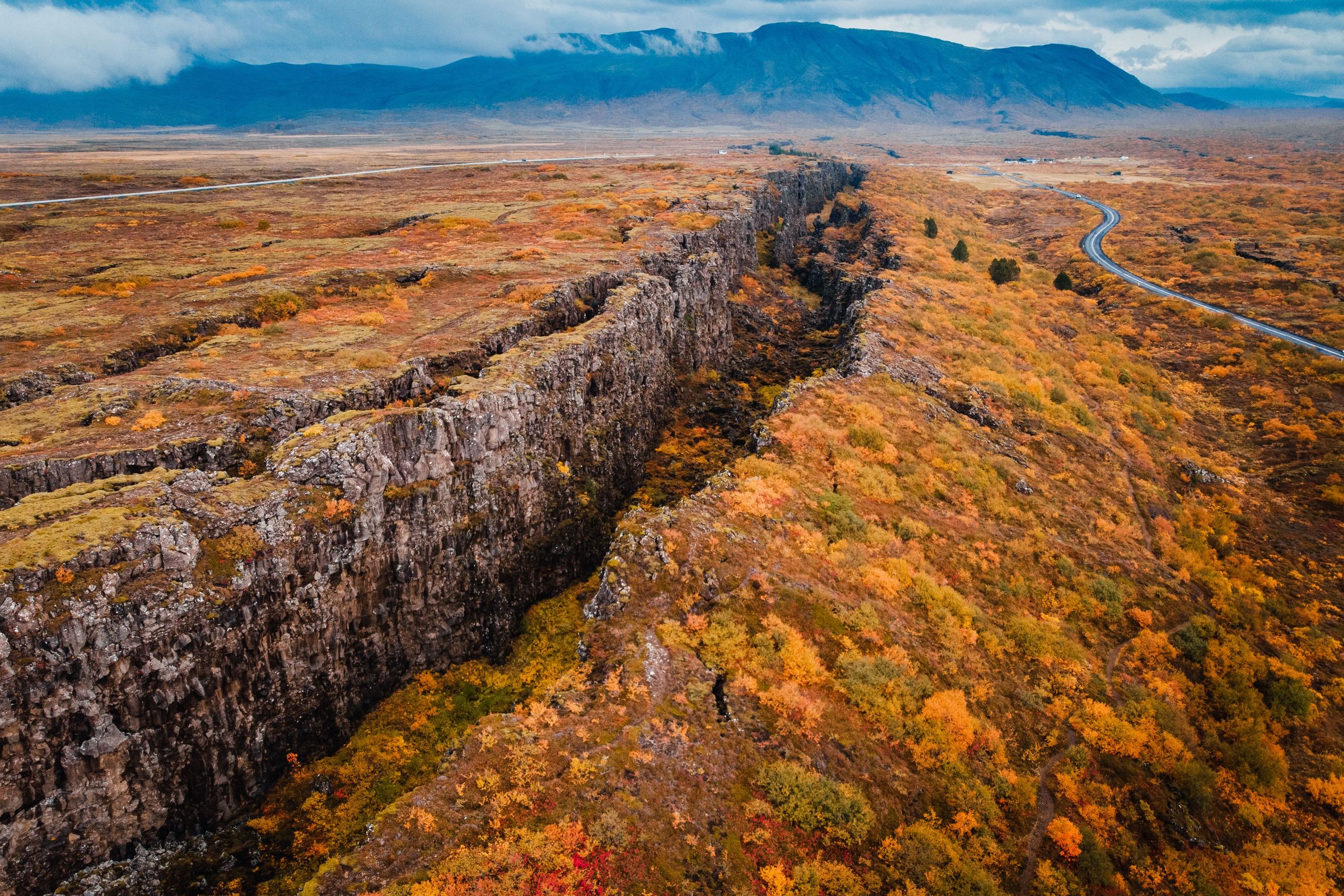
The most obvious pairing, and only 15 minutes away. Þingvellir is where Iceland held its first parliament (Alþingi) in 930 AD. It sits on the rift zone where the North American and Eurasian tectonic plates are pulling apart, which is visible on the ground. It's a UNESCO World Heritage Site with a lot going on: rift valley walks, Öxarárfoss waterfall, Silfra snorkeling, and solid visitor facilities including parking, toilets, and maps.
Continuing the Golden Circle
After Þingvellir, the standard loop goes to Geysir and Strokkur (the active geyser that erupts roughly every 5 to 10 minutes, then Gullfoss. Other things people add:
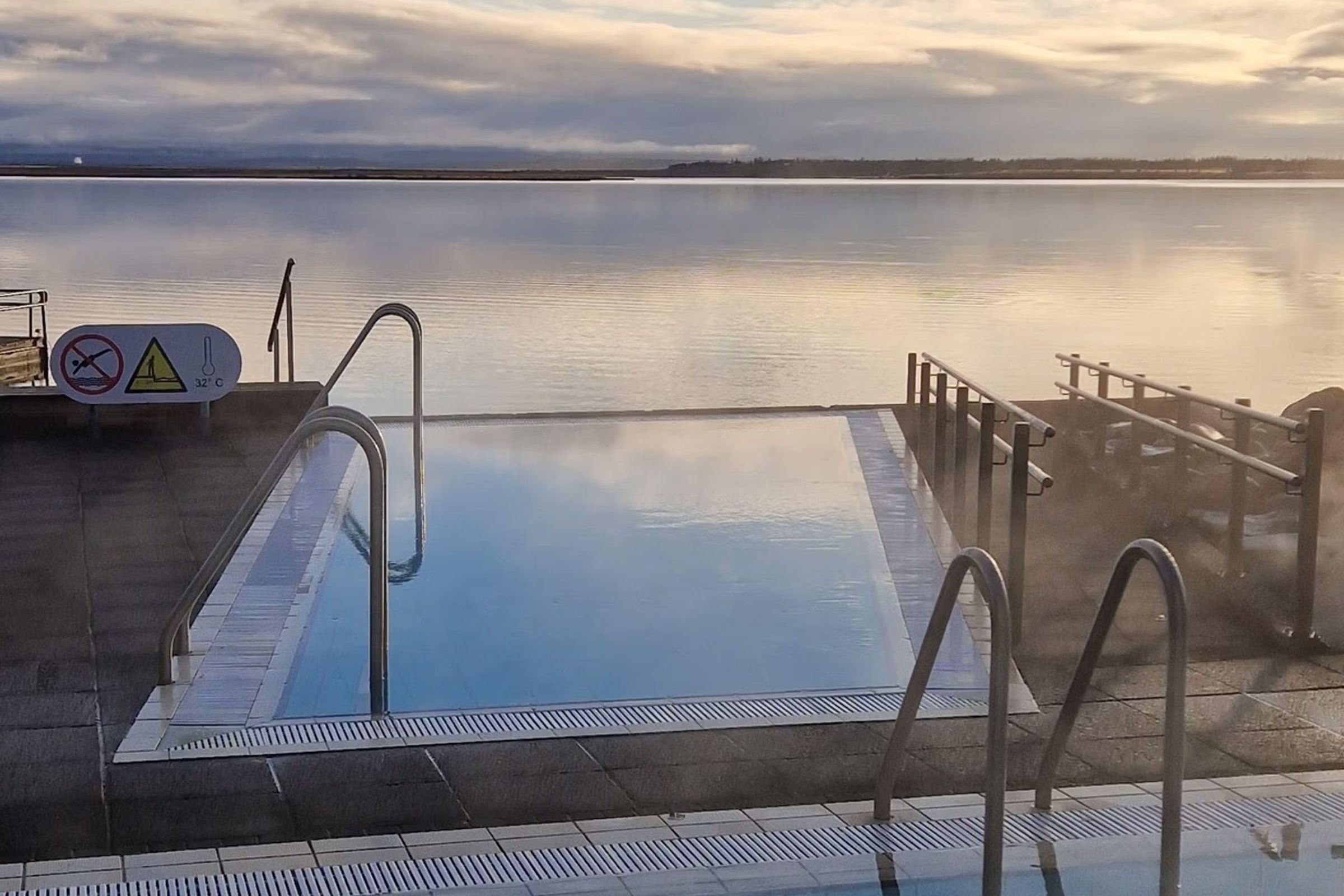
- Laugarvatn Fontana for a geothermal soak
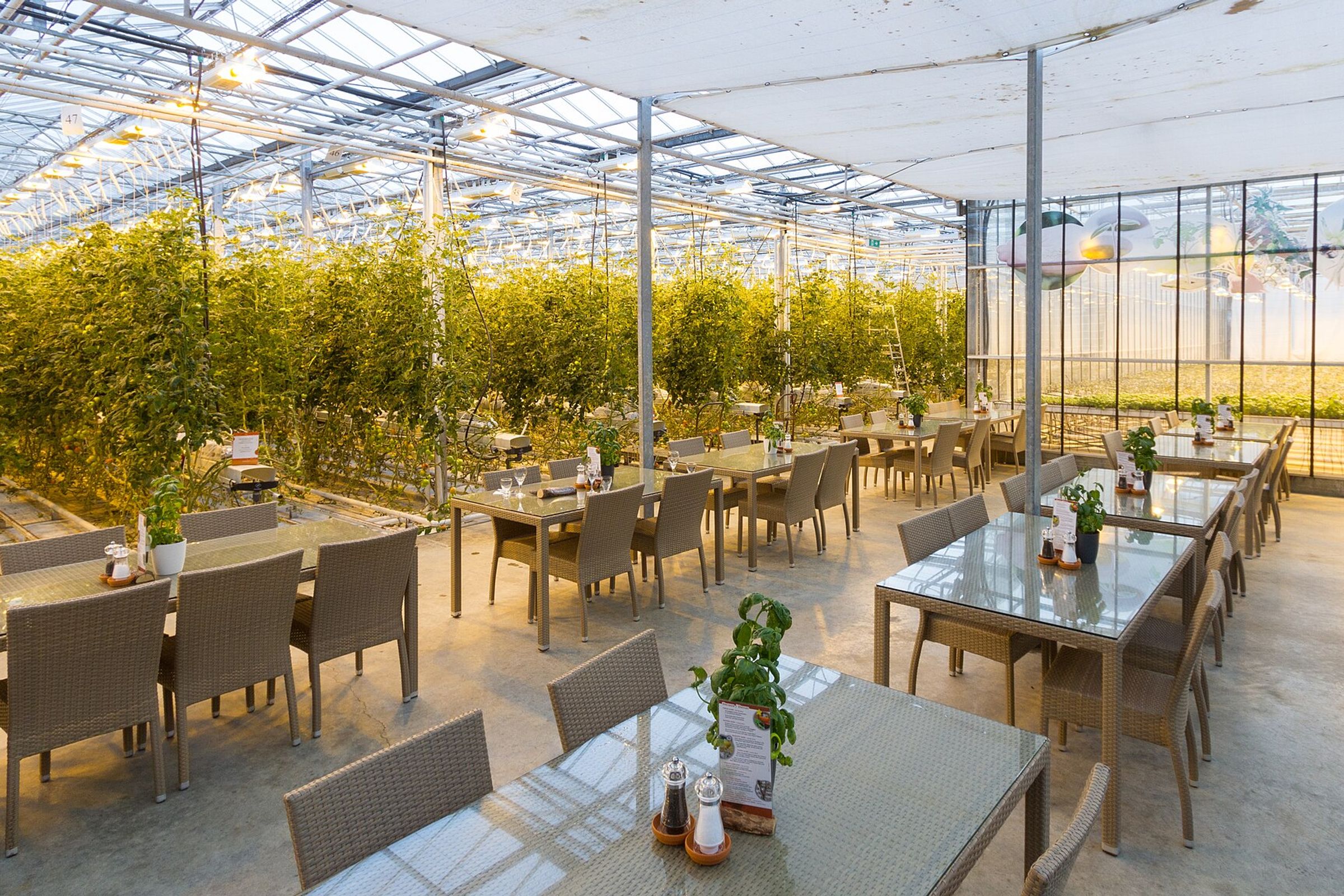
- Friðheimar for a greenhouse lunch
- Kerið crater lake, which has a small entry fee

Þórufoss Compared with Other Waterfalls Nearby
Here's how Þórufoss sits relative to the other waterfalls on the same route, and which one makes sense for what.
Þórufoss vs. Gullfoss
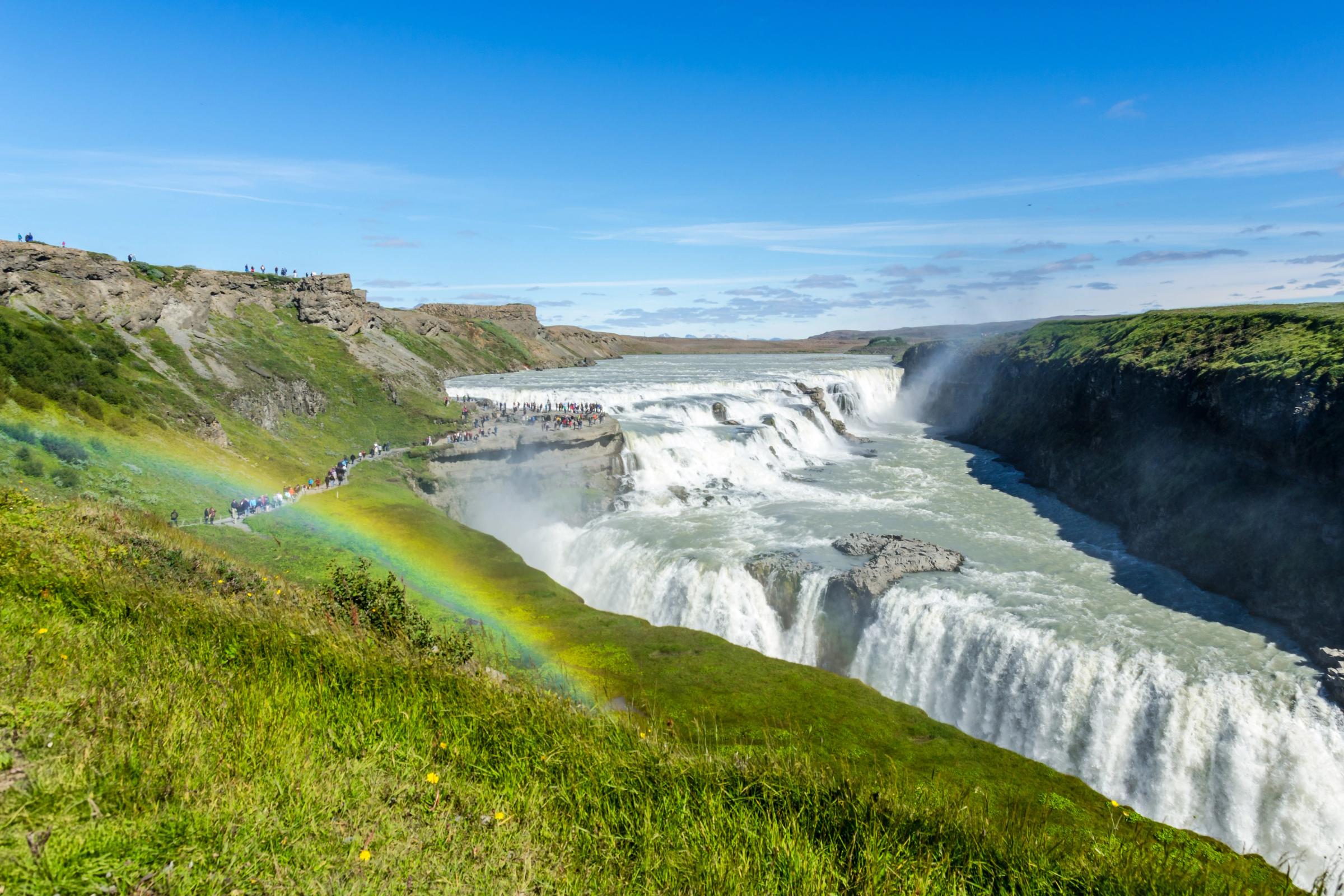
Gullfoss is a different thing entirely. Two tiers, a lot of power, a visitor center with a café and toilets, multiple viewing paths, and a spot on pretty much every Iceland itinerary. For a first Golden Circle day, it's not something you skip.
Þórufoss doesn't compete with that. What it offers: far fewer people, a more personal feel, a shorter visit, and a canyon setting that feels raw rather than developed. Most people are better off doing both. Go to Gullfoss for the scale, Þórufoss for the quiet.
Þórufoss vs. Öxarárfoss
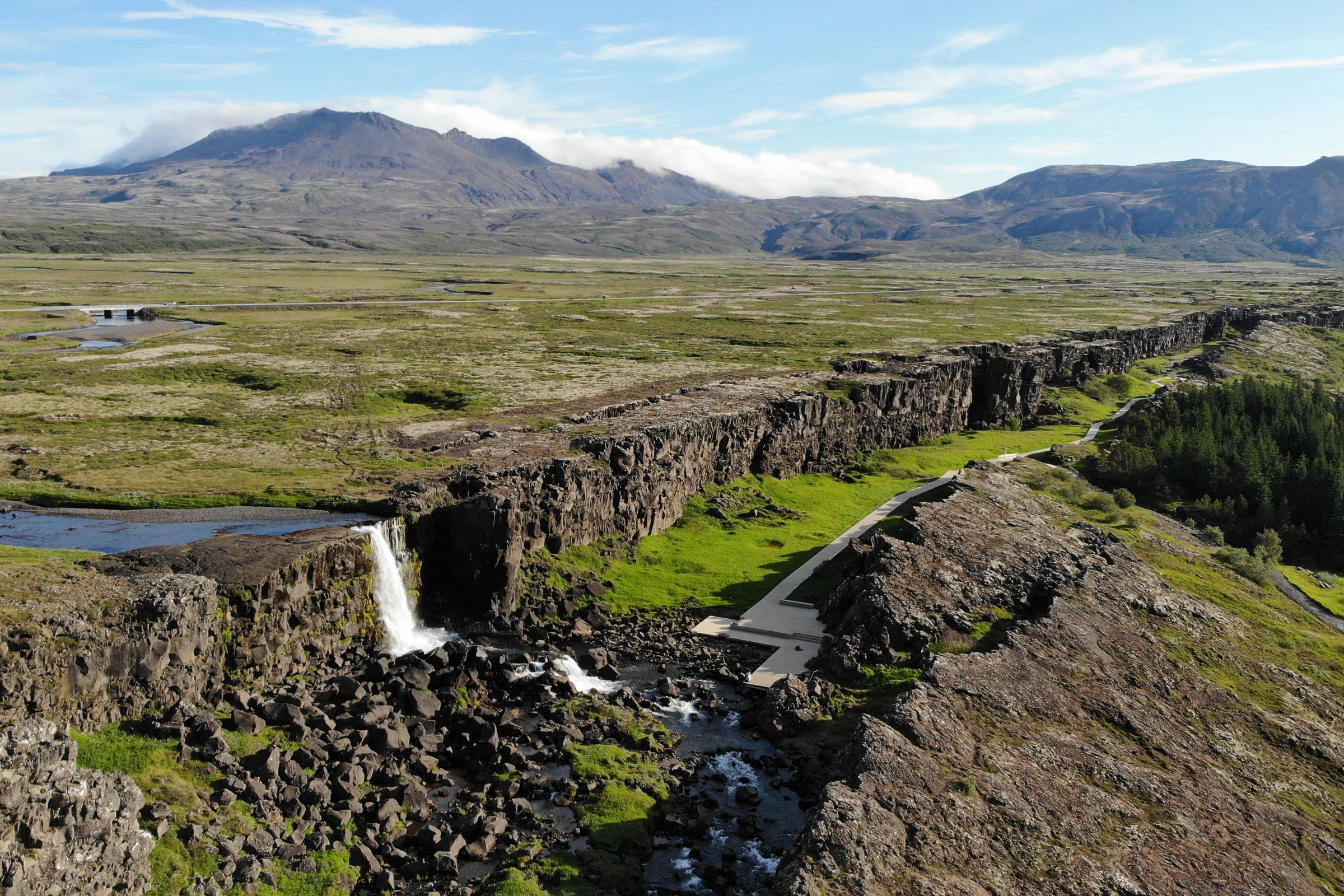
Öxarárfoss is inside Þingvellir National Park, which makes it the easiest waterfall add-on if you're already there. It comes with all of Þingvellir's facilities and sits right next to the geological and historical sights. It's the logical, convenient choice.
Þórufoss is more on its own. It feels like a separate stop rather than part of a bigger attraction. If you're already walking Þingvellir, Öxarárfoss is the easy call. If you want something quieter and more standalone, Þórufoss is better.
Þórufoss vs. Brúarfoss
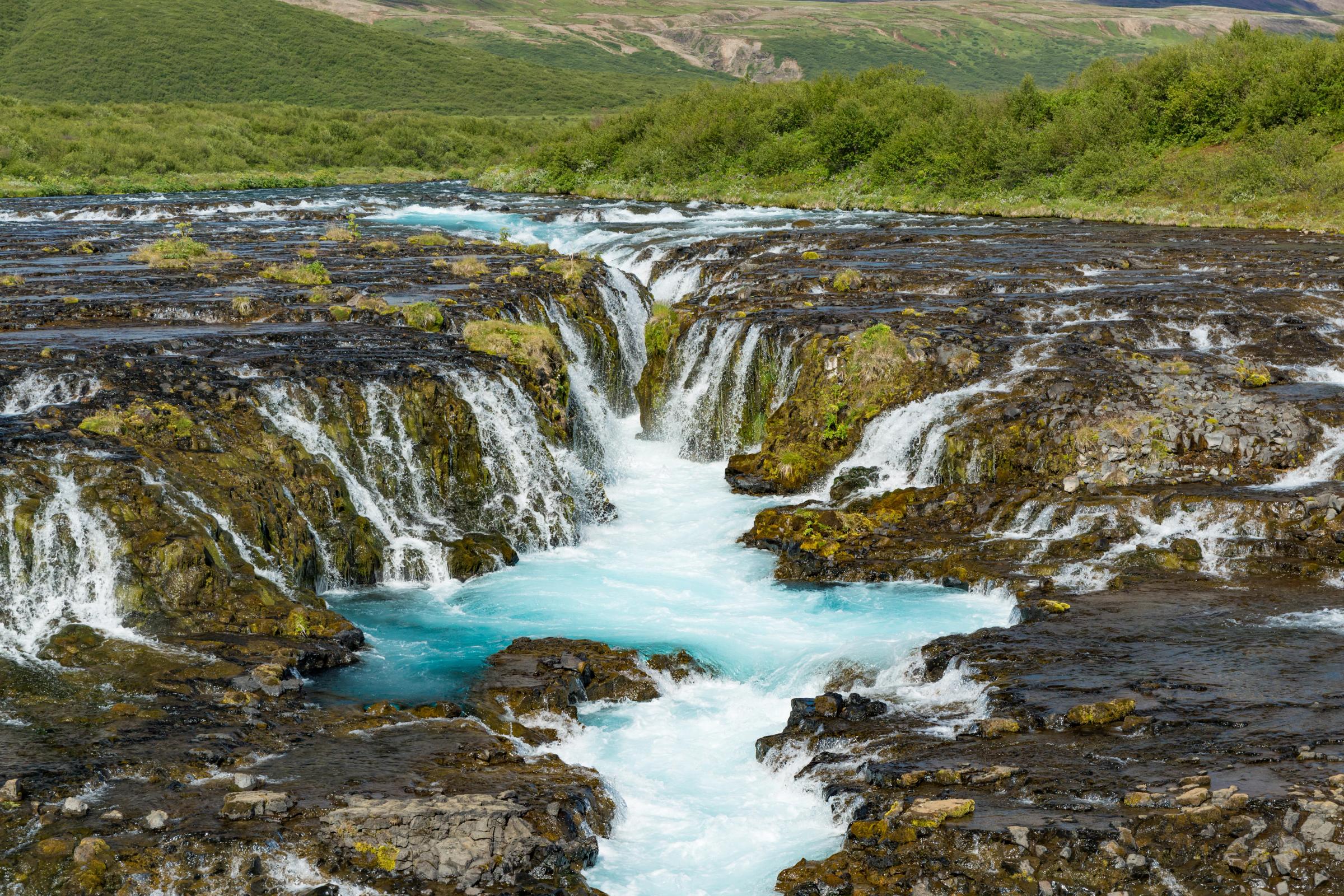
Brúarfoss has unusually vivid blue water that really does look different from everything else on the Golden Circle. But getting there properly means hiking about 3.5 kilometers each way, which is a real time commitment on a full day.
Þórufoss is the better option if you want a quick stop with a good payoff. Brúarfoss is better if you specifically want that blue water and are happy to build the walk into your schedule.
The Simple Breakdown
Each one does something different:
- Gullfoss: Biggest and most impressive. Easy to justify on any itinerary.
- Öxarárfoss: Most convenient if you're already at Þingvellir.
- Brúarfoss: Best water color. Worth it if you want the hike.
- Þórufoss: Best quiet detour. Low crowds, good for photos, Game of Thrones connection, and short visit time.
Conclusion
If you're self-driving the Golden Circle in decent weather, Þórufoss is a solid addition to your day. It's free, it's 40 to 50 minutes from Reykjavík, the visit takes 30 to 45 minutes, and the canyon looks nothing like the bigger stops on the same route.
Check road.is and the weather before you go. Bring good footwear. Get there early. That's about all it takes.
Frequently Asked Questions About Þórufoss