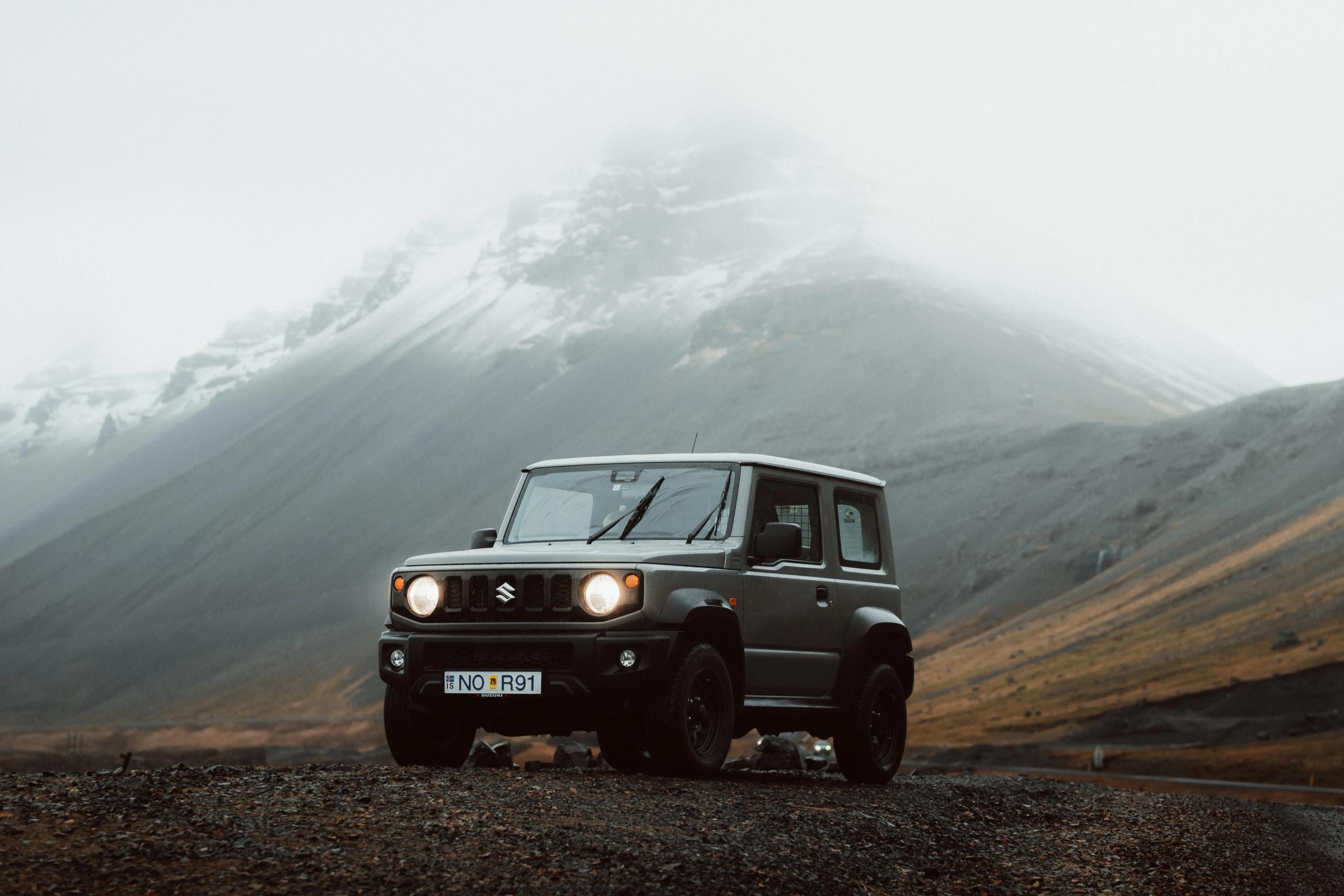
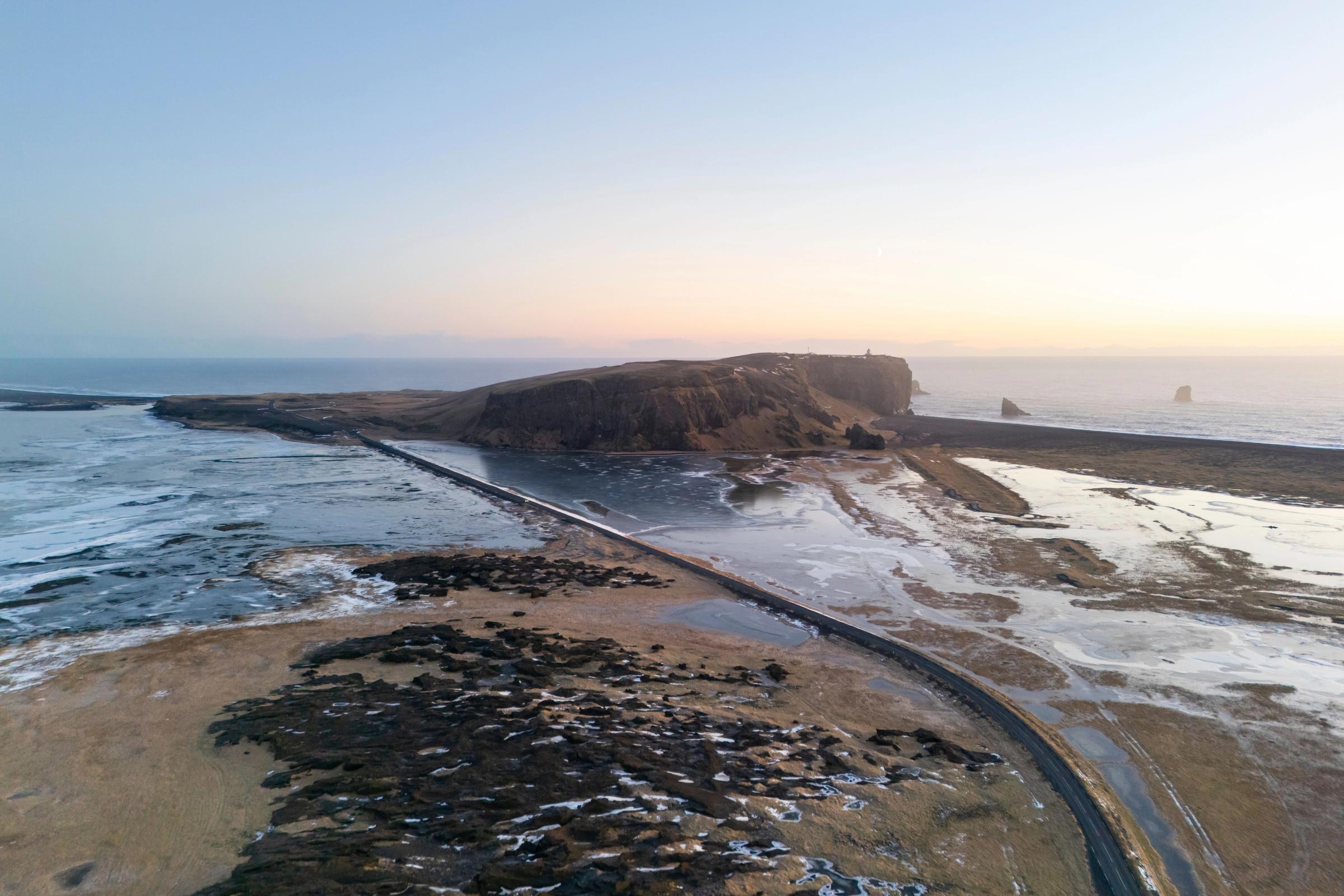
Renting a car in Iceland is one of the best decisions you can make as a traveler. But choosing the wrong insurance can turn a minor incident into a very expensive problem.
Here's exactly what you need, based on where you're actually going.
Key Takeaways
Gold insurance is the best choice for most Iceland road trips because it includes SCDW and Zero Excess for covered damage, while Platinum is recommended for the South Coast, Westfjords, winter travel, and other remote routes.
Gravel, wind, sand, volcanic ash, and river crossings are the biggest rental-car risks in Iceland, making basic CDW alone insufficient for most visitors.
River crossings, water damage, off-road driving, undercarriage damage, wind-damaged doors, lost keys, and damage caused by negligence are excluded from all rental insurance packages.
Gravel Protection is essential for nearly any trip outside Reykjavík, while Sand and Ash Protection is most valuable on the South Coast, around Vík, Mýrdalssandur, and other exposed coastal areas.
F-road and Highland travel requires an approved 4x4 vehicle, but even the highest insurance package will not cover river-crossing damage or water-related repairs.
Credit card rental-car insurance often excludes Iceland-specific risks such as gravel damage, F-roads, 4x4 vehicles, tires, windshields, and campervans, so travelers should verify coverage in writing before relying on it.
Quick Answer
Basic CDW is not enough for most trips in Iceland. The roads and weather here bring risks you won't run into in most other countries: gravel chips, wind damage, sandstorms, volcanic ash, rough rural roads, and river crossings. What you need depends on where you're going.
Best insurance for most visitors
Gold is what I'd go with for a standard Iceland road trip. It covers the things that matter most and keeps your financial exposure low.
Best insurance for Ring Road trips
Gold is the minimum I'd use for a full Ring Road trip. The more ground you cover, the more you're exposed to gravel, shifting weather, and tire and windshield problems. If you'd rather not think about it, go with Platinum.
Best insurance for F-road and Highland trips
Rent an approved 4x4 and get the strongest coverage available. And keep this in mind, no matter what package you choose: river crossings and water damage are not covered by any plan. None of them.
Insurance most travelers can skip
Staying in Reykjavík and doing short paved-road day trips? Silver is fine. Sand and Ash Protection is also less of a priority if you're only doing the city or Golden Circle in good weather.
Why Car Rental Insurance in Iceland Is Different
Iceland isn't like most road-trip countries. The risks here don't mainly come from other drivers or urban traffic. They come from the roads and the weather.
Iceland's unique driving risks
Even on routes that see a lot of traffic, you can hit conditions you'd rarely deal with elsewhere. These are the main ones.
Gravel roads
Many roads outside Reykjavík are gravel or have gravel shoulders. Stones kicked up by your own tires or by passing cars can crack a windshield or chip headlights and paint without warning.
Strong winds
Wind gusts in Iceland come fast and hard. The most common rental-car incident is a car door catching the wind mid-open and bending backward, damaging the hinges or fender.
Sandstorms
Blowing sand works like sandpaper against your car's exterior. In an exposed area on a bad day, it can strip paint and scratch glass in minutes.
Volcanic ash
Iceland's volcanic terrain means ash occasionally settles on roads and open areas. It's abrasive and does the same kind of damage as sand.
Ice and snow
Don't assume this only matters in winter. Mountain passes and rural roads can be icy well into spring and again in early autumn.
River crossings
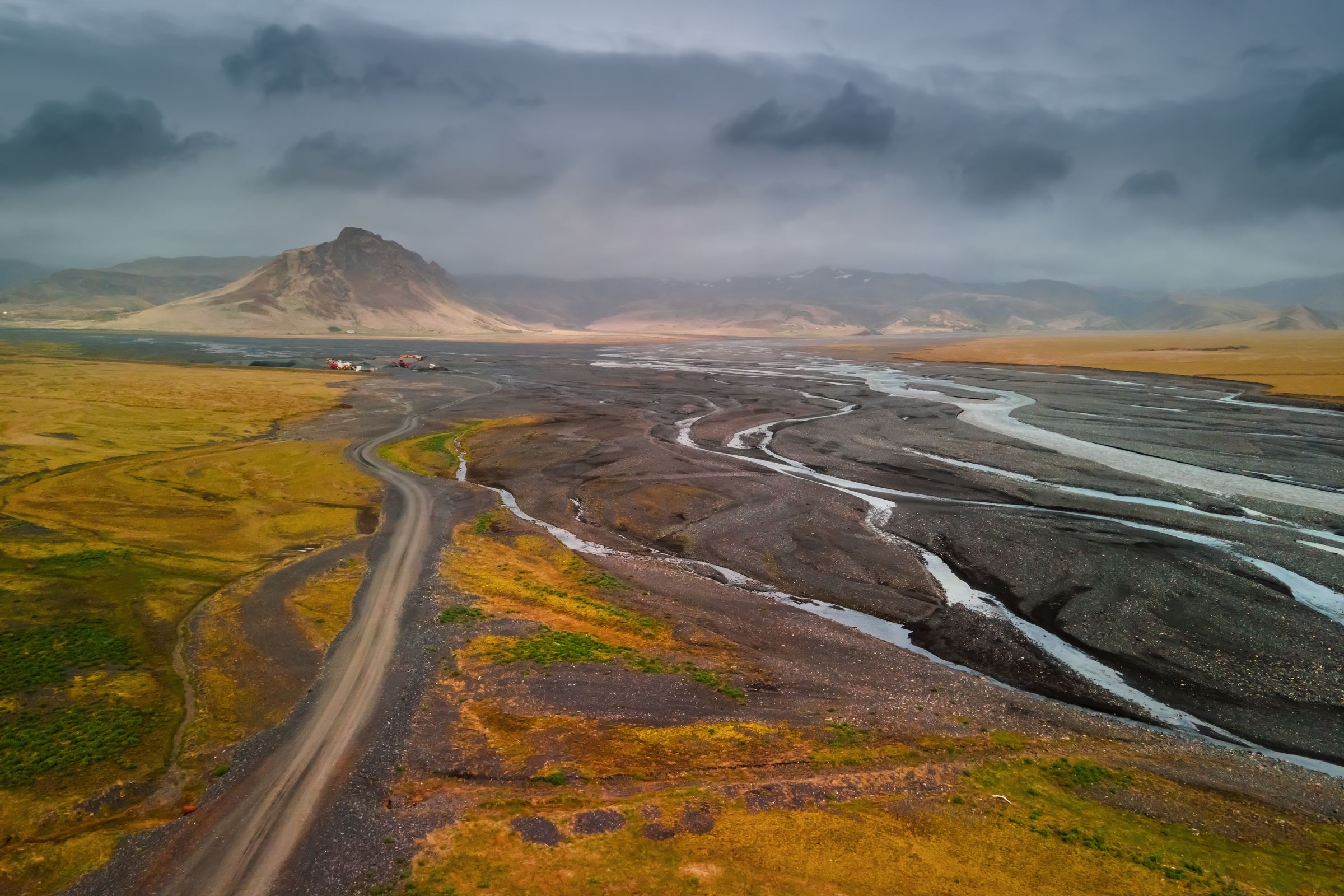
This is the one that catches most people off guard. Some Highland and F-road routes cross rivers with no bridges. Water damage from any crossing is excluded from all insurance packages, no exceptions.
Why damage claims are more common in Iceland
Things that seem unlikely in other countries happen routinely here. Gravel is everywhere. Wind is hard to predict. Repair shops and towing services can be a long drive away. A small problem on a remote road becomes a much bigger one when there's no help close by.
The true cost of uninsured damage
A windshield chip can cost hundreds of euros. A cracked headlight, bent door hinge, or flat tire on a remote gravel road can run into the thousands once you add towing, labor, parts, and the loss-of-use fees rental companies charge while the car is being repaired. Costs in Iceland are high.
Car Rental Insurance Types Explained
Iceland rental packages combine several different types of coverage. Here's what each one actually does.
Third-Party Liability Insurance (TPL)
TPL covers damage or injury you cause to other people, vehicles, or property. It comes with every package and is legally required.
Collision Damage Waiver (CDW)
CDW limits what you owe if the rental car gets damaged. It's the base level of protection in every plan, but it comes with an excess (also called self-risk or deductible) and leaves many Iceland-specific risks uncovered.
Super Collision Damage Waiver (SCDW)
SCDW cuts your excess further than CDW alone. With Go Car Rental, SCDW brings excess liability down to €1,000. It's included in Gold and Platinum.
Theft Protection (TP)
TP covers the rental vehicle if it's stolen. Vehicle theft is rare in Iceland, but it usually comes bundled into standard packages. One thing it doesn't cover: your personal belongings inside the car.
Gravel Protection (GP)
GP covers damage from gravel to the body, headlights, and windshield. For any trip outside Reykjavík, this is one of the most important things you can have.
Sand and Ash Protection (SAAP)
SAAP covers damage caused by blowing sand, volcanic ash, and other abrasive particles. It's included in Platinum and matters most on southern and coastal routes.
Tire Protection
Tire Protection covers tire damage. It doesn't include towing or roadside assistance unless you add a roadside assistance product separately.
Windshield Protection
Some policies treat windshield coverage separately from gravel protection. Before you drive away, confirm whether your gravel coverage explicitly includes the windshield, side windows, and headlights. Sometimes it doesn't.
Roadside Assistance Coverage
Roadside Protection Plus is a separate add-on that covers towing, flat tire help, and getting stuck. It's not part of standard collision protection.
Zero Excess Insurance
Zero Excess means you pay nothing for covered damage. It's available through Platinum. "Covered" is the keyword here. Zero Excess only applies to damage the policy actually includes.
Full Coverage Packages
"Full insurance" is shorthand for the highest available package, which is Platinum with Go Car Rental. It gives you the broadest protection, but it still has exclusions. No package covers river crossings, off-road driving, or damage from ignoring official road warnings.
Go Car Rental has three main packages. Here's a plain breakdown of what you actually get with each one.
What Silver Covers
Silver includes CDW, TPL, and Theft Protection, plus a reduced gravel excess of €250 ($284) compared to the basic level of €1,000 ($1,136). It's a reasonable starting point for short, mostly paved trips, but it doesn't include SCDW, Zero Excess, Sand and Ash Protection, or Tire Protection.
What Gold Covers
Gold is what most Iceland visitors should look at. It adds SCDW, Zero Excess for covered damage, and lets you rent without a credit card. It covers standard road trips well, including the Golden Circle, Ring Road, Snæfellsnes, and North Iceland.
What Platinum Covers
Platinum is the most complete package. You get Zero Excess, Sand and Ash Protection, Tire Protection, a free extra driver, free car WiFi, and priority pickup and drop-off. It's the right choice for the South Coast, the Westfjords, remote routes, or any winter travel.
What Rental Car Insurance Does NOT Cover
As with any insurance policy, there are situations and types of damage that fall outside what's covered. Most of these are things you can avoid with a bit of care and common sense. Here's what to be aware of before you drive.
Specific parts and theft exclusions
Certain parts of the vehicle are excluded regardless of how they were damaged. These typically include wheels, rims, suspension components, batteries, radios, and other mechanical or electronic parts. Theft of personal belongings from inside the car is also not covered under Theft Protection.
River crossing damage
Water damage from driving through rivers, flooded areas, or any body of water is excluded from every package. There are no exceptions.
Water damage
Shallow-looking water can still destroy an engine, transmission, and electronics. If you attempt a crossing and it goes wrong, the repair bill is entirely yours.
Off-road driving
Off-road driving is illegal in Iceland and automatically voids your coverage. "Off-road" here means leaving a marked road or track and driving onto beaches, lava fields, moss, sand flats, or unmarked ground. You can also face significant fines.
Undercarriage damage
Damage to the chassis, transmission, drivetrain, and underside from rough roads is excluded. This matters a lot on gravel roads and F-roads.
Wind-damaged doors
Door, hinge, and fender damage from wind catching an open door is excluded from all packages. Hold the door with both hands every time, especially at viewpoints, parking lots, and gas stations.
Negligence
Damage from reckless behavior, ignoring road closures, or driving under the influence isn't covered.
Wrong fuel
Filling up with the wrong fuel causes engine damage and is excluded from all policies. Always check the fuel type before pumping.
Lost keys
Losing the rental keys is your cost to cover.
Damage from animal encounters
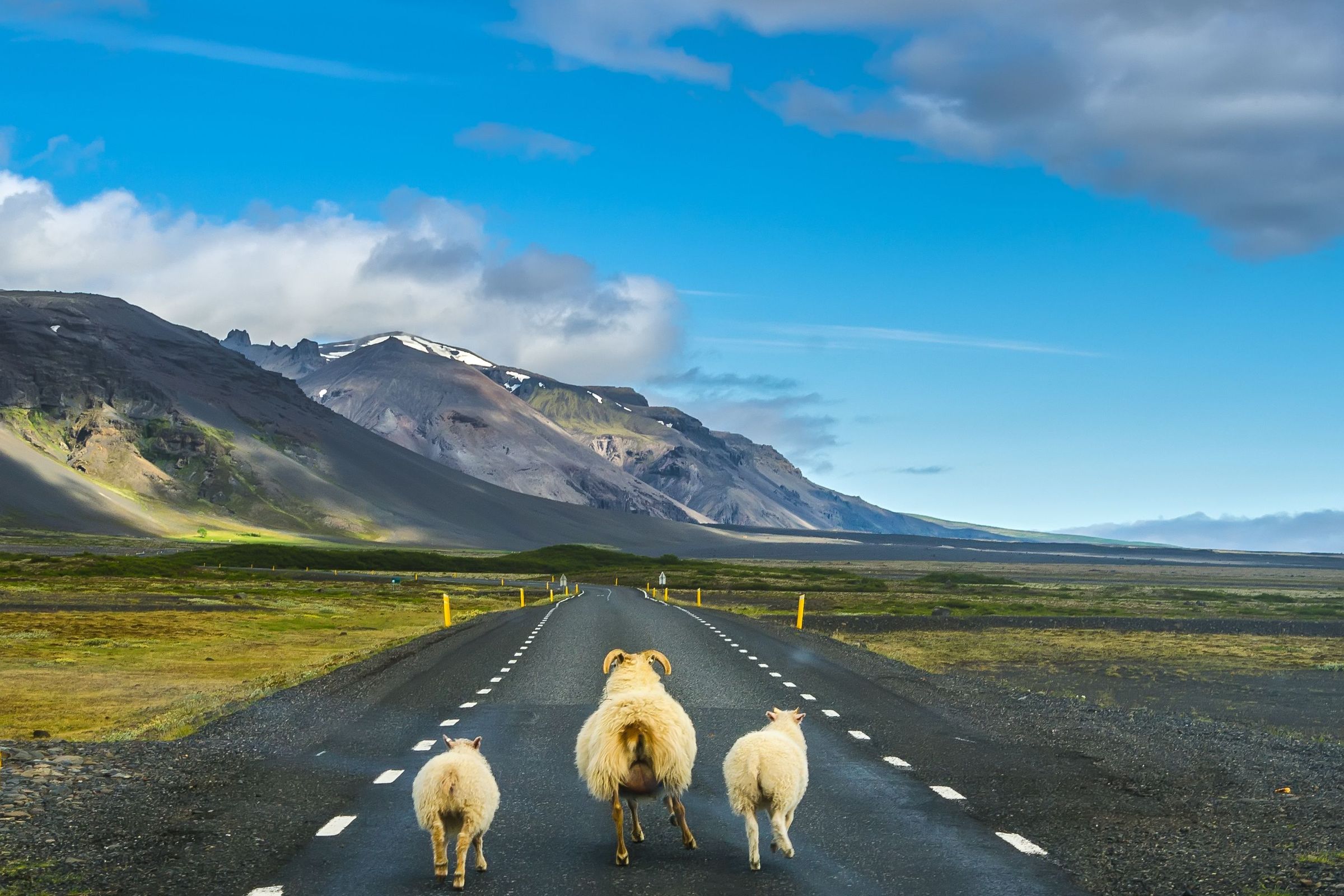
Collisions with or damage caused by animals, including Iceland's free-roaming sheep, are excluded. Sheep wander onto rural roads all over Iceland and don't move out of the way reliably. Slow down near them.
Damage from heat sources
Damage caused by heat sources, including burns from cigarettes or other heat-related incidents inside or outside the vehicle, is not covered.
Driving on closed roads
If a road is officially closed and you drive on it anyway, any damage that follows is not covered.
CDW vs SCDW vs Full Insurance
These three terms confuse most people planning a trip to Iceland. Here's what each one actually means in plain language.
CDW explained
CDW is the foundation. It limits what you owe to a capped excess amount. Without it, you'd be on the hook for the full value of any damage. With it, your exposure is capped, but you still owe the excess for covered damage, and all exclusions still apply.
SCDW explained
SCDW takes your remaining excess and brings it down further. With Go Car Rental, it drops to €1,000. For most Iceland road trips, it's worth adding.
Full insurance explained
With Go Car Rental, Platinum is the closest thing to full insurance. It combines Zero Excess with SCDW for covered damage, plus Sand and Ash Protection, Tire Protection, and other extras. It's the most protection you can get, but it still isn't unlimited.
Which option offers the best value?
Short, low-risk trip near Reykjavík: Silver. Standard road trip: Gold. Remote routes, South Coast, winter, or Westfjords: Platinum. The price difference between Gold and Platinum is usually small compared to the total trip cost, and far smaller than what one uncovered incident could cost you.
Gravel Protection in Iceland
Gravel Protection is probably the most underestimated add-on available in Iceland.
What is Gravel Protection?
GP covers damage from loose stones to the body, headlights, and windshield. And it's not just for gravel roads. Even on a paved highway, a passing truck can throw a stone straight into your windshield.
How gravel damage happens
Gravel damage isn't always dramatic. Most of the time it's a small stone you didn't even notice, hitting the car at the wrong angle. These are the three most common results.
Windshield chips
A stone hits the glass at speed, leaves a chip, and that chip spreads into a crack, often within hours if temperatures drop. Repairs aren't cheap.
Paint damage
Gravel scatters across lower panels and bumpers, leaving small chips that expose bare metal and eventually rust.
Headlight damage
Headlight covers crack or shatter from stone impact. Replacement costs are high and it's one of the most common claims in Iceland.
Is Gravel Protection worth it?
For almost any trip outside Reykjavík, yes. Here's where it matters most:
Golden Circle: Gravel sections and busy parking areas near major attractions
Ring Road: Long distances with variable road surfaces and rural access roads
South Coast: High-traffic routes with gravel edges throughout
Westfjords: Gravel roads for much of the route, remote sections, limited services nearby
Most travelers have never heard of this coverage before visiting Iceland. It matters more than you'd expect.
What causes sand and ash damage?
Strong wind picks up fine particles from black sand plains and volcanic areas and pushes them across roads and parking areas. It works like sandpaper against the car's exterior. In the wrong spot on a windy day, the damage can happen fast.
Which areas are highest risk?
Sand and ash damage is concentrated in a few specific parts of Iceland, mostly in the south and southwest. These are the areas where it's most likely to be a real concern.
South Coast
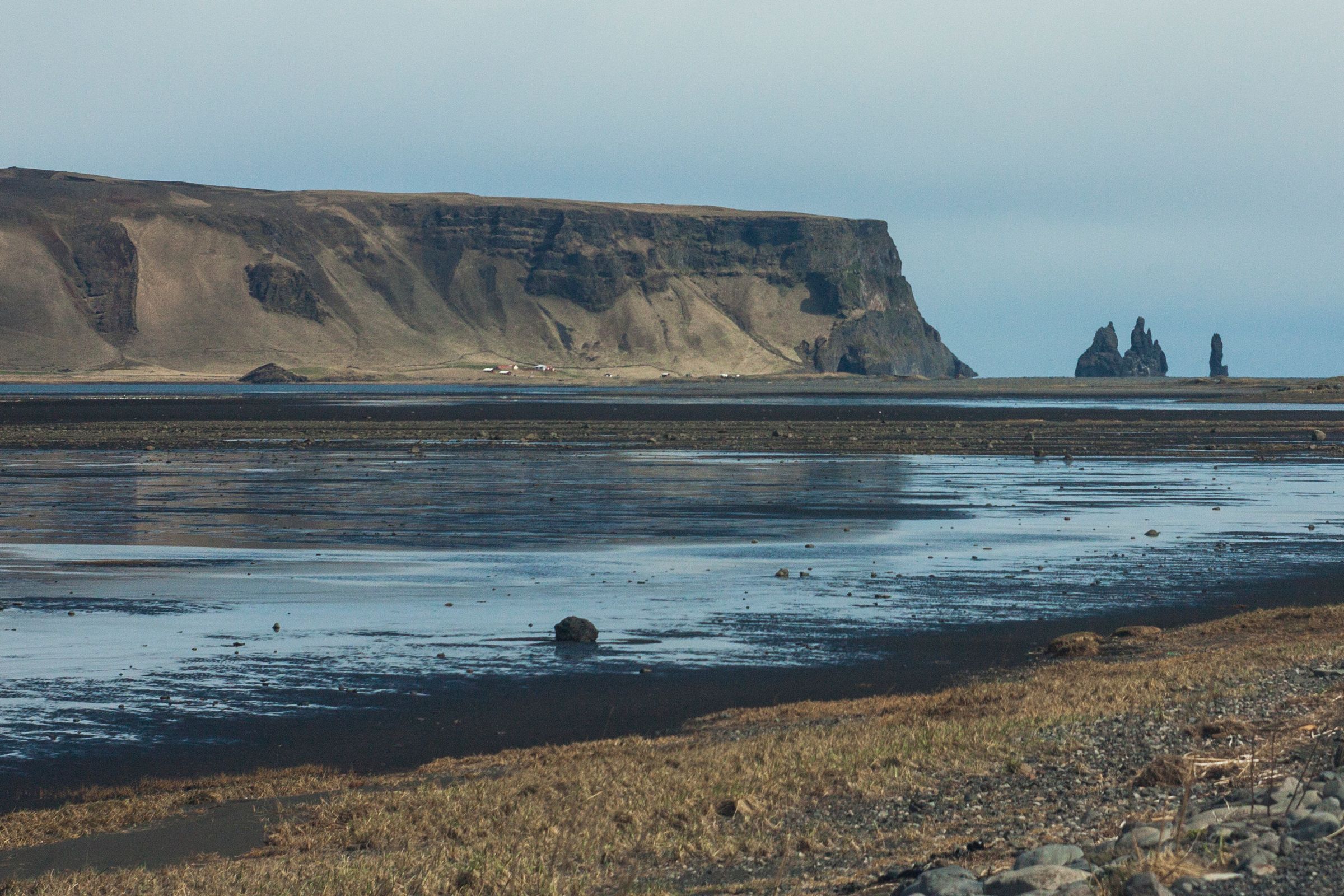
The stretch from Vík to Jökulsárlón runs through open black sand plains. This is the highest-risk area for sand and ash damage in Iceland.
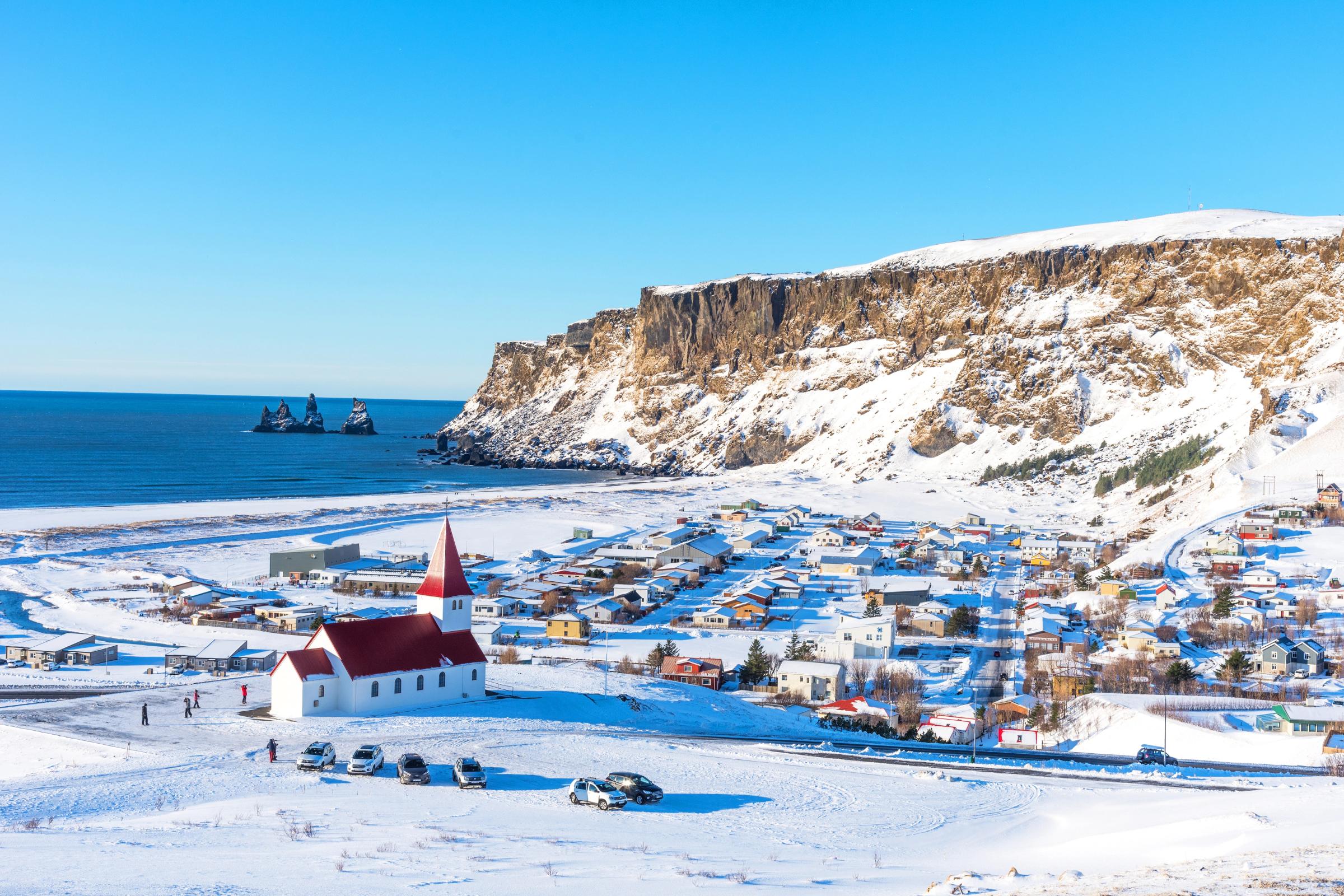
Vík
Exposed from multiple directions with frequent strong wind. The risk here is real year-round.
Mýrdalssandur
This large glacial outwash plain east of Vík sits directly in the path of prevailing winds and blowing sand.
Reykjanes Peninsula
The Reykjanes Peninsula, a volcanic area around Keflavík Airport, can also be windy and exposed, especially in spring and autumn.
What does SAAP cover?
Sand and Ash Protection covers damage from blowing sand, volcanic ash, pumice, and other abrasive particles hitting the vehicle. Without it, this type of damage isn't included under standard CDW or SCDW.
Is Sand and Ash Protection worth it?
If you're driving the South Coast, southeast Iceland, or any exposed coastal route, yes. For a Reykjavík or Golden Circle trip in good weather, it's less critical.
F-Roads, Highlands, 4x4s, and Insurance
F-roads change the insurance picture entirely in Iceland. If your trip includes the Highlands, this is the most important section to read.
What are F-roads?
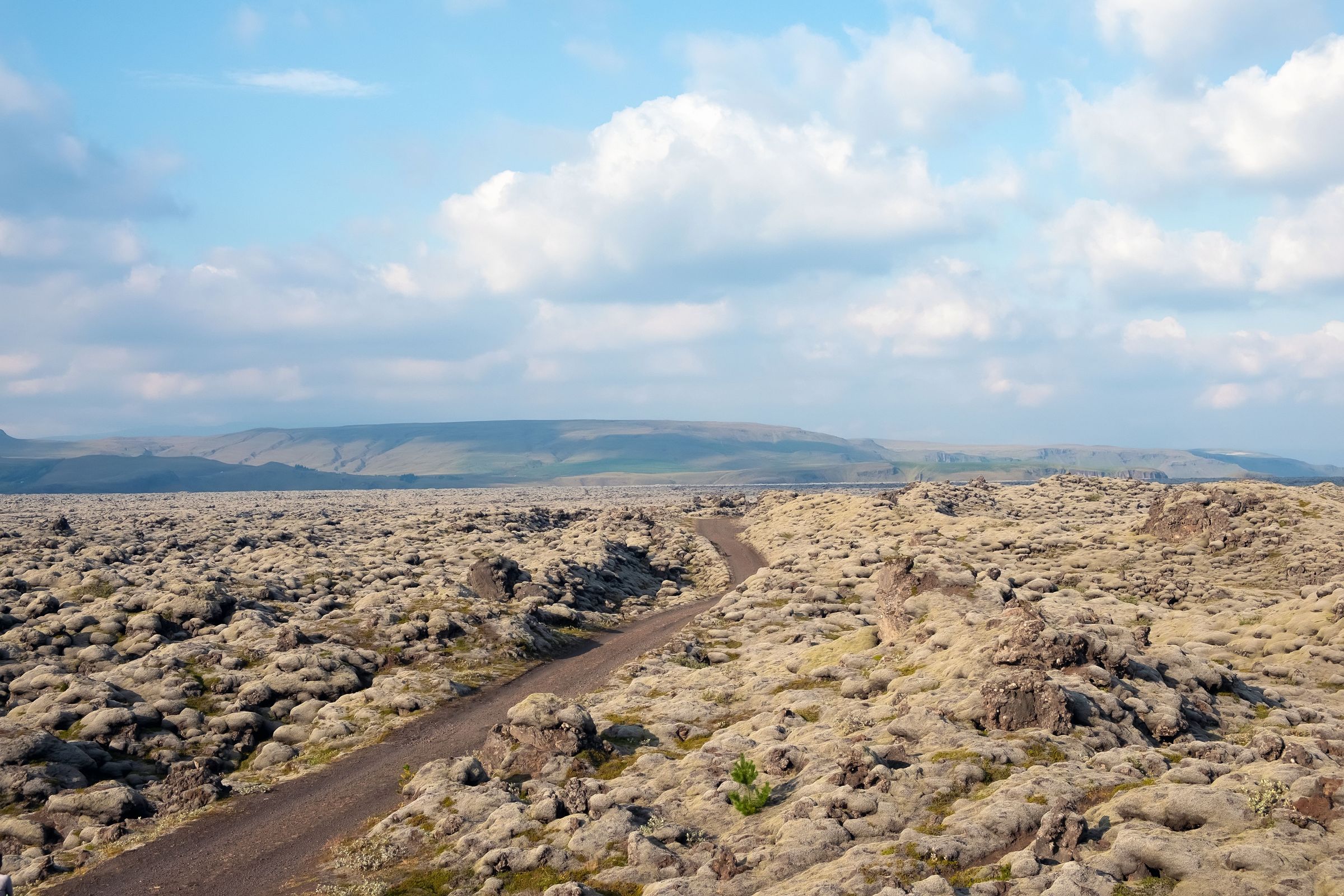
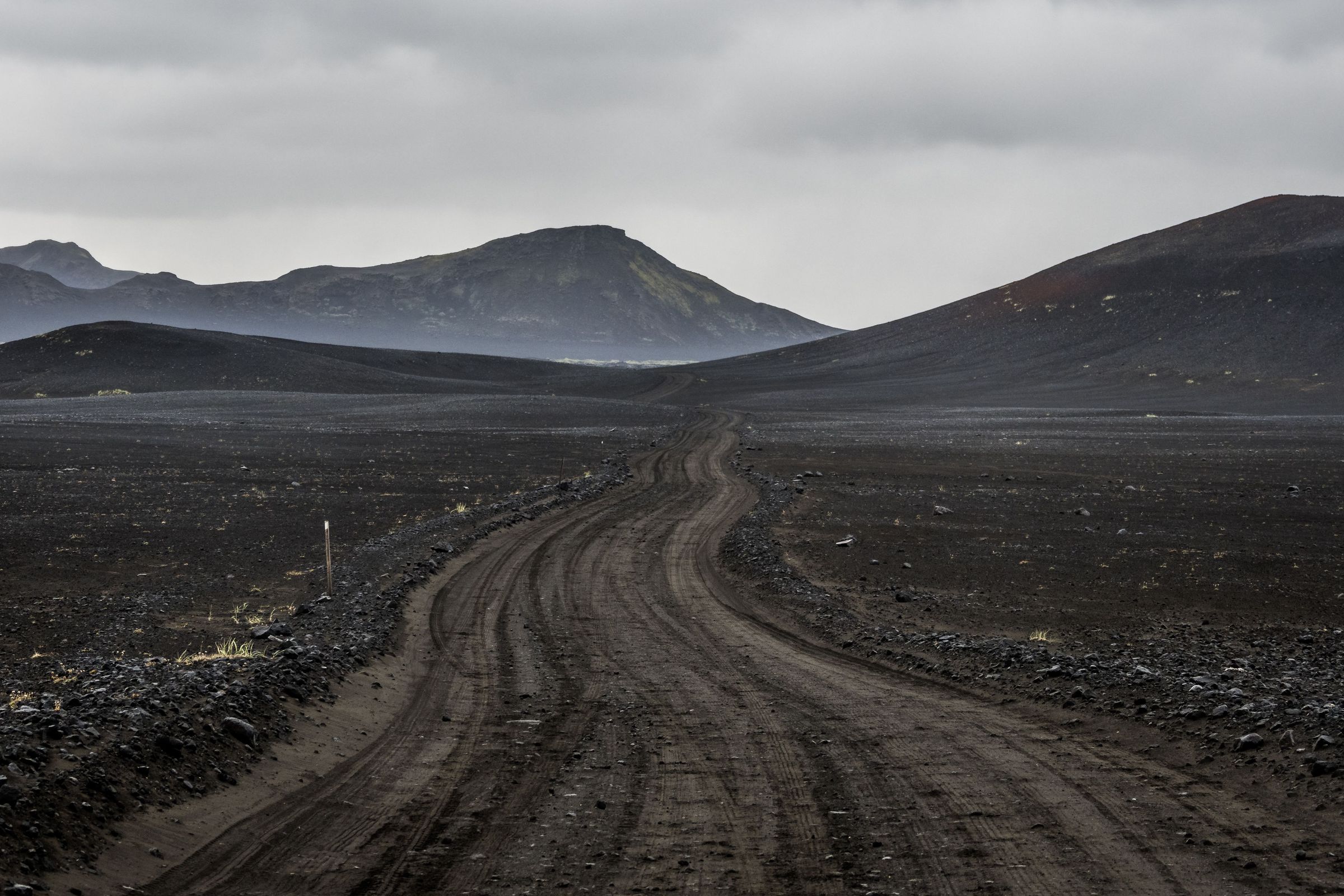
F-roads are Iceland's mountain roads. They're seasonal, rough, mostly unpaved, and they lead into the Highlands and some of the most remote parts of the country.
What are the Icelandic Highlands?
The Highlands are Iceland's interior: a vast, largely empty expanse of lava fields, glaciers, rivers, and volcanic terrain. Services are almost nonexistent out there, conditions change fast, and some routes cross rivers with no bridges.
Why F-roads require special consideration
F-roads aren't just rough. There are often no guardrails, no cell coverage, no services, and very little margin if something goes wrong.
Are F-roads covered by rental insurance?
Only if you're driving an approved 4x4. Go Car Rental's terms are clear: 2WD and standard passenger cars are not allowed on F-roads. Taking an unapproved vehicle onto an F-road voids your coverage completely.
River crossing insurance exclusions
Water damage from river crossings is excluded from all packages, with no exceptions. Safetravel, Iceland's official safe travel resource run by ICE-SAR, explicitly states that no insurance covers vehicle damage during a river crossing.
Which vehicles are allowed on F-roads?
Not every vehicle is suitable for F-roads, and the category of car matters a lot. Here's how the different vehicle types break down.
2WD vehicles
Not allowed on any F-road.
Small SUVs
May be fine for easier F-roads but aren't appropriate for all Highland routes. Get written confirmation from your rental company before you assume yours qualifies.
Large 4x4s
Required for more demanding F-roads, especially those with rivers. Ground clearance and wading depth both matter here.
Campervans
Most campervans are not approved for F-roads. Check with Go Car Rental directly and get it confirmed in writing.
Insurance mistakes travelers make on F-roads
And here's a short intro to add before the "Insurance mistakes travelers make on F-roads" list:
Assuming any 4x4 is cleared for all F-roads
Attempting a river crossing because another vehicle did it first
Driving on a closed F-road and expecting coverage to hold
Thinking Zero Excess covers water damage
Credit Card Rental Car Insurance in Iceland
Credit card insurance can work, but Iceland creates more gaps in that coverage than almost any other destination.
How credit card coverage works
Most credit card rental insurance is secondary coverage. You decline the rental company's insurance, pay for any damage yourself upfront, then request reimbursement from your card provider later.
Common Iceland exclusions
A lot of credit card policies don't cover:
Gravel roads: Often classified as unpaved and excluded
4x4 vehicles: Some policies exclude SUVs or larger vehicles entirely
F-roads: Usually excluded as off-road or non-standard terrain
Tires: Almost always excluded
Windshields: Sometimes excluded or limited
Campervans: Frequently excluded altogether
Questions to ask your card provider
Before relying on card insurance, get written answers to all of these:
Does it cover rental cars in Iceland?
Does it cover gravel damage and windshield chips?
Does it cover tire damage?
Does it cover sand and ash damage?
Does it cover towing and recovery?
Does it cover 4x4 vehicles?
Does it cover driving on gravel roads or F-roads?
Does it cover loss-of-use charges?
What documents are needed to file a claim?
When credit card insurance is enough
Only when your card provider confirms Iceland-specific risks in writing. If you get vague answers or need to interpret the fine print, go with local coverage from Go Car Rental.
Best Insurance Coverage by Itinerary
Where you're going determines how much coverage you actually need. Here's what makes sense for each main type of trip.
Reykjavík city break
Silver is enough for city-only driving. Roads are paved, conditions are easier to manage, and risk is lower here than anywhere else in Iceland.
Golden Circle itinerary
Silver at minimum, Gold is the smarter pick. Rural roads, parking areas near popular stops, and gravel edges mean Gravel Protection is worth having here.
South Coast itinerary
Gold or Platinum. The South Coast is open and regularly windy. Sand and Ash Protection becomes important, especially anywhere between Vík and Jökulsárlón.
Ring Road itinerary
Gold is the minimum I'd go with; Platinum is better for a full loop. The more distance you cover, the more you're exposed to gravel, weather changes, and tire issues.
Westfjords itinerary
Platinum. Remote roads, gravel throughout, steep passes, and limited services. This is not the place to cut costs on insurance.
Highlands itinerary
Approved 4x4 + Platinum + Roadside Protection Plus. And know going in that river crossings and water damage remain excluded, no matter which plan you have.
Winter Iceland itinerary
Gold at minimum, Platinum is better. Add Roadside Protection Plus. Winter brings ice, snow, wind, road closures, reduced visibility, and long gaps between any kind of help.
Campervan road trip
Get the strongest coverage available for the campervan. Campervans catch the wind more easily and are usually on longer, more exposed routes. Confirm height limits and check that your planned roads are actually suitable for the vehicle.
Common Damage Scenarios and Who Pays
Here's how coverage plays out in real situations.
Gravel cracks your windshield
With Gravel Protection (included in Silver, Gold, and Platinum), you pay zero or a reduced excess. Without it, the full repair cost is yours.
Wind rips open your car door
Wind door damage is excluded from all packages. You pay for repairs regardless of which plan you have.
You puncture a tire
Covered under Platinum's Tire Protection. On Silver or Gold, the tire cost is yours. Roadside towing is a separate product.
Sand damages paintwork
Covered under Platinum (SAAP). On Silver or Gold, you pay for the damage.
You hit a sheep
Animal damage is excluded from most policies. Sheep wander onto rural roads all over Iceland and don't move out of the way reliably. Slow down near them.
Another driver throws a stone
Gravel chips from another vehicle are covered if you have Gravel Protection.
You flood the engine during a river crossing
Not covered. Water damage from crossings is excluded from all plans and is one of the most expensive things that can happen on an Iceland road trip.
Undercarriage damage on an F-road
Excluded. Damage to the chassis, drivetrain, or underside from rough roads is not covered under any package.
How to Inspect Your Rental Car Before Driving
Don't rush the pickup inspection. Taking ten extra minutes here can save you from paying for damage that was already there when you got the car.
Exterior inspection checklist
Walk around the whole car and check:
Front and rear bumpers
All four doors and door edges
Hood and roof
Lower panels
Mirrors
Every scratch, chip, and dent already on the car
Tire inspection checklist
Tread depth on all four tires
Sidewall condition (look for cuts or bubbling)
Rim condition
Spare tire or repair kit present
Windshield inspection checklist
Any existing chips or cracks
Side windows
Rear window
Headlight covers
Interior inspection checklist
Dashboard warning lights
Fuel or battery level
Mileage
Heating and wipers
Any extras included in your plan (charging cables, WiFi device, etc.)
Video documentation tips
Record a slow walkaround video before you leave. Say the date and location out loud and point out any existing damage on camera. Do the same thing when you return the car, especially for after-hours drop-off.
What to record in the rental agreement
All existing damage should be written into the agreement before you sign. Check that your insurance package is correct, all drivers are listed, F-road permission is noted if relevant, and the fuel policy is clear.
Final Recommendation
For most Iceland road trips, Gold is the minimum that makes sense. It handles standard conditions well, reduces your excess, and gives you Zero Excess for covered damage.
For the Ring Road, South Coast, Westfjords, winter travel, or any remote route, Platinum is worth it. The cost difference is usually small compared to your total trip, and far smaller than one uncovered repair bill.
For F-road and Highland travel, book an approved 4x4 and get the strongest coverage available. Know going in that river crossings and water damage stay excluded regardless. Check Road.is and Safetravel before every drive, and don't push it when conditions look bad.
Match your coverage to the route you're actually taking, know what's not covered, inspect the car properly before you leave, and change your plans when the roads or weather say no.
Frequently Asked Questions
Usually not. Most rental companies want you to choose your insurance when you book the car or when you pick it up. Once you've left the rental lot, you may not be able to upgrade your coverage later.
Take photos and videos of the damage as soon as you notice it, then contact the rental company and let them know what happened. They'll tell you what to do next. It's always better to report damage right away rather than waiting until you return the car.
Yes. Anyone who plans to drive the car should be listed on the rental agreement. If someone who isn't authorized drives the vehicle and causes damage, your insurance may not cover it.
Usually not. Travel insurance often covers things like medical expenses, trip cancellations, and lost luggage, but rental car coverage is often limited or excluded altogether. Check the details of your policy before relying on it.
Often, yes. Many rental companies offer better rates when you add insurance during the booking process. Waiting until pickup can sometimes mean paying a little more for the same coverage.
About the author
Aron Freyr
Local expert
Born and raised in Iceland, Aron Freyr has spent all 28 years of his life exploring the country and getting to know its landscapes, regions, and ever changing conditions.