Faxi Waterfall in Iceland: A Calm Escape on the Golden Circle Route
Faxi Waterfall is one of South Iceland's quieter spots, offering a wide cascade without the crowds you'll find at Iceland's most famous waterfalls. It sits right on the Golden Circle route, close to Geysir and Gullfoss, but with a much more relaxed feel.
Whether you're self-driving from Reykjavík or on a tour, it's an easy stop worth adding to your day.
Quick Facts About Faxi Waterfall
Faxi Waterfall, also known as Vatnsleysufoss or Faxafoss, is in South Iceland in the municipality of Bláskógabyggð, on the Tungufljót River. The name "Faxi" comes from the Icelandic word for "mane," referring to the wide, smooth sheet of water flowing over the rocky ledge.
It drops about 7 meters but stretches roughly 80 to 90 meters wide, so it looks completely different from Iceland's taller, more dramatic waterfalls. It's about 105 km (65 miles) from Reykjavík, around a 1.5-hour drive, and just 11 km (6.8 miles) from Geysir and 20 km (12.4 miles) from Gullfoss. The site is open year-round, and there's a small parking fee of around 900 ISK.
The Geology of Faxi Waterfall
Faxi exists because of Iceland's volcanic history. The Tungufljót drops over a basalt ledge, a hard rock step created by layers of ancient lava flows. Basalt erodes slowly along natural fractures, which is why the waterfall maintains a wide, stable drop rather than cutting a deep canyon over time.
The river is fed by glacial meltwater from the Icelandic highlands, including sources connected to the Langjökull glacier. That glacial input keeps the flow strong year-round, which is actually why the name Vatnsleysufoss ("Empty Falls") doesn't quite fit. The waterfall runs consistently year-round.

Where Is Faxi Waterfall and How to Get There
Faxi sits in South Iceland's Bláskógabyggð municipality, on the Tungufljót River, which flows into the Hvítá river system. It's in the Haukadalur Valley area, close to both the Geysir Geothermal Area and Gullfoss, putting it right in the heart of the Golden Circle corridor. That means you can pair it with Þingvellir National Park, Geysir, and Gullfoss all in one day.
Driving from Reykjavík
The drive takes about 1.5 hours from Reykjavík. You'll follow the Golden Circle route and reach Faxi via Route 35, with a short signed turn toward the waterfall. From the Route 35/37 junction near Geysir, head south on Route 35 for around 6 km and watch for the "Við Faxa" sign on the left.
Standard cars are fine in summer. In winter, check road conditions before you go. Road.is and SafeTravel are the most reliable sources for Iceland driving updates.
Guided Tours
Most classic Golden Circle tours stick to Þingvellir, Geysir, and Gullfoss, but some include Faxi as a bonus stop, especially minibus and small-group tours. If Faxi is important to you, check the itinerary before booking. It shows up more often on waterfall-focused trips and extended Golden Circle day tours from Reykjavík.
Parking and On-Site Access
There's a paid parking area close to the waterfall, with a short walk to the viewing spots. You'll find toilets and picnic tables on-site. The Við Faxa restaurant is there too, with lunch, coffee, and vegetarian options, but hours are seasonal. Don't count on it being open outside of summer.

What Makes Faxi Waterfall Special
Faxi isn't trying to compete with Gullfoss or Skógafoss. It's a different kind of stop: wide and calm in a way Iceland's bigger waterfalls aren't.
Wide, Gentle Cascade
At around 7 meters high, Faxi is short by Icelandic standards. But at 80 to 90 meters wide, it spreads out in a broad curtain rather than plunging straight down. You can get close to the water, hear it clearly, and take your time without anyone rushing you. That kind of experience is hard to find at the main Golden Circle stops.
The Salmon Ladder
One of the most interesting things about Faxi is the man-made fish ladder on the left bank. It was built to help Atlantic salmon get past the waterfall during their upstream migration, and around 400 salmon use it every year. During migration season, you can watch them working their way up through the ladder from close range. It's not something you'll find at the bigger, more famous waterfalls on the route.
Salmon migration usually peaks in late summer. If spotting fish at the ladder sounds interesting, July or August is your best bet.
Fewer Crowds Than the Main Stops
Faxi doesn't get the bus-tour volumes that Gullfoss does. Most visits run 20 to 40 minutes, which is plenty of time to walk around, take photos, and watch the river without feeling rushed. If you want a quiet moment on a busy Golden Circle day, this is a good place to find one.


Things to Do at Faxi Waterfall
The stop is short, but there's more to do here than just look at the waterfall. Depending on the season and how long you stay, you can fill 30 to 45 minutes without trying.
Photography
Faxi's wide, sheet-like flow is one of the better waterfall subjects on the Golden Circle. A wide-angle lens captures the full spread, and the flat farmland around it gives you a real sense of scale. A tripod helps a lot here, since long exposures work really well with a fall this broad. Early morning light is good, and the viewing areas are quieter.
Salmon Spotting
The fish ladder beside the falls is one of Faxi's most distinctive features. During migration season, which peaks in late summer, you can watch Atlantic salmon navigate the steps from close range. You don't need any special gear or knowledge, just some patience and a good spot along the bank.
Riverside Walking
Short paths run along the Tungufljót and give you different angles on the waterfall and the river. The walking is flat and easy, with no technical difficulty. In summer, keep an eye out for Icelandic horses in nearby fields and Arctic terns overhead. The area has more wildlife activity than most people expect from a quick stop along the route.
Fishing
The Tungufljót is a known salmon fishing river, and fishing is possible here, but only with the right permit. You can't just cast a line because you're near the water. Permits are handled by local rights-holders and need to be sorted out before you arrive.
Drone Photography
If you're planning to fly a drone, check Iceland's official Drone Map before you get there. Rules vary by location and season, and protected-area restrictions often apply near wildlife and popular tourist spots. Don't assume it's open airspace just because it's not a national park.

Best Time to Visit Faxi
Faxi is open year-round, but the experience changes quite a bit depending on when you go.
Summer (May to September)
Summer is the most practical time to visit. The landscape is green, days are long (sometimes up to 24 hours of daylight), and the roads are easy. Salmon migration is active, so the ladder is more interesting to watch. The Við Faxa restaurant is also most likely to be open during these months. Golden Circle visitor numbers are at their peak overall, but Faxi still tends to stay quieter than the main stops.
For the best light and the fewest people, aim for early morning or late evening.
Winter (October to April)
Winter brings ice formations around the waterfall's edges and a much quieter atmosphere overall. Visitor numbers drop significantly. That said, paths can be slippery, daylight is short, and you'll need to check road conditions before every drive. If you're doing the Golden Circle in winter, build some flexibility into your schedule.


Faxi vs Other Icelandic Waterfalls
Knowing where Faxi fits compared to Iceland's other waterfalls helps you decide how much time and priority to give it.
Faxi vs Gullfoss
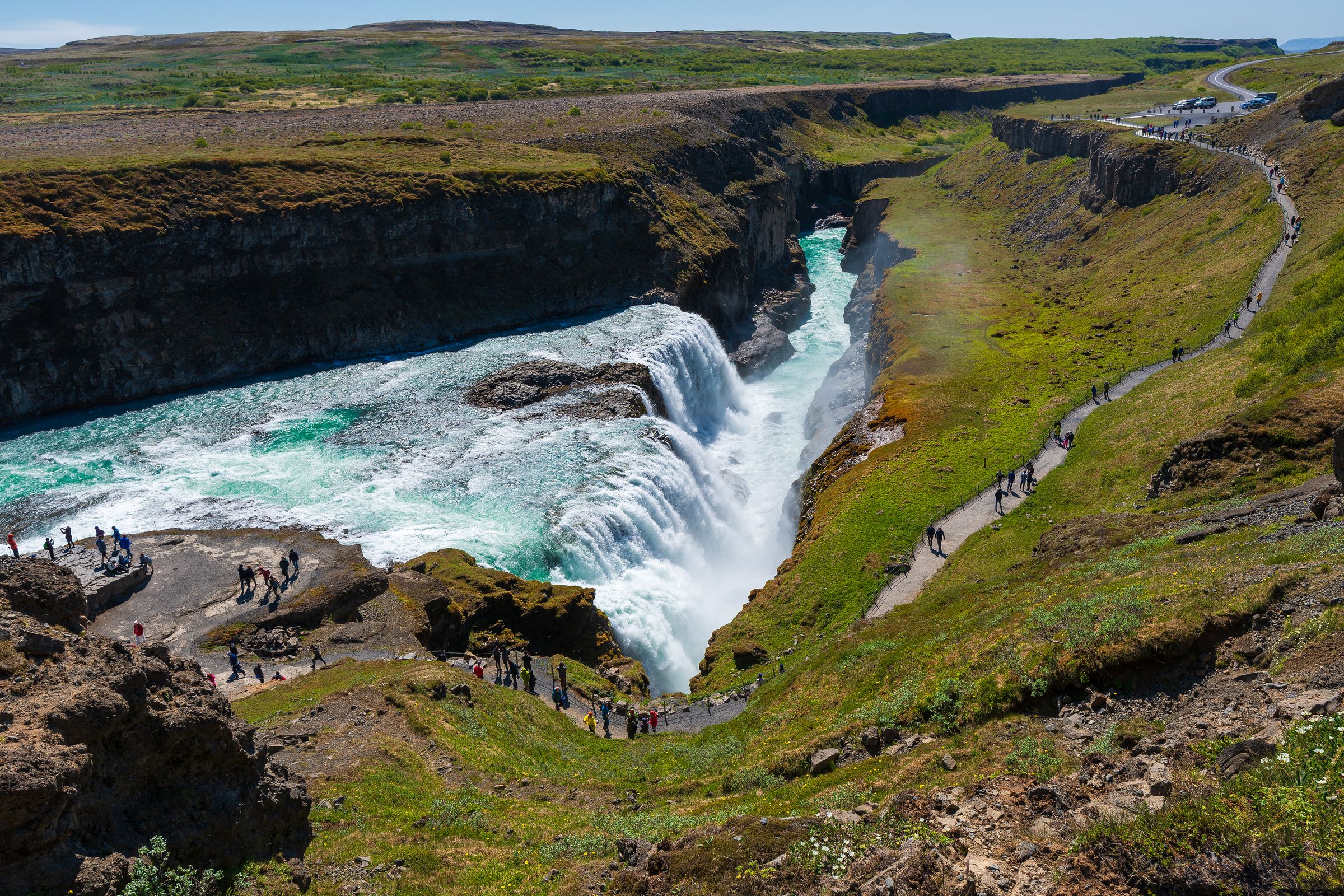
Gullfoss drops 32 meters in two tiers into a deep canyon. Faxi drops 7 meters across a wide, gentle ledge. One is intense and overwhelming; the other is calm and approachable. Gullfoss is a must-see, but it's busy and can feel chaotic at peak times. Faxi is quieter and nearby, and visiting both on the same day shows exactly what makes each one different.
Faxi vs Skógafoss
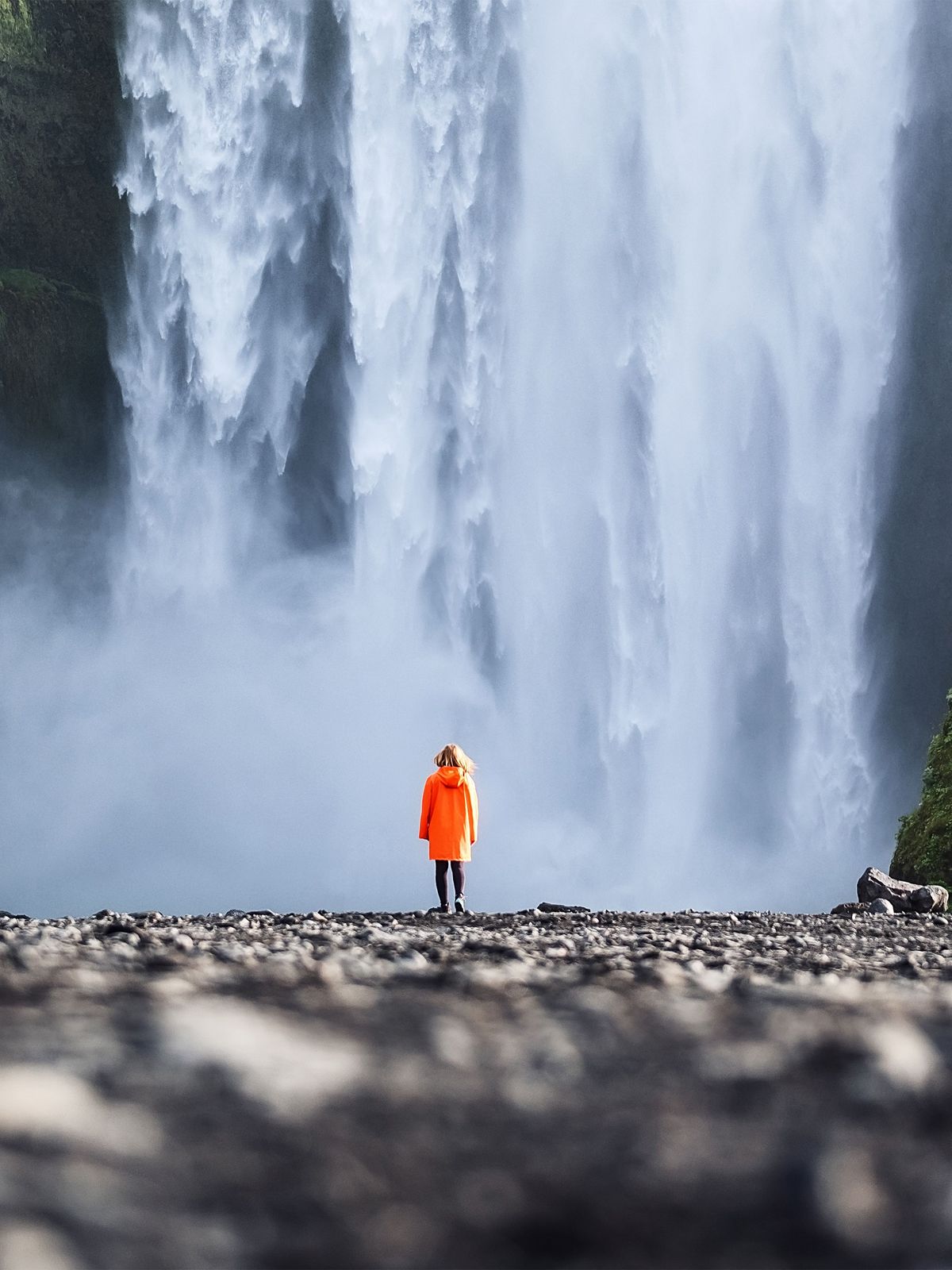
Skógafoss is on the South Coast, not the Golden Circle. It's 60 meters tall, consistently misty, and draws big crowds. The scale is completely different from Faxi, and so is the journey since it's a separate route entirely. If you're sticking to the Golden Circle, Faxi is the more accessible option by a long way.

Faxi vs Seljalandsfoss
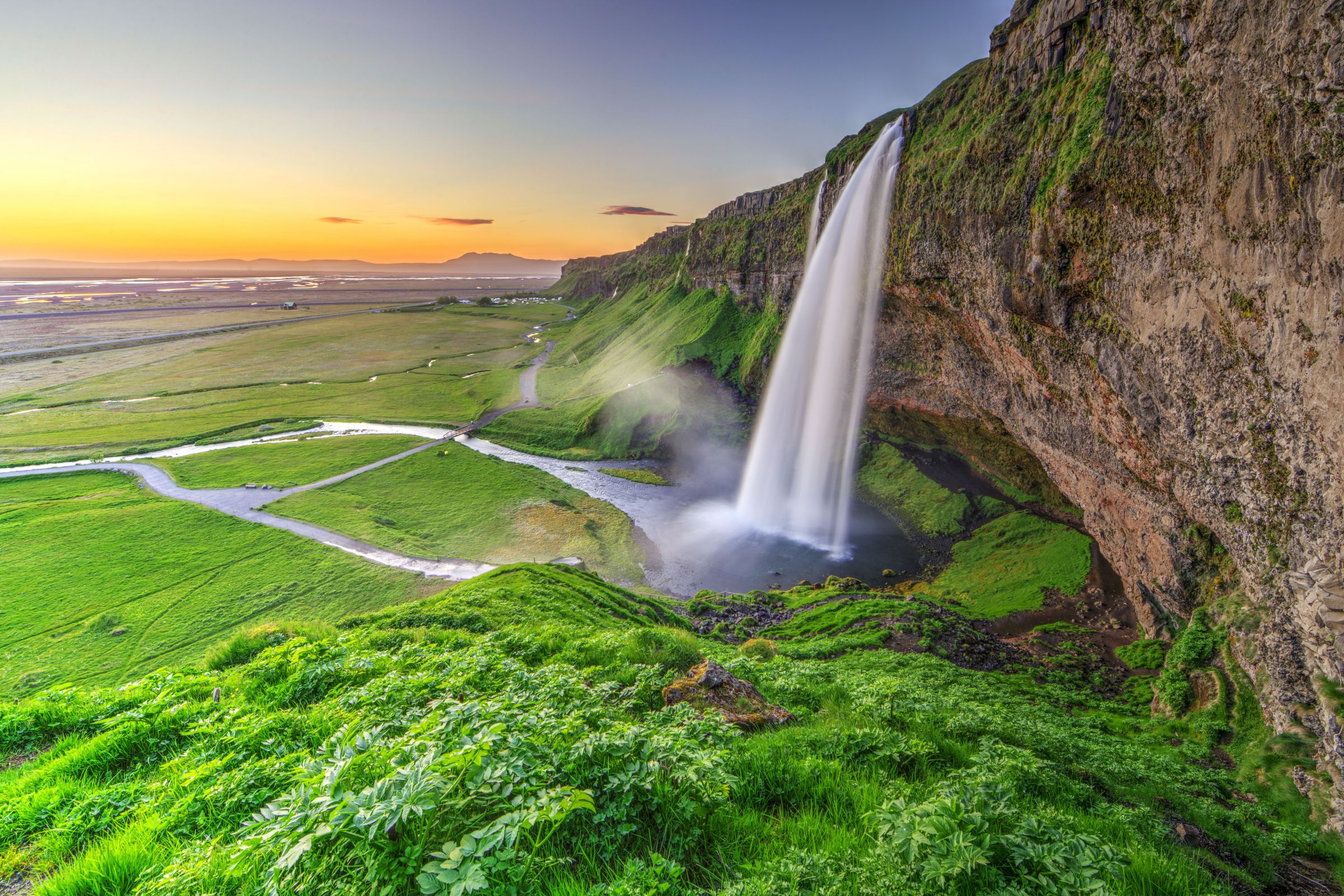
Seljalandsfoss lets you walk behind the falls. Faxi doesn't. Both are scenic but offer completely different experiences. Seljalandsfoss is also on the South Coast, so it's a separate trip from the Golden Circle.
Faxi vs Brúarfoss
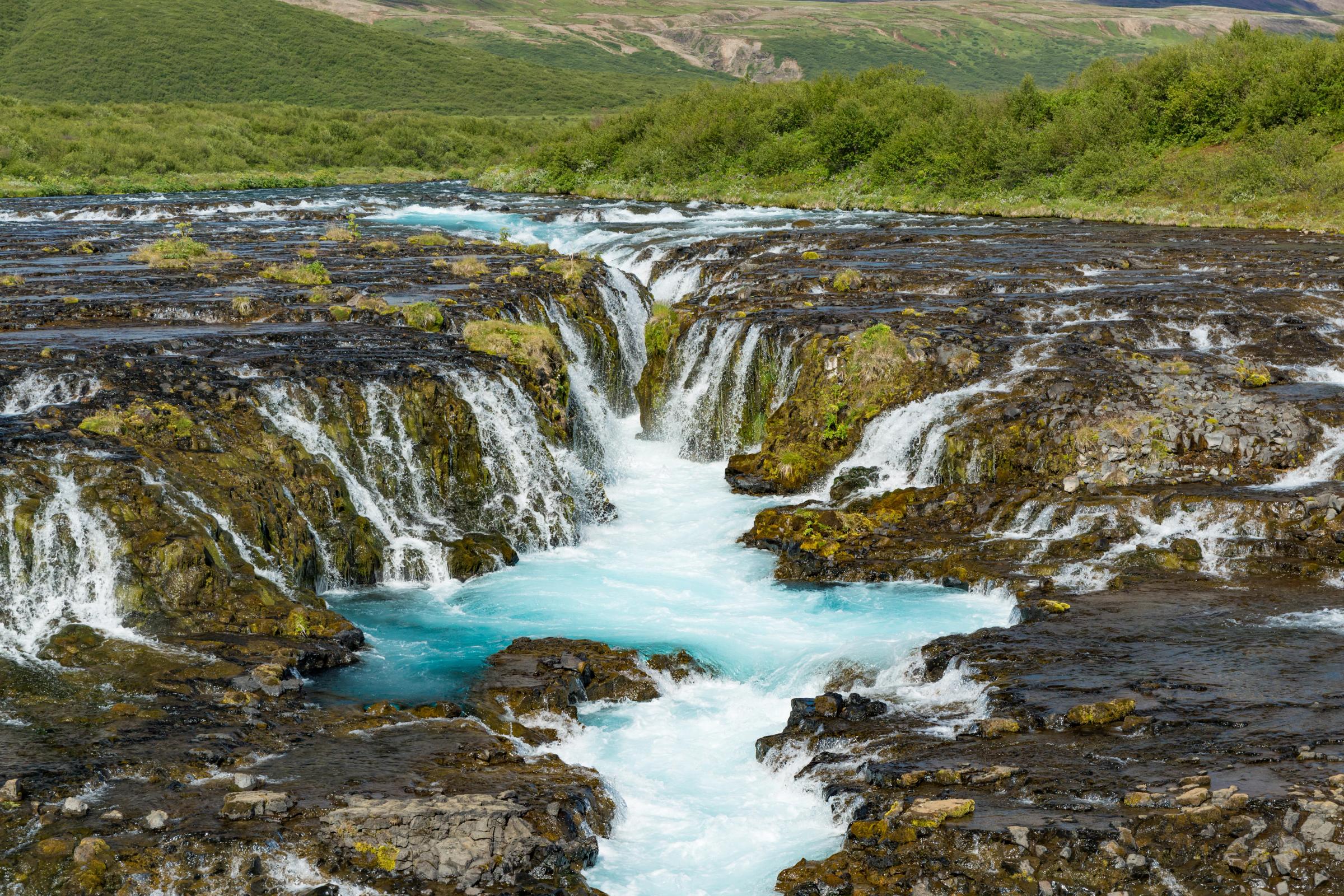
Brúarfoss is sometimes called Iceland's bluest waterfall, with vivid turquoise water flowing through a narrow gorge. Getting there requires a moderate 3 to 4 km round-trip hike on uneven ground. Faxi is much easier to reach and suits a wider range of travelers, but Brúarfoss wins on color and drama if you're up for the walk.
| Waterfall | Height | Crowds | What to Expect |
| Faxi | ~7m | Low | Wide, calm, salmon ladder |
| Gullfoss | 32m | High | Powerful, iconic, dramatic |
| Skógafoss | 60m | High | Tall vertical drop, rainbows |
| Seljalandsfoss | 60m | High | Walk-behind path |
| Brúarfoss | ~5 to 10m | Low | Vivid blue water, moderate hike |
Travel Tips for Visiting Faxi
A few practical things worth knowing before you go.
- Wear waterproof layers. Mist reaches the viewing areas, and Icelandic weather can change fast. Sturdy shoes with grip matter more in winter, when paths near the waterfall can get slippery. If you're visiting between November and March, microspikes are worth packing.
- Bring a tripod if photos are a priority. The wide, sheet-like flow at Faxi is well suited to long exposures, and the results are noticeably better with a stable base.
- Pay the parking fee when you arrive. It's a small amount that goes toward keeping the site maintained. Get there early in the morning for the calmest conditions and the best light for photography.
- Before any winter drive on the Golden Circle, check road.is and SafeTravel for current conditions. Iceland's weather moves fast and roads can close with little warning.

Is Faxi Waterfall Worth Visiting?
Faxi is worth it if you're already driving the Golden Circle and want a short, calm stop that feels different from the main attractions. It's not as tall or dramatic as Iceland's headline waterfalls, but the wide cascade, salmon ladder, and easy access make it a solid addition to your day without much extra time or effort.
If you're on a really tight schedule and have to pick, it's skippable. But if you have the time, it gives the day some variety and a bit of calm that the bigger stops simply don't offer.
Faxi as Part of the Golden Circle and Nearby Attractions
Faxi sits in one of the most visited corridors in Iceland, which works in your favor. You're never far from something worth seeing, and the waterfall fits naturally into a full Golden Circle day without adding much driving time.
Where Faxi Fits in the Golden Circle
The Golden Circle is a roughly 300 km loop from Reykjavík built around three main stops: Þingvellir National Park, the Geysir Geothermal Area, and Gullfoss. Faxi isn't one of those three, but it's just 12 km from Geysir and around 20 km from Gullfoss, so it slots in naturally between those two stops. It also works well as a calmer final waterfall before heading back toward Reykjavík.
For self-drivers, the most common approach is to visit Faxi after Gullfoss on the return leg toward Selfoss or Reykjavík. It breaks up the drive and ends the waterfall portion of your day on a quieter note.
Geysir Geothermal Area
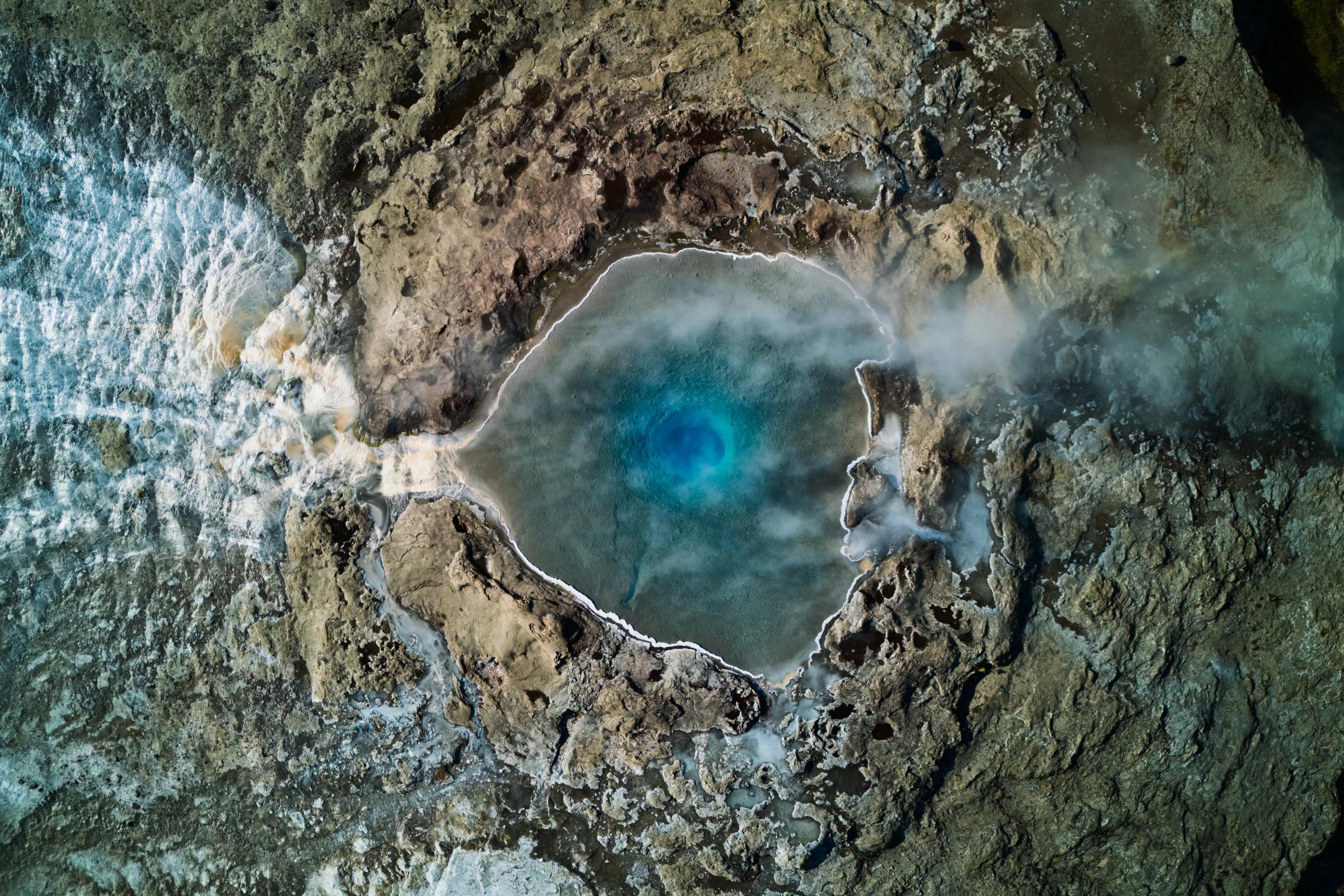
Just 11 km (6.8 miles) away, Geysir is one of the Golden Circle's anchor stops. The main event is Strokkur, a geyser that erupts every few minutes and shoots water 15 to 30 meters into the air. The broader Haukadalur Valley has several other active geothermal features worth exploring while you're there.
Gullfoss Waterfall
About 20 km (12.4 miles) from Faxi, Gullfoss is a two-tiered, 32-meter drop into a deep canyon. It's dramatic in a way Faxi isn't, and it gets the crowds to match. Visiting both on the same day makes the differences between them obvious and helps you appreciate what each one offers on its own terms.
Þingvellir National Park
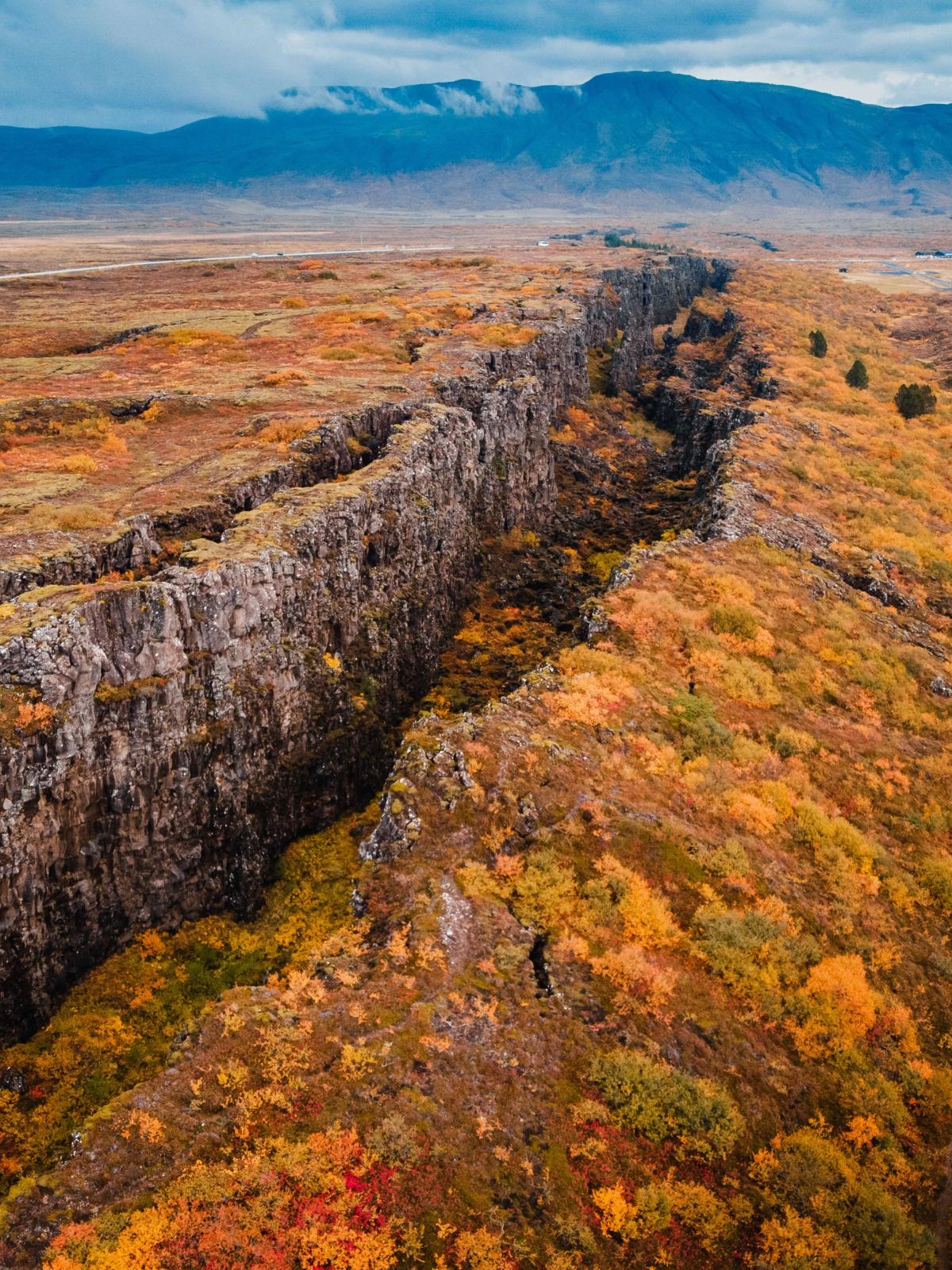
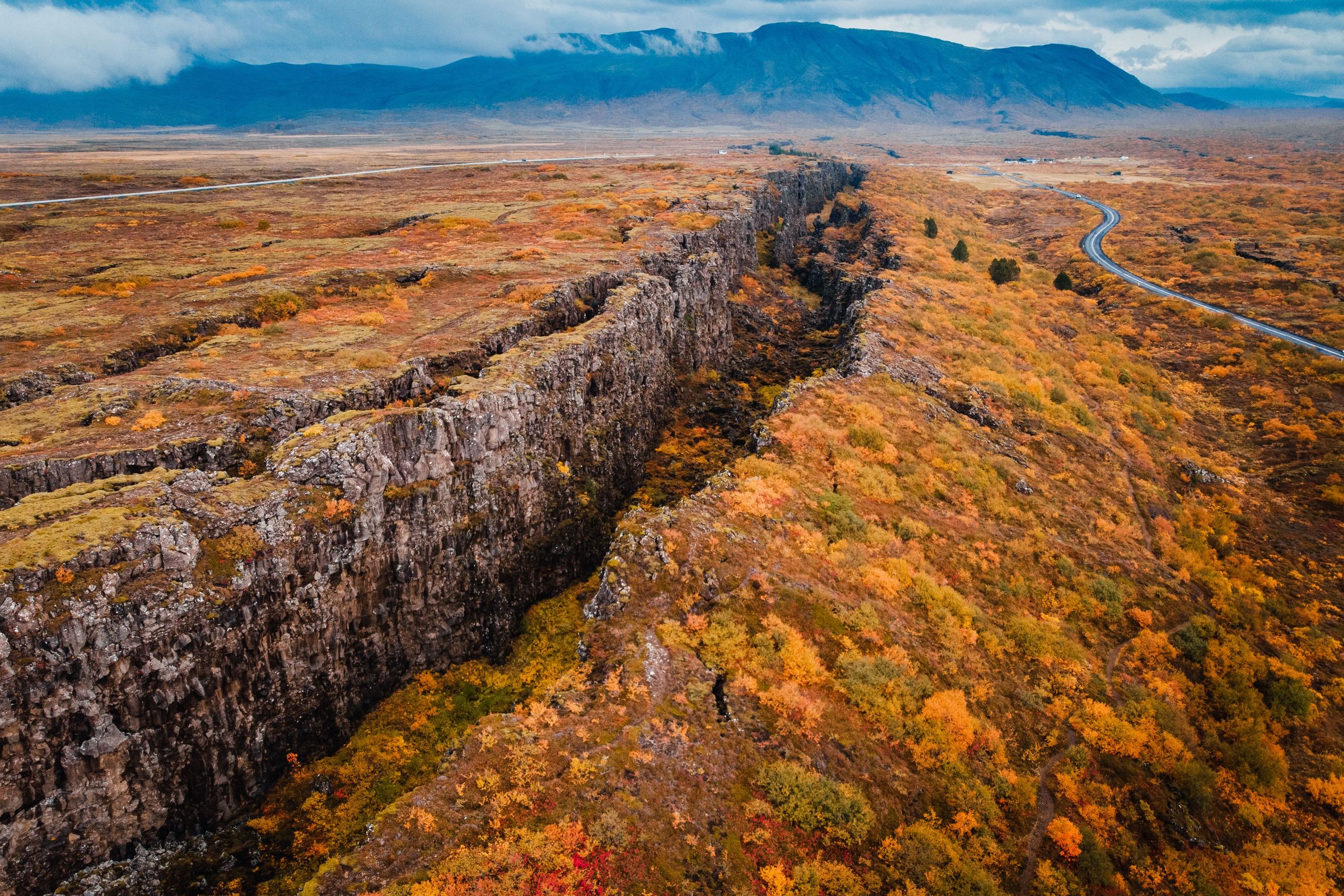
Around 48 km (30 miles) away, Þingvellir is where the North American and Eurasian tectonic plates meet at the surface. It's a UNESCO World Heritage Site and one of Iceland's most historically significant places, home to the world's oldest parliament. Budget a couple of hours here.
Brúarfoss Waterfall
About 20 km (12.4 miles) from Faxi, Brúarfoss is worth considering if you have extra time. The water is an unusually vivid turquoise from glacial sediment, and it looks unlike any other waterfall in the area. You'll need to hike 3 to 4 km round-trip on uneven ground to reach it, so it requires more effort than Faxi.
Skálholt Cathedral
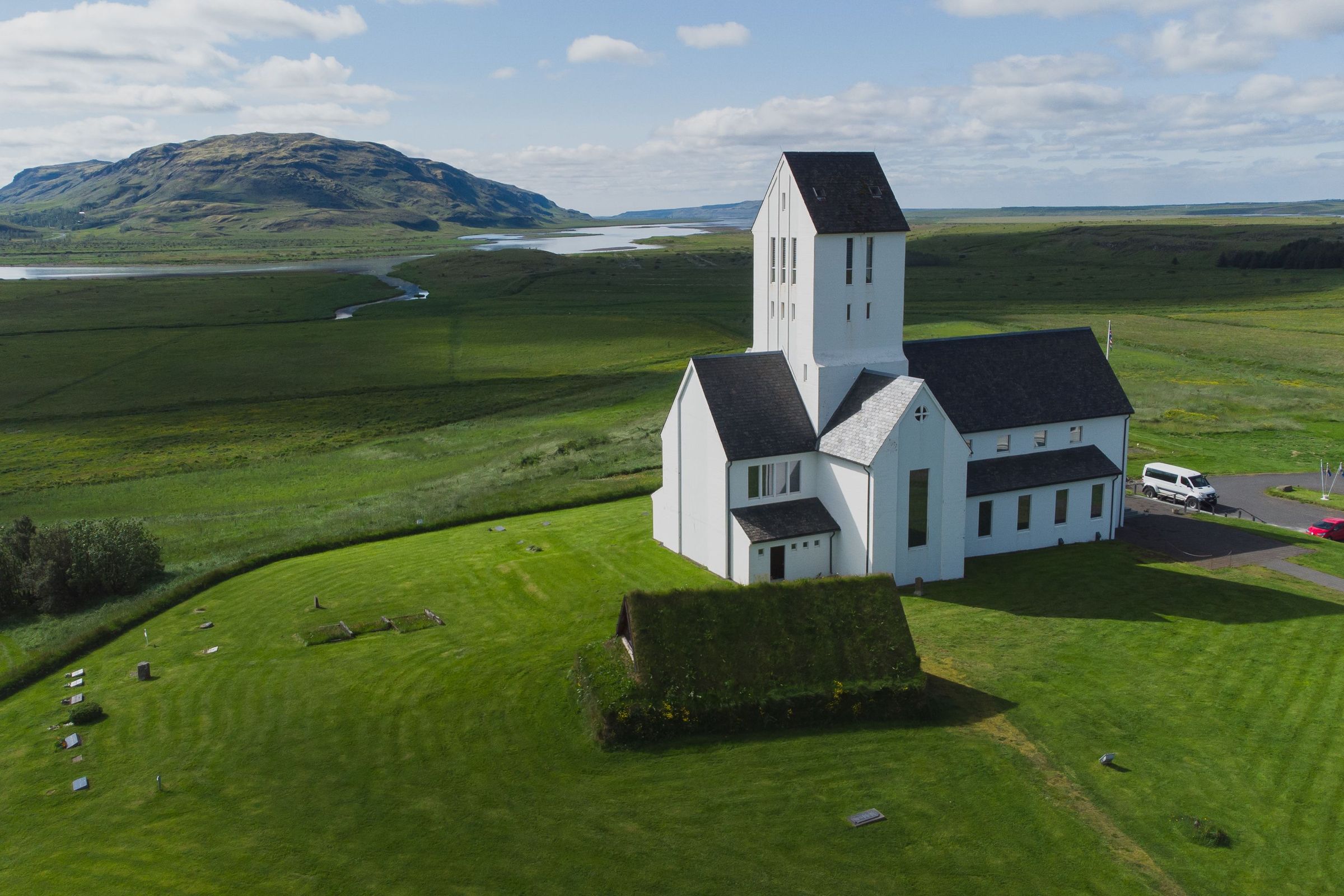
Around 17 km (10.5 miles) from Faxi, Skálholt was one of Iceland's most important religious and cultural centers from the 11th to the 18th centuries. The current cathedral stands on the same site as the original medieval bishopric. It's a quick stop that adds some historical context to an otherwise nature-focused day.
Secret Lagoon in Flúðir
If you want to add a geothermal soak to your Golden Circle day, the Secret Lagoon near Flúðir is the most practical option in this area. It's a natural hot spring pool: smaller and simpler than the Blue Lagoon, but much less crowded and cheaper.
Kerið Crater
On the way back toward Reykjavík, Kerið is a volcanic crater lake with a red and black rim and a teal lake at the bottom. A short walk takes you around the rim, and there's a small entry fee.

Conclusion
Faxi Waterfall is a wide cascade on the Tungufljót River in South Iceland, sitting just off the Golden Circle near Geysir and Gullfoss. It's easy to reach from Reykjavík, much less crowded than Iceland's most visited waterfalls, and adds a different kind of stop to your Golden Circle day. The salmon ladder alone makes it worth a look. You won't find that at Gullfoss.
Frequently Asked Questions About Faxi Waterfall