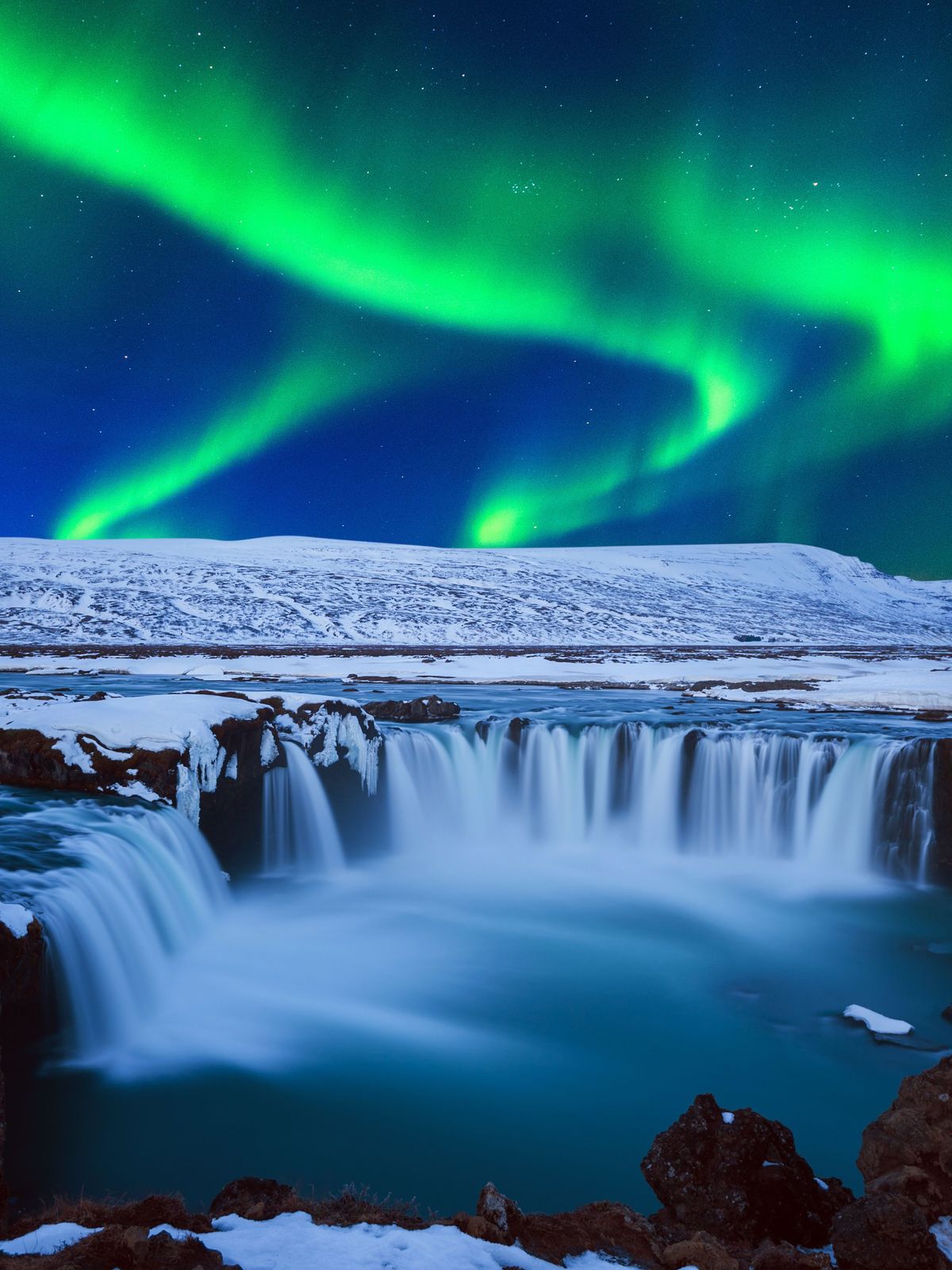
Selfoss Waterfall, A Gem Eclipsed By Dettifoss
Selfoss is easy to miss if you’re moving quickly through the Diamond Circle. It’s close to Dettifoss, it’s not very tall, and nothing really signals it from far away. You actually have to walk out to it.
Once you’re there, things slow down a bit. The water spreads out instead of dropping straight down, and the space feels more open. There’s usually less noise and fewer people than at nearby stops, which makes it easier to just stand there for a few minutes and take it in.
Here’s everything you need to know about Selfoss before you decide whether to visit it or not.
Key Takeaways
- Selfoss is a wide waterfall in North Iceland, about 11 meters high and roughly 100 meters across, made up of lots of smaller streams.
- It’s right next to Dettifoss, and you can walk between them in about 20–30 minutes.
- It’s much calmer and quieter than Dettifoss, so it’s a good place to slow down a bit.
- The west side is easier to get to, while the east side has better views but rougher ground.
- It works best as a quick stop on the Diamond Circle, not really a main destination on its own.
What’s Selfoss Waterfall & Why It’s Worth Visiting?
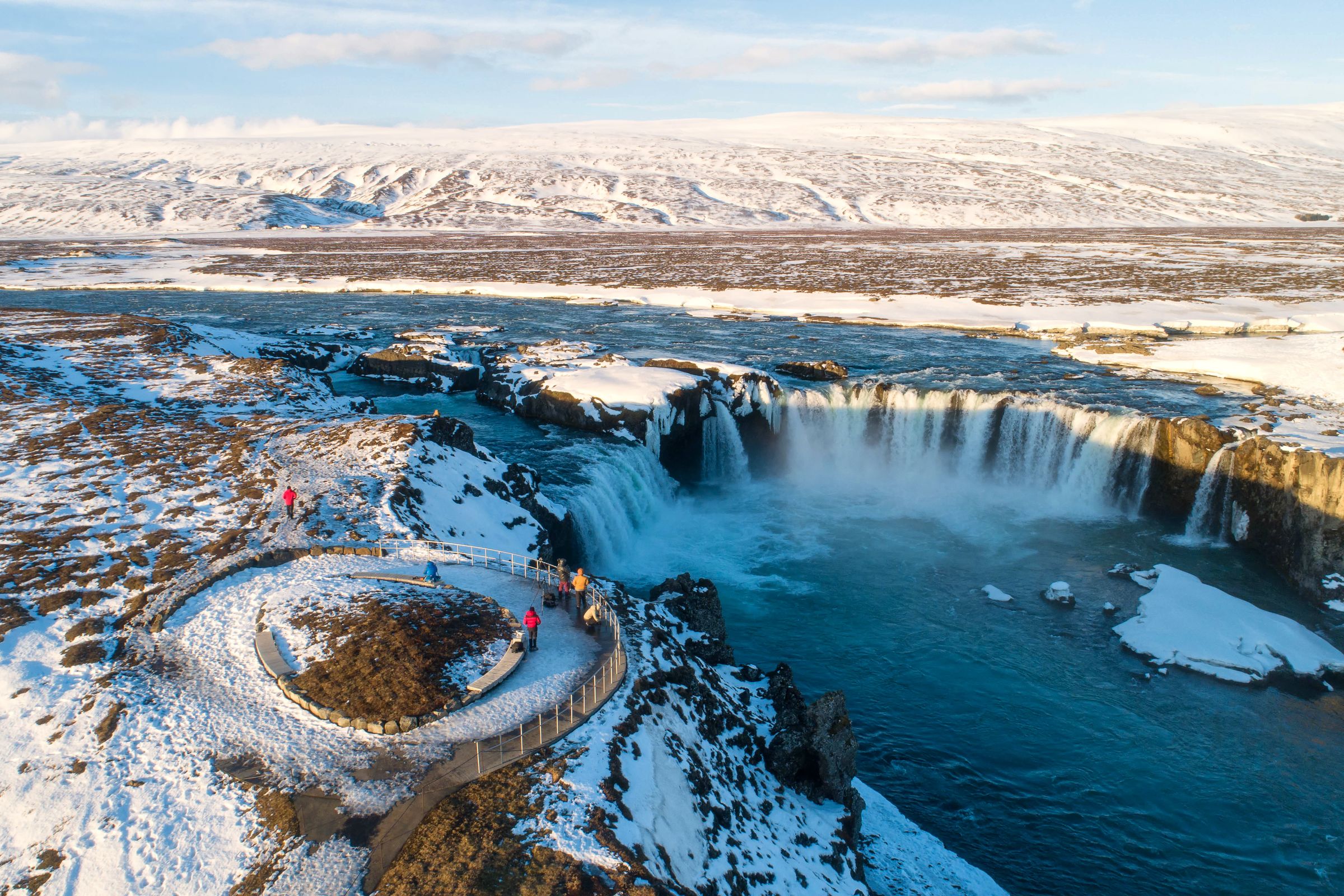
Selfoss is a waterfall where the Jökulsá á Fjöllum river flows over a curved basalt edge. The drop is around 11 meters, and the water spreads across about 100 meters. Because of that, it doesn’t look like a single waterfall. It looks more like a line of many small falls next to each other.
The river originates from the Vatnajökull glacier, the largest ice cap in Europe. That’s why the water often looks gray or milky, especially in summer when the glacier melts more. The amount of water changes during the year. Summer has the strongest flow. In winter, the flow drops, and parts of the waterfall can freeze.
Why Selfoss Stands Out
What makes Selfoss different is mostly the shape. The curved line of water changes depending on where you’re standing. The dark rock behind it makes the water stand out more. On sunny days, you might see a rainbow in the mist, depending on the light and wind.
There’s not much built around the waterfall. No cafés, no shops. Just paths and viewpoints. Selfoss is inside Vatnajökull National Park, which also has UNESCO World Heritage status, so the area is protected. If you visit early or late in the day, it may feel quieter than other popular stops.

What to Expect at Selfoss Waterfall
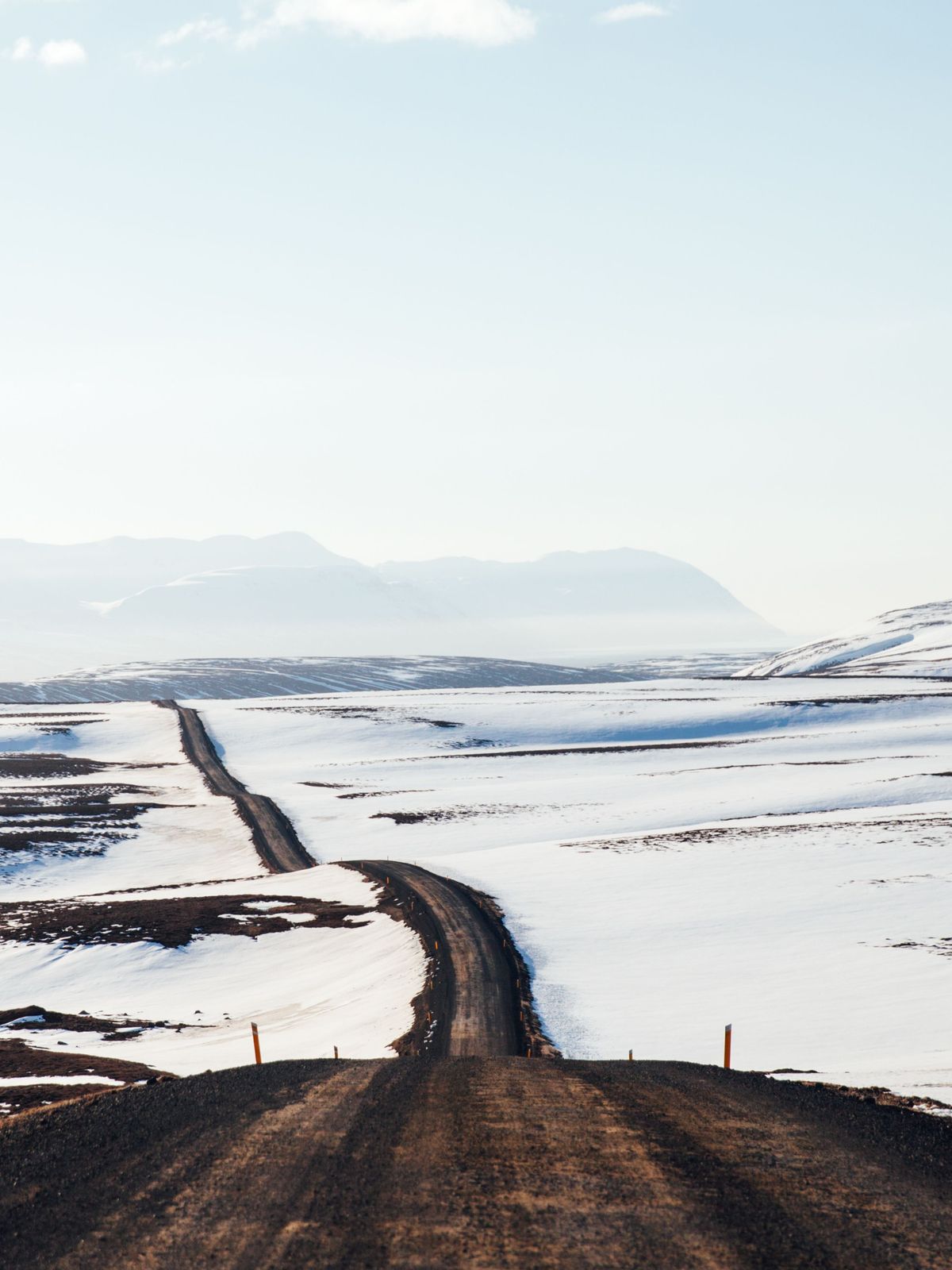
To see Selfoss, you’ll need to walk from the parking area to the viewpoints. From the west side, the walk is about 1 kilometer. The trail goes past Dettifoss first and then continues to Selfoss. The path isn’t hard, but it’s uneven. There’s loose gravel, rocks, and mud in places.
The Physical Experience
You usually hear the water before you see the waterfall clearly. As you get closer, the shape becomes more obvious. The water spreads across the rock instead of falling straight down, and the canyon walls frame the view.
There’s some mist near the edge, but not as much as at Dettifoss. Wind can still blow spray toward you. The ground around the falls is mostly rock with small patches of moss and low plants.
How Long to Spend Here
If you’re just walking out, looking around, and taking photos, 30 minutes to an hour is enough. If you want to see both sides of the river or combine it with Dettifoss and other nearby walks, plan for 2 to 4 hours.
There are no railings near the edges. The drop into the canyon is straight down, and rocks can be slippery, so you need to be careful.

Where Is Selfoss Waterfall & How to Get There
Selfoss is in northeast Iceland, inside Vatnajökull National Park, in the Jökulsárgljúfur Canyon area. The coordinates are roughly 65°47'54"N, 16°22'57"W. It’s about 133 kilometers east of Akureyri and around 45 kilometers from Lake Mývatn.
The waterfall is upstream from Dettifoss on the same river. There’s no bridge here, so you have to choose either the west side or the east side to visit. You can’t cross the river without driving back around via the Ring Road (Route 1).
From Reykjavík, it’s about 470 kilometers and roughly a 6-hour drive without long stops. Most people split the drive over a day or more.
Road 862 (West Side Access)
Route 862, also called Dettifossvegur, is the paved road from the Ring Road (Route 1). It’s usually open year-round when the weather allows it. This is the easiest way to get there. From the Ring Road, turn north onto Route 862 and drive about 24 kilometers to the main parking area. Any normal rental car can drive this road.
From the parking lot, it’s about a 10 to 15-minute walk to Dettifoss. From there, walk another 10 to 15 minutes north along the marked trail to reach Selfoss. The trail is rocky but mostly flat. There are restrooms at the parking area.
Road 864 (East Side Access)
Route 864, also called Hólsfjallavegur, runs along the east side of the river. It’s a gravel road and usually open from late May to early October, depending on conditions. The road has potholes and loose gravel, so driving is slow. In good conditions, most 2WD cars can make it, but a 4WD is easier.
The east side parking area is smaller and fills up quickly. From there, it’s about a 1-kilometer walk over rough, rocky ground to reach Selfoss. The path isn’t clearly marked, and you’ll need to step carefully over rocks. Cairns show the general direction.
The east side gives a wider view of the waterfall and shows the full horseshoe shape, which is why many photographers prefer it even though the access is rougher.
Which Side Should You Choose?
If you want the easiest option, go with the west side. If you care more about seeing the full shape and don’t mind rough ground, the east side is worth it. If you’re short on time, most people choose the west side.
Before you go, check road conditions at road.is. Roads can close quickly, even in summer. Cell service is unreliable here, so download offline maps before leaving Akureyri or the Lake Mývatn area.

Selfoss vs Other Icelandic Waterfalls (Quick Comparison)
Selfoss doesn’t really compete with Iceland’s biggest or most powerful waterfalls. It’s not the tallest, and it’s not the loudest. What makes it different is the shape and how it fits into the landscape.
Selfoss vs Dettifoss
Dettifoss is the obvious comparison since it’s just downstream. Dettifoss drops 44 meters and moves an average of about 193 cubic meters of water per second. It’s loud, misty, and overwhelming. You feel the ground shake near the edge.
Selfoss is much shorter at 11 meters, but the water spreads out across roughly 100 meters. Flow is usually between 100 and 200 cubic meters per second, depending on the season. Dettifoss is about power. Selfoss is more about how the water moves across the rock.
How Selfoss Compares to Other Famous Falls
| Waterfall | Height | Width | Character | Crowd Level | Access Difficulty |
| Selfoss | 11m | ~100m | Wide, curved, many streams | Moderate | Moderate (1 km walk) |
| Dettifoss | 44m | ~100m | Heavy, loud, single drop | High | Moderate (short walk) |
| Gullfoss | 32m | ~70m | Two tiers, dramatic | Very High | Easy |
| Skógafoss | 60m | 25m | Straight drop, close access | Very High | Easy |
| Goðafoss | 12m | 30m | Semi-circular, historic | High | Easy |
Gullfoss and Skógafoss are more dramatic and easier to reach, but they’re also crowded and heavily built up with paths and platforms. Selfoss feels more remote, even though it’s part of a popular route.
Goðafoss is closer in shape to Selfoss but smaller and much easier to access. It also has historical significance, which Selfoss doesn’t.
What makes Selfoss different is the combination of width, shape, and location. It’s not a place you rush through, but it’s also not a destination on its own for most people.

Best Time to Visit
Summer is the easiest time to visit Selfoss. Roads are open, hiking is straightforward, and the waterfall has the most water.
Summer (June to August)
June through August is the main season. Roads to both sides are usually open, and daylight lasts almost all day, especially in late June and July. The waterfall is strongest during this time because glacier melt is at its peak. Water volume in July can be two to three times higher than later in the year.
Shoulder Season (May & September)
Early September is a good option if you want fewer people. Roads are usually still open, and conditions are often stable. The landscape starts to change slightly, but this area doesn’t have much fall color.
Late May and early June are more unpredictable. Roads can open later than expected, and there may still be snow or muddy sections on the trails. If you visit during this time, you need to check road conditions daily and be flexible.
Winter Access
Winter visits from October to April aren’t practical for most travelers. Roads are often closed and gated. Parts of the waterfall freeze, and daylight hours are very short. Some guided super-jeep tours may reach the area, but it’s not something most people do on their own.
Best Time of Day
Late June through August is the best overall window. For fewer people, early September works well.
During the day, early morning, and late evening are quieter. Most tour buses arrive between late morning and mid-afternoon from Akureyri and Lake Mývatn. Lower sun angles in the morning and evening are also better for photos and sometimes create rainbows in the mist.


Best Viewpoints & Photography Tips
The views at Selfoss depend a lot on which side of the river you’re on. The east and west sides feel very different.
West Bank Viewpoints
From the west side, you’re closer to the waterfall, but looking at it from an angle. You don’t see the full horseshoe shape because part of it is hidden. What you do get is a closer look at how the water moves over the rock. This side works well if you want detail shots or long exposures that smooth the water.
East Bank Viewpoints
The east side is where you see the full curve of the waterfall. This is the view most people recognize in photos. You’re farther away, but you can see the whole shape and more of the canyon. This side works better for wide landscape shots, especially if you want the waterfall and surroundings in the same frame.
Photography Gear and Tips
Conditions change quickly here, so simple preparation helps.
Useful gear and settings:
- Tripod for long exposures, usually 1 to 2 seconds or longer
- Polarizing filter to cut glare from water and wet rock
- Wide-angle lens (around 16–35mm) for east side views
- Standard zoom (24–70mm) for flexibility
- Lens cloths and rain cover for windblown spray
- Slight exposure compensation or manual mode to avoid dark images
Good conditions for photos:
- Overcast skies give even light and fewer harsh shadows
- Rainbows show up when the sun is low and hits the mist at the right angle
- Drones are allowed, but follow rules, avoid people, and watch for helicopters
Safety note: There are no barriers near the edges. Rocks can be slippery, and it’s easy to step back without looking while framing a shot. Keep track of where you’re standing.
Things to Do Nearby
Selfoss is usually one stop among several in this area. Most people combine it with other nearby sights.
Dettifoss Waterfall
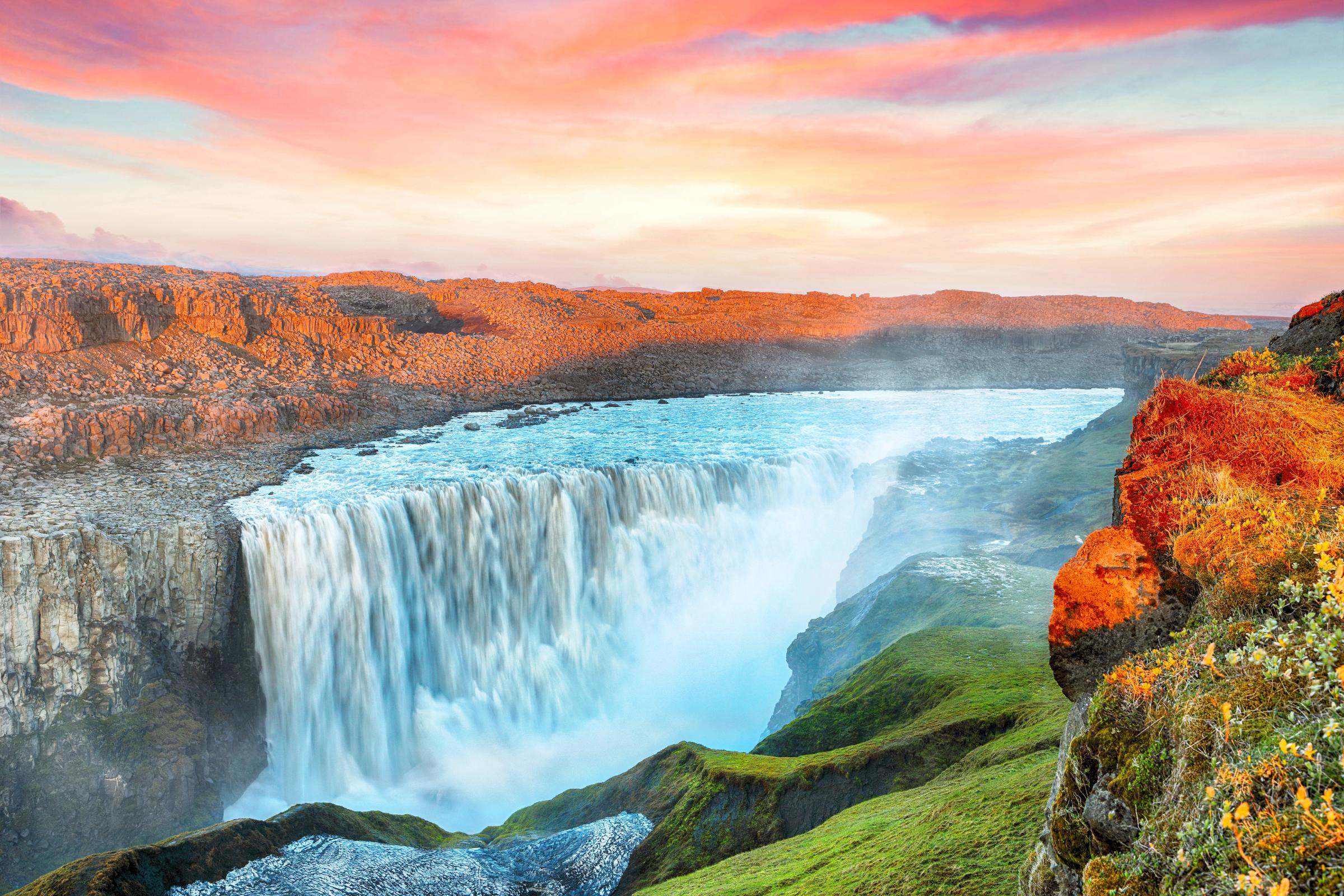
Dettifoss is just 1 kilometer away and is usually visited first. It’s the most powerful waterfall in Europe by volume, dropping 44 meters. The noise and spray are intense, and the ground can shake near the edge. Most people see Dettifoss and then walk on to Selfoss.
Hafragilsfoss Waterfall
Hafragilsfoss is about 4 kilometers north of Dettifoss. It drops around 27 meters into a narrow canyon. It’s quieter than Dettifoss and Selfoss and doesn’t get many visitors. There’s an east-side overlook with wide views. If you’re already in the area, it’s worth a short detour of 30 to 45 minutes.

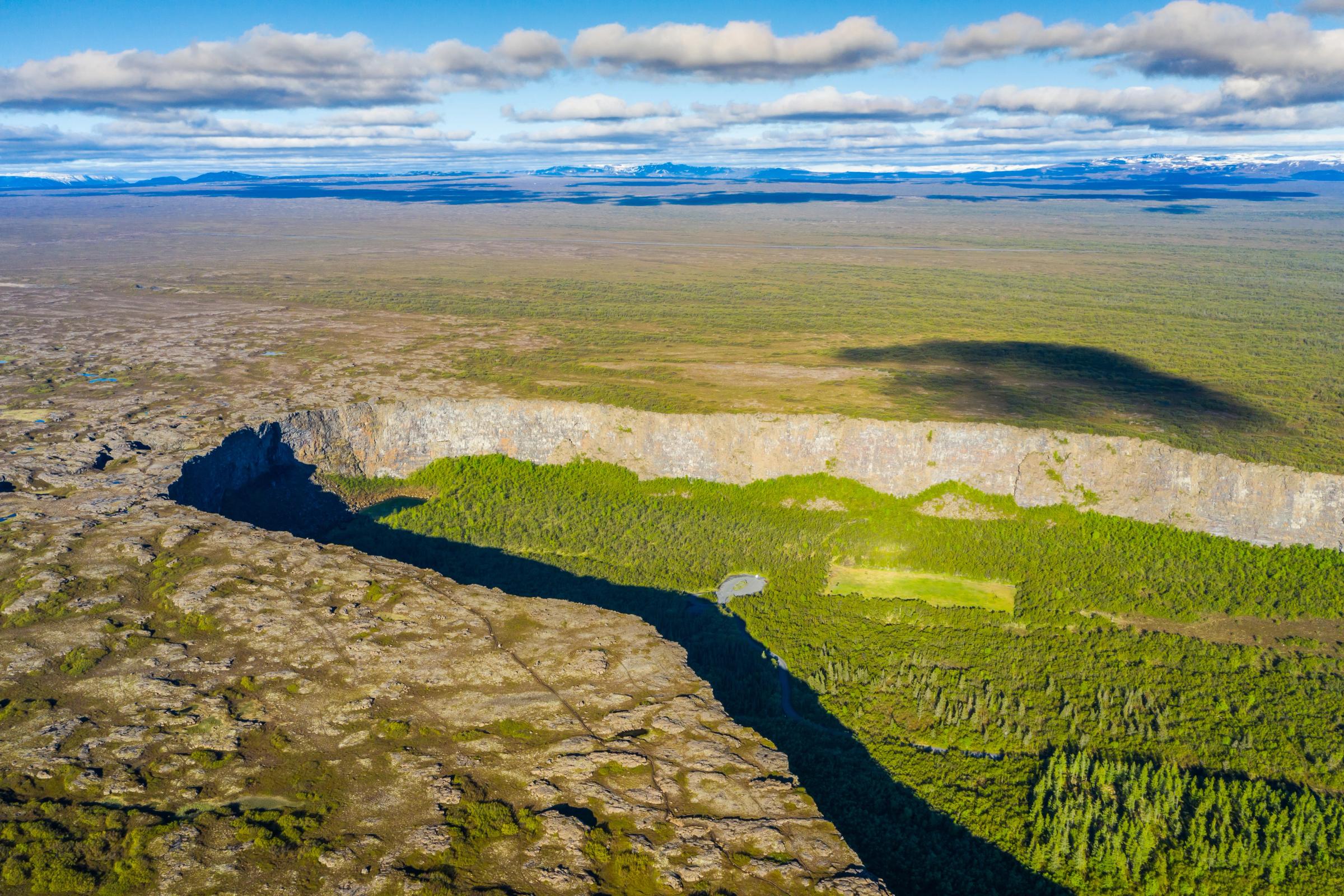
Ásbyrgi Canyon
Ásbyrgi Canyon is about 32 kilometers north via Route 862. It’s a large horseshoe-shaped canyon with steep cliffs and a forested floor. Trails range from short, easy walks to longer hikes along the rim. There’s a visitor center, restrooms, and a campground. It’s a good place to slow down after the rougher waterfall trails.
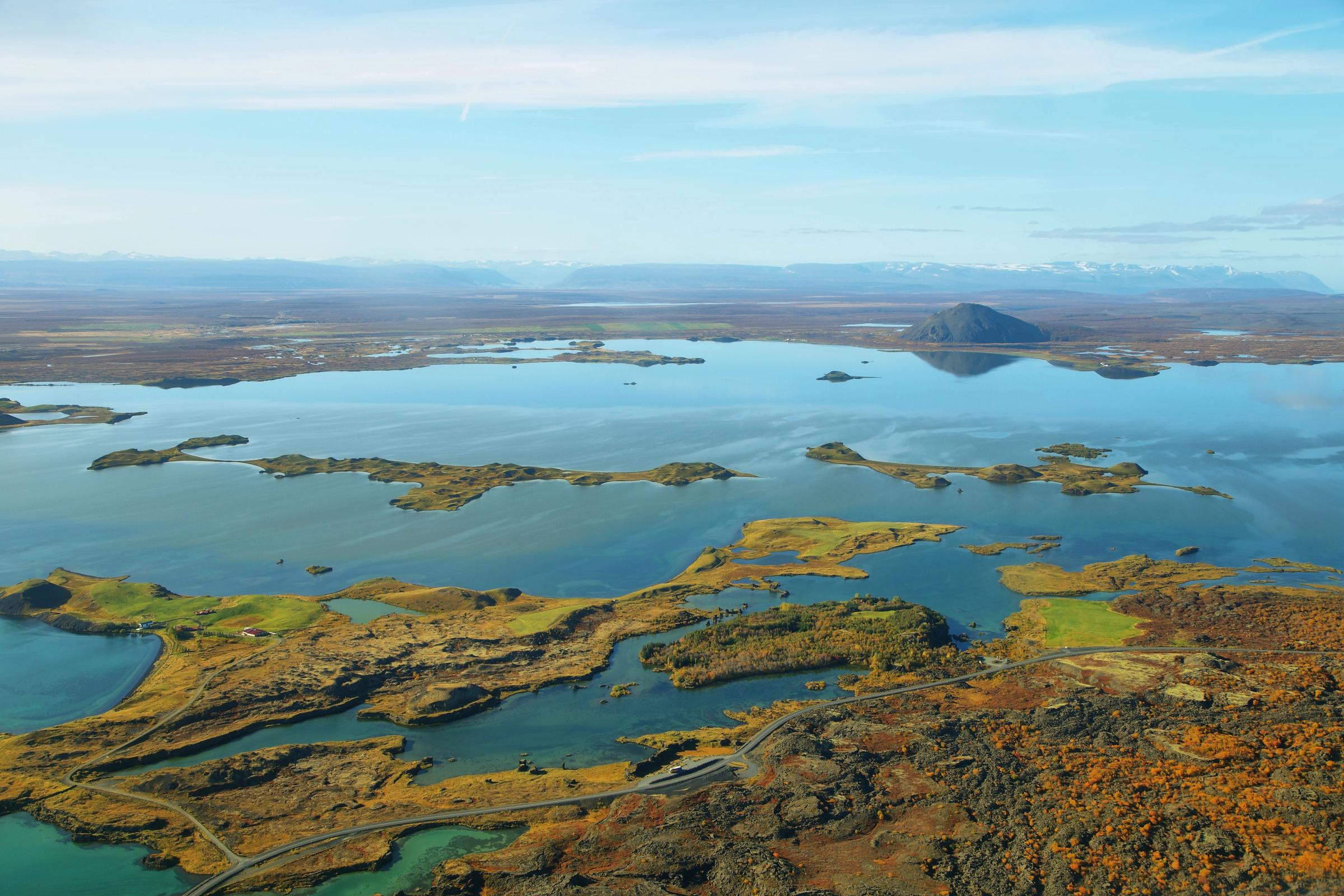
Lake Mývatn Area
Lake Mývatn is about 50 kilometers southwest and is a common base for exploring the region. The area includes geothermal sites like Námafjall, lava formations at Dimmuborgir, and the Mývatn Nature Baths. Half a day is the minimum, but many people spend two or three days here.
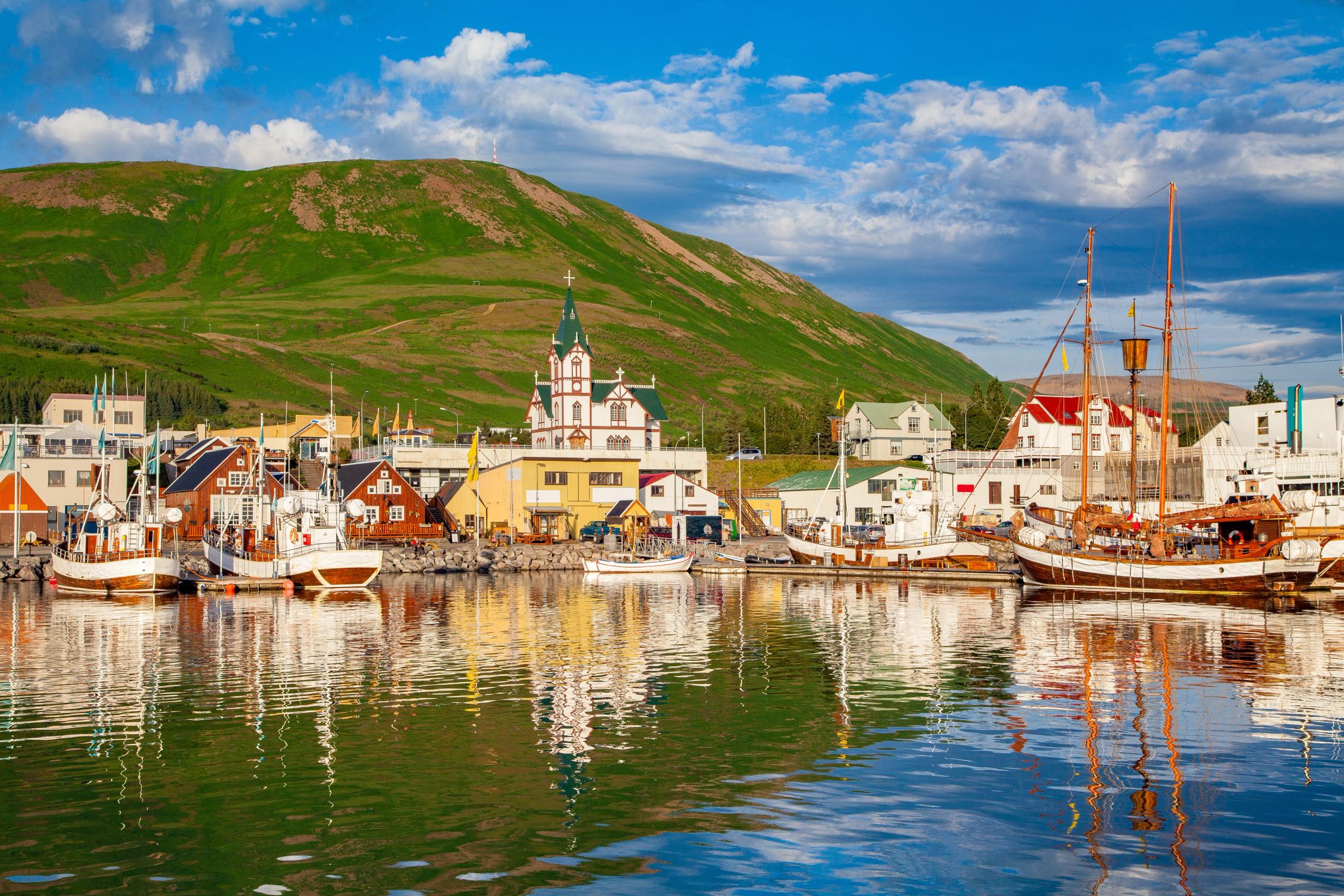
Húsavík
Húsavík is about 85 kilometers northwest. It’s best known for whale watching, especially in summer, with frequent sightings of humpback whales. The town also has the Whale Museum and the GeoSea geothermal baths overlooking the ocean.
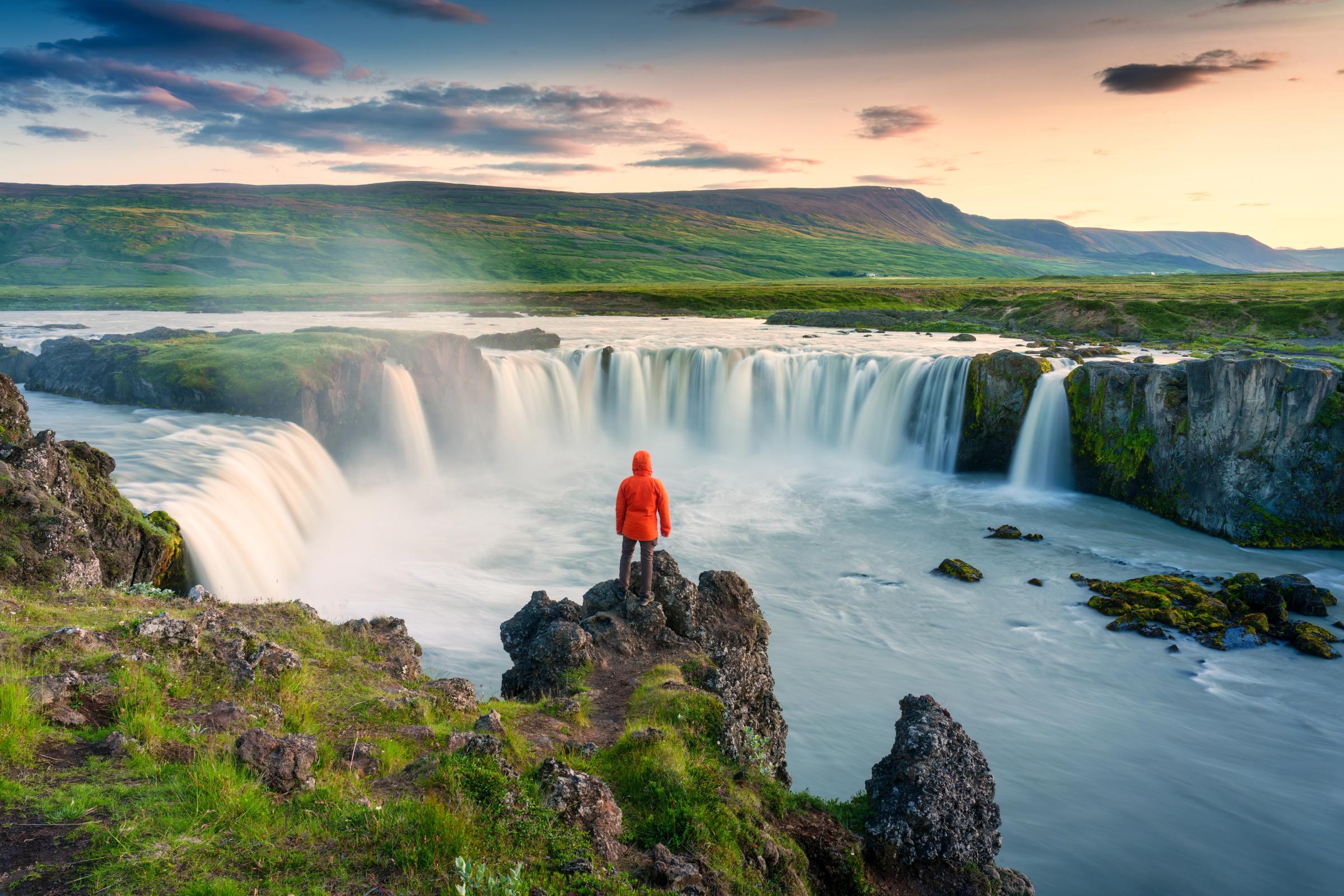
Goðafoss Waterfall
Goðafoss is about 65 kilometers west along the Ring Road (Route 1). It’s easy to access and tied to Iceland’s conversion to Christianity around the year 1000. It’s a common stop when driving between Akureyri and Lake Mývatn.
The Diamond Circle Route
All of these places are connected by the Diamond Circle. You can do the main highlights in a long day from Akureyri or Lake Mývatn, but two days is more comfortable if you want time to walk and stop without rushing.
Travel Tips & Useful Insights
A little planning makes a big difference out here. This area is remote, and there isn’t much margin for error.
Before You Go
Check road conditions on road.is every day, especially if you plan to drive Route 864. Conditions can change quickly with the weather, and a road that’s open one day can be closed the next.
Fill up with fuel before you head out. The closest gas stations are in Reykjahlíð near Lake Mývatn, or farther away in Húsavík or Akureyri. There’s nothing near Selfoss or Dettifoss. Running low on fuel in this area can turn into a real problem.
Download offline maps before you leave places with reliable service. GPS works without a signal, but you need maps saved on your phone. Google Maps offline areas or apps like Maps.me are useful here.
What to Bring
Bring warm layers and waterproof clothing. Even in summer, temperatures near the canyon can drop to around 5°C, especially with wind. Mist from the waterfalls adds moisture. A warm mid-layer, waterproof jacket, pants, gloves, and a hat are all useful.
Wear sturdy shoes. The trails are rocky and uneven, especially on the east side. Hiking boots are the safest option. Trail runners can work in dry conditions, but they don’t offer as much support.
Bring food and water. There are no cafés or shops here. Other than restrooms at the parking areas, there are no facilities. Snacks and a packed lunch go a long way, and cold, windy weather can dehydrate you faster than you expect.
Timing Your Visit
If you want fewer people, arrive early or later in the day. Tour buses usually show up between late morning and mid-afternoon. Early morning or early evening is quieter and less rushed.
Give yourself more time than you think you’ll need. Gravel roads slow things down, and walking carefully on uneven trails takes longer than expected. What looks like a short visit on paper can easily stretch out.
Safety and Environment
Stay on marked paths to avoid damaging fragile ground. Don’t move rocks or build cairns. Take all trash with you, since bins are limited.
Be careful near the edges. There are no barriers, and the drop into the canyon is immediate. Wet rocks are slippery, and strong winds can throw off your balance. Keep children close and don’t step backward while taking photos.

Conclusion
Selfoss is different from Iceland’s more famous waterfalls. It’s wide instead of tall, and calm compared to the power of Dettifoss nearby. It doesn’t take long to visit, but it fits well into a trip through North Iceland, especially if you’re already following the Diamond Circle.
It’s best visited in summer, when roads are open, and access is straightforward. Bring warm clothes, plan your fuel stops, and don’t rush the visit. Selfoss isn’t about checking off a must-see attraction. It’s just a good place to stop, walk a bit, and take in the landscape before moving on.
Frequently Asked Questions About Selfoss Waterfall