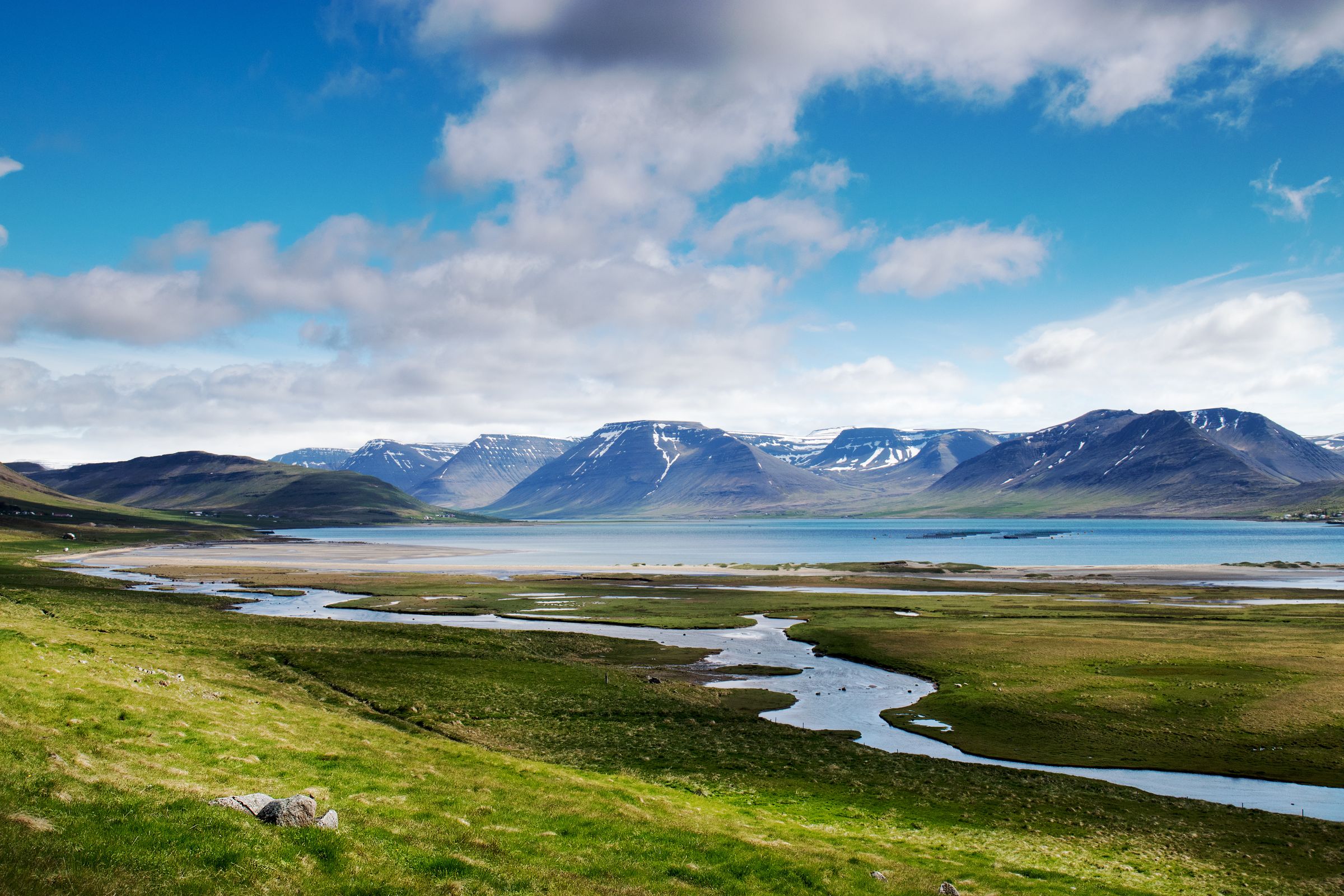
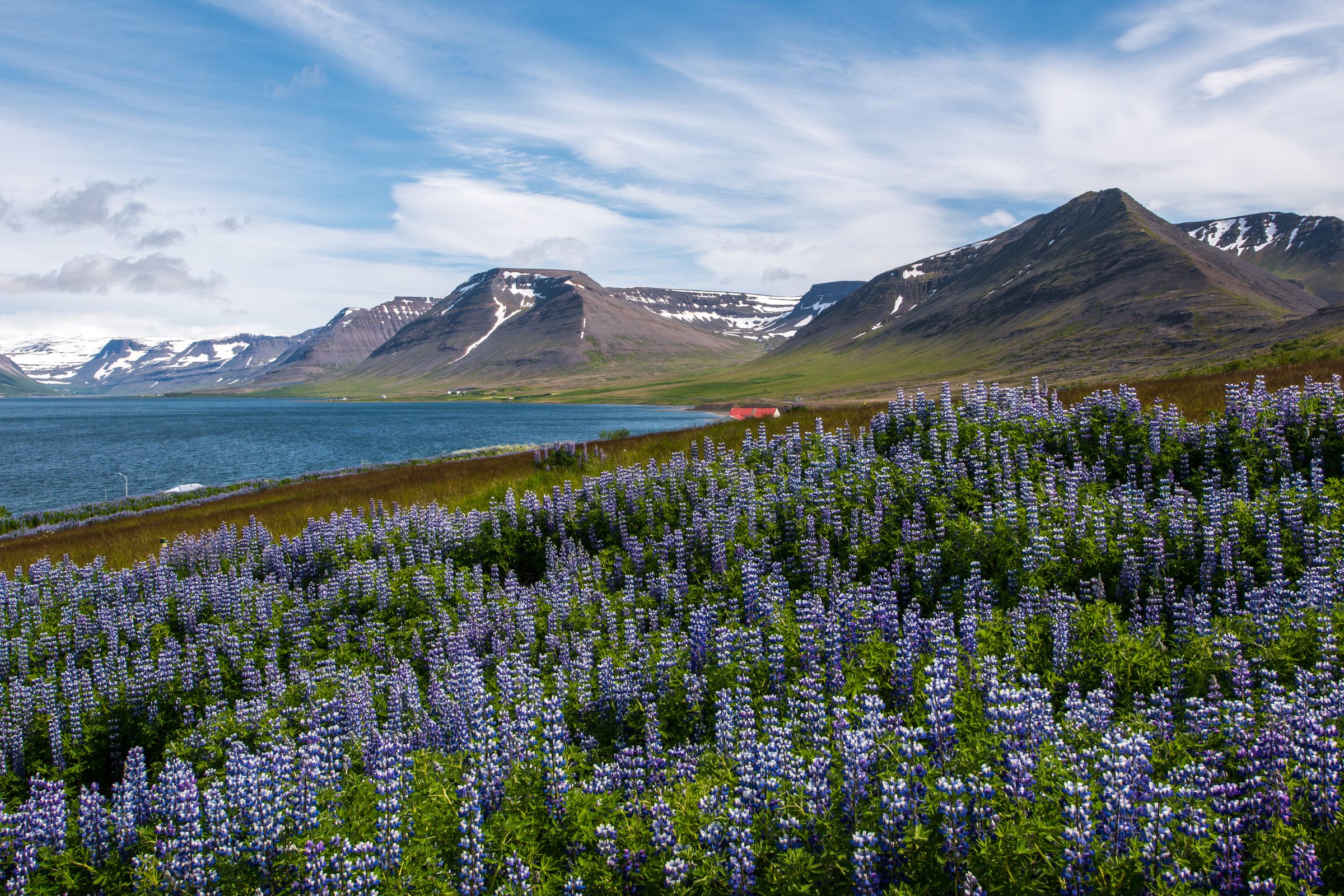
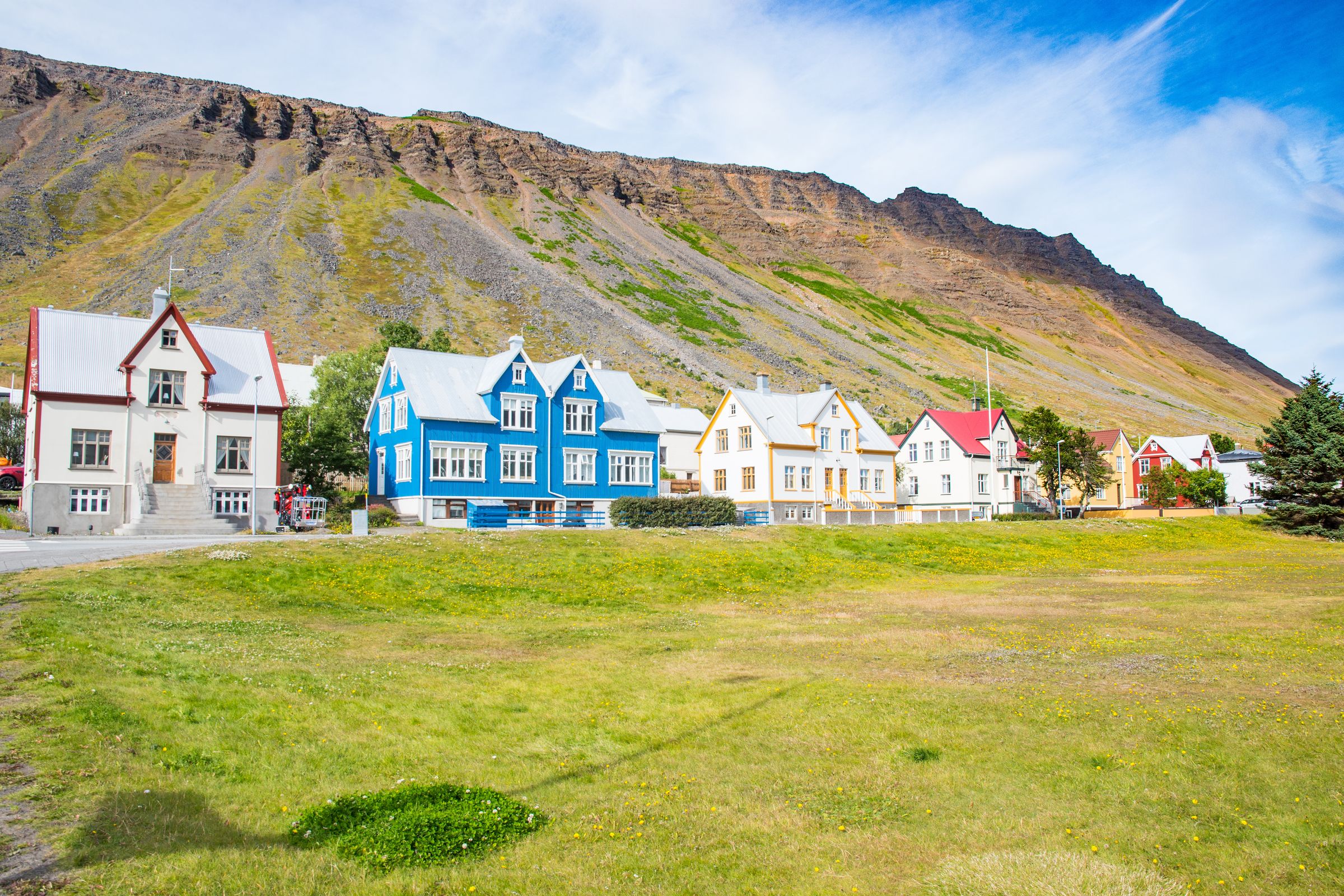
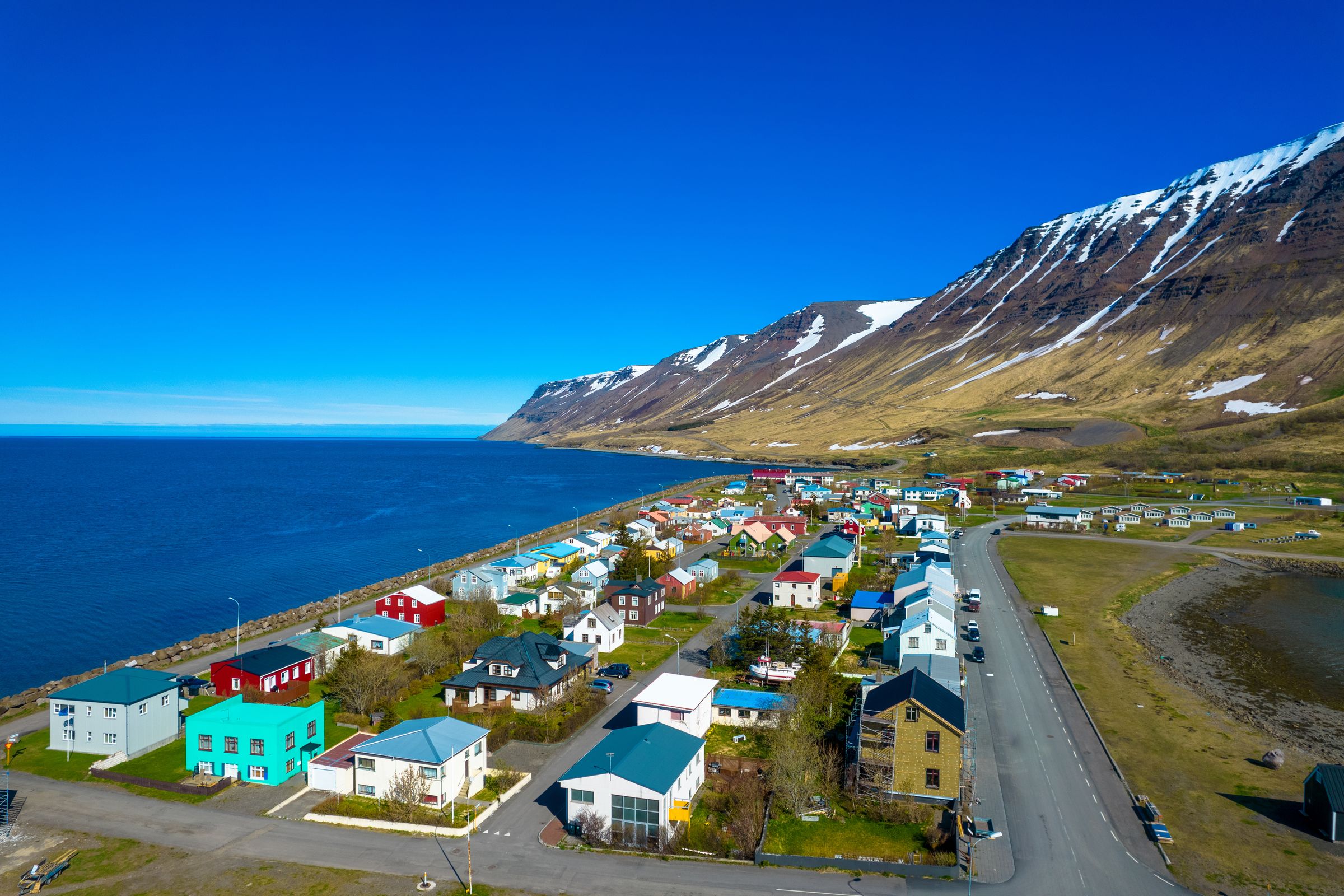
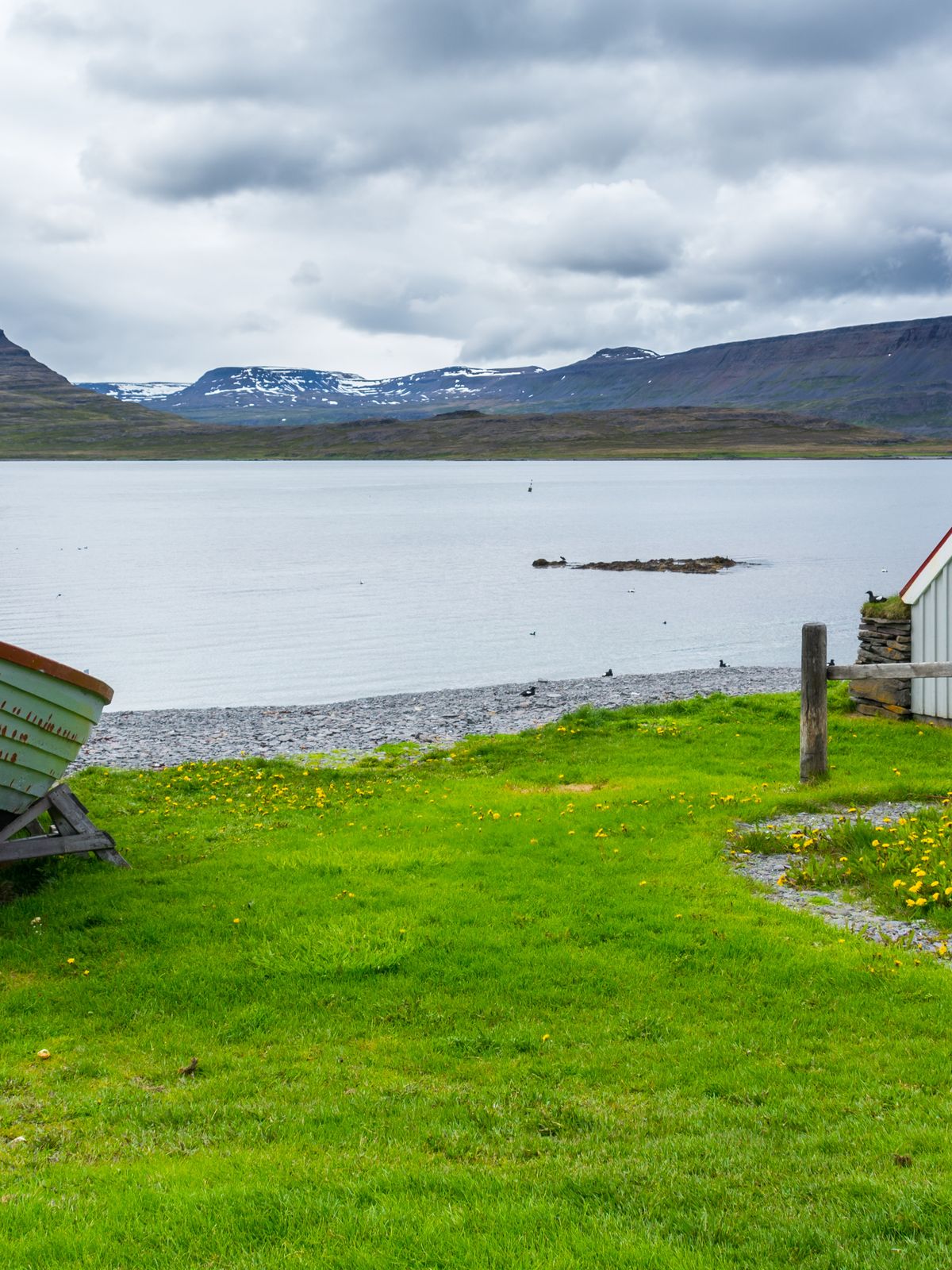
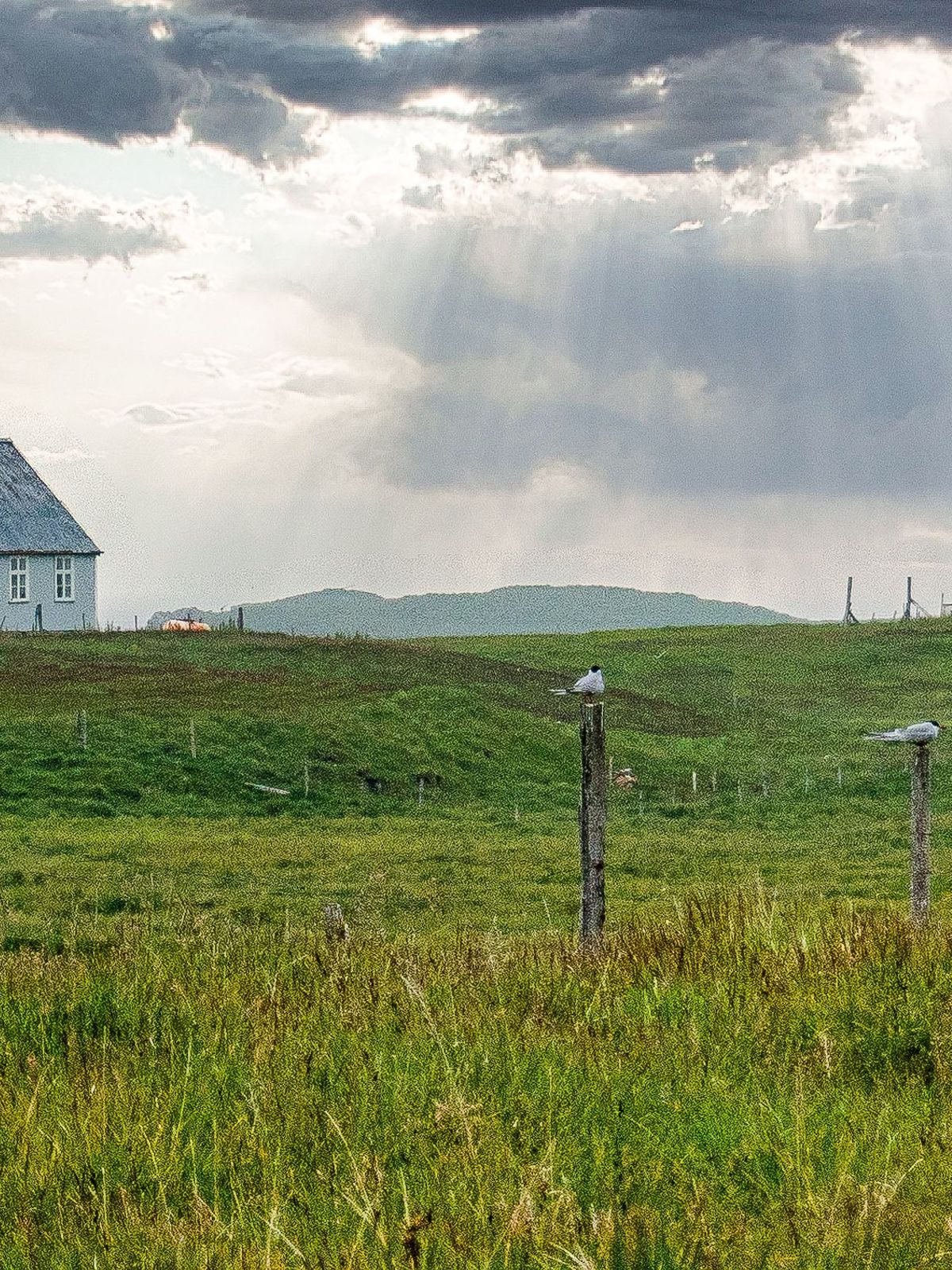
Þingeyri is a tiny fishing village in Iceland’s far northwest. It sits on a narrow strip of land stretching into a fjord, and with only about 250 people, it feels incredibly quiet and far away from everything in the best possible way.
Here's everything you need to know about this fantastic and remote destination.
Key Takeaways
Small fishing village: About 250 people living in one of Iceland’s most remote areas
Beautiful setting: Narrow piece of land surrounded by steep mountains and the fjord
Easy hiking: A short walk up the mountain behind town gives great views
Long history: Founded in 1787 with deep Viking roots
Remote on purpose: It takes 5 to 6 hours to drive from Reykjavik, but that’s part of the charm
Best in summer: June to September is when things are open and conditions are easiest
What’s Þingeyri?
Þingeyri is a small village in the Westfjords, the most remote part of Iceland. Its name means “assembly point,” dating back to Viking times when people met here to make decisions. Today, it is still a working fishing village with boats in the harbor and fish drying outside. The old Viking meeting halls behind the church connect daily life to the past.
Why Visit Þingeyri?
Þingeyri is quiet and uncrowded compared to most places in Iceland. It offers real outdoor experiences, local life centered on fishing, and a strong sense of community. Hiking and biking often feel completely empty. It is also more affordable, with guesthouses usually costing 100 to 150 dollars.
Location and How to Get There
Þingeyri sits on Dýrafjörður in the heart of the Westfjords. Driving from Reykjavik takes about 5 to 6 hours and includes some gravel roads. Roads stay open year-round, but winter conditions can be challenging. You can also fly to Ísafjörður and drive about 30 minutes.
Things to Do There
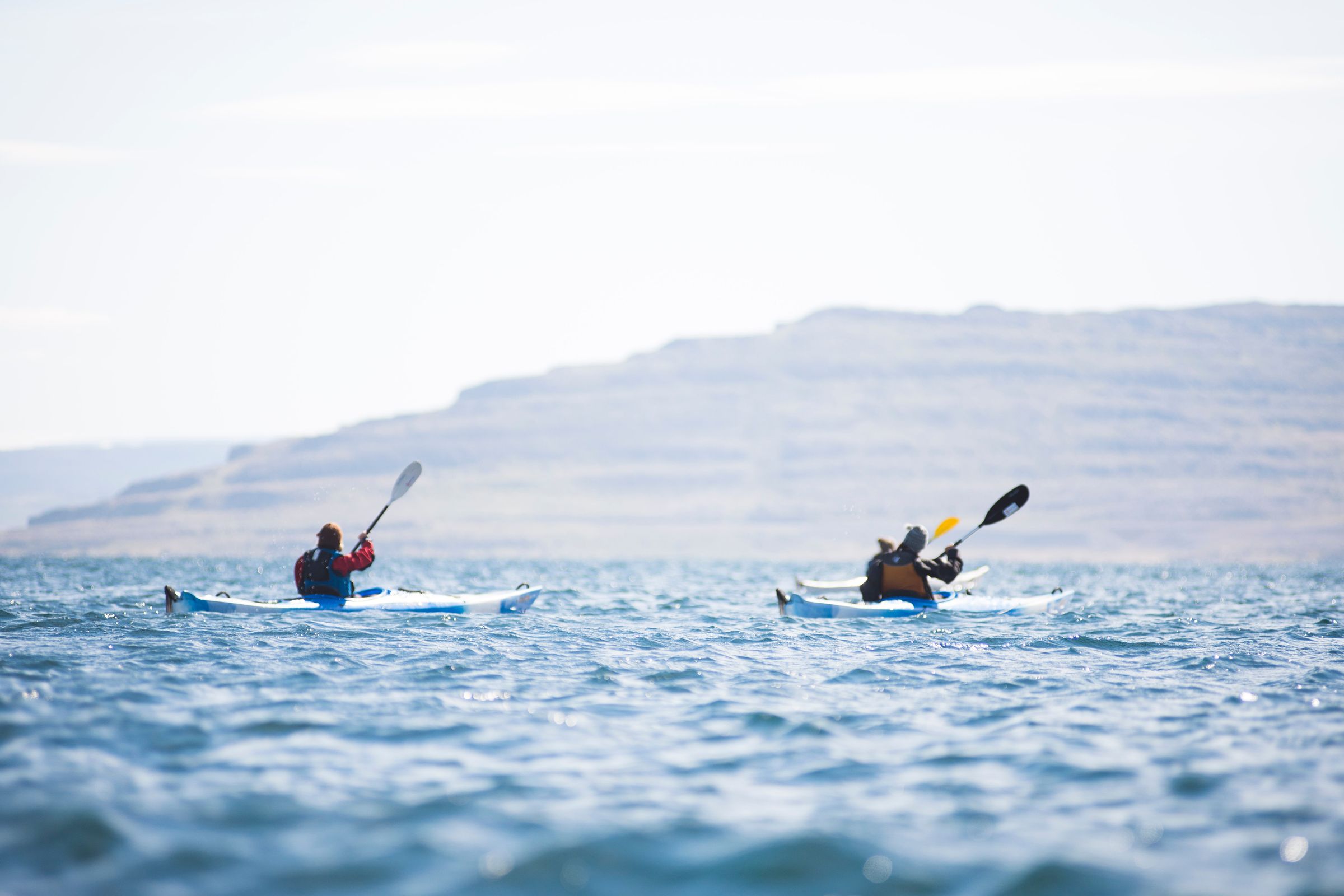
Despite its size, Þingeyri has plenty to do. You can hike the mountain behind town, explore Viking sites, kayak in the fjord, or visit the old blacksmith shop. Mountain biking routes nearby are well known but demanding. The community pool is a popular place to relax and meet locals.
Where to Eat
Food options are few but good. Simbahöllin café is the highlight, especially for its waffles that many consider the best in Iceland. Meals focus on simple, home-style cooking with local fish. There is also a small shop for basic groceries.
Where to Stay
Places to stay are simple and comfortable. Hotel Sandafell is the main option, with prices starting around 100 to 120 dollars including breakfast. Guesthouses offer rooms and apartments, some with kitchens and water views. A fjordside campground is also available for about 15 dollars per person.
Practical Information for Travelers
The weather is cool and often wet, even in summer. June to August is the best time to visit, with long daylight and open services. Pack layers, waterproof clothing, and good hiking boots. Renting a car and planning ahead for fuel and supplies is important.
Places to Visit Nearby
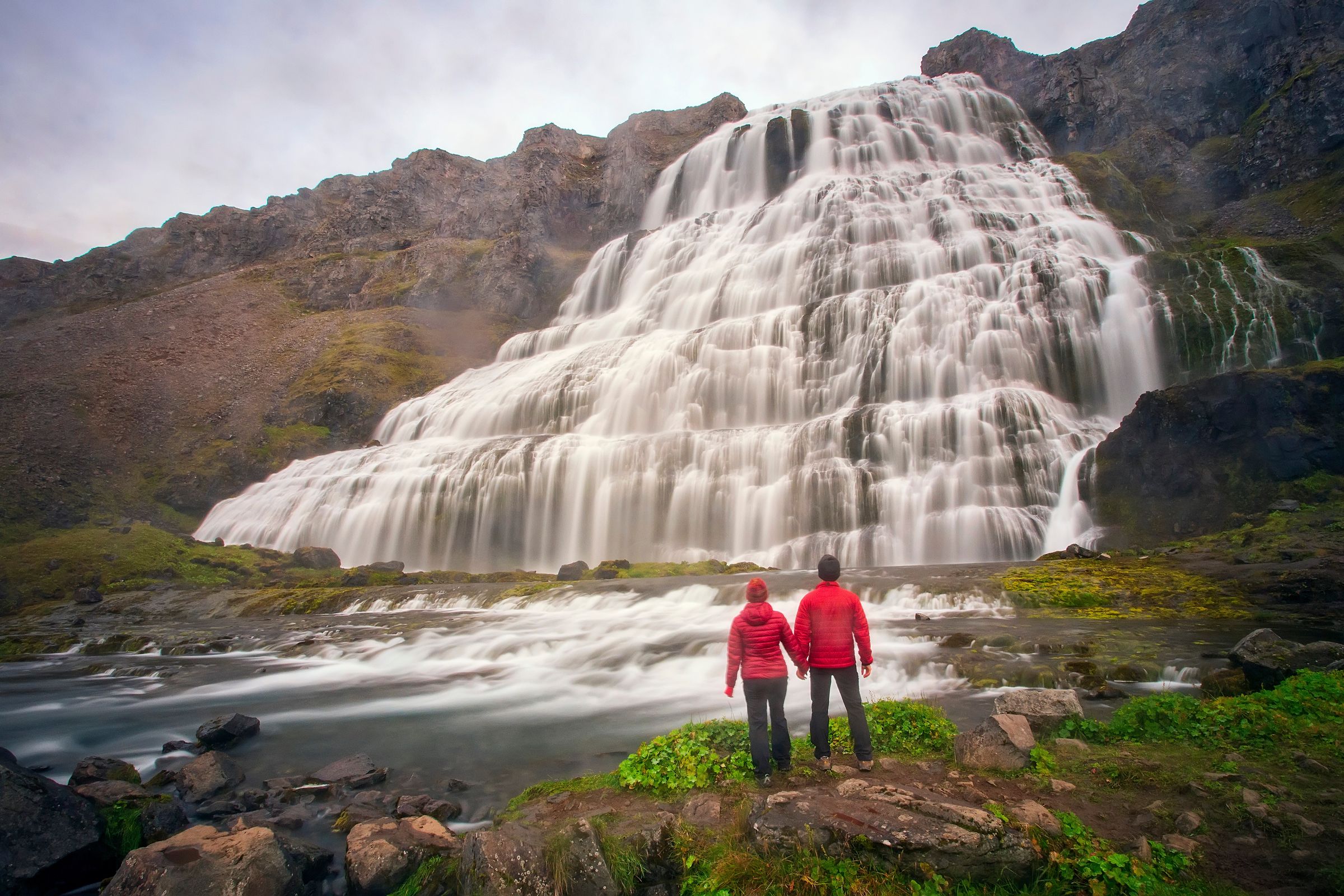
Þingeyri works well as a base for short day trips. Dynjandi waterfall is about 50 kilometers away and easy to reach on foot from the parking area. Ísafjörður is 22 kilometers north and has more shops and restaurants. Látrabjarg bird cliffs are farther but famous for seabirds in summer.
Conclusion
Þingeyri feels like Iceland before tourism took over. It is quiet, friendly, and closely tied to nature. Getting there takes effort, but the experience feels genuine and unrushed. It is a place for people who enjoy simple travel and wide-open landscapes.
What’s Þingeyri? A Concise Overview
Þingeyri feels like a place you stumble upon and immediately want to learn more about. It’s in the Westfjords, which is the most remote region in Iceland. The name means “assembly point” because people gathered here in Viking times for important meetings.
It’s still a working fishing community. You’ll see bright boats in the harbor and fish drying outside. Mountains rise straight up behind the village, making the whole place feel tucked against the landscape.
Right behind the church, there are three grassy mounds. They look simple at first, but they’re the remains of Viking meeting halls over a thousand years old. Thinking about people debating and deciding things on this same ground so long ago gives the town a real sense of continuity.
Why Visit Þingeyri Over Other Places in Iceland?
Most visitors to Iceland stay along the Ring Road or visit the well-known sights in the south. That means those areas get packed. Þingeyri doesn’t.
The biggest perk of coming here is getting real outdoor experiences without crowds. The trail up the mountain behind town? You might not see another person. Mountain biking is one of the most respected in Iceland, but it’s no joke and is not only for people with experience.
The village feels honest and unpolished in a good way. People here live much as they always have, with fishing at the center of daily life. Neighbors help each other, and the community pool is where everyone catches up. When locals invite you to a saga reading or a Viking reenactment, it’s not a performance. It’s something they genuinely enjoy.
And it’s more affordable. Guesthouses are usually 100 to 150 dollars compared to the much higher prices in Reykjavik. The café is known for having what many people call the best waffles in the country, and you won’t pay capital-city prices for them.
Location and How to Get There
Þingeyri sits deep in the Westfjords on Dýrafjörður. Getting there takes effort, but that’s also why it is quiet.
From Reykjavík, plan for a 5- to 6-hour drive, depending on road conditions. Drive north on Route 1 toward Borgarnes, then turn onto Route 60 into the Westfjords. Some of the mountain roads turn to gravel. The final stretch on Route 622 runs right along the edge of the fjord until you reach the village.
The roads remain open year-round, but winter conditions can be challenging. Snow and ice are common, so check road.is before heading out.
If you’d rather not drive, you can fly. Icelandair has daily flights from Reykjavik to Ísafjörður that take about 40 minutes. From there, Þingeyri is just a half-hour drive.
There’s also a summer bus connecting the bigger towns in the Westfjords. It only runs a few times a week and is mostly timed for locals, so it can be a bit tricky for visitors.
Rent a Car in Iceland
Get to the most remote places of the island with complete freedom
For such a small place, Þingeyri has a surprising number of things to do, especially if you like being outside or enjoy history. Most activities are close enough to walk to, and none of them feel rushed or crowded. Whether you want a quick hike, a deep dive into Viking history, or a full day of adventure, it’s all right here.
Hike Up Sandafell Mountain
The mountain right behind town is called Sandafell. It’s only 362 meters tall and makes for a short and very manageable hike. Most people take one to two hours. The trail starts at the edge of the village and climbs through mossy ground and low plants.
Once you’re at the top, you get wide views of the whole fjord and the mountains around it. On a clear day, it feels endless. There’s also a rough road to the top if you prefer not to hike.
Viking Area and Old Assembly Sites
Behind the church, those grassy mounds mark the sites of old Viking meeting halls. Nearby, locals have created a small Viking area with stone seating and fire pits.
Sometimes people gather here for saga readings. Hearing those old stories in the same landscape where they were once told feels grounding and strangely powerful.
Mountain Biking the Svalvogar Route
This 49-kilometer loop is known among skilled mountain bikers. It travels between two fjords and crosses terrain where cars can’t go.
It’s challenging. Some of the coastal sections vanish at high tide. Some mountain parts require carrying your bike across loose rock. Most riders finish in 6 to 8 hours.
If you’re up for it, the scenery is incredible and very remote, with cliffs, old farm ruins, and a lighthouse along the way.
Kayaking in the Fjord
On calm days, kayaking in Dýrafjörður is a great experience. Local guide Óðinn runs tours that visit small coves and often spot seals.
Summer midnight sun tours are especially memorable. Paddling in soft golden light with still water around you feels unreal. All gear is included, so beginners can join too.
Old Blacksmith Shop
Þingeyri has Iceland’s oldest working blacksmith shop, which opened in 1913. It’s now a museum where you can watch people repair tools and boat parts using traditional techniques.
All the original equipment is still there. Seeing it in use gives you a good sense of how life worked a century ago.
Community Swimming Pool
Like most Icelandic towns, Þingeyri has a public pool with hot tubs and a sauna. Summer hours are 8:00 to 21:00 on weekdays and 10:00 to 18:00 on weekends.
It’s where locals relax and catch up. After a day of hiking or biking, soaking in the hot tub while looking at the fjord is a great way to wind down.
Where to Eat
There aren’t many choices, but the food that’s here is solid. The standout is Simbahöllin café. Meals in Þingeyri lean toward comforting home-style cooking, often centered around local fish. It’s the kind of place where you slow down, enjoy what’s available, and appreciate how much care goes into simple dishes.
Simbahöllin café is located in a lovely old wooden house from 1915 that was once the village store. The Belgian-Danish owners make waffles that many people swear are the best in Iceland. They come with homemade rhubarb jam and whipped cream. There are also soups, sandwiches, and good coffee. It’s open daily from June to September, roughly 10:00 to 17:00.
The local guesthouse serves dinner focused on whatever fish was brought in that day. It’s simple, fresh, and satisfying.
There’s also a small shop for basics if you’re cooking for yourself. Just don’t expect to find everything. Stock up on special items before you arrive.
Where to Stay
Accommodations here are simple and true to the area, which is part of the charm. You won’t find luxury hotels, but you will find clean rooms, friendly hosts, and views you’ll remember. Everything is close together, so no matter where you book, you’re never far from the fjord or the mountains.
Þingeyri doesn’t have many hotel options. The old Hotel Sandafell is no longer operating as a traditional hotel and is now part of KEX Þingeyri, offering a more relaxed, social place to stay with a different feel than a standard hotel.
Guesthouse Við Fjörðinn is family-run with rooms and apartments. Some have kitchens, and the terrace looks right over the water.
There’s also a campground on the fjord with hot showers, a kitchen area, Wi-Fi, and beautiful views. It costs approximately $ 15 per person per night.
If you’re visiting in July or August, book ahead. Outside of summer, some places close.
Practical Information for Travelers
Þingeyri’s remote setting requires a little more planning than other places. Weather shifts fast, services are limited, and distances between towns can be long. With the proper prep, though, traveling here feels smooth and surprisingly relaxed. A bit of awareness goes a long way.
Weather and Best Time to Visit
The weather here stays cool and often wet. Summer highs stick around 55 to 60 degrees Fahrenheit. Even in July, you’ll want warm layers.
Summer, from June to August, is the best time, with almost constant daylight in late June, better weather, and all services running.
Spring in April and May often has lingering snow, and many places don’t open until June.
Fall in September and October is colorful but windier and stormier.
Winter is for people who are very comfortable driving and exploring in harsh conditions. Expect short days, heavy snow, and road closures.
What to Bring
Layers are essential. Pack:
A waterproof jacket and pants
Warm fleece or wool
Good hiking boots
Hat and gloves
Swimsuit for the pool
A way to protect your camera from rain
Other Tips
Rent a car with good clearance since gravel roads can be rough. Fill up your gas tank in larger towns because options are limited in Þingeyri.
Cards are used everywhere, even for small purchases.
Download offline maps since service can drop in the mountains.
Stay aware of the landscape. Keep to marked trails, don’t drive off-road, and close any gates you open.
Places to Visit Nearby
Þingeyri works well as a base for exploring the Westfjords because most of the region’s highlights sit within a short and scenic drive. You can easily spend a few days here, branching out to waterfalls, bird cliffs, and neighboring towns. The roads are quiet, the views are huge, and every side trip feels different from the last.
Dynjandi Waterfall
About 28 kilometers (17 miles) south, Dynjandi is the biggest waterfall in the Westfjords. The walk to the main fall is about 15 to 20 minutes and passes several smaller falls along the way. Parts of the path can be slippery.
Ísafjörður
The largest town in the Westfjords is 49 kilometers (30 miles) north. You’ll find restaurants, shops, a maritime museum, and boat tours to more remote areas.
A small village between Þingeyri and Ísafjörður. It has Iceland’s oldest store building, now a bookshop, and a restaurant with live music.
Látrabjarg Bird Cliffs
About two hours south on winding mountain roads. Látrabjarg is the westernmost point in Europe and home to millions of seabirds, including puffins from May to August. The drive can be rough, but it’s a favorite spot for photographers.
Conclusion
Þingeyri gives you a look at Iceland before tourism exploded. It feels honest and lived-in, not polished for visitors. Getting here takes a bit more planning, but the reward is quiet trails, friendly people, and a real connection to the landscape.
Come ready for unpredictable weather and simple services. If you do, you’ll find one of the most down-to-earth and memorable places in the country.
Frequently Asked Questions About Þingeyri
One to two nights is ideal to experience the village, nearby hikes, and fjord views without rushing.
Yes. Seals are often spotted in the fjord, seabirds are common, and whales occasionally pass through the area in summer.
Partially. The village itself is flat and walkable, but many attractions and trails involve uneven terrain or steps.
Yes. Þingeyri is just as rewarding for its history, scenery, local culture, and relaxed pace as it is for outdoor activities.
About the author
Aron Freyr
Born and raised in Iceland, Aron Freyr has spent all 28 years of his life exploring the country and getting to know its landscapes, regions, and ever changing conditions. From long summer road trips to winter journeys through remote areas, he has traveled across Iceland more times than he can count. As part of the Go Car Rental Iceland team, Aron turns this firsthand experience into trustworthy, practical guidance that helps visitors navigate Iceland with confidence. His deep local insight makes him one of the most reliable voices on Icelandic travel today. He claims this expertise also includes knowing exactly which gas stations make the best hot dogs.