Beer in Iceland: Your Complete Guide to the Land of Fire, Ice, and Craft Brews
Iceland is famous for giant waterfalls, lava fields, and landscapes that look like another planet, but there’s one thing most people don’t expect: the country has a genuinely great beer culture. It went from not being allowed to drink beer for most of the 1900s to becoming a place full of creative breweries, unique ingredients, and a drinking culture that feels both modern and deeply tied to Icelandic history. Whether you’re someone who enjoys the occasional pint or someone who plans vacations around breweries, this guide walks you through everything from old-school lagers to experimental craft beers.
Key Takeaways
- Iceland banned beer from 1915 to 1989, making it the last country in Europe to make beer legal again
- March 1st is Beer Day, or Bjórdagurinn, and the whole country treats it like a big party
- Expect to pay about 8 to 12 dollars for a pint at a bar, and remember that the airport duty-free shop is where you’ll find the best prices
- Iceland now has more than 20 breweries, many using glacial water and local herbs
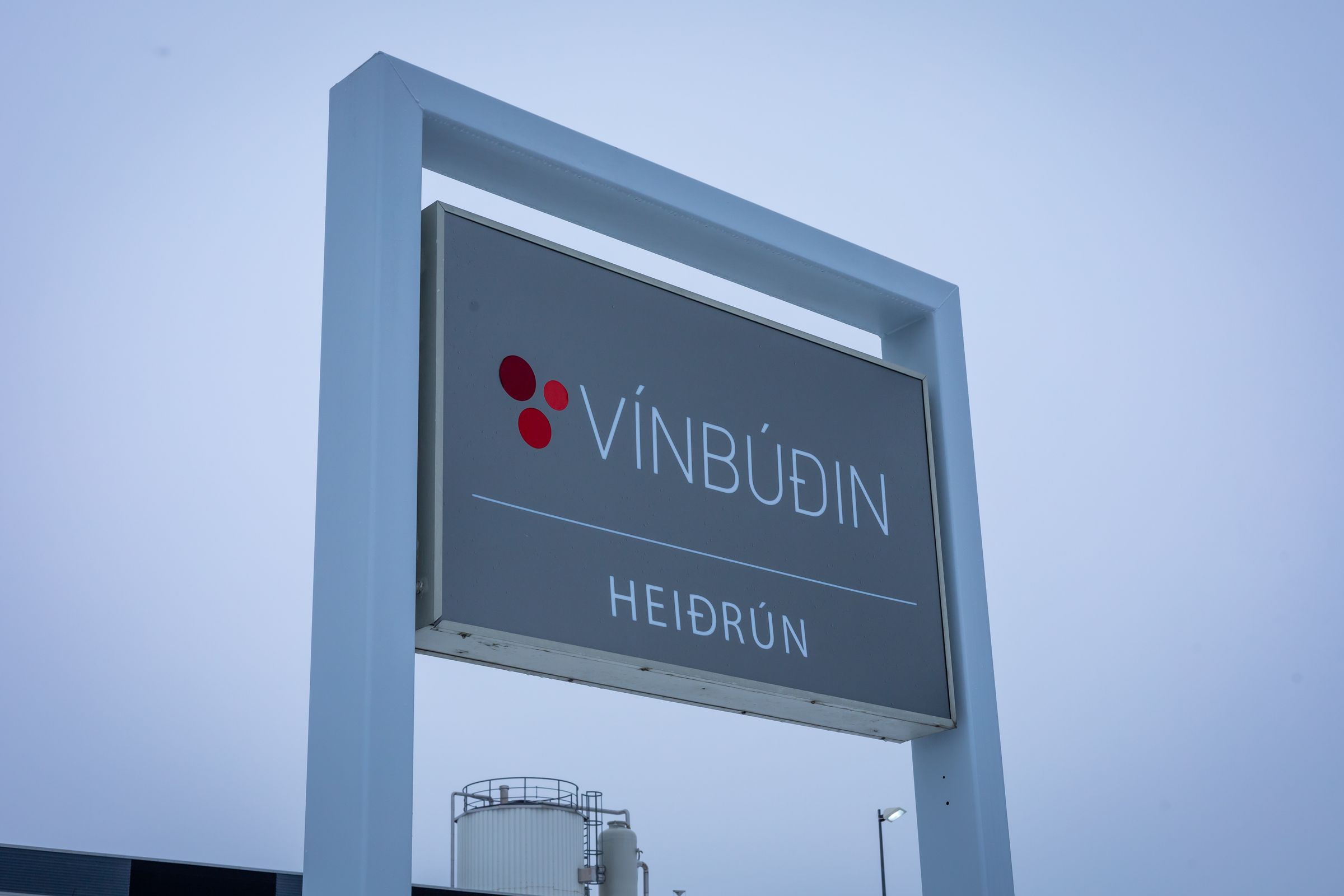
- You have to be at least 20 to buy alcohol, and anything above 2.25 percent ABV is only sold in state-run Vínbúðin stores
A Glimpse Into Beer in Iceland
Beer has a weird and interesting place in Icelandic history. For most of the 20th century, you simply weren’t allowed to drink it. Not because of religion or health concerns, but because of a mix of political decisions and cultural ideas that made sense at the time, even if they sound strange now.
Today, beer is the clear favorite in Iceland. More than 60% of the alcohol people drink here is beer. Since the country basically had to build its beer scene from zero in 1989, brewers had the freedom to get creative right away. They mix classic brewing traditions with Icelandic ingredients in ways that feel new but still grounded.
One of the biggest factors shaping Icelandic beer is the environment itself. Many breweries use pure glacial water that has been trickling through lava rock for ages, and that gives the beer a really clean, crisp base. Many breweries also add ingredients like Arctic thyme, juniper berries, or even seaweed. You’ll taste flavors here that don’t show up anywhere else.
If you’re visiting, the alcohol system here is important to understand. All alcohol sales run through government stores called Vínbúðin. Prices are high, and you won’t see regular beer sitting in grocery stores, but the system also means the quality is consistent. It’s very Icelandic to treat beer as something you enjoy and appreciate instead of something you rush through.
Historical Background: From Viking Ale to Beer Prohibition
Beer in Iceland goes all the way back to the Vikings, who settled here around 874 CE. They brought brewing traditions from Scandinavia, and old texts like the Hávamál mention beer alongside mead as something people enjoyed for both celebrations and everyday life.
The climate made things tough, though. Iceland went through the Little Ice Age between about 1300 and 1850, and growing barley became almost impossible. That meant people had to import ingredients or go without, which probably set the stage for all the strange alcohol rules that came later.
Things got serious in 1908 when Iceland voted 60.1 percent in favor of banning all alcohol. The ban officially started on January 1, 1915, making Iceland the first country in Europe to forbid every type of alcoholic drink.
The ban didn’t stay simple for long. Spain and Portugal were buying huge amounts of Icelandic salt cod at the time, and basically told Iceland to bring back wine in 1922 if they wanted to keep that trade going. Spirits came back in 1935 after another vote. But beer stayed illegal for an extra 54 years.
So why beer? A lot of people thought it was too affordable and too easy to drink, which made it dangerous in their eyes. There was also a political angle. Beer reminded some Icelanders of Denmark, and Iceland was still pushing for independence. Drinking beer could actually be seen as unpatriotic in certain circles.
During that long ban, people came up with some creative and, honestly, pretty gross workarounds. Smuggling real beer from abroad definitely happened. Others mixed legal spirits like brennivín with low-alcohol “pilsner” to make something called bjórlíki. One historian described it as “interesting and totally disgusting,” and that’s probably accurate.
Everything changed on March 1, 1989, when Iceland finally lifted the beer ban. Bars knew the moment was coming and stocked up for huge celebrations. That date immediately became a holiday called Beer Day, and we still celebrate it every year with deals, events, and a whole lot of excitement.
Beer took over fast. Between 1989 and 2007, sales doubled to 19.4 million liters a year. By 2014, beer had become 62 percent of all alcohol consumed in Iceland. The culture shifted from strong spirits to lighter, easier-to-enjoy drinks almost overnight.

Iceland's Major Breweries and Best Beer Brands
Iceland’s brewing world is a mix of classic, long-running companies and smaller, newer craft breweries. Two big breweries still dominate the national market, but the craft scene is strong and full of personality.
Legacy Breweries
Egill Skallagrímsson Brewery, founded in 1913, is Iceland’s oldest brewery. It’s based in Reykjavík and produces the country’s best-selling beer, Egils Gull. This light golden lager is what most people think of when they imagine a typical Icelandic beer. The brewery also makes Boli, a stronger export lager, and they expanded into craft brewing with the award-winning Borg Brugghús line in 2010.
Víking Brewery started in Akureyri in 1939 and is now owned by Coca-Cola European Partners. Their main beer, Víking Gylltur, is a crisp premium lager with a slightly malty flavor. They also produce Víking Classic, a Vienna-style lager, and Thule, which has a special place in local beer history because it was one of the early beers released after the prohibition ended.
Both breweries are open to visitors. Egill offers tours that include tastings of both traditional and craft beers, and yes, they sometimes let people try the old bjórlíki concoction from the prohibition era. Víking has a small beer museum that explains how they helped bring beer back to Iceland.
Craft and Modern Breweries
Iceland’s craft beer scene really kicked off in 2006 with Bruggsmiðjan Kaldi, the country’s first microbrewery. It’s located up north in Árskógssandur, and they were the first in Iceland to take inspiration from Czech brewing traditions while sticking to all-natural ingredients. Their flagship beer, Kaldi Blonde, is a smooth, clean pilsner that pairs especially well with Icelandic seafood.
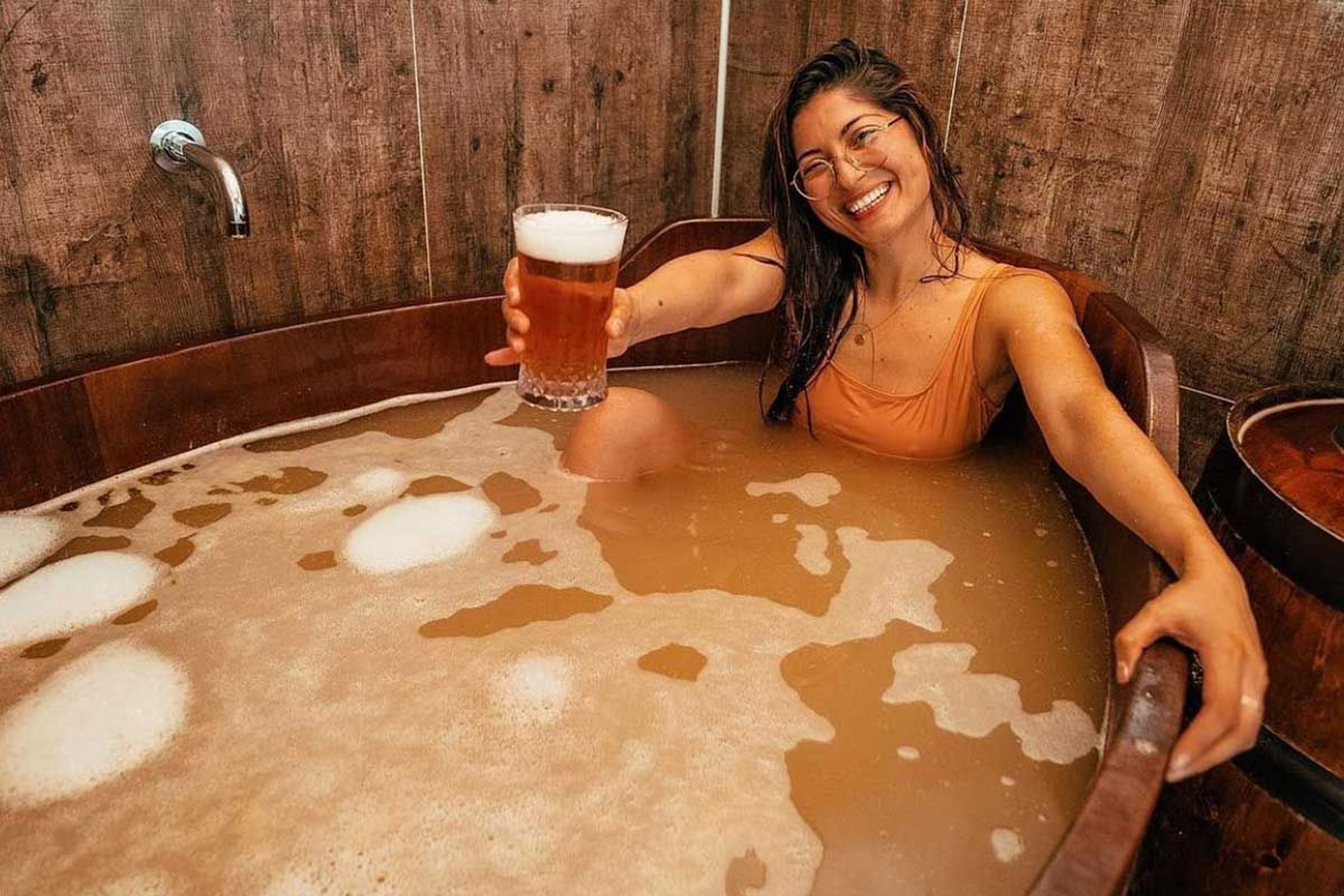
Kaldi also has something you don’t see every day: a Beer Spa. Yes, you literally sit in warm tubs filled with young beer, hops, and yeast while drinking a pint. It sounds strange at first, but it’s surprisingly relaxing, and the minerals are said to be good for your skin.
Einstök Ölgerð brews just 60 miles south of the Arctic Circle in Akureyri. Their White Ale, which includes coriander and orange peel, has gained international attention and is available in many stores abroad. Their whole brand leans into Nordic themes, complete with a Viking-helmet logo.
Borg Brugghús is technically part of the Egill brewery, but they’ve made such a name for themselves that they deserve their own mention. Since 2010, they’ve been putting out small-batch beers with Norse-inspired names. Their Úlfur IPA is a standout with bold grapefruit and pine flavors. Their Surtur imperial stout series goes past 14 percent alcohol and brings deep layers of vanilla and chocolate.
Ölvisholt Brugghús, near Selfoss, turned an old dairy farm into a brewery back in 2007. Their most famous beer is Lava, a smoked imperial stout that won “Best Imperial Smoked Beer” at the 2012 U.S. Open Beer Championship. The labels feature dramatic volcanic imagery that fits Iceland perfectly.
Other interesting craft spots include Ölverk in Hveragerði, which uses geothermal energy to power their brewing, and Segull 67 in Siglufjörður, a small northern fishing town where the brewery sits in an old fish factory right by the harbor.


Icelandic Beer Styles and Must-Try Products
There’s a huge range of Icelandic beers to explore. You’ll find crisp lagers, hop-heavy IPAs, rich stouts, and seasonal experiments that make use of local herbs and unusual ingredients. The incredibly clean glacial water gives all Icelandic beers a kind of purity, and the environment adds a unique Nordic character you don’t get elsewhere.
Popular Core Beers
Kaldi Blonde is a great place to start. It’s a Czech-style pilsner that really shows off the clean, mineral-rich taste of Icelandic water. At 5 percent ABV, it’s refreshing but still has enough body to feel satisfying. It goes especially well with classic Icelandic dishes like fish and chips or lamb.
Egils Gull is Iceland’s everyday go-to. It’s a simple golden lager you’ll find pretty much everywhere. It isn’t trying to be a fancy craft beer, but it’s well-made and represents what most Icelanders drink. Think of it as Iceland’s version of a German Helles.
If you’re into craft beer, Borg Brugghús’ Úlfur IPA brings a strong American hop profile with grapefruit and pine notes. Even though it’s hop-forward, it stays balanced thanks to a solid malt base and that super clean Icelandic water.
Einstök White Ale adds a Belgian-style twist with coriander and orange peel, which makes it bright and refreshing. It pairs surprisingly well with Iceland’s seafood-heavy cuisine and is also one of the most widely exported Icelandic beers.

Seasonal and Specialty Icelandic Beers
Icelandic breweries go big on seasonal releases. Christmas beers, or Jólabjór, arrive every November, and almost every brewery makes its own version. These tend to be darker, richer, and maltier, perfect for long winter nights.
For the Þorrablót winter festival in January and February, breweries release special beers meant to pair with traditional preserved foods. Sometimes they get adventurous and use ingredients like smoked lamb or fermented shark. These aren’t always easy-drinking beers, but they’re memorable.
Summer brings lighter seasonal beers made for festivals and midnight sun gatherings. Breweries often use foraged herbs like Arctic thyme or juniper berries, giving these beers a taste that’s unmistakably Icelandic.
Borg Brugghús stands out in the experimental category. Their numbered series includes things like Surtur Nr. 8.2, a bourbon barrel-aged imperial stout with vanilla and licorice notes, and Leifur Nr. 32, a Nordic saison brewed with local plants. These limited releases sell out quickly, so grab them if you spot them.
What Makes Icelandic Beer Unique?
There are a few things that give Icelandic beer its distinctive personality. The biggest one is the water. Iceland’s glacial water is naturally filtered through volcanic rock for centuries, leaving it incredibly pure with just the right mineral balance for brewing.
Local ingredients also play a huge role. Brewers here often gather Arctic thyme, which adds a gentle herbal flavor. Juniper berries bring a botanical note similar to gin. Some brewers even experiment with seaweed or volcanic ash to create flavors you won’t find anywhere else.
Another thing that makes Iceland unique is how late it entered the modern beer world. Since beer only became legal again in 1989, breweries weren’t bound by centuries-old traditions. They could borrow ideas from Germany, Belgium, the Czech Republic, and the United States and blend them with Icelandic twists.
The climate also influences what gets brewed. Cold, dark winters lend themselves to stouts and porters, while Iceland’s short but bright summers inspire lighter lagers and wheat beers. Breweries often adjust their seasonal releases to match the weather.
Culturally, there’s a layer of history that shapes Icelandic beer. The classic “Skál!” toast appears on lots of labels. Breweries love referencing Norse mythology and Icelandic sagas when naming beers. And because prohibition lasted so long here, there’s an underlying sense of fun and freedom in the modern beer scene. Icelanders really lean into the idea of enjoying and celebrating beer now that they can.

Beer Culture and How Icelanders Drink Today
Beer is now the most popular alcoholic drink in the country, but people focus more on quality than quantity.
During the week, drinking is usually pretty mellow. People might have a beer with dinner or grab one during happy hour after work. Things really pick up on weekends. Reykjavík’s nightlife, especially on Fridays and Saturdays, is known for the rúntur, which is basically a late-night bar crawl that goes long past midnight and often into the early morning.
Happy hour is a big part of life here because alcohol is expensive. Most bars offer deals between about 4 and 7 PM on weekdays, sometimes 2-for-1 beers or big discounts. There’s even an app, “Appy Hour,” that helps you track the best current deals.
Beer spas are another fun Icelandic twist. The Kaldi Beer Spa lets you sit in tubs filled with warm beer ingredients while drinking draft beer at the same time. It’s unusual, but it’s one of those things people end up talking about long after visiting.
In Reykjavík, craft-focused bars like Micro Bar and Skúli Craft Bar are at the center of the scene. They rotate their taps often, showcasing new Icelandic releases along with international favorites. The vibe is relaxed and social rather than chaotic.
Outside Reykjavík, beer culture changes depending on the region. Akureyri, up north, has its own lively scene thanks to breweries like Einstök and Kaldi. Smaller towns tend to stick with traditional lagers, though craft beer is spreading as distribution improves.
Seasonal celebrations bring beer into the spotlight. Beer Day on March 1st turns into a countrywide celebration, and summer festivals often have outdoor beer gardens. With the Midnight Sun, outdoor drinking in the summer feels especially magical.
Beer Market, Stats, and Industry Trends
Iceland’s beer market has changed dramatically since the ban ended in 1989. Beer is now the clear favorite in the country, and you can really see how different things look compared to the old spirits-heavy drinking culture.
- Beer accounts for over 60 percent of all alcohol consumed in Iceland
- Total consumption reached 19.4 million liters by 2007
- Recent years show a slight decline as people become more health-conscious
The craft beer scene keeps expanding, and it’s grown into something surprisingly big for such a small population. Iceland has become one of the most brewery-dense countries in the world.
- More than 20 breweries operate in Iceland as of 2025
- That’s roughly 1 brewery per 19,000 residents
- The United States has about 1 per 25,000, so Iceland actually beats it
Icelandic beer is also popping up more often internationally. Einstök has been the main brewery pushing into foreign markets, and other breweries have started dipping into exports, even if many don’t yet produce enough to make it a major focus.
Prices are high, but the market keeps growing anyway. Taxes drive the cost up, and you feel that whether you’re buying beer in a store or out at a bar.
- A 0.33L bottle at Vínbúðin costs 350–500 ISK (about 2.50–3.50 USD)
- A pint in a bar costs 1,200–1,800 ISK (around 8–13 USD)
- These are some of the highest beer prices in the world
Even with bigger breweries buying smaller ones, Iceland’s craft scene still feels personal. Many of the smaller breweries stay family-run and deeply connected to their regions, keeping the country’s beer landscape diverse rather than letting everything blend into one style.
Tourism has become a huge part of the beer economy, too. Brewery visits, tasting sessions, and souvenir sales help balance out the high cost of running a brewery in Iceland, and many places are designed with visitors in mind, offering tours, taprooms, and spaces that feel welcoming.
.
Travel Guide: Where to Drink Beer in Iceland
Iceland is small enough that you can explore different regions without too much driving, and each part of the country has its own beer culture. Whether you stay in Reykjavík or venture into the countryside, you’ll find something unique.
Reykjavík
Reykjavík has the biggest and most varied beer scene in the country. Most of the good bars are in the downtown 101 district, all within easy walking distance.
Micro Bar is a favorite among beer lovers. It’s a cozy basement spot that focuses almost entirely on Icelandic craft beer. The staff know their stuff and can help you put together tasting flights or recommend something new. It’s calm and friendly, not a loud party bar.
Skúli Craft Bar has a bit more energy but still keeps the focus on quality beer. Their tap list changes often, and they showcase the best of Icelandic brewing along with well-chosen imports. The upstairs location gives it a more open feel than many downtown bars.
Kex Hostel’s bar is another fun stop. It’s inside an old biscuit factory, so the industrial vibe gives it a lot of character. They brew some beers in-house, and the crowd is a mix of travelers and locals in creative fields.
Down by the Old Harbor, Bryggjan Brugghús combines a working brewery with a restaurant. You can drink fresh IPAs and stouts while looking out over the water, and their food menu pairs nicely with the beer.
Outside Reykjavík
Akureyri, up north, has a totally different feel but a strong beer identity. Einstök has a brewery lounge where you can try their full lineup and learn about what it’s like to brew so close to the Arctic Circle. The town is compact and easy to walk around, and places like Götulist and RUB23 serve local craft beer.
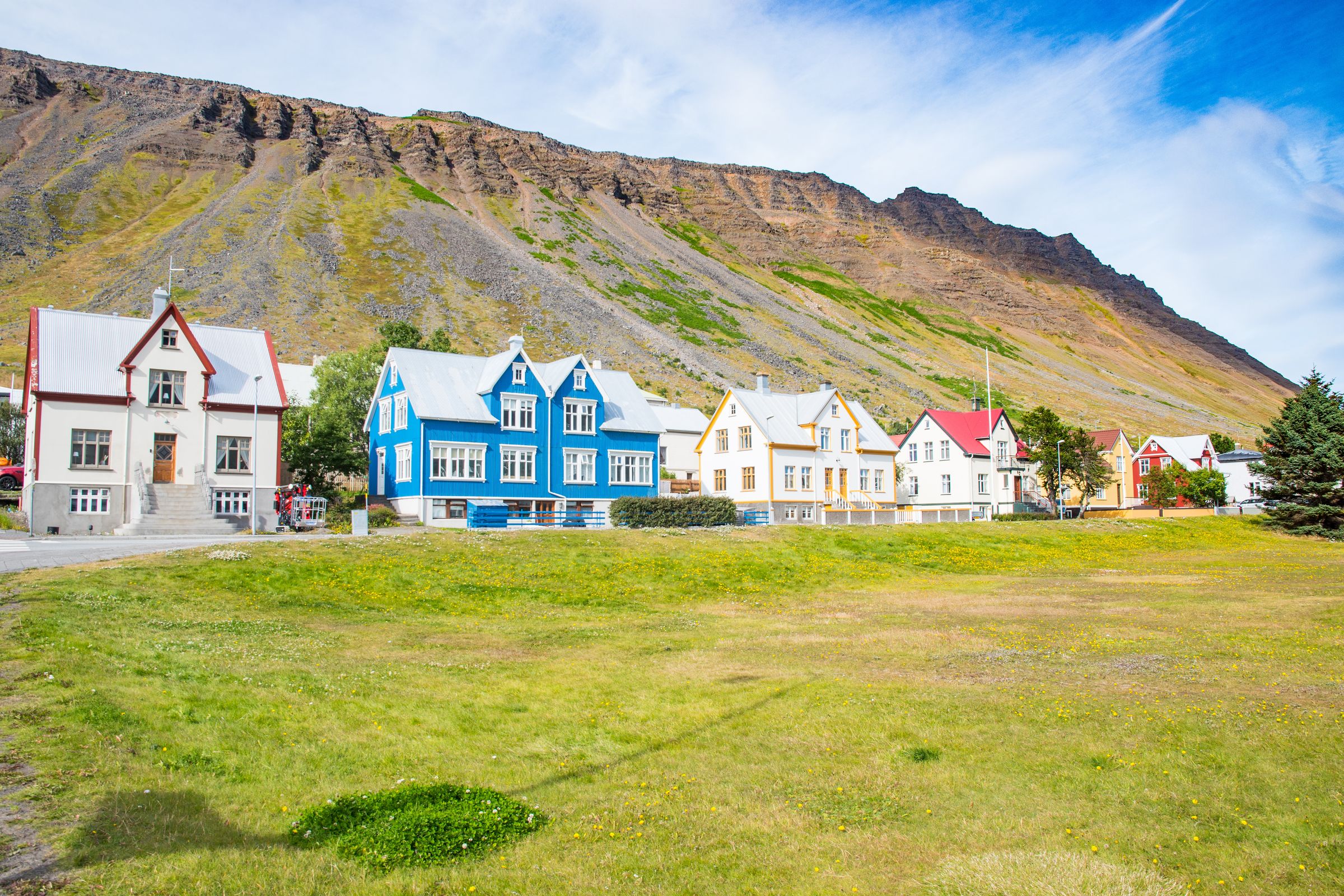
In the Westfjords, adventurous travelers can visit Dokkan Brugghús in Ísafjörður. It’s remote, but that’s part of the charm. The brewery uses pure mountain water, and the taproom is intimate enough that you can often talk directly with the brewers.
If you’re traveling along the South Coast, stop by Ölverk in Hveragerði. Their whole brewery runs on geothermal energy, and their pizza-and-beer combo is perfect after a day of exploring. They also offer tours where you can learn how they use natural heat to brew.
Travel Tips
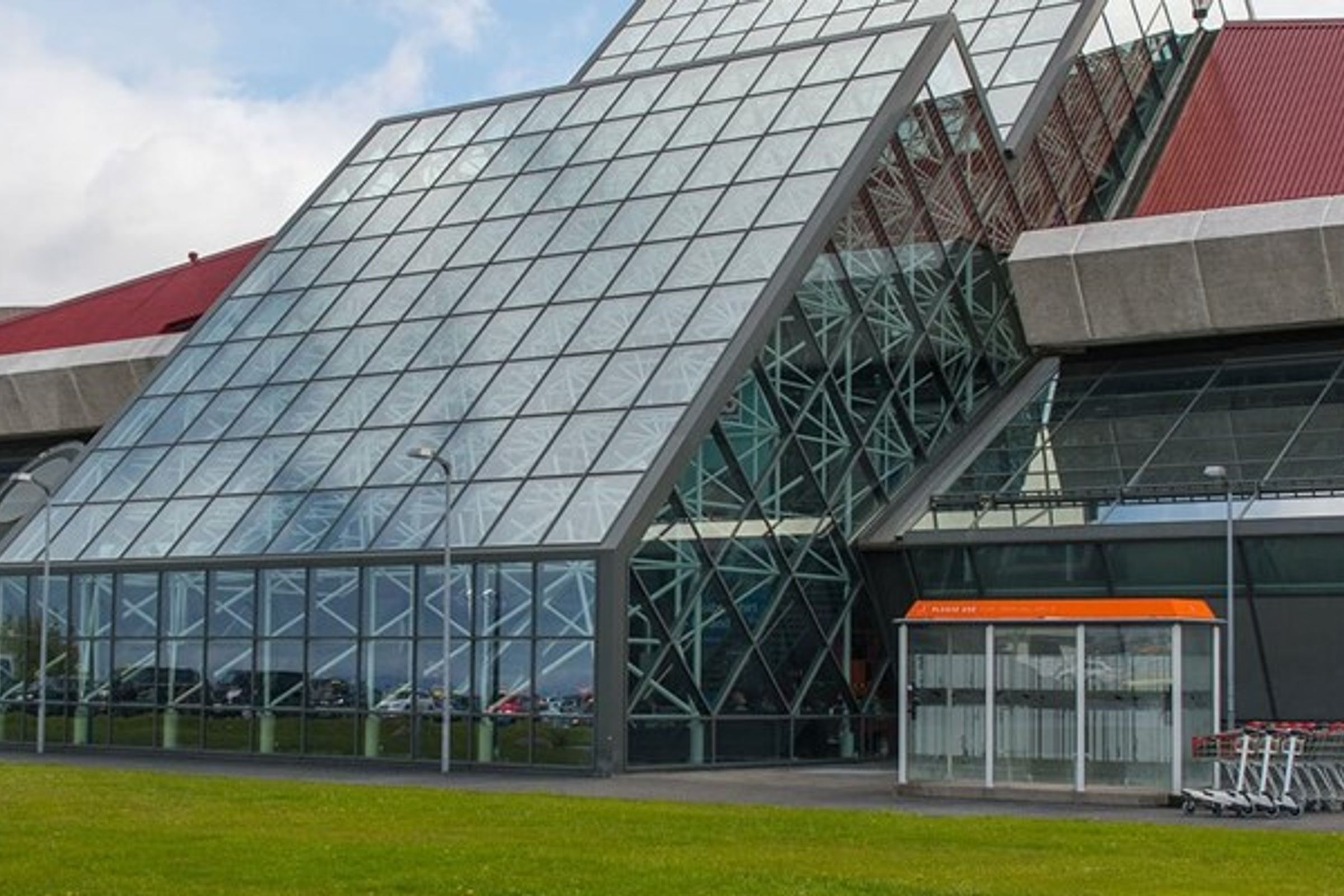
If you want to save money, buy beer at the Keflavík Airport duty-free shop as soon as you land. It’s easily the cheapest place to stock up, and each adult over 20 can bring up to 6 liters of beer into the country.
To keep bar costs down, download the “Appy Hour” app or check local websites to find the best happy hour deals in Reykjavík. Most bars run discounts between about 4 and 7 PM on weekdays, which helps a lot when pints cost more than a sandwich.
It also helps to plan your Vínbúðin visits in advance:
- These state-run stores have limited hours, usually 11 AM to 6 PM Monday through Saturday
- They’re closed on Sundays
- They get crowded before the holidays
- Stock up early in your trip so you don’t get stuck without beer
If you’re looking for a real cultural experience, consider visiting during Beer Day on March 1st or one of the summer beer festivals. These events are lively, friendly, and a great way to meet Icelandic brewers and fellow beer fans.
And always bring your ID when you’re buying alcohol or going to bars. The drinking age is 20, and it’s enforced strictly. Some places even set their own minimum age a bit higher. Never drink and drive. Iceland’s 0.02 percent blood alcohol limit is so low that even one beer could get you into serious legal trouble.
Summary
Iceland’s beer culture is one of the most dramatic transformations you’ll find anywhere. It went from 74 years of prohibition to a thriving, creative craft beer scene that now feels like an essential part of Icelandic identity. Starting late actually helped Icelandic brewers, because it let them skip old traditions and experiment freely with local ingredients like glacial water, Arctic herbs, and unique brewing styles.
Yes, beer here is expensive, but the quality is genuinely top-notch. A little planning goes a long way. Stock up at duty-free, take advantage of happy hours, and focus on trying beers that you’ll never find outside Iceland. Whether you’re sipping Úlfur IPA under the Northern Lights or relaxing in the Kaldi Beer Spa with a Kaldi Blonde, Iceland gives you beer experiences you’ll remember for a long time.
The combination of pure water, creative brewing, and a culture that loves to celebrate makes Iceland a seriously impressive beer destination. Just take your time with each drink. With beer this good and this pricey, every pint deserves your full attention. Skál!
Frequently Asked Questions About Beer in Iceland