Vestrahorn, A Unique & Iconic Mountain in Southeast Iceland
Although the mountains in Iceland are not the highest in Europe, they are certainly impressive. Especially when the country's surface area is not very large. This makes it look as if some of them come up straight from the sea, giving the island a fierce fortress appearance.
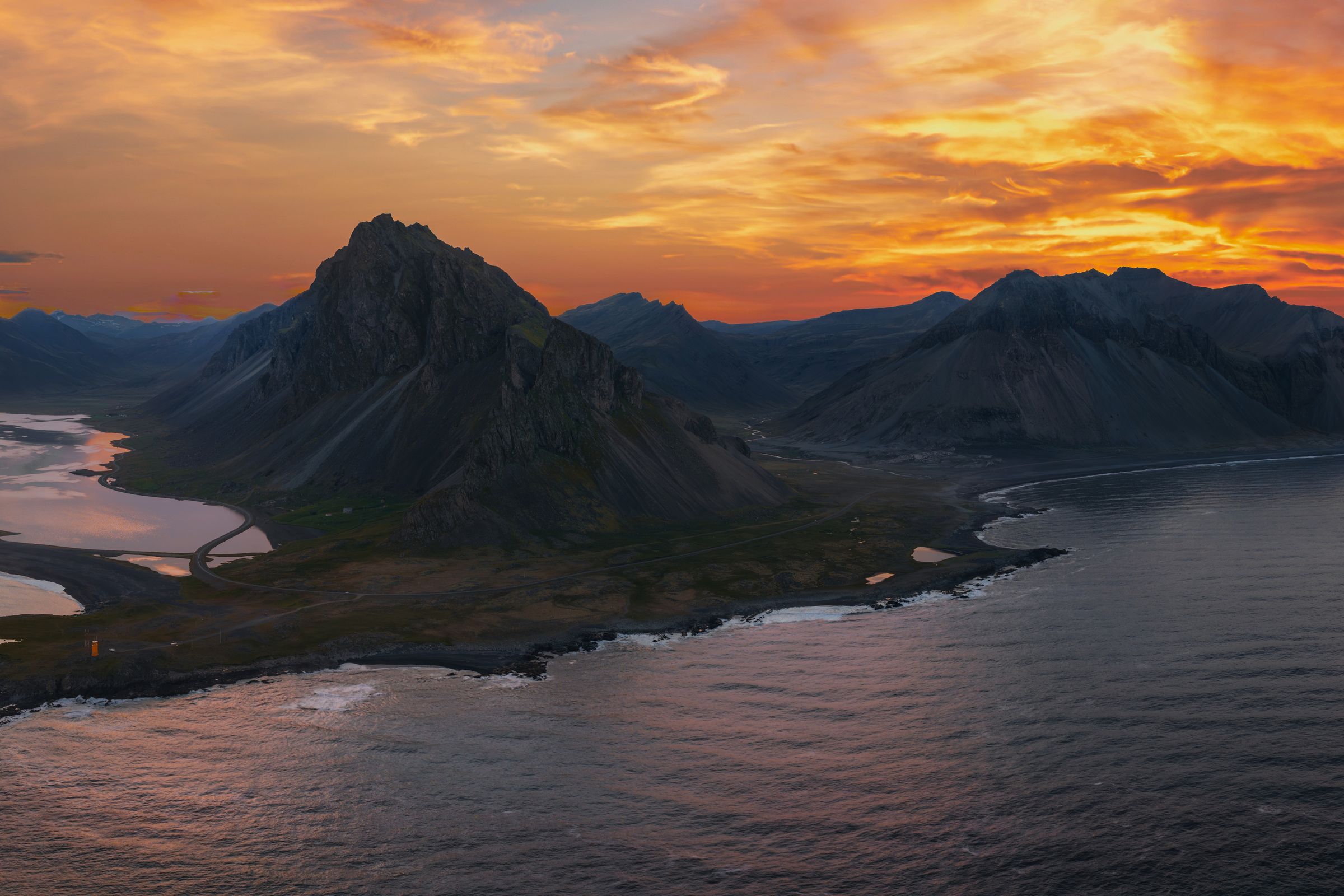
That’s the case of Vestrahorn, a mountain that rises in Iceland’s southeastern tip like a sentinel, protecting the nation from invaders. Its jagged peaks cut the horizon in front of the sea. Part of an ancient volcanic chain that shapes this side of the island, Vestrahorn has a unique silhouette that has inspired tales and legends. It’s surrounded by black-sand beaches, lagoons, natural protected areas, and waterfalls, offering visitors a slice of true Icelandic natural beauty.
Key Takeaways
- Vestrahorn is a mountain located in southeast Iceland.
- Its unique shape has earned it the nickname “Batman Mountain.”
- The name Vestrahorn means “western horn” in Icelandic.
What's Vestrahorn?
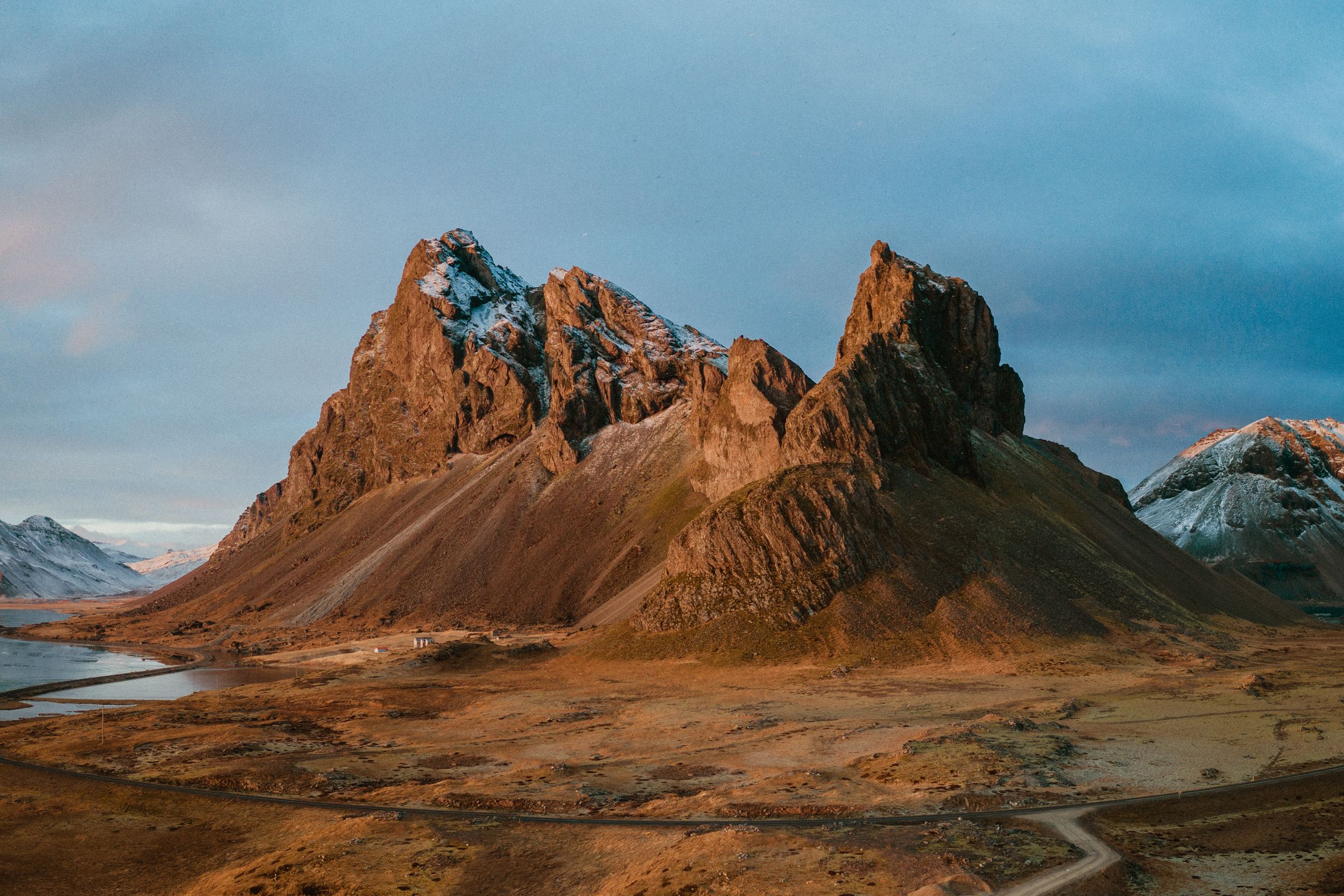
The answer to that question is simple. It’s a mountain. But it’s not your ordinary mountain. Vestrahorn rises 454 meters (1,490 feet) above sea level in the southeastern tip of the country. There’s no mistake in the measurement, as it literally towers over the sea. The base of the mountain is by the shore, making it look very imposing and much higher than its actual size. Its slopes are very steep, even sheer cliffs that form a natural barrier against the ocean's power.
Vestrahorn is mainly composed of gabbro, a dense, iron-rich rock formed when magma cooled slowly deep underground. It developed between 8 and 11 million years ago, part of a volcanic ridge that includes its neighbors, Brunnhorn and Eystrahorn. The result is a greenish-black color that contrasts sharply with the surrounding basalt landscapes, which also share the same volcanic origin and ecosystem.
The mountain does not have only one summit. It consists of a series of jagged peaks that stand out under the right light. Vestrahorn is also nicknamed the “Batman Mountain,” as its shape resembles the superhero’s iconic symbol from certain angles. Or just the pointy ears of the Dark Knight’s mask. It’s a photographer’s dream.
The mountain has no vegetation; it’s quite barren. However, the area around it is not, and there are black-sand beaches, nature reserves, lagoons, and much more. The name of the mountain comes from “vestra,” meaning western, and “horn,” which is the same word in English. So, it could be translated as “western horn.”
Why Should I Visit Vestrahorn Over Other Places in Iceland?
What sets Vestrahorn apart, beyond its astonishing looks, is its blend of isolation and accessibility. South Iceland is one of the most visited regions in Iceland, and its monuments can be a bit crowded at times. On the other hand, East Iceland is one of the least visited, and Vestrahorn is just in the corner that divides these two regions, although it is still technically the Southern Region. Even then, not many tourists make their way to this part of the country, so here you’ll have the chance to connect with Iceland’s wildest side, living a real adventure.
There are legends attached to Vestrahorn. One of the best-known local stories is that of Kolbeinn, an outlaw from the 17th century who hid in a cave at the mountain’s foot. He was later betrayed and killed by his own shipmates. It is said that his restless soul wanders through the beaches around Vestrahorn.
There have been many shipwrecks in this part of Iceland. The ocean is particularly treacherous here, with low visibility during storms. Vestrahorn's silhouette served as a guiding beacon in the past. Nowadays, there’s a lighthouse near the base called Stokksnesviti.
The activities here align with the rhythm of nature rather than structured tours. Birdwatching ranks high, especially in summer when Arctic terns, puffins, and fulmars nest along the cliffs. There are also several trails that go from gentle beach walks to harder ascents. However, these climbs are usually rewarded with astonishing panoramic views.
On the southern side, near the camping ground, there’s a Viking village that was built as a movie set for a film that was never produced. However, the structures are there, and you can feel like a medieval Icelander walking there, with its longhouses with turf roofs.

The Stokksnes Peninsula
Vestrahorn is the anchor of the Stokksnes Peninsula to the rest of the country. It’s a small and narrow area east of Höfn, one of the most important towns in this part of the country. There’s a bay that separates the town from the peninsula. It’s not huge, just 5 square kilometers, and it’s privately owned and protected. It features sand dunes with grassy hills in the background, all framed by the imposing shape of Vestrahorn. The beaches of the peninsula are made of black pebbles formed by ancient lava flows that cooled as they reached the ocean.
Access to the peninsula is via a short gravel road that circles the base of the mountain. Once you’ve passed Vestrahorn, there’s a small café, not far from the Viking villages that was a movie set, that serves as the entry point to the peninsula. There’s a parking area and several hiking trails that start at that point, allowing you to discover this small but wonderful nature reserve.
Where's Vestrahorn and How to Get There
One of the best things about visiting Vestrahorn is its easy access. The mountain is in southeast Iceland, about 20 minutes east of the fishing town of Höfn, one of the main cities in the Southern Region and the last main stop before venturing into the Eastfjords. Although it has a good location and it’s easy to go there, Vestrahorn is still a bit remote and far away from the main attractions in the country.
The best way to get there is by renting a car. That way, you’ll have total freedom of movement and can create an itinerary through the country, stopping wherever you feel like. There are public buses that connect Reykjavík to Höfn seasonally, but they skip the peninsula; there are no stops there.
From Reykjavík, the journey is straightforward but long. You just have to take the Ring Road (Route 1) eastbound and continue until you see the Batman Mountain. The total distance is about 460 kilometers (285 miles) and takes around 6.5 hours to arrive without stopping along the way.
The route passes by some of Iceland's best natural monuments along the South Coast, so you can do the trip in a couple of days, making stops.

What to See and Do Near Vestrahorn
Even if we just saw that Vestrahorn’s location is a bit remote, it’s well connected by road to other parts of the region. And, luckily, there’s a lot to see there. For that reason, planning a trip to this mountain can be part of an amazing road trip.
Hvalnes Nature Reserve and Lighthouse
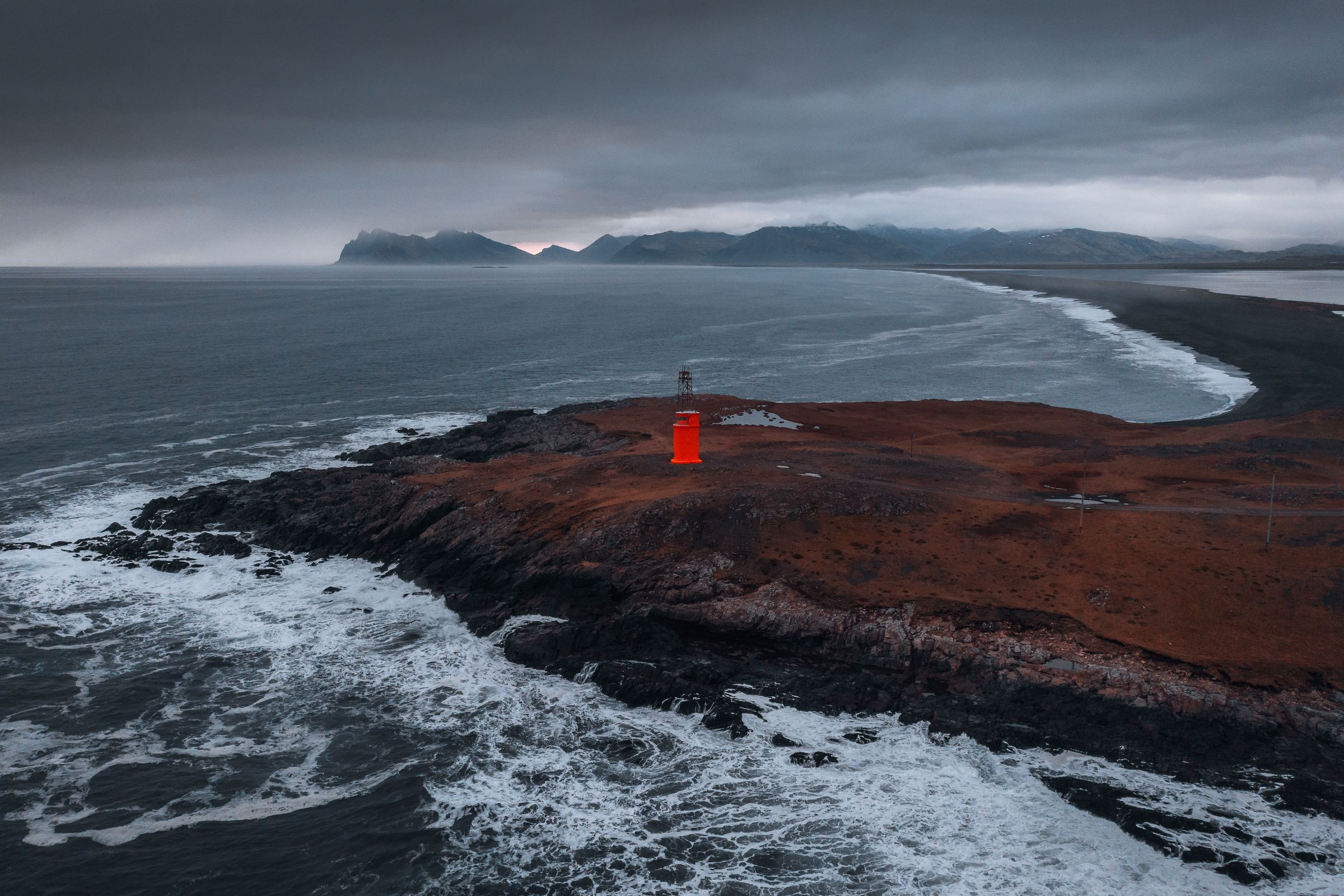
Hvalnes Nature Reserve is Iceland in its purest form. There are no towns, no artificial noises, just the one coming from the sea or the hundreds of sea birds that live or migrate there. The only thing that’s manmade is the bright orange lighthouse at the tip, called in Icelandic Hvalnesviti (Hvalnes lighthouse).
The main attraction is the black rock beach, a stretch of smooth, dark pebbles that crunch satisfyingly under your boots. These stones are of volcanic origin, formed centuries ago when lava flowed down and met the cold waters of the North Atlantic Ocean. There’s a path that goes along the beach, about 2 kilometers (1.2 miles) round-trip.
In the summer months, many puffins choose this area to nest, as well as other birds like fulmars or kittiwakes.
Höfn
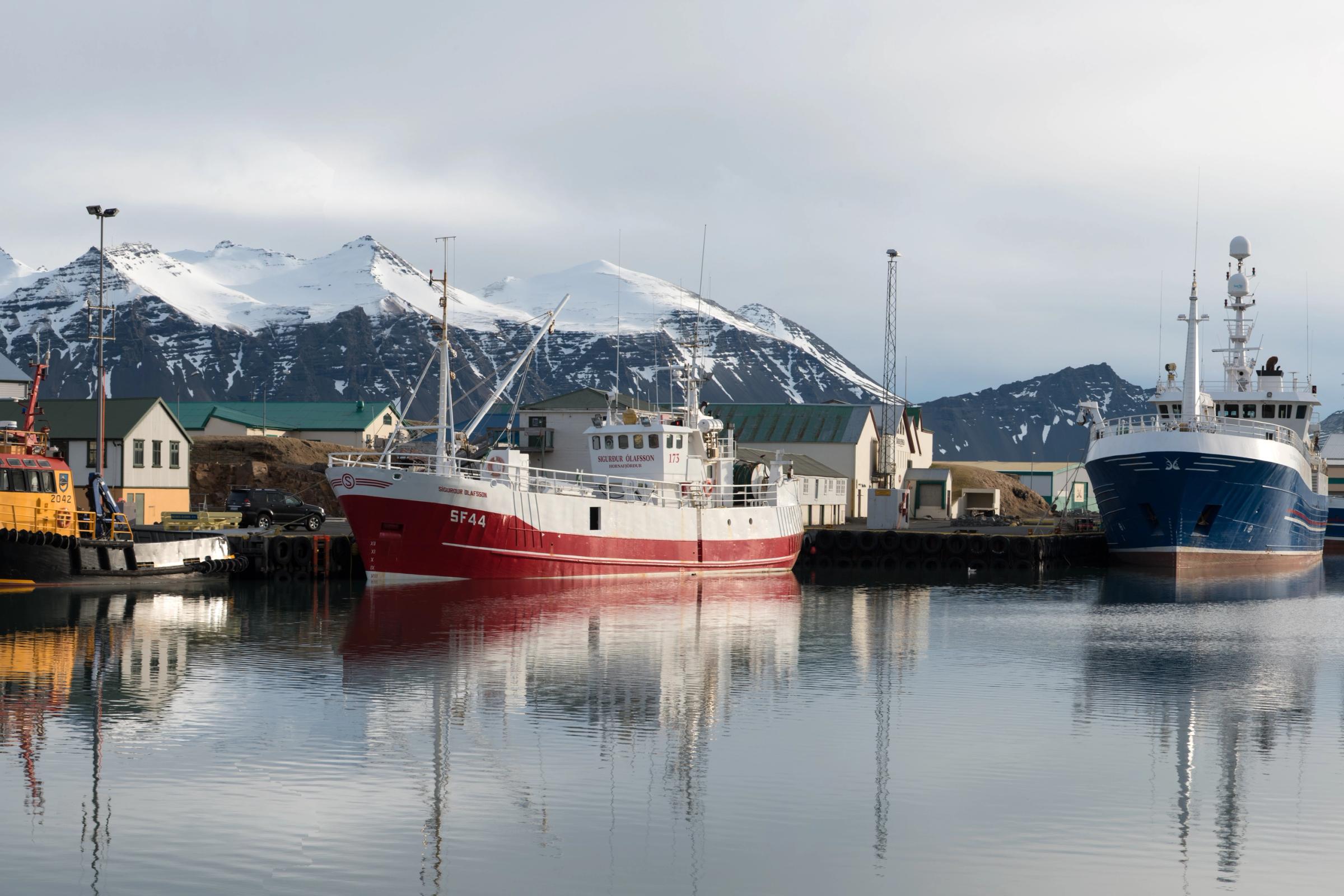
The eastern part of Iceland’s south coast is not very populated, and Höfn is one of the main towns in that part of the country. It’s almost a compulsory stop.
First of all, as a service hub, it is quite convenient on a road trip. You will find everything you need, from supermarkets and gas stations to banks and pharmacies. Second, it has a fantastic food scene. Höfn is well known in the country for its fresh seafood, especially lobster. There are a few restaurants specializing in fish and seafood, fresh from the boats that arrive at the harbor with the catch of the day.
Then, you can go to the visitor’s center to learn about the history of the town and its surroundings, or take a nice stroll by the harbor.
Skútafoss
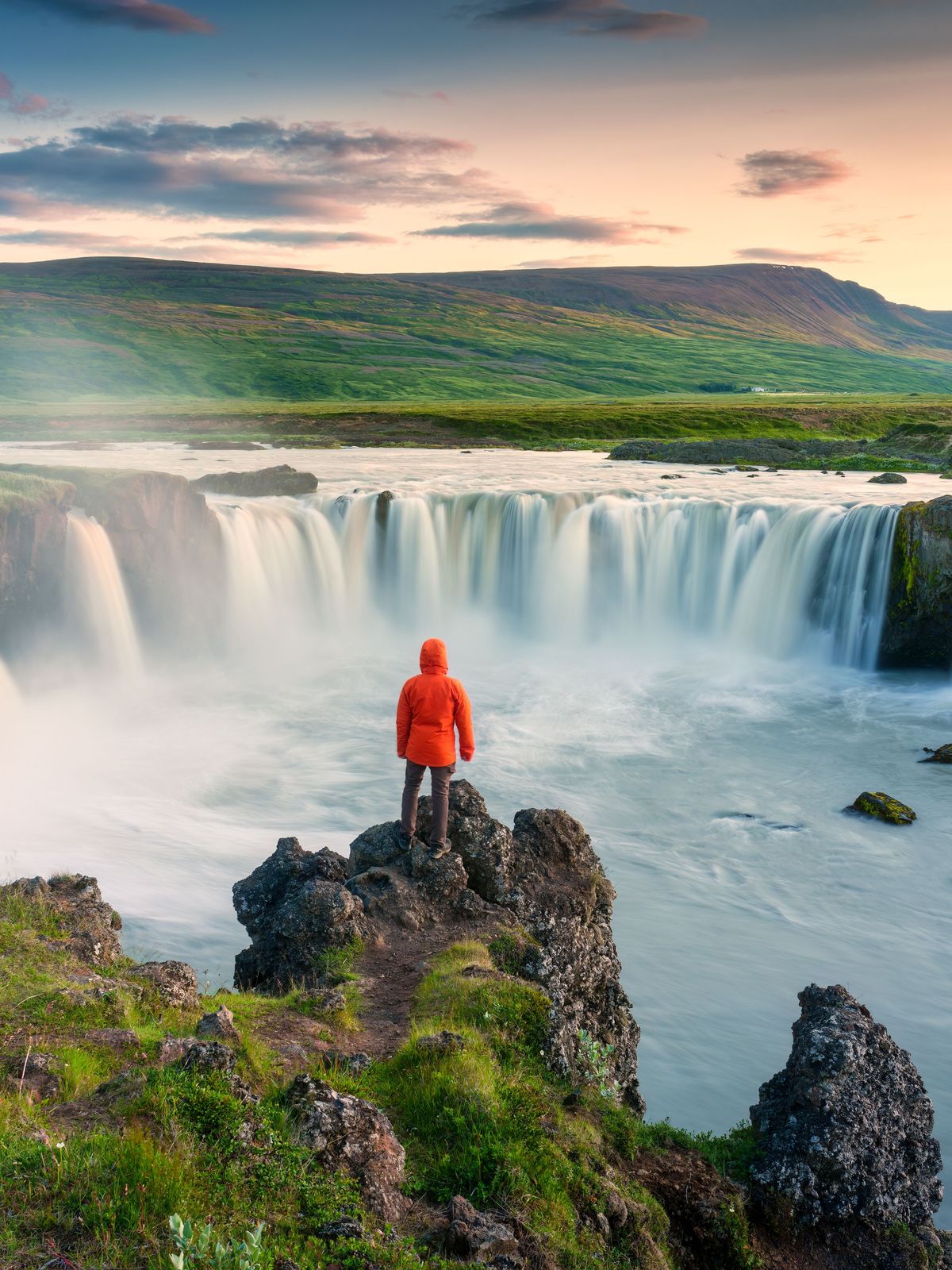
Only 15 minutes from Vestrahorn, just off the Ring Road, we can find Skútafoss, a beautiful waterfall that few people visit. They are not huge, but they are gorgeous.
The river comes from a beautiful green meadow and splits into three different falls that drop over a small cliff. It’s a glacial river, so water flow varies with the seasons, with late spring and early summer the best times. The pond below has crystal-clear water, and some people dare to take a swim there. Feel free to do it, but bear in mind that the water is really cold. You’ll feel really invigorated afterwards, though.
You can see them from the road, and it doesn’t appear in many travel guides, so chances are you’ll enjoy the waterfall to yourself.

Hvannagil
Hvannagil is a wide canyon part of the Jökulsá í Lóni river, a bit north of Vestrahorn. Because of its color, which can look like part of a sandy desert, something quite uncommon in Iceland, it’s nicknamed the “golden valley.”
The canyon can be dry or full of water, depending on the season and the weather in the previous weeks. The bed is made of pebbles of different sizes.
The surrounding area is very beautiful, with green valleys full of wildflowers and colorful rhyolite mountains. There are a few hiking trails that lead to different areas. There’s one that goes through the canyon up to a viewing platform with great vistas. It’s not a hard climb, but it takes time.

Eystrahorn Mountain
Vestrahorn is west of a beautiful and long back sand beach that ends in the Hvalnes Nature Reserve. There we can find Vestrahorn’s twin mountain, called Eystrahorn (eastern horn), also called Krossanesfjall.
You can reach the summit following a hard hike, but if you’re an experienced hiker, the views from up there are unbeatable. If not, the beaches nearby are great for a gentler walk.
Jökulsárlón Glacier Lagoon
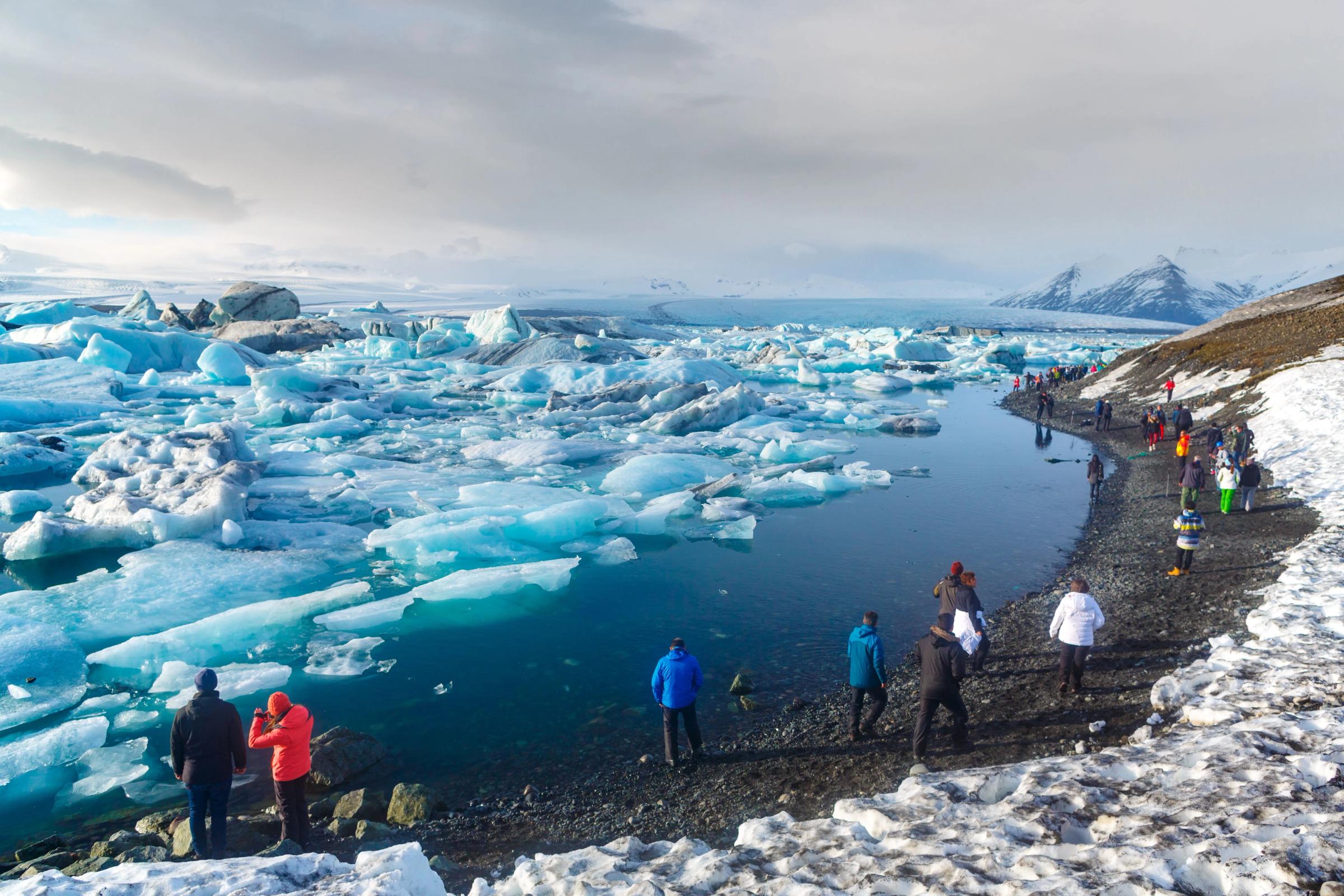
The crown of the southeast, Jökulsárlón, is a bit far from Vestrahorn, but it deserves a stop as part of your road trip, as it’s almost certain that you’ll drive right by it. It’s one of the best natural monuments along the southern coast.
Jökulsárlón is a lake fed by glacier melt. Its most surprising feature is that there are hundreds of big chunks of ice floating on the lagoon’s surface. These small icebergs have different hues, from bright white to deep blue. Many of these pieces of ice end up at the nearby Diamond Beach, where they create a striking color contrast with the black sand.
There are boat tours that go well into the lagoon to see the ice pieces up close, as well as the seals that have made this place their home.
Where to Stay Near Vestrahorn
If, as part of your road trip, you’d like to spend the night near Vestrahorn, you have a good number of options in the area. Options range from basic, rustic campsites to more sophisticated guesthouses and hotels.
The closest site to the mountain is the Vestrahorn Camping Ground, just at the base of the mountain. It’s on the south side, on the Stokksnes Peninsula. It’s basic but well equipped, with toilets, showers, electricity, and free Wi-Fi. The Viking Café, next door, is open daily till 8 p.m., and serves coffee and waffles. It costs ISK 2,800 (€18.85 or $21.90) per adult per night, and it includes the ticket to the Viking village. The setting is spectacular.
Dynjandi Guesthouse is located on a meadow overlooking the bay, halfway between Vestrahorn and Höfn. Part of a farm, it has three cozy double rooms, and breakfast is included. They breed horses, sheep, and chickens, and you are welcome to interact with the animals.
Sefdalur Guesthouse has apartments and studios with private bathrooms and kitchens. Each one has a furnished terrace to enjoy the views, and there’s free Wi-Fi and parking on the premises.
In 2022, a young couple decided to buy this country house and renovated it into a guesthouse. They have five double bedrooms, bathrooms, a common area, a terrace, and a garden.
Closer to Höfn, you'll find Aurora Cabins. They have several wooden huts for four people with a private bathroom and a kitchen. The Cabins also include a private BBQ grill and outdoor furniture. You can also rent an apartment, a bit smaller but with similar amenities.
One of the most popular and highly rated places in the area is Mjólkurstöðin, also known by its English name, Milk Factory. This converted dairy has 17 rooms with Wi-Fi and TV, and breakfast is included. It’s not far from the town center, so you have easy access to shops, cafés, and restaurants.
The Weather in Vestrahorn
The weather is a huge factor to consider when traveling to Iceland. It can have a huge influence on your experience, so it’s better to be prepared for it. Vestrahorn is located close to the sea, which softens the climate considerably. This region is not as cold as others on the island, but it’s more exposed to rain and wind.
Here’s a breakdown, season by season, but the weather here is unpredictable and constantly changing.
Spring (April May): Temperatures hover between 0°C and 8°C (32°F to 46°F). Some areas can still be covered in snow from the winter, but it gradually melts, revealing green fields. Expect variable skies, sunny spells alternating with showers, and strong winds in exposed areas by the coast. You’ll notice a big difference between the south face, more exposed, and the north of the mountain. Migratory birds start to return in May, and there are not many visitors.
Summer (June to August): This is the best season for weather, with an average temperature of 10°C to 15°C (50°F to 59°F). It’s a mild season, often sunny with occasional rain. Wind is constant throughout the year, but it’s calmer during these months. The days are really long, with almost 24 hours of natural light by the end of June, giving plenty of time to explore. It’s peak season, so book accommodation in advance.
Autumn (September and October): Cooling to 2°C to 7°C (36°F to 45°F), with more chances of rain and stronger winds. The fields begin to change color, giving the region a different yet sensational look. October can see the first days of snow. It’s the season with fewer tourists.
Winter (November to March): Harsh in terms of weather, with temperatures moving between -5°C and 2°C (23°F to 36°F). Everything is covered in snow, which can make traveling tricky. It’s essential to be extra careful on the road. The days are really short, but clear nights come with high chances to see the Northern Lights.

What to Pack to Visit Vestrahorn
- Layered clothing: The best way to adapt to the constant temperature changes common in Iceland is to dress in layers. The best combination is a thermal base layer, a wool or fleece intermediate layer, and a waterproof jacket on top.
- Hiking boots: Waterproof and with a good grip.
- Waterproof pants: Especially important if you want to go hiking, as rain can hit at any moment.
- Hat, gloves, and scarf.
- Reusable water bottle and snacks: For excursions. There are no shops in rural areas.
- First-aid kit: Basics like blister pads, bandages, and painkillers, just in case.
Travel Tips
- Drive cautiously on gravel roads. Most of the roads in the area, like the Ring Road, are paved and well-maintained, but some secondary ones are gravel. A 4x4 car will help you deal with them better.
- Check tide times via apps. It’s better to time a walk on the beach for low tide.
- Respect wildlife: Keep 50 meters from seals and nests to not disturb the animals.
- Fuel up and buy groceries in Höfn; there are not many gas stations or shops outside the main towns.
- Book accommodations ahead of time in the summer. In spring and autumn, the prices are usually lower.
- The area around Vestrahorn is protected. Help keep it clean.

Conclusion
Some natural areas in Iceland still feel untouched, almost virgin. Places where human action has been kept to a minimum. Vestrahorn is one of these places. The unique shape of the mountain, paired with the astonishing natural area, makes it one of the most surprising destinations in southeast Iceland. Draw an itinerary, rent a car, and enjoy this hidden gem.