Kerlingarfjöll Travel Guide: Iceland's Hidden Highland Paradise
Deep in the middle of Iceland’s highlands, where steam rises from the ground and snowy peaks fill the horizon, you’ll find Kerlingarfjöll. It gives you everything people love about Iceland without the crowds you see at places like the Blue Lagoon. The views are huge, the hot springs feel untouched, and the whole area has this quiet, wild energy that’s hard to describe until you’re there.
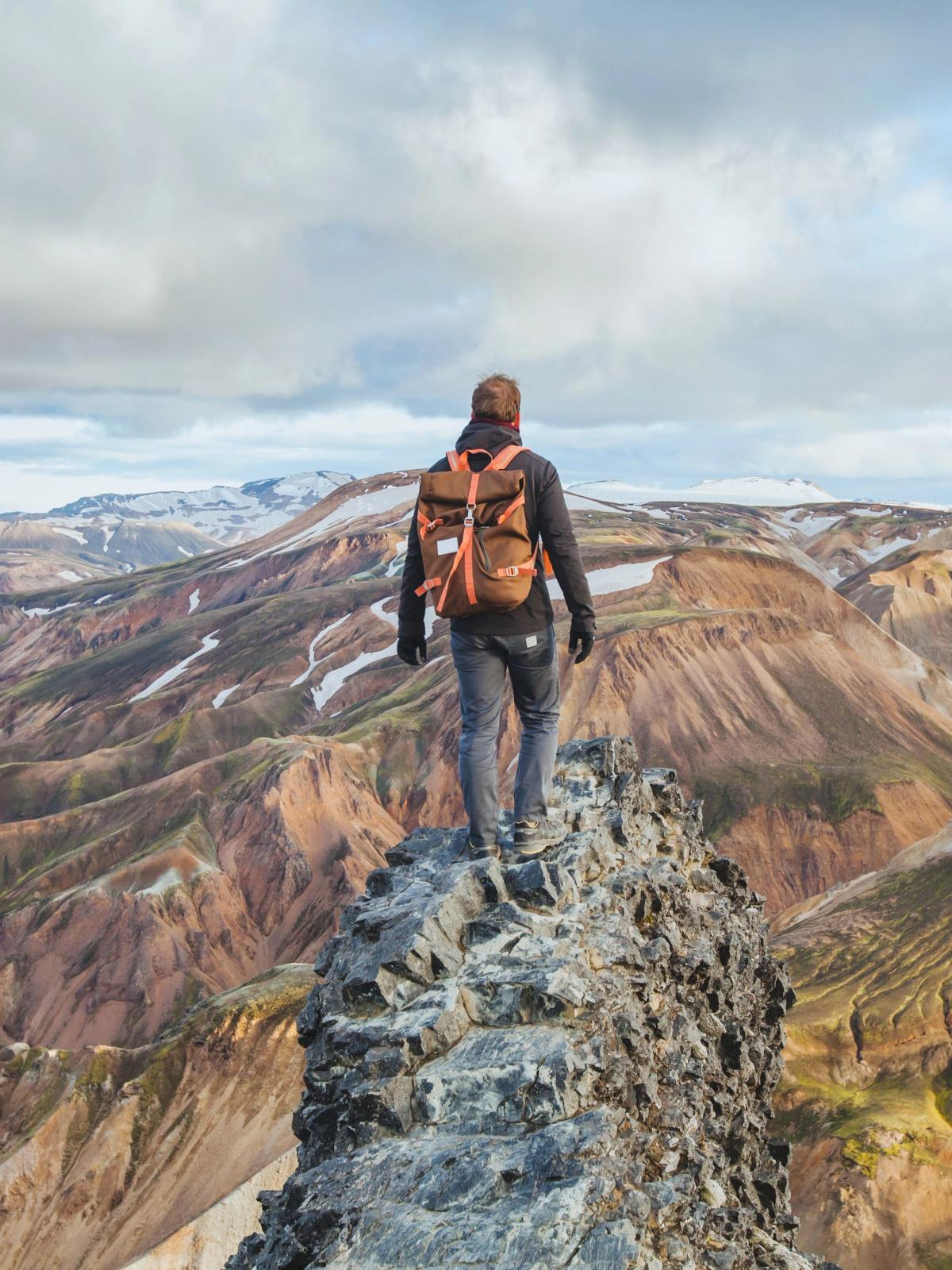
The range sits between two big glaciers, which is why the landscape looks almost unreal. The mountains shift from red to yellow depending on the light, and the geothermal areas bubble and hiss all day. The name comes from a story about a troll woman who turned into stone, and her rock shape still stands in the valley.
But what makes Kerlingarfjöll really special is the feeling you get when you finally reach it after hours on gravel roads. You arrive knowing you’re somewhere that most people will never see. Even though it’s Iceland’s third-largest geothermal area, you might wander through it in total silence.
What Is Kerlingarfjöll?
Kerlingarfjöll is a volcanic mountain range that reaches 1,477 meters at its highest point. It formed sometime between 68,000 and 350,000 years ago. It sits right on the Mid-Atlantic Ridge, where two tectonic plates slowly pull apart. That constant movement is what creates all the hot springs and vents around the area.
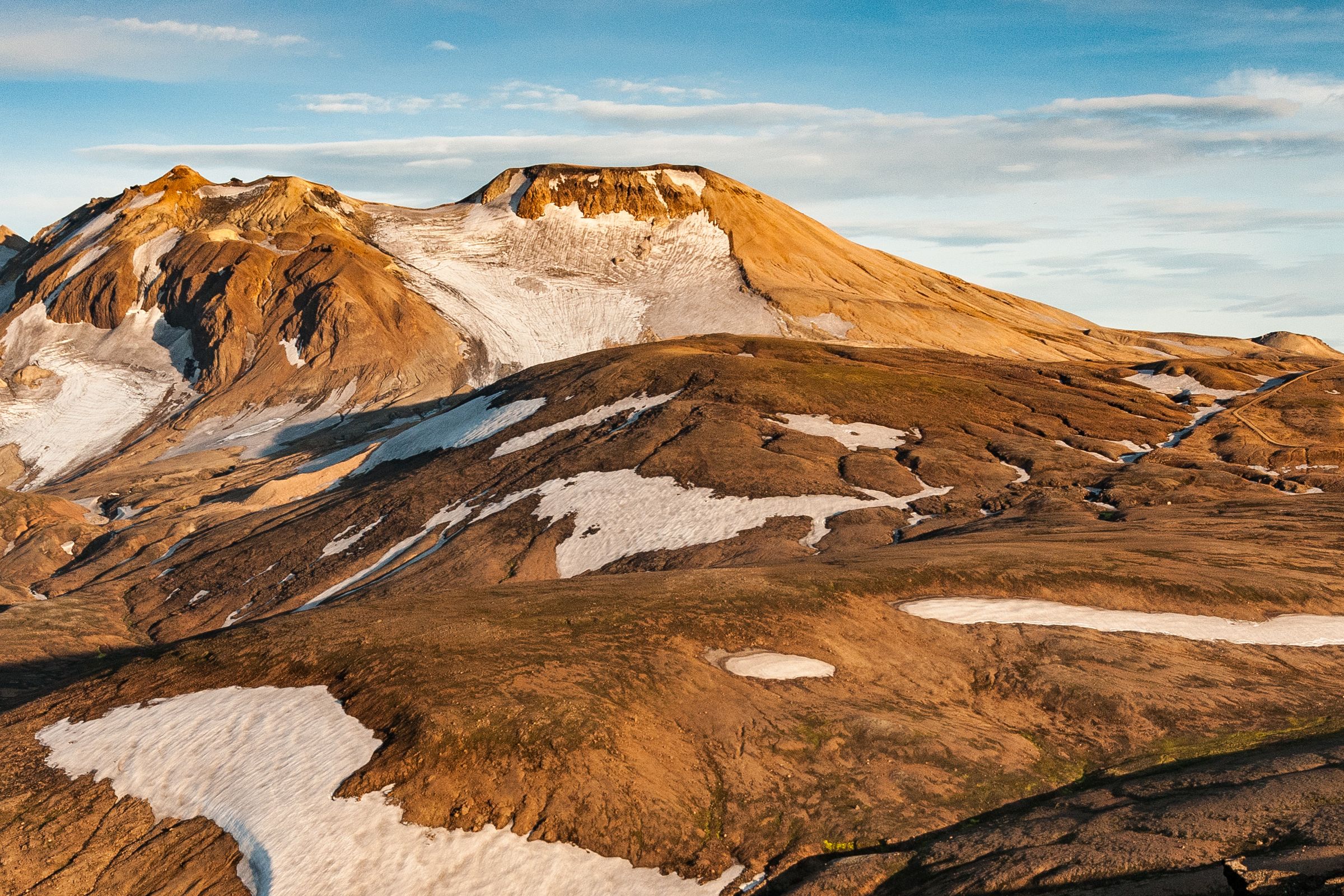
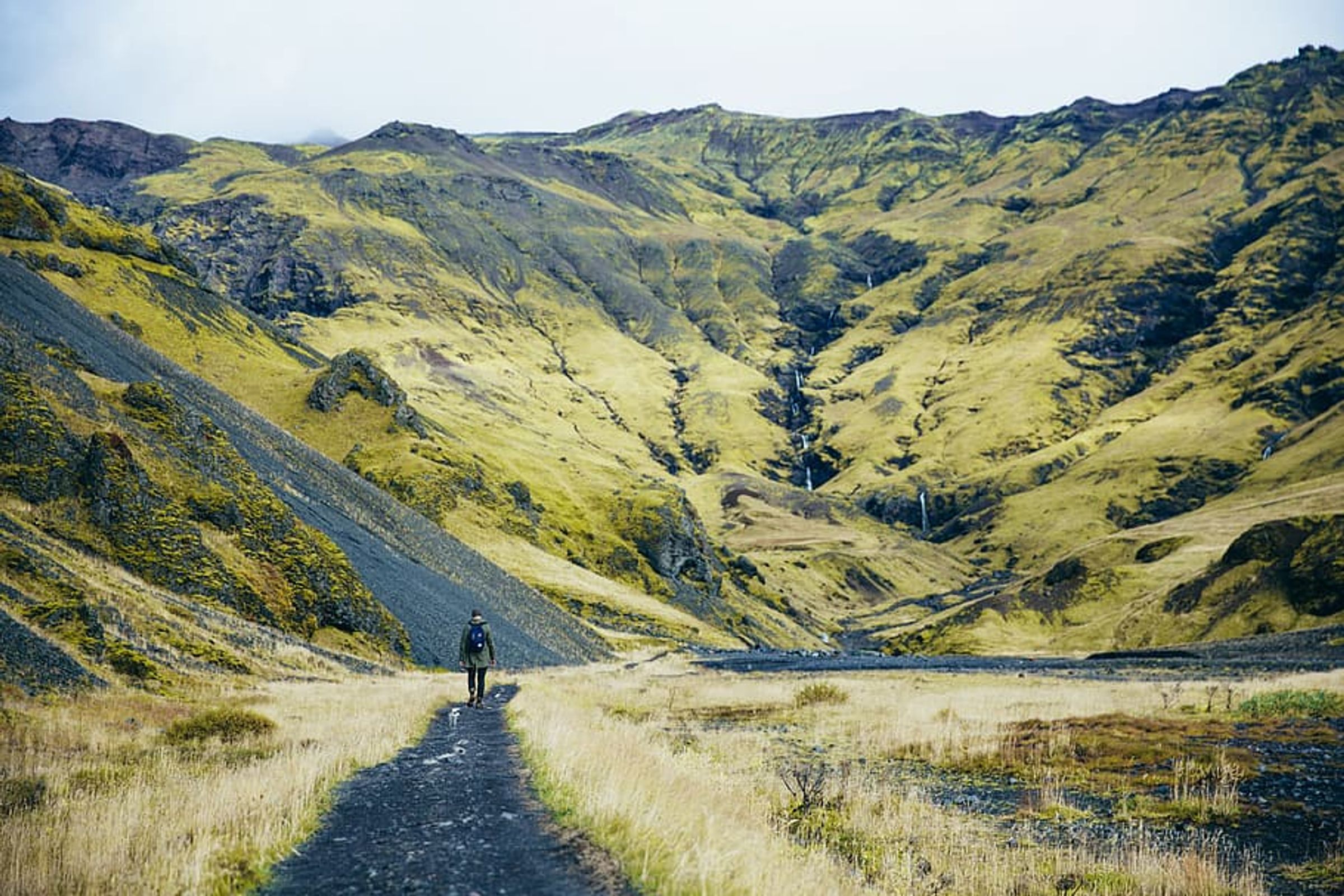
The mountains stretch about 20 to 30 kilometers and include two calderas, which are just collapsed volcanic craters. The rhyolite rock is what gives the mountains their color. Minerals baked into the soil by geothermal heat turn the hillsides red, yellow, green, and everything in between. Small ice caps still sit on top of the taller peaks, which makes the contrast between the hot ground below and the cold glaciers above really striking.
The area became a protected nature reserve in 2017, covering 367 square kilometers. This protects the delicate environment while still allowing visitors to explore it. Before that, Kerlingarfjöll even had a summer ski resort. It ran from 1961 until 2000, when shrinking snowfields made it impossible to keep operating.
The geothermal system is active. Some hot springs reach temperatures around 140°C. People have talked about using the area for geothermal power, but nothing has moved forward. Hveradalir, the main valley, is full of steam vents, mud pots, and colorful hot pools. Even with all this activity, recent monitoring shows nothing that suggests eruptions or major earthquakes, so it’s safe to visit.
Kerlingarfjöll Location
Kerlingarfjöll sits right in the center of Iceland, tucked between the Hofsjökull and Langjökull glaciers. It’s roughly the same distance from Reykjavík and Akureyri, about 200 (125) to 245 kilometers (155 miles) (only when the F-roads are open though).
There are no towns nearby. The closest places with actual services are hours away, in places like Selfoss and Blönduós. That isolation is a big part of the appeal. When you’re there, it feels like you’ve stepped far outside the usual travel loop.
Most people reach Kerlingarfjöll via the F35 highland road, also known as the Kjölur route. It’s been used for centuries to cross Iceland, but today it’s only open in summer.
How to Get to Kerlingarfjöll
Getting to Kerlingarfjöll takes some planning, but the trip is fun if you’re ready for it.
You’ll need a 4x4. The last stretch includes F-roads, which are legally restricted to four-wheel-drive vehicles. F35 is one of the easier highland roads. It has bridges over all major rivers, and it’s relatively wide, but it’s still gravel, and it can be rough, bumpy, and slow.
From Gullfoss, it’s about 70 kilometers to the turnoff, usually around 1.5 to 2 hours. From Reykjavík, plan for 3 to 4 hours depending on how the road looks. The farther north you go, the rougher F35 becomes, so expect a slow pace.
Check road conditions on road.is before you leave. Weather can change quickly, and closures happen. Fill your tank before entering the Highlands because there’s no fuel at all on F35.
If you don’t want to drive F-roads, you can take a guided tour. Highland buses run daily in summer between Reykjavík and Akureyri and stop at Highland Base. This takes away the stress of driving, though you’ll need to follow the bus schedule.
Super-jeep tours are also an option, especially for day trips from Reykjavík. These drivers know the terrain extremely well and can handle conditions that most people wouldn’t want to tackle.
From October to May, the highland roads are closed. In winter, the only way in is on a guided super-jeep tour. Winter visits usually focus on snowmobiling, Northern Lights outings, and experiencing the highlands under deep snow.

Best Time to Visit Kerlingarfjöll
Your experience changes a lot depending on the season.
Summer (June to September) is the main visiting period. Roads usually open in mid or late June and stay open until early or mid-September. July and August have the best chance of decent weather and clear roads.
Even in summer, temperatures stay cool. On a sunny day you might get 10 to 15°C, but wind makes it feel colder. Nights can drop to freezing. Snow can fall any time, including in July. Always pack warm layers.
The best thing about summer is the long daylight. Around late June and early July, the Midnight Sun creates hours of soft golden light that’s great for photography.
Late May, early June, and September can be unpredictable. Roads might still be closed in May, and snow often returns in September. The plus side is fewer visitors and the chance to see spring melt or early fall colors.
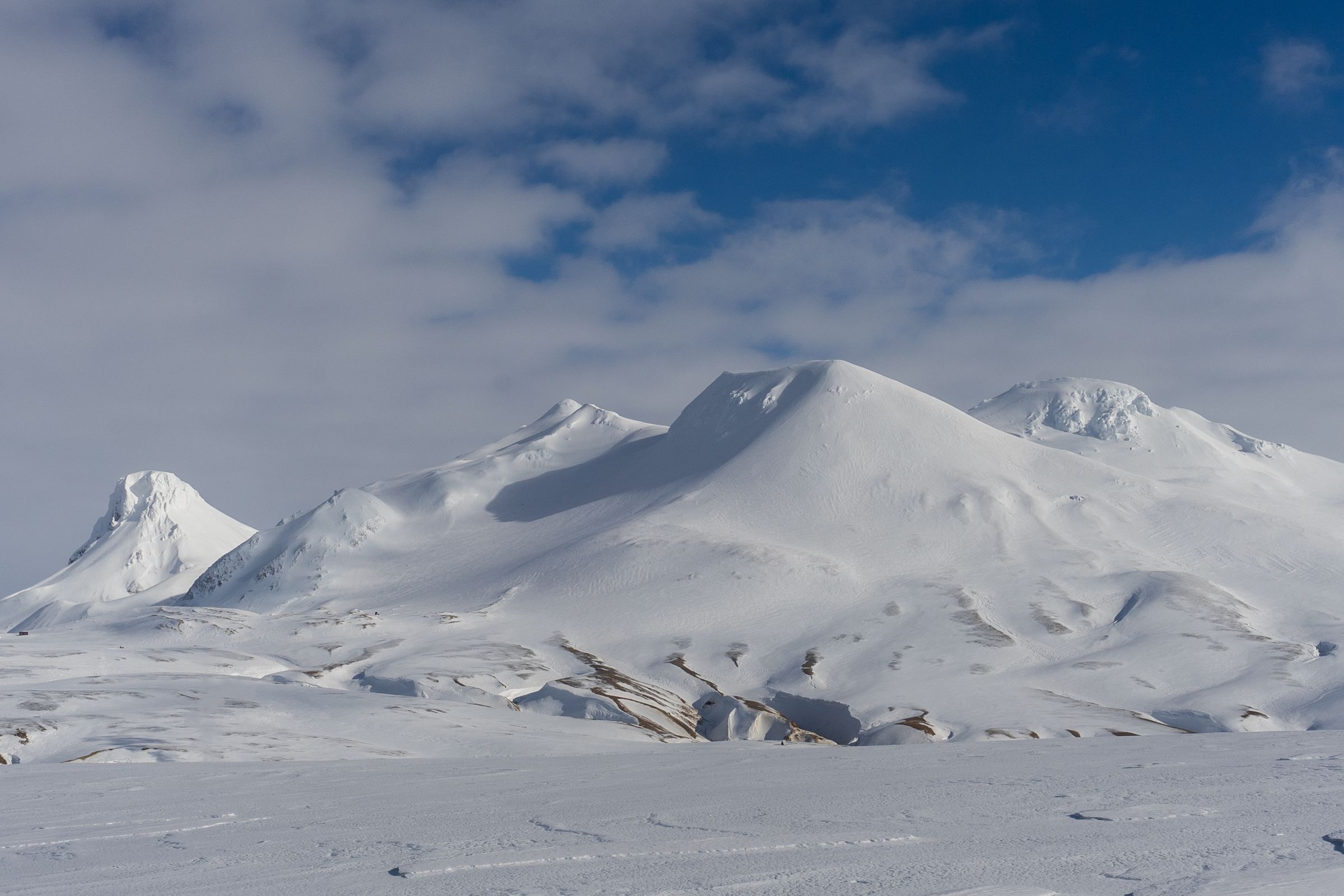
Winter (October to May) turns Kerlingarfjöll into a snow-filled landscape you can only enter with guides. It’s cold and remote, but the peace and the Northern Lights make it a completely different experience.
Where to Stay in Kerlingarfjöll
Most people stay at Highland Base, the main lodging area in Ásgarður valley.
Highland Base reopened in 2023 after major upgrades. The hotel has private rooms with bathrooms, including standard rooms, deluxe rooms with better views, and suites. There are also family rooms for groups with kids.
The rooms are simple and comfortable. You won’t find TVs because the idea is to disconnect and enjoy the surroundings. You do get warm common spaces and a good breakfast included.
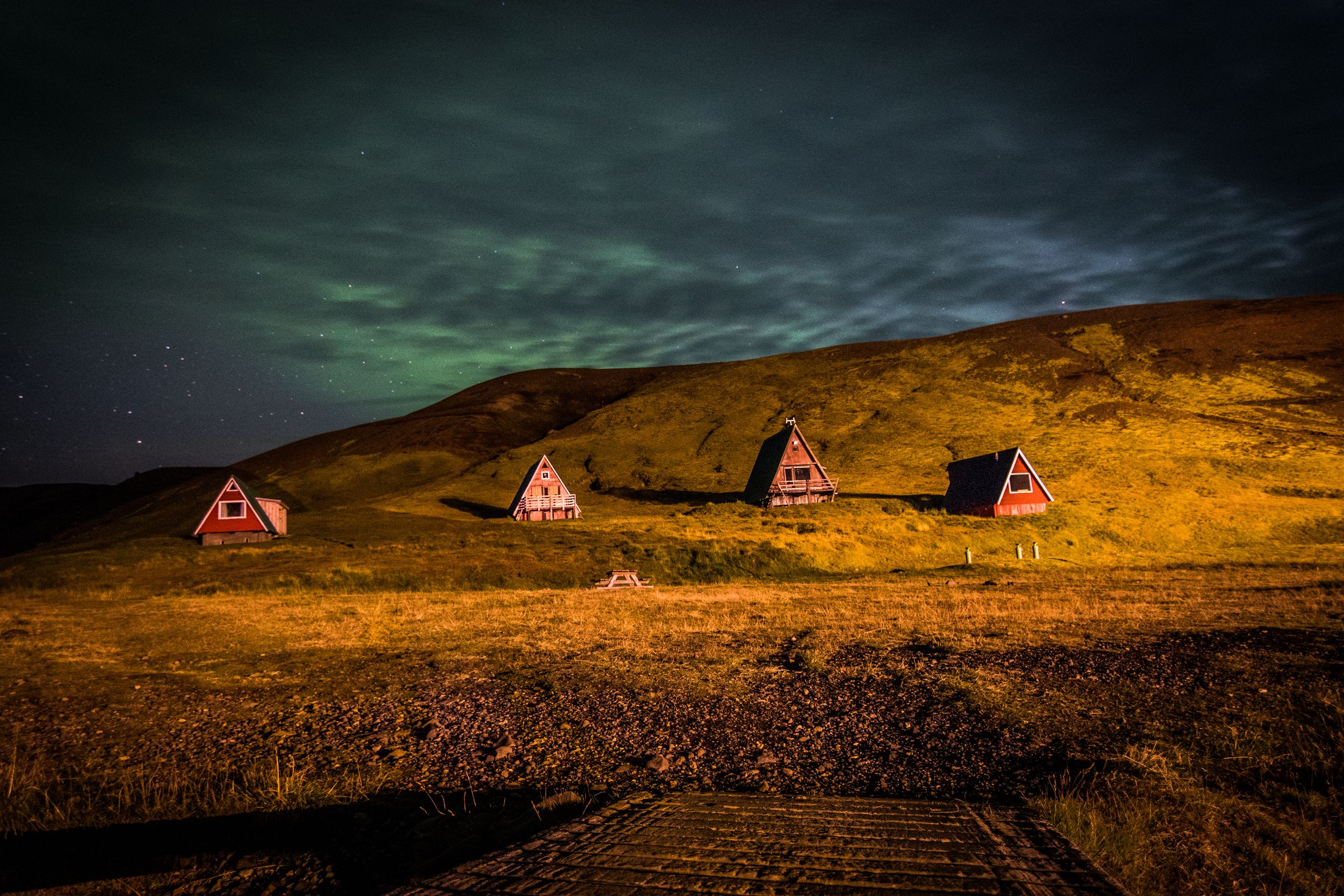
For something more rustic, Highland Base has A-frame huts and lodge houses that hikers have used for decades. These have been renovated and now offer dorm-style rooms and four-person huts.
All huts have heating, shared bathrooms, and a communal kitchen. It’s a relaxed way to experience the highlands. You might wake up to sheep wandering nearby and steam rising from the valley.
There’s also a campground right next to Highland Base with toilets, hot showers, and cooking facilities. You don’t need reservations. Just show up and find a space.
Camping here is cold, even in summer. Nights can drop below freezing. You’ll need a strong tent and a sleeping bag rated for very low temperatures. Some people report afternoons around 5°C and nights around 0°C even in July.
If you want to stay during July or August, book early. Space fills quickly.
Top Things to Do in Kerlingarfjöll
Most activities here involve being outdoors, walking through geothermal areas, or soaking in naturally heated pools.
Hiking Trails
Hiking is the main reason people come, and the trails suit all kinds of hikers.
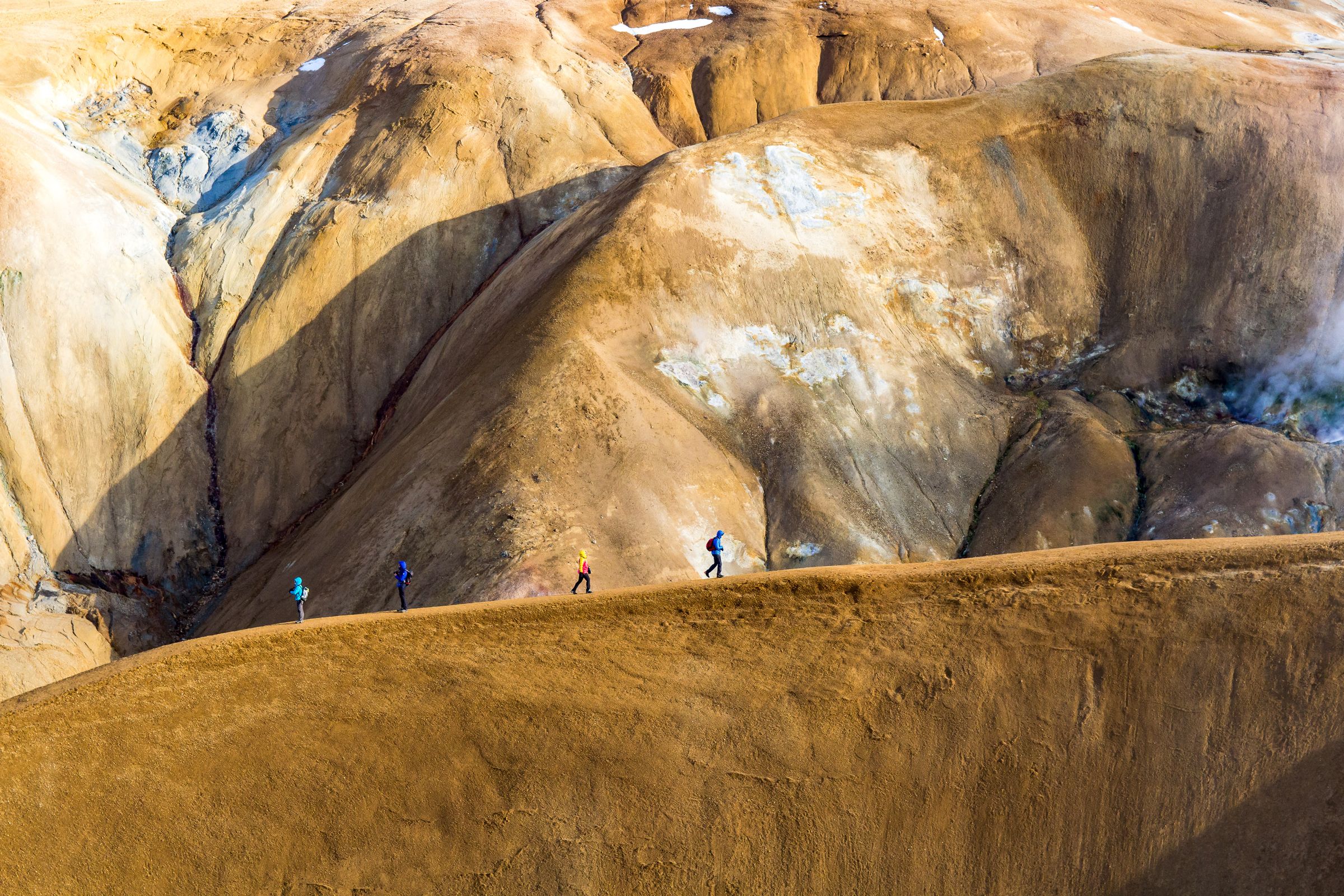
The most popular trail leads into Hveradalir, the main geothermal valley. It’s 11.5 kilometers round-trip and takes about 4 to 5 hours. You’ll deal with some steep parts, wooden stairs, and occasional snow patches. The valley is full of steam, mud pools, and colorful springs.
For something tougher, try the Snækollur summit. It’s a 7-kilometer round trip with 640 meters of elevation gain. It usually takes 5 to 6 hours and offers views of both glaciers. The volcanic rock can be loose, and snow can linger on the upper sections.
The big adventure is the Circle Route, a 47-kilometer loop that takes 2 to 3 days. You’ll stay in huts along the way, cross rivers, and explore remote parts of the mountain range.
If you want something short, the 3.2-kilometer Hveradalir Loop gives you great views without much effort.
Geothermal Exploration and Hot Springs
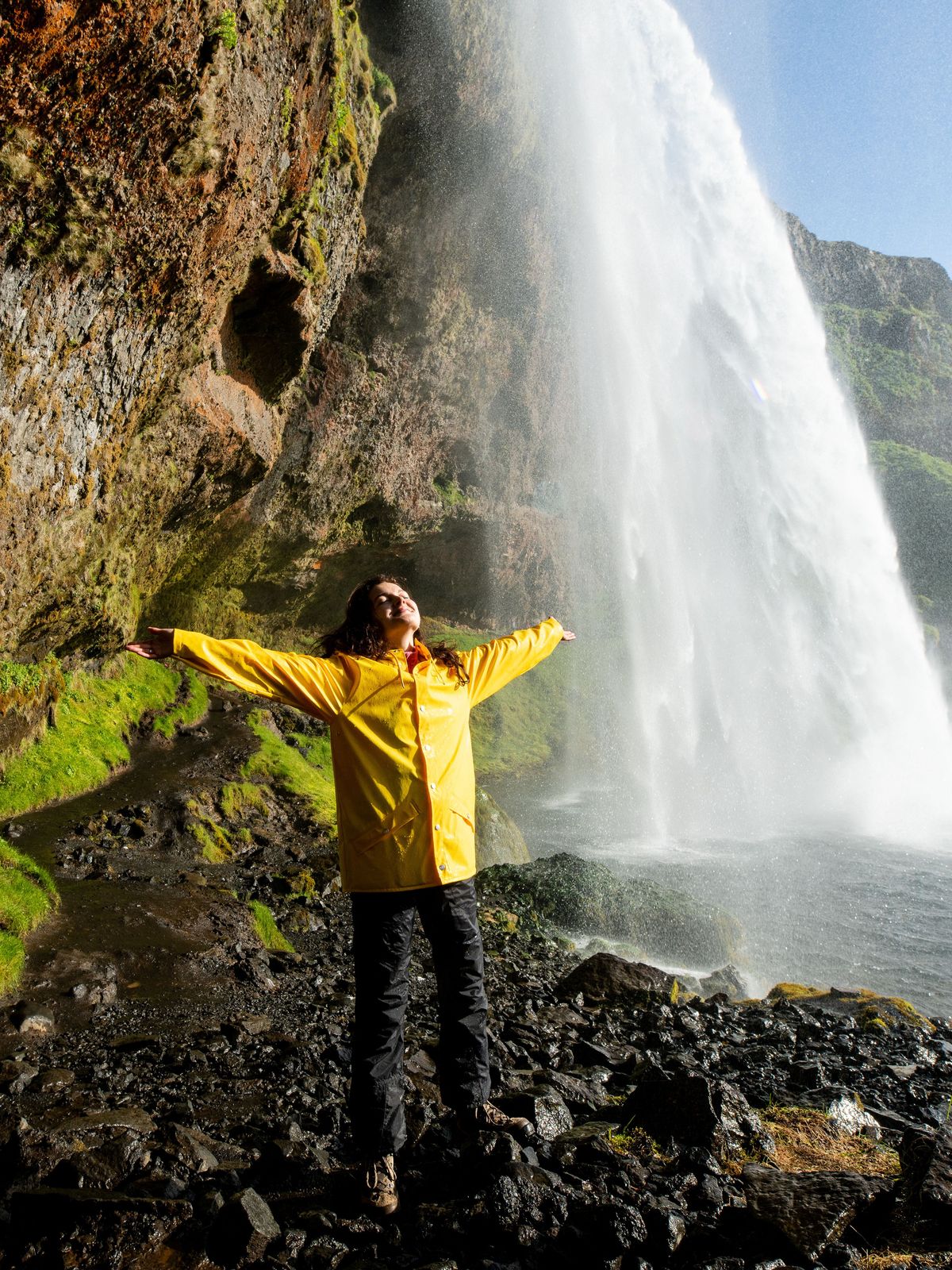
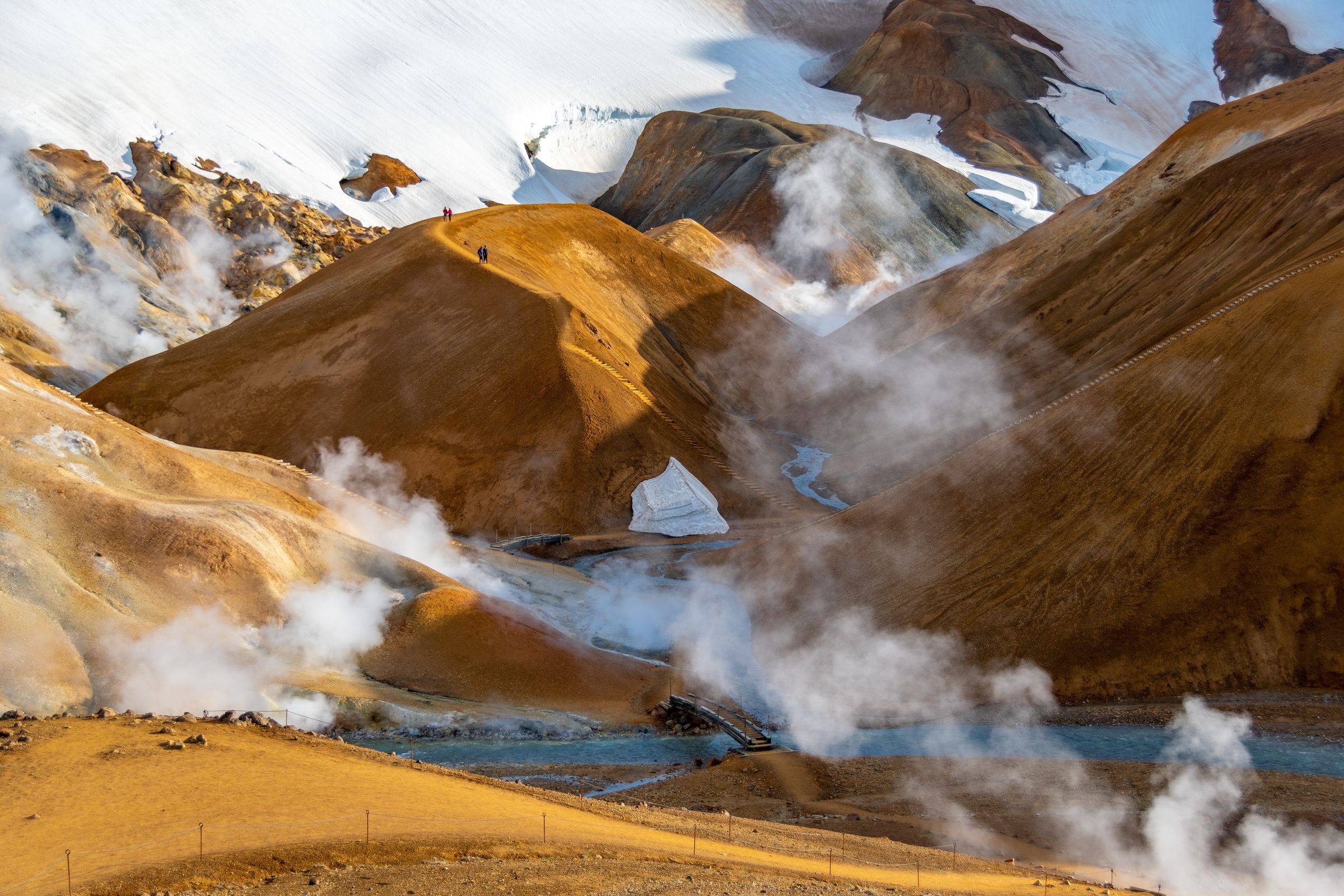
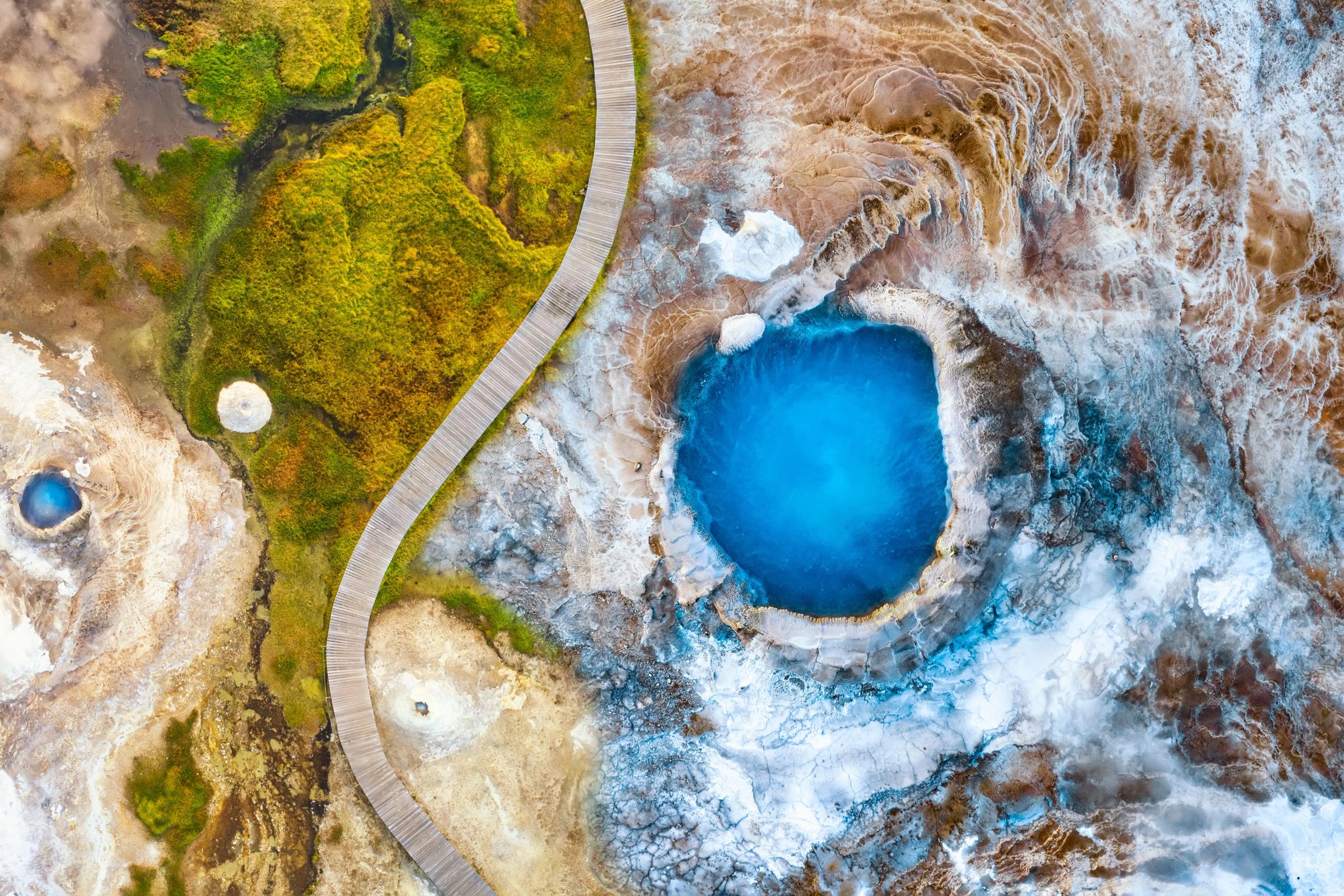
Hveradalir is Iceland’s third-largest geothermal area. Steam vents, mud pots, and colorful hot springs cover the valley. Boardwalks and marked paths help you move around safely.
There’s also a natural hot pool you can bathe in. It’s about an hour’s hike, and the water mixes to a comfortable temperature on its own. It’s simple and peaceful, with mountain views in every direction.
Highland Base has modern geothermal baths too. These include warm pools, a cold plunge, a steam room, and a small swim-up bar. Hotel guests get free access, and others can pay to enter.
Peak Summits
If you enjoy reaching peaks, Kerlingarfjöll has plenty. Besides Snækollur, trails lead to Loðmundur, Fannborg, and the summits of Austurfjöll. These require good fitness and proper gear, but the views are worth the effort.
Early in the season, you may need micro-spikes or crampons. Conditions change often, so check updates or consider a guide if you’re unsure.
Photography and Waterfalls
Kerlingarfjöll is great for photography. The mix of colors, steam, snow patches, and big skies gives you endless options.
The best light is usually early morning or late evening when the sun hits the rocks at an angle and brings out their colors. The wooden boardwalks in Hveradalir make nice lines for compositions.
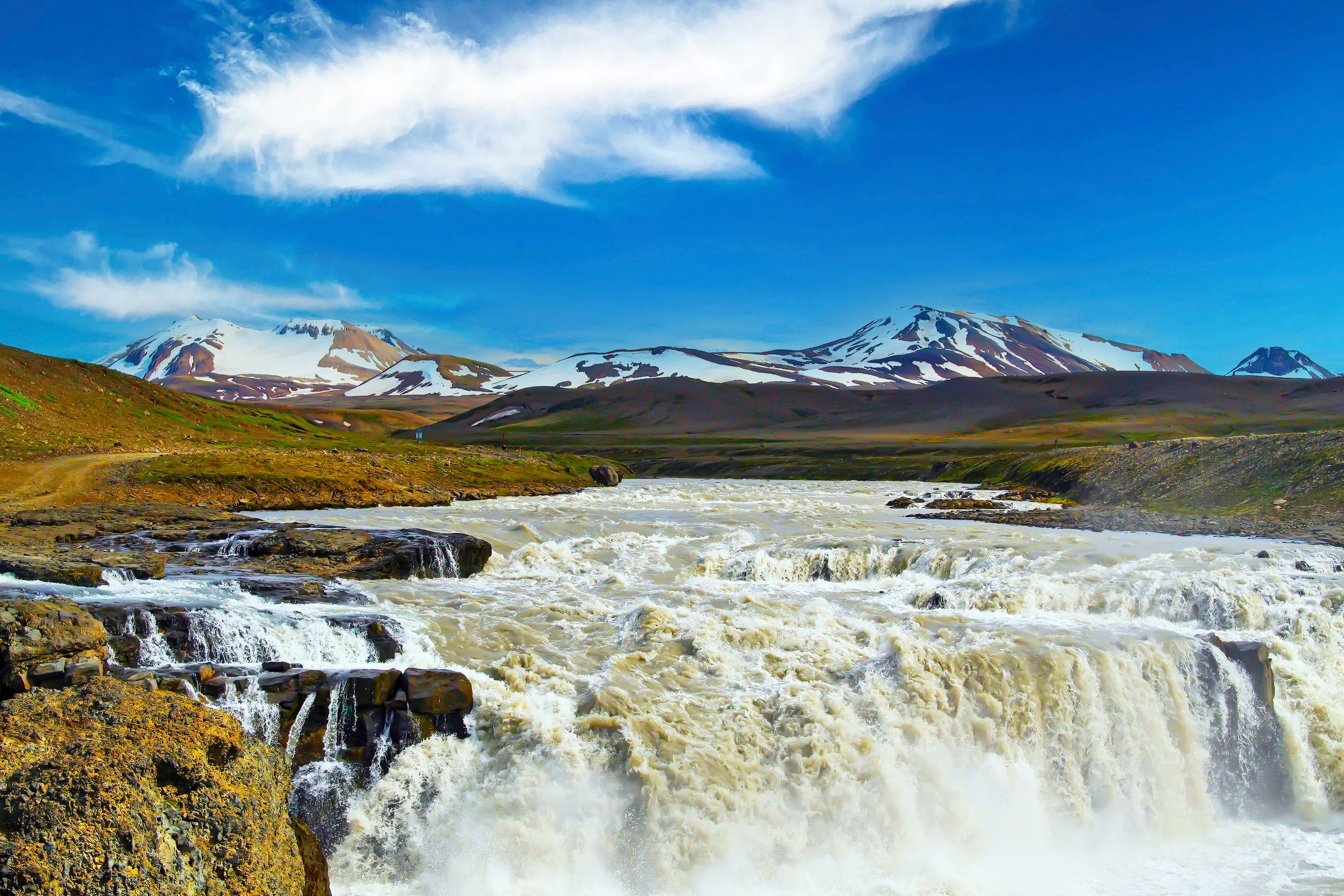
You can also visit nearby waterfalls. Gýgjarfoss is right off the main road and usually empty. Kerlingarfoss takes about an hour to reach and offers a tall, dramatic drop.
Winter Activities
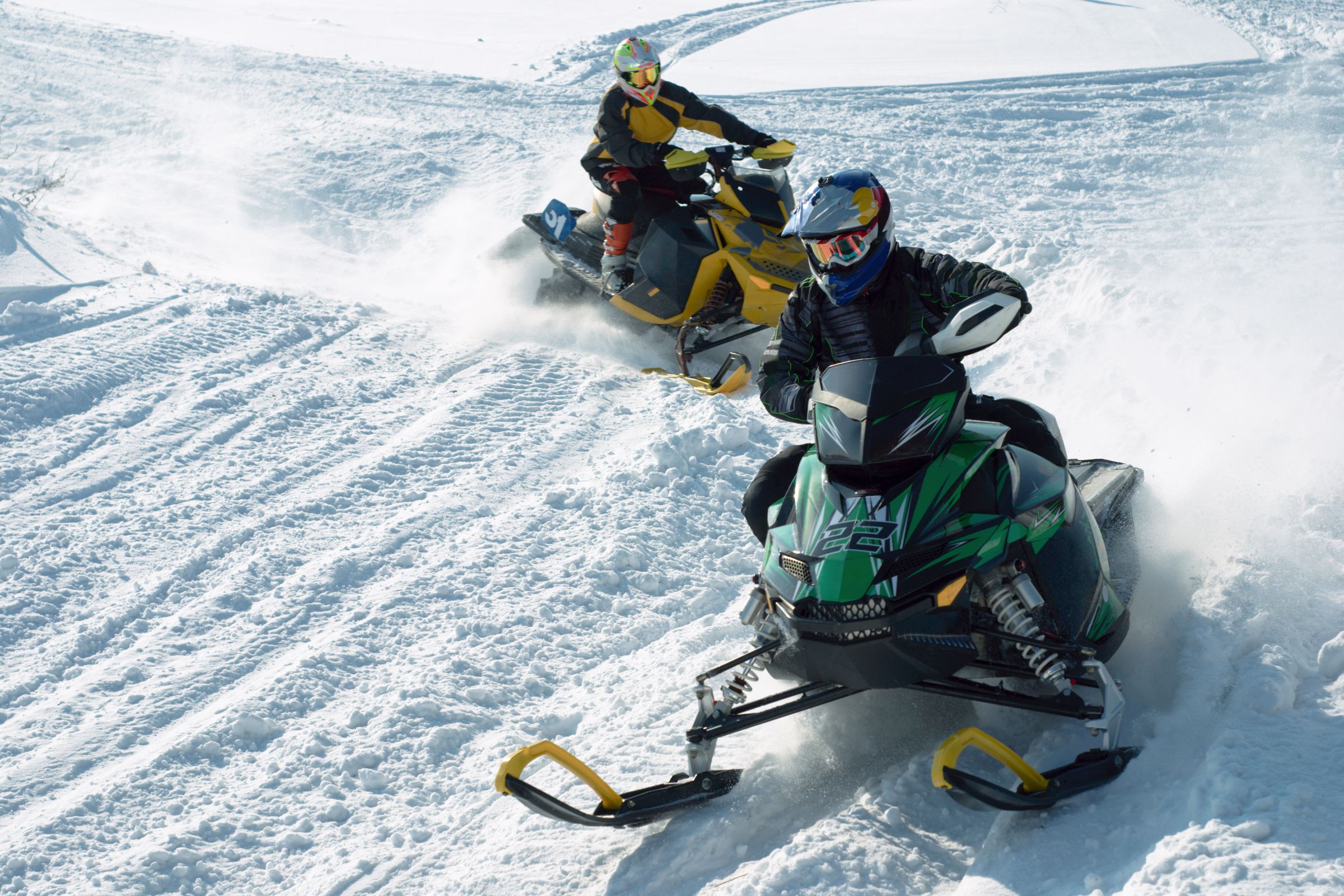
In winter, guided tours take you around the snow-covered mountains.
Snowmobiling is a fast, fun way to explore. Snowshoeing and backcountry skiing are quieter and give you time to take in the landscape.
One of the best winter experiences is watching the Northern Lights. With no light pollution at all, Kerlingarfjöll is one of the best places to see them. Many people sit in the Highland Baths while the sky lights up.
Practical Information
Kerlingarfjöll is remote and weather can shift fast, so good preparation matters.
What to Bring
Pack as if you’re expecting every kind of weather in one day.
- Wear layers. Start with moisture-wicking base layers, add a warm mid-layer, and top it with waterproof outer layers. You might hike in a light sweater but want a warm coat when you stop or when the wind picks up.
- Sturdy waterproof hiking boots are essential. Trails can be muddy, and the volcanic terrain is uneven. Gaiters help keep sand out of your boots.
- Bring a hat and gloves, even in summer. A buff helps with wind or dust. Sunglasses and sunscreen are important because UV rays are strong at higher altitudes.
- Pack swimwear and a quick-dry towel for hot pools. Water shoes help when walking around the pools.
Safety
- Tell someone your plans. Cell service can be weak or nonexistent.
- Stick to marked trails. The ground near geothermal features can be thin and hide boiling water. Don’t test the water temperature with your hand.
- The weather changes quickly. Always bring extra layers, rain gear, and basic emergency items.
Preparation
Check road.is and the weather forecast before leaving. Fill your tank before the highlands. There’s no fuel anywhere near Kerlingarfjöll.
Download offline maps, and carry a paper map and compass as backups.
Bring extra food and water. If conditions force you to stay longer than planned, you’ll be glad you have it. Highland Base has a restaurant, but it’s smart to carry your own supplies.
Nearby Places to Visit
You’re already in the highlands, so it’s easy to add a few more spots to your trip.
Hveravellir Geothermal Area
About 45 kilometers (28 miles) north on F35, Hveravellir has its own geothermal field and a natural hot pool that’s perfect for soaking. You’ll also see fumaroles, mineral terraces, and the well-known Öskurhóll. Outlaws once hid here, and you can still see remains of their shelters.
Plan about 1 to 2 hours.
Gullfoss and Geysir
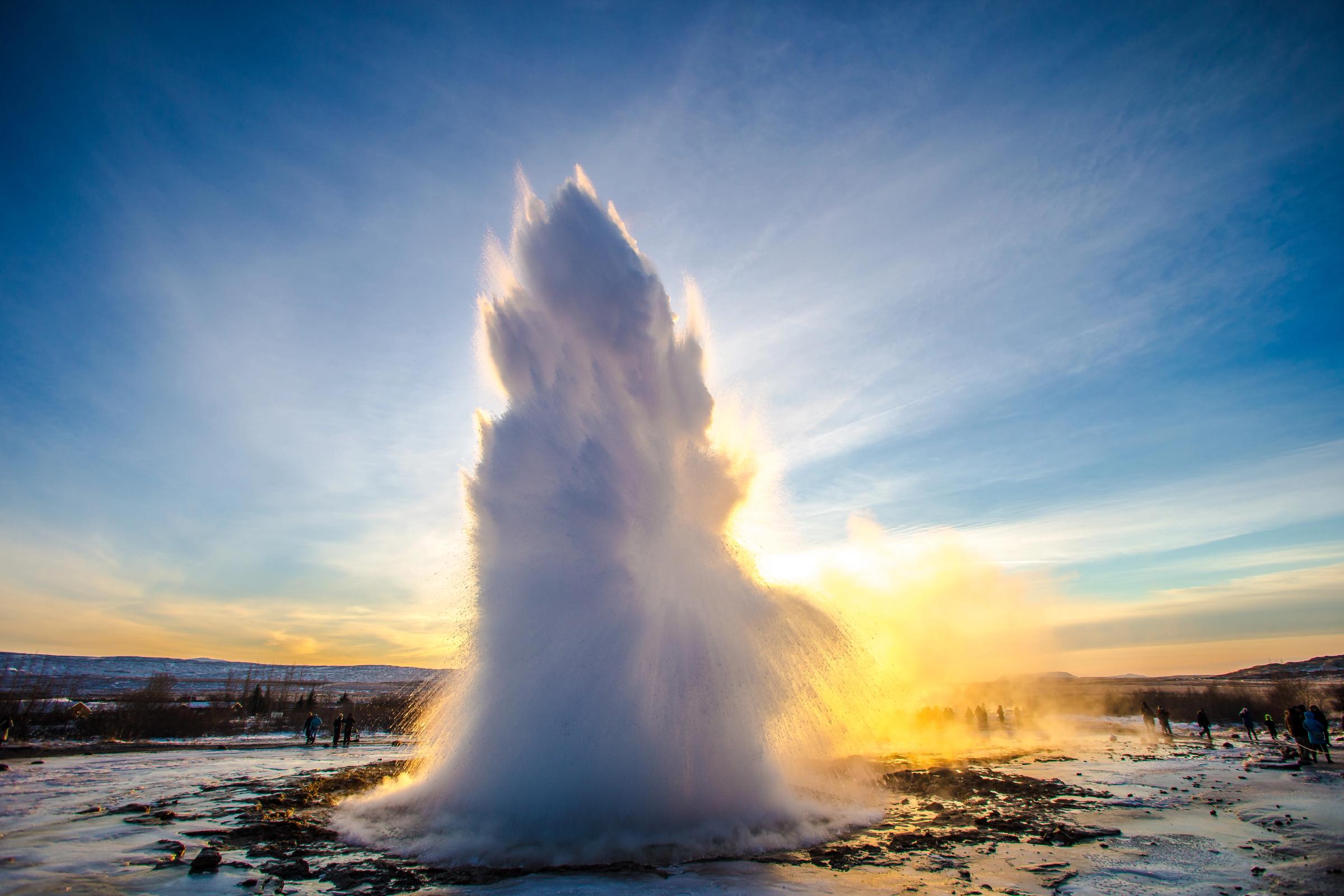
If you’re coming from the south, these popular stops on the Golden Circle are right along the way. Gullfoss drops into a deep canyon, and Strokkur erupts every few minutes at Geysir.
They’re busy but still worthwhile if you haven’t visited before.
Landmannalaugar
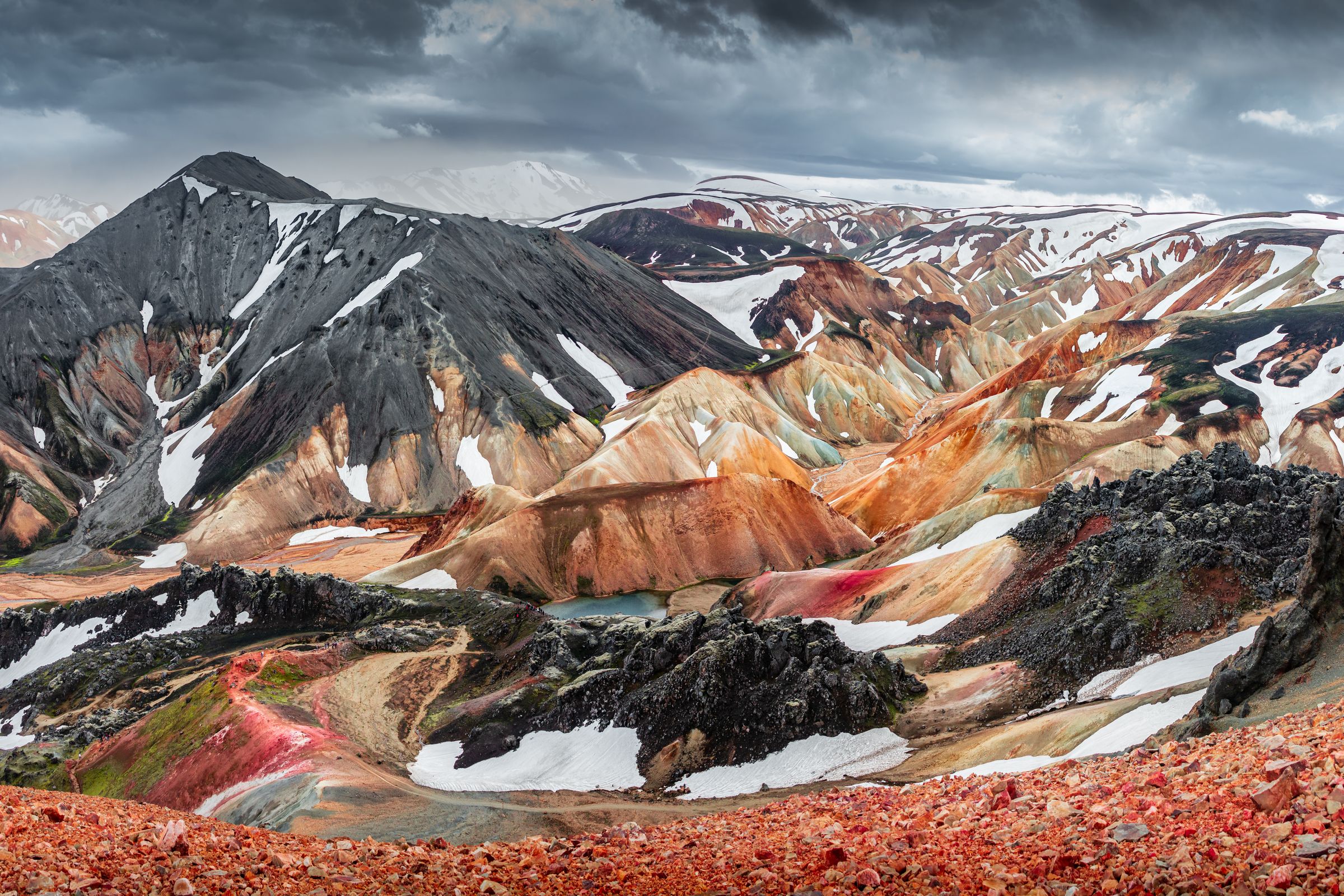
Landmannalaugar has similar colorful mountains and geothermal features, but it usually gets more visitors. If you enjoy Kerlingarfjöll, this is a great place to add to your list for another trip.
Þórsmörk Valley
Þórsmörk has glaciers, volcanic craters, and great hiking trails, including part of the Laugavegur trek. It’s easier to reach than Kerlingarfjöll but still feels wild.
Essential Tips for Kerlingarfjöll Visitors
- Start early. Even though it’s far less crowded than most Icelandic attractions, the main trails can get busy during peak summer.
- Stay on marked paths and take all your trash with you. The area depends on responsible visitors to stay in good shape.
- Keep a flexible schedule. Weather and road conditions change fast in the highlands, and delays happen.
- If you’re planning longer or more challenging hikes, think about hiring a guide. They know the terrain well and can help keep you safe.
Why Visit Kerlingarfjöll?
Kerlingarfjöll is Iceland at its rawest. In a country where a lot of attractions feel crowded, this place still feels open and untouched. You can stand in a steaming valley with glaciers in the distance and feel like you’ve found something truly special.
It’s a reminder of how alive Iceland’s landscape really is. If you love hiking, photography, or real wilderness, it’s hard to beat this place.
Getting there takes effort, but that’s what keeps it so rewarding. The payoff feels earned.
Conclusion
Kerlingarfjöll has everything people look for in Iceland. Volcanic scenery, natural hot springs, great hiking, and the feeling of being somewhere far from everyday life. The best part is that it stays quiet.
Yes, it takes work to reach it. You need a 4x4, warm layers, and some flexibility with the weather. But that’s exactly why it’s still so special. It’s for travelers who want something real.
Frequently Asked Questions About Kerlingarfjöll