Krauma Spa Travel Guide: A Straightforward Guide to West Iceland’s Geothermal Spot
Krauma is a geothermal spa in West Iceland where you sit in naturally heated water while steam drifts up around you. It’s built right next to one of the strongest hot springs in Europe. Not nearby. Right next to it.
It’s not massive. It’s not flashy. You’re not squeezing in between big tour groups all day. It’s smaller and calmer. The water comes out of the ground at almost boiling temperature, then cools down so you can actually soak in it comfortably.
If you’re driving around West Iceland and want a spa stop that feels grounded and not overly produced, I’d recommend adding Krauma to your route.
Key Takeaways
- Krauma is a geothermal spa in West Iceland, about 1.5 hours from Reykjavík, set right next to a powerful hot spring called Deildartunguhver.
- The water is almost boiling when it comes out of the ground, then cooled with glacial water to fill five hot pools and one cold plunge.
- Entry is around 7,900 ISK, and most people spend about 2 hours moving between pools, saunas, and the relaxation room.
- It’s smaller and quieter than places like the Blue Lagoon, so it feels more calm and less crowded.
- It fits best into a West Iceland day trip, easy to pair with nearby spots like Hraunfossar, Barnafoss, and Reykholt.
What Is Krauma Spa?
Krauma is a geothermal bathing complex that opened in late 2017. It’s located beside Deildartunguhver hot spring near Reykholt in the Borgarfjörður region of West Iceland. From Reykjavík, it’s about 105 km (65 miles) away, which usually means around 1.5 hours in the car.
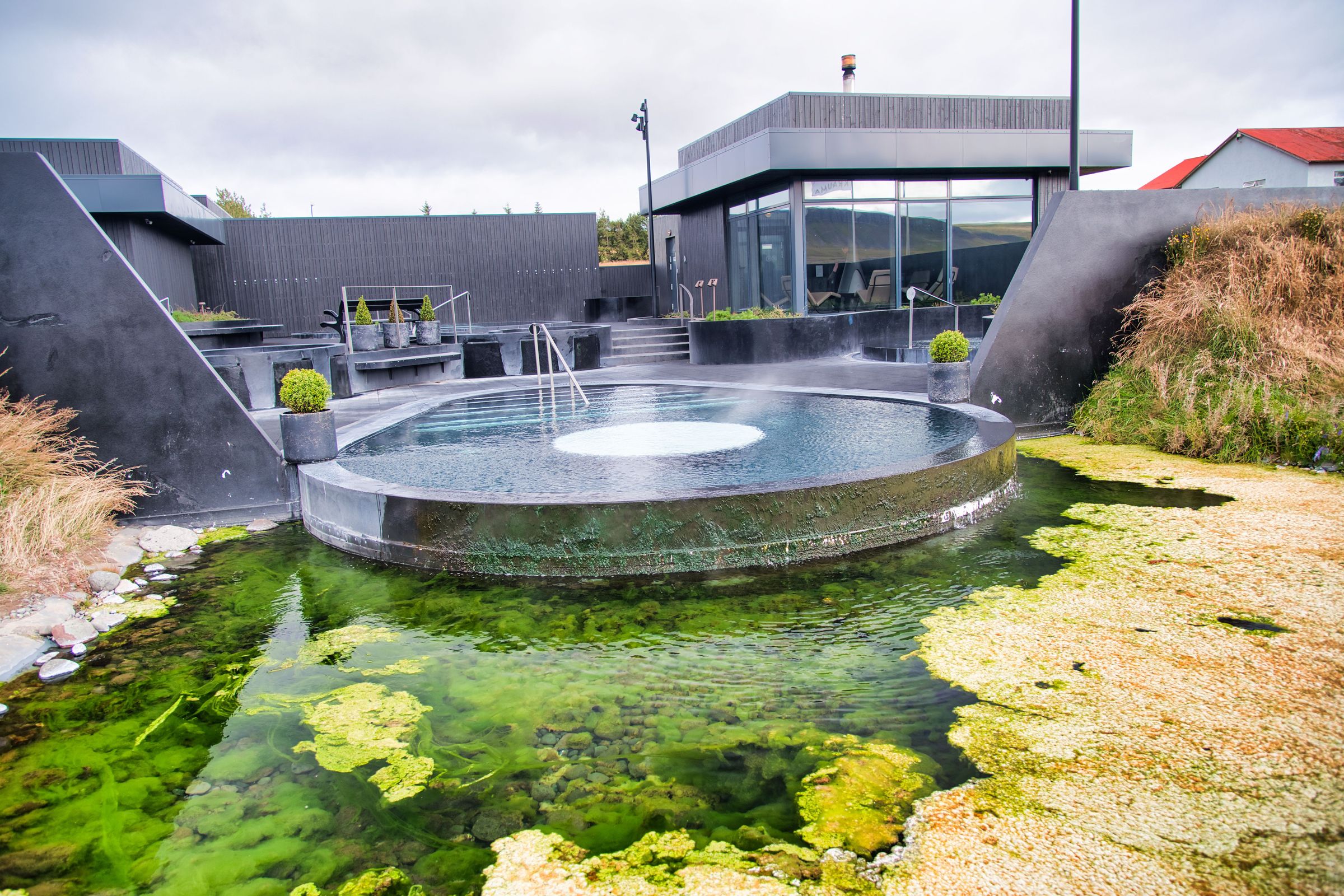
The spa uses water from Deildartunguhver, which produces about 180 liters per second at close to 100°C. That’s far too hot to bathe in, so they mix it with cold glacial water to bring it down to a comfortable range. In total, there are six pools, five warm and one cold. You also get saunas, a steam room, and a relaxation space.
Krauma sits along the Silver Circle route. Think of it as West Iceland’s version of the Golden Circle, just with fewer people and less traffic. It gives you a different side of Iceland than the usual stops.
The design is simple. Lots of volcanic stone and wood. Modern but not overdone. You’re there for the water and the setting, not for luxury spa theatrics.
Essential Visitor Information
Here’s everything practical, in one place.
Location
Krauma is at Deildartunguhver, 320 Reykholt, just off Road 50.
It’s 105 km (65 miles) from Reykjavík and about 35 km (22 miles) from Borgarnes.
Opening Hours
Geothermal baths: 11:00 to 21:00 daily
Restaurant: 11:00 to 21:00 daily
These hours stay the same all year, except for a few holidays:
- December 24: 11:00 to 16:00
- December 25: Closed
- December 31: 11:00 to 16:00
- January 1: Closed
Admission Prices
Prices are in ISK.
- Adults (18+): 7,900 ISK (about $65)
- Teens (13 to 17): 4,160 ISK (about $34)
- Children (0 to 12): 500 ISK (about $4)
- Seniors/Disabled: 6,290 ISK (about $51)
Rentals:
- Towel: 1,400 ISK (about $11,50)
- Swimsuit: 1,400 ISK (about $11,50)
- Bathrobe: 1,800 ISK (about $15)
Passes:
- Annual pass: 74,900 ISK ($612)
- Winter pass: 42,000 ISK ($343)
- Clip card, 10 admission to the geothermal baths: 67,000 ISK ($548)
Prices can change, so I’d recommend double-checking the official website before booking.
Accessibility
Krauma says the facilities are designed to be fully accessible. If you have specific mobility needs, my recommendation is to contact them directly to confirm details like pool lifts or wheelchair-accessible changing areas.
Parking
There’s free parking right on site, including EV charging stations.
Booking
You can book online through Krauma’s website. I’d recommend reserving ahead, especially in summer from June to August and on weekends. They have a 24-hour cancellation policy.

Where Is Krauma Spa, and How Do You Get There?
If you’re driving, it’s easy. If you’re using public transport, it’s possible but takes planning. Krauma is in rural West Iceland, so having your own car makes things much simpler. If I were you, I’d rent a car for this region. Buses run, just not very often.
Driving from Reykjavík
Drive north on the Ring Road (Route 1) toward Borgarnes. After Borgarnes, turn onto Road 50 toward Reykholt. Follow the signs for Deildartunguhver and Krauma. In normal conditions, the drive takes about 1.5 hours.
The roads are paved and maintained year-round. In winter, from November to April, you’ll want proper winter tires, ideally studded. I’d recommend checking road conditions before heading out.
Driving from Borgarnes
From Borgarnes, it’s about 35 km along Road 50. The drive takes roughly 25 minutes and is straightforward.
Public Transport
Public transport works, but you need to line things up carefully.
- Take bus 57 from Reykjavík’s Mjódd terminal to Borgarnes. It takes about 1 to 1.5 hours and costs around 1,500 ISK.
- Transfer to bus 81 toward Reykholt or Kleppjárnsreykir.
- From the closest stop, you’ll probably need a short taxi ride to reach Krauma.
My recommendation is to double-check Strætó schedules in advance since rural routes don’t run as frequently as city lines.
Guided Tours
Some companies offer West Iceland tours that include Krauma. They usually pick you up in Reykjavík, handle the driving, and combine the spa with nearby waterfalls and attractions. A full-day private tour is typically around 50,000 ISK per person.
Seasonal Road Conditions
Winter driving can be challenging. Roads may be icy, and the weather can shift quickly. If you’re visiting in winter, I’d recommend planning extra time and checking the forecast the same day.
Summer driving is easier, but you’ll see more traffic from June through August.
If you’re planning a day trip from Reykjavík, Krauma fits nicely into a Silver Circle loop with waterfalls and historical sites.

What Makes Krauma Different?
Plenty of geothermal spas in Iceland use hot spring water. What makes Krauma stand out is that it’s directly connected to Deildartunguhver. This is not a small local spring. It’s one of the most powerful in Europe and has been heating homes and greenhouses in West Iceland for over 100 years.
Knowing that adds some context to the experience.
Deildartunguhver: Europe’s Most Powerful Hot Spring
Krauma sits right next to Deildartunguhver, which produces about 180 liters of water per second at roughly 97 to 100°C.
Most of the district heating for Borgarnes and Akranes comes from this spring. There’s a 64 km pipeline carrying hot water to Akranes, and it still arrives at around 78 to 80°C. That tells you how much energy is coming out of the ground here.
The spring has been used since the 19th century to heat greenhouses and homes. In the 1920s, it powered Europe’s first geothermal district heating system.
How the Water Is Cooled
The raw water from Deildartunguhver is far too hot for bathing. Krauma mixes it with cold glacial water from Rauðsgil to bring it down to a safe, comfortable temperature.
The warm pools are kept between 37 and 42°C. The cold plunge is between 5 and 10°C. If I were you, I’d try alternating between them at least once to see how your body reacts. Moving between hot and cold is part of the Nordic bathing tradition and is meant to stimulate circulation.
Constant Water Flow
Because the hot spring produces so much water, the pools can be constantly refreshed. There’s no chlorine or chemical disinfectants. The water stays clean through continuous natural flow.
This is common in Icelandic geothermal spas, but having such a strong source next door makes it especially efficient here.
Geothermal Energy
Geothermal energy is renewable, and Krauma runs entirely on it. Since Deildartunguhver already heats homes and businesses across the region, the spa is simply another part of West Iceland’s geothermal system.

The Spa Experience: Pools, Saunas, and Relaxation
The idea here is not to sit in one pool the whole time. You move between warm water, cold water, steam, and dry heat. Everything is close together, so it’s easy to try different combinations without thinking too much about it.
Five Warm Pools
There are five outdoor geothermal pools, each slightly different in temperature within the 37 to 42°C range. Some are deeper for soaking fully, others are shallower and better for sitting back and relaxing.
Depths range from about 0.5 to 1.5 meters, so you can choose what feels comfortable. If it’s cold outside, you’ll see steam rising off the surface. It’s quiet out there, mostly open landscape around you.
One Cold Plunge
The cold pool sits between 5 and 10°C. It’s cold. There’s no easing into that fact.
The idea is to move from hot to cold and back again. It’s meant to boost circulation and wake you up a bit. If you’ve never done a cold plunge before, I’d recommend going slowly. Step in, focus on breathing steadily, and stay for 30 seconds to a minute. That’s enough for most people before heading back to a warm pool.
Steam Bath
The steam room is powered by geothermal water sprayed under the benches. It’s simple and direct.
The temperature stays around 45°C with high humidity. It’s not as intense as a very hot sauna, but it feels good after being in the pools. It’s more about sitting in thick, warm air and letting your body loosen up.
Two Saunas
There are two dry saunas with different heat levels:
- Finnish-style sauna: 80 to 90°C
- Milder sauna: 60 to 70°C
The Finnish sauna is strong and heats you up quickly. You’ll sweat within minutes. If I were you and new to saunas, I’d start with the milder one first and see how you feel.
Infrared Cabin
The infrared cabin runs between 35 and 55°C. Instead of heating the air as much, it uses infrared heat that warms your body more directly.
It’s gentler than the traditional saunas. You don’t get that blast of heat. It’s more of a steady warmth that some people find easier on the body, especially if they’re there for muscle relaxation.
Relaxation Room
After going between hot and cold, the relaxation room gives you space to slow down. There’s soft seating, low lighting, a fireplace, and quiet background music.
I’d recommend sitting here for at least 10 to 15 minutes before leaving. If you rush straight from the pools to the changing room, you skip the part where your body actually settles.
Changing Rooms
The changing rooms have lockers for everyone, showers with free shampoo, conditioner, and body lotion, plus hairdryers.
You’re required to shower thoroughly without your swimsuit before entering the pools. That’s standard in Iceland. The pools aren’t chlorinated, so proper washing is how they stay clean. There are private shower stalls if you prefer privacy, but the rule still applies.

Krauma Restaurant
There’s a restaurant on site serving Icelandic food made with local ingredients. You don’t have to eat there, but it’s very convenient if you’re hungry after the spa. If I were you, I’d at least look at the menu ahead of time and see if it fits your plans.
The menu usually includes dishes like lamb stew, arctic char, skyr desserts, and vegetarian options. Main dishes are typically between 2,500 and 6,000 ISK, which is about $18 to $44. Lighter options like soup and sandwiches are on the lower end of that range.
There are around 70 indoor seats and another 70 on the outdoor terrace. In summer, I’d recommend sitting outside if the weather cooperates. You get views toward the geothermal area, and it’s a relaxed setting.
You can book a table online. My recommendation is to reserve if you’re visiting during peak hours or coming with a group.

Krauma vs Other Iceland Spas
Iceland has several geothermal spas, and each one has a different feel. Krauma sits somewhere in the middle. It’s more built-up than the rustic pools, but much smaller and calmer than the large, heavily marketed ones.
Blue Lagoon
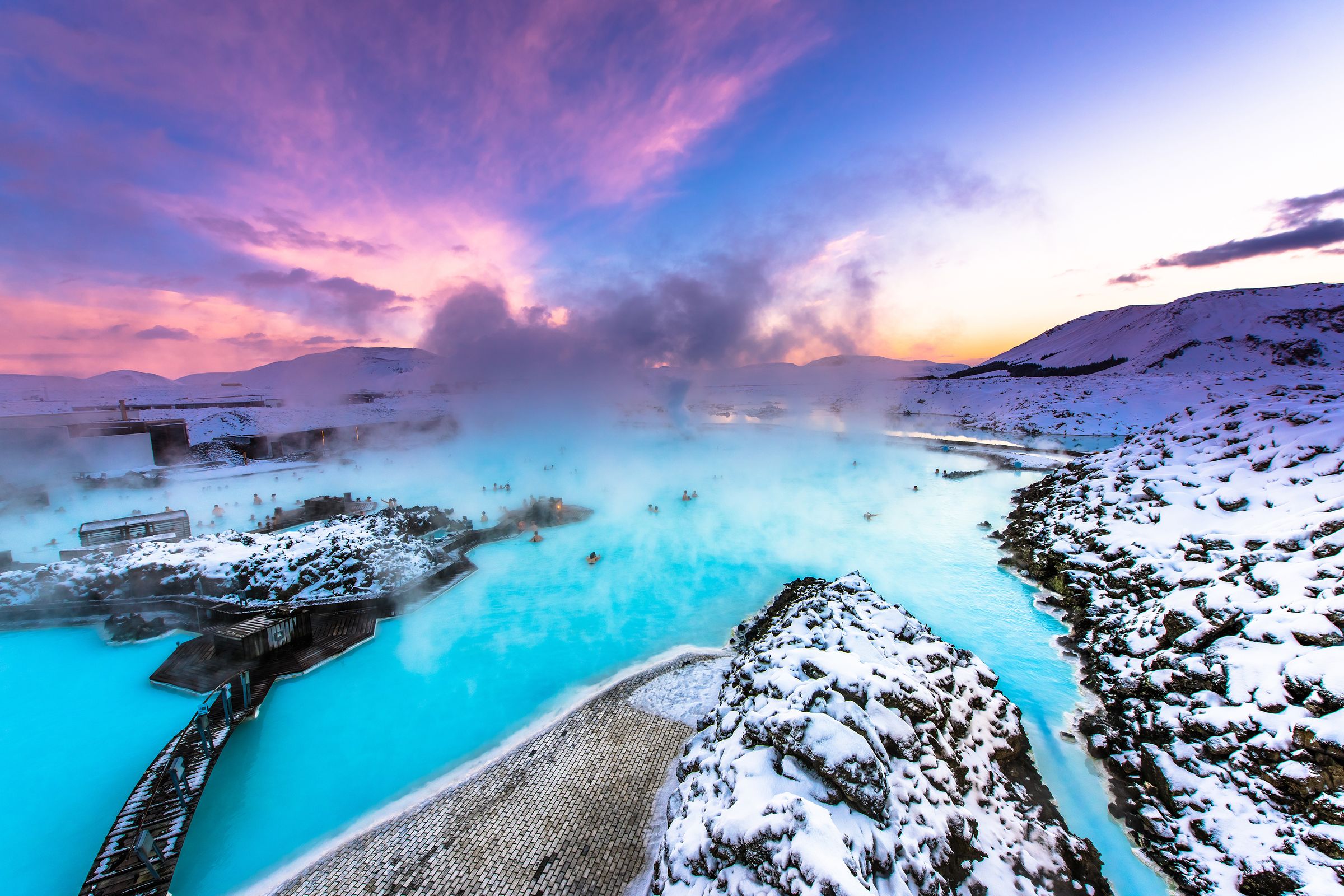
The Blue Lagoon is the most famous spa in Iceland. It’s located on the Reykjanes Peninsula near Keflavík Airport. It’s large, highly promoted, and more expensive. Entry usually starts around 9,000 ISK and can increase significantly depending on the package.
Krauma is smaller, quieter, and less commercial. You won’t find in-water bars or luxury treatment add-ons. You also won’t be surrounded by tour buses. If I had to choose between big-scale and low-key, I’d recommend Krauma for a calmer experience.
Sky Lagoon
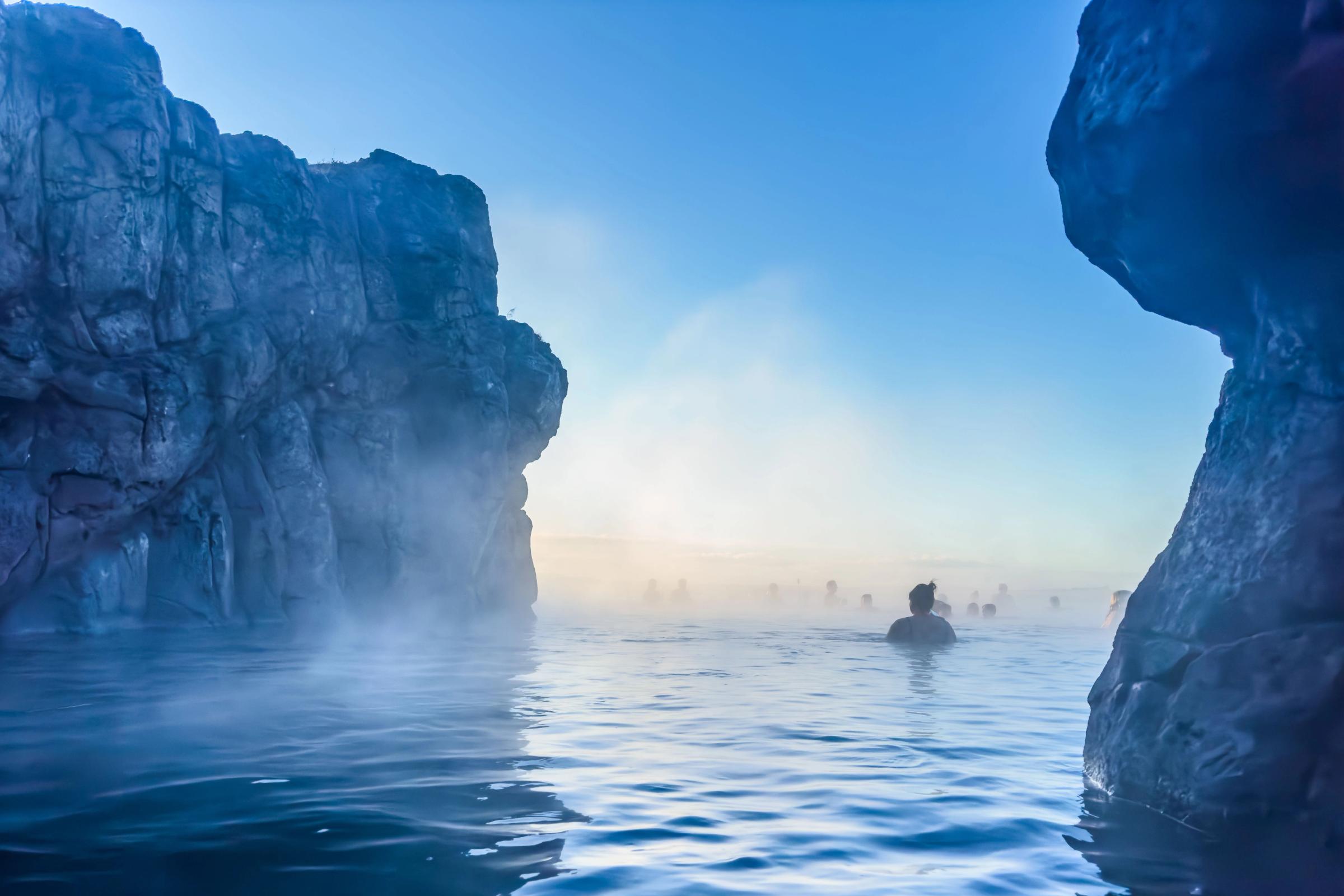
Sky Lagoon is in Reykjavík, which makes it very convenient if you’re staying in the city. It has an infinity-edge pool overlooking the ocean and a structured seven-step ritual that includes sauna, scrub, and steam.
Krauma doesn’t offer ocean views or a fixed ritual process. What it does offer is a direct connection to Deildartunguhver right next door. If you care about the geothermal source itself, Krauma feels more tied to the landscape.
Secret Lagoon
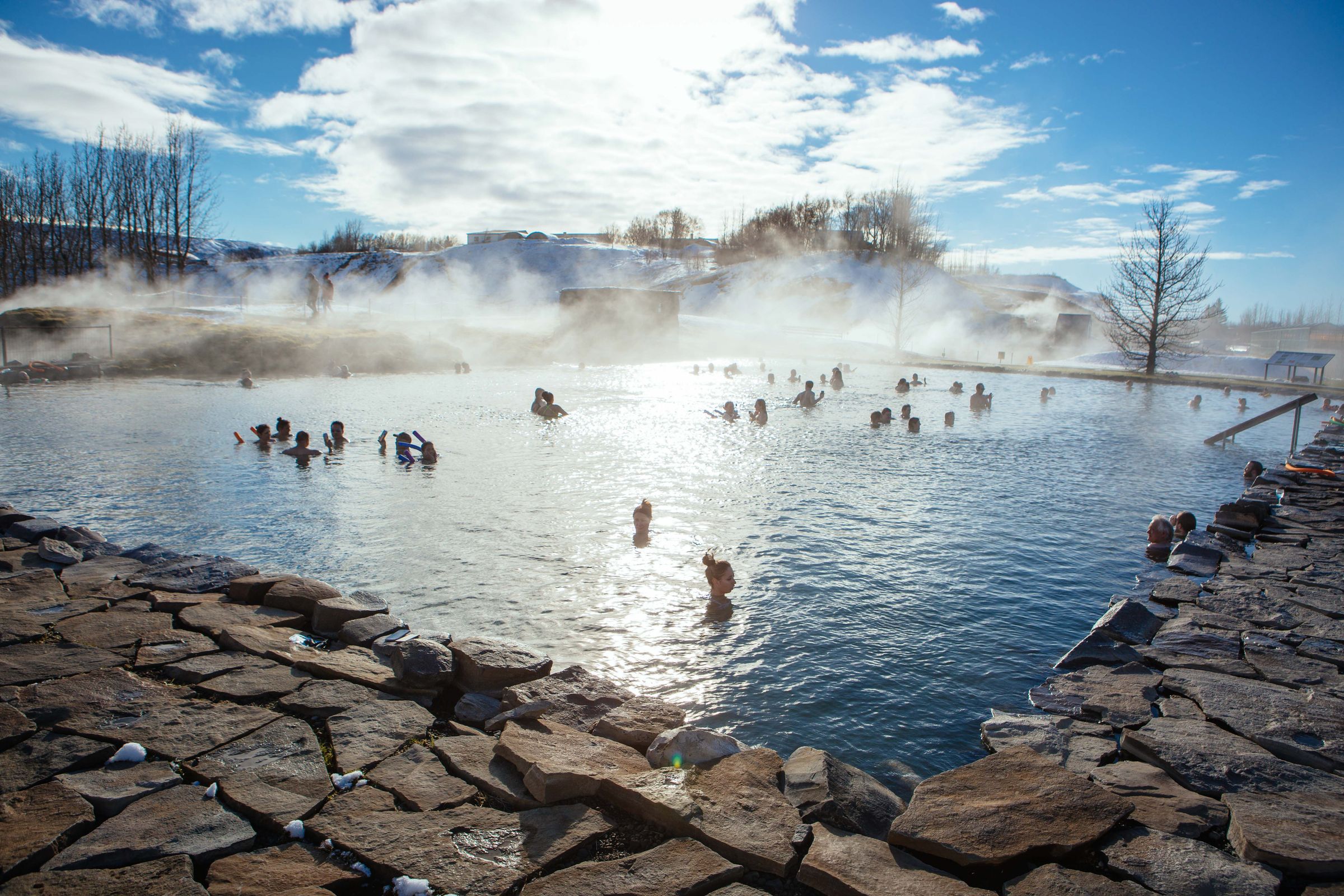
The Secret Lagoon in Flúðir is closer to the Golden Circle. It’s simpler and more natural in feel, with one main pool and fewer facilities.
Krauma has more variety. Multiple pools, two saunas, a steam room, an infrared cabin, and a restaurant. If I were you and wanted a full spa circuit, I’d pick Krauma over a single-pool soak.
Earth Lagoon Mývatn
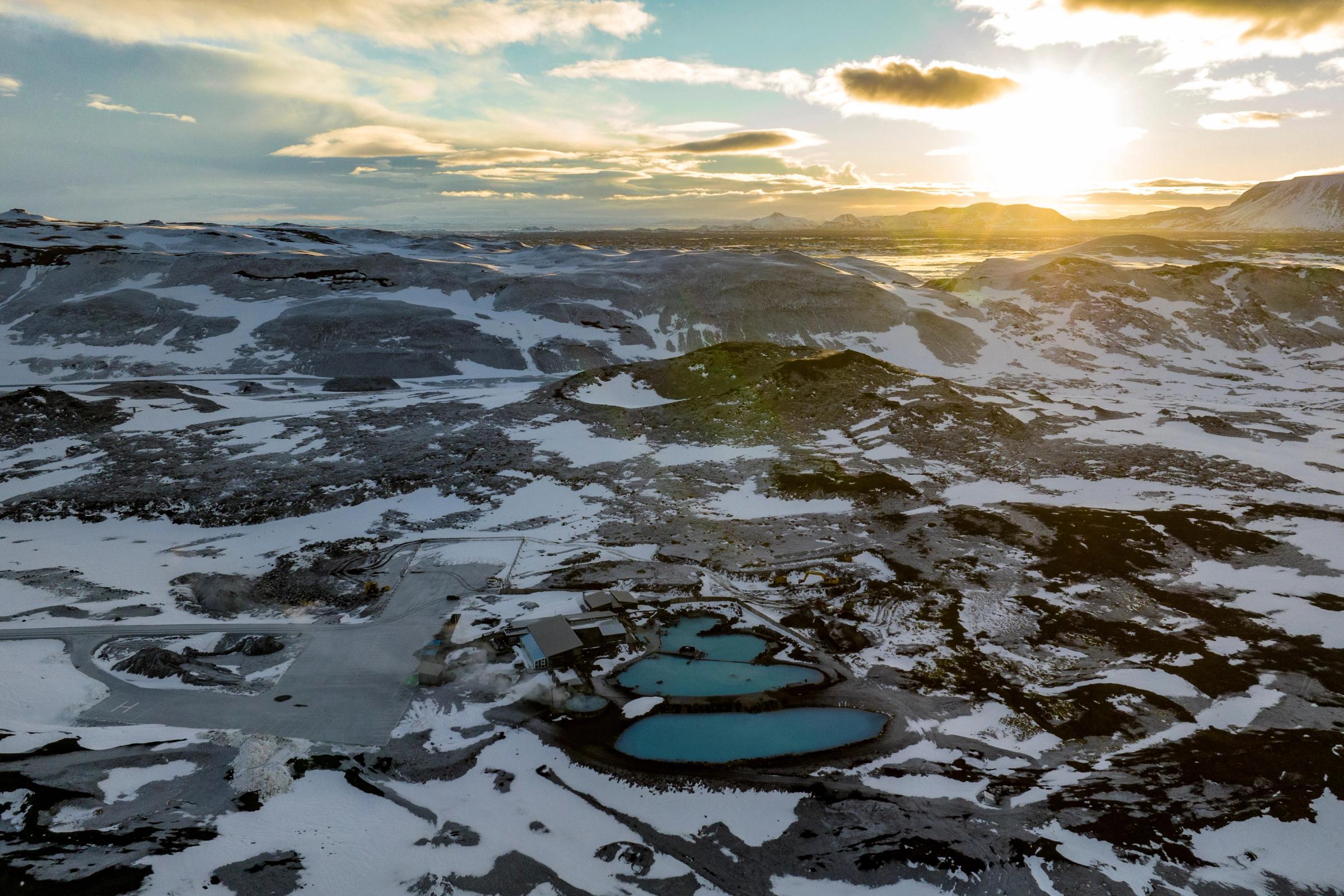
Earth Lagoon Mývatn in North Iceland and are often compared to the Blue Lagoon. Because of their remote location, they tend to be less crowded.
If you’re already exploring West Iceland, Krauma makes much more sense geographically. Mývatn is a better choice if you’re driving the entire Ring Road.
Best Time to Visit Krauma Spa
The season you choose really changes the experience. Crowd levels, road conditions, and what the landscape looks like all depend on timing.
Summer (June to August)
Summer means long daylight hours and easier driving. You can combine Krauma with waterfalls or short hikes without worrying about road conditions.
It’s also peak tourist season. Expect more visitors, especially midday. I’d recommend booking in advance during these months.
Winter (November to March)
Winter feels completely different. Sitting in hot water while there’s snow around you is a unique experience. There’s also the possibility of seeing the Northern Lights if the sky is clear and aurora activity is strong.
Roads can be icy, so drive carefully and check conditions. If I were visiting in winter, I’d plan extra time for driving and keep an eye on the weather forecast the same day.
The upside is that the spa is usually less crowded in winter.
Shoulder Season (April to May, September to October)
Spring and fall sit in the middle. Fewer tourists than summer and generally easier conditions than deep winter.
September and October are especially good if you’re hoping for Northern Lights without the harshest winter driving. My recommendation is to aim for these months if your schedule allows.
Peak vs Quiet Hours
Krauma opens at 11:00. The earlier window from 11:00 to 13:00 is often quieter. Evenings between 18:00 and 21:00 tend to be busier, especially on weekends.
If I were you and wanted a quieter soak, I’d go on a weekday morning.


Nearby Attractions to Combine with Krauma
Krauma works best as part of a broader West Iceland day. Several key spots along the Silver Circle are within 20 to 30 minutes, so you can easily combine them.
Deildartunguhver Hot Spring
Deildartunguhver is right next to Krauma. There’s a free viewing platform where you can see the water boiling and steaming.
There are informational signs explaining how the geothermal system works and how the water is used for district heating. I’d recommend stopping here either before or after your spa session since it’s literally steps away.

Hraunfossar and Barnafoss Waterfalls
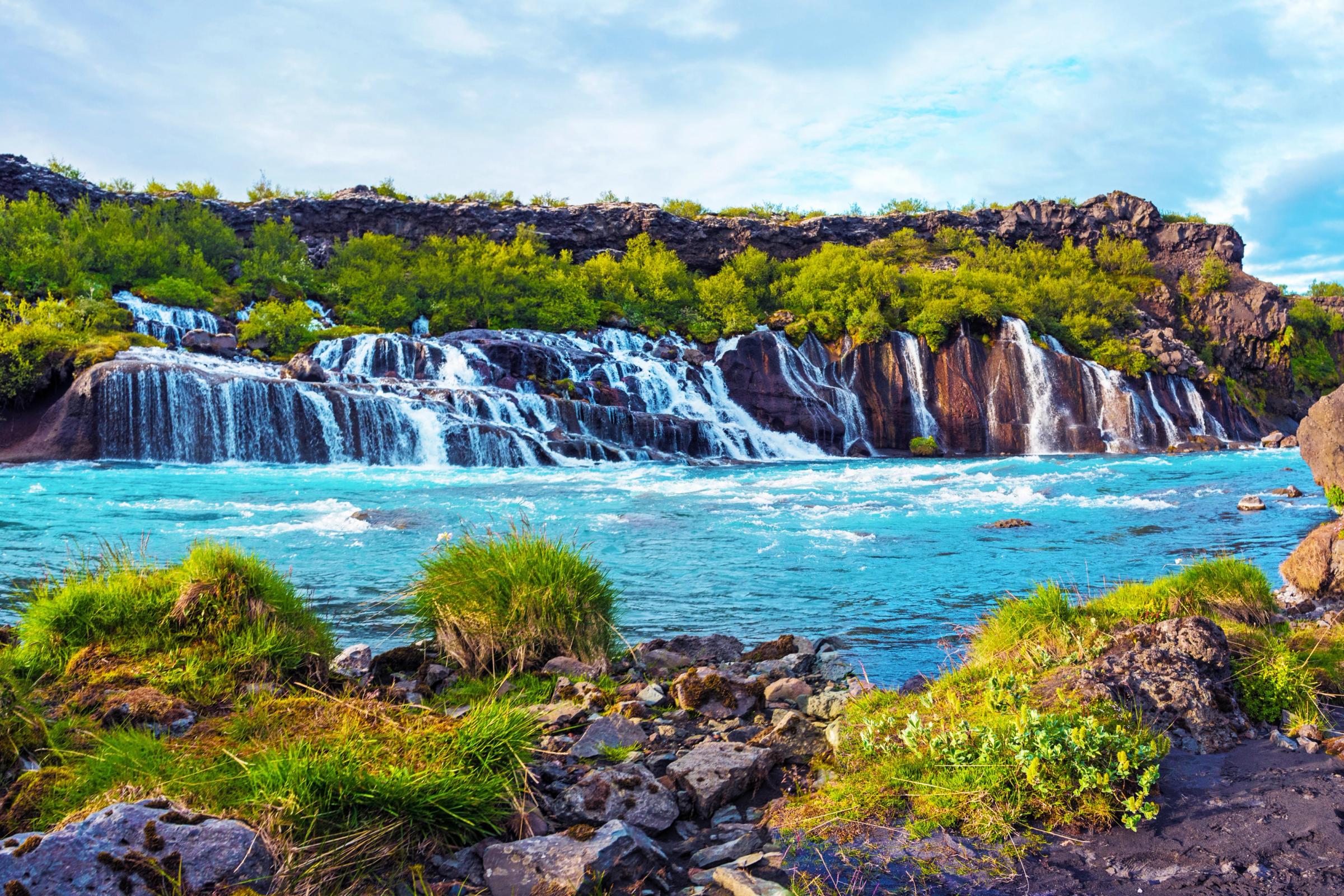
About 20 minutes away by car, these waterfalls are well worth a visit. Hraunfossar is a series of small cascades flowing out from beneath a lava field. Barnafoss is stronger and cuts through a narrow rocky channel.
There’s a simple 1 km walking loop connecting both. Plan for about 30 to 45 minutes.
Reykholt Historical Site
Reykholt is about 7 km from Krauma. It was home to Snorri Sturluson, a medieval Icelandic historian and author of sagas.
The Snorrastofa museum focuses on Viking literature and Icelandic history. If you’re interested in history, I’d recommend adding this stop.

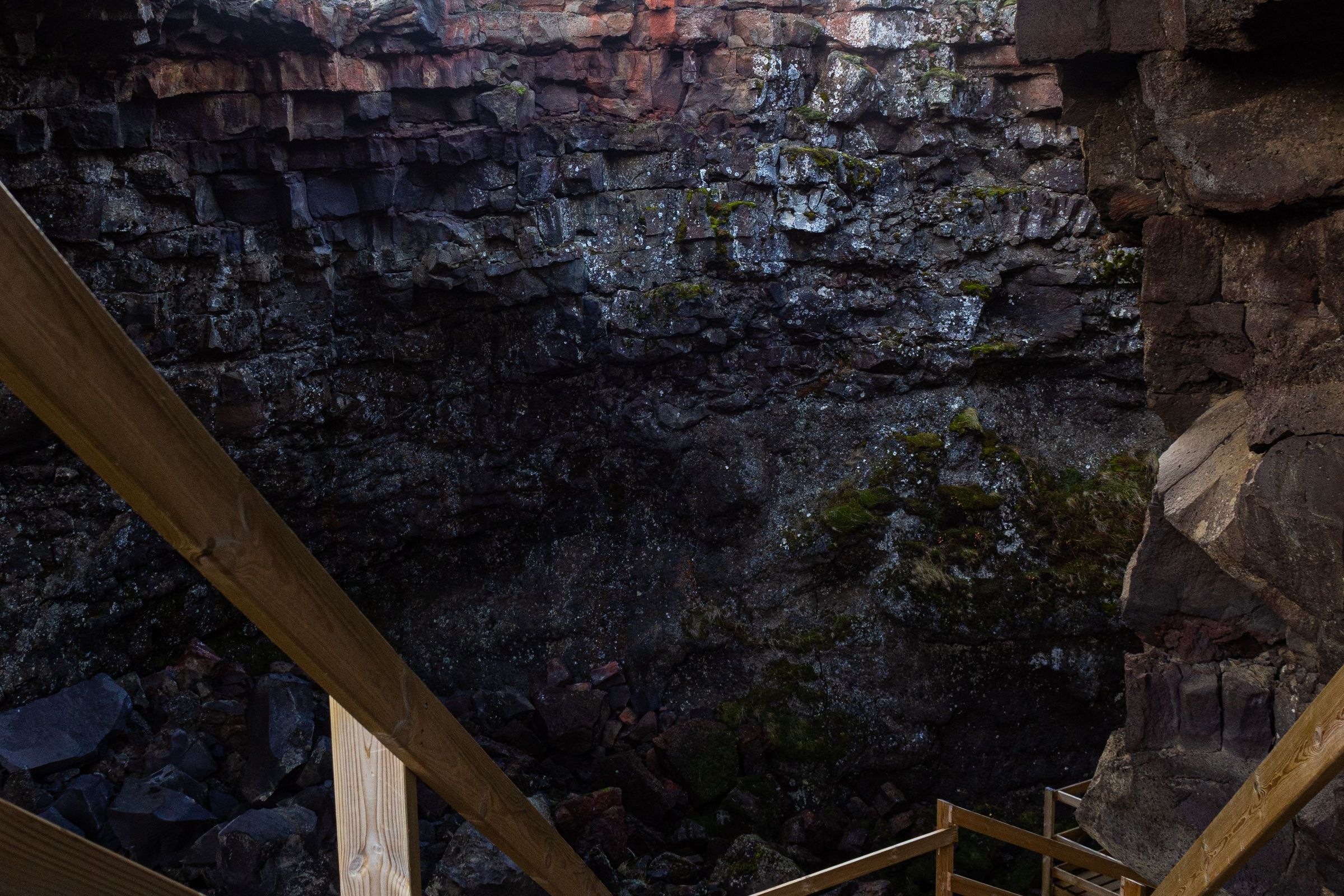
Víðgelmir Lava Cave
Roughly 20 minutes from Krauma, Víðgelmir is one of Iceland’s largest lava tubes at 1,585 meters long. Inside, you’ll see different rock formations and colors.
You need a guided tour to enter. It costs around 6,900 ISK and lasts about an hour. Helmets and headlamps are included. If you enjoy geology or caves, my recommendation is to book this in advance.
Húsafell
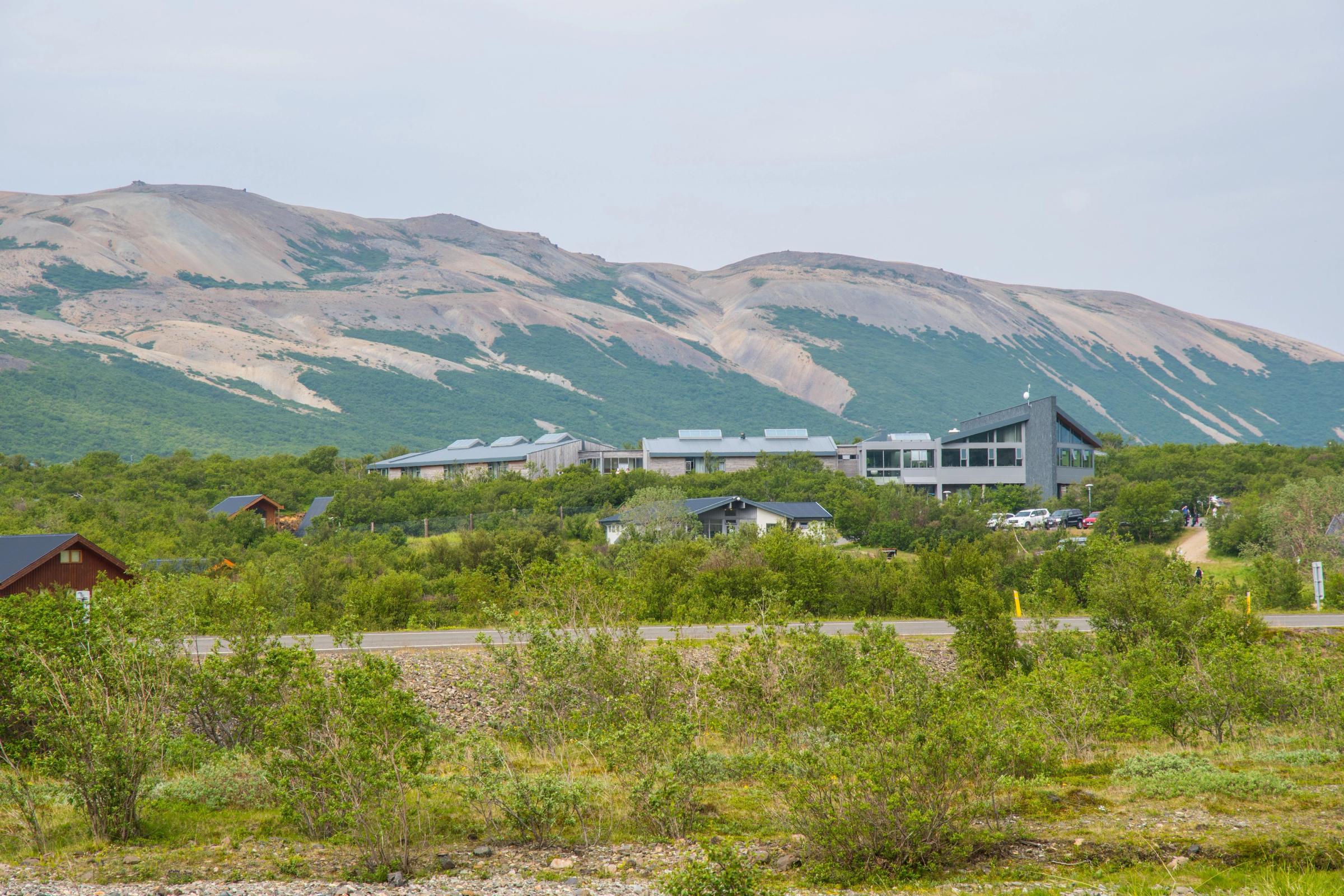
Húsafell is about 25 minutes away. It’s known as a base for glacier tours to Langjökull. The Into the Glacier tunnel tour costs around 20,600 ISK.
There are also Canyon Baths nearby and a few artist studios. If I were planning a full day, I’d combine Krauma with one of the glacier or cave experiences.
Practical Tips Before You Go
Here’s some useful information to know in advance.
Icelandic Shower Rules
You must shower thoroughly without your swimsuit before entering the pools. This is standard across Iceland. Because the pools aren’t chlorinated, proper washing keeps the water clean.
There are private shower stalls if you prefer, but the rule still applies.
What to Bring
- Swimsuit, or rent one for 1,400 ISK
- Towel, or rent one for 1,400 ISK
- Flip-flops for walking between pools
- Reusable water bottle
- Waterproof jacket if the weather looks wet or windy
It’s best to leave jewelry at home. Sulfur in the water can tarnish it.
How Long to Stay
Plan for about two hours in the spa. That gives you time to try the pools, saunas, and relaxation room without rushing.
If I were you, I’d avoid booking something immediately afterward so you’re not watching the clock.
If you’re eating at the restaurant, add another hour.
Photography
Photos are generally allowed, but be respectful of other guests. Don’t take pictures of people without permission.
Steam rising off the pools with the landscape behind them often makes for good photos, especially later in the day or in winter when there’s snow.
Age Policies
Children are welcome, but they must be supervised at all times. The cold plunge can be intense for very young kids, so use common sense.
Payment
Krauma accepts credit cards like Visa and Mastercard. You don’t need cash, though having some ISK on hand for small purchases can be useful.
When to Book Ahead
Book online if you’re visiting between June and August, on weekends, or during holidays. Walk-ins might work on quiet weekdays, but during peak season I’d recommend reserving in advance to be safe.
Is Krauma Spa Worth It?
It really depends on what you’re looking for. Krauma isn’t trying to be the biggest or most famous spa in Iceland. It’s smaller, quieter, and more focused on the geothermal side of things.
For Couples
If you want a calm place to spend a few hours together, Krauma works well. It’s quieter than the Blue Lagoon and generally less expensive.
You can move between pools, sit in the sauna, then relax by the fireplace without feeling rushed. If I were planning a relaxed afternoon as a couple, I’d recommend this over a larger spa.
For Families
Families can visit without issue. The child admission price is 450 ISK, which keeps it affordable even for bigger groups.
That said, it’s better suited to older children who can handle temperature changes and follow spa rules. Very young kids may not enjoy the cold plunge.
For Solo Travelers
Going alone is completely fine. It’s not a social spa where everyone chats, but it’s comfortable and well organized.
If you’re driving through West Iceland on your own, I’d recommend adding Krauma as a break between sightseeing stops.
Compared to Blue Lagoon
Krauma is cheaper, smaller, and less crowded. You won’t find in-water bars or large spa packages. You also won’t be paying 15,000 ISK or more for entry.
If I had to choose for a more relaxed and straightforward geothermal experience, my recommendation would be Krauma.
As Part of a Silver Circle Itinerary
This is where Krauma fits best. Combine it with Hraunfossar, Barnafoss, Reykholt, and maybe Víðgelmir for a full West Iceland day.
It breaks up driving and sightseeing with a few hours in warm water. If I were mapping out the day, I’d place the spa either mid-afternoon or at the end.

Conclusion
Krauma is a geothermal spa built around Deildartunguhver, one of Europe’s most powerful hot springs. It’s smaller and quieter than Iceland’s biggest spa attractions, and it sits right along the Silver Circle in West Iceland.
If you’re driving through the region and want to spend a few hours soaking in mineral-rich water without dealing with large crowds or high-end spa pricing, I’d recommend Krauma. It’s simple, well run, and closely connected to the geothermal landscape around it.
Frequently Asked Questions About Krauma Spa