Earth Lagoon Mývatn Travel Guide: Your Complete Guide to North Iceland's Geothermal Paradise
If you want to sit in hot geothermal water in Iceland without dealing with huge crowds, Earth Lagoon Mývatn is a great choice. It’s in North Iceland, surrounded by volcanic scenery, and it gives you the same kind of soaking experience people travel for at the Blue Lagoon. The difference is fewer people, lower prices, and a setting that feels a lot more raw and untouched.
Important note (February 2026): Earth Lagoon Mývatn is currently closed for big renovations. They’re rebuilding the place and adding new facilities, and they plan to reopen in spring 2026. Before you plan your trip, check their website at earthlagoon.is. You really don’t want to drive all that way just to find out it’s still closed.
What is the Earth Lagoon Mývatn?
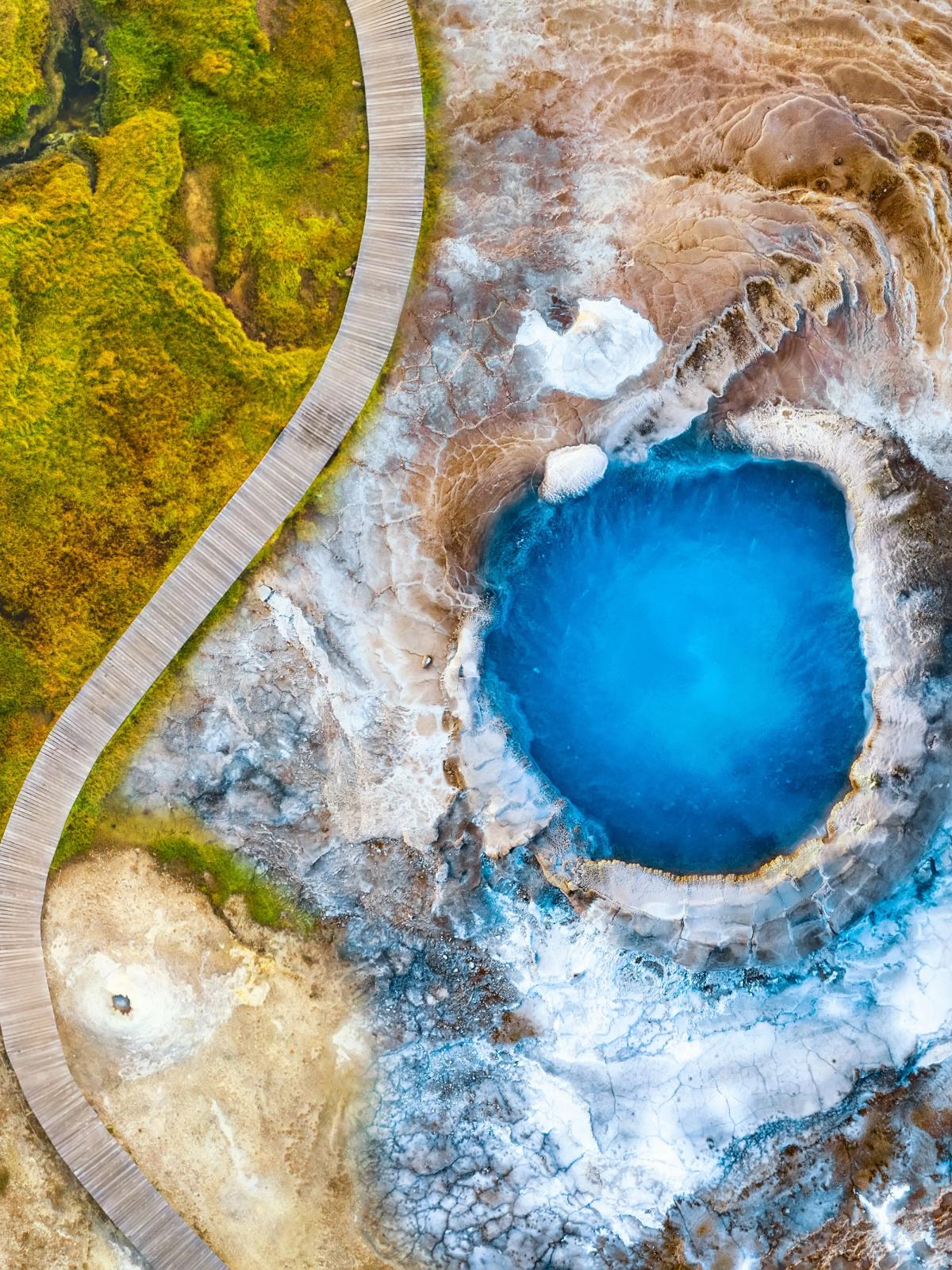
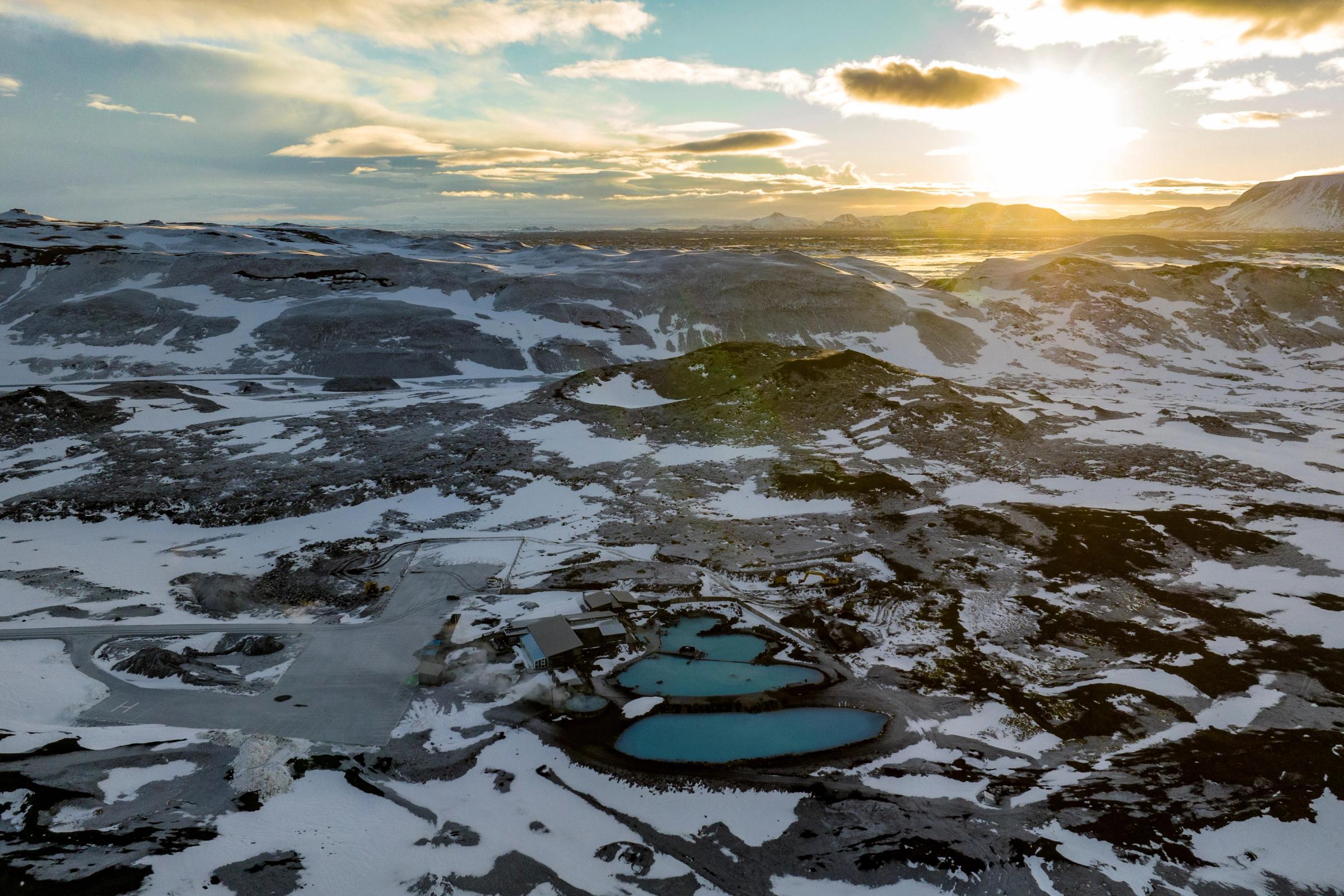
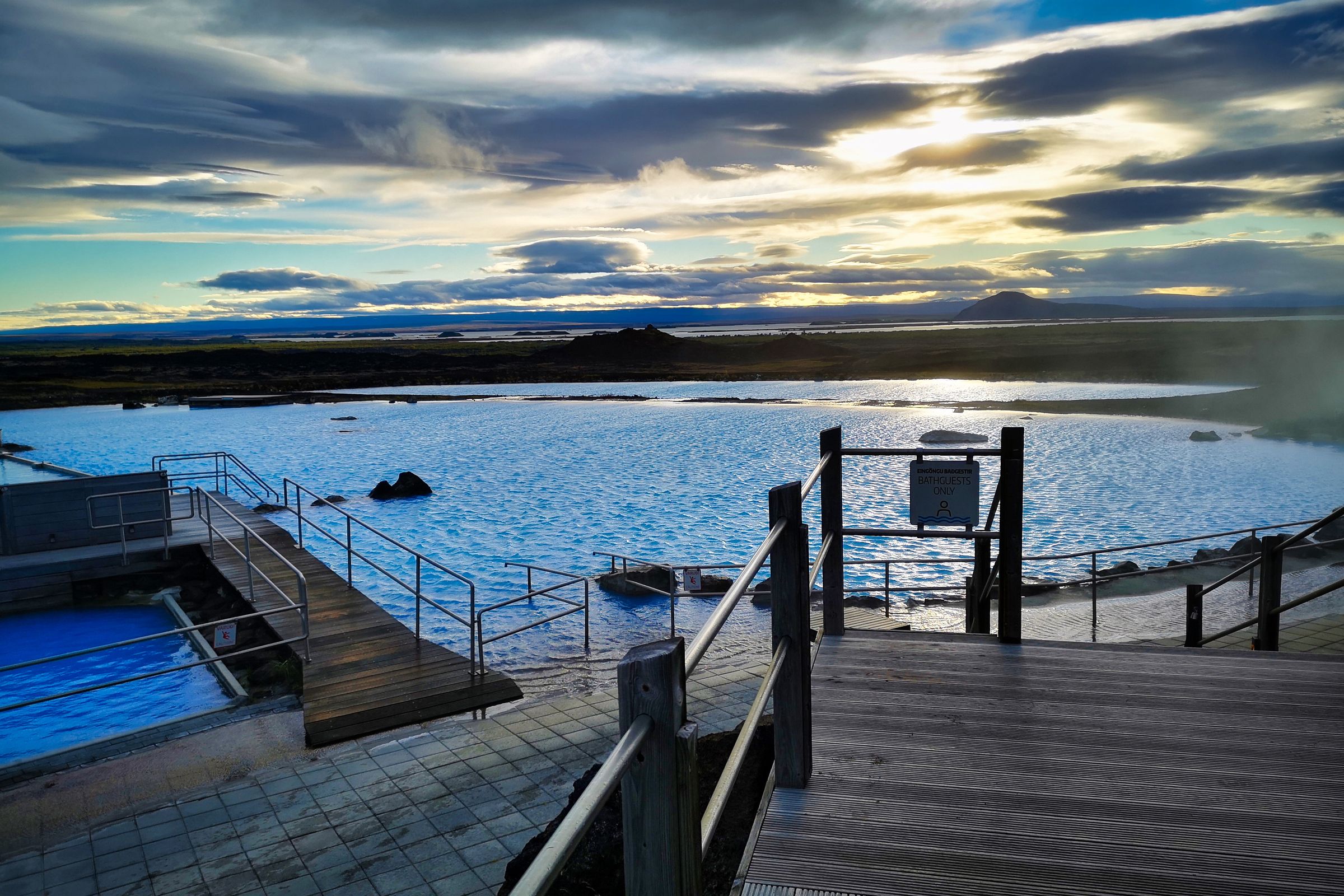
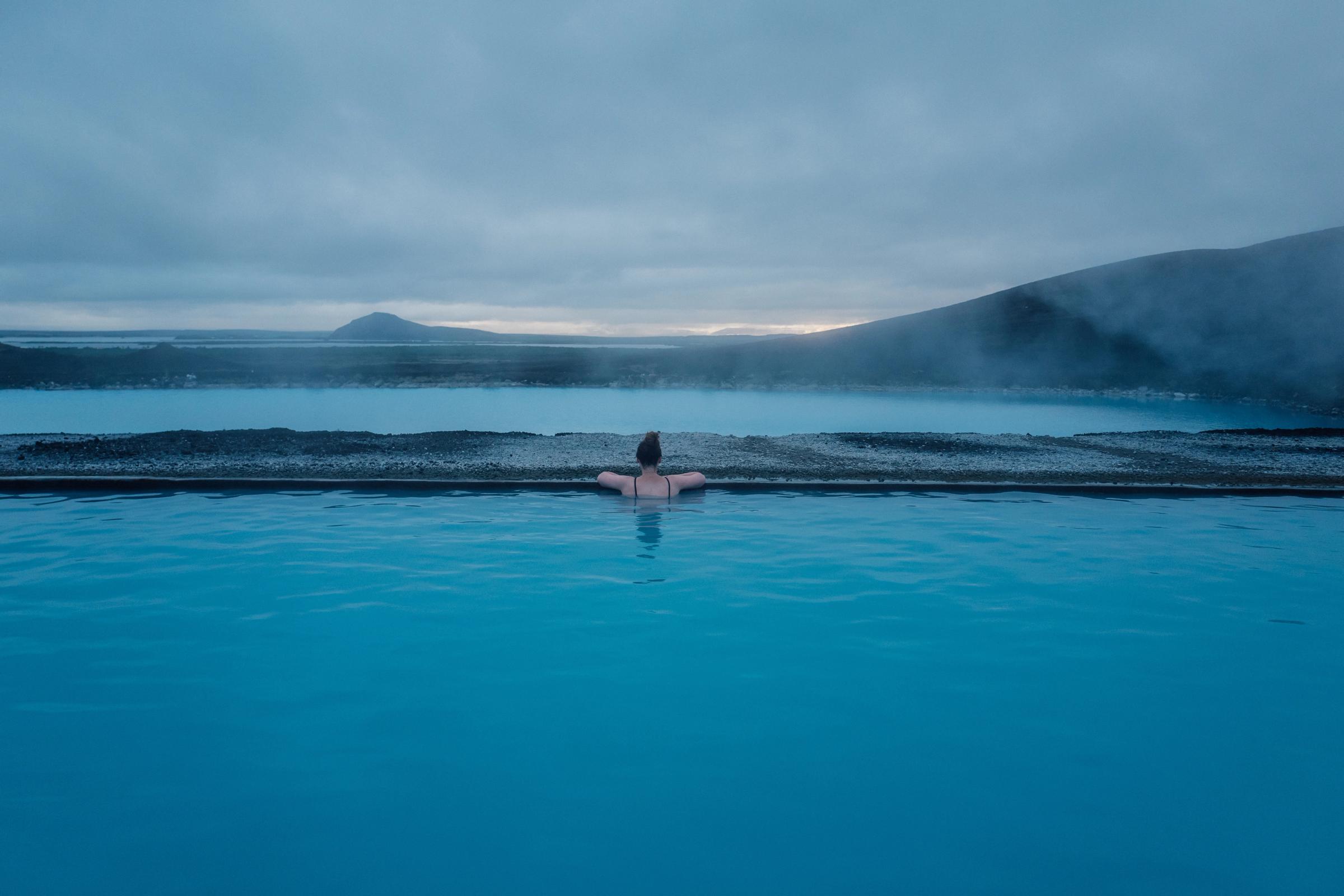
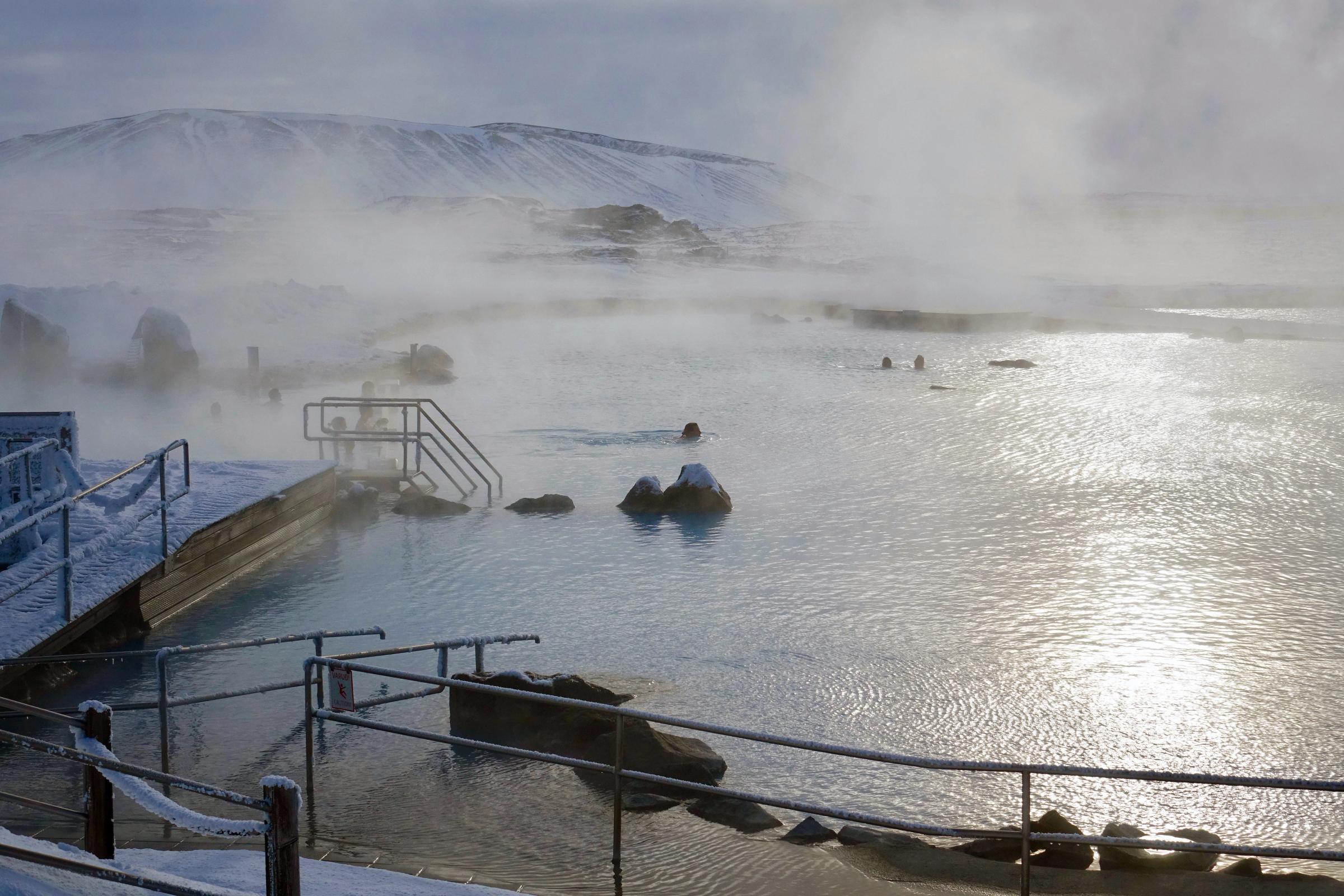
Earth Lagoon Mývatn is a geothermal bathing spot built right into one of Iceland’s most active volcanic areas. The main draw is a large outdoor lagoon filled with naturally hot, mineral-rich water. There are also natural steam rooms and basic but modern facilities. All of it sits next to Lake Mývatn, with lava fields and volcanic land stretching out around you.
You might still hear people call it Mývatn Nature Baths. That was the old name. In Icelandic, it’s Jarðböðin við Mývatn. The name changed to Earth Lagoon Mývatn in 2025 when they announced a full renovation. The new name fits better since the whole place is powered by heat straight from the earth.
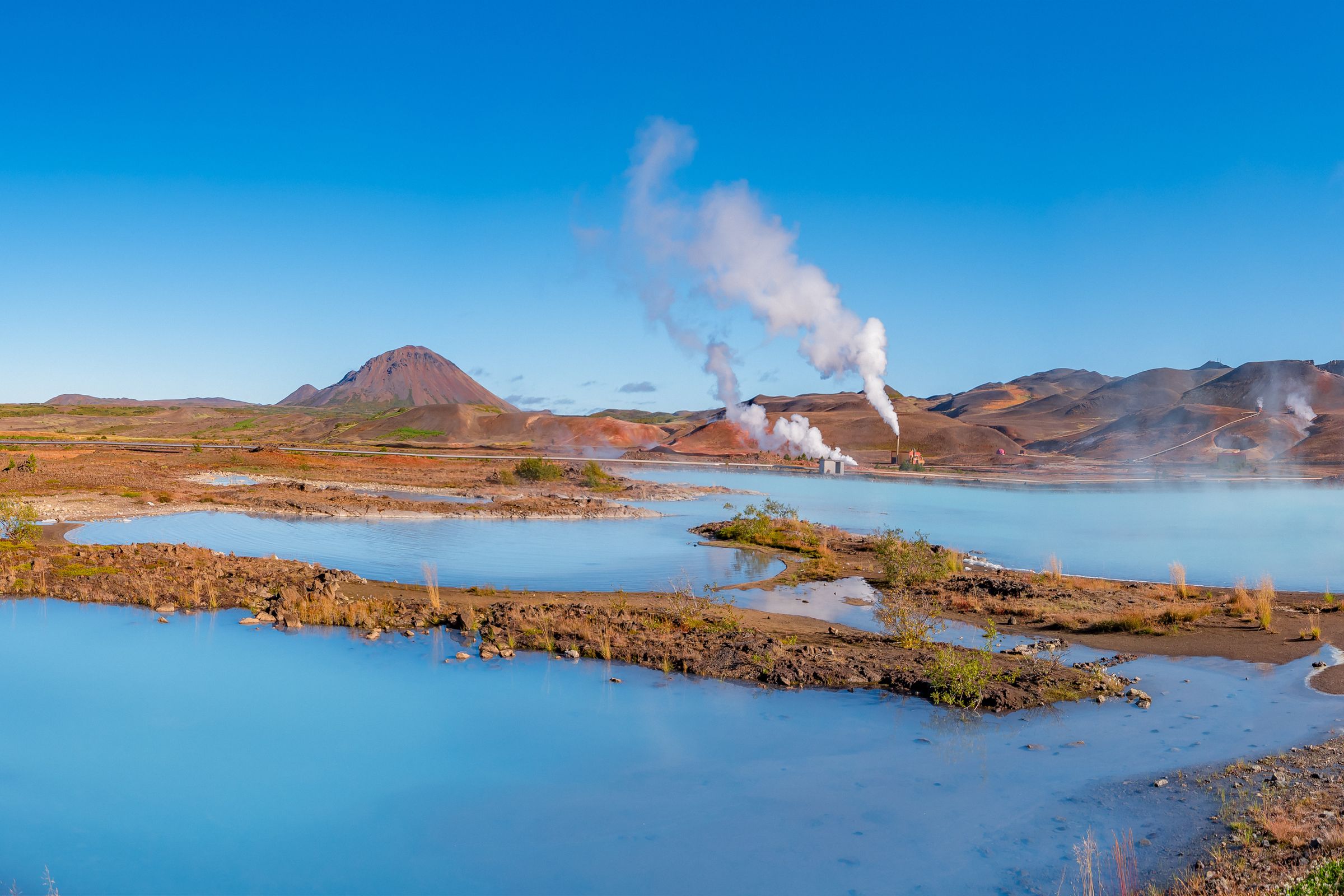
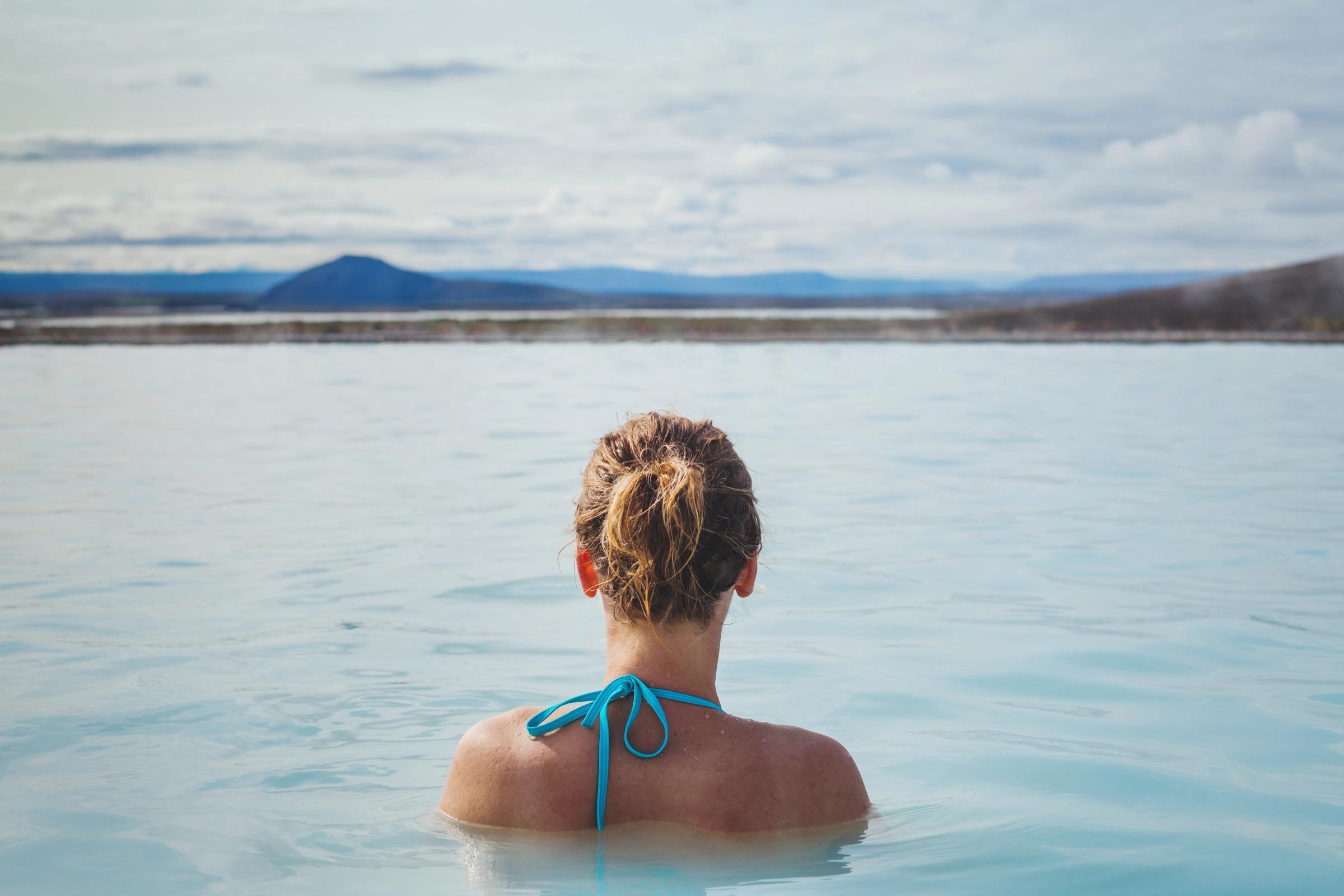
This isn’t a luxury spa with fancy design and mood lighting. Earth Lagoon keeps things simple and quiet. The water has a cloudy blue color and stays between 36 and 40°C all year because it’s heated deep underground. The water naturally contains silica, sulfur, and other minerals, so there’s no chlorine added.
What people usually notice right away is how natural it feels. You get clean changing rooms, showers, and a café, but the focus is really on the water, the heat, and the landscape around you.
Where Are the Earth Lagoon Mývatn and How Do You Get There?
Earth Lagoon is located at Jarðbaðshólar on the northeast side of Lake Mývatn. It’s part of North Iceland’s Diamond Circle route and is easy to reach from the Ring Road.
It’s about 105 kilometers east of Akureyri, the largest town in North Iceland, and roughly 500 kilometers from Reykjavík. If you’re coming from Húsavík, which is known for whale watching, it’s about 55 kilometers south.
Getting There by Car
Driving is the easiest and most flexible option. From Akureyri, you take the Ring Road (Route 1) east for around an hour and a half. The drive itself is really scenic, with lava fields and volcanic landscapes along the way. The lagoon sits just off the main road and is clearly marked.
From Reykjavík, the drive takes about 6 to 7 hours. Most people break it up with stops, usually at Goðafoss waterfall. If you’re visiting in winter, a 4x4 is a good idea. Always check road.is before you leave since weather and road conditions can change quickly.
Public Transportation Options
Public transport is limited but doable in summer. Strætó runs buses between Akureyri and Reykjahlíð. Reykjahlíð is about 3 kilometers from the lagoon. From there, you can take a taxi or walk if the weather is decent.
Tour Options
Many tour companies include Earth Lagoon as part of their North Iceland tours. Day tours from Akureyri often pair the lagoon with nearby stops like Dimmuborgir lava formations and the Hverir geothermal area. Longer tours from Reykjavík usually include it as part of the full Diamond Circle route.
If you’re arriving in Akureyri on a cruise ship, shore excursions to Earth Lagoon are common and work well if you’re short on time.

Why There Are Geothermal Baths at Lake Mývatn
The reason Earth Lagoon exists here is pretty simple. Iceland sits right on top of two huge tectonic plates that are slowly pulling apart.
Volcanic Activity and Geothermal Energy
That movement causes constant volcanic and geothermal activity in the area. Lake Mývatn itself formed about 2,300 years ago when a lava eruption blocked the land and created a shallow lake full of nutrients.
You can see signs of volcanic power everywhere around the lake. There are massive lava fields, crater-like shapes along the shore, and steam rising from the ground in different spots. The nearby Krafla volcanic system was active in the 1980s and still heats the groundwater that supplies the lagoon today.
Natural Water Sources
The water used at Earth Lagoon comes from deep boreholes drilled up to 2,500 meters underground near the Bjarnarflag geothermal area. The water comes out at around 130°C and is cooled before it reaches the lagoon.
As it moves through layers of volcanic rock, the water picks up minerals like silica, sulfur, and salts. These minerals naturally inhibit bacteria, which is why many people believe the water can help with skin issues like psoriasis and eczema.
What It's Like to Bathe at Earth Lagoon Mývatn
Bathing at Earth Lagoon feels calm and a bit strange at first, in a good way. The water is cloudy blue and feels smooth on your skin because of the silica. You float more than you expect, so it’s easy to relax without really trying.
The Sensory Experience
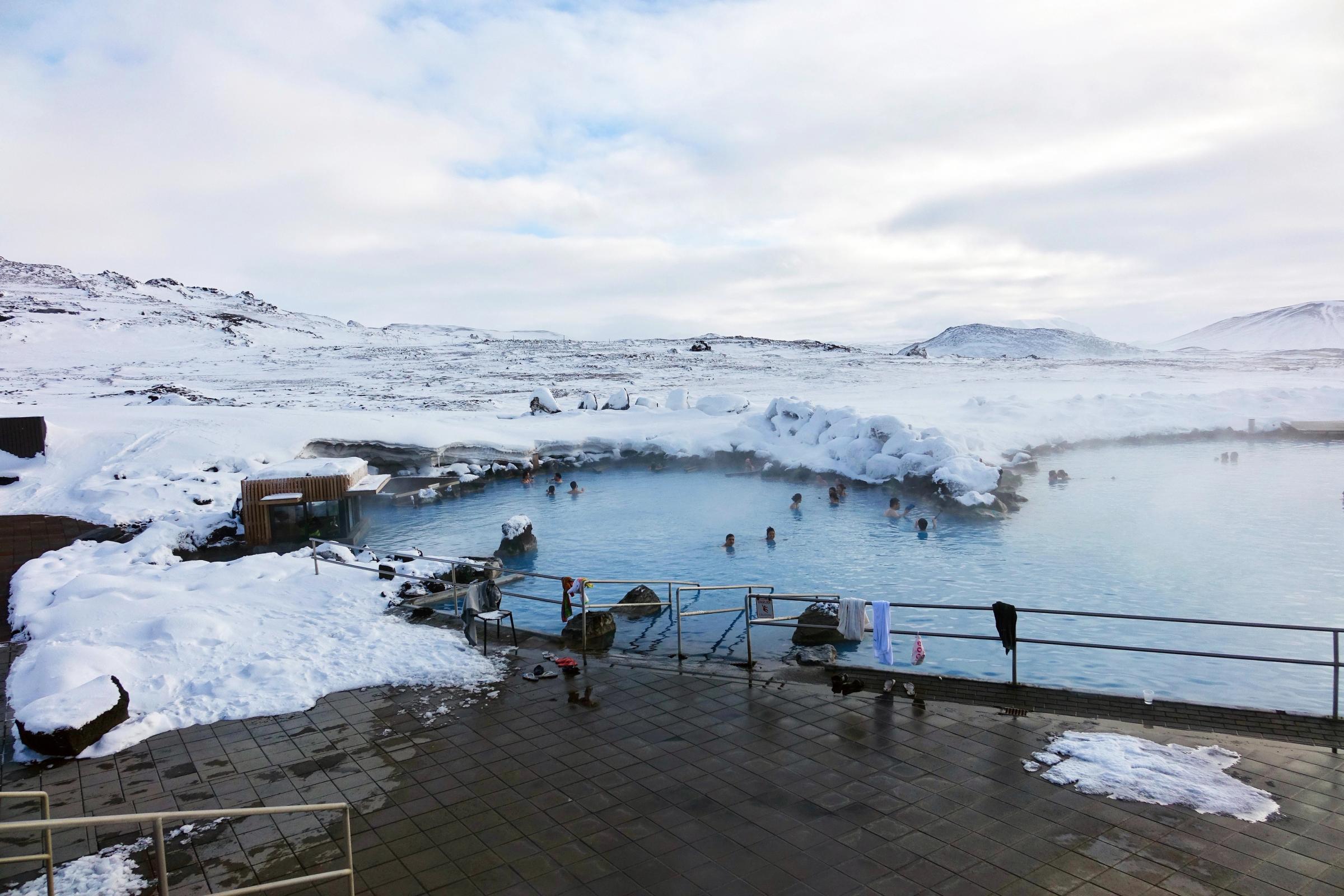
What you notice most is the contrast. In winter, your face feels cold while the rest of your body stays warm in the water. Steam drifts up around you, and the landscape comes and goes through the mist. It’s quiet, and nothing feels rushed.
In summer, things feel lighter. The sun stays up late, and the volcanic land around the lagoon glows softly even in the evening. Since it never really gets dark, you can soak late without feeling like it’s nighttime. It’s less dramatic, but very peaceful.
Water Properties and Effects
The water is alkaline and full of natural minerals. Many people say their skin feels softer afterward. The silica does that, but it can make your hair feel dry if you skip conditioner, which they provide in the showers.
There’s a light sulfur smell, especially when you first get in. Most people stop noticing it after a few minutes. That same sulfur helps keep the water clean, so they don’t need to add chemicals.
Pools, Steam Rooms, and On-Site Facilities
Earth Lagoon isn’t huge, but it gives you a few different ways to enjoy the geothermal heat without feeling crowded or complicated.
Main Geothermal Lagoon
The main outdoor lagoon is where most people spend their time. It looks out over Lake Mývatn and the surrounding volcanic land. The water is about 1.2 to 1.3 meters deep, which works well whether you want to float or just stand and relax. There are several entry points, so getting in and out is easy.
Natural Steam Baths
There are two natural steam rooms. One has windows facing the lake, and the other feels more enclosed, almost like being inside a lava cave. Both sit at around 45°C with very high humidity, and the steam comes straight from the ground.
The steam is mineral-rich, and some people find it helps clear their breathing. It’s best to take it slow and step out if you start feeling dizzy.
Additional Amenities
There’s a swim-up bar where you can order drinks without leaving the water. They offer local beer, wine, and non-alcoholic drinks. It’s simple, but nice to have.
Café Kvika, which is being updated and renamed Earth Bistro after the renovation, serves light meals, snacks, and hot drinks. The café has large windows looking out over the lagoon. The menu mixes Icelandic food with more familiar options.
The changing rooms are modern and clean, with lockers, showers, and hair dryers. Soap, shampoo, and conditioner are provided. Towels and swimsuits are available to rent if you need them.
Prices and Times
Before you go, it’s useful to know how entry works and how long people usually stay. Earth Lagoon is pretty straightforward compared to some Icelandic spas, but it’s still smart to book ahead, especially during summer.
Entrance Prices
Your ticket gives you access to the lagoon, steam rooms, changing areas, lockers, and showers.
- Adults: about 7,900 ISK (roughly $65)
- Teenagers (13–15): about 3,900 ISK
- Children 6-12: 2,500 ISK
- Children 0-5: Free with an adult
If you didn’t bring swim gear, you can rent what you need on site:
- Towel rental: 1,200 ISK
- Swimsuit rental: 1,100 ISK
Soap, shampoo, and conditioner are included in the showers, which is normal at public pools and lagoons across Iceland.
Opening Hours
Typical opening hours are:
- Daily: 12:00 to 22:00
Hours can shift a little depending on the season. In summer, they sometimes open earlier or stay open later because daylight lasts so long. Winter hours usually stick closer to the standard schedule.
You’ll normally be asked to leave the water about 20 minutes before closing, giving everyone time to shower and change before the facility shuts for the night.
How Long to Plan for Your Visit
Most people spend about 1.5 to 2 hours here. There’s no strict time limit as long as you arrive during opening hours.
A lot of travelers come after exploring the Lake Mývatn area during the day, or stop in the evening while driving the Diamond Circle. Late afternoon or evening often feels the most relaxed, especially outside the peak summer season.
If you want, I can also lightly adjust micro-rhythm and sentence flow so this matches perfectly with the voice of your earlier sections line-for-line (your article already has a very consistent tone).
Health and Wellness Benefits of Geothermal Bathing
Geothermal bathing has been part of everyday life in Iceland for centuries. People use it to relax, recover, and just feel better overall.
Physical Benefits
Warm water helps loosen tight muscles and improves circulation, which feels especially good after hiking or long drives. The minerals in the water, especially silica and sulfur, may help with certain skin conditions, though it doesn’t work the same way for everyone.
Because the water helps you float, there’s less pressure on your joints. That makes it easier for people with joint pain or limited mobility to enjoy bathing. Many visitors also say they sleep better afterward.
Mental Wellness
Spending time in warm water, outside, in a quiet setting naturally helps lower stress. There’s not much to do except float, breathe, and look around.
Bathing outdoors in cold places has a grounding effect. Whether it’s daylight at midnight or darkness with northern lights overhead, the experience tends to stay with you.
Best Time of Year to Visit Earth Lagoon Mývatn
The experience changes a lot depending on the season, so the best time really depends on what you’re looking for.
Summer (June–August)
Summer brings mild weather and long days. The midnight sun means you can visit late in the evening and still have plenty of light. Roads are usually clear, and it’s easy to visit nearby sights.
This is also the busiest time. Prices are higher, and more people are around. Lake Mývatn is known for midges in summer, though they usually aren’t as bad around the lagoon itself.
Winter (December–February)
Winter visits are all about contrast. Cold air, hot water, steam rising into the dark. On clear nights, there’s a chance to see the northern lights while soaking.
Winter travel takes more planning. Days are short, weather can be rough, and roads may be icy. The upside is fewer visitors and a quieter, more dramatic setting.
Shoulder Seasons (May–June, September–October)
These months are often a good middle ground. There are fewer people, prices are more reasonable, and the weather is usually manageable. September and October bring fall colors and the start of the northern lights season. May and early June feel like spring without the summer crowds.
Earth Lagoon Mývatn vs Other Hot Springs in Iceland
It helps to know how Earth Lagoon compares to other well-known hot springs in Iceland, especially since there are a lot of options and they all feel a bit different.
Versus Blue Lagoon
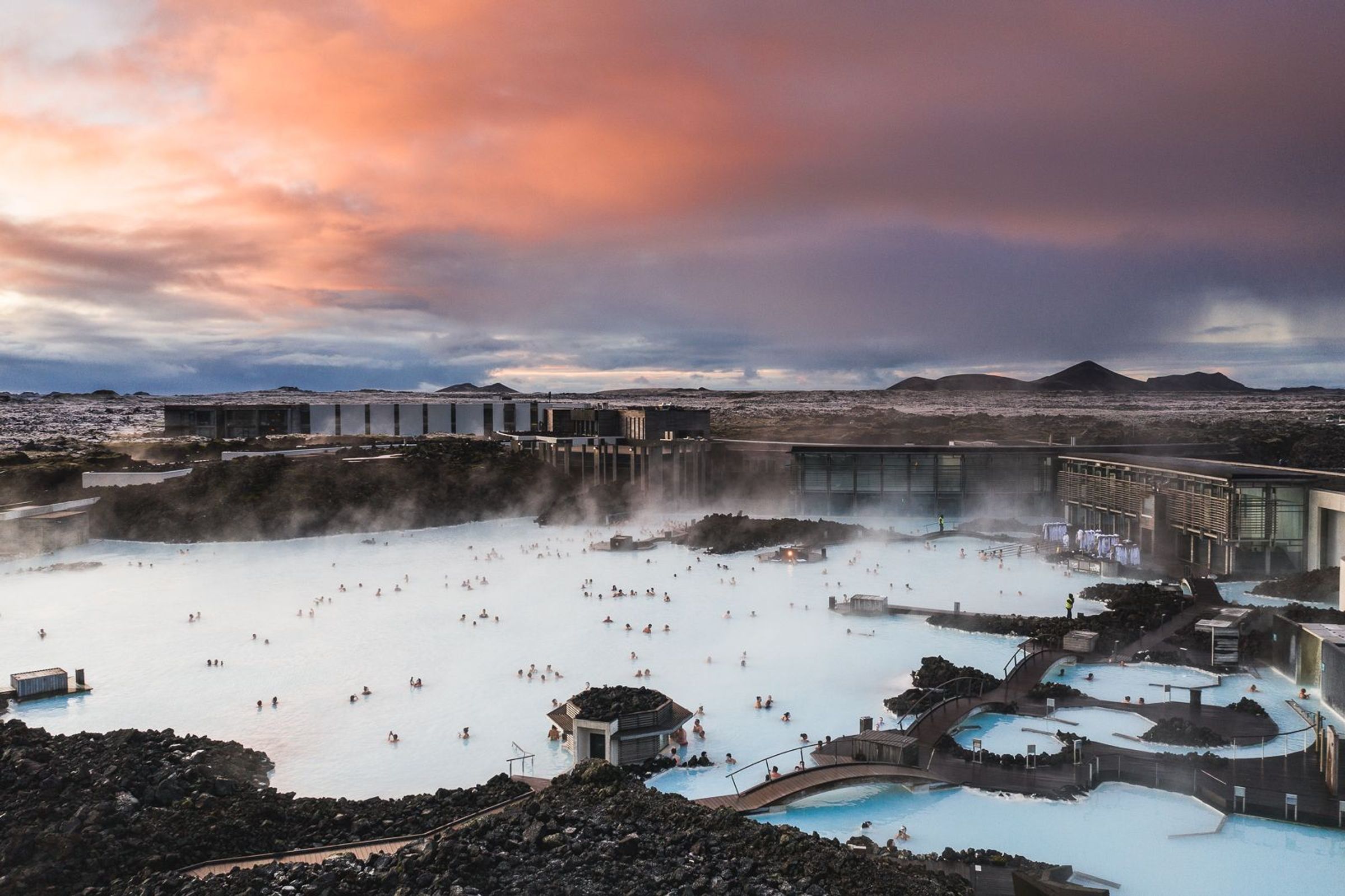
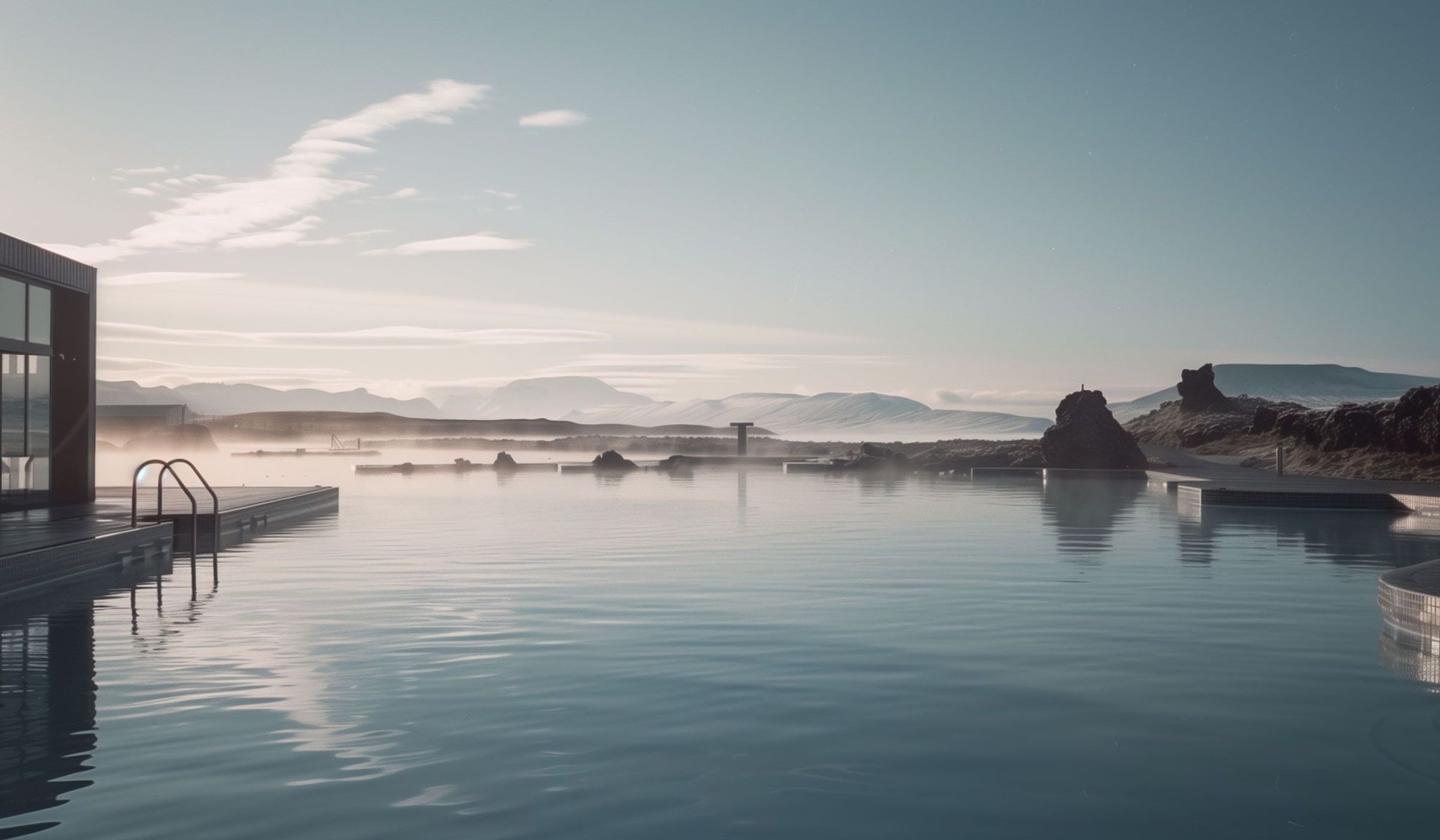
The Blue Lagoon near Reykjavík is the most famous geothermal spa in Iceland, but it’s also the busiest. Earth Lagoon is quieter, usually cheaper, and feels more connected to the landscape around it. The Blue Lagoon has more silica and more polished facilities, but Earth Lagoon feels more relaxed and less commercial.
If you don’t want crowds or a very curated spa experience, Earth Lagoon is often the better fit.
Versus Sky Lagoon
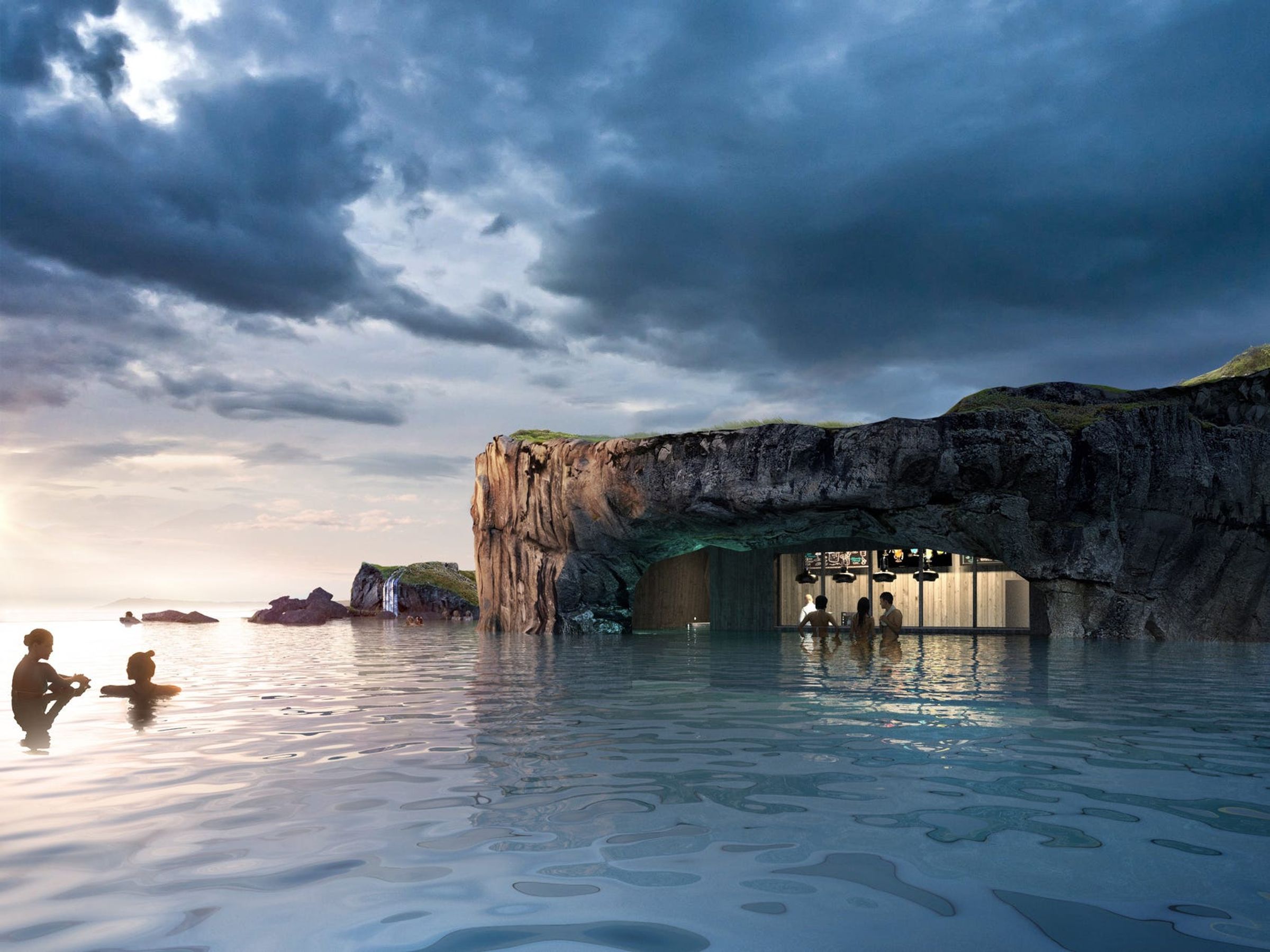
Sky Lagoon, also near Reykjavík, focuses on design and ocean views. It’s modern and easy to reach, especially if you’re staying in the city. Earth Lagoon doesn’t have the same design-forward feel, but it makes up for it with volcanic scenery and a much more remote setting.
Sky Lagoon works well for convenience. Earth Lagoon is better if you’re already exploring North Iceland and want something that feels tied to the land.
Versus Secret Lagoon
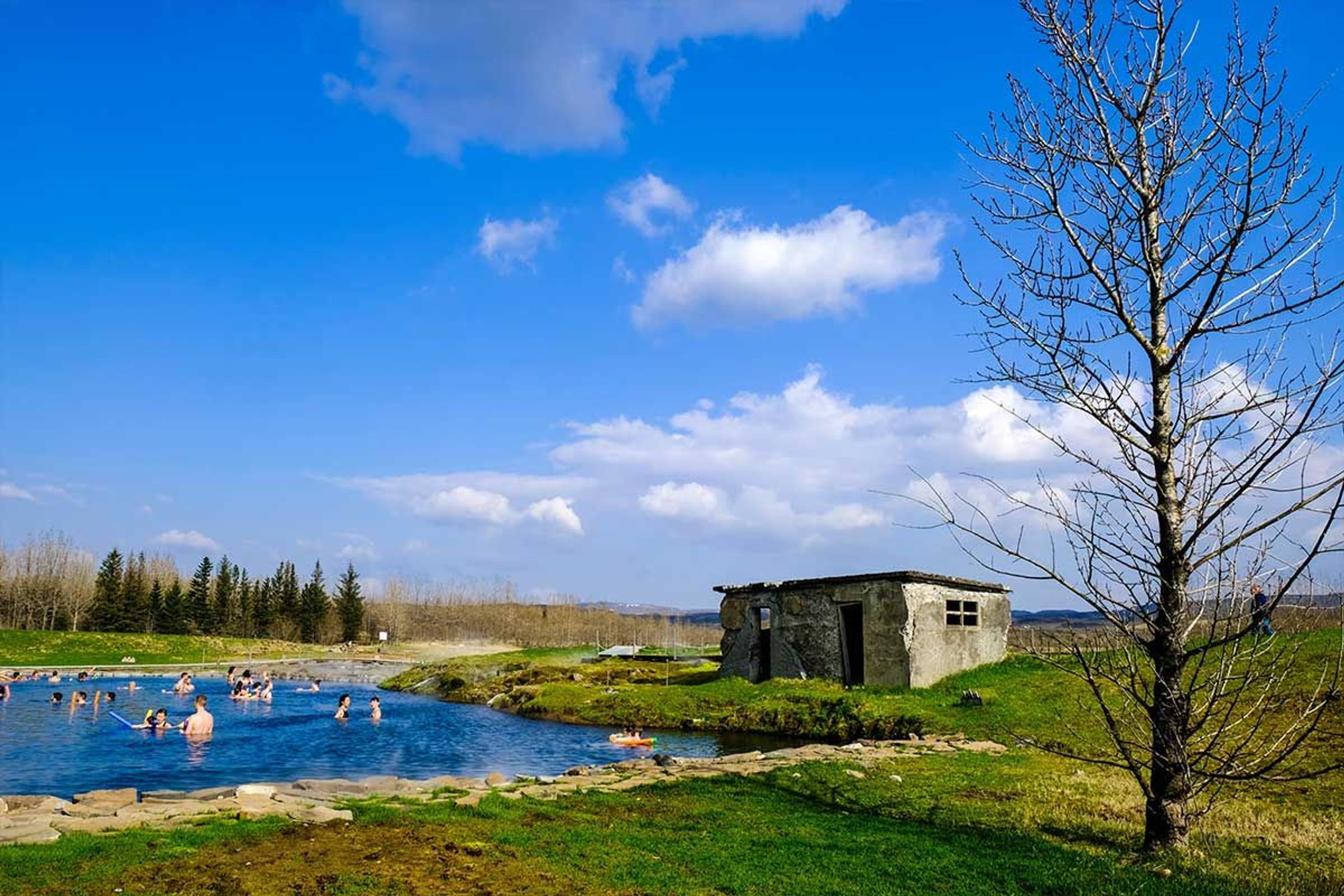
Secret Lagoon, near Geysir, is simpler and more old-school. It has fewer facilities and feels more rustic. Earth Lagoon sits somewhere in between. It’s more developed than Secret Lagoon, but still far less polished than the Blue Lagoon.
Unique Advantages
What really sets Earth Lagoon apart is where it’s located. You’re bathing in the middle of one of Iceland’s most active volcanic areas, close to lava fields, craters, and geothermal zones. Being part of the Diamond Circle route also makes it easy to combine with other major sights in North Iceland.
How the Baths Protect Nature and Use Sustainable Energy
Earth Lagoon is a good example of how geothermal tourism works in Iceland without putting too much strain on the environment.
Renewable Energy Use
The entire facility runs on geothermal energy. The same heat that warms the water is also used to power the site. It’s a closed-loop system that relies on the natural energy already coming from the ground.
Water Management
Instead of reusing the same water over and over, the lagoon uses a continuous flow system. Fresh geothermal water flows in, and used water flows out in a controlled way. The water temperature and mineral levels are constantly monitored to keep conditions stable while protecting the geothermal source.
Environmental Protection
Lake Mývatn is a protected nature area and part of a UNESCO-listed ecosystem. The lagoon was designed to limit its impact on the surrounding wetlands and volcanic land. There are strict rules in place to protect the environment.
Visitors are encouraged to stay on marked paths and follow Leave No Trace principles. The landscape here is fragile, even if it looks tough.
What Else to See Near Lake Mývatn
The area around Lake Mývatn is packed with natural sights, and most of them are close together. It’s easy to see a lot without spending all day driving.
Hverir Geothermal Area
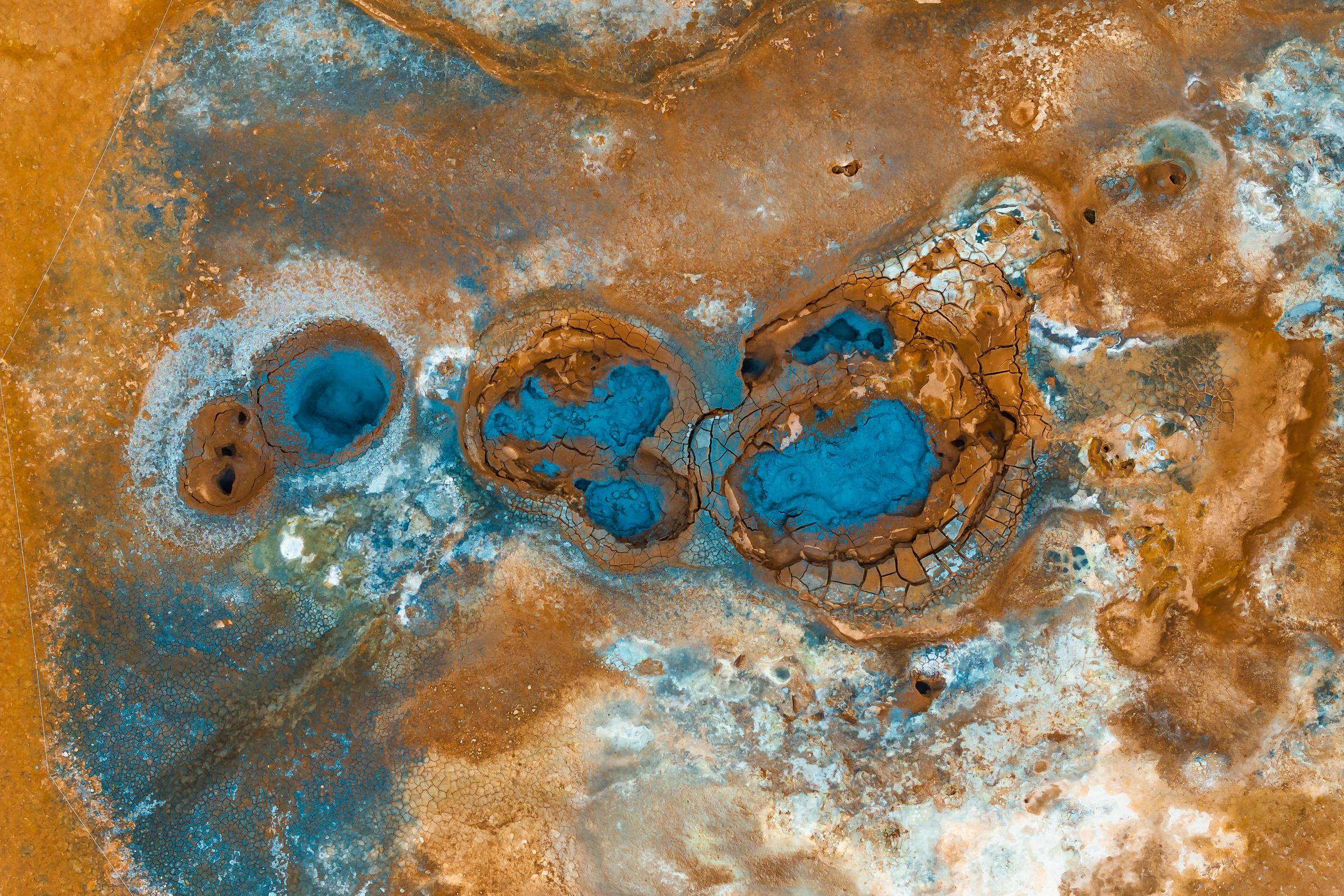
Hverir is about 10 minutes from Earth Lagoon and feels like another planet. You’ll see bubbling mud pools, steaming vents, and bright mineral colors in the ground. It’s great for photos, but you need to stay on marked paths. The ground is unstable and extremely hot in places.
Dimmuborgir Lava Formations
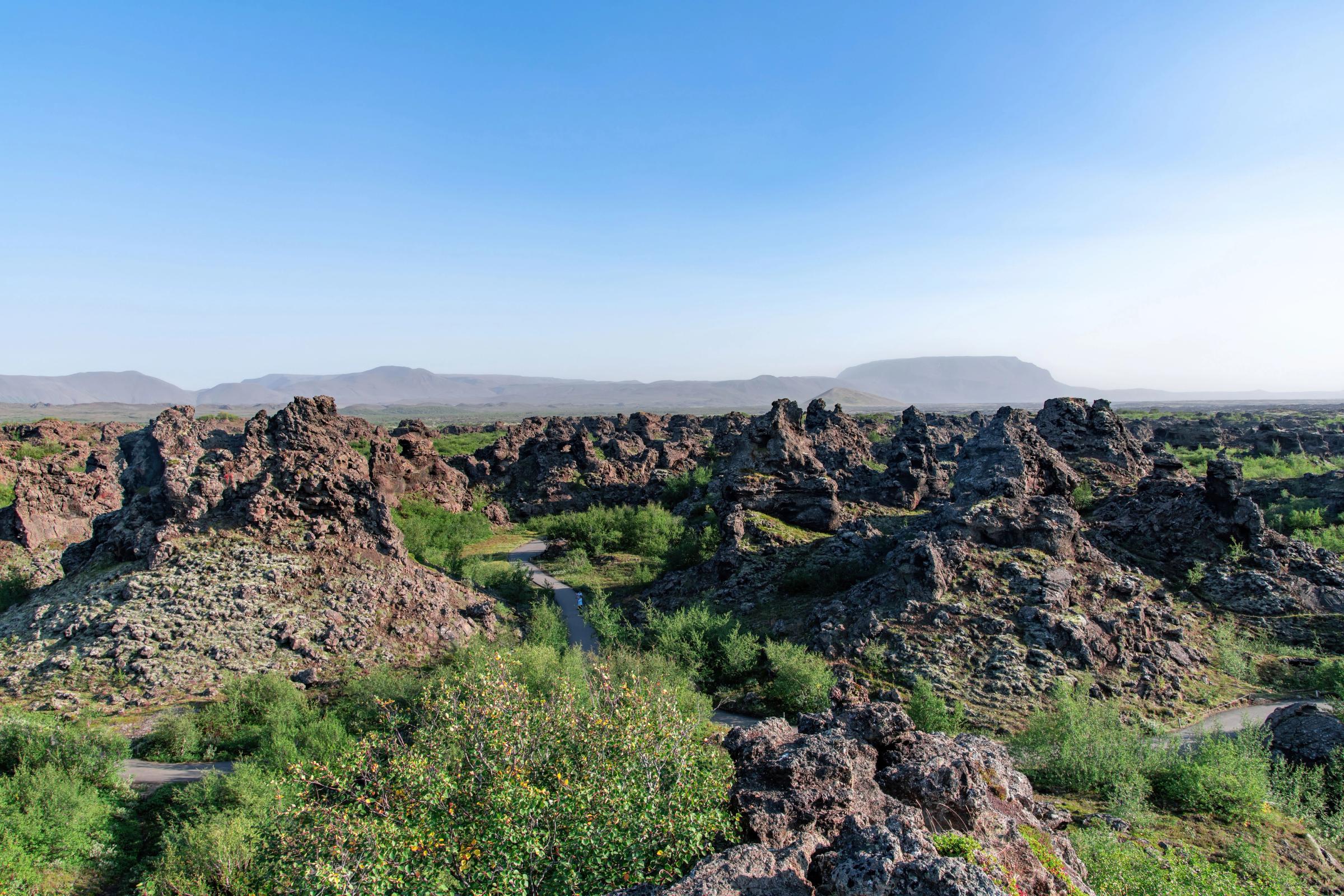
About ten minutes south, Dimmuborgir is an area filled with strange lava formations and pillars. There are easy walking paths through the rocks. The area is tied to Icelandic folklore and was also used as a filming location for Game of Thrones.
Krafla Volcano and Víti Crater
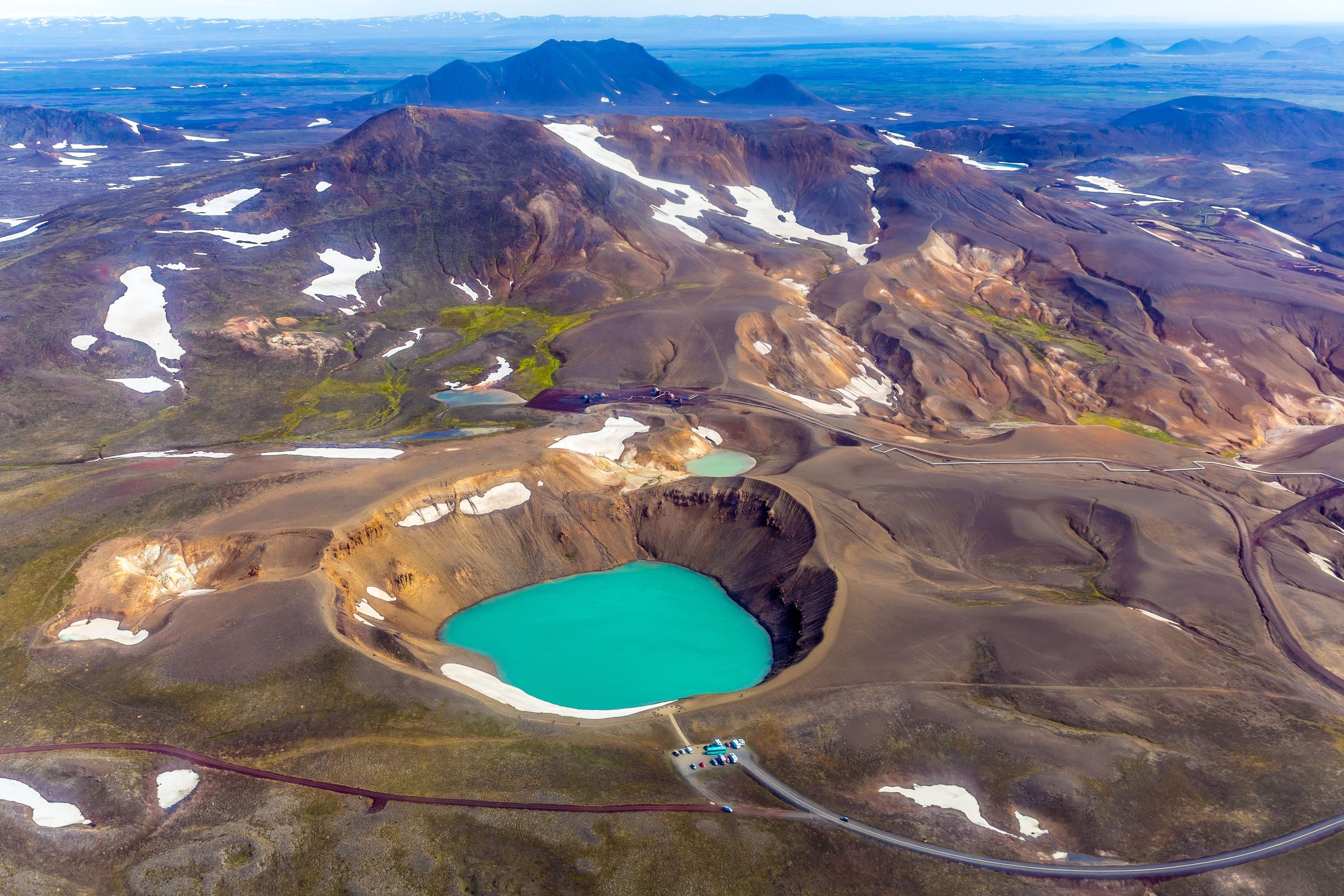
A 15-minute drive northeast takes you to the Krafla volcanic area. You can walk up to the edge of Víti crater and look down into its blue-green lake. Nearby lava fields show rock formed during eruptions in the 1980s, and the landscape still feels fresh and raw.
Goðafoss Waterfall
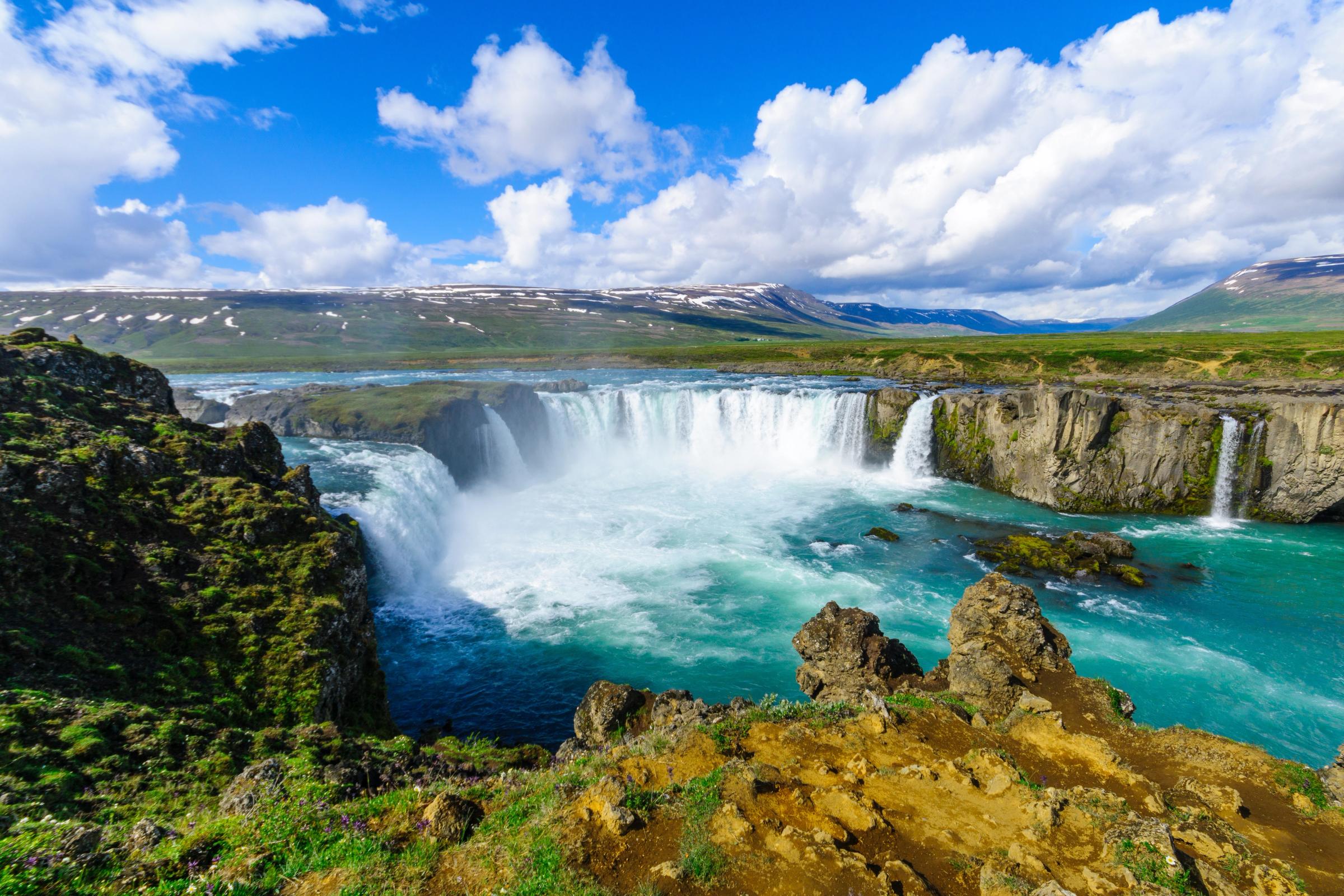
Goðafoss is about 50 minutes west of Mývatn and is a common stop if you’re driving from Akureyri. The waterfall has historical importance tied to Iceland’s conversion to Christianity and is impressive year-round.
Dettifoss Waterfall
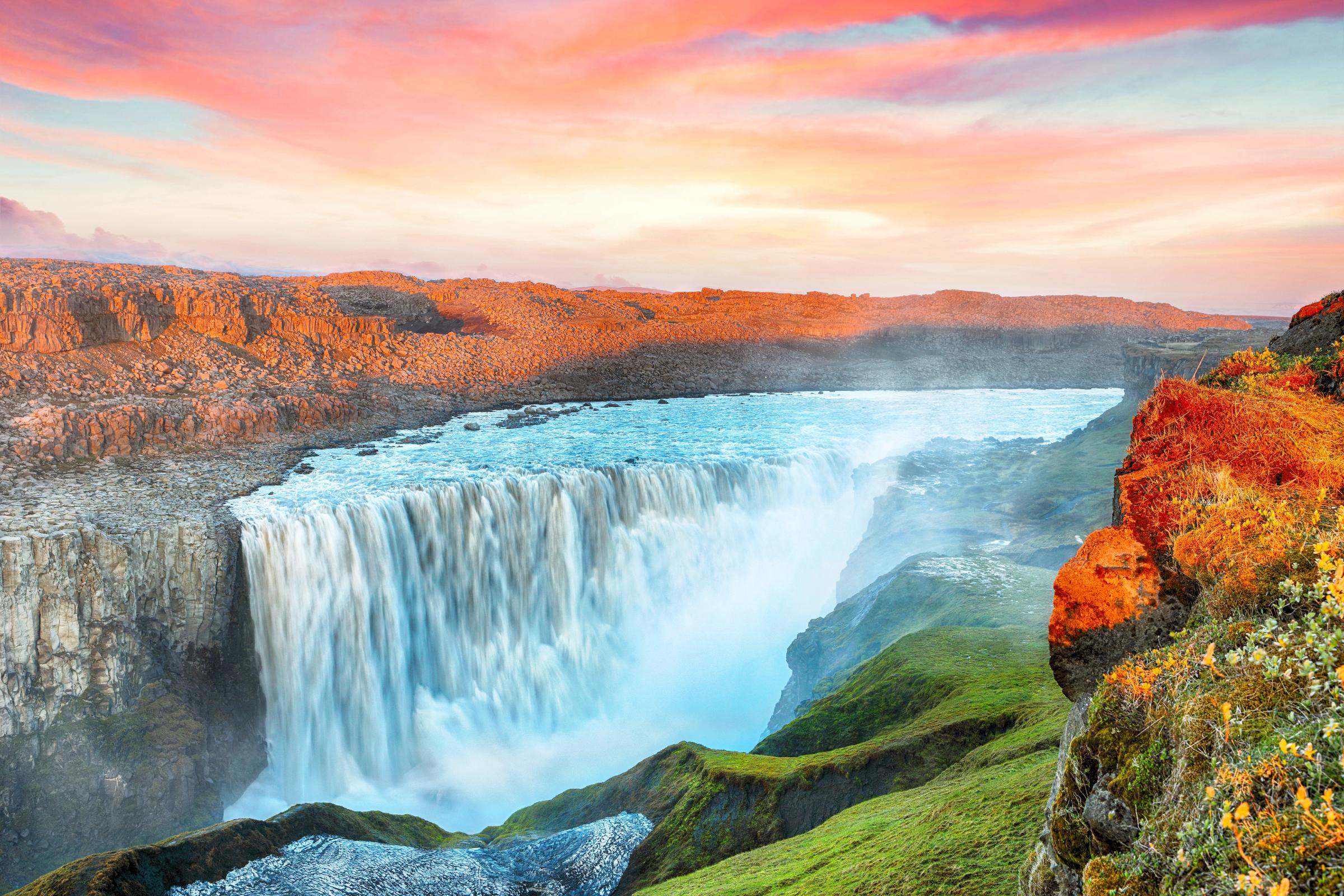
Dettifoss, the most powerful waterfall in Europe, is about 40 minutes northeast. It takes a bit more effort to reach, but the scale and sound of the falls make it worth it.
Conclusion
Earth Lagoon Mývatn offers a geothermal bathing experience that feels simple, natural, and closely tied to the landscape around it. It’s not flashy, and it doesn’t try to be. The focus is on warm water, volcanic scenery, and having time to slow down.
The current closure for renovations means you’ll need to plan for a visit after spring 2026, but the updates are meant to improve the facilities without changing what makes the place special.
If you’re traveling in North Iceland and want a quieter alternative to the more famous southern lagoons, Earth Lagoon fits well. Whether you visit during long summer days or dark winter nights, it’s a straightforward way to experience Iceland’s geothermal side without distractions.
Frequently Asked Questions About Earth Lagoon Mývatn