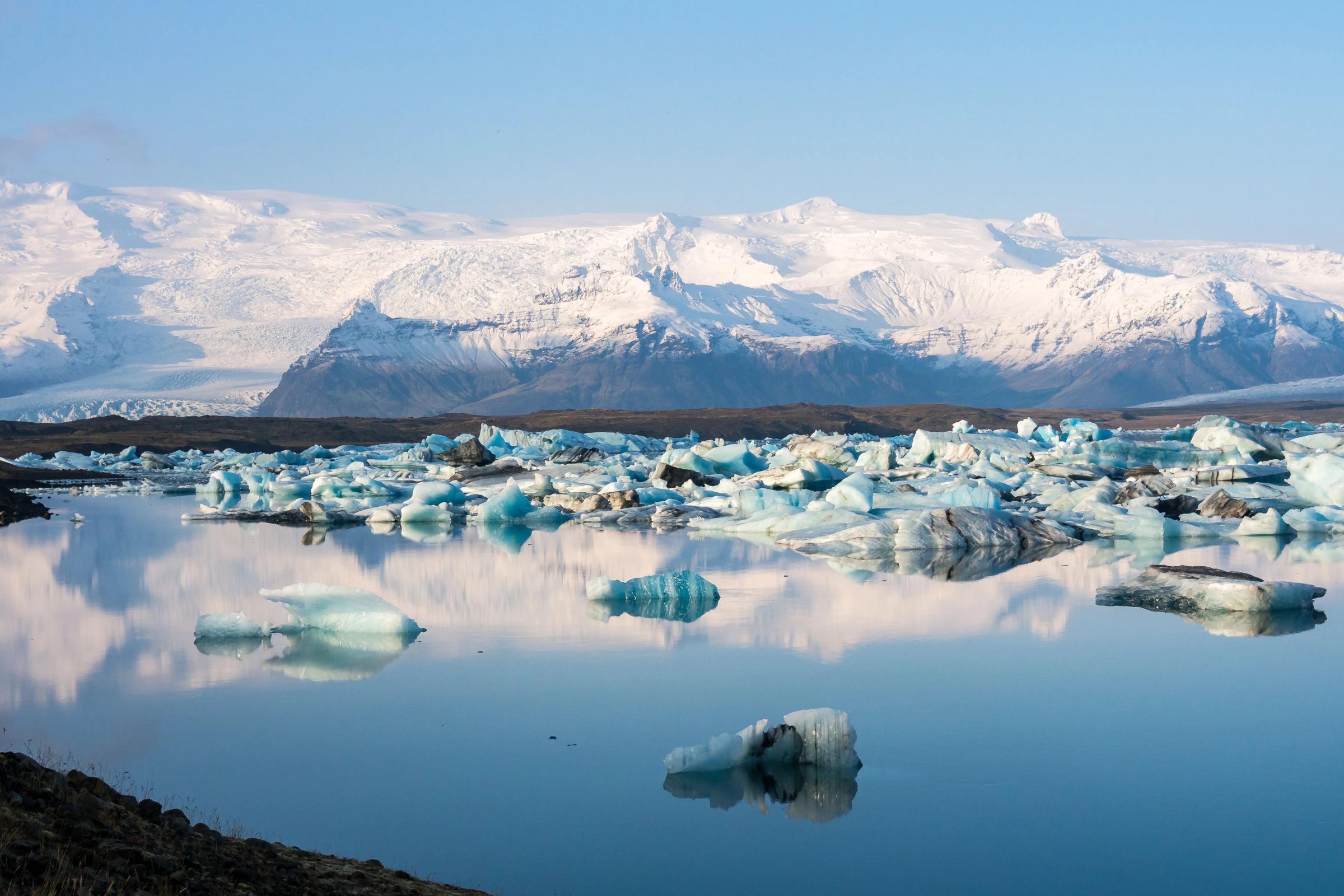
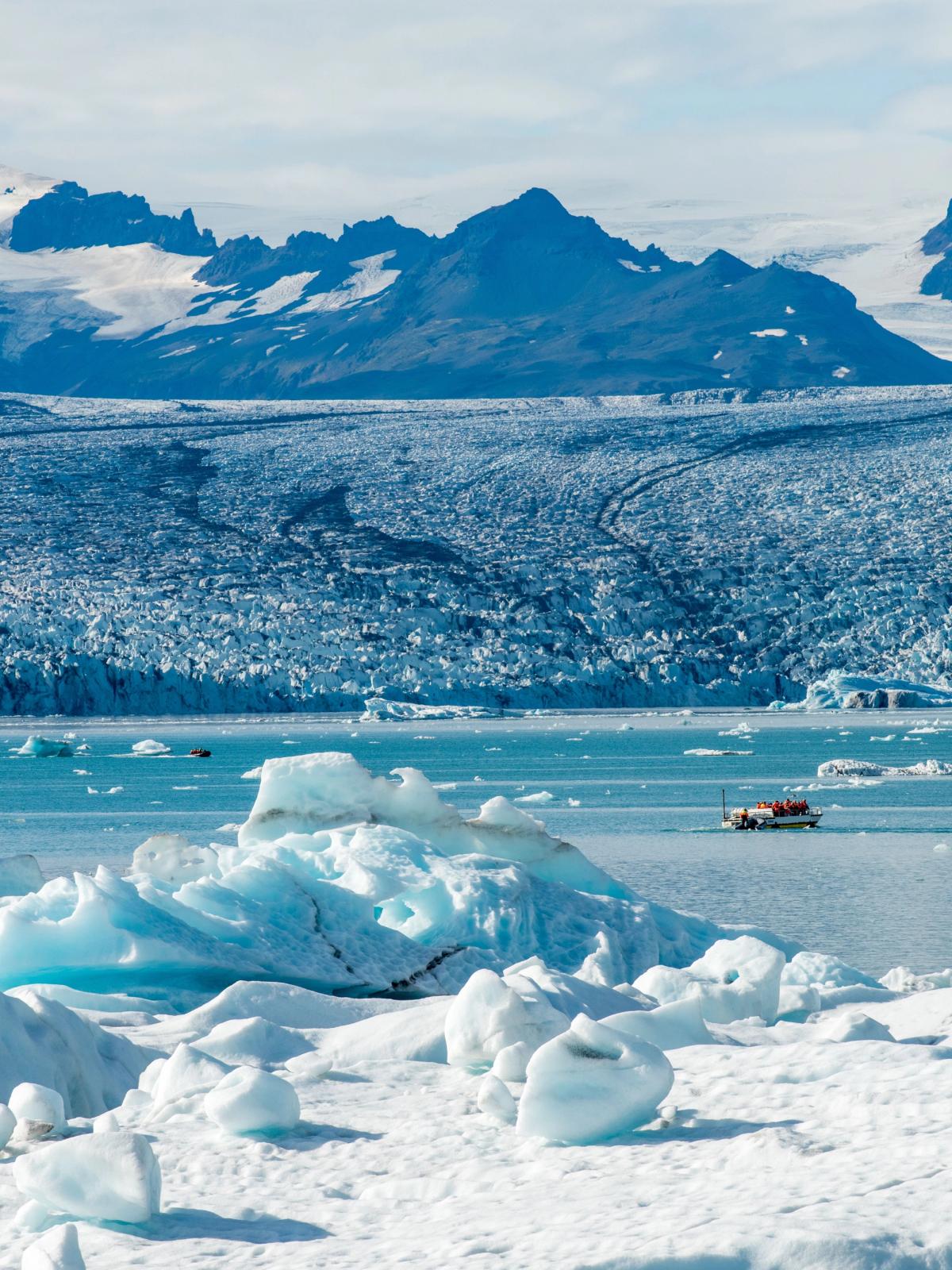
You arrive and see a wide lagoon with chunks of ice drifting slowly across the water. Some pieces are small, others are massive. The water is clear, and behind it all sits a long stretch of glacier that fills the background without trying to impress anyone. It’s quiet enough that you notice it right away. This is Jökulsárlón Glacier Lagoon.
It’s located in southeast Iceland, right next to the Ring Road, which makes it one of the easiest major sights in the country to reach. Ice breaks off the Breiðamerkurjökull glacier and floats into the lagoon, moving at its own pace. Seals rest on the ice or swim between the pieces, sometimes close to shore. A few films, including James Bond and Batman Begins, were shot here, mostly because the place already looks like a movie set.
What stands out most isn’t just how it looks, though. It’s how recent it is. Jökulsárlón didn’t exist a hundred years ago. It formed as glaciers pulled back, and it’s still changing all the time. Whether you stop here briefly or stay for a few hours, understanding that makes the experience feel more grounded.
Here’s everything you need to know for visiting Jökulsárlón in 2026.
Key Takeaways
Jökulsárlón is a glacier lagoon in southeast Iceland where ice breaks off the glacier and drifts slowly through the water.
It’s right by the Ring Road, so it’s an easy stop without needing to hike or plan much.
Most people stay anywhere from 30 minutes to a couple of hours, and boat tours are there if you want to get closer to the ice.
Diamond Beach is just across the road, where chunks of ice wash up on black sand and are always changing.
The lagoon only showed up in the 1930s and is still growing, so it looks a bit different every time you visit.
What Is Jökulsárlón and How Was It Formed?
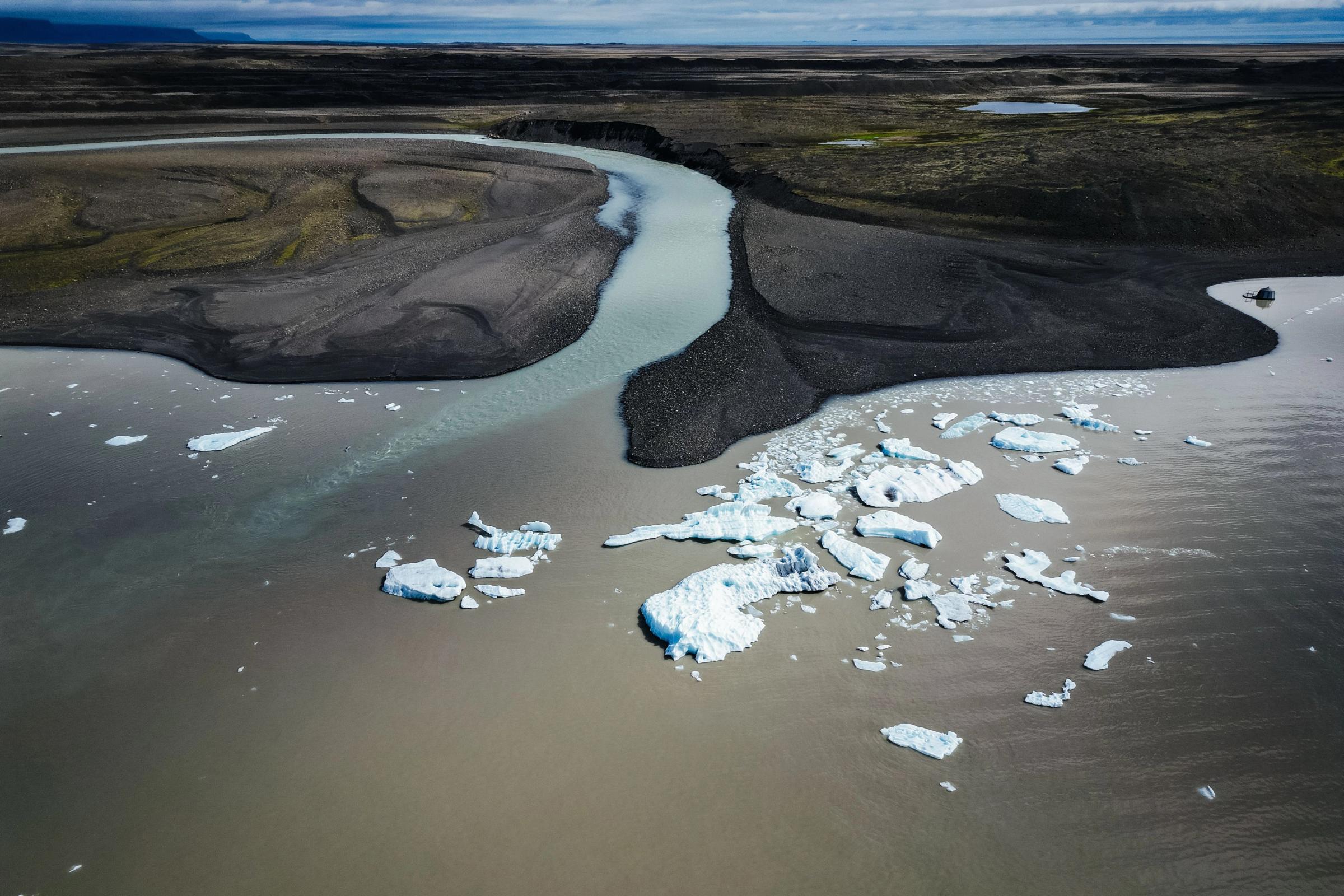
Jökulsárlón Glacier Lagoon is a glacier-fed lake in southeast Iceland. It formed when Breiðamerkurjökull glacier, which is part of the larger Vatnajökull ice cap, began retreating. The name means “glacial river lagoon,” which is about as direct as it gets.
Before the 1930s, there was no lagoon here. As global temperatures increased, Breiðamerkurjökull started pulling back from the Atlantic Ocean. When the glacier retreated, it left behind a deep low area in the land. Over time, meltwater collected there. By 1935, the lagoon had formed. Since then, it has expanded quickly and is now Iceland’s deepest lake, reaching depths of more than 250 meters.
The lagoon keeps changing because of ice calving. Large chunks of ice break off the glacier and fall into the water, sometimes with a loud crack. Some pieces are small and disappear quickly. Others are huge, taller than buildings, and can last for years. These icebergs drift through the lagoon and eventually move toward the ocean through a narrow channel connected to the Atlantic. Many wash up on the nearby black sand beach, where waves smooth them into clear, sculpted pieces often called ice “diamonds.”
Why Visit Jökulsárlón? Compared to Other Icelandic Destinations
One reason is that it never stays the same. Many well-known spots in Iceland are impressive but predictable. Jökulsárlón isn’t. Icebergs move constantly. Some melt down and vanish. New ones appear without warning. Wind, tides, and light change how everything looks from hour to hour. Even if you came back the next day, the scene would be different.
You also get a lot in one place. From the same area, you can see floating icebergs, a large glacier, seals swimming nearby, and Diamond Beach just across the road. Everything sits right along the Ring Road, so there’s no hike or complicated plan involved. That makes it easy to fit into almost any itinerary. Some people stop for half an hour. Others stay much longer, especially if they’re taking photos or watching the ice and wildlife. There are also boat tours here and ice cave trips in winter.
Even though it’s popular, it doesn’t always feel crowded. Early mornings and evenings are noticeably calmer, especially outside the busiest summer months. When the water is still, the whole area feels slow and quiet. Most people naturally lower their voices without realizing it.
What You’ll See at Jökulsárlón
There isn’t a single thing that defines the place. It’s more about what’s happening around you at the moment.
The Icebergs
The icebergs are what most people focus on first, but they vary a lot. Some are white, filled with tiny air bubbles. Others are deep blue, formed under pressure over long periods of time. You’ll also notice dark lines running through certain pieces. That’s volcanic ash from old eruptions, trapped in the ice. Once you spot it, it’s hard not to think about how long that ice has been around.
Vatnajökull Glacier Views
To the north, Vatnajökull takes up much of the view. It’s Europe’s largest ice cap and covers about 8 percent of Iceland. Many glaciers flow from it. From the lagoon, you can clearly see Breiðamerkurjökull stretching down toward the water, slowly feeding new ice into the lake.
Wildlife and Water Conditions
The lagoon feels different depending on the weather. On calm days, the water can be almost perfectly still and reflective. When the wind picks up, small waves move through the lagoon, pushing the ice around.
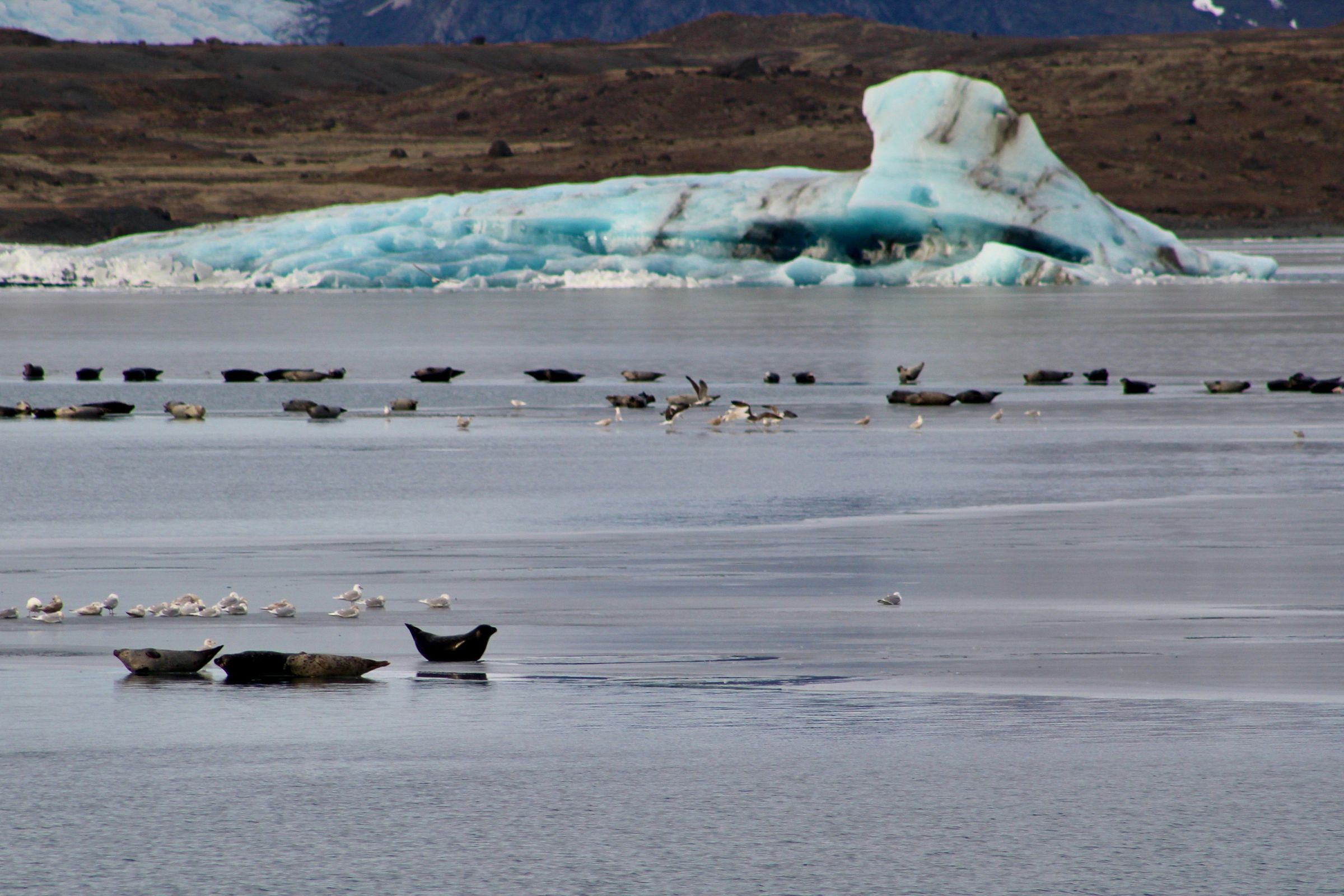
Seals live here all year. Harbor seals and grey seals rest on the ice and hunt in the lagoon. You’ll often see them swimming between icebergs or lifting their heads above the water. Sometimes they stop and look straight at you before slipping back under.
Things to Do at Jökulsárlón
What you do here really depends on how much time you have and how much energy you’re feeling. You can keep it simple or do more if you want.
Walking and Viewpoints
Walking around the lagoon is free and easy, and it already gives you plenty to see. There’s a flat path along the water, plus a small hill you can walk up for a wider view. From the top, you can see the lagoon, the glacier behind it, and the narrow channel where the ice heads out to sea. If you move straight through, it takes about 30 minutes. Most people don’t. They stop a lot.
Boat Tours
Being out on the water changes how everything feels. The ice looks bigger, closer, and more real.
Amphibious Boat Tours
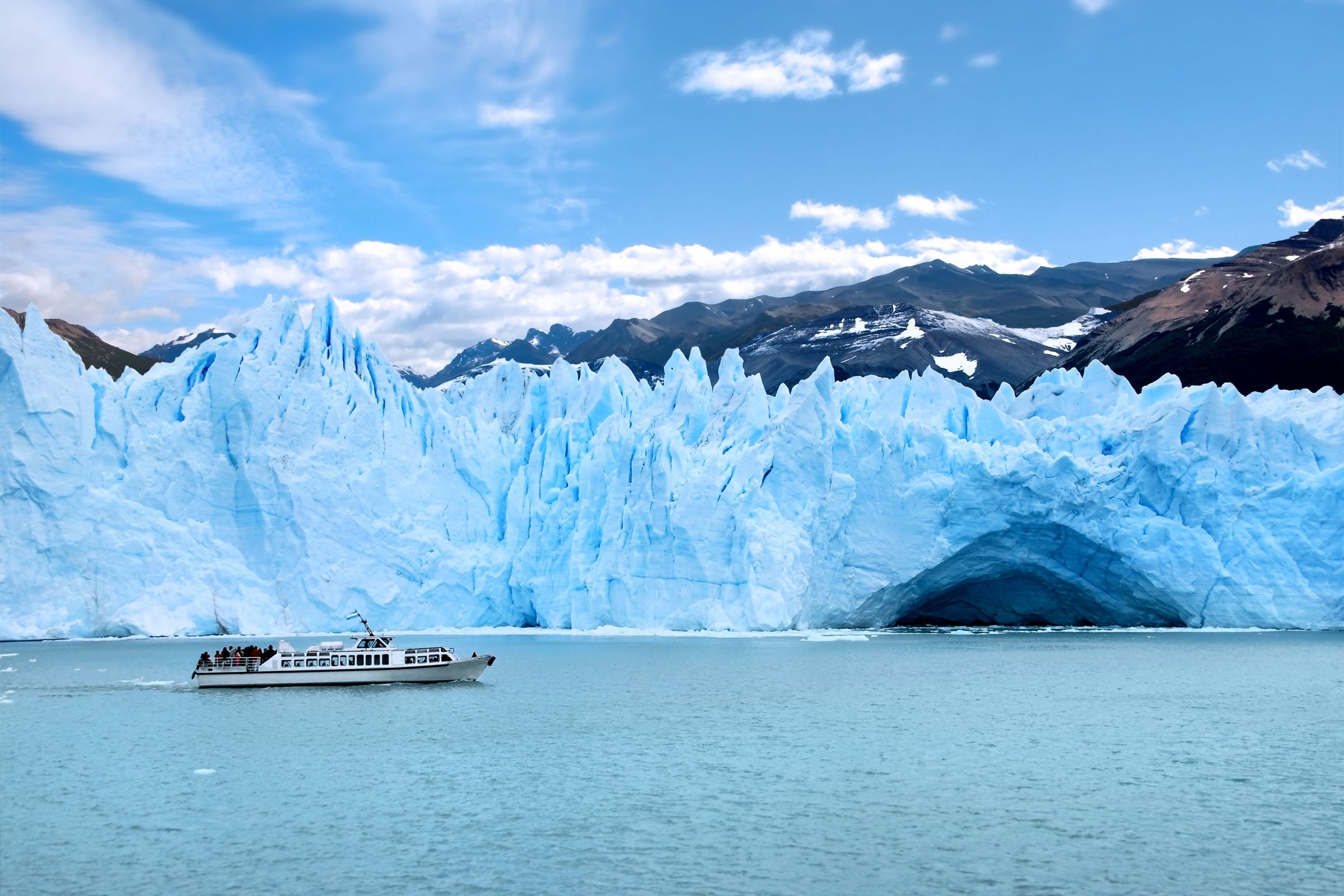
These use large vehicles that drive straight from land into the lagoon. They hold about 30 to 40 people and last around 35 to 40 minutes. The ride is slow and steady, which makes it a good option for families or anyone who wants something low-key. Guides talk about how the lagoon formed and point out seals and different ice shapes as you go.
Zodiac Tours
Zodiac tours use smaller boats and move faster. They cover more of the lagoon and get closer to the icebergs. Tours last about an hour, but there are age and height rules. You need to be at least 10 years old. You’ll wear a flotation suit, and it can feel cold and windy, even in summer.
Wildlife Spotting
Seals live here all year, but winter is usually when you’ll see the most. In summer, seabirds like Arctic terns and skuas are around too. Binoculars or a camera with a zoom lens help a lot. One thing to watch out for is Arctic terns. They can be aggressive if you get too close to their nests, so it’s best to give them space.
If you’re just stopping briefly, 30 minutes is enough to walk around and look. If you’re doing a boat tour, plan on 2 to 3 hours total. If you’re into photography, it’s easy to spend half a day here, especially if you come back when the light changes.
Diamond Beach
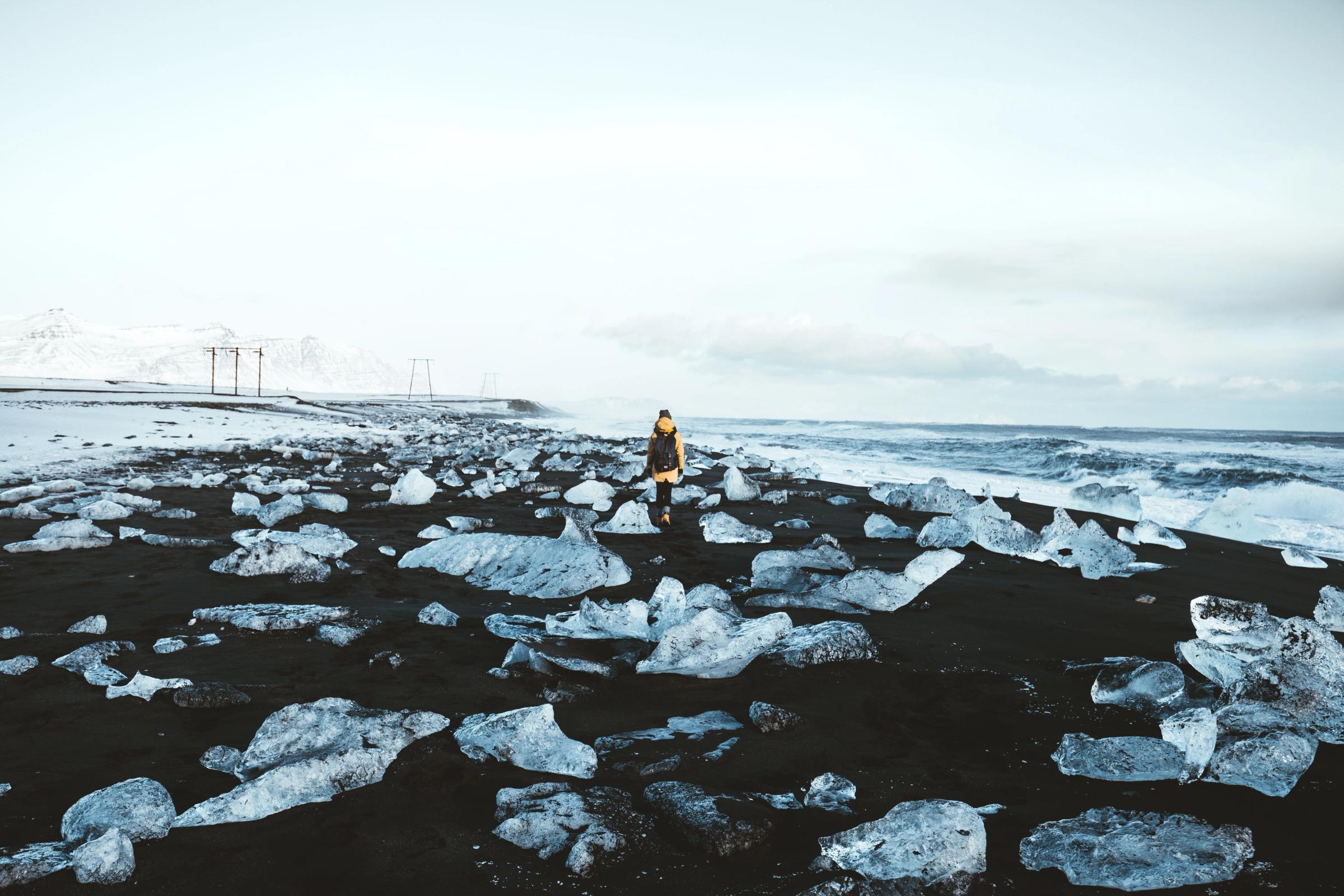
Diamond Beach is right across the road from Jökulsárlón, and it’s absolutely worth walking over. You can see it from the lagoon parking lot. This is where icebergs that drift out of the lagoon end up on shore.
What Makes It Special
The whole thing is about contrast. Clear ice scattered across black sand. Waves roll in, smooth the ice, and leave pieces that look like glass. Some chunks are small enough to pick up. Others are as big as cars.
Diamond Beach changes constantly. Some days, the sand is covered in ice. Other days, there are only a few pieces spread out along the shore. It depends on tides, wind, and how much ice is coming out of the lagoon. You never really know what you’ll get.
Walking the beach usually takes 15 to 30 minutes. The sand closer to the water is firmer, but always keep an eye on the waves. Never turn your back on the ocean here.
Location & Getting There
Even though it feels remote, getting to Jökulsárlón is straightforward.
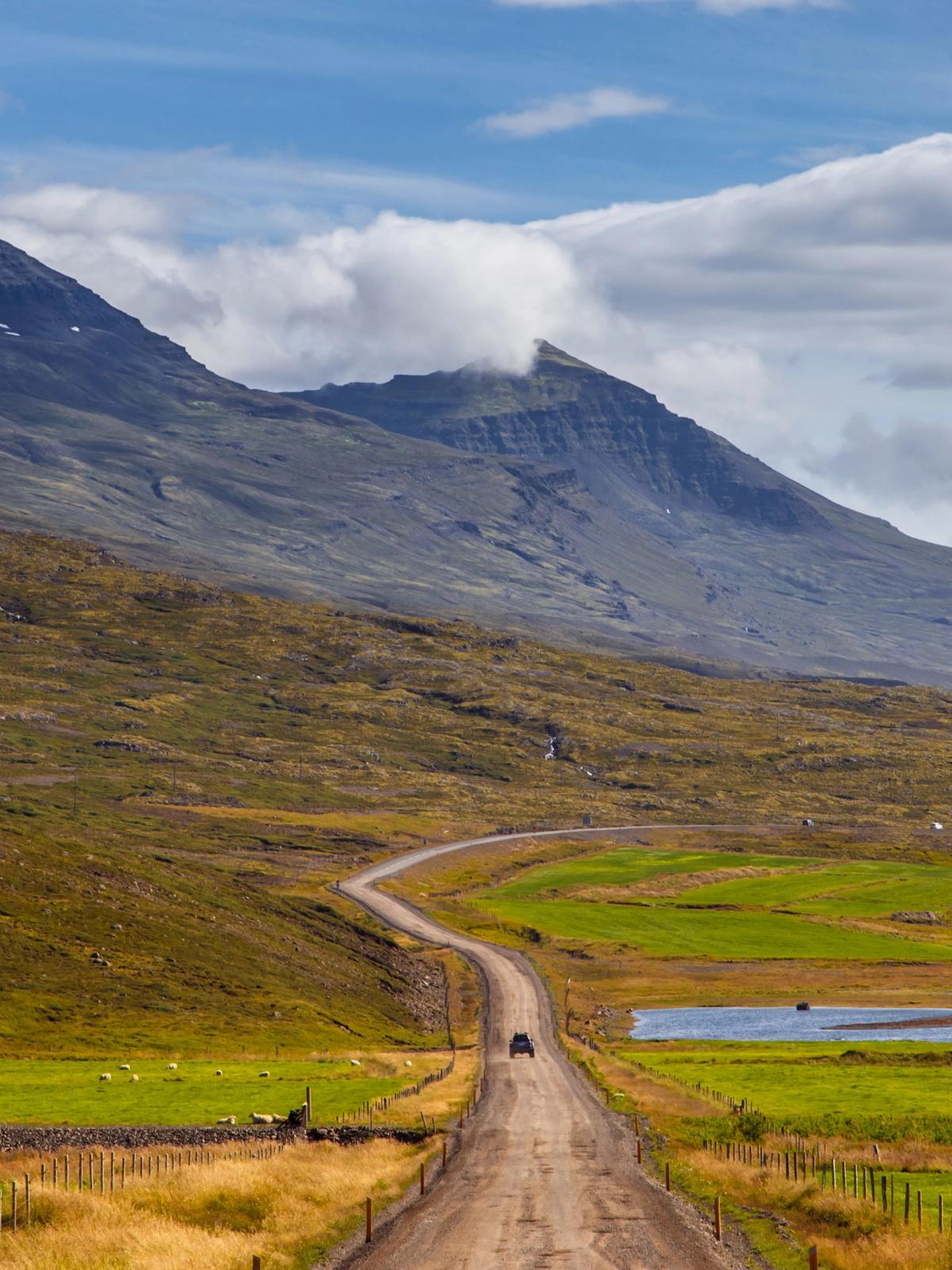
The lagoon sits right on Iceland’s Ring Road, Route 1, about 380 km east of Reykjavík. Driving straight there takes around five hours. Most people don’t do it in one go. They stop along the South Coast at waterfalls, beaches, and small towns and spread the drive over one or two days.
In summer, roads are usually in good shape. In winter, weather can change plans quickly, so checking road conditions before you go is important.
Rent a Car in Iceland
Explore Every Corner of the Island with Total Comfort and Ease
The time of year you visit makes a big difference in how the lagoon looks and what you can do.
Summer Season (May–September)
Summer is the easiest time to visit. Boat tours are running, roads are clear, and daylight lasts a long time. July and August are the busiest months, especially between late morning and mid-afternoon. The upside is that everything is open and easy to access.
Winter Season (October–March)
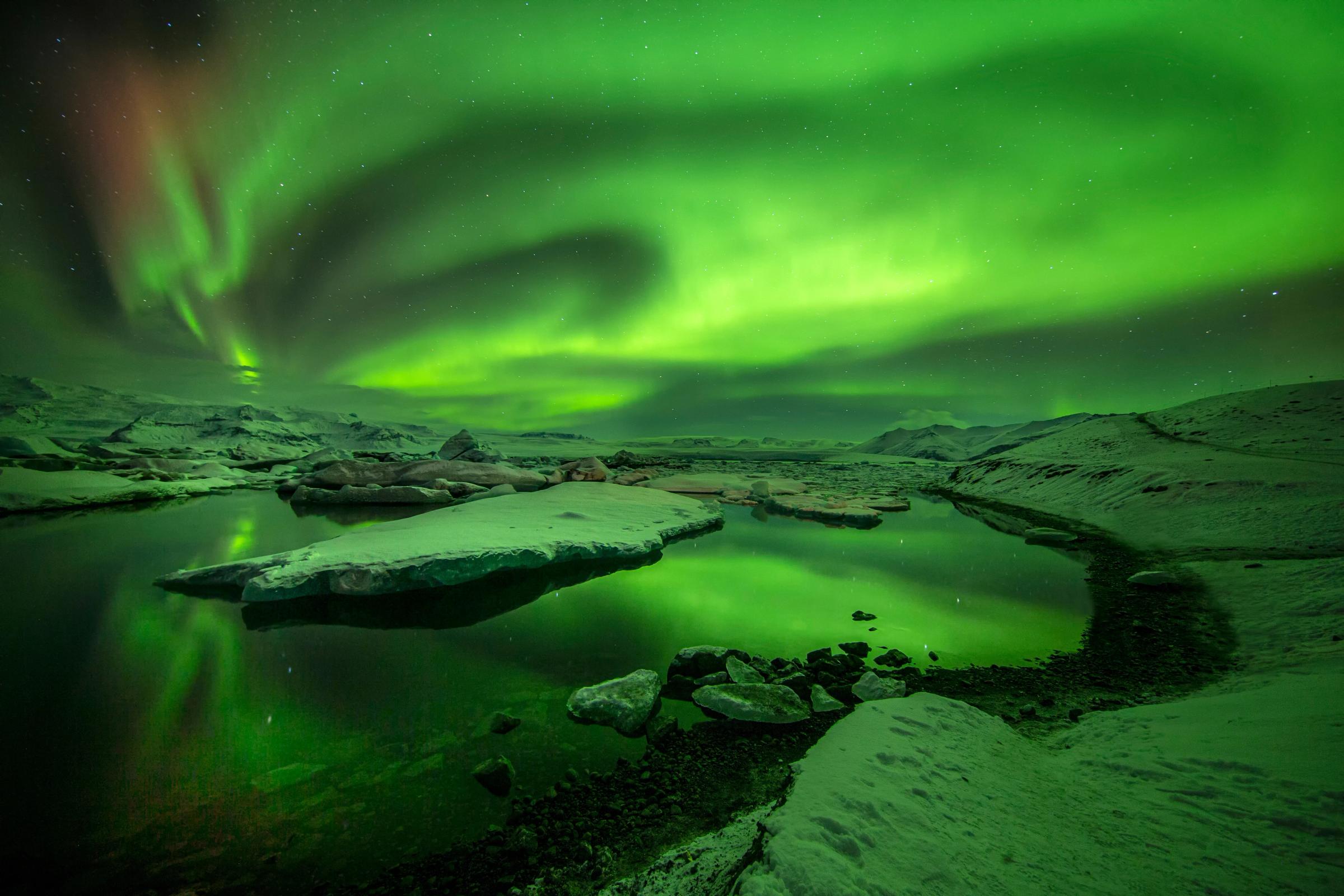
Winter feels completely different. Parts of the lagoon can freeze, and the ice formations look more dramatic. Boat tours don’t run, but ice cave tours nearby do. On clear nights, there’s a chance to see the Northern Lights, and the lagoon makes a great foreground for photos.
Shoulder Seasons
April and late September into October can be a good balance if the weather cooperates. Crowds are smaller, and you might catch boat tours right at the start or end of the season. Spring brings wildflowers around the lagoon. Autumn often has clearer air and better chances to see the Northern Lights.
Weather Considerations
The weather changes fast here, no matter the season. Even in summer, it can feel cold and windy near the glacier. In winter, storms can close roads or cancel tours with little notice, so it helps to stay flexible.
Where to Eat Nearby
Because this area is pretty remote, food options are limited. That said, you won’t go hungry if you plan a bit.
On-Site Options
The Glacier Lagoon Café is right by the lagoon and very convenient. They serve seafood soup, sandwiches, coffee, and hot chocolate. There’s indoor seating with views of the water, which is nice when it’s cold or windy. The seafood soup is especially popular.
During the summer, food trucks often park nearby. Heimahumar focuses on langoustine dishes, and Fancy Sheep serves lamb burgers. Both are good if you want something quick and filling.
Nearby Restaurants
For a sit-down meal, you’ll need to drive. Hotel Jökulsárlón is about 10 minutes west and has a restaurant called Gunna á Leiti. They serve more upscale Icelandic food, and the dining room has large windows facing the glacier. It’s a good idea to book ahead.
Dining At Höfn
Höfn is about 80 km east and is known for lobster. Pakkhús Restaurant is well known for its langoustine dishes. Otto Matur & Drykkur offers modern takes on local seafood. The drive takes around an hour, so this works best if you’re staying overnight in the area.
Nearby Stops & Quieter Alternatives
There’s more to see around Jökulsárlón than just the lagoon, and some nearby spots are much quieter.
Fjallsárlón Glacier Lagoon
Fjallsárlón is about 10 km west of Jökulsárlón. It’s smaller and usually a lot less busy. You can walk closer to the glacier here and sometimes watch ice break off right in front of you. It feels more low-key and less crowded. They also run boat tours in summer, and parking is usually easier. If Jökulsárlón feels packed, this is a great second stop.
Skaftafell National Park
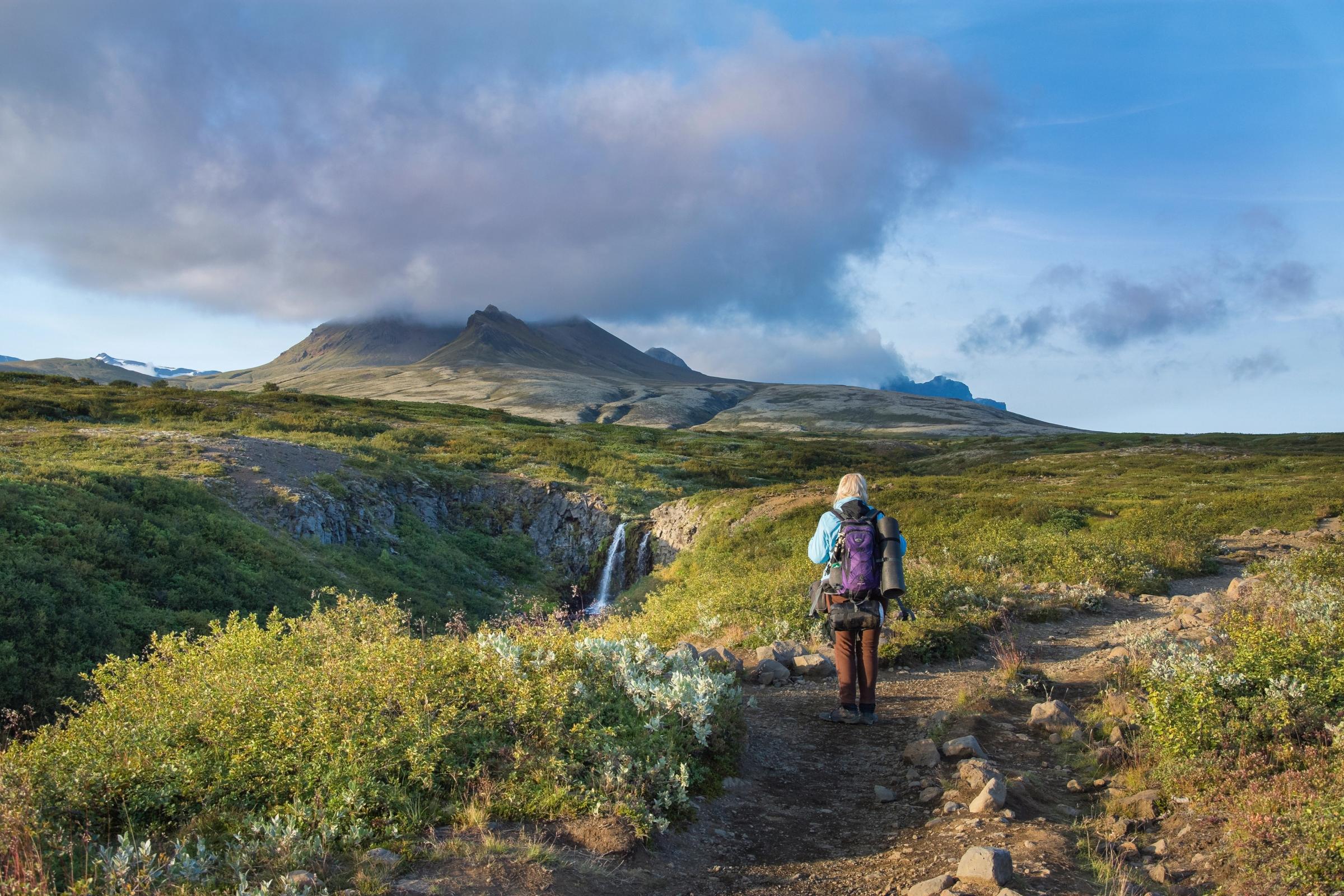
Skaftafell is about 60 km west and fits well into the same day. It’s part of Vatnajökull National Park and has several hiking trails. The most popular walk goes to Svartifoss, a waterfall surrounded by tall basalt columns. The hike isn’t hard and gives you a nice break from driving. Glacier hiking tours also start from Skaftafell.
Winter Ice Caves
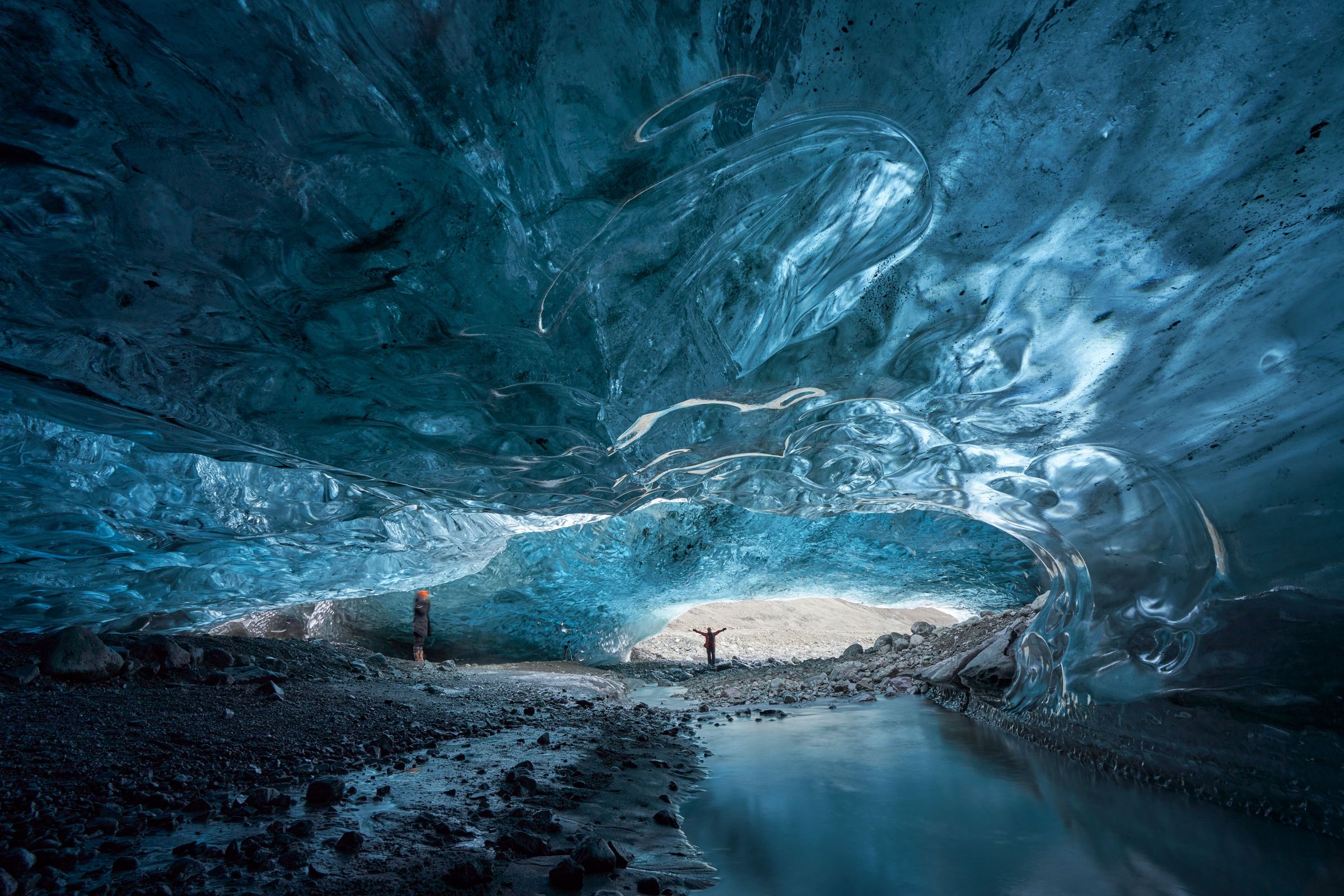
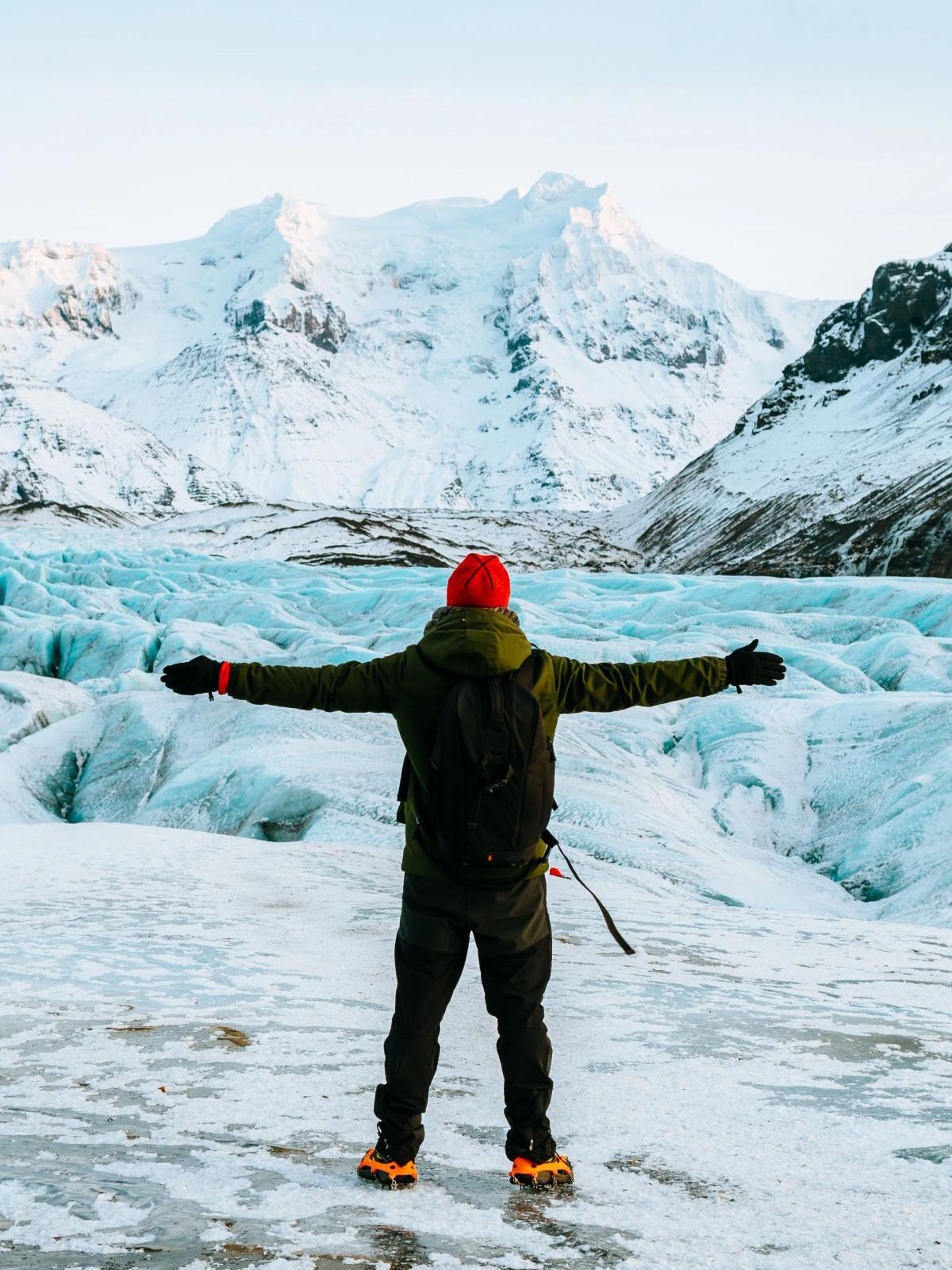
Ice caves near Vatnajökull only form in winter. Meltwater cuts tunnels through the glacier, creating caves made of blue ice. They change every year, so no two winters look the same. Tours usually meet near Jökulsárlón and use large modified vehicles to reach the glacier.
Höfn and Surroundings
Höfn is the closest town with restaurants, fuel, and places to stay. It’s about an hour east of Jökulsárlón. The drive is scenic and easy. Many travelers use Höfn as a base for this part of the country.
Near Höfn is the Stokksnes peninsula. This is where Vestrahorn is, a sharp mountain that rises straight out of black sand dunes. It’s private land, so there’s a small entry fee. It’s especially popular for photos early in the morning.
Practical Travel Tips & Safety
This area is open and exposed, so it helps to be prepared.
Parking and Costs
Parking costs 1,000 ISK, roughly 7 to 8 USD, and it’s valid for the whole day. You pay through an app or at a machine on site. The parking lot is large, but it fills up during busy hours, usually between 11 am and 3 pm in summer. Early mornings and evenings are much easier.
What to Wear
Dress in layers no matter the season. Wind coming off the glacier makes everything feel colder. A waterproof jacket is a must. Warm layers, sturdy shoes or boots, a hat, and gloves are useful even in summer. If you’re going on a boat tour, expect wind and water spray.
Safety Around Ice and Water
Don’t climb on icebergs or ice chunks. They can move or flip without warning. Keep your distance from the water, especially at Diamond Beach. Waves can rush up suddenly, and the water is extremely cold with strong currents. Slippery ice and wet sand make things worse.
Weather Planning
The weather can change fast. Calm conditions can turn windy quickly. In winter, storms can close roads or cancel tours. Boat tours are sometimes canceled because of wind, even in summer. Having a flexible plan helps.
Conclusion
Jökulsárlón Glacier Lagoon is one of those places that sticks with you. Ice moves slowly across the water. Seals swim past. The whole area feels calm without trying to be special. It’s easy to reach, easy to walk around, and never looks exactly the same twice. Whether you stop for a short visit or stay longer, it leaves a strong impression in a very simple way.
Frequently Asked Questions About Jökulsárlón Glacier Lagoon
Swimming in Jökulsárlón isn’t allowed, mainly because the water is super cold and unsafe.
Yes, visiting Jökulsárlón Glacier Lagoon itself is free, so you can walk around, enjoy the views, and take plenty of photos without paying anything. However, if you want to join a boat tour to get closer to the icebergs, there is a fee for that.
Yes, there are various accommodation options near Jökulsárlón to suit different preferences and budgets. Booking in advance is recommended, especially during peak tourist seasons.
Yes, you can still enjoy Jökulsárlón even if you have mobility challenges. Some of the paths aren't paved, but they're manageable if you're careful. Diamond Beach is a bit tougher to navigate with uneven ground, but it's still doable.
About the author
Aron Freyr
Born and raised in Iceland, Aron Freyr has spent all 28 years of his life exploring the country and getting to know its landscapes, regions, and ever changing conditions. From long summer road trips to winter journeys through remote areas, he has traveled across Iceland more times than he can count. As part of the Go Car Rental Iceland team, Aron turns this firsthand experience into trustworthy, practical guidance that helps visitors navigate Iceland with confidence. His deep local insight makes him one of the most reliable voices on Icelandic travel today. He claims this expertise also includes knowing exactly which gas stations make the best hot dogs.