If you want an easy wildlife experience in Iceland without dealing with big crowds or long detours, Ytri Tunga Beach is one of the best stops you can make. This stretch of golden sand on the Snæfellsnes Peninsula has a seal colony that sticks around all year, and it’s surprisingly simple to reach.
Key Takeaways:
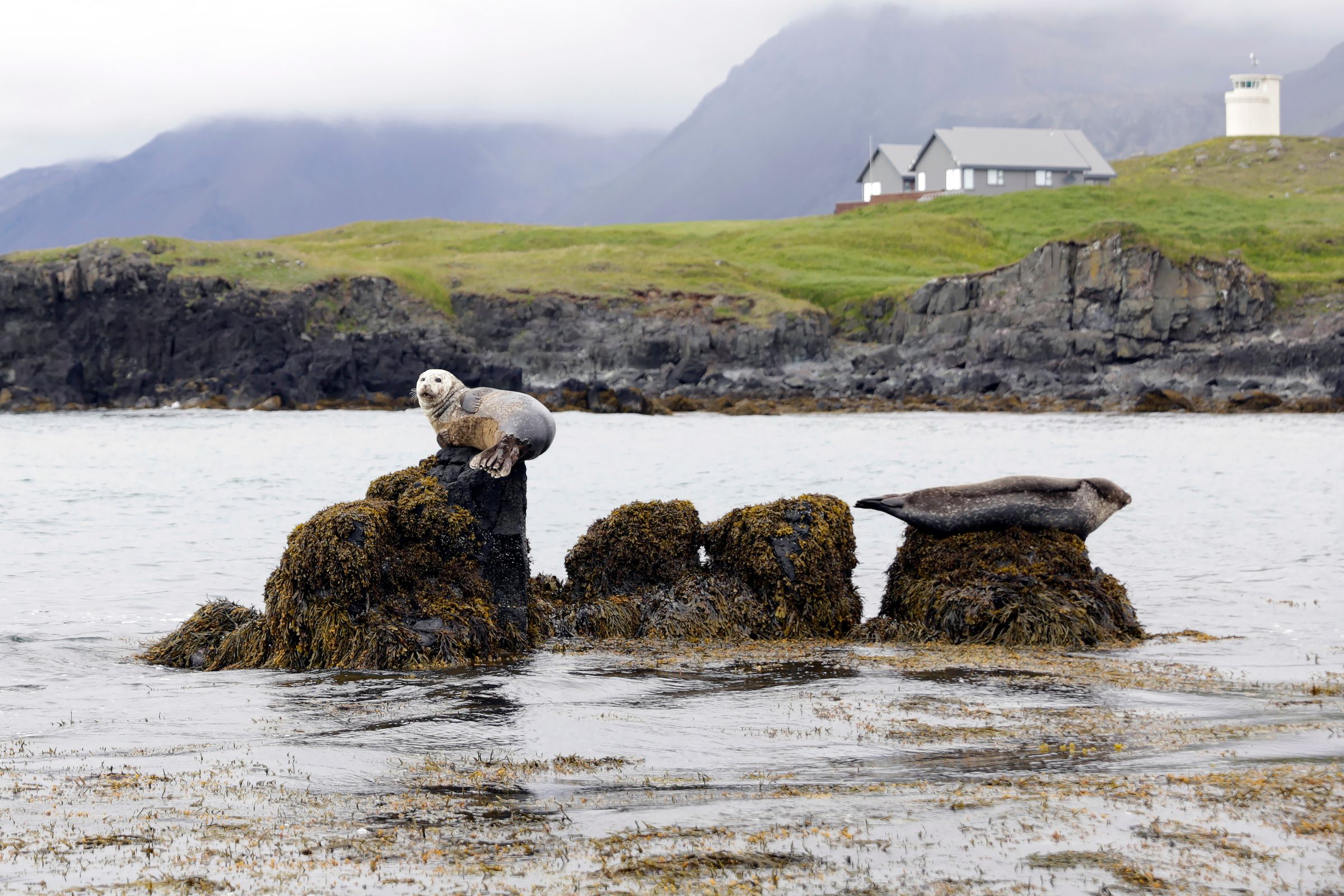
One of the most reliable places in Iceland to see harbor and grey seals
Rare golden sand thanks to light volcanic minerals
140 km from Reykjavík with fully paved 2WD access
Low tide is the best time to visit; May–August is peak seal season
No facilities at the beach. Bring everything you need and keep 50 meters from the seals
Easy half-day stop along a Snæfellsnes Peninsula itinerary
What's Ytri Tunga Beach? A Concise Overview
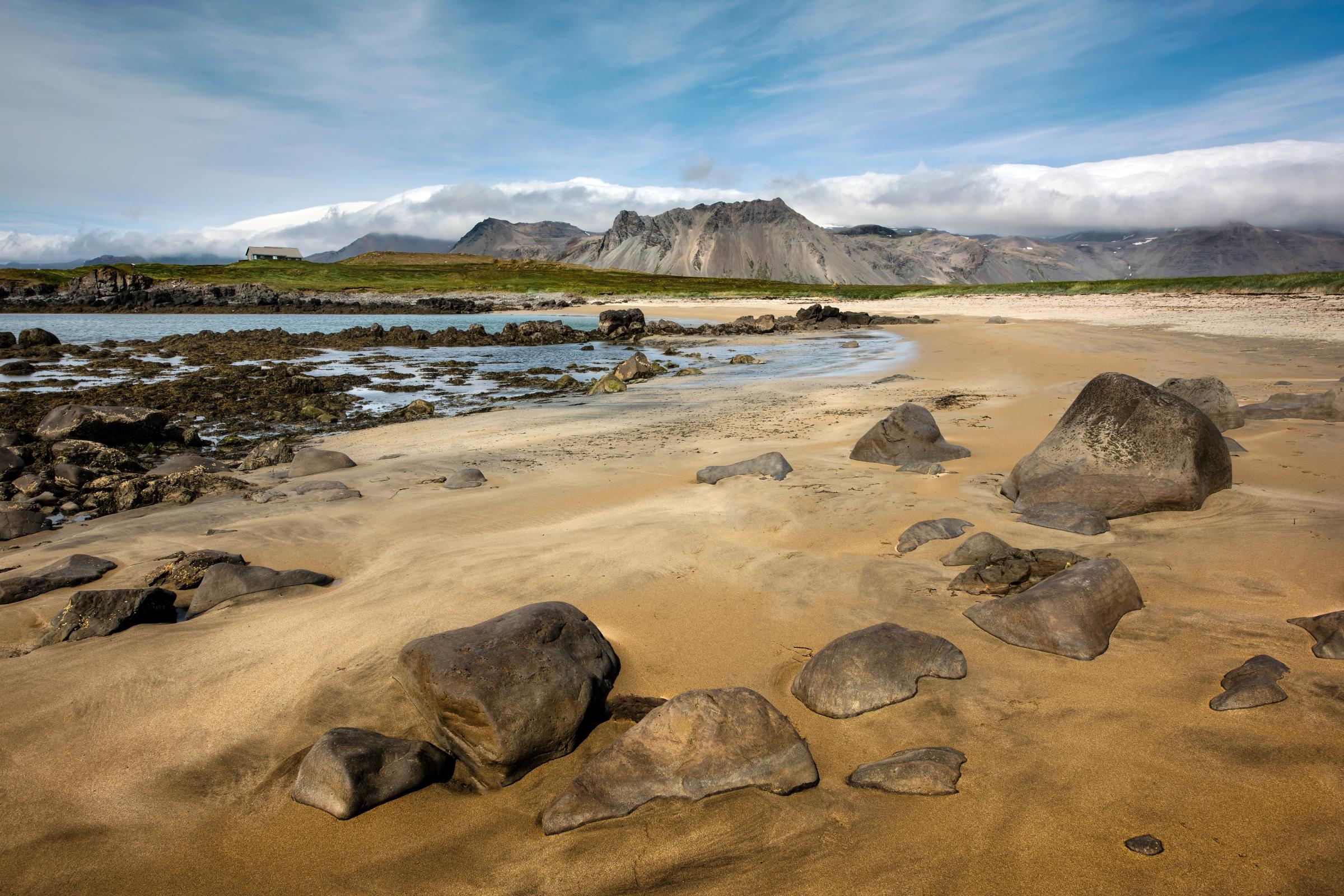
Ytri Tunga Beach is a 2-kilometer golden-sand beach on the Snæfellsnes Peninsula, which stands out because most Iceland beaches are black sand. The sand’s warm color comes from minerals like quartz and feldspar, and the area is known for its resident seals and views of Snæfellsjökull glacier. With no entrance fee or facilities, it feels more like a quiet wildlife spot than a typical tourist stop.
Ytri Tunga Beach sits on the Snæfellsnes Peninsula and is unusual because it’s covered in golden sand, not the black volcanic sand you see almost everywhere else in Iceland. The coastline stretches for about 2 kilometers and is part of a local farm. It might seem like a regular beach at first, but the resident seal colony is what makes it famous.
The sand gets its color from minerals like quartz and feldspar slowly breaking down over centuries. If you’ve already been to places like Reynisfjara or Diamond Beach, this one immediately feels different. The warm color gives it a totally different mood, even though the chilly ocean breeze reminds you you’re still very far from anything tropical.
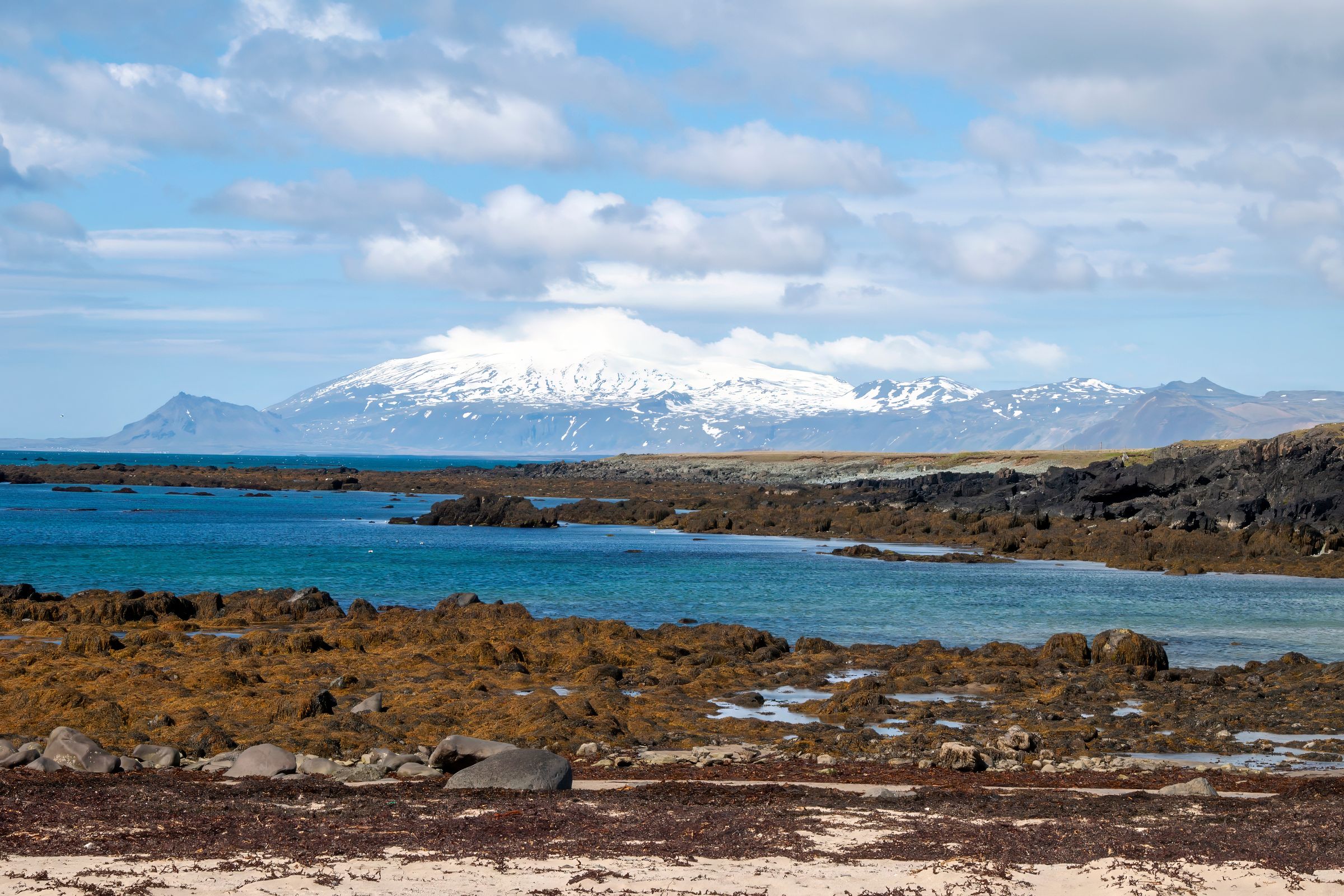
Rocky points create built-in resting platforms for seals, and on good-visibility days, you can make out Snæfellsjökull glacier in the background, the same mountain from Journey to the Center of the Earth. There’s also a big whale bone on the beach, a leftover piece of Iceland’s long connection to the sea.
There’s no entrance fee, no visitor center, and no guides. It feels like a wildlife area more than a tourist stop.
Why Should I Visit Ytri Tunga Over Other Spots in Iceland?
Ytri Tunga is a calmer, easier wildlife spot than many others in Iceland, with seals here all year and often resting just 50–100 meters from shore. It’s quick to reach, has no fees or schedules, and you can visit anytime. The warm sand, glacier views, and mix of seals and seabirds make it a great place for simple photography and relaxed wildlife watching.
Iceland has plenty of nice spots to see wildlife, but many of them come with crowded viewpoints or tricky logistics. Jökulsárlón can get very busy and doesn’t always have seals near the shore. The Westman Islands are fantastic but expensive to reach. Ytri Tunga is simple, reliable, and much calmer.
The colony here sticks around all year, and during summer, the numbers go up even more. At a lot of other places, the seals stay far from land. At Ytri Tunga, they often rest on rocks just 50–100 meters away, so you can actually see what they’re doing.
Getting here is easy. Paved roads the whole way, a short gravel driveway at the end, and a quick walk to the beach. No special permission or scheduling needed. The beach is always open, so you can plan entirely around the tide instead of someone else’s timetable.
Photography fans love the contrast between the warm sand and the glacier in the distance. Sunrise and sunset light really bring the place to life.
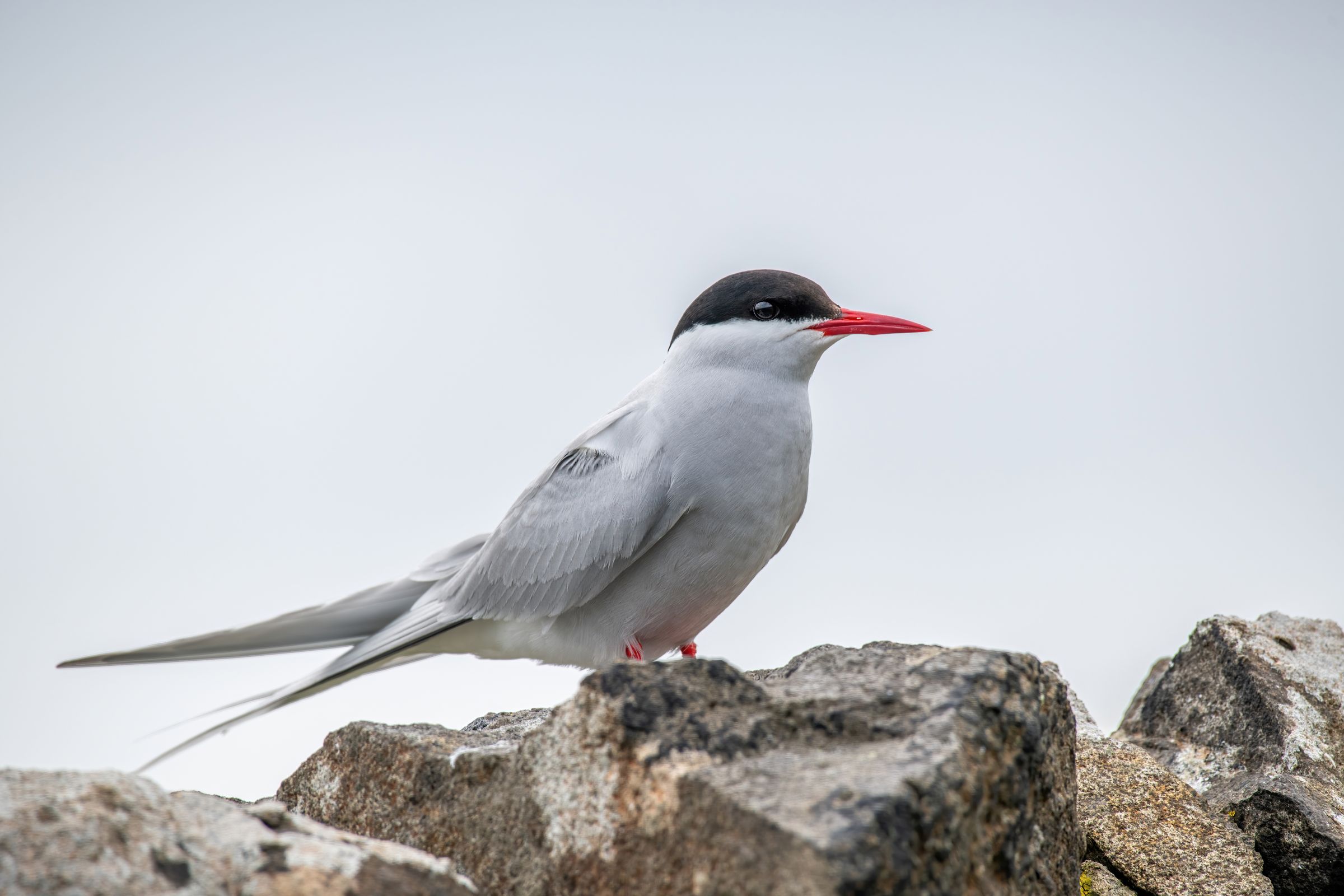
You’ll also see seabirds like Arctic terns, eiders, and oystercatchers. With all this wildlife in such a compact area, it’s an excellent place for photography or casual watching.
Location & How to Get There
Ytri Tunga is about 140 km from Reykjavík, reached in about 2 hours and 15 minutes by following Route 1 and Route 54, then turning onto a short gravel road. There’s no public transport, but any 2WD car works, and many Reykjavík tours include a stop for 12,000–15,000 ISK. Parking holds 15–20 cars, so in summer it’s easier to visit early or late in the day.
Ytri Tunga is on the south side of the Snæfellsnes Peninsula, about 160 km (99.5 miles) northwest of Reykjavík. Driving there takes roughly 2 hours and 15 minutes.
From Reykjavík:
Drive the Ring Road (Route 1) toward Borgarnes for about 70 km
Turn onto Route 54 heading west
Stay on Route 54 for roughly 60 km
Look for the small “Ytri-Tunga” sign on your right
Turn onto the short gravel road to the parking lot
The access road is only about 400 meters long and leads to a small gravel lot. Regular 2WD cars are totally fine unless winter weather gets rough.
Most people come to Ytri Tunga for seal watching, especially at low tide from May to August, when harbor and grey seals rest on the rocks and pups appear. The beach also offers great photography with golden sand, glacier views, tidal pools, shells, and active seabirds like Arctic terns, eiders, and oystercatchers. It’s a quiet place to explore or simply sit and listen to waves and wildlife.
Ytri Tunga looks simple at first, but there’s plenty to keep you busy once you reach the shoreline. Most people come for the seals, but the beach has more going on if you take your time. Here’s what you can actually do while you’re there.
Seal Watching
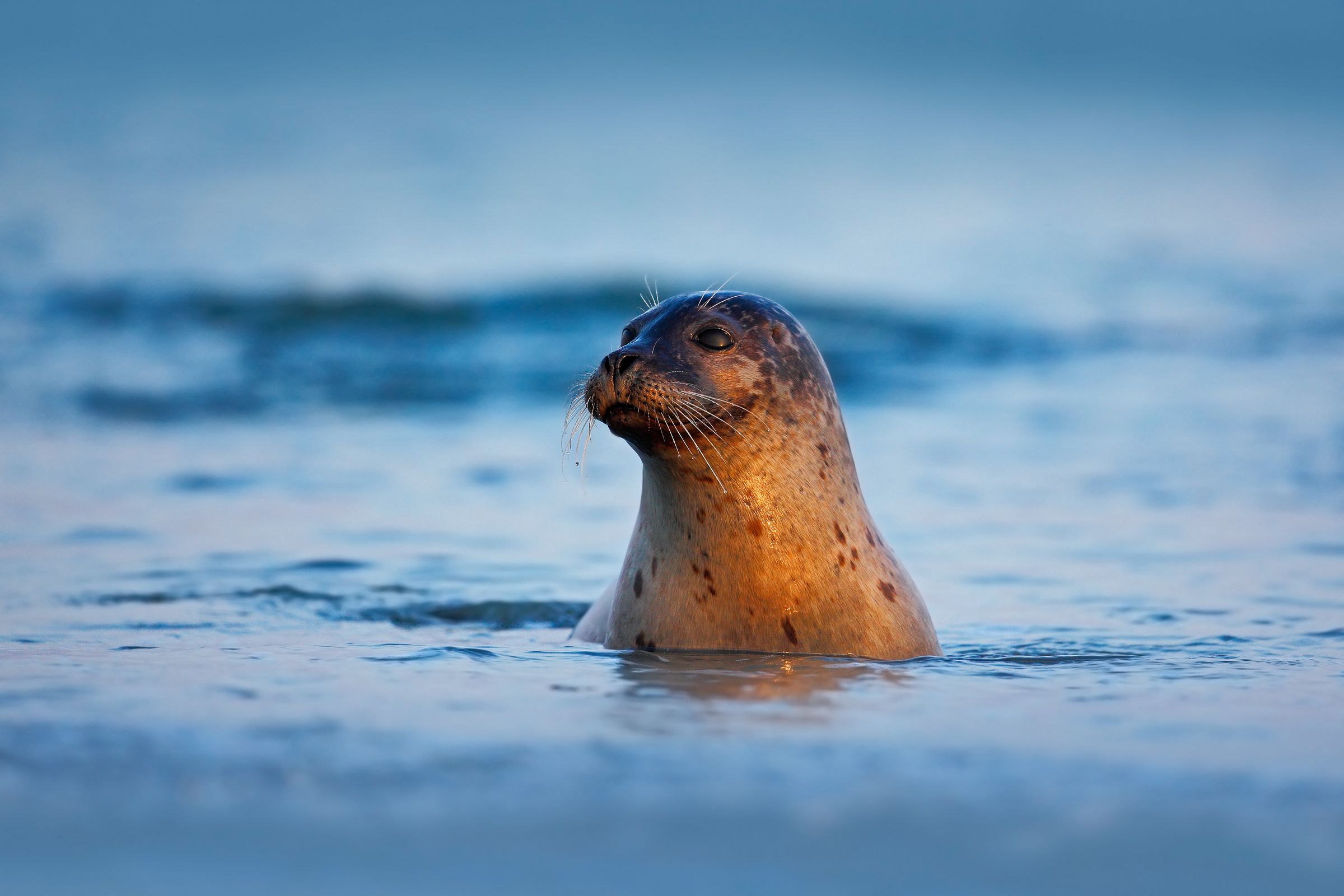
Seal watching is the main reason people visit. Harbor seals are the most common: shorter, round-faced, and spotted. Grey seals turn up too, and they’re bigger and heavier, especially males.
Low tide is the time to go. When the rocks dry out, seals come up to rest. High tide can leave the beach completely empty.
Seals usually feed during high tide and rest when the tide goes out. In the morning, you may catch them returning from feeding. By afternoon at low tide, groups often settle in for longer stretches.
Best months: May–August, especially June and July when pups are around.
Etiquette: Stay at least 50 meters from adults and 100 meters from pups. If a seal stares at you or looks nervous, back up a bit. Binoculars or a zoom lens help you keep your distance.
Photography Opportunities
The mix of golden sand, dark volcanic rock, and Snæfellsjökull in the distance gives your photos a completely different color palette than most Icelandic landscapes.
Best lighting: Golden hour — early morning or late evening — when the sand and seals light up naturally. Summer makes these windows much longer than usual.
Recommended gear: A zoom lens between 200 and 400mm, a tripod, and a wide-angle lens for landscape shots.
Composition ideas: Photograph seals against sand rather than dark rocks. Use the whale bone creatively. Look for moments when seals move, stretch, or interact.
Weather notes: Wind is common, cloud formations shift quickly, and light rain is normal. Protect your gear.
Beachcombing and Exploration
There’s plenty to see along the shoreline. Tidal pools hide small crabs and anemones, and the sand sometimes sparkles with mineral fragments.
You might find shells, smooth rocks, and sea glass during a slow walk. The large whale bone is interesting to look at, but shouldn’t be moved.
Seasonal changes:
Spring: New seaweed, returning birds
Summer: Most marine life in pools
Fall: Big waves and dramatic scenes
Winter: Snow and ice around the coast
Birdwatching
The area mixes marine and coastal habitats, which attracts lots of birds. Arctic terns dive for fish in summer and can be pretty bold while protecting nesting areas.
Eiders and oystercatchers are common, and sometimes white-tailed eagles appear overhead. Ravens wander the beach year-round.
Best birdwatching time: Early summer mornings.
Discover Iceland's birds species and where to find them
Ytri Tunga is a peaceful place to sit and listen. Seals calling, waves hitting the rocks, and seabirds overhead make it easy to stay longer than planned. With no shops or noise nearby, it’s a nice break from Iceland’s busier attractions.
Practical Information For Visitors
The best time to visit Ytri Tunga is May–August, especially at low tide, when weather is milder and seals are most active. Bring warm, waterproof layers, binoculars or a zoom lens, snacks, and anything you need since there are no shops or bathrooms. Move quietly around wildlife, watch for slippery rocks and fast-changing weather, and expect a small gravel lot with occasional honor-system parking fees.
This section covers the small but important details most people overlook until they’re already standing on the beach. Iceland rewards a bit of preparation, and Ytri Tunga is no different. Here’s what you should know before you go.
Weather & Best Time to Visit
Weather shapes the whole experience here, especially because seal behavior changes with the tides and seasons. A little planning goes a long way, so here’s a quick look at when the beach is at its best and what conditions you can expect.
Best months: May–August bring better weather, active seals, and long daylight hours. June and July also have pupping season.
Best time of day: Low tide. Check vedur.is for tide charts.
Seasonal notes:
Spring: Wildlife picks up, weather can swing fast
Summer: Peak activity, mild temps (10–15°C), long days
Fall: Strong weather patterns and possible northern lights
Winter: Short days, snow, rough seas but dramatic views
Weather prep: The coast always feels cooler and windier than inland. Dress in layers.
What to Bring
Ytri Tunga doesn’t have shops, bathrooms, or shelters, so what you bring with you determines how comfortable your visit will be. The list isn’t long, but a few key items make a big difference, especially in Iceland’s unpredictable weather.
Clothing:
Waterproof jacket and pants
Warm layers
Waterproof boots
Hat and gloves
Gear:
Binoculars
A camera with zoom lens
Extra batteries
Lens cloth
Tripod
Other items:
Hot drink
Snacks and water
First aid basics
Trash bags
Offline maps
Some cash if parking fees apply
P- Essential gear laid out for a successful Ytri Tunga Beach visit
Don’t bring:
Speakers
Food to feed wildlife
Drones (usually restricted)
Expectations of bathrooms or services
Useful Tips
These are the small habits and reminders that make seal watching smoother, safer, and more enjoyable. Nothing complicated, just things people often learn the hard way. Keeping them in mind will help you make the most of your time at the beach.
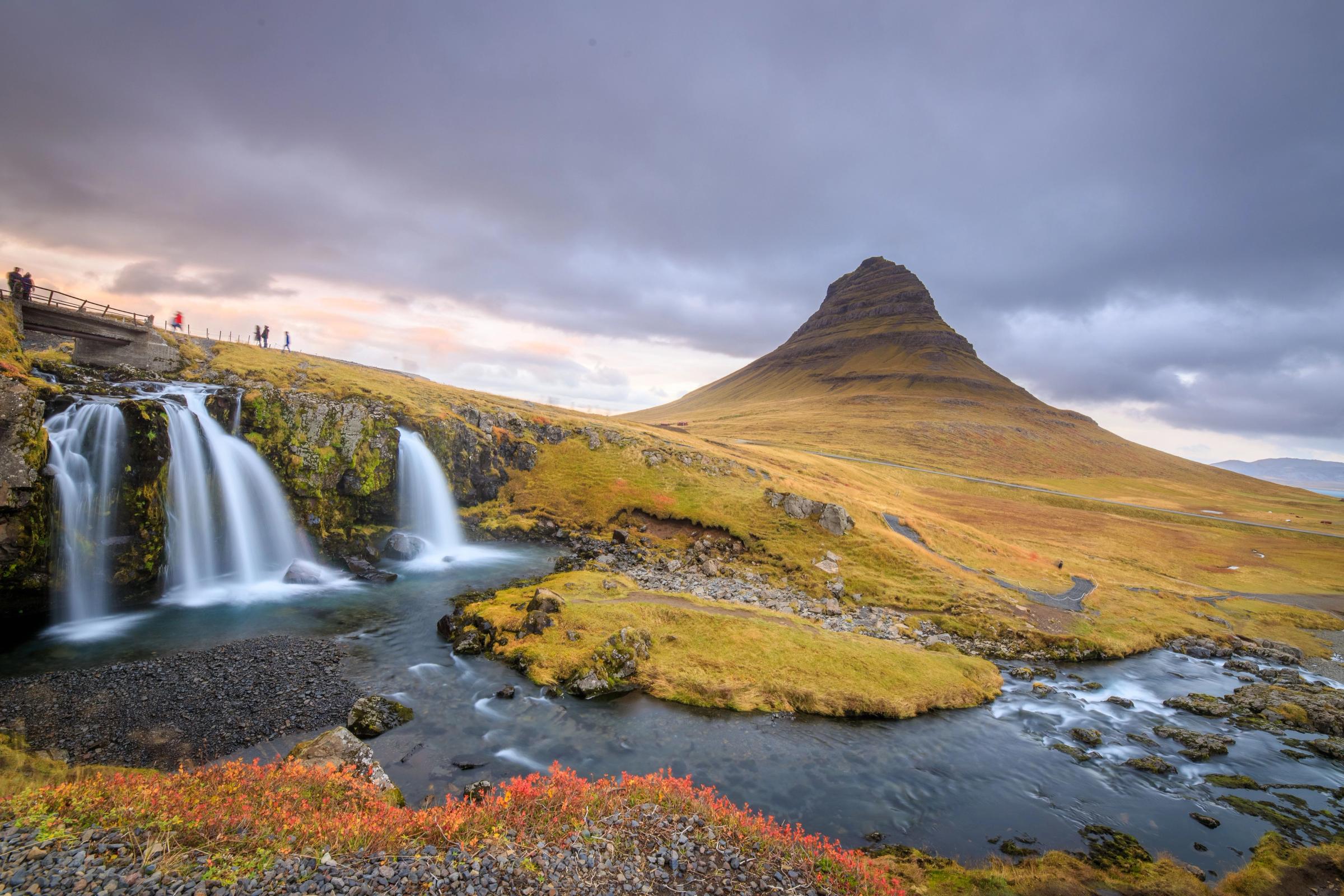
Close by, you can see Búðir and its black church, Arnarstapi and Hellnar with their coastal cliffs and easy trail, and the narrow, mossy Rauðfeldsgjá Gorge. Farther west are the Lóndrangar sea stacks, Djúpalónssandur’s black-pebble beach with shipwreck remains, and Snæfellsjökull National Park for glacier views and lava cave tours. Kirkjufell, about 70 km north, offers the classic mountain-and-waterfall photo spot.
Snæfellsnes is full of things to see, all close enough for a packed day of exploring.
Búðir & Búðakirkja (13 miles west)
The small black church from 1703 (rebuilt in 1987) sits in the middle of dunes and a lava field. It’s popular for photography. Hotel Búðir nearby serves good meals with glacier views.
Arnarstapi & Hellnar (22 miles west)
These two villages have some of Iceland’s most striking coastal cliffs and basalt formations. The 2.5 km trail between them is an easy, scenic walk. Hellnar has a café open in summer.
Rauðfeldsgjá Gorge (19 miles west)
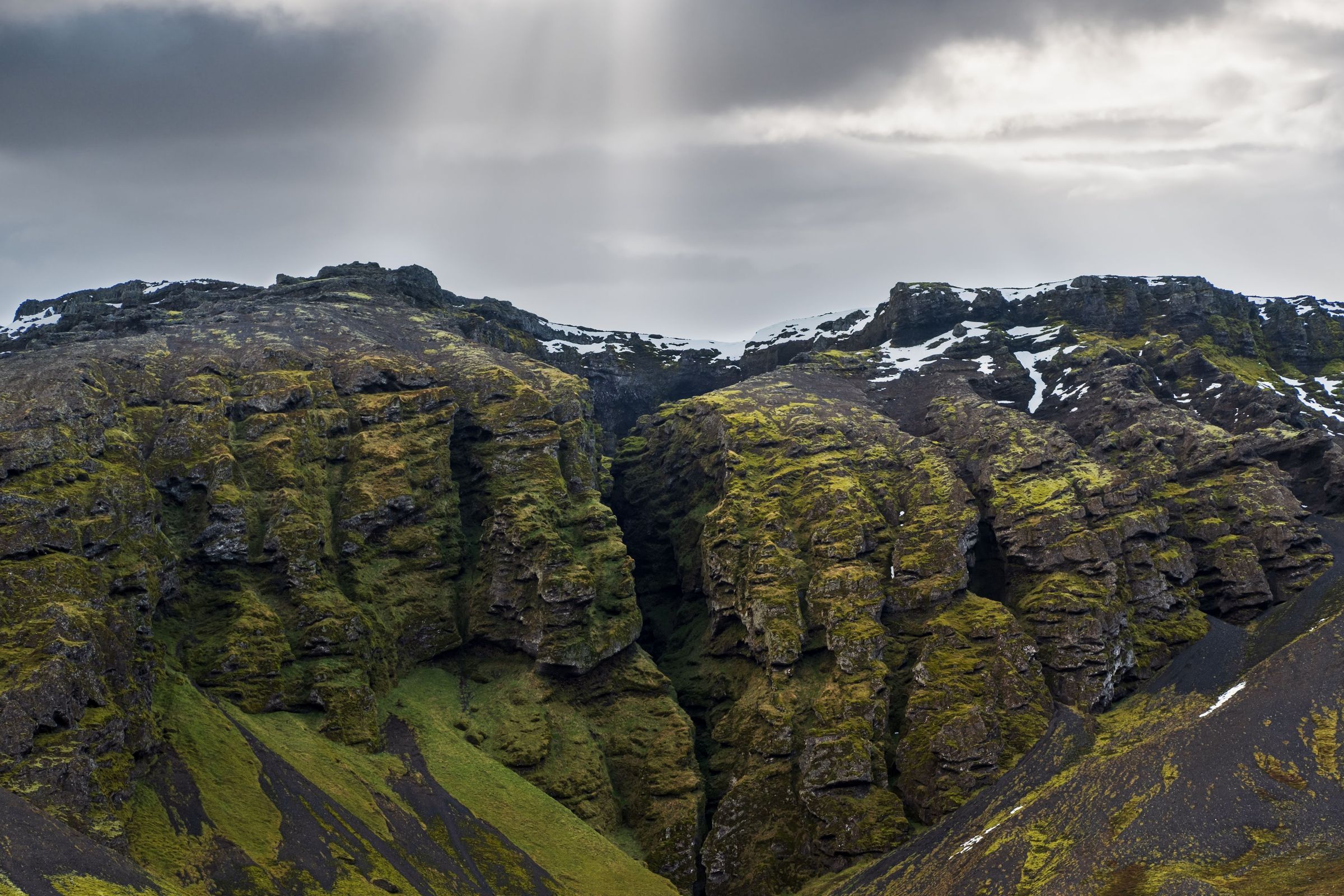
A narrow canyon with a short but steep approach. Inside, mossy walls and a small waterfall create a dramatic setting tied to a local legend.
Lóndrangar Sea Stacks (26 miles west)
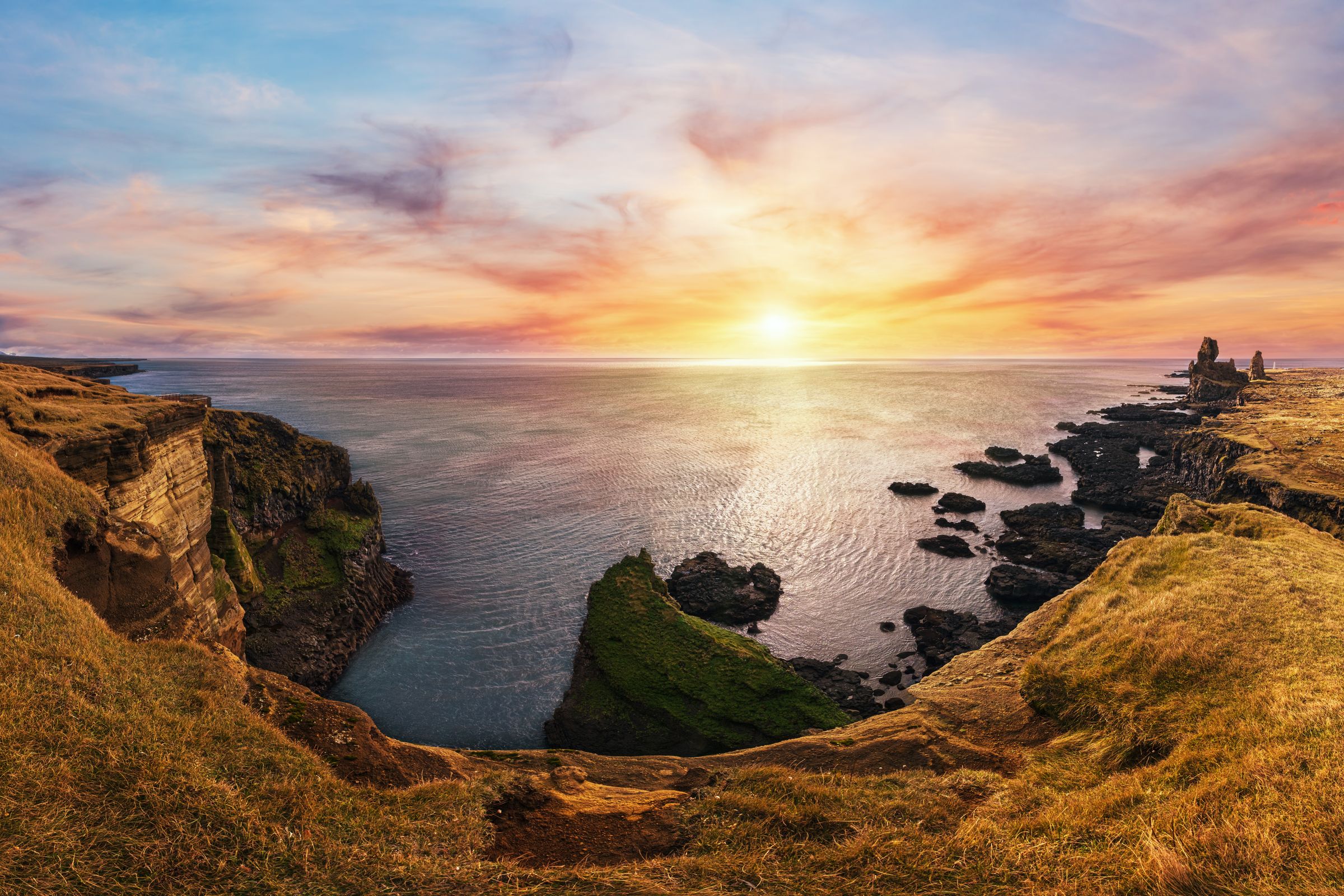
Two tall basalt towers shaped by volcanic history and erosion. Great for birds and photography.
Djúpalónssandur Beach (30.5 miles west)
A black pebble beach with remains from a 1948 shipwreck and four old lifting stones once used by fishermen to test their strength.
Snæfellsjökull Glacier & National Park (40 miles west)
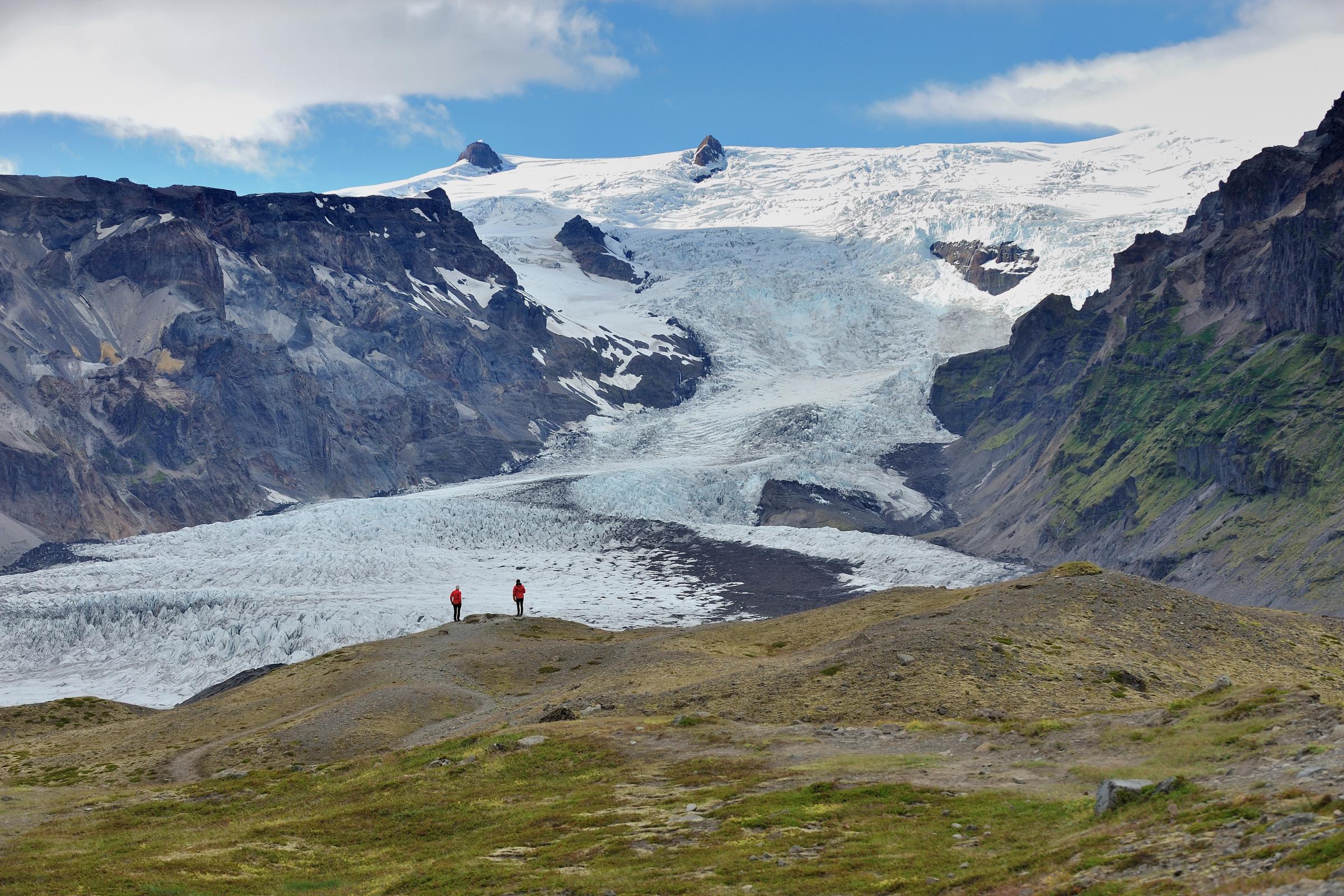
The glacier-covered volcano dominates the region. You can hike around the base or explore Vatnshellir lava cave on a guided tour.
Discover One of the Three Stunning National Parks in Iceland
Ytri Tunga Beach is one of Iceland’s simplest and most reliable wildlife stops. It’s easy to reach, beautiful in any weather, and full of seal activity year-round.
Unlike many popular spots that require good timing or special gear, Ytri Tunga is accessible for almost anyone. The golden sand sets it apart from the typical Icelandic landscape and fits naturally into a day of exploring Snæfellsnes.
Frequently Asked Questions About Ytri Tunga Beach
No — the water is extremely cold year-round and conditions can be hazardous, so the beach is best enjoyed from the shore rather than for swimming.
Not usually, but they can be aggressive if approached. Keeping distance prevents territorial behavior, especially from large grey seals.
Generally no — drones are often restricted to avoid disturbing wildlife, and seal colonies are especially sensitive to noise and shadows from above.
Partially — the parking area is close, but the beach involves uneven ground and rocky sections, which can be challenging without assistance.
It’s still scenic, but seal sightings drop significantly. Many visitors return later in the day when the tide recedes.
About the author
Aron Freyr
Born and raised in Iceland, Aron Freyr has spent all 28 years of his life exploring the country and getting to know its landscapes, regions, and ever changing conditions. From long summer road trips to winter journeys through remote areas, he has traveled across Iceland more times than he can count. As part of the Go Car Rental Iceland team, Aron turns this firsthand experience into trustworthy, practical guidance that helps visitors navigate Iceland with confidence. His deep local insight makes him one of the most reliable voices on Icelandic travel today. He claims this expertise also includes knowing exactly which gas stations make the best hot dogs.