Diamond Beach, Iceland: A Visitor’s Guide for 2026
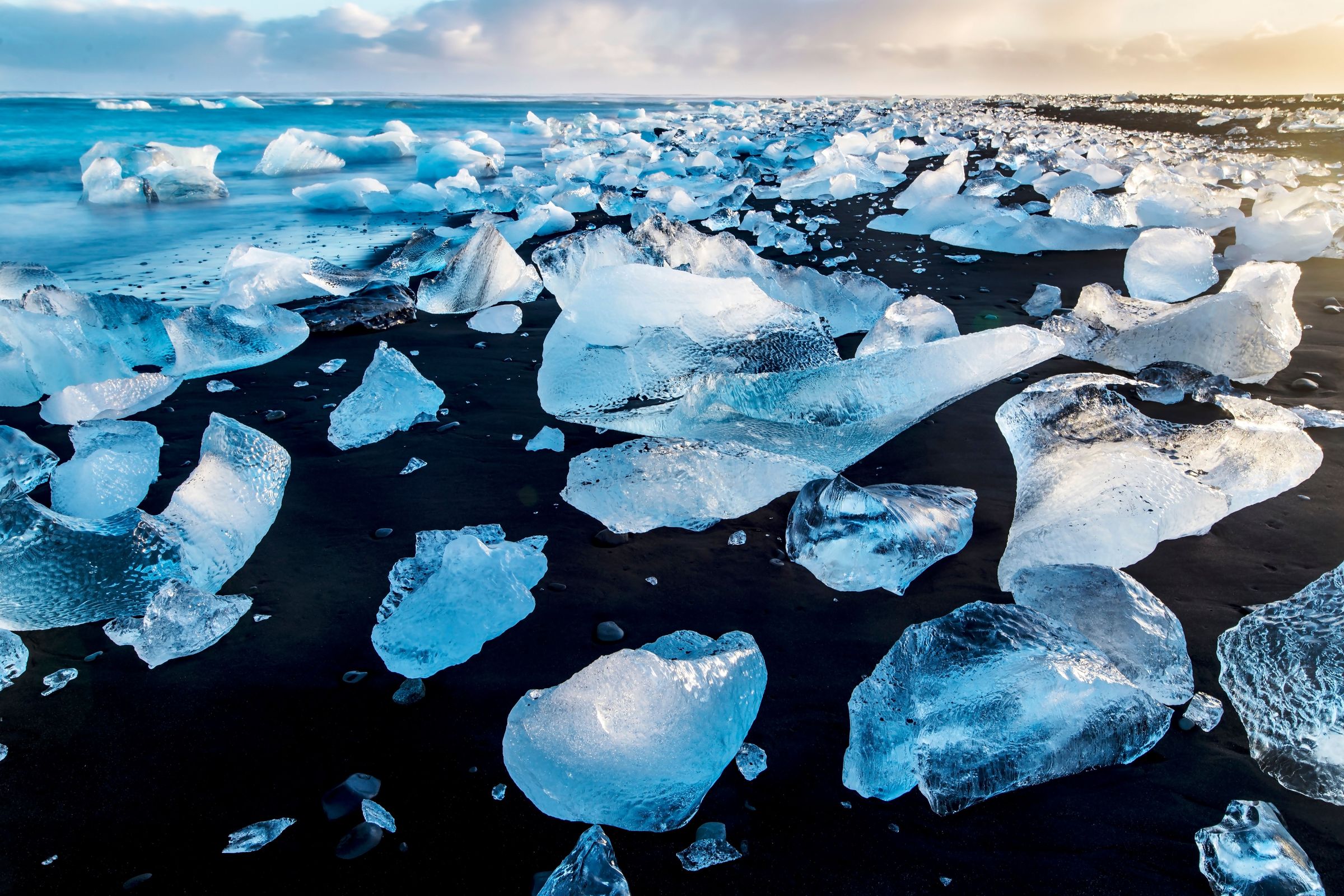
Diamond Beach is on Iceland’s southeast coast, and it’s one of those places you stop at because it’s right there on the drive. Big chunks of glacier ice end up scattered across black volcanic sand after drifting out from the ocean. The ice comes from nearby Jökulsárlón Glacier Lagoon, gets pushed around by waves, and eventually washes up on shore.
When I went, it felt like a good place to stretch my legs and walk around for a bit. I’m glad I stopped, but I wouldn’t say it was one of the most impressive places I’ve seen in Iceland. It’s interesting, it looks cool, and it’s nice for photos, but it’s more of a solid stop than a place that totally blows you away.
Key Takeaways
- Free to visit, parking costs 1,000 ISK
- Right next to Route 1, about 5 to 6 hours from Reykjavík
- Winter is best for more ice and possible Northern Lights
- Sneaker waves are dangerous. Stay alert
- Plan about 30 to 60 minutes here
- Early morning or later in the day is quieter
What’s Diamond Beach?
Diamond Beach, also called Breiðamerkursandur, is a black sand beach where glacier ice washes up from the Atlantic Ocean. The ice breaks off from Breiðamerkurjökull Glacier, floats through Jökulsárlón Glacier Lagoon, and then gets carried out toward the sea. Some of it gets pushed back onto the beach, where waves slowly wear it down.
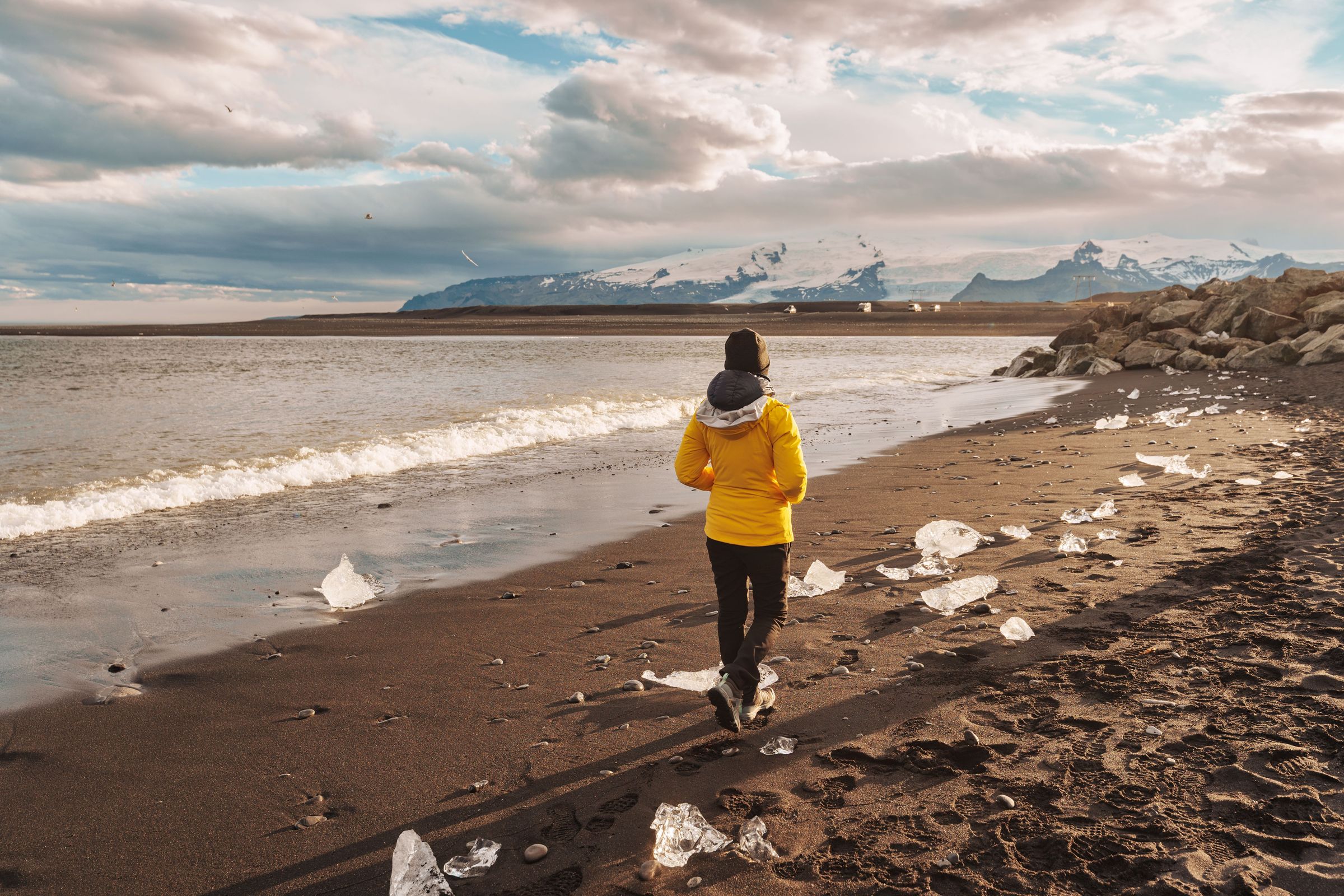
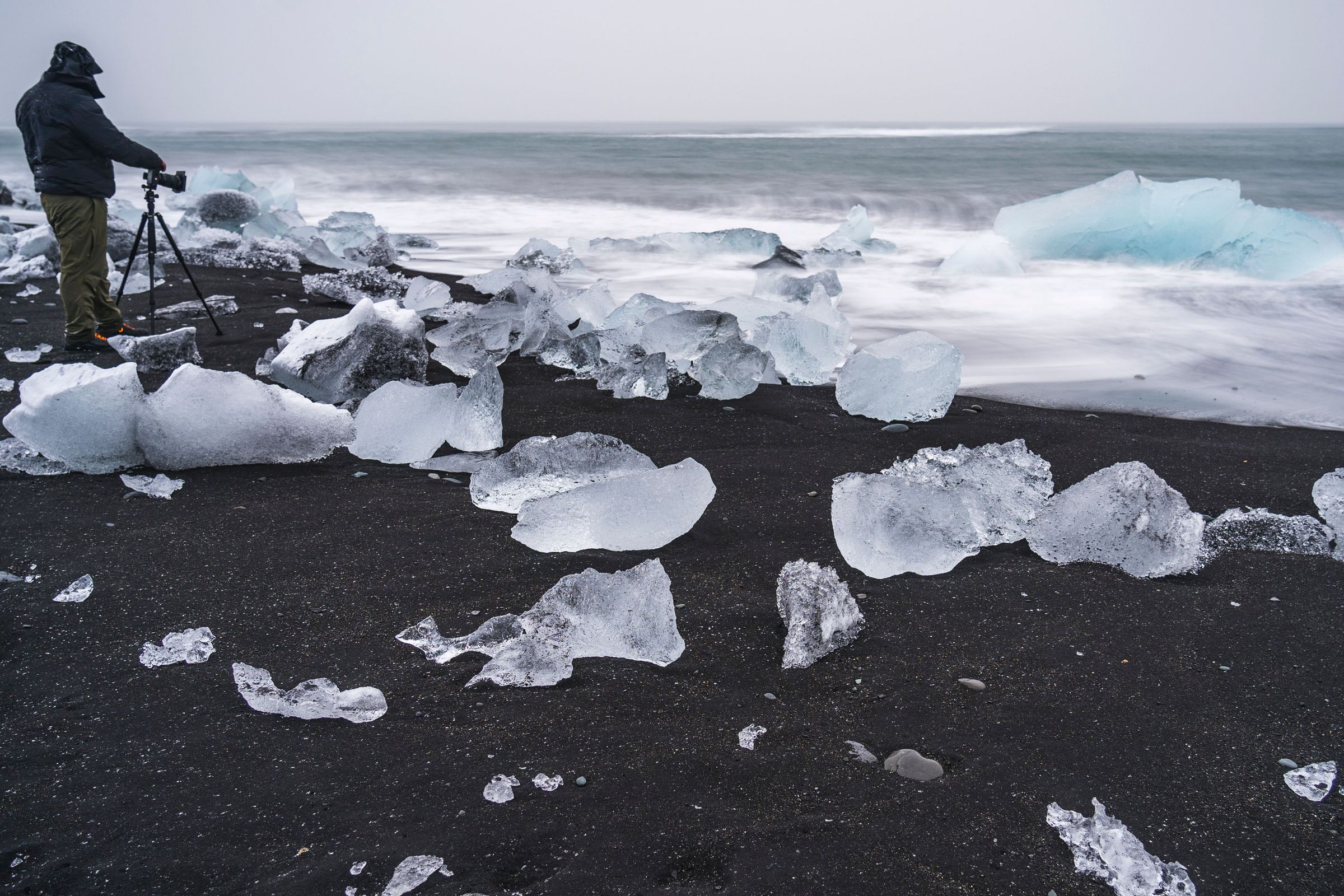
Once you’re standing there, the name makes sense pretty fast. Clear chunks of ice sitting on black sand really do look like bits of glass scattered around. The ice changes all the time. When I was there, some pieces were small and easy to walk around, and others were huge, bigger than cars. Some ice was clear, some was deep blue from being packed tight over a long time, and some pieces had dark streaks from volcanic ash mixed in.
The beach is part of Vatnajökull National Park, which is a UNESCO World Heritage site. It exists because Breiðamerkurjökull Glacier has been slowly pulling back over the last hundred years. In the 1930s, melting ice started forming Jökulsárlón Lagoon, and that process has been moving faster in recent decades. Climate change plays a big role in this. It means more ice reaching the beach, but it also shows how much the glacier has shrunk.
The black sand comes from old lava that’s been broken down over a very long time. Iceland’s volcanic activity created the rock, and waves and erosion turned it into the fine black sand you see today.
Why Visit Diamond Beach?
The main reason I’d say to stop here is how it looks. Ice on black sand stands out, especially if you like taking photos. Iceland has waterfalls and glaciers all over the place, but this exact setup doesn’t really happen anywhere else.
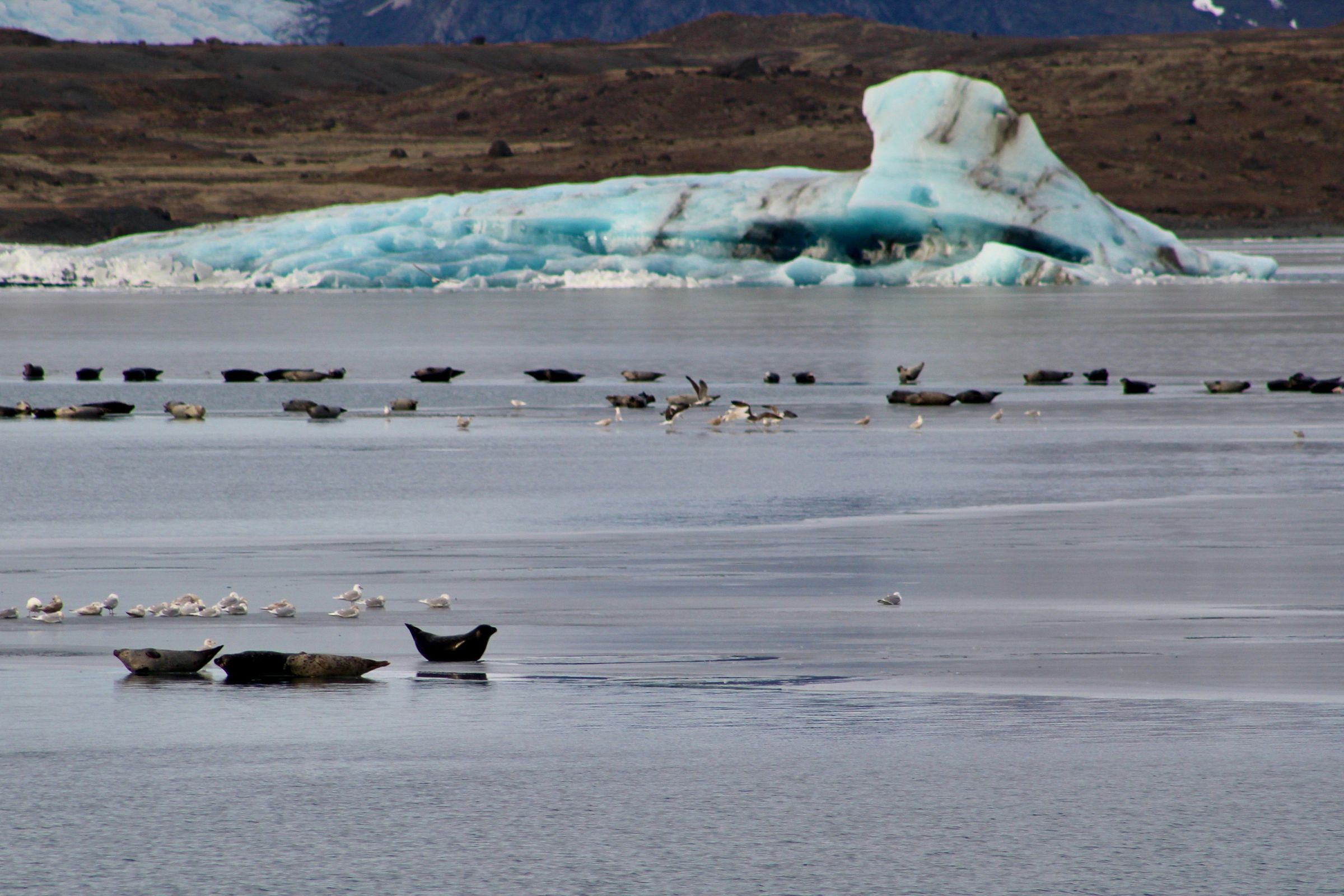
When I visited, I saw seals swimming near the ice, which was cool to watch. Harbor seals are around all year. In winter, there’s a chance of seeing orcas farther out if they’re following fish, but that’s not something you should expect. In summer, Arctic terns and other seabirds usually fly around the beach.
It also just makes sense to visit because it’s right next to Jökulsárlón Glacier Lagoon. You’re seeing two parts of the same thing. The lagoon shows where the ice comes from, and the beach shows where it ends up. Since they’re directly across the road from each other, it feels easy to do both in one stop.
Where Is Diamond Beach & How to Get There
Diamond Beach is in southeast Iceland along the Ring Road (Route 1), about 380 kilometers (236 miles) from Reykjavík. It’s right across the road from Jökulsárlón Glacier Lagoon, between Vík to the west and Höfn to the east.
On your way there, you pass places like Seljalandsfoss and Skógafoss, which help break up the drive. As you get closer, Vatnajökull Glacier starts showing up in the distance, especially on clear days. My advice is that you complete the journey in 2 days instead of one.
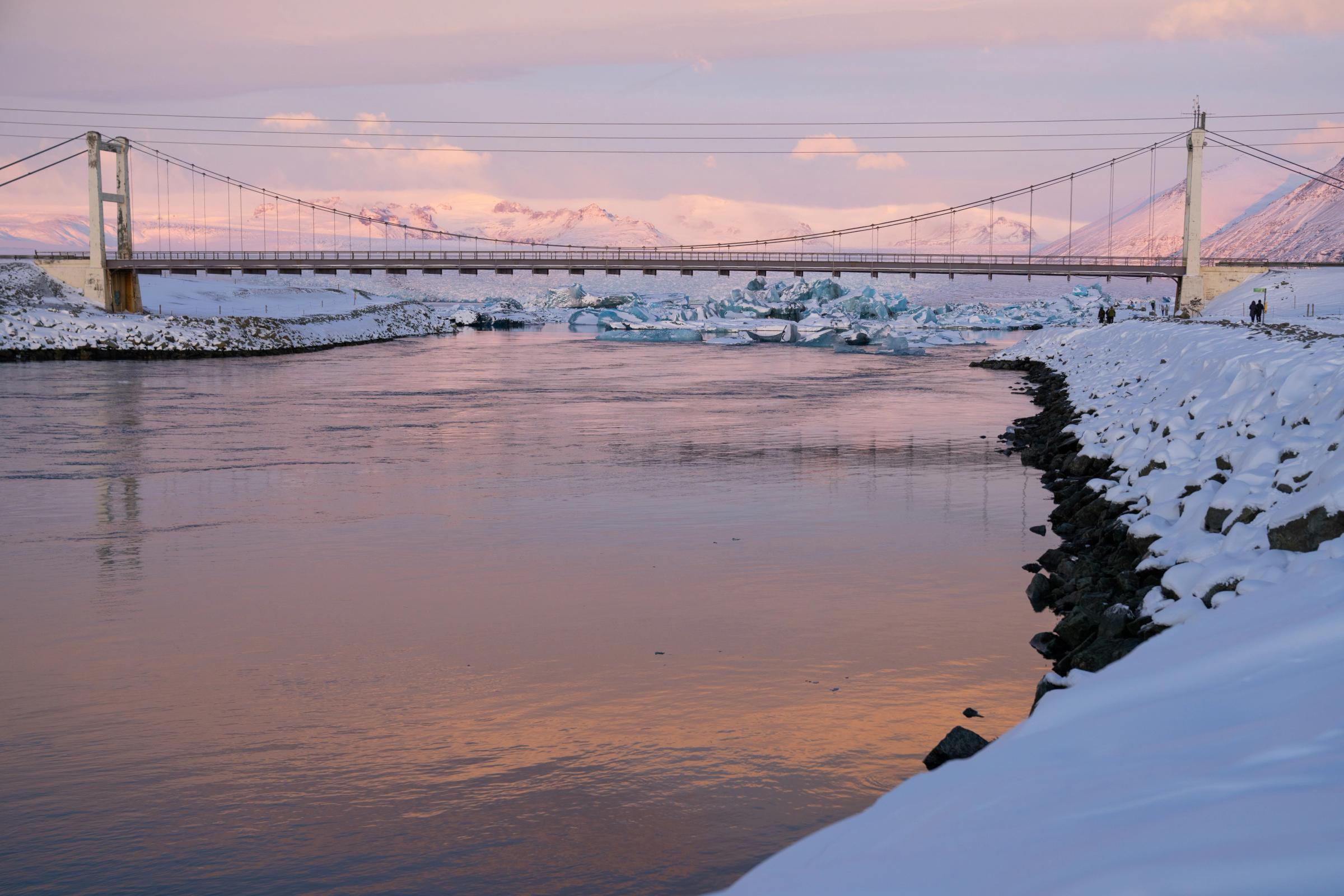
When you get there, you cross a one-lane bridge over the stream that drains out of Jökulsárlón. Right after the bridge, there’s a turn-off on the right for parking on the eastern side of Diamond Beach. If you keep driving a short distance, there’s another turn-off for the western side. I walked both sides. Both had ice, but the eastern side had more scattered around.
If you’re not driving, there are day tours from Reykjavík that include Diamond Beach and Jökulsárlón, but they’re long days, often over 14 hours. Strætó bus Route 51 runs along the South Coast a few days a week, but the schedule is limited, and it’s not really practical as a day trip.
Winter driving from November to March needs extra planning. A 4x4 with good tires is strongly recommended. The Ring Road is usually cleared, but storms can still make driving tough. I’d always check road.is and vedur.is before heading out.
The parking areas are right off the Ring Road, and from there it’s a short 2 to 5-minute walk to the beach. There’s no marked path. You just walk over a small sand ridge, and you’re there.

Top Things to Do at Diamond Beach
There isn’t much you’re supposed to do here, and that’s fine. I mostly just walked along the beach and looked at the ice. Every piece looks a little different. Some are smooth, some are broken, some are clear, and some have marks or cracks from getting moved around by the water.
Most people are here for photos. That’s mainly what I did too. I walked around, stopped when something looked interesting, took a few pictures, and moved on. The ice on the black sand looks good without much effort. You can take wide photos of the beach or focus on one piece of ice if something stands out. In winter, if you’re here at night and the sky is clear, you can take photos of the Northern Lights with the ice in front.
Sunrise and sunset are the best times to be here. In summer, sunrise is around 3 to 4 AM and sunset is around 11 PM, so that takes some planning. In winter, sunrise is closer to 10 or 11 AM, and sunset is around 3 or 4 PM. The lower light makes the ice easier to photograph than during the middle of the day.
If you’re patient, you might see wildlife. Seals sometimes swim near the ice or rest farther out. I didn’t notice them right away. Binoculars help if you have them. In summer, Arctic terns and gulls are usually around. In winter, there’s a chance of seeing orcas offshore, but that’s rare and not something I’d expect.
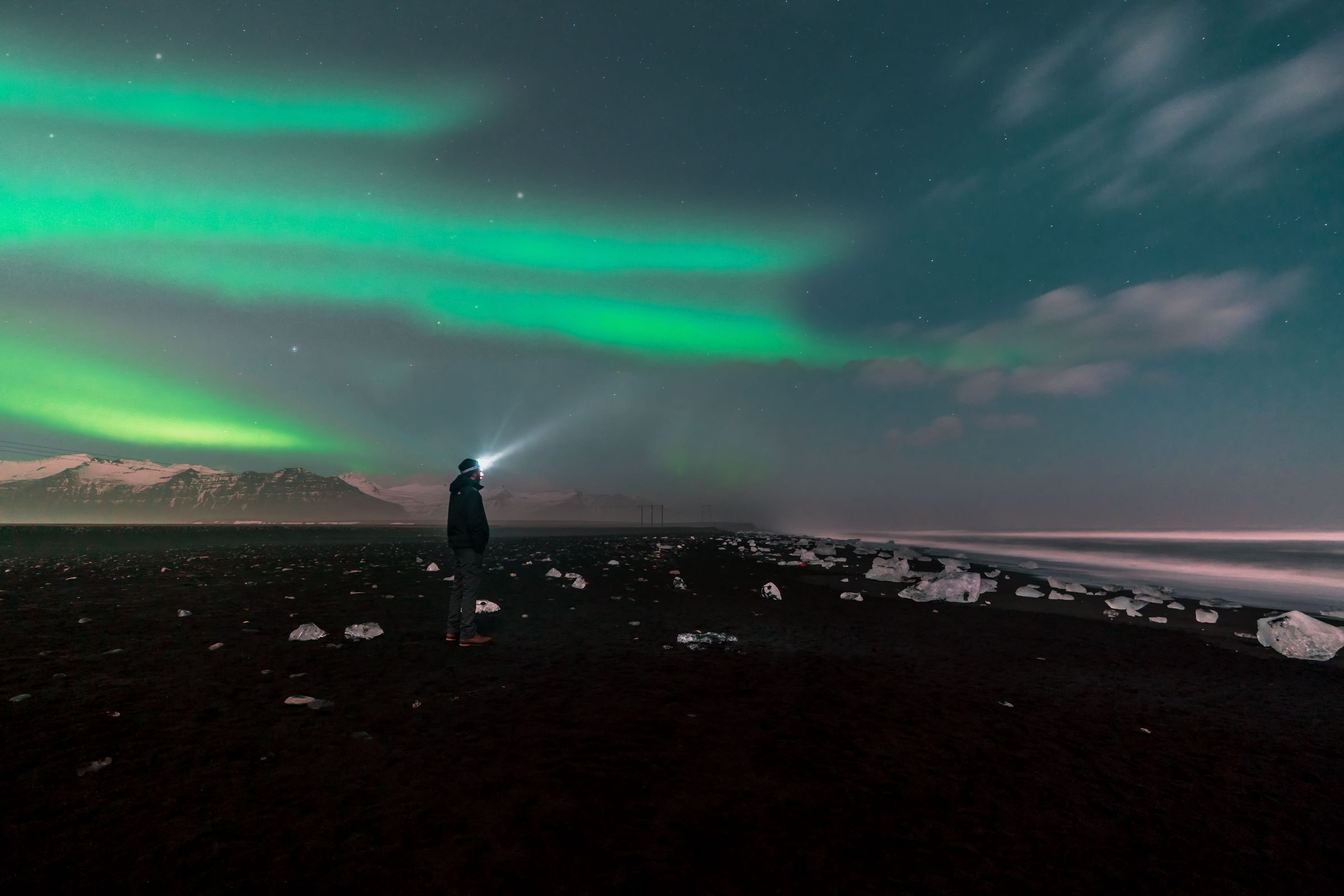
Northern Lights are possible in winter since there’s very little light pollution. If you’re out here at night, bring a tripod and dress warmer than you think you need. Standing still on a cold beach gets uncomfortable quickly.
Best Time to Visit Diamond Beach
Winter, from November to March, is when you’ll usually see the most ice. Colder weather means more ice breaking off from Breiðamerkurjökull Glacier, so more ends up on the beach. Winter also gives you a chance to see Northern Lights if the weather and clouds cooperate. There are fewer people around, which makes it feel quieter.
The downside is daylight. In December and January, you only get about 4 to 5 hours of light. Roads can close during storms, and driving takes more attention. You also need proper winter clothes because the wind off the ocean is cold, especially when you’re near the ice.
Summer, from June to August, is easier overall. You get almost constant daylight because of the midnight sun, and driving conditions are better. The area around the beach is greener. The downside is that there’s usually less ice on the sand since warmer temperatures mean less ice breaking off the glacier. Summer is also busy, especially between late morning and mid-afternoon.
Spring and fall, from April to May and September to early October, tend to be a good middle option. You usually get decent weather, some ice on the beach, and fewer people. If I had to choose one general time to visit, it would probably be during one of these shoulder seasons.
The amount of ice changes every day. Tides, meltwater, and ocean currents all affect what ends up on the beach. Low tide usually means more ice on the sand. High tide can wash most of it away. There’s no way to know exactly what you’ll get, and that’s just how this place works.
Diamond Beach & Jökulsárlón: How to Visit Both
Jökulsárlón Glacier Lagoon is directly across the Ring Road from Diamond Beach. The ice you see on the beach comes from here. It breaks off from Breiðamerkurjökull Glacier, floats around in the lagoon, and then drifts out toward the ocean.
It makes sense to visit both since they’re so close. You can walk between them in a couple of minutes using the path under the road bridge. I spent about the same amount of time at each. Around 30 to 45 minutes at the beach and another 30 to 45 minutes at the lagoon felt about right.
The lagoon feels calmer than the beach. Icebergs float slowly in the water, and seals swim around them. From the shore, you can watch the ice drift toward the outlet that leads to the ocean. In summer, boat tours run on the lagoon. Some are larger boats, others are smaller Zodiac boats, and they take you closer to the ice.
For timing, I liked visiting the beach first in the morning and the lagoon after. For sunset, doing it the other way around worked better. The light changes quickly, so it’s worth moving between the two if you’re already there.
The 1,000 ISK parking fee covers both spots for the day, so you only pay once.
Photography Tips for Diamond Beach
You don’t need special gear here. The ice and black sand already look good together, so even simple setups work fine.
The best light is early or late in the day. Right after sunrise and before sunset, the ice has more color and texture. Midday light is harsher and flatter, but it still works if that’s when you’re there.
The ice pieces all look different. Some are smooth, some are cracked, and some have bubbles frozen inside. I found it easier to focus on a few pieces instead of trying to photograph everything on the beach.
Wet black sand can reflect the ice and sky. If a wave pulls back and leaves a thin layer of water, it’s a good moment to take a photo. It works best when the sand is wet but not getting hit by waves.
The main thing to keep in mind while taking photos is the ocean. It’s easy to focus on your camera and forget what’s happening behind you. Sneaker waves can reach farther up the beach without warning. I kept checking the water and stayed farther back than I thought I needed to.
Drone use is restricted because this area is part of Vatnajökull National Park. Some areas require permits, and rules can change. Always check the current rules before flying, and don’t fly over people or birds.
Safety Tips You Should Know
Diamond Beach looks calm, but it can be dangerous if you’re not paying attention. The ocean here is cold and powerful, and help is far away.
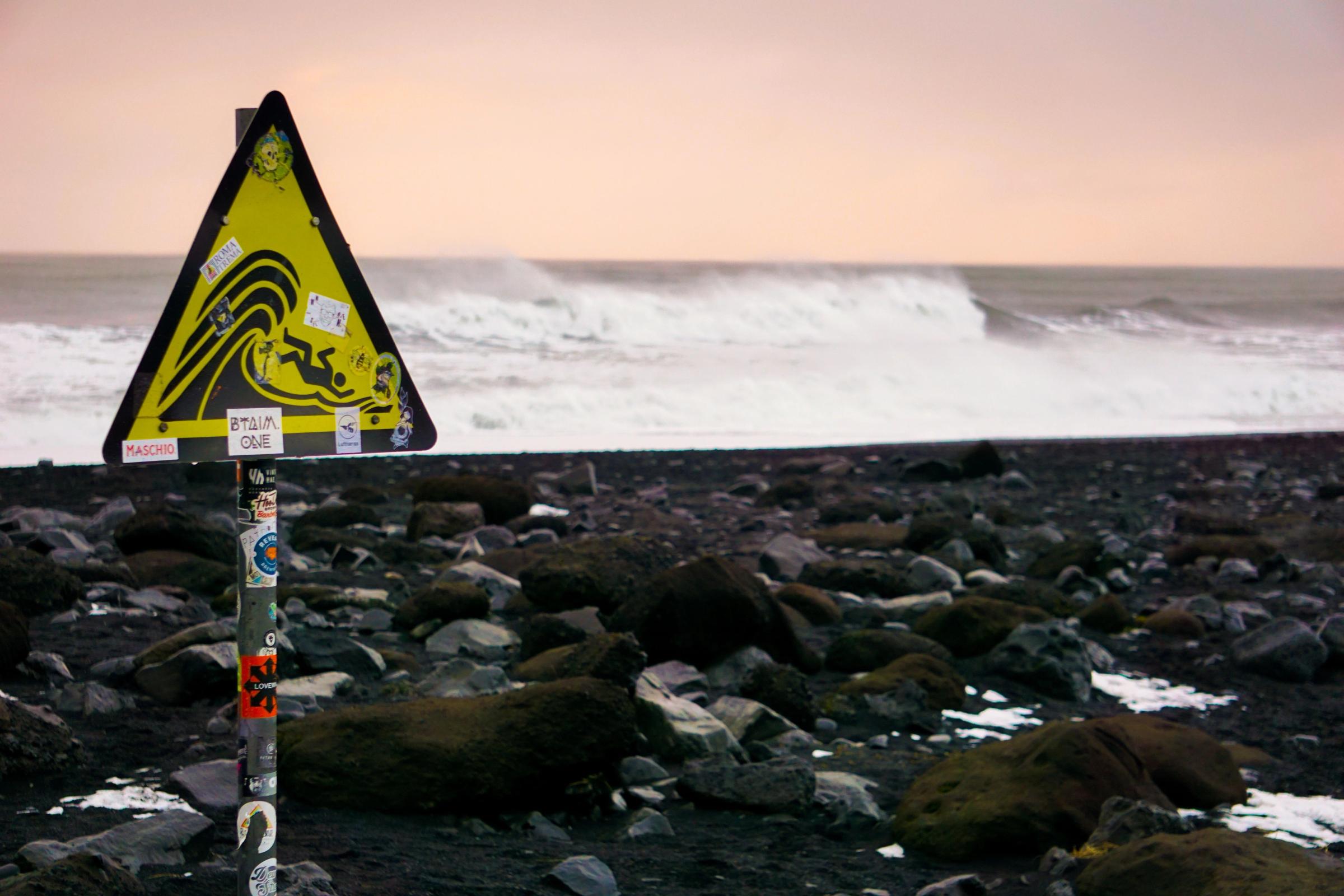
The biggest risk is sneaker waves. These are sudden waves that come much farther up the beach than the others. They can knock you over and pull you into freezing water before you realize what’s happening. I never went close to the water and kept checking the waves the whole time. Don’t turn your back on the ocean, and don’t assume a calm stretch means it’s safe.
Tides change the beach a lot. At high tide, waves can reach closer to the ice, which makes some areas unsafe. At low tide, more ice is exposed, but you can end up farther from the water than you expect. If you’re planning to stay a while, it helps to know when the tide is changing.
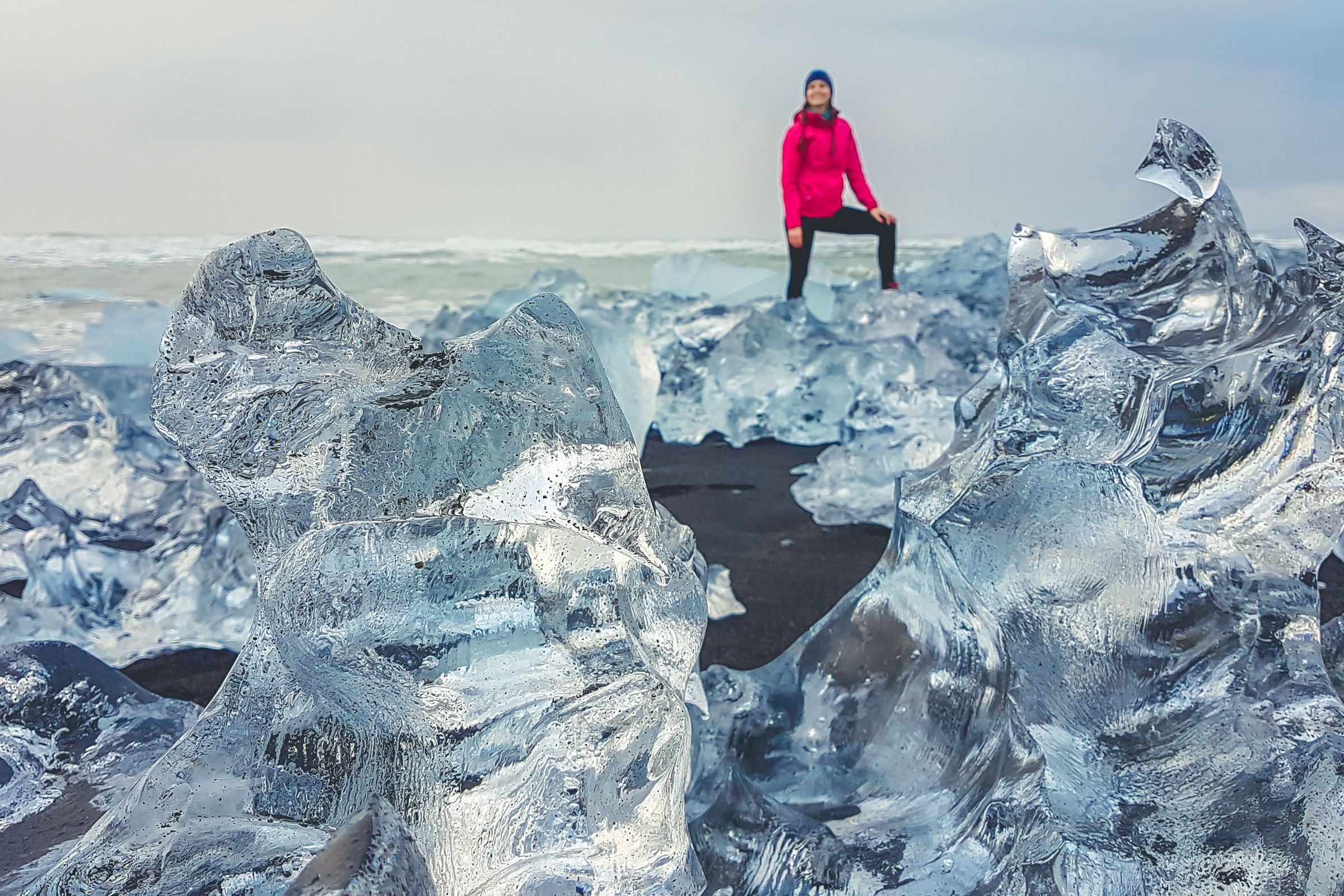
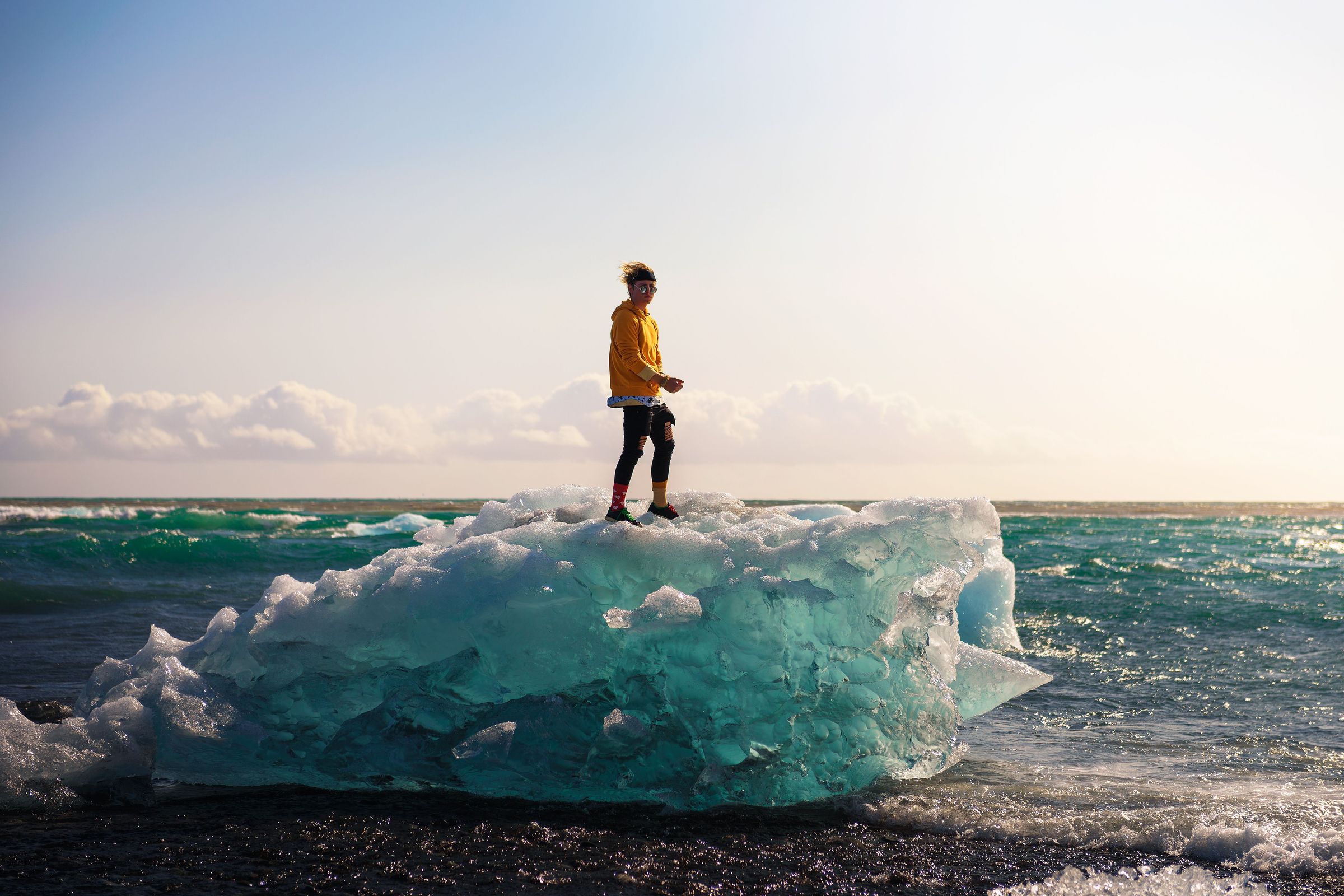
The ice itself can be slippery and unstable. Even pieces that look solid can shift or tip. Don’t climb on the ice. It’s dangerous, and it can also get you fined. Some ice has sharp edges, and it’s easy to cut yourself if you’re not careful, especially when the sand is wet.
This area is remote. The nearest hospital is hours away in Reykjavík, and cell service isn’t always reliable. If something goes wrong, help won’t be quick. It’s a good idea to let someone know where you’re going, carry basic supplies, and avoid taking unnecessary risks.
Before going, I always checked safetravel.is and vedur.is for weather warnings and road conditions.
Hidden Tips Most Visitors Miss
The amount of ice on the beach changes all the time. One day, there can be ice everywhere, and the next day, almost none. That’s normal. It depends on tides, weather, and glacier activity. If you show up on a low ice day, it doesn’t mean you did anything wrong.
The beach looks different on each side of the bridge. The eastern side, called Eystri-Fellsfjara, usually has more ice spread out. The western side, Vestri-Fellsfjara, often has fewer pieces, but they can be larger. I walked both sides, and it was worth doing since they’re only a few minutes apart.
Time of day changes the feel of the place. Early morning can be quiet, with mist or fog rolling in. Midday is brighter and busier. Neither is better. They just feel different.
Tide timing matters more than season when it comes to how much ice you’ll actually see. Low tide usually means more ice on the sand. High tide can wash a lot of it back into the water. If you really care about seeing ice, it’s worth checking tide tables before you go.
Practical Travel Tips
Wear waterproof boots with good support. The sand gets everywhere, and you’ll probably step in cold water at some point. I wouldn’t wear light-colored shoes. The black sand stains, and it doesn’t come out easily.
Weather changes fast here. Bring layers so you can adjust. A waterproof jacket is not optional. Even if it’s not raining, wind and sea spray can soak you. In winter, add a warm hat, gloves, and thermal layers.
If you’re just visiting the beach, plan for about 1 to 2 hours. If you’re combining it with Jökulsárlón Glacier Lagoon, add another hour. If you like photography, you’ll probably want more time.
There are no bathrooms on the beach itself. Restrooms are available at the Jökulsárlón parking area across the road. There’s also a small café there that sells coffee, soup, and sandwiches during the day. There are no gas stations nearby, so fill up in Kirkjubæjarklaustur to the west or Höfn to the east before arriving.
Bring snacks and water. In winter, a hot drink in a thermos helps more than you’d expect.
Attractions Near Diamond Beach
If you’re already driving 5 to 6 hours from Reykjavík, it makes sense to see more than just Diamond Beach. Southeast Iceland has several glacier-related stops close together, and most of them fit easily into a South Coast road trip.
Jökulsárlón Glacier Lagoon
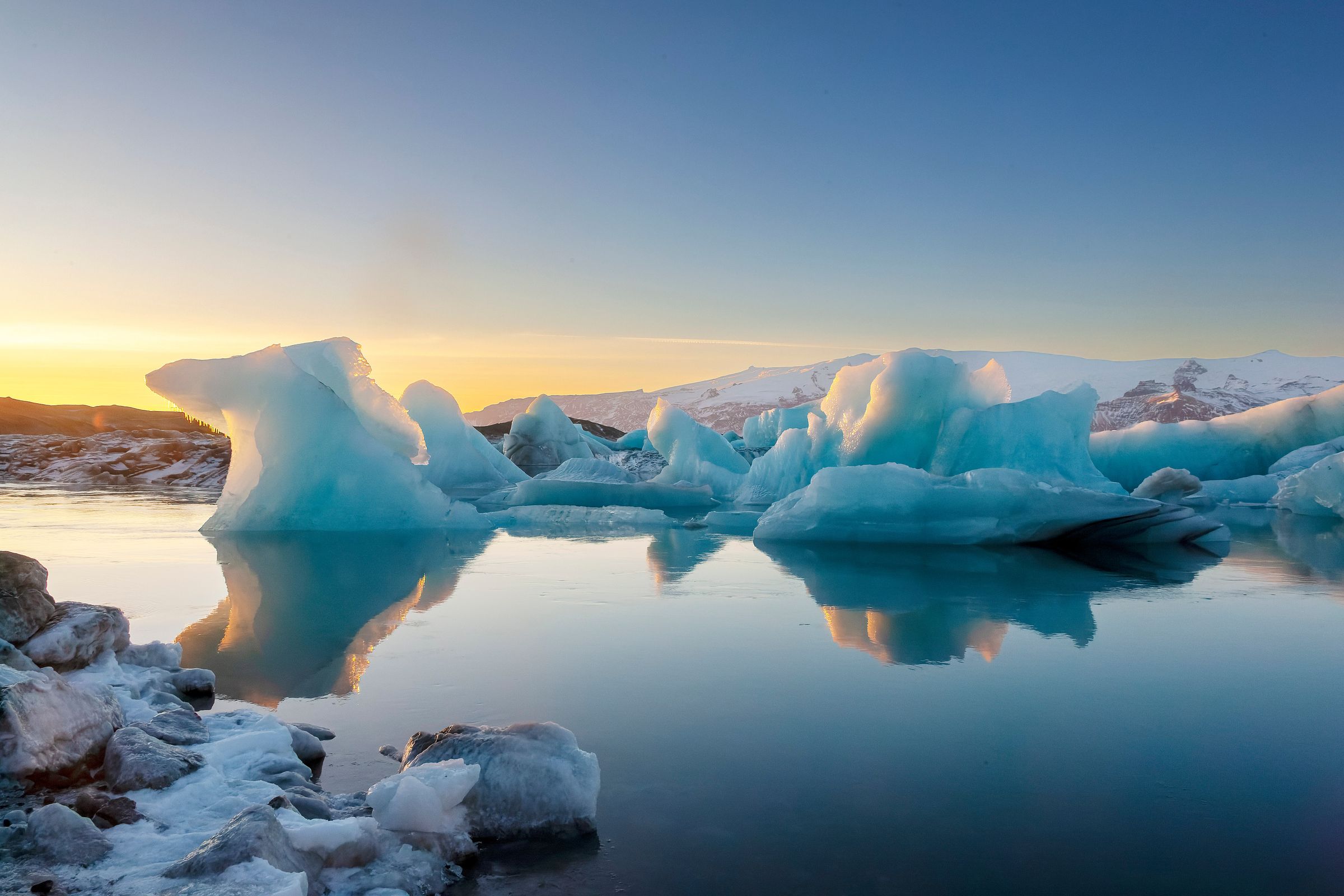
Jökulsárlón Glacier Lagoon is right across the Ring Road. This is where the ice comes from before it reaches Diamond Beach. You can walk along the shore and watch seals swim among the icebergs. In summer, boat tours run on the lagoon. It’s also been used as a filming location for movies like James Bond and Batman.
Skaftafell
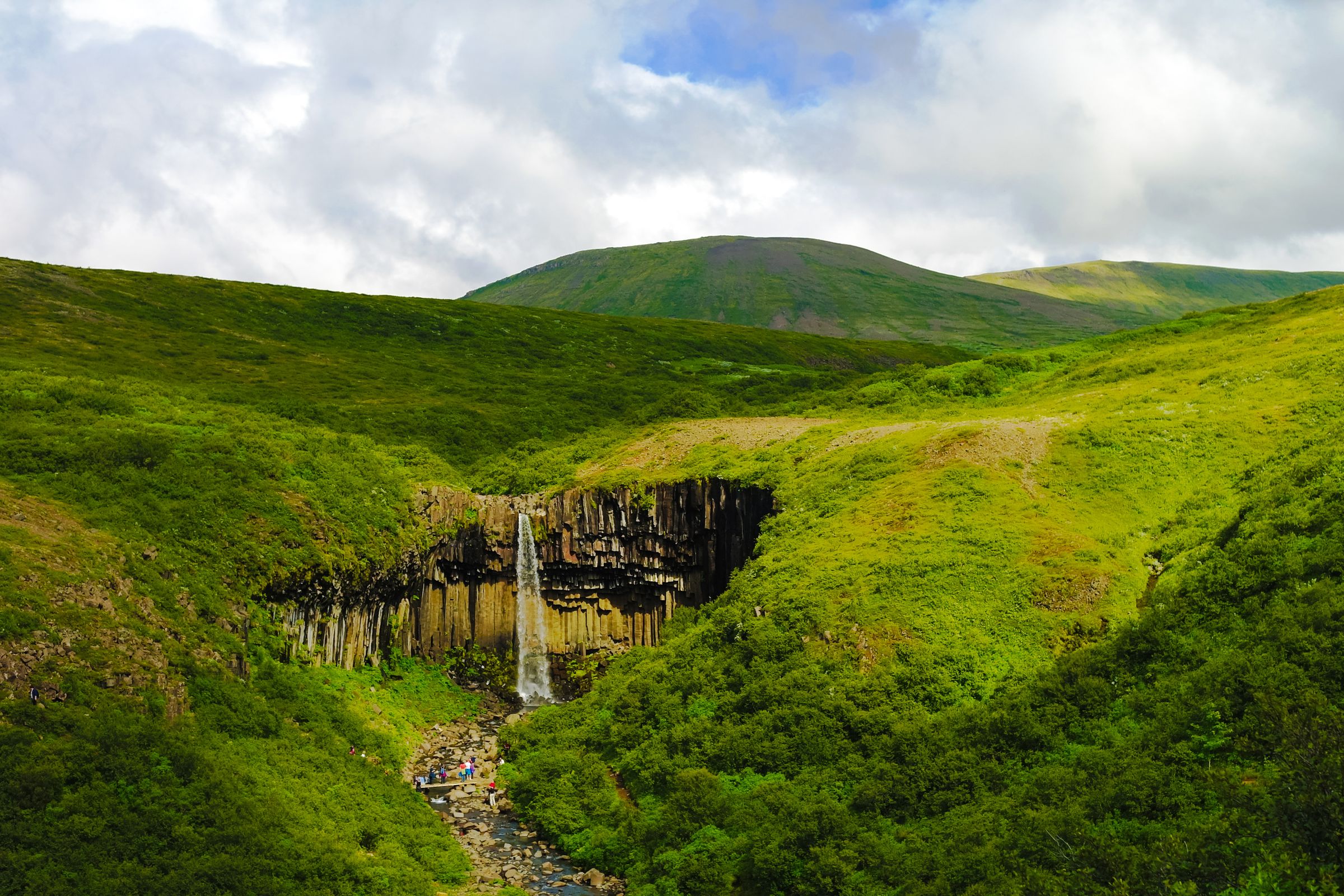
Skaftafell is about 56 kilometers west. It’s part of Vatnajökull National Park and has several hiking trails. The most popular hike goes to Svartifoss, a waterfall surrounded by basalt columns. Glacier hikes also leave from this area if you want to walk on the ice with a guide.
Fjallsárlón Glacier Lagoon
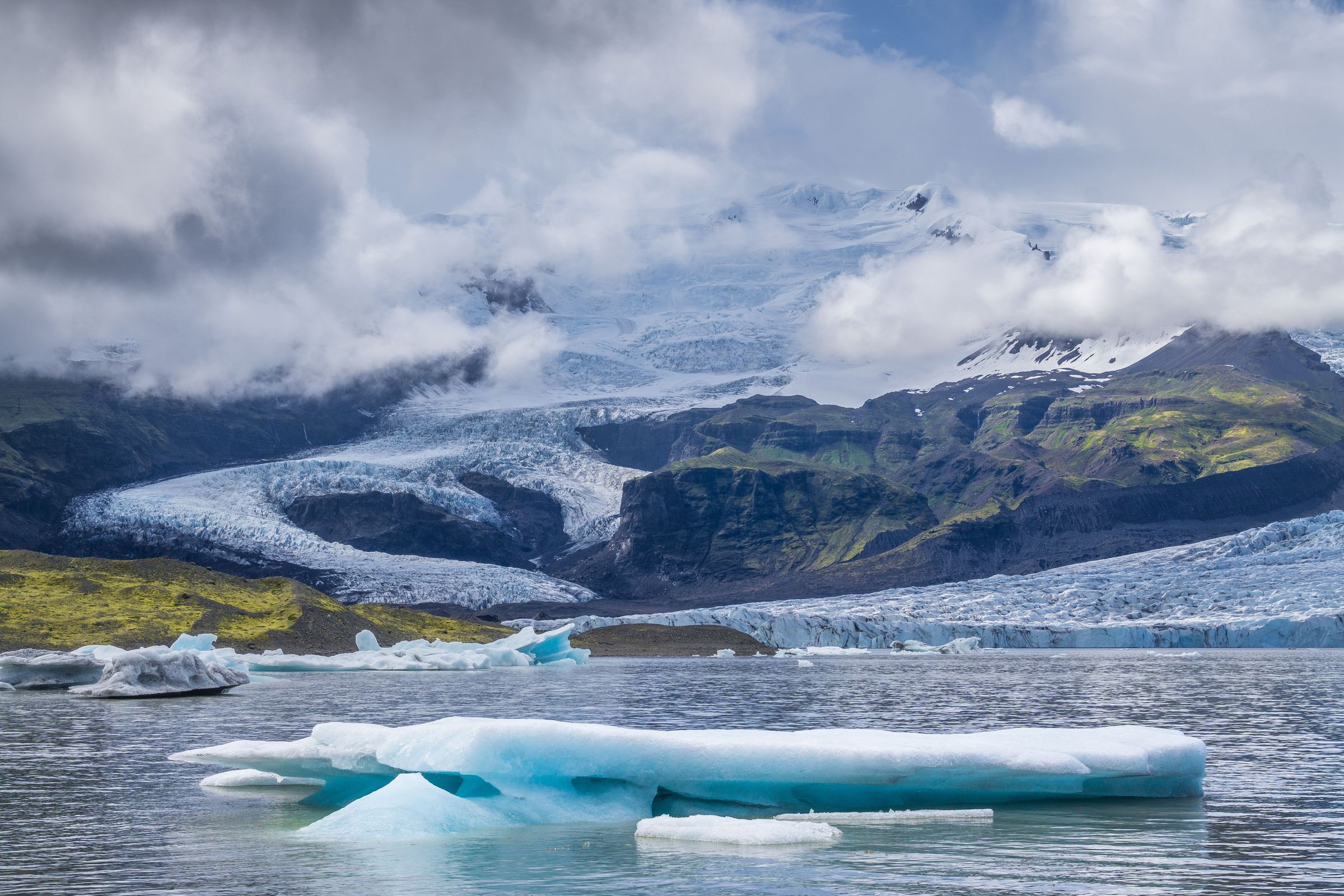
Fjallsárlón Glacier Lagoon is about 10 kilometers west. It’s smaller and quieter than Jökulsárlón, with fewer tour buses. In summer, Zodiac boat tours run here too. I liked it because it felt calmer and less crowded.
Höfn
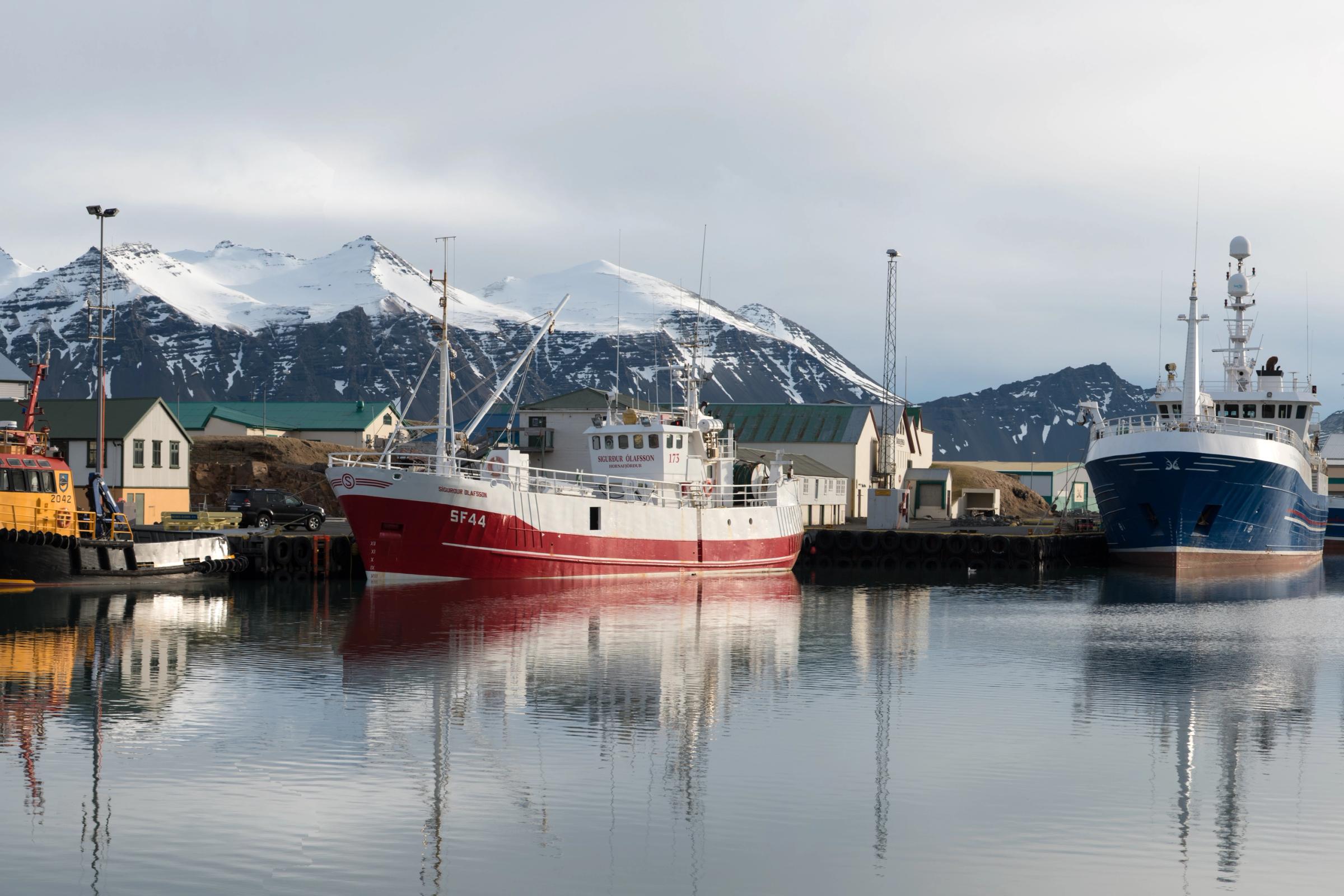
Höfn is about 80 kilometers east and is the nearest town with restaurants, gas stations, and hotels. It’s known for langoustine dishes. Just before Höfn, you’ll find Stokksnes and Vestrahorn, a dramatic mountain on the coast that’s popular with photographers.
Conclusion
Diamond Beach shows you what happens to glacier ice once it leaves the lagoon and meets the ocean. It’s not the most dramatic place in Iceland, but it’s a solid stop if you’re driving the Ring Road and already in the area. Walking around the ice on black sand is interesting, and it breaks up a long drive along the South Coast.
Frequently Asked Questions About Diamond Beach