Iceland's Black Sand Beaches: Complete Travel Guide
Iceland's coast has some of the most eye-catching beaches in the world. The black sand shows the island's volcanic side, where hot lava meets cold ocean. These aren't places for swimming and sunbathing; they're raw landscapes that feel almost like walking on another planet.
This guide covers what you need to know about Iceland's black beaches, from how they formed to when to visit and what to bring.
Key takeaways
- Iceland’s black sand beaches come from volcanic rock—lava cools down fast, breaks apart, and turns into dark sand.
- Reynisfjara is the most popular, but places like Diamond Beach and Stokksnes feel very different and are often quieter.
- These beaches look calm, but they’re not safe—sneaker waves and strong currents can catch you off guard.
- Summer is easier for travel and access, while winter is colder but gives you fewer people and more dramatic views.
- Most beaches have little or no facilities, so bring what you need and always keep a safe distance from the water.
What are Black Sand Beaches & Why Are They Black?
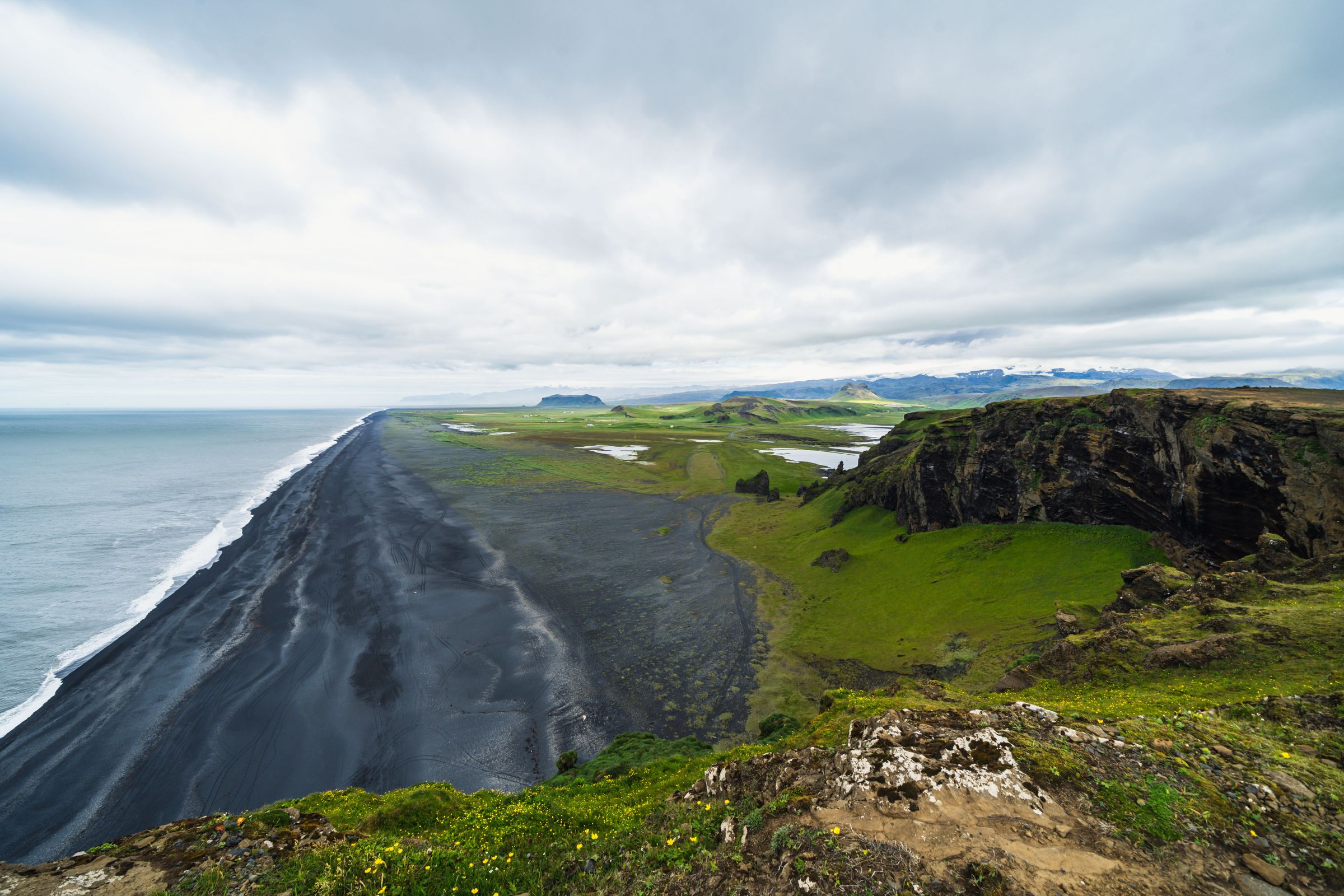
Unlike the white sand at most beaches, Iceland's black sand comes from volcanoes. When hot lava flows into the cold ocean, it cools fast and breaks into tiny pieces. These bits of basalt rock make up the black beaches.
This happens because Iceland sits on the Mid-Atlantic Ridge, where two big sections of the Earth's crust pull apart. This spot makes Iceland one of the most active volcanic places on Earth.
When lava meets seawater, it creates two main types of rock that turn into black sand:
- Pillow lava: Forms underwater when lava cools quickly, making round shapes that later break down into sand.
- Volcanic glass bits: Created when lava erupts under ice or water, then wears down into fine black sand.
Some of Iceland's black beaches also have bits of ground-up rock from glaciers. As glaciers move, they scrape over volcanic rock, making fine black silt that washes out to sea and ends up on the coast.

Top 9 Black Sand Beaches to Visit in Iceland
Iceland has many black sand beaches, each with its own look. From the tall rock columns at Reynisfjara to the ice chunks at Diamond Beach, these beaches offer some of the most unique views you'll ever see. Here are the top 9 worth visiting on your trip to Iceland.
1. Reynisfjara Beach
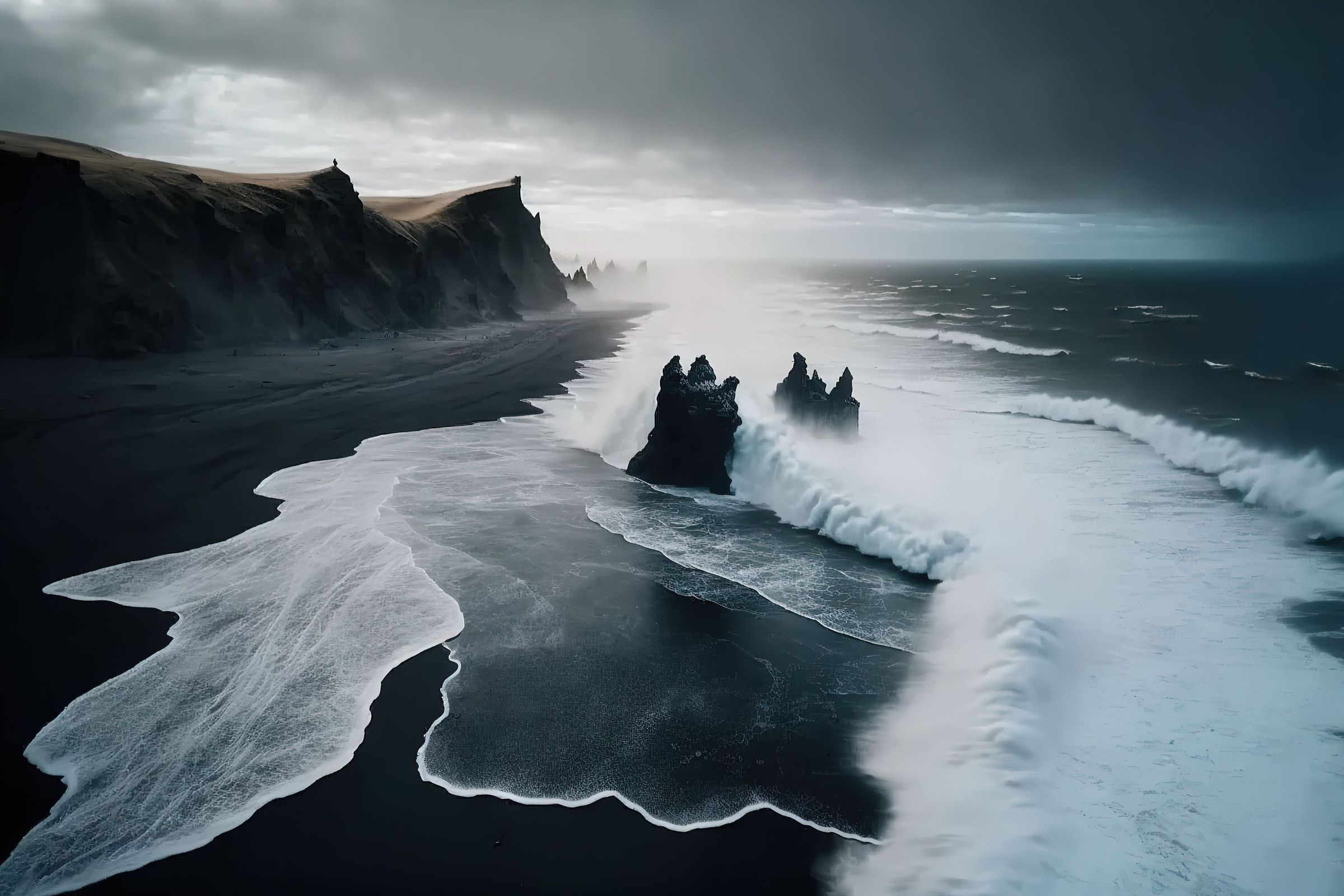
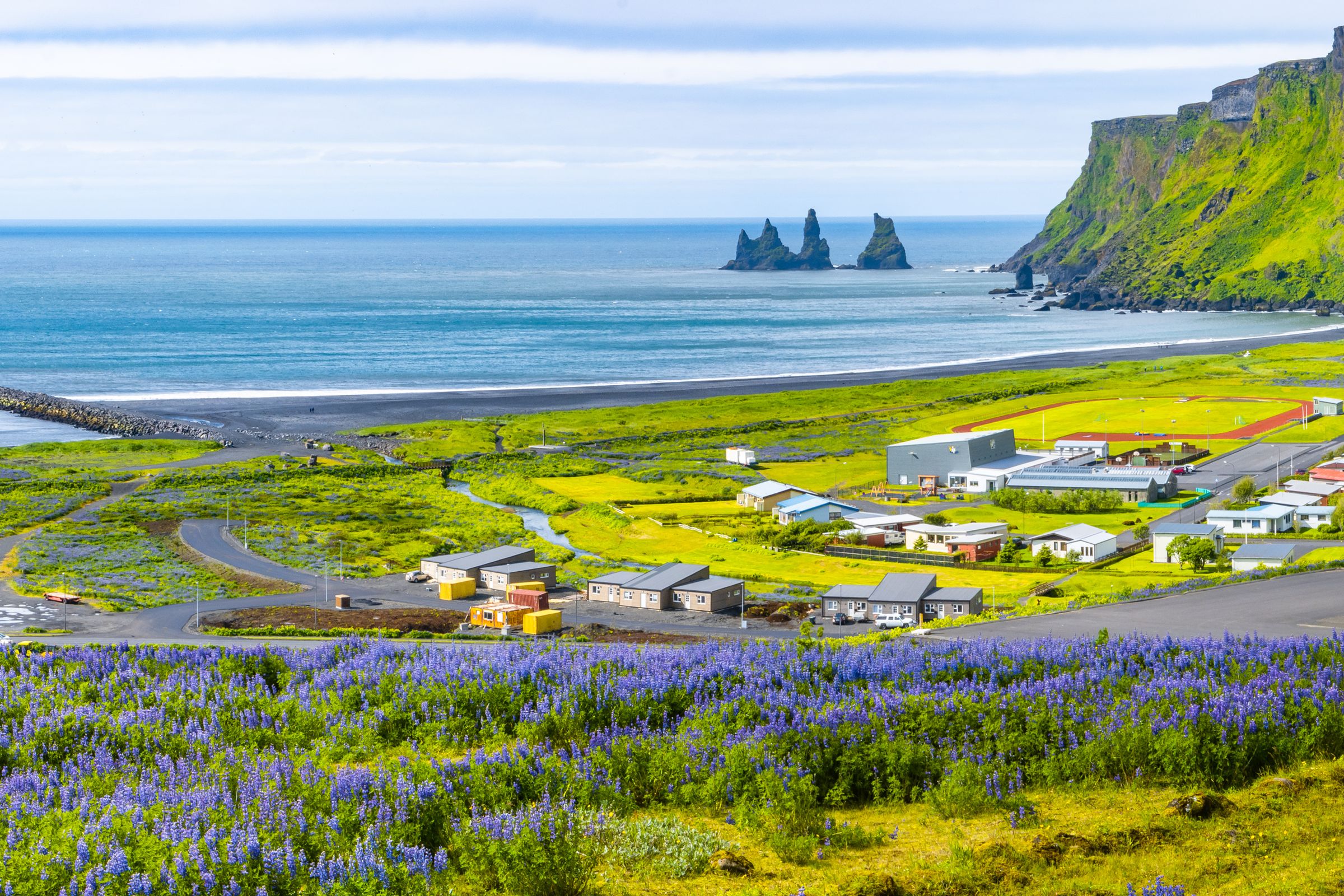
Near the town of Vík í Mýrdal, Reynisfjara is Iceland's most famous black sand beach. The dark sand against the white ocean waves looks like something from a movie. Tall rock columns form a wall of six-sided steps, and the Reynisdrangar rock pillars rise from the ocean (local stories say they're trolls that turned to stone in the sunrise). There's also a small cave made of column-shaped rocks that makes a great frame for photos. You can reach the beach with a 2.5-hour drive from Reykjavík. Don’t ever get close to the shore and beware of the sneaker waves.
2. Diamond Beach (Breiðamerkursandur)
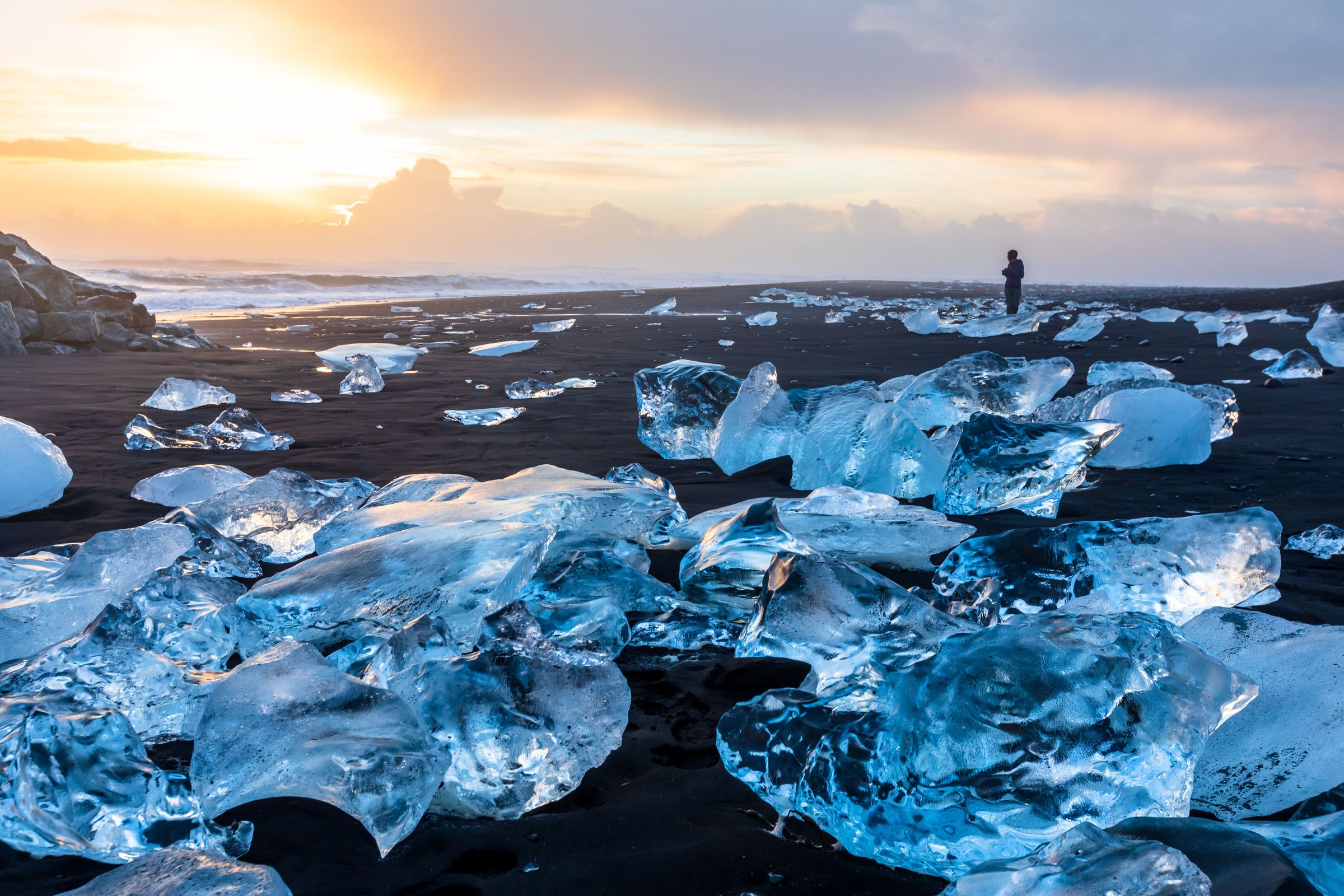
Next to Jökulsárlón glacier lagoon, Diamond Beach gets its name from the chunks of ice that wash up on its black shores. These clear ice pieces break off from the nearby glacier and look like diamonds on the dark sand. The ice shapes change all the time with the tides and weather. Here you can see the ice's path from the glacier to the ocean, and visit the lagoon, where you can take a boat ride among the floating ice. This beach is in Vatnajökull National Park, about 5 hours from Reykjavík, but the drive along the South Coast passes many waterfalls and other cool stops.
3. Stokksnes Beach
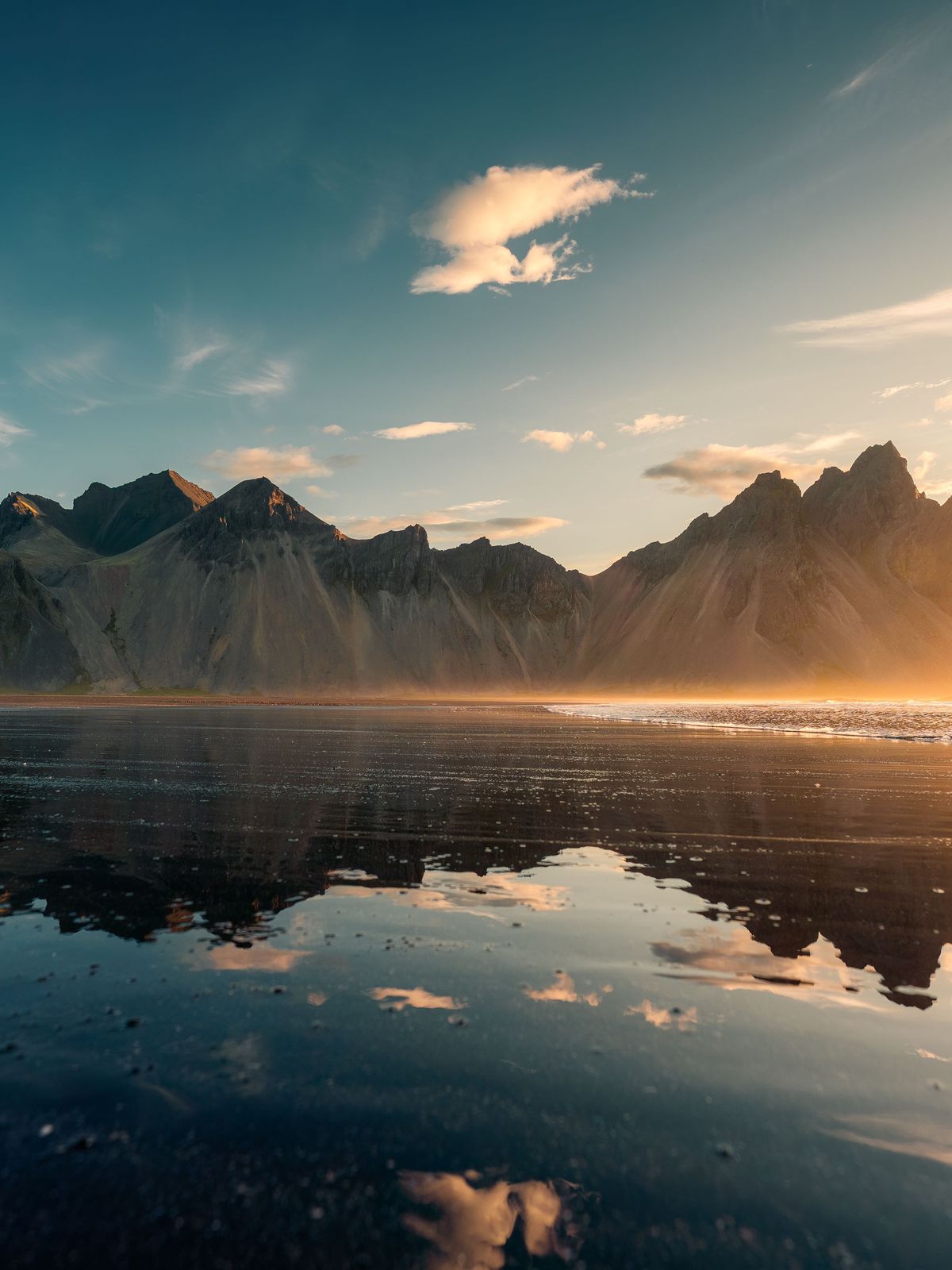
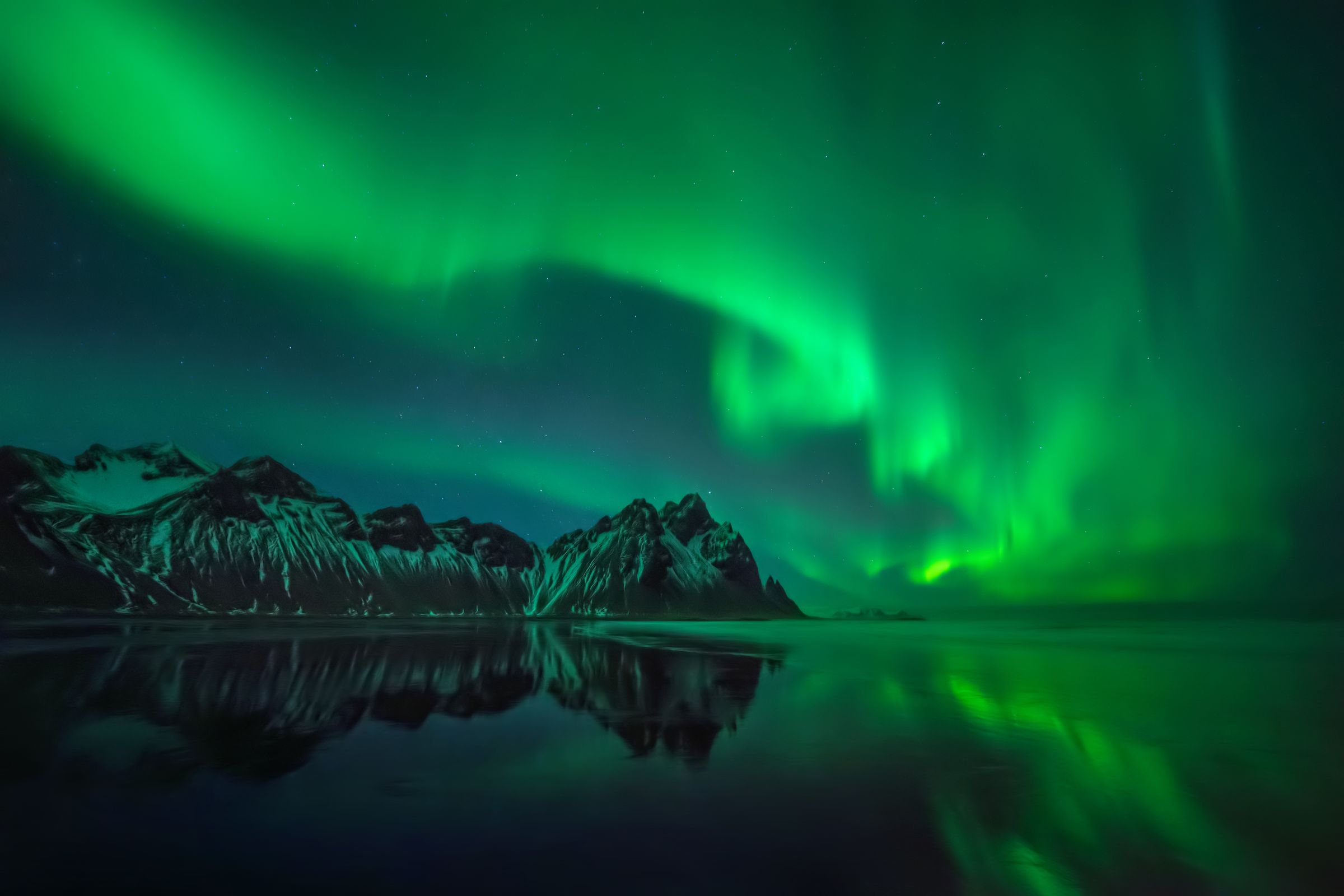
For people who love taking photos, Stokksnes is often the top pick. With the sharp peaks of Mt. Vestrahorn rising 454m behind it, this beach seems made for taking amazing pictures. Black sand dunes create wavy patterns, and at low tide, small pools of water mirror the mountains. Fewer people visit here compared to Reynisfjara, so it's quieter. The beach is on private land and charges a small fee (about 900 ISK). It is located near Höfn, about 7 hours from Reykjavík.

4. Djúpalónssandur Beach
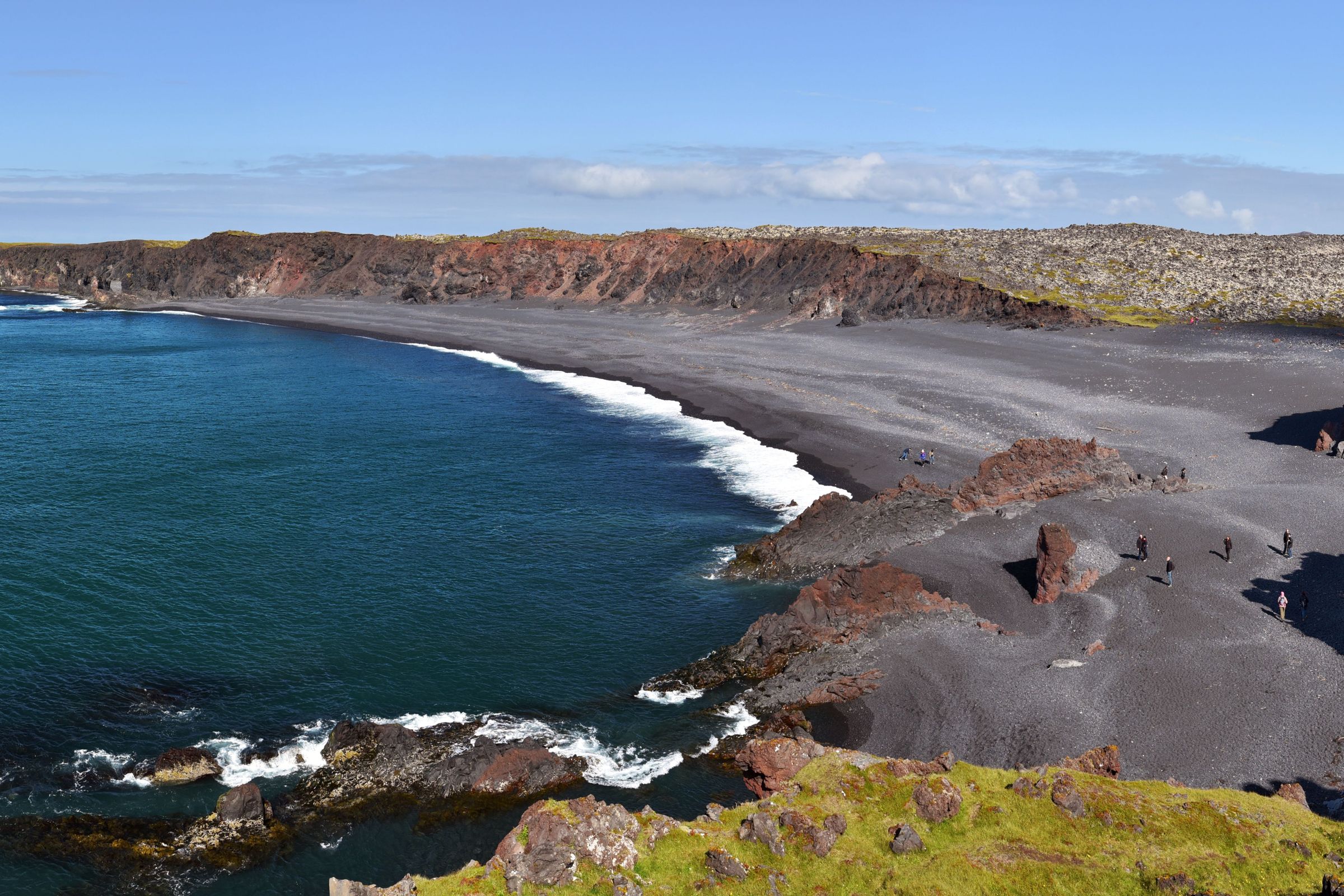
On the Snæfellsnes Peninsula, this beach is pretty cool because it tells a very interesting story about the country's fishing past. There are four lifting stones that fishermen once used to test their strength, still sitting on the shore: Fullsterkur (154 kg), Hálfsterkur (100 kg), Hálfdrættingur (54 kg), and Amlóði (23 kg). Unlike many black beaches, Djúpalónssandur has smooth black pebbles instead of sand. Pieces of a British fishing boat that wrecked here in 1948 still lie on the beach. You'll also find cool rock shapes, including an arch that's great for photos. The beach is about 2 hours and 50 minutes from Reykjavík on the west side of Iceland.
5. Sólheimasandur Beach
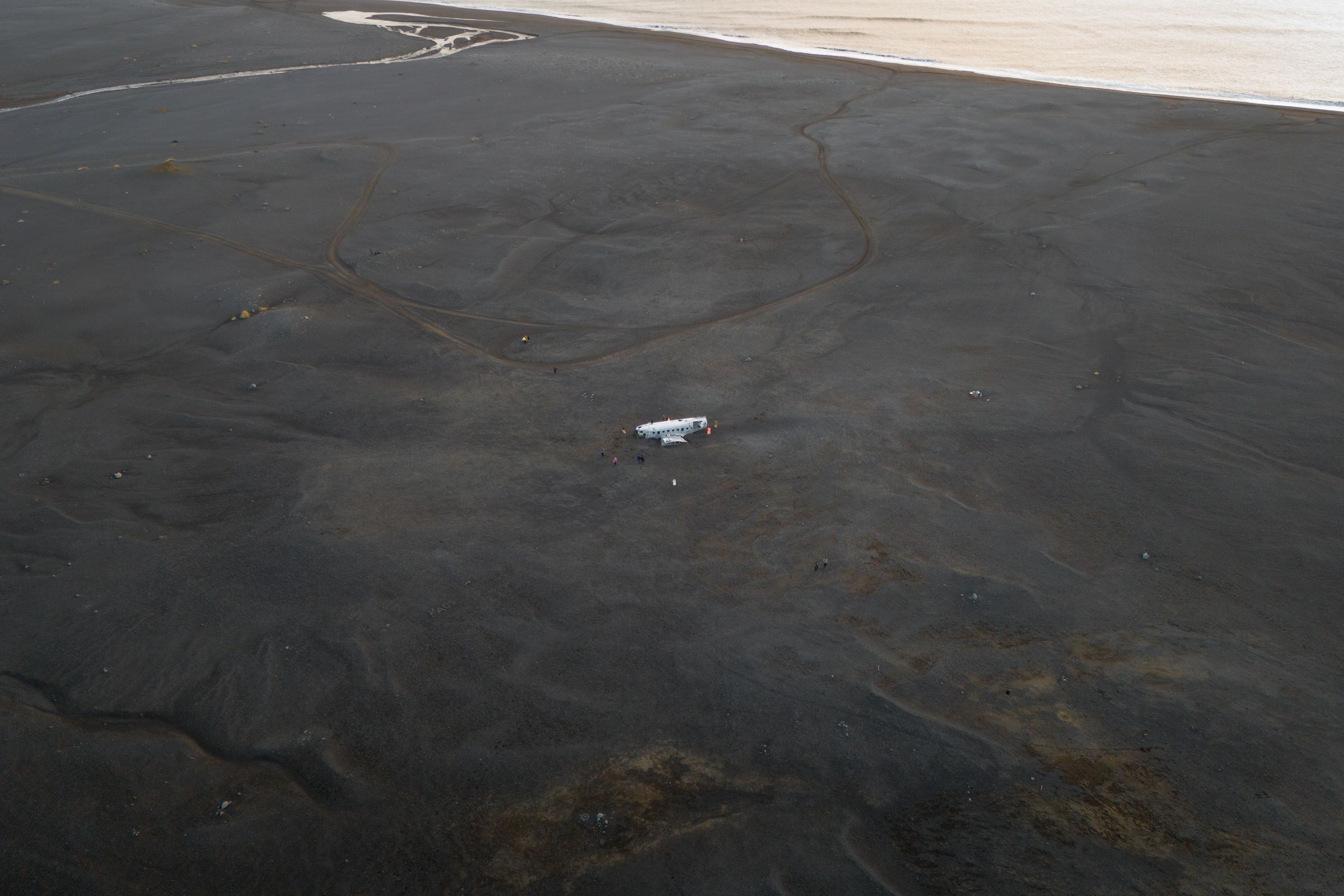
Known for its plane wreck, this wide area of black sand has the remains of a US Navy DC-3 that crash-landed in 1973 (everyone survived). While not a typical beach, the white plane parts against the black volcanic sand create a weird, cool scene that many people find super appealing. The flat black landscape stretches for miles, making you feel far from everything. To reach the plane, you'll need to walk 4 km from the parking lot, or you can take a shuttle during the busy season. The beach is on Iceland's South Coast, not far from Skógafoss waterfall.
6. Kirkjufjara Beach
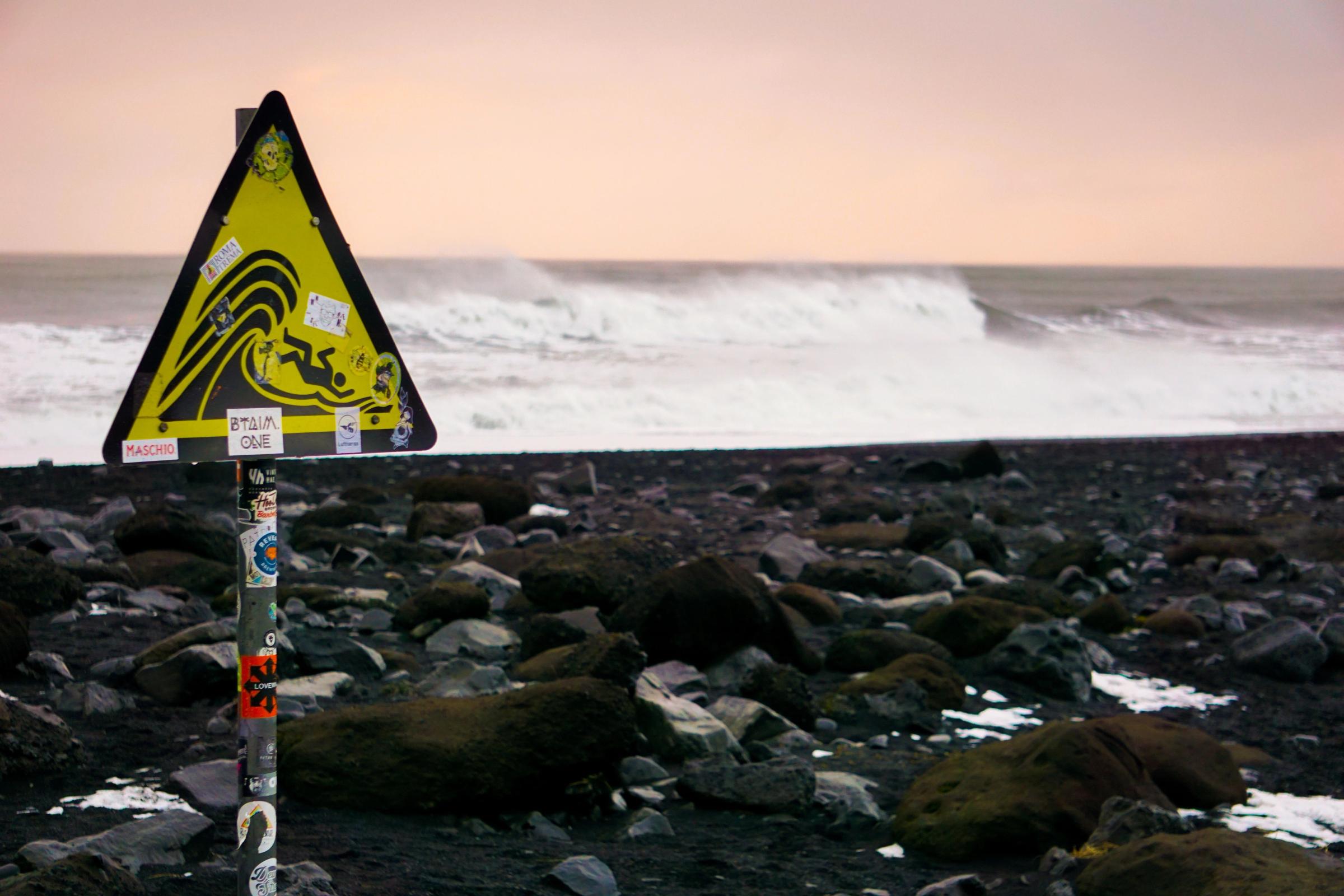
Close to Reynisfjara, Kirkjufjara has similar views but fewer tourists. It's near the Dyrhólaey rock arch, so you can see two great sights in one trip. The strong waves make big splashes when they hit the rocky shore, and you can see the Reynisdrangar rock pillars from a different angle. This beach is very dangerous, and people have died here. Always read the safety signs. In fact, the beach is sometimes closed when it's too dangerous.
7. Dritvik Beach
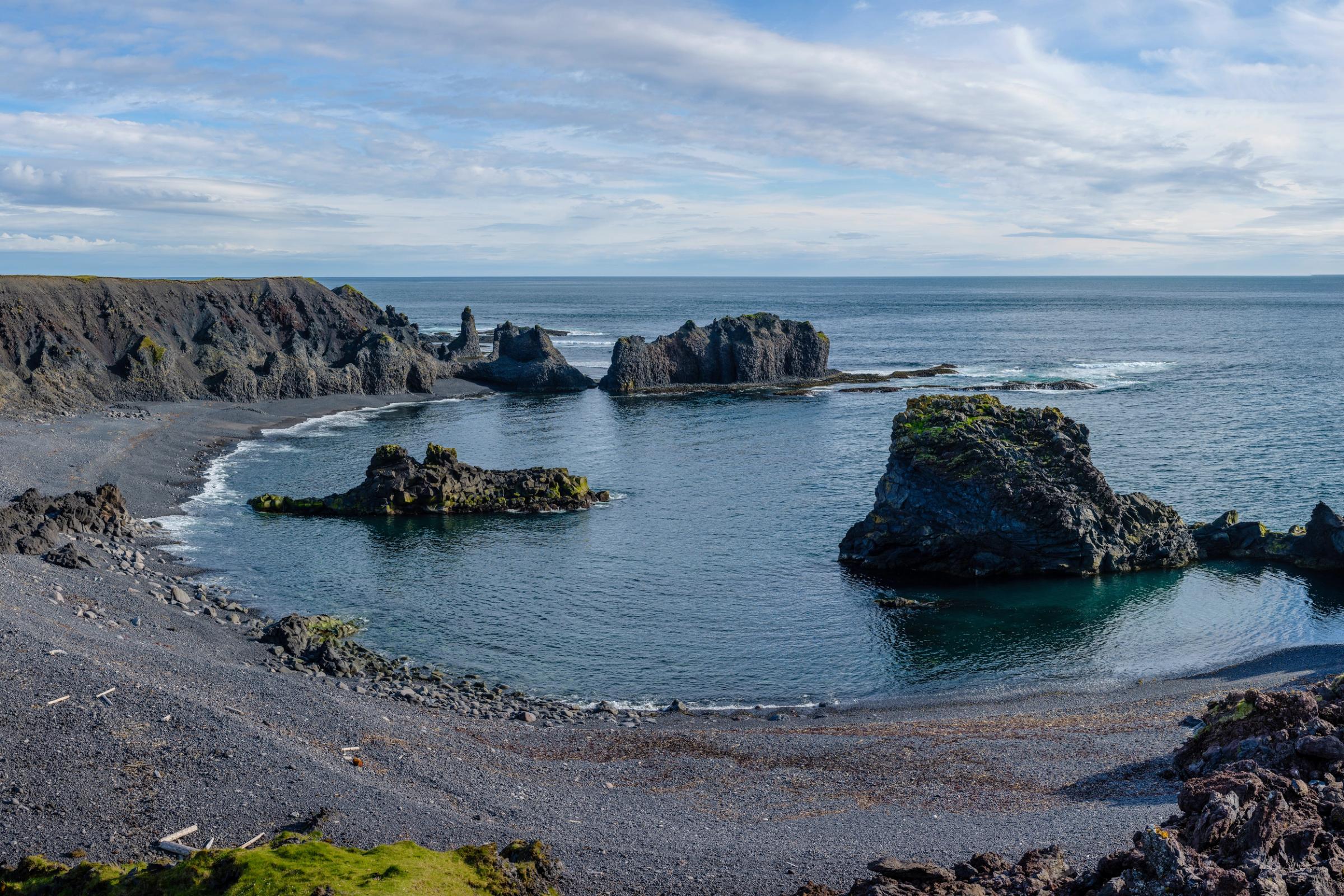
This remote pebble beach on the west side of the Snæfellsnes Peninsula was once busy with fishing boats, but now offers quiet and raw beauty. The black stones, lava formations, and powerful Atlantic waves create a moody setting unlike the more famous black beaches. Look for the remains of old fishing huts and places where boats launched. The beach sits below tall cliffs and is a short walk from the parking lot.
8. Ytri Tunga Beach
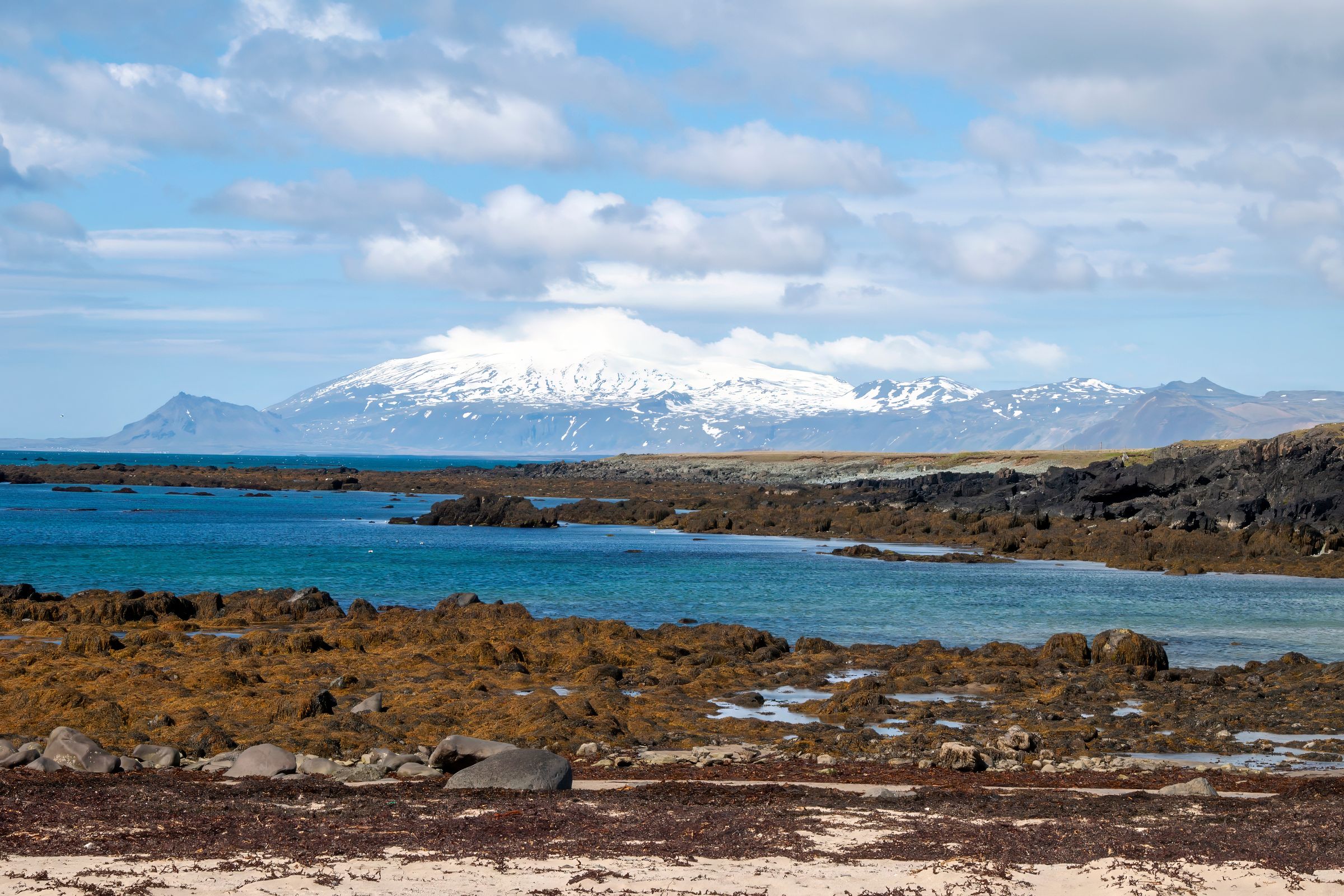
Best known for the seals resting on its shores, Ytri Tunga on the Snæfellsnes Peninsula also has areas of black sand mixed with golden sand. This mix creates a unique color pattern you won’t see at many other Icelandic beaches. Summer is best for seeing seals, but they're often around all year, lying on rocks just offshore. The beach is fairly flat and easy to reach, making it good for families or those wanting an easier walk. The sand of different colors shows how Iceland's varied geology can create unique beaches in one small area.
9. Vík Beach
Right in front of the village of Vík í Mýrdal, this black sand beach is easy to visit and still pretty. From here, you can see the Reynisdrangar rock pillars from a different angle than at Reynisfjara. The red-roofed church on the hill above Vík makes a classic Iceland photo, with the black beach in the foreground. This is one of the easier black sand beaches to visit, with food and shops nearby in the village, making it good for those who want the black beach experience without going far from comforts. The beach's location also makes it a good starting point for exploring other wonders of the south coast, including glaciers, waterfalls, and lava fields.
Practical travel information
Visiting Iceland's black sand beaches takes some planning. These aren't normal beaches where you just bring a towel. The weather changes fast, safety is important, and having the right gear makes the difference between a bad day and a great one. Here's what to know before you go to these volcanic shores.
Best time to visit
Your time at Iceland's black sand beaches will be very different depending on when you go:
Summer (June-August):
- Almost 24-hour daylight for exploring
- Warmer weather (10-15°C/50-59°F)
- Usually calmer seas
- More tourists
- All roads are open and easy to drive
Spring/Fall (May, September):
- Fewer people than summer
- Still good daylight hours
- Chance to see the Northern Lights, especially in September
- More stormy weather makes for moody photos
- Cheaper places to stay
Winter (October-April):
- Possible Northern Lights over the beaches
- Big storm waves show the ocean's power
- Very few tourists, especially at sunrise/sunset
- More ice chunks at Diamond Beach
- Some tricky road conditions and shorter days
- Sometimes, snow on black sand creates a sharp contrast
For taking photos, the light around sunrise and sunset lasts longer in Iceland due to the low sun, especially in spring and fall, giving you better light for longer.
What to bring
A trip to Iceland's black sand beaches needs specific gear:
Clothes:
- Waterproof jacket and pants
- Waterproof hiking boots with a good grip
- Layers of clothing (even in summer)
- Hat and gloves (all year)
- Extra socks (wet feet on black sand get cold fast)
Camera Gear:
- Something to protect your camera from sand and spray
- Lens cleaning cloth (salt spray gets everywhere)
- Tripod for long-exposure shots
- Filters for daytime long exposures
- Plastic bags for emergency gear protection
Other Basics:
- Water bottle
- Snacks (many beaches have no food nearby)
- Sunscreen (even on cloudy days)
- First aid kit in your car
- Offline map or GPS (cell service isn't great)
Safety Basics:
- Save Iceland's emergency number 112 in your phone
- Download the 112 Iceland app that can send your location if you need help
- Consider a personal beacon for remote beaches
Black sand beaches vs White sand beaches in Iceland: Which should I Visit?
Iceland has both black and white sand beaches, each with a different feel:
Black Sand Beaches:
- Odd, unusual landscapes
- High contrast for photos
- Unique rock features like basalt columns
- Mainly on the south and west coasts
- Easier to reach from Reykjavík
White Sand Beaches:
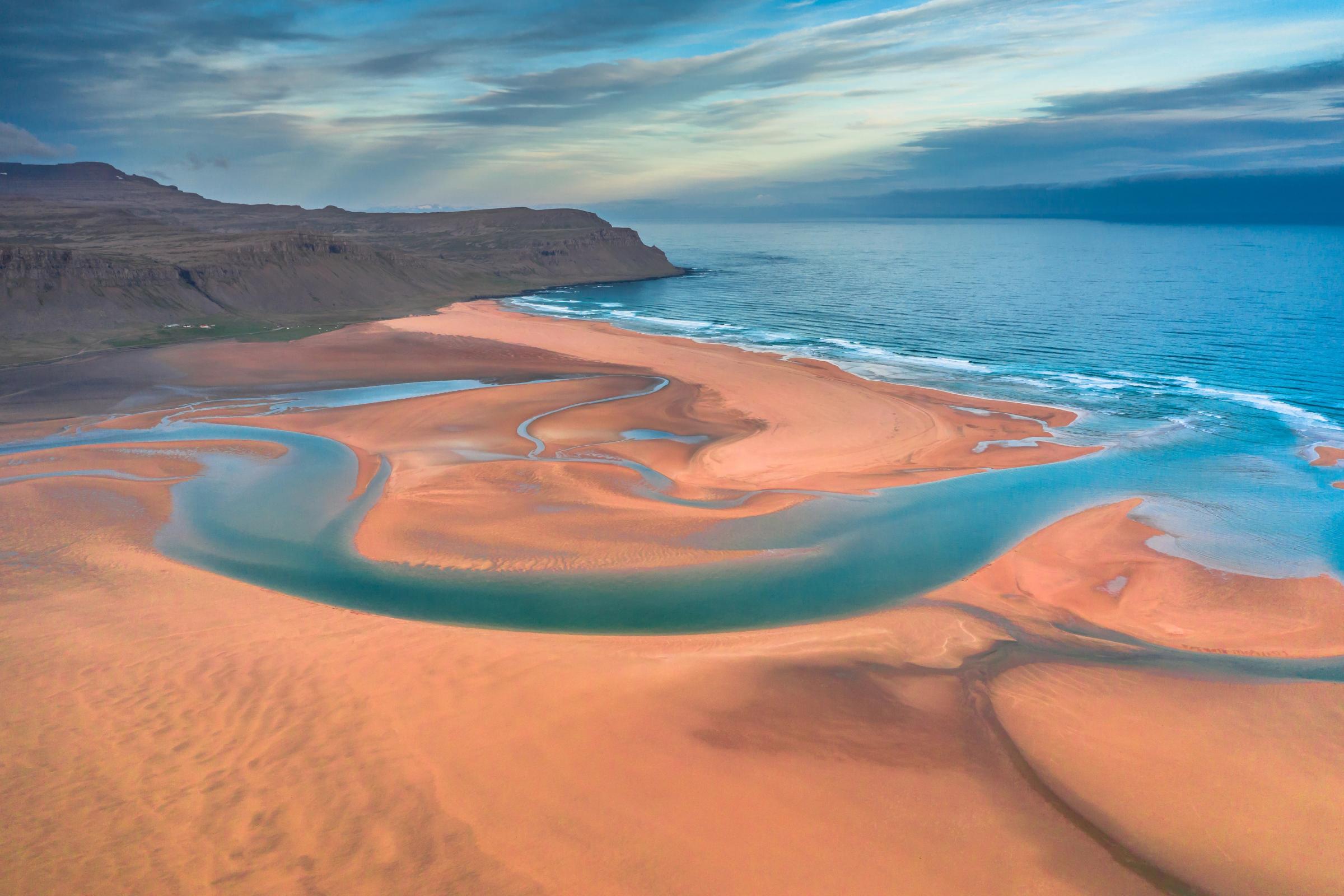
- Rauðasandur has areas of white/golden sand
- Breiðavík in the Westfjords is more like a normal beach with light sand
- Nautholsvik in Reykjavík is a man-made beach with imported golden sand and heated seawater
Which to pick?
If you don't have much time, head to black sand beaches like Reynisfjara. They're what make Iceland special. The volcanic black beaches offer sights you won't find in many other places.
If you have more time, try to see both kinds for contrast. Seeing different types of beaches helps you understand the different types of landscapes that Iceland holds.
For photographers, black sand beaches usually make for better photos, especially in stormy weather or with Iceland's low sunlight.
For families, some of the white sand beaches like Nautholsvik might be better for kids as they often have calmer water, especially the man-made ones.

Conclusion
Iceland's black sand beaches show nature at its strongest, where volcanoes meet the relentless ocean. They're not for swimming or sunbathing, but rather places that fill you with awe and show Earth's raw power.
Frequently Asked Questions About Black Sand Beaches In Iceland