Hveragerði: The Geothermal Capital of Iceland
There’s a town in South Iceland, not far from Reykjavik, where geothermal activity is especially strong and can be seen in many ways. We’re talking about Hveragerði, also nicknamed “Hot Spring Town.” This small city has been built directly on top of a highly active geothermal area, part of the Hengill volcanic system. Here you will see natural hot springs, greenhouses that use geothermal energy, steam vents, and much more. It’s also the gateway to many wonders in South Iceland. Hveragerði is conveniently located by the Ring Road, the country’s main highway, so it’s a fantastic destination on a trip to Iceland.
Key Takeaways
- Hveragerði is a town in Iceland’s Southern Region, Suðurland in the native tongue.
- It’s known for its strong geothermal activity.
- Here you will find geothermal baths, steam vents, and greenhouses that grow tropical fruits.
Why go to Hveragerði
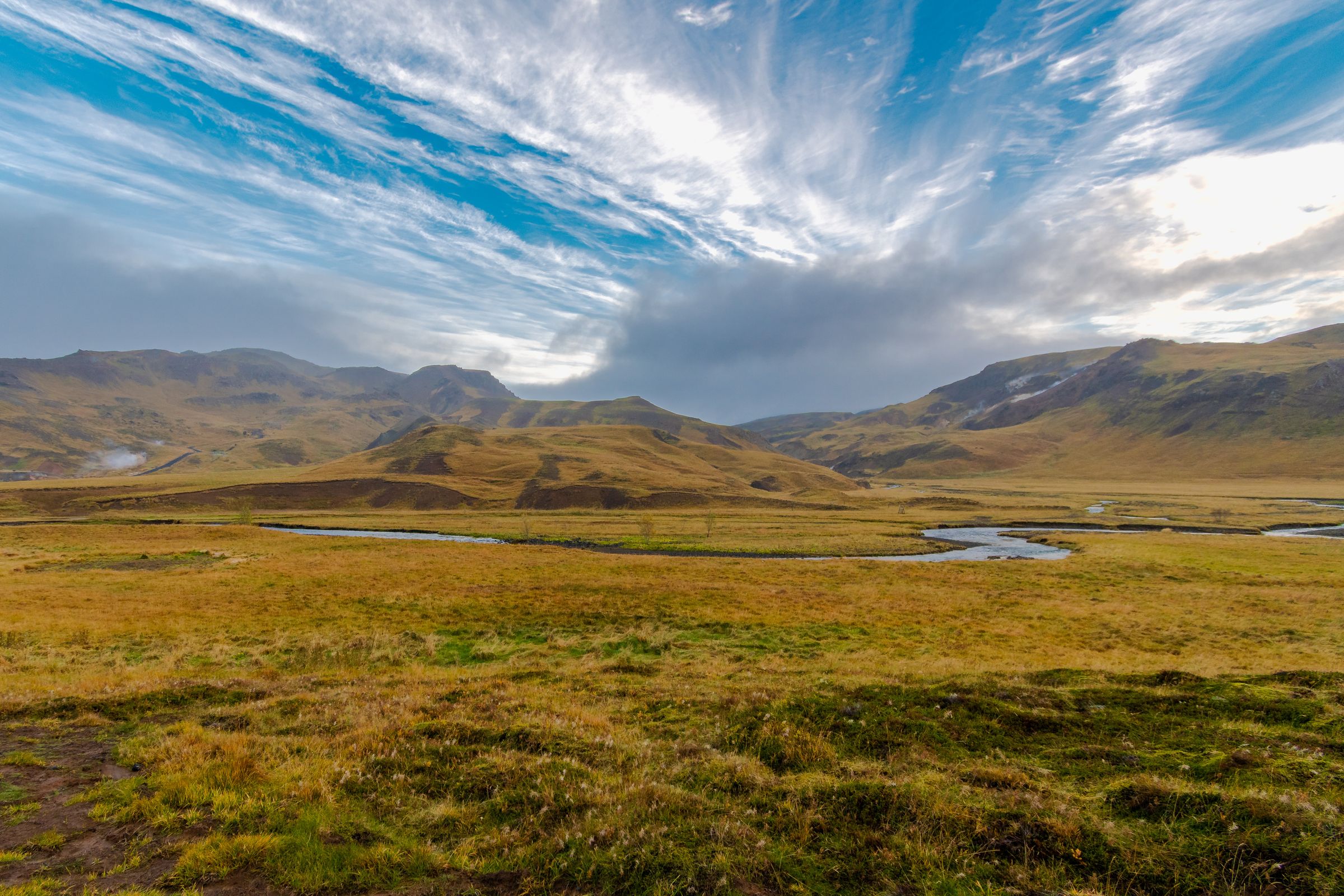
Hveragerði is unlike any other town in Iceland. While most settlements are by the sea shore and have fishing as their main activity, Hveragerði owes its existence to the boiling water that runs just beneath its streets. Located about 45 kilometers (about 28 miles) east of Reykjavík, it sits in a fertile valley called Reykjadalur, one of the most active geothermal areas in the country. This now lush valley was once beneath the sea until after the last ice age, when the land was raised.
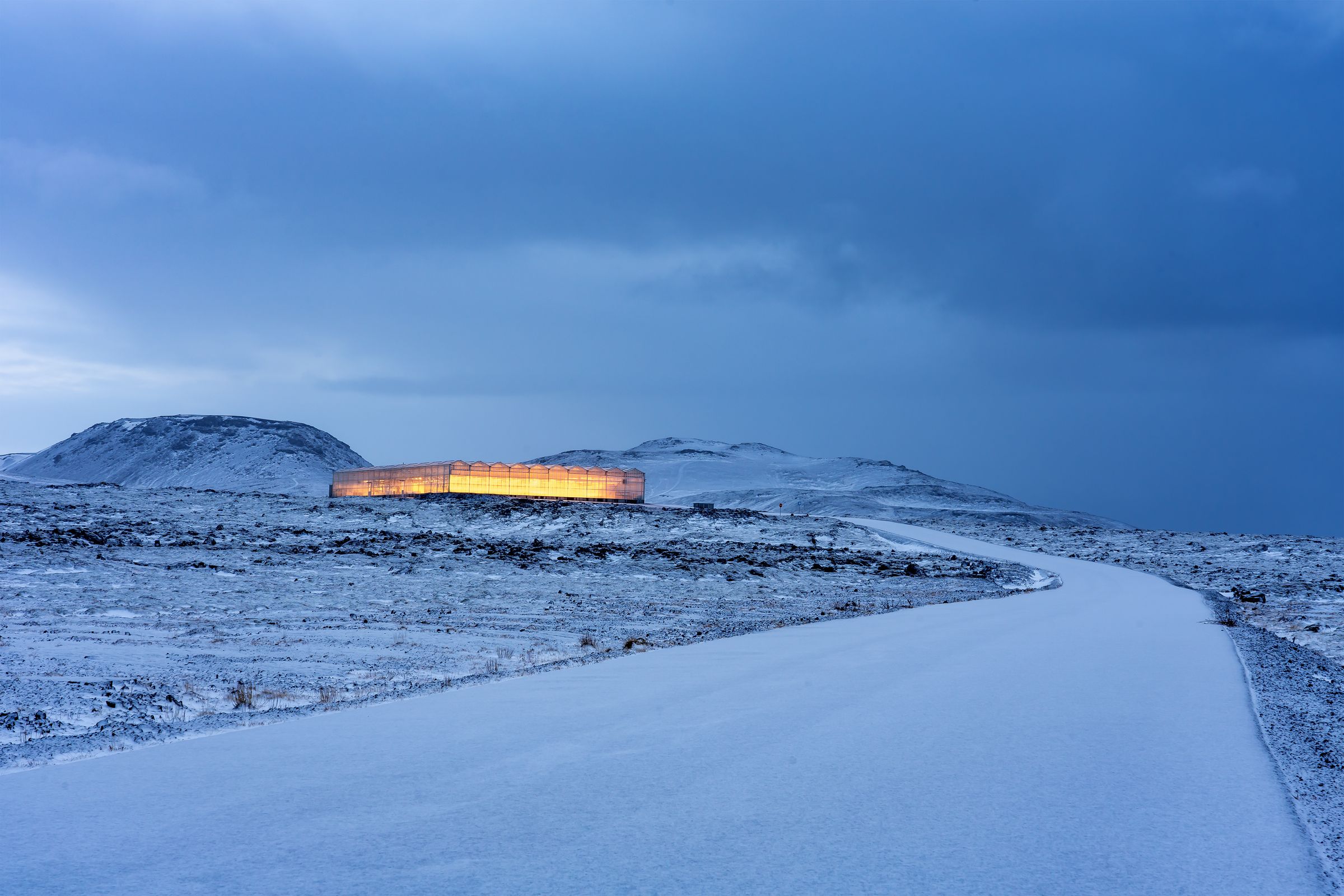
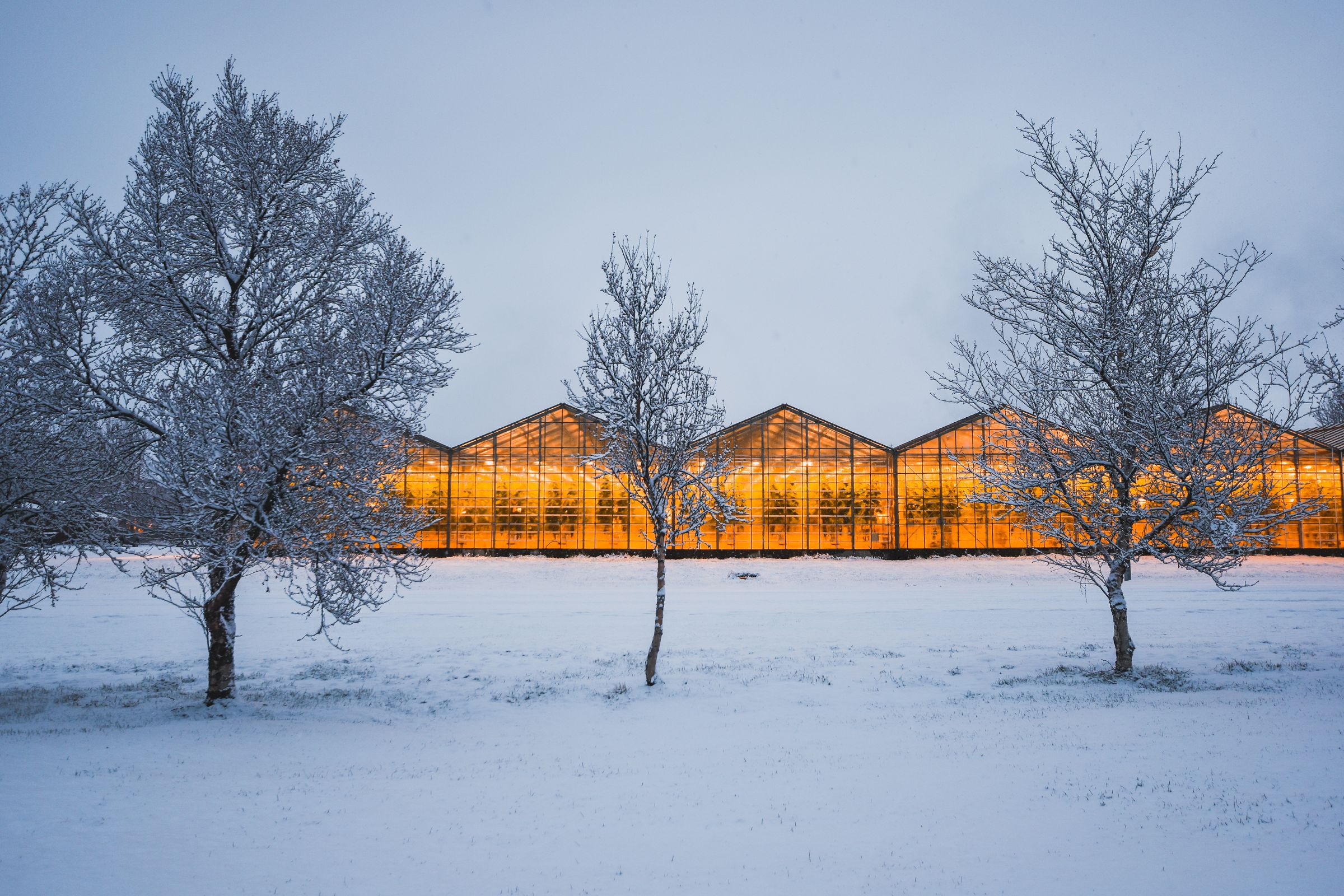
Today, it is famous for its greenhouses, which are heated by geothermal energy, allowing Icelanders to grow everything from tomatoes and cucumbers to more exotic plants like bananas and roses. Things that, otherwise, couldn’t survive in this country’s harsh climate. In fact, Hveragerði is home to the northernmost banana plantation in Europe, managed by the Agricultural University of Iceland.
The history of the town is relatively young, with the first permanent houses appearing at the beginning of the 20th century as people began to harness the hot springs for washing and later for horticulture. Then, a moment came when the town took a huge leap forward, when the locals realized that they could use the earth’s heat for much more than just survival. It could create an industry.
However, living on a geothermal hotspot comes with risks. The town is frequently affected by seismic activity. In May 2008, a 6.3 magnitude earthquake struck the area, centered just outside the town. This event altered the local landscape, drying up some old hot springs while creating new ones overnight. This means that Hveragerði and its surroundings are in constant evolution. Well, that’s something that can be applied to all Iceland. The natives have learnt how to live in an ever-changing land.
Geothermal activity is the town’s main theme, but that’s not all to it. Here you will find a typical Icelandic town, a real example of how the natives of this country live. It’s also the link between the capital region and the south of the country, home of some of the most amazing natural monuments on the island. So, it’s an easy and convenient stop on a road trip. The town provides all essential services for travelers, like gas stations and supermarkets, a tourist information office, a library, and health services. It acts as a perfect base for exploring the South Coast, offering a more relaxed, nature-focused atmosphere than Reykjavik.
Things to do and see in Hveragerði
Hveragerði may not be big in size (although is mid-sized for Icelandic standards) but it packs a lot.
The Geothermal Park
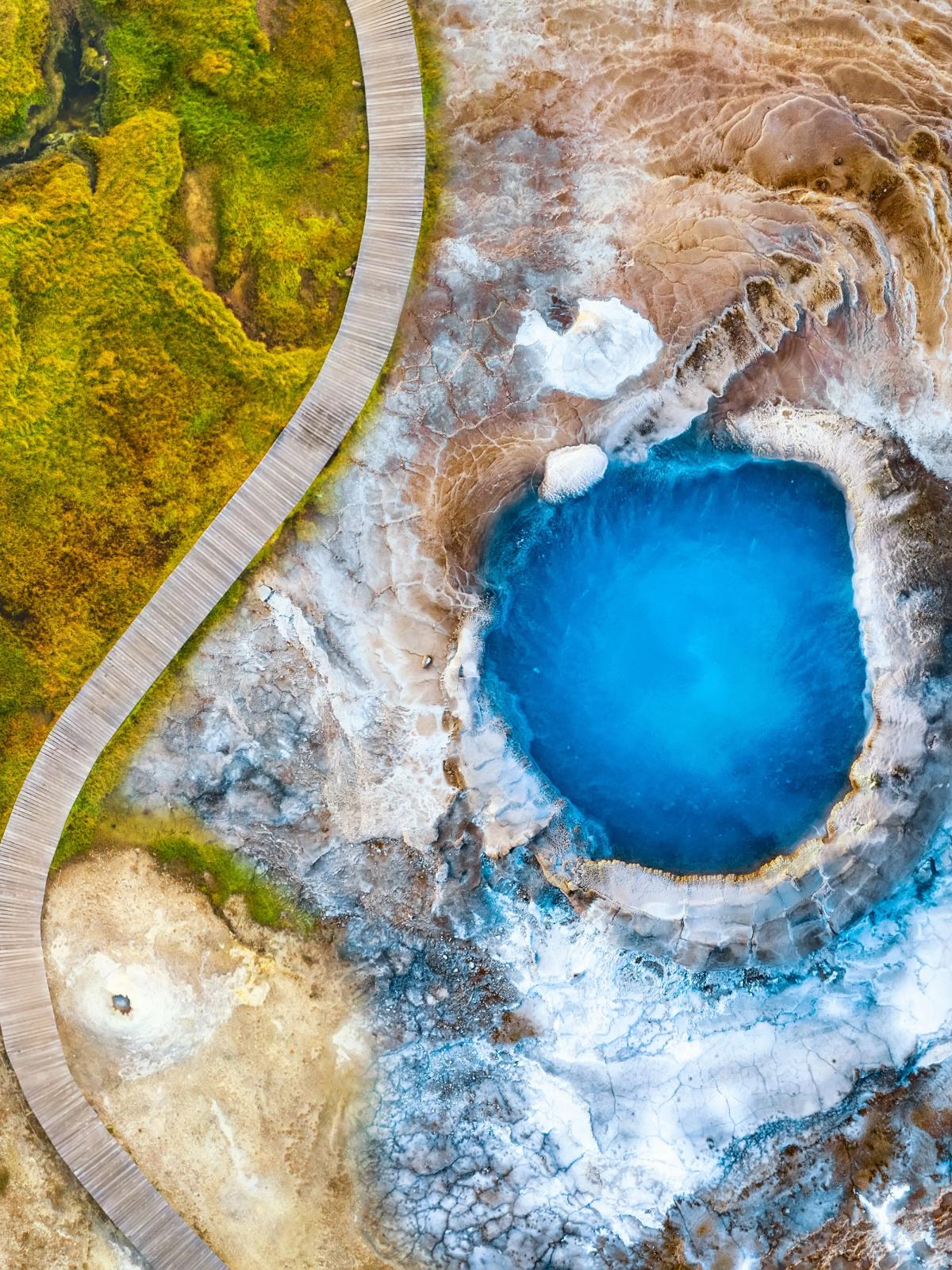
Located right in the center of town, the Geothermal Park (Hveragarðurinn) offers an easy, safe, and accessible way to see the earth’s power from up close. Visitors can walk along paved paths to see various types of hot springs, from clear boiling water to bubbling mud pots. There are also a few active vents, where you can see the steam come out from below the surface. One of the highlights is the opportunity to boil an egg in a natural hot spring or taste "black bread" that has been baked in the ground for 24 hours using the earth's natural heat. With different displays and exhibitions, it is an educational experience that illustrates how the town uses this energy for cooking and heating.
Reykjafoss
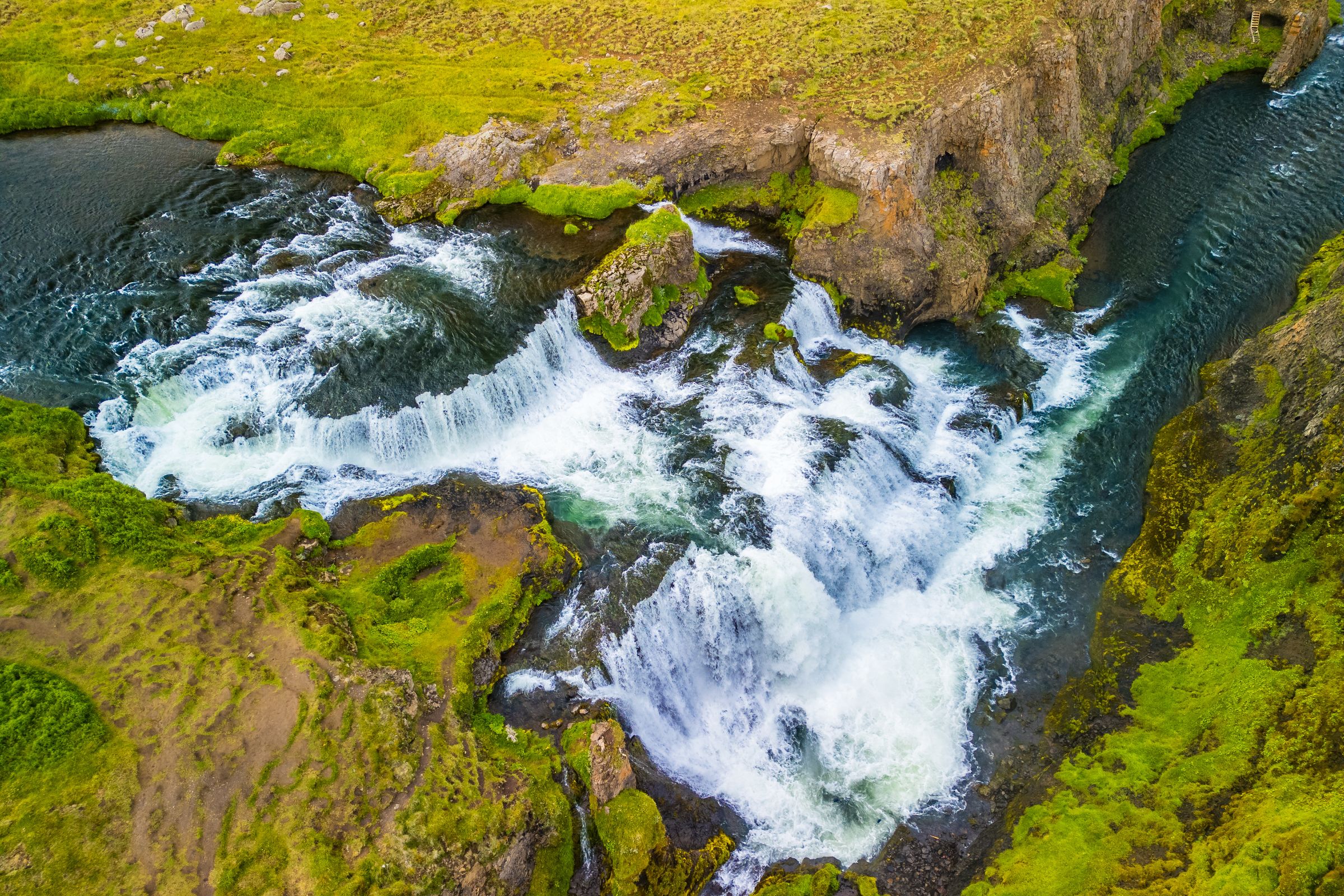
Iceland is home to hundreds of waterfalls, but not many are inside a town. Reykjafoss, situated on the edge of town along the Varmá river, is a beautiful and often overlooked waterfall. The river’s name translates to "warm river," and the cascade’s means “steamy waterfall,” both nods to the geothermal activity that runs in the area. Here, the water drops over a series of dark basalt steps. There is a nice path leading to the falls that goes through a park, making it a very nice walk from the city center.
Sundlaugin Laugaskarði
Very close to Reykjafoss there’s a place to enjoy a nice swim. Iceland may not be the first place that comes to mind for a dip in a swimming pool, but don’t worry, this one’s heated using the geothermal energy present in every corner of the town. Sundlaugin Laugaskarði was, for many years, the largest outdoor swimming pool in Iceland. Apart from the naturally heated swimming pool, there's a shallow children’s pool, a hot tub, and a steam bath built directly over a boiling spring. It is a favorite among locals for its 50-meter lanes and quiet atmosphere.
LÁ Art Museum (Listasafn Árnesinga)
Nature is the biggest draw in Iceland, but there’s also room for cultural activities. The LÁ Art Museum, which serves as the regional art hub for the Árnesingur, is a great stop in Hveragerði. The museum hosts a variety of contemporary exhibitions, often focusing on Icelandic artists and themes related to the environment and local heritage. The building itself is modern and interesting, providing a sophisticated space to appreciate the creative side of the region. The exhibitions rotate frequently, ensuring there is always something new to see for returning visitors.
Hveragerði Golf Club
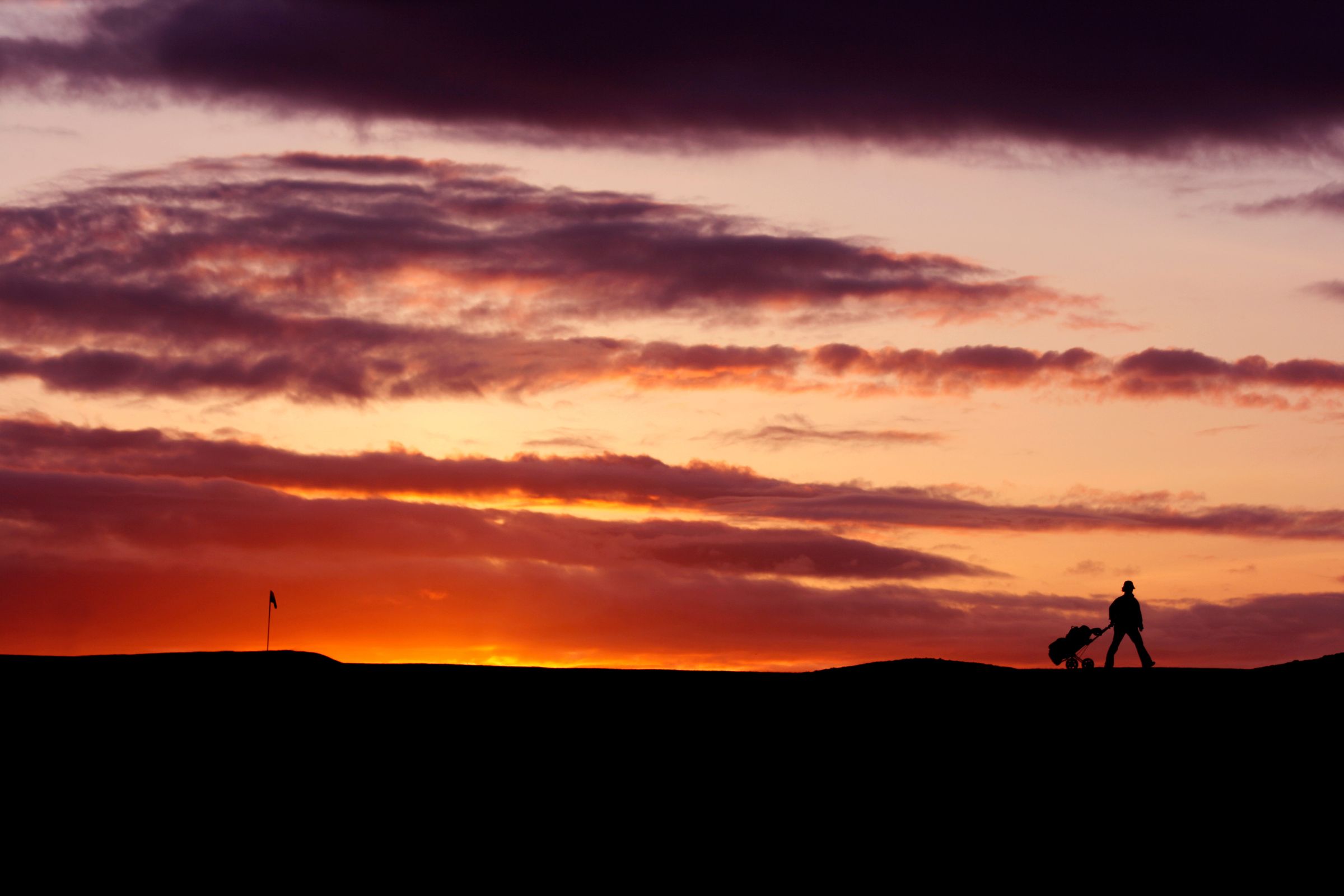
Just north of the town there’s a golf course that offers a unique experience. The Hveragerði Golf Club is a nine-hole course in the middle of the Reykjadalur valley. The course is surrounded by rolling hills and geothermal spots, where steam sometimes rises near the greens. It's open to visitors, with clubs available for rent, so if you like golf, you can have a great time without the need of bringing your own clubs. The layout takes advantage of the landscape, with views over the town and distant mountains. Fees are reasonable and it's playable from spring to fall.
Horse Riding
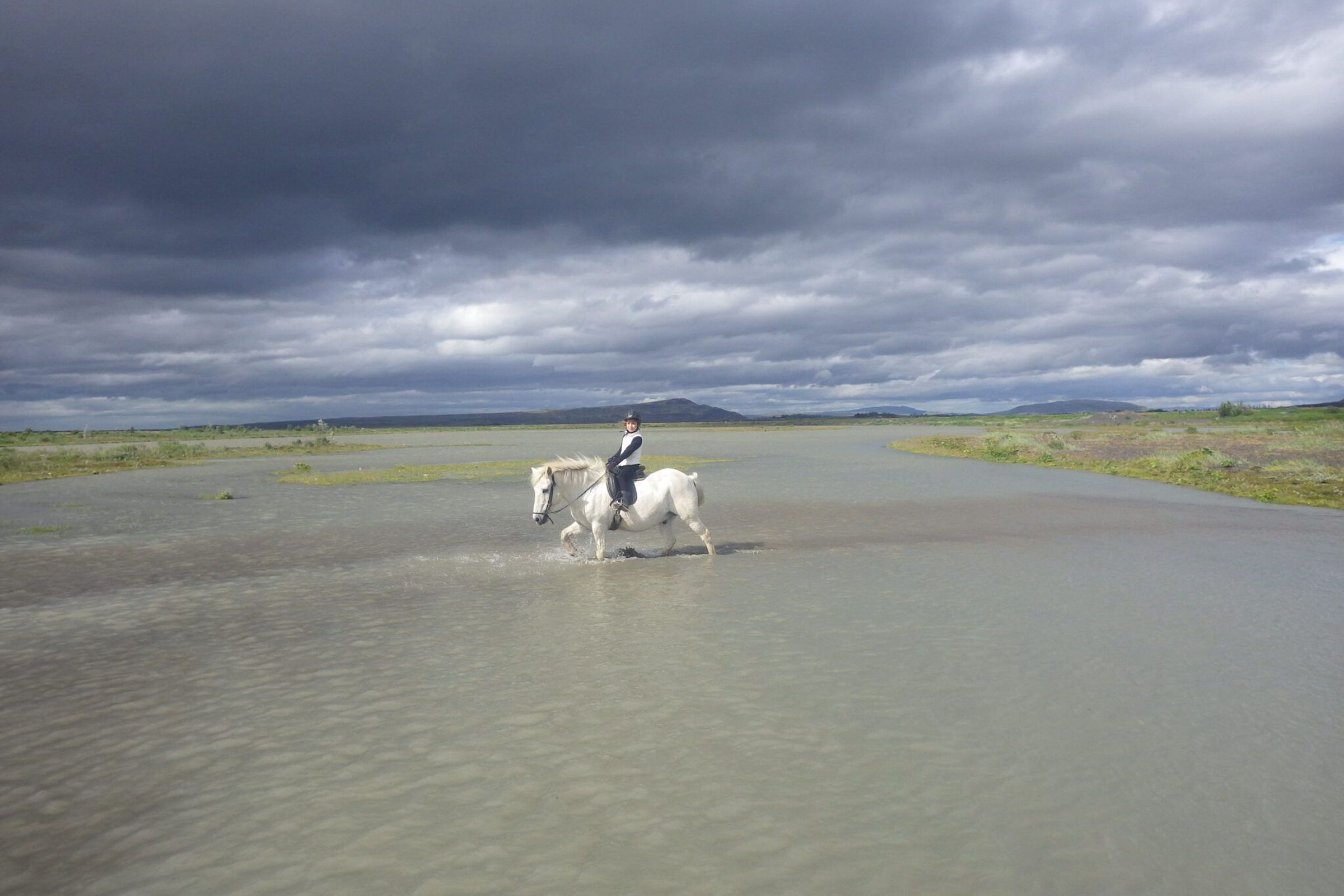
The Icelandic horse is a national symbol and one of the friendliest and most charming horse breeds. They are small, have amazing hair, and a unique gait. The area around Hveragerði is a great place to be discovered riding one of these noble beasts. North of town, close to the golf club, there are two companies that provide this fantastic experience. Sólhestar Horse Riding offers tours through the volcanic landscapes and Reykjadalur valley, both for beginners and experienced riders. Another excellent option is ICEE (Icelandic Equestrian Experience), which focuses on providing a personalized and authentic connection with these sturdy animals. Riding through the steaming meadows is perhaps one of the most unique ways to see the Icelandic countryside.
Where to eat in Hveragerði
As we have already mentioned, Hveragerði is not huge, but still has several places where one can go for a good bit. Most restaurants use geothermal resources and local produce.
Ölverk Pizza & Brewery: This popular spot is famous for its wood-fired pizzas and craft beers on tap. It’s a great place to relax after exploring the town and try some local brews. The pizzas are quite tasty.
Rósakaffi: A charming and cozy café with a unique style, as it looks like one of the greenhouses in town. It’s specialized in burgers, with vegan options as well, and sandwiches. It’s especially known for its cakes, often decorated with flowers from the local greenhouses.
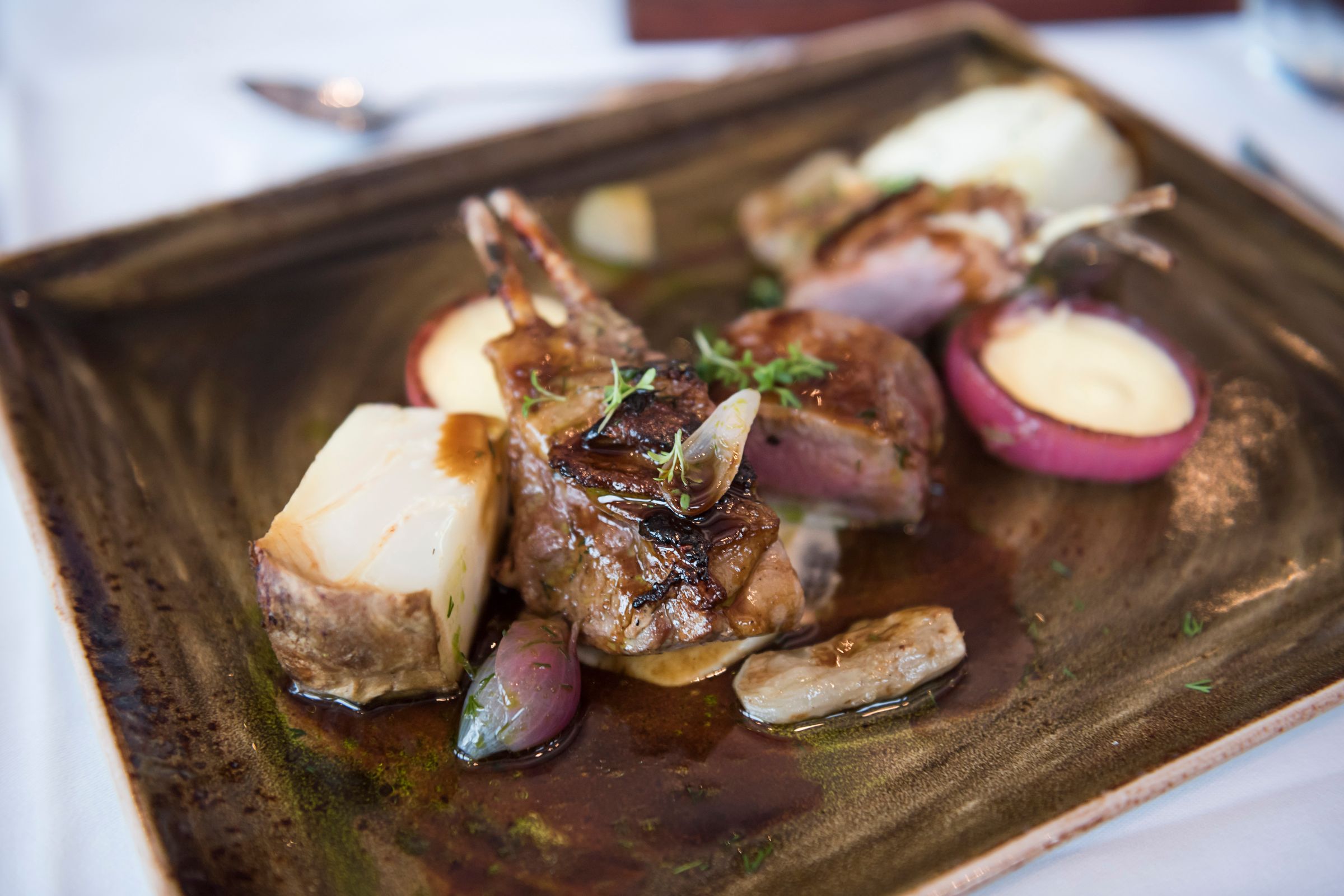
Matkráin: Located in the center of town, this restaurant focuses on high-quality Nordic cuisine. They use fresh, local ingredients to create sophisticated dishes that highlight the flavors of the region, like fish and lamb.
Tacovagninn: You won’t usually think about eating Mexican food on a trip to Iceland, but if you’re looking for a casual bite, this food truck offers delicious and fresh tacos. It’s a local favorite for a quick meal, different to the more traditional Icelandic fare.
Hipstur: Situated within The Greenhouse Hotel, Hipstur offers a modern menu with simple but well-prepared dishes.
There are a few more options in town, these are just some of the most popular.
Where to stay in Hveragerði and Nearby
Whether you are looking for luxury or a simple spot to pitch a tent, Hveragerði has a wide range of accommodations.
Hótel Örk: A large, classic hotel that offers spacious rooms and excellent facilities, including an outdoor swimming pool with a slide, hot tubs, and a sauna. As it couldn’t be any other way, the pool is naturally heated using geothermal energy.
The Greenhouse Hotel: This hotel has an amazing design, very modern as well as cozy, and has a food hall and boutique shopping. It has a contemporary, urban feel and is a hub of activity in the center of town.
Varmi Guesthouse Apartments: This big guesthouse offers rooms with private bathrooms and apartments equipped with a bathroom and a kitchen. It features a nice garden where guests can relax and interact.
Reykjadalur Guesthouse: A simple and more budget-friendly option. It has clean and comfortable rooms with private bathrooms.
Reykjamörk Hveragerði Campsite: Camping culture is strong in Iceland, and most towns have their own campsite. If that’s your go-to option, this camping ground has pitches for tents, campers, and caravans, with access to toilets, hot showers (free of charge), electricity hookups, laundry room, a dishwashing area, and an outdoor barbecue area. It’s within walking distance of the town center.
Frost and Fire Hotel: This boutique hotel is situated right on the banks of the Varmá river. You can see the steam coming out of the water from your room. It has a sauna, an outdoor thermal pool, and riverside hot tubs. They have a high-end restaurant and they also serve breakfast.
Where's Hveragerði and how to get there
Hveragerði is located in Southwest Iceland, right by the famous Ring Road (Route 1). It’s the first city you encounter traveling to the east from Reykjavik, and serves as the gateway for the Southern Region. The best, most efficient, and flexible way to reach Hveragerði is by renting a car. Public buses (Strætó) also run regularly between Reykjavík and Hveragerði for those who prefer not to drive. But if you have your own vehicle, you can go wherever you want afterward. And, believe us, you’ll want to make a road trip through South Iceland.
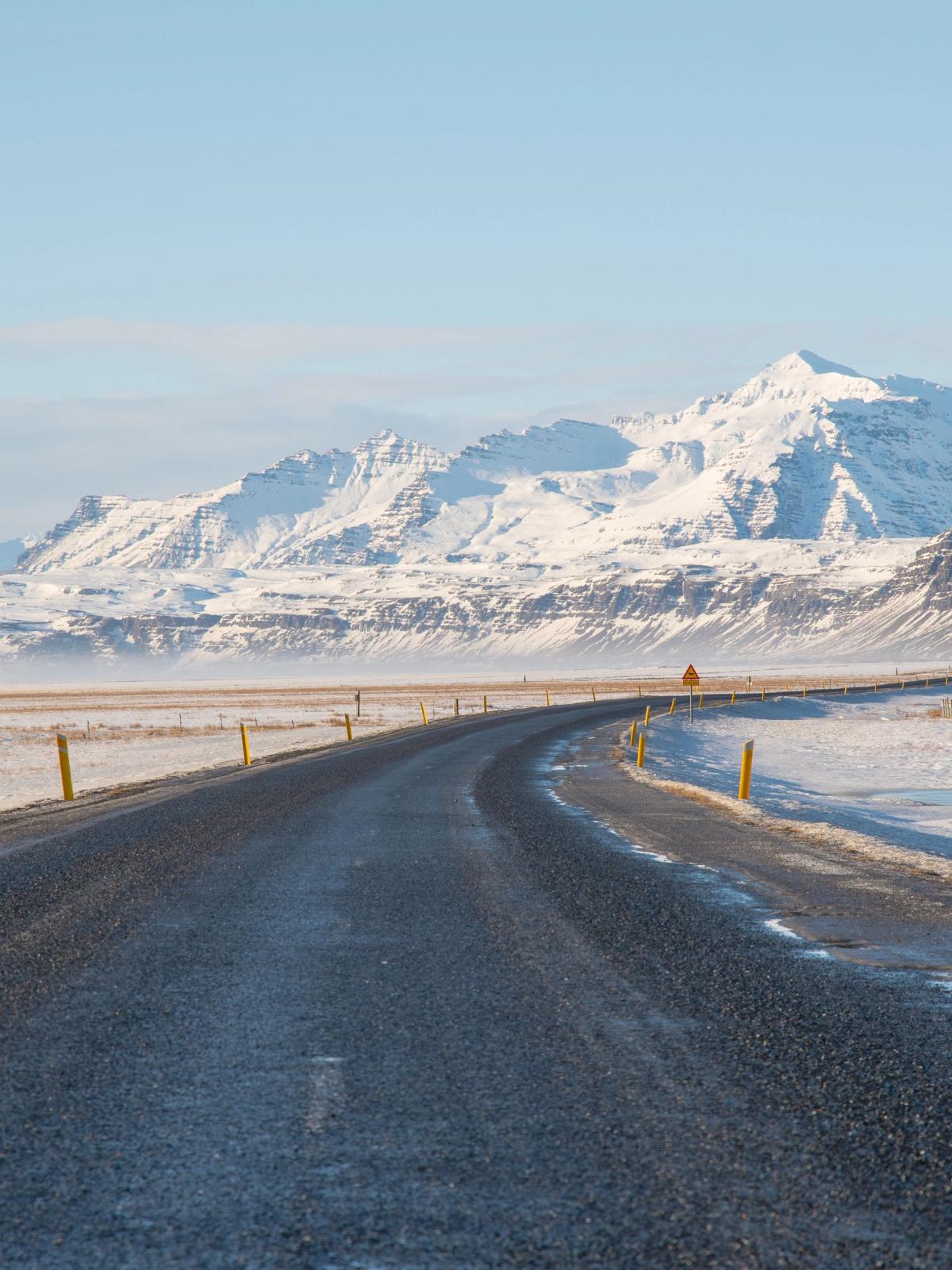
The drive from Reykjavík is straightforward and takes approximately 40 to 45 minutes, depending on weather conditions. The distance is roughly 45 kilometers (28 miles). From the capital, you head east on Route 1 and continue until you get to the town. It’s impossible to get lost. The Ring Road is in good condition all year round, but consider renting a 4x4 car if you’re coming in winter.

What to see and do near Hveragerði
The area surrounding Hveragerði is full of great things, like a playground for nature lovers, offering some of the most accessible and impressive geothermal features in Iceland.
Reykjadalur Hot Spring
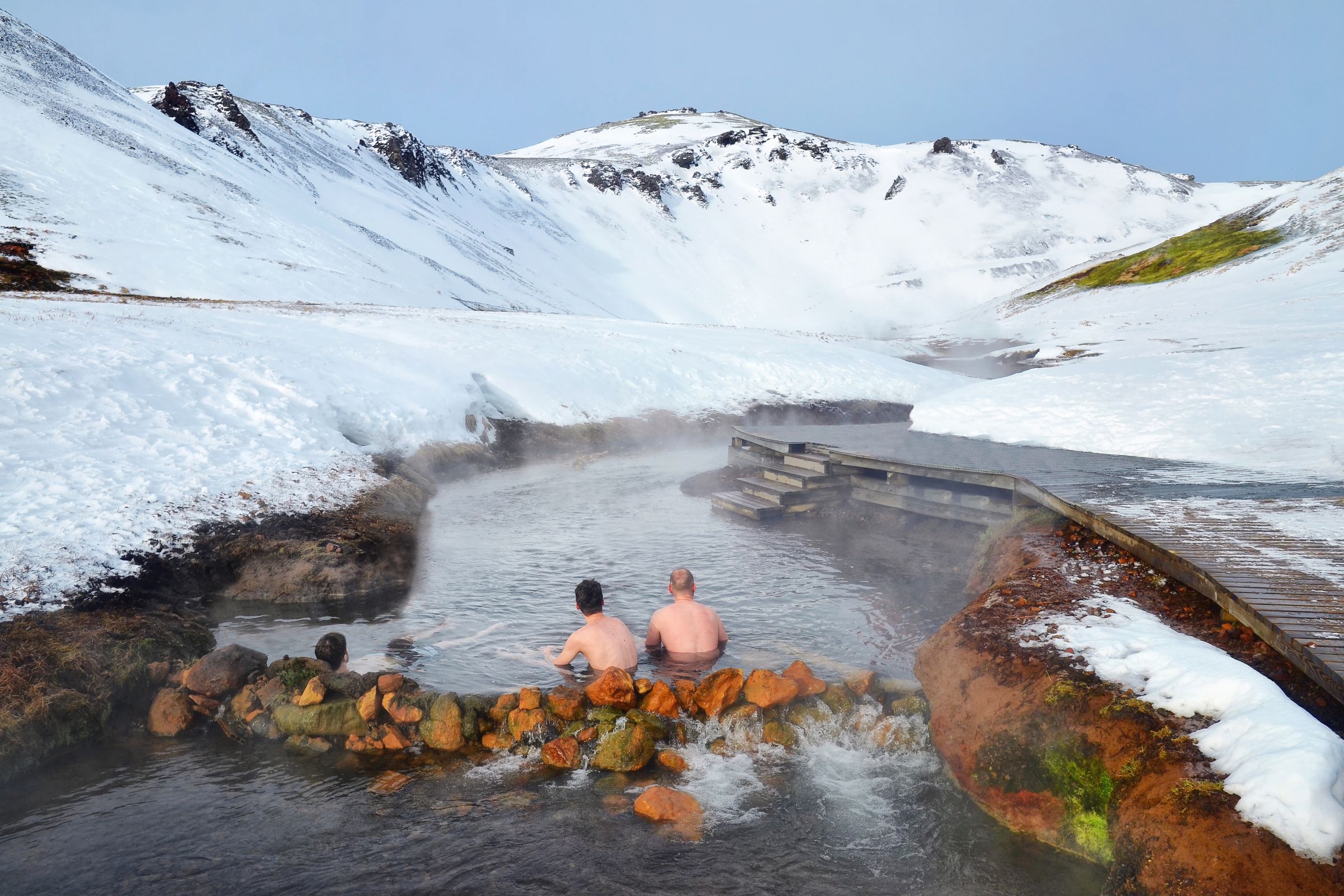
Reykjadalur, or "Steam Valley," is the most famous attraction in the area. A hiking trail of about 3 kilometers (1.8 miles) leads from the edge of Hveragerði along the valley, filled with boiling vents and mud pools. The reward at the end of the hike is a thermal river. You can also go by car; there’s a free parking area with a café there. At this point, the thermal hot river meets with a cold glacial river, creating the perfect temperature. If you go upstream, the water is warmer, colder if you go down. You just have to find the perfect spot for you. There are wooden boardwalks and changing screens provided, but no facilities.
Djúpagilsfoss
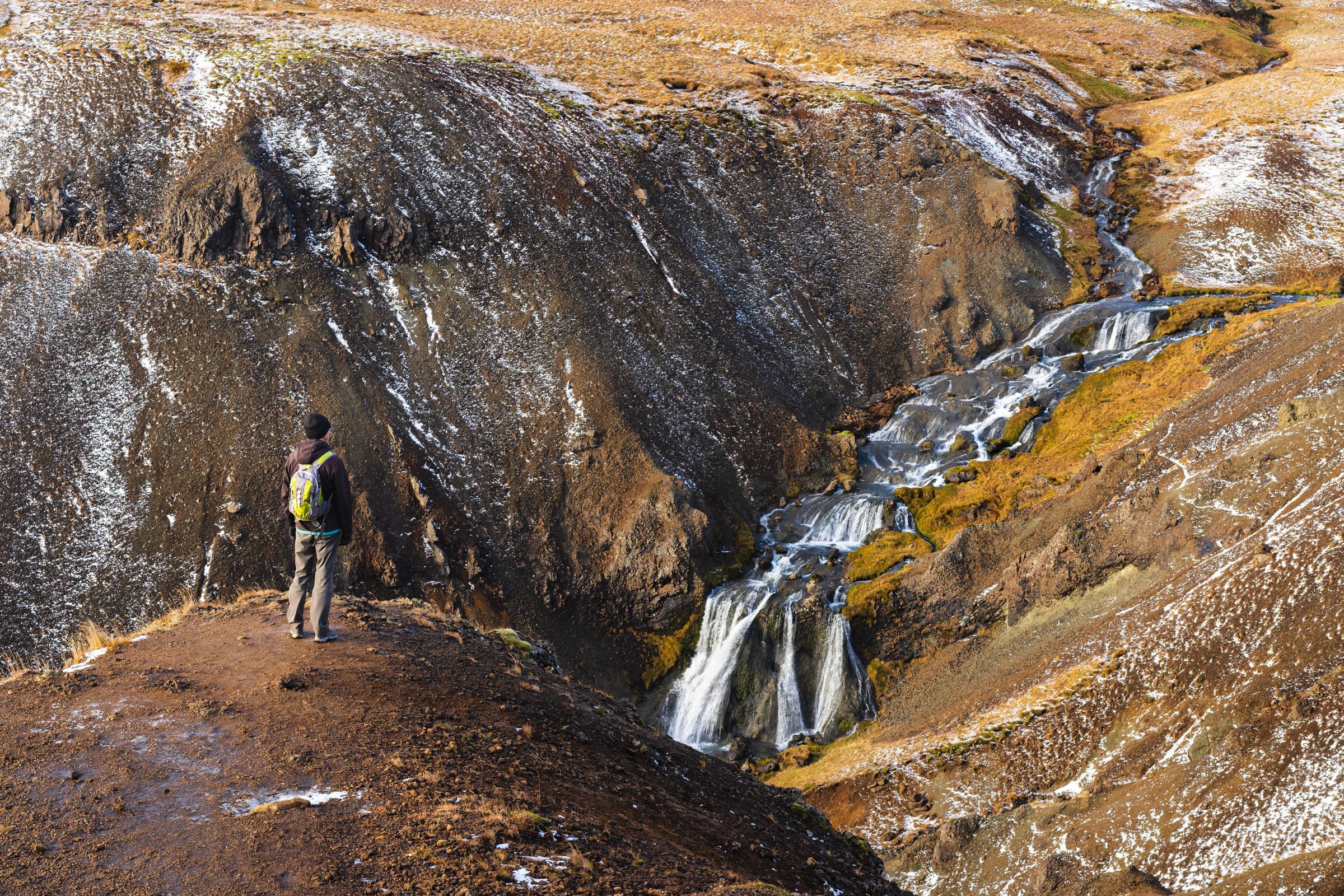
While hiking in the Reykjadalur area, many travelers miss Djúpagilsfoss. This waterfall is tucked away in a deep canyon (Djúpagil), and is part of one of the rivers in the valley. It's not a massive drop but offers a close-up of Iceland's glacial rivers in action. There’s a trail that starts at the Reykjadalur Hot Spring parking lot and gets there. It’s a great activity; the trail goes through a gorgeous landscape.
Hveradalir Geothermal Area
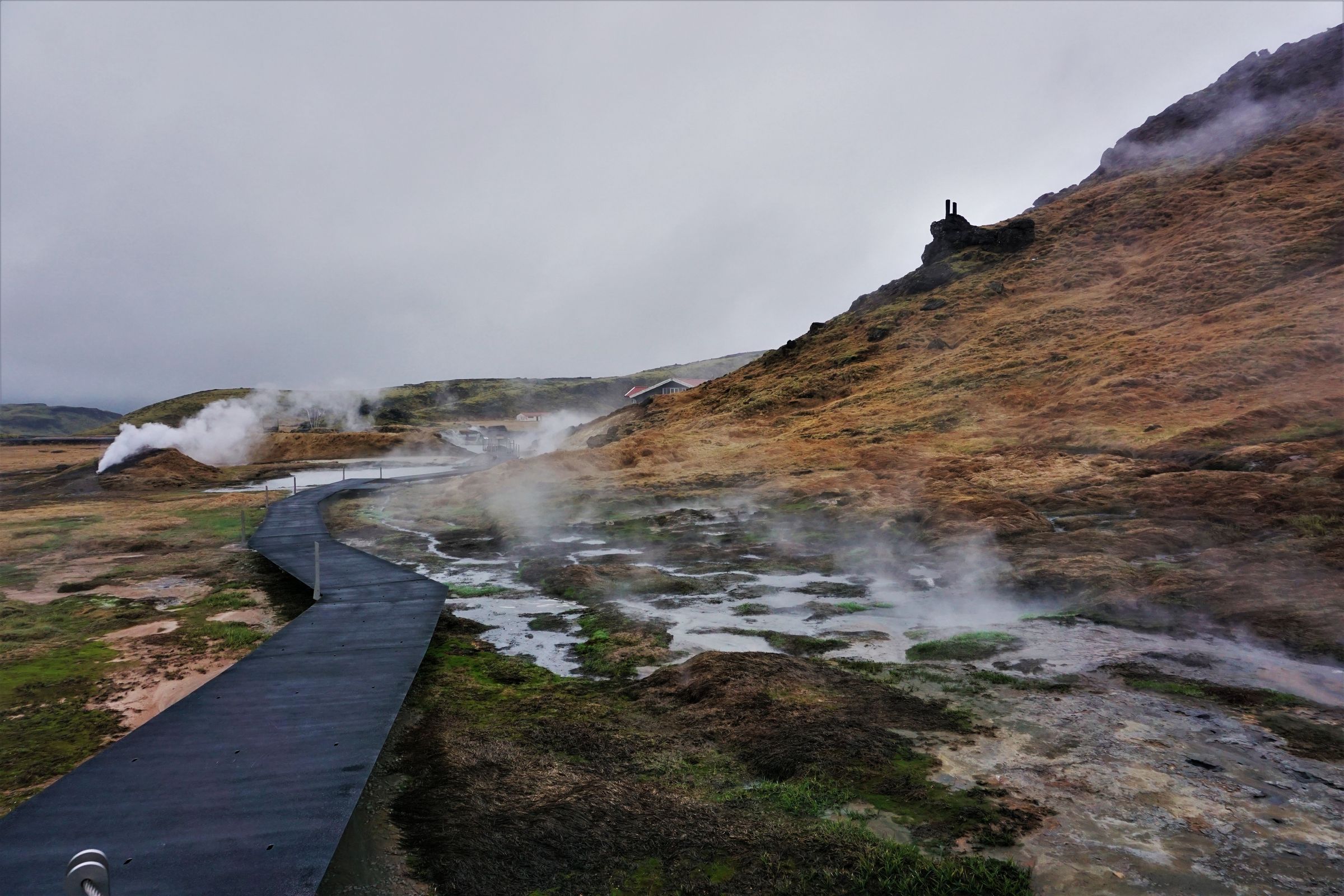
Located slightly west of the town on the Hellisheiði plateau, Hveradalir is an intense geothermal field. If you didn’t have enough of the geothermal sights in Hveragerði, you can walk through this surreal place. It is characterized by vibrant orange and yellow hills, steam vents, and the constant sound of bubbling water. It feels like stepping onto another planet.
Raufarhólshellir
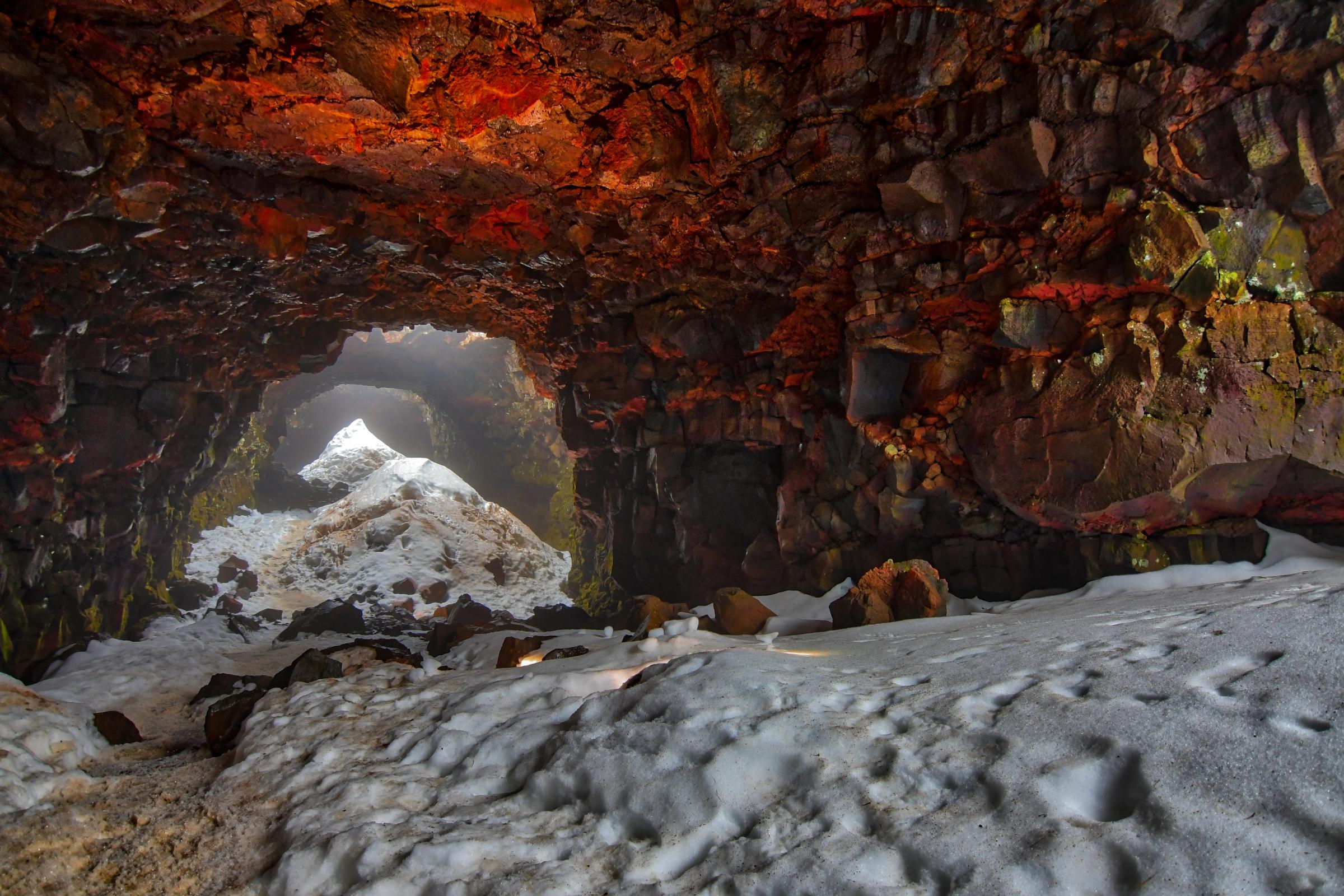
A little bit south of Hveragerði lies one of the longest and best-known lava tubes in Iceland. Raufarhólshellir is a great place to see the effects of lava flows from the inside. There are guided tours that last about an hour and go underground to discover ice formations and colorful walls inside the 1,360-meter (4,460-foot) tunnel. Helmets and lights are provided, and the paths have been improved for safety.
Syrðri Eldborg Crater
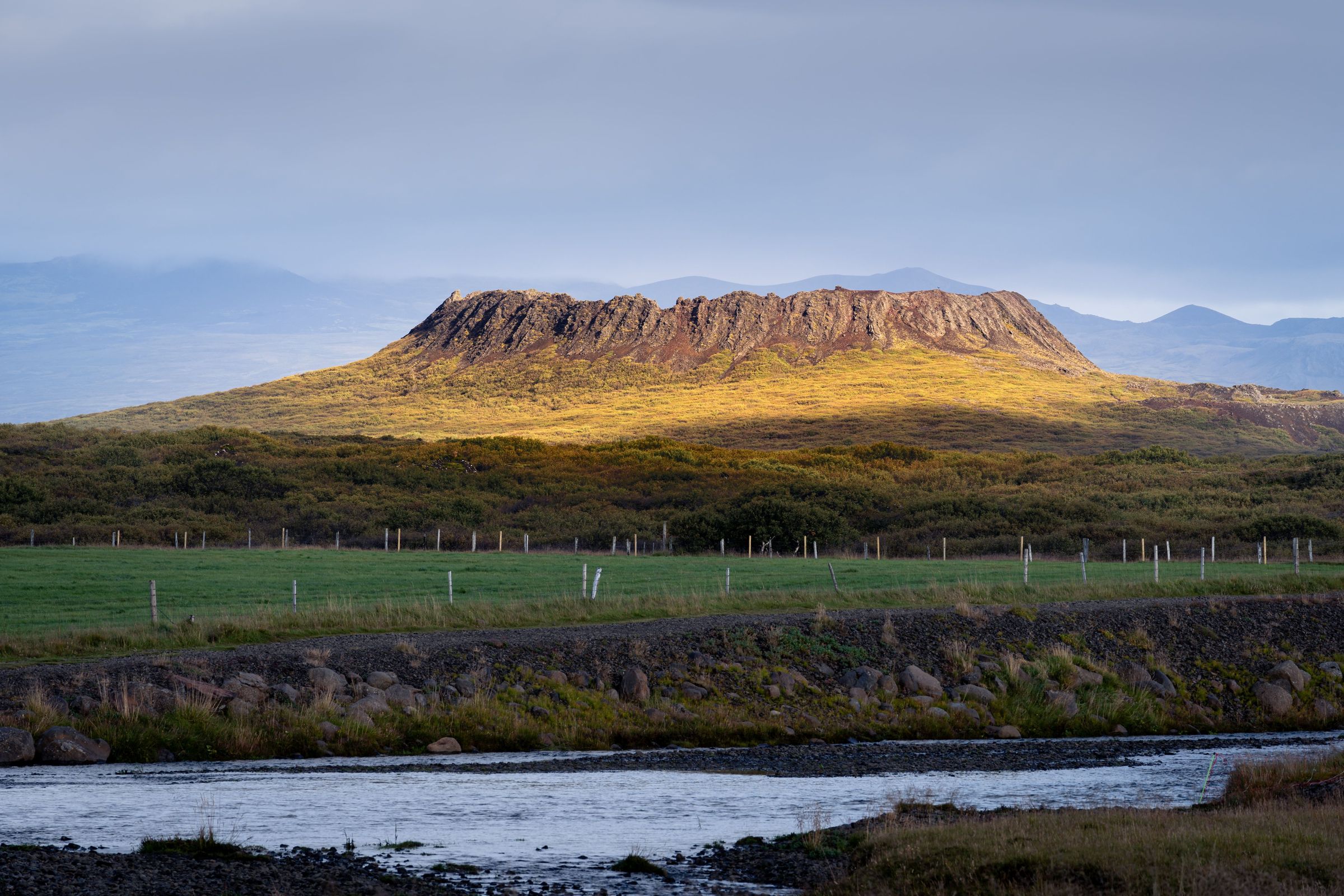
For those interested in volcanic history, a great stop after or before Raufarhólshellir is Syrðri Eldborg, a crater that is highly recommended. This perfectly shaped scoria crater stands out against the landscape. The hike to the top is relatively easy and offers panoramic views of the surrounding lava fields and the coastline in the distance. It is a quiet alternative to some of the more famous craters in the north or west.
Selfoss
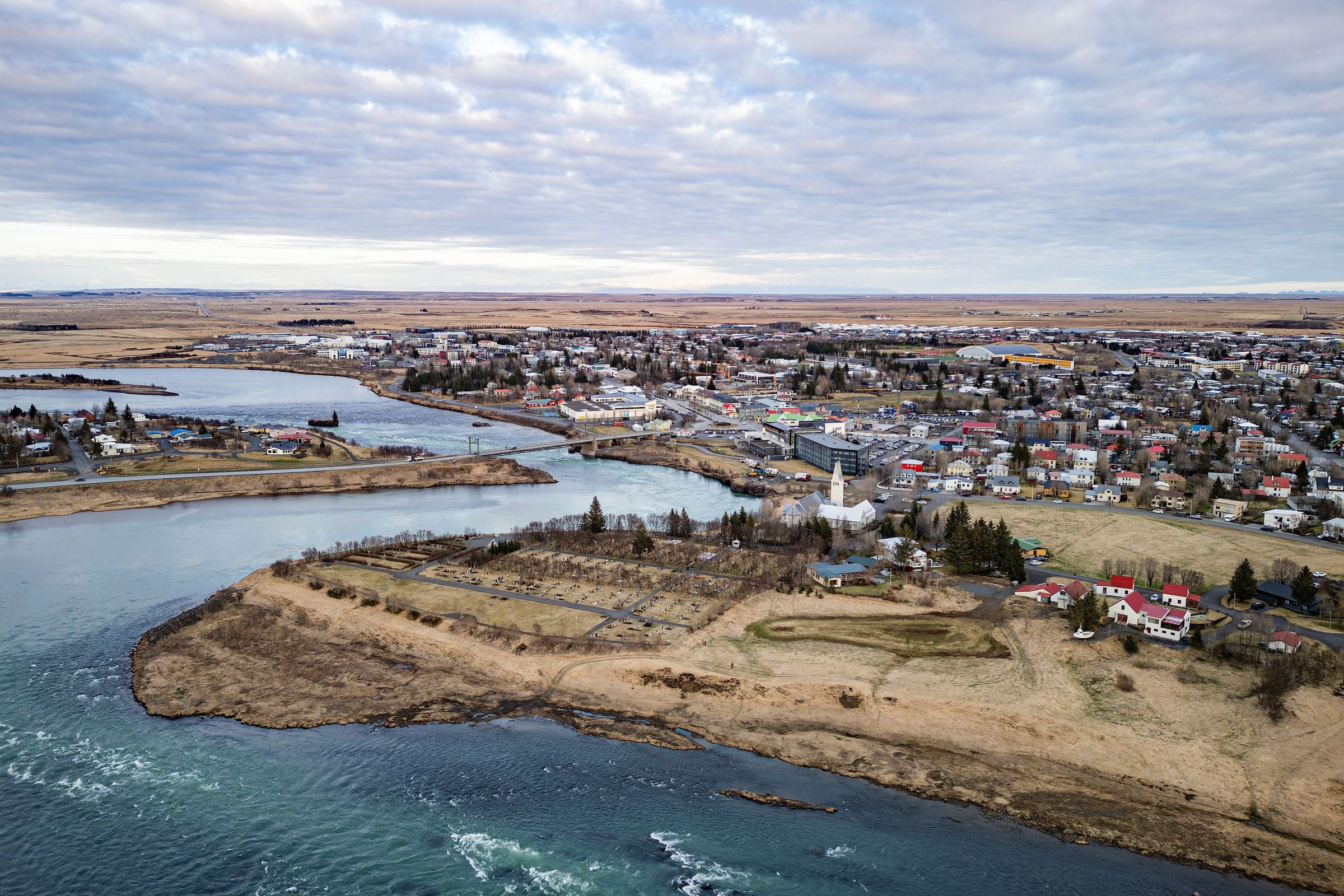
Selfoss, a short drive from Hveragerði, is the capital and most important city in the Southern Region. It’s an active hub with shops, bars, restaurants, and a beautiful historic center. The project New Old Town has refurbished several traditional, colorful wooden houses. This area has several pedestrian streets with shops. If you want a touch of culture and history, you can visit the Bobby Fischer Center, a museum dedicated to the chess grandmaster. His tomb can also be visited, just north of the city. The area by the Ölfusá river is really nice for a stroll or having a picnic.
The weather in Hveragerði
When traveling to Iceland, the weather is one of the main worries. Here, the climate is unpredictable and changes constantly, but it’s good to know what to expect each season.
Winter (November - March): Winter is the most challenging season to travel to Hveragerði, but it comes with advantages, too. Almost everything is covered in snow, which makes road travel complicated. But, at the same time, the steam from the hot springs continues to rise, creating a unique image. Temperatures typically hover around 0°C (32°F), but the wind chill in the valley can make it feel much colder. There are barely 4-6 hours of natural light, but it’s the season when the northern lights happen.
Spring (April - May): Spring is a time of transition. The snow begins to melt, and the rivers of glacial origin, like those in the valley, are at their best. This is a great time for photography, because the flowers in the greenhouses in town begin to bloom. Temperatures begin to rise toward 5-10°C (41-50°F), though sudden snow showers are still possible, especially in the first weeks of the season.
Summer (June - August): Summer is the peak season for hiking and outdoor activities, but it’s also the time with more tourists. The days are really long, the sun barely sets at the end of June, so you can hike to Reykjadalur late into the evening. Temperatures are mild, usually ranging from 10°C to 15°C (50-59°F), and the landscape turns a vibrant green. This is the best time for golf and horse riding, as the weather is most stable, but is mostly a mix of sunny skies and sudden showers.
Autumn (September - October): Autumn brings beautiful colors to the valley as the moss turns orange and gold. The weather becomes more unpredictable, with increased rain and wind. However, the cooling air makes a soak in a hot spring even more rewarding. It’s the season with the fewest tourists.
What to pack to visit Hveragerði
When traveling to Hveragerði, being prepared for the elements is essential. Here is a list of items to consider:
- Swimwear: Absolutely essential for the local pool and the Reykjadalur hot river.
- Sturdy hiking boots: Hiking it’s a great activity in Iceland. Better if they have good grip and are waterproof.
- Waterproof jacket and pants: A high-quality rain jacket and trousers are necessary, especially when hiking, as Icelandic weather changes fast.
- Layered clothing: The best way to adapt to the constant temperature changes is to dress in layers. Base thermal; wool or fleece for intermediate; outer waterproof.
- A quick-dry towel: Especially useful if you plan on hiking to the natural hot springs.
- A reusable water bottle: Icelandic tap water is some of the purest in the world.
- Sunscreen and sunglasses: The sun can be surprisingly strong, especially when reflecting off snow or water.
Travel Tips
- Be careful in geothermal areas: Always stay on marked paths in geothermal areas. The ground can be unstable and hot, and the water can burn.
- Check the weather and the road conditions: Check the weather every morning, or a couple of times a day, it changes fast. Also, look up the road status before driving.
- Drive safely: Driving in Iceland has its peculiarities. The maximum speed is 90 km/h on paved roads and it’s mandatory to have the headlights on at all times.
- Leave No Trace: Iceland’s nature is fragile. Take all your trash with you and don’t step on moss.
- Plan for Crowds: Reykjadalur is popular. If you want a quieter soak, try to go early in the morning or later in the evening.
- Taste the Local Food: Don't miss out on the geothermally baked bread or the local craft beer; they are a huge part of the town's identity.
Conclusion
Hveragerði is a place where you can enjoy one of the sides of Iceland to the fullest. It’s a very unique town, fueled by and centered around geothermal energy. It’s a town that shows a real piece of the country’s identity, surrounded by unique landscapes. Don’t hesitate and make room in your Icelandic itinerary for this amazing city.