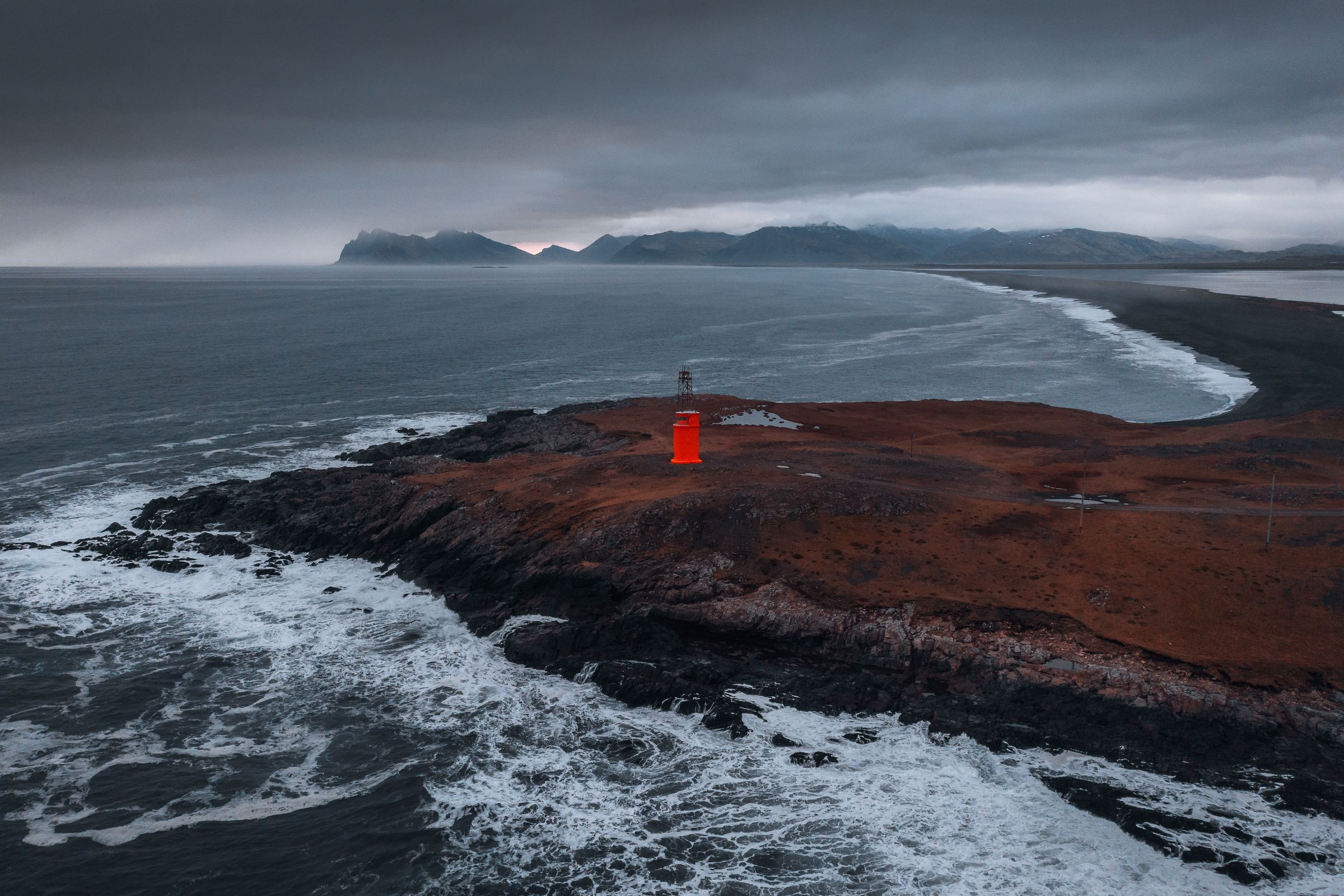
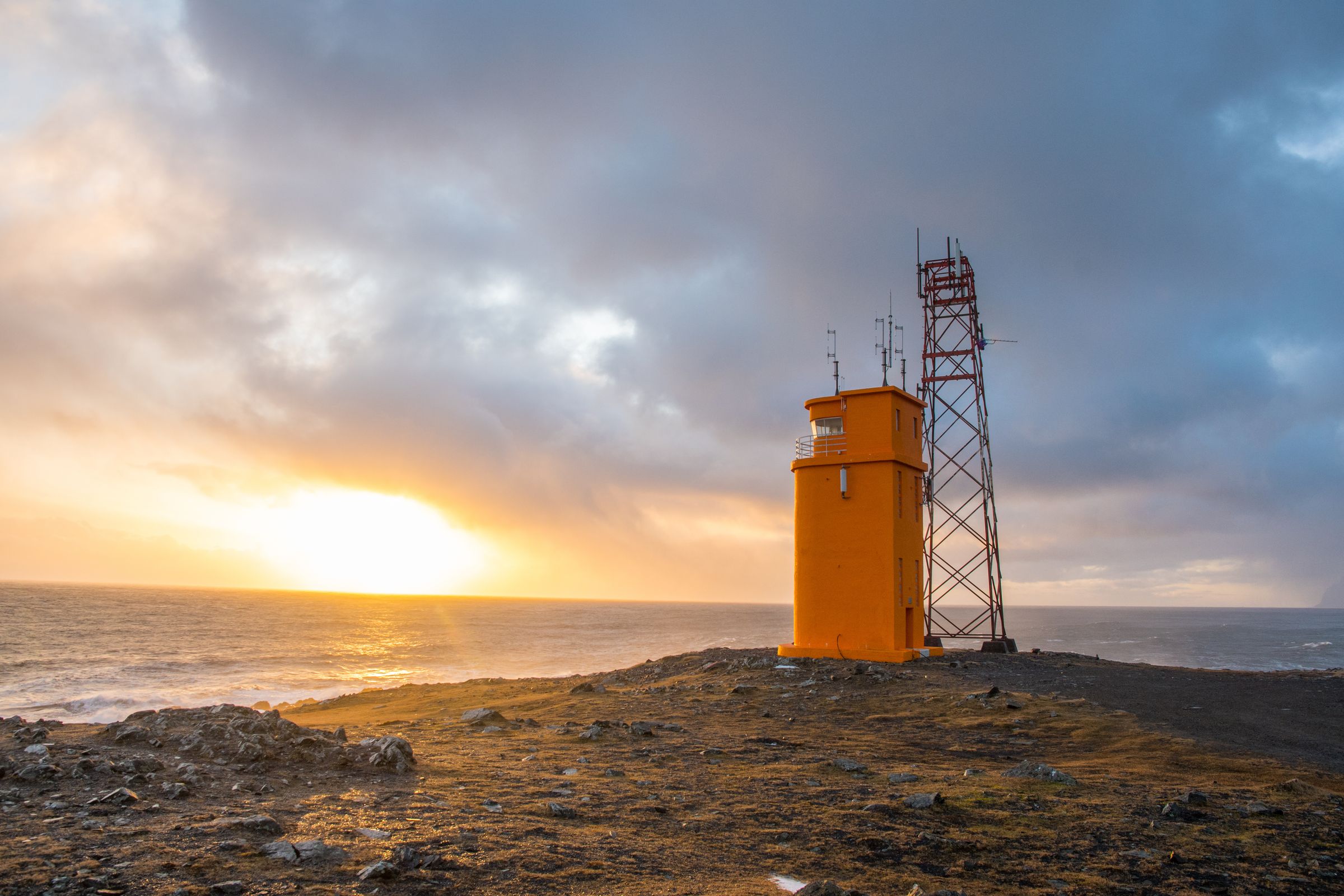
On Iceland's southeastern coast, there's an orange lighthouse that most people drive right past. Big mistake. Hvalnes Lighthouse sits against some of the country's most dramatic scenery - sharp mountains, black pebble beaches, and the North Atlantic hitting the volcanic shores.
This isn't some overcrowded tourist spot. At Hvalnes, you can actually think without fighting crowds for photos. You might even have the whole place to yourself.
Key Takeaways
Easy access: Right off the Ring Road with free parking and a short walk to the lighthouse
Best timing: Summer (June-August) for mild weather and wildlife; winter for Northern Lights
What to expect: Dramatic orange lighthouse, black pebble beach, and views of Eystrahorn mountain
Time needed: 30 minutes to 2 hours, depending on how much you explore
No facilities: Bring everything you need - no restrooms, shops, or cafés on site
Perfect combo: Pairs perfectly with nearby Vestrahorn and Höfn for lobster dinner
What's the Hvalnes Lighthouse? A Concise Overview
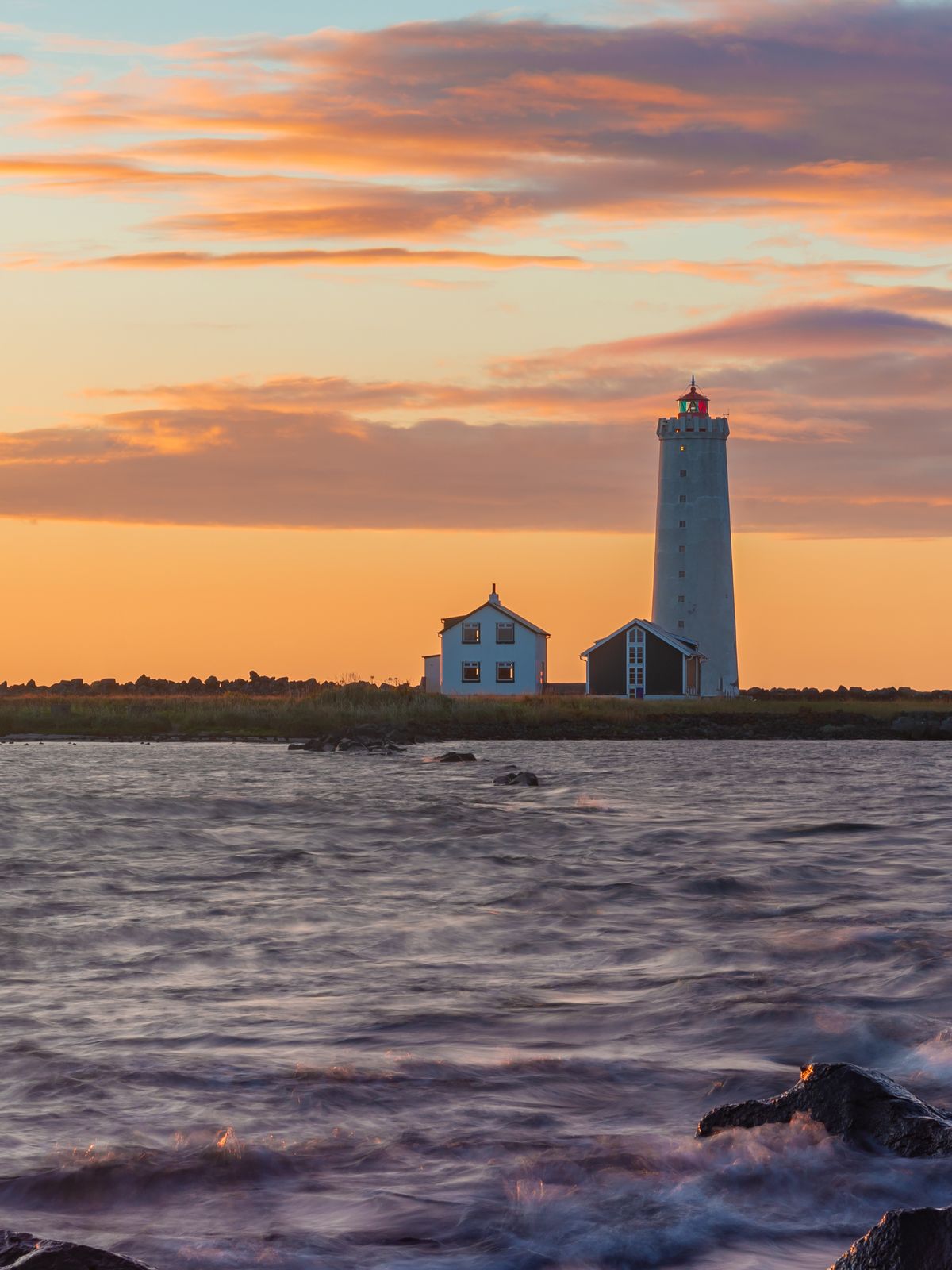
Hvalnes Lighthouse is an 11.5-meter bright-orange concrete tower from 1954 set in the Hvalnes Nature Reserve, backed by Eystrahorn mountain and surrounded by black volcanic pebbles. It originally ran on gas before switching to electricity in 1982 and now flashes two white lights every 20 seconds, though visitors can only explore the outside. Its dramatic contrast of orange tower, dark beach, and sharp peaks makes it a highly photogenic and uniquely Icelandic stop.
It offers a quieter experience than Iceland’s crowded attractions, often giving visitors the entire area to themselves. It's an easy Ring Road stop with quick access to the lighthouse, black beach, wildlife, and mountain scenery all within a few kilometers. The setting also provides more distinctive photos than popular spots like Kirkjufell or Diamond Beach.
Hvalnes Lighthouse (Hvalnesviti in Icelandic) is an 11.5-meter concrete tower painted bright orange that's been guiding ships since 1954. The name "Hvalnes" means "Whale Peninsula," as whales would strand here and feed local communities back in the day.
This lighthouse sits in the Hvalnes Nature Reserve on a small peninsula, where Eystrahorn mountain rises right behind it. The whole scene looks unreal, which explains why it shows up all over Instagram.
Originally, the lighthouse ran on gas before switching to electricity in 1982. Now it's fully automated, flashing two white lights every 20 seconds to warn ships about this rocky stretch. You can't go inside, but you can walk right up to it and explore around.
What makes this spot stand out is the contrast: that bright orange tower against black volcanic pebbles, with Eystrahorn's peaks creating a dramatic backdrop. It's one of those places that makes you understand why people get so into Iceland.
Why Should I Visit the Hvalnes Lighthouse Over Other Attractions in Iceland?
Most of Iceland's famous spots are packed. Reynisfjara has crowds and safety ropes. Jökulsárlón glacier lagoon gets tour buses all day. Even smaller attractions are getting discovered and overrun.
Hvalnes is different. You might get the whole place to yourself, especially early morning or late evening. Standing at this remote lighthouse hits different with just waves and seabirds for company.
The location is also convenient if you're driving the Ring Road. Unlike some remote spots that need hours of hiking or 4x4 driving, Hvalnes sits right off the main route. You can pull over, walk five minutes, and find yourself at one of Iceland's most photogenic lighthouses.
Plus, you get variety here. Within a few kilometers, there's the lighthouse, a beautiful black beach for walks, wildlife viewing, and some of the best mountain scenery in Iceland. It's basically four different things to see in one stop.
And honestly, everyone takes the same photo at Kirkjufell or Diamond Beach. At Hvalnes, you'll capture something different. The combination of orange lighthouse, dark beach, and Eystrahorn's peaks creates photos you won't get anywhere else.
Location & How To Get There
Hvalnes Lighthouse sits on Iceland’s southeast coast at 64°21'10.8"N 14°36'46.8"W, between Höfn (50 km) and Djúpivogur (54 km). It’s about 500 km from Reykjavik, a 6–7 hour drive along the Ring Road. The turn-off is easy to miss, but it appears shortly after you spot Eystrahorn ahead.
Getting to Hvalnes is simple: follow Route 1, pass Höfn, look for the “Hvalnes” sign, take the short 500-meter gravel road, park, and walk a couple of minutes. The Ring Road is paved, the gravel spur works for any car, and winter just means driving slower. There’s no reliable public transport, and drive times from nearby spots include Höfn (45–50 minutes), Djúpivogur (45 minutes), and Jökulsárlón (1.5 hours).
Hvalnes Lighthouse sits on Iceland's southeastern coast at coordinates 64°21'10.8"N 14°36'46.8"W. It's positioned between two towns: Höfn (50 km or 31 miles west) and Djúpivogur (54 km or 33.5 miles northeast).
From Reykjavik, you're looking at about 500 kilometers (310 miles) and 6-7 hours of driving along the Ring Road. Most people break this journey into multiple days, stopping at waterfalls, glaciers, and black sand beaches along the way. It’s a much better idea.
Here's how to get there:
Follow the Ring Road (Route 1) east from Reykjavik
Pass through Höfn and continue northeast for about 45 minutes
Watch for a small sign saying "Hvalnes" on your right
Turn onto the gravel road (it's short, maybe 500 meters or 0.3 miles)
Park in the small lot and walk 2-3 minutes to the lighthouse
The turn-off is easy to miss if you're not paying attention. Look for it right after you see Eystrahorn mountain ahead. If you suddenly find yourself driving away from the coast, you've gone too far.
Road conditions: The Ring Road is paved all around. The short gravel spur to the lighthouse works fine for any car, no 4x4 needed. In winter, just take it slow if there's ice or snow.
Public transport: Don't count on it. This is really remote rural Iceland. You'll need a rental car or join a tour that includes this area (though most don't).
From nearby towns:
Höfn: 45-50 minutes northeast
Djúpivogur: 45 minutes southwest
Jökulsárlón: 1.5 hours southwest
Rent a car in Iceland
Visit all the places on your itinerary with total ease and freedom
Hvalnes is all about simple, raw nature, with an orange lighthouse that’s great for photos at sunset, in winter, or with Eystrahorn behind it. The long black pebble beach is peaceful to walk, with smooth volcanic stones and occasional driftwood or rare plants. The area also has puffins in summer, Arctic terns, other seabirds, and sometimes seals or swans. You can explore the coast or climb a bit up Eystrahorn for good views, but there are no marked trails, so take it easy and watch the weather.
Don't expect theme park attractions. Hvalnes is about connecting with Iceland's raw nature, and that's exactly what makes it work.
Photography and Scenic Views
This lighthouse was made for photos. That bright orange color stands out against any background: stormy skies, clear blue days, the black pebble beach, or snow-covered ground.
Walk around to find different angles. Most people shoot the lighthouse with Eystrahorn mountain behind it. But try getting low on the beach with dark pebbles in front, or get the lighthouse from the side with waves nearby.
The hour before sunset looks incredible here. The orange tower glows, and if you're lucky, Eystrahorn lights up beautifully too. In summer, this happens quite late (around 10 PM in June and July).
For night shots, Hvalnes is great for Northern Lights photos in winter. With almost no light pollution, you can capture the aurora lighting up over the lighthouse and the ocean. Just bring a tripod and dress warmly.
Beach Walking and Exploring
The black pebble beach goes for kilometers in both directions. These aren't just any pebbles: they're smooth, dark volcanic stones polished by centuries of Atlantic waves. Walking here feels like walking on something nature spent centuries perfecting.
Go south from the lighthouse for the longest stretch of beach. You can walk for 30-40 minutes before the beach curves around toward a lagoon area. It's peaceful and calming, with just the sound of waves rolling over stones.
You'll find interesting driftwood, shells, and even the rare "oyster plant" (Mertensia maritima), a blue-flowered plant that actually tastes like oysters. Don't pick it though; it's becoming rare due to over-harvesting elsewhere.
Wildlife Watching
Hvalnes Nature Reserve has more than just scenery. The coastal cliffs, beach, and nearby wetlands attract lots of birds and marine life.
Birds you might see:
Puffins (June-August) - look for them on grassy clifftops
Arctic terns - beautiful but aggressive if you get near their nests
Kittiwakes, gulls, and fulmars around the cliffs
Sometimes whooper swans in the lagoon area
Marine life:
Seals occasionally haul out on offshore rocks
Whales are rare, but sometimes you can see them in deeper water
Bring binoculars if you have them. Birds are most active in the early morning or in the evening. And remember, keep your distance, especially during nesting season (May-August).
You can explore around the lighthouse and even head toward Eystrahorn mountain if you want to see more, but there aren't any marked trails.
The easiest thing is just following the coast north or south from the lighthouse. The terrain is mostly flat with some low hills. You'll see the mountain and the coastline from different spots.
Want something more challenging? You can hike partway up the lower slopes of Eystrahorn. There's no official trail, but sheep paths and worn routes lead upward. Even a 20-30-minute climb gives you great views back over the peninsula and the ocean.
Just remember, this is wild, unmarked terrain. Don't try anything too challenging without proper gear and experience. The weather can change fast, and help is far away.
Practical Information For Visitors
Weather & Best Time to Visit
Summer is the easiest time to visit, with mild temperatures, long daylight, and plenty of wildlife, while fall has fewer people, dramatic skies, and the chance to see the Northern Lights. Winter is cold, icy, and dark but great for aurora photos, and spring can swing between sunny calm days and sudden snow. Early mornings and late evenings give the best light and the most solitude.
What to Bring
Bring waterproof clothes, warm layers, sturdy boots, snacks, and water because there’s nothing nearby. Photographers should pack a tripod, extra batteries, memory cards, and cleaning cloths for sea spray. It’s also smart to carry toilet paper, sanitizer, trash bags, and offline maps.
Safety Tips
Stay well back from the ocean because sneaker waves are dangerous, and be ready for weather that can change fast. Watch your step on the uneven beach and loose rocks, and keep your distance from wildlife, especially nesting birds. Cell signal is weak, so tell someone your plans, and in winter check road conditions, bring extra warm gear, and be careful on icy paths.
Weather & Best Time To Visit
Iceland's weather is famously unpredictable, and Hvalnes gets hit with whatever the North Atlantic sends its way. Here's what you can expect:
Summer (June-August):This is when you'll get the nicest weather. Temperatures sit around 10-15°C (50-59°F) during the day. You'll have almost 24 hours of daylight in midsummer, which is perfect for late-night photo sessions. Puffins and other seabirds are nesting, so it's the best time to see wildlife.
Fall (September-October): Fewer tourists, but the weather gets more unpredictable. Great for photography with dramatic skies. Night starts returning, so you might catch Northern Lights on clear evenings.
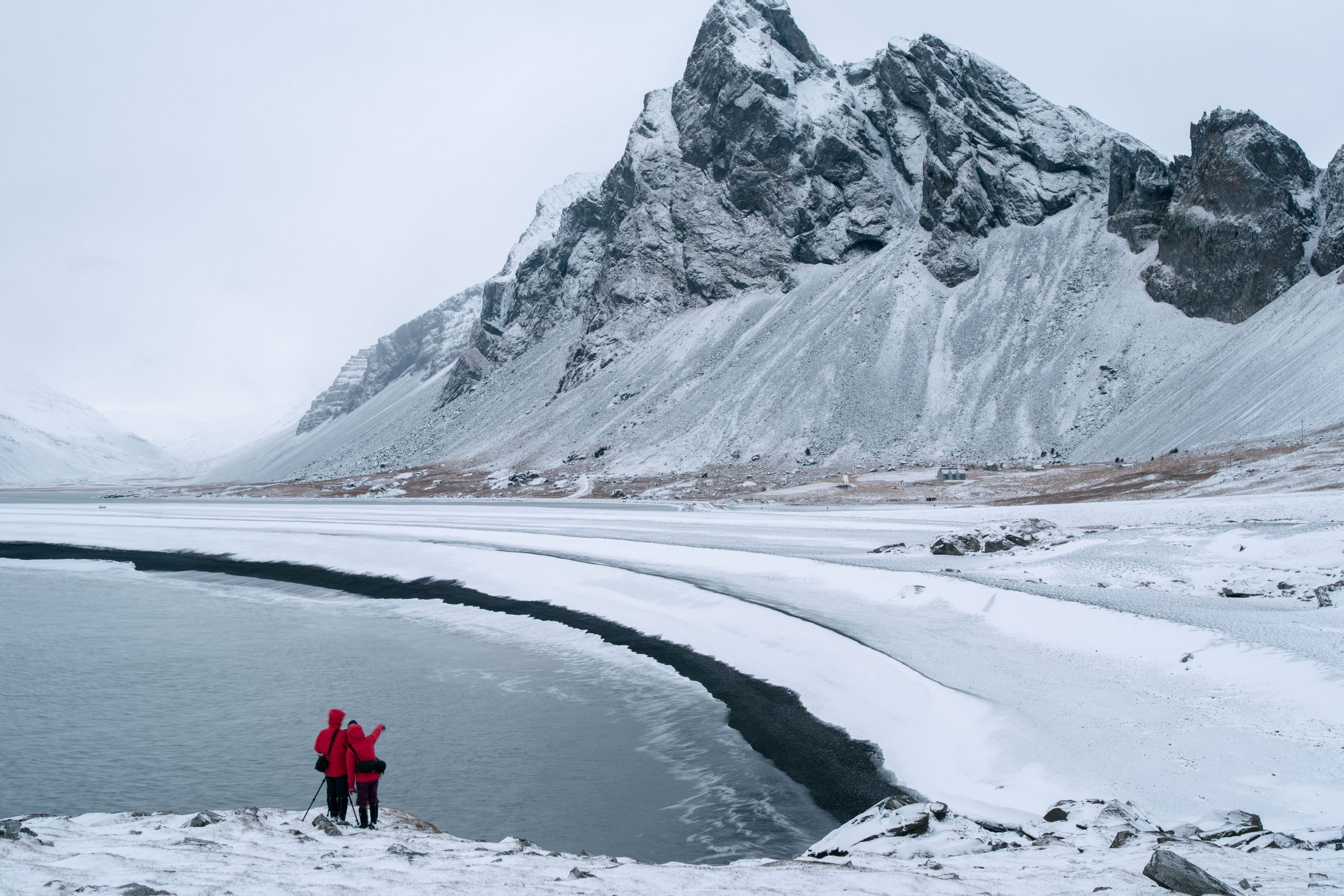
Winter (November-March): Cold (around 0°C/32°F) with limited daylight, but amazing for Northern Lights photography. The lighthouse under snow with the aurora overhead looks incredible, but you'll need serious winter gear and need to be careful on icy ground.
Spring (April-May): Hit or miss weather-wise. You might get sunny, calm days or sudden snow squalls. Migratory birds are starting to return, but it's still quite cold.
When to go during the day: Early morning for solitude and calmer weather. Late evening for good light and fewer people. Midday can be harsh for photos, but you'll see everything clearly.
What to Bring
You'll need:
Waterproof jacket and pants (seriously, this isn't optional)
Warm layers; fleece or wool sweater, even in summer
Waterproof hiking boots with a good grip
Hat and gloves (you'll need them more than you think)
Camera and extra batteries (cold drains them fast)
Snacks and water - there's nothing anywhere nearby
For photographers:
Tripod for long exposures and Northern Lights shots
Lens cleaning cloth (sea spray gets on everything)
Polarizing filter to cut glare from wet rocks and water
Extra memory cards
Also bring:
Toilet paper (no bathrooms, remember?)
Hand sanitizer
Trash bags to pack out everything
Offline maps downloaded to your phone
Safety Tips
Hvalnes might look peaceful, but Iceland's coast can be dangerous. Here's how to stay safe:
Ocean safety: Never turn your back on the waves. "Sneaker waves," unusually large waves that appear without warning, can knock you down or pull you into the sea. Stay at least 20 meters from the water's edge, especially if waves look rough.
Weather awareness: Conditions can change in minutes. If fog rolls in, you can't see anything. High winds can knock you over. If the weather gets bad, head back to your car and wait it out.
Terrain caution: The pebble beach is uneven and stones can shift underfoot. Take your time and watch where you step. If you're climbing around rocks or hills, watch where you step; volcanic rock can be loose and crumbly.
Wildlife respect: Don't approach seals, birds, or any wildlife. Arctic terns will dive-bomb you if you get near their nests. Keep dogs on a leash so they don't disturb nesting birds.
Emergency preparedness: Cell signal is pretty unreliable. Tell someone your plans and when you expect to return. The nearest help is in Höfn or Djúpivogur, 45+ minutes away.
Winter specific: If you're visiting in winter, check road conditions before leaving. Carry extra warm clothes, food, and water in case you get stranded. Ice can make the short walk to the lighthouse treacherous.
Places to Visit Nearby
Hvalnes is close to several great spots, including Vestrahorn and Stokksnes 40 minutes west, where you can photograph black sand dunes, explore a Viking village set, and grab waffles at the Viking Café. Right behind the lighthouse is Eystrahorn, a rugged, quieter mountain good for photos and short walks. Höfn, 45 minutes away, is famous for lobster and has restaurants, fuel, and places to stay, while Djúpivogur 45 minutes northeast offers a calm harbor, stone bird eggs, and a cozy cultural center. Jökulsárlón Glacier Lagoon is 1.5 hours west and known for drifting icebergs and Diamond Beach, and nearby Lón Lagoon, just 5–10 minutes from Hvalnes, is perfect for easy walks and birdwatching.
What's great about Hvalnes is how close it is to several other incredible attractions. You can easily hit multiple spots in a day or two.
Vestrahorn Mountain & Stokksnes
About 40 minutes west of Hvalnes, this is probably Iceland's most photographed mountain (besides Kirkjufell). Vestrahorn (the "West Horn") rises dramatically from black sand dunes, creating mirror reflections in tidal pools.
There's a small entrance fee (around 1,000 ISK) to access the Stokksnes peninsula, which you must pay at the Viking Café. It's definitely worth it for the amazing landscapes and the chance to explore a movie set from "The Northman," a Viking village replica that’s sitting close to the mountain.
The Viking Café is a cozy spot for coffee and waffles with an incredible view. Good for warming up after battling those coastal winds.
What to do: Photography, beach walks, exploring the Viking village set, and hiking to the Stokksnes lighthouse on the peninsula's tip.
Eystrahorn Mountain
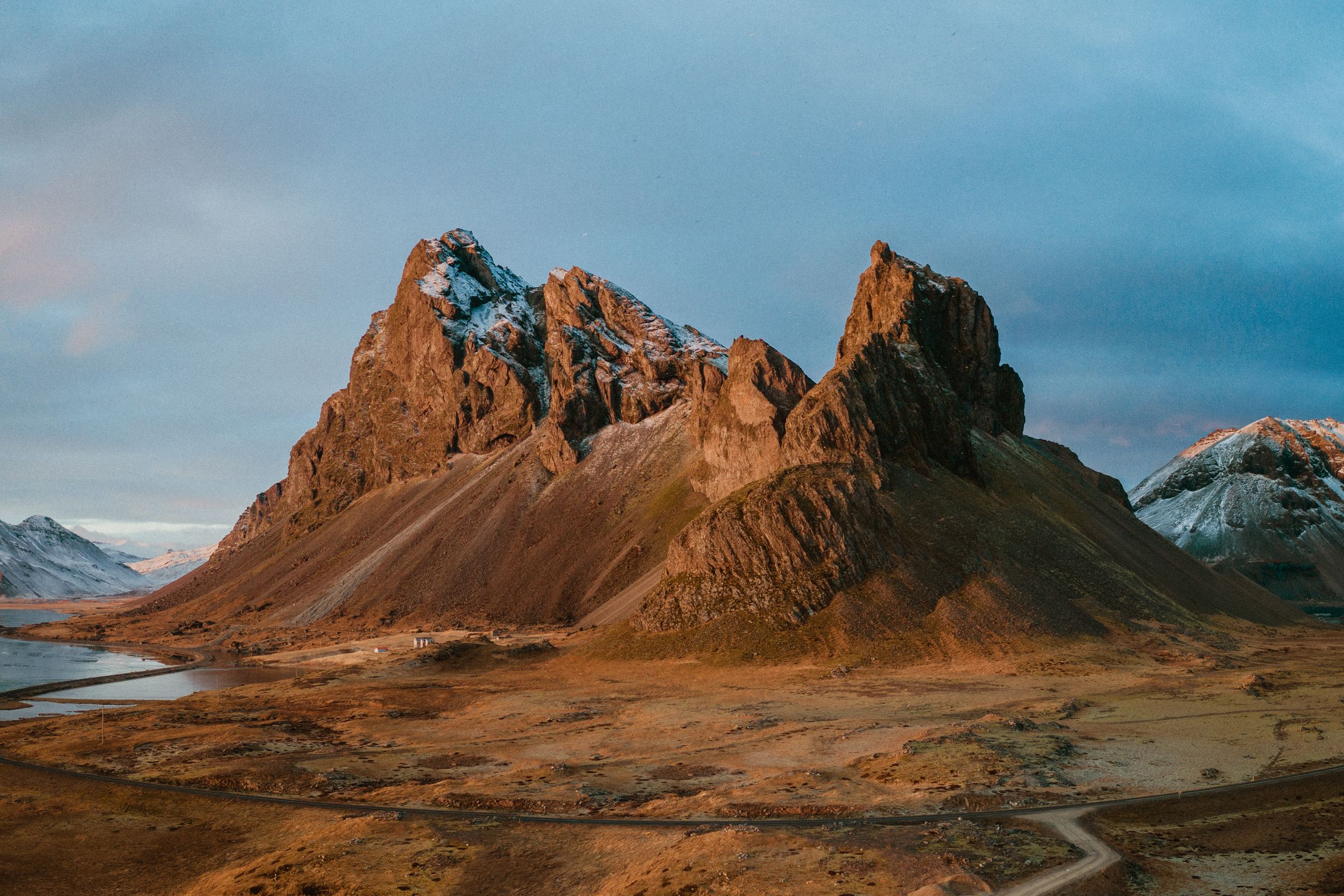
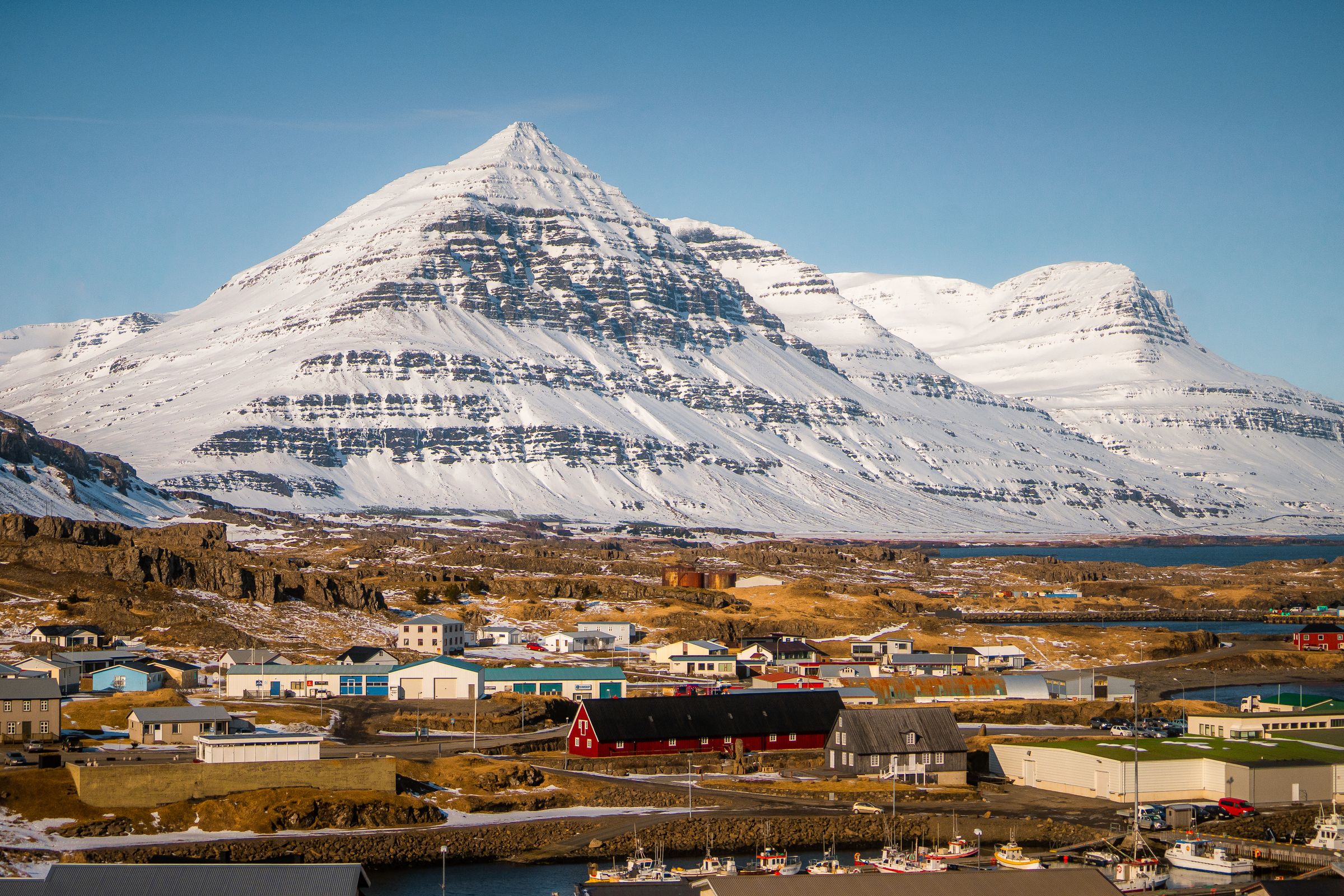
This dramatic peak rises right behind Hvalnes lighthouse and deserves a look. Often called the "East Horn," Eystrahorn is actually more rugged than its famous western cousin.
Unlike Vestrahorn, Eystrahorn doesn't get many visitors, so you can often enjoy it alone. The mountain is made of ancient gabbro rock with traces of gold and silver. Not that you'll find nuggets lying around, but it's pretty cool geologically.
What to do: Photography from different angles, short hikes around the base for different viewpoints, and checking out the interesting rock formations.
Höfn - The Lobster Capital
This fishing town, 45 minutes west of Hvalnes, is famous throughout Iceland for its langoustines (Norway lobster). If you love seafood, plan at least one meal here.
Must-try restaurants:
Pakkhús Restaurant: Upscale dining in a converted warehouse by the harbor
Hafnarbúðin: Casual spot famous for its lobster roll
Höfn also has fuel, groceries, and places to stay. It's your last stop for real facilities before heading to remote areas.
Djúpivogur
This fishing village 45 minutes northeast of Hvalnes feels like time moves differently here. The main attraction is "Eggin í Gleðivík," 34 large stone eggs representing local bird species, created by artist Sigurður Guðmundsson.
What to see:
The harbor with colorful houses
Langabúð Cultural Center in an 1790s warehouse
Hótel Framtíð restaurant for fresh fish and cozy atmosphere
Jökulsárlón Glacier Lagoon
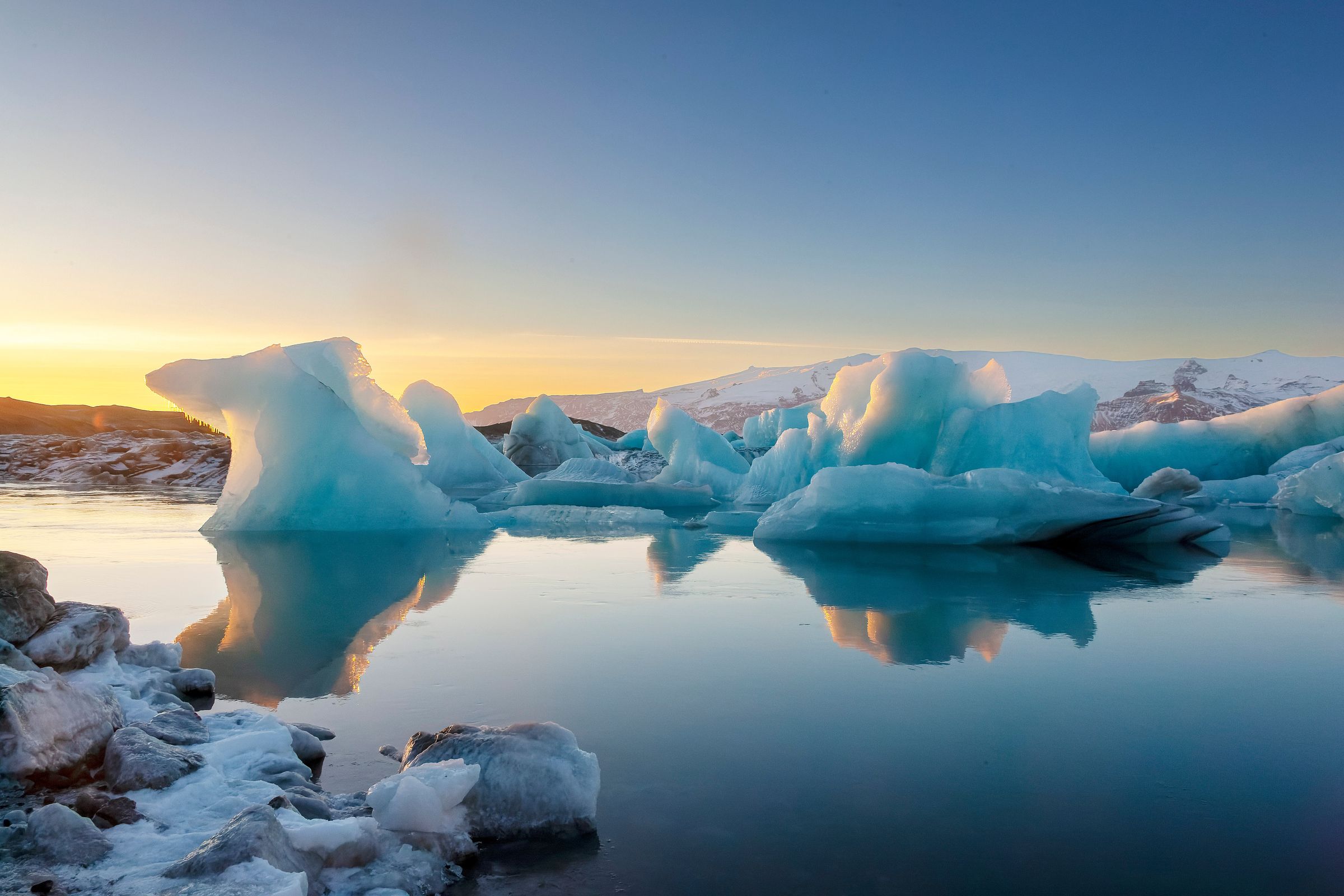
About 1.5 hours west of Hvalnes, this is Iceland's most famous glacier lagoon where icebergs drift serenely before floating out to sea. Diamond Beach nextdoor, where ice chunks coming from the lagoon wash up on black sand, is also beautiful.
If you haven't already been there on your way to Hvalnes, it's worth the drive. Boat tours run in summer for close-up views of the icebergs and seals.
Lón Lagoon & Nature Area
Much closer to Hvalnes (just 5-10 minutes), this shallow lagoon is excellent for birdwatching. Whooper swans, geese, and various shorebirds hang out here, especially during migration periods.
The area has easy walking on flat terrain with good views back toward Hvalnes and the mountains. It's a peaceful spot that most people drive right past.
Conclusion
Hvalnes Lighthouse shows you what makes Iceland so good: dramatic landscapes, rich history, and the feeling that you've found something special. It doesn't have the name recognition of Gullfoss or the Blue Lagoon, and that's exactly why it's great.
Frequently Asked Questions About Hvalnes Lighthouse
Yes. Hvalnes is actually dramatic in stormy or overcast weather, with waves and low clouds creating great photo conditions. Just stay back from the shoreline and watch for strong winds.
Yes, drones are generally allowed, but you must follow Iceland’s drone regulations: keep line-of-sight, avoid wildlife, and stay far from birds during nesting season.
Only about 2–3 minutes. The path is flat, short, and accessible for most visitors.
No. Visiting Hvalnes Lighthouse, the beach, and the surrounding nature reserve is completely free.
About the author
Aron Freyr
Born and raised in Iceland, Aron Freyr has spent all 28 years of his life exploring the country and getting to know its landscapes, regions, and ever changing conditions. From long summer road trips to winter journeys through remote areas, he has traveled across Iceland more times than he can count. As part of the Go Car Rental Iceland team, Aron turns this firsthand experience into trustworthy, practical guidance that helps visitors navigate Iceland with confidence. His deep local insight makes him one of the most reliable voices on Icelandic travel today. He claims this expertise also includes knowing exactly which gas stations make the best hot dogs.