Eldhraun Lava Field: Complete Guide to Iceland's Moss-Covered Wonder
Iceland has many strange landscapes, but the Eldhraun Lava Field still stands out. This huge area of moss-covered lava stretches as far as you can see, turning old volcanic rock into a soft-looking green surface. It used to be a dead zone after the eruption, but now it’s one of the most interesting places in the country.
Key Points:
- Largest lava field on Earth from a single eruption (565 square kilometers)
- Formed by the Laki eruption in 1783–1784, which caused major problems in Iceland and Europe
- Moss takes 50–100+ years to grow, and one step can damage it for decades
- Easy stop along the Ring Road between Vík and Kirkjubæjarklaustur, about 3.5 hours from Reykjavík
- Free to visit, with marked paths to protect the moss
- Best time to visit: June–August
- Great for photography when the light is good
What’s the Eldhraun Lava Field?
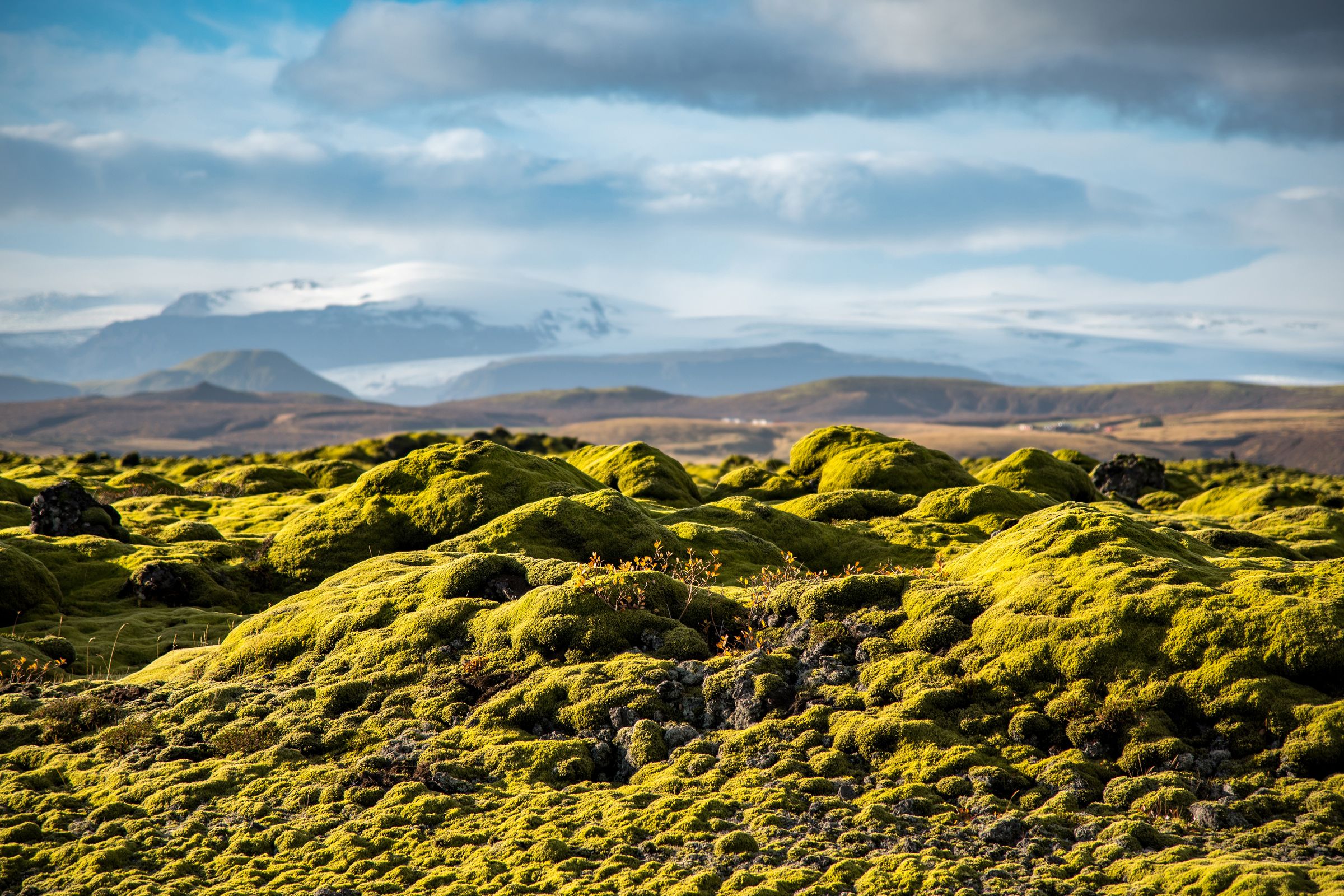
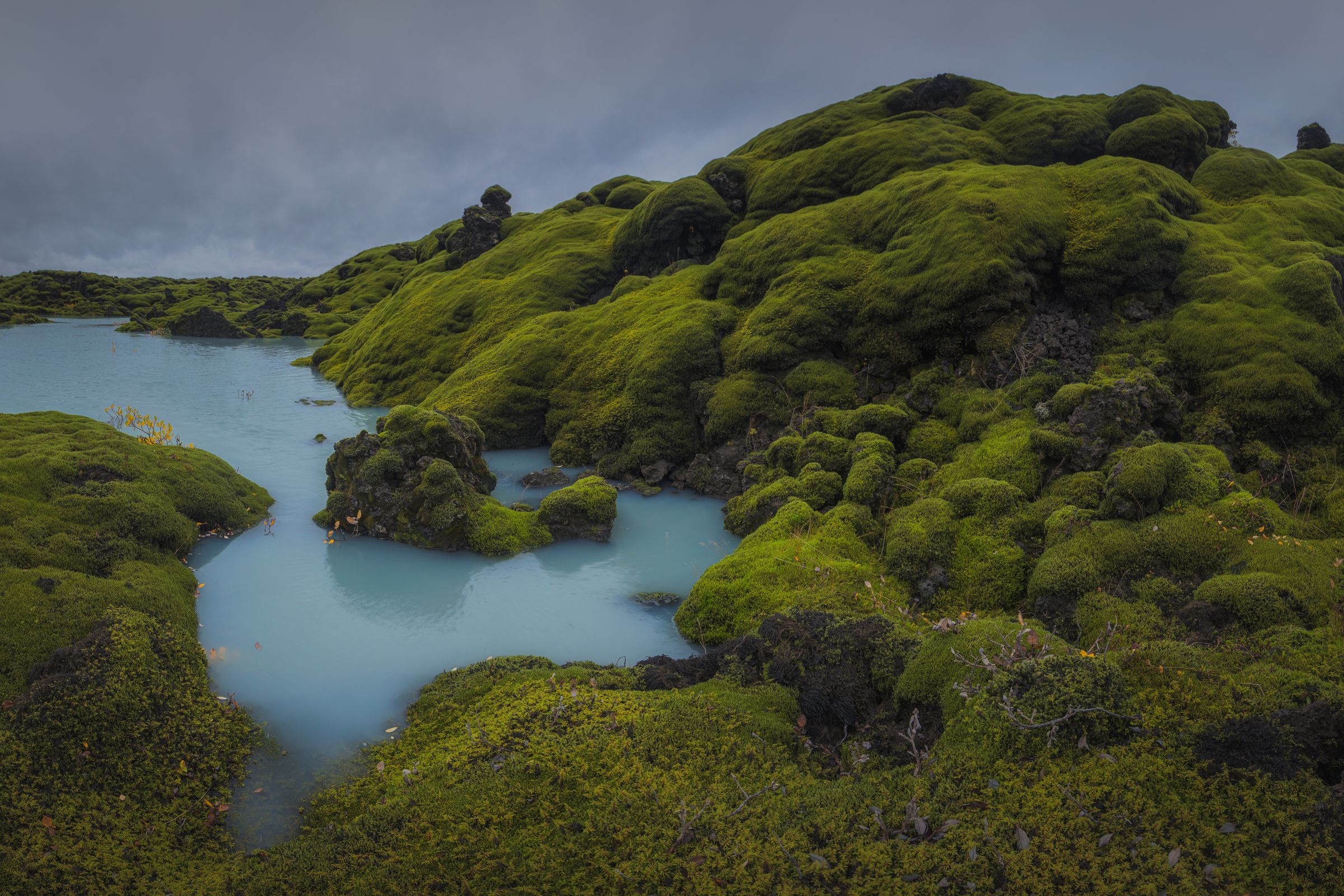
Eldhraun means “Fire Lava” in Icelandic. It covers about 565 square kilometers in the south of the country. That’s roughly the size of Singapore or almost ten times the size of Manhattan. Its main feature is the thick green moss that grows over nearly all the lava.
The moss gives the land a soft, padded look, which is very different from the sharp black rock underneath. The landscape is so unusual that NASA brought Apollo astronauts here in the 1960s to help prepare for moon missions.
Formation
Eldhraun was created by the Laki eruption, one of the most destructive eruptions in recorded history. It began on June 8, 1783, and continued for eight months. The 25-kilometer-long Lakagígar fissure released about 14 cubic kilometers of lava and large amounts of toxic gas.
Two main lava flows eventually joined and created the lava field we see today. The eruption filled valleys, changed river paths like the Skaftá, and caused weather changes far beyond Iceland.
Under the moss, there’s a network of lava tubes: over 200 caves that stretch for kilometers. These channels carried the lava across long distances while the eruption was active.
Why Visit Eldhraun Lava Field Over Other Attractions?
Iceland has many famous natural sights, but Eldhraun offers something different. It’s huge, the moss makes it look unlike other lava fields, and it’s very easy to visit.
Most lava fields in Iceland look dark and rough. Eldhraun is covered in thick moss, which gives it a softer look that you’ll find strange and interesting. Photographers love the place because of the colors and textures.
It’s also much quieter than popular spots like Gullfoss or the Blue Lagoon. You can walk the trails without crowds, and the size of the area gives you plenty of space.
Since it’s right on the Ring Road, you don’t need extra planning to visit. It fits naturally into most south coast road trips.
Location & How to Get There
Eldhraun sits along the Ring Road (Route 1) in southern Iceland. It’s simple to reach, and you can see the moss-covered lava right from the road.
It’s about 60 km east of Vík and 25 km west of Kirkjubæjarklaustur.
From Reykjavík, the drive takes about 3.5 hours (250 km). Drive east on Route 1 through Selfoss and Vík. After crossing the Mýrdalssandur black sand plain, the moss-covered hills appear on both sides.
There’s a parking lot where you can leave your vehicle easily. It’s free, easy to spot, and has a short path into the lava field. A smaller pull-off across the road has different viewpoints.
Tours from Reykjavík often stop here, but having your own car gives you more control over how long you spend.
Getting There by Car:
- From Reykjavík: 3.5–4 hours
- From Vík: 45 minutes east
- From Kirkjubæjarklaustur: 20 minutes west
- Free parking at marked pull-offs

Can I Walk Through the Lava Fields?
Yes, but only on the paths. The moss is extremely fragile, so staying on the marked trails is the most important rule.
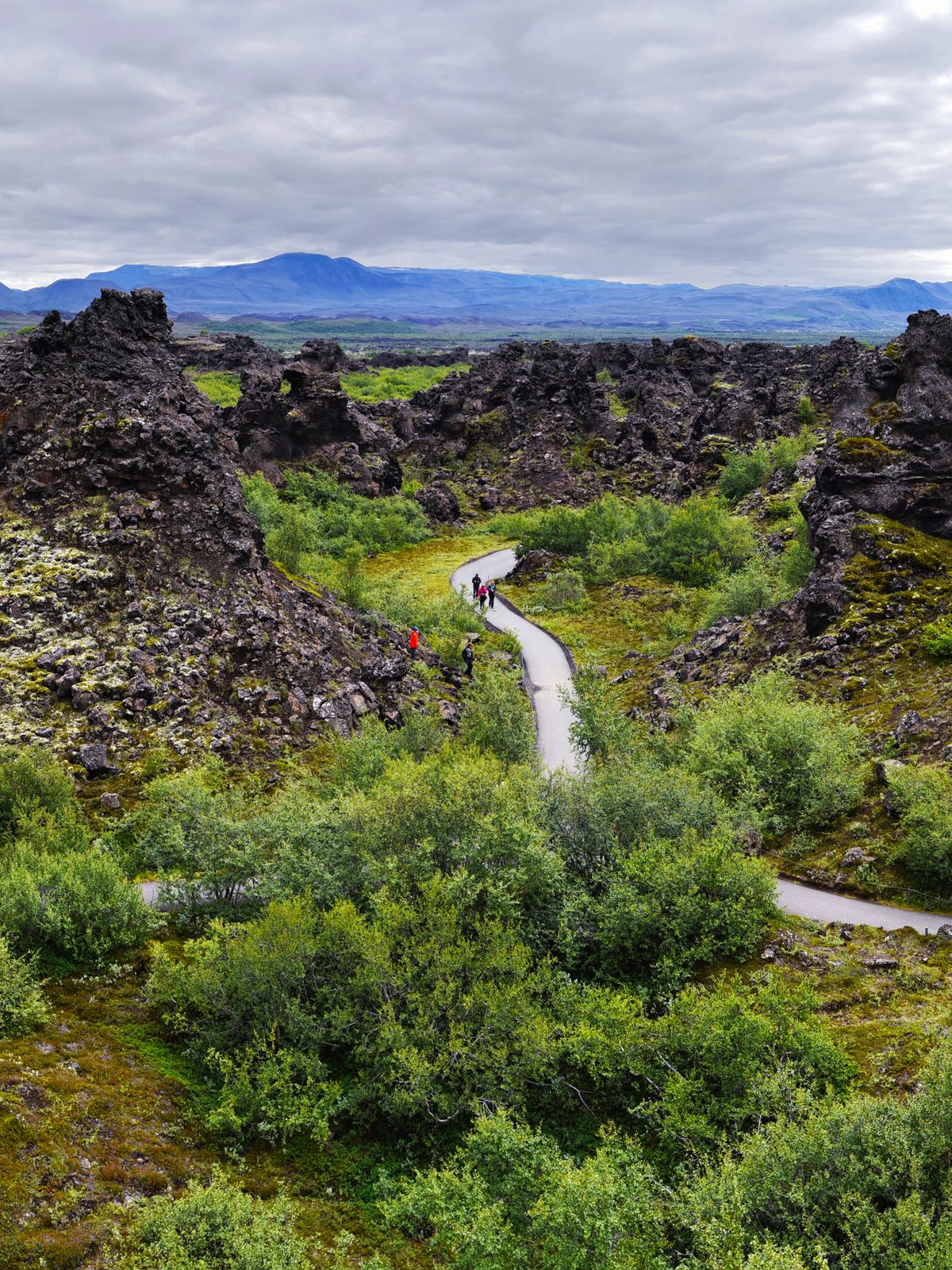
The main trail near the parking lot is about 500 meters long. It’s marked with ropes and wooden stakes to show the safe route. This path lets you get close to the moss without harming it.
There’s also a longer unofficial path from the northern pull-off. It’s not formally marked, but the worn trail is easy to see. Only walk on the existing track.
Allowed:
- Walking on marked or established paths
- Taking photos
- Picnics near the parking areas
- Flying drones (you must follow Iceland’s rules)
Not Allowed:
- Stepping on the moss
- Leaving the marked paths
- Picking plants or removing anything
Even one footprint can kill moss that took decades to grow. Brown patches around the trails show where people have caused damage in the past.

Things to Do There
Even though Eldhraun is mainly a natural area without big facilities, there’s still plenty to enjoy. Most activities are simple and don’t take much time, but they help you understand and appreciate the landscape in a deeper way. Here’s what you can do while you’re there.
Photography and Scenic Viewing
Eldhraun is excellent for photography. The green moss against the dark rock creates a sharp color contrast, and the wide open space makes great landscape shots. Sunrise and sunset provide especially nice lighting and long shadows.
Use the marked paths for the best angles without harming the moss. A wide-angle lens captures the huge area, while close-ups show the details. On clear days, you may see distant glaciers like Vatnajökull.
Photography Tips:
- Best light at sunrise or sunset
- A polarizing filter helps with glare
- Bring a tripod for low light
- Drones can capture great overhead views
Walking and Exploring
The trails are short but full of interesting details. Take your time and notice how the moss changes in color and thickness. You may spot small plants growing out of the lava in places where the moss is thinner.
Stargazing and Aurora Viewing
At night, Eldhraun has very little light around it, which makes it good for stargazing. During northern lights season (September–March), the sky can light up above the moss-covered field. Dress warmly and stay close to your car.
Educational Experience
Signs at the parking area explain how the lava field formed and how the moss ecosystem works. It’s helpful to read about the 1783 eruption while standing right on the land it changed.
For more information, visit the center in Kirkjubæjarklaustur, which has displays about the eruption and local geology.

Practical Information for Visitors
A visit to Eldhraun is easy to plan, but the experience can change a lot depending on the weather, season, clothing, and preparation. This section gives you the basics, so you know what to expect and how to stay safe and comfortable.
Weather & Best Time to Visit
You can visit Eldhraun all year because it’s right by the Ring Road, but each season brings a different experience.
Summer (June–August): The best time. Long days, mild weather (10–15°C), and the moss is at its brightest. Still, rain and wind can show up anytime.
Spring (April–May) & Fall (September–October): Cooler and less crowded. The moss may be less bright in fall but very fresh-looking in spring. Weather changes fast.
Winter (November–March): Possible but harder. Snow often covers the moss, the roads can be icy, and daylight is short (4–7 hours).
What to Bring
Iceland’s weather changes quickly, so bring layers no matter the season.
Essential Clothing:
- Waterproof jacket and pants
- Warm layers like fleece or wool
- Sturdy hiking boots
- Hat and gloves
- Warm socks
Other Gear:
- Camera and extra batteries
- Water and snacks
- Sunglasses and sunscreen
- Small first aid kit
- Offline maps or a GPS device
The ground is uneven and sharp in places, so good boots make the walk safer and more comfortable.
Other Tips
These extra tips cover small but useful details that can make your visit smoother. They focus on safety, protecting the moss, and the practical stuff that travelers often forget to think about.
Safety:
- Stay away from unstable edges
- Check weather and road updates (road.is, vedur.is)
- Tell someone your plans if traveling alone
- Keep enough fuel—stations are spread out
Environmental Responsibility:
- Leave no trash
- Don’t take rocks or plants
- Never walk on moss
- Report any obvious damage if possible
Logistics:
- No fees or facilities on-site
- Bathrooms and food in Kirkjubæjarklaustur or Vík
- Free parking
- Cell service can be weak

Places to Visit Nearby
If you’re already stopping at Eldhraun, there are several great places within a short drive that show completely different sides of Iceland’s landscape. These nearby spots fit easily into the same day or into a short South Coast itinerary.
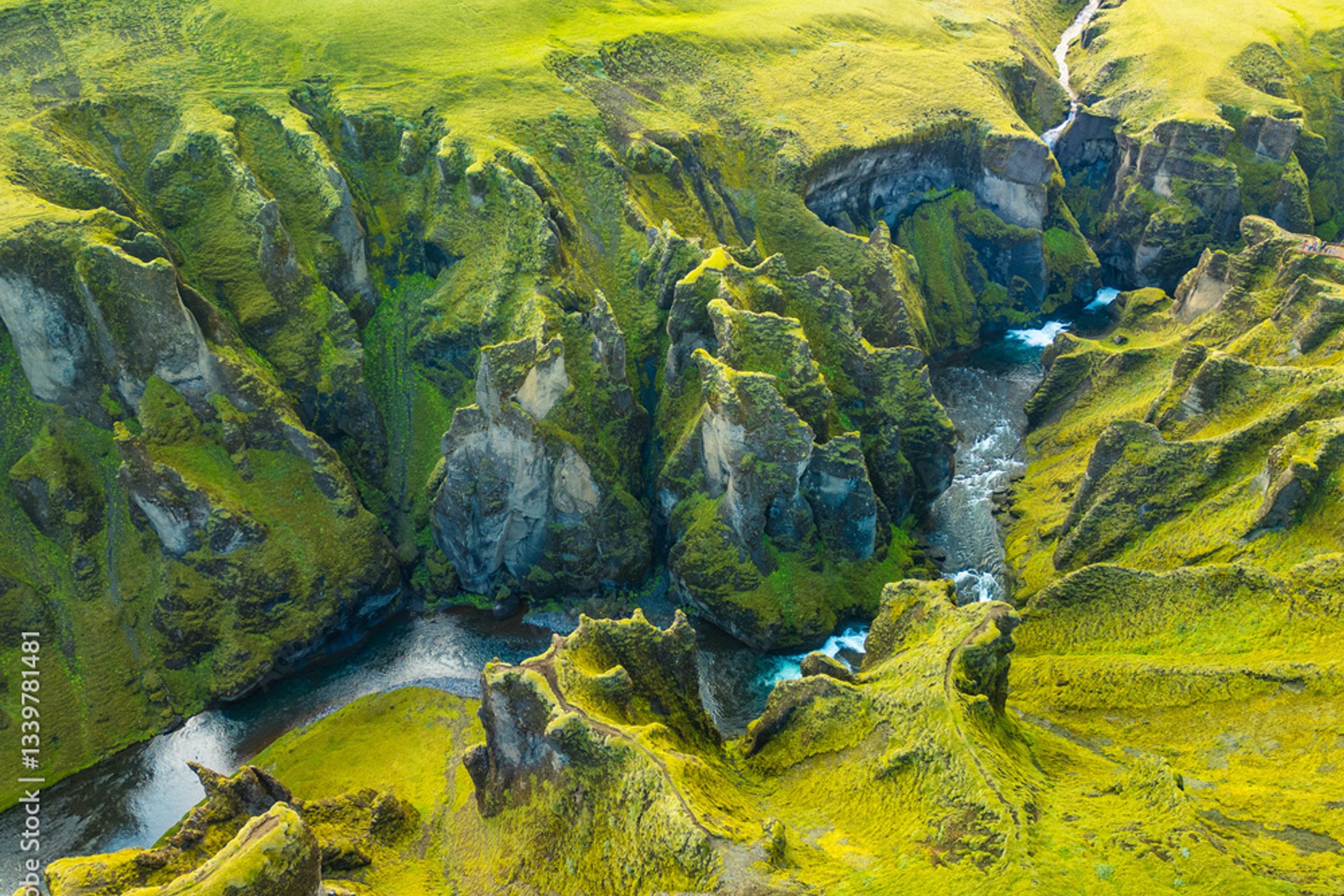
Fjaðrárgljúfur Canyon
About 6 km (3,7 miles) east of Eldhraun, this canyon offers a completely different view. It’s 2 km long and about 100 meters deep, with several viewpoints along a maintained path.
The mix of Eldhraun’s open moss fields and the steep canyon walls makes a great combination for a day trip.
Kirkjubæjarklaustur
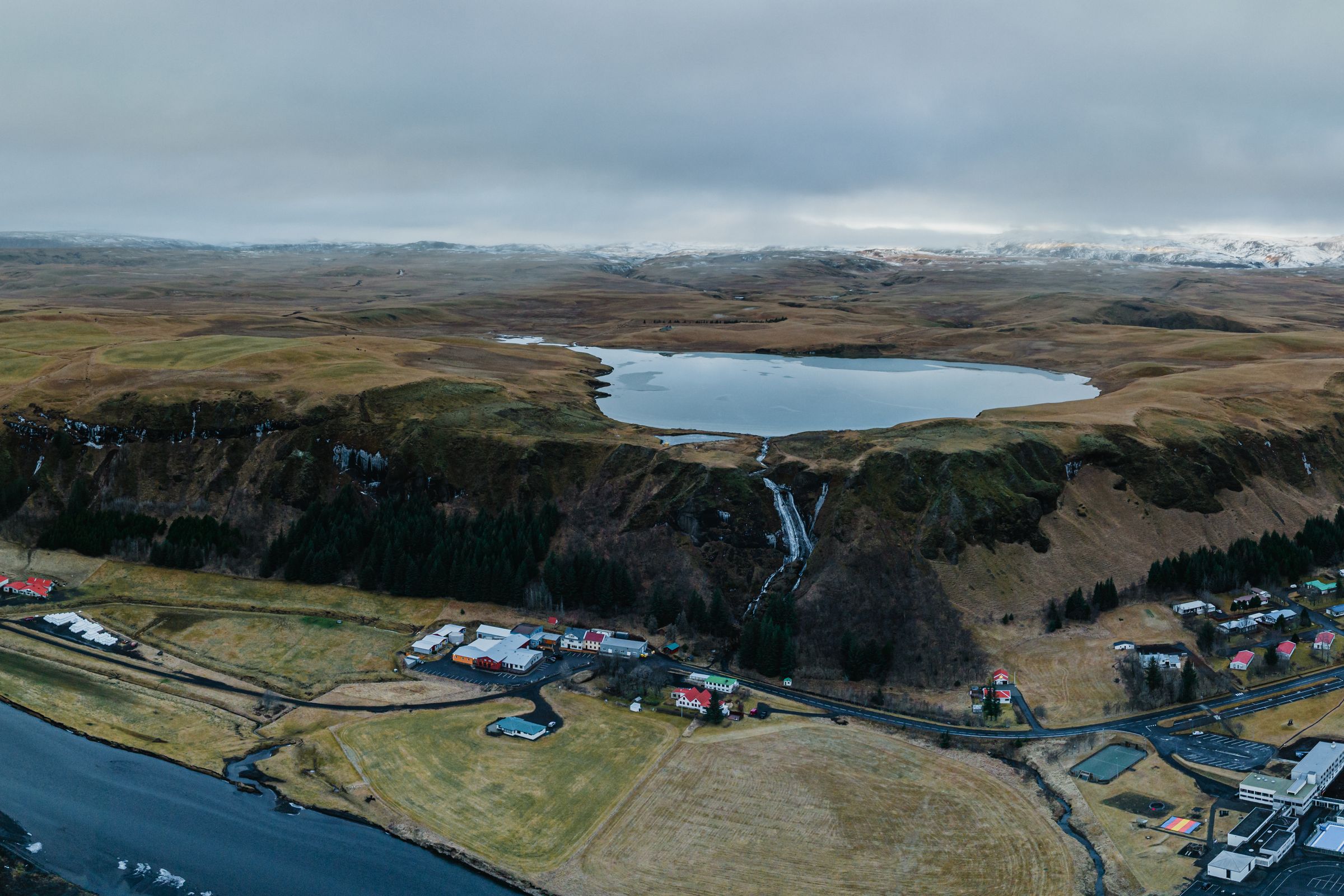
This small town is the main base for the area. The visitor center has exhibits about the Laki eruption and local geology.
Check out Kirkjugólf (“Church Floor”), a natural basalt column surface that looks like a tiled floor. Systrafoss waterfall and local folklore also add some interesting background to the area.
Skaftafell National Park
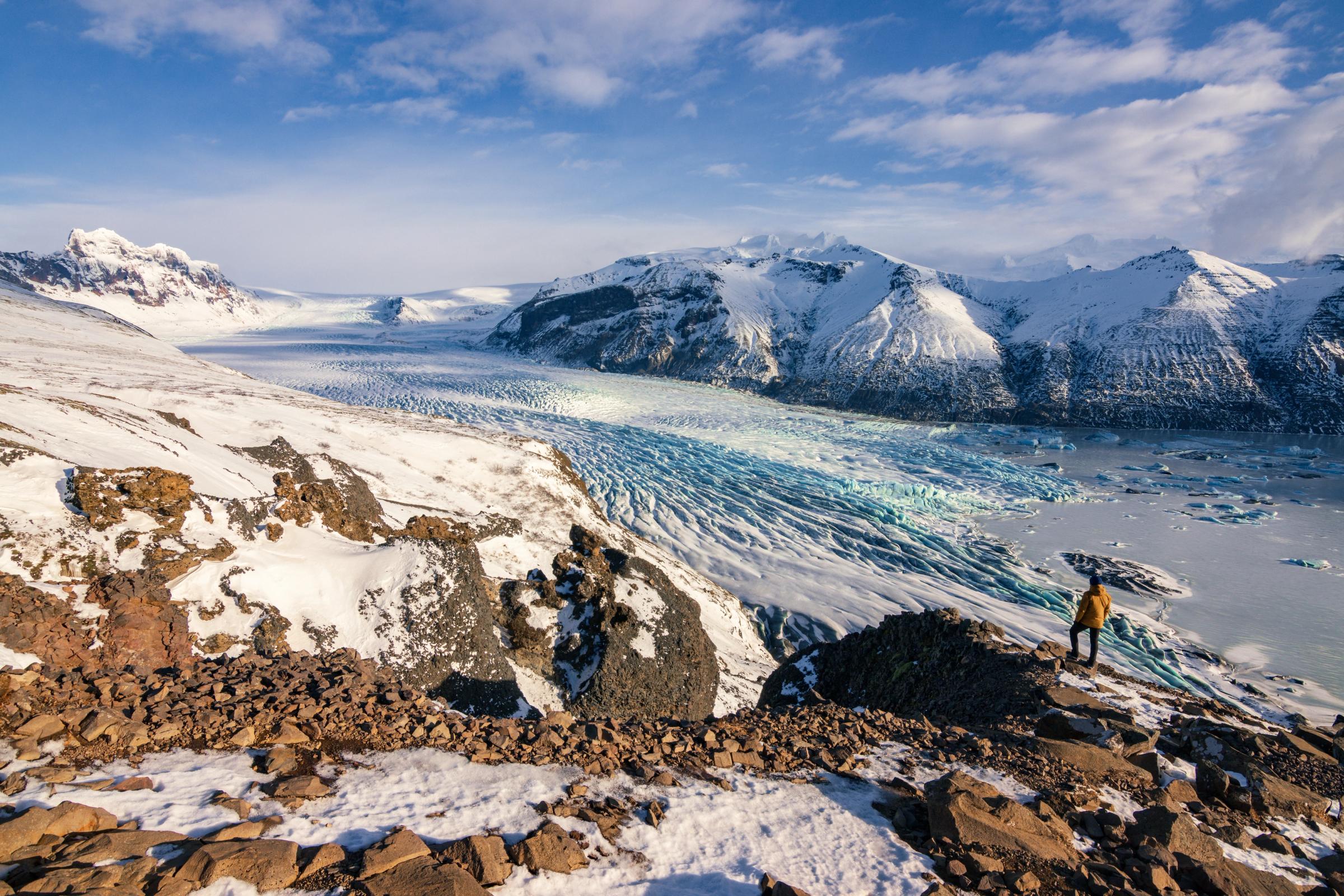
About 80 km (50 miles) east, Skaftafell has glacier views, waterfalls, and hiking trails. Highlights include Svartifoss waterfall with its basalt columns and the Skaftafellsjökull glacier tongue.
There are trails for all levels, from short walks to long guided glacier hikes.
Reynisfjara Black Sand Beach
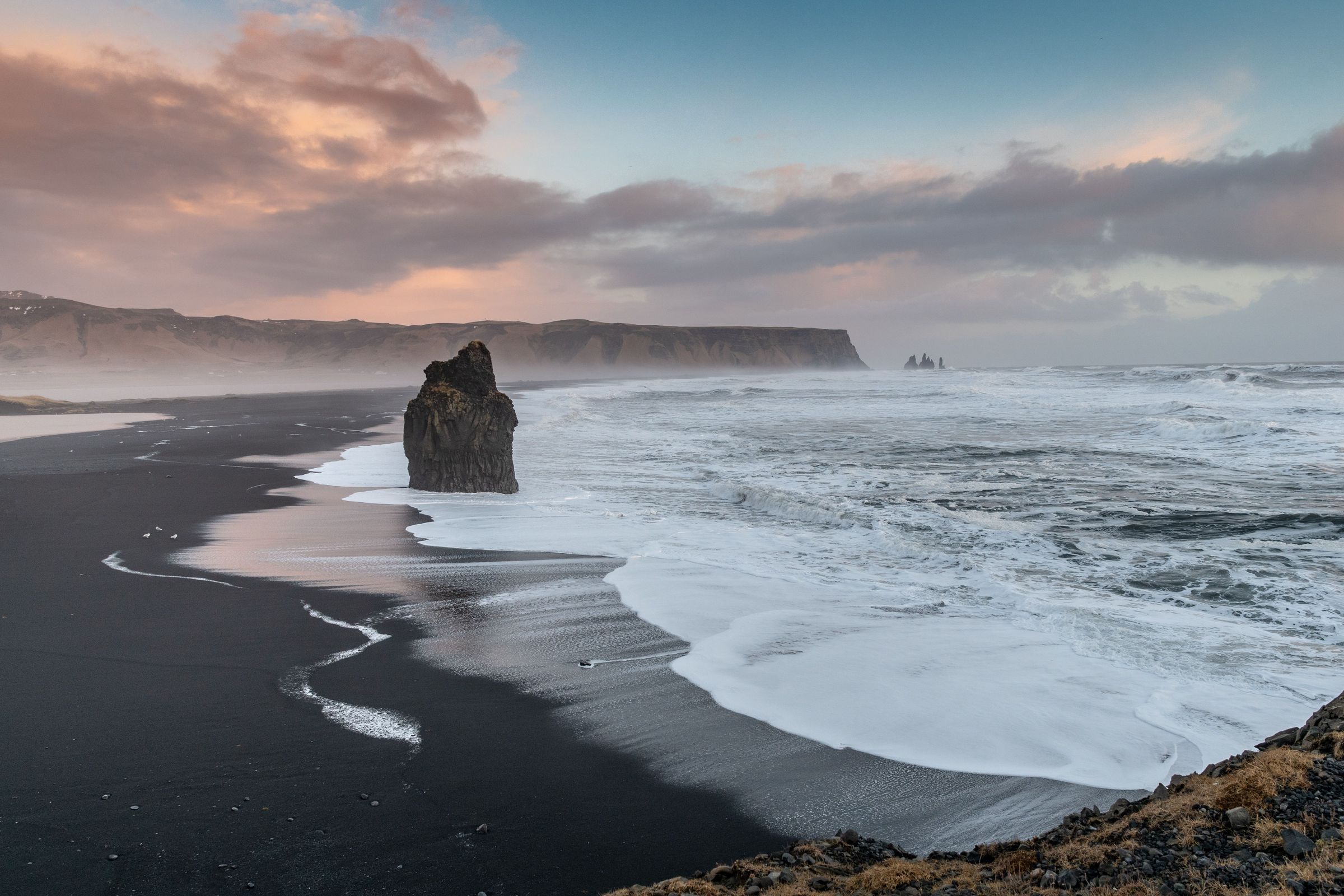
Roughly 70 km (43,5 miles) west, near Vík, this famous beach has black sand, basalt stacks, and strong waves. It’s a sharp contrast to the calm moss fields of Eldhraun.
Stay well back from the water, as the waves here are super dangerous and can pull people in.
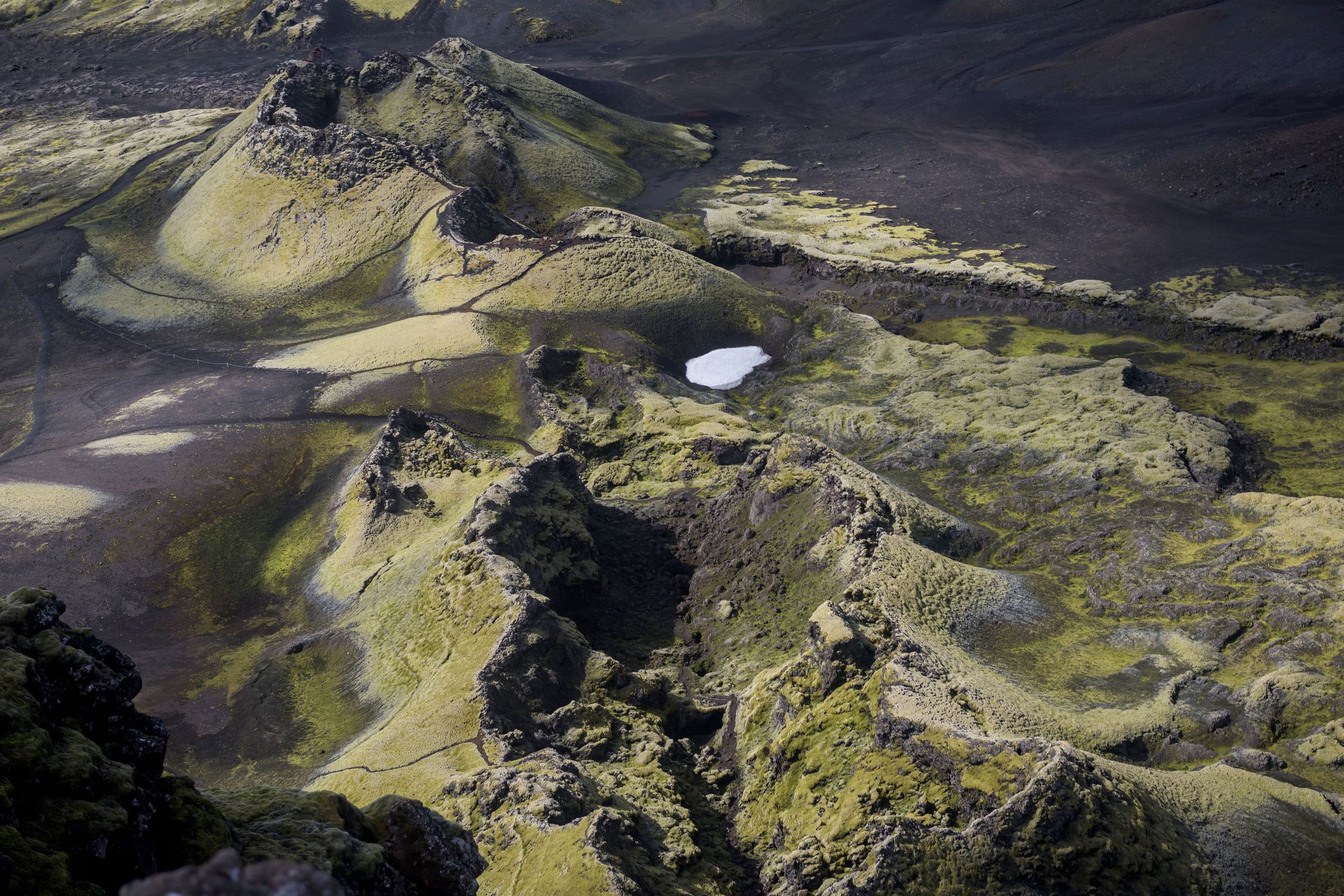
Laki Craters (Lakagígar)
If you have a 4WD car in summer, you can visit the source of the Eldhraun lava flows. It’s about 50 km (31 miles) north on F-roads. The crater row offers hiking and wide views of the eruption site.
This trip needs planning, good weather, and proper equipment, but it gives strong context for how Eldhraun was formed.
Conclusion
Eldhraun Lava Field is one of Iceland’s most unusual and easy-to-reach natural areas. It shows both the power of volcanic eruptions and how slowly nature recovers afterward. The moss that covers the lava is a reminder of how long that recovery takes.
As you drive the Ring Road, you’ll see many different landscapes, but Eldhraun’s wide green surface stretching toward the distant mountains is one you’ll likely remember long after your trip.
Frequently Asked Questions About Eldhraun Lava Field