Borgarvirki, Iceland: Complete Guide to the Natural Basalt Fortress
Picture a rocky stronghold rising out of Iceland’s rough landscape, where old stories and volcanic rock come together in a place most people drive right past. Borgarvirki is where real battles once happened, where well-known legends took shape, and where you can step into Iceland’s past without the noise of the more crowded sights.
This volcanic plug on the Vatnsnes Peninsula isn’t just a cool formation. It’s a place where history feels close, and the views stretch out in every direction.
What is Borgarvirki?
Borgarvirki means “citadel,” and you’ll understand the name as soon as you see it. It stands 177 meters above sea level and overlooks much of the Vatnsnes Peninsula in northwest Iceland.
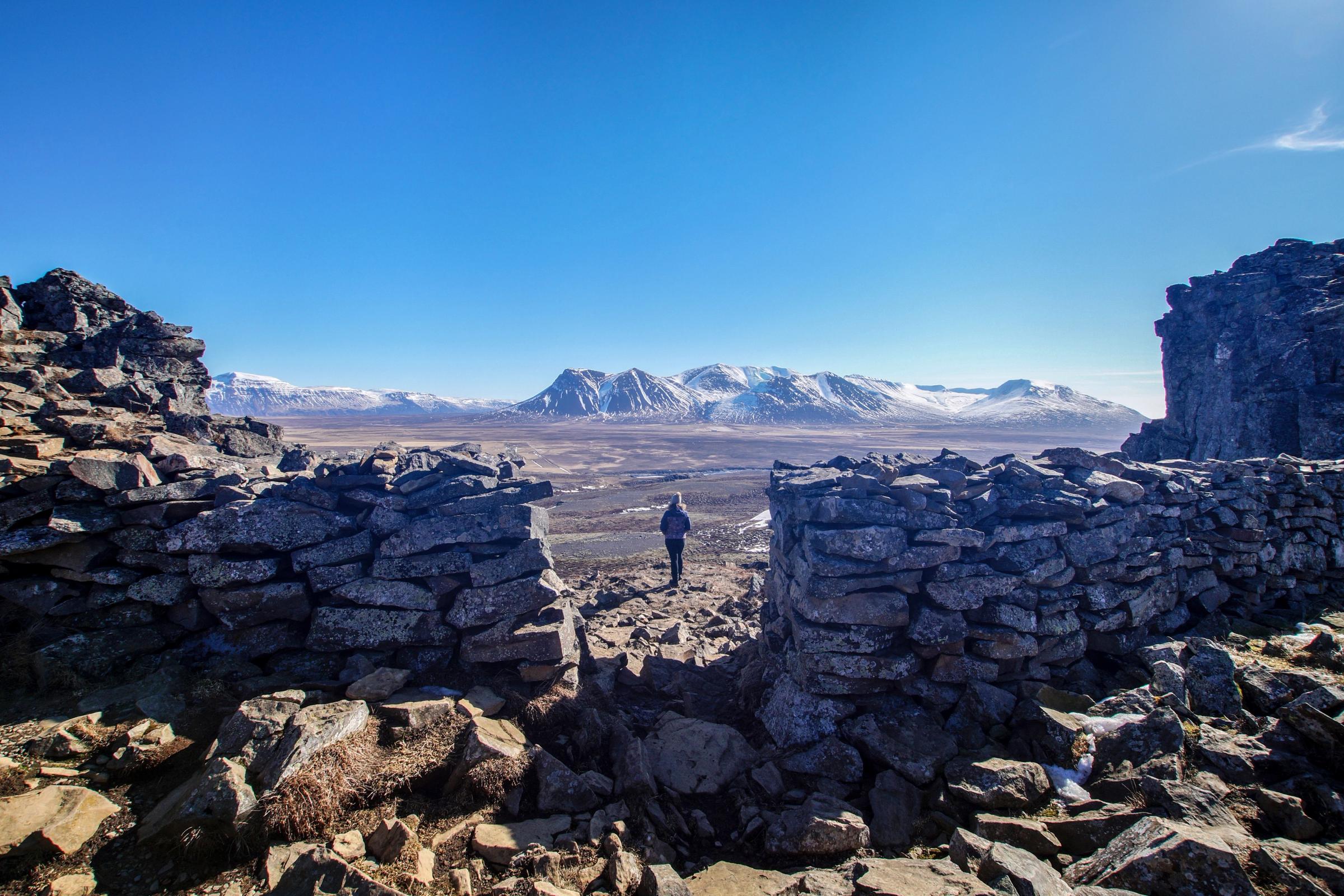
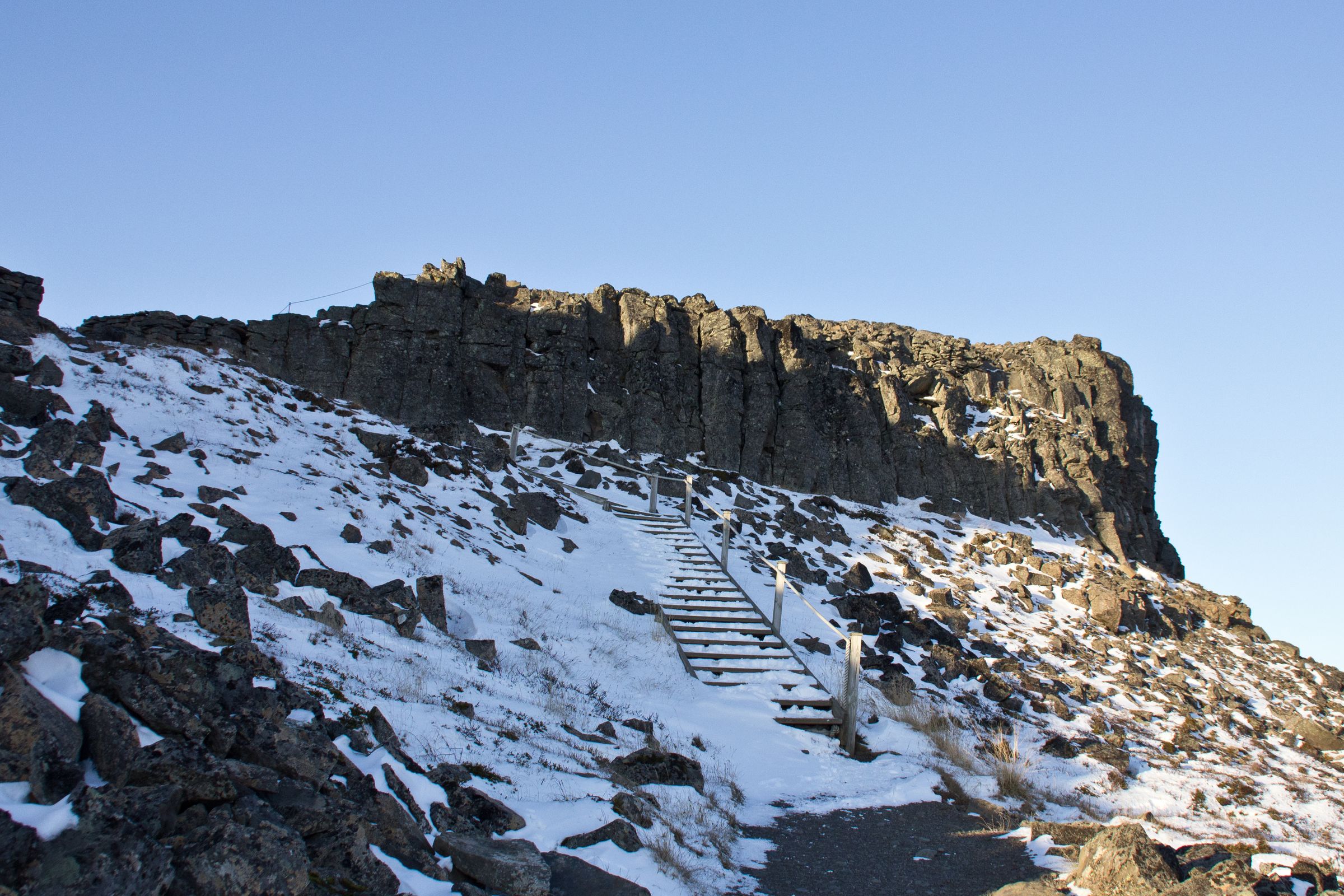
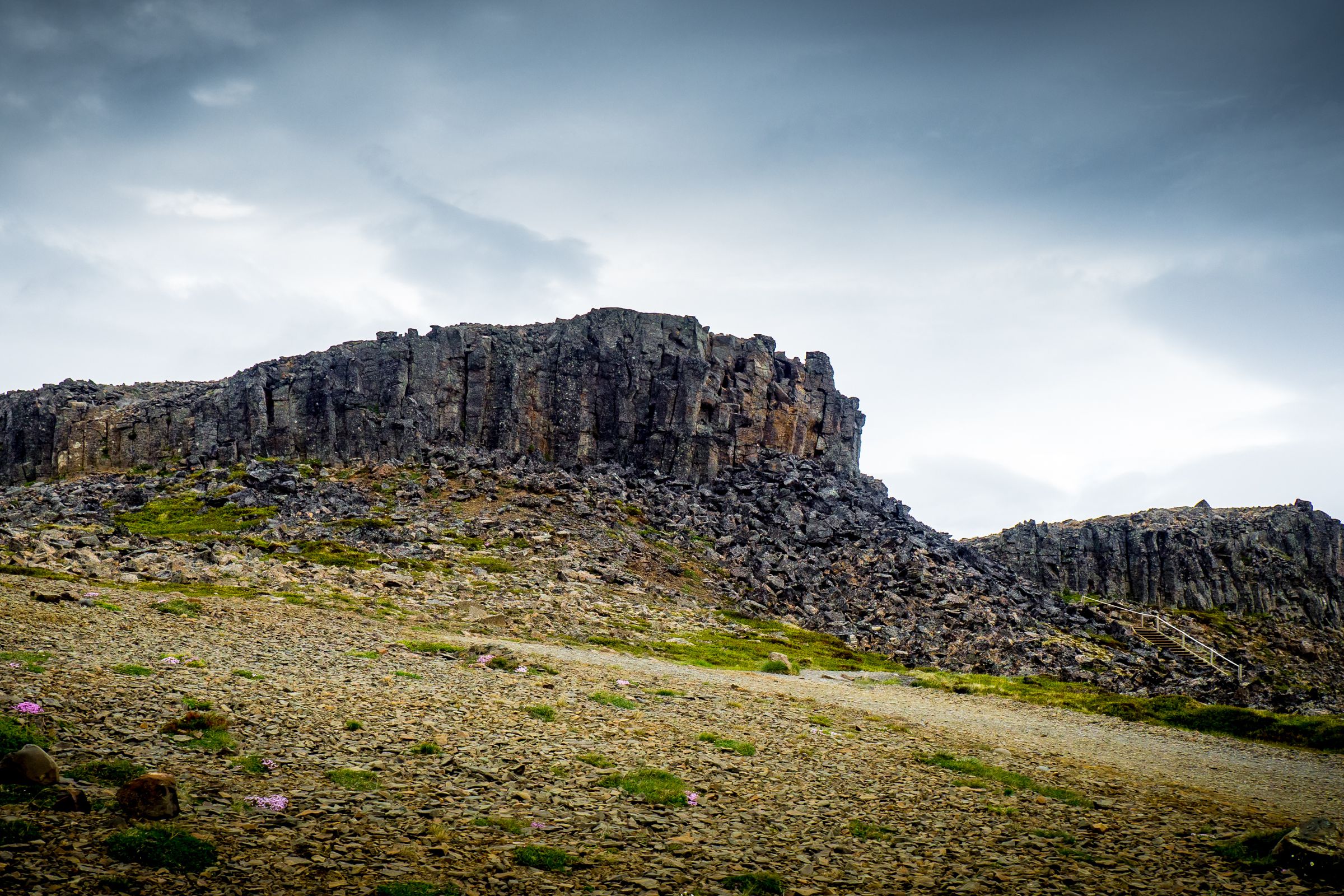
The formation is the solid core of an old volcano, built from tall basalt columns that look a lot like walls someone decided to stack on purpose. These cliffs rise 10 to 15 meters high, and early Icelanders took full advantage of that natural shape by adding stone walls, a gateway, and simple living spaces.
Inside, there’s a round depression with the remains of two huts and a small well. The entrance is on the eastern side and leads you into a grassy interior where people lived and tried to protect themselves centuries ago.
The history and legends of Borgarvirki
Borgarvirki shows up in several old Icelandic stories, which makes sense since the site traces back to the Settlement era between 870 and 1030.
Viking-age and medieval significance
People believe Borgarvirki was used as a real defensive site during the Age of the Sturlungs in the 13th century, a time when Iceland was filled with conflict. From the top, you could easily see anyone approaching, and the steep sides gave natural protection. Only the eastern entrance needed careful guarding.
Settlers built up the weak spots with more stone walls and added small shelters inside. Up to 150 people could stay here during a siege.
Folklore and saga connections
One of the most well-known stories comes from the Heiðarvíga Saga and involves Víga-Barði (Killer-Barði). Around the year 1000, he and his men were said to have held out here during a two-week siege.
When they were almost out of food, they threw their last piece of sheep fat over the wall to trick the attackers into thinking they had plenty left. It worked, and the attackers left. That moment inspired an Icelandic saying, “að kasta út mörsiðrinu,” which means taking a bold gamble when you’re nearly out of options.
Restoration and preserved archaeology
Borgarvirki became one of the first places in Iceland to be officially protected in 1817. Larger repairs happened in 1949 and 1950, when workers rebuilt sections of the stone walls and added a granite lintel above the entrance. Today, you can still see the old foundations, the restored walls, and the small well that shows how people survived here during long standoffs.
Geological Wonder: A Natural Fortress
Understanding how Borgarvirki was formed makes it easier to see why people chose it as a stronghold and why it appears the way it does now.
What a volcanic plug is
Long ago, magma rose through a volcano and cooled inside the central vent. Over thousands of years, wind and rain wore away the softer outer rock, leaving behind the rigid core. As the lava cooled, it cracked into hexagonal basalt columns that stacked neatly into tall, geometric shapes.
Basalt columns forming “castle walls”
These columns rise 10 to 15 meters high and create steep walls that are hard to climb. The entire formation gives you a naturally raised platform with steep sides and only one sensible way in.
Interior features: stone remnants, old well, panoramic lookout
Inside the walls, the depression provided shelter for huts and storage. Archaeologists have found the outlines of two dwellings and a small well that would have been essential during sieges. On top, you’ll also find a viewing dial added in 1990 that points out the major landmarks in the distance.
Location and How to Get to Borgarvirki
Borgarvirki sits on the Vatnsnes Peninsula in northwest Iceland, about 10 kilometers off the Ring Road (Route 1). It’s roughly 218 kilometers from Reykjavik and 182 kilometers from Akureyri.
Short detour from Route 1 via Routes 716 and 717
From Reykjavik, take the Ring Road (Route 1) north for about 3 hours, pass through Blönduós, and follow the signs for Borgarvirki. Turn left onto Route 716, drive about 7 kilometers, then switch to Route 717.
From Akureyri, head west and south on Route 1 for about 2.5 hours. Turn right onto Route 716 around 15 kilometers after Víðidalstunga.
Accessible for most cars in summer; gravel road conditions noted
The last 3 kilometers on Route 717 are gravel. In dry summer weather, most cars can handle it. In wet conditions or if you’re driving a campervan, a 4WD is safer. Drive slowly, be ready to move aside for oncoming cars, and check winter road conditions since snow can block access.

What to Expect When You Arrive
Borgarvirki is quiet and straightforward. There’s no visitor center, no shop, and usually not many people.
A small parking area and an information board sit at the base. The walk to the top is short, around 200 to 300 meters, and most people reach the summit in 5 to 10 minutes. The steps and rocks are uneven, so good shoes help.
Walking through the old gateway feels like you’re stepping into a different moment in history. Inside, the ground is uneven, and the edges are steep with no barriers, so move carefully and watch your footing.
There are no restrooms or services. Hvammstangi, about 30 kilometers away, is your closest option for food or facilities.
Best Time of Year to Visit Borgarvirki
The time of year makes a big difference in how easy it is to reach the site and what kind of conditions you’ll find.
Summer: ideal weather and long days
June through August gives you the easiest visit, with mild temperatures around 10 to 15°C and long daylight hours.
Spring and Autumn: quieter seasons with cooler weather
April to May and September to October have fewer visitors and pretty seasonal colors. Weather can be cooler and more unpredictable, so check road conditions and dress warmly.
Winter: only for prepared travelers, possible aurora views
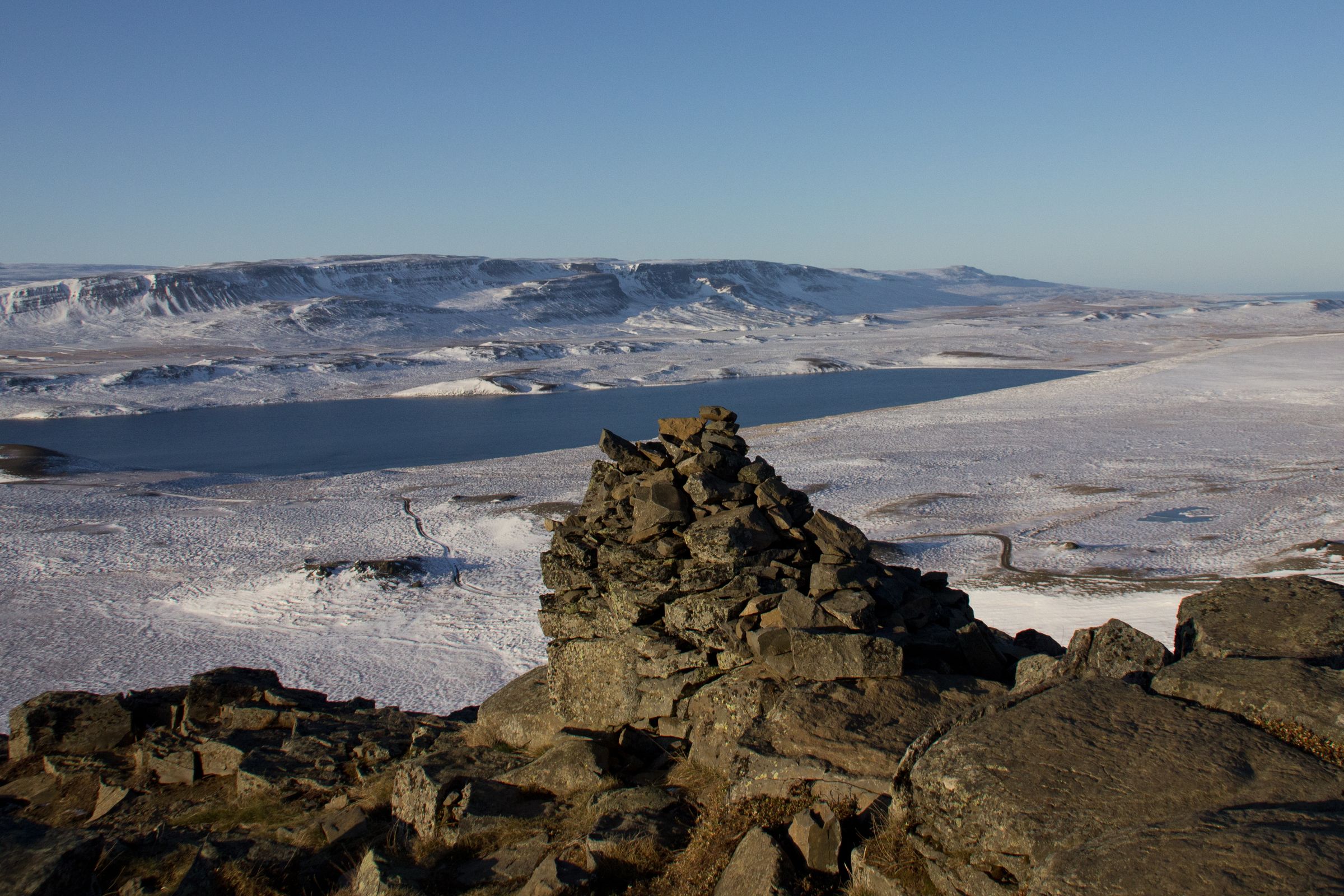
Winter visits require caution. Temperatures usually range from -5 °C to 5°C; snow is common, and the road may not be drivable. On clear nights, though, this remote spot is great for seeing the Northern Lights.
Visitor Tips and Practical Advice
Borgarvirki sits in a quiet, wide-open part of Iceland where the weather changes quickly, and there are no services nearby. A little preparation goes a long way here, especially if you’re not used to hiking on uneven volcanic rock. With the right layers and some basic supplies, the visit is simple, safe, and much more fun.
Clothing and layering for wind and weather
Bring layers, even in summer. A waterproof jacket, a warm layer, a hat, and gloves make a big difference at the top, where it often feels colder.
Footwear recommendations
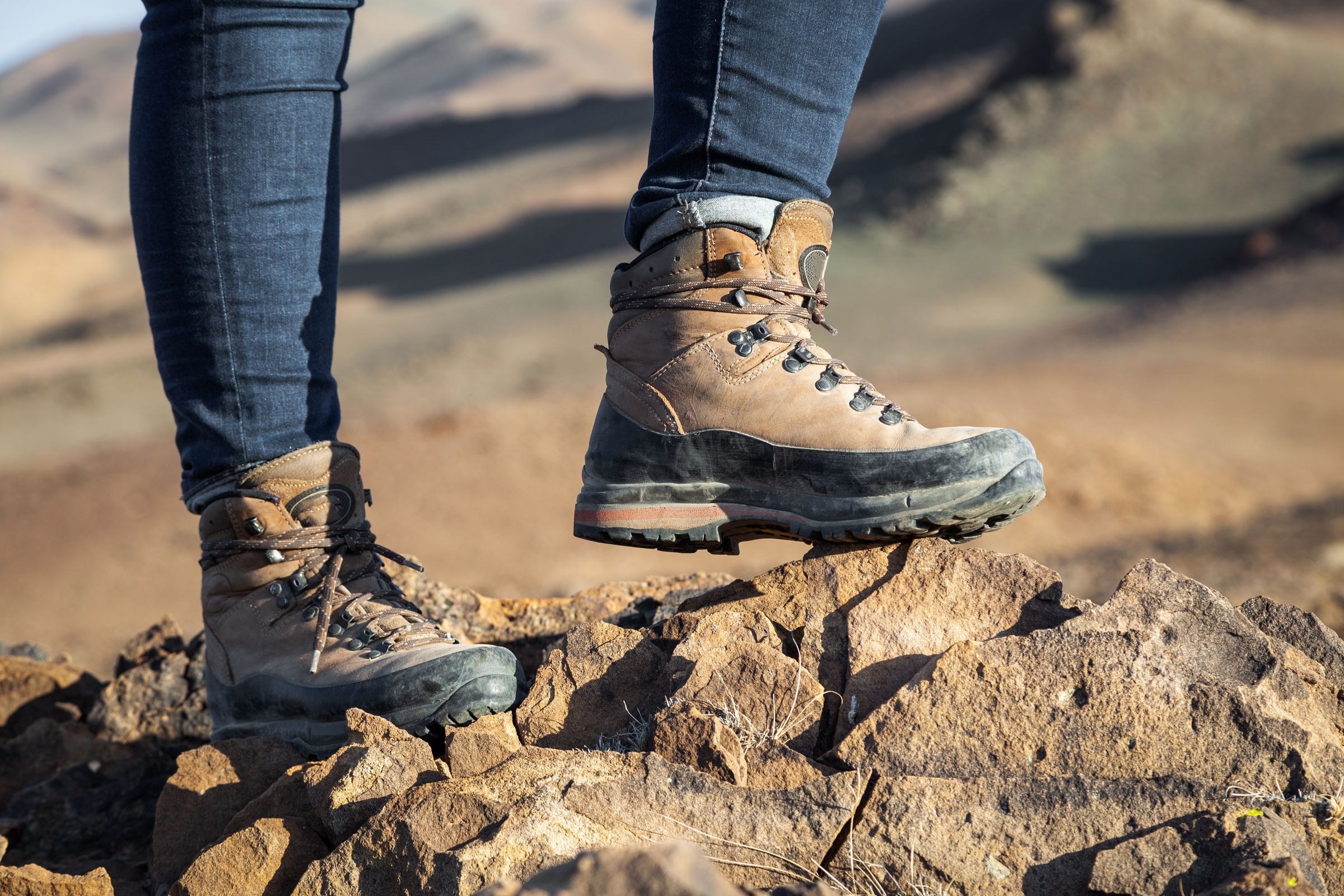
Wear sturdy shoes or hiking boots. The rocks can shift a bit underfoot, and the path gets slippery when wet.
Safety on steep edges
The drop-offs around the edges are sharp. There are no railings, so keep a safe distance and stay close to children.
Bring water and snacks
There’s nowhere nearby to buy anything. Bring water, snacks, and maybe a warm drink if the weather is chilly.
Top Things to Do at Borgarvirki
Borgarvirki might look small from the outside, but the summit holds layers of history and plenty of space to explore. Once you’re up top, the combination of views, old stone structures, and dramatic basalt formations gives you more to enjoy than you’d expect from such a short walk. Take a little time, and the site opens up in surprising ways.
Take in the 360° panoramic views
From the top, you can see Lake Vesturhóp to the south, the wide Víðidalur valley, and Húnaflói Bay to the north. On clear days, you can pick out distant farms, mountains, and stretches of coastline.
The viewing dial helps you identify the major features around you, much like lookouts once used this spot to watch for anyone approaching.
Explore the fortress interior and ruins
Walk through the inner area and look for the stone outlines of the huts and the small well. These simple remains make it easy to picture how people lived here and how they held out during long sieges.
Photography opportunities
The dark basalt, the open landscape, and the changing light make this a great place for photos. Early morning and evening light bring out textures and colors on the rocks and in the surrounding landscape.
Walk the rim with caution
You can follow a short loop along the inside rim and get different views of the area. Move slowly and stay away from the edges, especially if it’s windy.
Things to Do Near Borgarvirki
The Vatnsnes Peninsula is known for wildlife, coastal scenery, and unusual geological features, all within easy driving distance of the fortress. It’s one of the best regions in Iceland for seal watching and quick nature stops that don’t require long hikes. Adding a few of these places turns a short visit into a memorable half-day trip.
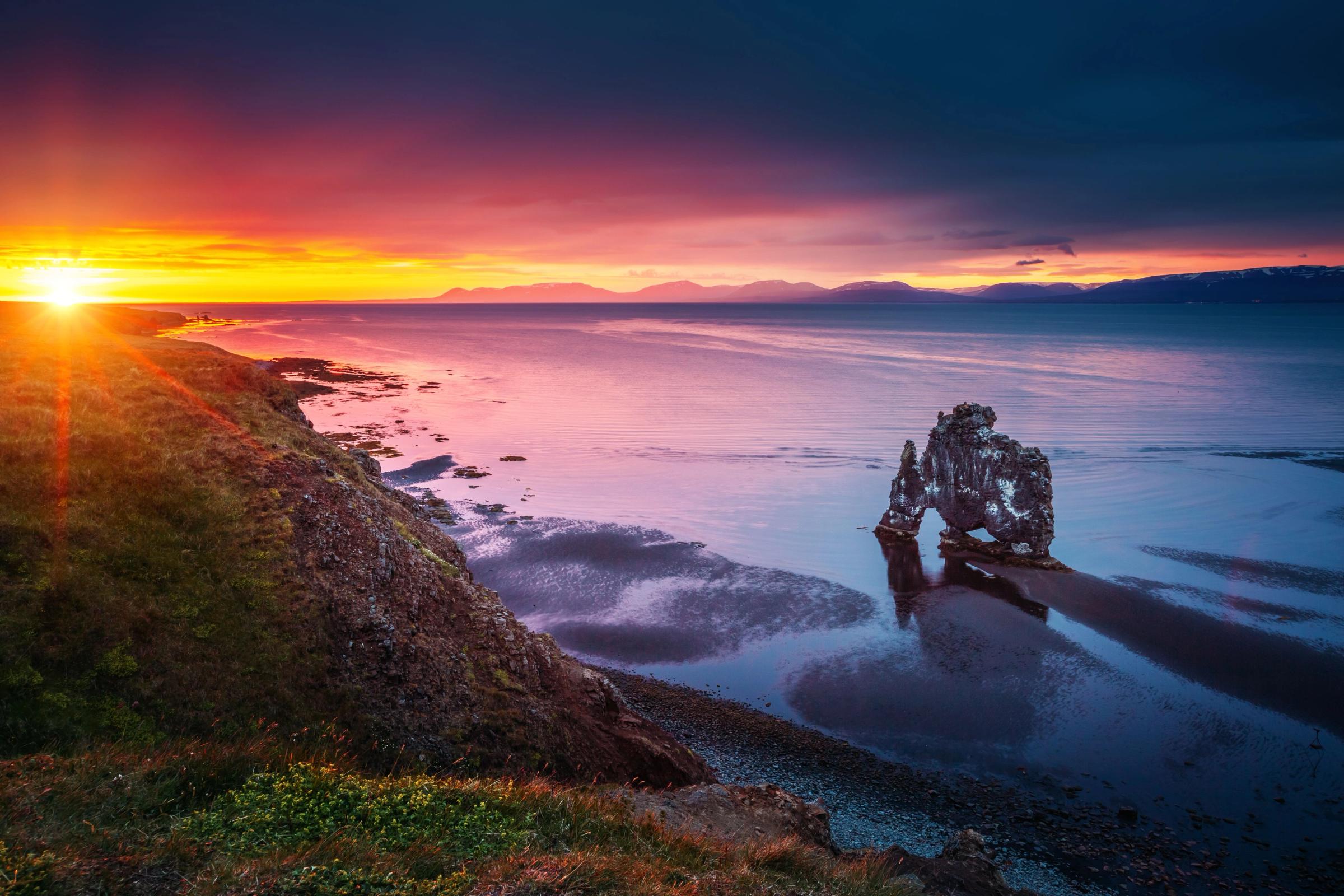
Hvítserkur sea stack
About 17.5 kilometers (11 miles) away, this 15-meter basalt rock rises from the water and attracts birds and photographers.
Icelandic Seal Center and seal-watching spots
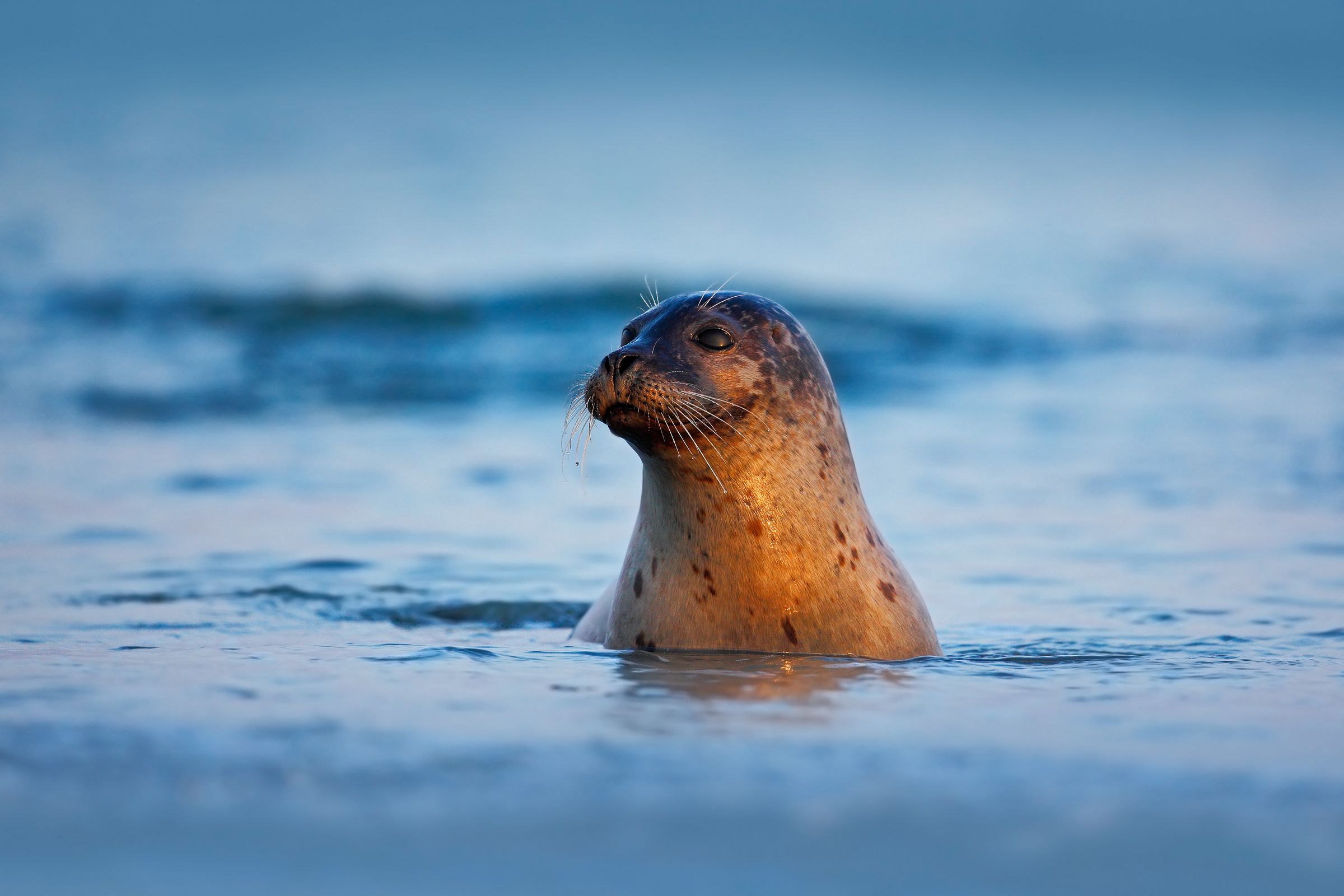
In Hvammstangi, the Seal Center explains local seal habitats and highlights the best places to watch them, including Illugastaðir and Ósar.
Vatnsnes Peninsula coastal loop
Route 711 makes a 70-kilometer loop around the peninsula with cliffs, black sand beaches, and great seal-watching areas. Plan a few hours if you want to stop often.
Kolugljúfur Gorge and Kolufossar waterfalls
Around 20 kilometers (12.4 miles) south, this deep canyon and its waterfalls show how the river has carved through the rock over time. There are short walks to viewing platforms.
Optional stops: horse farms and Thingeyrar Church
Gauksmýri Horse Farm offers riding tours and a small café. Þingeyrar Church stands on the site of Iceland’s first monastery and holds interesting historical pieces.


Suggested Itinerary Add-Ons
Borgarvirki fits easily into both quick outings and longer northern trips.
Half-day Vatnsnes Peninsula loop
Start at Borgarvirki, then visit Hvítserkur and continue around the peninsula. Stop in Hvammstangi for lunch and the Seal Center.
North Iceland road trip stop between Akureyri and Reykjavik
Borgarvirki makes a great break during a long drive and pairs well with other sights in the Húnaflói region.
Pairing Borgarvirki with wildlife or waterfall visits
Mix the fortress visit with seal watching along the coast and a stop at Kolugljúfur for a varied day outdoors.

How long should I stay?
Most people spend 30 to 60 minutes here. The walk up is short, and exploring the top doesn’t take long. Many visitors combine it with nearby stops to fill a half-day or full-day outing.
Where to stay near Borgarvirki
You can’t camp at the fortress, but the Hvammstangi area has several options about 30 to 45 kilometers away.
Hótel Hvítserkur is nearby and offers family rooms and meals. Hvammstangi Camping has seasonal facilities. Gauksmyri Guesthouse combines lodging with access to a horse farm.
Budget travelers can try Sæberg Hostel, which includes a hot tub, or Glaðheimar Cottages, which offer simple self-catering stays.
Summary
Borgarvirki combines geology, history, and quiet open space in a way that’s hard to find at more popular sites. This natural basalt fortress lets you explore freely, learn a bit of early Icelandic history, and enjoy wide views without the usual crowds.
If you like photography, old stories, or simply discovering places that feel a bit off the main path, Borgarvirki is a rewarding stop. It’s simple to reach, rich in atmosphere, and a great addition to any northern Iceland trip.
Frequently Asked Questions About Borgarvirki