3-Day Diamond Circle Itinerary: The Complete North Iceland Loop (with Baths, Hikes, Whales & Hidden Gems)
The Diamond Circle is a ~250 km driving loop in North Iceland with five stops: Goðafoss, Lake Mývatn, Dettifoss, Ásbyrgi Canyon, and Húsavík. It's North Iceland's version of the Golden Circle, but wilder, less crowded, and geologically more intense.
One day is doable. Two days is better. Three days is when you stop rushing and actually enjoy it. With three days, hikes, geothermal soaks, whale watching, and some weather flexibility all fit in easily, which matters a lot outside of summer.
Here's how to plan it.
Quick Facts About the Diamond Circle
Here's everything you need to know before getting into the day-by-day plan.
| Detail | Info |
| Total distance | ~250 km (155 miles) |
| Driving time (no stops) | ~4 hours |
| Recommended time | 3 days |
| Best bases | Akureyri (gateway), Reykjahlíð/Mývatn (nature), Húsavík (whales) |
| Road type | Mostly paved; some gravel (Route 864) |
| Vehicle | 4x4 recommended, especially in winter |
| Best season | June–September; possible year-round with prep |
Why 3 Days Makes the Difference
If you do the Diamond Circle in a single day, you'll spend most of it in the car. Three days is a different experience.
- You drive just 1.5–3 hours per day instead of one long haul
- You can swap days if the weather turns: if Dettifoss looks bad on Day 2, you move it to Day 3
- You have real time for Krafla, Hljóðaklettar, the baths, and whale watching
- Daylight stress drops a lot, especially outside of summer
Good to know: Download offline maps before leaving Mývatn. Cell service drops out between Mývatn and Ásbyrgi, and Route 862 to Dettifoss has long stretches with no signal. Maps.me works well.
Map & Route Overview
The loop runs on a handful of roads. Knowing them before you go saves confusion later.
The backbone is the Ring Road (Route 1 / Hringvegur), which takes you from Akureyri past Goðafoss and into the Mývatn area. From there, you branch off onto Route 87 toward Húsavík, Route 85 along the northern coast, and Route 862 (or 864) to reach Dettifoss.
Day-by-Day Roads
Day 1: Route 1 → Goðafoss → Route 1/848 → Reykjahlíð/Mývatn
Day 2: Local Mývatn roads + Route 862 to Dettifoss → optional detour to Vesturdalur/Hljóðaklettar → back to Mývatn or continue toward Húsavík
Day 3: Route 85 → Ásbyrgi → Húsavík → Tjörnes Peninsula (optional) → Route 85/1 back to Akureyri
Route 862 vs 864: Which One to Take to Dettifoss
This is the one road choice that trips people up.
Route 862 (west side): Paved, well-maintained, easier parking. Most people use this one, and it's the right call in winter, shoulder season, or if you're in a 2WD. Worth knowing: it's out of winter service from January to early April, so check road.is first.
Route 864 (east side): Rough gravel, potholes, summer-only. The viewpoint gets you closer to the edge. Only worth it with a 4x4 in good conditions, as it closes in winter.
Stick with 862 unless you have a clear reason to use 864 and the conditions are obviously fine.

3-Day Diamond Circle Itinerary
This clockwise loop starts and ends in Akureyri, with overnights in Mývatn/Reykjahlíð and Húsavík. It's the most practical pacing for any season and puts the most remote driving, Dettifoss and Ásbyrgi, on Day 2, when you're already comfortable with the roads.
Day 1: Akureyri → Goðafoss → Mývatn Geothermal Highlights → Mývatn Overnight
Day 1 is a gentle start. You stop at Goðafoss on the way, spend the afternoon in the Mývatn area, and finish the day with a soak.
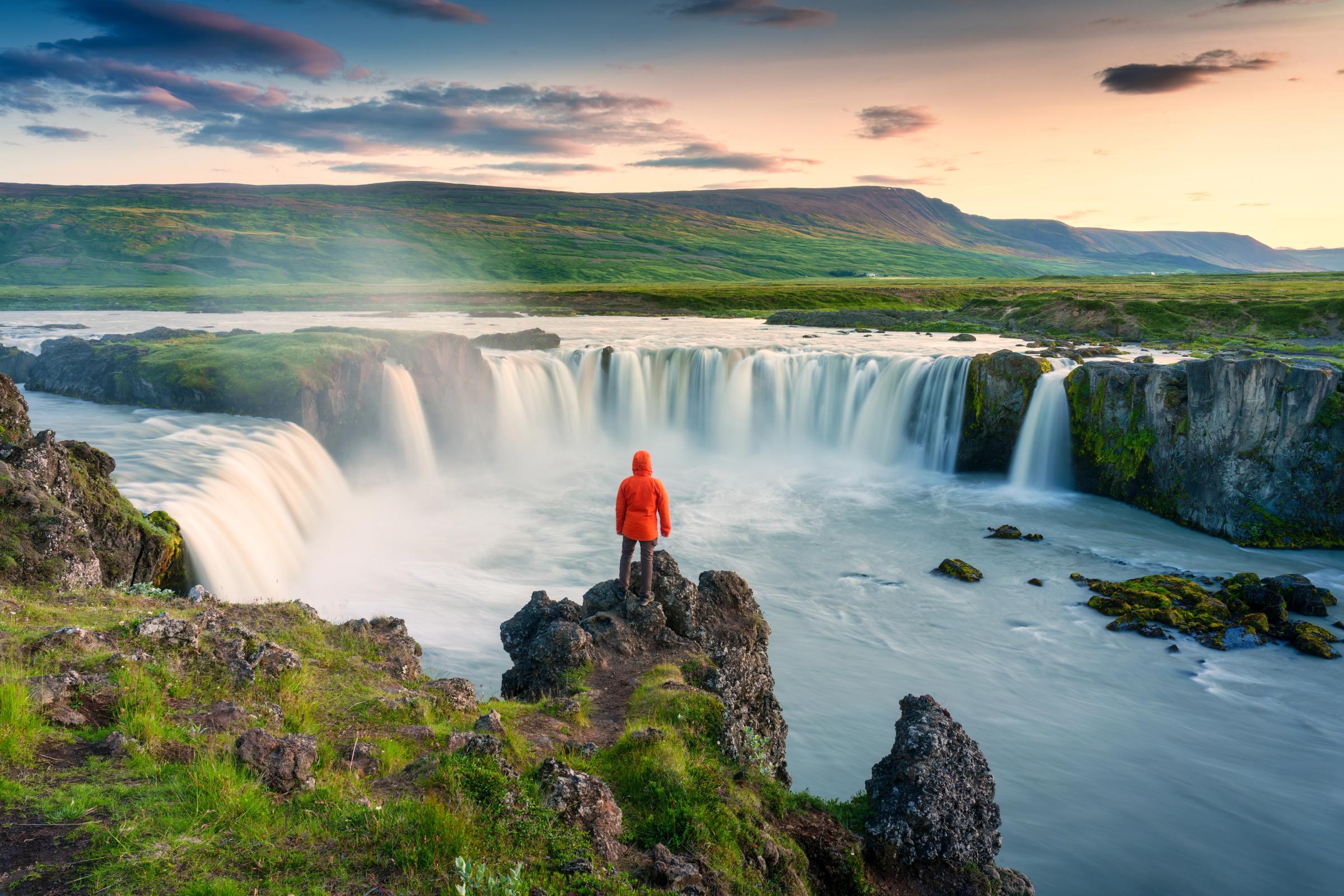
Goðafoss — 45 to 60 minutes
Goðafoss is right on Route 1, about 30 km east of Akureyri. You can't miss the turn-off.
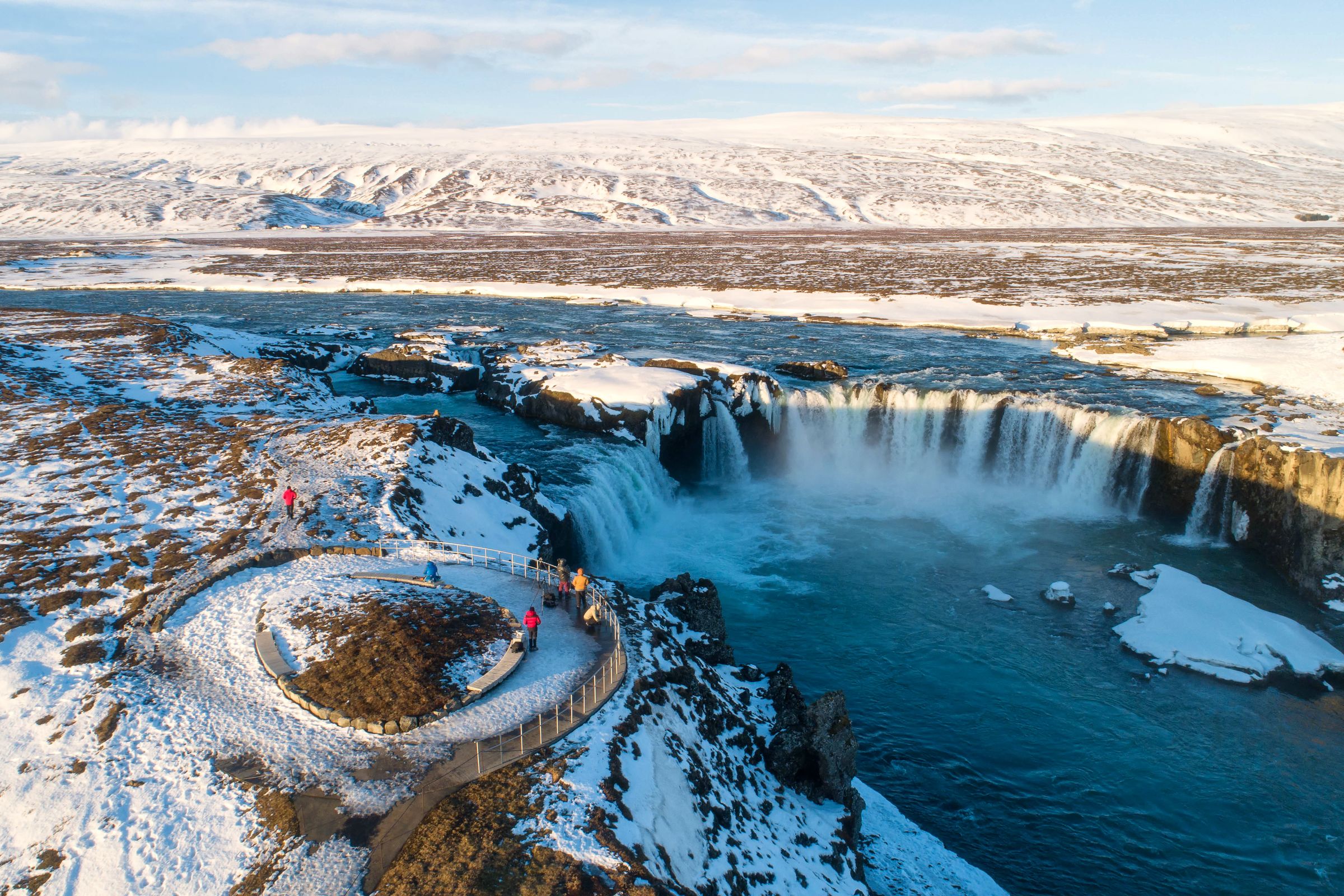
It's 30 meters (98 feet) wide with a 12-meter (39-foot) drop along the Skjálfandafljót River. What makes it stand out is the shape: a wide, horseshoe-like arc that you can see fully from either bank.
Both sides have viewpoints. The east side has a café and restrooms (seasonal). The west side is quieter and often empty in the early morning. A footbridge upstream connects the two banks.
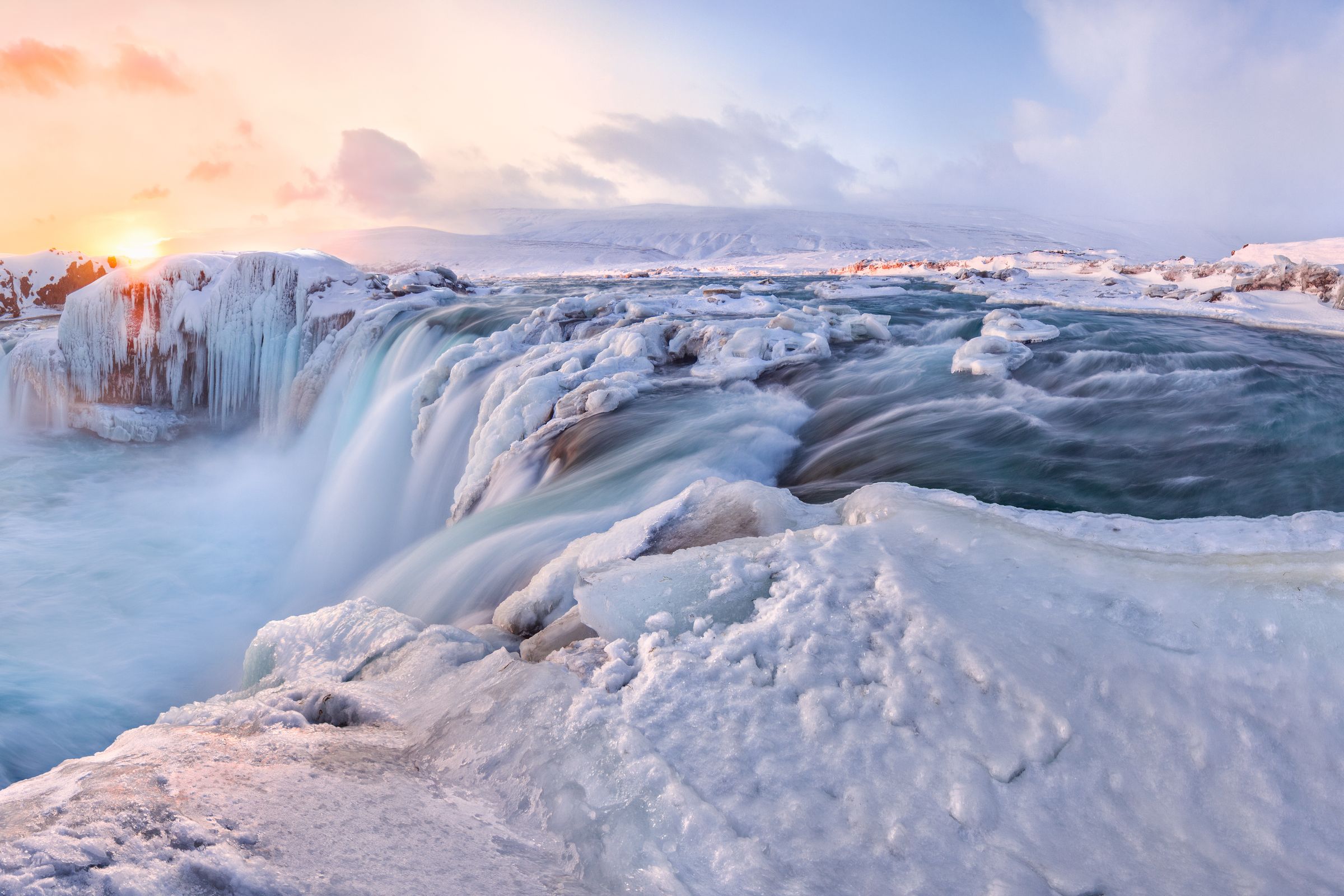
In winter, Goðafoss often partially freezes, and ice formations around the moving water give it a completely different look.
Practical tip: Paths can be icy in winter, so bring microspikes or crampons. Even in summer, the spray makes the rocks near the water slippery.
The Mývatn Core Stops — 3 to 5 hours
From Goðafoss, it's about 45 minutes east on Route 1 (then Route 848) to Mývatn. Aim to arrive around midday so you have the full afternoon.
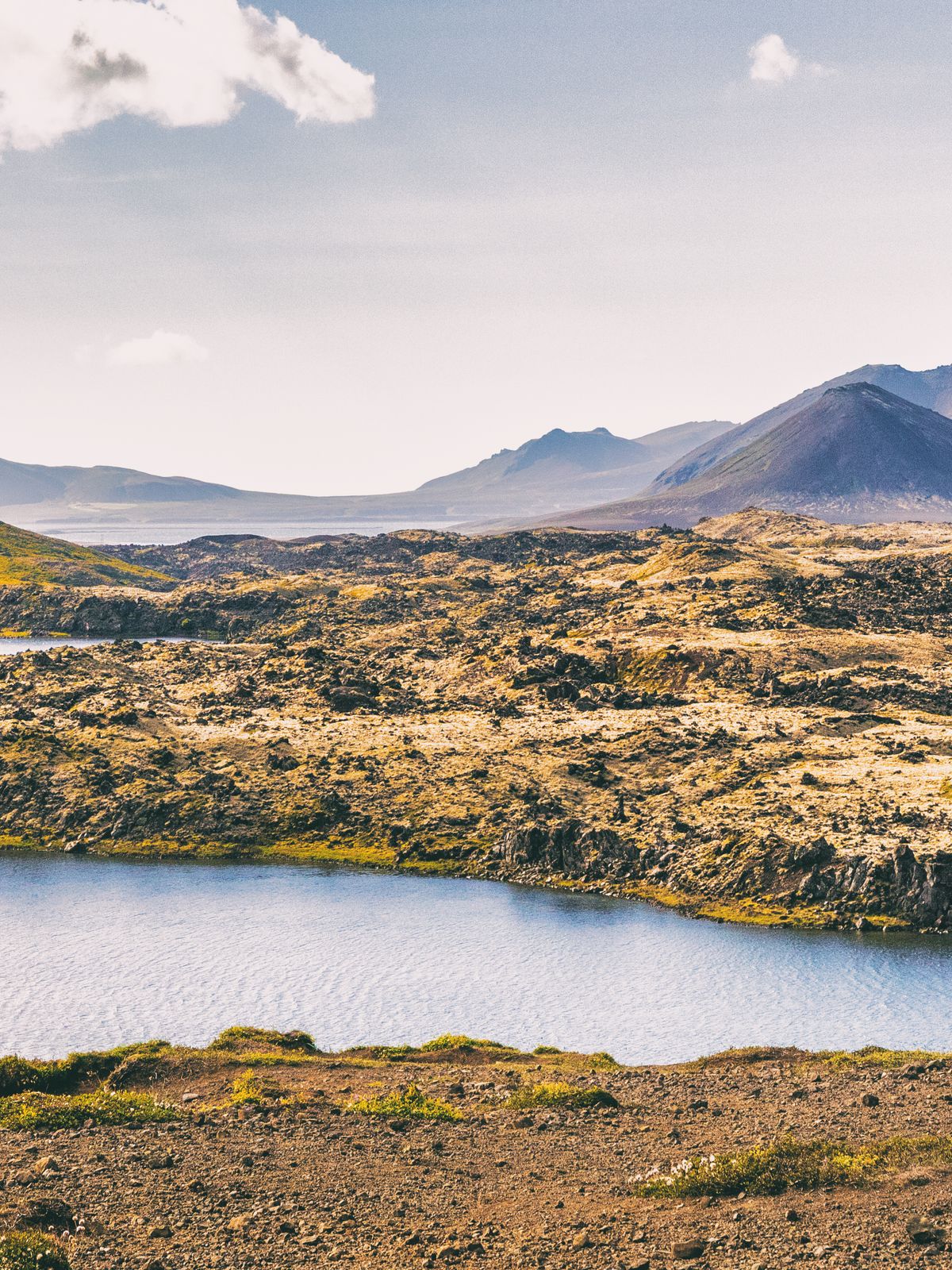
Lake Mývatn formed roughly 2,300 years ago after a large basaltic lava fissure eruption created a shallow volcanic lake. All the craters, lava fields, and steaming vents around it come from that event and the ongoing volcanic activity of the nearby Krafla system, which sits on the Mid-Atlantic Ridge where the North American and Eurasian tectonic plates are slowly pulling apart.
Pick 2–4 stops from the list below based on your energy and the season.
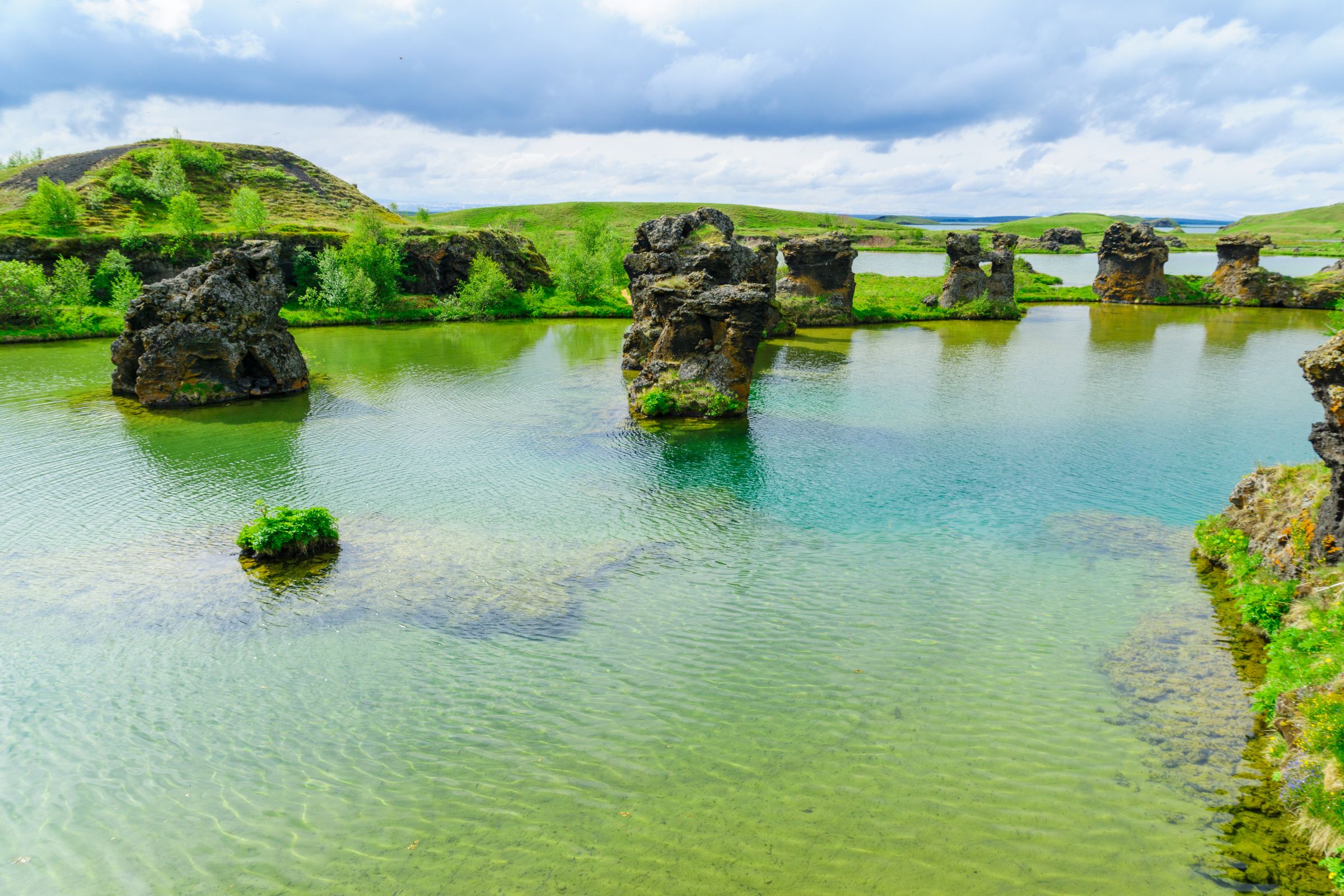
Hverir / Námaskarð (20–30 minutes)
Hverir is the most visually intense stop in the region. The ground is orange, red, and yellow from sulfur deposits and iron minerals. Fumaroles hiss. Mud pots bubble at high temperatures. The sulfur smell hits you immediately.
There are wooden boardwalks to keep you on safe ground, as the crust here is thin in places and the mud pots are boiling hot, so stay on the marked paths. It's one of the most memorable 30 minutes on the entire loop.
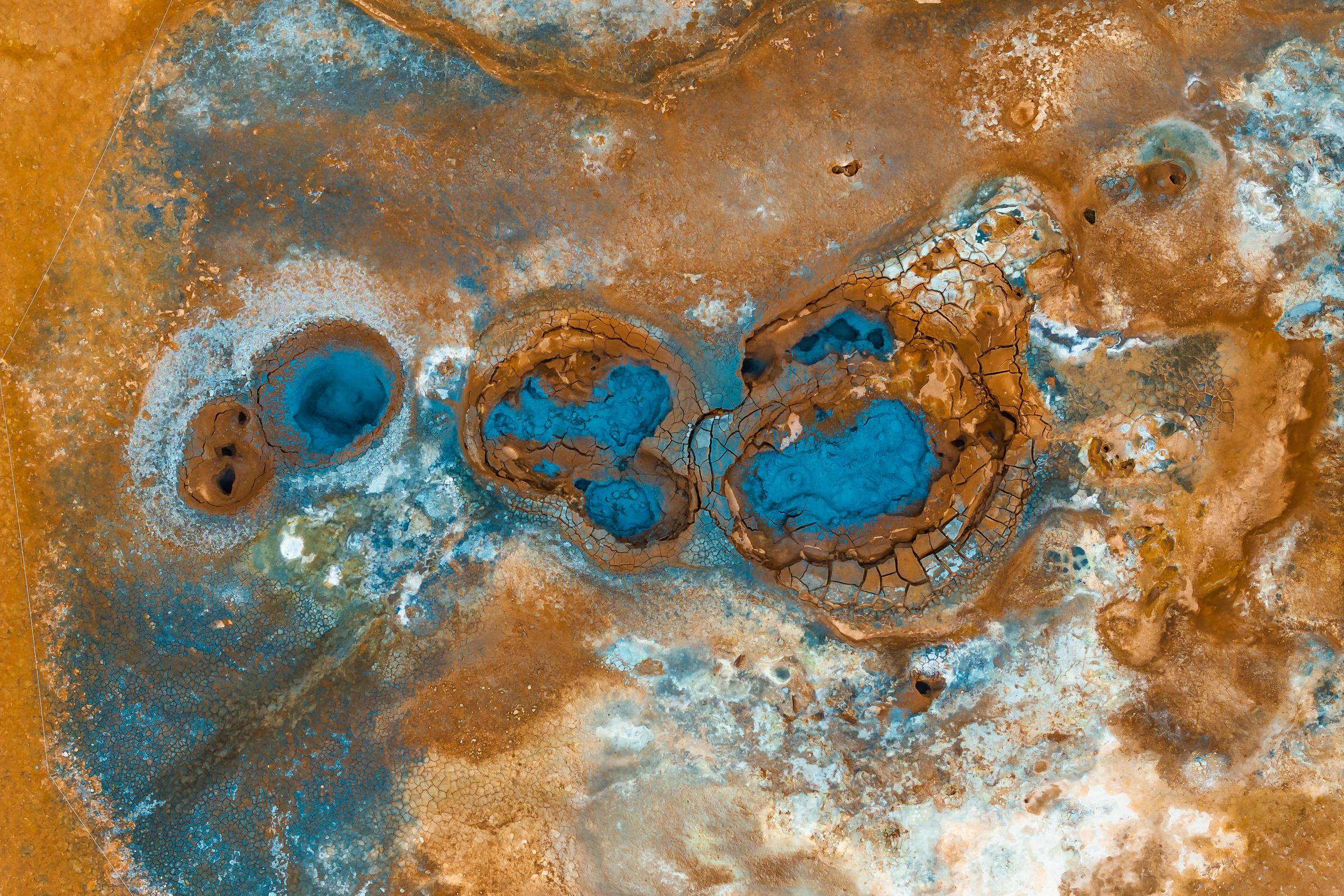
Dimmuborgir (30–60 minutes)
Dimmuborgir means "Dark Castles." It's a lava field with rock towers, arches, and cave-like formations that were created thousands of years ago when lava pooled over a wetland and collapsed. The result is one of the stranger landscapes in Iceland: jagged black pillars, tunnels you can walk through, shapes that don't look like they belong to the natural world.
There are loop trails from 15 minutes to over an hour. The short one works for a quick look. The longer one is better.
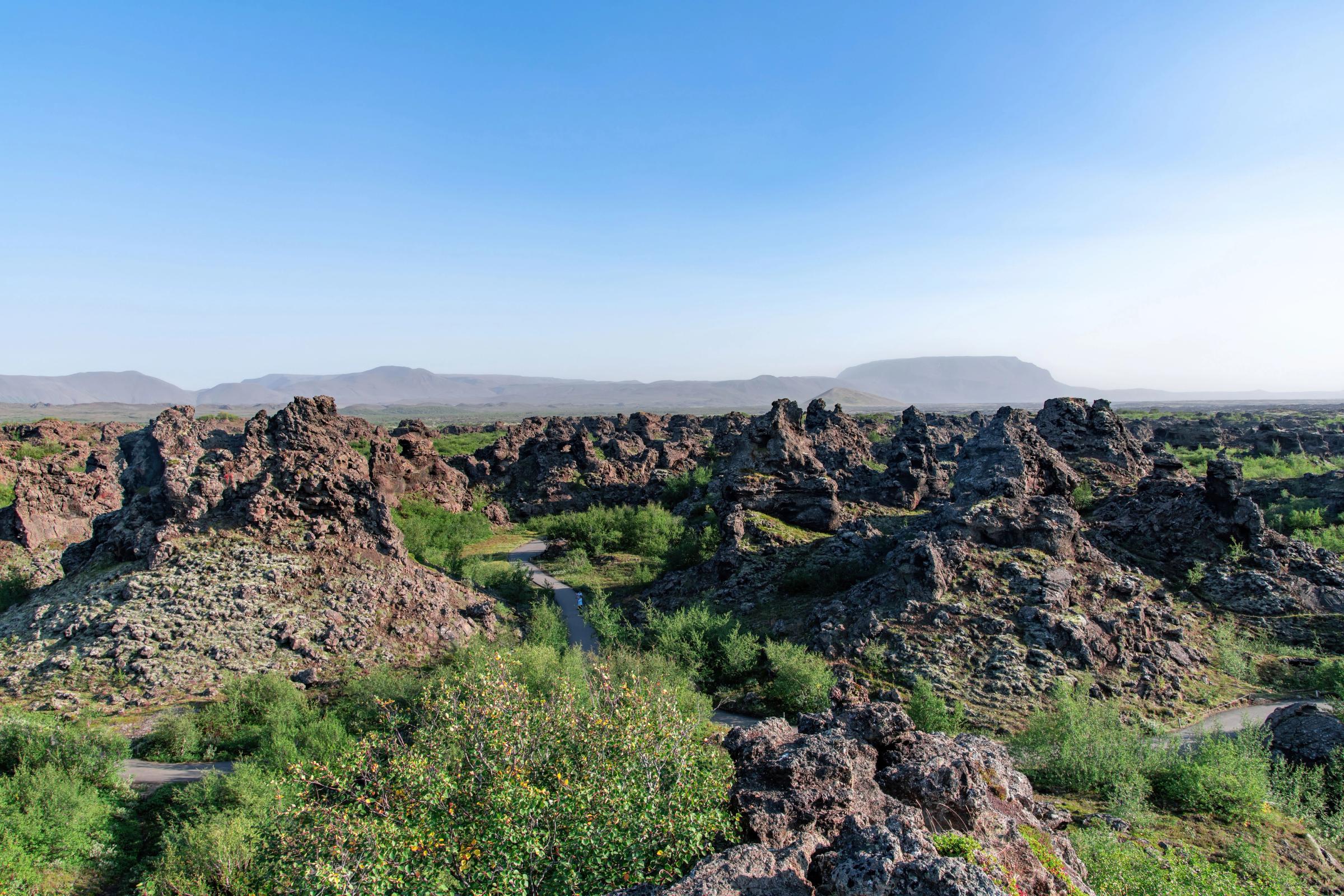
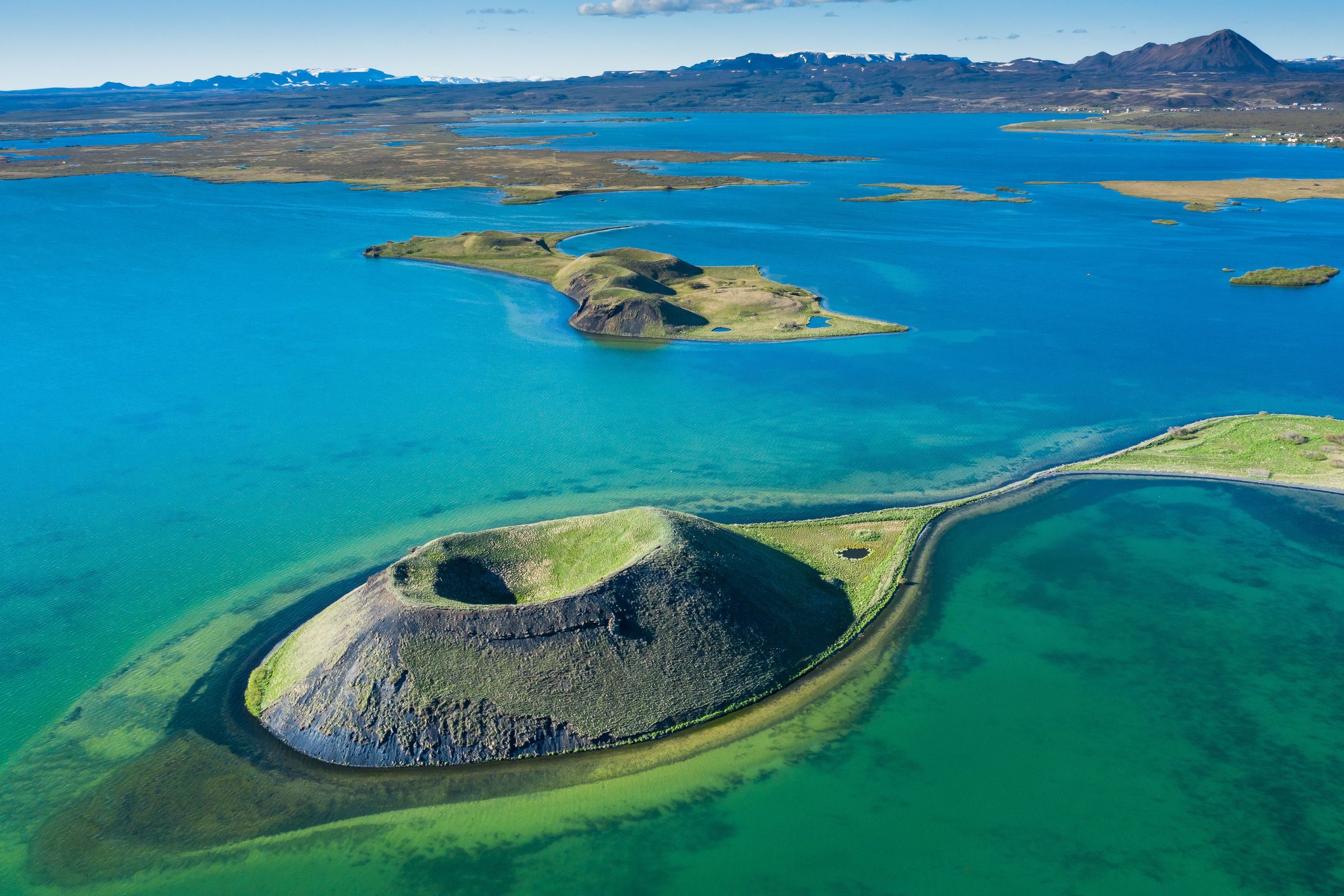
Skútustaðagígar Pseudocraters (20–40 minutes)
These look like volcanic craters, but they're not. They're rootless cones, formed when lava flowed over a wetland and steam explosions pushed up crater-shaped mounds from below. The easy loop around the edge gives you good views of both the craters and the lake.
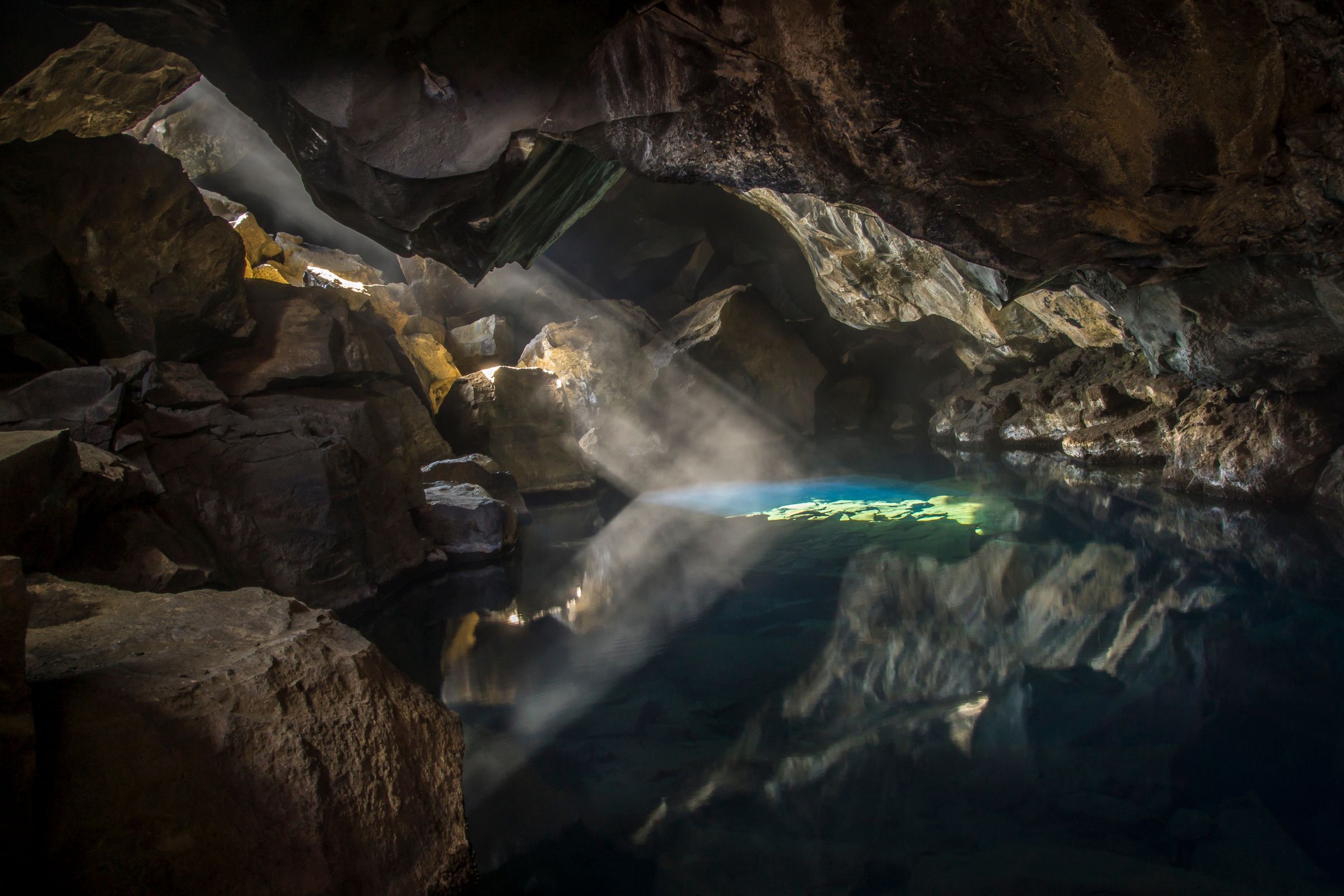
Grjótagjá Cave (10–20 minutes)
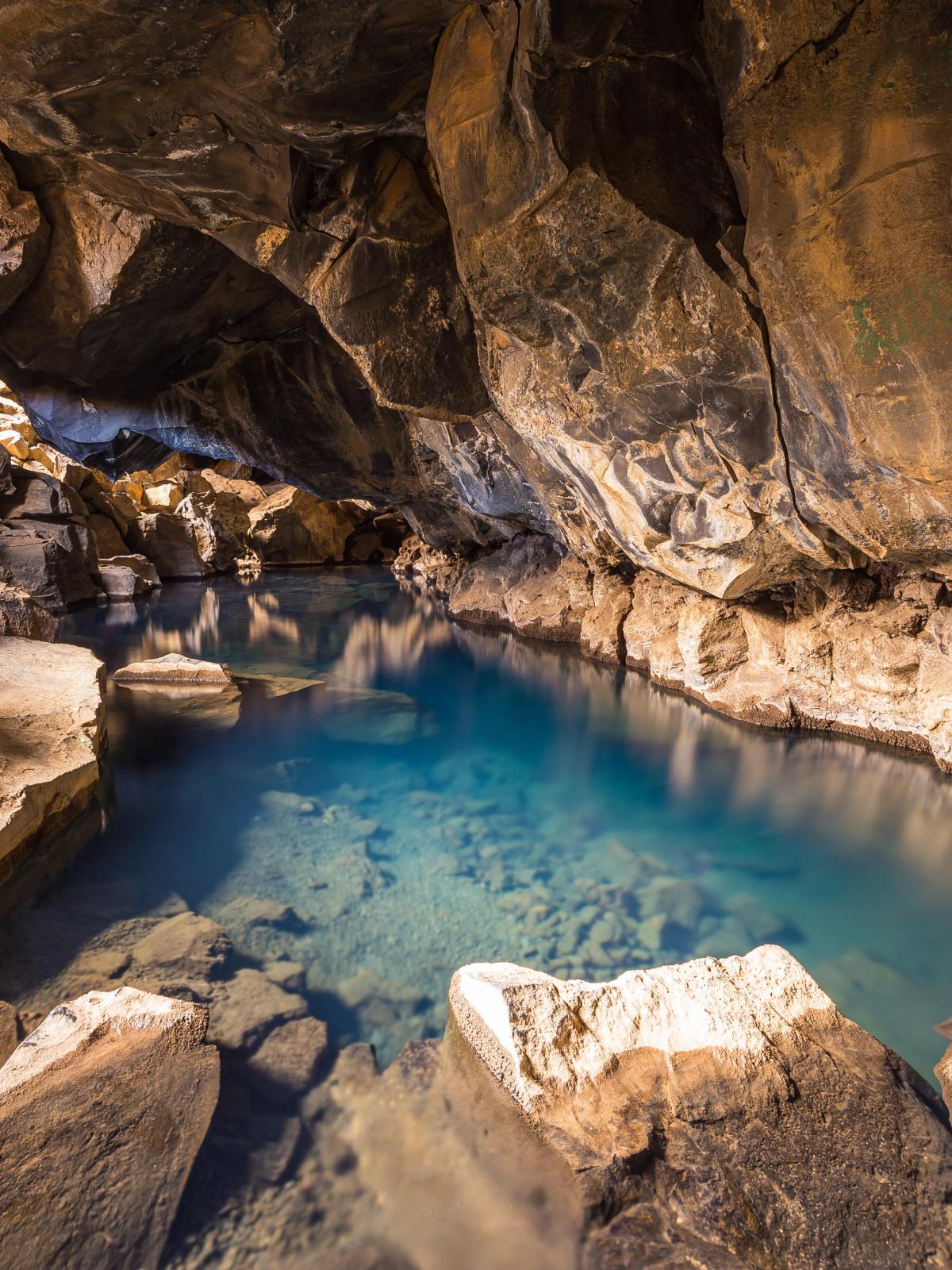
A lava cave with a hot spring inside. Walk in, and you'll see the blue water glowing in the dim space. You can't bathe here because the temperature fluctuates to dangerous levels, but it's worth a quick stop. It was used as a filming location for Game of Thrones, which is the main reason why it gets so many visitors.
Evening: Earth Lagoon Mývatn — 60 to 90 minutes
The Nature Baths, which have just been rebuilt and rebranded as Earth Lagoon Mývatn, are the geothermal pool complex on the edge of the lake. The water is mineral-rich, the views over Mývatn are good, and after a full afternoon of walking, it's the natural way to end Day 1.
Where to stay: Reykjahlíð, on the north shore of Lake Mývatn, is the obvious base. There's fuel at the N1 station, restaurants, and it puts you right where you need to be for Day 2.

Day 2: Krafla / Leirhnjúkur + Viti → Dettifoss & Selfoss → Hljóðaklettar (Optional) → Overnight
Day 2 is the geology day. You go from active volcanic terrain in the morning to Europe's most powerful waterfall in the afternoon.
Morning: Krafla Volcanic System — 1.5 to 3 hours
Krafla is an active volcanic caldera about 7 km north of Mývatn. The area last erupted in the 1980s, which is partly why it feels so fresh: the lava really does look like it hardened recently.
Leirhnjúkur lava field: The main stop. A marked trail takes you through black lava, steaming fissures, and patches of bright green moss. The ground is warm underfoot in places. You're walking through an active geothermal landscape on a well-defined path, and there aren't many places in the world where you can do that. Allow 1–2 hours for the full loop.
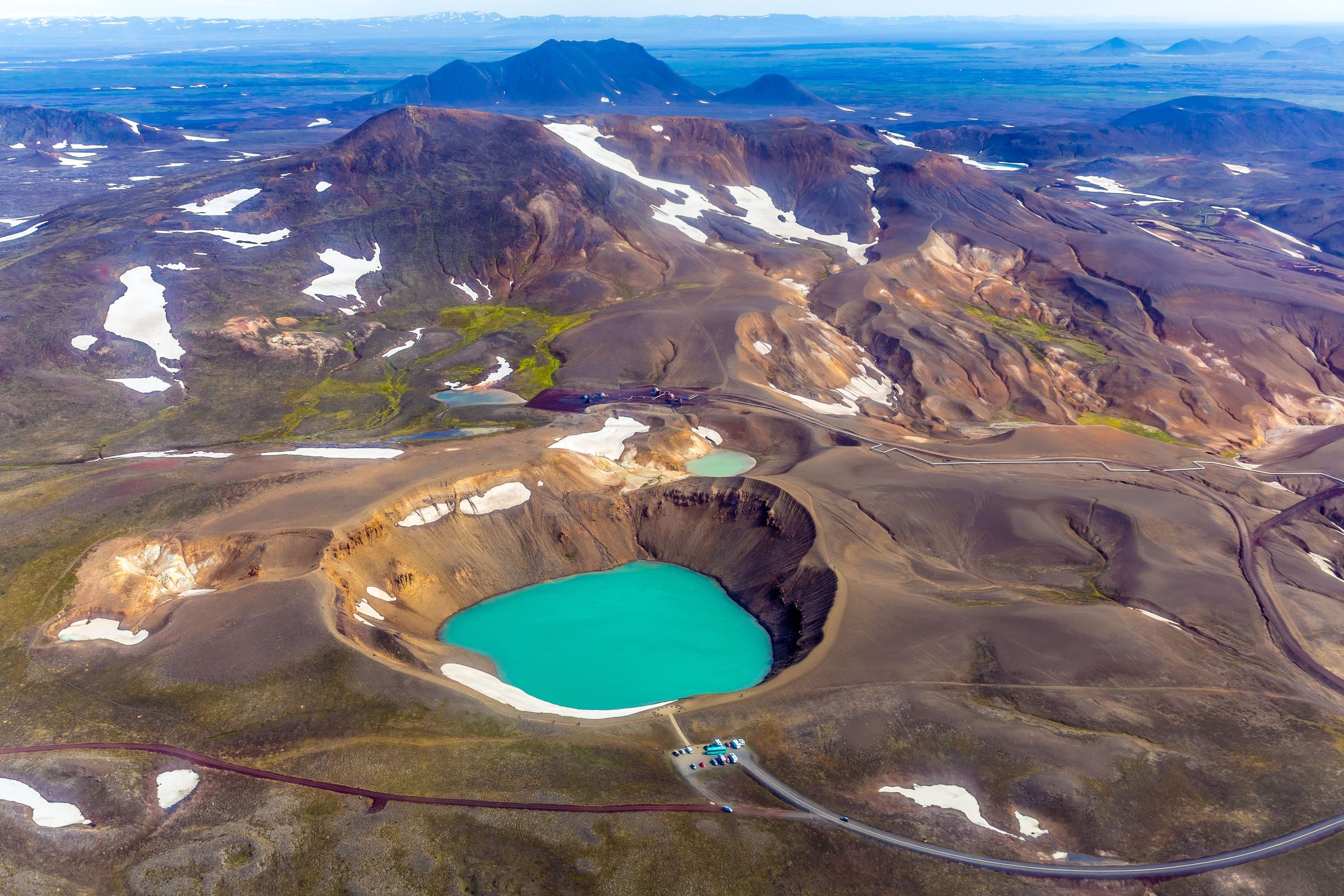
Viti crater: A short drive from Leirhnjúkur. Viti is a circular explosion crater filled with blue-green water. The rim walk takes about 20 minutes. The combination of the crater shape, the water color, and everything around it makes it worth the stop.
Winter note: The Leirhnjúkur trails can ice over and conditions change quickly. If it looks rough, shorten the hike, as the viewpoints near the parking area still give you a good sense of the landscape.
Midday: Dettifoss + Selfoss via Route 862 — 1 to 2 hours
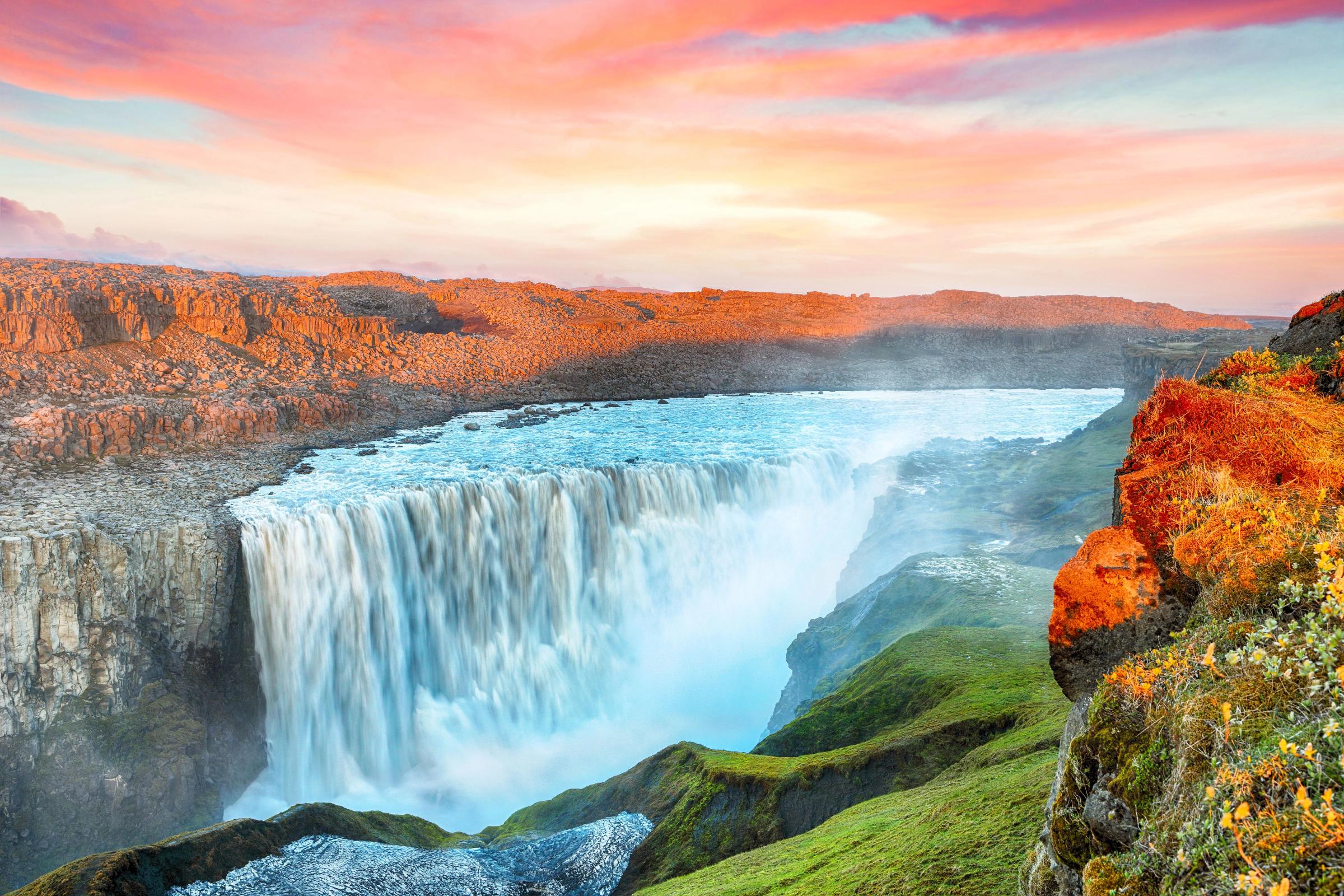
Dettifoss is Europe's most powerful waterfall: 100 meters wide, 44 meters high, fed by the glacial river Jökulsá á Fjöllum, which flows from the Vatnajökull glacier. The water is grayish-white because of the glacial sediment it carries.
The power here is something you feel before you see it. The ground vibrates. On windy days, the spray soaks you from 50 meters away. Bring a waterproof jacket; that's not optional advice.
Dettifoss sits within Vatnajökull National Park, inside the Jökulsárgljúfur canyon system, a canyon carved by massive glacial outburst floods over thousands of years.
Selfoss is a 10-minute walk upstream from Dettifoss. It's wider and more graceful. A lot of people skip it to save time. Don't do that.
No cell service at Dettifoss. Check road.is and vedur.is before leaving Mývatn, as you won't get a signal once you're out there.
Afternoon: Hljóðaklettar (Echo Cliffs) — 45 to 120 minutes
If weather and daylight allow, Hljóðaklettar is worth adding on the way toward your overnight. It's a detour off Route 862 into the Jökulsárgljúfur canyon system.
The rock formations here, twisted columnar basalt from a crater row that erupted around 8,000–9,000 years ago, look completely different from anything at Dettifoss or Mývatn. The cave acoustics are what gave the place its name, "Echo Rocks." Shout into the formations and you'll understand why.
The national park has a 1.2 km easy option and a 3 km circular route rated as challenging because of the terrain. Do the longer one if conditions are good and you have the energy. Skip it entirely if the weather's turned or daylight is running out.

Overnight Options
Option A: back to Mývatn/Reykjahlíð. Simpler and safer in winter. Best roads, best services, easy start to Day 3.
Option B: overnight near Ásbyrgi or Húsavík. Better in summer or shoulder season. Cuts Day 3 driving down a lot.
Day 3: Ásbyrgi Canyon → Húsavík → Tjörnes Peninsula (Optional) → Akureyri
Day 3 is canyon and coast, the most varied day of the three. Húsavík gives you a few different options depending on how much you want to pack in.
Morning: Ásbyrgi Canyon — 1 to 2.5 hours
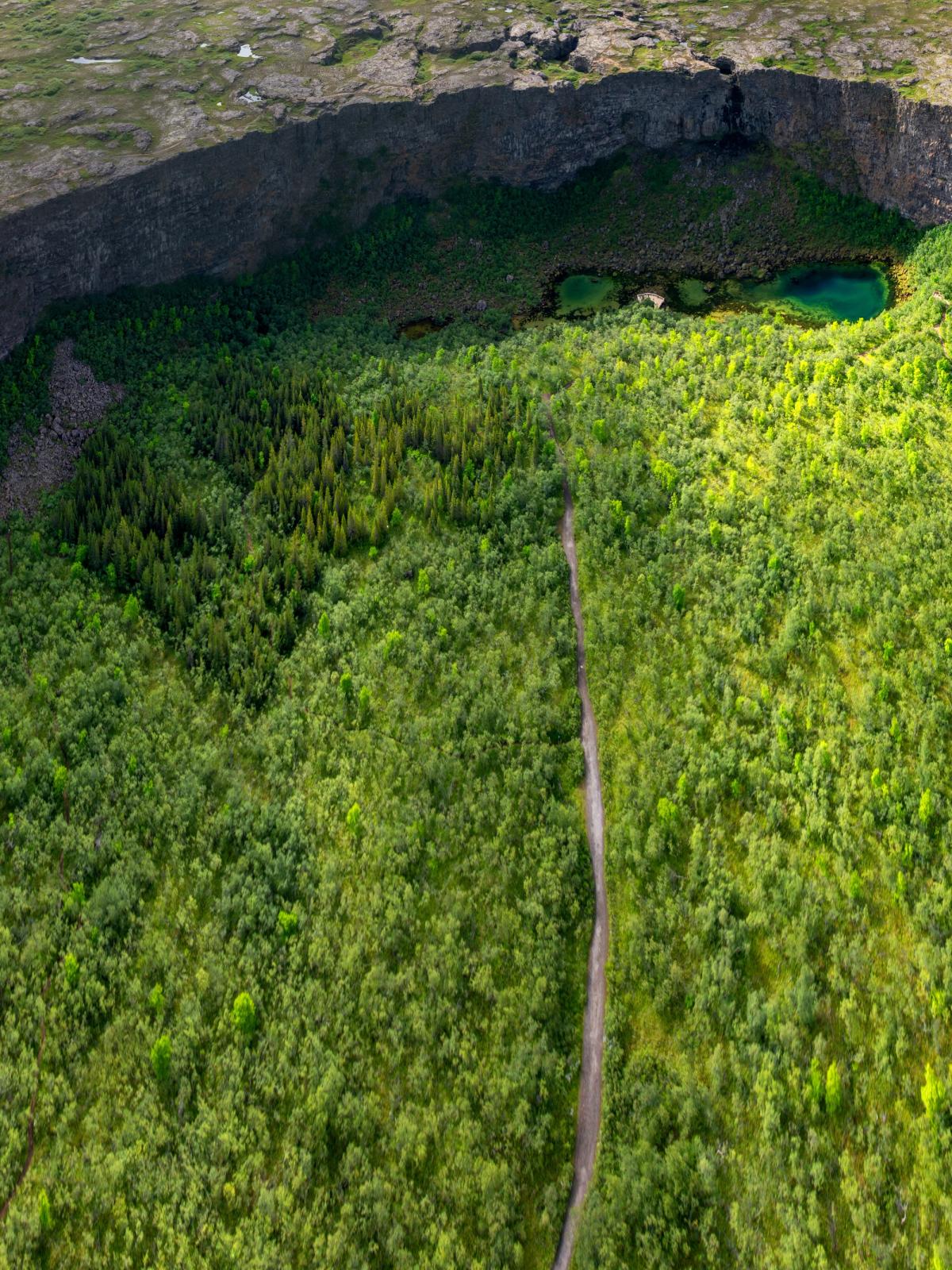
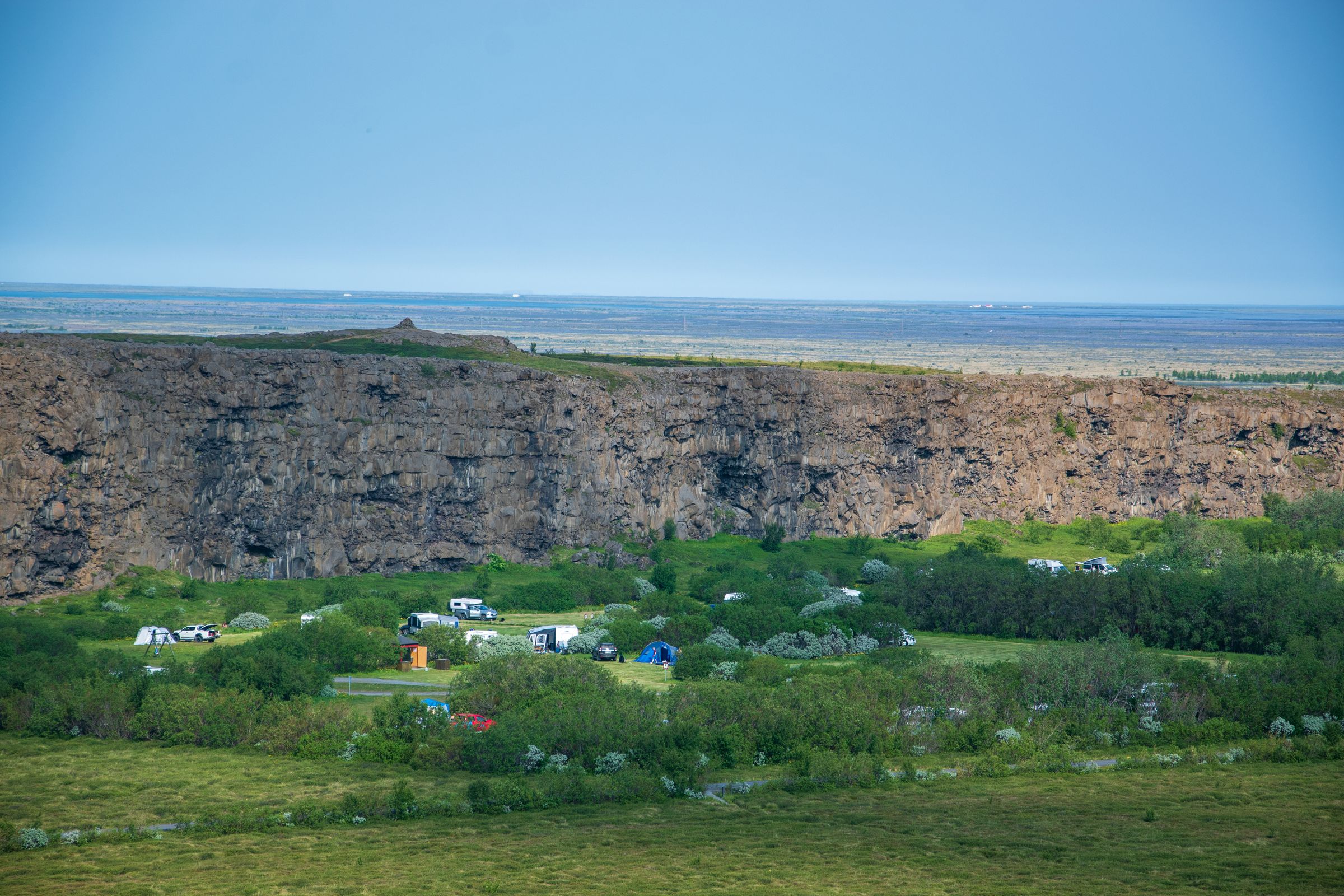
Ásbyrgi is a horseshoe-shaped canyon 3.5 km long and up to 100 meters deep, carved by catastrophic glacial floods, jökulhlaups, from the Jökulsá á Fjöllum river thousands of years ago. It's part of Jökulsárgljúfur within Vatnajökull National Park.
Inside the canyon, it's surprisingly green: birch trees, wildflowers, and calm ponds. After two days of black lava and roaring waterfalls, it feels completely different.
Icelandic mythology says the horseshoe shape is a hoofprint from Sleipnir, Odin's eight-legged horse. It's folklore, but the shape really does look like it could be one.
- Botnstjörn pond walk (30–45 minutes): Easy path through the forested canyon floor to a calm pond. Good for all fitness levels and great for birdwatching.
- Rim viewpoint trail: If conditions are good and you have the legs for it, the rim gives you the full horseshoe view from above. That's the shot most people come for.
The Gljúfrastofa visitor center is inside the canyon with exhibits on the geology and history of the area. Opening hours are seasonal, so check before you go.

Midday to Afternoon: Húsavík — 2 to 5 hours
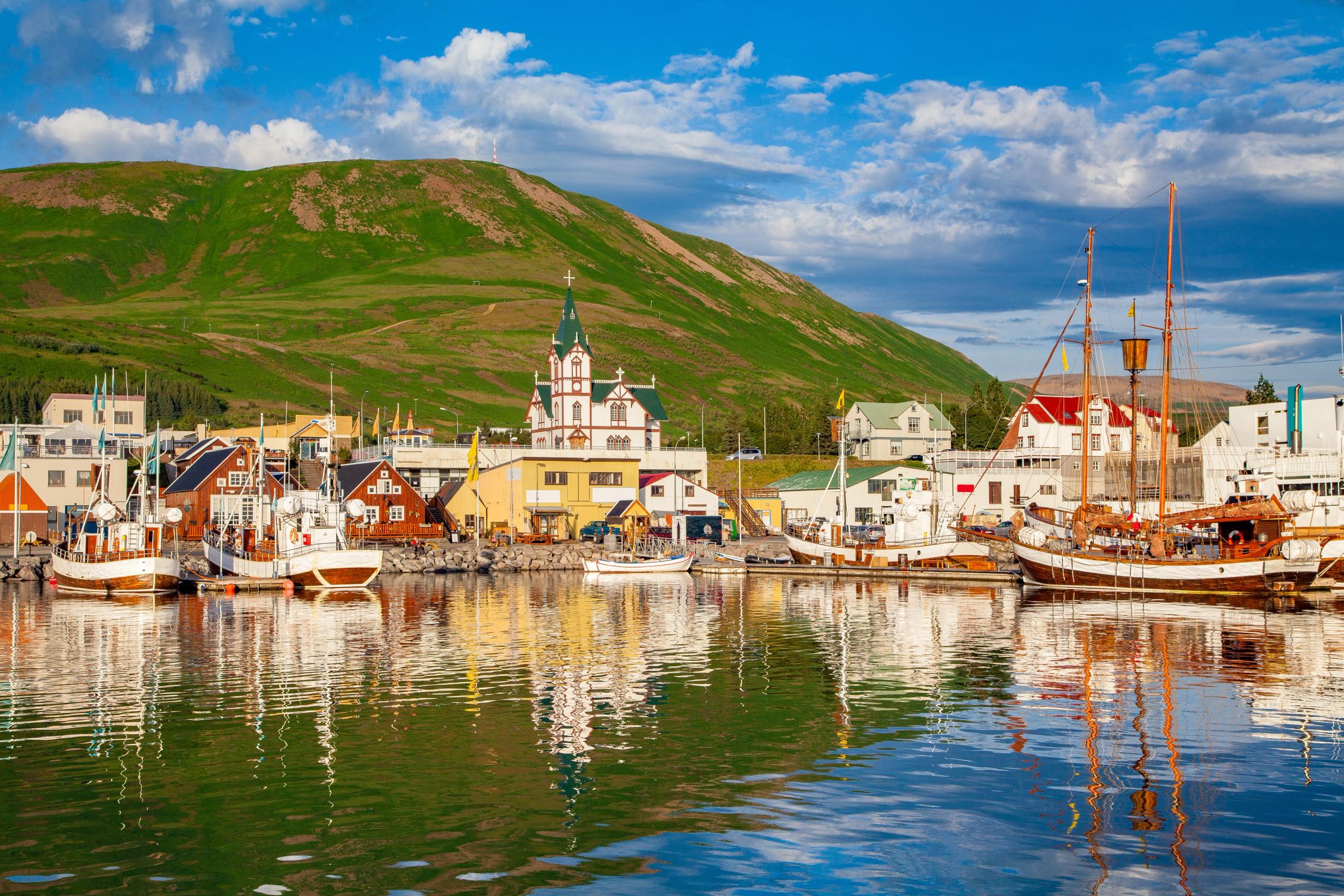
Húsavík is on Skjálfandi Bay on Iceland's north coast and has a real claim to being Iceland's whale watching capital. The bay's rich feeding grounds and the town's experienced tour operators make it one of the best spots in the North Atlantic to see whales.
Pick the version that fits your afternoon.
Build 1: Whale tour (the best use of your time here)
Tours run 2–3 hours with multiple departures daily in summer. Species commonly spotted in Skjálfandi Bay include humpback whales, minke whales, blue whales, orcas, and white-beaked dolphins, though what you see depends on the season and a bit of luck. June to August gives you the best odds. Tours run year-round but less frequently in winter. Tour prices start at 12,500 ISK ($100 USD).
Book ahead in peak season. Traditional oak boats give you the classic experience. Bigger vessels are more stable if the sea is rough.
Build 2: Museum + town walk
The Húsavík Whale Museum covers the biology, behavior, and history of whales in the region. Allow 45–90 minutes. The harbor area is worth a slow walk: wooden boats, colorful houses, a real fishing-town feel.
Build 3: GeoSea
GeoSea is a geothermal sea bath on the cliffs above Húsavík, with infinity-style pools looking out over the Arctic Ocean and Skjálfandi Bay. Going around sunset is the move.
You don't have to pick just one. With three days, you can combine all of them if you pace the afternoon well.
Late Afternoon: Tjörnes Peninsula (Optional)
Tjörnes is a short detour off Route 85 between Ásbyrgi and Húsavík. The peninsula has dramatic coastal cliffs, fossil-rich rock layers from the Miocene and Pliocene periods, and seasonal birdlife. From May to August, puffins nest here, and the hike to the Voladalstorfa tip or the Hringsbjarg platform gives you good coastal views.
Go if visibility is good and you have time. Skip it if roads are slick or you'd rather spend more time in Húsavík.

Evening: Return to Akureyri
Húsavík to Akureyri is about 65 km on Route 85/1, roughly 50 minutes in good conditions. In winter, give yourself extra time and don't let Tjörnes push you into driving after dark on icy roads.
Practical Travel Tips
A bit of preparation goes a long way here, especially in winter.
Road Conditions and Safety
Check these every morning in Iceland; seriously, every morning.
- Road conditions: road.is (or call 1777)
- Weather and wind: vedur.is (Icelandic Meteorological Office)
- Safety alerts and travel plans: safetravel.is (run by ICE-SAR)
- Live traffic: umferdin.is
Fill up on fuel in Akureyri, Reykjahlíð (N1 at Mývatn), and Húsavík. There are no gas stations near Dettifoss or Ásbyrgi. Top off whenever you're below half a tank and you're near a town.
Iceland's emergency number is 112. Register your travel plan at safetravel.is before heading into the remote Day 2 route.
Vehicle Choice
A 4x4 is the smart pick, especially outside of peak summer. Route 864 (east Dettifoss) requires one. Route 862 is manageable in a regular car in summer but risky in winter. From October to April, studded tires are essential, and most Icelandic rental companies include them automatically.
Add gravel protection to your rental insurance if you're driving any gravel sections. Small extra cost, worth it.

The 3-Day Weather Advantage
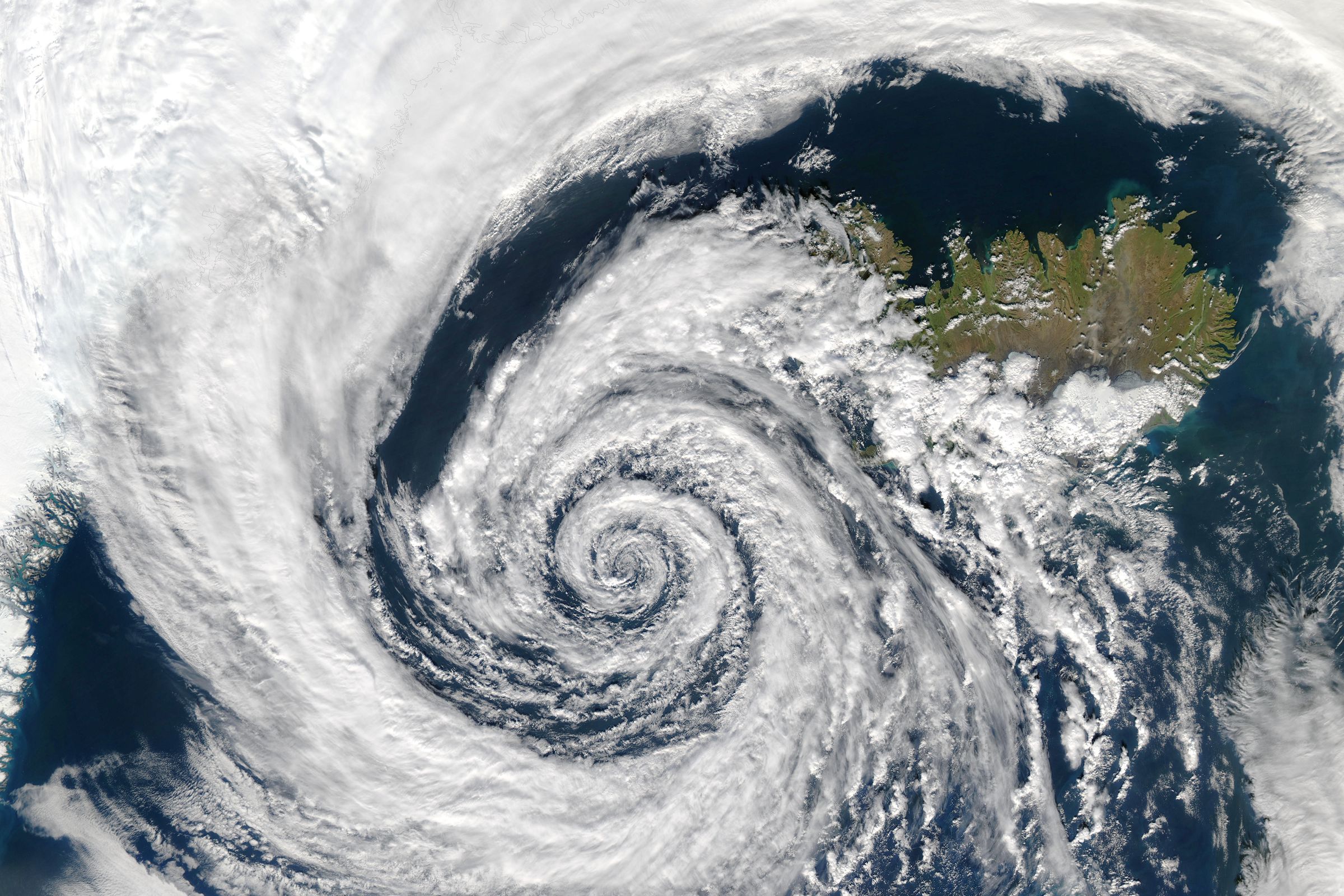
Here's the practical reason for three days that most guides don't mention. Iceland's weather moves fast, and Dettifoss is especially exposed to wind that can make the spray genuinely hard to deal with.
With three days, you can check conditions on Day 2 morning and, if Route 862 looks rough, flip the schedule: go to Húsavík and the coast that day (the coast often has different weather from the interior) and attempt Dettifoss on Day 3. You can't do that with a one-day push.
Best Time to Visit
The Diamond Circle works year-round, but what you get changes significantly by season.
Summer (June–September)
The easiest time to go. Daylight is long, up to 24 hours in late June thanks to the midnight sun, temperatures sit around 10–15°C (50–59°F), and all roads including Route 864 are typically open. Whale watching is at its best from June through August. The one downside: midges around Lake Mývatn peak in warm months. Pack a head net or strong insect repellent.
Winter (November–March)
The appeal is real: northern lights, snow over the lava fields, ice around the edges of Goðafoss, and far fewer people at every stop. But so are the challenges: daylight can be as short as 5–6 hours, Route 864 closes, Route 862 is out of winter service from January to early April, and temperatures can fall to -5°C to -10°C (14–23°F) with windchill. You need a 4x4, studded tires, more time for every drive, and genuine flexibility around closures.
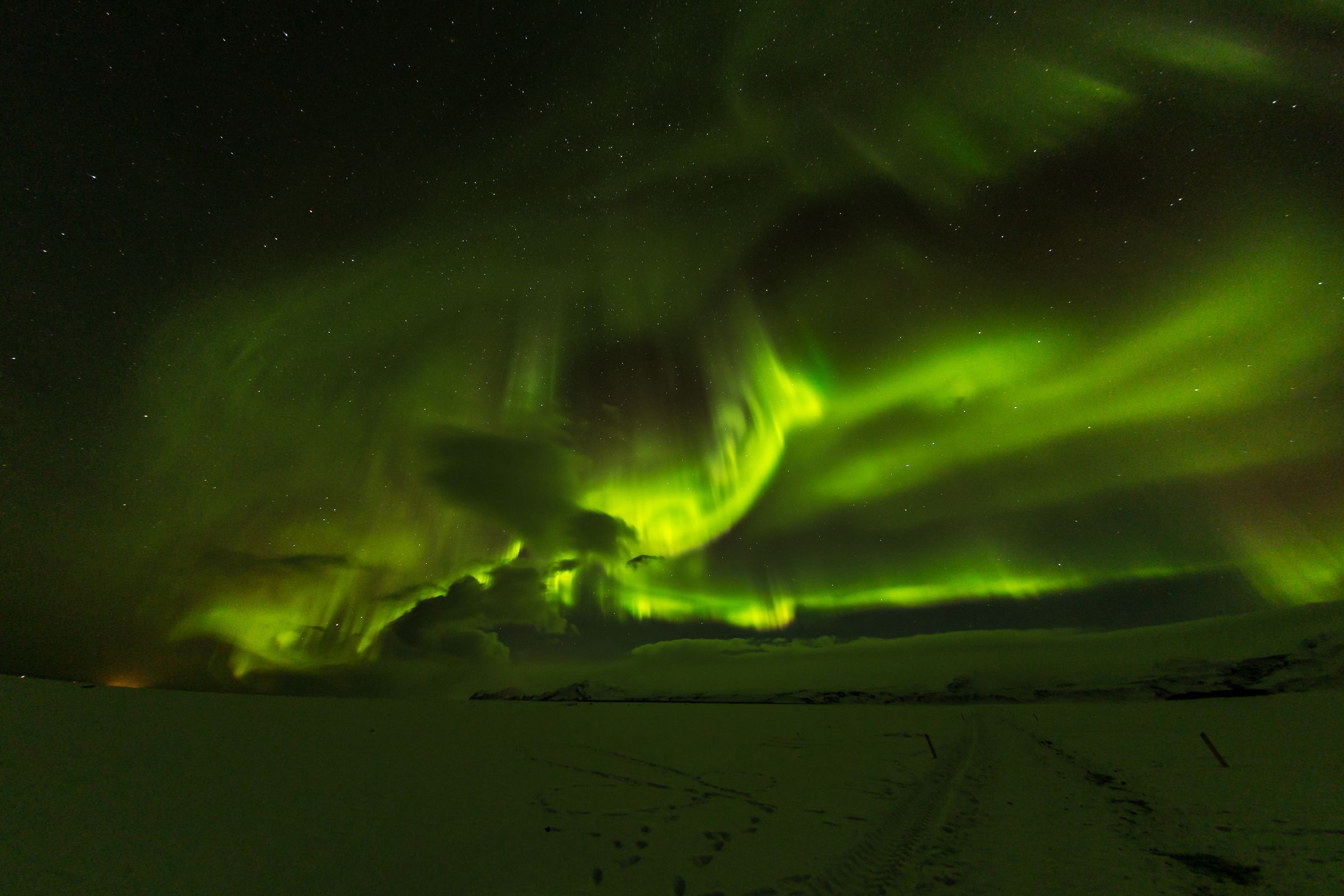
Northern lights: If aurora is part of the plan, visit September through March and check vedur.is for the forecast every day. Ásbyrgi and the dark roads around Mývatn are good spots away from light pollution.
Shoulder Season (May and October)
A solid middle ground. Fewer crowds than summer, cheaper accommodation, puffins show up in May, and the autumn colors in October can be good around Ásbyrgi. Road conditions are unpredictable, so check every morning.
Where to Stay Along the Route
You don't need one base for the whole trip. The most efficient pattern is Night 1 near Mývatn, Night 2 near Ásbyrgi or Húsavík.
Night 1: Mývatn / Reykjahlíð
The most central base for Days 1 and 2.
- Hlíð Camping (near Lake Mývatn): Good campsite with facilities right by the lake. Works well for campervans and tents.
- Foss Hotel Mývatn: Full hotel with rooms, a restaurant, and geothermal pool access.
- Vogar Camping: Popular with campervans, lake views, showers, and electricity hookups.

Night 2: Ásbyrgi or Húsavík
Ásbyrgi is the better pick if you want an early canyon start on Day 3 and don't mind camping.
- Ásbyrgi Campground (Vatnajökull NP): Large, well-run campsite inside the canyon. Book ahead in peak season through the national park. Húsavík makes more sense if you want a hotel, food options, and a town feel.
- Húsavík Camping Ground: Central, good facilities, close to the harbor.
- Kaldbaks Kot Cottages: Self-catering cottages with good reviews and harbor views.
Conclusion
Three days is the version of the Diamond Circle where it stops feeling like a checklist. You still hit all five stops: Goðafoss, Mývatn, Dettifoss, Ásbyrgi, Húsavík. But you also get the soaks, the hikes, the whale watching, and the flexibility to deal with Iceland's weather on your own terms.
The landscape here was shaped by the Mid-Atlantic Ridge pulling two tectonic plates apart, by the Vatnajökull glacier carving canyons over thousands of years, and by volcanic eruptions that left behind terrain unlike anything else in Europe. Three days is enough to understand it, not just photograph it.
Frequently Asked Questions About Iceland's Diamond Circle Itinerary