1-Day Diamond Circle Itinerary: Complete Winter Route, Stops & Travel Tips
The Diamond Circle is a 250-kilometer loop in North Iceland that crams a lot into one drive: big waterfalls, geothermal stuff that’s actively steaming, huge canyons, and a small town that’s known for whale watching. The roads run through volcanic terrain shaped by both eruptions and glaciers, so the scenery changes fast as you go.
Compared to the Golden Circle in the south, this route usually feels quieter and more remote. Same idea (a famous loop with headline stops), but fewer tour buses and a more rugged vibe. The five main stops are Goðafoss, Lake Mývatn, Dettifoss, Ásbyrgi Canyon, and Húsavík.
You can do it in one day, but it’s not a chill day. You’re looking at about 250 km and 3 to 4 hours of pure driving, plus time at stops.
This is a realistic one-day clockwise route starting from Akureyri, which is the main base town up north. I’ll keep it practical: what to stop for, how long to spend, and the stuff that can make or break a winter driving day here.
Quick Facts About the Diamond Circle
The full loop is roughly 250 kilometers (155 miles) if you include the main stops. The “drive time” numbers can be confusing. Without stops, it’s around 5 to 6 hours, but that’s not the point. If you’re actually getting out at the stops, plan more like 8 to 10 hours total.
It’s doable year-round, but summer (May to September) is the easiest version. Roads are clearer, days are long, and the access roads tend to stay open. Winter (October to April) is where it gets more complicated: snow and ice, shorter days, and occasional closures, especially on smaller roads. The big example is the east side road to Dettifoss, which often closes.
Most of what you’ll drive is paved. The Ring Road (Route 1) is the backbone, with connector roads out to the sights. The main exception is Route 864 to Dettifoss on the east side. That one turns to gravel and is often closed in winter. For winter reliability, plan on Route 862 on the west side instead.
Car choice matters. In summer, a 2WD car is usually fine if you stick to the paved routes. In winter, you really want a 4x4 with studded tires. North Iceland can get sudden storms, drifting snow, and icy patches, and a lot of rental companies require 4x4 up there in winter anyway.
For getting here, the nearest airport is Akureyri (AEY), around a 45-minute flight from Reykjavík. Most people either fly into Akureyri and rent a car, or drive up from Reykjavík as part of a longer Ring Road trip (about 5 hours north on Route 1).
Map & Route Overview
Because it’s a loop, you can start anywhere and drive either direction. A super common setup is staying in Akureyri and driving clockwise, so that’s what this plan uses.
Clockwise from Akureyri usually goes like this: Goðafoss first (it’s the closest), then the Lake Mývatn area, then east to Dettifoss, then north to Ásbyrgi Canyon, then Húsavík, then back west to Akureyri. This order works nicely because you start with easy stops and gradually move into the more remote stretches.
Roads you’ll use: Ring Road (Route 1), then Route 87 or 848 around Lake Mývatn, Route 862 for Dettifoss (west side, the winter-friendly one), Route 85 to connect Ásbyrgi and Húsavík, then Route 85/1 back to Akureyri.
One small thing that matters a lot up here: download an offline map before you go. Between Mývatn and Dettifoss, cell service can drop out completely. If your map needs data to load, you’ll be staring at a blank screen. Google Maps offline mode or apps like Maps.me are genuinely worth doing before you leave.

1-Day Diamond Circle Itinerary (Hour-by-Hour Winter Plan)
This plan assumes you’re starting in July from Akureyri. In July, daylight lasts almost all day. Sunset is close to midnight, so you’re not rushing against darkness the way you would in winter. That makes the whole loop feel much easier. You can start later if you want and still have plenty of light. The times below are just a practical way to structure the day so it flows well.
Stop 1: Goðafoss Waterfall
Time: 9:30-10:15 AM (45 minutes)
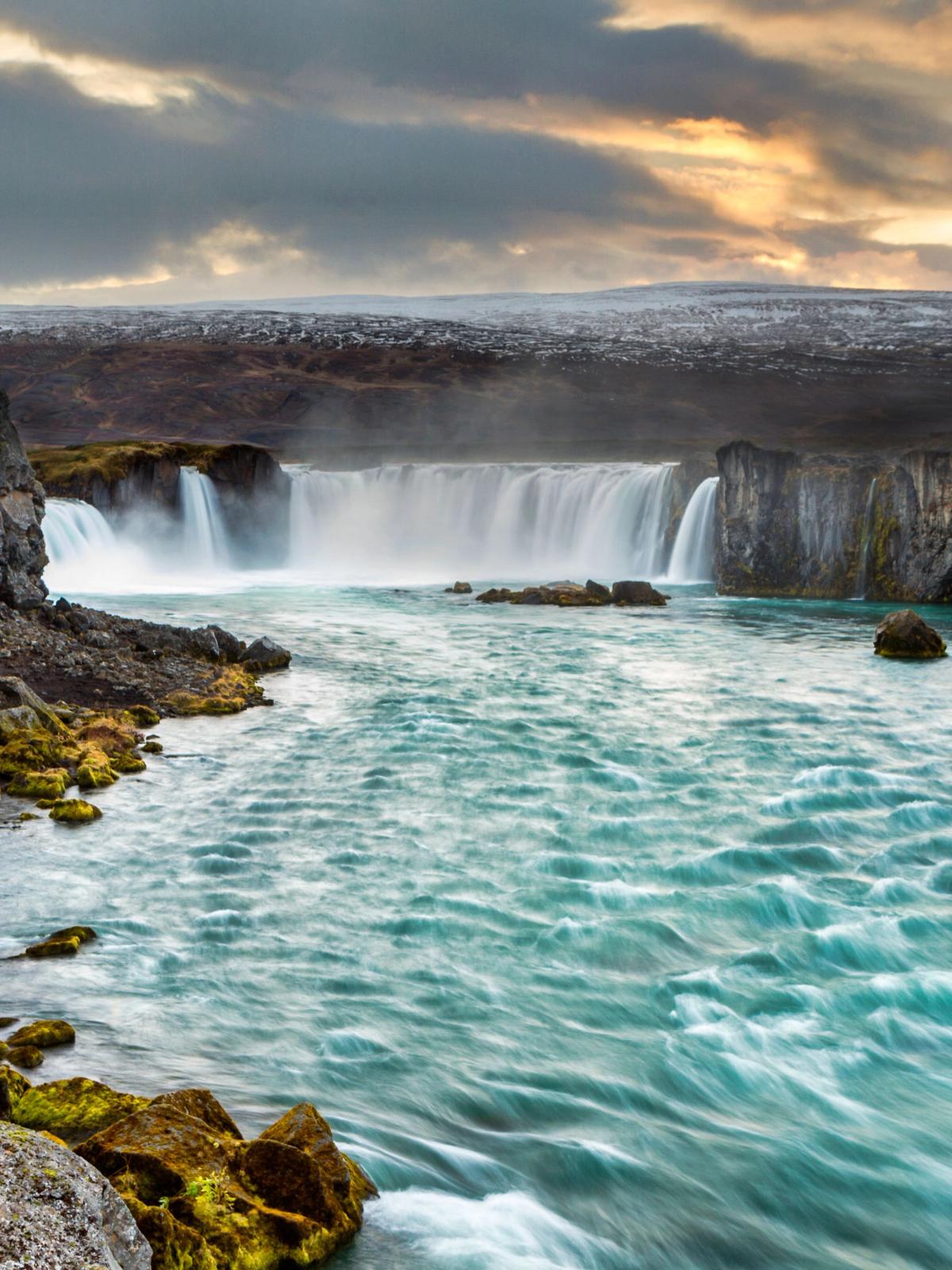
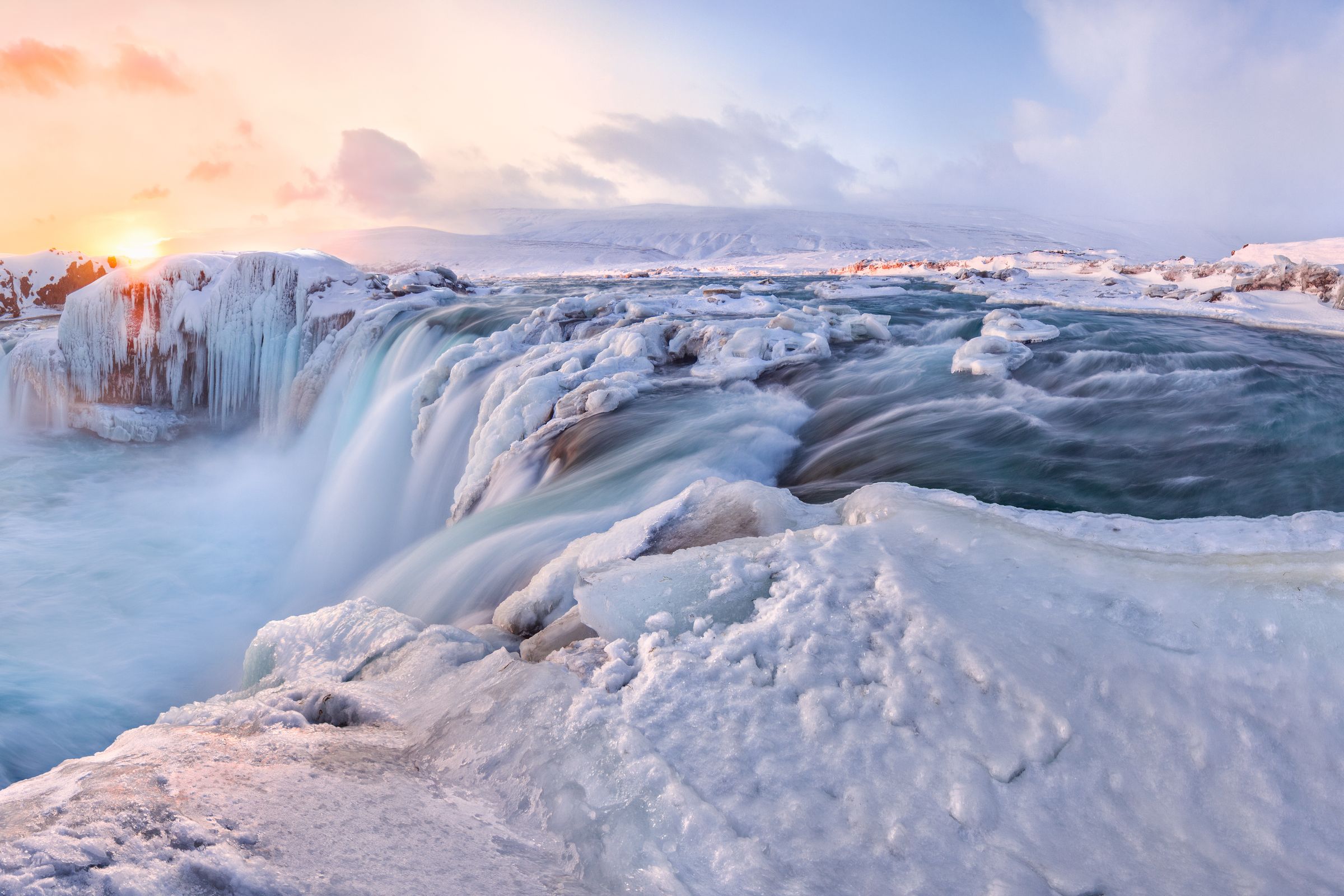
Goðafoss is right off the Ring Road, so it’s one of the easiest big waterfall stops in Iceland. The name means “Waterfall of the Gods,” and it’s tied to Iceland switching to Christianity around 1000 AD. According to saga tradition, the lawspeaker Þorgeir Ljósvetningagoði threw pagan idols into the falls after the Alþingi (the national assembly) decided the country would convert.
It’s about 30 meters wide and drops 12 meters in a curved, semi-circle shape. In winter, the ice around it can look like it’s framing the whole waterfall, and the mist freezes onto nearby rocks. The river feeding it (Skjálfandafljót) runs year-round, so you still get a steady flow even when it’s cold.
You can see it from both sides. The east bank has a cafe and restrooms (seasonal), and the west bank has broader views. There’s also a pedestrian bridge upstream that connects the sides if you want to do both. In winter, the paths get slick, so microspikes or crampons really help.
The best use of your time here is sticking to the main viewpoints. Forty-five minutes is enough to see both sides, take photos, and grab a coffee if the cafe is open. Winter morning light is low and soft, which is great for photos because you’re not dealing with harsh shadows.
Parking is usually plowed in winter, and the walk to the viewpoints is short, but the wooden steps and platforms can be icy, so just take it slow.
Stop 2: Lake Mývatn Area Highlights
Time: 10:45 AM-12:30 PM (1 hour 45 minutes)
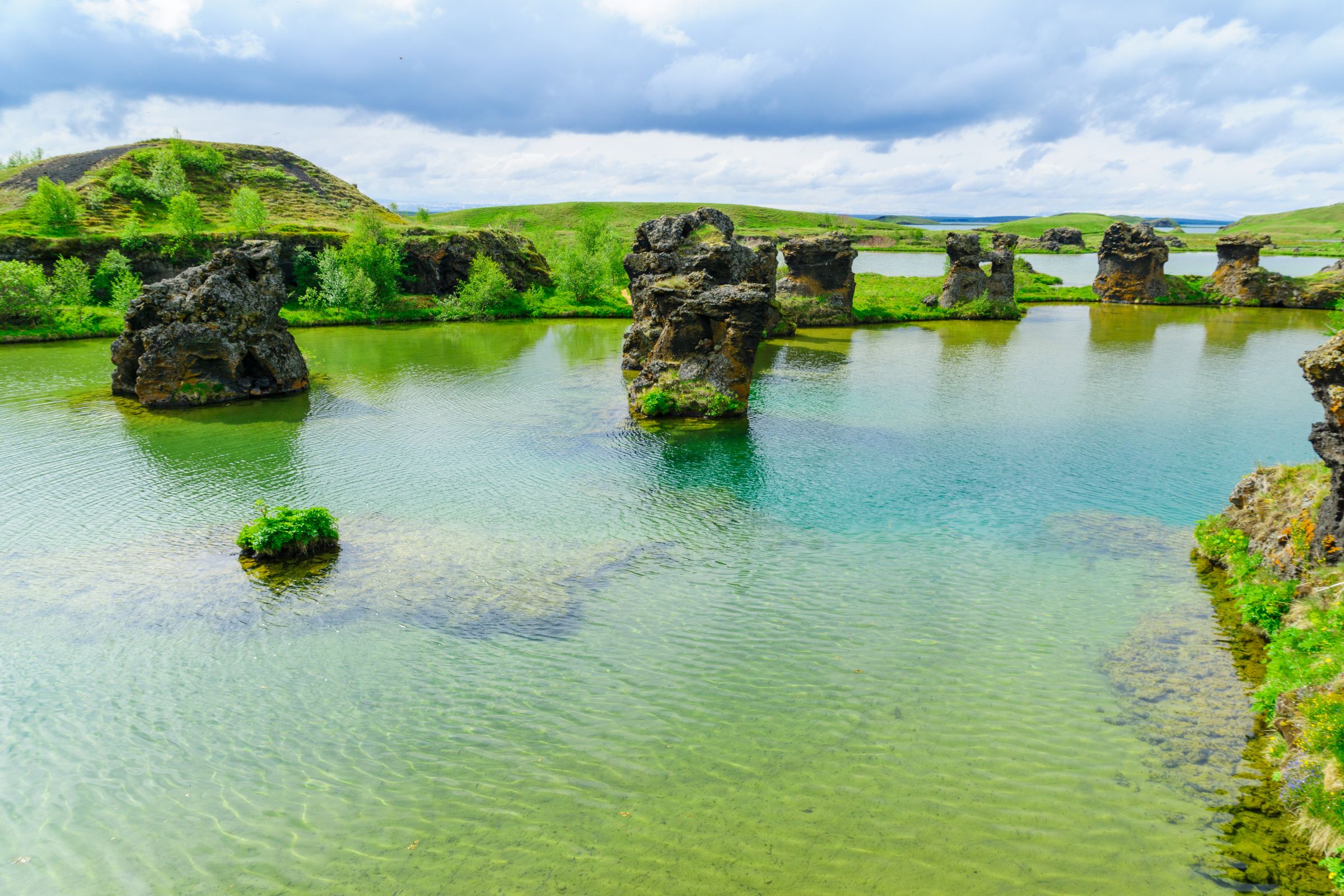
Lake Mývatn isn’t just one quick stop. It’s a whole cluster of volcanic and geothermal places close together, so you can see a lot without driving far. The lake formed around 2,300 years ago during a basaltic fissure eruption. Lava met wetlands, caused explosive reactions, and basically shaped the strange landscape you see today.
This whole area sits on the Mid-Atlantic Ridge, where the North American and Eurasian tectonic plates are slowly pulling apart. Add Iceland’s volcanic hotspot underneath, and you get constant geothermal activity. It’s not ancient history. This place is still geologically active.
Hverir Geothermal Area
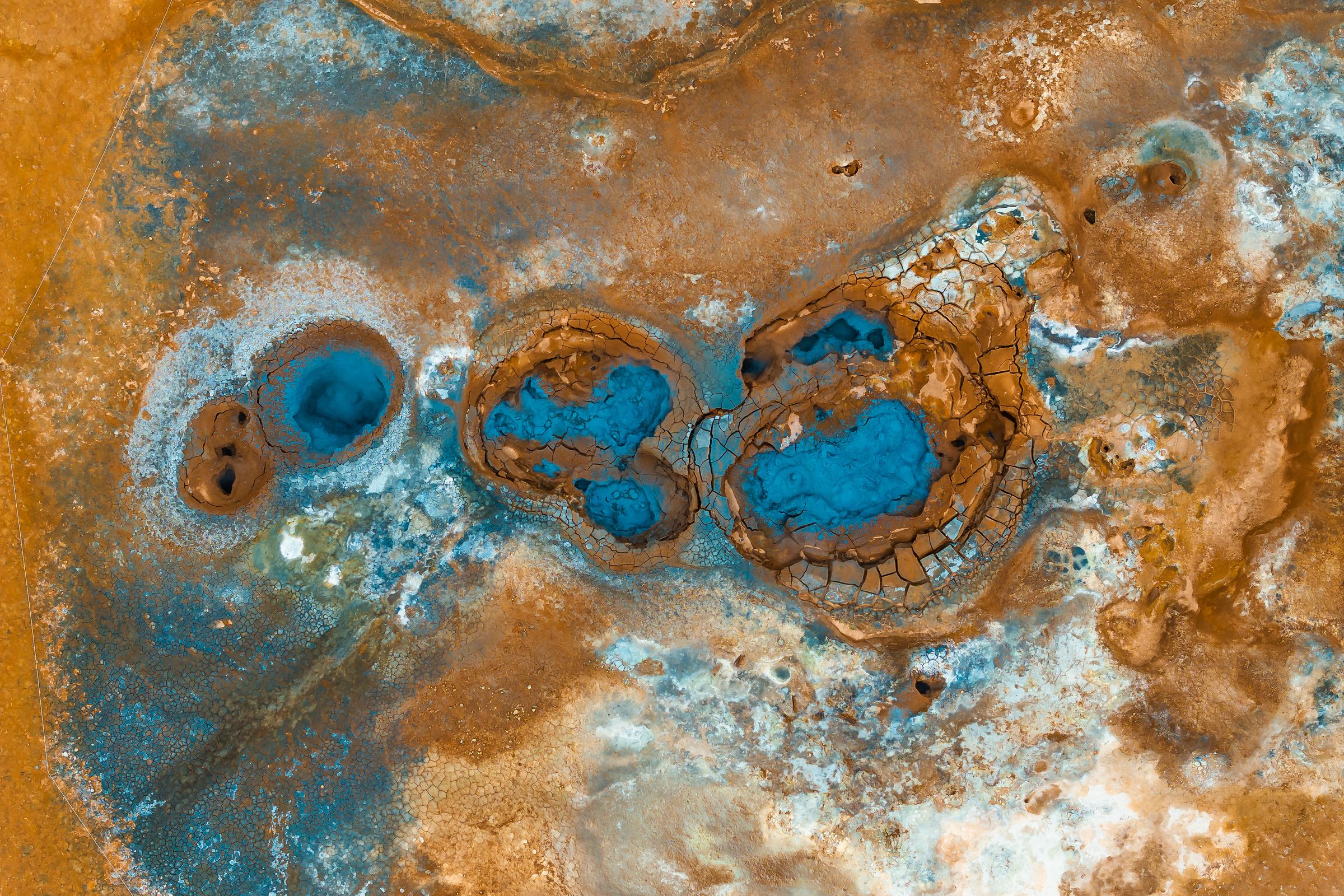
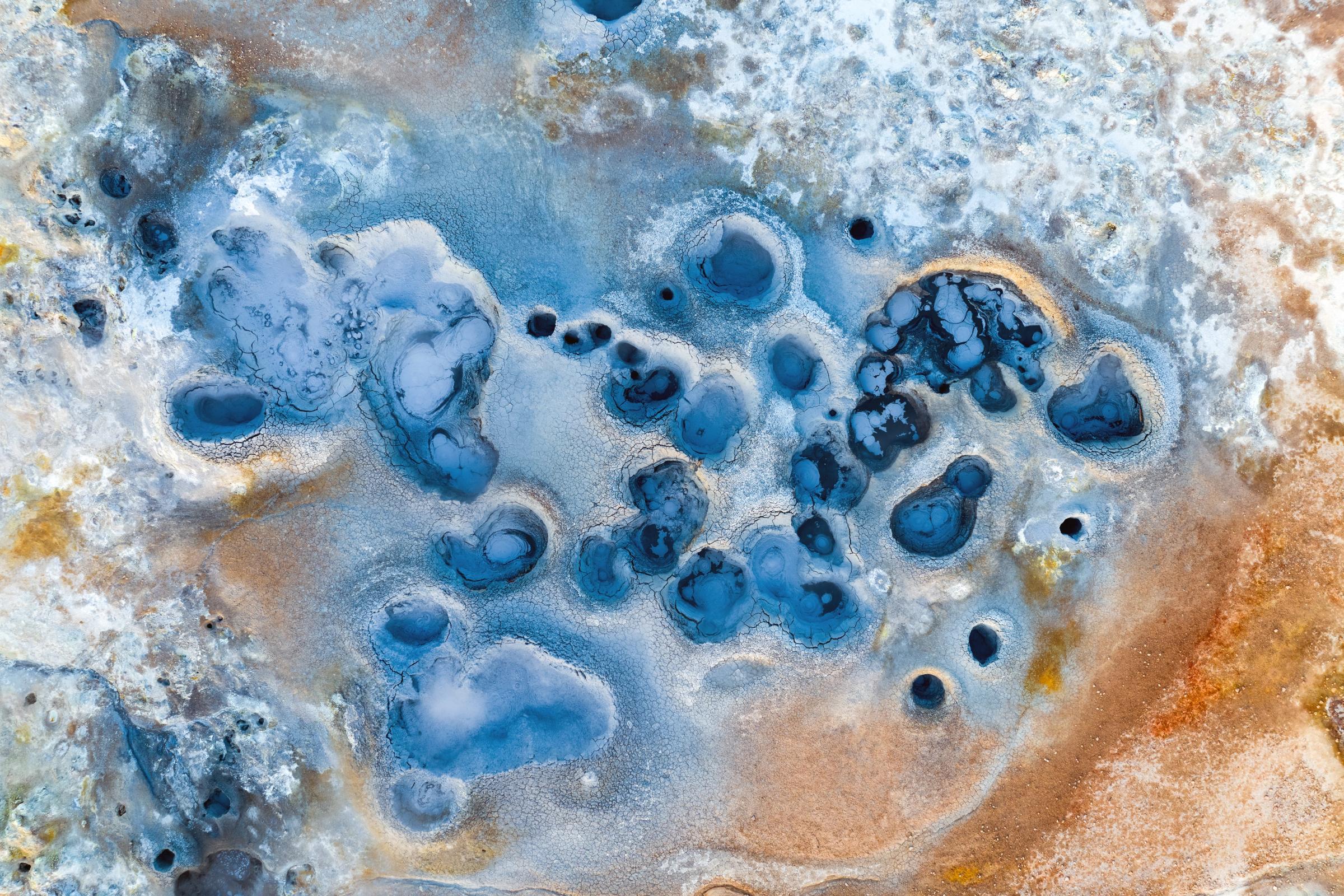
Start with Hverir, also called Námaskarð. It’s one of the most intense geothermal areas in Iceland. Steam vents hiss nonstop, mud pots bubble, and the ground is stained orange, red, and yellow from sulfur and iron. You’ll smell the sulfur right away. It’s strong.
There are marked paths and boardwalks, and you need to stay on them. The surface crust can be thin, and just under it is boiling mud. In winter, the steam looks even thicker in the cold air, and the contrast between hot vents and snow is kind of surreal.
You don’t need long here. Fifteen to twenty minutes is enough to walk the main loop and see the highlights.
Dimmuborgir Lava Fields
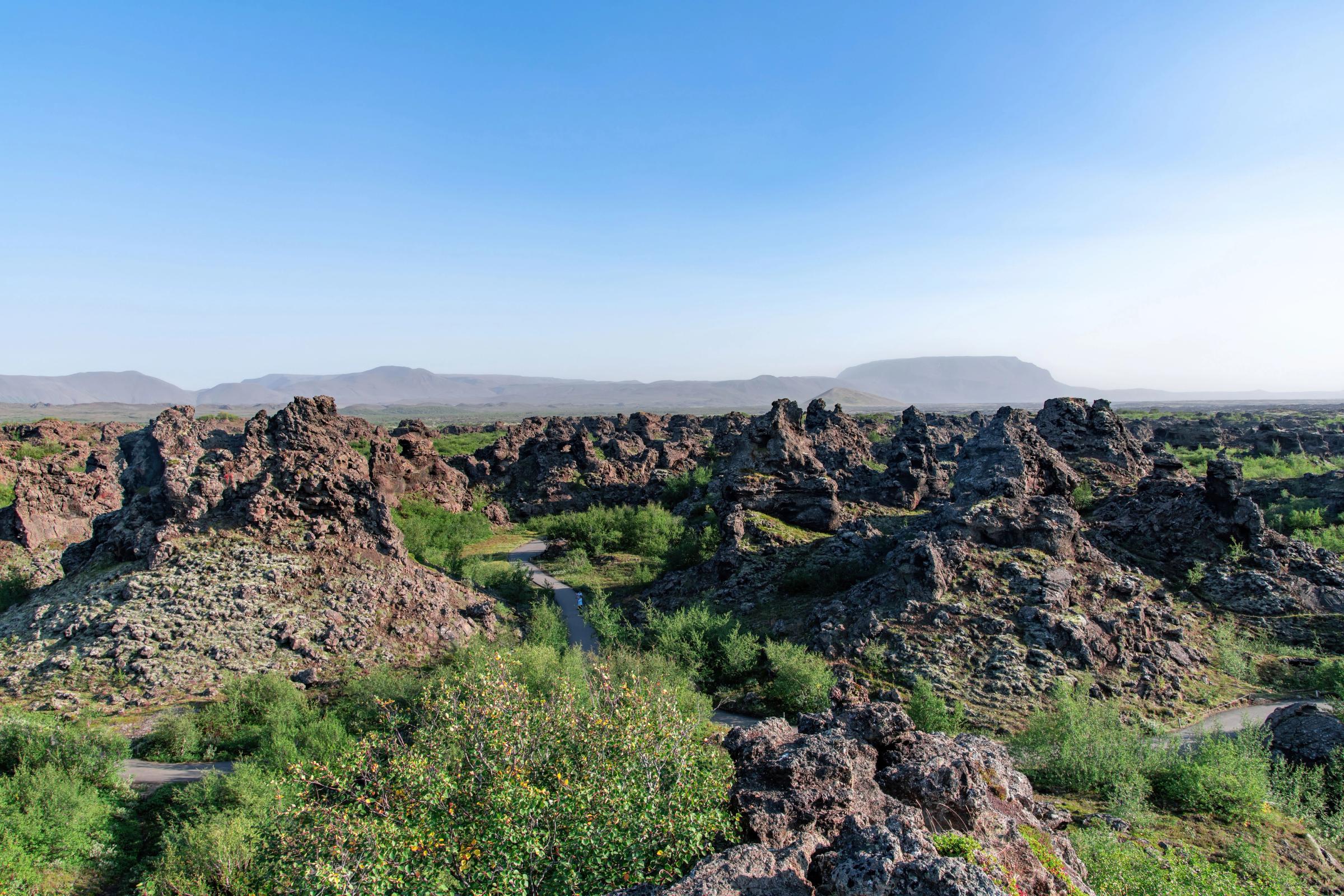
Next, head to Dimmuborgir. The name means “Dark Castles,” which makes sense once you’re walking around. This area formed when a lava lake drained away and left behind towers, arches, and cave-like shapes. Icelandic folklore says trolls and the Yule Lads live here.
There are a few marked trails. In winter, stick to the short Church Circle loop, which takes about 20 minutes. Snow covers the black lava, and the formations look even more dramatic against the white. It’s an easy walk, but it can be snowy or icy.
Skútustaðagígar Pseudo-Craters
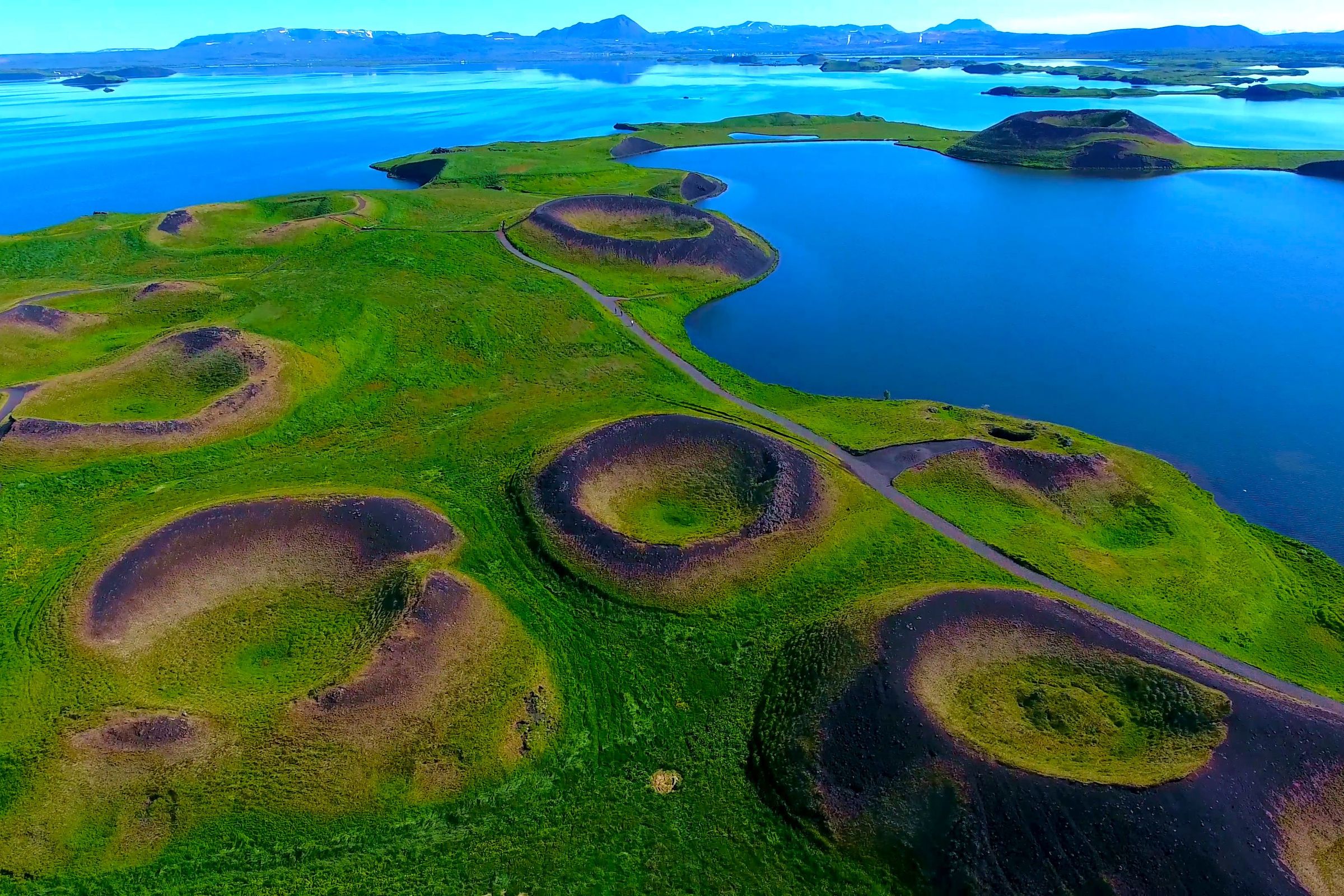
If you’re still on schedule, you can stop by the pseudo-craters near the southern shore of the lake. They look like volcanic craters, but they’re not. They formed when lava flowed over wetlands, and steam explosions pushed upward through the lava, creating these rootless cones.
You can walk around them in about 10 minutes. They’re interesting from a geology point of view, but visually they’re not as striking as Hverir or Dimmuborgir. If you’re tight on time, this is the easiest thing to skip.
Lunch Stop
Reykjahlíð village sits on the northeast side of Lake Mývatn. There are a couple of cafes and a small grocery store. This is the practical lunch stop. Grab soup, a sandwich, something simple. Don’t expect a big selection.
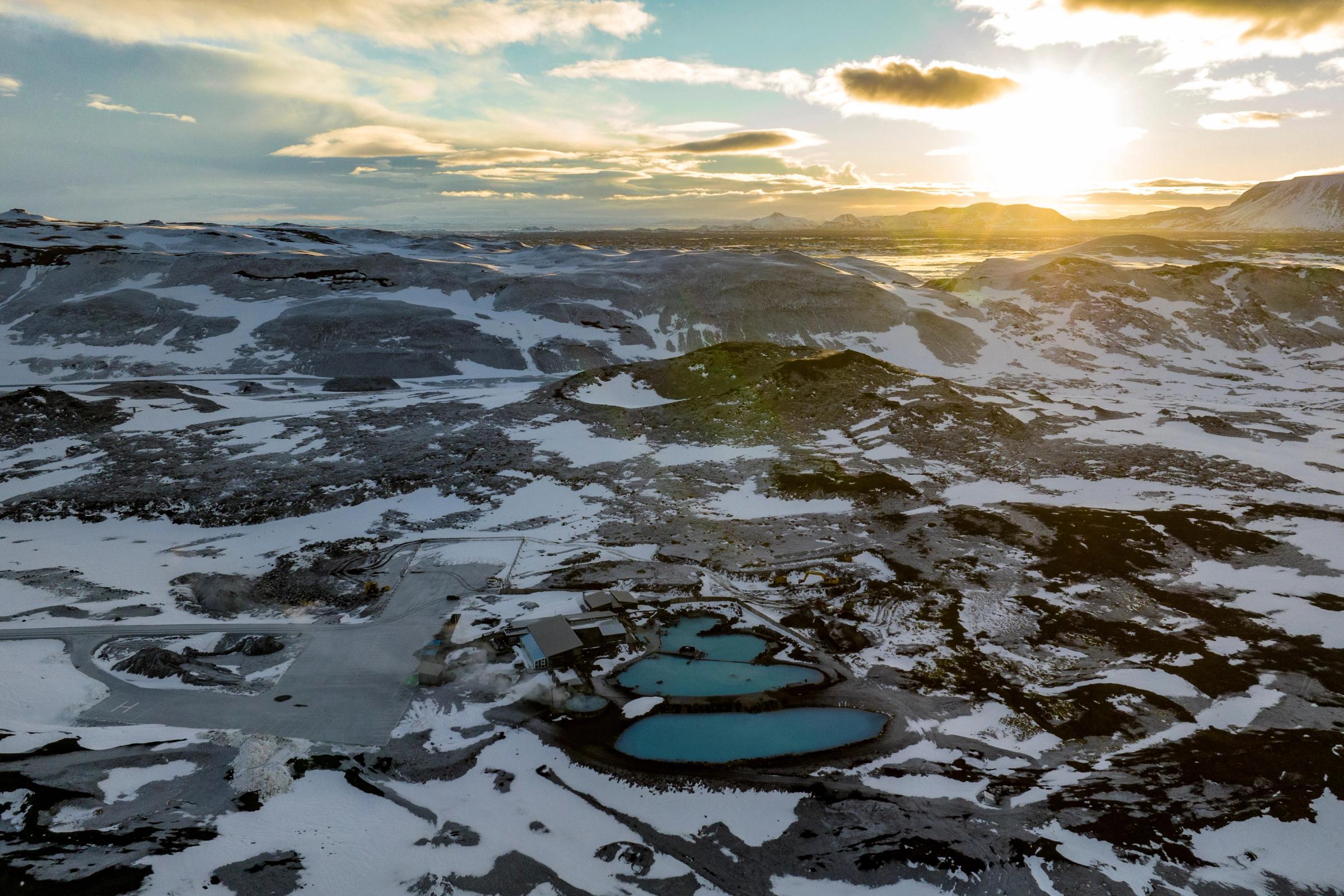
If you’re thinking about adding the Earth Lagoon Mývatn, this is where they are. It’s a geothermal pool complex, similar idea to the Blue Lagoon but usually less crowded. Entry is around 5,000 ISK (about $35), and you’ll need at least 30 to 60 extra minutes. In winter, sitting in hot water while snow falls is honestly amazing. But it does eat into your schedule, so only add it if you’re willing to cut time somewhere else.
Stop 3: Dettifoss & Selfoss (Vatnajökull National Park)
Time: 1:15-2:15 PM (1 hour)
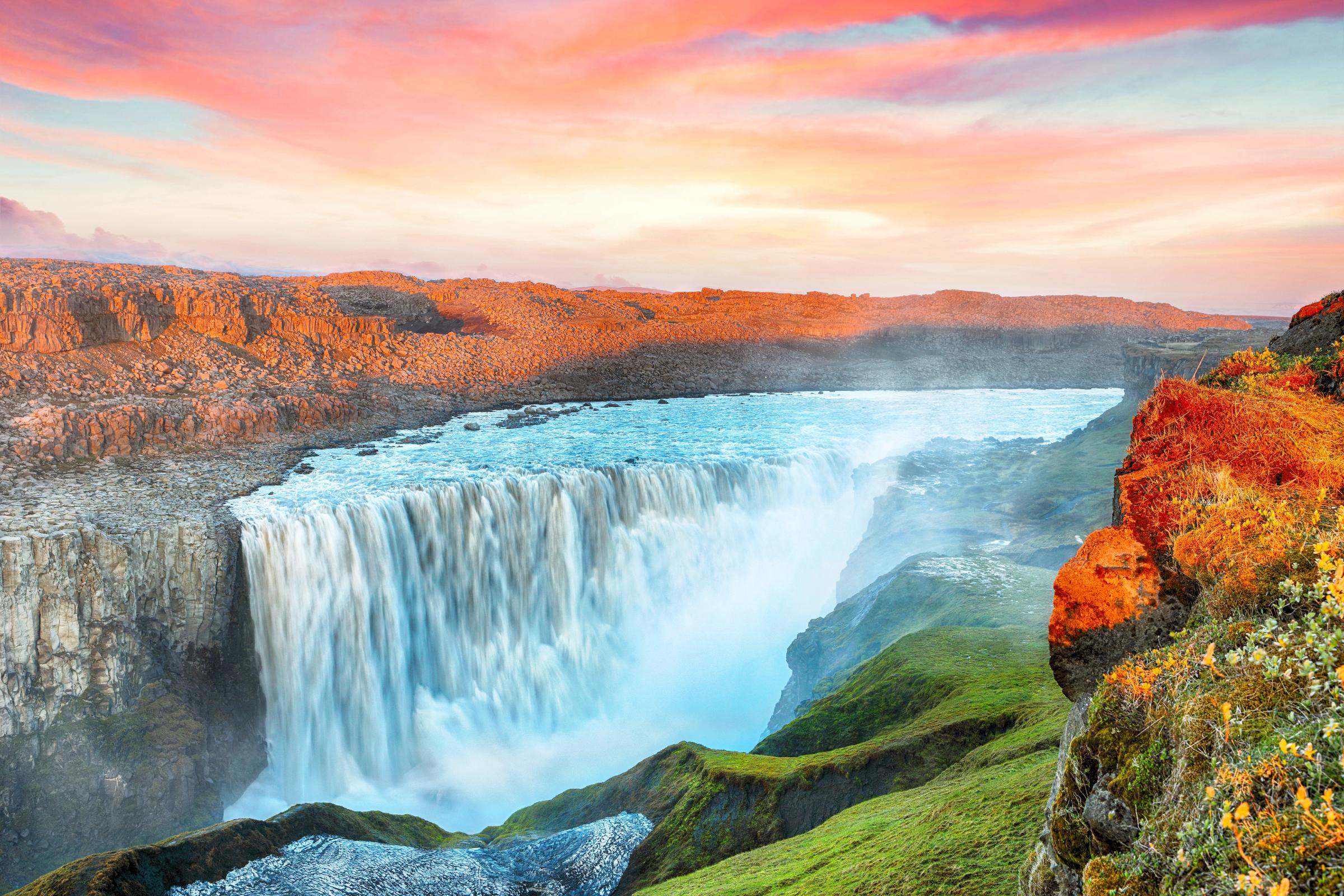
Dettifoss is often described as Europe’s most powerful waterfall by volume. It’s 100 meters wide and drops 45 meters. The water comes from Vatnajökull, Iceland’s huge ice cap, and flows down the Jökulsá á Fjöllum river in Vatnajökull National Park. The water looks gray-white because it’s full of glacial sediment. When you get close, you can feel the vibration in the ground.
In winter, ice builds up around the edges, and the spray can freeze onto rocks and railings. The water volume is lower than peak summer, but it’s still intense. Wind here can be rough. If it’s blowing toward you, the spray can soak you fast. A waterproof jacket is not optional.
Use Route 862 to reach the west-side parking lot. It’s paved and maintained. From the lot, it’s about a 10-minute walk to the main viewpoint, mostly flat. In winter, it can be icy, so microspikes are useful again.
Selfoss is about 1 kilometer upstream. A lot of people skip it, but if the path is clear, it’s worth the extra walk. It’s wider and more curved, and many people actually prefer how it looks in photos. It feels more open and less chaotic than Dettifoss.
Plan 45 to 60 minutes total. Go to Dettifoss first. Then, if conditions are decent, walk to Selfoss. If the path is buried in snow or super icy, just stick to the main Dettifoss viewpoint and don’t push it.
Hafragilsfoss is further downstream, but it’s accessed from the east side (Route 864), which is usually closed in winter. Save that for another trip.
Also, don’t expect cell service here. It’s basically gone. Check road and weather conditions before you leave Mývatn.

Stop 4: Ásbyrgi Canyon
Time: 2:45-3:30 PM (45 minutes)
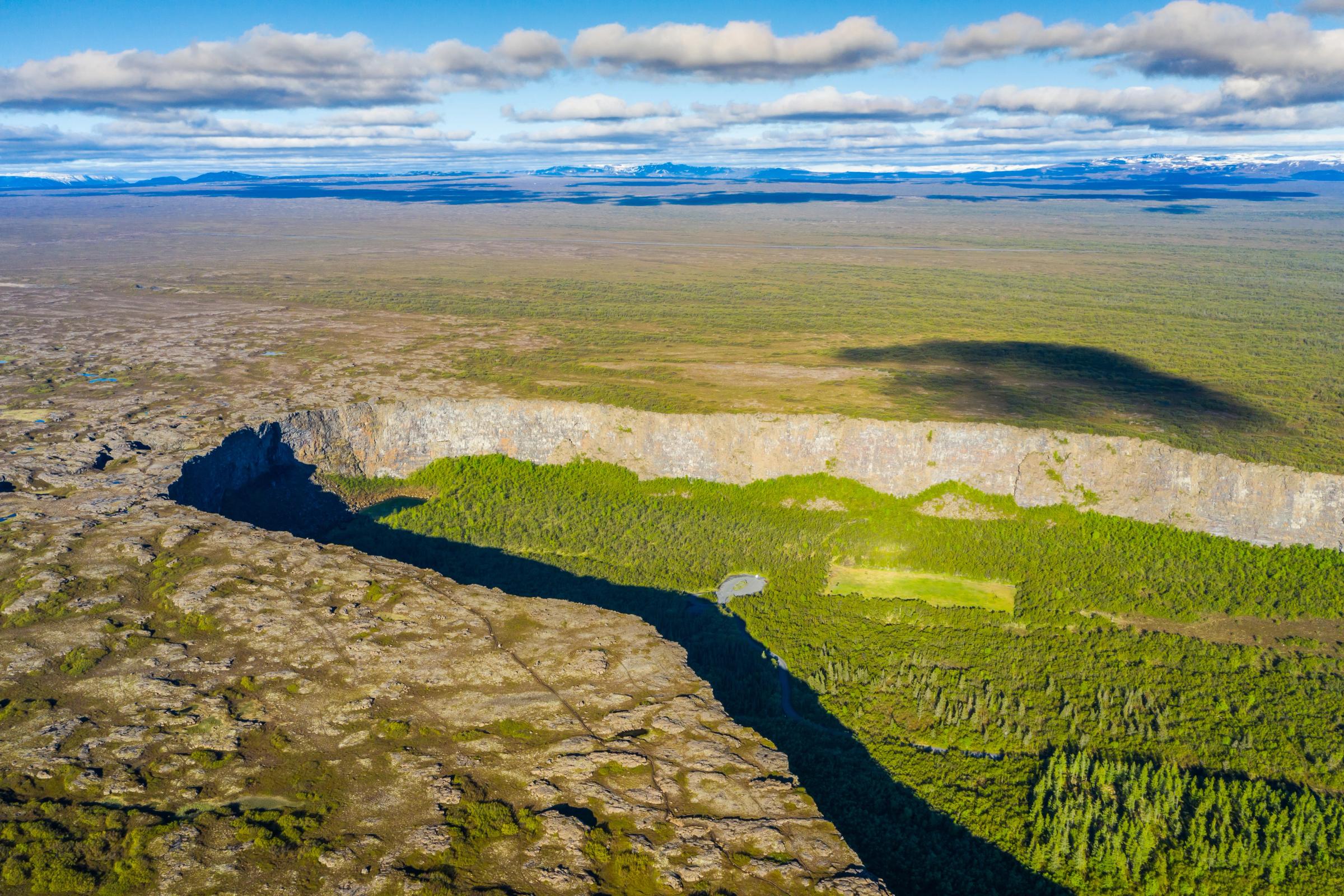
Ásbyrgi is a huge, horseshoe-shaped canyon about 3.5 kilometers long and up to 100 meters deep. It was carved by massive glacial floods thousands of years ago, when the Jökulsá á Fjöllum river broke through ice dams and surged through this area with insane force.
There’s also a Norse mythology explanation. The shape is said to be the hoofprint of Sleipnir, Odin’s eight-legged horse. The geological explanation makes more sense, but the legend is still a nice detail.
In winter, the canyon feels quiet and almost enclosed. There’s a small forest inside, which is unusual for Iceland, and a pond called Botnstjörn near the center.
The simplest plan is to walk the short trail to Botnstjörn. It’s about 20 to 30 minutes round trip and mostly flat. In winter, there can be deeper snow, so waterproof boots are important.
If you’re behind schedule or the roads are worse than expected, this is the most skippable of the five main stops. It’s beautiful, but if you need to save time before sunset, head straight to Húsavík instead.
The visitor center (Gljúfrastofa) is part of Vatnajökull National Park, but it may be closed in winter. The viewpoints and parking are still accessible.
Stop 5: Húsavík
Time: 4:00-5:00 PM (1 hour)
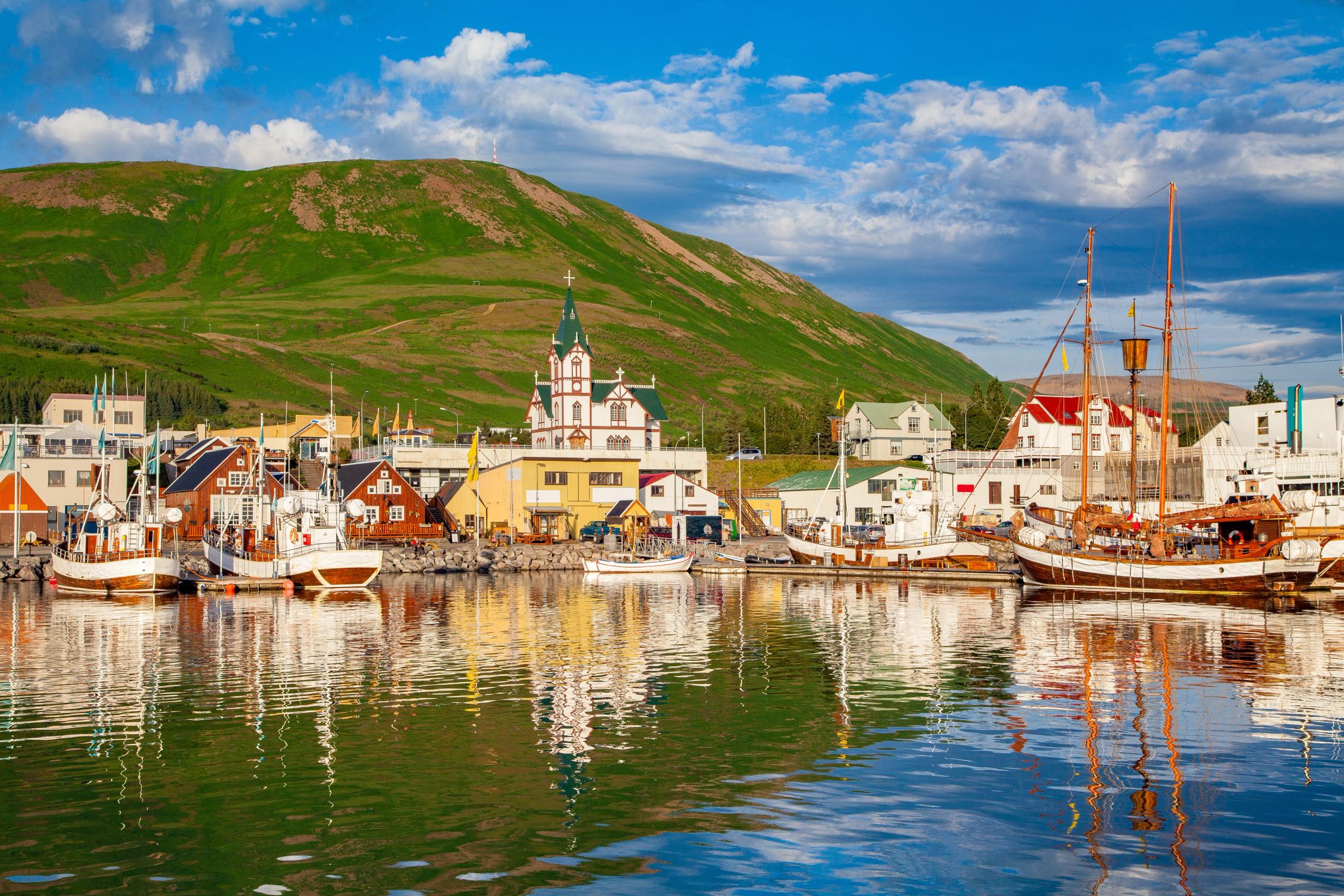
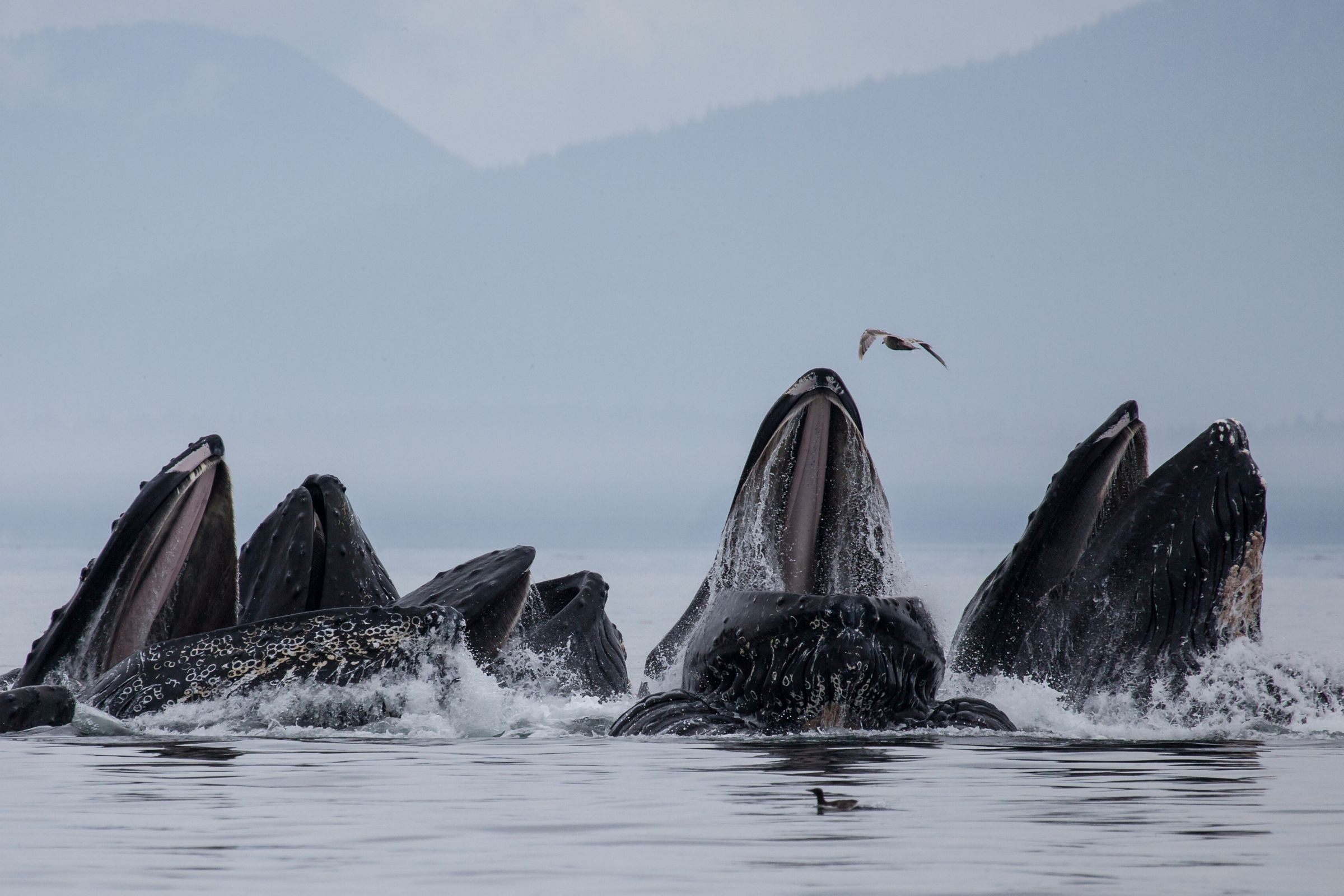
Húsavík sits on Skjálfandi Bay and is known as Iceland’s whale-watching capital. In summer (May to September), humpbacks, minke whales, and white-beaked dolphins are common. Sometimes you’ll see orcas or even blue whales. Winter tours do run occasionally, but you need to book ahead and check conditions.
Whale tours last 2 to 3 hours and cost around 13,990 ISK (about $115). They don’t really fit into this one-day plan unless you skip other stops or extend your day into the evening. If whale watching is your top priority, you’d need to plan the whole day around a departure time and probably cut Ásbyrgi.
If you’re not doing a tour, spend about an hour in town. Walk around the harbor. The colorful boats and wooden buildings with mountains in the background make it an easy place to just wander.
You can visit the Húsavík Whale Museum. Entry is 2,650 ISK (about $22), and you’ll need roughly 30 minutes. It covers whale biology and Iceland’s whaling history.
Another option is GeoSea, the geothermal sea baths on a cliff overlooking the ocean. Entry is 7,490 ISK (around $62). The infinity-style pools looking out over the bay are a great way to end the day, especially in winter. If you go, plan 45 to 60 minutes.
After Húsavík, drive back to Akureyri via Route 85 and Route 1. It’s about 65 kilometers and takes roughly 50 minutes. If you leave around 5 PM in winter, you’ll get back around 6 PM, with plenty of daylight to explore Akureyri.
Hidden Gems Along the Diamond Circle
If you have extra time, or you’re coming back for a second visit, there are a few less obvious stops that are really worth knowing about.
Grjótagjá Cave
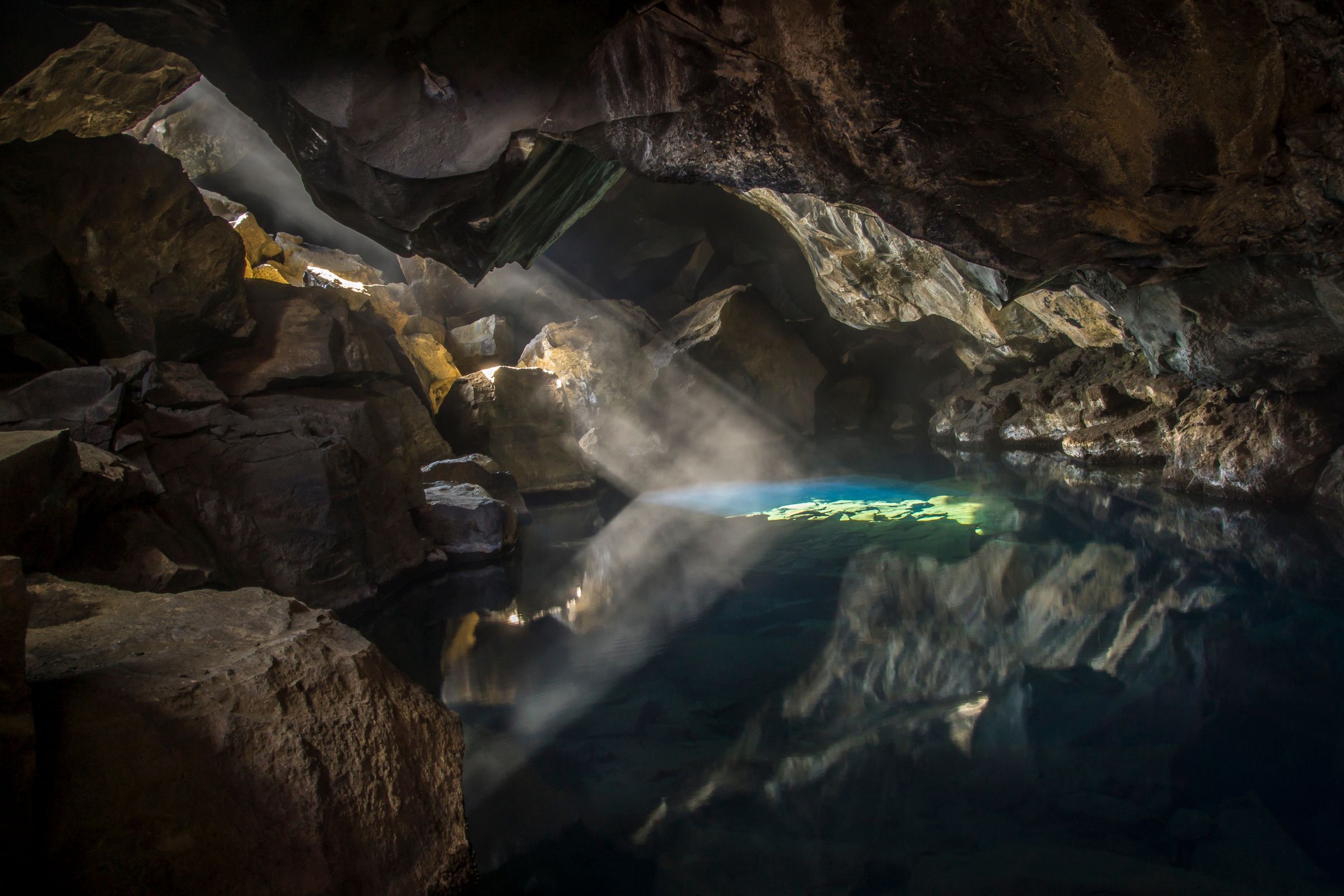
Grjótagjá is a small lava cave near Mývatn with a hot spring inside. A lot of people know it from Game of Thrones, but the water is usually too hot for bathing now. Temperatures change, but it’s not a safe soaking spot anymore.
Even so, it’s a cool place to see. In winter, snow piles up around the entrance, and when you step inside, you’ve got this bright blue water inside a dark lava cave. It only takes about 10 minutes to visit, so it’s an easy add-on if you’re nearby.
Hljóðaklettar (Echo Cliffs)
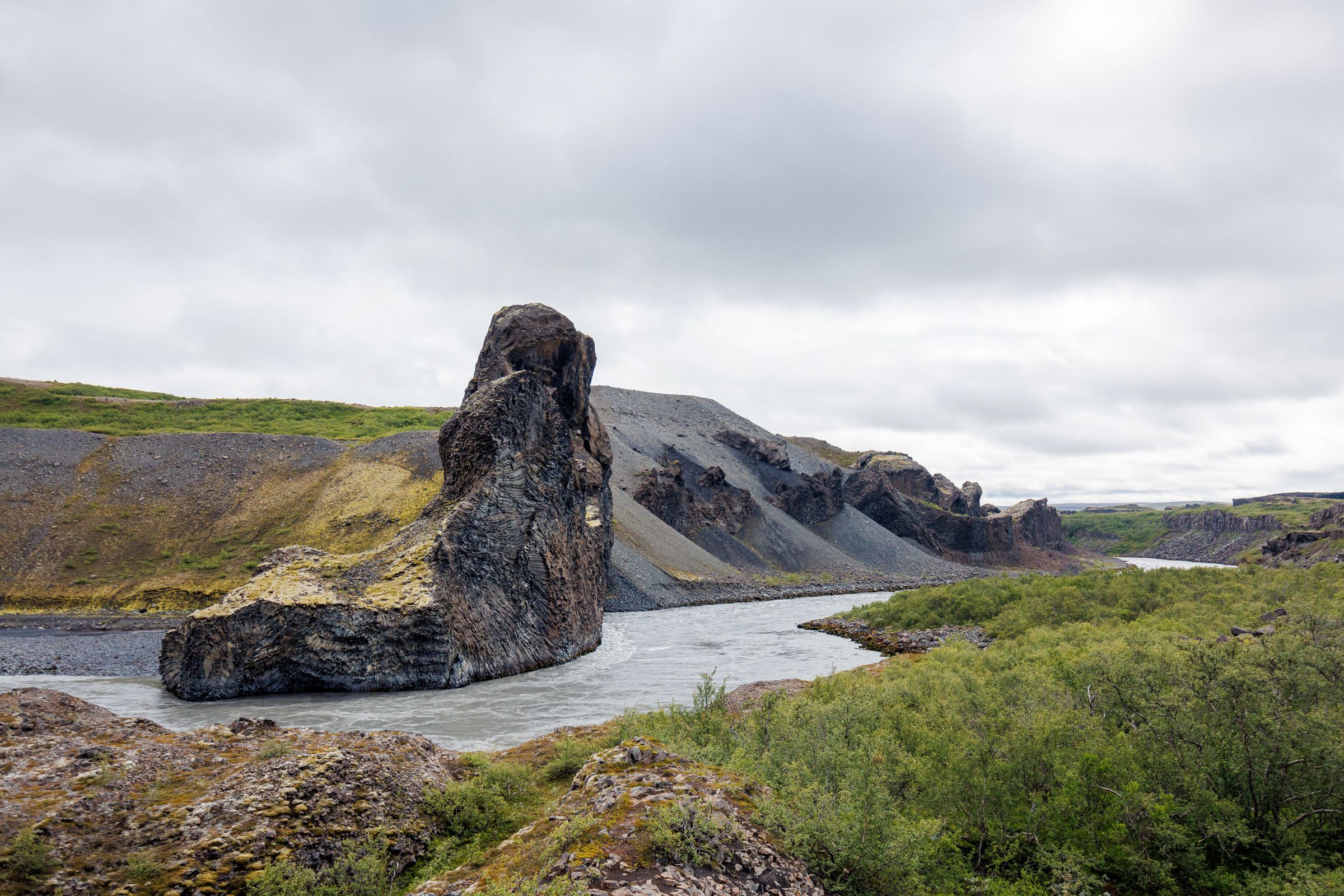
Hljóðaklettar sits in the Jökulsárgljúfur canyon area near Dettifoss. The rock formations here are strange in the best way. Basalt columns have been twisted and shaped by glacial floods into geometric patterns.
The name means “Echo Cliffs,” because the acoustics here are unusual. Sounds bounce in odd ways off the rock walls. It’s a bit of a detour from Route 862 and takes extra time, so it’s not ideal for a tight one-day plan, but if you’re into geology or photography, it’s a strong addition.
Krafla Volcanic System
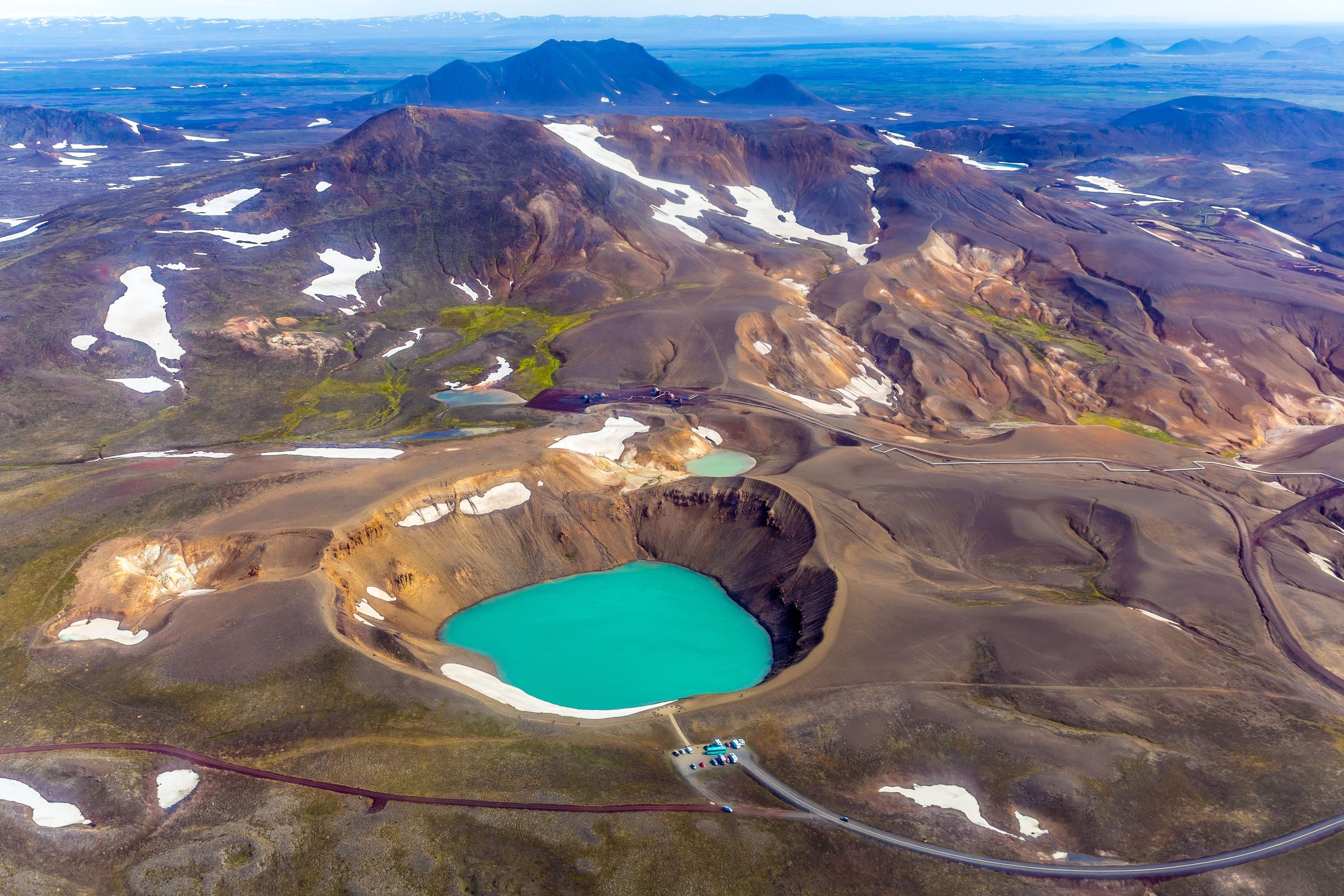
Krafla is near Mývatn and includes Leirhnjúkur lava field and Viti crater.
At Leirhnjúkur, you can walk over relatively fresh lava from eruptions in the 1980s. There are still steam vents and colorful mineral deposits. It feels active, not ancient. The trails are marked, but give yourself time if you add this.
Viti is a crater with a bright blue lake inside. You can walk around it in about 20 minutes. Both spots are impressive, but together they’ll easily add 1 to 2 hours to your Mývatn section.
Tjörnes Peninsula
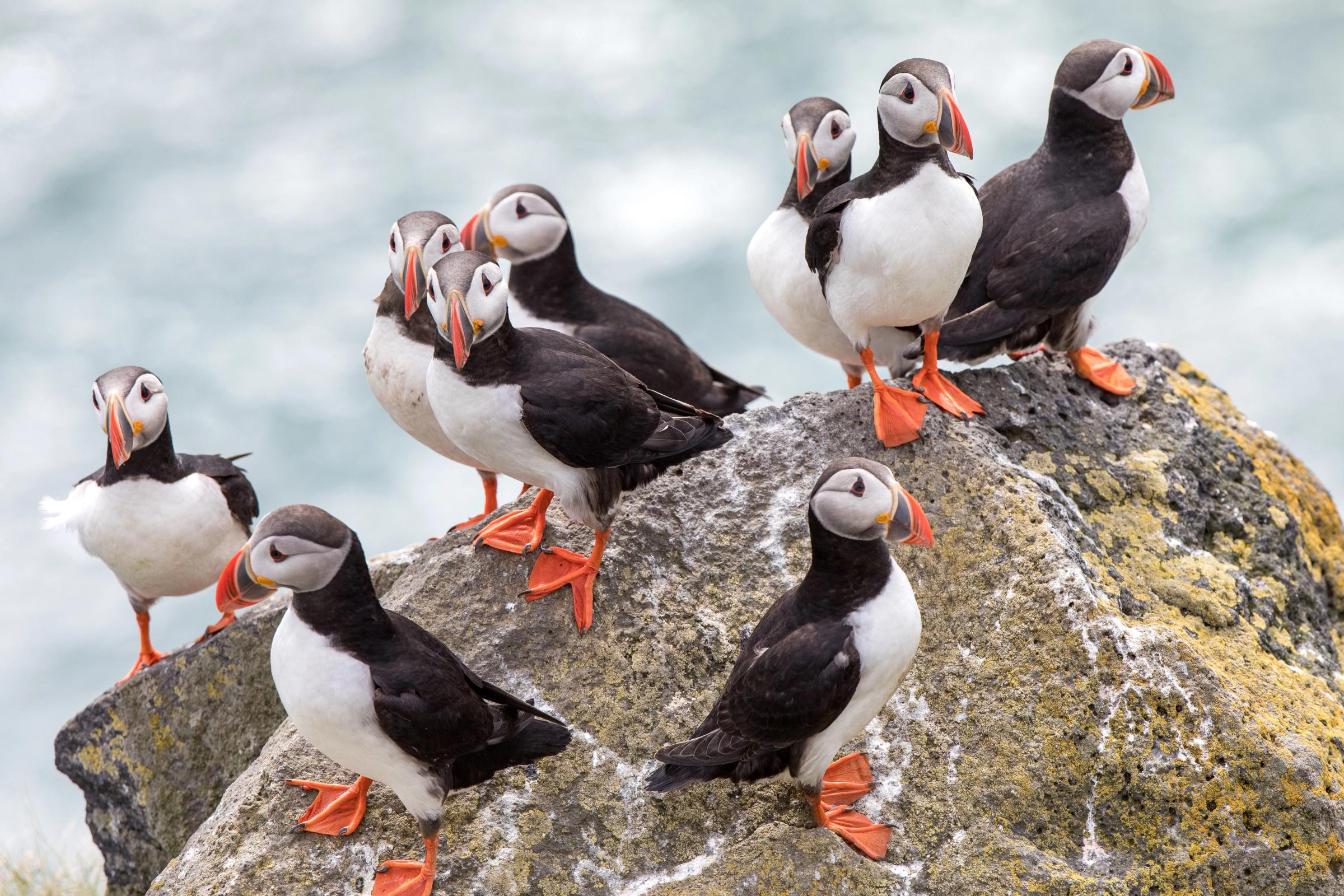
North of Húsavík, Tjörnes Peninsula stretches along the coast. It’s quieter and less visited. You’ll see coastal cliffs, visible fossil layers in the rock, and birdlife in summer, including puffins.
If you’re not rushing and the weather is clear, the coastal drive itself is peaceful and scenic.
Practical Travel Tips for a 1-Day Diamond Circle Trip
North Iceland is not the place to wing it, especially in winter. Weather and road conditions can change fast, and being prepared really matters.
Road Conditions
Check road.is before you leave in the morning. It shows live road conditions, closures, and webcams. You can also call 1777 for recorded road info.
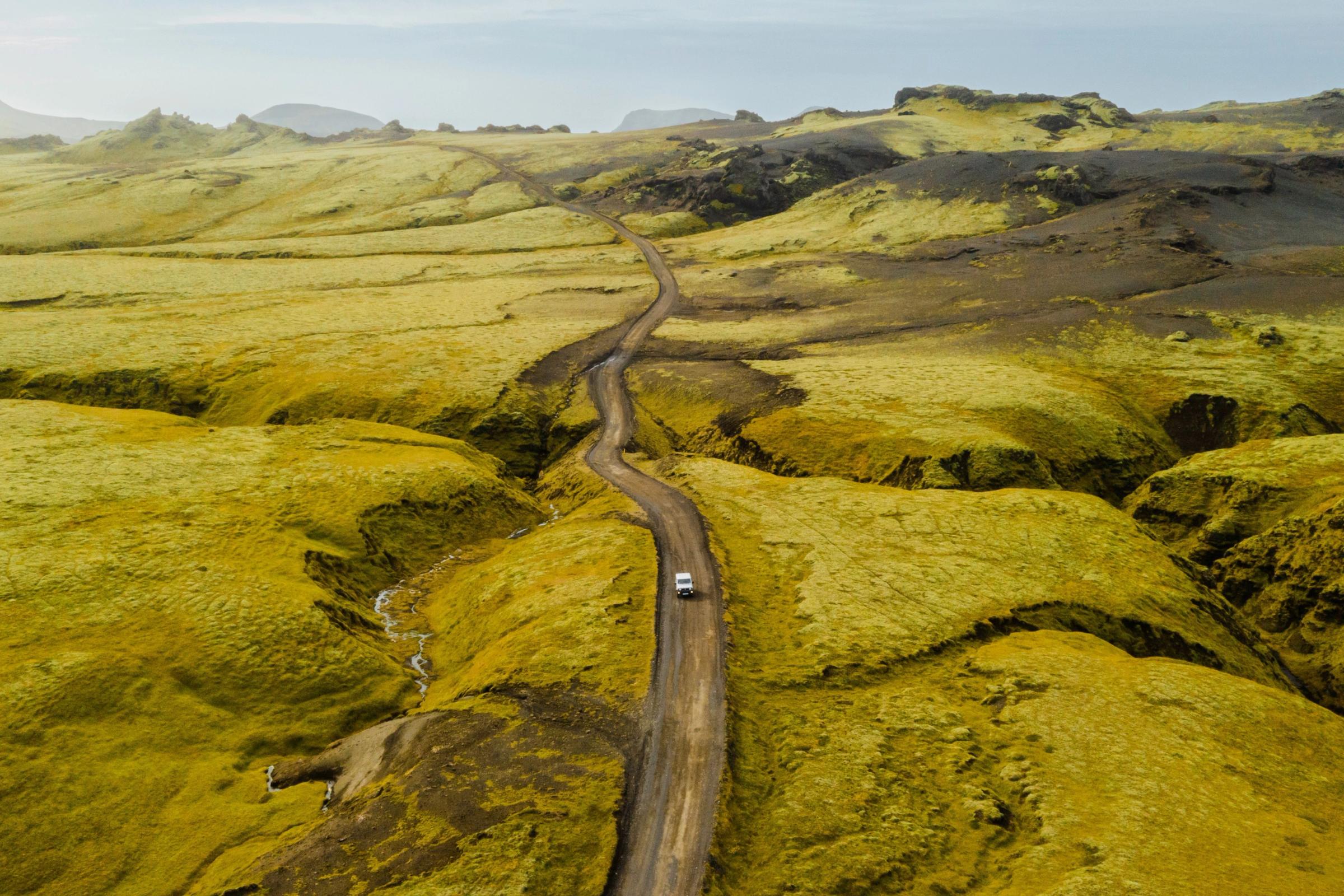
In winter, expect snow and ice on the Ring Road (Route 1), Route 85, and Route 862. Route 864 (east side of Dettifoss) is gravel and closes seasonally. F-roads (mountain roads) are closed in winter and illegal to drive anyway.
Stick to speed limits. It’s usually 90 km/h on paved roads and 80 km/h on gravel, but in snow you’ll go slower. Wind gusts can hit hard in open areas, especially near Dettifoss. And yes, sheep can wander onto roads, even in colder months.
Weather Considerations
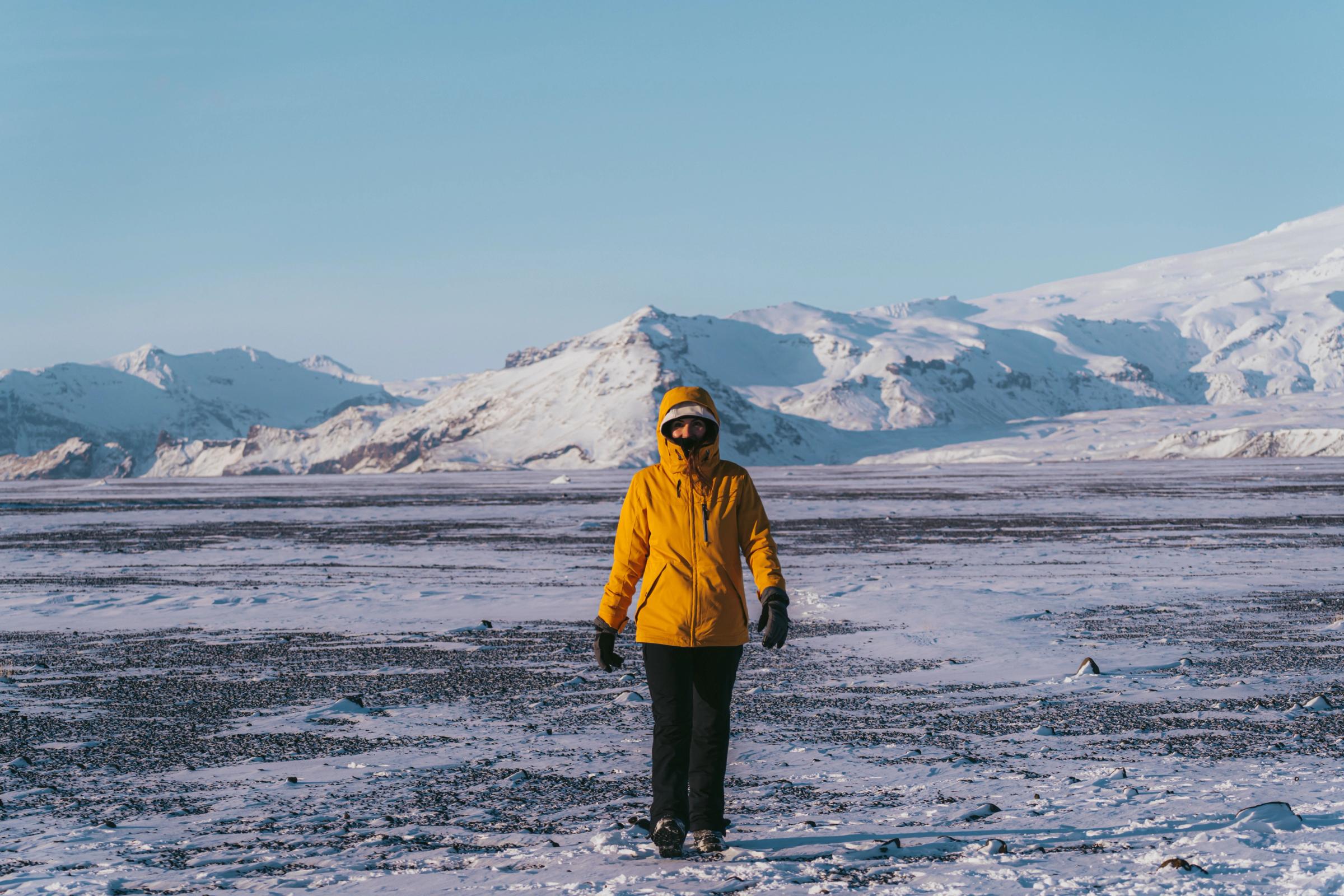
North Iceland's weather is unpredictable. In February, temperatures usually range from -5°C to 5°C (23-41°F), but the wind makes it feel colder. Use vedur.is (Icelandic Met Office) for forecasts and aurora updates.
In mid-winter, daylight is short. Around 8 to 9 hours in February. Start early, around 8 to 8:30 AM, to make the most of it. In summer, it flips completely. In June, you can still have light close to midnight.
Wear layers. Thermal base layer, fleece or insulated mid-layer, and a waterproof outer shell. Add gloves, a warm hat, and waterproof boots. Bring a small emergency kit in the car: blanket, snacks, water, and a phone charger. If you get delayed or stuck, you’ll be glad you have it.
Fuel & Food Stops
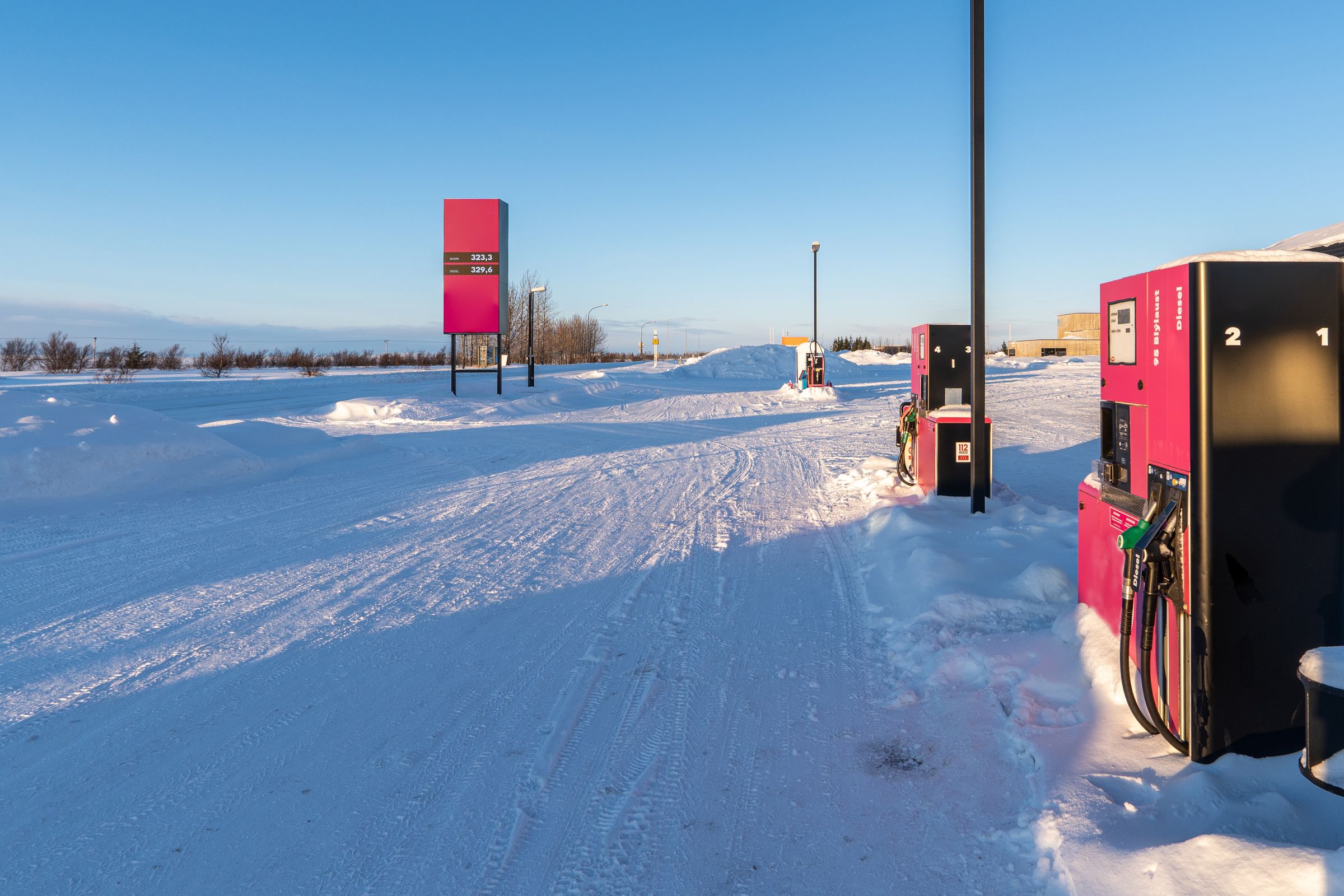
Fuel stations are in Akureyri (several N1 and Orkan stations), Reykjahlíð near Mývatn, and Húsavík. There’s nothing at Dettifoss or Ásbyrgi. A good rule is to fill up when you hit half a tank. Fuel usually costs around 200 to 300 ISK per liter (about $1.40 to $2.10).
Food options are limited. Bring snacks and water from Akureyri before you leave. Reykjahlíð has a few cafes and a small grocery store. Húsavík has restaurants and a supermarket.
What to Pack
In winter: waterproof jacket and pants, microspikes or crampons for icy paths, insulated gloves, wool socks, thermal layers, waterproof boots, sunglasses (snow glare is real), and maybe a thermos for something hot.
Year-round: offline maps downloaded, an external battery for your phone, a camera with some kind of waterproof protection for Dettifoss spray, an emergency kit, and a car charger.

Best Time to Visit the Diamond Circle
Summer (June to August) is the easiest time to do this loop. Roads are clear, daylight stretches 20 hours or more, and all access roads are open. Temperatures usually sit around 10 to 15°C (50-59°F). July and August are the busiest months, especially at Goðafoss and Dettifoss.
Shoulder seasons, May and September, are a nice middle ground. Fewer people, decent conditions, and most roads are still open. September can bring fall colors and early northern lights.
Winter (October to April) is beautiful but more demanding. Snow changes the look of everything, northern lights are possible, and crowds drop. But you’ll deal with 6 to 9 hours of daylight, icy roads, and possible closures, depending on the month. You need to be comfortable with winter driving and flexible plans.
Spring (April to May) is unpredictable. Some years still feel like winter, others clear up early. Daylight increases quickly, and roads improve as temperatures rise.
Is 1 Day Enough for the Diamond Circle?
Yes, if you’re organized and okay with moving at a steady pace. You’ll see all five main stops and get a strong sense of North Iceland’s landscapes. It’s a long day, around 8 to 10 hours, but it’s realistic.
It’s easiest in summer. In winter, it’s tighter and can feel rushed if conditions aren’t ideal. If roads close or weather shifts, you may need to cut stops or skip parts of the loop.
Two days is better if you want to slow down. For example:
- Day 1: Goðafoss and the Mývatn area, stay overnight near Reykjahlíð.
- Day 2: Dettifoss, Ásbyrgi, and Húsavík, then back to Akureyri.
That pacing feels much more relaxed.
Three days is ideal if you want to hike more (Krafla, Ásbyrgi rim, Hljóðaklettar), spend real time in hot springs, or explore Tjörnes Peninsula. You’ll feel like you explored instead of just ticking off stops.
If you’re doing a full Ring Road trip, two days for the Diamond Circle fits well into a one-week Iceland plan.
Conclusion
The Diamond Circle fits a huge range of landscapes into one loop. You’ll stand next to powerful waterfalls, walk through geothermal areas where steam comes straight out of the ground, look into a canyon carved by massive floods, and end the day in a small harbor town on the edge of the Arctic.
One day is enough to see the highlights, but it’s full. If you’re okay with an early start, steady pacing, and winter driving, if that applies, you can cover all five main stops and still enjoy them.
Frequently Asked Questions About the Diamond Circle Itinerary