3-Day Golden Circle Itinerary: The Complete Guide to Iceland's Most Famous Route
Three days on the Golden Circle is a completely different experience from one. You're not driving from checkpoint to checkpoint, you're actually spending time at places, doing hikes you'd otherwise skip, soaking in hot springs, maybe getting on a glacier, and sleeping somewhere dark enough to see the Northern Lights.
The route itself is the same ~300 km loop from Reykjavík. The three main stops don't change: Þingvellir National Park, the Geysir Geothermal Area (where Strokkur is), and Gullfoss Waterfall. But when you're not trying to do it all in one day, you actually get to enjoy them.
This guide goes day by day: how long to drive, where to sleep, how much time to spend at each place, and what's actually worth adding on.
Golden Circle Map Overview & 3-Day Route Breakdown
The full loop is about 300 km from Reykjavík. Split over three days, you're looking at 1–2 hours of driving per day. Here's the basic plan:
- Day 1: Reykjavík → Þingvellir → Laugarvatn
- Day 2: Laugarvatn → Geysir → Gullfoss → Langjökull area
- Day 3: Secret Lagoon → Kerið Crater → optional stops → Reykjavík
Key Roads
Route 36 gets you to Þingvellir. Route 365 connects to Laugarvatn. Route 35 (Biskupstungnabraut) takes you through Haukadalur Valley to Geysir and Gullfoss. Route 1, the Ring Road, brings you back to Reykjavík at the end.
The whole loop non-stop is about 3.5–4 hours of driving. All the main roads are paved and open year-round. A 2WD car is fine in summer. In winter, check road.is for road conditions and en vedur.is for weather before you leave each morning.

Day 1: Þingvellir & Laugarvatn (Slow Start + Scenic Exploration)
Day one is easy. Leave Reykjavík around 9:00 AM. No rush.
Morning: Þingvellir National Park (2–4 Hours)
Take the Ring Road (Route 1) east, then Route 36 straight to Þingvellir. This is where Iceland's geology and history land in the same place.
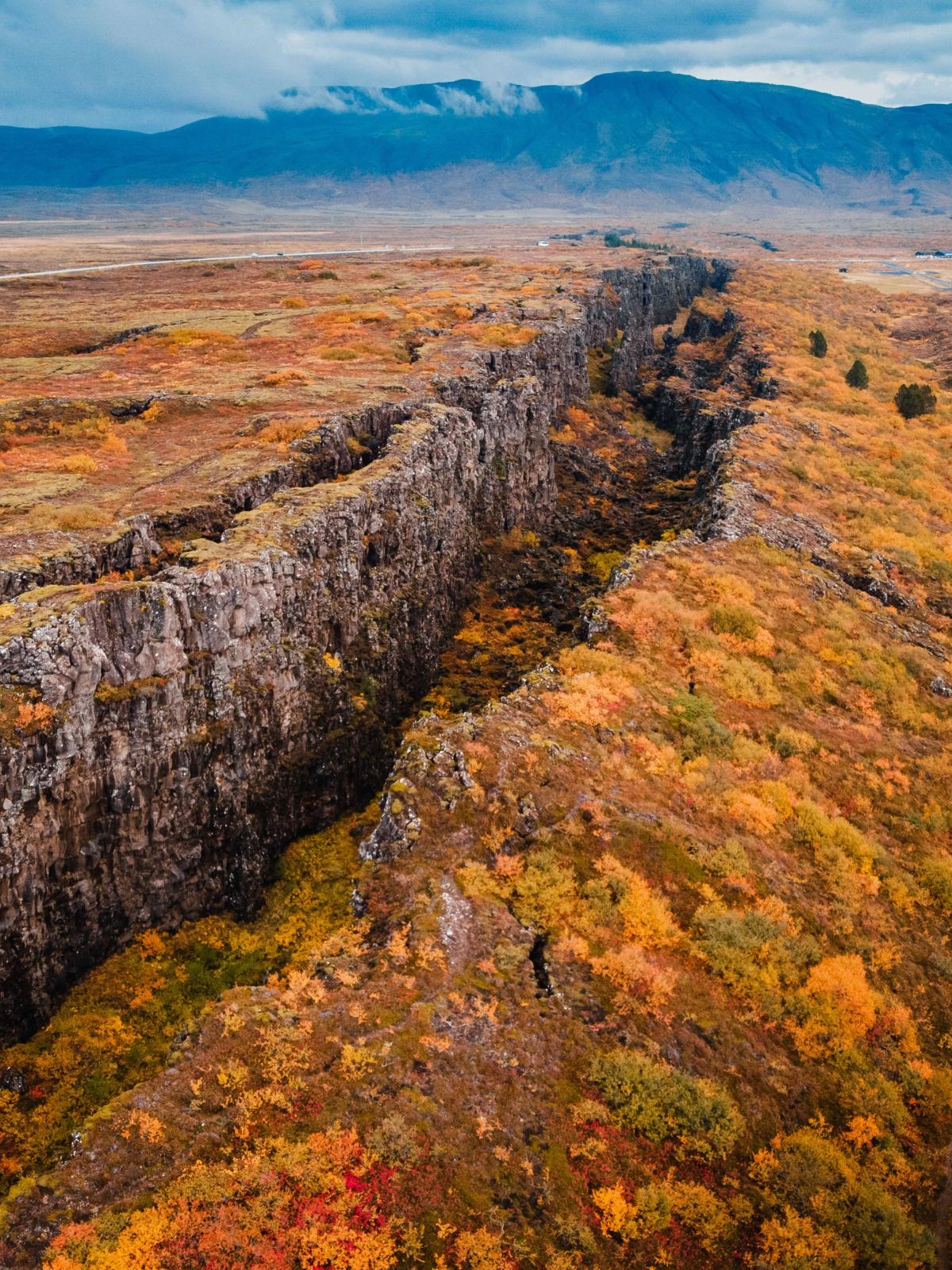
Þingvellir is a UNESCO World Heritage Site. It sits on the Mid-Atlantic Ridge, right on the boundary between the North American and Eurasian tectonic plates. You can actually walk through the rift where the two plates are slowly pulling apart. The Almannagjá gorge makes that very visible. Þingvallavatn, Iceland's largest natural lake, sits right next to the park.
It's also where Iceland's parliament, the Althing (Alþingi), was founded in 930 AD. The assembly met here every year until 1798. So you're standing in a place that's geologically wild and historically important at the same time.
What to Do at Þingvellir
With three days, you have time to do more than just park and look around.
- Walk through the Almannagjá rift, where the canyon walls show you clearly what a tectonic plate boundary looks like on land
- Visit Öxarárfoss, a small waterfall along the Öxará river, just a short walk from the main path
- Look out over Þingvallavatn lake from the viewing area
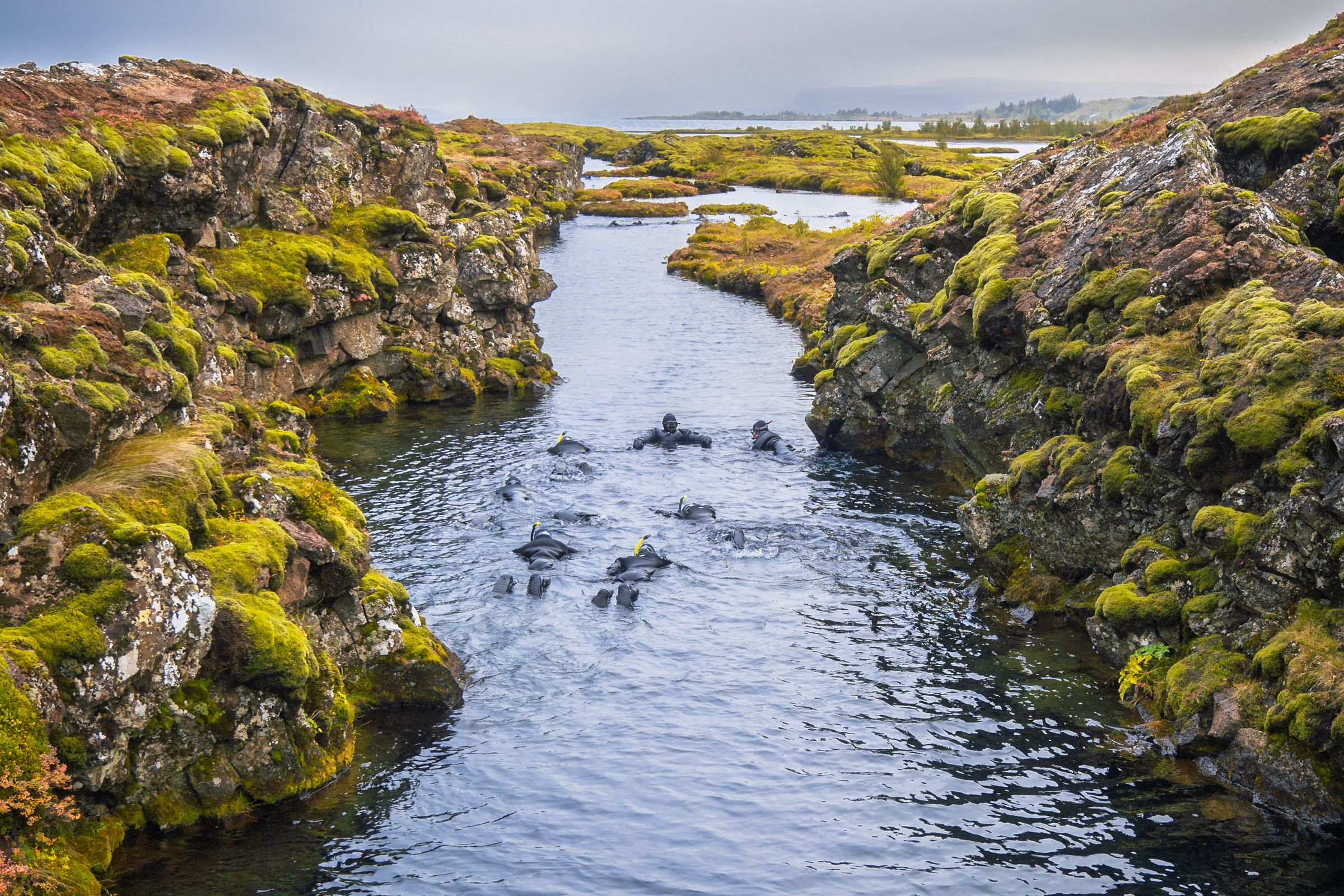
- Check out the Silfra fissure, where you can snorkel right between the North American and Eurasian plates in water with near 100-meter visibility (2–3 hour guided tour, dry suit provided, book ahead)
Silfra tip: The water is 2–4°C year-round. You don't need diving experience to snorkel, but tour operators have their own eligibility rules. Confirm before booking.

Afternoon: Laugarvatn (Lunch + Relaxation)
From Þingvellir, Laugarvatn is about 20 minutes away. It's a good place to stop and settle before tomorrow's busier day.
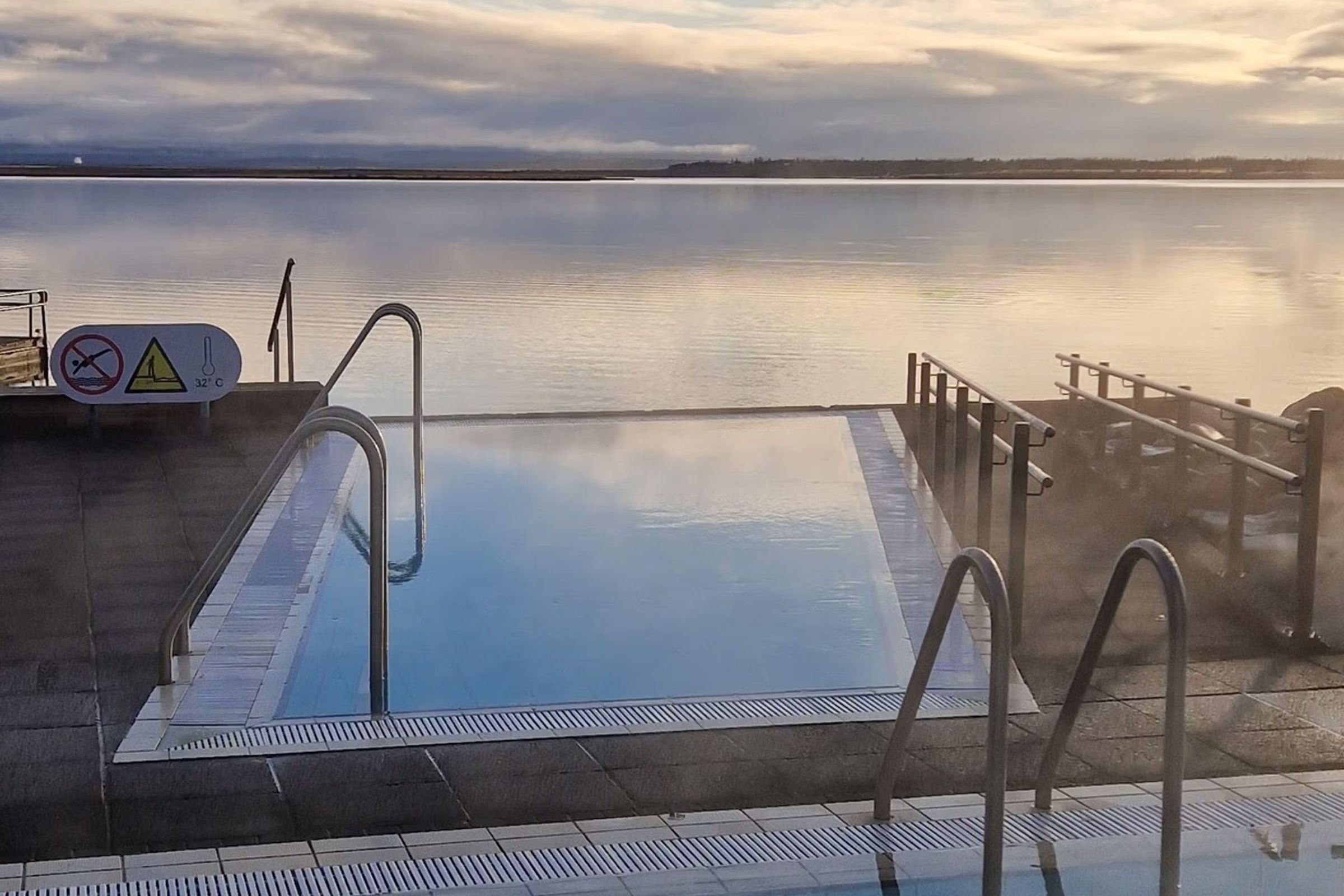
You can get lunch at a lakeside café, or head to Laugarvatn Fontana, a geothermal spa with steam rooms, hot pools, and a spot where rye bread is literally baked underground using geothermal heat. It's one of those things that sounds gimmicky but is actually pretty cool.
Sleep in Laugarvatn tonight. It cuts your driving time tomorrow and puts you right in the middle of the route.
Where to Stay (Night 1)
Staying outside Reykjavík on a multi-day trip makes a real difference, both for the Northern Lights and for the general feel of the trip.
The best areas for Night 1 are Laugarvatn and the surrounding countryside. You'll find farm guesthouses, small hotels, and cabins with hot tubs. It's quiet, it's dark, and it sets you up well for Day 2.
Between September and March, staying in the countryside is one of the best things you can do for your chances of seeing the Northern Lights. Light pollution from Reykjavík makes it hard to see much from the city.

Day 2: Geysir, Gullfoss & Langjökull Adventures
This is the big day. Two of the most well-known stops on the route, plus an optional glacier experience if you want it.
Morning: Drive to Geysir (30–40 Minutes)
Take Route 365 to Route 35 into Haukadalur Valley.
Geysir Geothermal Area (1–1.5 Hours)
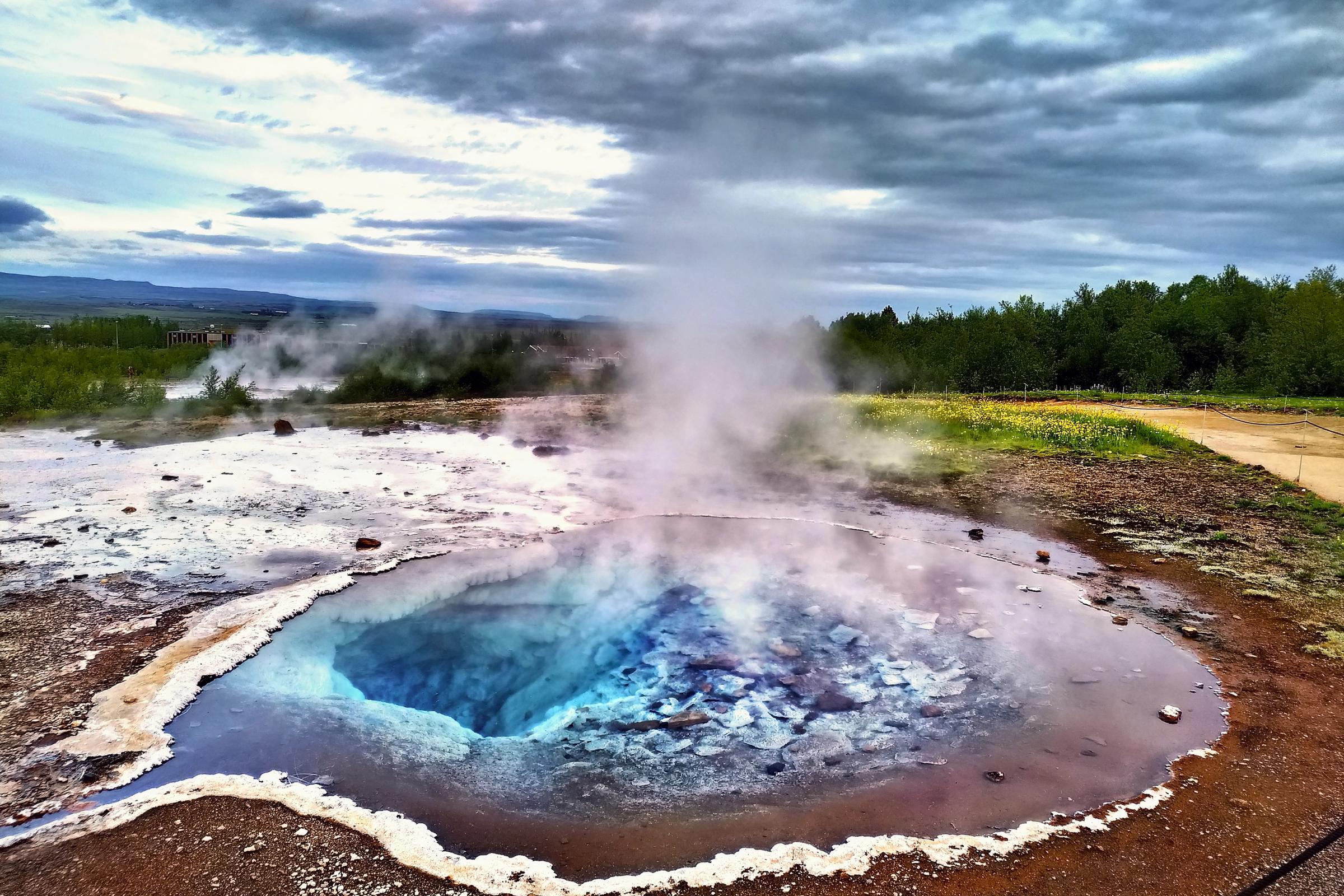
The area is named after the Great Geysir, the original one that gave every geyser its name. The Great Geysir is mostly dormant these days, but Strokkur goes off every 5–10 minutes, shooting water up to 30 meters. That's the one everyone waits for.
The whole field is active: hot springs, steam vents, mud pools, and a strong sulfur smell. It's worth walking past the main viewing area. There's a small hill behind Strokkur where you get a good view of the entire geothermal field.
Stick to the marked paths. The ground near geothermal features is thin and the water underneath is scalding. Wind can blow steam in any direction without warning, so don't lean over the water.
Gullfoss Waterfall (1.5–2 Hours)
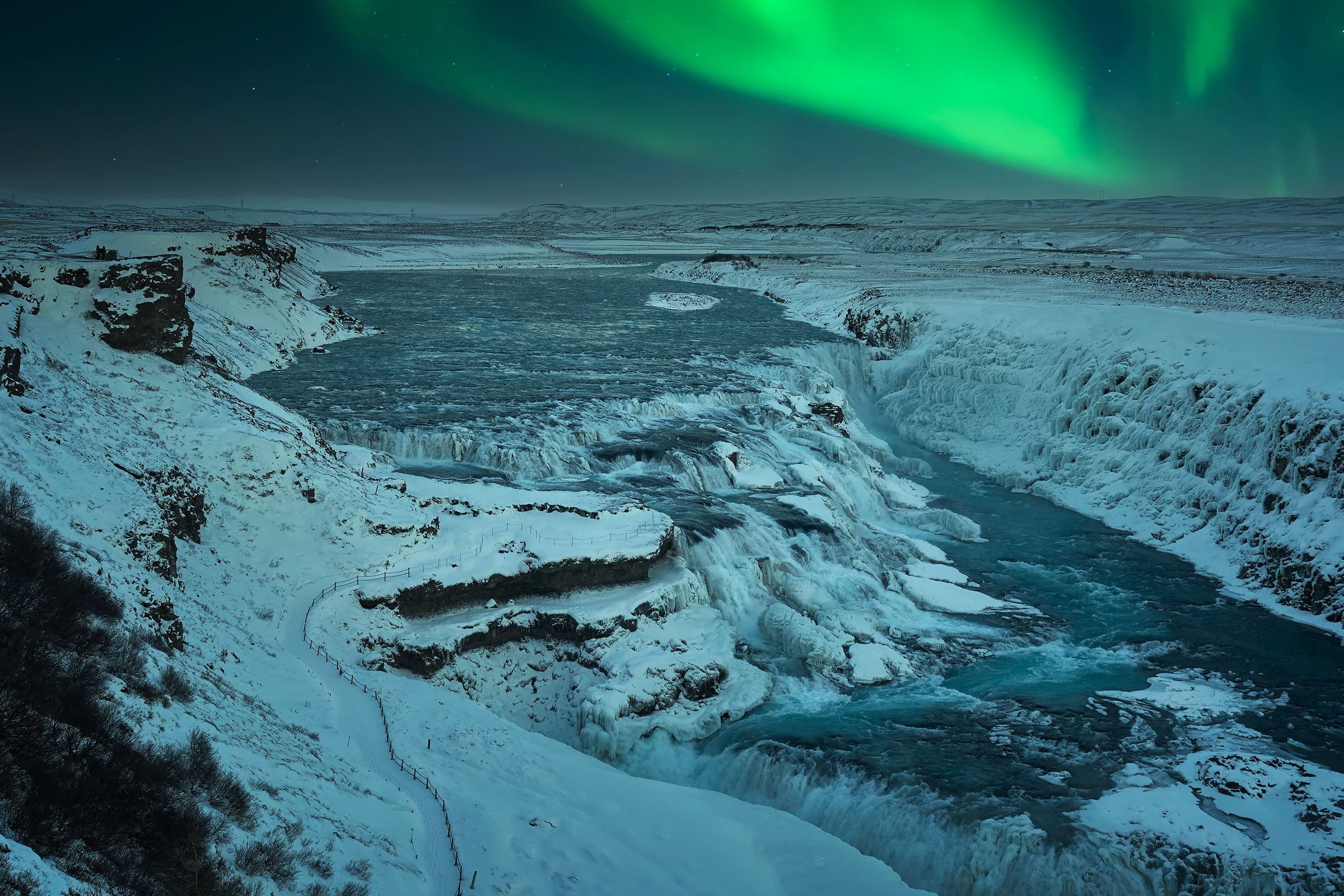
Gullfoss is 10 minutes from Geysir on Route 35. It's a two-tier waterfall with a total drop of around 32 meters, fed by the Hvítá River, which carries glacial meltwater from Langjökull Glacier. The canyon it falls into gives the whole thing a lot of scale that photos don't fully capture.
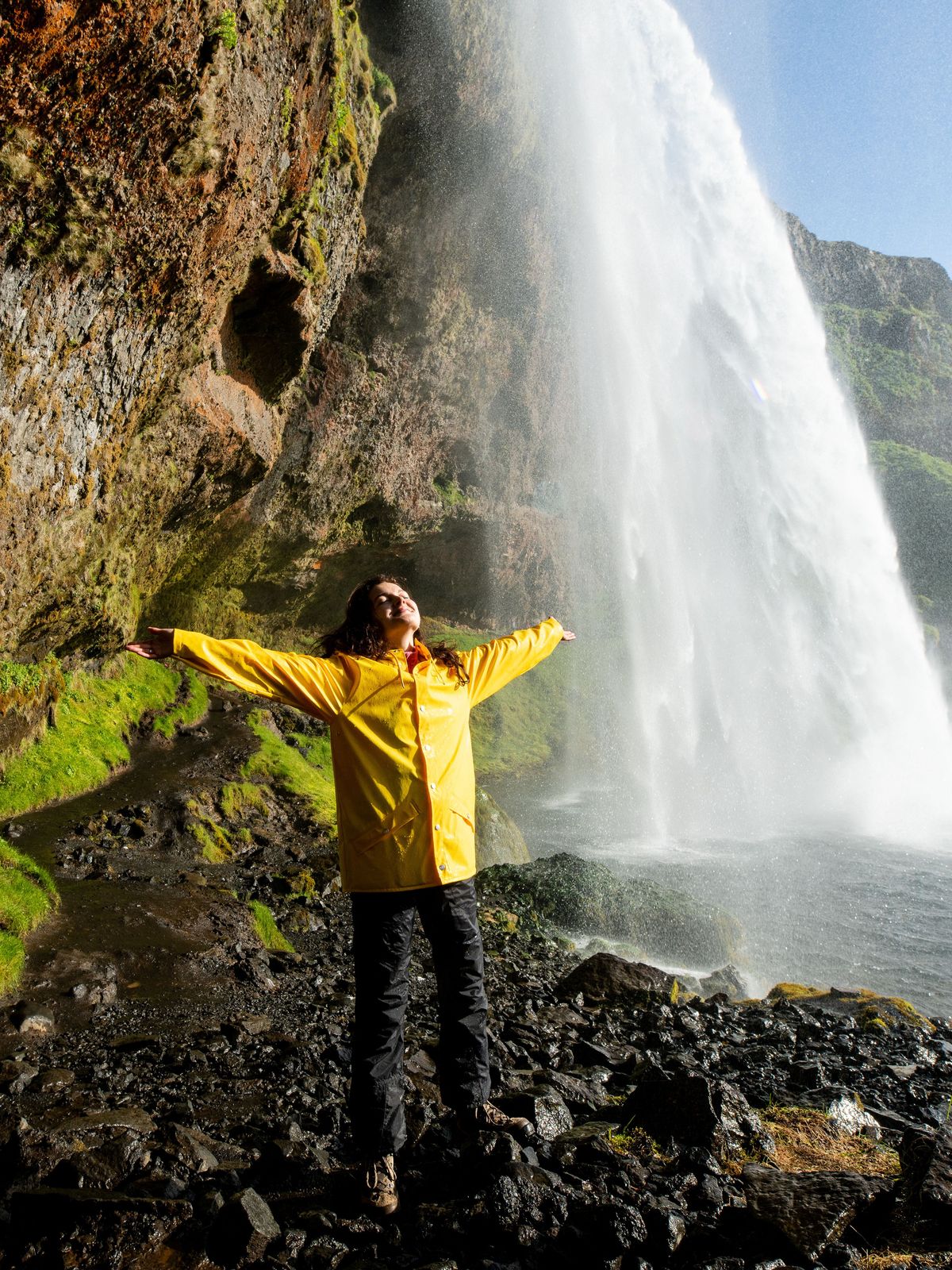
Walk both viewing platforms, upper and lower. You'll get spray on both, so wear something waterproof. With the extra time you have on a three-day trip, you can wait for the light to shift or catch a rainbow in the mist.
Getting into Gullfoss is free.
Afternoon: Choose Your Add-On
Option A: Langjökull Glacier Tour
From Gullfoss, you can head toward Langjökull, Iceland's second-largest glacier. You can snowmobile across it or do the "Into the Glacier" tour, where you walk through tunnels cut inside the ice. Both add 3–4 hours to your day but turn it into something very different from a waterfall-and-geyser day. Book ahead, especially in summer.
Option B: Countryside Drive Toward Flúðir
If you'd rather keep the afternoon relaxed, drive toward Flúðir and explore quieter roads. It's a good way to see Iceland away from the main tourist stops.

Where to Stay (Night 2)
Good areas for Night 2 are Flúðir, the area near Gullfoss for a more remote feel, or Selfoss if you want more food and service options nearby.
Sleeping here a second night means you can get to tomorrow's stops early, before the tour buses show up. Both Strokkur and Gullfoss are nearly empty before 9:00 AM.
Day 3: Hidden Gems, Hot Springs & Scenic Detours
Day three has the least driving and the most flexibility. Use it however makes sense for you.
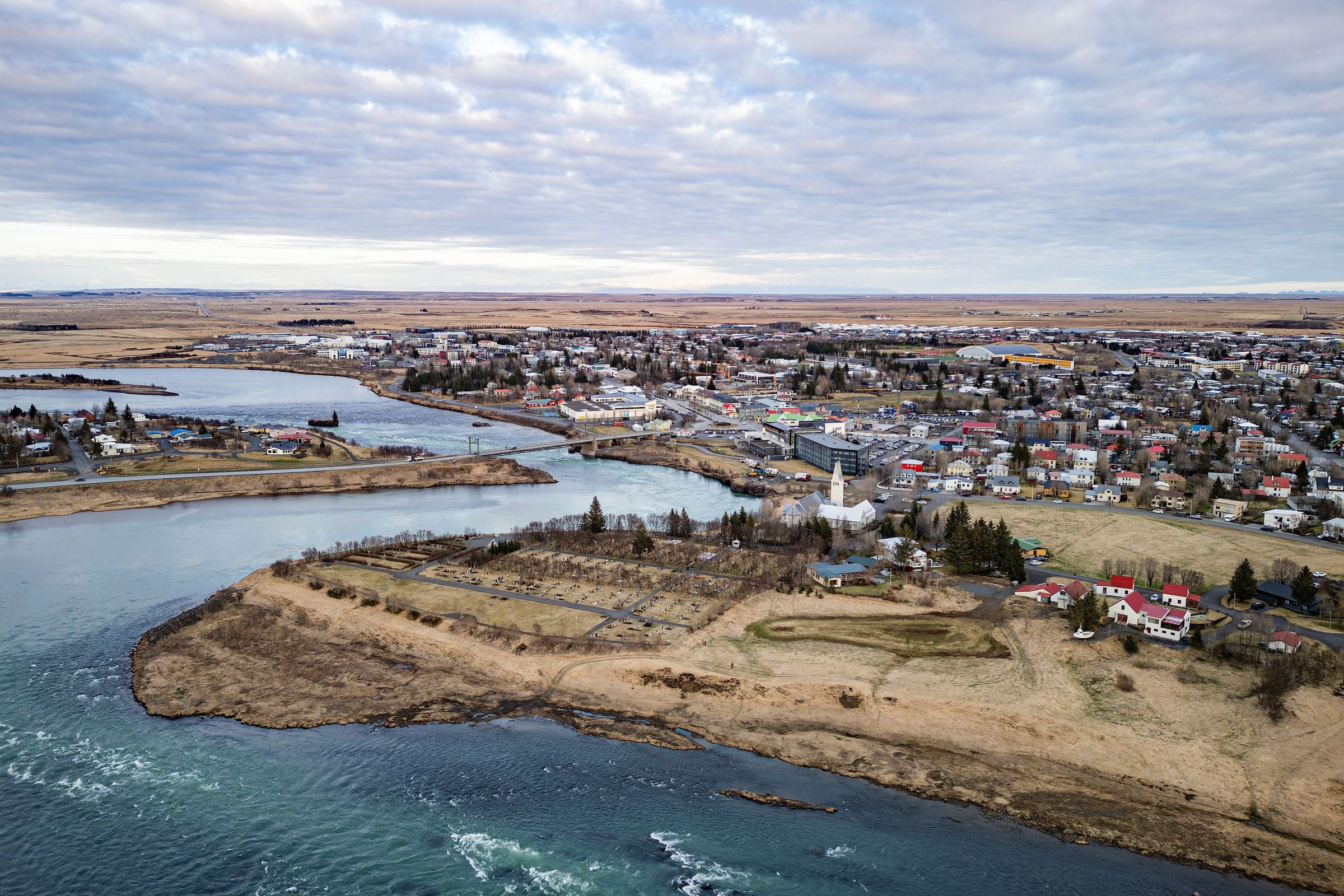
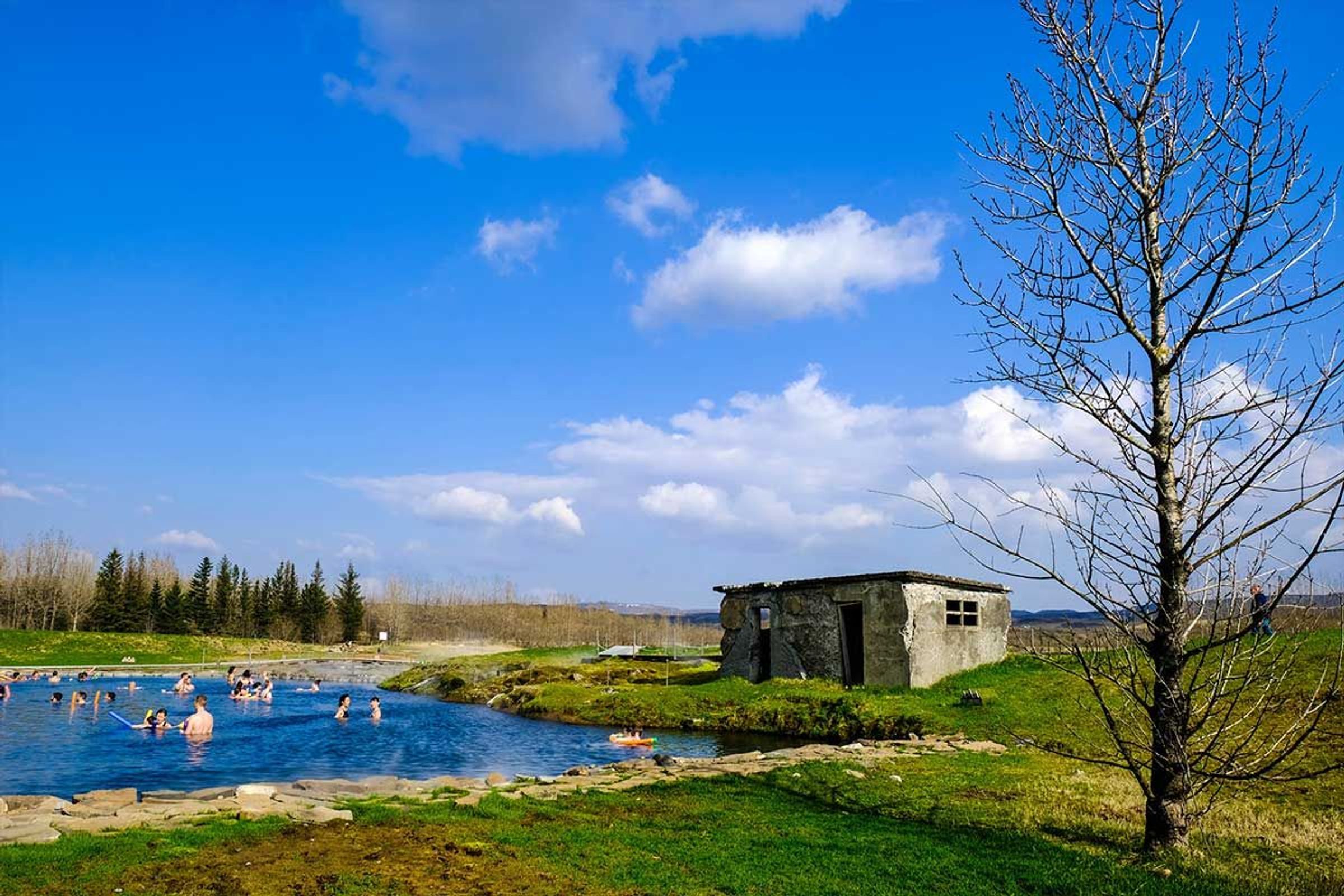
Morning Option A: Secret Lagoon (Flúðir)
The Secret Lagoon, Gamla Laugin, is Iceland's oldest swimming pool, built in 1891. It's a natural geothermal pool at 38–40°C with a small geyser nearby and steam rising off the water around you. It's more low-key than the bigger spa experiences, which is exactly why people like it. Plan on 1–1.5 hours.
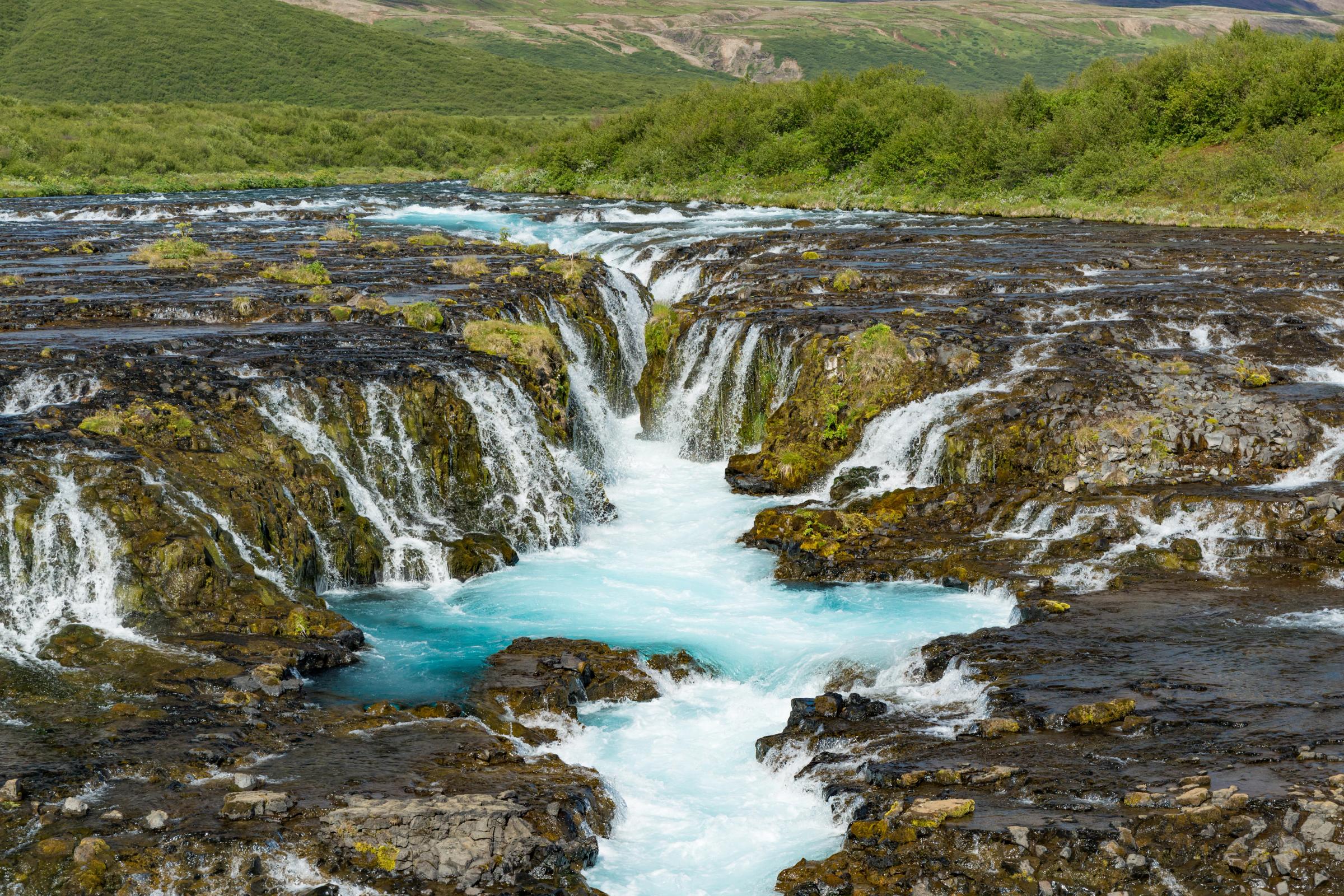
Morning Option B: Brúarfoss Waterfall
If a hike sounds better, Brúarfoss is a 45–60 minute round trip. The water is a deep turquoise from glacial minerals, a color very different from anything you see at the main stops. It's also much less crowded, which helps.
Midday: Kerið Crater (45 Minutes)
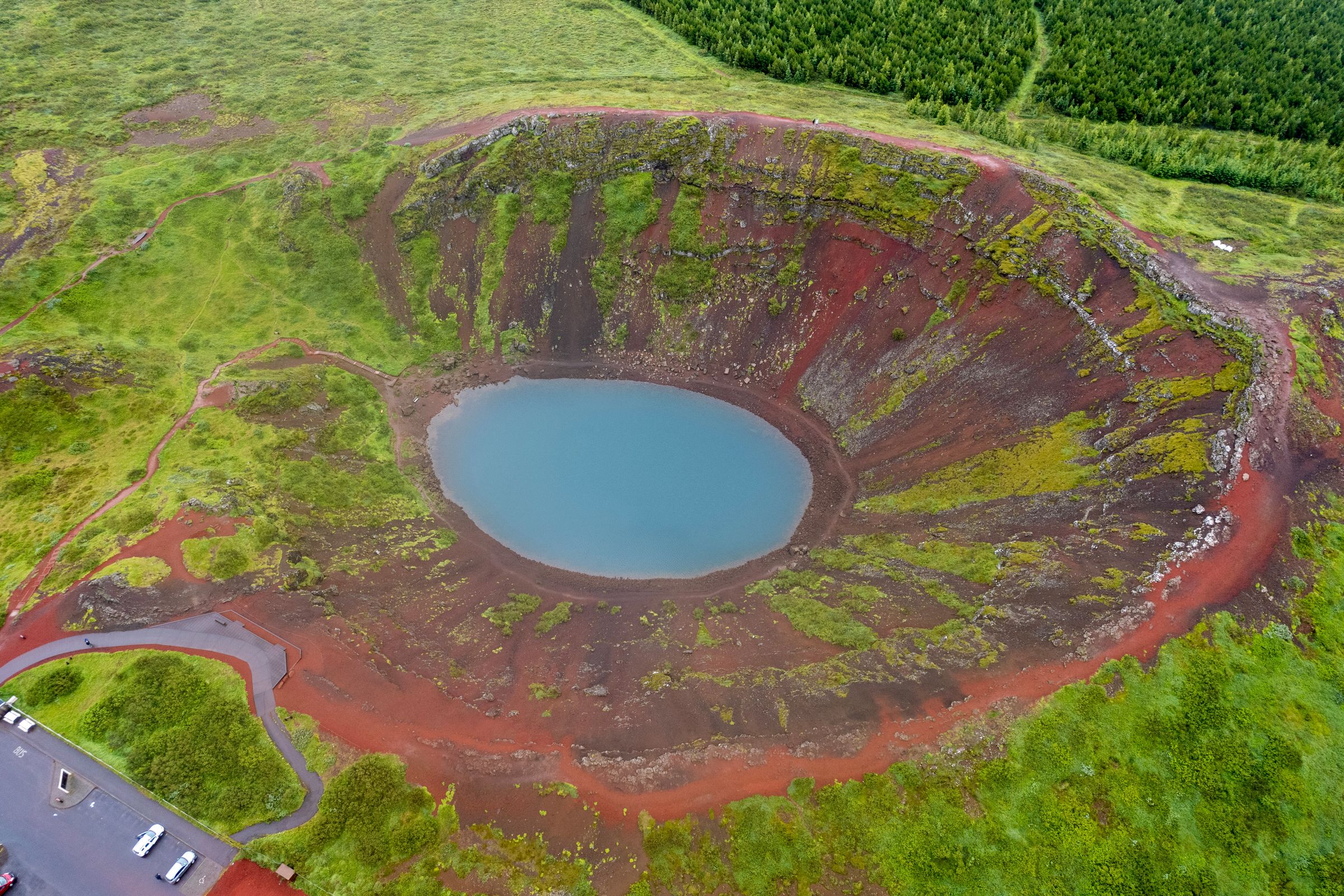
Kerið is a volcanic crater lake with red and orange slopes dropping down to a blue-green lake at the bottom. You can walk the rim or take the path all the way down to the water. It's a compact stop; 45 minutes is enough, but it's one of the most visually distinct places on the whole route. Entrance is around 600 ISK.
Optional Add-Ons for Day 3
If you have time before heading back, a few more stops fit easily into the afternoon.
- Faxi Waterfall: a wide, quiet waterfall almost nobody visits; worth 15 minutes if you're passing by
- Reykjadalur Hot Spring Hike: a 2–3 hour round trip that ends at a natural hot river you can actually soak in
- Horseback riding on Icelandic horses: farms near Selfoss offer 1–2 hour rides; these horses have a unique gait called tölt that's very smooth and unlike riding most other horses
Afternoon: Return to Reykjavík (1–1.5 Hours)
From Kerið or Selfoss, connect to Route 1, the Ring Road, back to the capital.

Best Order to Visit Over Three Days
The order matters. Tour buses bunch up between 10:00 AM and 2:00 PM at every main stop, so staying overnight in the countryside lets you show up at sunrise or late evening when things are quiet.
- Day 1: Þingvellir first thing, then Laugarvatn in the afternoon
- Day 2: Geysir late morning, Gullfoss mid-afternoon, then glacier or countryside
- Day 3: Hot springs, then Kerið, then whatever add-ons you want before heading back
Going counterclockwise from Reykjavík, Þingvellir first, is the recommended direction. It keeps the route logical and avoids backtracking.
Self-Drive vs. Guided 3-Day Tours
Most people self-drive the Golden Circle, and for a three-day trip it's the better call for most travelers. You set the pace, you stop wherever you want, and you're not tied to a group schedule.
Self-Drive
A 2WD rental works fine in summer for the main route. In winter, go with a 4WD, especially if you plan any detours. Fuel for 300–400 km total is moderate. Fill up in Selfoss before heading into rural areas and budget around 5,000 ISK for fuel.
Guided 3-Day Tours
A guided tour makes sense if you're going in winter and not comfortable driving on ice, or if you want glacier and Northern Lights experiences included with transport and accommodation. Some operators run small-group Golden Circle tours with overnight stays built in, worth looking into if flexibility isn't a priority for you.

What to Pack for Three Days
The weather can be completely different at each stop on the same day. Sun at Þingvellir and rain at Gullfoss on the same afternoon is normal. Pack for everything.
Essentials
A waterproof jacket and warm layers are the two things you'll be glad you brought. Add hiking shoes, a swimsuit, and a towel for the hot springs, snacks for the road, a reusable water bottle (Iceland's tap water is genuinely good), and a portable charger.
Winter Additions
Microspikes for icy paths near waterfalls, warm gloves and a hat, and a headlamp for short daylight hours. Check road.is and en vedur.is every morning before you drive anywhere.

Conclusion
Three days give you enough time to actually do the Golden Circle well. You get Þingvellir's rift valley and the history of the Althing, Strokkur erupting every few minutes, Gullfoss dropping into its canyon, and on top of that, geothermal pools, quieter waterfalls, a possible glacier visit, and two nights in the countryside that most visitors never experience.
The roads are easy. The route is simple. The main thing three days buys you is time, and on the Golden Circle, that's what matters.
Check road conditions each morning, get to the main stops outside peak bus hours, and don't pack too much into Day 3. The whole thing works better when you don't rush it.
Frequently Asked Questions About Iceland's Golden Circle Itinerary