2-Day Golden Circle Itinerary: The Complete Guide to Iceland's Most Famous Route (Without Rushing It)
If you have two days for the Golden Circle instead of one, the whole experience changes. You're not watching the clock between stops anymore. You can slow down, soak in a natural hot spring, catch Gullfoss at sunrise, and actually sleep in the Icelandic countryside instead of driving back to Reykjavík exhausted.
The route is still the same ~300 km loop from Reykjavík. You still hit the three main stops: Þingvellir National Park, the Geysir Geothermal Area, and Gullfoss Waterfall. But now you have time for Kerið Crater, the Secret Lagoon, quieter waterfalls most day-trippers skip, and photos without tour buses in the background.
This guide breaks it all down practically. When to leave, where to spend the night, how long at each stop, and which hidden gems are worth the detour.
Golden Circle Map Overview & 2-Day Route Breakdown
The Golden Circle is about 300 km round trip from Reykjavík. Over two days, you split it like this:
Day 1: Reykjavík → Þingvellir → Laugarvatn → Geysir → Gullfoss → Overnight near Flúðir or Selfoss
Day 2: Secret Lagoon → Kerið Crater → Optional hidden stops → Return to Reykjavík
The three main stops stay the same: Þingvellir National Park, the Geysir Geothermal Area, and Gullfoss Waterfall. Key roads are Route 36 to Þingvellir, Route 365, Route 35 through the Haukadalur Valley area, and the Ring Road (the Route 1) back to Reykjavík.
Non-stop driving for the full loop takes about 3.5 to 4 hours total. Spread across two days, you're looking at just 1.5 to 2.5 hours of driving each day. All main roads are paved and open year-round. A standard 2WD car is fine in summer. In winter, check road conditions at road.is and weather at en vedur.is before you leave.

Day 1: Þingvellir, Geysir & Gullfoss
Day one covers the main highlights, but without the pressure of a one-day trip. You're not rushing between stops. You can stay long enough to walk the trails, wait for a clean eruption shot, and eat a proper lunch.
08:00 — Leave Reykjavík
Leave after breakfast. You don't need to rush as hard as a one-day trip, but arriving at Þingvellir before 9 AM still helps you get ahead of the tour bus crowd. Take Route 1 east, then Route 36 toward Þingvellir.
08:45 — Þingvellir National Park (2 to 3 Hours)
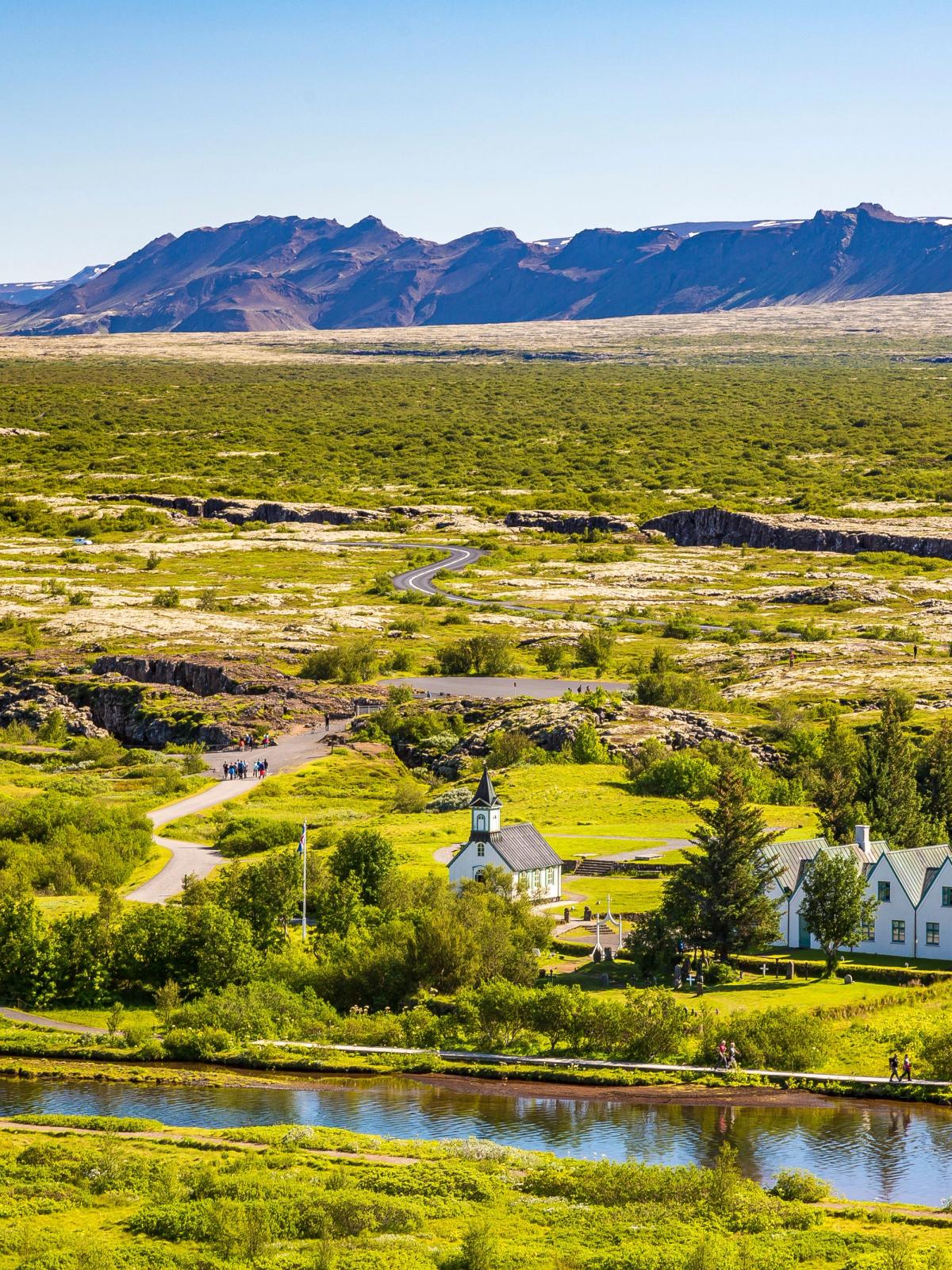
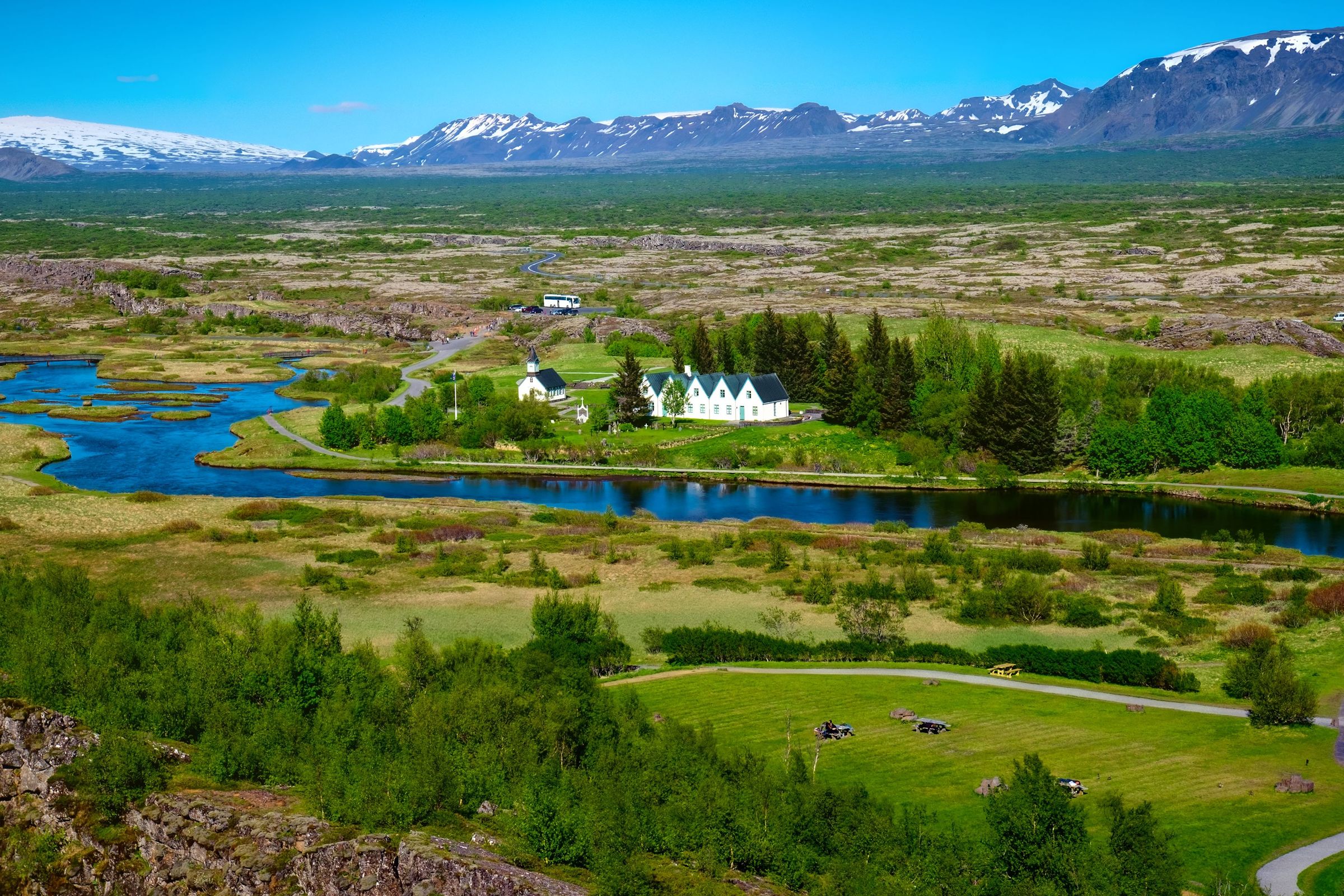
Þingvellir National Park is where Iceland's history and geology meet in a way that's hard to find anywhere else.
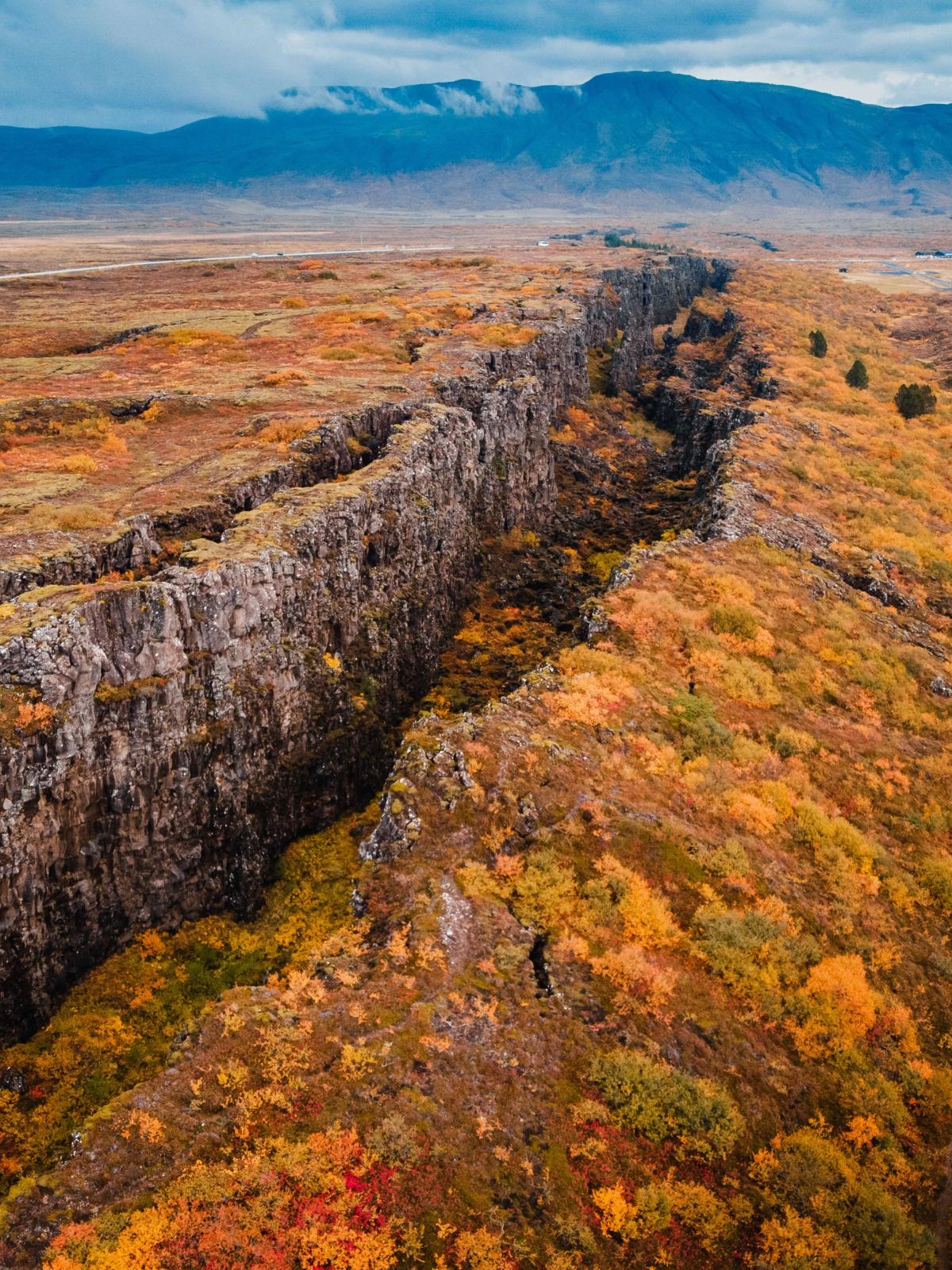
This is a UNESCO World Heritage Site because it was home to the Althing (Alþingi), Iceland's parliament, founded in 930 AD. It met here every year until 1798, and it's where Iceland declared independence from Denmark in 1944. On top of that, the park sits directly on the Mid-Atlantic Ridge, where the North American and Eurasian tectonic plates are slowly pulling apart. You can walk through the rift itself.
With two days, you have time to go beyond the main walkway.
What to Do at Þingvellir
- Walk through the Almannagjá rift, the main gorge between the tectonic plates
- Visit Öxarárfoss waterfall, a short detour from the main path
- Look out over Þingvallavatn, Iceland's largest natural lake
- Walk toward the Silfra fissure area, where the plates meet underwater
If snorkeling or diving in Silfra is on your list, this is the day to do it. Tours run 2 to 3 hours and need to be booked well in advance. The water stays around 2 to 4°C year-round, so a dry suit is standard. No experience required for snorkeling, just a medical disclosure form.
Leave Þingvellir around 11:30 AM.
11:30 — Drive to Laugarvatn (20 Minutes)
Laugarvatn is a small lakeside town between Þingvellir and Geysir. It's a good lunch stop and far less hectic than the Geysir visitor center. If you'd prefer a spa experience here instead of the Secret Lagoon on Day 2, Laugarvatn Fontana is worth a look. It has natural steam rooms built over geothermal springs and a unique thing: rye bread baked underground using geothermal heat.
12:00 — Lunch (45 to 60 Minutes)
A few options depending on what you feel like:
- A casual café in Laugarvatn
- A picnic by the lake if the weather is cooperating
- Friðheimar, the greenhouse tomato farm restaurant in Reykholt, known for unlimited tomato soup and bread. Book ahead since it fills up fast.
13:00 — Drive to Geysir (30 to 40 Minutes)
Continue on Route 365, then Route 35 through the Haukadalur Valley.
13:45 — Geysir Geothermal Area (1 to 1.5 Hours)
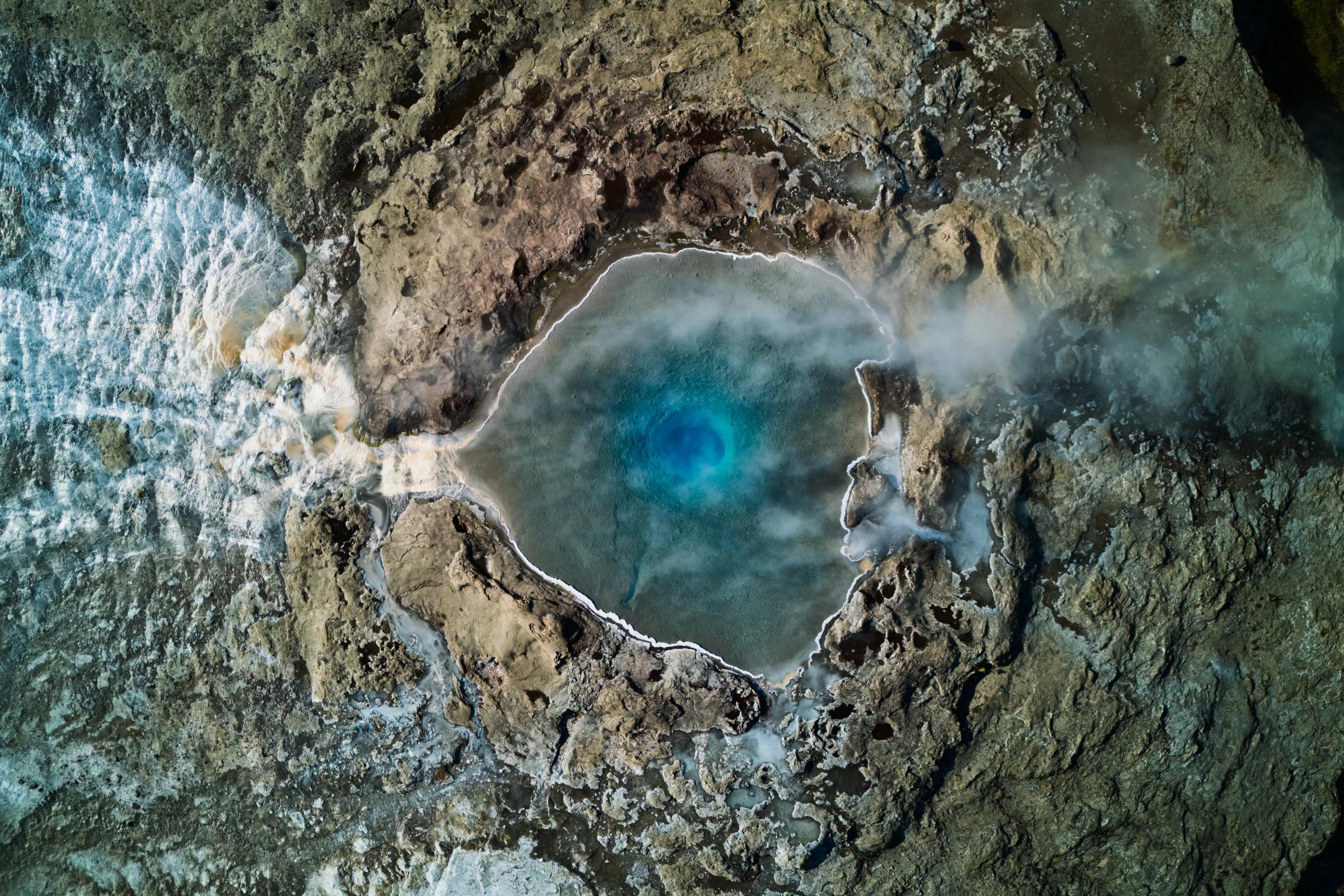
The word "geyser" comes directly from this place. The original Great Geysir barely erupts anymore, but Strokkur, right next to it, goes off every 5 to 10 minutes and shoots water up to around 30 meters. It's worth waiting for a few eruptions to get a clean shot without a wall of phones in the frame.
With extra time today, you can walk further into the geothermal field, climb the small hill behind Strokkur for a wider view, and explore the bubbling mud pools without feeling rushed. Stay on the marked boardwalks. The crust around geothermal vents can be thin, and the water is scalding.
Leave around 15:15.
15:30 — Gullfoss Waterfall (1 to 1.5 Hours)
Gullfoss is just 10 minutes from Geysir. The waterfall drops around 32 meters in two stages into a narrow canyon carved by the Hvítá River, which is fed by meltwater from Langjökull, Iceland's second-largest glacier. On a sunny day, the mist creates a near-constant rainbow over the canyon.
With two days, you can walk both the upper and lower viewing paths, wait for the light to shift, and sit at the café without feeling like you're already behind schedule. In winter, the falls take on a blue-grey icy look that's completely different from the summer version.
Gullfoss entry is free. There's a parking fee of around. Wear waterproof gear, the spray reaches both viewing platforms.

Overnight: Where to Stay
Staying overnight changes everything. Instead of driving back to Reykjavík tired, you wake up already out in the countryside, 30 minutes from your Day 2 stops.
The best areas for an overnight stay are Flúðir (quiet, very close to the Secret Lagoon), somewhere near Gullfoss if you want dark skies and a proper remote feel, or Selfoss if you want more food and service options.
Here are a few solid picks across different budgets.
Mid-Range to Splurge
- Hotel Geysir — 4-star, 5-minute walk from the geothermal area, rooftop bar, breakfast included.
- ION Adventure Hotel — eco-focused boutique near Nesjavellir, with a spa and good Northern Lights potential in winter. One of the more interesting places to sleep on the route
- Frost and Fire Boutique Hotel — spa pools and saunas, good for resting between two active days
Budget-Friendly
- Efstidalur II Farm Guesthouse — farm feel, views of cows out the window, homemade ice cream on-site.
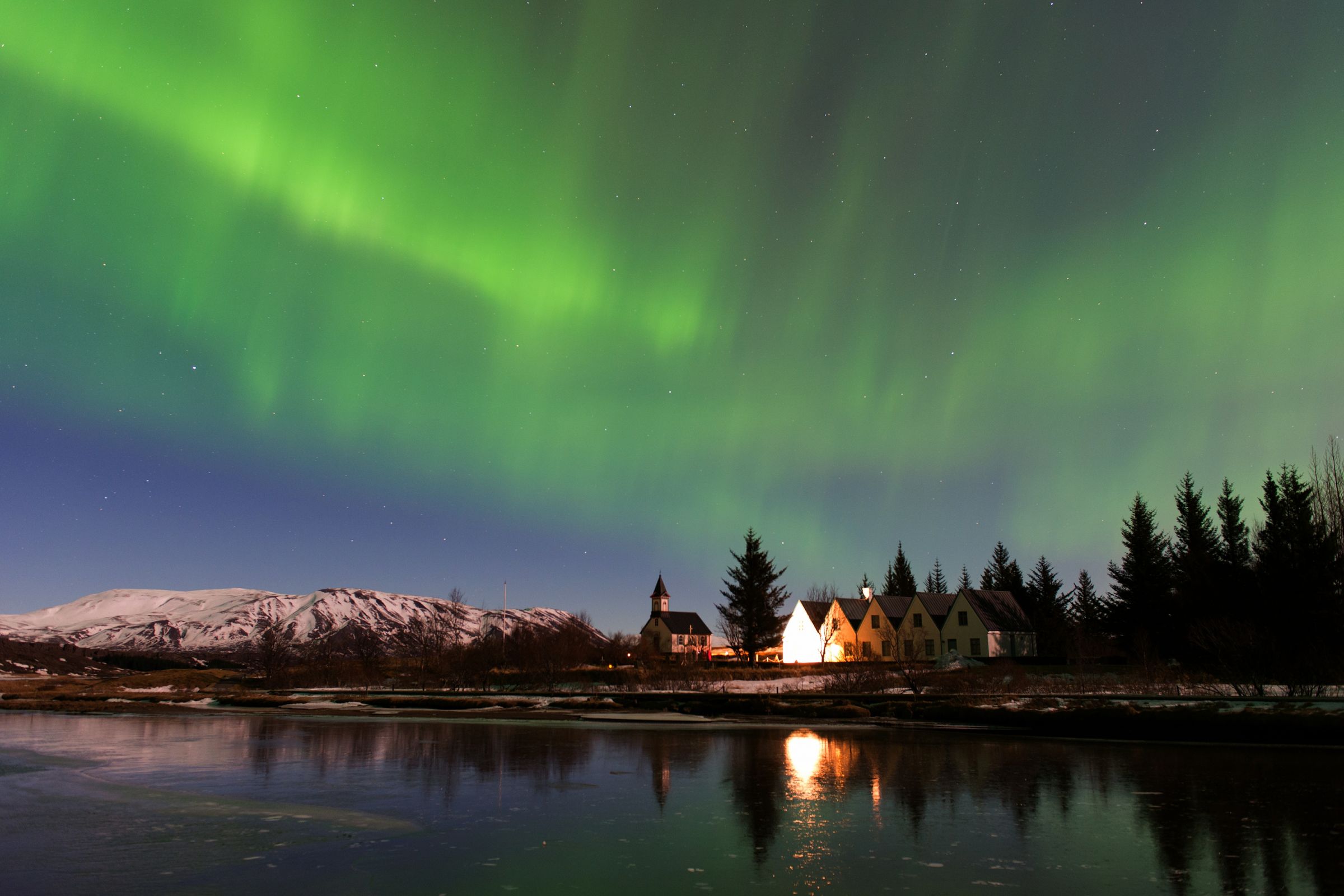
Northern Lights tip: If you're visiting between September and March, staying overnight away from Reykjavík gives you a real shot at seeing the aurora. Visit the Icelandic Met Office aurora page and check the forecast before bed.
Day 2: Hidden Gems, Hot Springs & Scenic Stops
Day two is flexible. The big three are done. Now you pick what matters to you. A soak, a hike, a quieter waterfall, or all three if you pace it right.
Morning — Secret Lagoon (Gamla Laugin), Flúðir
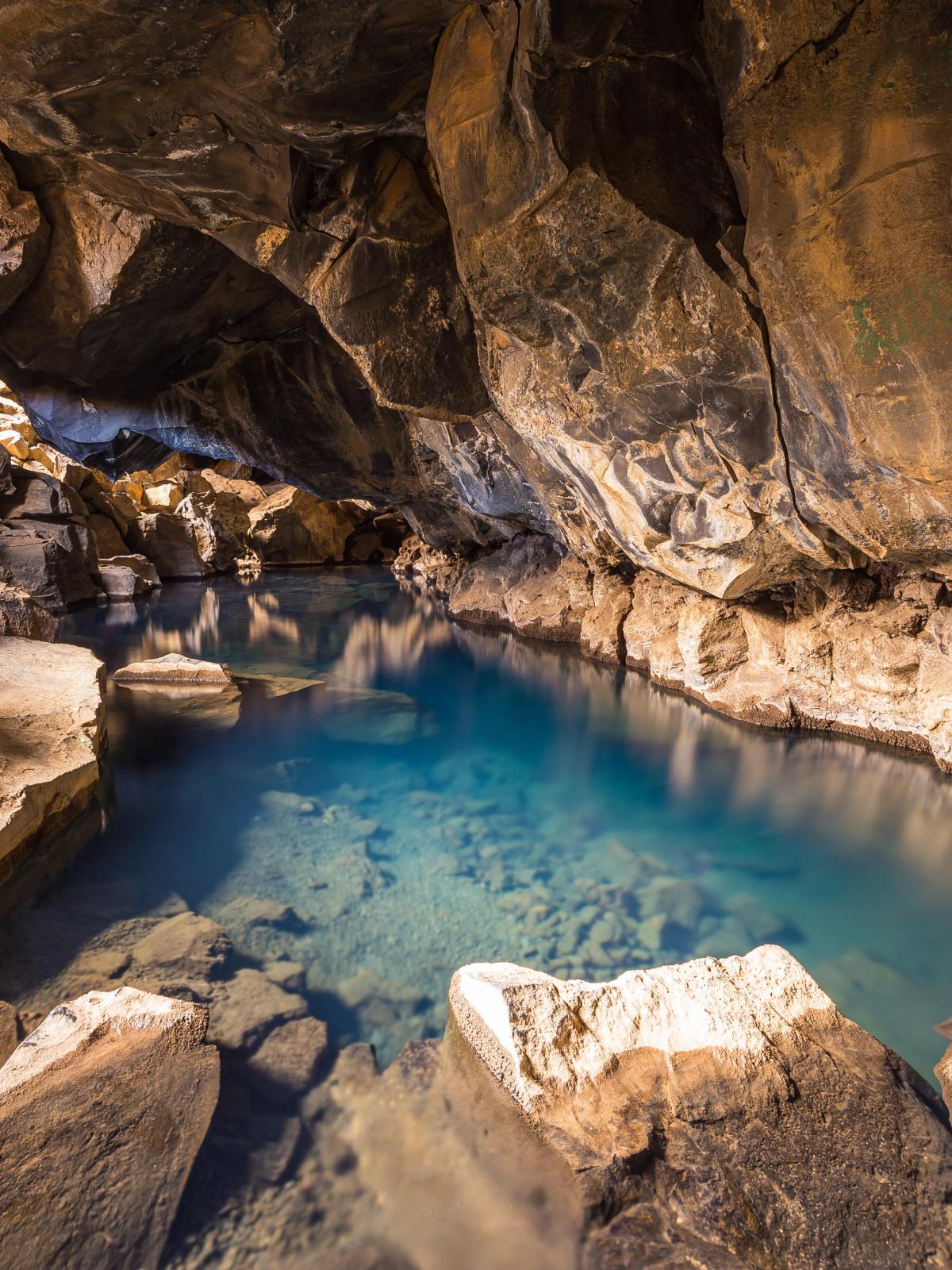
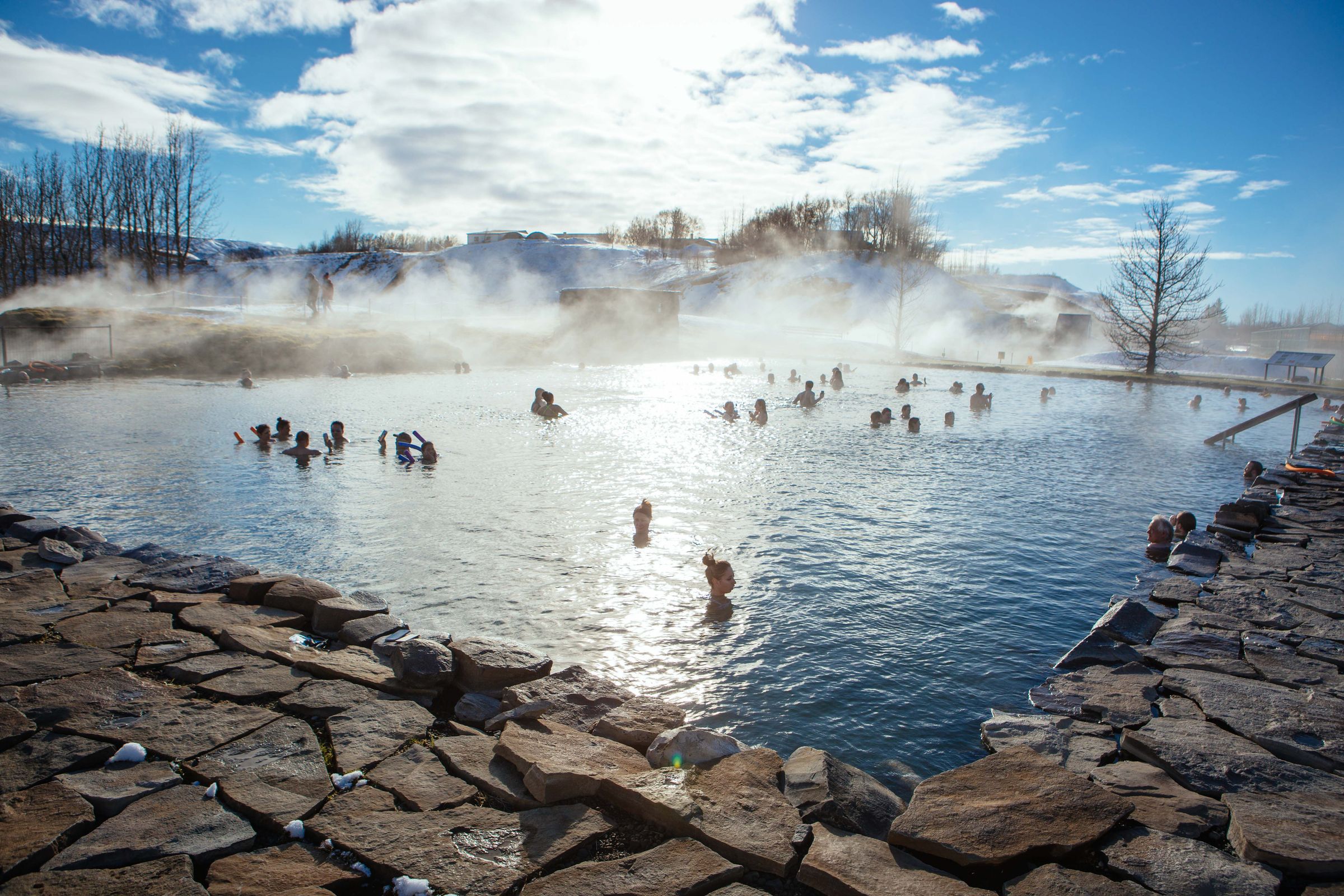
The Secret Lagoon is Iceland's oldest swimming pool, built in 1891. It sits in Flúðir surrounded by steam vents and a small natural geyser that goes off every few minutes. The water stays around 38 to 40°C. It's not as polished as the Blue Lagoon — no cocktails, no mud masks — but that's the point. It's a natural pool in the middle of nowhere, and it's quieter in the morning before tour groups show up. Spend about an hour here.
Morning Alternative — Brúarfoss Waterfall
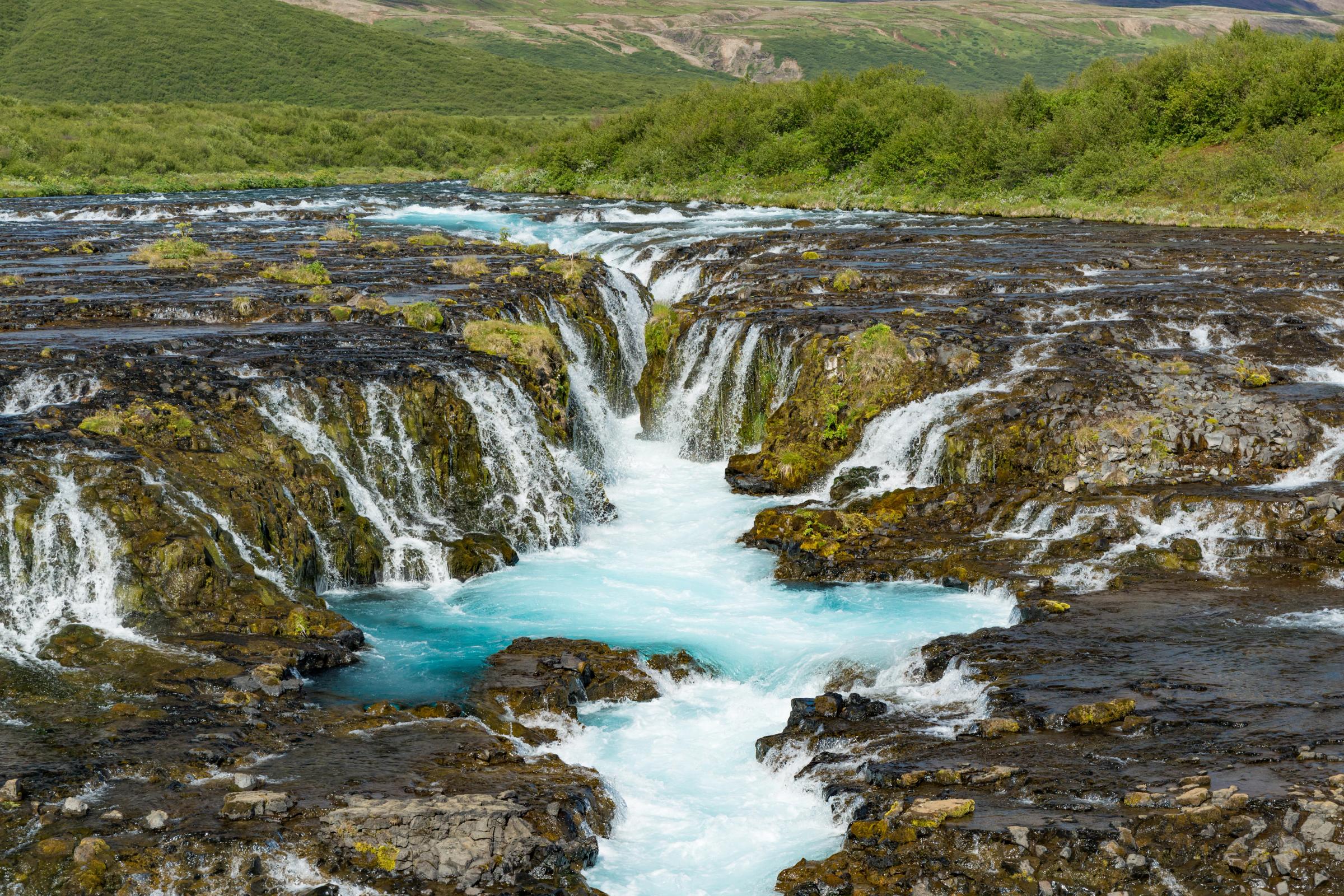
If you'd rather skip the hot spring this day, Brúarfoss is one of the most overlooked stops on the entire Golden Circle. The water is an intense turquoise blue, which comes from glacial meltwater filtering through lava rock. The hike is about 45 to 60 minutes round-trip, depending on where you park.
It's less crowded than anything you saw on Day 1, and the color against the black rock is genuinely different from anything else on the route.
Midday — Kerið Crater (45 Minutes)
Drive south on Route 35 to Kerið, a volcanic crater lake formed thousands of years ago. The red volcanic slopes against the blue-green water make it one of the more striking stops on the route, and it's easy to visit. Walk the rim in about 20 minutes, or take the path down to the lake.
Entry is approximately 600 ISK.

Optional Add-Ons
You'll likely have a couple of hours before heading back. A few options depending on what appeals to you:
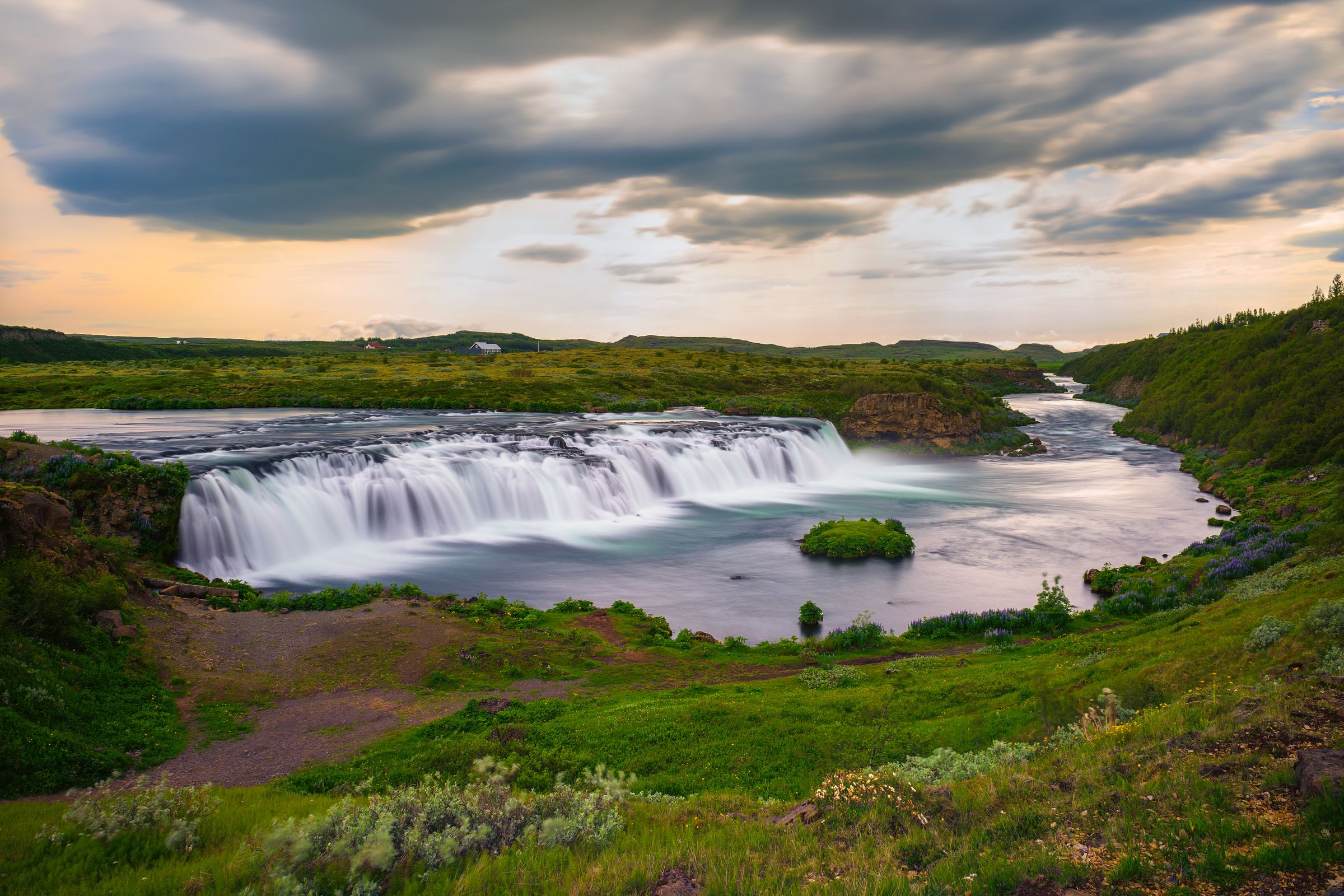
- Faxi Waterfall — a wide, gentle 80-meter cascade that almost nobody stops at. A quick 15-minute visit, easy access, no fee. In summer you can watch salmon using the fish ladder
- Reykjadalur Hot Spring Hike — a 2 to 3 hour round trip near Hveragerði that ends at a natural hot river you can soak in. Bring a swimsuit and a towel
- Horseback riding — several farms near Selfoss and Laugarvatn offer 1 to 2 hour rides on Icelandic horses, known for a smooth gait called the tölt
Afternoon — Return to Reykjavík (1 to 1.5 Hours)
From Kerið or Selfoss, connect to Route 1 back to Reykjavík. You'll arrive mid to late afternoon, depending on how many add-ons you fit in.
Best Order to Visit (Over Two Days)
The standard flow makes the most sense. Day 1 hits the three main stops in the order they appear on the route. Day 2 handles the add-ons on the way back.
Crowd tip: Tour buses concentrate between 10 AM and 2 PM at every major stop. Staying overnight lets you visit Gullfoss early morning on Day 2 when it's nearly empty. In summer, the Midnight Sun means you can visit at 8 or 9 PM in the same conditions and with almost no one else around.
Self-Drive vs Guided 2-Day Tours
Both options work well for two days. The right choice comes down to how comfortable you are driving in Iceland and how much flexibility matters to you.
Self-Drive
Self-driving gives you full control over your pace and your stops. Want to spend an extra 30 minutes at Brúarfoss? Go for it. Want to pull over for a herd of Icelandic horses? Nobody's waiting. A standard 2WD car handles everything on this itinerary in summer. In winter, a 4WD gives extra stability on icy roads, though it's not always required.
Guided 2-Day Tours
Guided tours cost more but take the planning off your hands. They include accommodation, transportation, and sometimes glacier or Northern Lights extensions. If you're visiting in winter and not comfortable driving on ice, a guided option makes sense.

What to Pack for Two Days
You don't need much beyond the standard day-trip kit. A few additions make the overnight stretch more comfortable and prepare you for what you'll actually face on both days.
The Essentials (Both Days)
These apply whether you're doing one day or two:
- Waterproof jacket — wind and spray hit hard at Gullfoss and Þingvellir
- Warm layers — temperatures drop fast, even in summer
- Sturdy hiking shoes — paths around Geysir and Brúarfoss are uneven
- Swimsuit and towel — for the Secret Lagoon or the Reykjadalur hot spring hike
- Snacks — the stretches between stops can be longer than you expect
- Microfiber cloth — waterfall spray will fog your camera lens constantly
Extra Gear for the Second Day
One overnight doesn't need much more. Just a few things that actually make a difference:
- Small overnight bag — no need for a full suitcase
- Portable charger — you'll drain your phone on photos and navigation
- Reusable water bottle — Icelandic tap water is great, and refills are free everywhere
- Microspikes — if you're visiting between October and April, paths near Gullfoss and Þingvellir get slippery fast
The weather on the Golden Circle, like the rest of the country, can shift a lot within a few hours. Sun at Þingvellir and rain at Gullfoss on the same day is totally normal. Pack for both.
Conclusion
Two days on the Golden Circle is the right amount of time if you want to actually experience it rather than just get through it. You get the full geology lesson at Þingvellir, a proper look at Strokkur without rushing, Gullfoss in good light, a night in the Icelandic countryside, and still have half a day left for the stops most visitors never reach.
The route isn't complicated. The roads are easy. And the payoff for staying one extra night — a quieter morning at Gullfoss, a soak at the Secret Lagoon, a detour to Brúarfoss — is worth it.
Check road.is and en vedur.is before you leave each morning, give yourself more time than you think you need at each stop, and don't try to cram too much into Day 2. The Golden Circle is better when you're not rushing it.
Frequently Asked Questions About Iceland's Golden Circle Itinerary