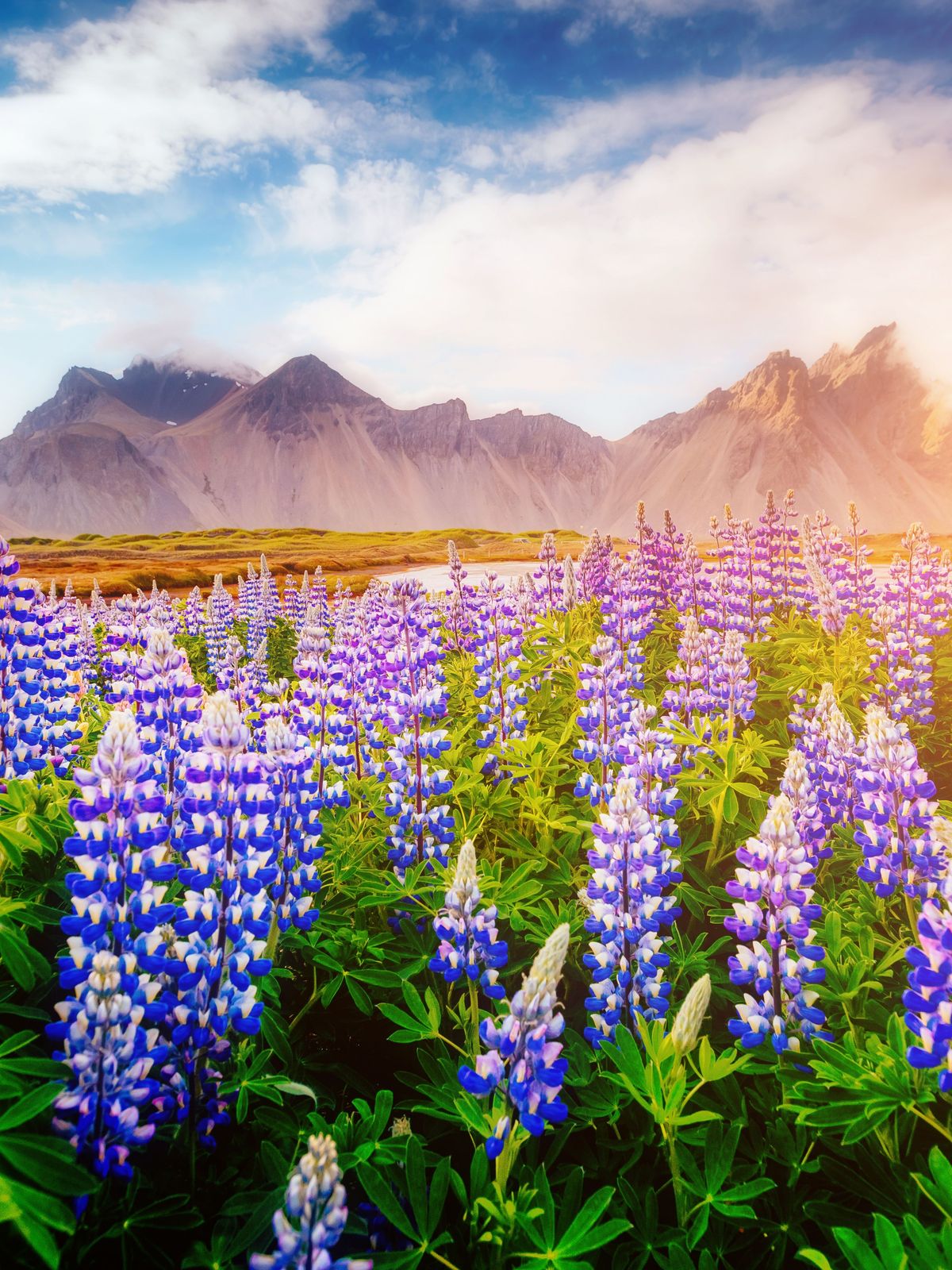
Iceland has many sides: hot springs next to snowy mountains, black beaches under glaciers, and Northern Lights in the dark winter sky. The country looks completely different depending on when you visit.
This guide will help you pick the right time for your Iceland trip based on what matters most to you: good weather, certain activities, saving money, or having more space to yourself.
Key Takeaways
Late May, early June, and September are usually the best times to visit Iceland if you want decent weather, fewer tourists, and lower prices than peak summer.
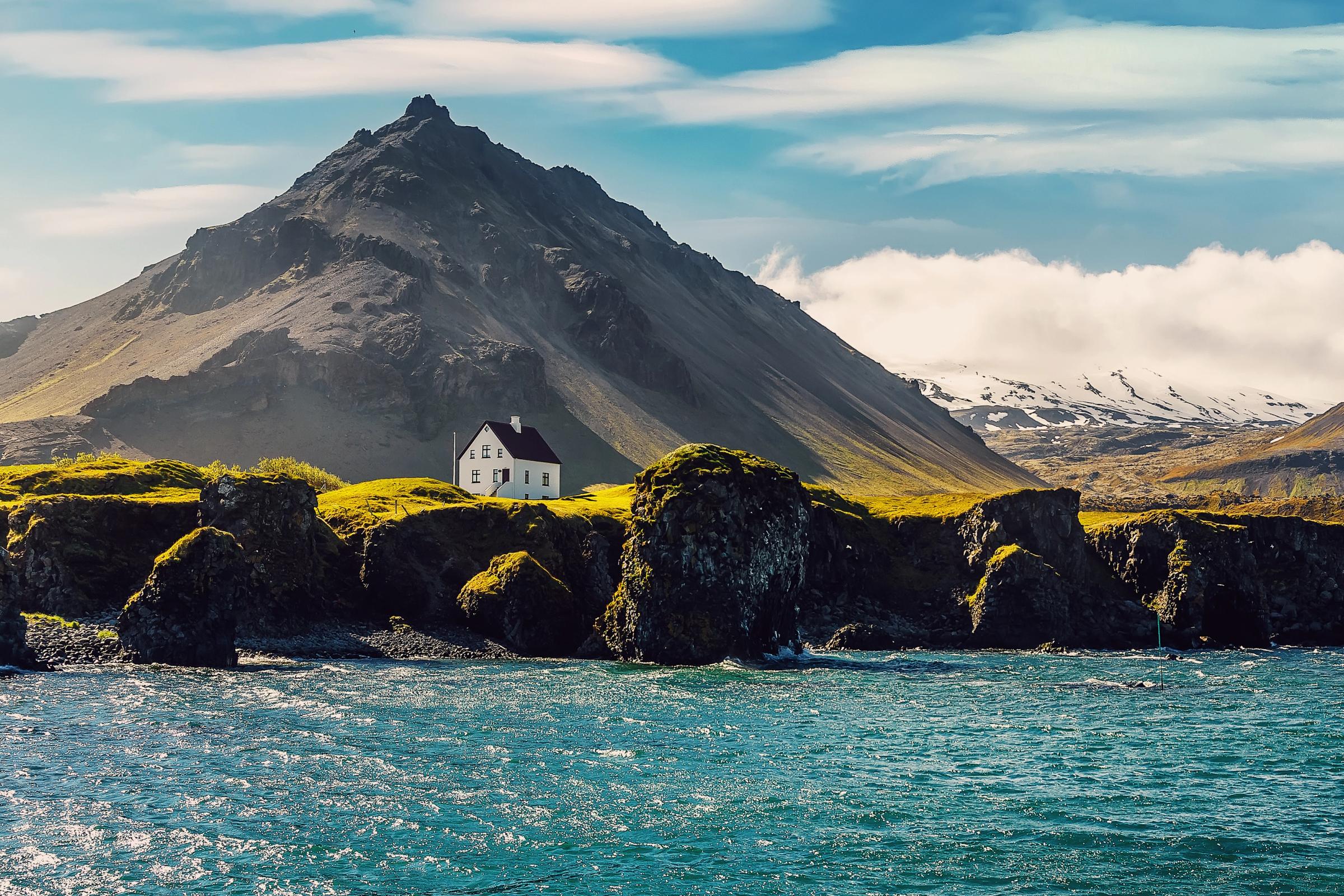
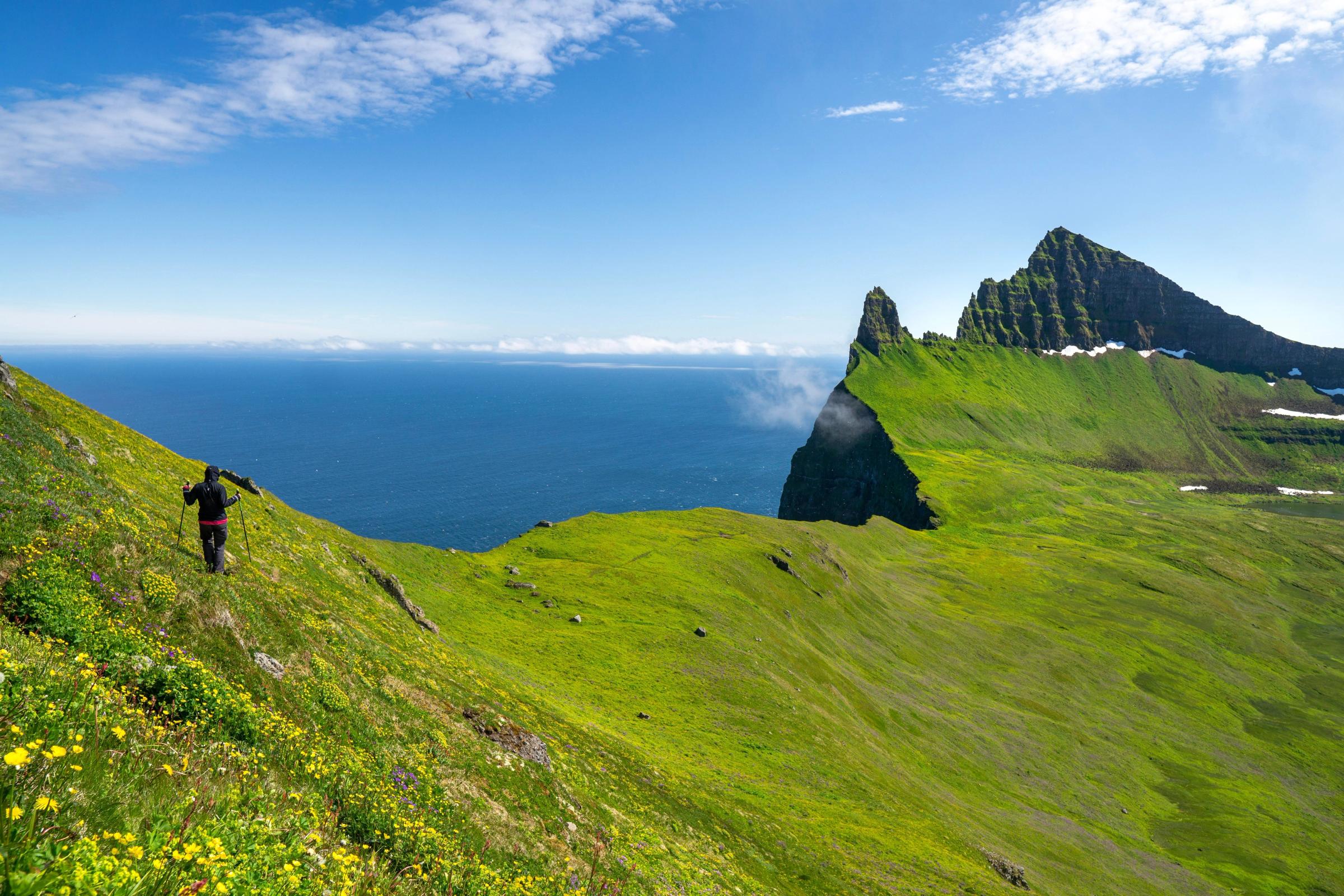
Summer is the easiest season for road trips and outdoor activities thanks to milder weather, long daylight hours, and open Highland roads.
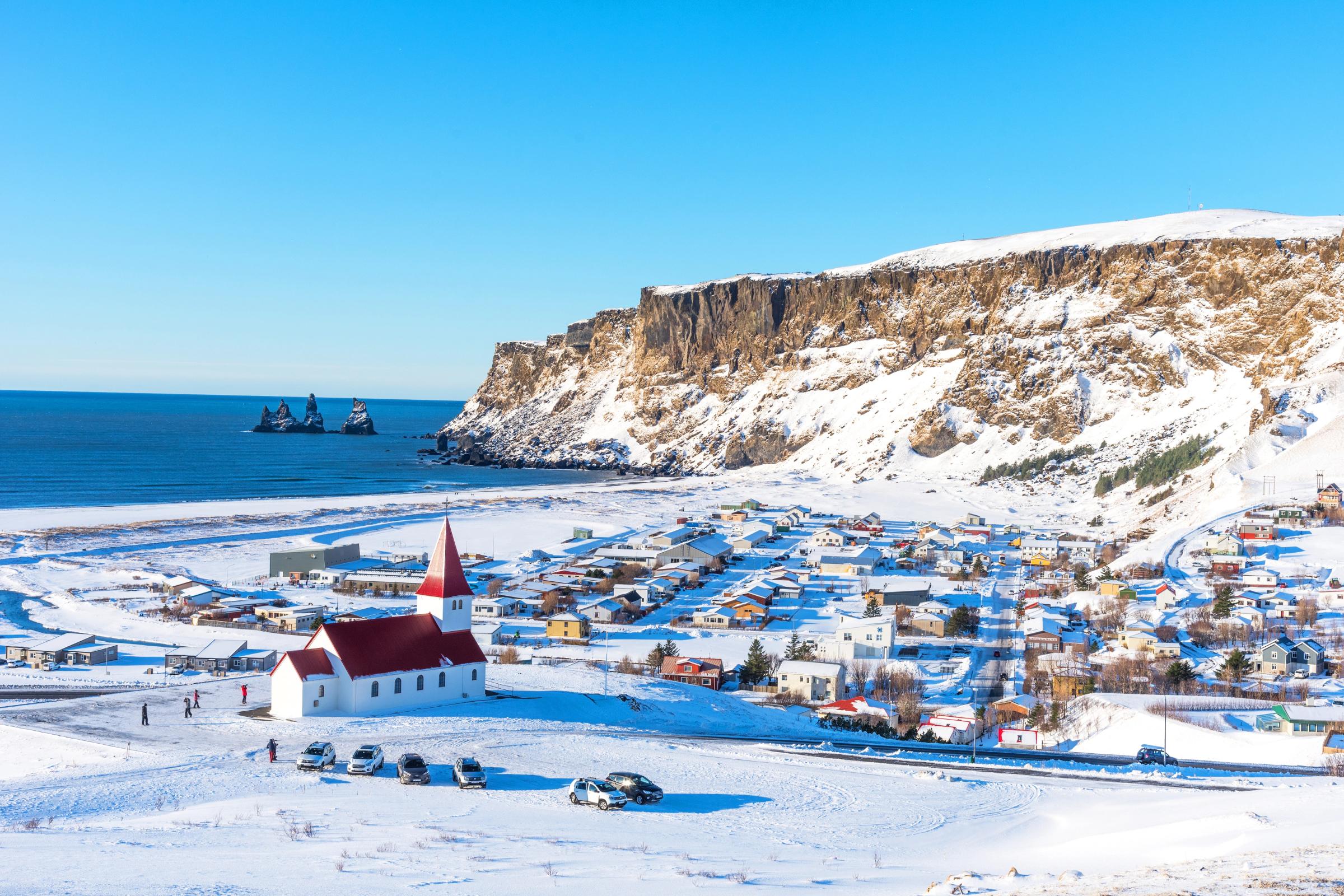
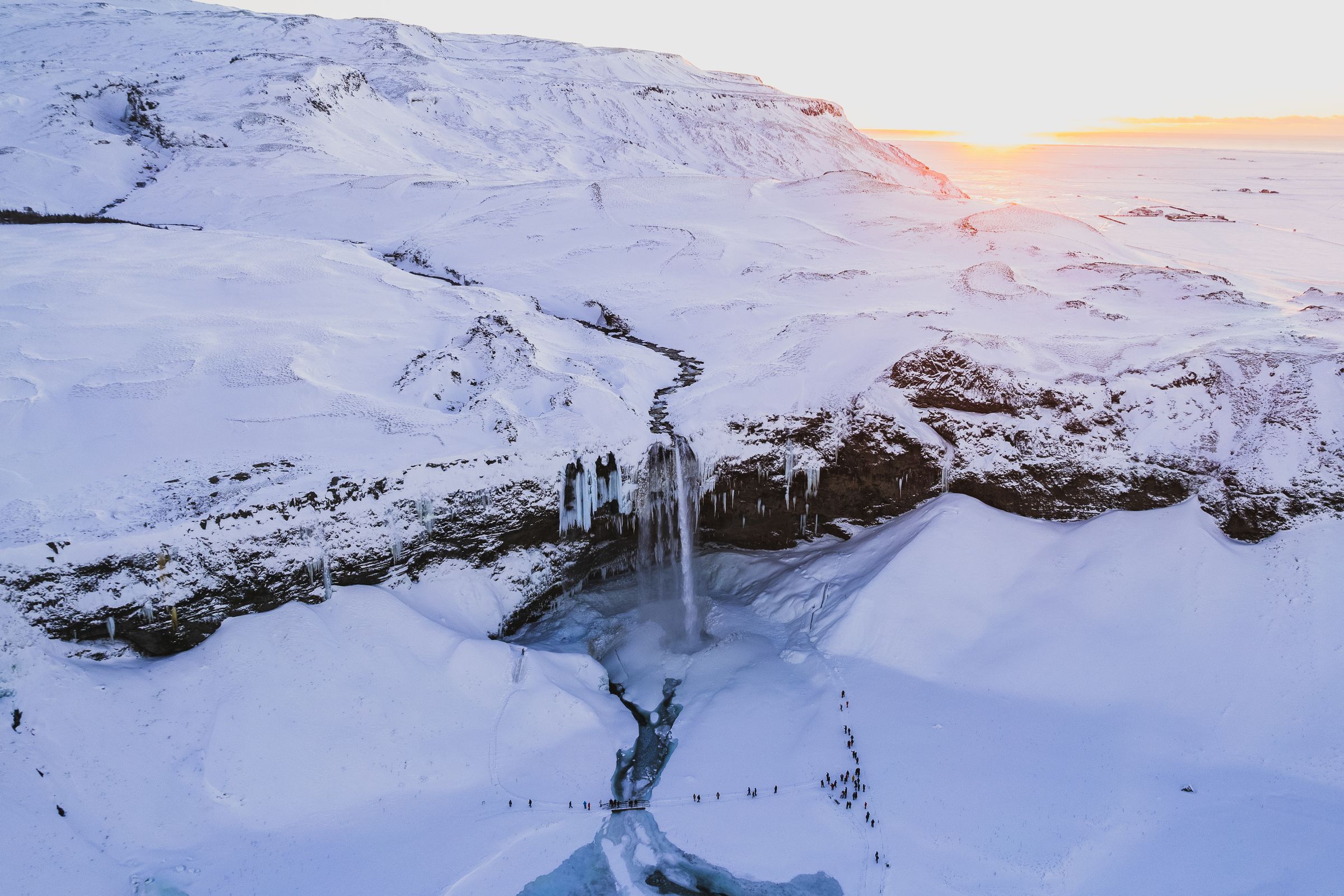
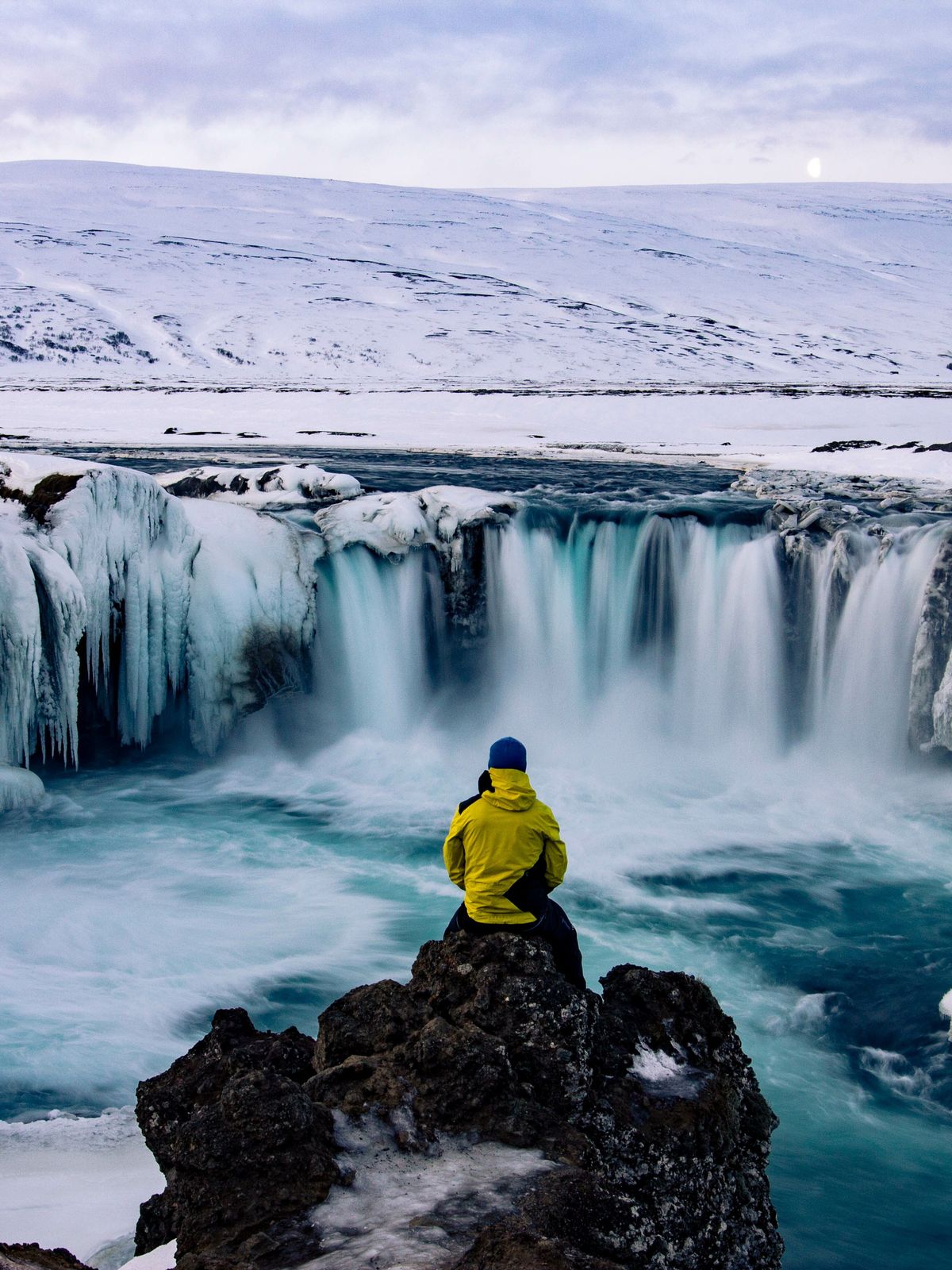
Winter is the best time for Northern Lights, ice caves, and snowy landscapes, but shorter days and rough weather can make travel more difficult.
Iceland gets much more crowded and expensive during July and August, while winter and shoulder seasons are generally quieter and cheaper.
The best season really depends on what you want to do: summer is best for hiking and sightseeing, winter works best for Northern Lights and ice caves, and shoulder seasons give you a mix of both.
Iceland’s weather changes fast in every season, so packing layers and checking road and weather updates every day is important no matter when you visit.
Things to Consider When Choosing When to Visit Iceland
When you plan your Iceland trip, you need to think about several vital factors that vary throughout the year. Understanding these basics helps you match your trip with what you want.
Weather and Temperature
Iceland's weather fluctuates significantly between seasons. Summer is mild at 10-15°C (50-59°F), great for exploring. Winter averages around 0°C (32°F) in Reykjavík, and gets much colder in the northern areas.
The Gulf Stream keeps coastal areas warmer, especially in the south and the west. Weather shifts quickly in Iceland. There's a saying that if you don't like the weather, just wait five minutes. Always bring layers, no matter when you visit.
North Iceland is colder than the south, particularly in winter. The Highlands are only open in summer (mid-June to early September) because of snow and road conditions.
Daylight Hours
Iceland's location means significant differences in daylight. During the summer solstice (June 21), the sun barely sets. In Reykjavík, it dips below the horizon for just 2-3 hours, staying light enough to read a book outside at midnight.
The winter solstice brings only 4-5 hours of daylight to Reykjavík. This limited light means you need to plan your day carefully, but it's perfect for seeing Northern Lights.
Spring and fall have fast changes, with spring adding about 7 minutes of light each day. These shifting light patterns affect what you can do and when.
Tourist Crowds
Tourism in Iceland follows clear patterns that change your experience. Peak summer (June-August) brings the most visitors, with July and August being the busiest.
Nearly 750,000 people visited South Iceland attractions in July 2024, so you can expect popular spots to be quite busy. May and September typically have about half as many people, giving you more space while still having decent weather.
Winter months from November through March (except Christmas/New Year) have the fewest tourists. January and February are the quietest times at major attractions.
Costs and Availability
Iceland's prices change with the seasons. Summer hotel rates are 30-50% higher than winter rates, especially in Reykjavík and popular tourist spots. Car rentals cost more in summer, too.
In summer, you need to book 6-12 months ahead for popular places. Winter gives you more options and lower rates, though Christmas and New Year still cost more.
Spring and fall offer the best balance of reasonable prices and good availability.
Road Conditions and Accessibility
Road access changes significantly by season, too. Summer opens all main routes, including the Highland F-roads, which require 4x4 vehicles. This is the only time you can reach the interior of the country.
Winter often affects travel, especially in northern and eastern areas. The Ring Road usually stays open year-round, but sections might close during storms. Access to the Westfjords is also very limited during winter.
Spring and fall have changing conditions, so it’s harder to know what to expect. Always check road.is for current updates on road conditions and closures.
Overall Best Time to Visit Iceland (Regardless of Your Priorities)
Best Time to Visit Iceland for the Northern Lights
The Northern Lights are visible from late September to early April, with the best months being November to March. Stay 3–4 nights, avoid city lights, check forecasts on vedur.is, and consider guided tours for better chances.
Best Time to Visit for Good Weather
Mid-June to mid-August offers the most stable weather, 10–15°C (50–59°F), less rain, and open Highland F-roads. All hiking trails are accessible, but layers are still needed due to quick weather changes.
Best Time to Visit For Fewer Crowds
October to April (except holidays) is the quietest, with November and January–February having the fewest tourists. July and August 2024 saw over 700,000 visitors in South Iceland, while April and May had fewer than 400,000. For good weather with fewer crowds, late May or early September is ideal.
Best Time to Visit for Lower Prices
November and January–March offer 30–50% cheaper hotels, rentals, and tours than summer. Booking early, using guesthouses with kitchens, seeking winter deals, and traveling midweek help save more.
Best Time for Wildlife Watching
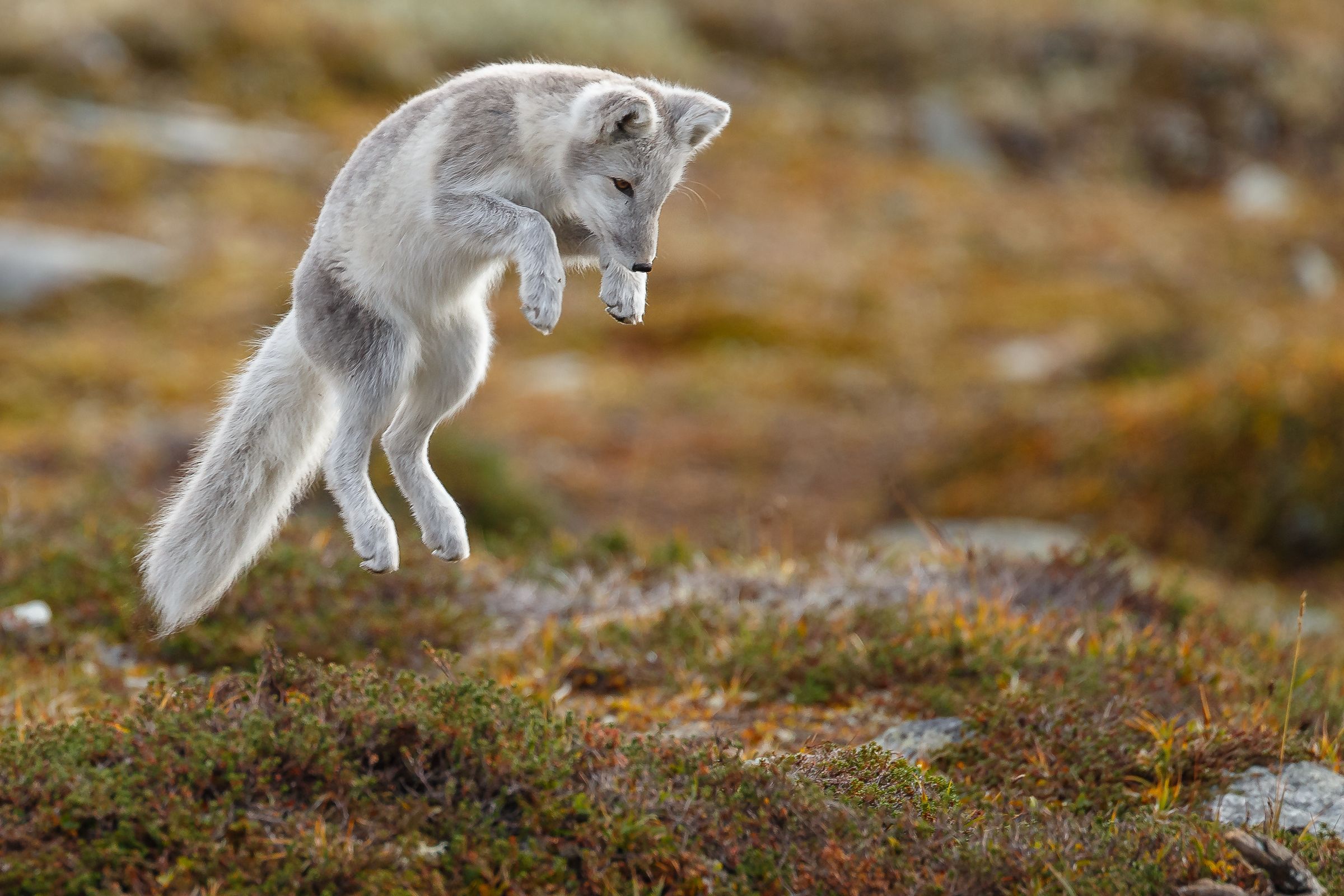
Puffins are seen May–August, whales April–September (peak May–August), and reindeer and arctic foxes year-round. Seals are also year-round, with pupping in May–June. June and July provide the widest variety of wildlife.
Best Time for Outdoor Adventures
Hiking is best June–September, with the Highlands open mid-June to early September. Ice caves are only from November–March, glacier hiking is year-round, and rafting peaks in June. Late June or early September offers the most activities with fewer tourists.
Best Time for Holidays & Cultural Festivals
Major festivals include National Day (June 17), Merchants’ Weekend, and Reykjavík Culture Night in August. Winter highlights Christmas markets, New Year fireworks, and Þorrablót feasts, while November features Iceland Airwaves. Seasonal events run year-round, from summer solstice parties to Viking-inspired celebrations.
Photography
Iceland is photogenic year-round: summer brings the Midnight Sun and lush landscapes, fall has golden birch trees and Northern Lights, winter offers snow, ice caves, and auroras, and spring combines greenery with snow-capped peaks. Each season gives unique lighting and scenery for photography.
For a good balance between nice conditions and fewer crowds, the shoulder seasons, from late May to early June or September, might be your best bet.
Late May and early June have increasing daylight (16-18 hours daily) with temperatures warming to 7-12°C (45-54°F). There are fewer tourists than in peak summer, but most sites are still easily accessible.
September has similar benefits from the other direction. Days are still fairly long (13-14 hours), and tourist numbers drop after the summer peak. This time also brings the first chance to see Northern Lights as darkness returns to the night sky.
Both periods keep most attractions and roads open while avoiding the harsh winter conditions or the summer crowds.
Best Time for Specific Priorities
Your best time depends on what you want to do: see Northern Lights, spot wildlife, join cultural events, or have outdoor adventures. This section helps you determine when to visit based on your interests.
Best time to visit Iceland for the Northern Lights
Northern Lights need darkness to be visible, so visit between late September and early April. The best months are November through March when nights are longest and darkest.
Mid-June to mid-August has the most stable weather, with temperatures of 10-15°C (50-59°F), less rain, and calmer winds. All hiking trails and the Highland F-roads are open during this time.
Even in summer, bring layers. Iceland's weather changes quickly, and conditions vary by region.
Best Time to Visit For Fewer Crowds
Low season (October to April, excluding Christmas/New Year) gives you the most peaceful experience. November and January-February have the fewest tourists. According to official data, in July and August 2024, 740,850 and 697,519 people visited the top attractions in the southern part of the country, which is the most popular. In comparison, "only" 285,625 and 372,156 tourists visited the same places in April and May.
During these months, the popular spots have way fewer visitors, and accommodations are easier to find and often cheaper. For decent weather with fewer tourists, try late May or early September.
Best Time to Visit for Lower Prices
November and January through March offer the best value. During these months, hotel rates can be 30-50% lower than in the summer, with cheaper car rentals and tour discounts available.
To save money:
Book accommodations well in advance
Choose guesthouses with a kitchen so you can cook your own food
For the most diverse wildlife, visit in June or July.
Best Time for Outdoor Adventures
The best time for outdoor activities depends on what you want to do:
Hiking: June-September, with the Highlands open mid-June to early September
Glacier hiking: Year-round, with winter having bluer ice
Ice caves: November-March only, best in January-February
River rafting: May-September, peak flows in June
Mountain biking: June-September
Hot springs: Nice all year round, but especially lovely when it’s cold outside
Late June or early September gives you the most adventure options with fewer crowds.
Best Time for Holidays & Cultural Festivals
Iceland offers a rich tapestry of cultural celebrations throughout the year, from ancient Viking traditions to modern music festivals. This month-by-month guide will help you plan your visit to coincide with unique Icelandic celebrations that interest you.
January
New Year's Day (January 1): A quiet public holiday following vibrant New Year's Eve celebrations.
Þrettándinn (January 6): "Thirteenth Day of Christmas" with bonfires marking the end of the Christmas season.
Þorrablót (Mid-January to Mid-February): Traditional midwinter Viking feasts featuring fermented shark, dried fish, and other traditional foods paired with brennivín schnapps.
Dark Music Days: Contemporary music festival capitalizing on the winter darkness.
Winter Lights Festival (Early February): Celebrates the return of light after winter with illuminated art installations throughout Reykjavík.
February
Bolludagurinn (Bun Day): Monday before Lent, when Icelanders enjoy cream-filled pastries.
Öskudagurinn (Ash Wednesday): Children dress in costumes and sing for candy, similar to Halloween.
Sónar Reykjavík: Electronic music and digital arts festival at Harpa Concert Hall.
March
Beer Day (March 1): Commemorates the end of beer prohibition in 1989 with special events in bars.
Food and Fun Festival: International chefs create menus using Icelandic ingredients at Reykjavík restaurants.
Iceland Winter Games: Winter sports festival in North Iceland featuring skiing and snowboarding competitions.
April
Easter Holidays: Five-day weekend from Maundy Thursday to Easter Monday with family gatherings and chocolate eggs.
Sumardagurinn fyrsti (First Day of Summer): Third Thursday in April, a public holiday marking the start of summer despite typically cool weather.
Aldrei fór ég suður: Alternative music festival held in Ísafjörður during Easter weekend.
May
May Day (May 1): Labor Day public holiday with parades in Reykjavík.
Reykjavík Arts Festival: Major biennial arts and culture event featuring music, theater, dance, and visual arts.
Vaka Folk Arts Festival: Celebrates Nordic folk music and dance traditions in Akureyri.
June
Sjómannadagurinn (Fishermen's Day): First Sunday in June honoring Iceland's maritime heritage with harbor events, boat tours, and seafood.
Icelandic National Day (June 17): Celebrates independence with parades, speeches, and street performances nationwide.
Viking Festival: Mid-June celebration of Norse heritage in Hafnarfjörður with reenactments and Viking crafts.
Secret Solstice Festival: Music festival held during the Midnight Sun featuring international and Icelandic artists.
July
Irish Days: Early July festival in Akranes celebrating historical ties with Ireland.
Kótelettan: Food festival in Selfoss centered on grilled lamb chops.
Götubitahátíð: Food truck festival in downtown Reykjavík offering diverse street food.
Landsmót Horse Festival: Biennial showcase of Icelandic horses featuring competitions and demonstrations.
Eistnaflug: Rock and metal music festival in Neskaupstaður in the East Fjords.
August
Verslunarmannahelgi (Merchants' Weekend): First weekend of August, featuring numerous festivals nationwide:
Þjóðhátíð: Massive festival in the Westman Islands with music, bonfires, and fireworks.
Innipúkinn: Alternative music festival in Reykjavík for those who stay in the city.
Eina með öllu: North Iceland's biggest festival in Akureyri with concerts and family activities.
Reykjavík Pride: Colorful LGBTQ+ celebration with parades and concerts.
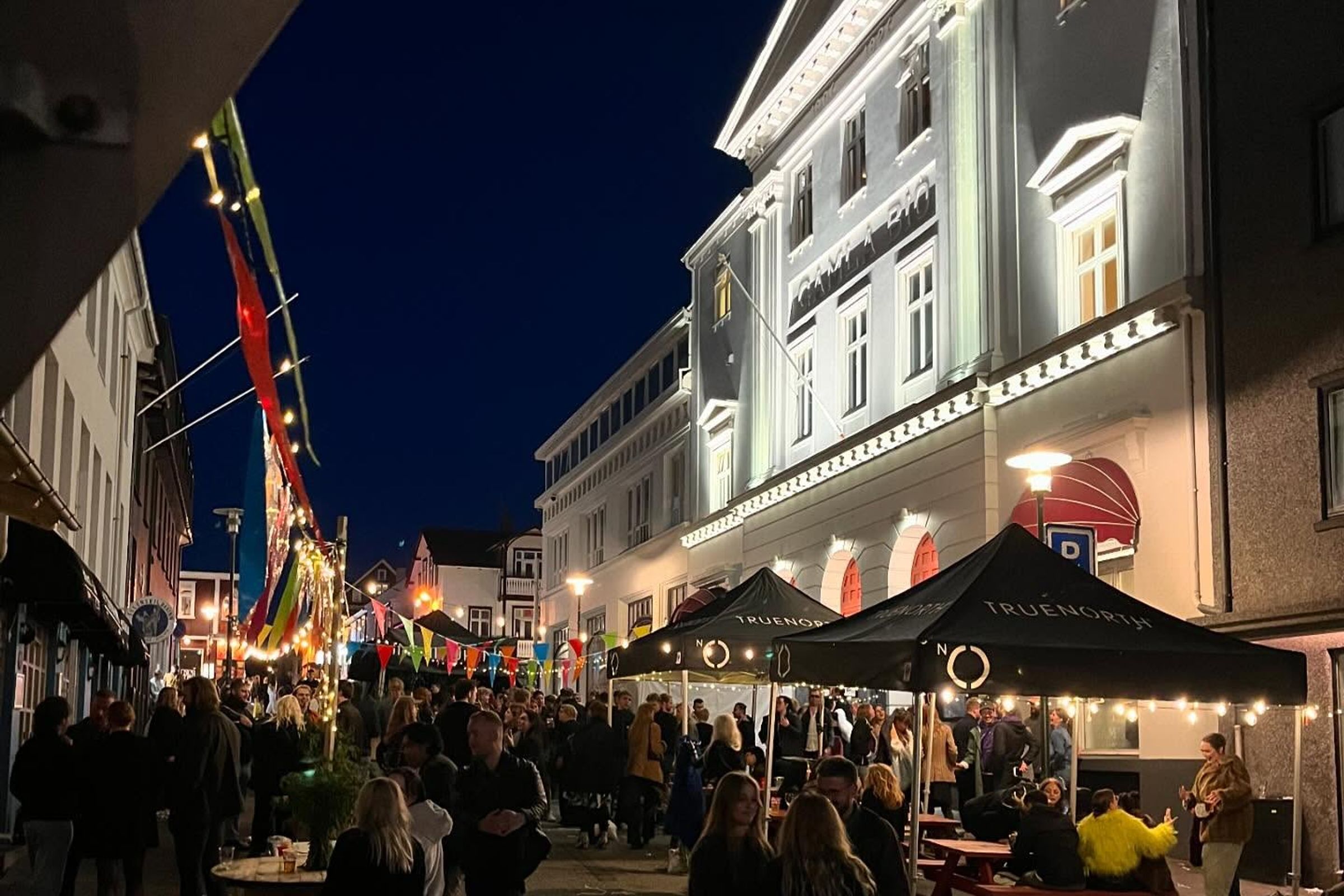
Reykjavík Culture Night: City-wide arts festival with free events, exhibitions, and performances.
Danish Days: Celebrates historical ties with Denmark through traditional food and cultural activities in Stykkishólmur.
September
Réttir (Sheep Roundup): Throughout September, farmers round up sheep from the highlands, often with community gatherings.
Ljósanótt (Night of Lights): Cultural festival in Keflavík featuring art exhibitions and fireworks.
Reykjavík International Film Festival: Independent film festival showcasing works from around the world.
Oktoberfest: Beer festival hosted by the University of Iceland in mid-September.
October
Imagine Peace Tower Lighting (October 9): Annual lighting of Yoko Ono's art installation on Viðey Island.
Iceland Airwaves: Renowned music festival featuring emerging and established artists across Reykjavík venues.
Local Storytelling Festivals: Events in smaller towns focused on Icelandic sagas and folklore.
November
Icelandic Language Day (November 16): Celebrates the Icelandic language and poet Jónas Hallgrímsson.
Beginning of Christmas Season: Late November sees Christmas lights and decorations appearing in towns.
December
Christmas Season:
Þorláksmessa (December 23): Day of last-minute shopping and fermented skate fish.
Christmas Eve (December 24): Main Christmas celebration in Iceland, beginning at 6 pm.
Christmas Day & Second Day of Christmas (December 25-26): Family gatherings and continued celebrations.
New Year's Eve (December 31): Spectacular nationwide celebration with community bonfires and massive fireworks displays at midnight.
Iceland's festivals are an excellent way to learn about the local culture and traditions. June has Iceland's National Day (June 17), with celebrations taking place across the country. August features several significant events, including Merchants' Weekend and Reykjavík Culture Night.
Winter has special seasonal celebrations, particularly Christmas markets and the Þorrablót feasts, which feature traditional foods dating from Viking times. November hosts the Iceland Airwaves, the largest music festival in Iceland, featuring both local and international bands.
Main festivals by season:
June: Fishermen's Day, National Day (June 17), Secret Solstice Festival
August: Merchants' Weekend, Þjóðhátíð, Reykjavík Pride, Reykjavík Culture Night
October-November: Iceland Airwaves, Reykjavík Film Festival
December-January: Christmas markets, New Year's fireworks, Þorrablót feasts
Photography
Iceland offers great photography year-round. Summer has the Midnight Sun with extended golden hours perfect for landscapes. In the Fall, you can see exuberant colors as birch trees turn gold against the black lava fields.
Winter photography is ideal for capturing snow scenes, ice formations, the blue light in ice caves, and, of course, the Northern Lights. The low sun throughout winter days gives soft, directional light ideal for landscapes.
Each season has different advantages:
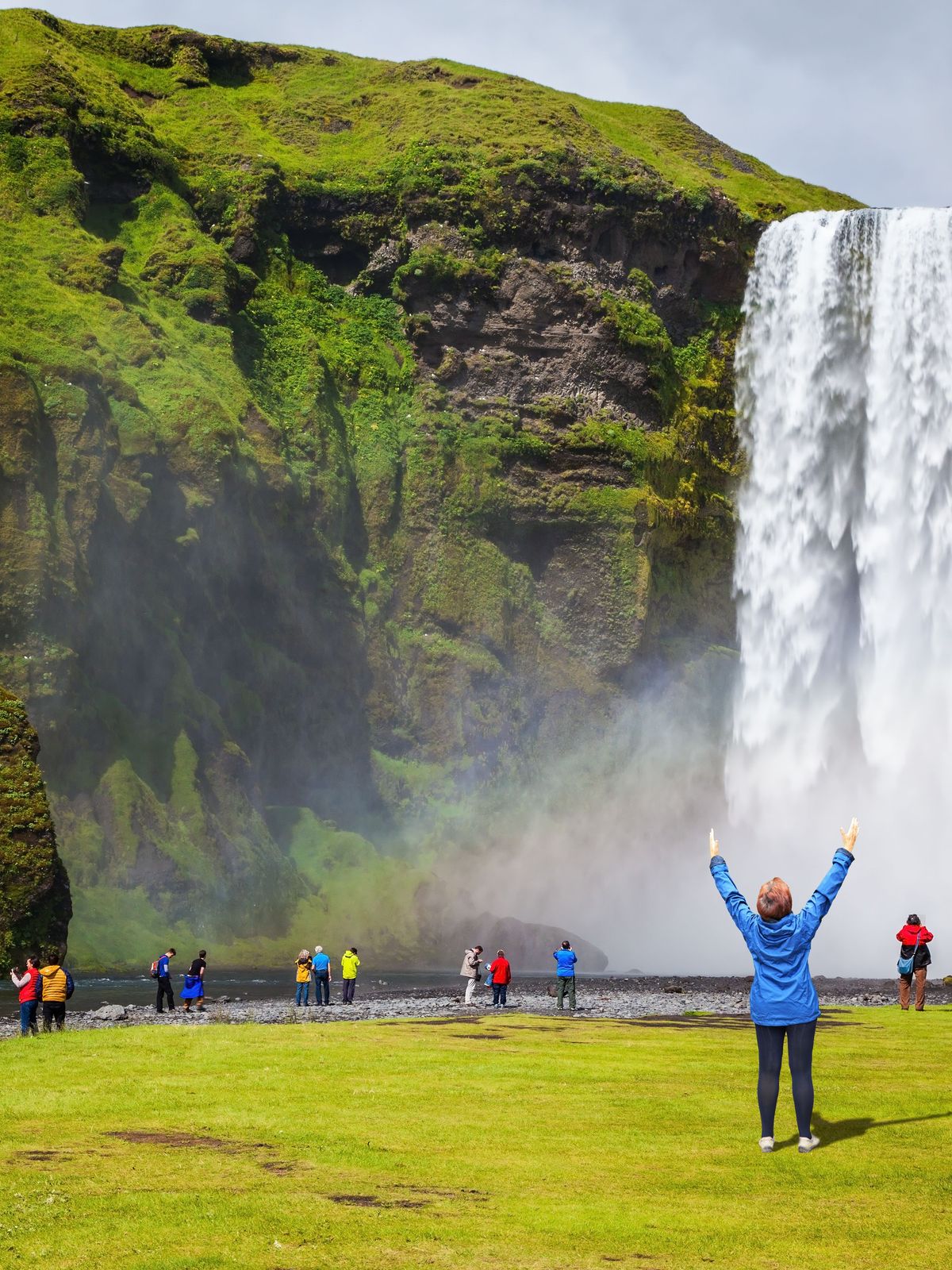
Summer: Midnight Sun, green landscapes, waterfalls at peak flow
Spring: Snow-capped mountains with returning greenery
Conclusion
Iceland offers amazing experiences year-round. Summer has endless daylight and open roads, but more crowds and higher prices. Winter brings Northern Lights and ice caves, but has limited daylight and road access. The shoulder seasons provide the best balance.
Frequently Asked Questions About The Best Time to Visit Iceland
Yes, especially those in the Highlands or smaller towns. Reykjavík’s museums stay open year-round.
In September. Visitors can often watch, and some tours let you help herd sheep.
Late Aug–Mar, when skies are dark. Even without aurora, the Milky Way is spectacular.
Yes — during July–Aug and the early Aug bank holiday weekend (Verslunarmannahelgi). Expect Icelanders camping, partying, and enjoying festivals.