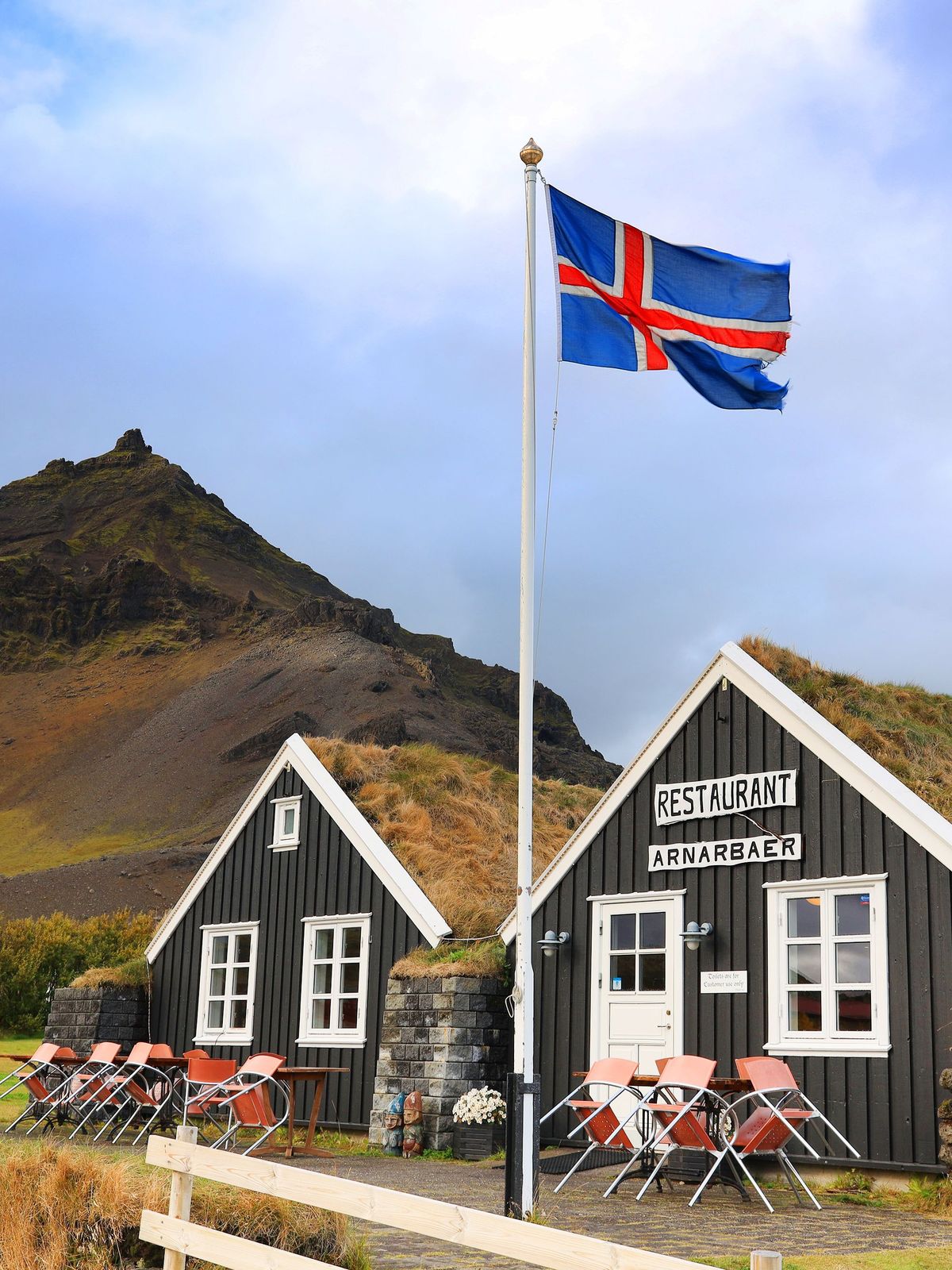
Iceland sits out in the North Atlantic and somehow works even though a lot of it feels like it shouldn’t. Around 400,000 people live on a volcanic island where the ground moves, the weather changes fast, and things that would feel strange in most countries are just normal, like leaving babies outside to nap in the cold or realizing you might be related to someone if you go back far enough.
It’s a place where old Viking habits persist, but it’s also very modern and well-organized. Iceland shows up on a lot of “best country” lists for safety and quality of life, and once you see how things actually work there, it makes sense. It’s not like most European countries, and it doesn’t try to be; it just does its own thing, and it usually works out.
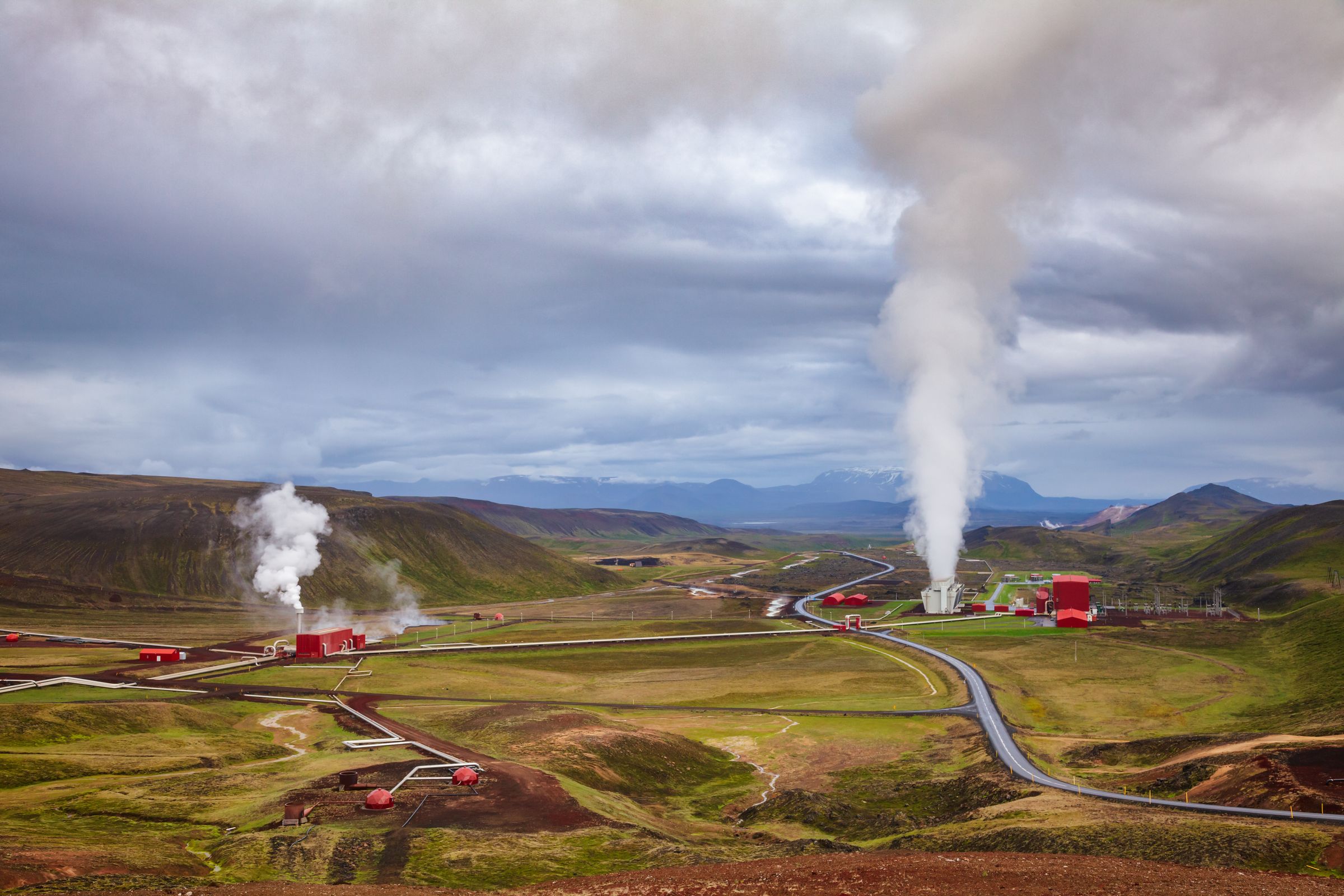
1. Iceland Runs Almost Entirely on Renewable Energy
Iceland gets about 99.9% of its electricity from renewable energy, mainly geothermal and hydropower. More than 90% of homes are heated using hot water pumped directly from natural hot springs. This reduces fuel imports and keeps energy costs low. The system is simple, efficient, and deeply tied to Iceland’s geology.
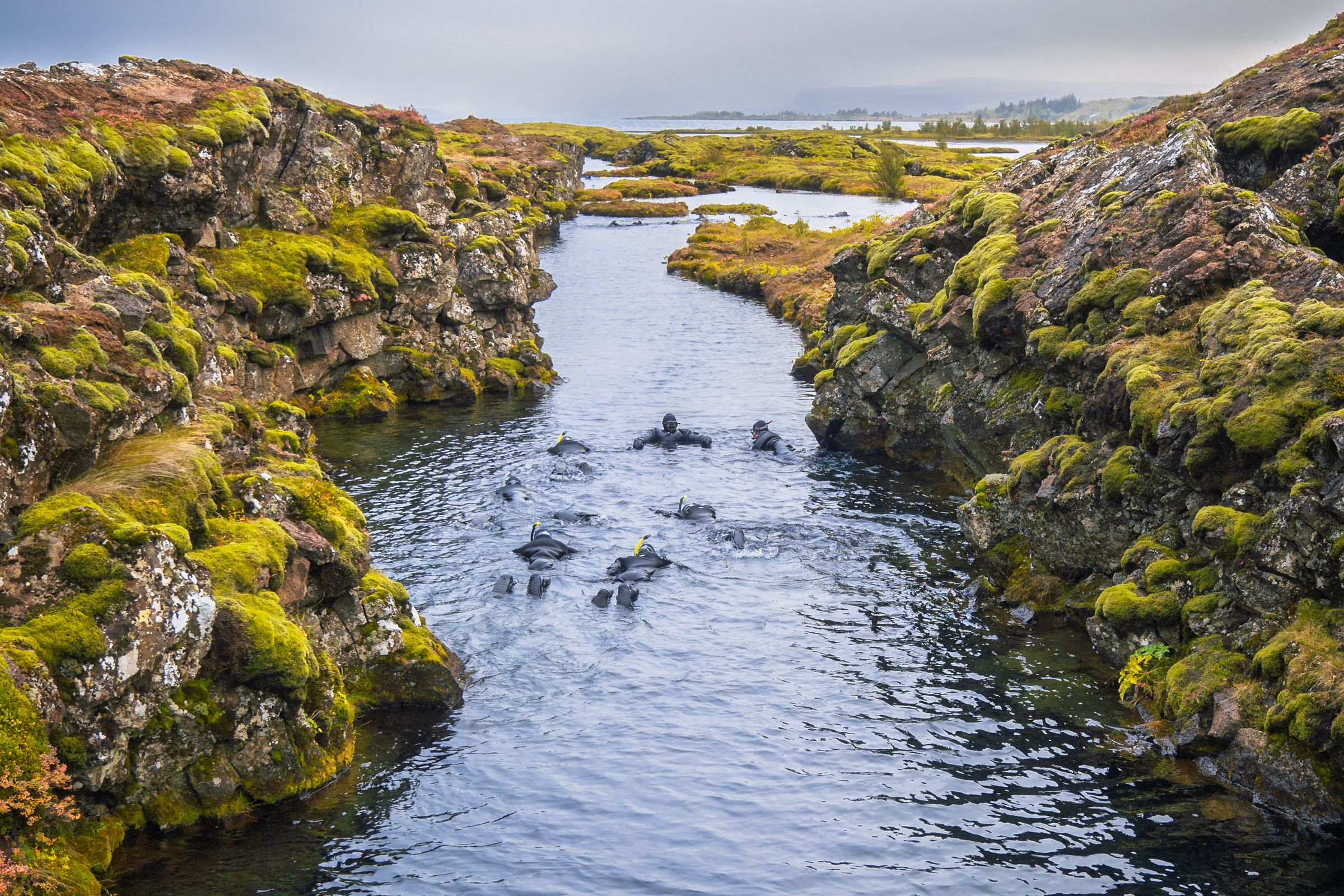
2. You Can Walk Between Two Continents at Þingvellir
At Þingvellir, you can walk between the North American and European tectonic plates. The plates move apart by about 2 centimeters each year, creating visible cracks in the ground. Visitors can even snorkel in Silfra, a clear-water fissure between the plates. The site is also historically important as the home of Iceland’s first parliament.
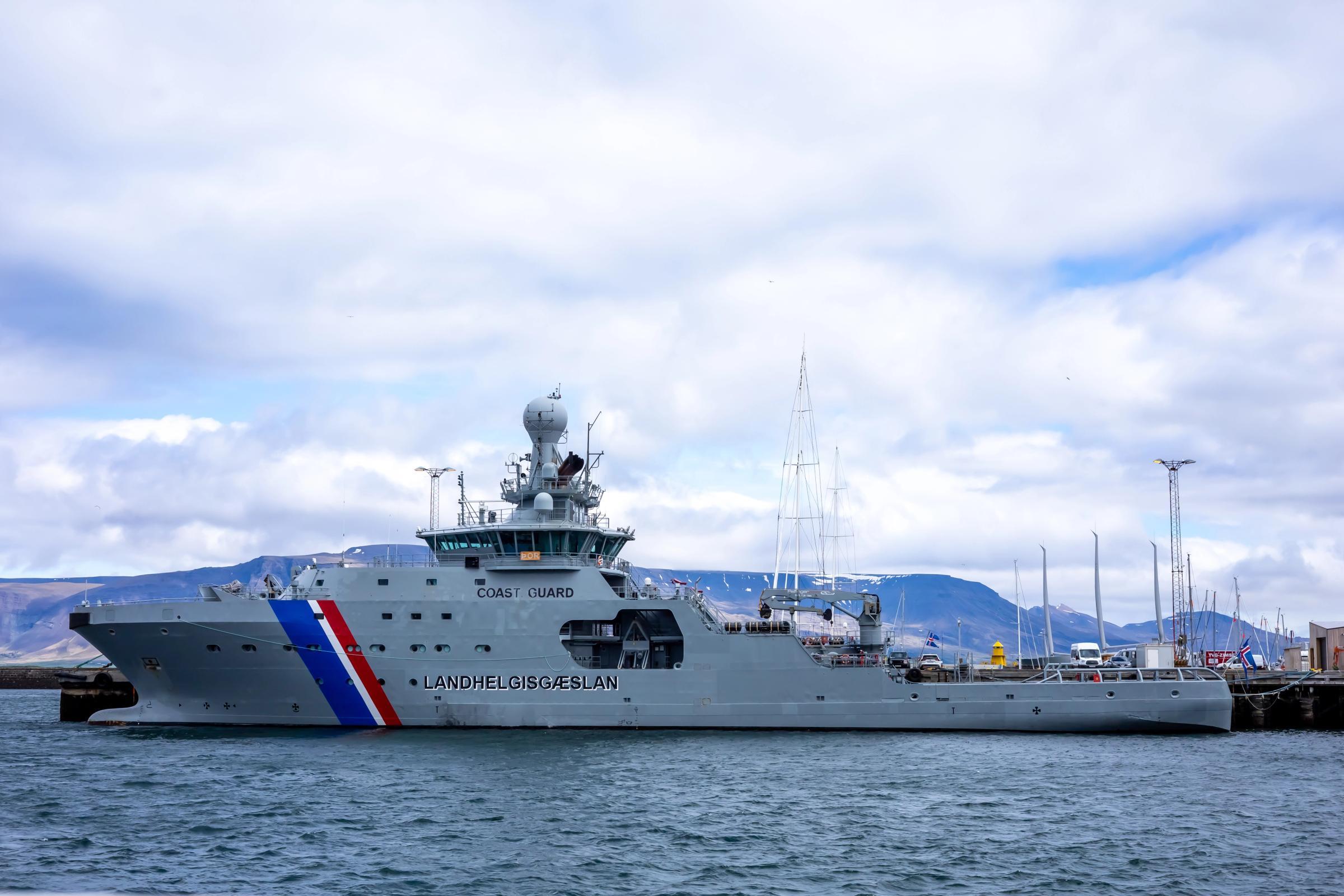
3. Iceland Has No Standing Army
Iceland has no army, air force, or navy, only a Coast Guard. It has been this way since 1869 and relies on NATO allies for defense. Money that could go to weapons is instead spent on healthcare, education, and public services. Iceland still contributes internationally, including financial support to Ukraine.
4. The Language Hasn’t Changed in 1,000 Years
Modern Icelanders can read Viking-era texts with little difficulty. Icelandic has stayed very close to its original form for about a thousand years. This is helped by deliberate language protection and the creation of new Icelandic words instead of borrowing foreign ones. The language remains a strong part of national identity.
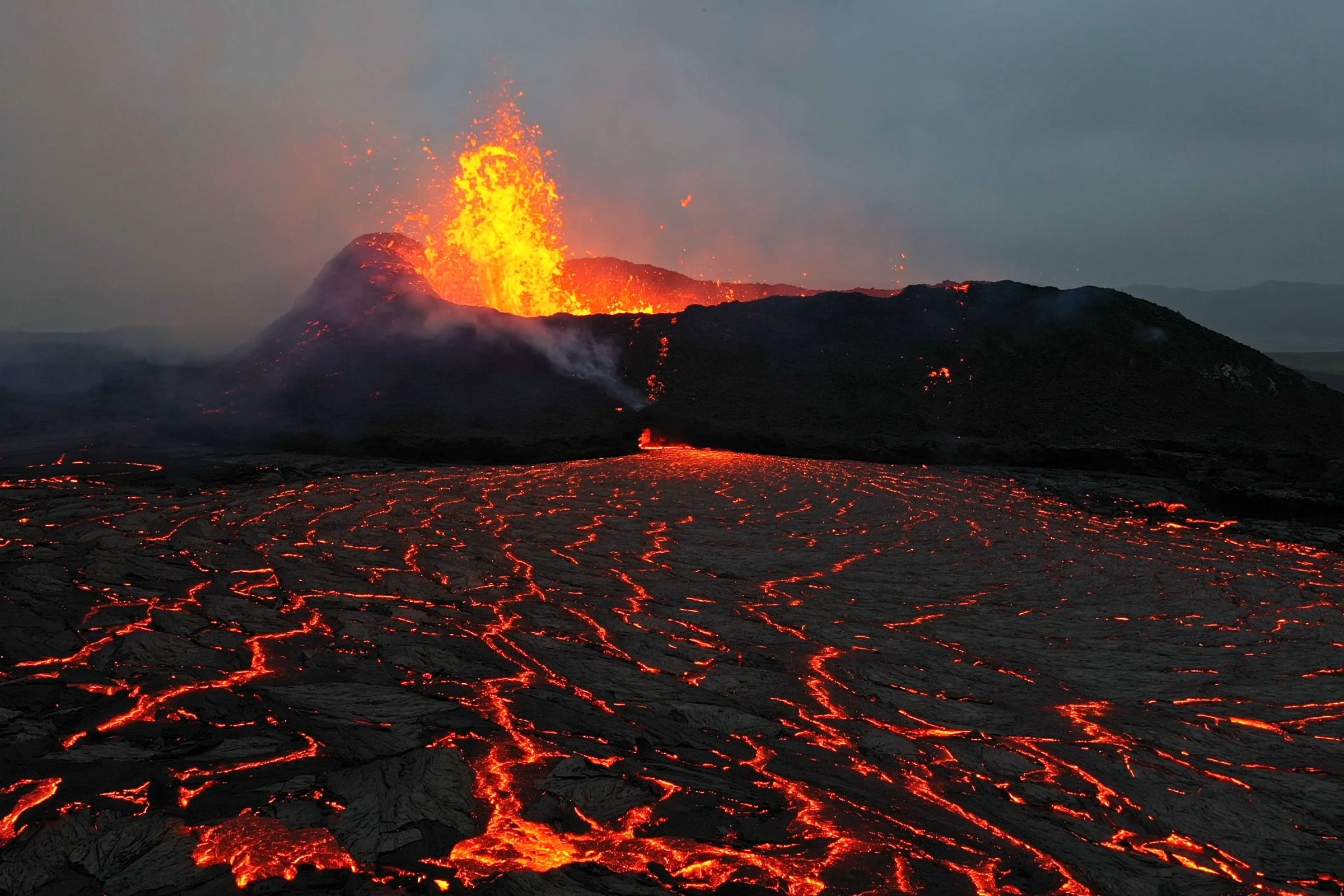
5. Volcanic Eruptions Regularly Reshape the Country
Iceland has more than 30 active volcanoes, with eruptions happening every 3 to 5 years. Volcanic activity is a normal part of life and something people plan around. Recent eruptions near Grindavík created new land and forced evacuations. These volcanoes also make geothermal energy and fertile soil possible.
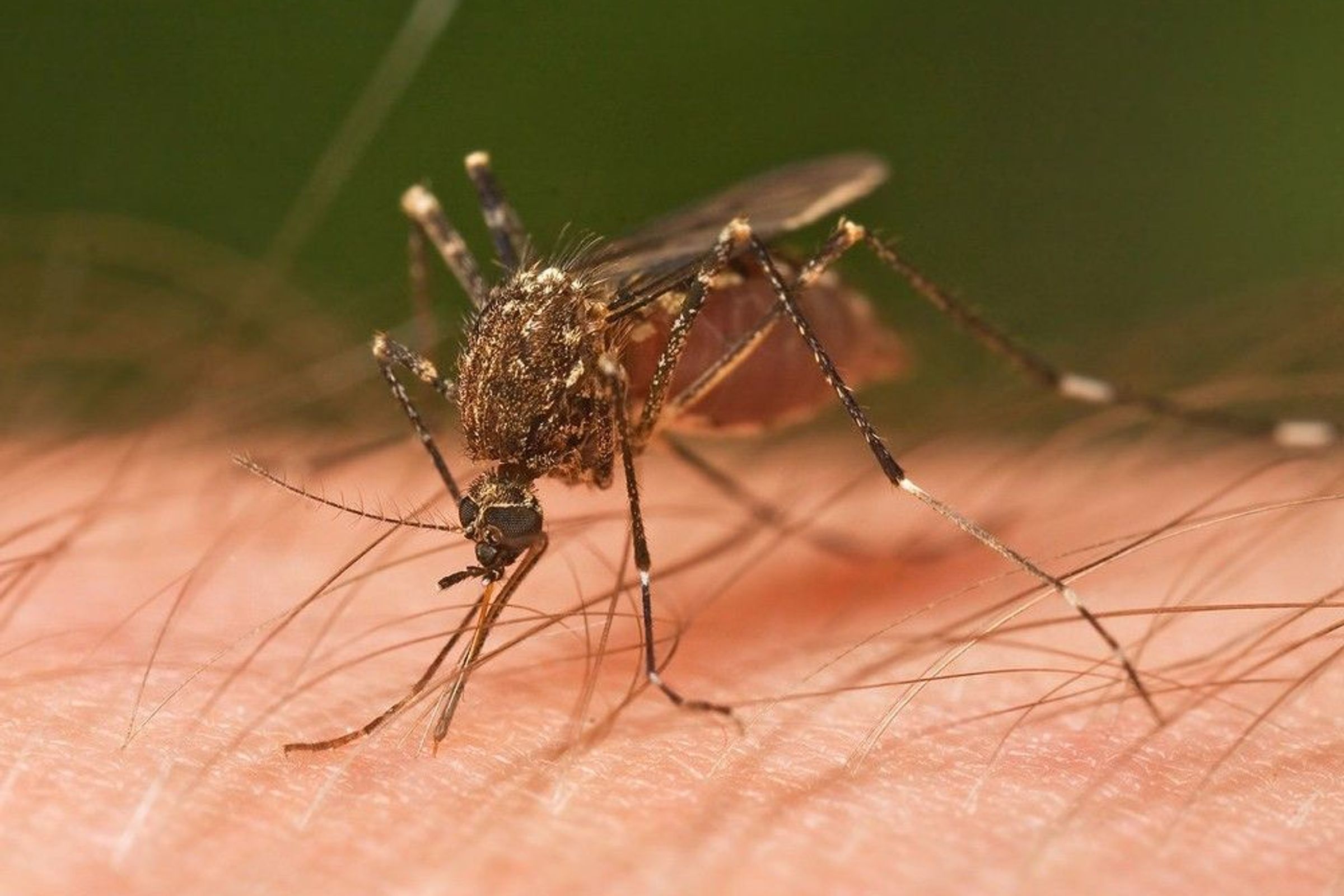
6. Iceland Had No Mosquitoes Until 2025
For decades, Iceland was known for having no mosquitoes due to its cold climate. In October 2025, mosquitoes were confirmed breeding in the wild for the first time. Only a small number have been found so far. Scientists link this change to rising temperatures.
7. Names Follow Ancient Patronymic Traditions
Icelandic last names are based on a parent’s first name, not a family surname. A child’s last name usually ends in “son” or “dóttir,” or a newer gender-neutral form. Because of this, people in the same family often have different last names. This system has been used for over 1,000 years.
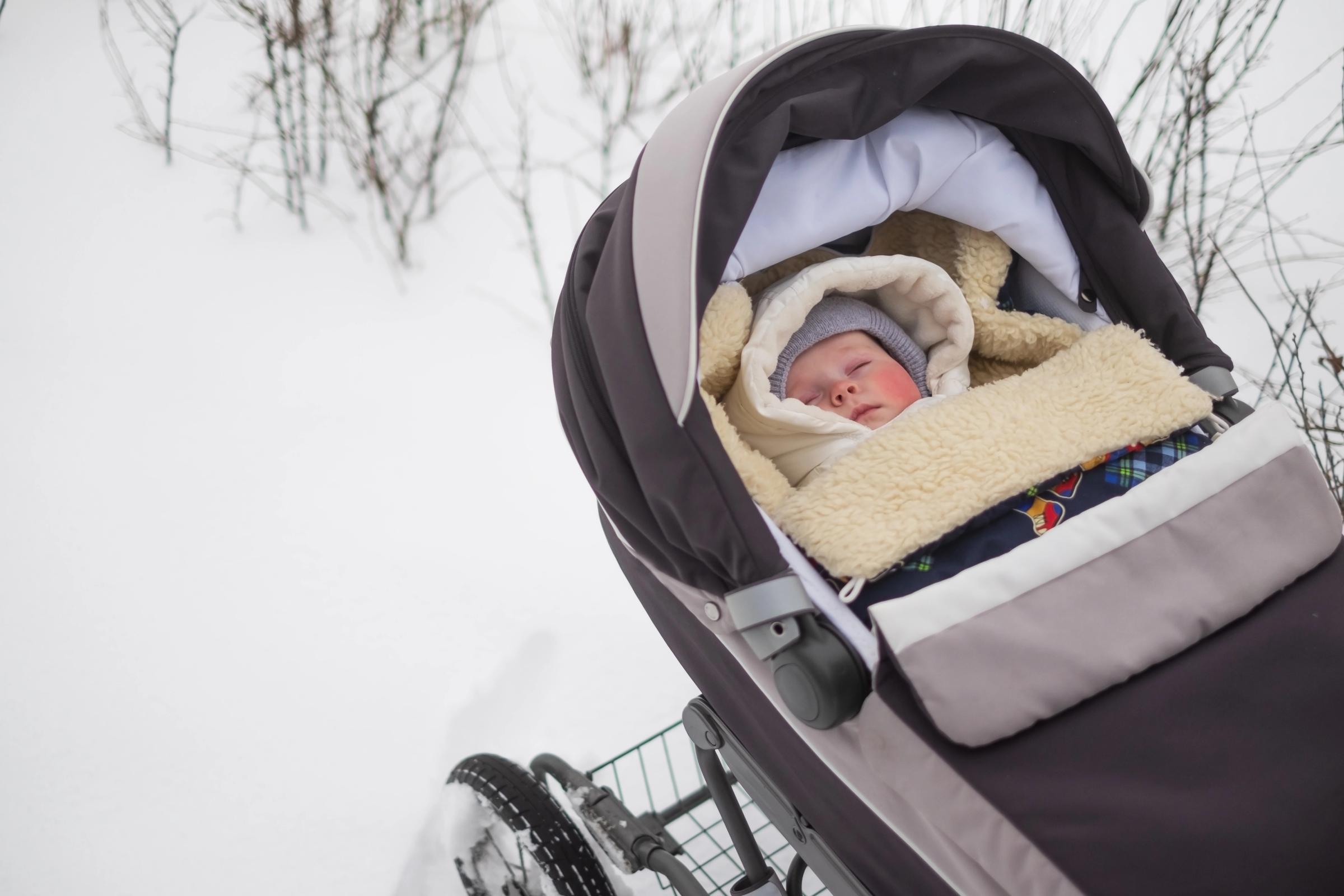
8. Babies Routinely Nap Outside in Freezing Weather
It is common in Iceland for babies to sleep outside in strollers, even in cold weather. Parents believe fresh air helps babies sleep better and stay healthy. Crime is very low, so this practice is based on trust. Daycare centers often do the same thing.
9. One in Ten Icelanders Publishes a Book
Iceland has a strong reading culture, with about 93% of people reading at least one book a year. Around one in ten Icelanders will publish a book during their lifetime. Most new books are released before Christmas in a tradition called the Christmas Book Flood. Writers are supported by grants and small-scale publishing.
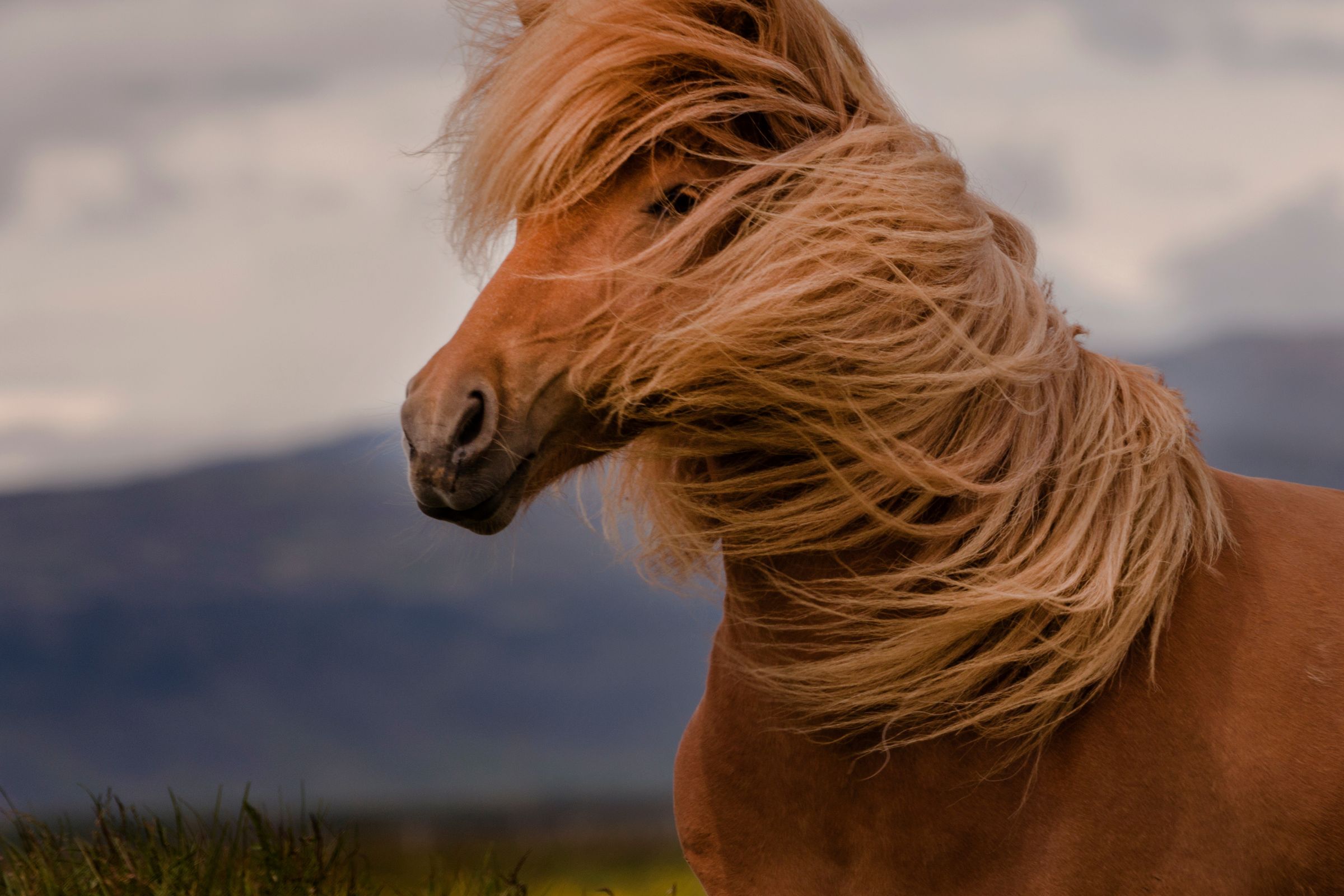
10. Icelandic Horses Have Five Gaits and Can Never Return
Icelandic horses have five gaits, including the smooth tölt. They have been isolated since Viking times, which keeps the breed pure. Any horse that leaves Iceland is never allowed to return. There are about 80,000 Icelandic horses, more than one for every five people.
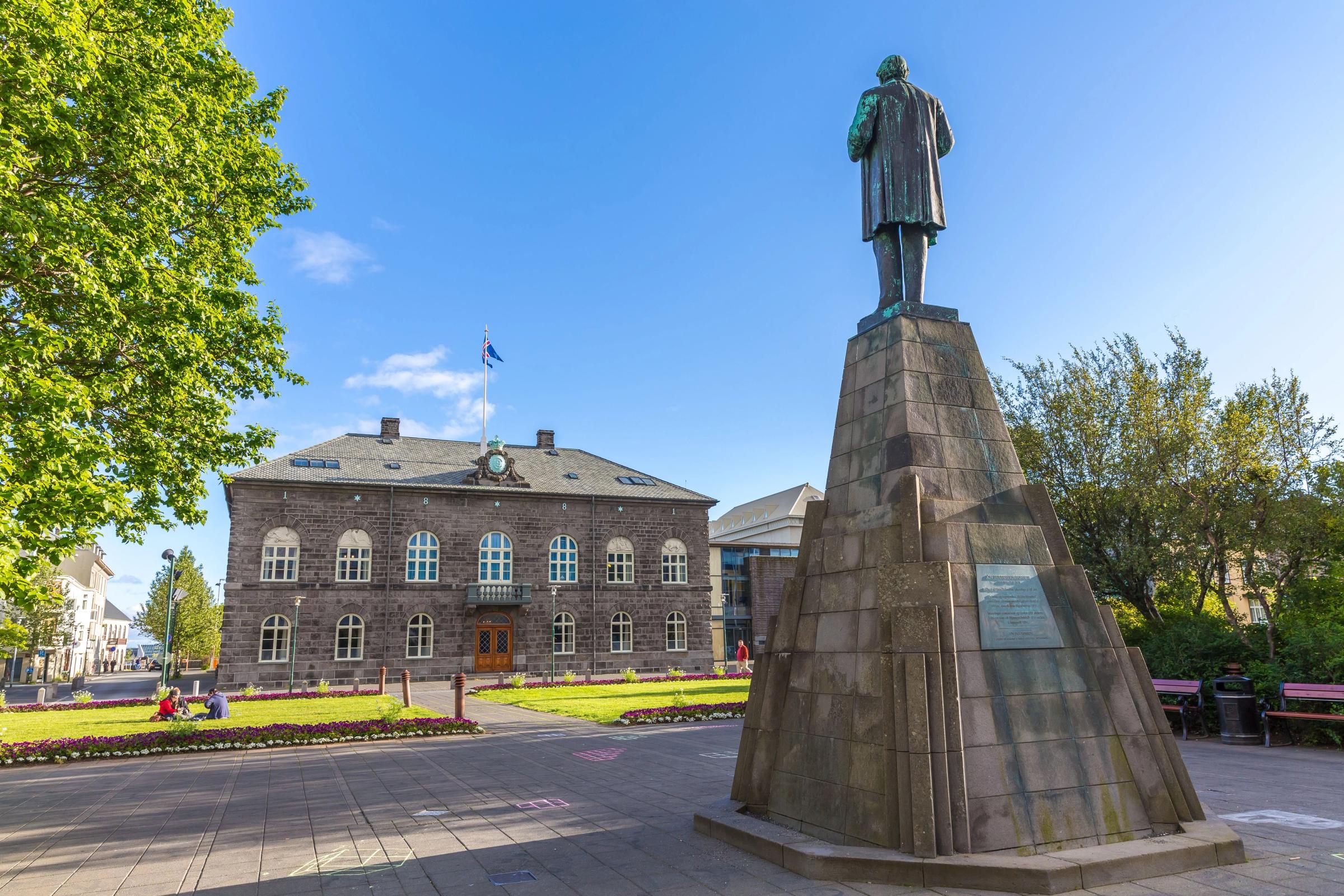
11. The World’s Oldest Parliament Still Operates
Iceland’s parliament, the Alþingi, was first established in 930 AD. It originally met outdoors at Þingvellir and made laws for the country. Although it was paused during Danish rule, it was restored in 1845. Today it operates in Reykjavík with 63 members.
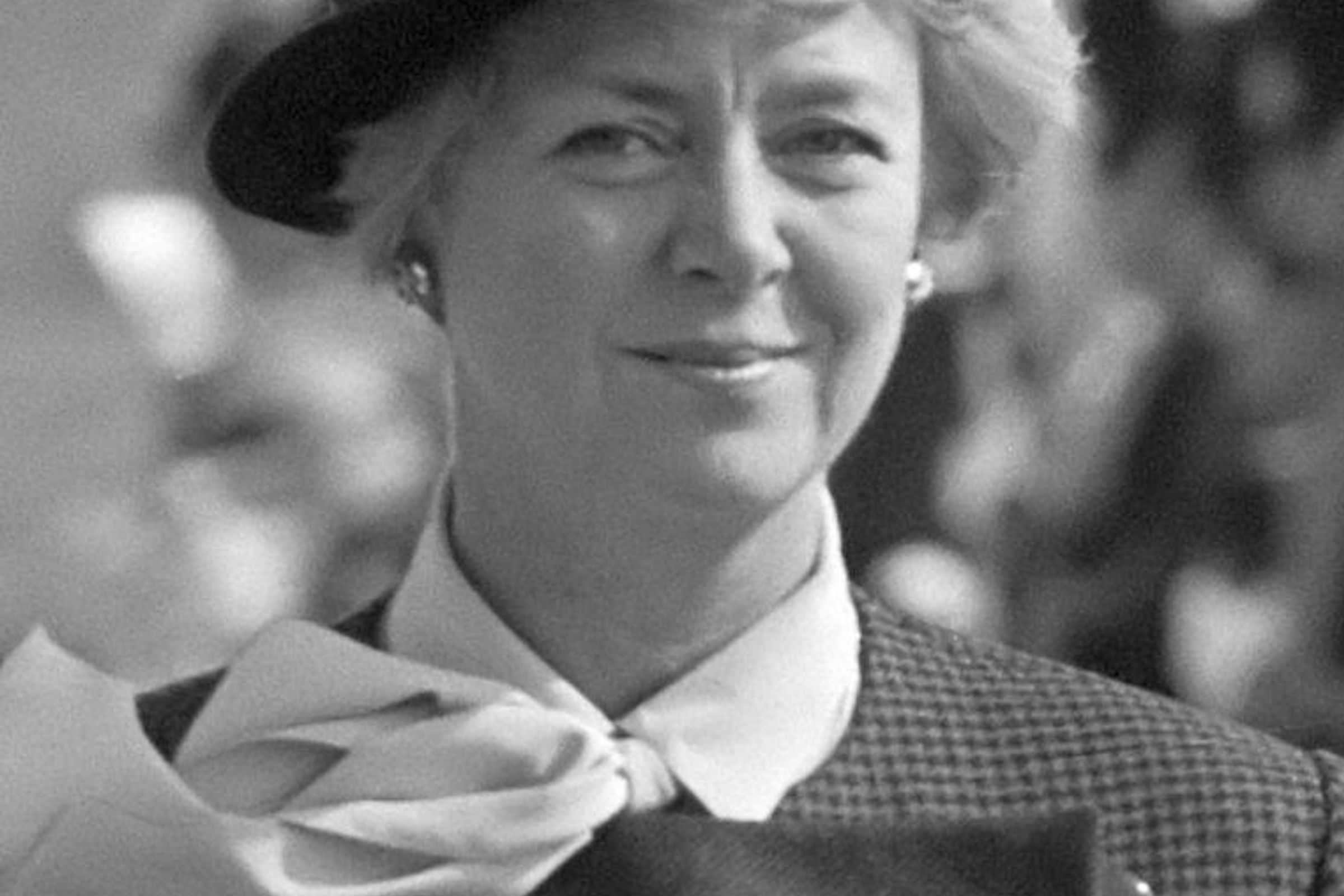
12. First Democratically Elected Female President
In 1980, Iceland elected Vigdís Finnbogadóttir as president. She was the first woman in the world democratically elected as a head of state. She served for 16 years and focused on education, culture, and women’s rights. Her election followed the powerful 1975 Women’s Strike.
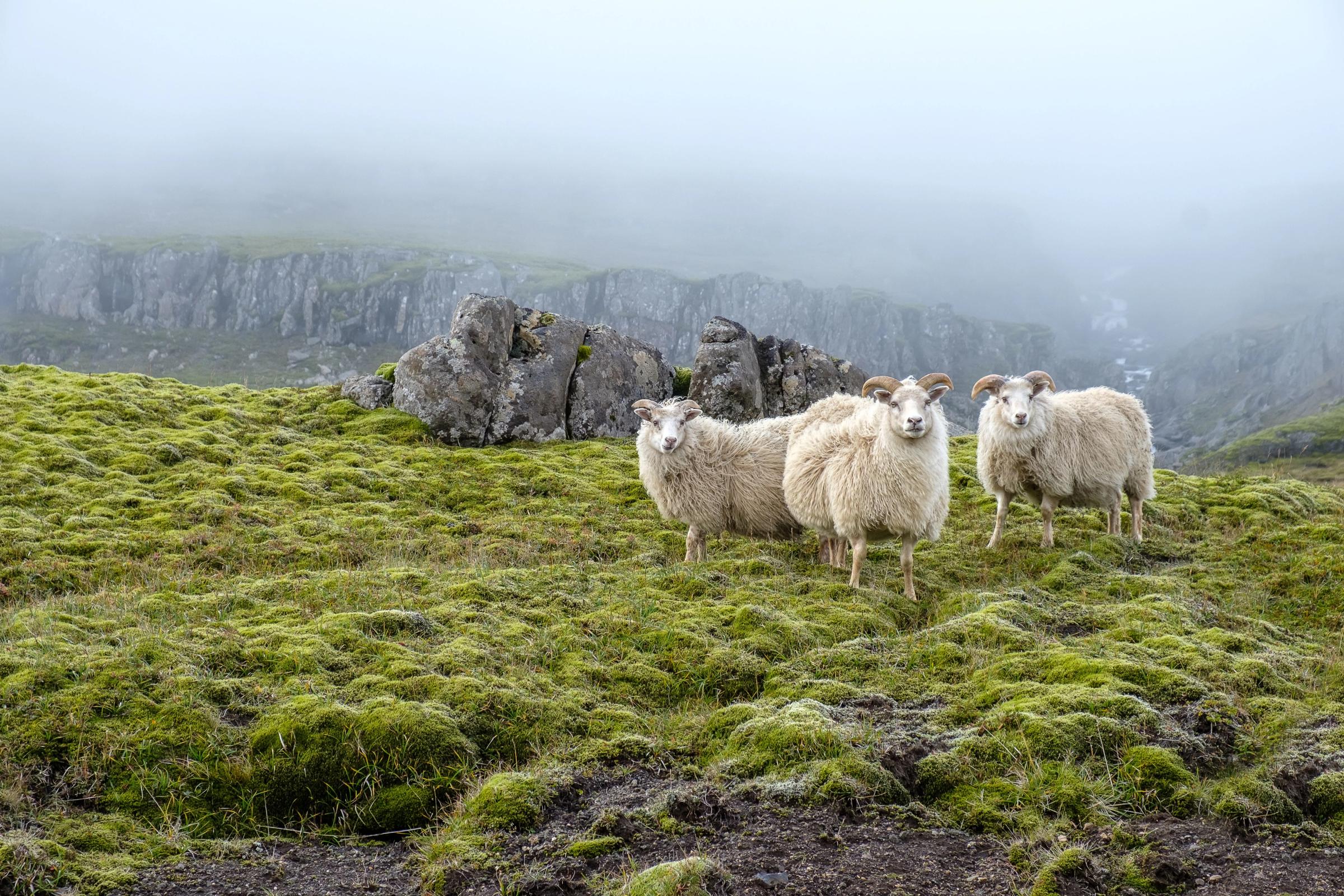
13. Sheep Outnumber Humans Despite Harsh Climate
Iceland has about 450,000 sheep and roughly 380,000 people. Sheep roam freely during summer and are gathered in autumn during the réttir roundups. They have been central to Icelandic life since Viking times. Wool and meat from sheep remain important today.
14. Ranked World’s Safest Country for Over a Decade
Iceland has ranked as the safest country in the world on the Global Peace Index since 2008. It has very low crime, no army, and a stable government. Police rarely carry guns, and violent crime is extremely rare. High trust shapes everyday life.
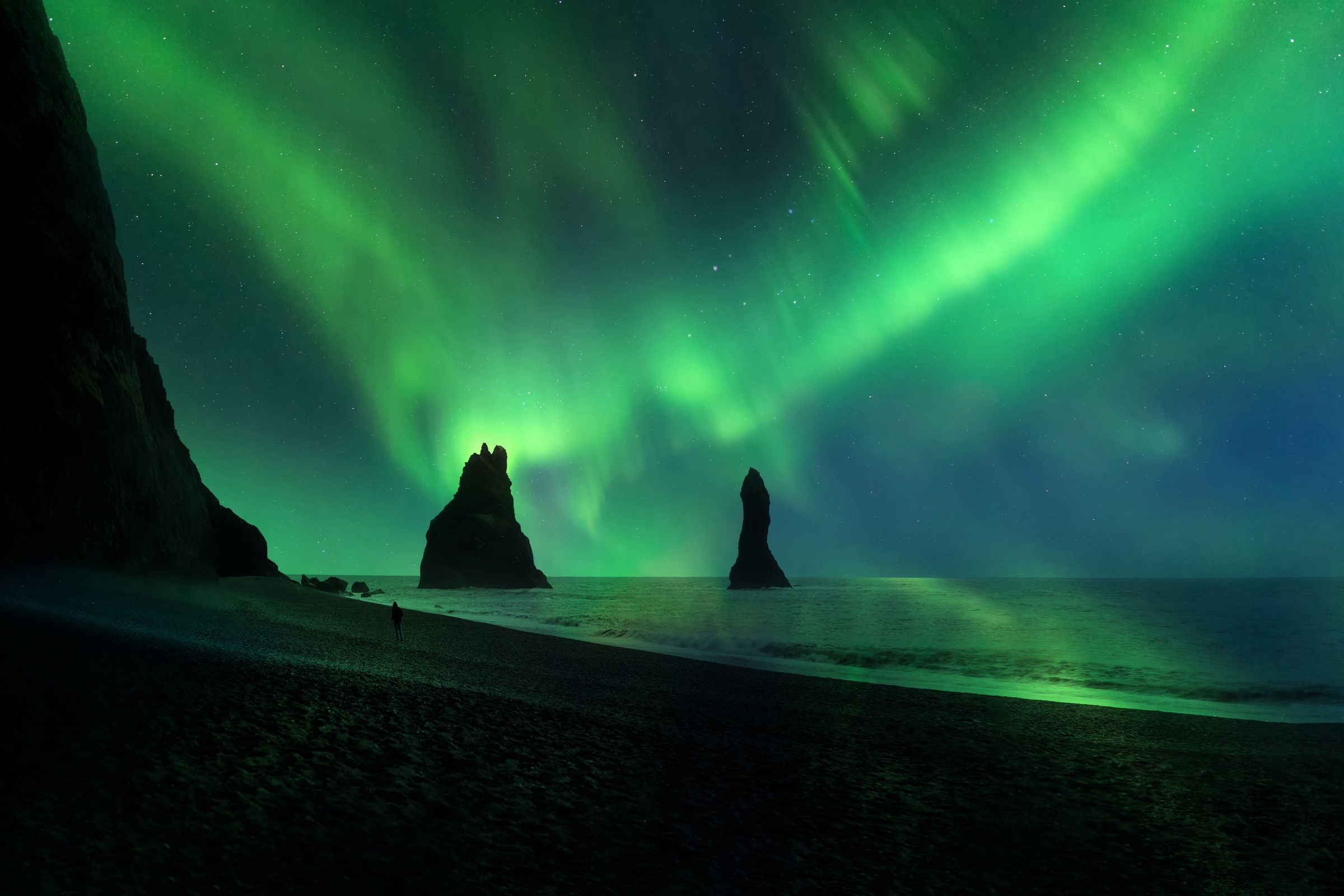
15. Prime Location for Northern Lights Viewing
Iceland is well located for seeing the Northern Lights from September to March. Dark skies outside cities greatly improve visibility. Places like Þingvellir and remote coastal areas are popular viewing spots. Solar activity in 2026 is expected to make displays especially strong.
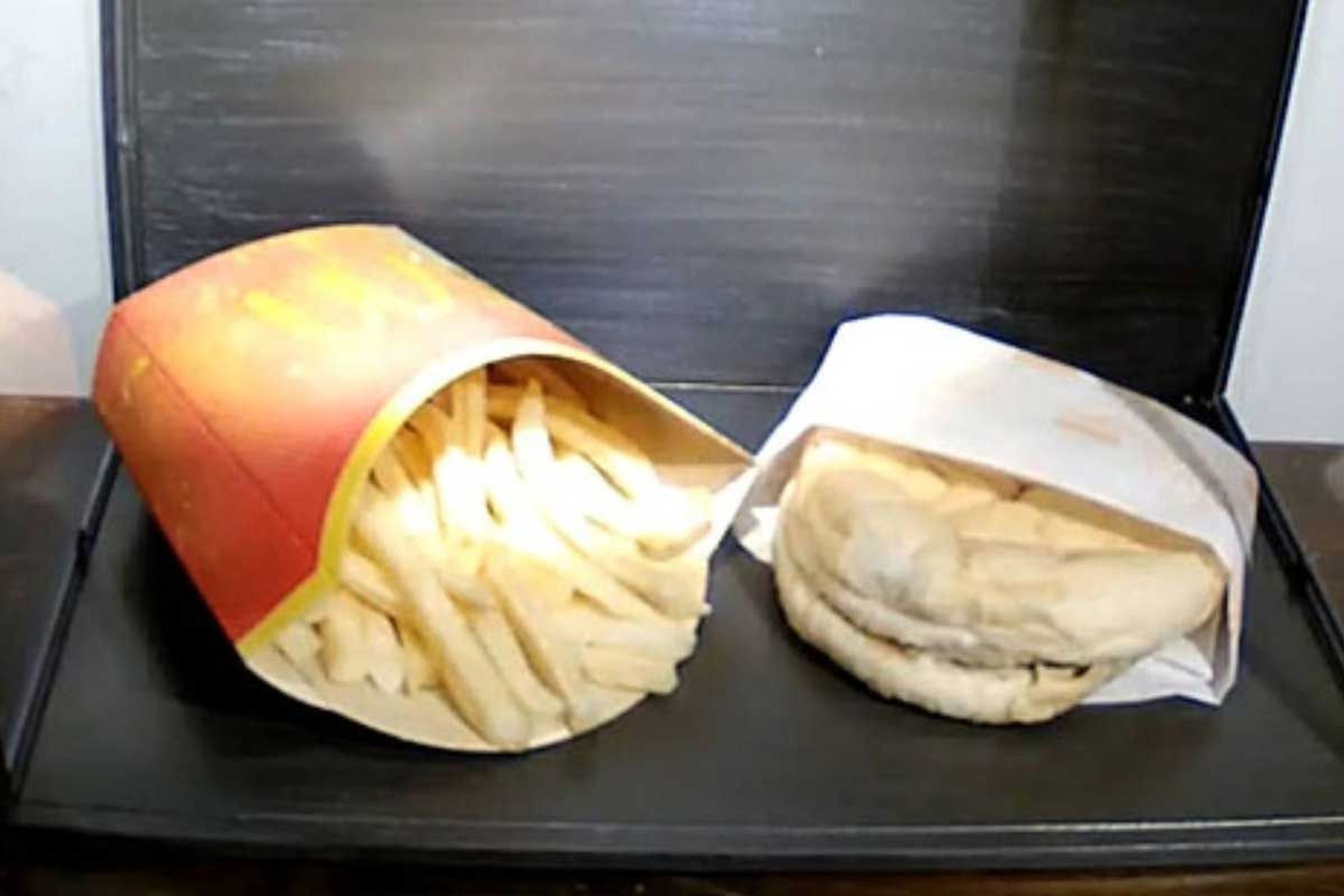
16. McDonald’s Left Behind a Preserved Burger
McDonald’s left Iceland in 2009 due to high import costs after the financial crisis. On the final day, someone bought a burger and fries to see how long they would last. More than fifteen years later, the burger still shows no visible decay. It is now displayed in a museum.
17. Mail Gets Delivered Using Hand-Drawn Maps
Icelandic postal workers are known for delivering mail with vague addresses. In one famous case, a letter with only a hand-drawn map was successfully delivered. This works because communities are small and well-connected. It reflects strong local knowledge and cooperation.
18. Hot Water Naturally Smells Like Sulfur
Hot water in Iceland often smells like rotten eggs due to sulfur from geothermal heating. The water is naturally heated underground and piped directly into homes. It is completely safe to use for bathing. Cold water does not smell and is used for drinking.
19. “Please” Isn’t Used Much and That’s Not Rude
Icelandic does not use “please” the same way English does. Politeness is shown through tone and context instead of specific words. This can sound very direct to visitors. It reflects a culture that values straightforward communication.
20. A Government Committee Approves All New Names
New baby names in Iceland must be approved by a government committee. Names must follow Icelandic grammar rules and use letters from the Icelandic alphabet. Parents have until a child turns six to register an approved name. Rejected names can be appealed.
1. Iceland Runs Almost Entirely on Renewable Energy
Iceland gets about 99.9% of its electricity from renewable energy, mostly from geothermal heat and hydropower, which really just means they use the heat from the ground and the water from rivers and glaciers instead of oil or gas. Power plants like Hellisheiði go deep underground to use natural heat, and hydro plants use all the water that’s constantly flowing down from melting glaciers.
What really stands out is home heating, because more than 90% of houses are heated with hot water that comes straight from natural hot springs and is pumped directly into homes. It’s very straightforward, it works well, and it saves Iceland a lot of money since they don’t need to import much fuel from other countries.
2. You Can Walk Between Two Continents at Þingvellir
There’s a place called Þingvellir where you can actually walk between the North American and European tectonic plates, which sounds fake until you’re standing there. Iceland is one of the few places where this boundary is visible above the ground, and the plates are slowly moving apart by about 2 centimeters every year.
You can walk through big cracks in the land or even snorkel in Silfra, a stretch of extremely clear water that sits right between the plates. On top of that, this is also where Iceland’s old parliament used to meet, so it’s a place where geology and history overlap in a pretty unique way.
3. Iceland Has No Standing Army
Iceland doesn’t have a military at all, no army, no air force, nothing like that. They’re part of NATO, and they do have a Coast Guard to handle things at sea, but that’s it. If something serious ever happened, their allies would step in.
They’ve been doing things this way since 1869, and instead of spending money on weapons, they put that money into healthcare, education, and public services. Even without an army, Iceland still plays a role internationally, including sending over €8 million in support to Ukraine in 2025.
4. The Language Hasn’t Changed in 1,000 Years
People in Iceland today can read books written by Vikings around 1200 AD without much trouble, which is pretty rare. Icelandic has remained very close to its original form for about a thousand years, especially compared to languages like English, which have changed a lot over time.
This is partly because Iceland protects its language on purpose. When new things appear, they usually create new Icelandic words instead of borrowing English ones, like how the word for computer is tölva, which loosely means “number prophetess.”
5. Volcanic Eruptions Regularly Reshape the Country
Iceland has more than 30 active volcanoes, and eruptions tend to happen every 3 to 5 years, so it’s something people expect and plan around. The 2010 Eyjafjallajökull eruption that stopped flights across Europe was a big deal worldwide, but for Icelanders, volcanic eruptions are part of everyday life.
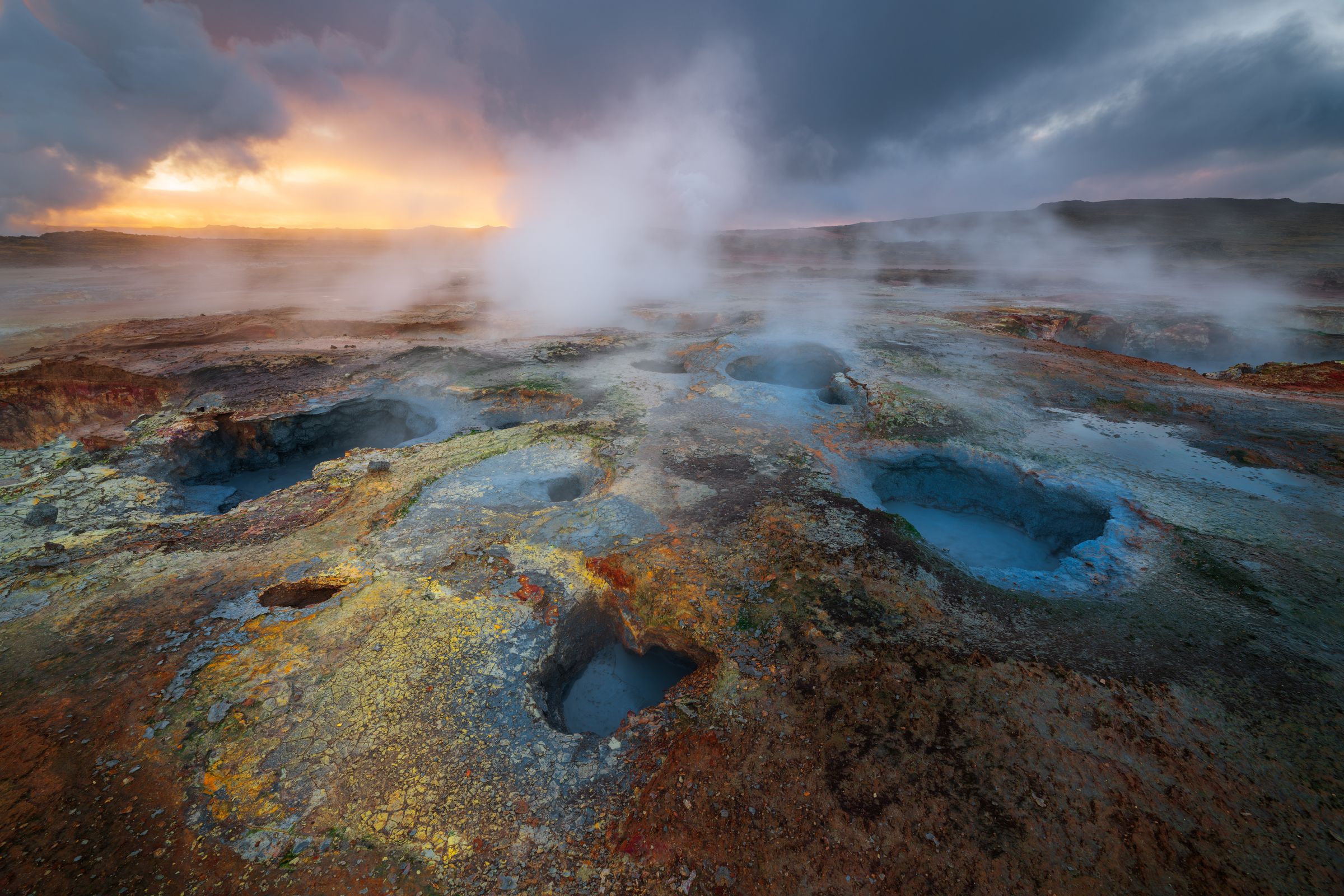
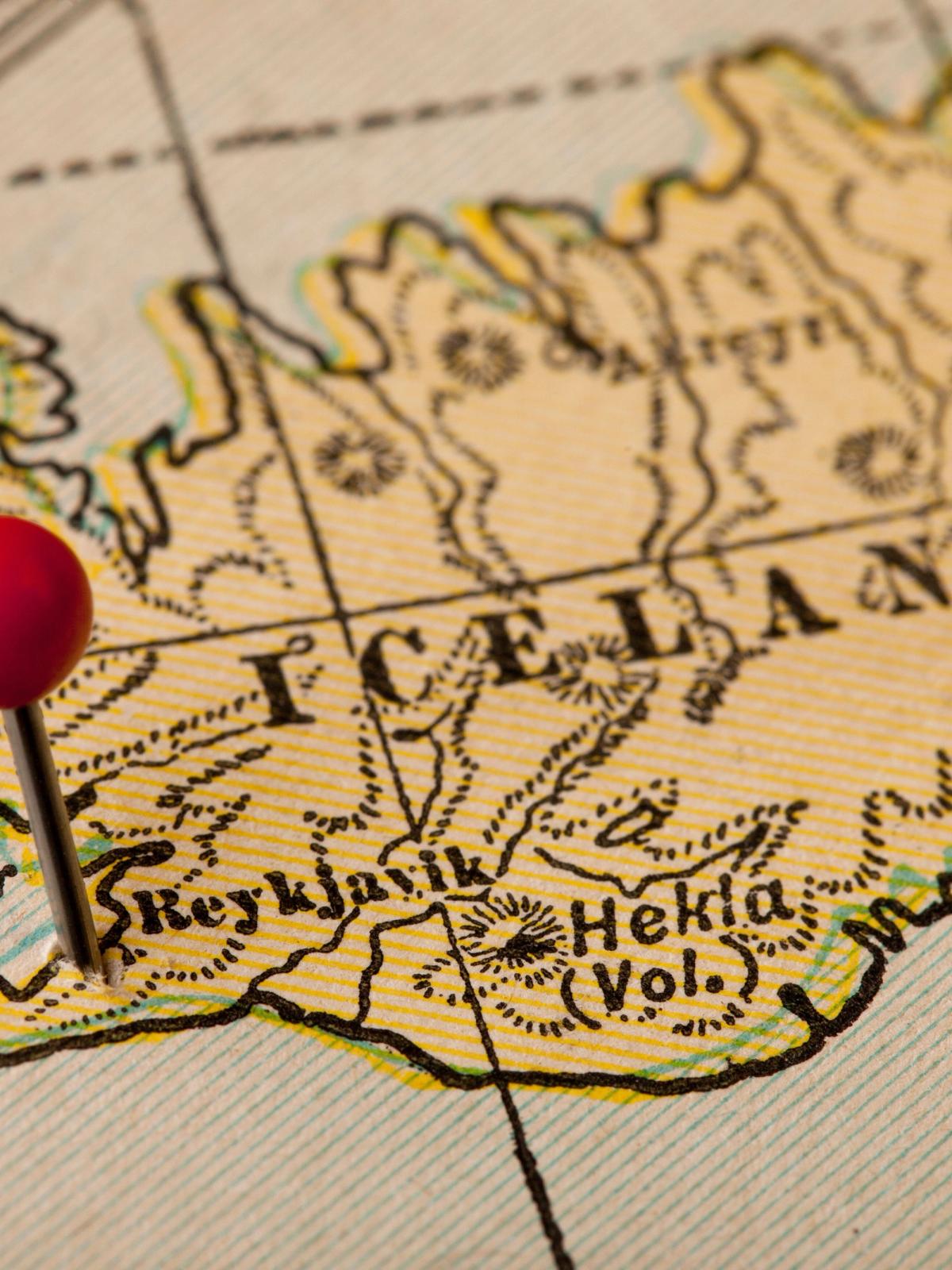
More recently, eruptions near the town of Grindavík forced people to evacuate and created new land. At the same time, those volcanoes are also what make geothermal energy possible and help create fertile soil, and because Iceland sits on a hotspot, new land can actually rise out of the ocean.
6. Iceland Had No Mosquitoes Until 2025
For a long time, Iceland was known as one of the few places in the world without mosquitoes, even though it has lots of water and wetlands. The climate was simply too cold for them to survive.
Last names work very differently in Iceland. Kids don’t take a family surname; instead, their last name is based on a parent’s first name, usually the father’s, plus “son” or “daughter.” So if your dad is named Einar, your last name would be Einarsson or Einarsdóttir. That’s what’s called a “patronymic” or “matronymic” (in case the child adopted the mum’s name) system.
Because of this, phone books are organized by first name, and even people in the same family don’t share a last name. This system has been around for over 1,000 years, and newer gender-neutral versions have also been added that mean “child of.”
8. Babies Routinely Nap Outside in Freezing Weather
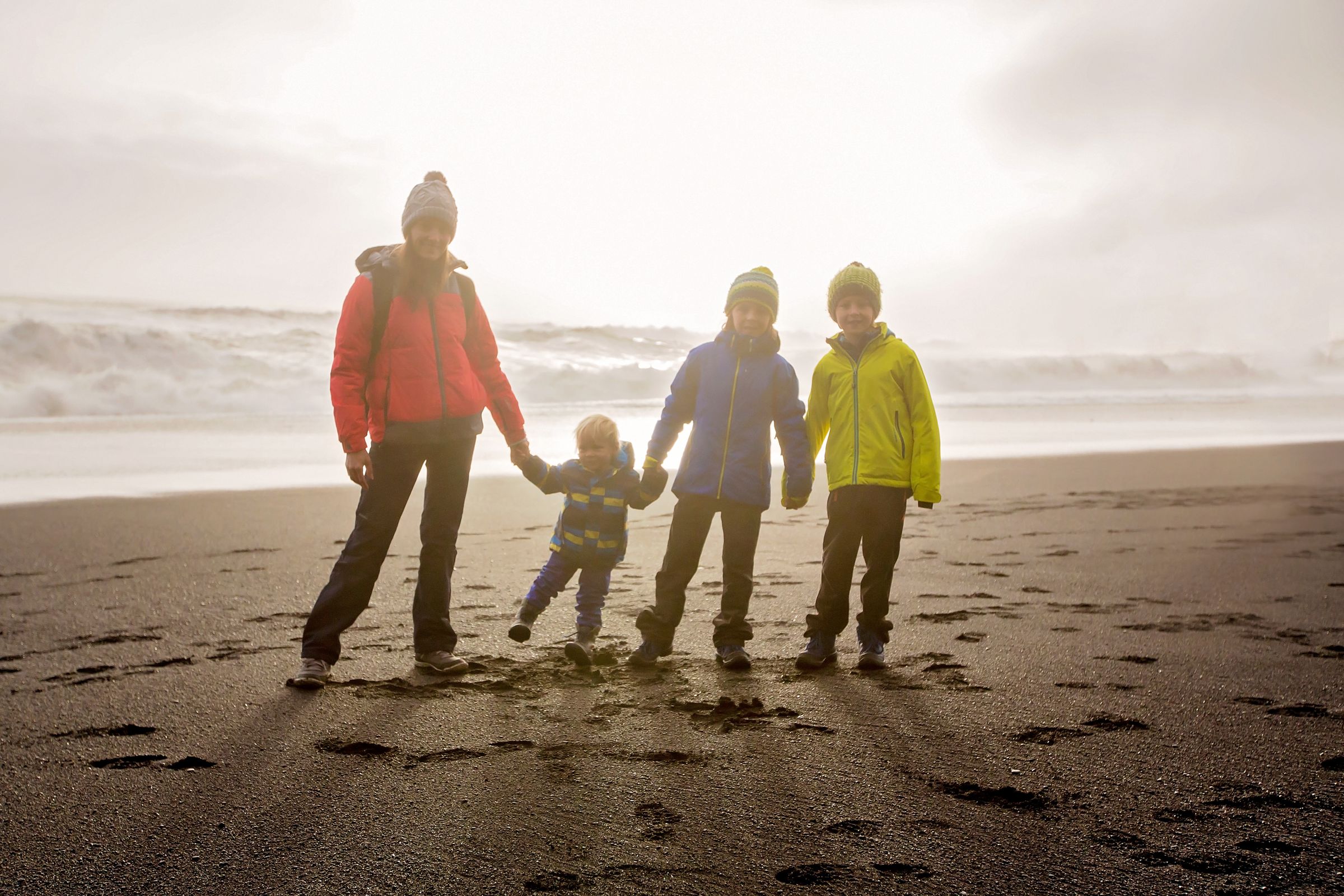
In Iceland, it’s very normal to see babies sleeping outside in their strollers, even when it’s cold. Parents bundle them up properly and leave them outside cafés or shops while they go inside, and no one sees it as strange.
The idea is that fresh air helps babies sleep better and stay healthier, and many babies really do nap longer this way. Crime is extremely low, and this is common enough that daycare centers do it too, all based on trust and the belief that outdoor air is good for kids.
9. One in Ten Icelanders Publishes a Book
Iceland has a strong book culture, and about one in ten people will publish a book at some point in their life. Reading is very common, with around 93% of people reading at least one book every year.
There’s a tradition called the “Christmas Book Flood,” where most new books are released before the holidays and given as gifts. Writers can get government grants, and publishers are willing to print small batches of books for niche audiences.
10. Icelandic Horses Have Five Gaits and Can Never Return
Icelandic horses are known for being different, mainly because they have five gaits instead of the usual three, including one called tölt, which is very smooth and comfortable to ride. These horses were brought to Iceland by Vikings over 1,000 years ago and have stayed isolated ever since.
There’s a strict rule that if an Icelandic horse leaves the country, it can never return. This law dates back to 982 AD and exists to protect the breed from disease. Today, there are about 80,000 Icelandic horses in Iceland, which is more than one for every five people.
11. The World's Oldest Parliament Still Operates
Iceland has the oldest parliament in the world that’s still around today. The Alþingi first met in the year 930 AD, back when most of Europe was ruled by kings. Viking leaders would gather every summer at Þingvellir to make laws, solve disputes, and make decisions for the country, all outdoors.
It didn’t run continuously because it was shut down during Danish rule, but it was officially restored in 1845 and is still operating today in Reykjavík with 63 members. Iceland even declared its independence in 1944 at the original Þingvellir site, which makes it pretty unique to have a democracy that goes back over a thousand years.
12. First Democratically Elected Female President
In 1980, Iceland elected Vigdís Finnbogadóttir as president, making her the first woman in the world to be democratically elected as a head of state. She stayed in office for 16 years and became known for supporting women’s rights, education, and environmental issues.
Her election came just a few years after the 1975 Women’s Strike, when women across Iceland stopped working for a day to show how essential they were to society. The fact that the country followed that up by electing a female president showed that gender equality wasn’t just talk, and her leadership ended up inspiring women around the world.
13. Sheep Outnumber Humans Despite Harsh Climate
Iceland has around 450,000 sheep and about 399,000 people, which means sheep still outnumber humans even with the tough climate. These sheep are well adapted to the environment and spend the summer roaming freely across the countryside and the Highlands.
Every autumn, farmers and communities come together for a big roundup called réttir to gather the sheep before winter. Sheep have been central to life in Iceland since Viking times, especially for meat and wool, including the wool used to make traditional Icelandic sweaters. While there were once many more sheep, especially in the 1980s, they still play a big role today.
14. Ranked World's Safest Country for Over a Decade
Iceland has ranked as the safest country in the world on the Global Peace Index every single year since 2008. It has no army, very low crime rates, and a stable government, all of which contribute to that ranking.
Police officers don’t usually carry guns, violent crime is extremely rare, and people generally trust one another. This is why you’ll see things like babies left outside to nap or people hitchhiking on quiet roads, since safety concerns are usually more about weather than other people.
15. Prime Location for Northern Lights Viewing
Iceland is in a great location for seeing the Northern Lights, especially from September to March when nights are long and dark. If you get away from city lights, your chances of seeing them are very good compared to many other places.
Spots like Þingvellir National Park or remote coastal areas are popular for watching the sky light up with green and purple colors. The year 2026 is expected to be especially good because of higher solar activity, and one of the most Icelandic experiences you can have is watching the Northern Lights while sitting in a warm geothermal hot spring.
16. McDonald's Left Behind a Preserved Burger
McDonald’s left Iceland in 2009 after the financial crisis made it too expensive to import ingredients. On the very last day they were open, one person bought a cheeseburger and fries just to see how long they would last.
More than fifteen years later, the burger looks almost the same, with no visible mold or decay. It’s now displayed in the National Museum as a strange reminder of processed food, and most Icelanders didn’t really miss McDonald’s anyway, since local food and seafood are generally preferred.
17. Mail Gets Delivered Using Hand-Drawn Maps
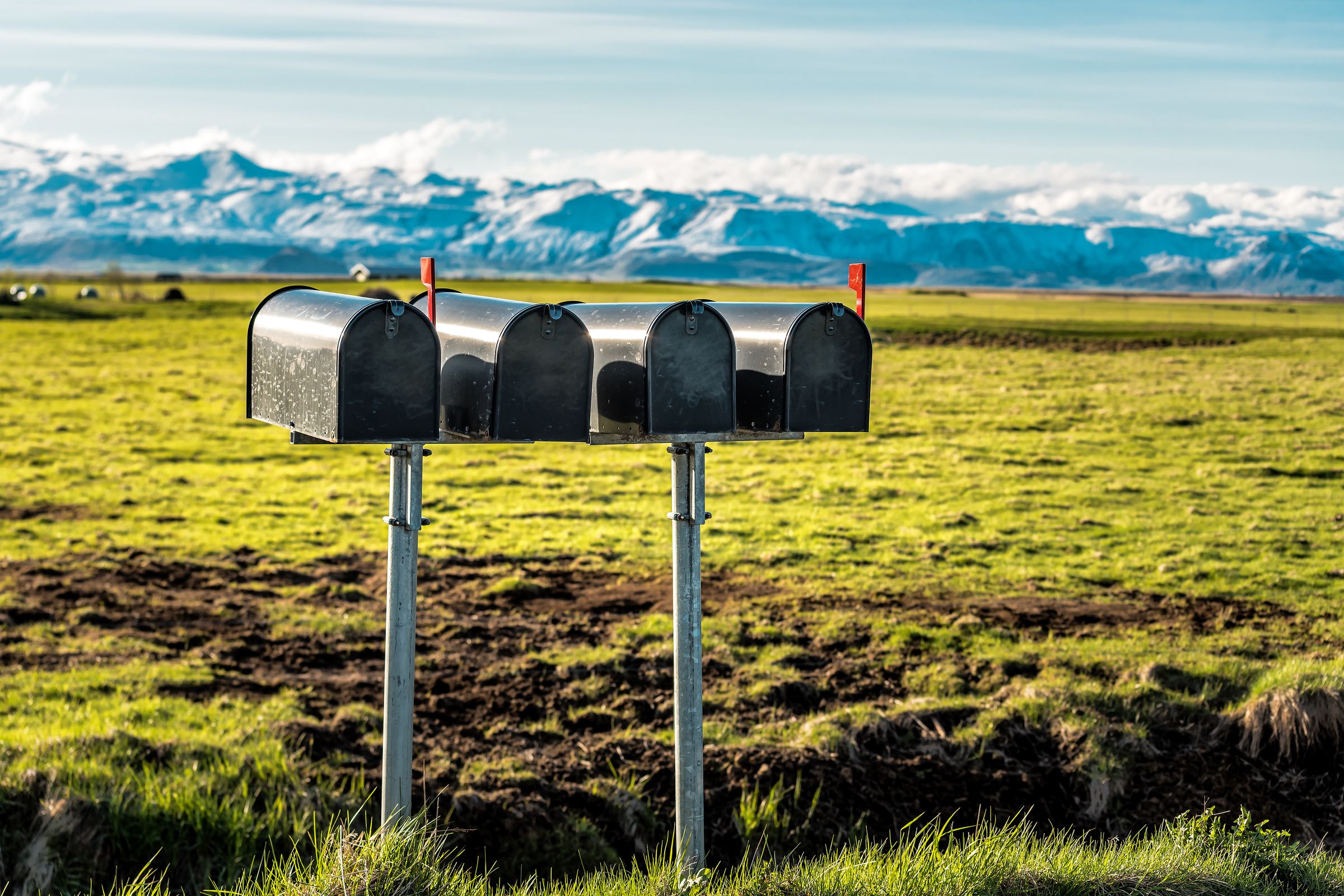
Iceland’s postal service is known for delivering mail even when the address isn’t very clear. In 2016, a letter was sent with only a hand-drawn map and a description of a “horse farm with a Danish and Icelandic couple,” and postal workers still managed to find the right place.
This works mainly because Iceland is small, rural communities are close-knit, and postal workers often know the areas and people personally. While proper addresses are obviously better, stories like this show how connected and cooperative local communities still are.
18. Hot Water Naturally Smells Like Sulfur
When you turn on the hot water in Iceland, especially in Reykjavík, it often smells like rotten eggs, which can be surprising if you’re not expecting it. That smell comes from sulfur in the geothermal water, since the hot water is heated naturally underground.
The water is completely safe to bathe in, and most people get used to the smell quickly. Cold water doesn’t smell at all and comes from different sources, and it’s extremely clean, so people usually use cold water for drinking and cooking.
19. "Please" Isn't Used Much (And That's Not Rude)
Because of this, Icelanders can sound very direct, like saying “pass the salt” instead of “please pass the salt,” but it’s not considered rude. It comes from a culture that values being straightforward, and once you get used to it, you realize people are generally kind and helpful.
20. A Government Committee Approves All New Names
In Iceland, parents can’t choose just any name for their child. There’s a government committee that reviews and approves new names that aren’t already on an official list. Names have to fit Icelandic grammar rules, use letters from the Icelandic alphabet, and not cause problems for the child later in life.
In recent years, names like Beth and Ljósynja have been approved, while others, like “Hel,” were rejected in 2025. Parents have until a child turns six to register an approved name, and if a name is rejected, they’re allowed to appeal the decision.
Conclusion
Iceland shows that a small country can do things differently and still do them well. They get almost all their energy from natural sources, their language hasn’t changed much in about a thousand years, they elected a woman as president before anyone else, and they’ve built one of the safest places in the world.
These 20 facts don’t explain everything, but they give you a solid idea of what the place is like. People trust each other, nature is always close by, and old habits still matter. Babies sleep outside without anyone worrying, and mail still gets delivered even when the address barely makes sense.
Frequently Asked Questions About Iceland
Yes, Iceland has a high cost of living, mainly due to imported goods, housing prices, and dining out, though salaries and public services help offset this.
Most Icelanders don’t literally believe in elves, but folklore is culturally respected and often treated with humor, tradition, or symbolic meaning.
Iceland relies on strong infrastructure, accurate weather forecasting, and flexible work and travel habits to adapt quickly to sudden weather changes.
Yes, Iceland’s tap water is among the cleanest in the world and is safe to drink everywhere, often better than bottled water.
About the author
Aron Freyr
Born and raised in Iceland, Aron Freyr has spent all 28 years of his life exploring the country and getting to know its landscapes, regions, and ever changing conditions. From long summer road trips to winter journeys through remote areas, he has traveled across Iceland more times than he can count. As part of the Go Car Rental Iceland team, Aron turns this firsthand experience into trustworthy, practical guidance that helps visitors navigate Iceland with confidence. His deep local insight makes him one of the most reliable voices on Icelandic travel today. He claims this expertise also includes knowing exactly which gas stations make the best hot dogs.