

June in Iceland: Weather, Things to Do, Midnight Sun & More in 2026
June is one of Iceland's best months to visit. The sun barely sets, puffins are nesting, whales are offshore, and the Ring Road is in great shape. But it's still Iceland: cool, windy, and unpredictable.
Here's everything you need to plan a solid June trip.
Key Takeaways
- June is one of the best months to visit Iceland for road trips, wildlife, and long daylight hours, with nearly 21 hours of light around the June 21 solstice and excellent conditions on the Ring Road.
- Iceland in June is mild but not warm: expect temperatures around 9–15°C, frequent wind, and sudden weather changes, making waterproof and windproof layers essential.
- Puffin colonies, whale watching, glacier hikes, waterfalls, and Midnight Sun photography all peak in June, while Northern Lights are not visible at all due to the constant daylight.
- The South Coast, Golden Circle, Snæfellsnes Peninsula, North Iceland, and Jökulsárlón Glacier Lagoon are among the best June destinations, while Highland access and F-roads usually begin opening in late June depending on snow conditions.
- June is peak travel season in Iceland, so campervans, accommodations, glacier hikes, and popular lagoons should be booked months in advance, with average mid-range trip costs around $200–400 USD per person per day.
- Driving is easier than winter but still requires caution due to wind, fatigue from endless daylight, sheep on roads, and changing Highland conditions; always check road.is and SafeTravel before long drives or F-road travel.
Is June a Good Time to Visit Iceland?
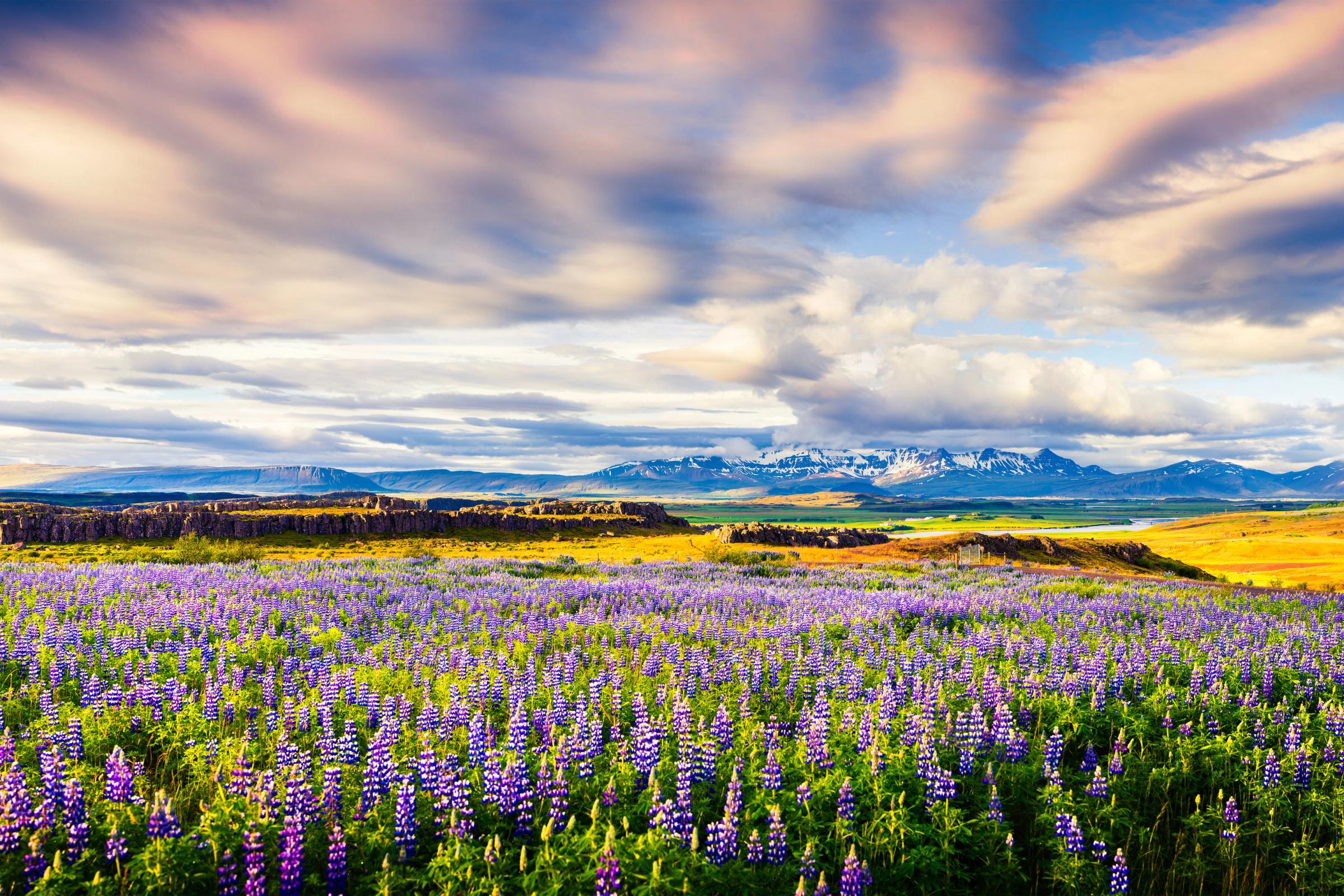
Yes, June is one of the best months to go. The sun barely sets, the Ring Road is in great shape, puffins are nesting, whales are active, and some highland roads start opening up toward the end of the month. For a first trip to Iceland, it's a strong choice.
That said, it comes with trade-offs. It's peak season, so prices are higher and popular spots get busy. And if Northern Lights are why you want to go, June is the wrong month.
Who June Works Best For
June works well for a wide range of travelers, but some will get more out of it than others.
It's a great fit for:
- First-timers: Long days, accessible roads, and active wildlife make it easy to see a lot without feeling rushed.
- Road-trippers and campervan travelers: Daylight runs almost around the clock, so you can stop whenever and wherever without worrying about losing the light.
- Wildlife lovers: Puffin colonies are in full swing, and whale watching is at its peak.
- Photographers: The Midnight Sun gives you golden light for hours. Late evenings are hard to beat.
- Families: Easier driving and flexible daylight make the logistics more manageable.
When June Isn't the Right Call
June doesn't work if your main goal is Northern Lights, ice caves, snow landscapes, or low prices. For aurora hunting, September through April is what you want. For fewer crowds and cheaper trips, May or late September are better options.
June is summer by Icelandic standards, not Mediterranean summer. Pack accordingly.
Iceland Weather in June
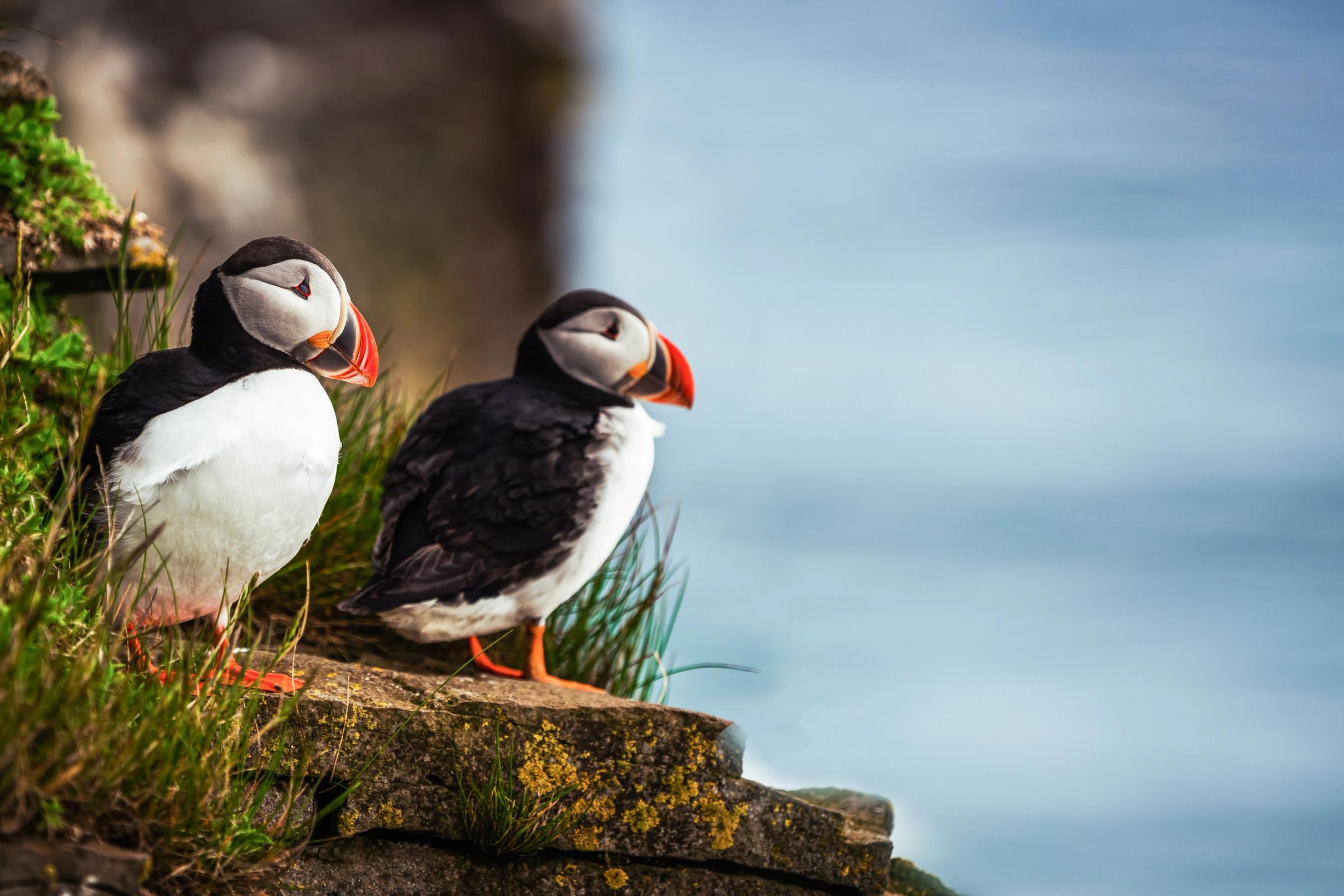
June is Iceland's mildest month, but mild still means Iceland. You can have a sunny morning, then wind and rain by lunch, and sun again by dinner. That's a perfectly normal day here.
Average Temperatures
Most popular spots sit between 9°C and 15°C in June. There are some regional differences worth knowing before you pack, though.
Here's roughly what to expect:
- Reykjavík and the southwest: Highs around 13°C, lows around 7°C. Breezy and changeable. Warmer days can hit 18-20°C occasionally.
- North Iceland (Akureyri, Húsavík): Often a couple of degrees warmer during the day, sometimes sunnier than the south.
- South Coast (Vík, Reynisfjara): Around 12°C, but wind chill makes it feel colder. Wetter too.
- Highlands: Cooler, especially at elevation. Snow patches are still possible in early June. Think early spring, not summer.
Rain and Wind
June is one of Iceland's drier months, but that's relative. Reykjavík averages around 43mm of rain over about 9 wet days. The South Coast is much wetter, with areas around Reynisfjara averaging closer to 93mm. Akureyri and North Iceland tend to be drier than the south.
Wind is what most travelers don't account for. Even on a decent day, exposed spots like Reynisfjara, Jökulsárlón, and mountain passes can feel a lot colder than the temperature suggests. A waterproof jacket and waterproof pants are the most important things you'll pack for June.
Don't pack based on temperature alone. Wind chill at coastal and highland stops can make a 12°C day feel much closer to 5°C.
Weather Recap
| Weather Factor | What to Expect in June |
| Overall feel | Mild by Iceland standards, but cool, windy, and changeable |
| Typical daytime temperature | 9°C to 15°C in most popular areas |
| Typical nighttime temperature | 3°C to 8°C, colder in the Highlands |
| Warmest areas | North Iceland and sheltered inland areas |
| Coolest areas | Highlands, glacier areas, exposed coasts |
| Wettest common travel region | South Coast |
| Driest common travel region | North Iceland, especially around Akureyri |
| Biggest weather challenge | Wind chill and sudden changes |
| Packing priority | Waterproof and windproof layers |
Daylight Hours and the Midnight Sun
This is what defines a June trip to Iceland, and it's hard to fully prepare for until you're there. The sun doesn't set properly. You'll check your phone at 11:30 pm, see it's still bright outside, and feel completely disoriented. Most people love it. Most people also struggle to sleep for the first few nights.
How Much Daylight Does Iceland Get in June?
In Reykjavík, June starts with around 20 hours of daylight and peaks at just over 21 hours around the solstice. The sun dips below the horizon briefly, but the sky stays bright. In northern Iceland, places near the Arctic Circle like Akureyri get closer to 23.5 hours of daylight around the solstice.
Reykjavík isn't above the Arctic Circle, so it doesn't get true 24-hour sun in a strict sense. But it's close enough that the difference barely matters for sightseeing.

The Summer Solstice
The 2026 summer solstice is on June 21. In Reykjavík, sunrise is around 2:55 am, and sunset is just after midnight. What passes for night is a long, soft golden glow that's great for photography.
If I were planning this trip, I'd make sure to have at least one late-evening outing around the solstice. Waterfalls, coastal viewpoints, and glacier lagoons look completely different at 11 pm in that light.
Sleep Tips
The Midnight Sun disrupts sleep for most visitors, especially in the first couple of days. A few things that actually help:
- Bring a proper eye mask, not a flimsy airline one.
- Book accommodation with blackout curtains if possible, especially for the first night after a long flight.
- For campervan travelers, window covers or clipped curtains make a real difference at campsites.
- Don't schedule late-night activities every single night. The temptation is real, but building up fatigue on a driving trip is a genuine safety issue.
Overview of Daylight Hours Throughout June
| Date / Period in June | Approx. Daylight in Reykjavík | What It Means for Travelers |
| June 1 | About 20 hours | Days are already extremely long, with only a short bright night. |
| Early June | 20 to 20.5 hours | Plenty of time for long sightseeing days and flexible road trips. |
| June 10 | About 20.75 hours | Sunset is very late, and the sky never feels fully dark. |
| Mid-June | 20.75 to 21 hours | This is prime Midnight Sun season, especially for photography and late-evening stops. |
| June 21 | Just over 21 hours | Summer solstice and the longest day of the year; sunrise is around 2:55 am and sunset just after midnight in Reykjavík. |
| Late June | About 20.75 to 21 hours | Daylight remains almost constant, even after the solstice. |
| June 30 | About 20.5 hours | Still extremely bright at night, with long twilight instead of true darkness. |
Can You See the Northern Lights in June?
No. The sky in June never gets dark enough. Aurora activity can technically occur above Iceland, but without darkness, you can't see it.
If Northern Lights are the main reason you want to visit Iceland, plan your trip between September and April. June and Northern Lights don't go together, and it's one of the most common disappointments for first-time visitors who didn't know this before booking.
Come in June for Midnight Sun. Come in winter for Northern Lights. They don't overlap.
Best Things to Do in Iceland in June
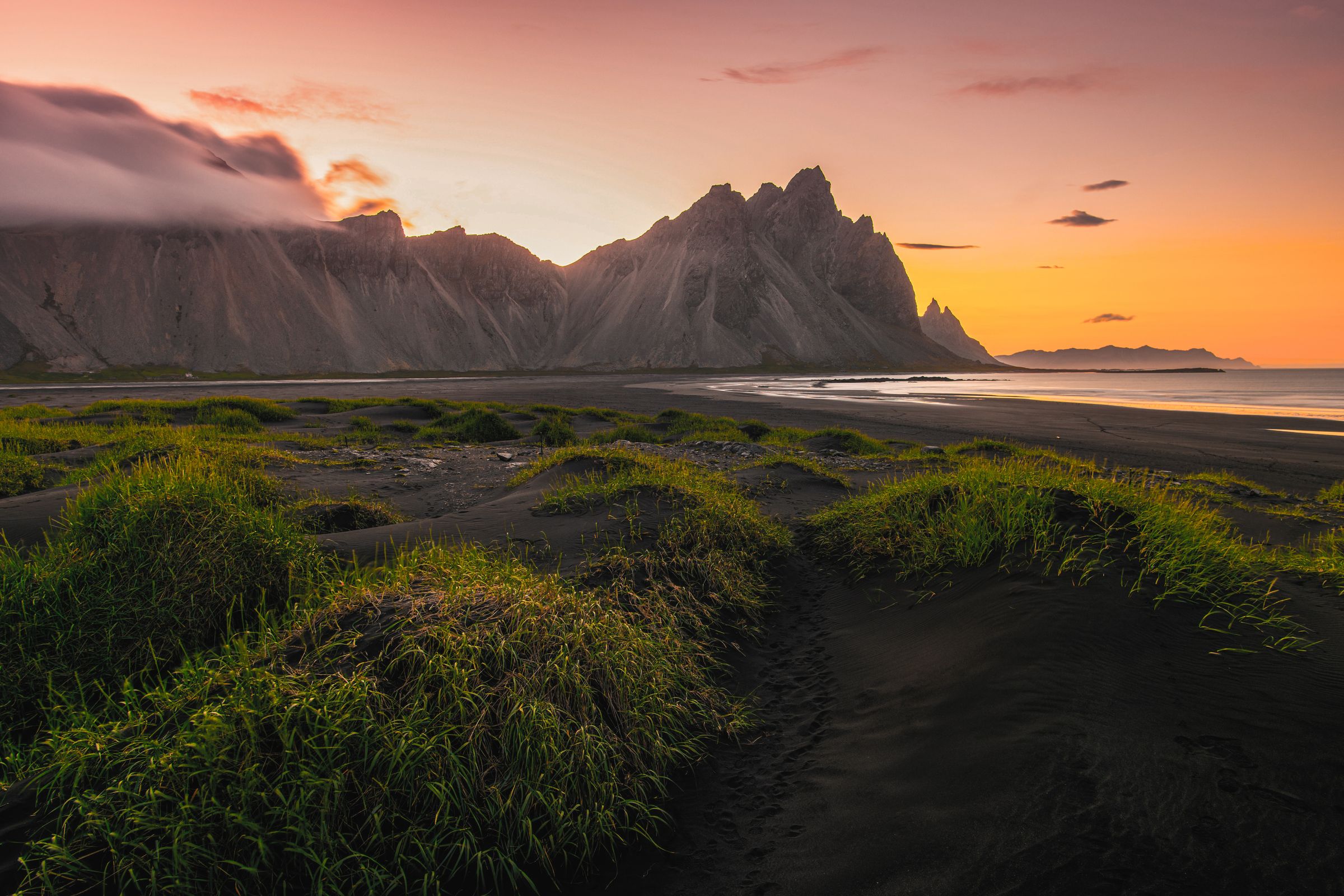
June opens up Iceland's full range of outdoor experiences. Wildlife is active, roads are in good shape, guided tours are running, and the long days mean you're never rushing to finish before dark.
Drive the Ring Road
June is one of the best months for a Ring Road road trip. Conditions are much easier than winter, and the daylight gives you real flexibility with stops. I'd plan at least 10 days for the full loop. Seven is doable but rushed. 14 days is the sweet spot if you want to add Snæfellsnes or the Westfjords.
One thing to keep in mind: don't let the endless daylight push you into covering too many kilometers per day. Drive times always look shorter on the map than they feel once you add in stops, gravel sections, and weather.
See Puffins
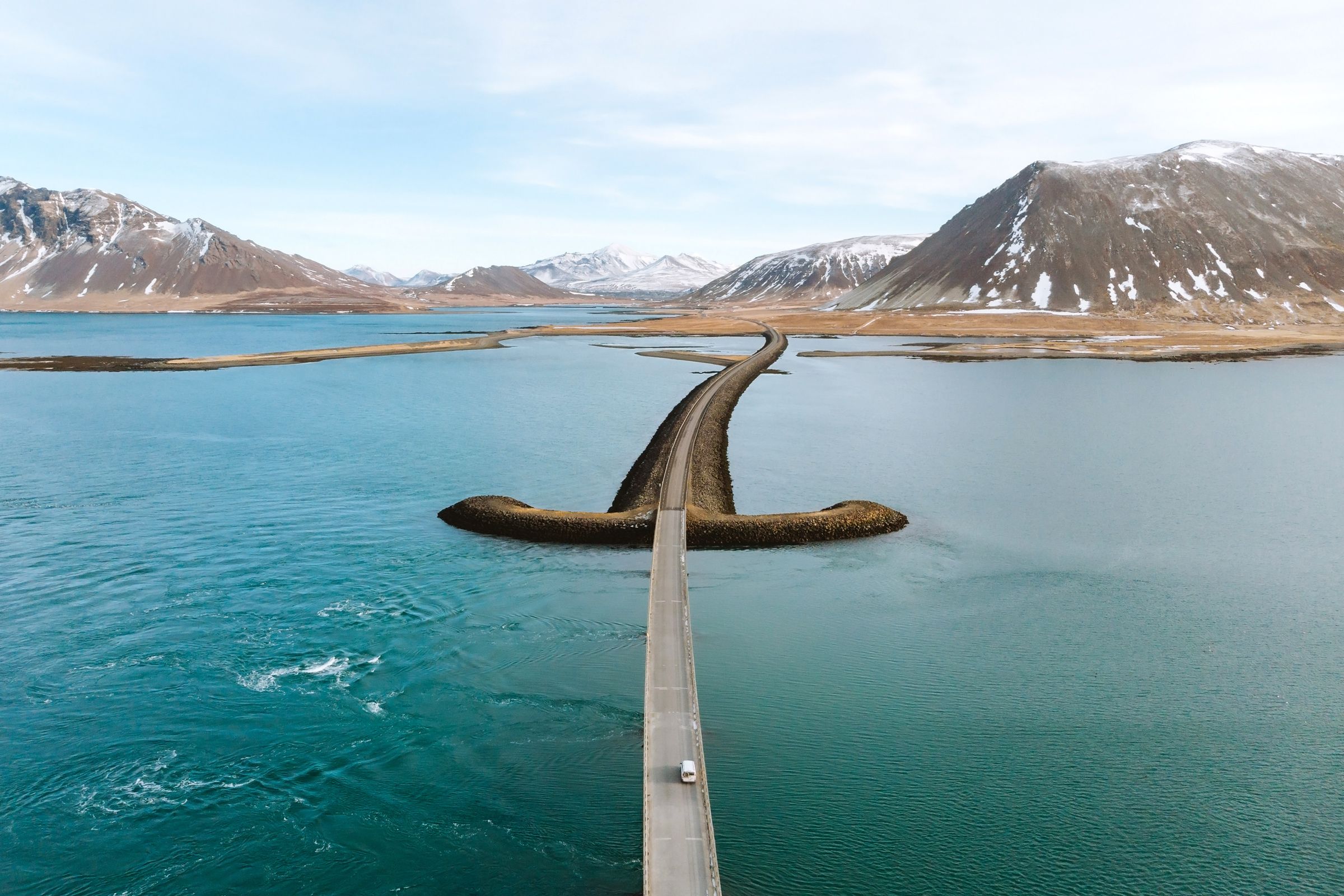
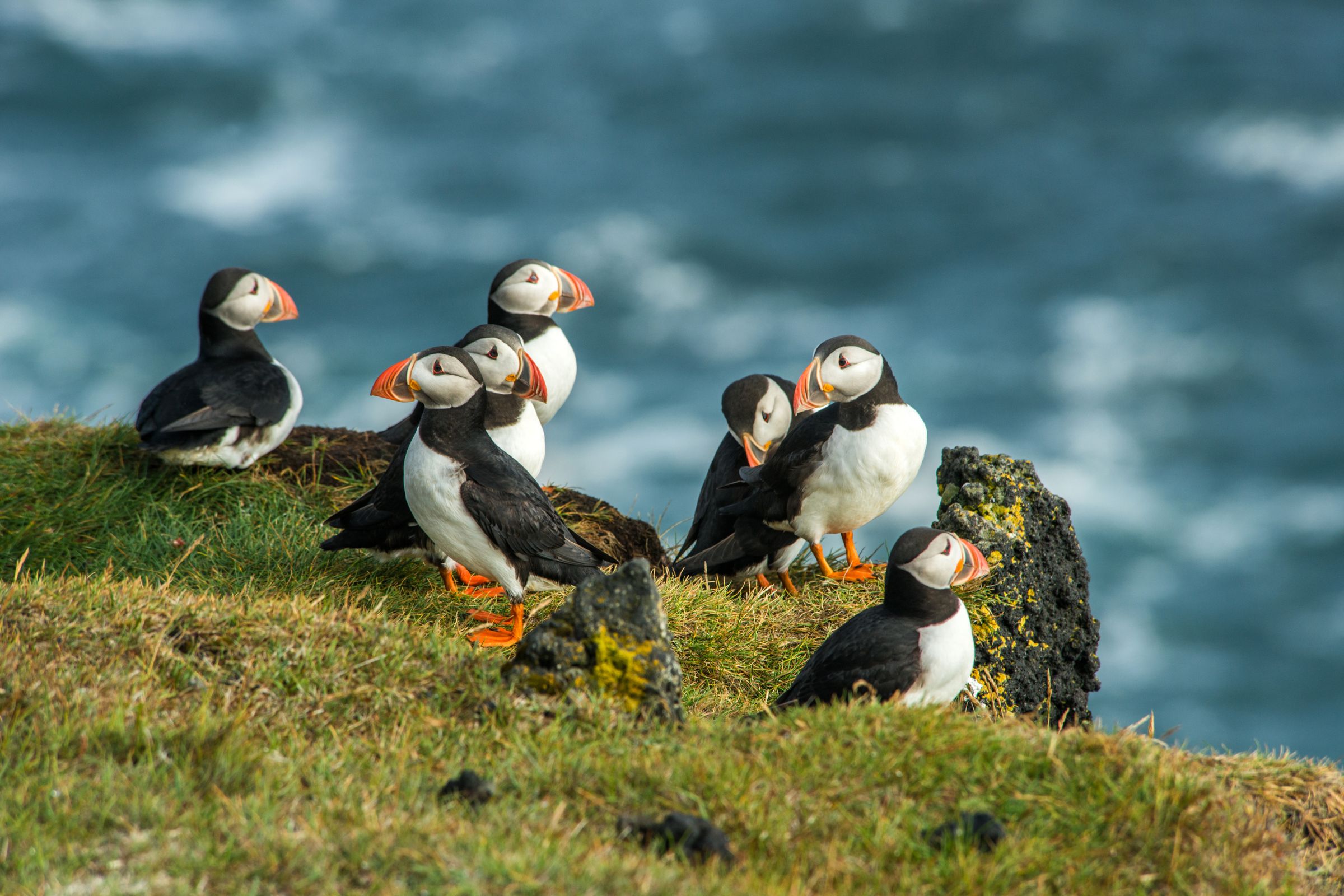
June is peak puffin season. Atlantic puffins return to Iceland's sea cliffs every summer to nest, and June is when colonies are fully active. The best spots include:
- Dyrhólaey (South Coast): Easy to combine with a Vík stop. Check seasonal access rules during nesting.
- Látrabjarg (Westfjords): Dramatic cliffs with huge colonies. Great for photos, but cliff edges here are serious.
- Westman Islands (Vestmannaeyjar): One of Iceland's biggest puffin areas.
- Borgarfjörður Eystri (Eastfjords): Good viewing setup and far fewer people.
- Boat tours from Reykjavík: The easiest option if you're short on time.
Keep your distance, stay on marked paths, and don't go near burrow entrances. Drones near nesting birds cause real harm. Binoculars and a zoom lens work better anyway.
Go Whale Watching
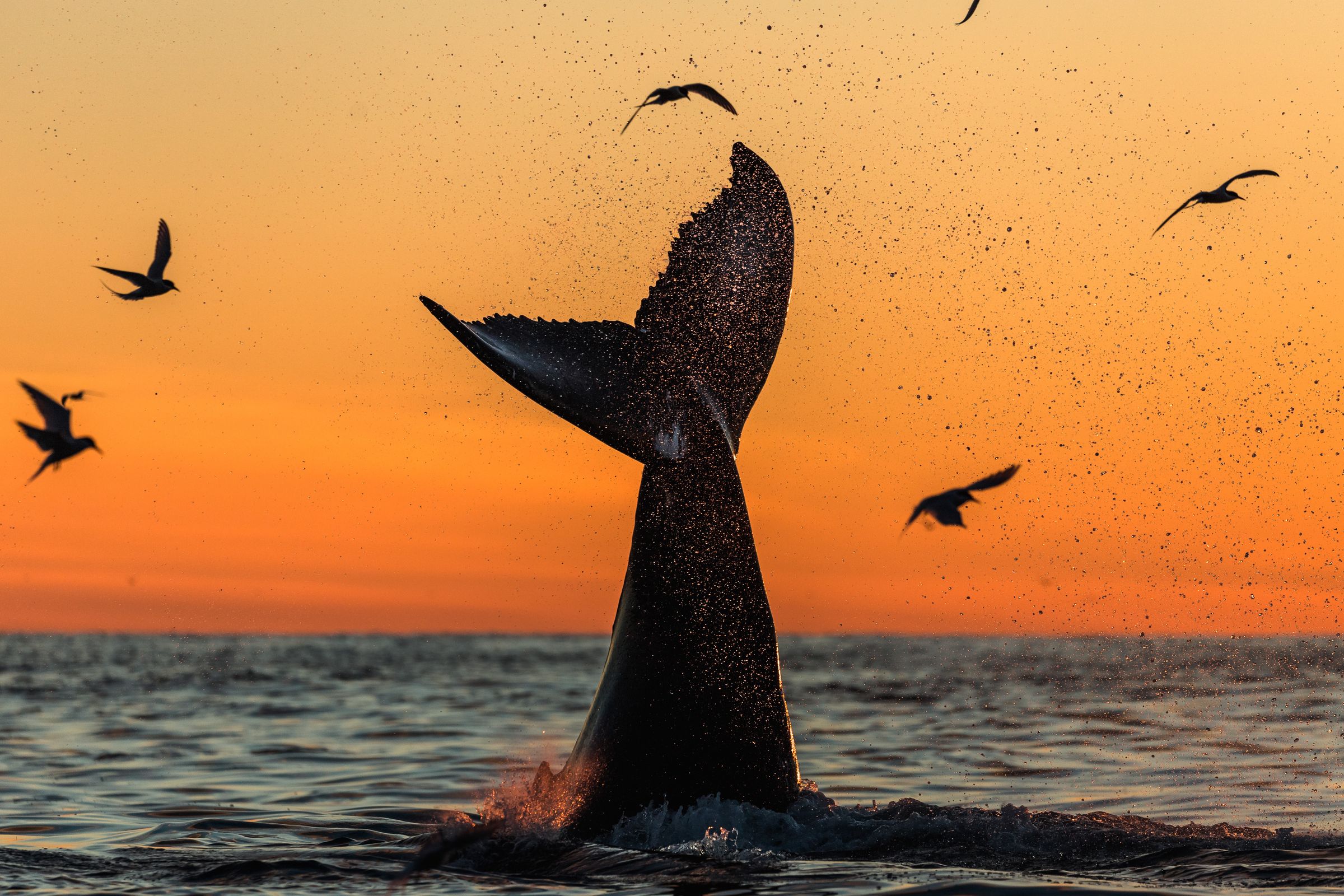
June is excellent for whale watching, especially in North Iceland. Húsavík is the most well-known base and is worth the detour if you have 10 or more days. Tours also run from Reykjavík, Akureyri, and parts of the Westfjords.
Species you're likely to see include humpback whales, minke whales, white-beaked dolphins, and harbor porpoises. Blue whale sightings are possible in some waters off North Iceland, but aren't guaranteed.
Some Húsavík operators run Midnight Sun whale watching tours from June 1 through July 31.
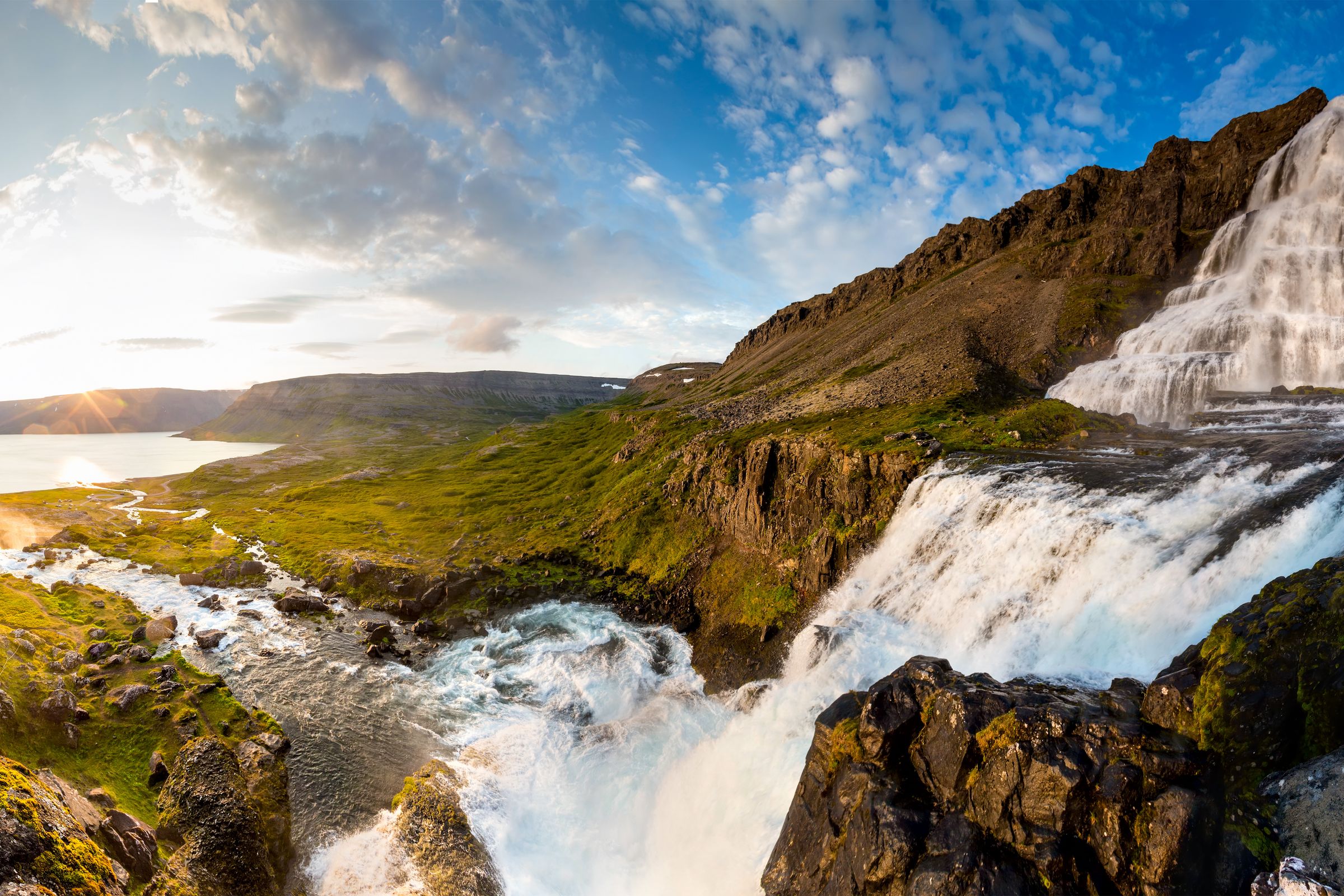
Visit Waterfalls
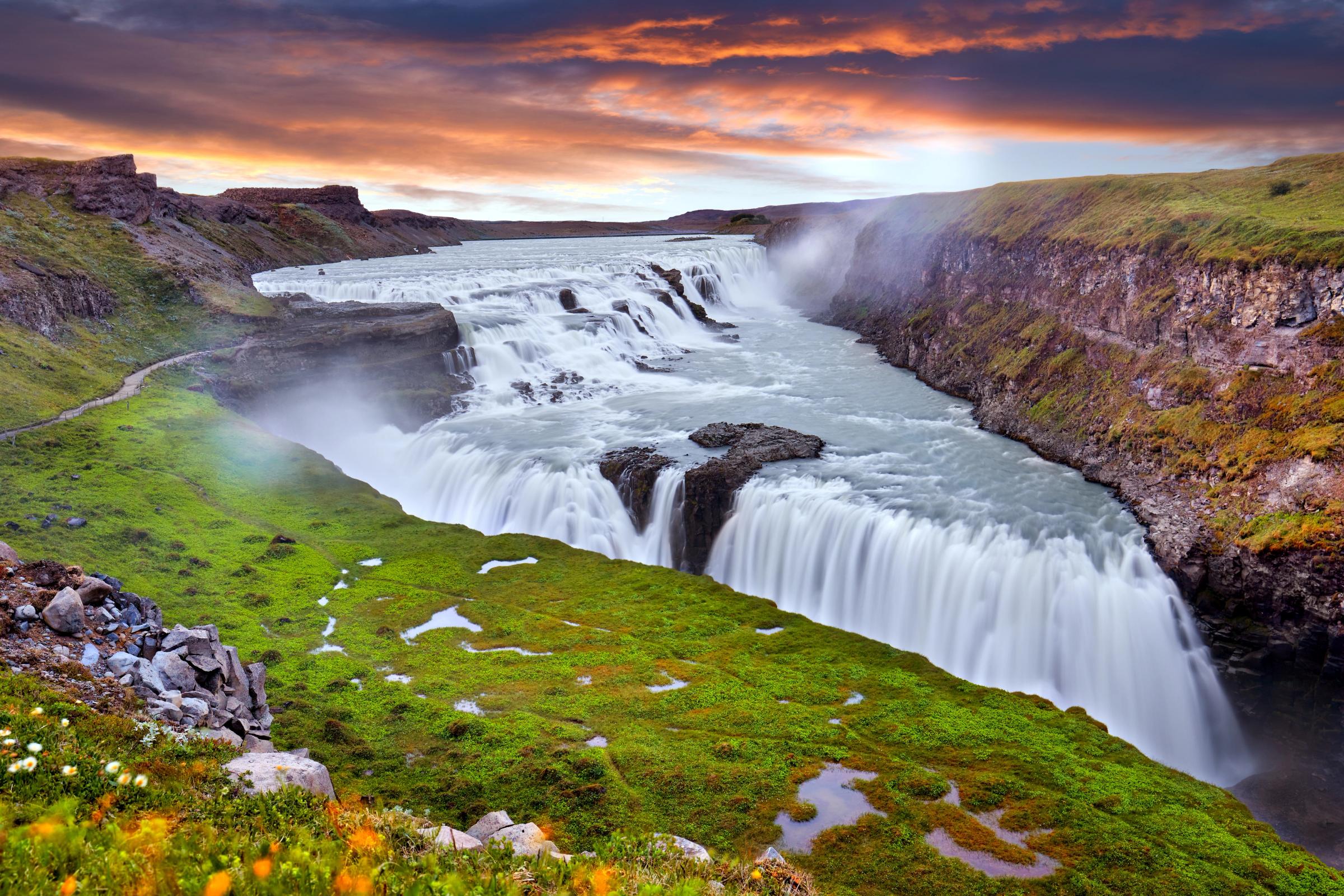
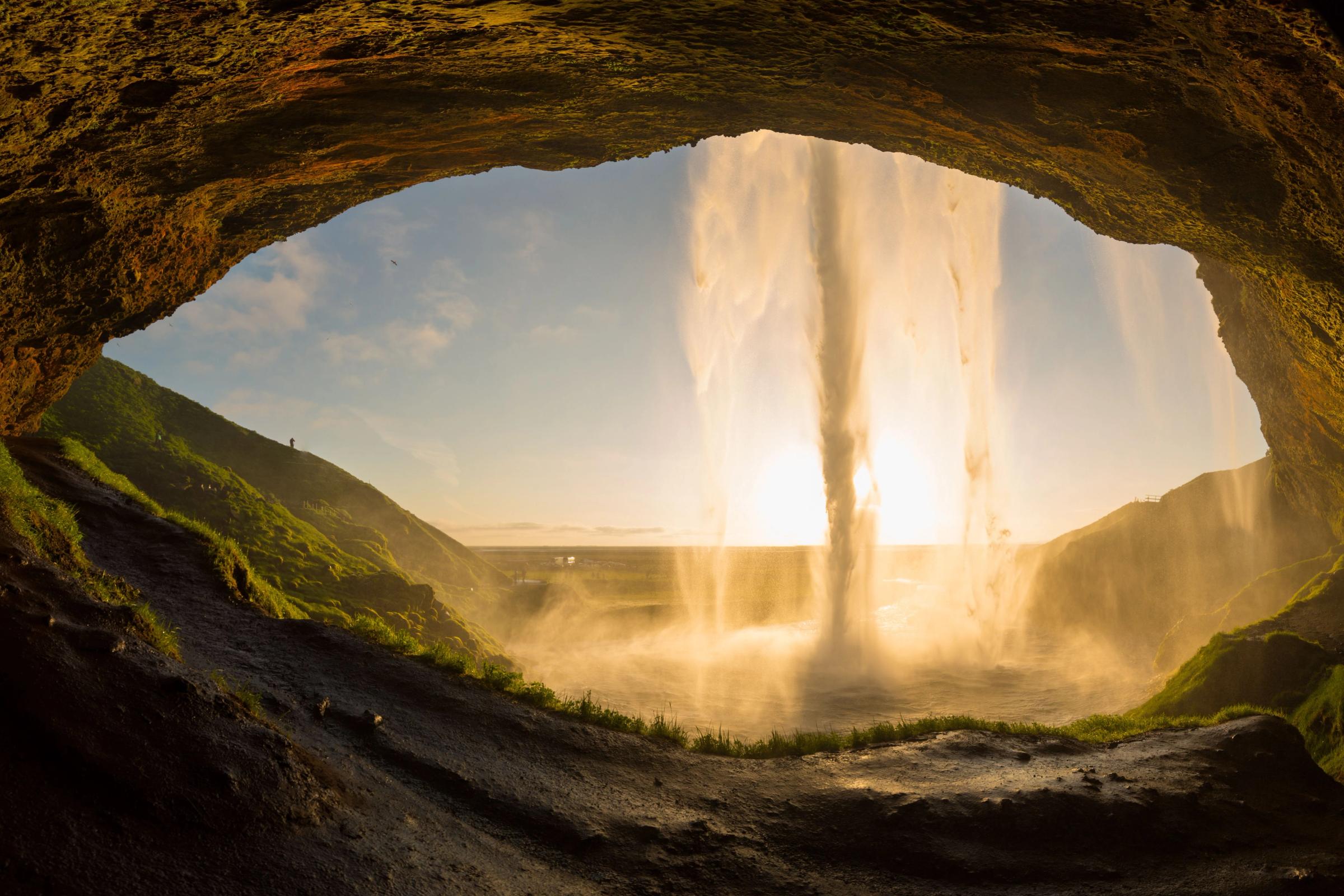
Snowmelt in June makes Iceland's waterfalls more powerful than almost any other time of year. The ones worth prioritizing:
- Gullfoss (Golden Circle): Big, powerful, easy to reach.
- Seljalandsfoss (South Coast): You can walk behind it. Waterproofs are mandatory.
- Skógafoss (South Coast): A classic, with stairs up to a viewpoint.
- Kvernufoss (South Coast): Ten-minute walk from Skógafoss, a fraction of the crowds.
- Dynjandi (Westfjords): One of the most dramatic in Iceland.
- Svartifoss (Skaftafell): Basalt columns, short hike required.
- Goðafoss and Dettifoss (North Iceland): Both sit on the Ring Road in the north and are worth the stop.
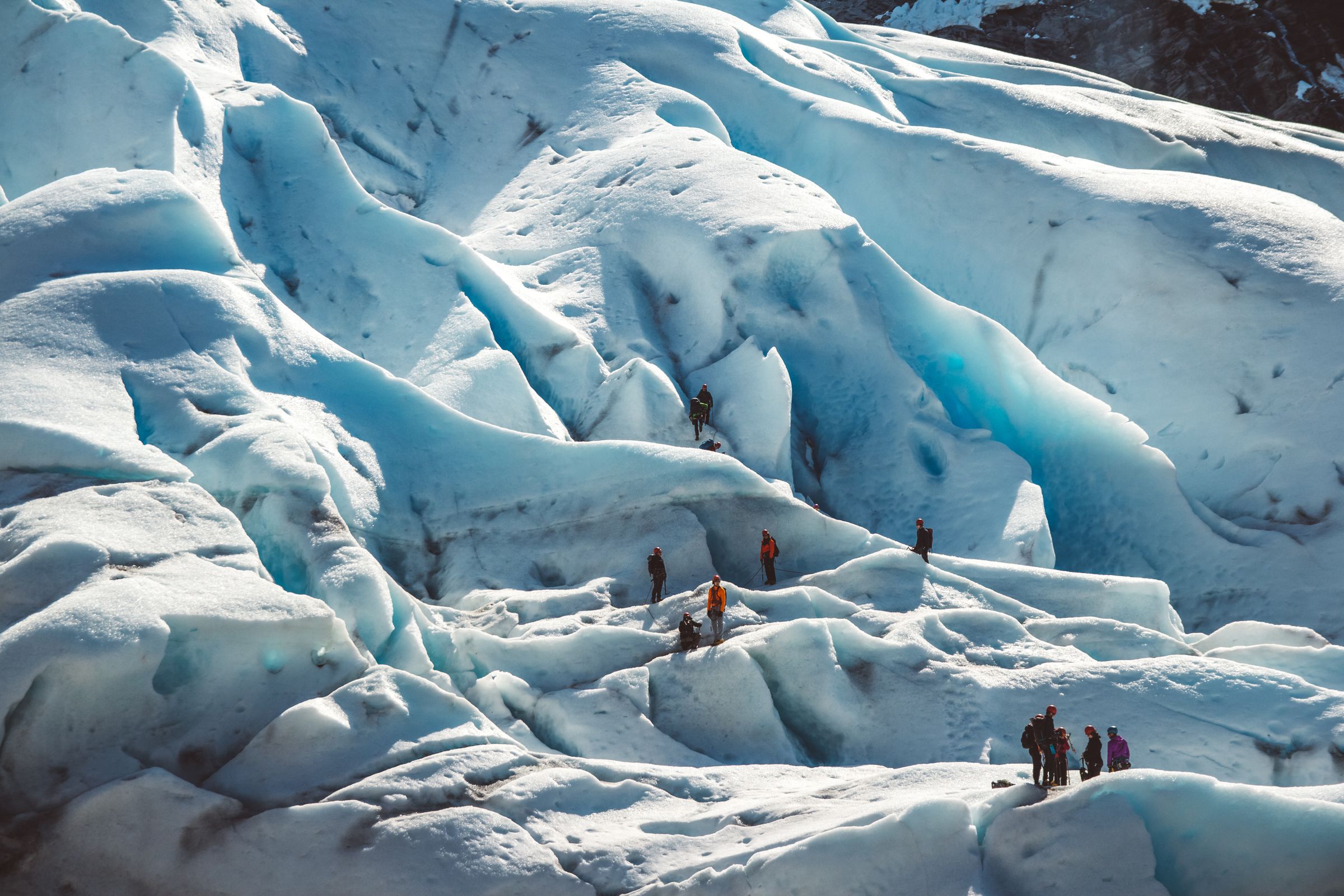
Go Glacier Hiking
June is a good month for guided glacier hikes. Sólheimajökull on the South Coast is the most accessible option. Vatnajökull National Park has several glacier outlets worth exploring too. The key rule: don't walk onto a glacier without a certified guide. Crevasses can hide under snow and conditions change fast. Book ahead, especially for popular dates.
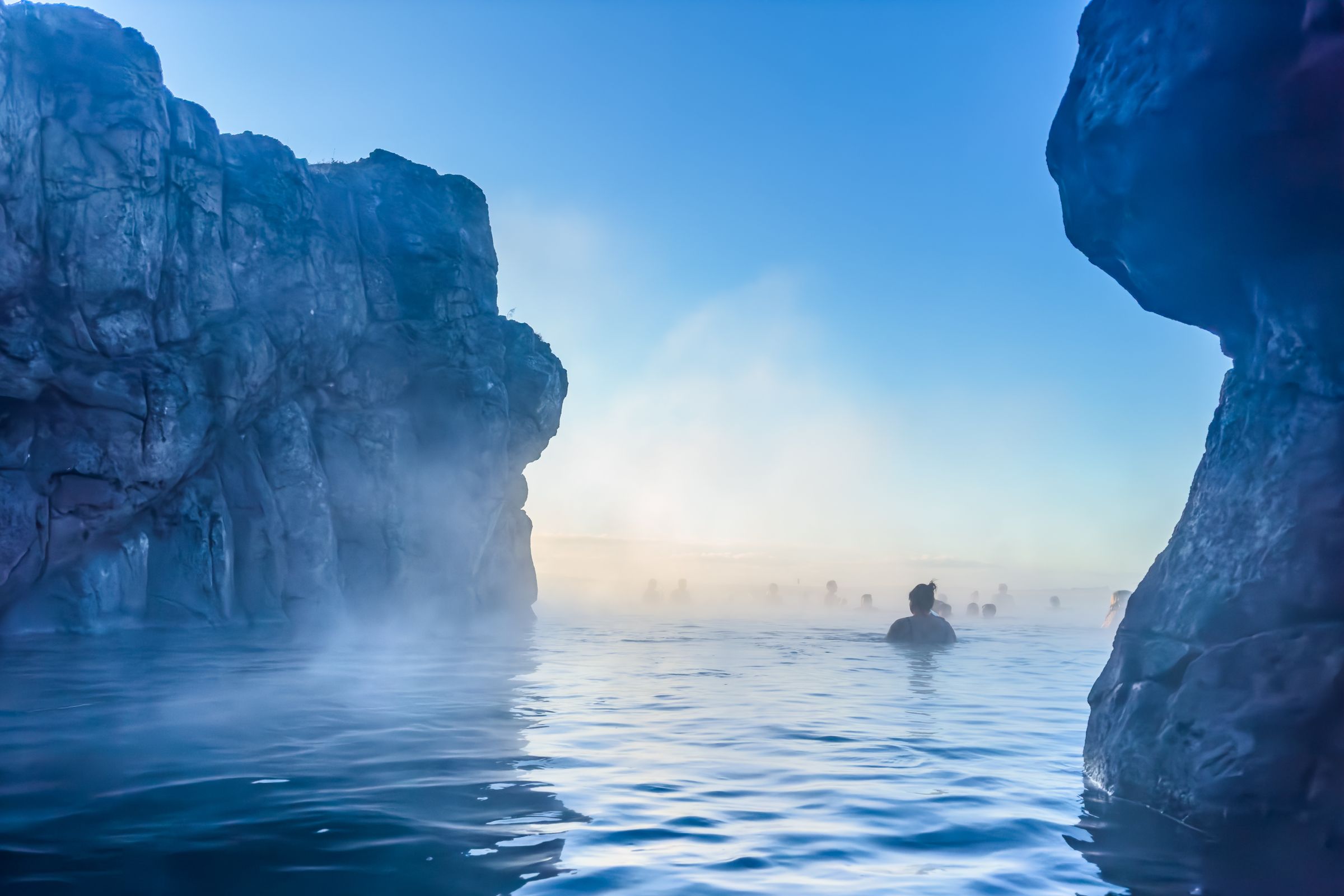
Soak in Hot Springs
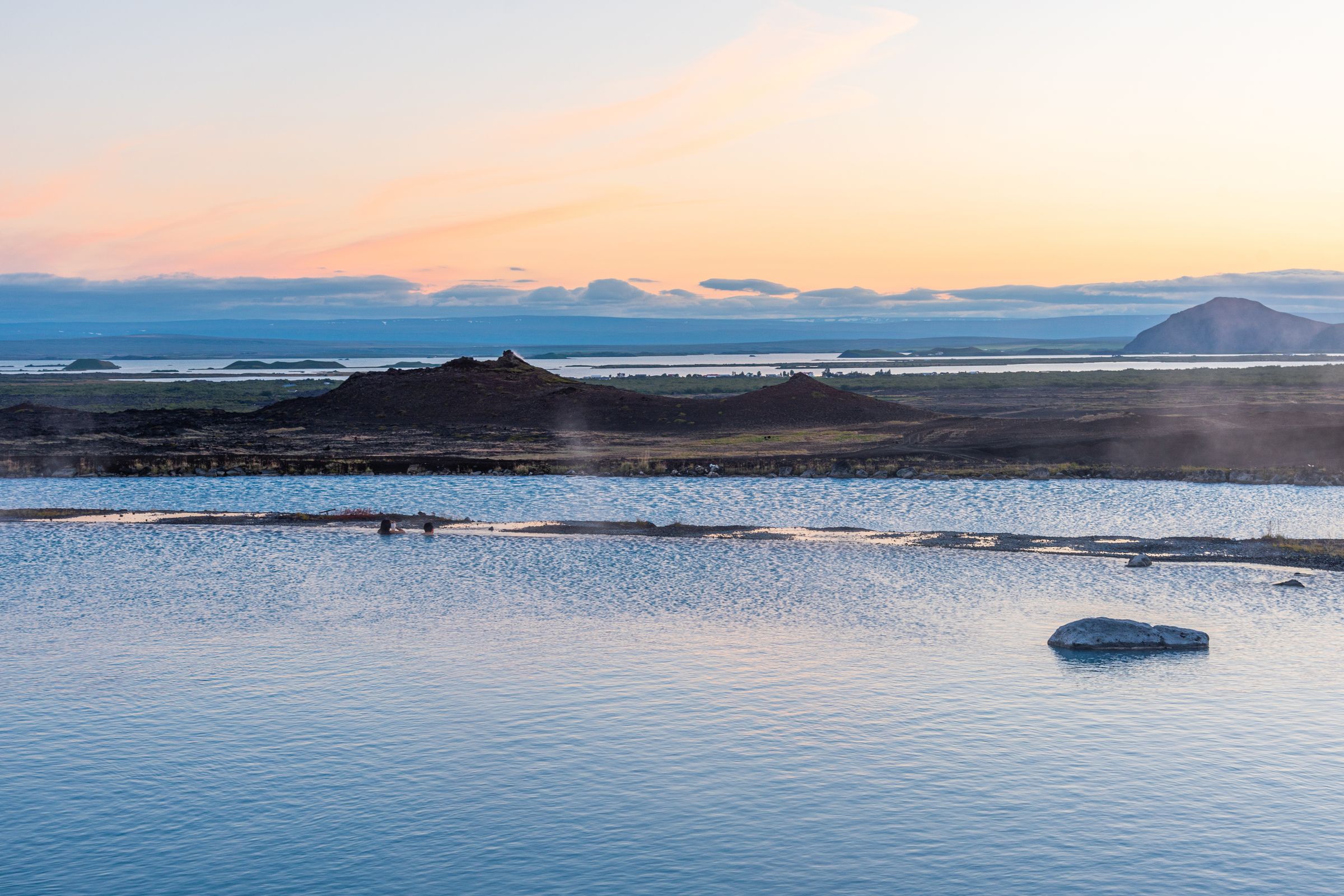
Getting into hot geothermal water when the air is around 10°C feels better than you'd think. June is a great month for it. Options range from the well-known to the more local:
- Blue Lagoon: Near Keflavík Airport, good for arrival or departure days. Book well ahead.
- Sky Lagoon: In Reykjavík, with an ocean view.
- Earth Lagoon Mývatn: To visit when you’re in North Iceland.
- Reykjadalur: A hot-river hike about an hour from Reykjavík. Popular but free.
- Landmannalaugar hot spring: Possible in late June if the Highland access has opened.
Personally, I'd skip the Blue Lagoon on a tight budget and go to one of Reykjavík's public pools instead. They're cheaper, more local, and honestly just as good for unwinding after a long drive day.
Visit the Highlands
Late June is when Landmannalaugar and some Highland routes start opening, depending on snowmelt that year. The colorful rhyolite mountains, lava fields, and natural hot spring make it one of the most memorable places in the country. You need a suitable 4x4 and daily road condition checks on road.is.
For 2026, visitors arriving at Landmannalaugar by private or rental car between 9 am and 4 pm from June 20th to September 13th must reserve parking and pay a service fee of 1,500 ISK in advance. Check the Icelandic Touring Association's website as your trip approaches.

Iceland National Day: June 17
If your trip falls around June 17, you're in luck. That's Iceland's National Day, marking the founding of the Republic of Iceland in 1944. It's a public holiday, and the whole country feels it. Reykjavík puts on the biggest celebration, but smaller towns across Iceland mark the day too. Expect parades, traditional costumes, live music, street performers, and a general feeling of a city in a good mood.

Best Places to Visit in June
June is a great time to visit all regions in the country, but where you end going is completely up to you.
Reykjavík
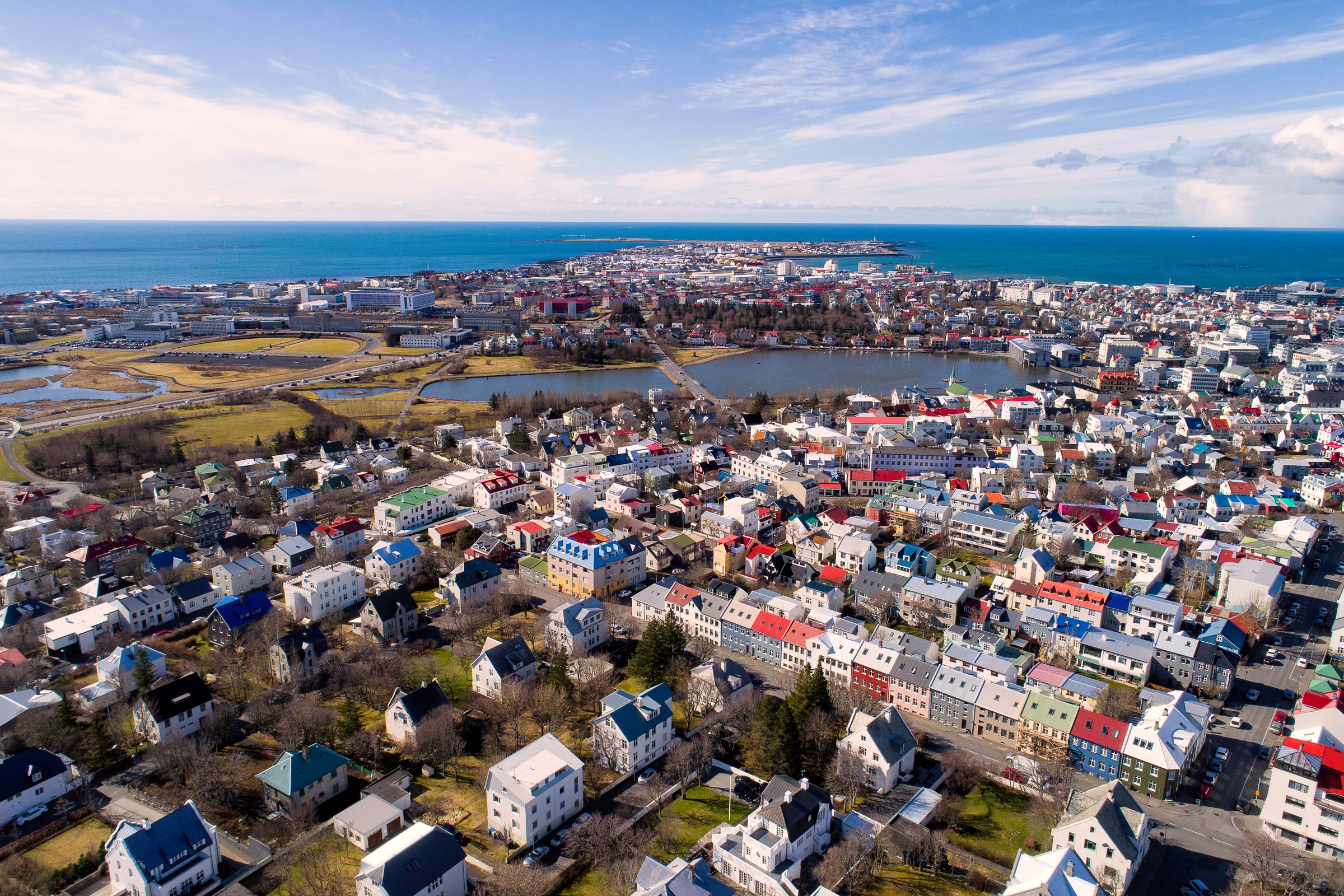
Reykjavík is where most people land and a good place to spend the first day or two. The Old Harbor, the food hall, Hallgrímskirkja, and whale watching tours are all worth your time. It's also the main starting point for the Golden Circle, Blue Lagoon, and South Coast. A late-evening walk along the waterfront under the Midnight Sun is worth doing before you head off on a road trip.
Golden Circle
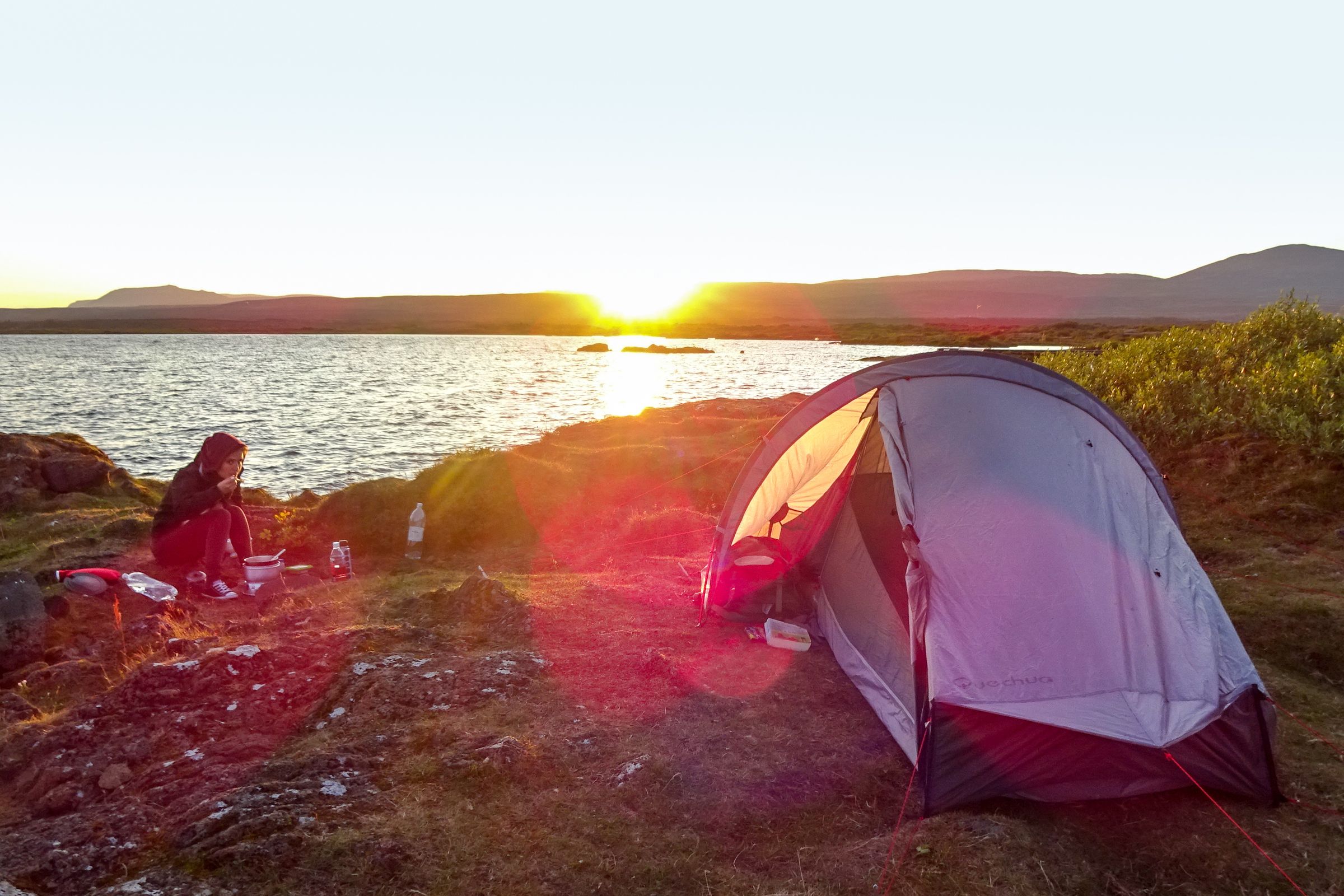
Þingvellir National Park, Gullfoss, and Geysir are the core stops, and they're worth doing in June. Roads are easy, and the long days let you go early in the morning or after 7 pm to avoid the worst of the tour bus traffic. Add and Friðheimar for a fuller day.
South Coast
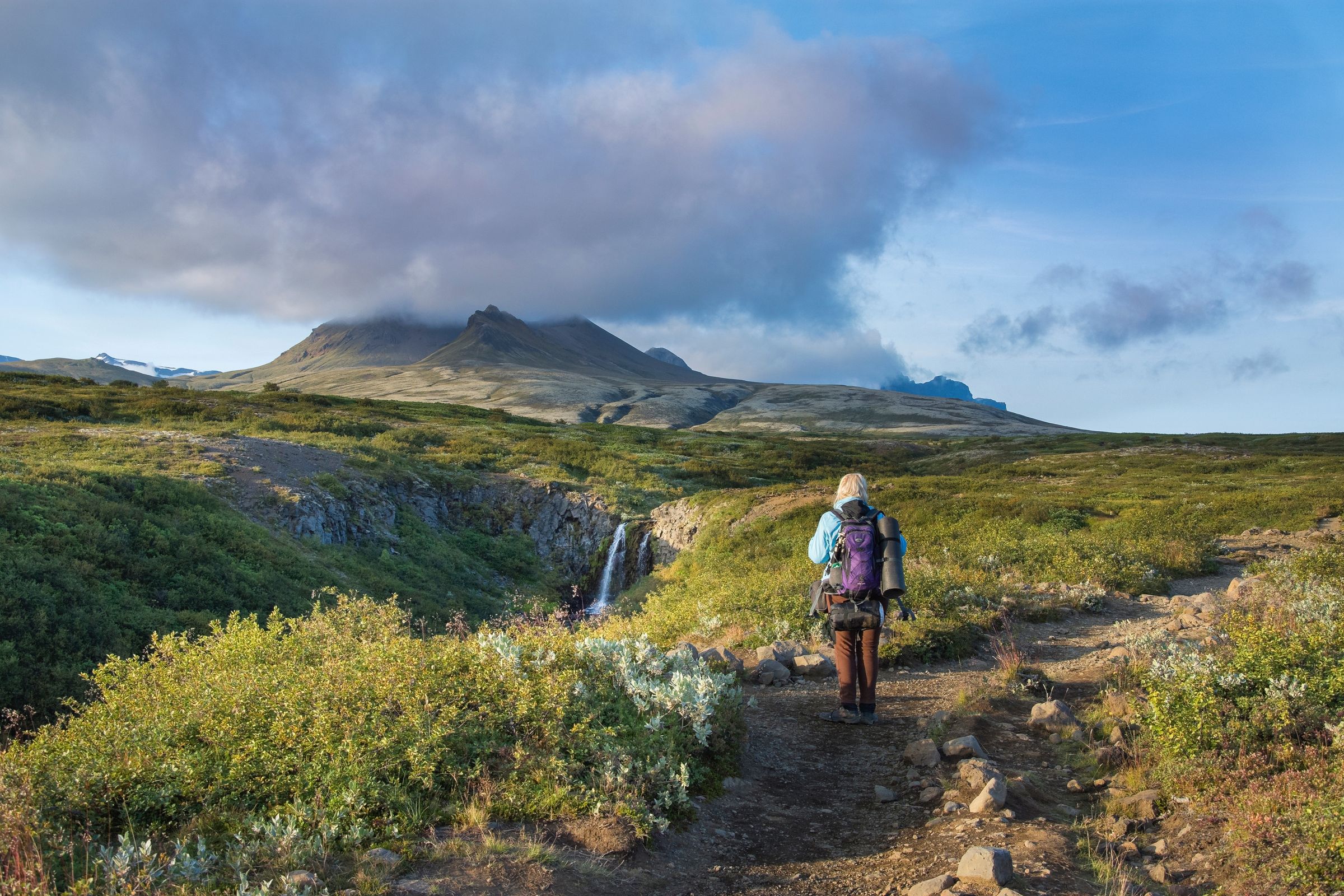
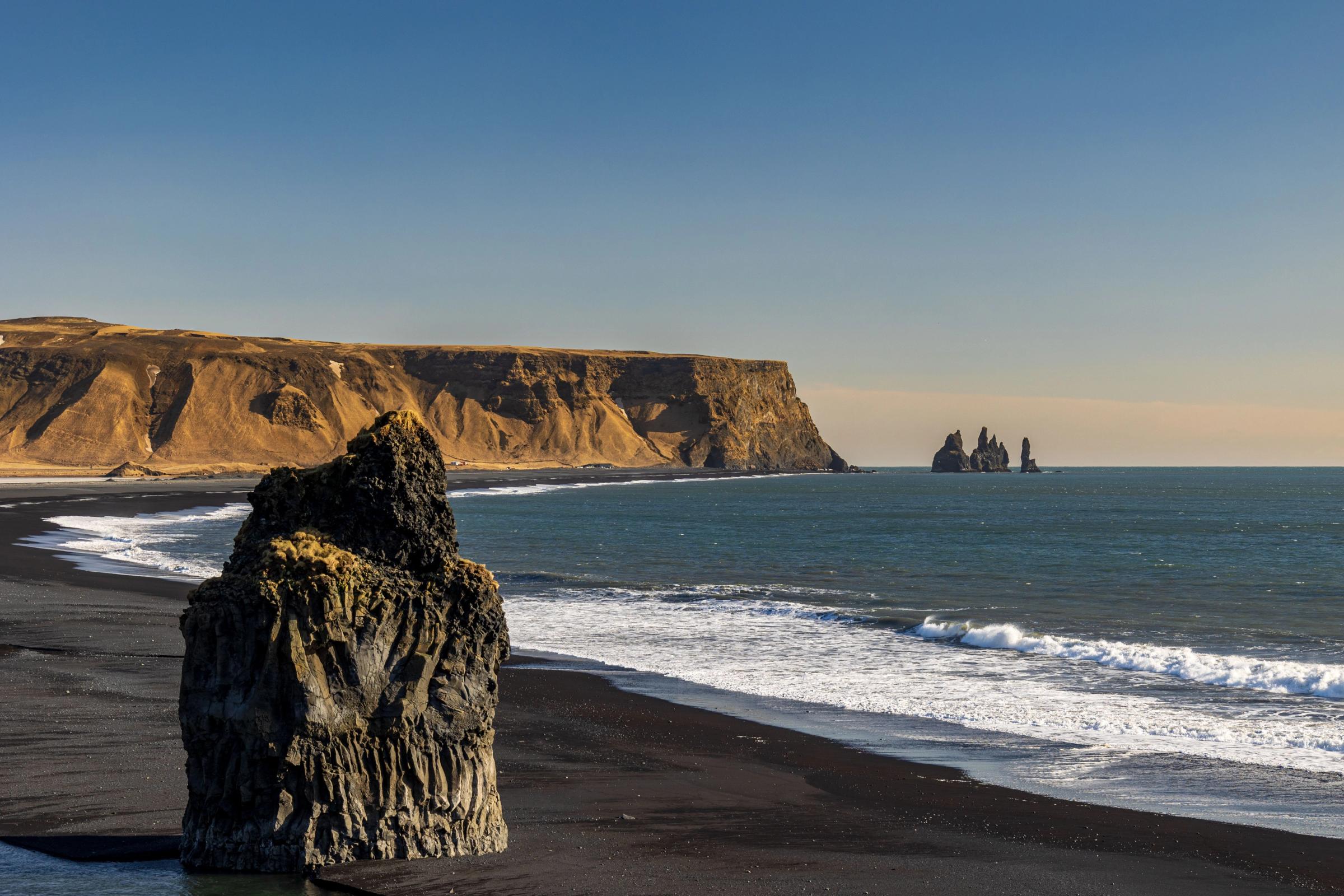
The South Coast is probably the best single stretch for a first-time June visit. You get waterfalls, black sand beaches, sea cliffs, a glacier lagoon, and puffins all within one manageable driving route. Main stops: Seljalandsfoss, Skógafoss, Dyrhólaey, Reynisfjara, Vík, Skaftafell, Jökulsárlón, and Diamond Beach.
A serious note on Reynisfjara Black Sand Beach: sneaker waves here have killed people. Stay well back from the waterline, keep watching the ocean, and never turn your back on the surf.
Snæfellsnes Peninsula
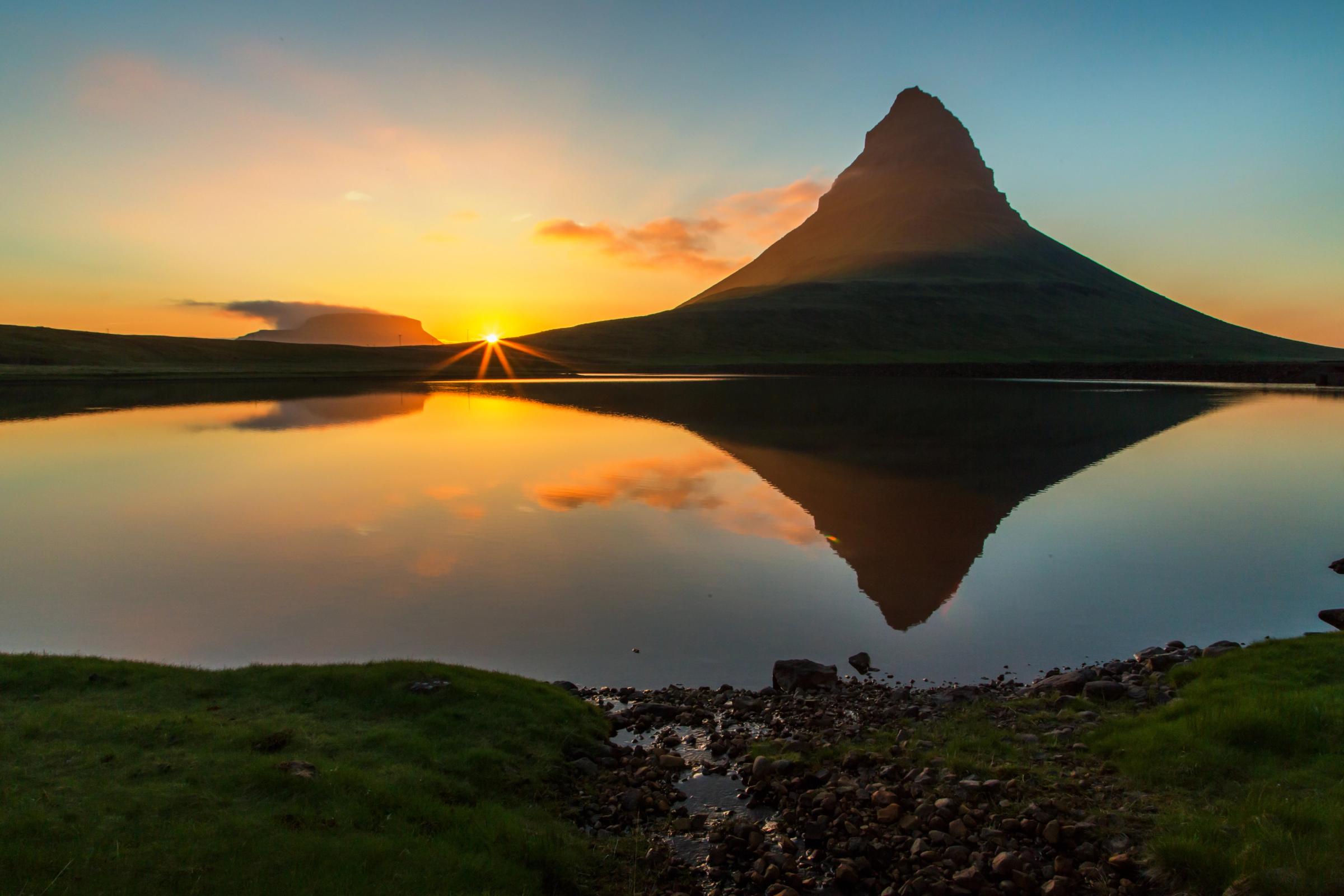
Snæfellsnes is often called "Iceland in miniature," and it earns it. In a day or two, you get lava fields, sea cliffs, fishing villages, puffins, seals at Ytri Tunga beach, and views of Snæfellsjökull glacier-volcano. Kirkjufell and Kirkjufellsfoss are the most photographed spots, but the whole coastline is good. It's also noticeably less crowded than the South Coast.
Vík and Reynisfjara
Vík is a good overnight base for the South Coast and sits right next to Reynisfjara. Dyrhólaey cliffs are a short drive away and give you some of the best puffin viewing on the South Coast. Check access conditions during nesting season before you show up.
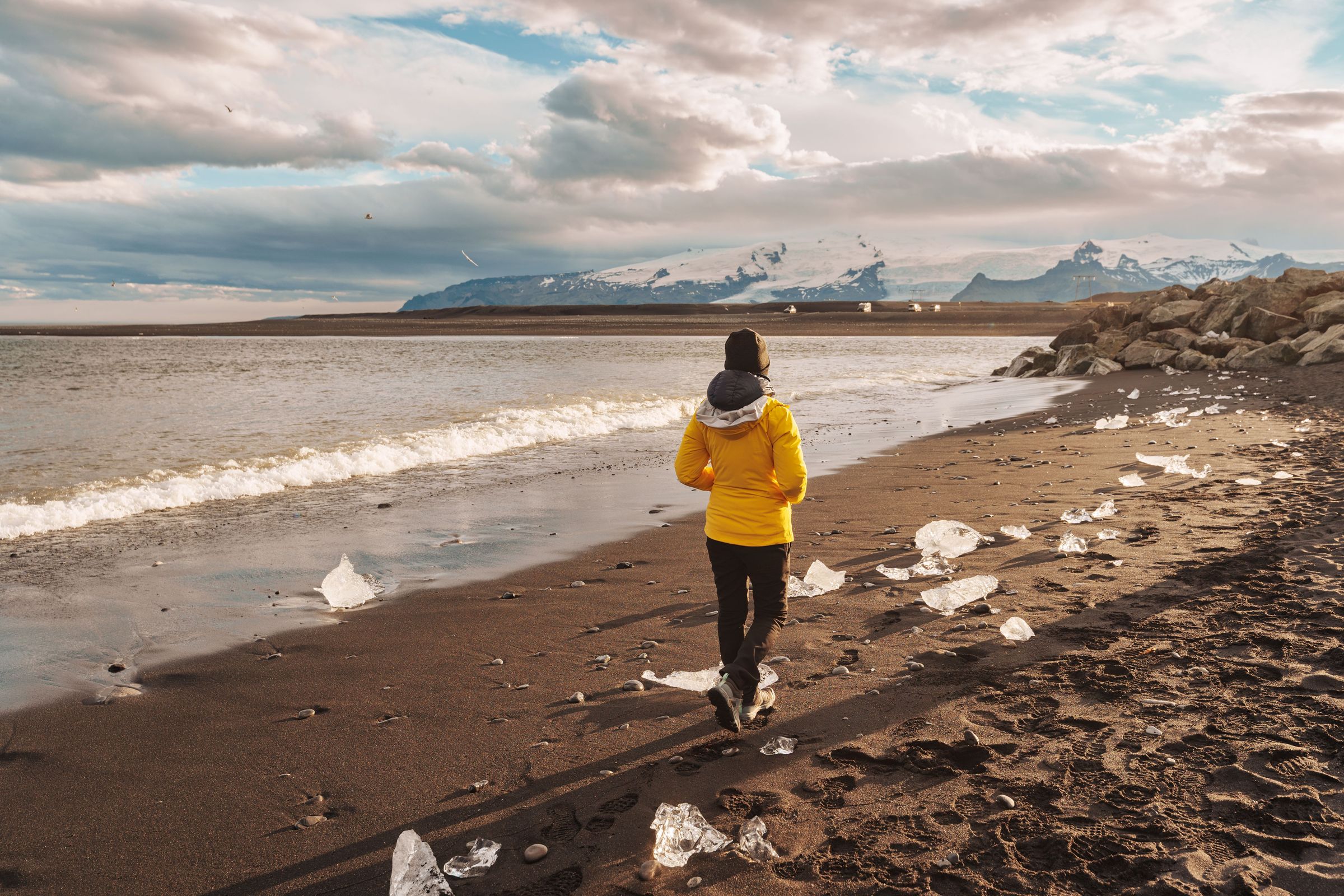
Jökulsárlón Glacier Lagoon and Diamond Beach
Jökulsárlón is one of Iceland's most visited spots, and June is a good time to go. Icebergs float through the lagoon, seals occasionally show up, and boat tours may be running. Diamond Beach, just across the road, sometimes has large ice chunks on the black sand, though it varies with tides and currents. I'd recommend timing your visit for late evening if you can. The light around 10 or 11 pm here is something you won't forget.

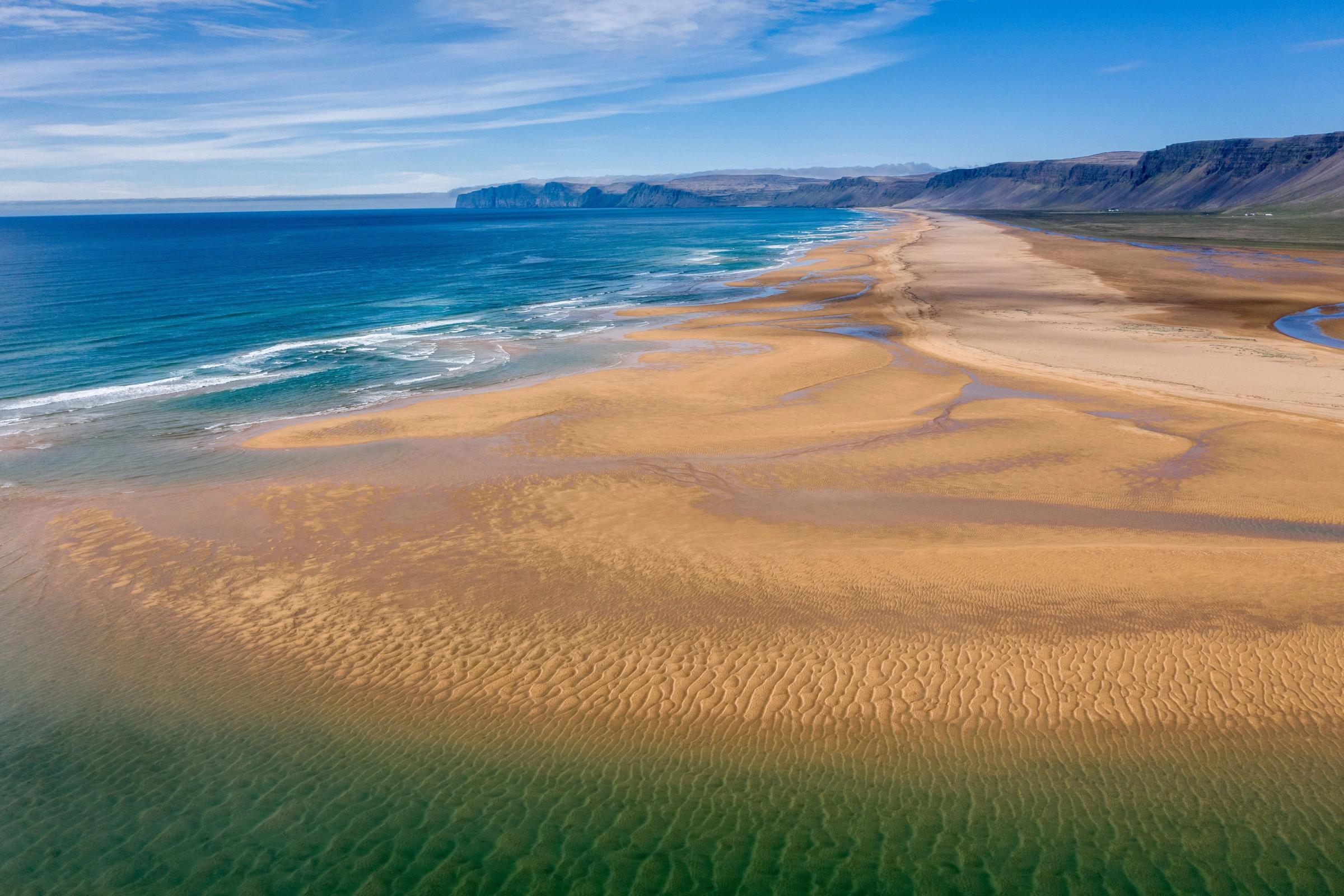
Westfjords
If you have 10 or more days and want something beyond the main tourist route, the Westfjords are a solid choice in June. Dynjandi waterfall, Látrabjarg cliffs, Rauðasandur beach, and the small hot pots at Drangsnes are all worth the drive. Roads are slower, services are spread out, and the weather can be rough. But you get real solitude and scenery that looks nothing like the rest of Iceland.
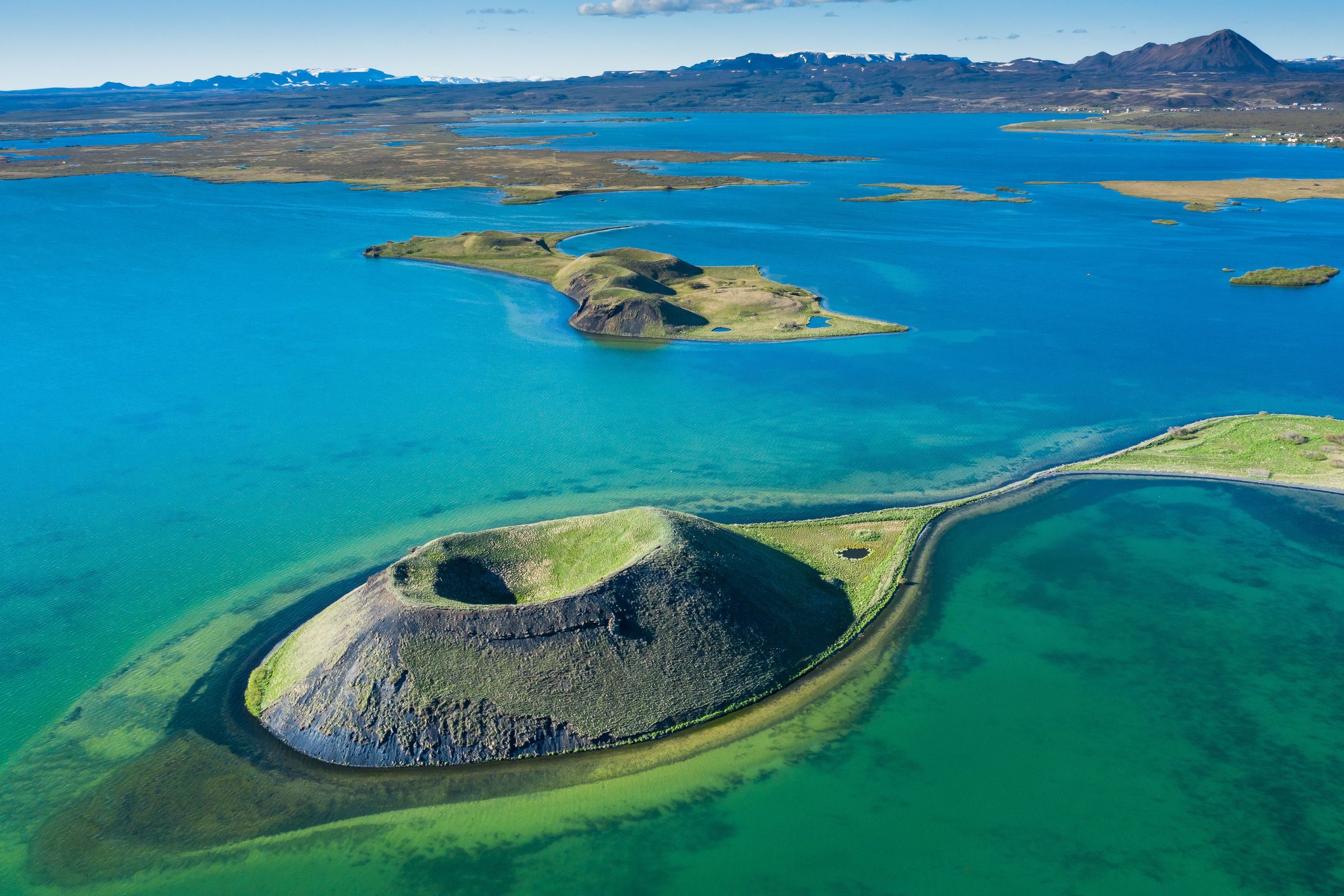
Akureyri and North Iceland
Akureyri is Iceland's main northern town and a good base for a North Iceland stretch of any 10-plus day itinerary. Goðafoss is a quick stop south of town, and Húsavík is the main base for whale watching. Lake Mývatn, Dettifoss, and Ásbyrgi round out the Diamond Circle.
Highlands and Landmannalaugar
The Highlands are worth the effort, but access in June is not guaranteed. Early June is usually too soon for most routes. Late June is possible for Landmannalaugar, but it depends on that year's snowmelt. Check road.is before you head in, every single time.
Driving in Iceland in June
June is one of the better months to drive in Iceland, especially compared to winter. But easier conditions don't mean you can stop paying attention. Road conditions still need to be checked daily, especially beyond the Ring Road.
Ring Road Conditions
The Ring Road is paved, well-maintained, and accessible in both directions in June. Watch for sheep on the road, single-lane bridges, sudden fog on highland sections, and wind that can push campervans around more than you'd expect.
One thing specific to 2026: there are planned closures on the bridge over Jökulsá á Fjöllum from May 26 to June 16, with limited daily opening windows. If your route includes the northeast Ring Road section during that window, check the current status on SafeTravel before you go.
F-Roads and Highland Access
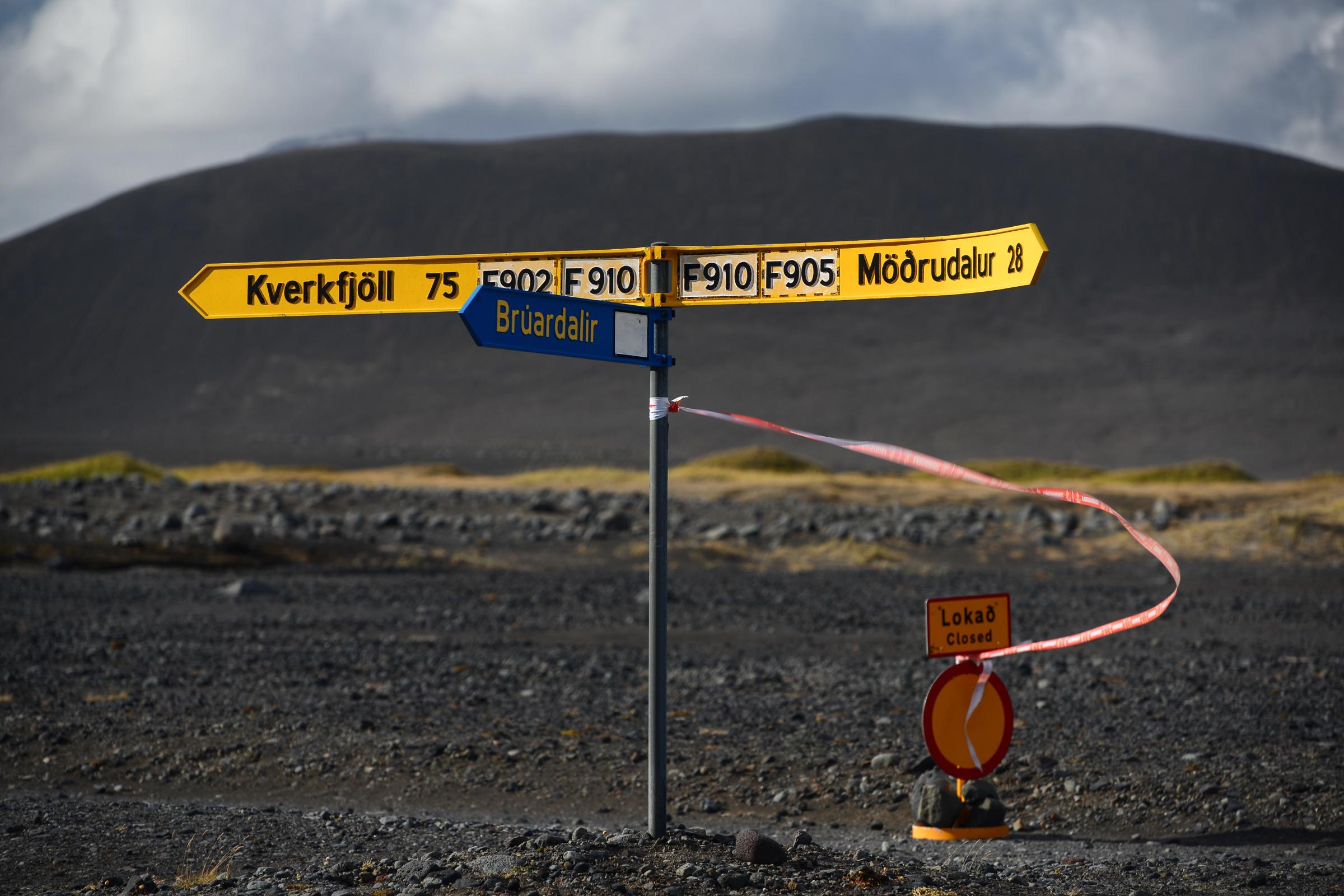
F-roads are a completely different category from regular roads. They're rough mountain tracks, often with unbridged river crossings, and they require a legal, suitable 4x4. Most campervans and all standard rental cars are not allowed on them.
Many F-roads open in late June, but some don't open until July. Check road.is before heading toward any Highland route, and confirm with your rental company exactly which roads your vehicle is allowed on. Driving around a closure sign can void your insurance entirely.
Campervans in June
Campervans work well in June, but wild camping in a campervan is illegal in Iceland unless you have explicit permission from the landowner. You have to use designated campsites. Book ahead for busy areas on the South Coast and around Reykjavík, especially in mid-to-late June.
If you're deciding between a campervan and a hotel-based trip, I'd go with a campervan if you have at least 10 days and you're comfortable with the logistics. For shorter trips, hotels are simpler and you'll probably sleep better.
Driving tired is one of the biggest risks on Iceland road trips. The daylight makes it easy to keep going way too long. Set a daily driving limit and actually stick to it.
What to Pack for Iceland in June
Packing for Iceland in June isn't about summer clothes. It's about layers. The basic formula: base layer, warm mid-layer, waterproof shell, waterproof pants, good boots, eye mask.
Waterproof Layers
A waterproof and windproof jacket with a hood, plus waterproof pants. These are the most important items on the list. Don't rely on an umbrella. Wind makes them useless in most Icelandic conditions.
Hiking Boots
Waterproof hiking boots with good grip and ankle support. Trails can be wet, muddy, uneven, and slippery from spray. Sneakers work fine in Reykjavík but won't hold up at waterfalls, on glacier approaches, or on most hiking trails.
Thermal Layers
A lightweight thermal base layer, a fleece or wool sweater, a warm hat, thin gloves, and wool socks. You'll use all of them. T-shirts are fine on warmer days, but always have layers within reach.
Eye Mask
Bring a proper one. Not optional in June.
Everything Else Worth Packing
- Swimsuit and quick-dry towel for hot springs
- Sunglasses and sunscreen (UV reflects off water and snow even in cool weather)
- Binoculars for puffins and whales
- Power bank and car charger
- Offline maps downloaded before you leave
- Dry bags for camera and phone
- Reusable water bottle
Costs and Crowds in June
June is peak season and prices reflect that. Budget roughly $200-400 USD per person per day for a mid-range trip covering accommodation, car rental, food, and occasional tours. That goes up fast once you add glacier hikes, lagoons, and whale watching.
What to Book Early
If you're traveling in June 2026, the time to book is now. These are the things that fill up first:
- Campervans (6-9 months ahead if possible)
- South Coast and Reykjavík accommodation (4-8 months)
- Glacier hikes (2-4 months)
- Whale watching in Húsavík (1-3 months)
- Blue Lagoon and Sky Lagoon (2-4 weeks minimum, earlier is safer)
Avoiding the Crowds
The biggest crowds gather at the Blue Lagoon, Golden Circle, Seljalandsfoss, Skógafoss, Reynisfjara, and Jökulsárlón. A few things that actually help:
- Visit major South Coast stops before 9 am or after 7 pm. The midnight sun makes both options completely workable.
- Stay overnight near your next day's main stops instead of day-tripping everything from Reykjavík.
- Add North Iceland, the Eastfjords, or the Westfjords to your route. These regions get a fraction of the South Coast's traffic.
- Build a slower itinerary with fewer stops and more time at each one. It usually makes for a better trip.
Saving Money
Iceland is expensive no matter what, but costs are manageable with a bit of planning. Shopping at Bónus or Krónan supermarkets for most meals makes a real difference. Local public pools in Reykjavík cost a fraction of the Blue Lagoon and are worth doing for their own reasons. Picking one or two bigger paid experiences and keeping the rest to free natural sights works well for most budgets.
Suggested June Iceland Itinerary
These are starting points, not fixed plans. Weather, road conditions, and F-road openings all affect how things actually go.
3 Days
Good for stopover travelers. Day 1: Reykjavík and a lagoon. Day 2: Golden Circle. Day 3: South Coast to Vík.
5 Days
Day 1: Reykjavík. Day 2: Golden Circle. Day 3: South Coast to Vík. Day 4: Skaftafell, Jökulsárlón, Diamond Beach. Day 5: Return west with extra stops.
7 Days
Add Snæfellsnes Peninsula as a dedicated day and take more time on the South Coast rather than rushing through it.
10 Days
The Ring Road becomes workable at 10 days. After the South Coast and Eastfjords, add North Iceland, Húsavík whale watching, Akureyri, and Lake Mývatn.
14 Days
With two weeks you can do the Ring Road properly and add either the Westfjords or the Highlands. For the Westfjords, plan at least 3 days. For the Highlands, keep it flexible and only commit once road conditions are confirmed.
Final Tips for Visiting Iceland in June
June is one of the best months to visit Iceland. The light is something else, wildlife is active, and the roads are in good shape. But it rewards preparation and honest expectations.
Pack your waterproofs, bring an eye mask, and book the important things early. If I were you, I'd also resist the urge to cram too many stops into each day. The daylight tricks you into thinking you have unlimited time, but fatigue adds up fast on a driving trip. Check road conditions before heading toward the Highlands, and don't waste energy hoping for Northern Lights. The midnight sun is worth the trip on its own.
Frequently Asked Questions About Iceland in June
