Iceland is basically made for road trips. But fueling up here works a bit differently from most countries, and it catches a lot of first-timers off guard.
Here's what you need to know before you hit the road.
Key Takeaways
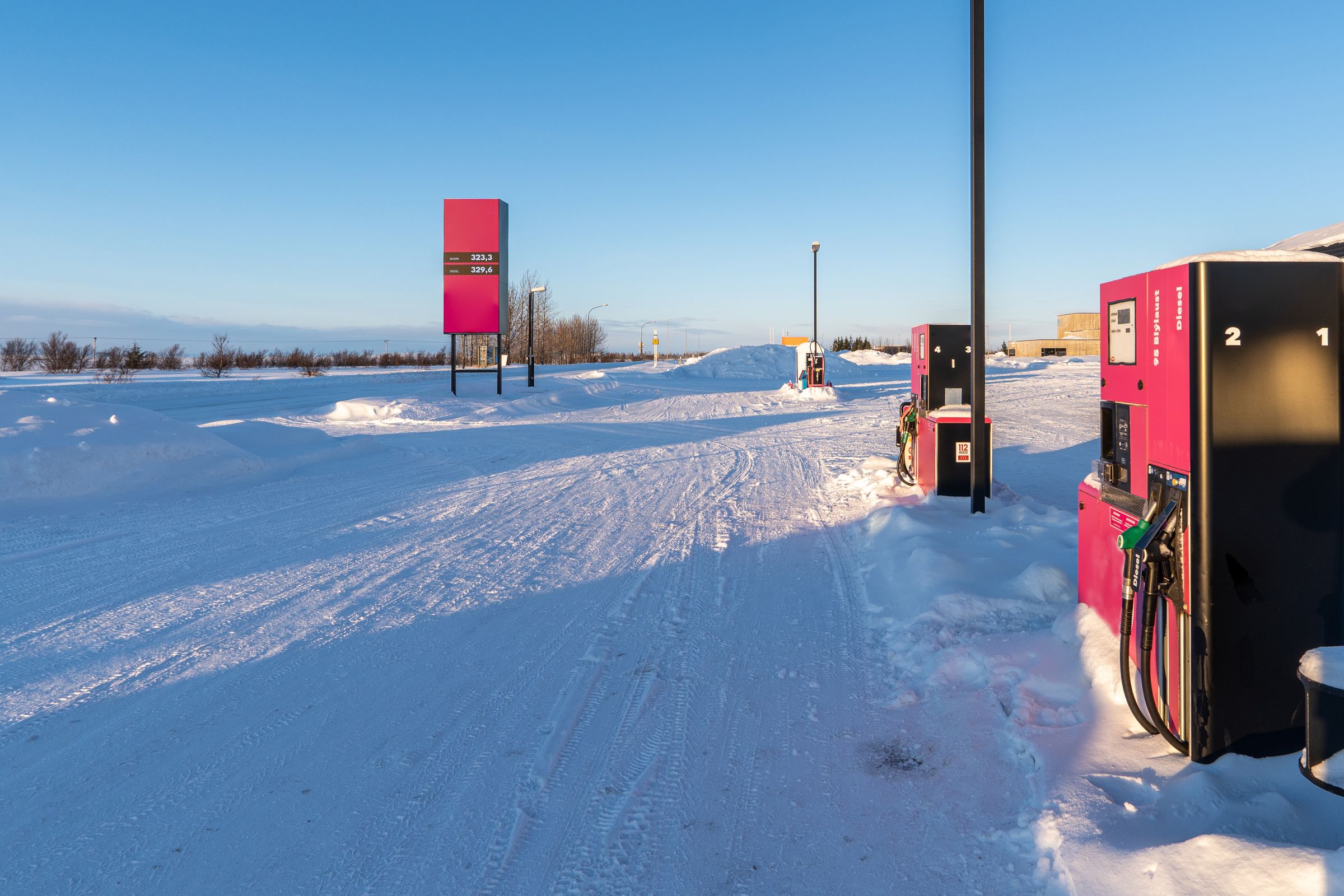
Most gas stations in Iceland are self-service and open 24/7, so you just pull up, pay at the pump, fill up, and go.
The pump puts a temporary hold on your card (often around 22,000 ISK), then adjusts it to the real amount later, so don’t panic if you see a big charge at first.
Petrol (95) and diesel are the main options, and using the wrong one can get expensive fast, so double-check your rental before you start pumping.
A chip-and-PIN card works best, and having a backup helps since some foreign cards don’t work at unattended pumps.
Fuel is pricey and stations get spread out in places like the Westfjords and Highlands, so don’t let your tank drop below half.
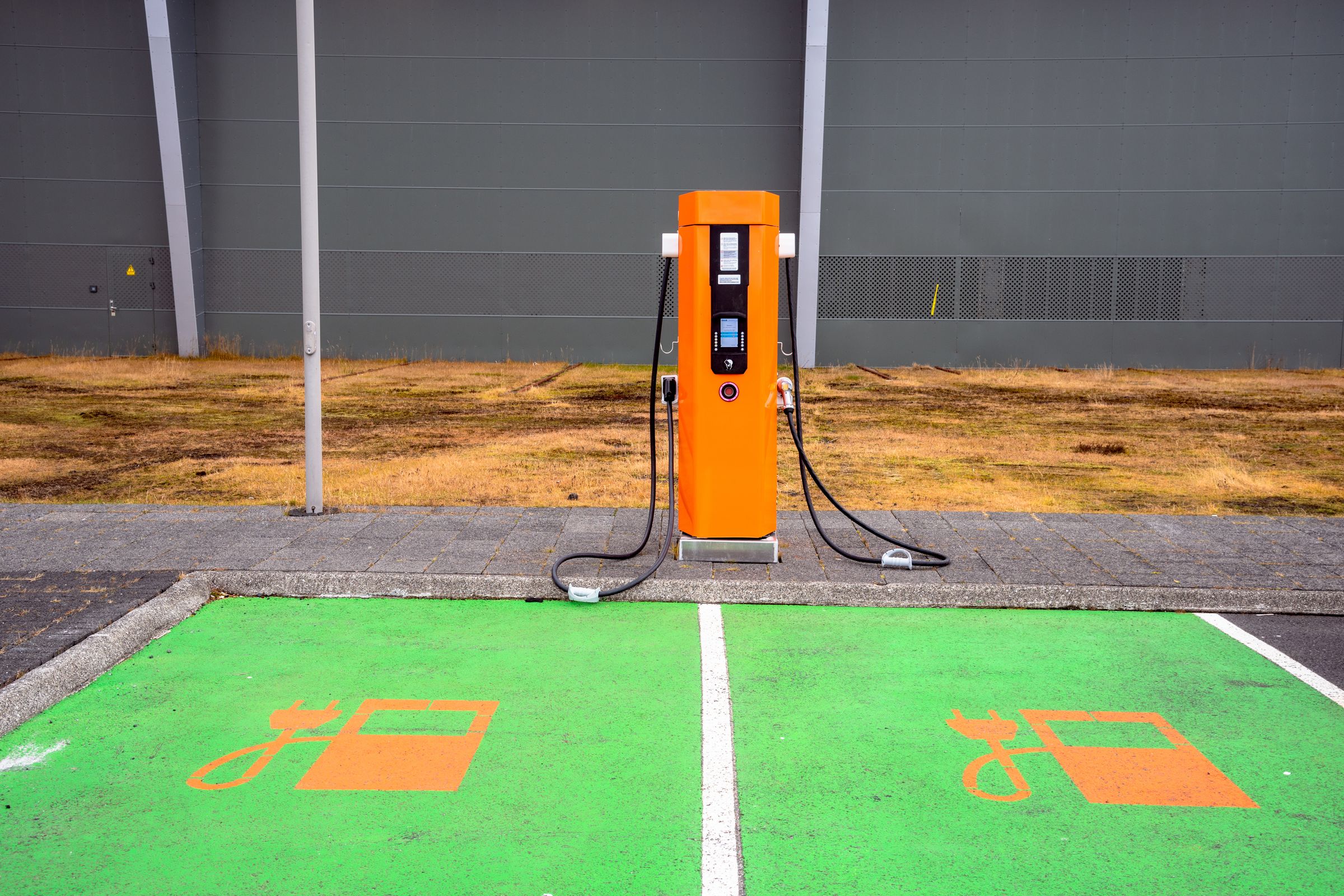
EVs work fine on the Ring Road with decent charging coverage, but remote areas still take a bit more planning.
How Gas Stations Work in Iceland
Gas stations in Iceland don't work the way most travelers expect, especially if you're used to North America or parts of Europe where attendants and pay-after-you-pump systems are the norm.
The short version: most stations are self-service, many have no staff on-site, and the pumps run 24/7. That's the baseline.
The Typical Fueling Process
Here's how it goes at most fuel stops in Iceland:
Pull up to the pump
Insert your card or use contactless if available
The system places a pre-authorization hold on your card (more on this below)
Select your fuel type
Pump your fuel
Drive away, no cashier needed
Even stations with shops and restaurants attached usually handle fueling through self-service pumps. Don't count on finding anyone at the pump to help, especially outside Reykjavik or after shop hours.
The Pre-Authorization Hold
This is where a lot of travelers get confused. When you pay at the pump in Iceland, the system doesn't just charge you for the fuel you pumped. It first places a temporary hold on your card to confirm you have funds available.
At N1, for example, the pump sends an authorization request for 22,000 ISK before fueling starts. That's not your final charge. Once you're done pumping, the actual amount is charged, and the hold is released. Depending on your bank, the hold can take anywhere from a few hours to a couple of days to clear.
If you see a large charge on your card right after fueling, it's almost certainly the pre-authorization hold, not a real charge. Wait for it to clear before assuming something went wrong.
Fuel Types and Prices
Understanding how fuel works in Iceland before you get to the pump can save you from a genuinely expensive mistake. The good news is it's pretty simple.
Fuel Types
The two fuels you'll find at almost every station are 95-octane petrol and diesel. Some larger stations also carry 98-octane petrol, AdBlue (an exhaust fluid for certain diesel vehicles, not an actual fuel), and in a handful of locations, methane.
The most important thing here: know which fuel your rental car takes before you touch the pump. Petrol and diesel nozzles are different sizes, and using the wrong one is an expensive mistake that voids most rental agreements.
I'd take a photo of your rental agreement's fuel type page before you start the trip. It's a simple habit that saves a lot of stress at the pump.
One more thing worth knowing: at major chains including Olís, ÓB, and Costco Iceland, the standard 95 petrol is E10, meaning it contains up to 10% ethanol. Most cars built after 2011 handle E10 without any issues, but if you're driving something older or a specialty vehicle, check your manual first.
Fuel Prices
Fuel in Iceland is expensive. Import costs, taxes, and the country's geography push prices higher than most travelers are used to.
Prices are shown in ISK (Icelandic Krona) per liter and vary quite a bit from station to station, not just brand to brand. As of May 2026, the price of gasoline in Iceland is $1.99/liter or $7.53 per gallon. On the other hand, diesel prices are $2.34$/liter or 8.86 per gallon.
ÓB, for example, lists some "designated low-price" stations at noticeably cheaper rates than its standard rural locations. The same pattern shows up at Orkan and Atlantsolía. The cheapest fuel overall is at Costco, but you need a membership to use it.
If you want to compare live prices before you stop, the website iceland-fuel-stations.com and the app Gasvaktin both track real-time prices across brands. I'd bookmark one of those before your trip.
Iceland's fuel network comes down to a handful of chains, each with a slightly different setup.
N1
N1 is one of the largest networks in the country and the one you'll see most often on the Ring Road. Many N1 sites are full-service, with shops, hot food, restrooms, Wi-Fi, car wash, and charging available. It's also the chain with the most documented pre-authorization system, so read the payment section before your first stop here.
Olís
Olís runs a mix of larger service stations with good amenities. Many sites have food options (look for Grill 66 and Lemon Mini at some locations), Wi-Fi, car wash, air pumps, and fast charging. It's the full-service brand within the Olís/ÓB family.
ÓB
ÓB is Olís's budget, self-service format. There are 45 ÓB stations across Iceland, 9 in the capital area and 36 in rural areas. Prices are generally lower than at full-service Olís sites, and pumps are self-service and open 24/7. A good option if you're watching fuel costs.
Orkan
Orkan runs 73 self-service stations around Iceland, all open 24/7. It's one of the more practical chains for foreign travelers because it explicitly accepts Apple Pay and Google Pay at the pump. Orkan also has a digital discount card that requires no PIN and gives a 12 ISK discount per liter at participating stations. If I were you, I'd download the Orkan app before leaving home.
Atlantsolía
Atlantsolía is a smaller low-cost operator with 24 self-service stations around the country. Fully automated, no staff, open all hours. Worth knowing about if you're near one of their locations and want to save a bit on fuel.
Costco Iceland
Costco has a gas station at its warehouse in Garðabær, just outside Reykjavik, and it's consistently the cheapest fuel in the country. The catch: you need a Costco membership. Great if you have one and you're in the capital area, but it's not a solution for anything beyond that.
Payment Methods Explained
This is where most foreign travelers run into problems. Iceland's fueling system runs on unattended card payment, so showing up unprepared can leave you stuck.
What Works Best
A chip-and-PIN credit or debit card is your safest option at any self-service pump. Contactless and mobile wallets work too at some chains. Orkan explicitly supports Apple Pay and Google Pay at the pump, which makes it one of the easier options for anyone with a modern phone.
What Can Go Wrong
A few things that catch people off guard:
Your card has no PIN. Some foreign cards, especially older US credit cards, don't need a PIN and can fail at unattended pumps in Iceland.
Pre-authorization holds. As explained above, a large temporary hold can reduce your available balance, which causes problems with tight-limit or debit cards.
Some foreign cards aren't recognized. Less common, but it can happen at certain stations.
Traveling with two different payment methods in Iceland is worth it. If one fails at a remote pump, you'll want a backup.
If Your Card Fails
Try a different station brand, look for a staffed station during daytime hours, or use a mobile wallet if the pump supports it. Just don't assume there'll always be someone around to help, especially at night or in a rural area.
Where to Find Gas Stations
Coverage in Iceland follows a straightforward pattern: easy near Reykjavik and along the Ring Road, thinner the further you go from main routes.
Reykjavik and Keflavík
The capital area and the Keflavík International Airport corridor are the easiest places to fuel up in Iceland. Every major chain is here, including Costco, and this is where you'll find the lowest prices and the most payment flexibility. If you run into card issues anywhere else on your trip, I'd head back here to sort it out.
Ring Road (Route 1)
The Ring Road is Iceland's most traveled route and is well covered enough for a normal road trip, as long as you don't push your luck with a near-empty tank. Half a tank is a good threshold for stopping to refuel on this route.
South Coast and Golden Circle
These are the main tourist corridors in the southwest, and coverage is solid. If it's your first time driving in Iceland, this is the easiest region to get comfortable in.
West Iceland
Gateway towns like Borgarnes, Akranes, and Stykkishólmur all have fuel. Coverage gets thinner as you head toward the Snæfellsnes peninsula, so top up in Borgarnes before going further west.
North Iceland (Akureyri and surroundings)
Akureyri is the main hub up north and has solid coverage from multiple chains. You'll also find stations in Húsavík, Siglufjörður, Blönduós, and other towns in the area.
Eastfjords
Stations exist in Egilsstaðir, Reyðarfjörður, Neskaupstaður, and along the southeastern approach through Höfn, but the distances between towns are longer than they look on the map. Plan your stops ahead of time here.
Westfjords
This is where you need to pay more attention. Stations exist in and around Ísafjörður, Bolungarvík, Hólmavík, and a few other spots, but the gaps are real. I'd top up every time you drop below half a tank in the Westfjords. No exceptions.
Highlands
The Highlands are a different situation entirely. This isn't casual road trip territory. Fuel options are sparse, distances are long, road conditions can change quickly, and the whole area is designed for drivers who come prepared. Key gateway stations like Hrauneyjar sit at the entrance to highland routes and should be treated as your last real chance to fill up. Always check conditions on Safetravel.is before heading onto any F-road.
EV Charging in Iceland
Iceland's EV infrastructure has grown significantly in recent years, and a Ring Road trip in an electric car is now realistic with some planning.
Main Charging Networks
The main networks you'll come across in Iceland are:
ON Power (Orka náttúrunnar): One of the main rapid charging providers, with stations across the country. Their app shows live station locations.
Ísorka: Covers all regions of Iceland and includes live station status in their app. They also offer Autocharge, which lets you start a session without an app or card once the feature is set up on your vehicle.
Orkan: The fuel chain also runs EV chargers, going up to 500 kW at some locations. They accept major cards, Apple Pay, Google Pay, and the Orkan key.
Tesla Superchargers: Tesla has locations in Reykjavik, Keflavík, Hveragerði, Hvolsvöllur, Kirkjubæjarklaustur, Höfn, Egilsstaðir, Akureyri, Blönduós, Hólmavík, and Staðarskáli. Some Iceland Supercharger sites are now open to non-Tesla EVs with CCS compatibility.
What to Expect by Region
The Reykjavik area and the Ring Road corridor are well-suited for EV travel. Stick to well-traveled routes, and you'll find fast chargers at reasonable intervals.
Remote areas and the Highlands are a different story. EV travel there takes much more active route planning than a petrol car would, and a charging queue at a popular stop can add real time to your day.
ON Power places a pre-authorization hold before charging starts: 3,000 ISK for AC charging and 6,000 ISK for DC rapid charging. The same card-hold situation that applies at fuel pumps applies here too.
Road Trip Fuel Tips
A few simple habits go a long way on an Iceland road trip.
Plan Ahead, Not in the Moment
Never let your tank drop below half when leaving a major town for a remote area
Fill up before entering the Westfjords, the Highlands, or long stretches of the Eastfjords
Download offline maps before heading into areas with patchy signal
Check Safetravel.is for current road conditions before any long leg of the journey
Use Stations as Rest Stops
Larger N1 and Olís stations are useful for more than fuel. Many have hot food, coffee, Wi-Fi, restrooms, car wash, and air pumps. Some have gas cylinder exchange, portable toilet drain for campervans, and even parcel pickup. Building these into your day as natural break points on long drives makes sense.
Iceland's famous hot dogs, known locally as pylsur, are sold at many service stations and are worth trying at least once.
Extra Notes for Campervan Drivers
If you're in a diesel campervan, look carefully at the pump before filling up. Station menus sometimes list colored diesel and AdBlue alongside standard diesel, and these aren't the same thing. Colored diesel is not for standard tourist rentals, and AdBlue is an exhaust fluid, not fuel.
Common Mistakes to Avoid
These are the things that catch travelers off guard most often.
Waiting too long to refuel. The most common and most avoidable problem. In remote areas, the next station can be 80 to 100+ km away.
Not having a PIN-enabled card. Self-service pumps need card authorization. A card without PIN support may not work.
Misreading the authorization hold as a real charge. N1's hold is 22,000 ISK. It's temporary.
Using the wrong fuel. Always confirm your rental's fuel type before touching the pump.
Assuming stations are staffed. Many are not, especially at night.
Thinking Costco is the answer everywhere. It's membership-only and only in the Reykjavik area.
Assuming "cheap brand" means cheap at every location. ÓB and Atlantsolía both show big price differences between their own stations. Check live prices before driving across town for a deal.
Treating EV charging like petrol refueling. The infrastructure is good on main routes, but it takes more active planning, especially further from the Ring Road.
Conclusion
Gas stations in Iceland are easy to deal with once you get how the system works. Self-service is normal, payment holds are normal, and fuel planning matters a lot once you're off the main routes. Keep to the half-tank rule, know what fuel your car takes, make sure your card works at unattended pumps, and treat the Westfjords and Highlands as a reminder to always think one stop ahead.
For EV drivers, the Ring Road is well covered and getting better, but remote routes still need more planning than a petrol car would. Either way, the network works fine as long as you work with it rather than assume it'll sort itself out.
Frequently Asked Questions
Regular unleaded petrol and diesel are widely available.
Yes, with Iceland's push towards sustainability, the number of EV charging points is steadily increasing.
In cities and urban locations, many gas stations operate around the clock. In contrast, those in remote areas may have restricted operating times. However, it's noteworthy that even if the station appears closed, it's common for them to provide 24/7 self-service options for credit card holders.
Due to import duties and taxes, fuel can be pricier than in many other countries.
Many offer dining, shopping, restrooms, and even showers for travelers.
About the author
Aron Freyr
Local expert
Born and raised in Iceland, Aron Freyr has spent all 28 years of his life exploring the country and getting to know its landscapes, regions, and ever changing conditions.