Daylight hours in Iceland range from about 4 in late December to about 21 around the June solstice, when the sky never gets fully dark, because the country sits just below the Arctic Circle. In Reykjavik the December sun rises around 11:30 AM and sets by 3:30 PM, while in June it sets just after midnight and rises again around 3:00 AM. Akureyri and North Iceland get even longer summer days and shorter winter ones. This guide lists daylight hours with sunrise and sunset times for every month, covers regional differences, and shows how the light shapes driving days and Northern Lights viewing.
Key Takeaways
Daylight in Iceland changes a lot throughout the year, from almost 21 hours, no full darkness in summer to just 4–5 hours in winter.
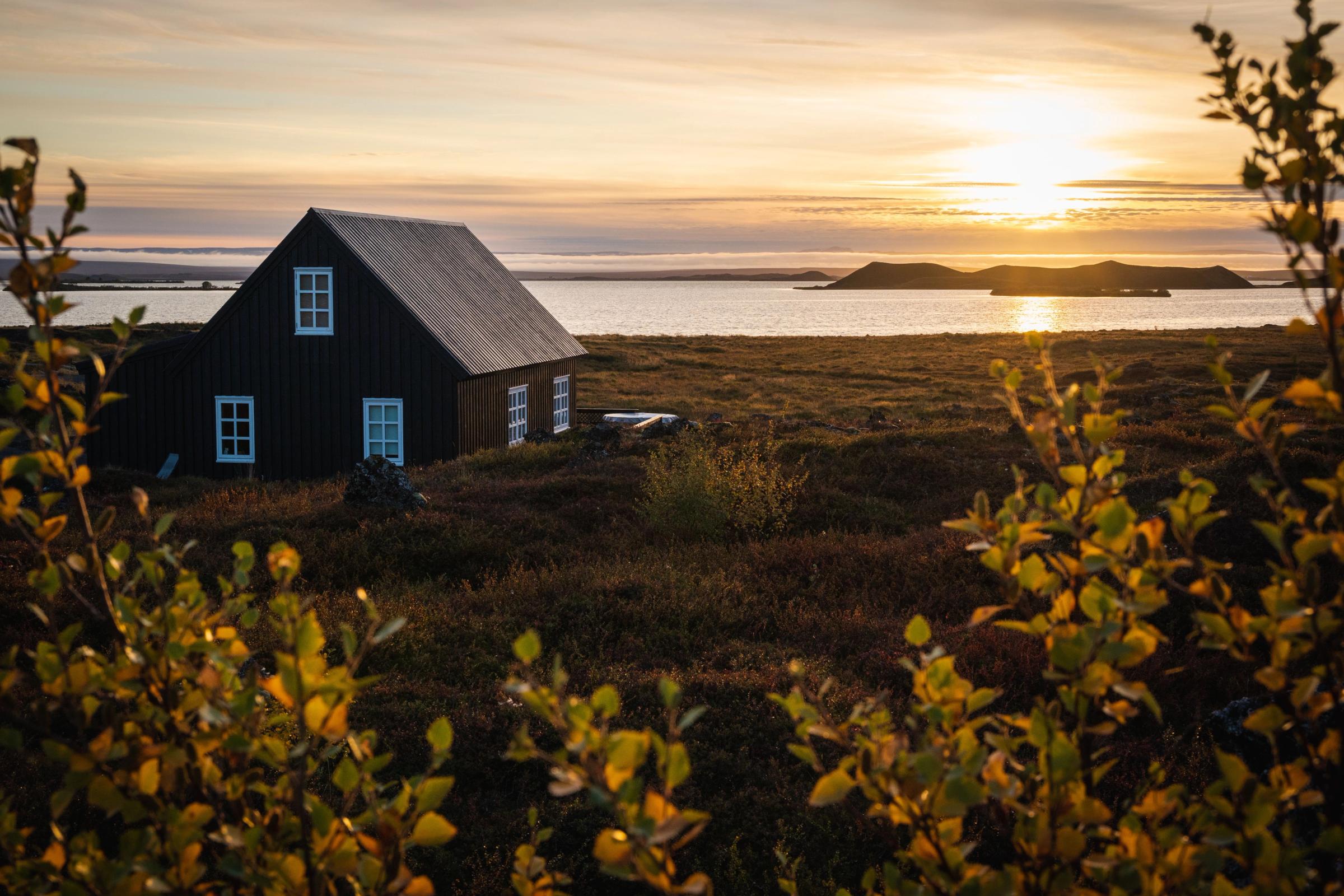
The Midnight Sun happens between May and July, giving you super long days that are perfect for road trips, hiking, and exploring late at night.
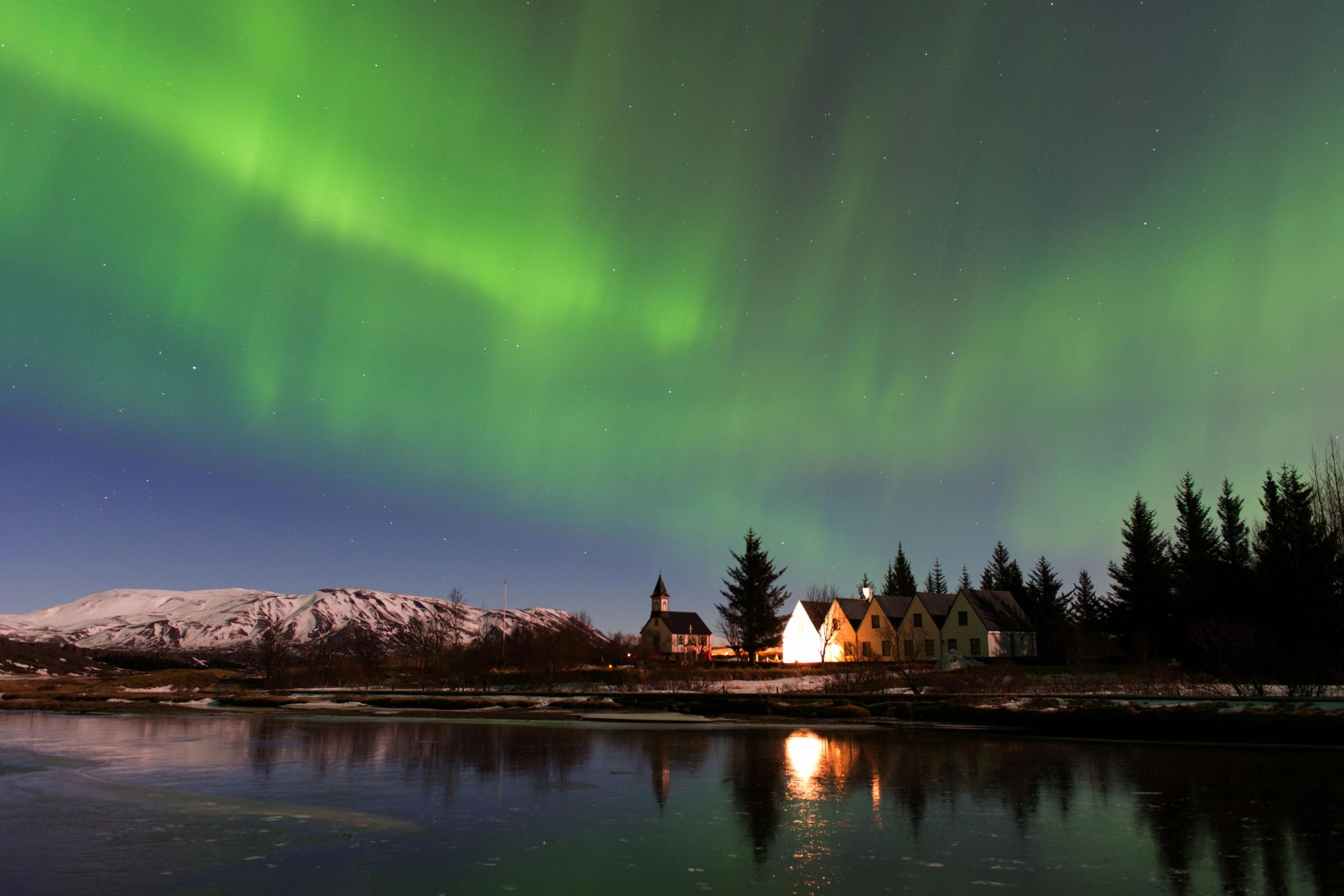
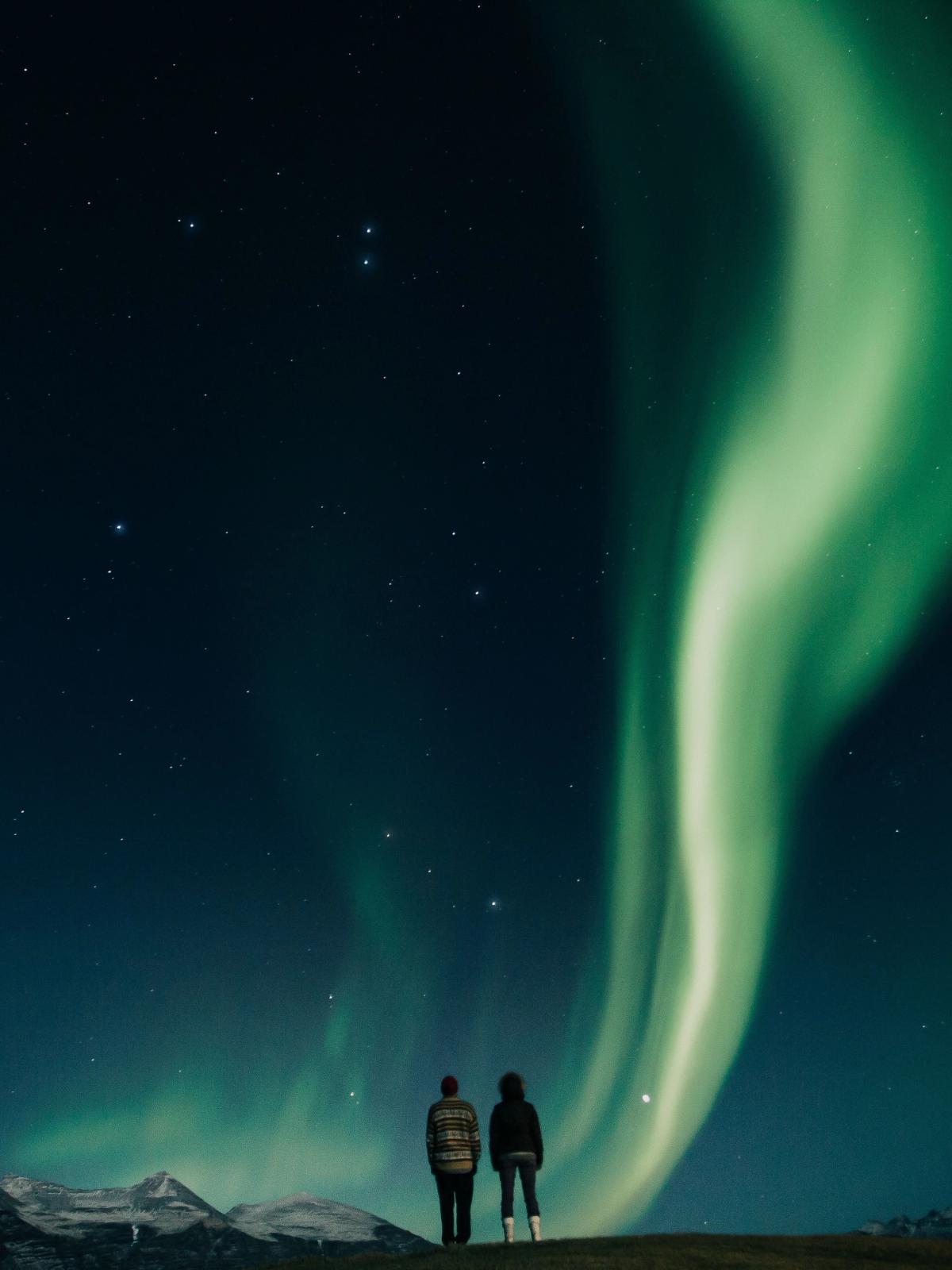
December and January are the darkest months, but they’re also some of the best times to see the Northern Lights thanks to the long nights.
Spring and fall give you a nice balance of daylight and darkness, plus fewer crowds and more flexible travel conditions.
The north gets longer summer days and darker winter days than the south, especially around the Arctic Circle.
Iceland’s daylight hours can really change how you plan your trip, so it’s always smart to check sunrise and sunset times before you go.
Iceland Daylight Hours by Month
Reykjavik gets about 4 hours of sun in late December and about 21 hours of sun in late June. Sunrise and sunset times on this page are for Reykjavik on the 15th of each month in 2026, from the University of Iceland almanac (Almanak Háskóla Íslands) and the Icelandic Met Office.
Month
Daylight hours
January
4-6
February
7-10
March
10-13
April
13-16
May
16-20
June
Close to 24
July
Close to 24
August
14-17
September
11-14
October
8-11
November
5-7
December
4-5
Iceland’s daylight hours shift massively with the seasons, and so does its weather. In summer, especially between May and July, you’ll experience the Midnight Sun, where it’s light almost 21 hours a day. During this time, the weather is milder, with temperatures ranging from 10°C to 15°C (50°F to 59°F), making it ideal for outdoor adventures like hiking and exploring. On the flip side, winter months (November to January) offer just a few hours of daylight, with temperatures dropping to around 0°C (32°F) or below, often accompanied by snow and strong winds. Despite the cold, this period is perfect for catching the Northern Lights.
The in-between months bring a balance of daylight and cooler, more unpredictable weather, with spring and fall featuring both sunny days and sudden rain showers. This makes layering and preparing for all weather conditions essential when visiting.
Does It Get Dark in Iceland?
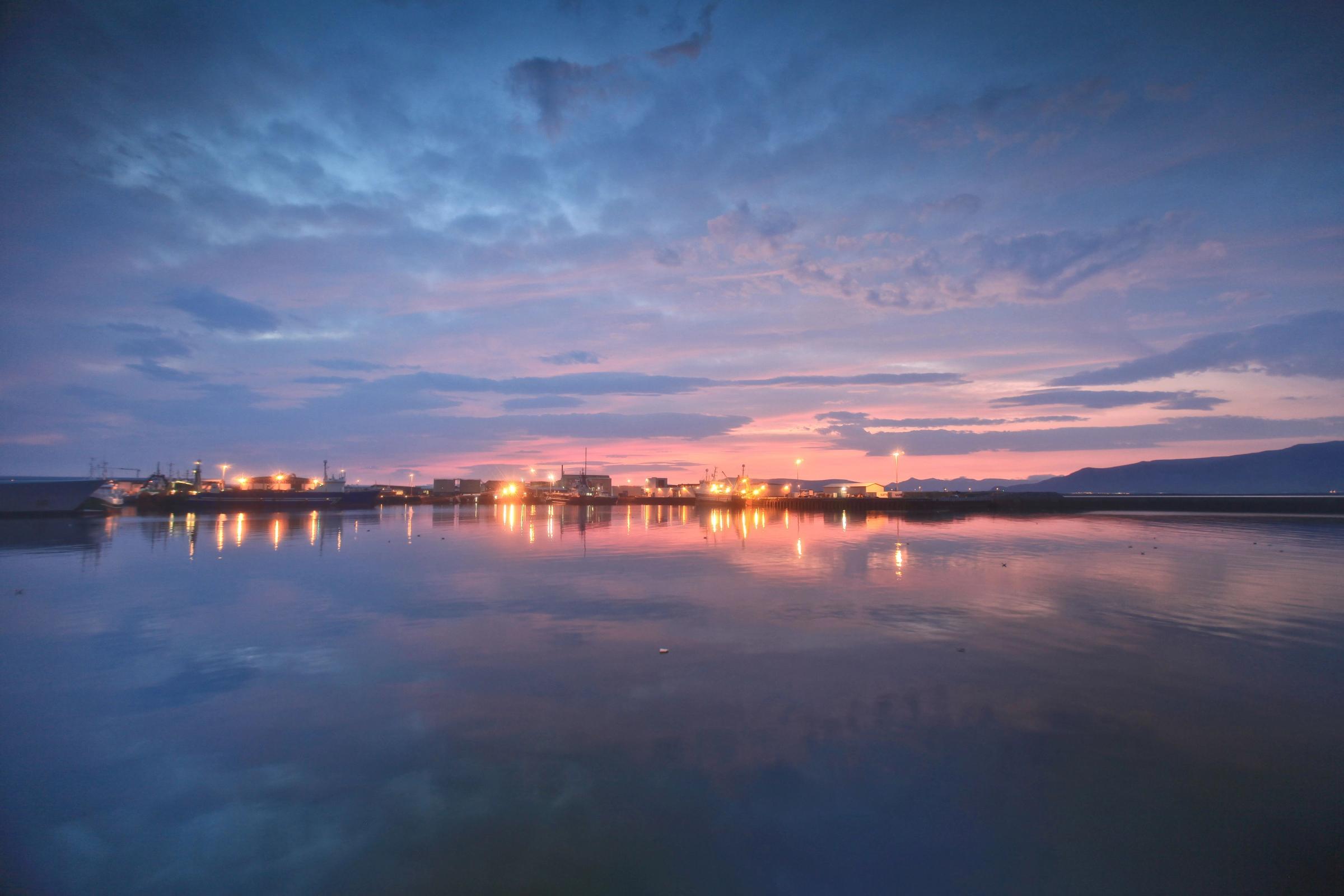
Yes, it gets dark in Iceland for most of the year, but not in summer. From about late May to late July, the sun sets for only a few hours in Reykjavik and the sky stays bright all night, so it never gets fully dark. In winter it is the opposite: in December, Reykjavik has only about 4 hours of sun and long, dark nights, which is why winter is the best time to see the Northern Lights.
Sunrise and Sunset Times in Reykjavik by Month
Month (15th)
Sunrise
Sunset
Hours of sun
January
10:55 AM
4:20 PM
5 h 25 min
February
9:25 AM
6:00 PM
8 h 35 min
March
7:45 AM
7:30 PM
11 h 45 min
April
5:55 AM
9:00 PM
15 h
May
4:15 AM
10:35 PM
18 h 20 min
June
3:00 AM
11:55 PM
21 h
July
3:40 AM
11:25 PM
19 h 45 min
August
5:20 AM
9:45 PM
16 h 25 min
September
6:50 AM
7:55 PM
13 h 05 min
October
8:20 AM
6:05 PM
9 h 45 min
November
9:55 AM
4:25 PM
6 h 30 min
December
11:15 AM
3:30 PM
4 h 15 min
January: Long Nights, Short Days
In January, Reykjavik gets about 4.5 to 7 hours of sun, and the days grow longer through the month. On January 15, 2026, the sun rises in Reykjavik at about 10:55 AM and sets at about 4:20 PM, giving about 5 hours and 25 minutes of sun. Though it sounds dark, this is the perfect time to see the Northern Lights. Late in the month, locals celebrate Thorrablot, the traditional midwinter feast, and the streets are lit up with cozy lights that make the short days feel magical.
February: Gradual Increase in Daylight
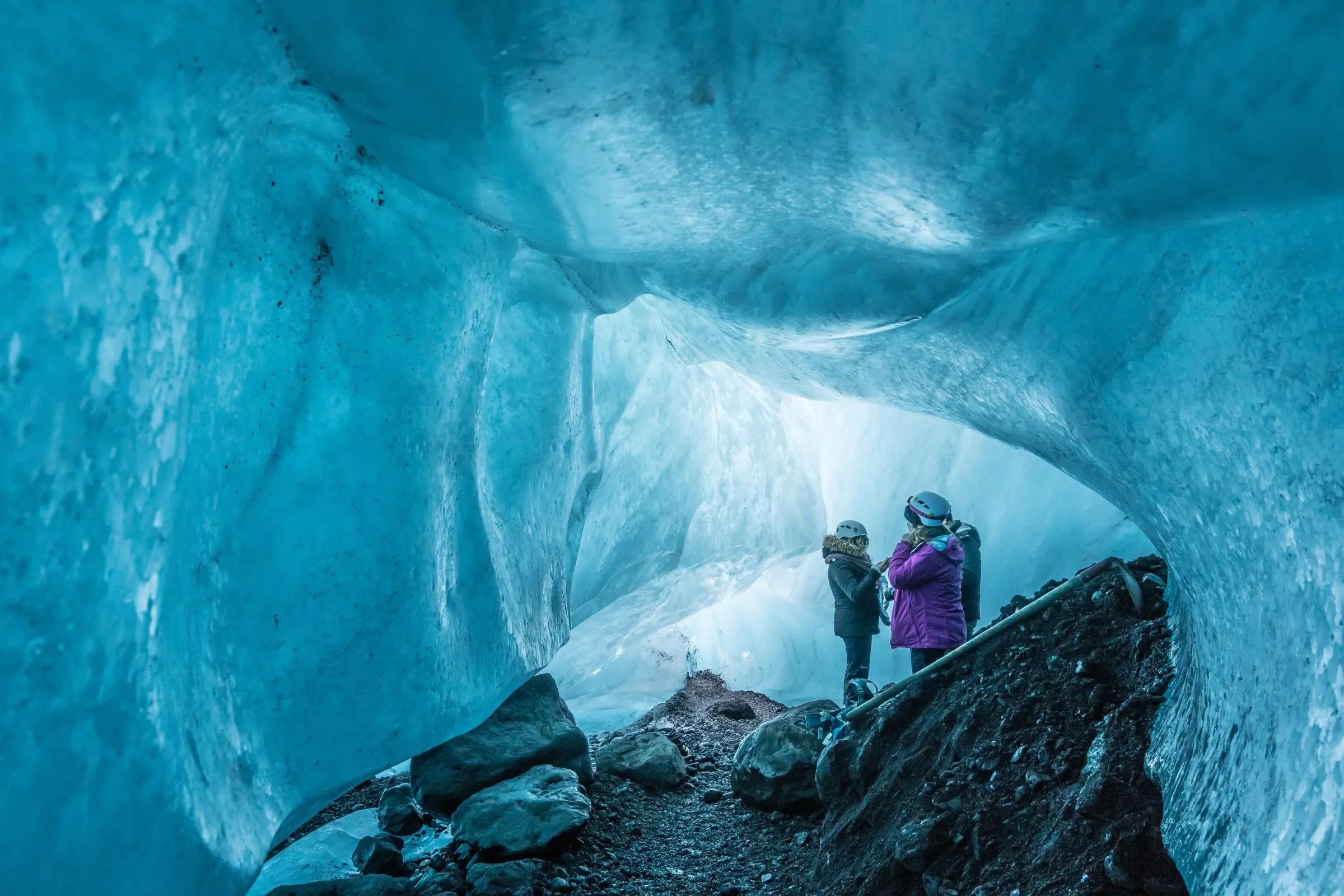
By February, the days are getting longer quickly, with about 7 to 10 hours of sun. On February 15, 2026, the sun rises in Reykjavik at about 9:25 AM and sets at about 6:00 PM, giving about 8 hours and 35 minutes of sun. This extra daylight is a welcome change for travelers and locals alike. Winter activities like ice caving and snowmobiling are still popular, and the landscapes are often still covered in snow. February is a great time to enjoy Iceland’s wintry beauty with a little more light.
March: Spring Equinox and Equal Daylight
March brings more daylight, with about 10 to 13.5 hours of sun. The spring equinox on March 20 brings almost equal hours of day and night. On March 15, 2026, the sun rises in Reykjavik at about 7:45 AM and sets at about 7:30 PM, giving about 11 hours and 45 minutes of sun. The longer days signal the beginning of spring, and it is one of the last good months to catch the Northern Lights before the nights get too short. It is also a great time for outdoor activities like hiking, as the snow starts to melt.
April: Noticeably Longer Days
In April, you will notice the days getting much longer, with about 13.5 to 17 hours of sun. On April 15, 2026, the sun rises in Reykjavik at about 5:55 AM and sets at about 9:00 PM, giving about 15 hours of sun. Spring has arrived, and the extra daylight means more opportunities to explore Iceland’s landscapes. While some remote areas may still be covered in snow, you will see more green returning to the countryside, and wildlife becomes more active.
May: Approaching the Midnight Sun
May is when Iceland’s long days really begin, with about 17 to 20 hours of sun. On May 15, 2026, the sun rises in Reykjavik at about 4:15 AM and sets at about 10:35 PM, giving about 18 hours and 20 minutes of sun. This is a great time for adventurers, as you can spend hours hiking, exploring or driving through the countryside with no worries about running out of daylight. The warmer weather and long days make May the start of the peak travel season, and the Reykjavik Arts Festival brings culture to the city.
June: The Midnight Sun
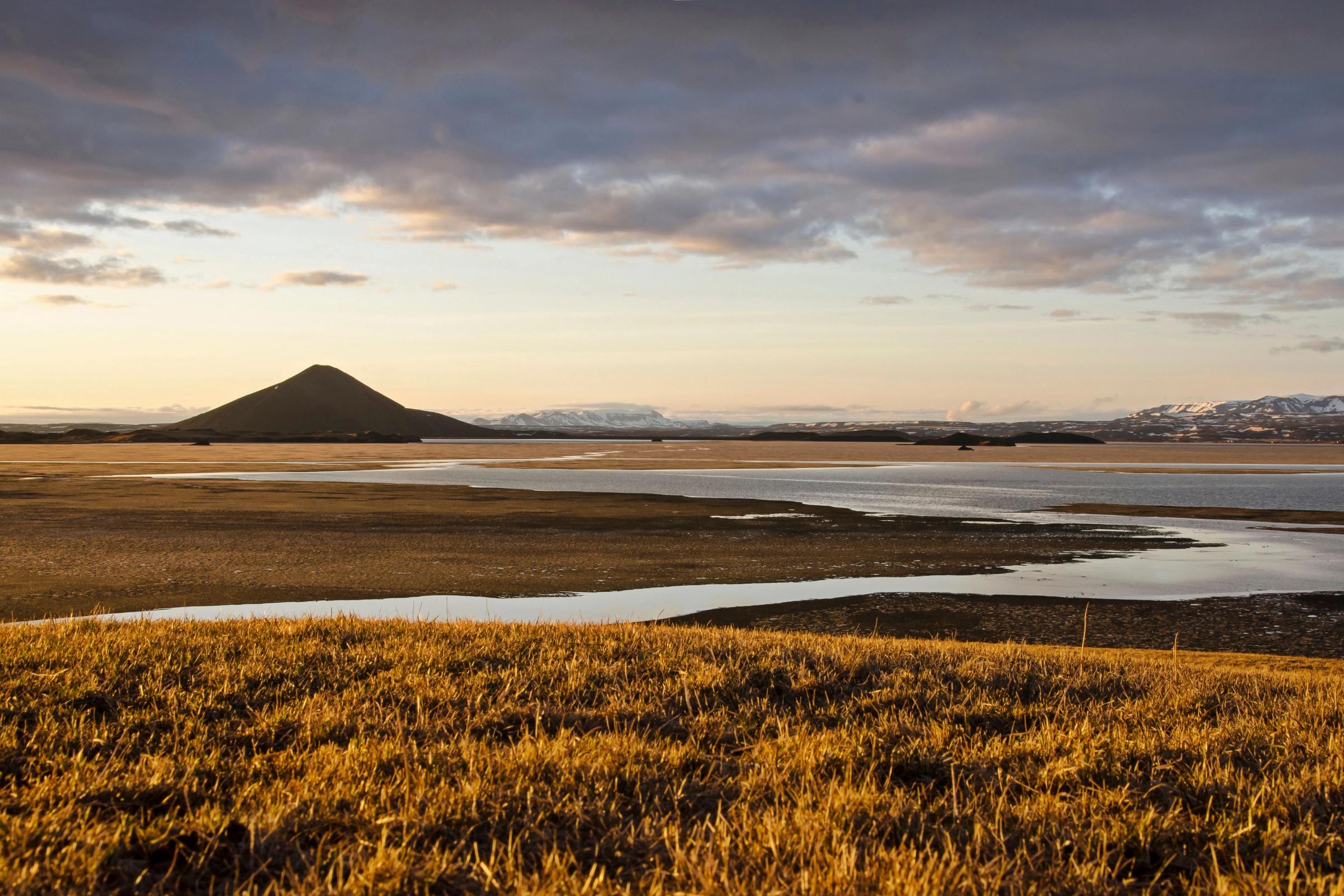
June is all about the Midnight Sun. Around the summer solstice on June 21, Reykjavik gets about 21 hours of sun, and it does not get fully dark at night. On June 15, 2026, the sun rises in Reykjavik at about 3:00 AM and sets just before midnight. In Akureyri and the north, the sun dips below the horizon for only about an hour, and locals mark midsummer with Jónsmessa on June 24.
July: Long Days and Bright Nights
July continues with long days, going from about 21 hours of sun at the start of the month to about 18 hours by the end. On July 15, 2026, the sun rises in Reykjavik at about 3:40 AM and sets at about 11:25 PM, giving about 19 hours and 45 minutes of sun. Even when the sun dips below the horizon, it does not get fully dark for most of the month. This means plenty of time for outdoor activities like glacier tours, horseback riding and camping. If you are a photographer, the long golden hours offer incredible photo opportunities. Locals are used to the long days, and most places have blackout curtains to help with sleep.
Long Days for the Ring Road
With up to 21 hours of sun in summer, any of our rental cars is a great fit for a Ring Road trip at your own pace.
In August, the days are still long but start to shorten, going from about 18 to 14.5 hours of sun. On August 15, 2026, the sun rises in Reykjavik at about 5:20 AM and sets at about 9:45 PM, giving about 16 hours and 25 minutes of sun. Around August 20, the sun rises at about 5:30 AM and sets at about 9:30 PM. The weather is still mild, making this a great time to visit if you want to avoid the peak tourist crowds but still enjoy long days. By the end of the month, you might catch the first Northern Lights of the season as the nights begin to return.
September: The Autumn Equinox
September is the month when the nights start catching up with the days again, with about 14.5 to 11 hours of sun. On September 15, 2026, the sun rises in Reykjavik at about 6:50 AM and sets at about 7:55 PM, giving about 13 hours of sun. The autumn equinox on September 23 brings almost equal hours of daylight and darkness. This is a fantastic time to visit if you want to see Iceland’s fall colors, and the darker evenings mean the return of the Northern Lights season.
October: Shorter Days, More Darkness
By October, daylight drops to about 11 to 8 hours of sun. On October 15, 2026, the sun rises in Reykjavik at about 8:20 AM and sets at about 6:05 PM, giving about 9 hours and 45 minutes of sun. The shorter days mean more chances to catch the Northern Lights, and you will notice the landscape shifting to winter mode, especially in the mountains. October is also a great time for a quieter trip as the crowds thin out, and the Reykjavik International Film Festival brings a cultural buzz to the city.
November: Increasing Darkness
In November, daylight decreases further, going from about 8 to 5 hours of sun. On November 15, 2026, the sun rises in Reykjavik at about 9:55 AM and sets at about 4:25 PM, giving about 6 hours and 30 minutes of sun. The long nights make this prime time for Northern Lights viewing, and many travelers come to Iceland specifically for this. Snow becomes more common, and the country prepares for winter. Despite the dark days, the festive spirit begins to build as Icelanders prepare for the holiday season.
December: The Darkest Month
December is the darkest time of the year in Iceland, with about 5 hours of sun at the start of the month and just over 4 hours around the winter solstice on December 21. On December 15, 2026, the sun rises in Reykjavik at about 11:15 AM and sets at about 3:30 PM, giving about 4 hours and 15 minutes of sun. For daily times during your trip, see the Icelandic Met Office website , which lists sunrise and sunset for towns all over Iceland. December is a magical time in Iceland, with plenty of holiday celebrations. Plus, the Northern Lights often make a strong appearance, adding to the beauty of the dark sky.
Iceland Winter Daylight Hours and Driving in the Dark
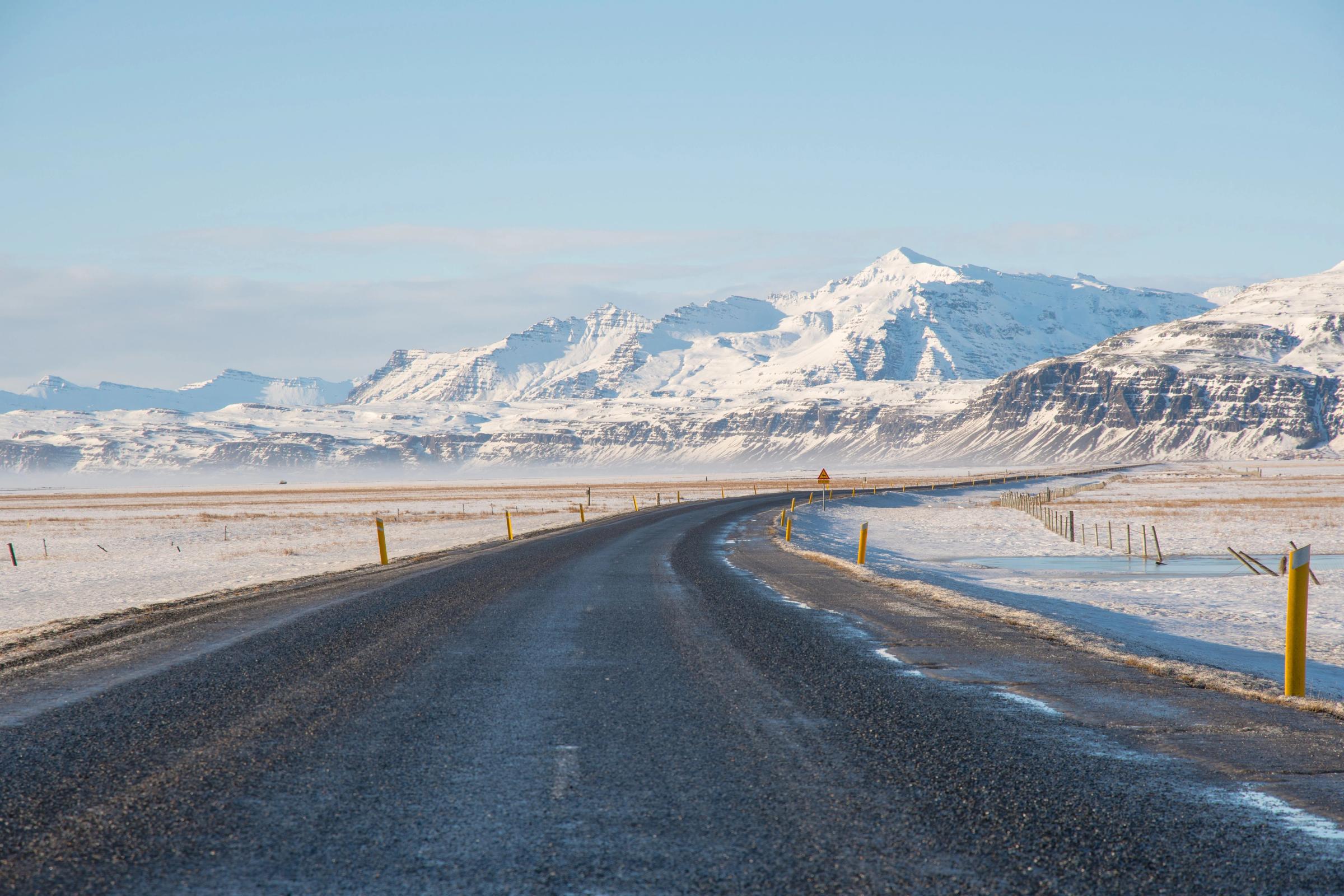
Winter in Iceland means short days, and that has a real effect on how far you can drive in daylight. In mid-December 2026, Reykjavik gets about 4 hours of sun. The sun rises at around 11:15 AM and sets at around 3:30 PM. Twilight adds roughly an hour of usable light on each side, so you can expect about 6 hours where it is not fully dark.
How Many Hours of Daylight Does Iceland Get in December?
December is the darkest month of the year. Around the winter solstice on December 21, Reykjavik has just over 4 hours between sunrise and sunset. In Akureyri and the north, the days are even shorter, with around 3 hours of sun. Daylight starts to return slowly after the solstice, adding a few minutes each day through January.
Plan Your Driving Around the Light
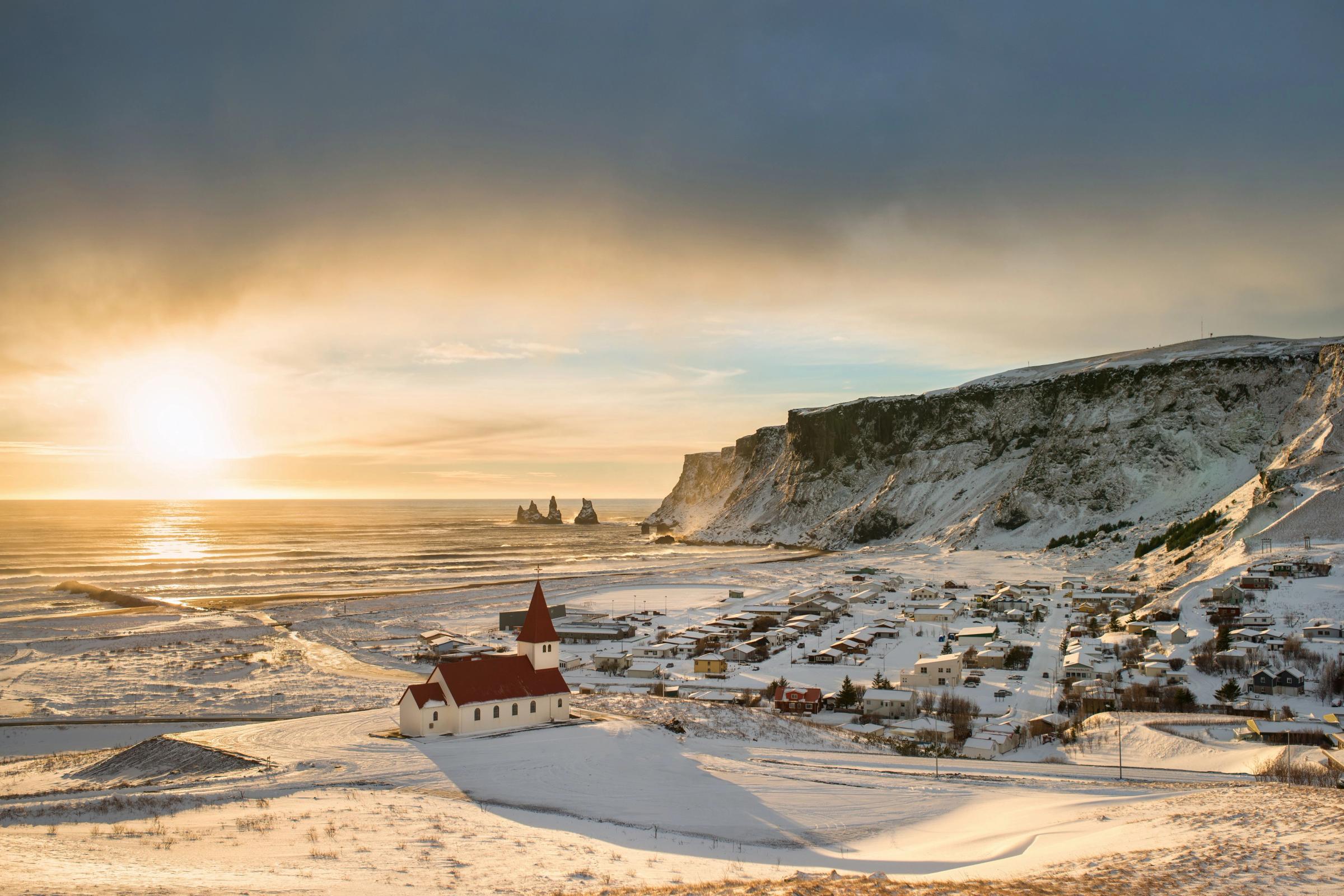
With so few hours of daylight, it helps to plan your day backwards from sunset. A drive from Reykjavik to Vík is about 180 km and takes around 2.5 hours in good conditions. In December, that only fits inside the daylight with an early start. If you leave Reykjavik at 9:00, you will drive the first part in darkness and arrive in Vík around sunrise. You then have the daylight hours for stops like Seljalandsfoss, Skógafoss and Reynisfjara, and you will drive back after dark.
Winter weather can add time to any drive, so keep your plans flexible. Check road conditions on umferdin.is and the weather forecast on vedur.is before you set off, and look at safetravel.is for alerts.
Arriving at Keflavík Airport Before Sunrise
Many flights from North America land at Keflavík early in the morning. In winter, that is several hours before sunrise, so you will most likely pick up your rental car in the dark. Take your time at pickup, set up your navigation before you leave the parking area, and consider a short first day if you have had a long overnight flight. Read our guide to picking up your rental car at Keflavík Airport or in Reykjavik.
Headlights Must Be On at All Times
In Iceland, dipped headlights are required at all times when driving, day and night, all year round. In winter you will rely on them for most of the day, so it is worth checking that they are on before you drive off.
Choosing the Right Car for Winter Driving
For winter trips, a car that handles snow, ice and wind well makes driving in the dark much more comfortable. Many travelers choose an SUV or 4x4 for winter, especially if they plan to leave the Reykjavik area. For more tips on road conditions, lights and safety, read our winter driving FAQ.
A 4x4 for Winter Days
Our 4x4 rental cars come with winter tires and handle snow, ice and dark mornings with confidence, so you can make the most of every hour of daylight.
The different regions of Iceland present different patterns when it comes to daylight. Here's a breakdown so you know what to expect depending on where you're going.
South Iceland and Reykjavik
In the south, including Reykjavik and the Golden Circle, daylight hours change a lot with the seasons. From May to July, the south enjoys nearly 24 hours of daylight, with the sun briefly dipping below the horizon but never fully setting. In winter, from November to January, days are much shorter, with only about 4 to 6 hours of daylight. The sun rises around 11:00 AM and sets by 3:30 PM. Spring and fall bring more balanced daylight, with longer days and cooler but milder weather in April and September.
South Iceland’s weather can change quickly, so be prepared for sunshine one minute and rain the next.
North Iceland and Akureyri
In the north, including Akureyri and areas closer to the Arctic Circle, daylight varies even more. During summer, especially in June and July, the Midnight Sun means around 21 hours of daylight, with no real darkness at night. In winter, from November to January, the days are much shorter, with only 3 to 4 hours of daylight in December and January.
The north is colder and gets more snow in the winter, making it perfect for winter sports and spotting the Northern Lights. As spring and fall roll in, the days get longer again, but snow can stick around until late April.
East Iceland
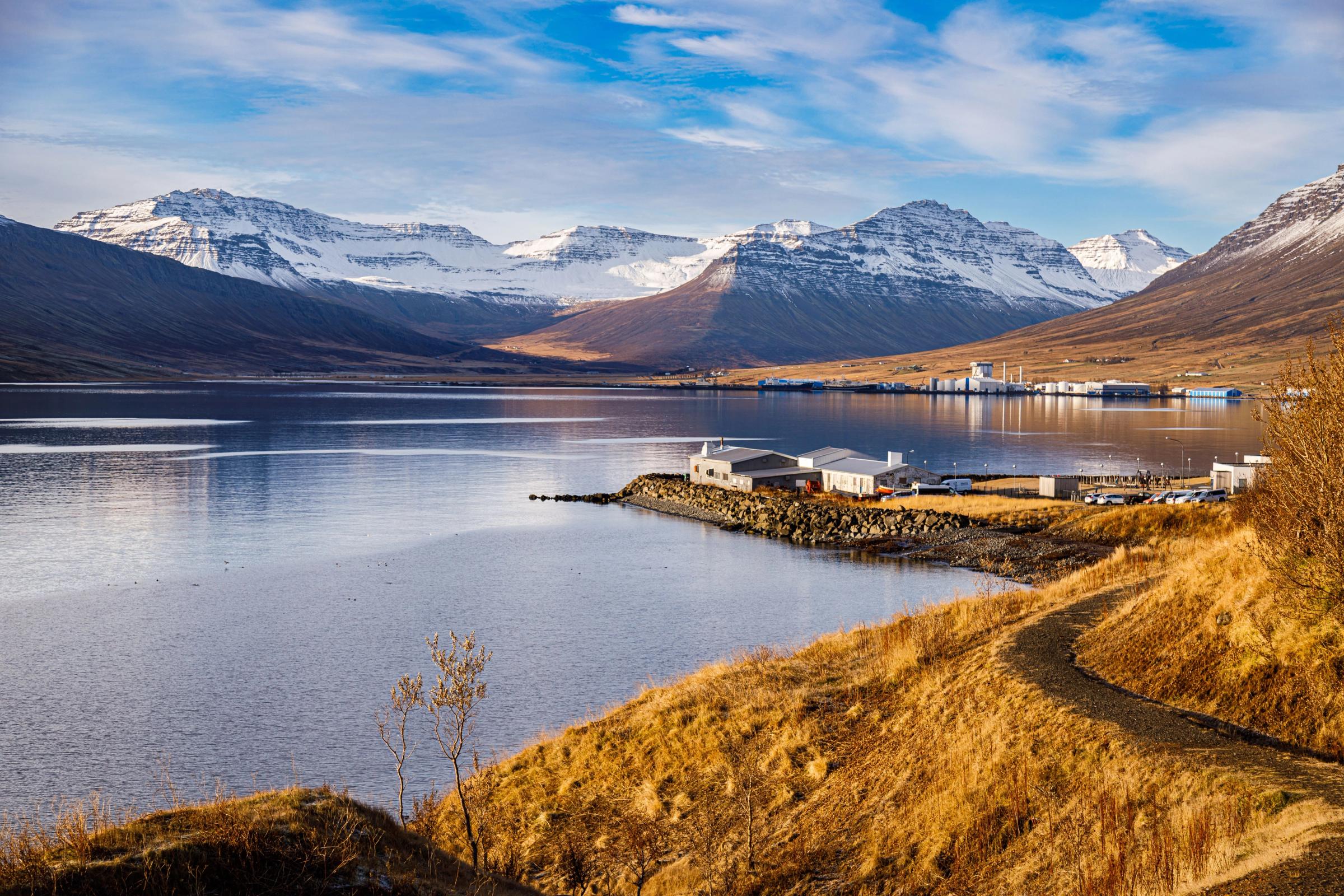
East Iceland has daylight patterns similar to the rest of the country, but the weather here can be a little different because of its location. In summer, from May to July, you’ll get almost 21 hours of daylight, perfect for exploring the beautiful fjords in constant light. Winter, especially in December, only has 4 to 5 hours of daylight, so days are much shorter.
The east is a bit drier than other parts of Iceland, but you can still expect some rain and snow in the colder months. Spring and fall bring longer days and milder temperatures, especially starting in April.
West Iceland
West Iceland, which includes the Snaefellsnes Peninsula, has long summer days where the sun barely sets in June and July. You’ll have nearly constant daylight, making it a great time to explore the dramatic coastlines and volcanic areas. Winter days are much shorter, with only 4 to 5 hours of daylight in December, and the weather can be windy and snowy. Spring and fall are times of change, with daylight hours growing in April and September.
The weather can shift quickly, but the longer days make it a good time for outdoor activities without the summer crowds.
Central Highlands
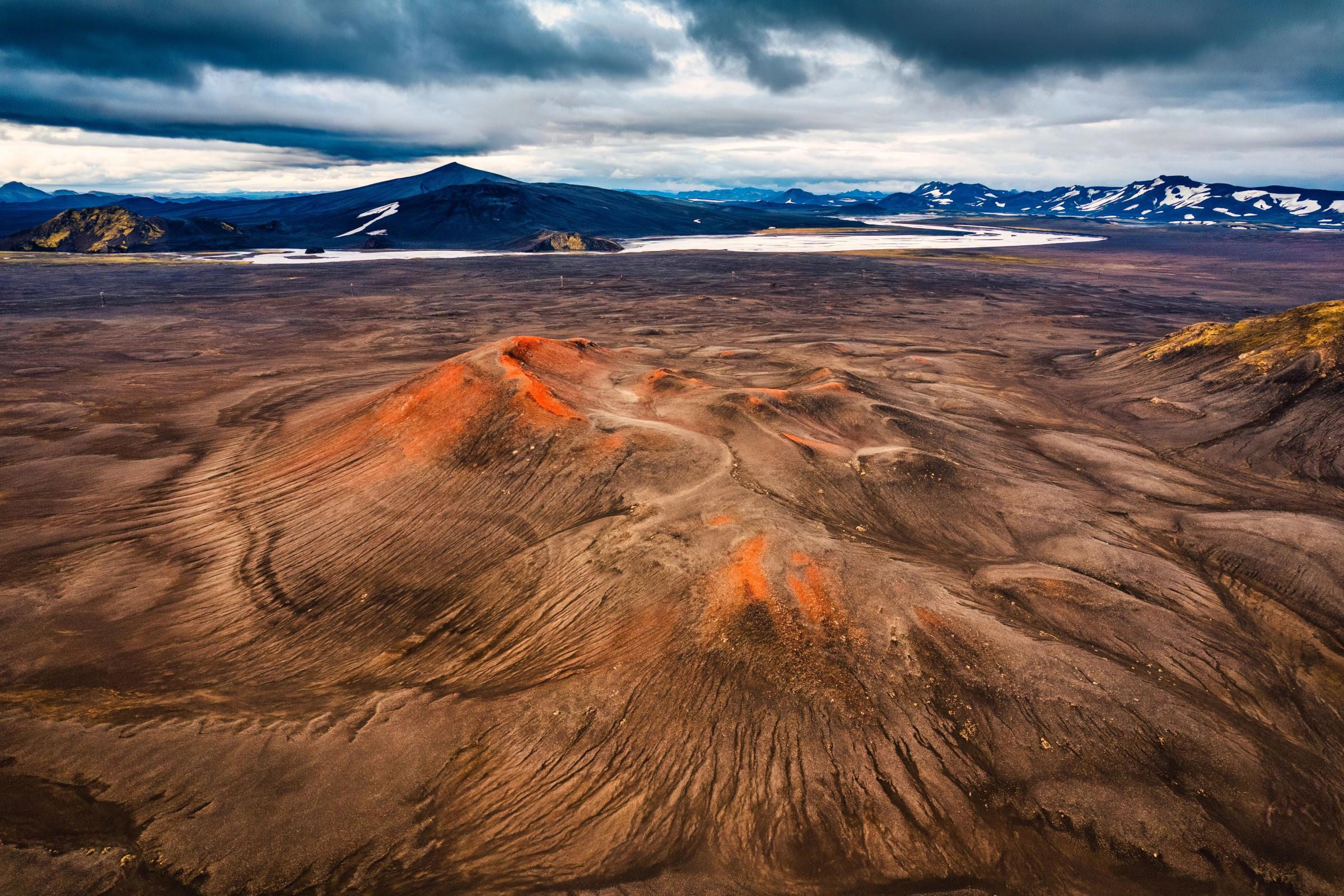
The Central Highlands are remote and wild, with daylight that shifts dramatically between seasons. In summer, you’ll have almost 21 hours of daylight, perfect for exploring glaciers, volcanoes, and hot springs under the Midnight Sun. In winter, there are only a few hours of daylight, and the weather is tough, with lots of snow and freezing temperatures.
Most of the highlands are closed off during the winter due to the snow, but as the days get longer in spring, it becomes possible to visit again by late April. The cooler temperatures in spring and fall are balanced by more daylight, making it easier to explore.
Plan Your Driving Days Around the Light
Iceland’s daylight hours change drastically throughout the year, shaping the way people live and travel. Whether you’re there for the endless summer days or the long winter nights, there’s always something special about the light (or lack of it) in Iceland. From the Midnight Sun to the Northern Lights, every season offers something unique. Understanding these changes will help you plan your trip and enjoy everything Iceland has to offer, no matter when you visit.
Iceland Daylight FAQs
June has the longest days in Iceland, thanks to the Midnight Sun. Around the summer solstice, which occurs in late June, you’ll experience 24 hours of daylight. Experience it by Grímsey and the far north coast.
December has the shortest days in Iceland, especially around the winter solstice. In Reykjavik, there are only about 4 to 5 hours of daylight. The sun rises late, around 11:30 AM, and sets early, around 3:30 PM. This makes it the prime time to catch the Northern Lights due to the long, dark nights.
No, it’s not possible to see the Northern Lights during the summer in Iceland. The Midnight Sun keeps the sky too bright, even at night, making it impossible for the lights to be visible. The best time to see the Northern Lights is from late September to April, when the nights are longer and darker.
During the summer months, when daylight lasts almost 21 hours, many locals and visitors use blackout curtains or sleep masks to block out the light. Hotels and guesthouses here are well-prepared for this, providing ways to make rooms dark enough for a good night’s sleep despite the constant daylight.
Sunset in Iceland varies greatly depending on the time of year. In winter, from November to January, the sun sets in the mid to late afternoon, and daylight hours are short, with only around four to six hours of light in December. In spring, from February to April, the days grow longer quickly, and sunset moves from late afternoon into the evening. From May to July, Iceland experiences the Midnight Sun, with sunset late at night or around midnight and the sky staying bright through the night. In autumn, from August to October, sunset gradually moves from late evening back to early evening as the days get shorter.
Sunset times also vary slightly across the country, and Iceland does not use daylight saving time, so the changes happen gradually throughout the year. When planning your road trip, it is a good idea to check daylight hours for your travel dates so you can make the most of your time exploring.
Iceland has short days in winter, with the least daylight around the winter solstice in late December. At that time, Reykjavík gets only around four hours of daylight, and the north of the country gets even less. In November and January, there are usually around five to seven hours of daylight, and the days start getting noticeably longer again from late January onwards.
Even with fewer daylight hours, winter in Iceland can be a magical time to visit. The sun stays low in the sky, creating long sunrises and sunsets with soft, golden light, and the long dark evenings offer great chances to see the Northern Lights. When planning a winter road trip, it is a good idea to plan your driving around the daylight hours and allow extra time for changing weather and road conditions.
About the author
Aron Freyr
Local expert
Born and raised in Iceland, Aron Freyr has spent all 28 years of his life exploring the country and getting to know its landscapes, regions, and ever changing conditions.